Article updated: 31/10/2025
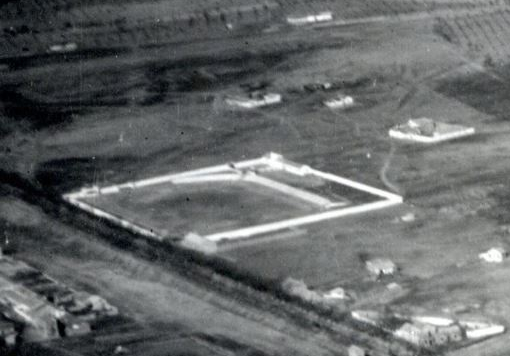
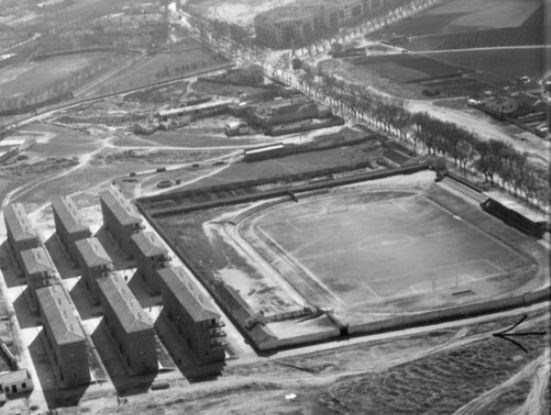
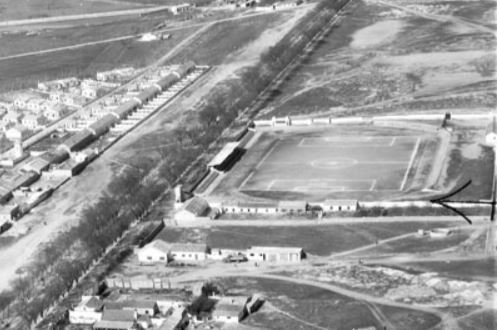
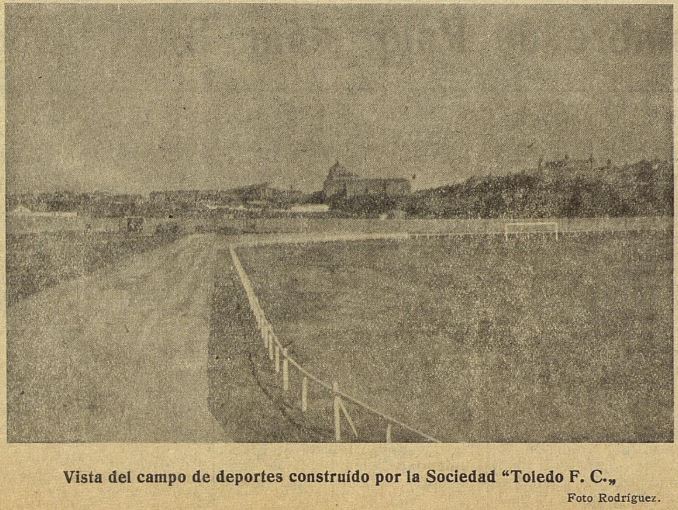
Toledo is a city steeped in history from Roman times, but little of consequence has been the product of its football clubs. Located fifty miles south of Madrid, football arrived in the capital of Castile-La Mancha at the turn of the twentieth century, and by the 1920s, several modest clubs had sprung up. Some of the leading teams had links to the army, which had a significant presence in the city, and another, Fábrica Nacional de Armas, was a works team from the local armaments factory. Attempts were made to form a stronger representative for the city, and Sociedad de Foot-ball Toledo was founded in April 1928. On 31 May 1931, the city’s first enclosed football ground, the Campo de Palomarejos, was opened with a friendly against Real Madrid, which Los Blancos won 1-3. In June 1932, Sociedad was renamed Toledo Foot-ball Club, but this was to no avail as the city of Toledo suffered terribly during the Civil War, and all traces of the club were gone by the end of 1936.

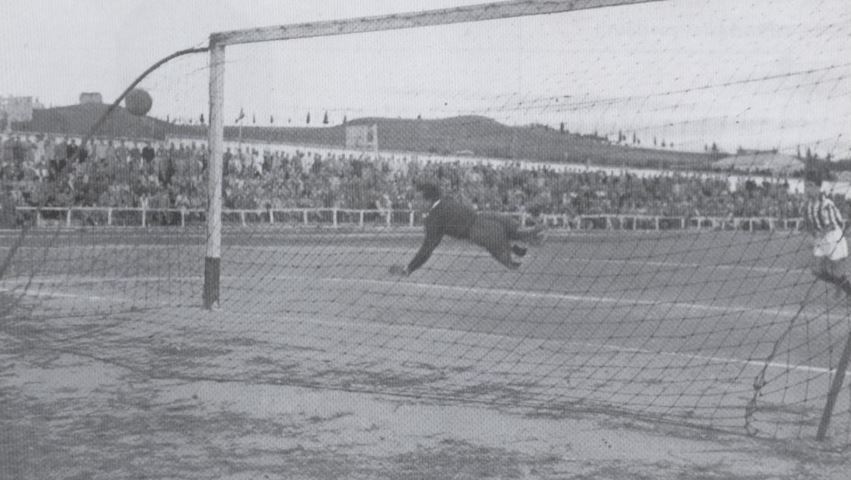
Having been a Republican stronghold in the early days of the war, the city took a fearful battering, with much of its infrastructure needing to be rebuilt. After the war, the city of Toledo became a cause célèbre for Franco. However, it is a measure of the damage to the city and the lack of a credible team that Toledo did not gain a place in the “restructured” La Segunda in 1939. It took until July 1941 for a new club, Club Deportivo Toledo, to register with the National Football Federation. The club took up residence at Campo de Palomarejos and reached the Tercera for the 1943-44 season. The Tercera title was won in 1949-50, but there were also descents into the local regional leagues. By the early 1970s, the club needed a lift, having dropped to the Segunda Regional Ordinaria, or fifth tier. Fortunately, the local municipality had plans for the land on which the Campo de Palomarejos stood, and was about to make an offer.

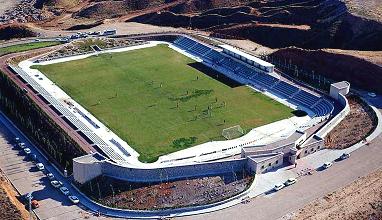
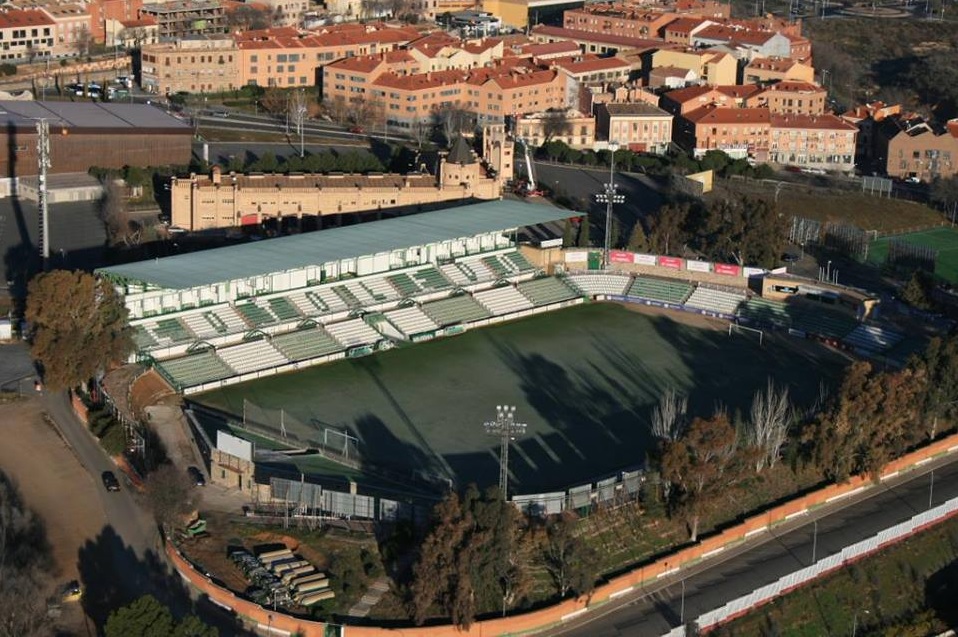
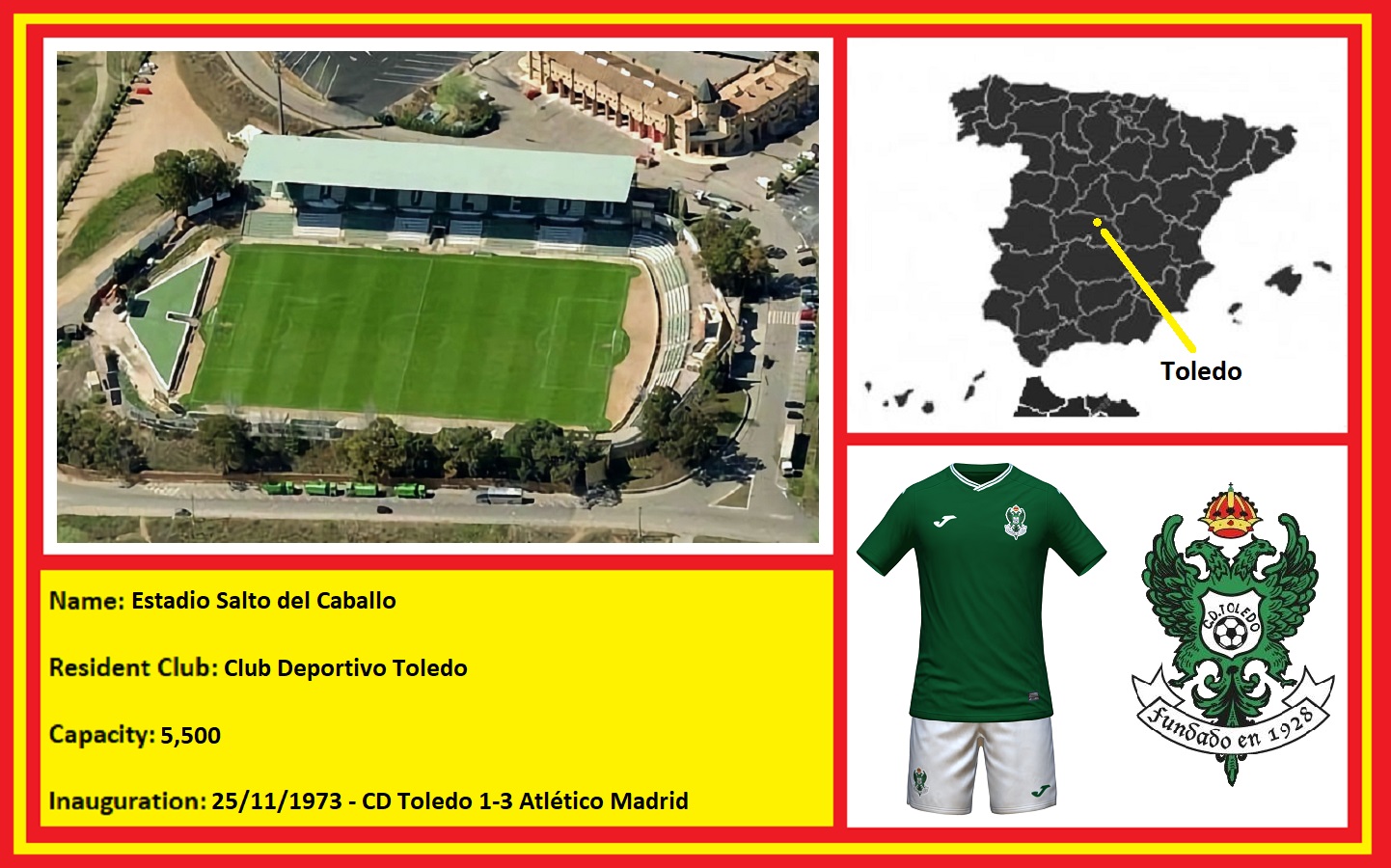
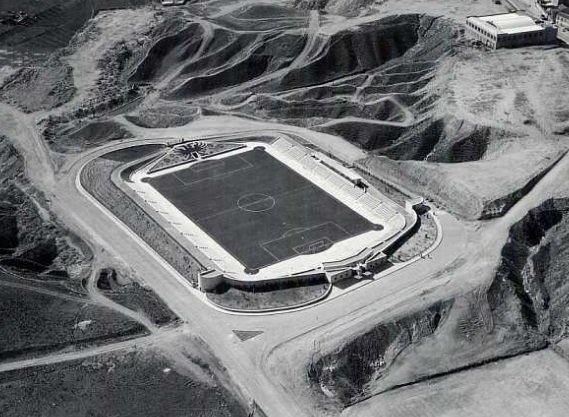
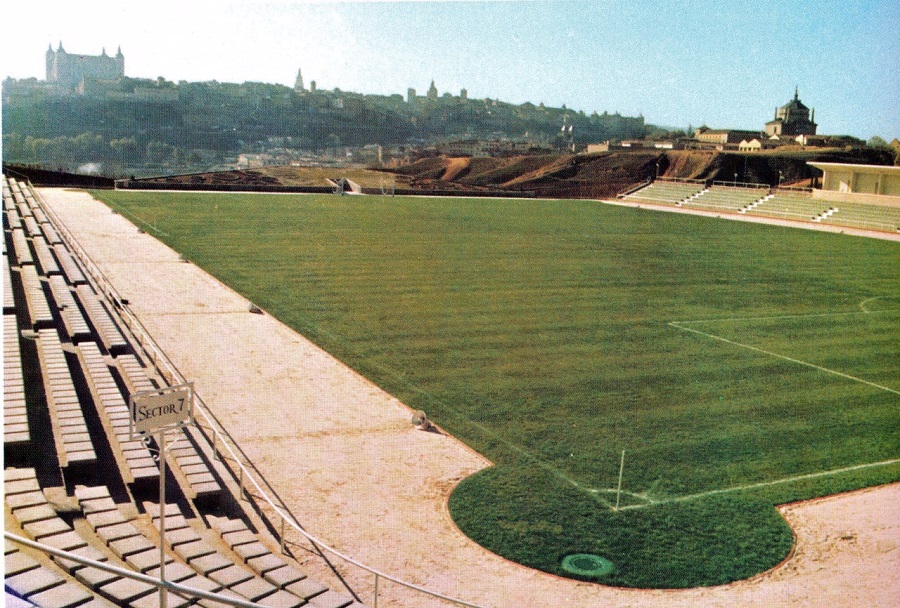
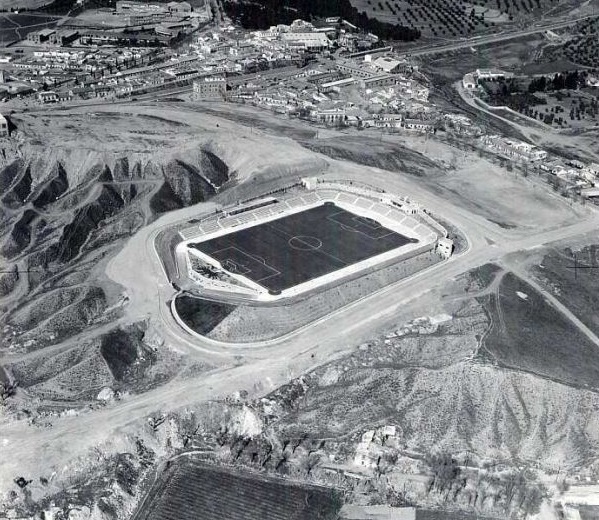
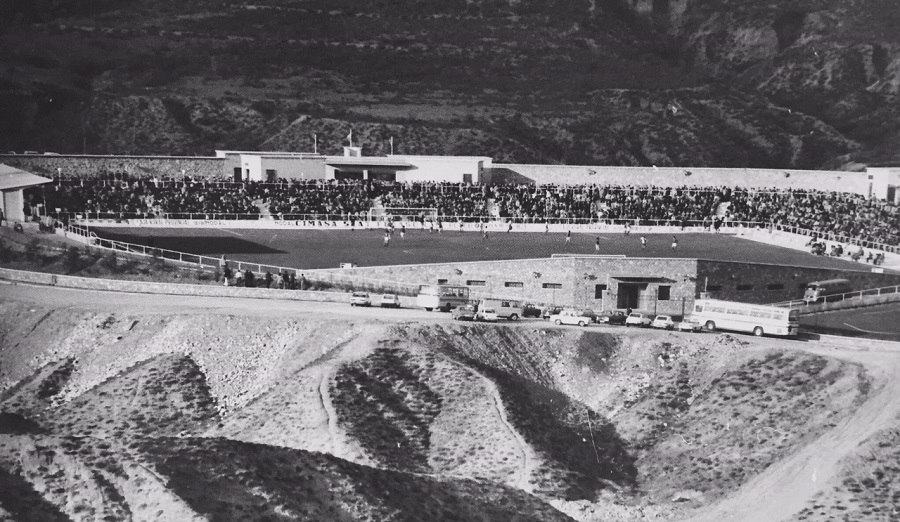
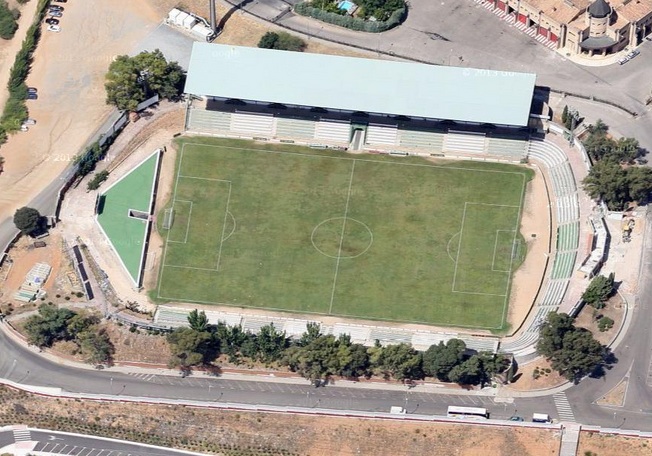
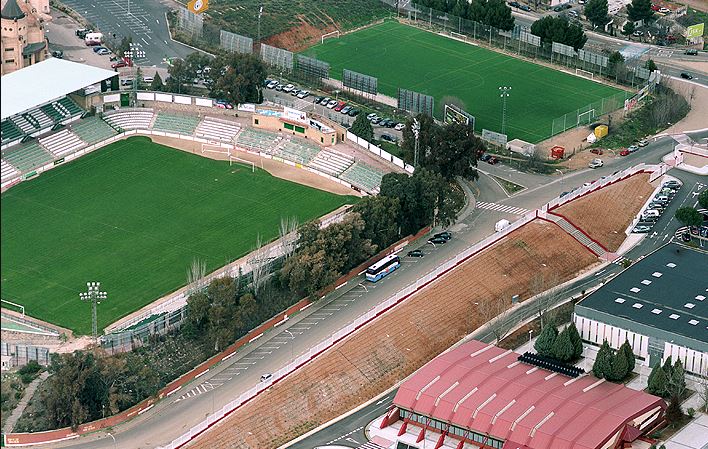
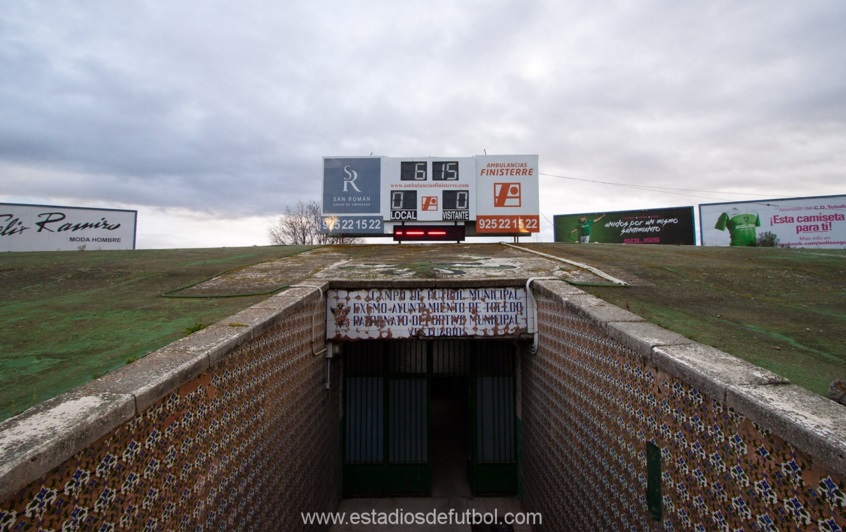
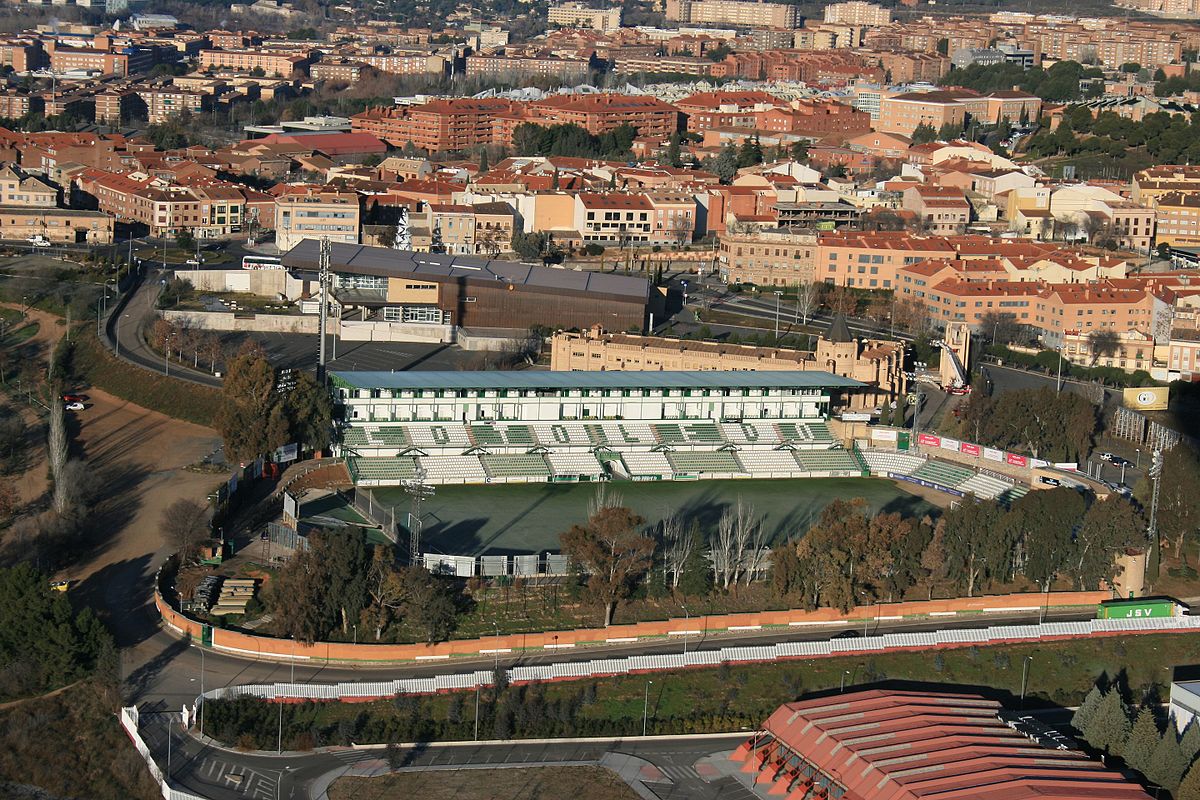
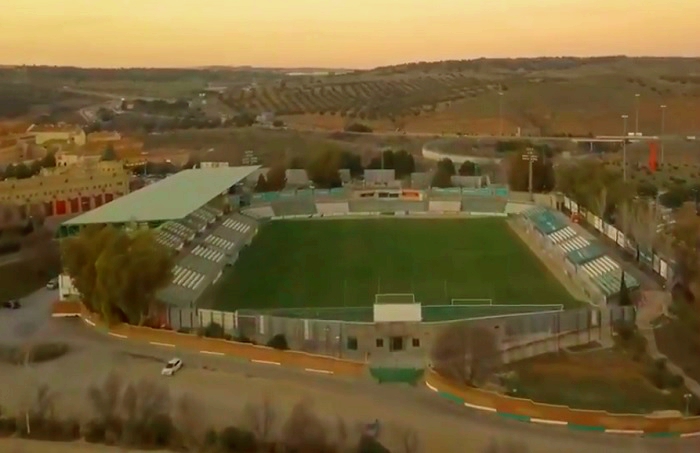
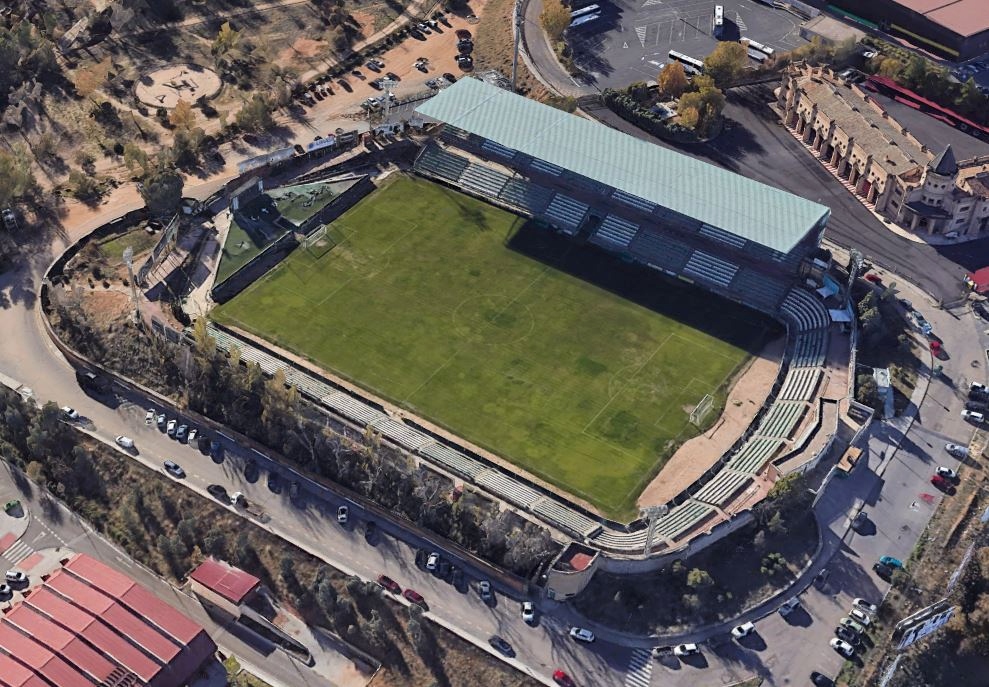
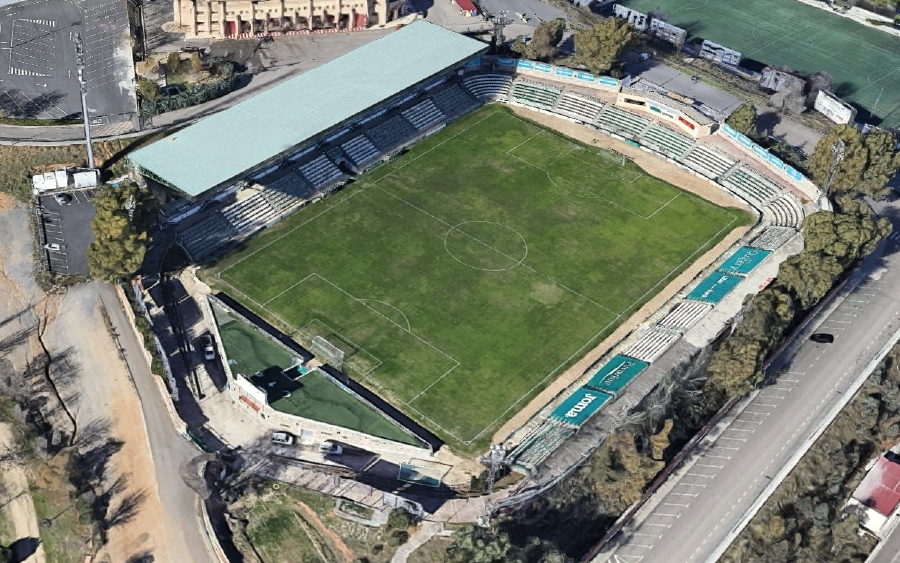
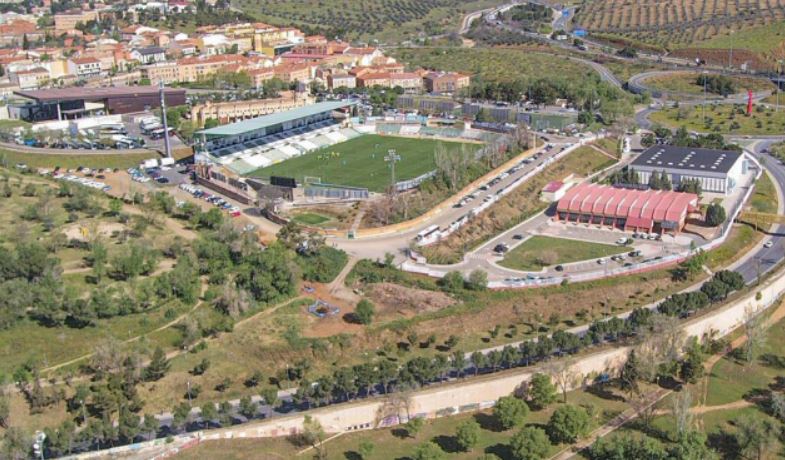
As the city expanded westwards, the land on which Campo de Palomarejos stood was earmarked for a new clinic. CD Toledo played its last match at the old stadium on 30 January 1972 (3-1 vs La Fábrica Española de Magnetos). The club decamped to the Campo Municipal Carlos III, whilst the new stadium was built around a kilometre to the east of Palomarejos, close to the Rio Tagus. The new stadium was named Estadio Salto del Caballo (Leaping Horse Stadium) because it was built on the site of the old military stables of the Alcázar la Academia de Infantería. It was inaugurated on 25 November 1973 with a match against Atlético Madrid, for whom Luis Aragonés scored the first goal in a 1-3 victory for Atléti. Whilst the new stadium was a significant improvement on what had gone before, it was still pretty basic. It featured three open banks of seating, with the only cover provided by a very short stand at the rear of the seating on the western side of the enclosure. The players’ & officials’ facilities were housed in a wedge-shaped building, on top of which was a flowerbed that was shaped in the style of the club crest.
CD Toledo didn’t do much leaping around at their new stadium, and in fact, their next appearance in the Tercera, in 1977-78, had more than a hint of a leg-up as it was due to the restructuring of the Tercera. Four years later, however, the club was back in the regional league and facing financial ruin. The next six seasons were spent in the Regional Preferente, but at least the financial worries had diminished when CD Toledo returned to the Tercera in 1987-88. Two seasons later, with their second Tercera title to their name, promotion was won to Segunda B. CD Toledo’s debut season was a promising affair, with the club finishing in a comfortable ninth place with a total of 37 points. The 1990-91 season was a different story, and in a tight division, CD Toledo finished in seventeenth position and was relegated due to an inferior head-to-head record with Real Balompédica Linense. This proved to be a minor setback, as under the presidency of Emiliano Carballo and with a third Tercera title under their belt, CD Toledo was about to enter the most successful period of its history.
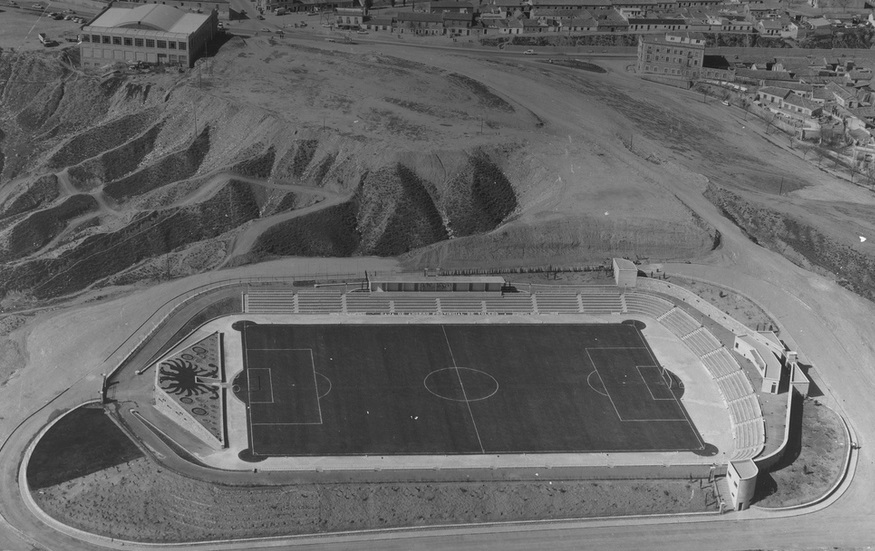
Back in Segunda B for the 1992-93 season, CD Toledo secured third place with a total of 51 points. They were joined in their playoff group by Deportivo Alavés, Real Jaén & Sant Andreu, and after swapping home defeats with Alavés, entered the final match needing to beat Real Jaén to win promotion. This was achieved in style with a 3-0 victory, and after two successive promotions, the club had reached Spain’s second tier for the first time. The progress didn’t stop there, for in their first-ever season in La Segunda, CD Toledo turned on the style. In a strong division that contained Espanyol, Real Betis & Real Mallorca, CD Toledo finished fourth and entered a relegation/promotion playoff with Real Valladolid. 180 minutes from a place in La Primera, CD Toledo continued their good home form, winning the first leg 1-0 at Salto del Caballo. A week later, on 29 May, the Nuevo Estadio José Zorrilla was packed with a partisan crowd who witnessed the home side take apart CD Toledo and win 4-0.
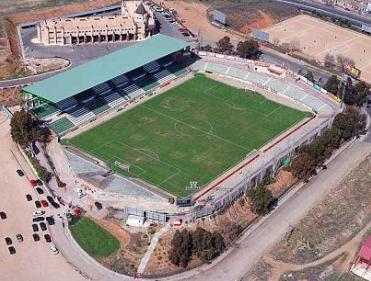
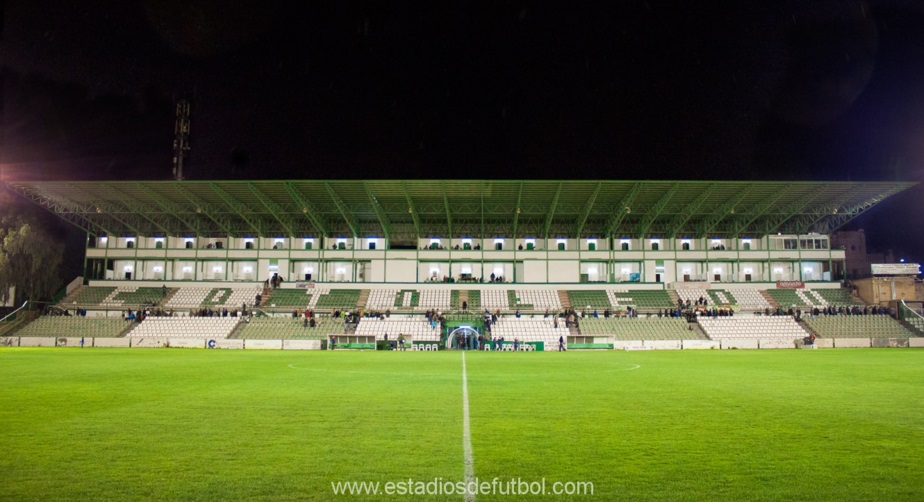
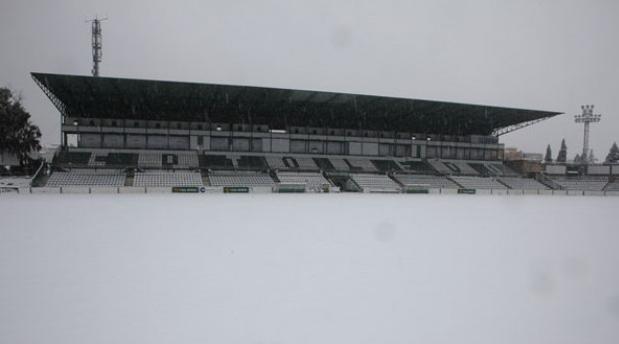
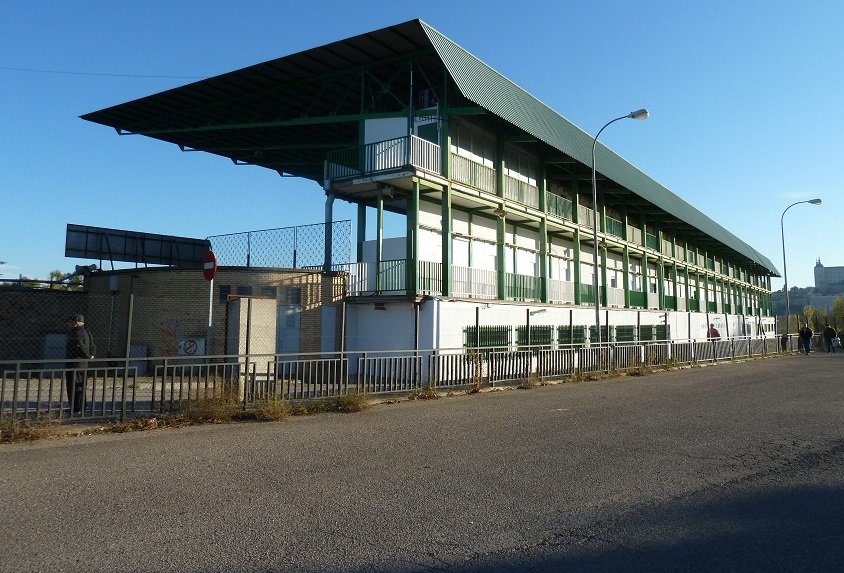
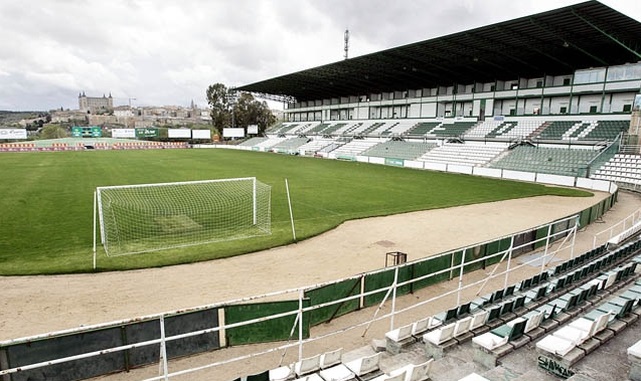
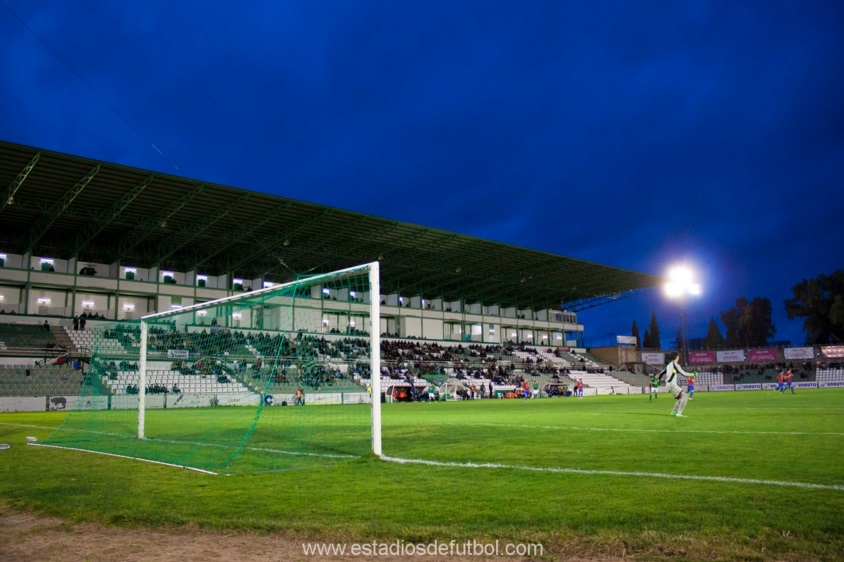
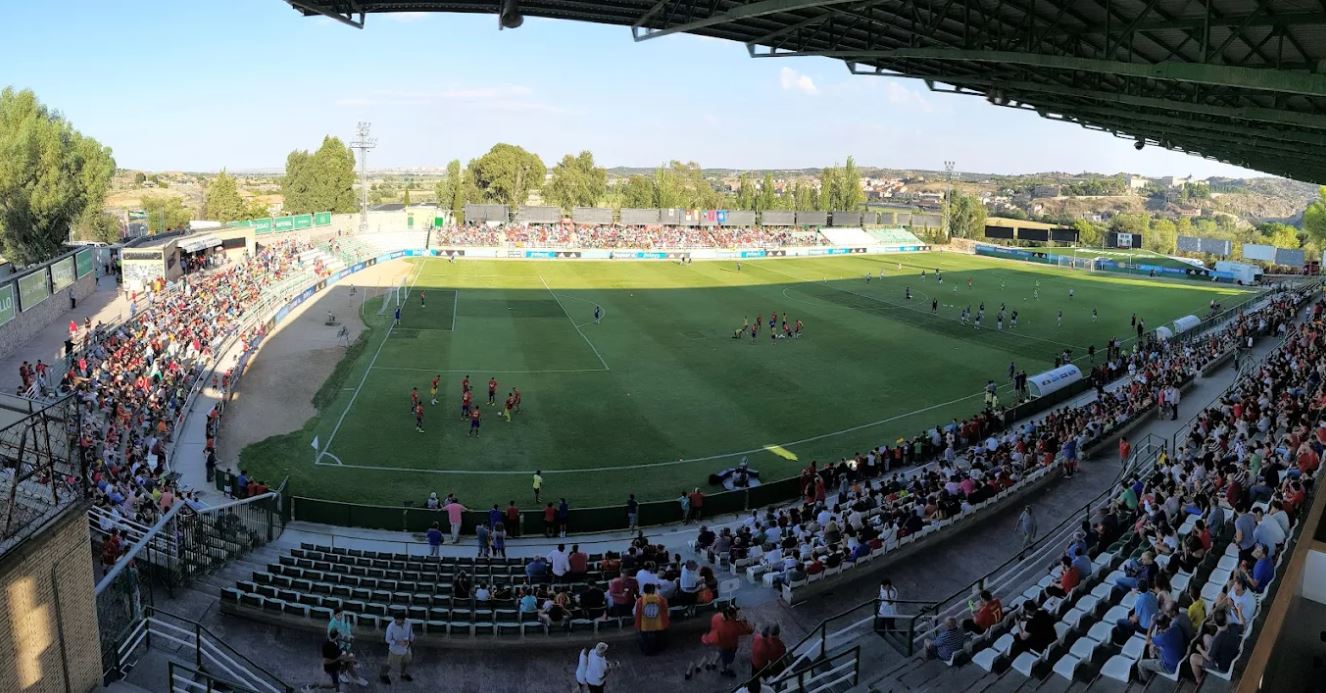
Undeterred, Toledo planned for the future, which included the construction of a new stand to replace the open seating & minuscule tribuna on the west side of the ground. The new stand was an altogether more impressive structure. Running the full length of the pitch, it consisted of two tiers of seating and two tiers of executive boxes. This was topped off with a slim green cantilevered roof. The popular north Fondo and east side were also re-seated. The new stand also featured new changing facilities, which meant that players and officials no longer had to change in the wedge-shaped building at the southern end of the ground. Sadly, this structure has lost its flower beds and has now been covered with artificial turf, and a video scoreboard has been added at its rear. The current capacity stands at 5,500.
What a shame then that CD Toledo never again reached the heights of the 1993-94 season. With Gonzalo Hurtado still in charge, they finished the 1994-95 season in eleventh but fared better in the Copa del Rey. Victories over Racing Ferrol, Real Murcia & Real Valladolid saw them reach the last 16, before losing out to Real Mallorca. Hurtado was replaced midway through the 1995-96 and that led to a slight improvement with a final placing of ninth. Mid-table finishes were achieved in 1996-97 and 1997-98 before coach Gregorio Manzano steered the club to a seventh-place finish. The turn of the century, however, saw CD Toledo lose its place in La Segunda. With a measly total of 10 wins and just 34 goals in their 42 matches, the club finished bottom of the table, and their seven-season Segunda sojourn was over.
The two decades that followed CD Toledo’s relegation from La Segunda were equally split between the Segunda B and the Tercera. There have been a couple of financial crises and the occasional hope of reaching the playoffs for a place in La Segunda. These have been quickly tempered by relegation back to the fourth tier. The reorganisation of the Spanish league system saw the club earn a place in the Segunda Federación, but that proved to be a false dawn, as CD Toledo endured a wretched season, finishing bottom of the table and dropping to Group 18 of the Tercera Federación. In all likelihood, that 7-year period at the end of the millennium is about as good as it is going to get for CD Toledo, and the Estadio Salto del Caballo in its present form is a monument to that success.






 Estadios de España