
This article updated: 08/09/2025
Isn’t it a shame that there are few, if any, examples remaining of stadiums from the first half of the twentieth century? Sure, there are old stadiums that have been rebuilt or refurbished, but are there any left that look, feel, and smell the way they did 50 or 60 years ago? I appreciate the impracticalities, both physical and financial, of maintaining such a structure, but wouldn’t it be great to be able to visit and experience a piece of footballing heritage? If I could resurrect just one stadium from the past, I would go for an unlikely candidate in the shape of Racing Santander’s old Campos de Sport de El Sardinero.
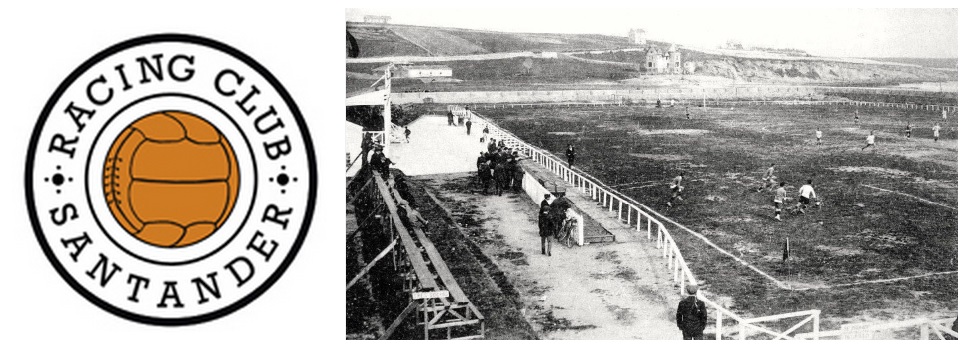
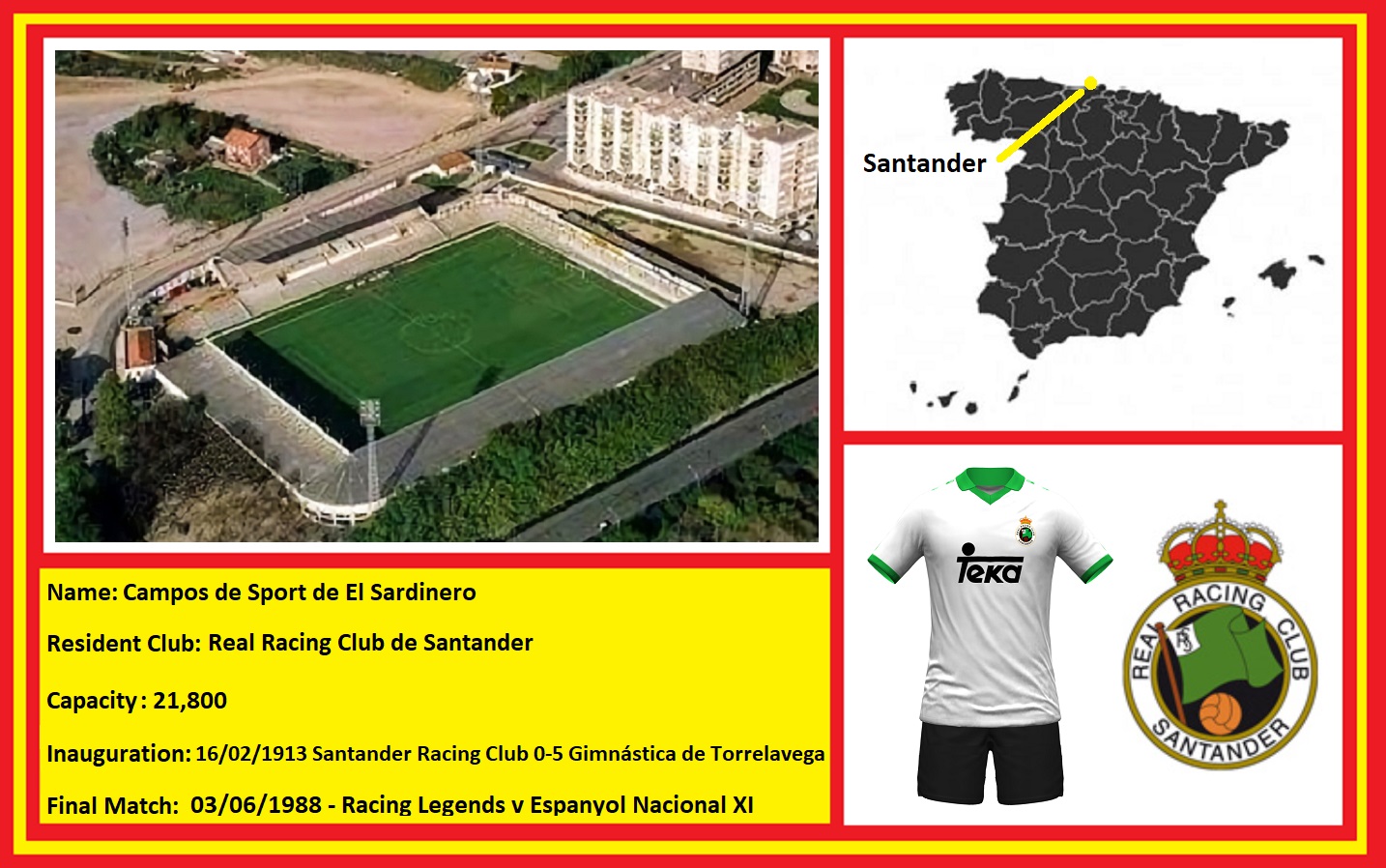
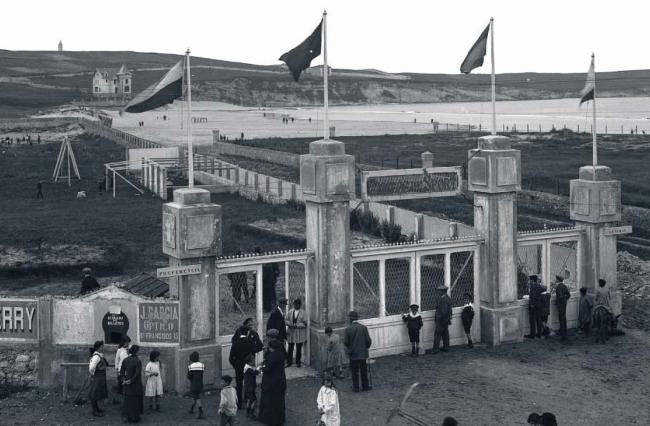
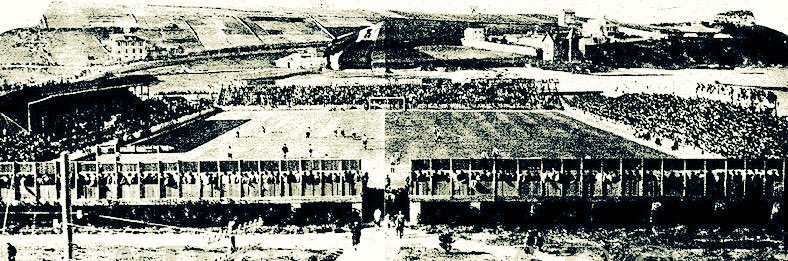
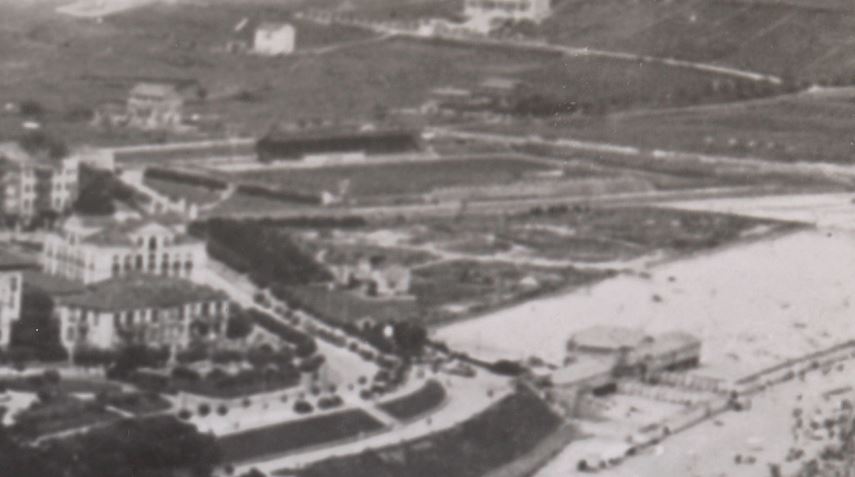
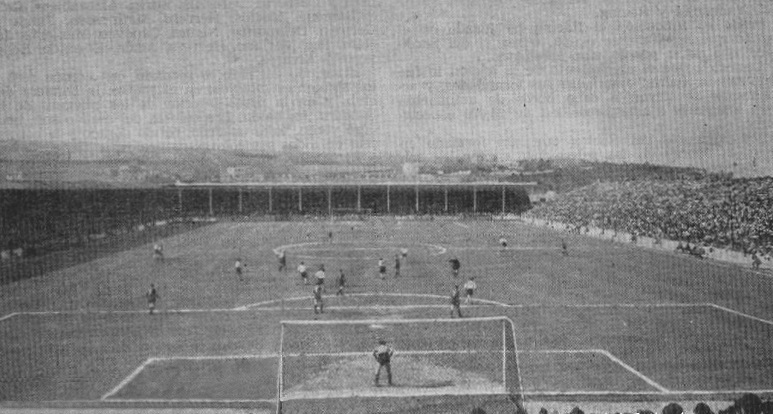
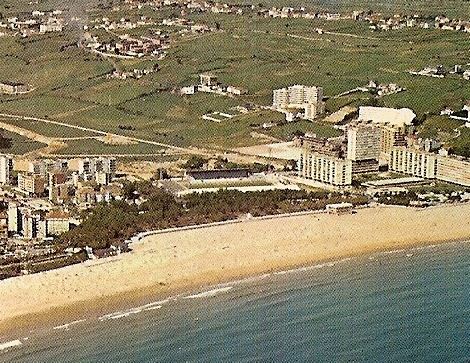
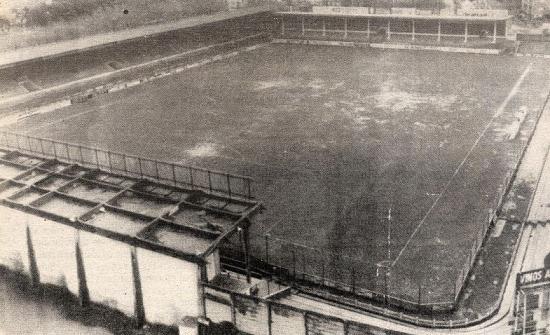
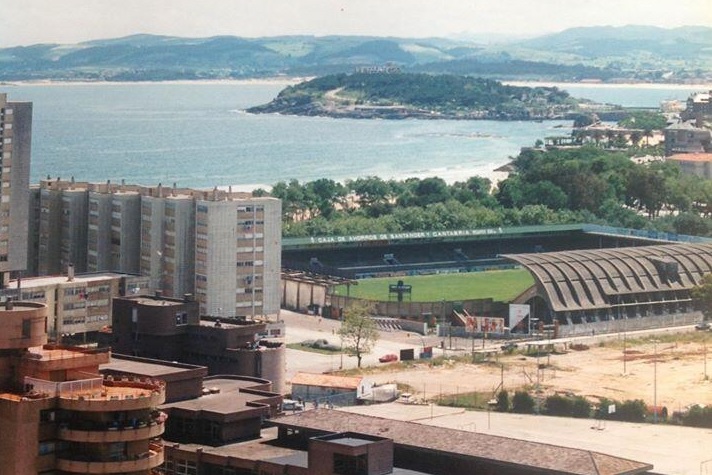
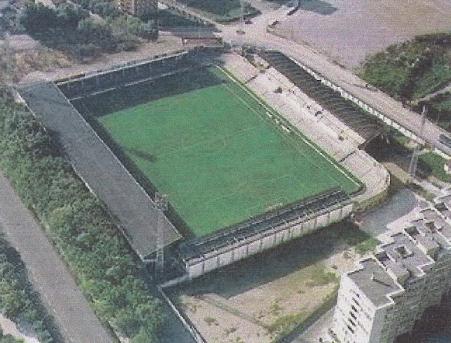
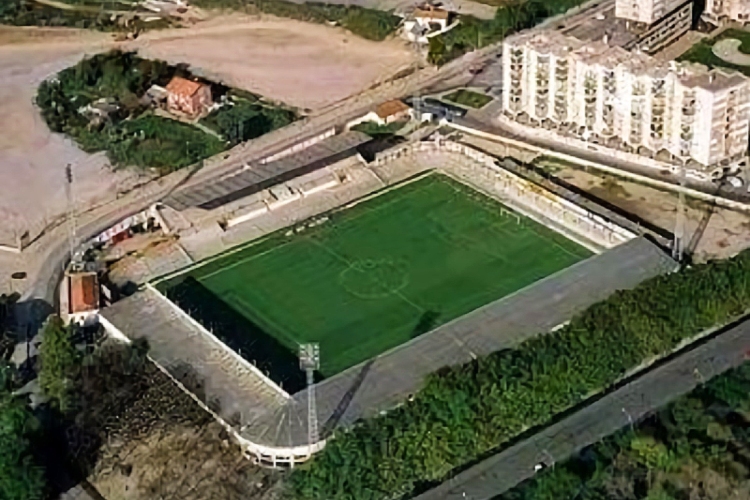
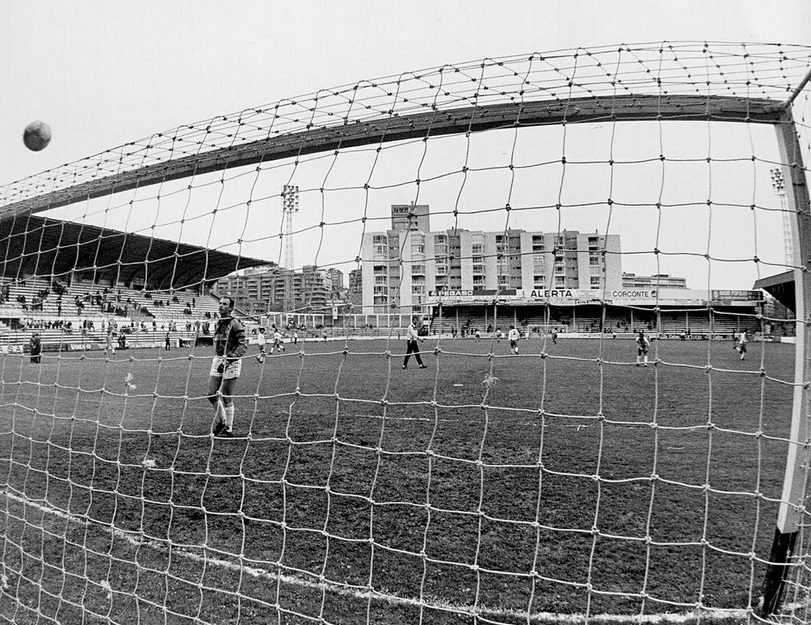
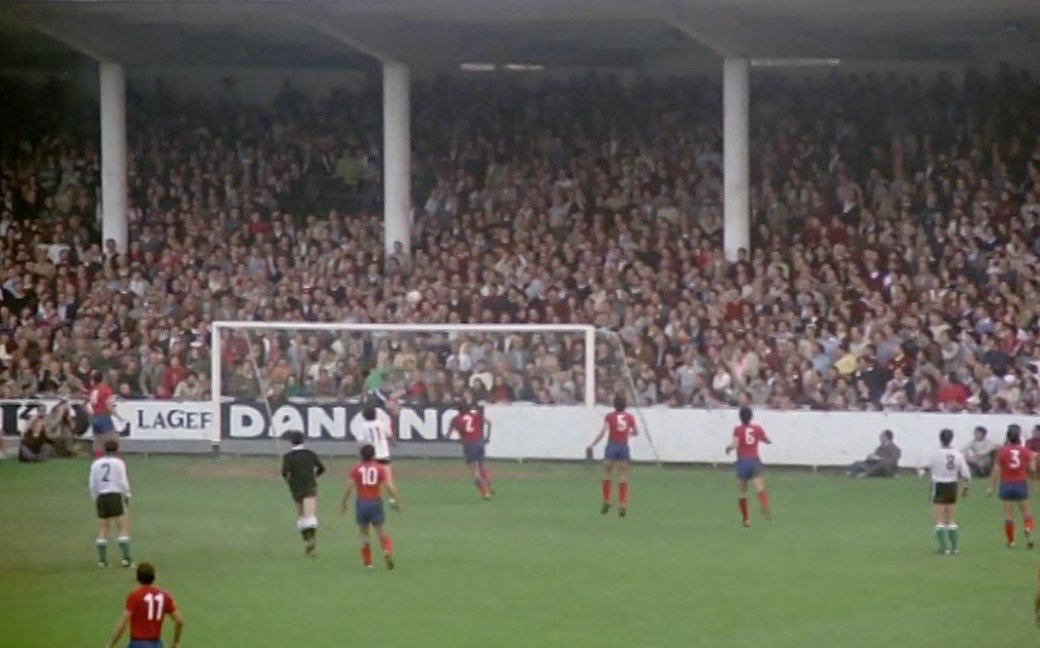
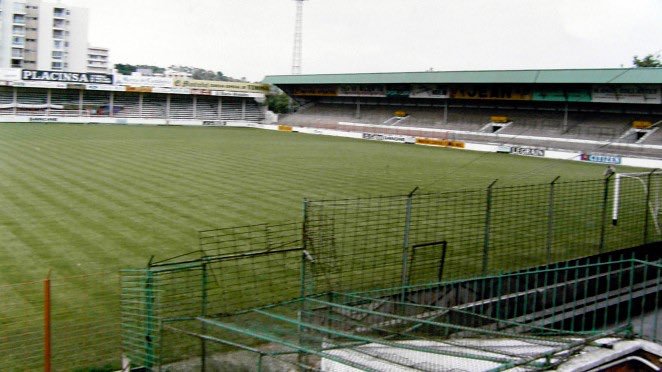
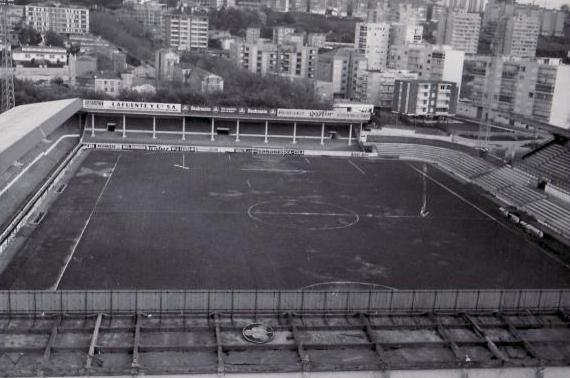
Now I appreciate that it’s not an obvious choice, but El Sardinero was a mix-and-match of different stands. It may have lacked the grandeur of Barcelona’s Camp de Les Corts or the scale of Atlético Madrid’s original Estadio Metropolitano, but it did have flair. Opened 16 February 1913, El Sardinero was the first ground used by the newly formed Santander Racing Club, named Racing in honour of that year’s cup winners, Racing Club de Irun. The Irun influence did not stop there, as the club adopted the red and white colours of Sporting Club de Irun. Racing got off to an inauspicious start at the ground, losing 0-5 to Gimnástica de Torrelavega, but within a couple of seasons, it had won the Copa de Luis Redonet, a competition for Cantabrian teams. The ground saw its first significant development in 1916 when a wooden grandstand was erected. It was 30 metres in length and featured a director’s box. The club also built new changing facilities, albeit separate from the grandstand, which was situated in the south-west corner of the enclosure.
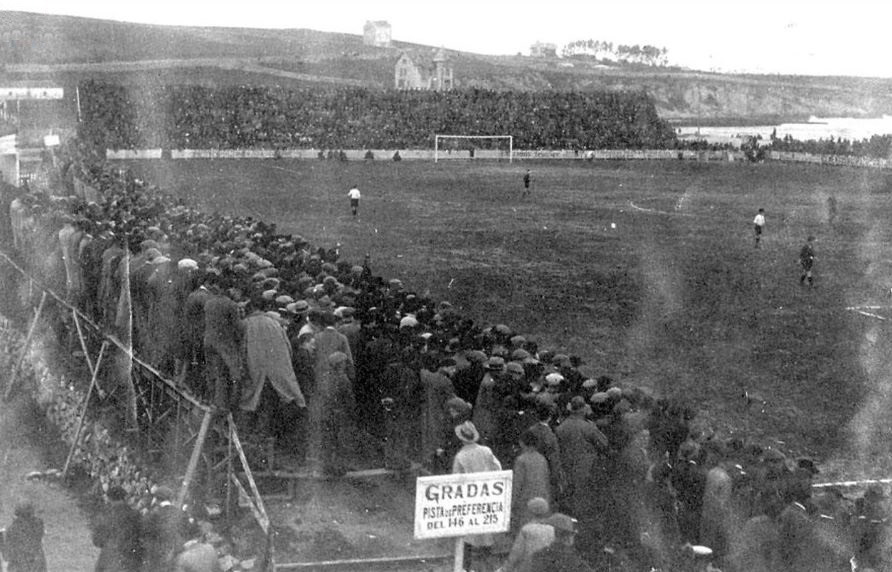
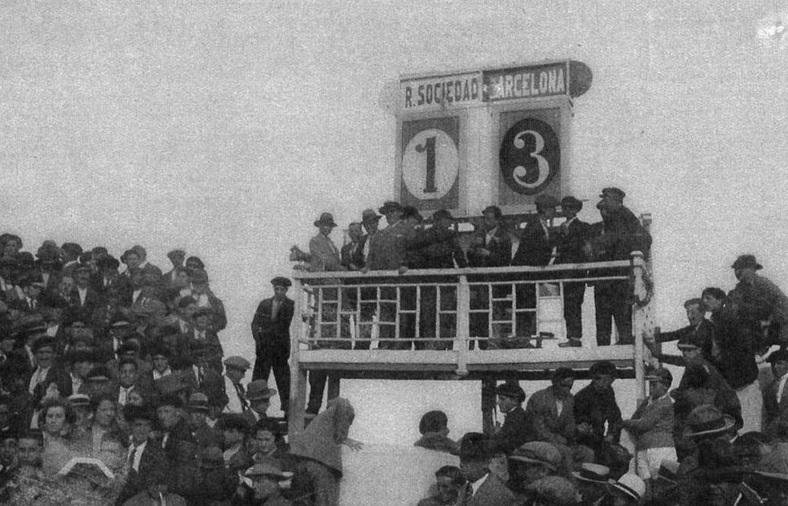
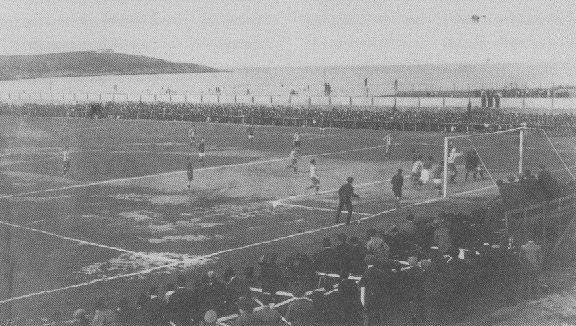
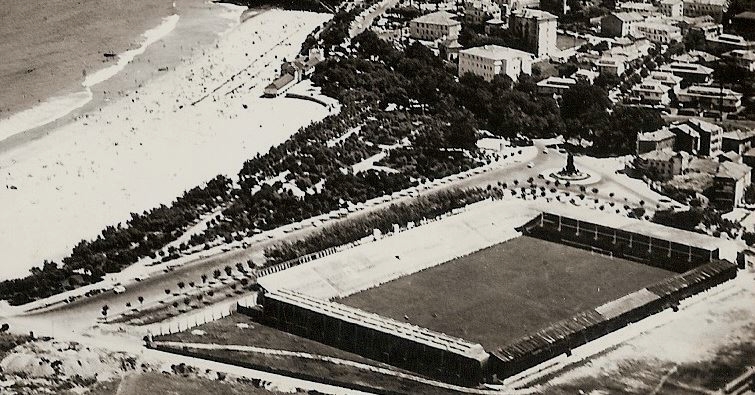
In 1916, Racing joined the Campeonato Regional del Norte, but was up against much stronger Basque teams and initially struggled to impress. However, in 1920, English coach Fred Pentland took charge of the team and two years later, led them to a runners-up position in what was at the time the strongest league in Spain. The Campeonato Regional del Norte made way for separate regional bodies in 1923, and with a lack of any real local competition, Racing started to play a greater number of friendlies against foreign opposition. Racing developed the ground with money raised from these matches, adding end terraces behind the north and south goals and extending the open terrace on the east side, which backed onto the beach. On 17 April 1927, El Sardinero staged its first international match, when Spain beat Switzerland with a single goal from Racing’s Oscar. Just over a year later, El Sardinero hosted the final of the Copa del Rey, when Barcelona & Real Sociedad played three matches over the course of a month before Barça won the second replay by 3 goals to one.
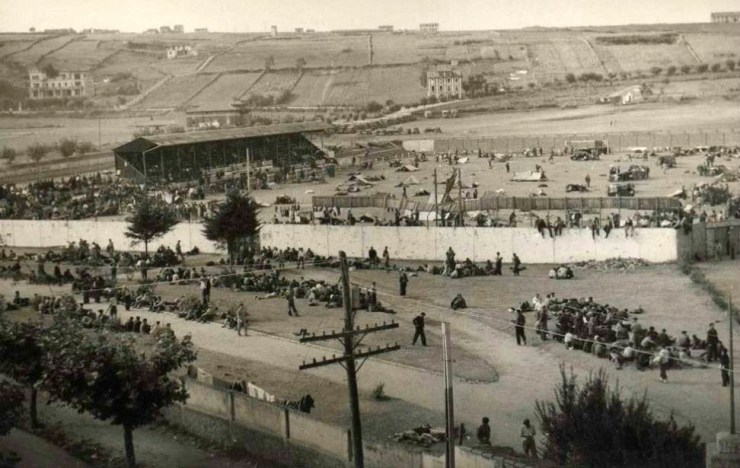
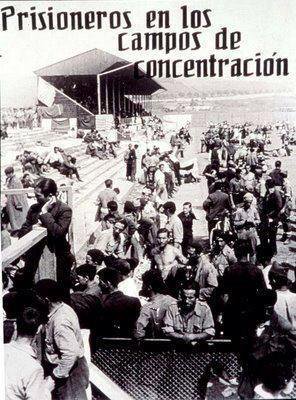
In February 1929, Racing beat off opposition from Real Betis, Sevilla and Valencia to claim the tenth and final place in the first division of the new national league. That first season saw Racing finish tenth, but beat Sevilla in a playoff to retain its top-flight status. Results improved, and under the guidance of another English coach, Robert Firth, the club achieved its best-ever finish of second in 1930-31. Racing achieved a third-place finish in 33-34 and a fourth-place finish two years later, before the Civil War ripped the club apart. During the war, players Cisco and Milucho died in the conflict, whilst Gomez joined Atlético Madrid in 1939. El Sardinero was also used as a detention camp following the Nationalists’ capture of Santander in August 1937. Left with a team of veterans and inexperienced players from its reserve side, Rayo Cantabria, Racing struggled throughout the 1939-40 season, eventually finishing bottom.
The 1940s were a difficult decade for the club, as it endured season-long stays in the Tercera in 1943-44 and again in 47-48. Following promotion from the regionalised third tier, Racing secured La Segunda title in 1949-50, before settling into a five-year stay in La Primera. The main stand at El Sardinero was extended lengthwise and covers were added behind the goals. In 1954, faced with the closure of the privately-owned ground, Racing purchased the site for 3.25 million pesetas. Owning their own home did not have a positive effect on footballing activities, as the club finished 15th in the following 54-55 season and was relegated back to La Segunda. It took five seasons to regain a spot in the top flight, but they did so in style, claiming a second Segunda title in style, winning the league with two games to play, ahead of Celta Vigo. What’s more, plans were in place for an exciting addition to El Sardinero.
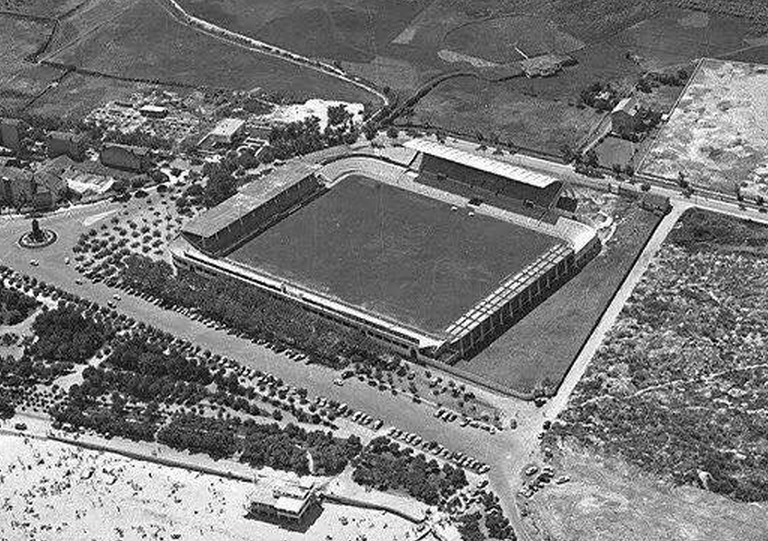
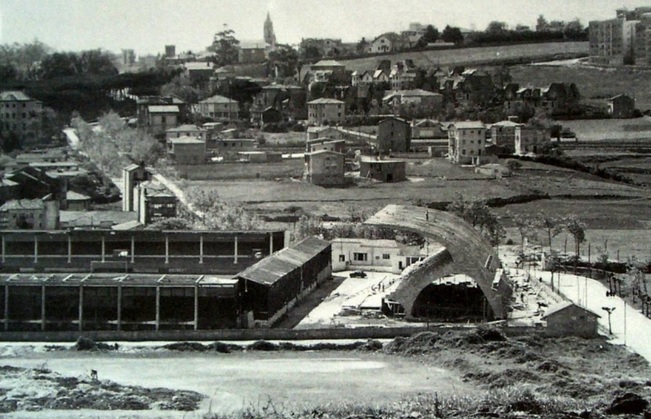
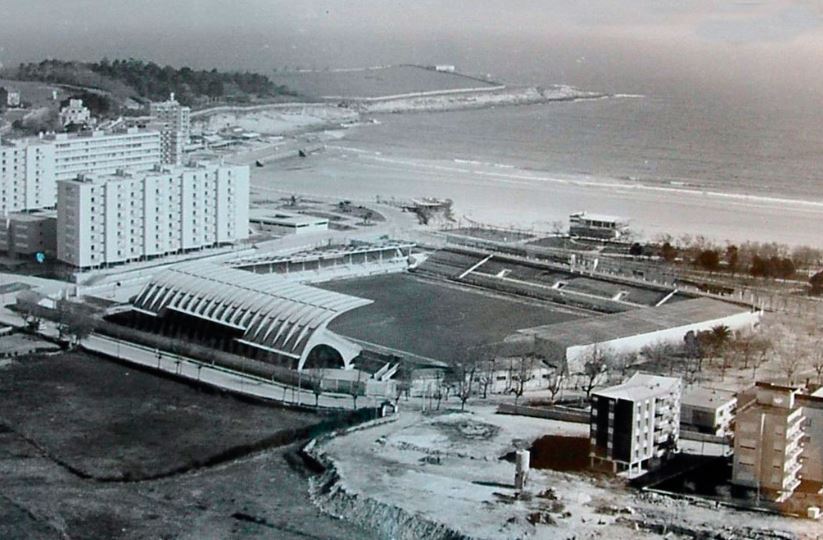
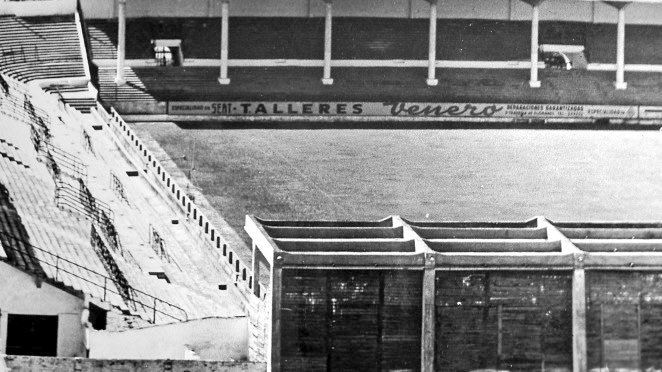
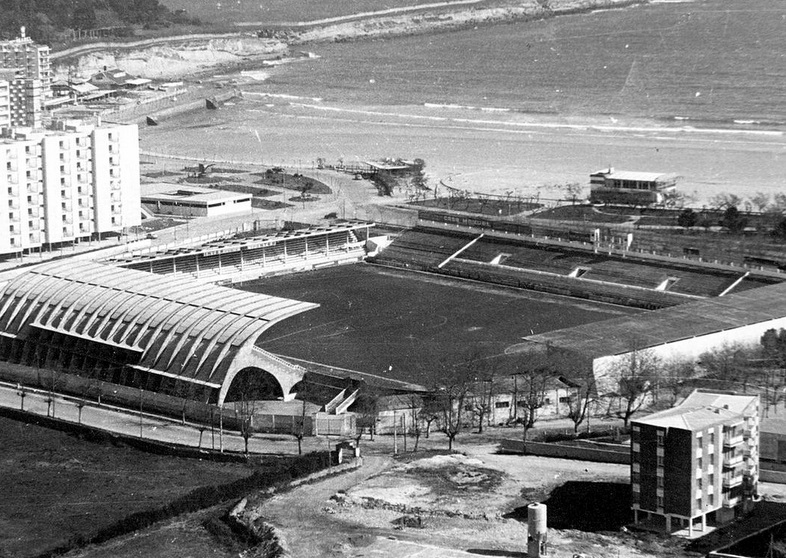
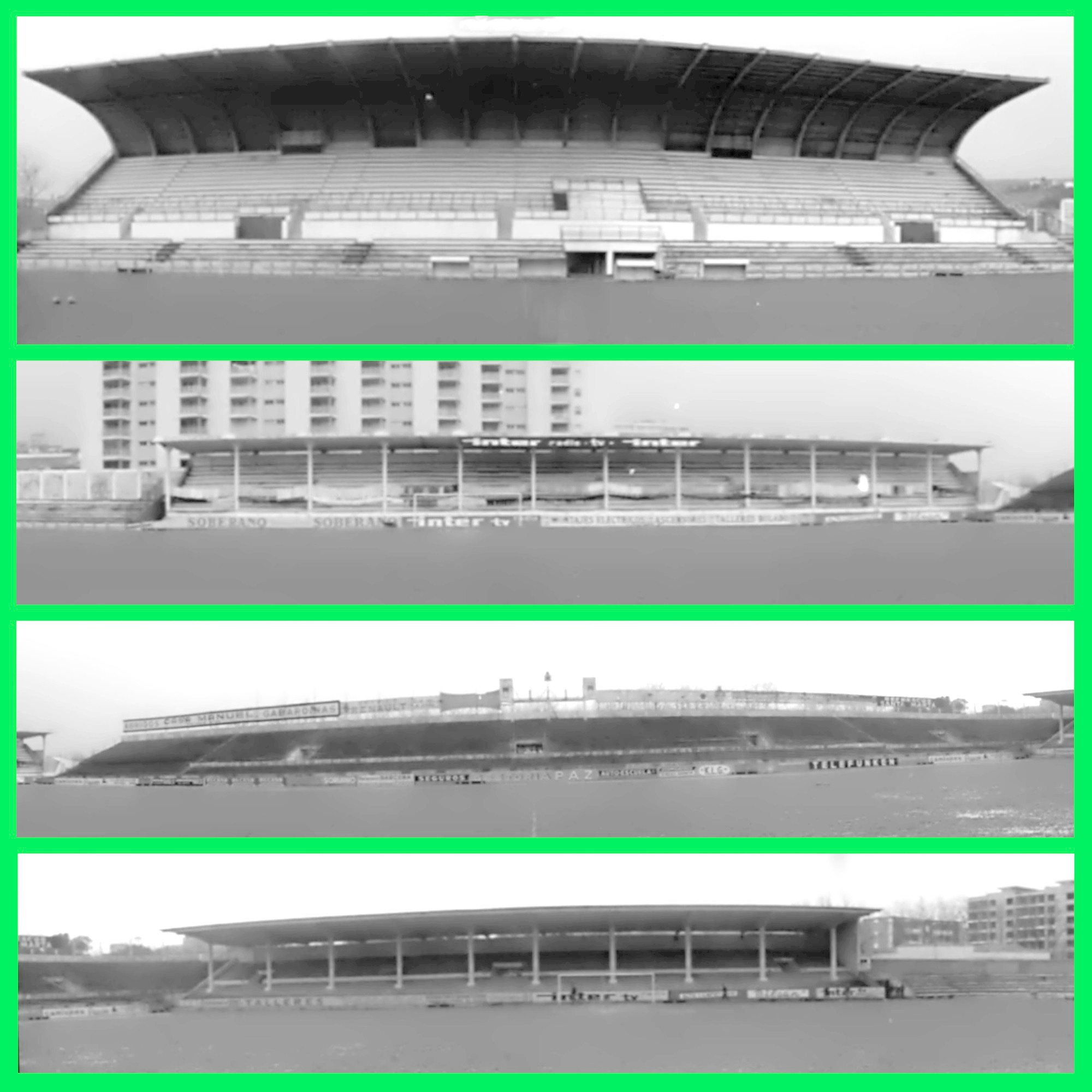
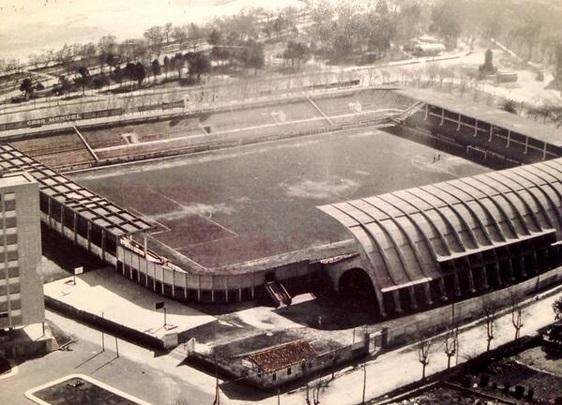
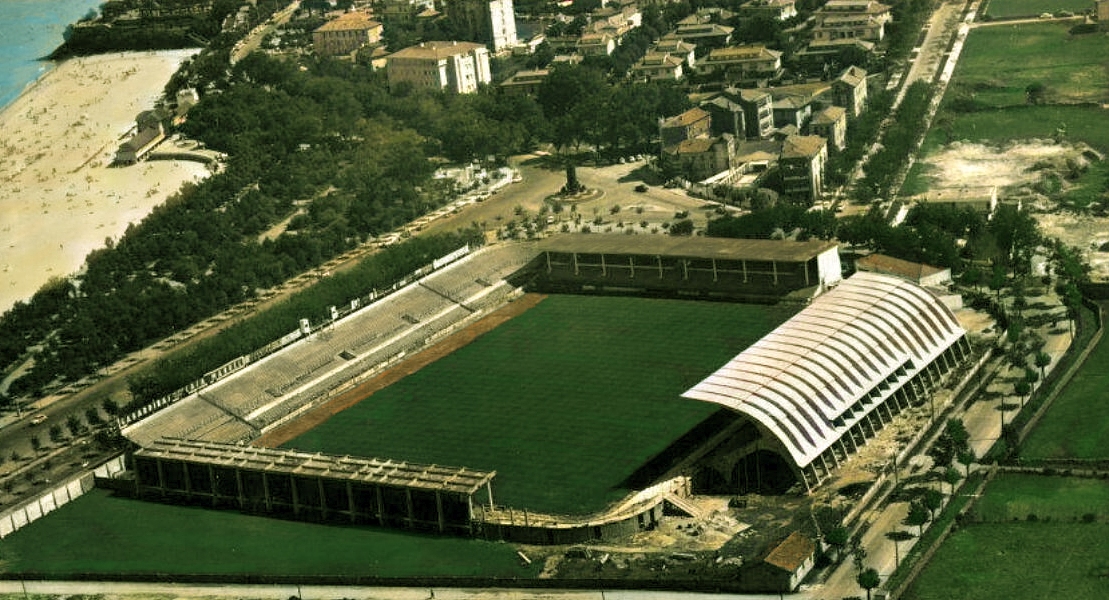
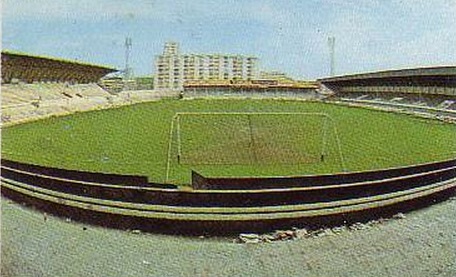
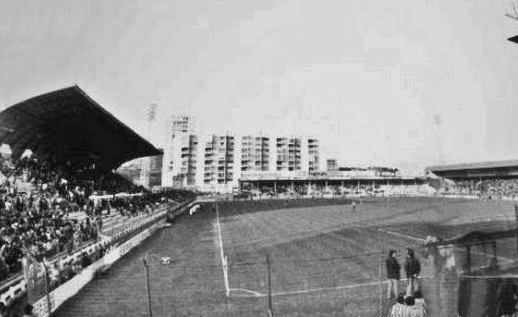
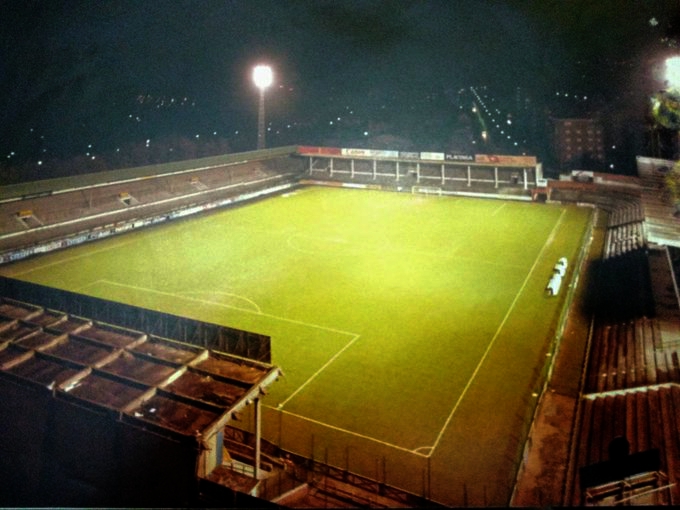
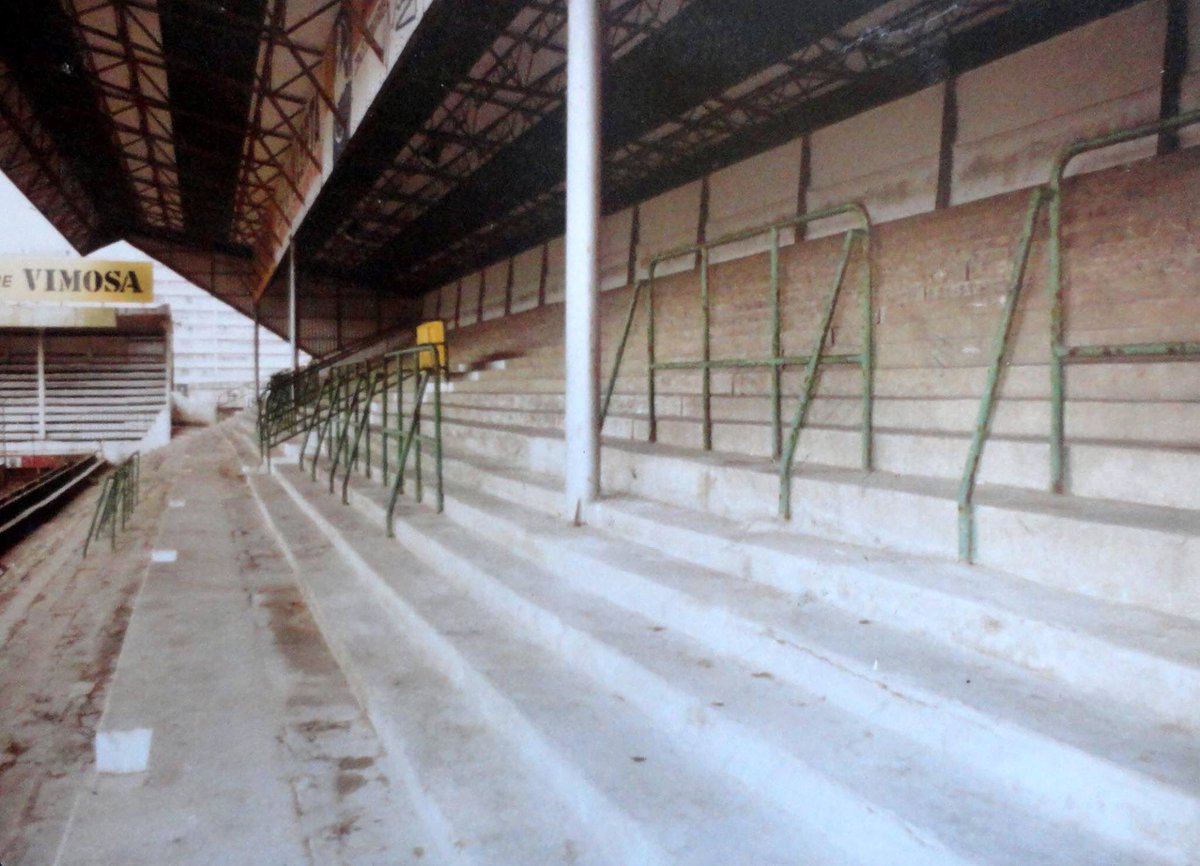
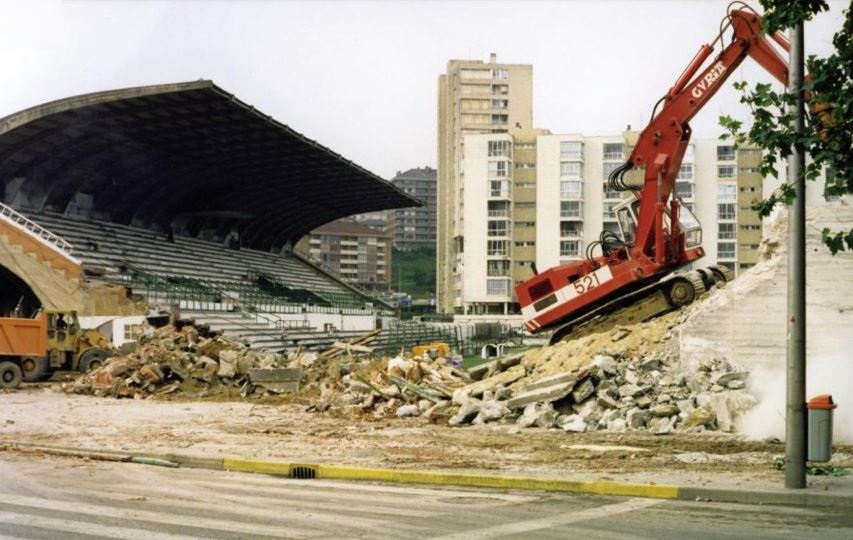
Work started in the summer of 1961 on a daring new cantilevered stand, quite unlike any other in Spain. At 72 metres in length and made from pre-cast concrete sections, its dominant feature was a huge curved roof, which, despite its size, had an elegance that mirrored the shape of the waves that roll onto the Playa El Sardinero. The stand was built behind the existing tribuna but did not include new changing rooms. They still remained in the old clubhouse, located in the southwest corner of the stadium. The old stand was demolished at the end of the 1961-62 season, and the pitch was extended and moved a few metres westwards. A year later, just in time for the club’s golden jubilee, floodlights were installed, but by then, Racing had dropped back into La Segunda. The club spent the majority of the next decade in the second flight, even falling once again to the Tercera for two seasons from 1968. By the time Racing’s next appeared in La Primera, in 1973, the east terrace had gained a full-length propped cover.
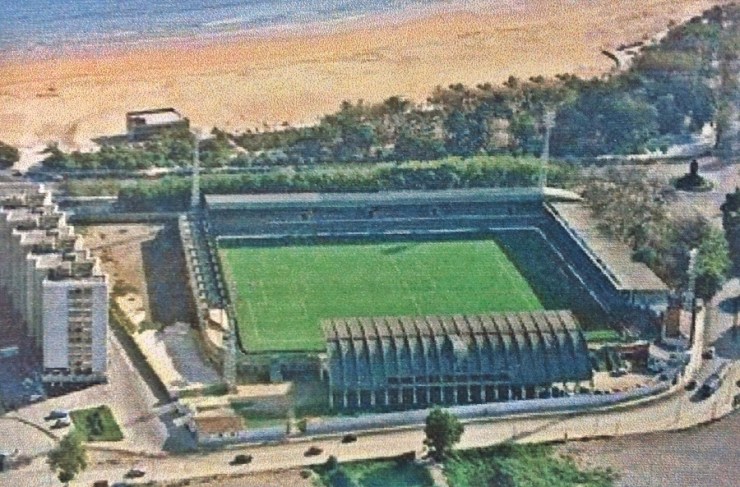
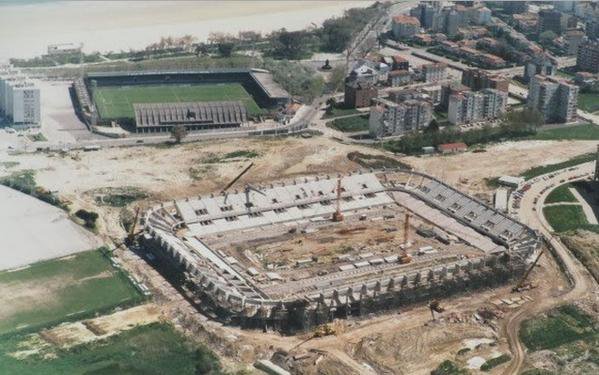
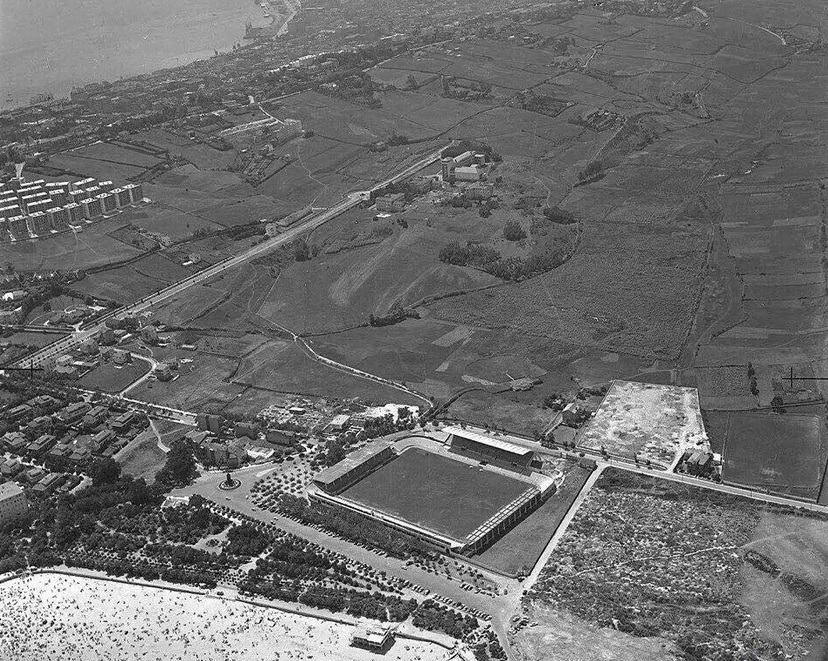
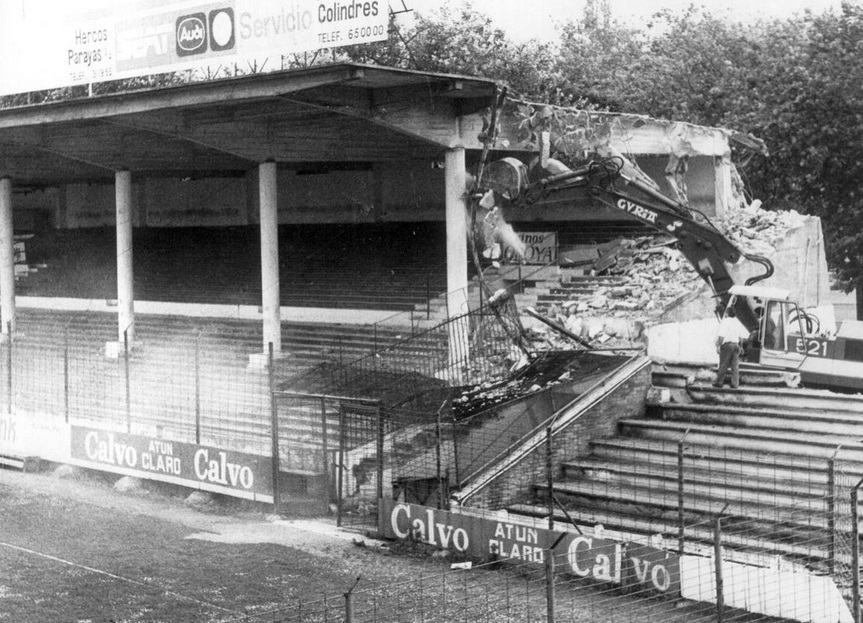
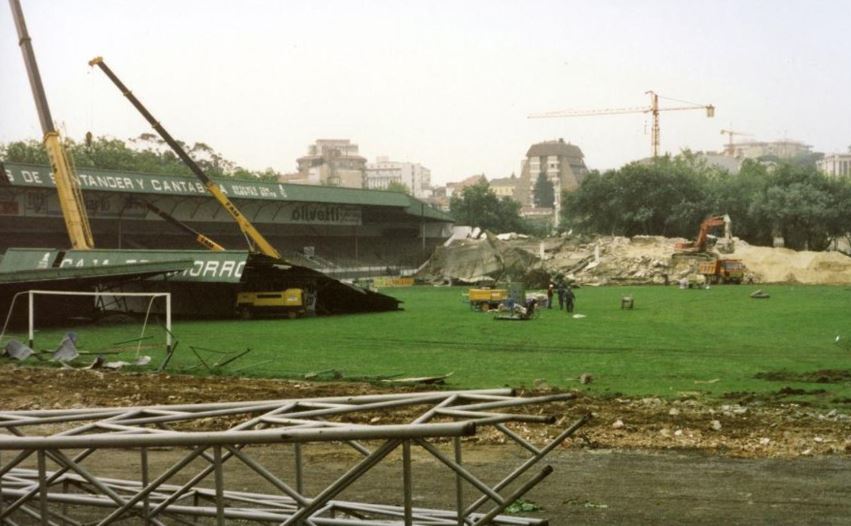
The city of Santander missed out on hosting matches at the 1982 World Cup. El Sardinero was beyond redevelopment, and Racing was broke and back in La Segunda. New floodlights were installed in 1982, and a year later, the club sold the stadium to the municipality for 175 million pesetas, and the two began the process of building a replacement for the ageing stadium. They didn’t have to look far, as the new site was on scrub ground 150 metres to the west of the old ground. The last official match at the old El Sardinero took place on 15 May 1988, when Racing drew 0-0 with Granada. A friendly between Racing legends and a former National Select XI was the last match played at the stadium on 3 June 1988. Demolition of the old stadium began on 17 June 1988, and 8 weeks later Racing inaugurated the new Estadio El Sardinero with a match against Real Oviedo.
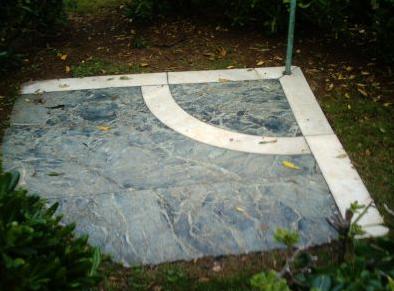
The site of the old stadium is now the Parque Mesones, but in the south-east corner, in Racing’s colours of green and white, is a marble replica of a corner segment of the pitch. It’s a simple but effective reminder of the thousands of matches played on the site.

 Estadios de España