Article updated: 03/12/2025
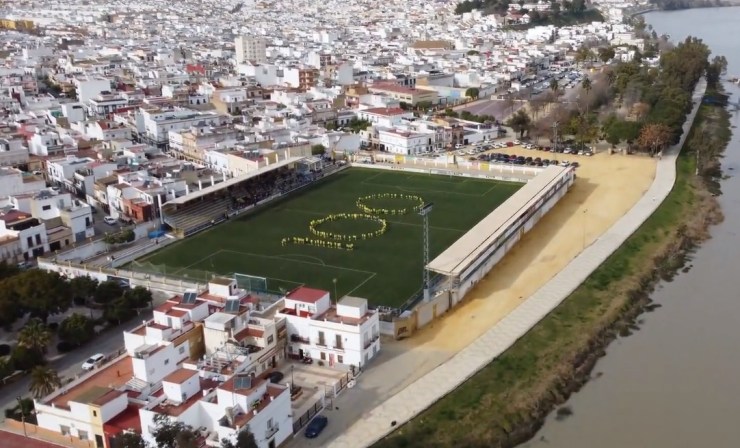
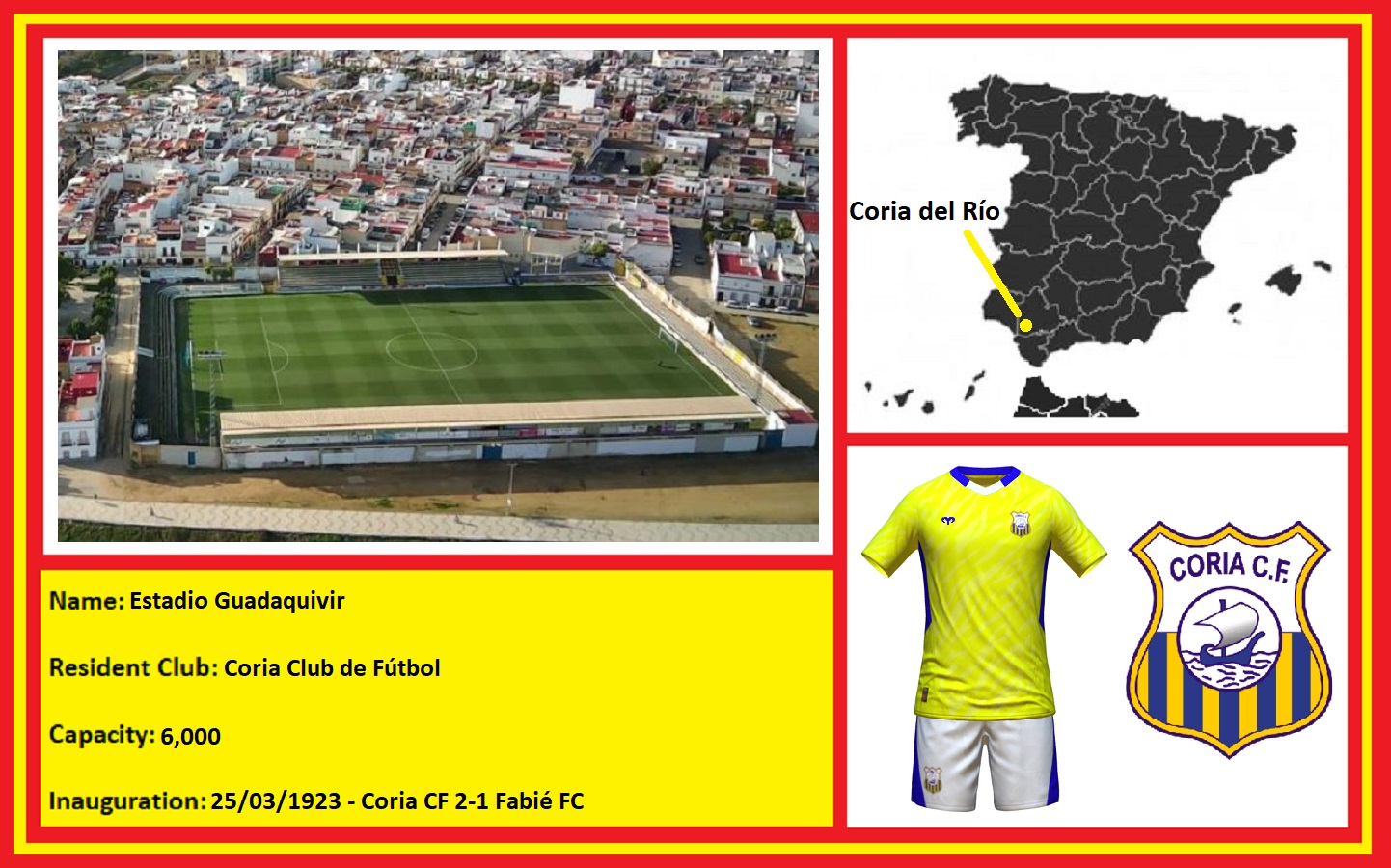
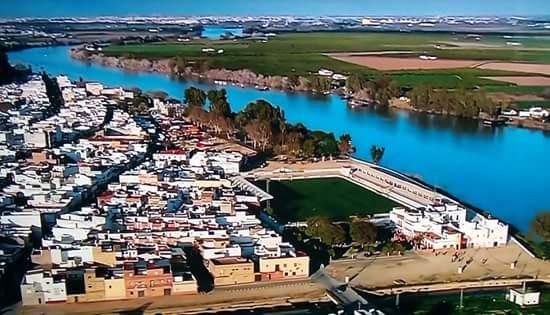
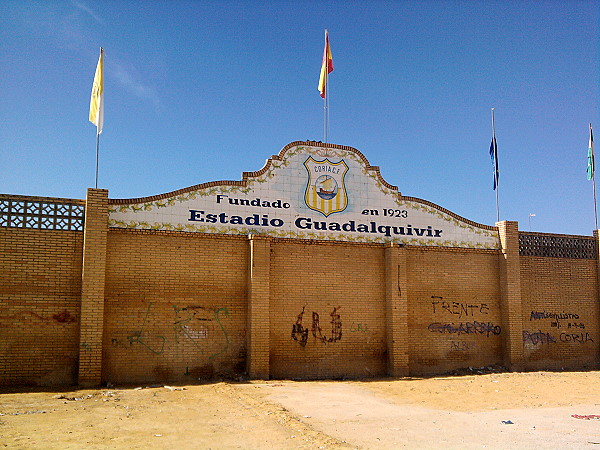
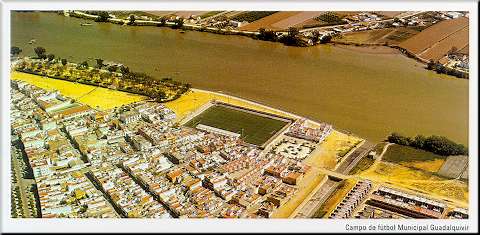
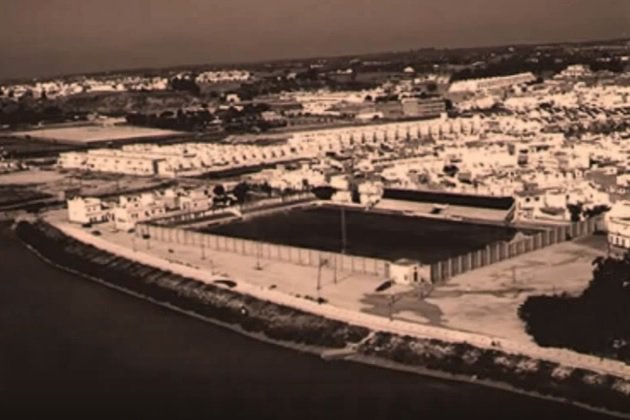
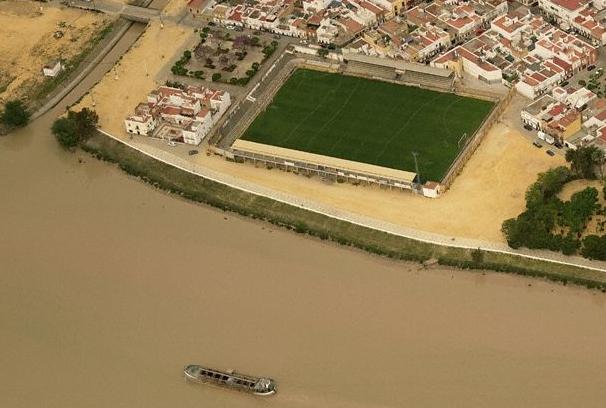
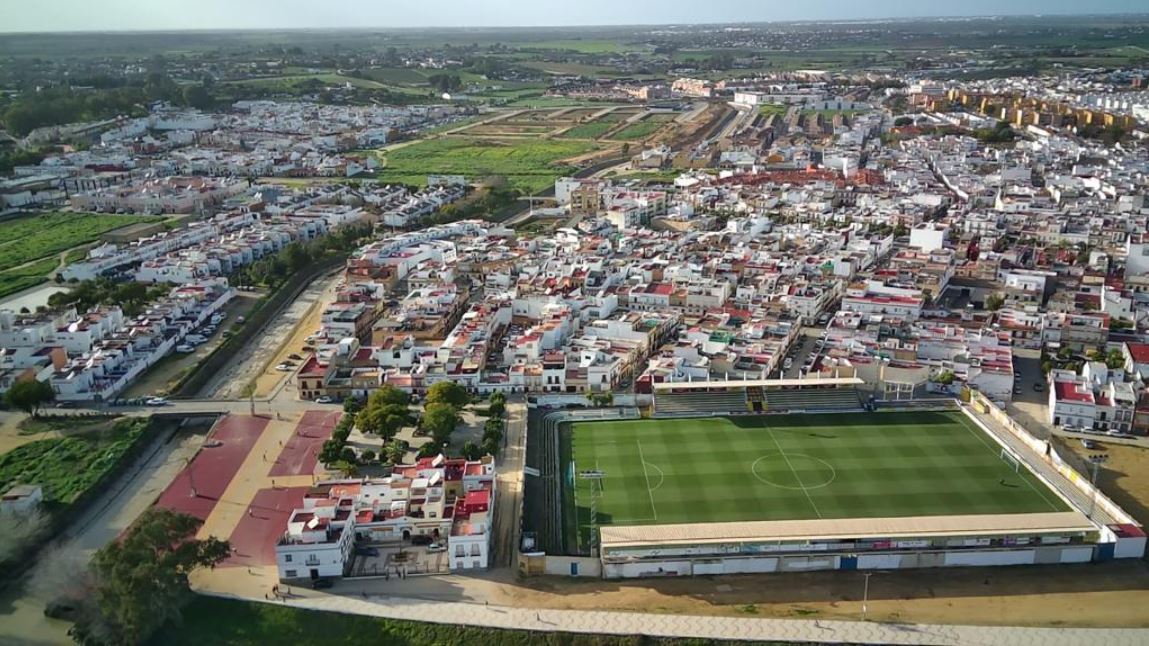
There are several great stadiums within a stone’s throw of the Rio Guadalquivir, but none are as close or, for that matter, as old as the one found in the small Andalucian town of Coria del Río. Standing less than 15 metres from the bank of Spain’s second-longest river, the Estadio Guadalquivir has been home to Coria Club de Fútbol since its formation in March 1923, making it the sixth-oldest stadium in Spain.
Coria CF played its first match on 25 March 1923, beating 2-1 Fabié de Sevilla in the first official match at their new home. They joined the regional leagues in 1925, at which point the local council funded the enclosure of the ground and the building of changing facilities. Coria CF won the Liga Regional Andaluza in 1931 and soon established itself as a club with a pool of young talent, with several players joining Sevilla FC & Real Betis in the 1940s. The club first reached the Tercera in 1943 and remained in the division for five seasons. Its return to this level in 1955 was an altogether more successful affair, with the club finishing second in 1956-57 and only missing out on a place in La Segunda following defeat to Calvo Sotelo de Puertollano in the playoffs. Coria CF dropped to the regional leagues in 1968 and remained there until 1980. Upon its return to the Tercera, the club put together a run of nearly two decades of top-half finishes, before finally winning promotion to Segunda B in 1999. After finishing third in the league, Coria CF topped their playoff group, which also featured Mérida Promesas, Polideportivo Ejido and Tomelloso.
Promotion to Segunda B also earned Coria CF a place in the following season’s Copa del Rey, where they saw off Cádiz in the first round before losing to Lleida 3-5 on aggregate. The club also made a bright start to the 1999-00 season, but a run of just 2 wins in 20 matches left them anchored to the foot of the table. The appointment of Carlos Orúe as coach led to a startling turnaround in form, with Coria CF winning 9 of the final 14 games of the season to finish 15th, 4 points clear of relegation. Orúe left for Cádiz at the end of the season, but under the guidance of former international midfielder Francisco, Coria CF continued to shine. After a strong finish to the 2000-01 season, the team finished in sixth position. Francisco left for Real Jaén in the summer of 2001, and the 2001-02 season was to prove the club’s last in the third tier. Three coaches came & went as Coria CF dropped into the relegation positions in Week 5 and never managed to escape. They finished bottom of the table with just 30 points, 13 points off safety. The intervening years saw Coria CF drop to the Regional Preferente for two seasons in 2006. Upon their return to the Tercera, the club’s fortunes saw an upturn, with it reaching the playoffs for Segunda B in the 2011-12 & 2012-13 seasons. Since 2022, Coria CF has played in the Tercera Federación.

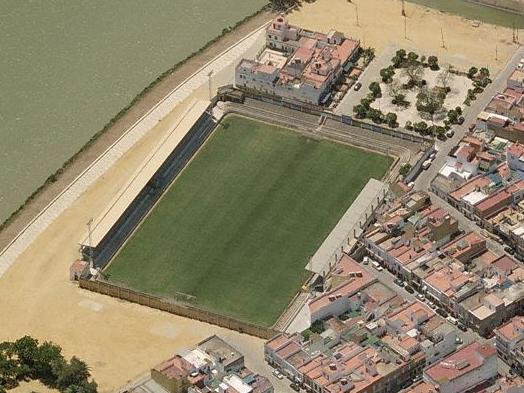
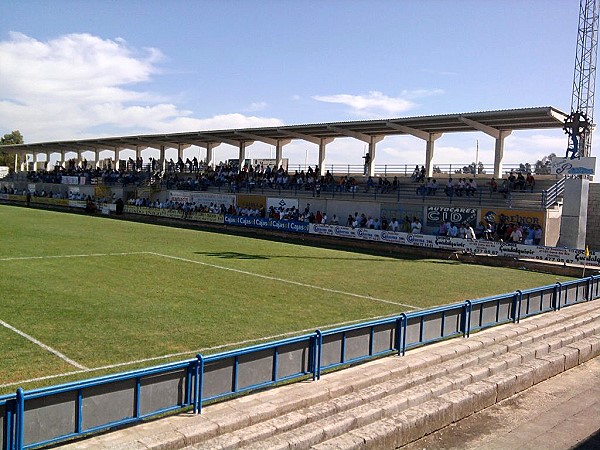
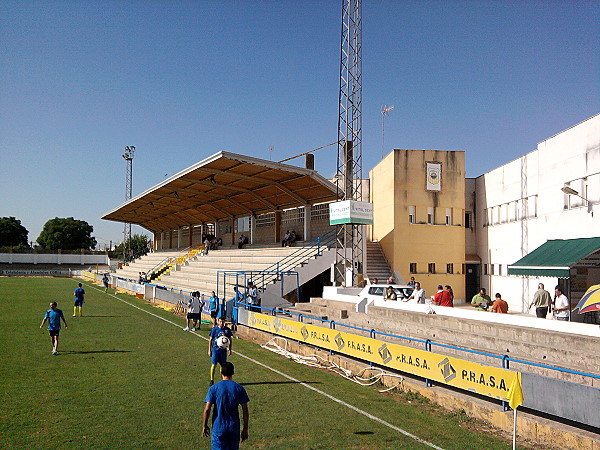
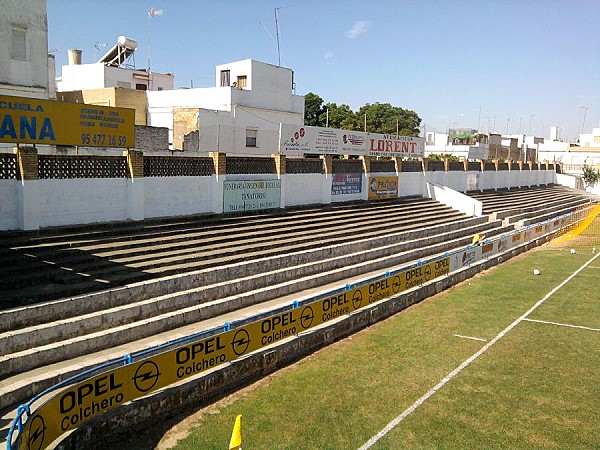
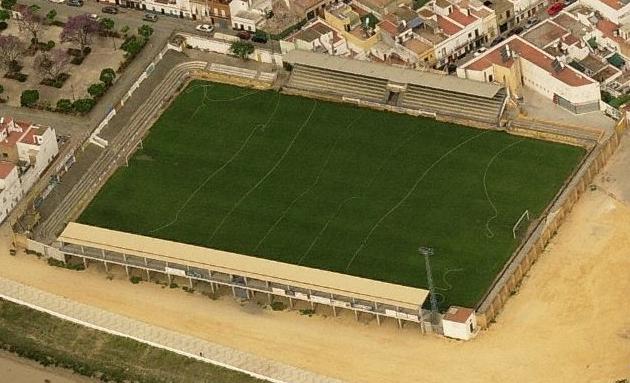
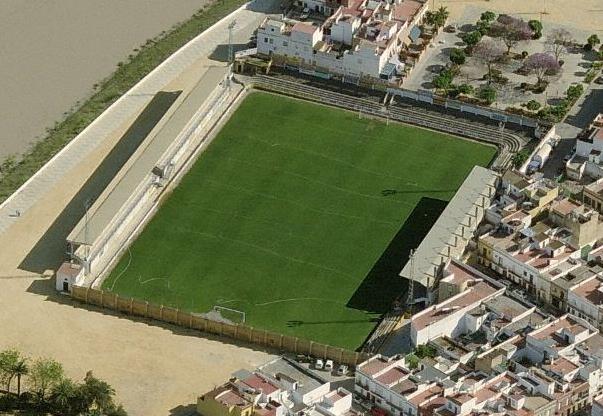
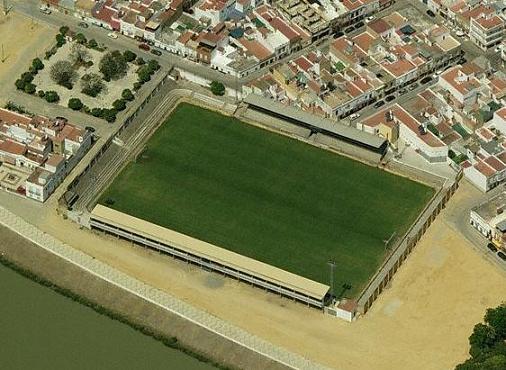
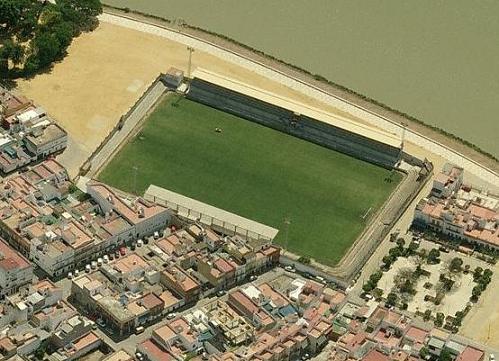
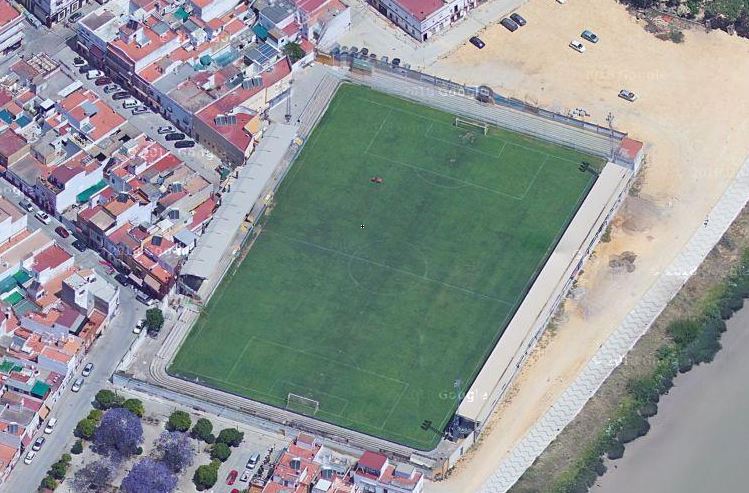
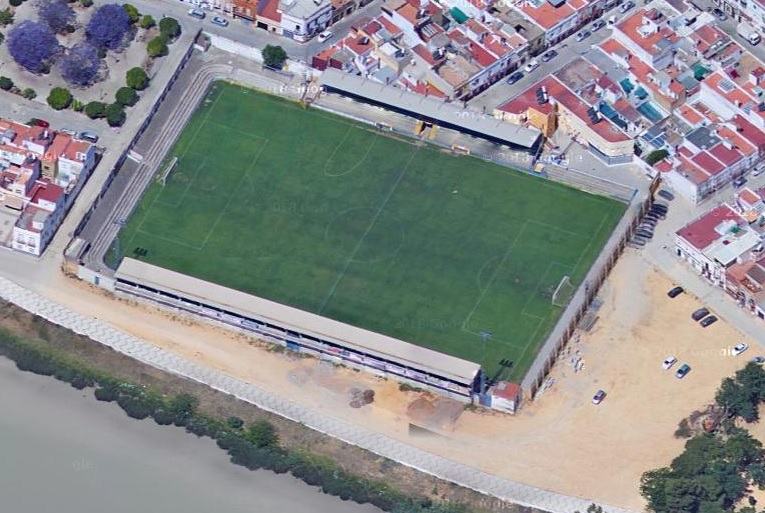
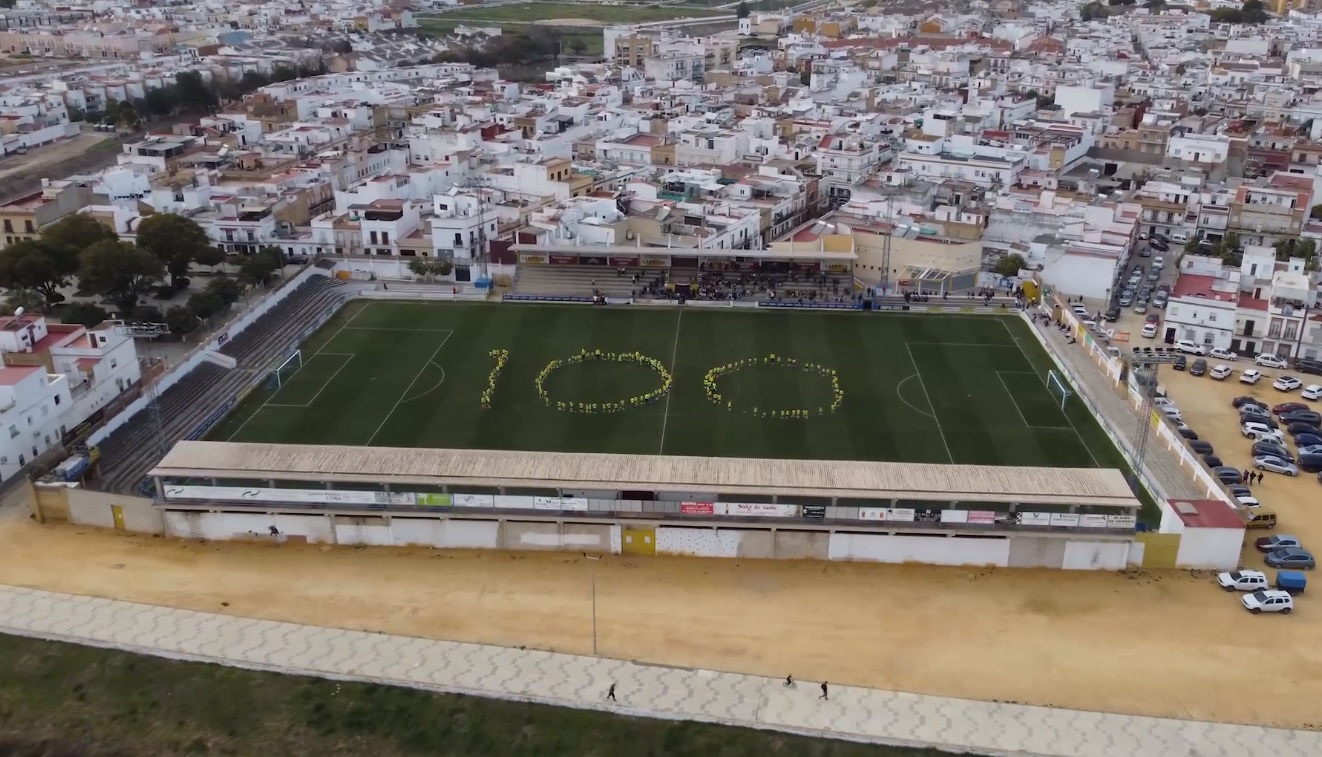
The Estadio Guadalquivir is on the southeastern edge of town, hemmed in on two sides by houses and shops, whilst the silty river runs along its entire eastern side. It is almost certain that this area was used for football and other sports before the club cordoned off this sandy patch of land in March 1923. Nothing remains of the original layout, but that doesn’t detract from this quintessential lower league enclosure. The main stand dates back to the mid-1980s and spans 55 metres across the halfway line. Running the full length of the eastern side is a raised covered stand with five rows of concrete bench seating. This was built in 2002 as part of the major redevelopment of the stadium, which also saw new changing facilities added to the club buildings situated on the western side of the ground, which is accessed through a tunnel just to the side of the main stand. An open terrace stands at the southern end of the ground, whilst an area of hard standing is located behind its northern counterpart. In all, the Estadio Guadaquivir has a capacity of 6,000.
The club celebrated its and the stadium’s centenary in 2023 with a community programme of events that focused predominantly on youth. There was no specific centenary match at the Estadio Guadaquivar, but the town’s close proximity to the city of Sevilla means that both Real Betis and Sevilla make regular pre-season visits, as have other heavyweights, notably Italian giants Juventus in 2009.


 Estadios de España