
Article last updated: 15/09/2025
How can I put this politely? Atlético Madrid has played around a bit. There it is, I’ve said it. From its foundation in 1903 until settling in its current home in September 2017, Atléti switched stadiums eleven times. Sometimes in Madrid’s east, sometimes west, and at times as Real Madrid’s tenants, yet during the mid-20th century, Atléti’s spiritual home was the Estadio Metropolitano.
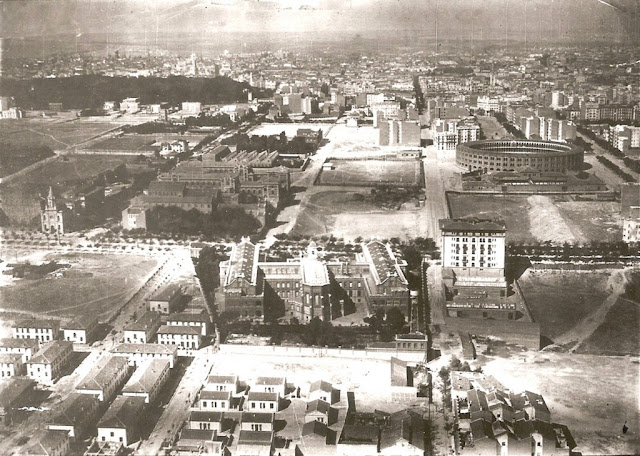
Founded on 26 April 1903 by a group of Basque students at the Colegio de Ingenieros de Minas, Athletic Club de Madrid was initially an affiliate of their parent club, Athletic Club de Bilbao. This arrangement continued until 1912, when it became a club in its own right. The club played its first match on 2 May 1903 at the Campo del Retiro. This was a basic patch of open land to the east of Madrid. The ground was not enclosed but surrounded by a ditch, which prevented fly-tipping. In 1913, the club moved to a location in central Madrid on the Calle de O’Donnell. This enclosure is often confused with Real Madrid’s ground, which opened a few months earlier and was 100 metres to the north-east. Atléti’s first match at Calle O’Donnell was on 9 February 1913, when they lost to Athletic Club de Bilbao 0-4 in front of a crowd of 10,000. Regarded as one of the best playing fields in the country, the venue was chosen to host Spain’s first international match in Madrid. Portugal visited on 18 December 1921, and La Selección prevailed 3-1. The club remained at Calle O’Donnell until May 1923, when it moved to the north west of Madrid and the Metropolitano.
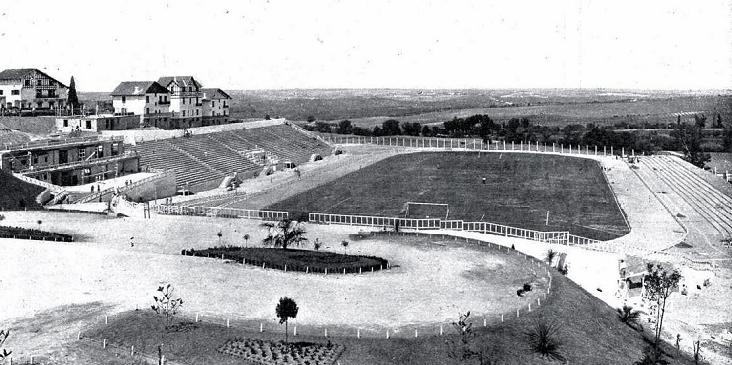
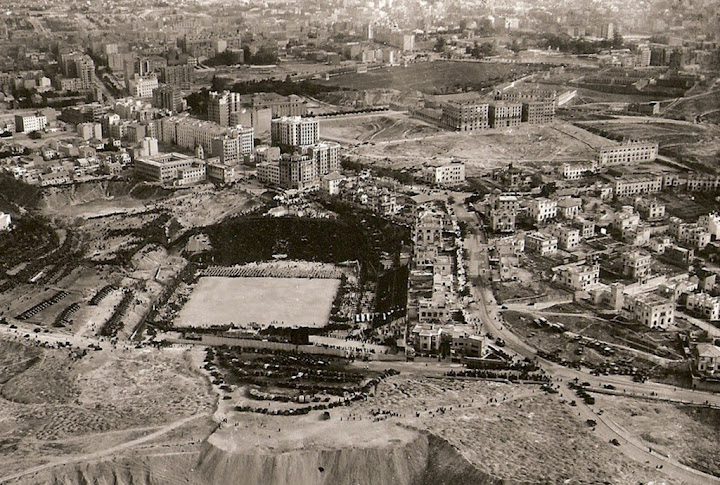
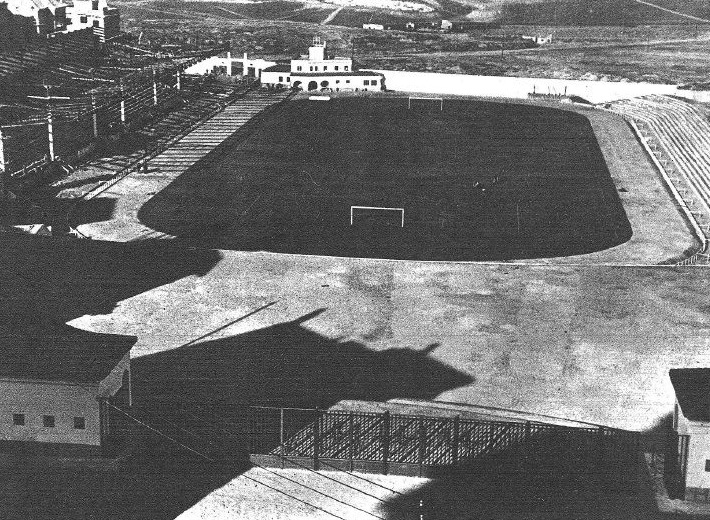
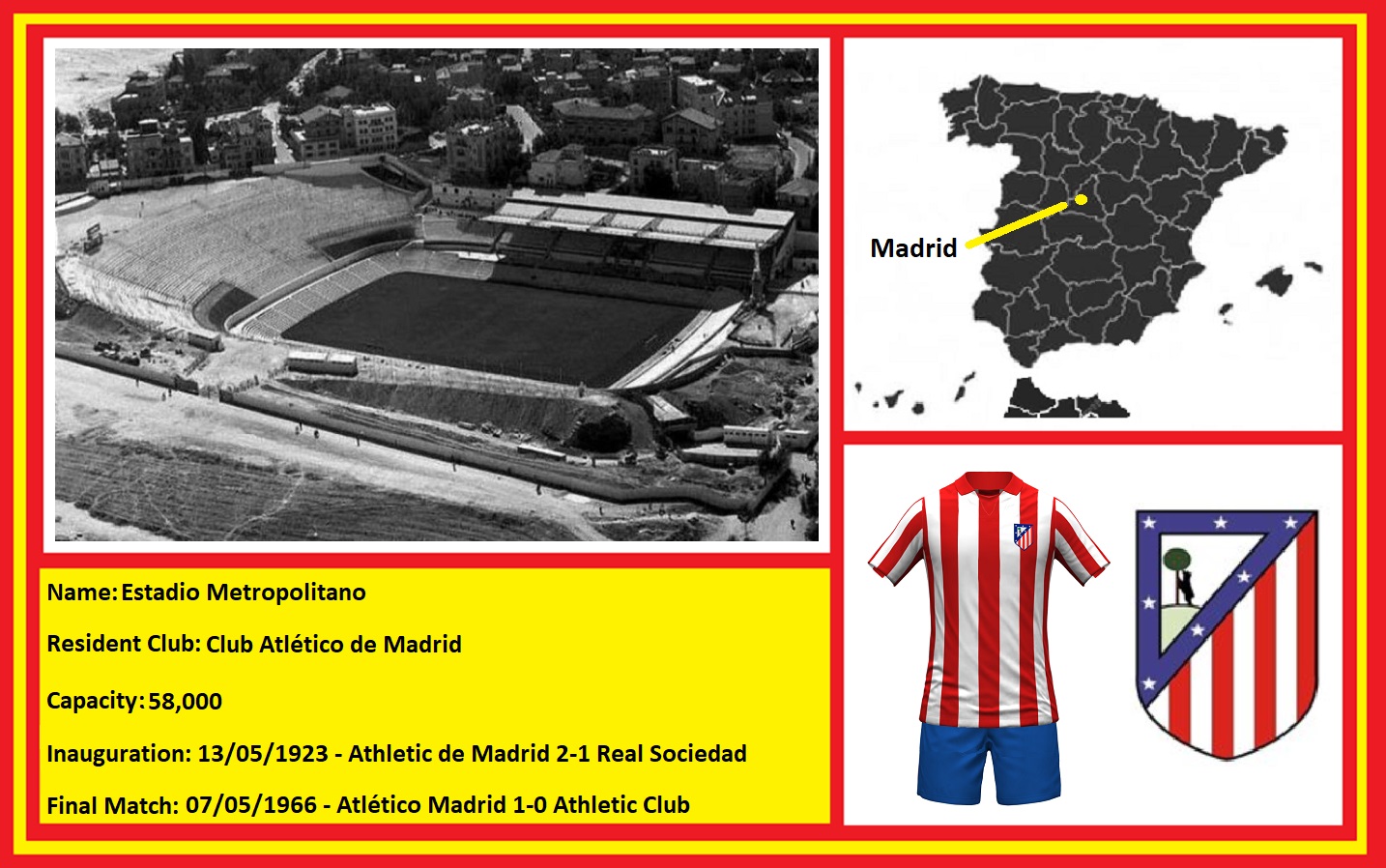
The Estadio Metropolitano was built by the Urbanizadora Metropolitana, the forerunners of today’s Madrid Metro, as part of a real estate development close to the city’s University. Architect José María Castell used the site of a natural amphitheatre, and at 1.5 million pesetas, developed what would be the largest and best stadium in the Spanish capital. The southern side featured an open area of seating that was accessed from the rear at street level. The eastern end behind the goal had a semi-circular terrace, which was also accessed at its rear. The northern side was made up of wooden bleachers but was relatively slim as the land fell away quite sharply to the north-west. The west end was left open, but further standing was provided on a cinder athletics track, which ran around the club’s first grass pitch. Officially, the stadium had a capacity of 25,000, but accounts of the stadium’s size vary greatly, in part due to the additional standing provided on the athletics track, but also the large open grass banks that stood on either side and above the east terrace. This meant that crowds of 45,000 were not uncommon, and there are contemporary reports of as many as 75,000 attending fixtures.
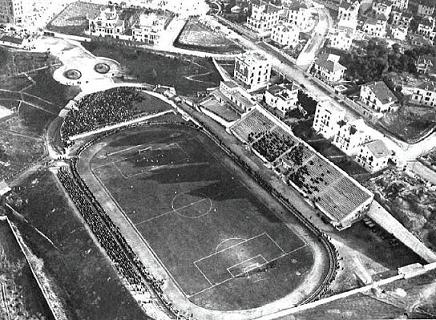
The stadium was inaugurated on 13 May 1923, when a crowd of 25,000 saw Atléti beat Real Sociedad by two goals to one. Whilst the home supporters were happy with the result, they and the local press were less than happy with the new stadium. Transport to the stadium was poor, and when you arrived, access to the arena was congested. The Spanish Football Federation was also unhappy at the high cost of admission into the stadium, and whilst Atléti’s matches continued to attract decent crowds, the stadium’s other tenants, Racing Club de Madrid and Gimnástica Española, struggled to attract an audience. Atléti and the Urbanizadora Metropolitana made a commitment to improving transport links, access and facilities, and by 1925, the stadium had a capacity of 30,000 and improved services. Four years later, on 15 May 1929, 45,000 paid to watch the Spanish National Team inflict the first defeat on England by a continental side. The 4-3 victory was masterminded by the Spanish national coach, Fred Pentland, who happened to be English. Later that year, Atléti could not agree on new terms with the owners, and in September 1929, the club left the Metropolitano.
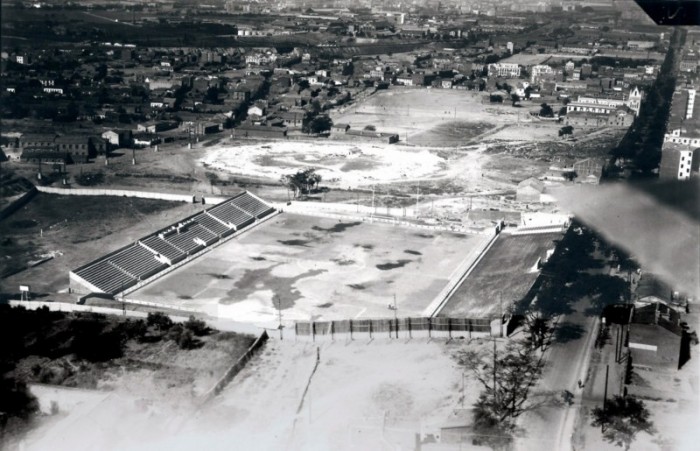
Atléti started the 1929-30 season at Real Madrid’s Campo de Chamartín and also played some home fixtures at the Campo de Vallecas, which was not far from their old home of the Campo del Retiro. They eventually returned to the Metropolitano in January of 1930, but the upheaval clearly did not help, and Atléti finished bottom of La Primera and was relegated. During the summer of 1930, the Urbanizadora Metropolitana carried out another upgrade to the stadium, building covers over the southern and northern sides of the ground, and also converting the athletics track to allow greyhound racing. This didn’t curry any favours with the Spanish Federation, which apparently outlawed the use of the stadium. So, Atléti returned to the east of Madrid and the Campo de Vallecas. The pitch at Vallecas was poor, and over the next few seasons, the poor surface and disputes with the owners of the Metropolitano saw the club criss-cross the capital, even playing matches back at Real Madrid’s Campo de Chamartín. Atléti won promotion back to La Primera at the end of the 1933-34 season and played home matches during the 34-35 season at the Campo de Vallecas. The following season saw the club return to the Metropolitano, but this didn’t inspire Atléti, and a measly return of 15 points saw the club finish eleventh. However, relegation to La Segunda was the last thing on the club’s mind when the Civil War broke out on 17 July 1936.
The Civil War hit Atléti hard. Only six playing staff returned after the hostilities, and the club had debts of over 1 million pesetas. To add to their woes, both the Campo de Vallecas and the Metropolitano had been destroyed. Drastic times call for drastic measures, and in October 1939, the club merged with the air force-backed Aviación Nacional to form Athletic-Aviación Club. Oviedo’s inability to compete in the 39-40 La Primera threw the Atléti a lifeline, and the Federation arranged a play-off between Athletic-Aviación and Osasuna for a place in that season’s first division. Athletic-Aviación won the tie at Valencia’s Mestalla 3-1 and started the 39-40 season back at Real Madrid’s Campo de Chamartín. Under the stewardship of the great Ricardo Zamora, Athletic-Aviación was a revelation, and as the season progressed, both they and Sevilla battled for the league title. It came down to the final set of matches, with Athletic-Aviación’s 2-0 win over Valencia at the renovated Campo de Vallecas earning them a first-ever league title. The club retained its league title in 40-41 and during the summer, was forced to change to the Spanish version of their name, becoming Club Atlético-Aviación. During this period, work was underway on rebuilding the damaged Metropolitano. This included a new main stand, new terracing at the east end and for the first time, a substantial terrace on the north side of the ground. The Metropolitano was re-inaugurated on 21 February 1943 with a 2-1 victory over Real Madrid. Atléti were Madrid’s top side throughout the 1940s, and here’s some footage of their 5-0 derby victory from November 1947.
Atléti dropped Aviación from their name in 1947, becoming Club Atlético de Madrid. Following the club’s third title win, Atléti purchased the Metropolitano on 15 April 1950 and immediately set about improving the facilities. The architect for the work was the club president and former player, Javier Barroso. The first phase saw the terracing extended around to the west end, and new changing facilities were built beneath this terrace. Then, in the summer of 1954, the club took the audacious decision to excavate the pitch and add another ring of seating where the greyhound/athletics track had stood. This increased the official capacity to 58,000, but just when thoughts were turning to another period of success, their rivals from across the city upped the ante, winning nine of the next twelve league titles. Despite its recent refurbishment, the Estadio Metropolitano was already dated, dwarfed by the newer, larger stadiums that Real Madrid and Barcelona had built. Thoughts were already turning to building a new stadium when Atléti finally won the Copa del Rey in 1960 and made up for lost time with another success a year later.
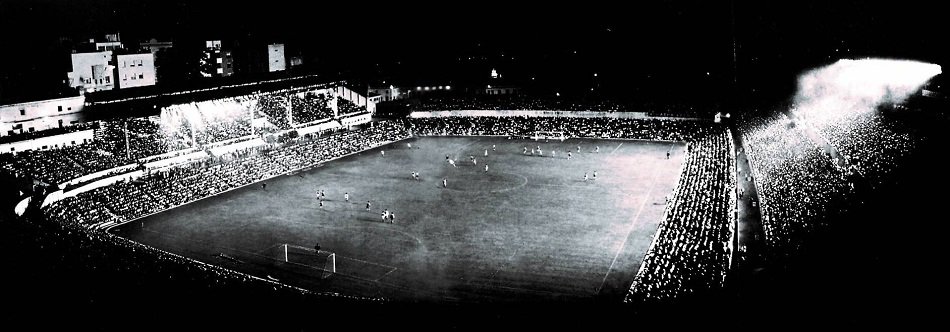
In 1961, Atléti purchased a large plot of land in the southwestern outskirts of Madrid, next to a gas works and on the banks of the Rio Manzanares. Work was slow, and with the Metropolitano sold and the club suffering financially, they moved in with Real Madrid and played a part of the 1964-65 season at the Bernabeu. The club brokered an agreement to return to the Metropolitano for one final season in 1965-66 and gave the stadium a glorious send-off by winning La Primera. Here is some footage of the stadium in May 1965, when Atléti beat Real Madrid 4-0 in the last 16 of the Copa. Atléti played its final game at the old stadium on 7 May 1966, when they beat Athletic Club 1-0 in the first leg of the quarter-final of the Copa. The move south to their new stadium was delayed until week 4 of the 1966-67 season, which, given the upheavals of the previous 43 years, was not entirely unexpected.
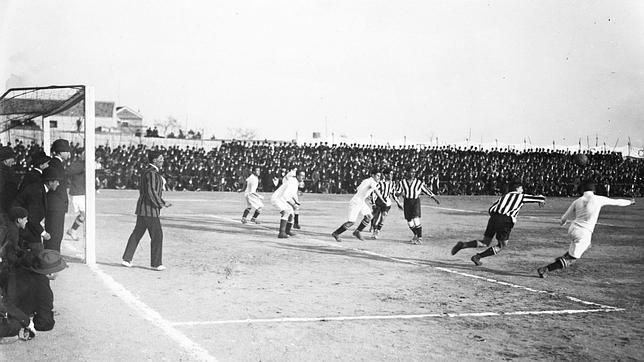
Calle O’Donnell 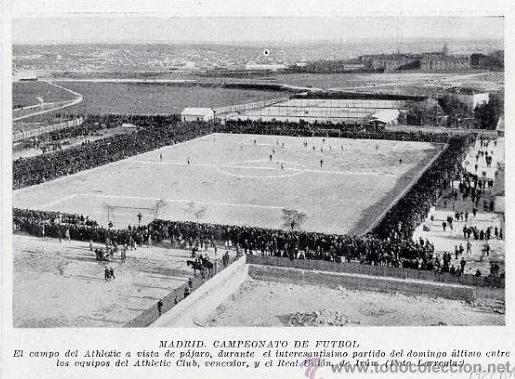
Calle O’Donnell 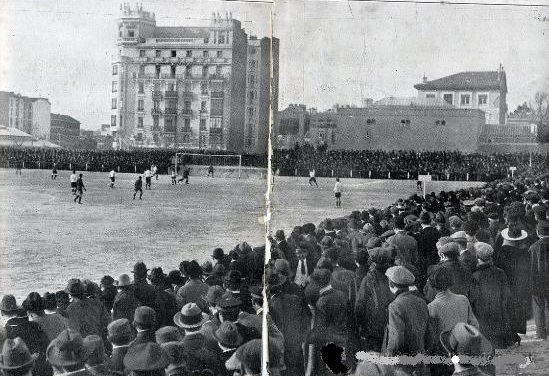
Calle O’Donnell 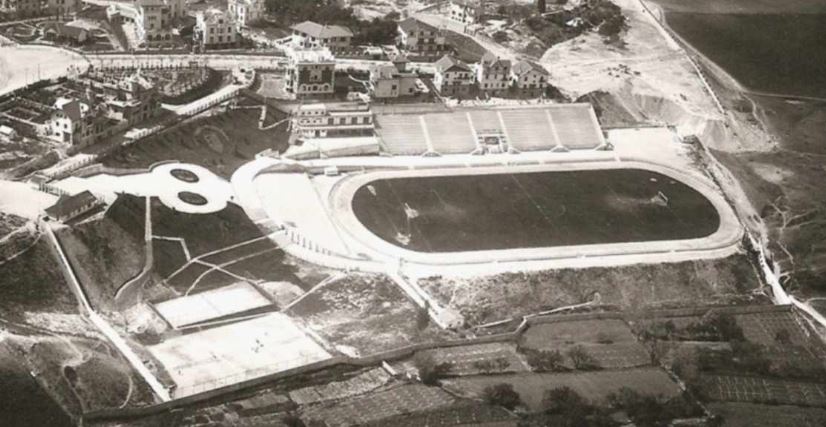
Metropolitano 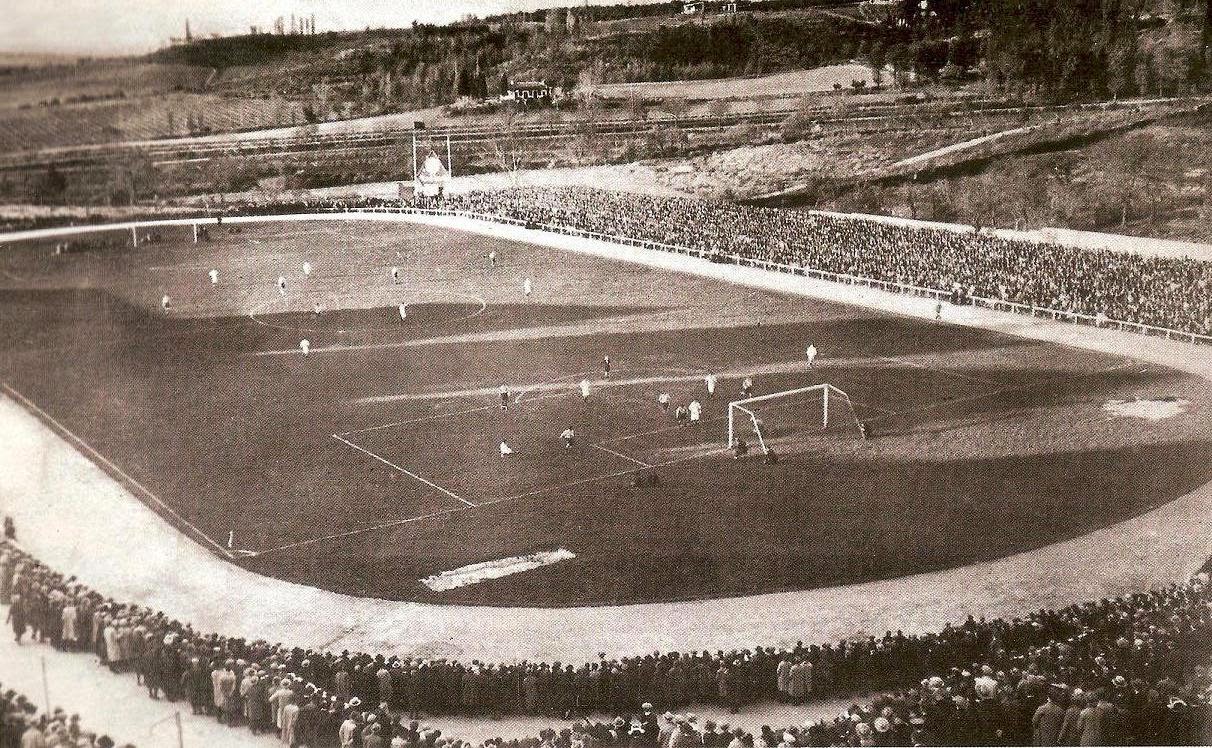
Metropolitano 
Metropolitano 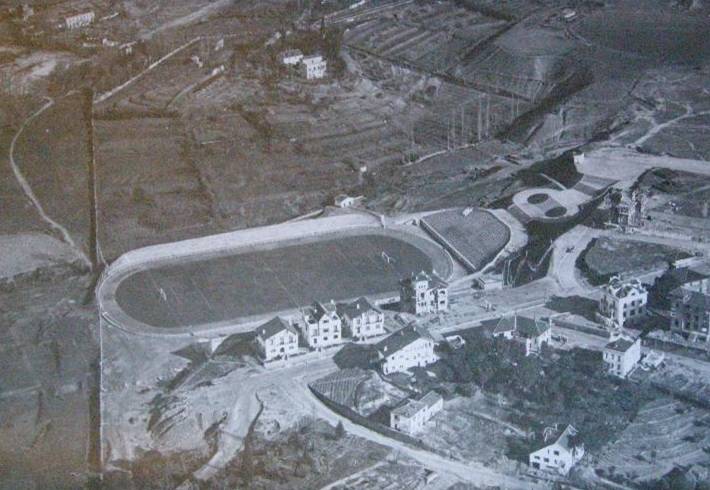
Metropolitano 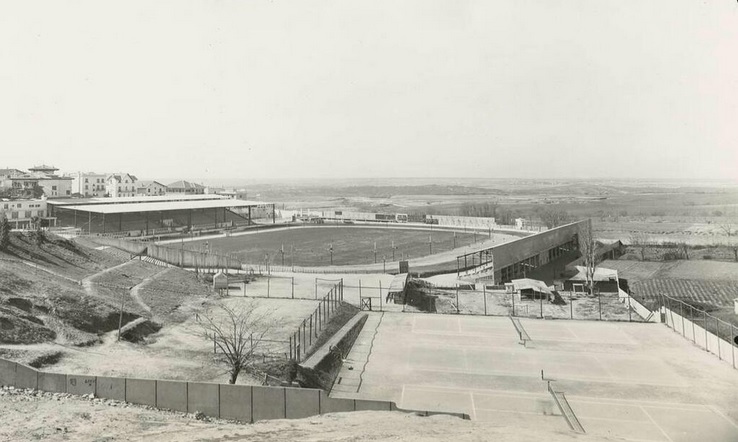
Metropolitano 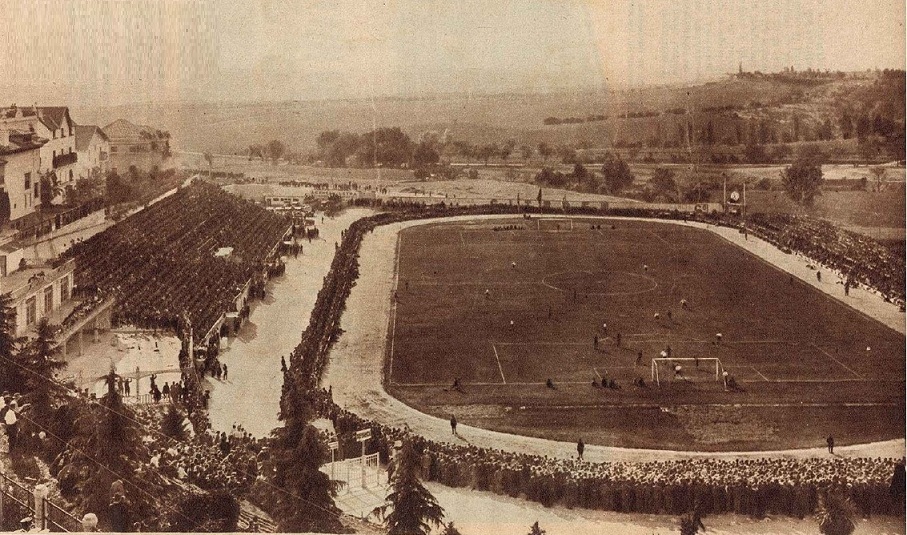
Metropolitano 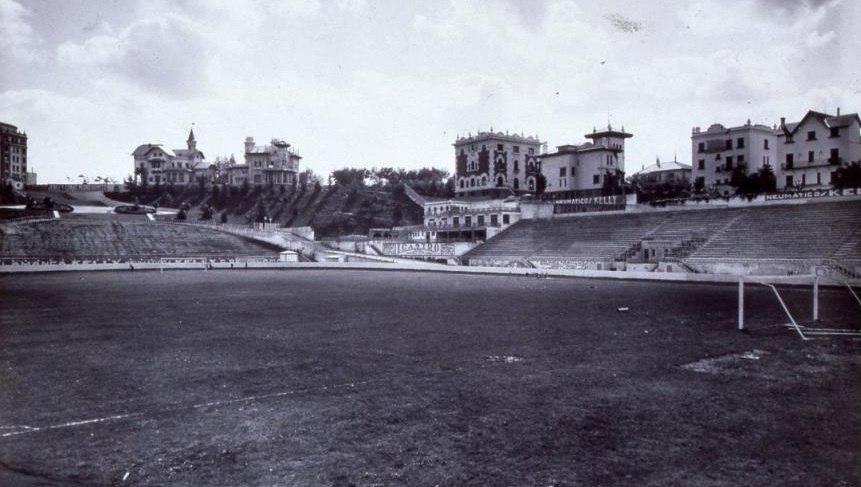
Metropolitano 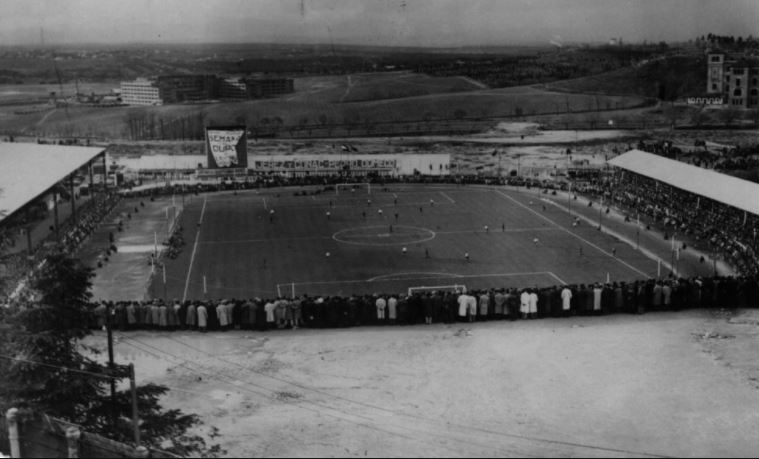
Metropolitano 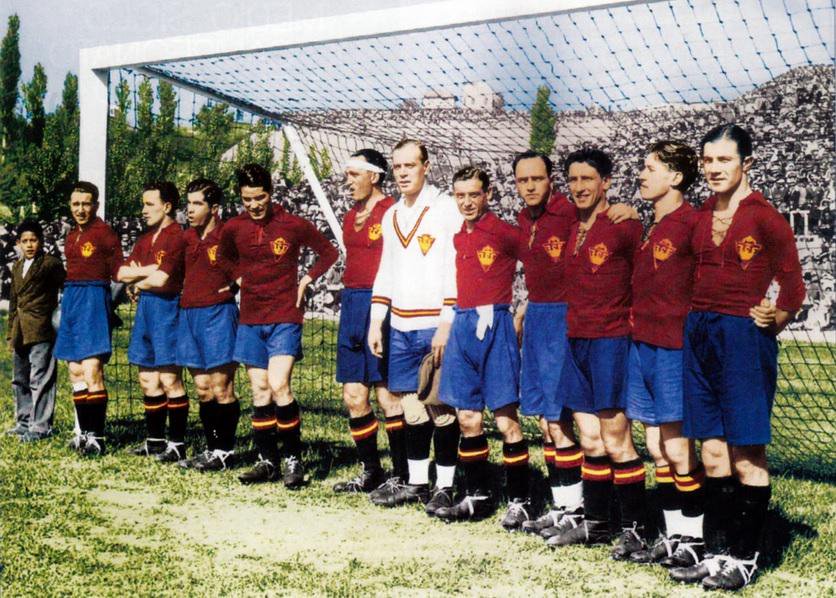
Spain XI vs England 15/05/1929 
Metropolitano 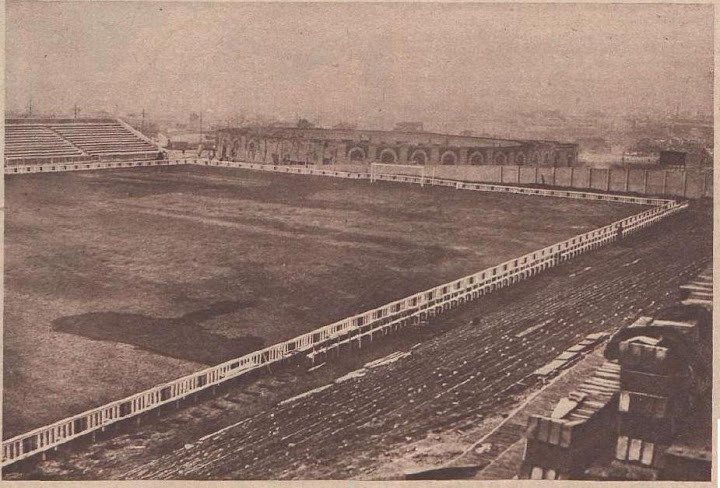
Campo de Vallecas 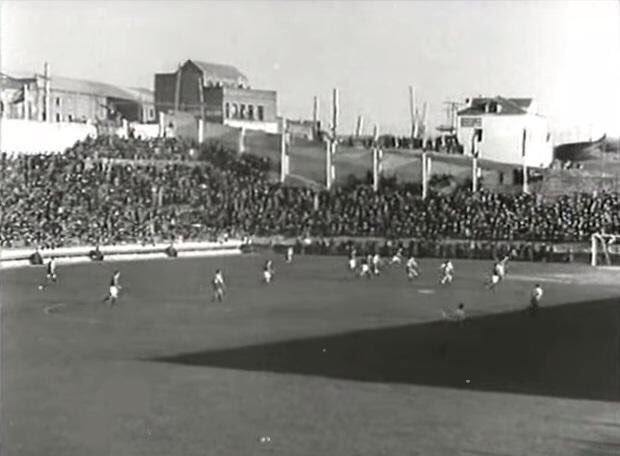
Campo de Vallecas. Versus Real Oviedo (24/01/1943 3-0) 
back at the Metropolitano 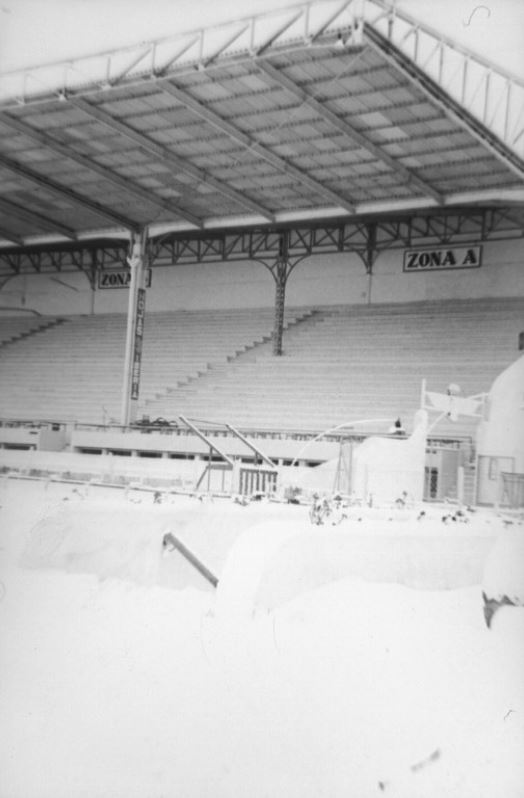
Metropolitano 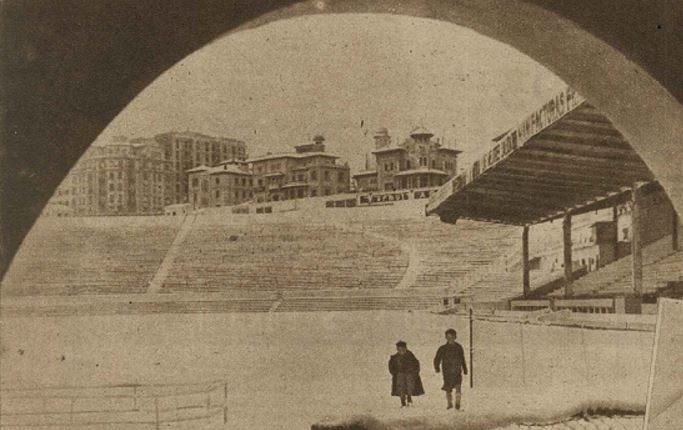
Metropolitano 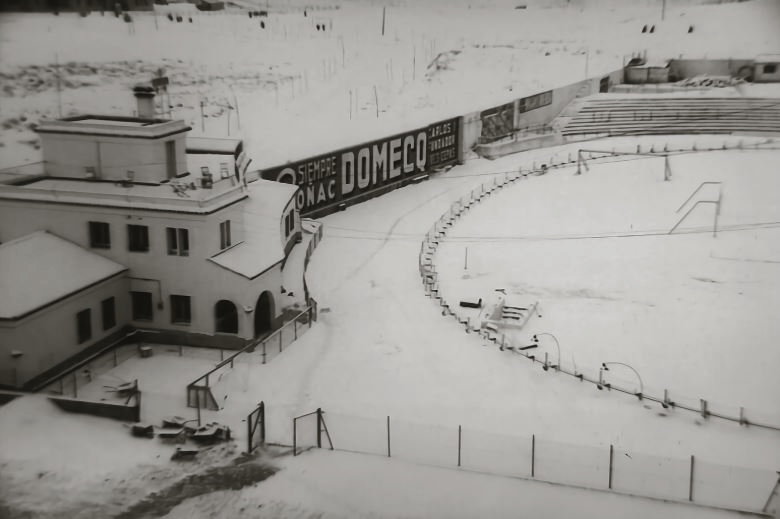
Metropolitano 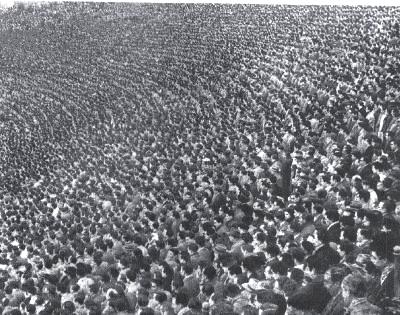
Metropolitano 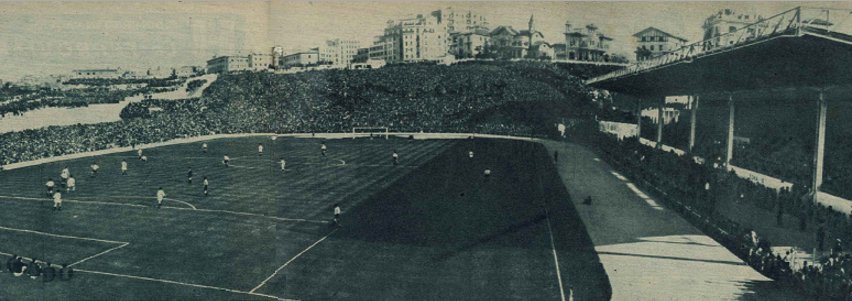
Metropolitano 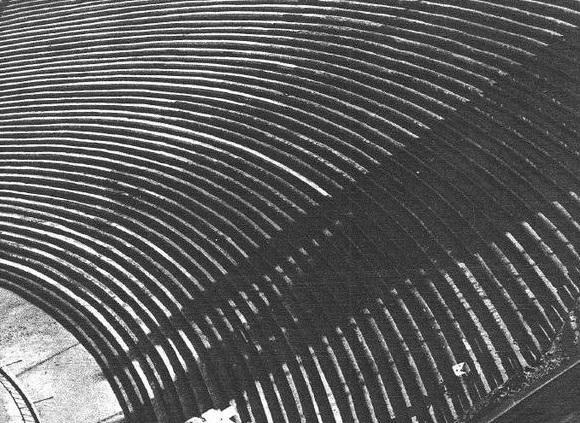
Metropolitano 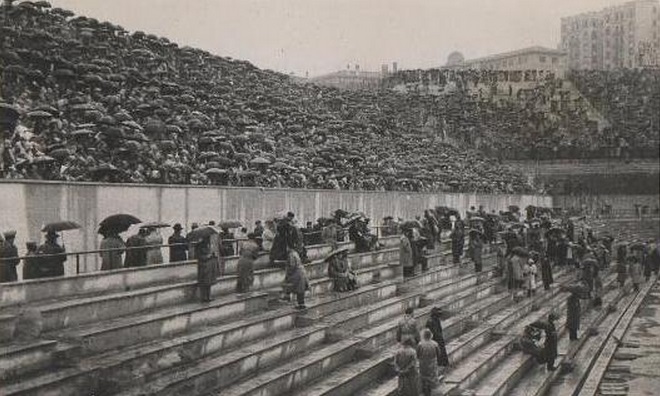
Metropolitano 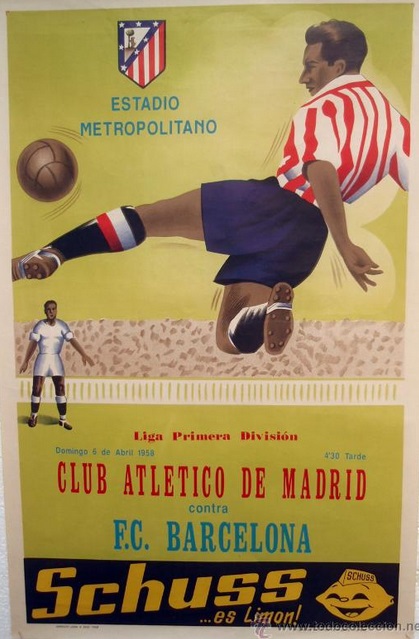
Metropolitano 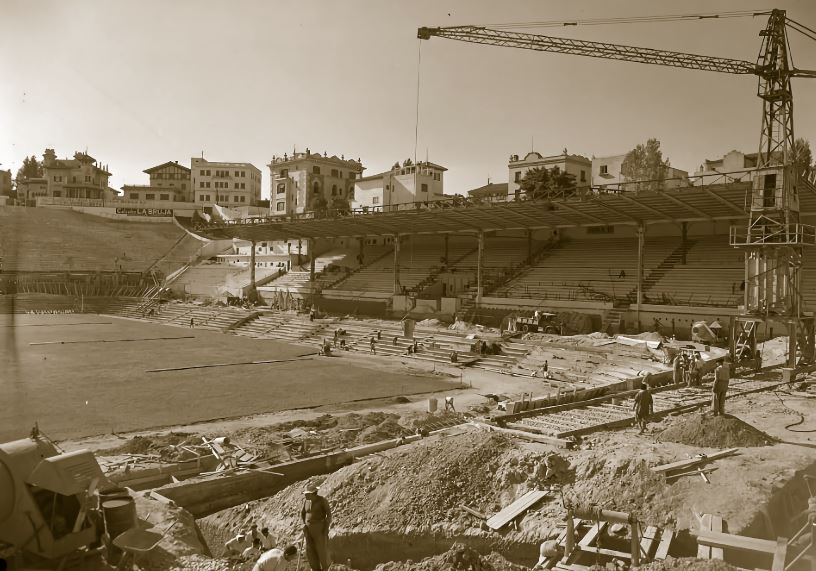
Metropolitano 
Metropolitano 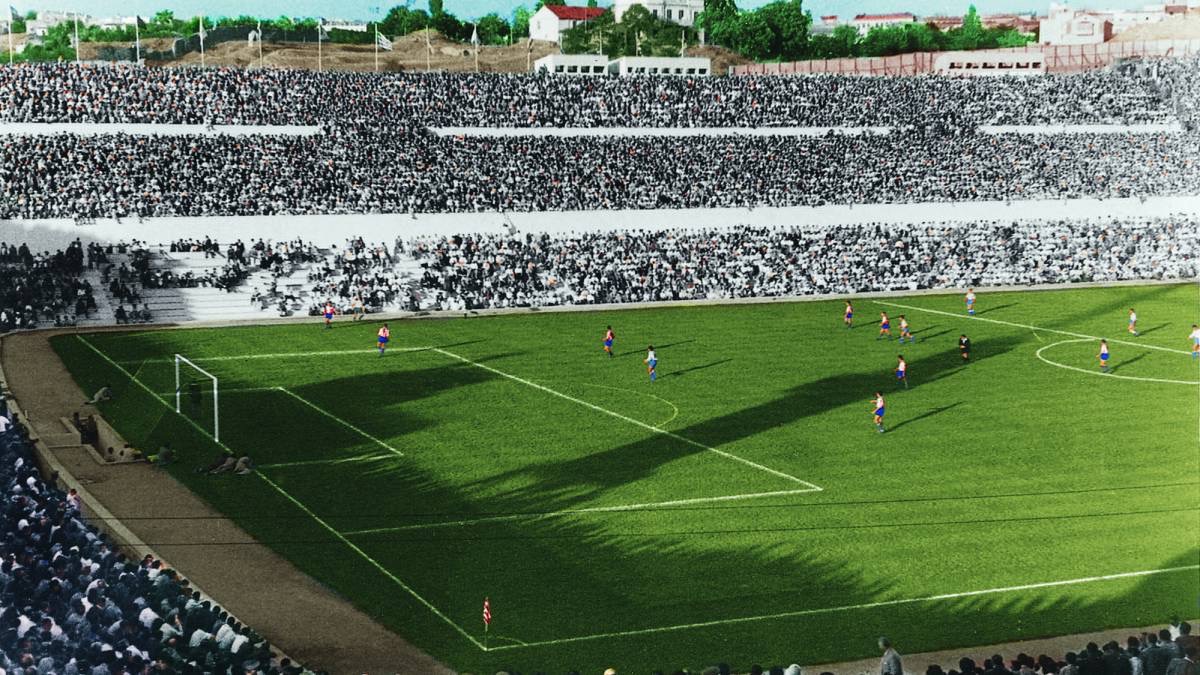
Metropolitano 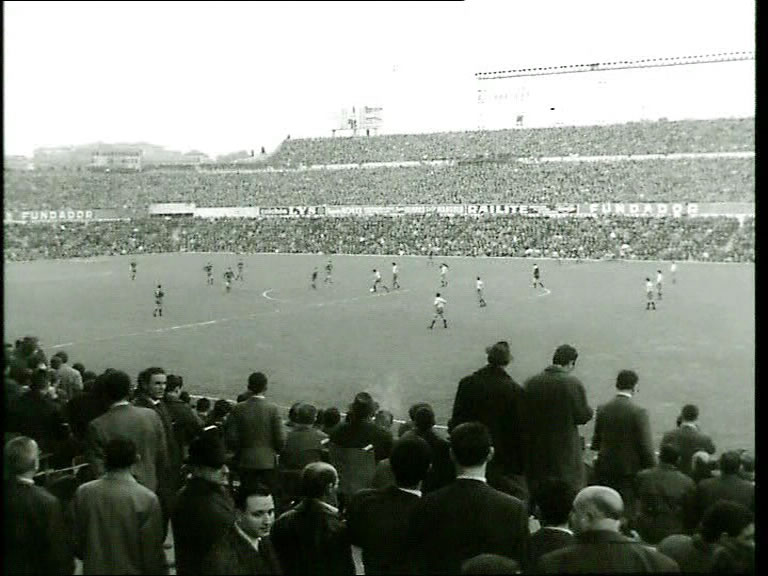
Metropolitano 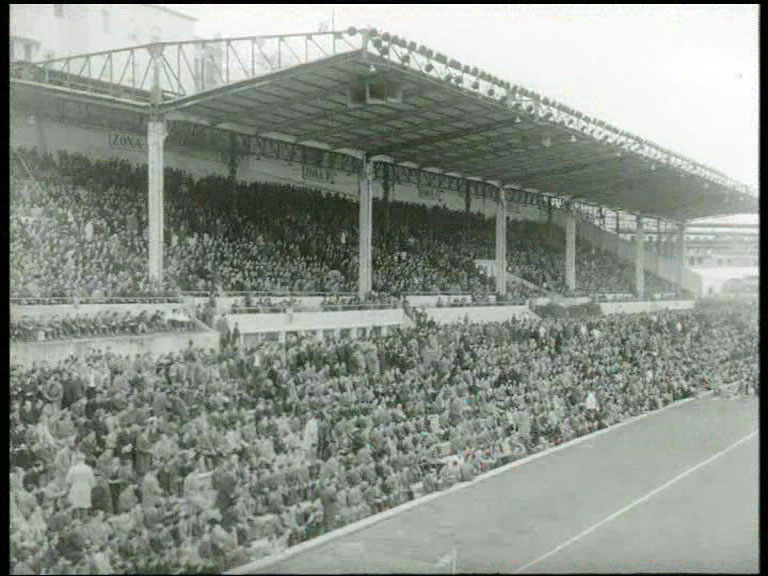
Metropolitano 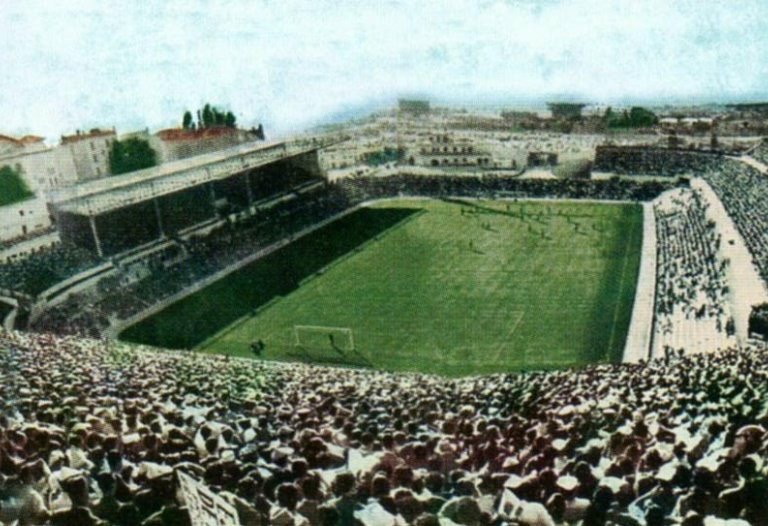
Metropolitano 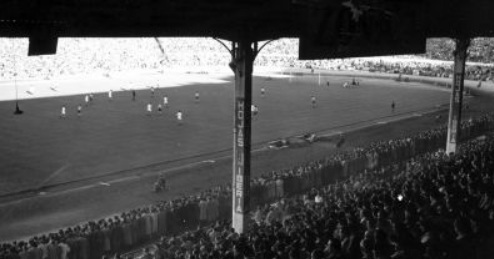
Metropolitano 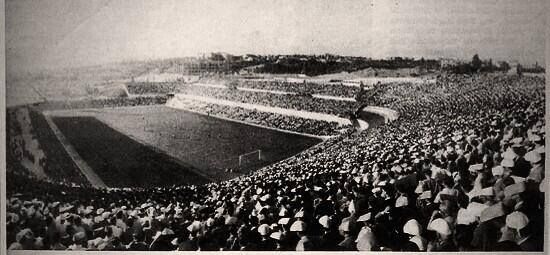
Metropolitano 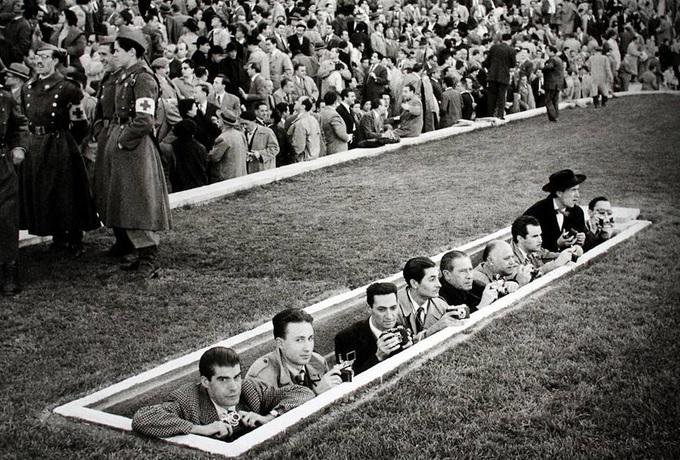
Metropolitano 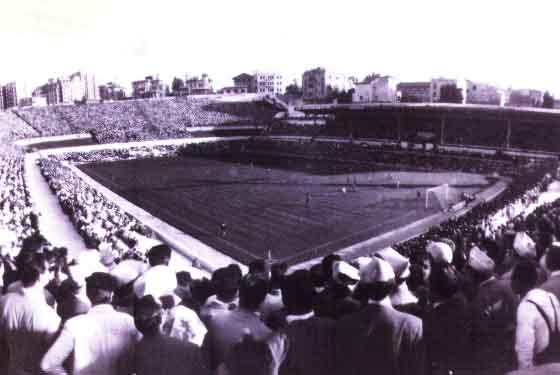
Metropolitano 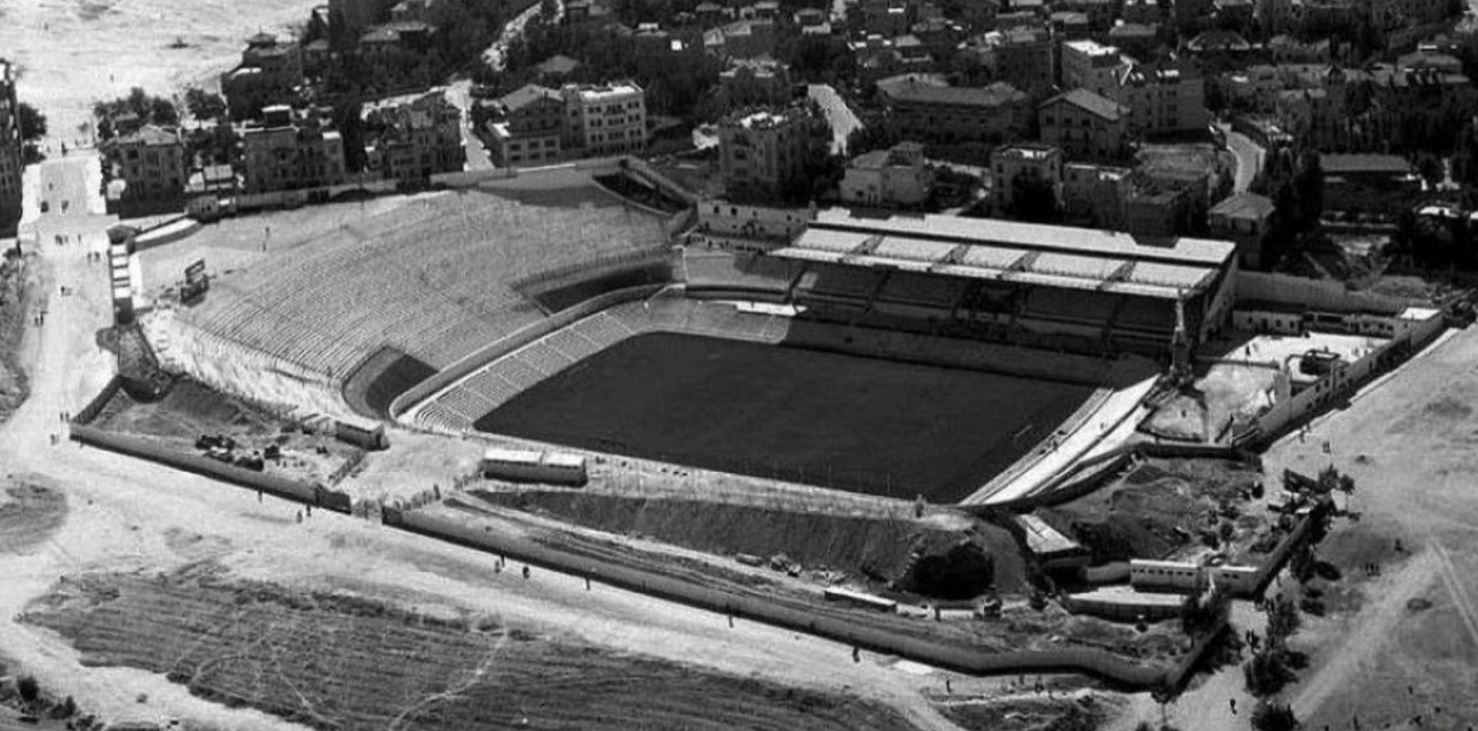
Metropolitano 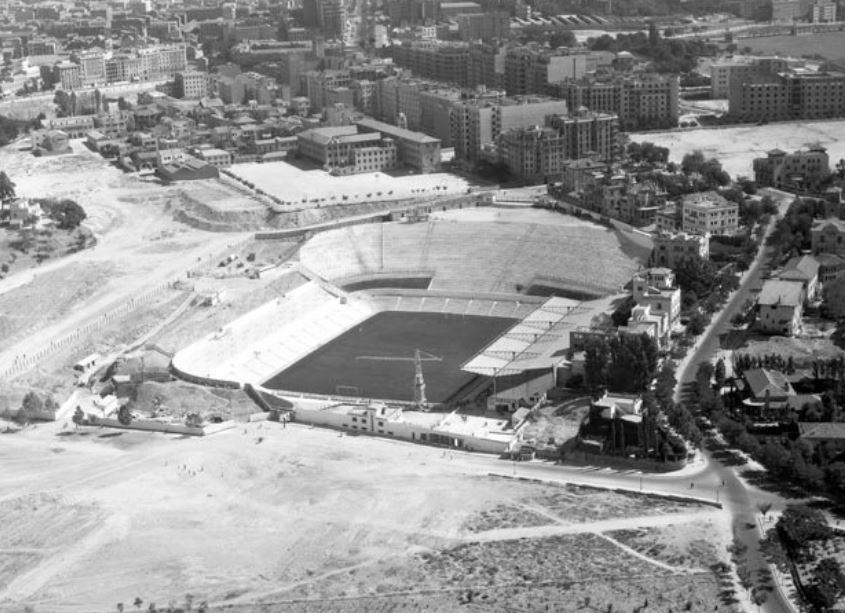
Metropolitano 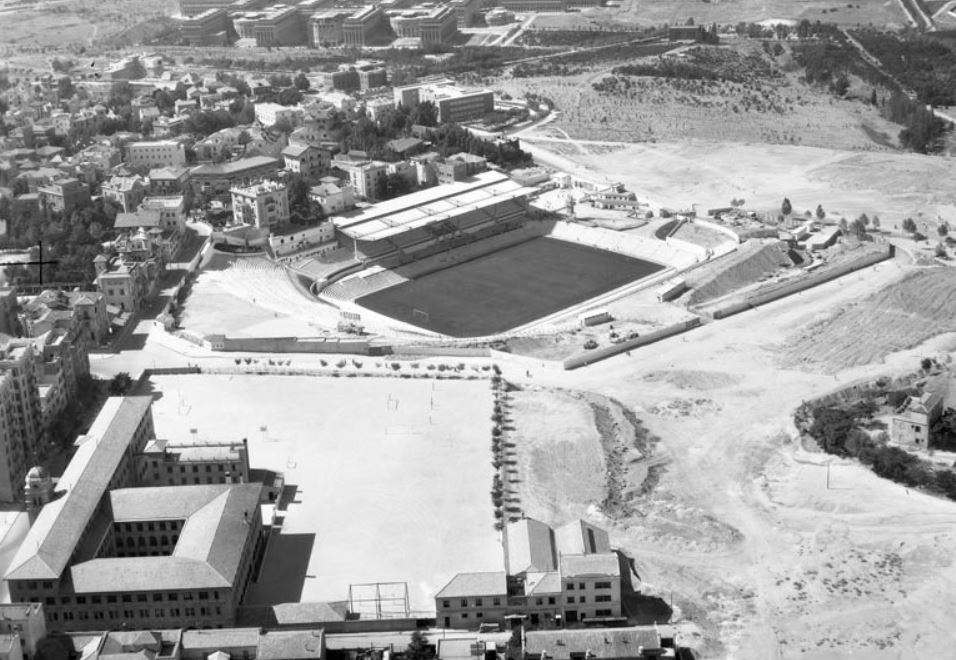
Metropolitano 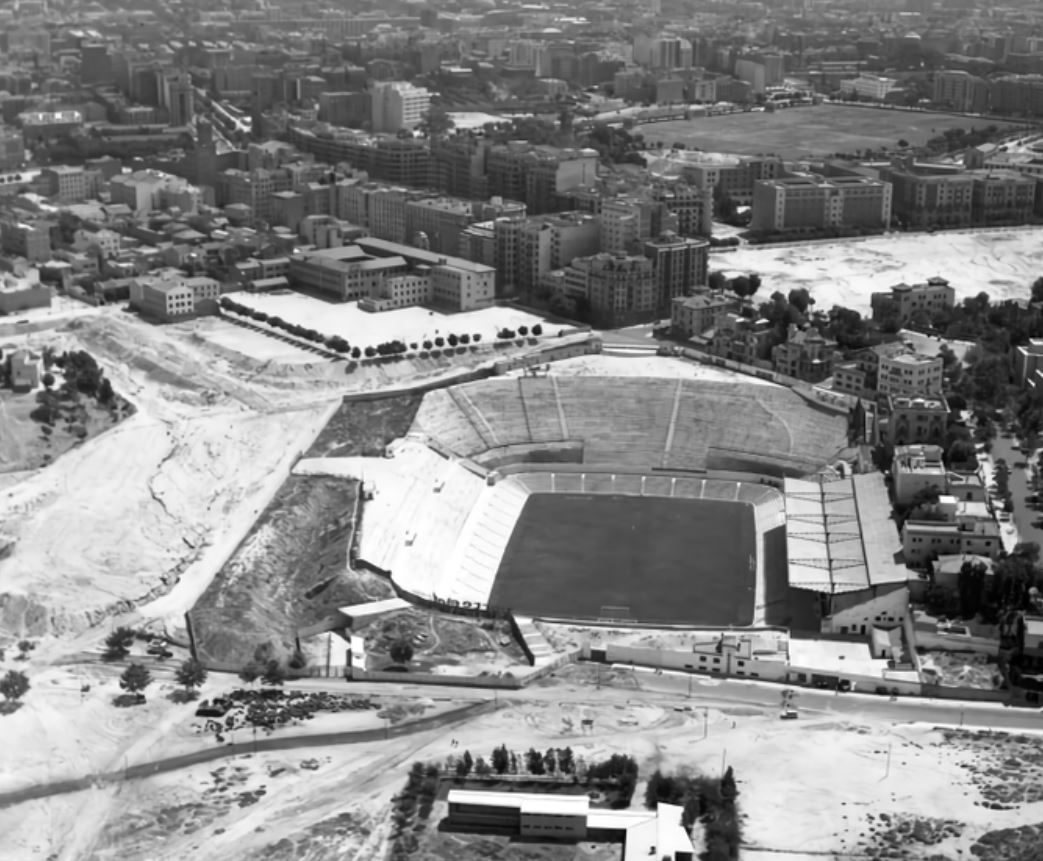
Metropolitano 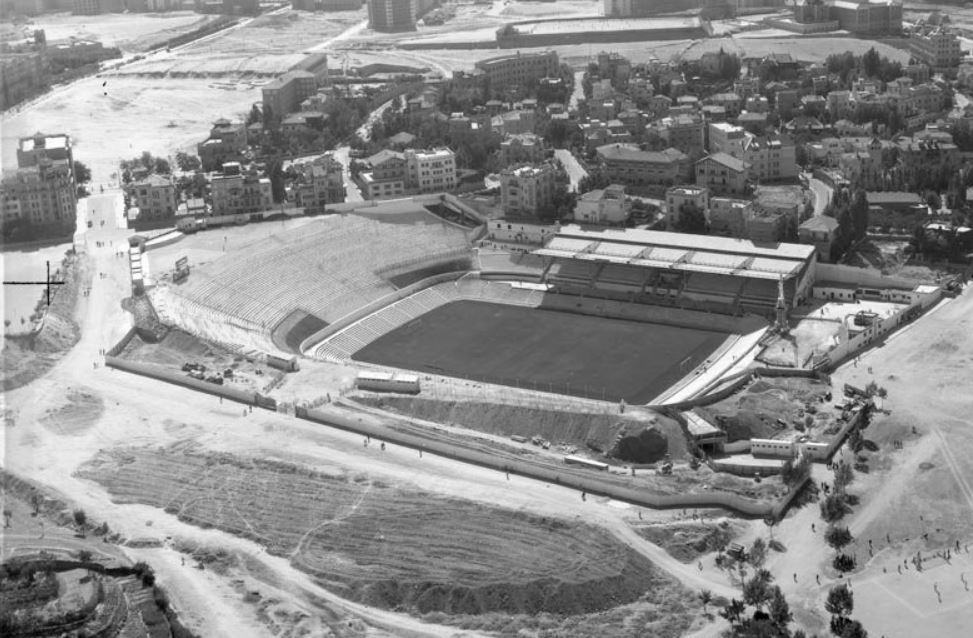
Metropolitano 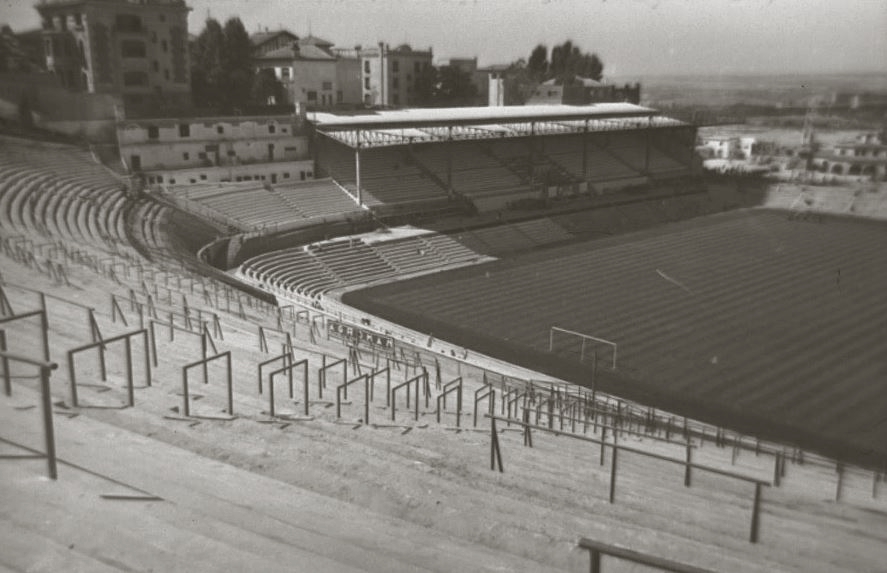
Metropolitano 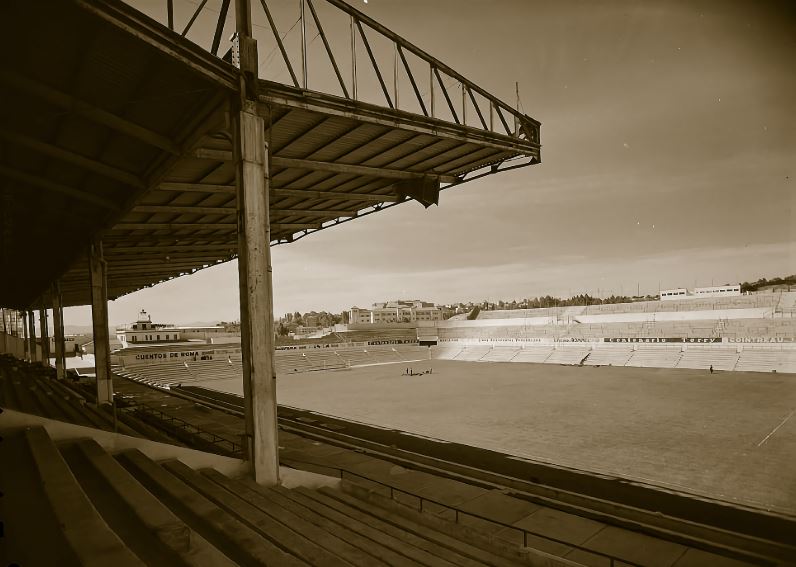
Metropolitano 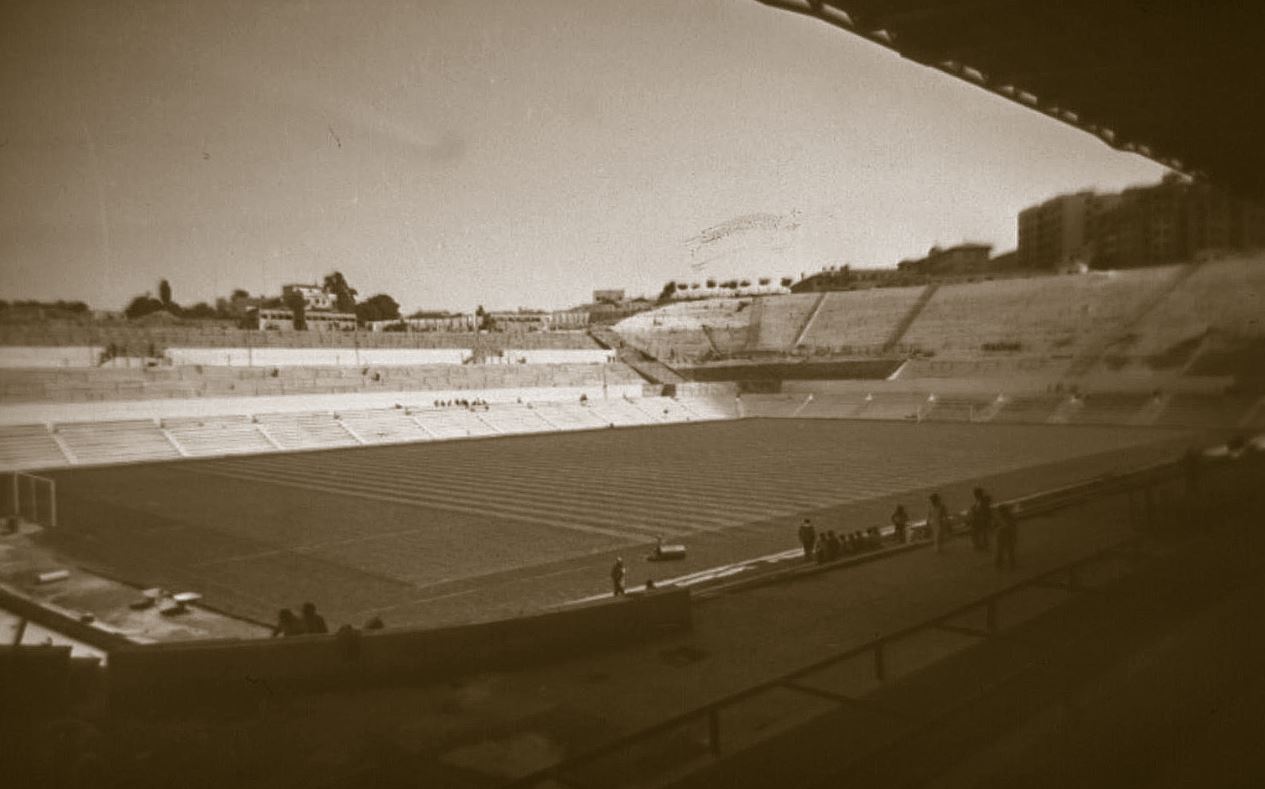
Metropolitano 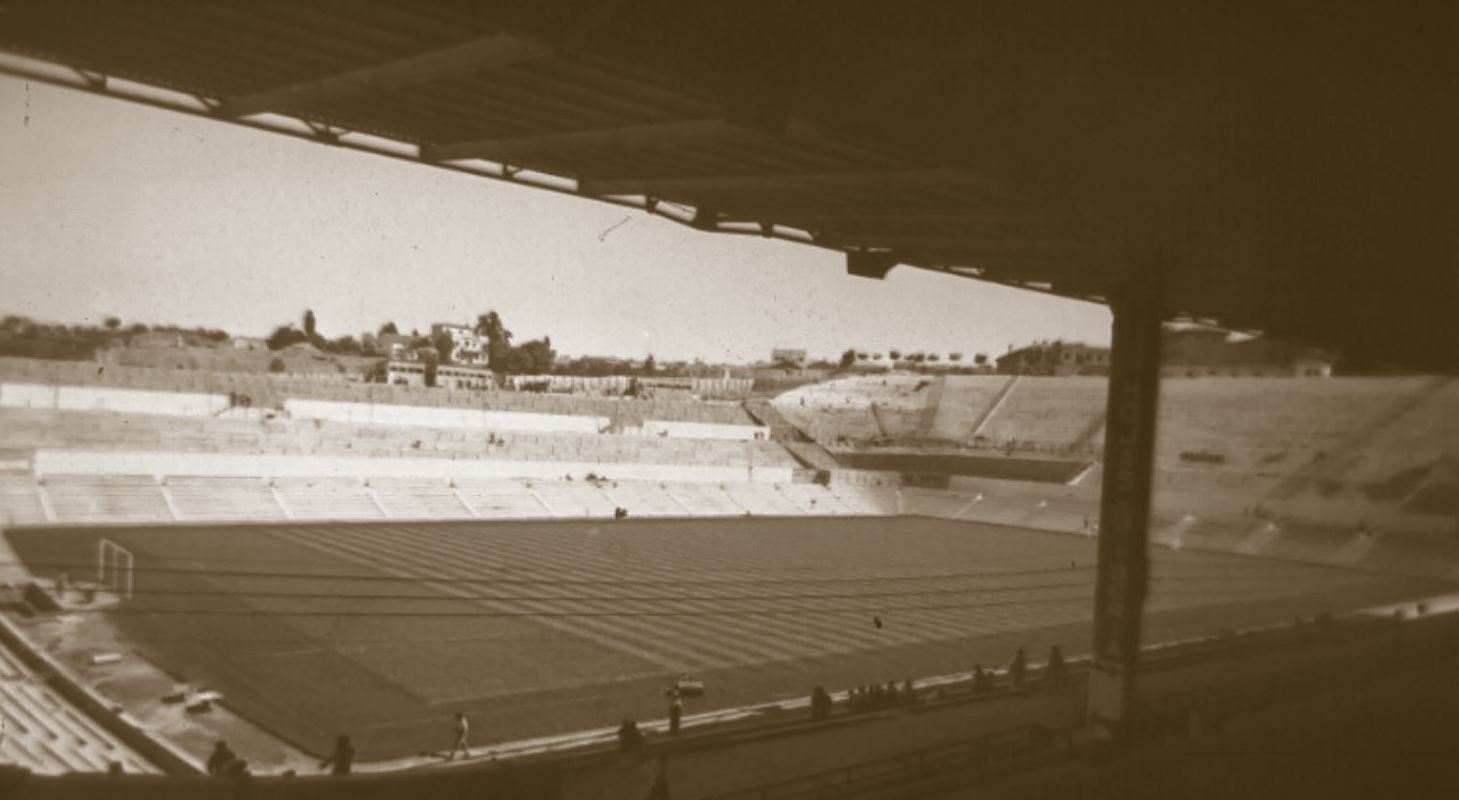
Metropolitano 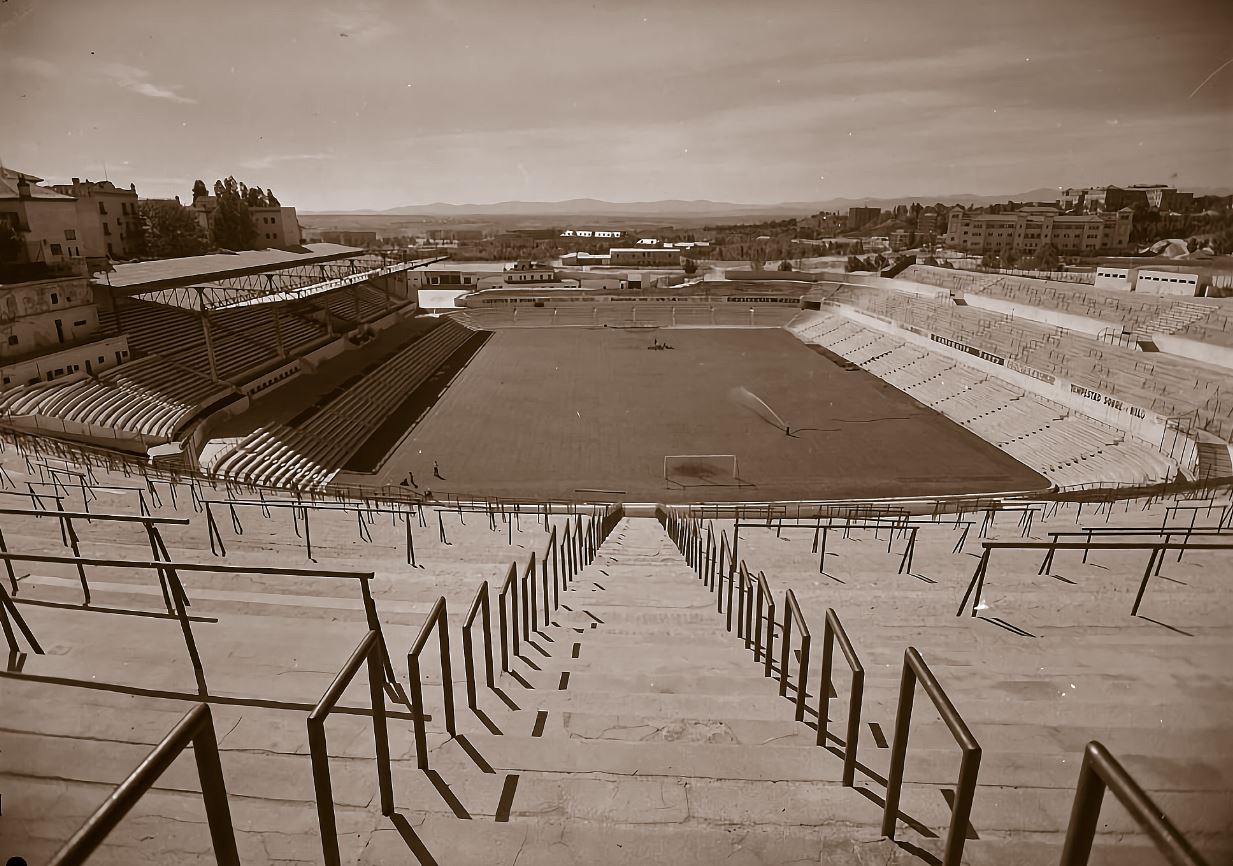
Metropolitano 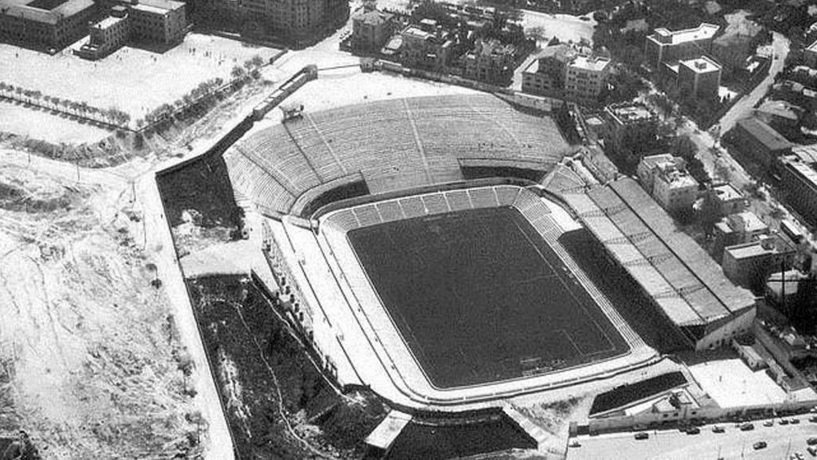
Metropolitano 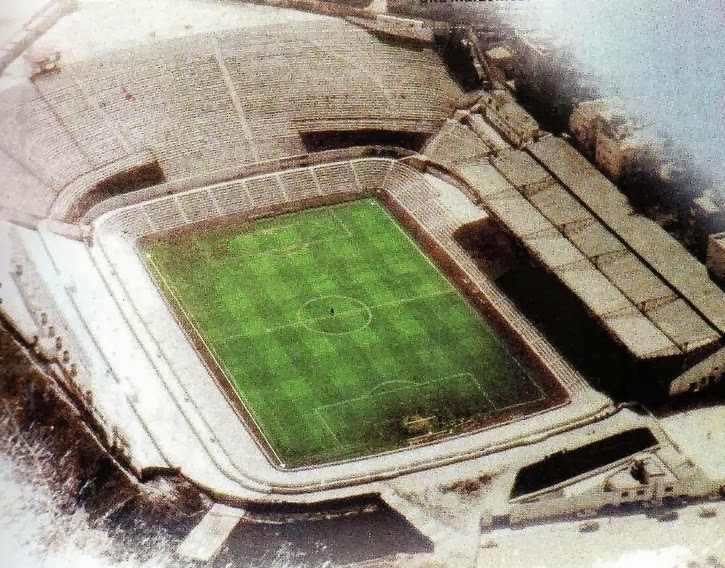
Metropolitano 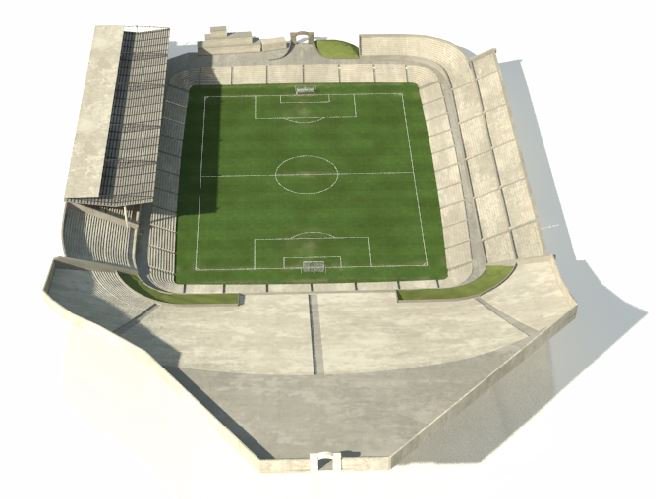
Metropolitano 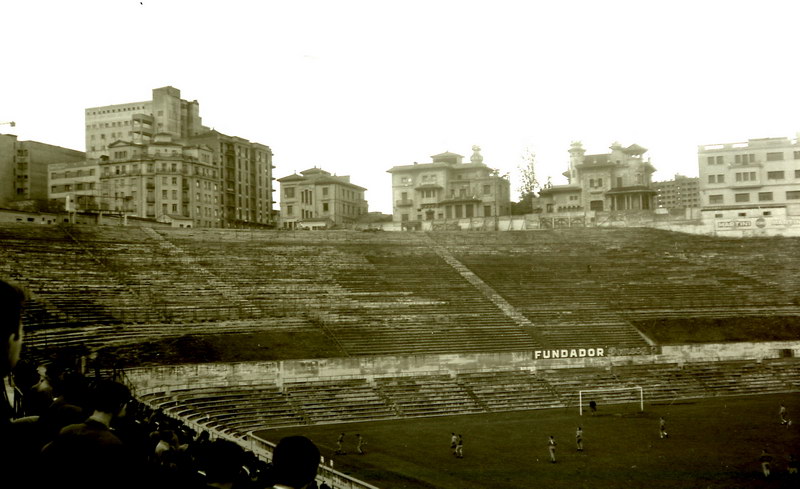
Metropolitano 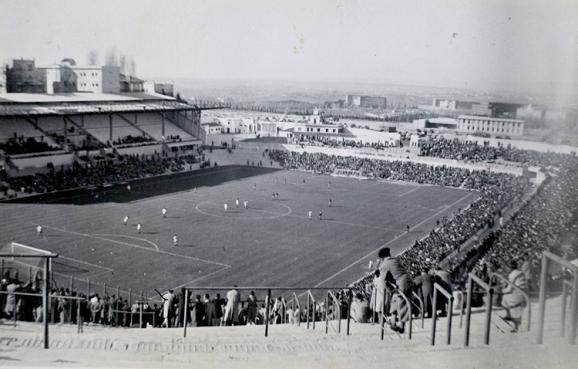
Metropolitano 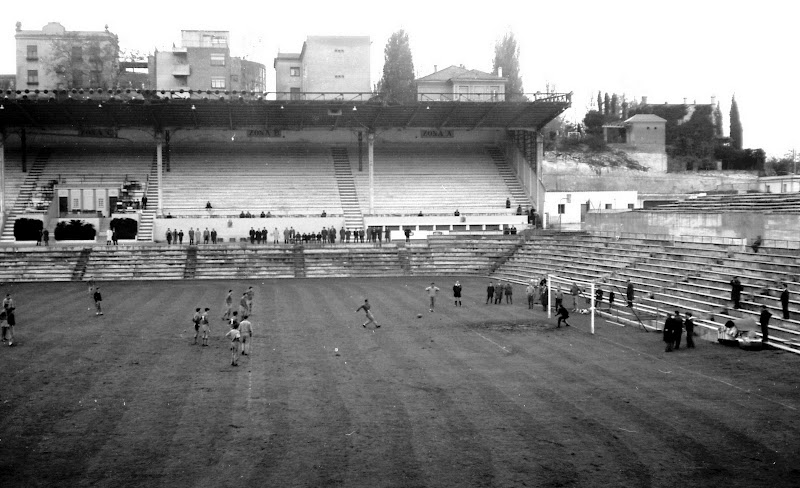
Metropolitano 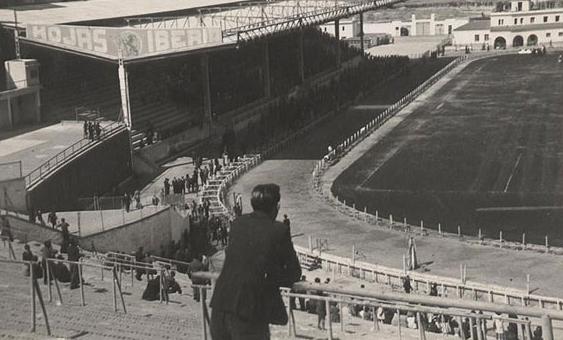
Metropolitano 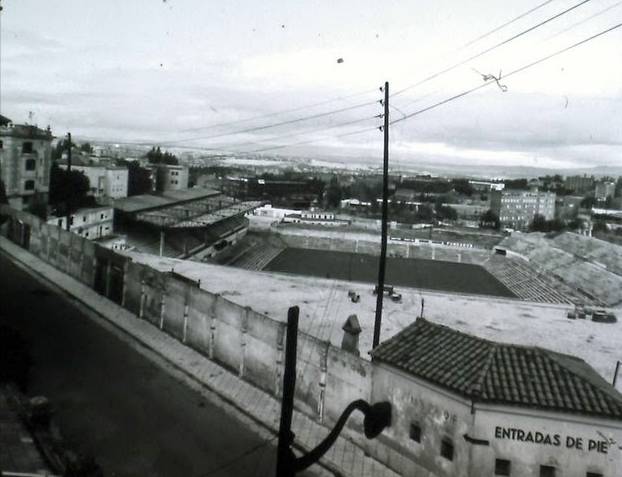
Metropolitano 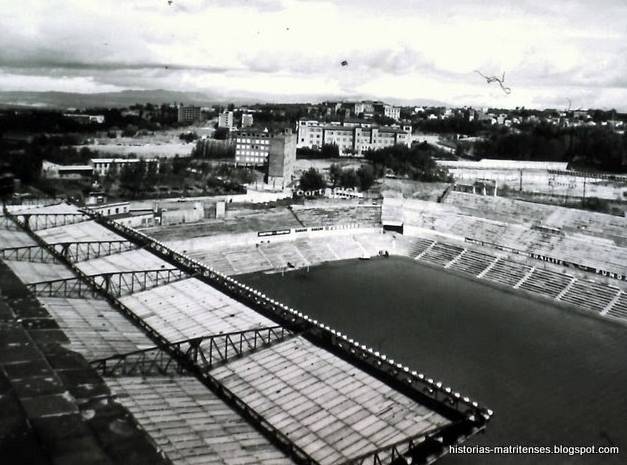
Metropolitano 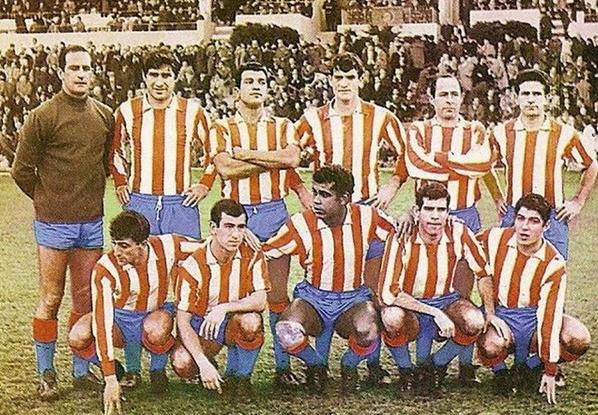
Atléti line-up for the last time at the old Estadio Metropolitano (08/05/1966)
 Estadios de España