
Article updated: 02/10/2025
Tucked away to the west of the Region of Castile-León, close to the border with Portugal, Zamora is a fantastic city if you are looking for Romanesque architecture, but less so if you are seeking a successful football club. The current senior team, Zamora Club de Fútbol, is the second club from the city to establish itself in the national leagues after the original trailblazers, Club Atlético de Zamora.
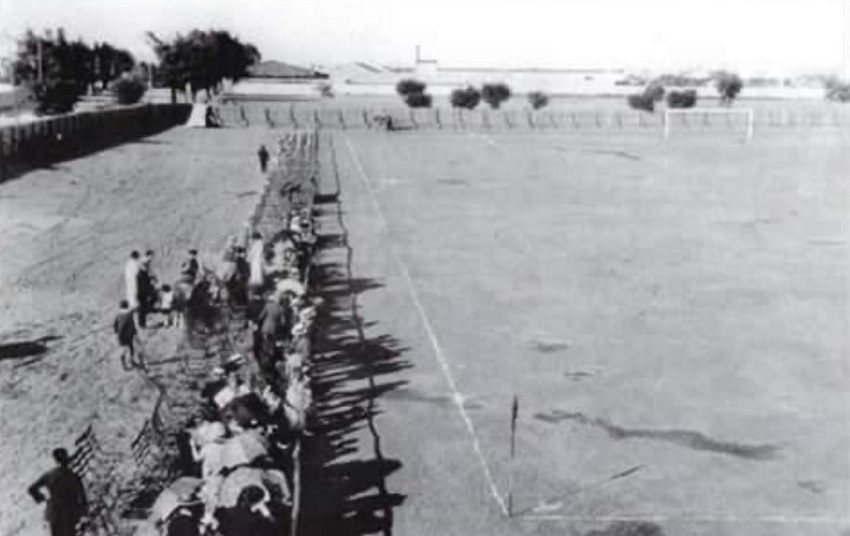
Formed in 1943, Atlético was created from an amalgam of the best players from the city’s junior teams, after the Spanish Federation extended an invitation to provincial towns to compete in the newly formed Tercera. Unfortunately, there was a delay in registering the new club and as a result, Atlético sat out the 1943-44 season. However, on 29 September 1944, Atlético hosted its first-ever league match against UD Salamanca at the Campo de Pantoja, losing by 2-5. The Campo de Pantoja was built in 1934 and originally the home of Club Deportivo Zamora. It was situated to the north of the old town on the Avenida Tres Cruces. In their final season at the Campo de Pantoja, Atlético won their one and only Tercera title, before losing out to Deportivo Caudal & Alavés in the playoffs. On 12 September 1951, the club inaugurated the Campo de Fútbol Ramiro Ledesma with a match against Celta Vigo. The new stadium was named after a local right-wing politician and essayist who died in prison at the outbreak of the Civil War. It was situated on the southeast outskirts of the city, close to the north bank of the Duero. It was an improvement on the Campo de Pantoja, holding 5,000 fans and featuring a short cantilevered cover over the main tribuna on the northern side.
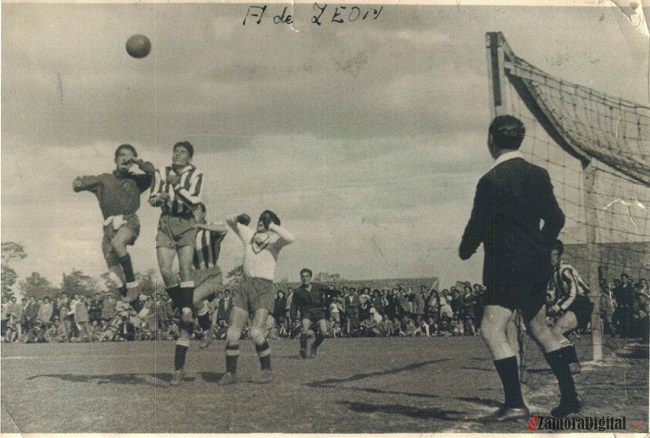
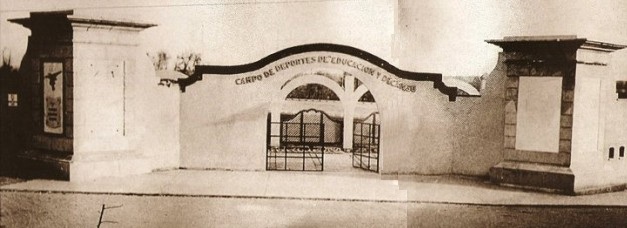
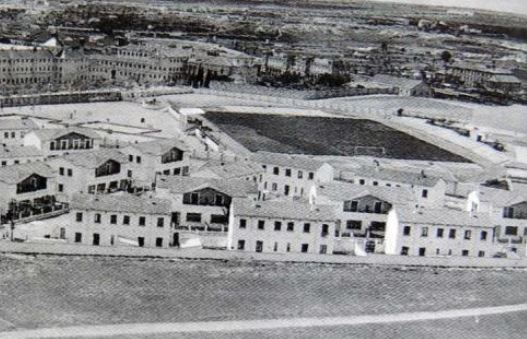
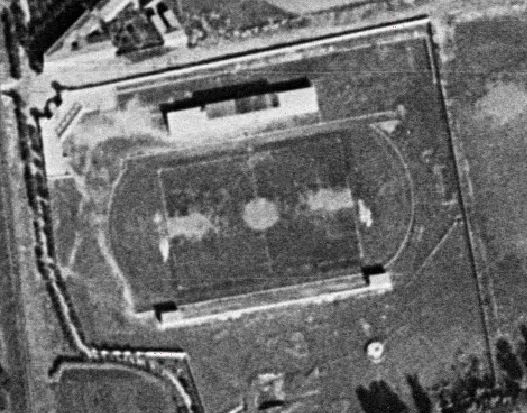

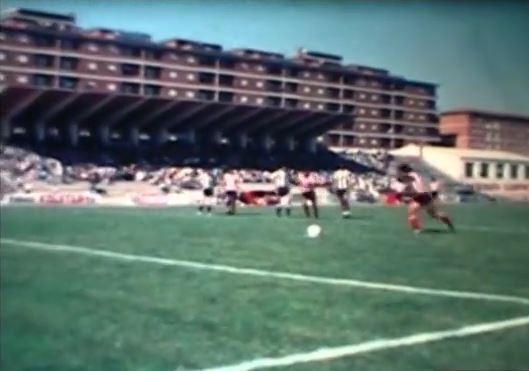
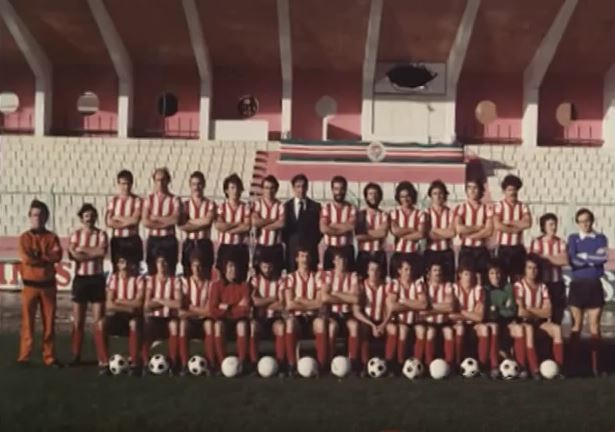
Unfortunately, Atlético could not repeat the form of the early fifties and was relegated from the Tercera in 1962. It was eventually wound up in June 1964. It took a further four years to form the current club. Zamora CF joined the Regional Primera in 1969 and used the Campo de Ramiro Ledesma. The early 1970s saw the club struggle to establish itself in the Tercera, but in 1977-78, they won Group IV of the Tercera and promotion to Segunda B. There followed four seasons of inconsistent form, culminating in a third-place finish at the end of the 1982-83 season. Unfortunately, the club had failed to pay its players, and with the debt outstanding at the season’s end, Zamora CF was demoted to the Tercera. The club bounced straight back, but three years later, it was back in the Tercera following the restructuring of Segunda B. They left the Campo Ramiro Ledesma in 1987, hopping across to the western edge of town to the Campo La Vaguada. Fans of Zamora CF have fond memories of La Vaguada, but this is more to do with the club’s renaissance at the turn of the 21st century, rather than the facilities. When translated, La Vaguada means the trough, and when it opened, it was a bit of a pit. Originally, the stadium featured a 65 metre covered Tribuna on the west side and an open terrace on the east. The Tribuna was extended in 1997, and a 50-metre cover was added to the east terrace.
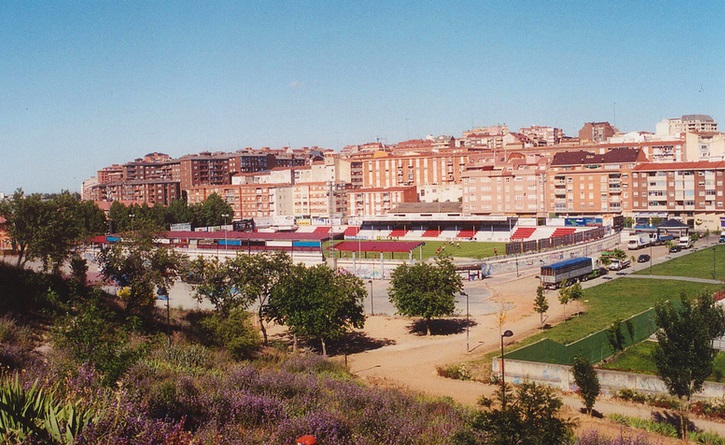
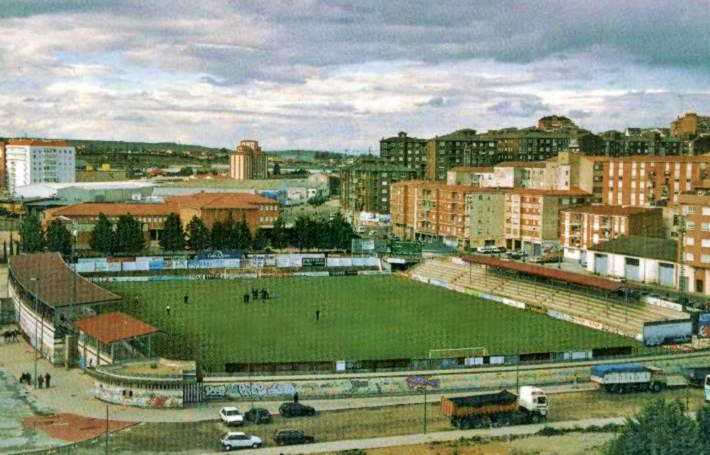
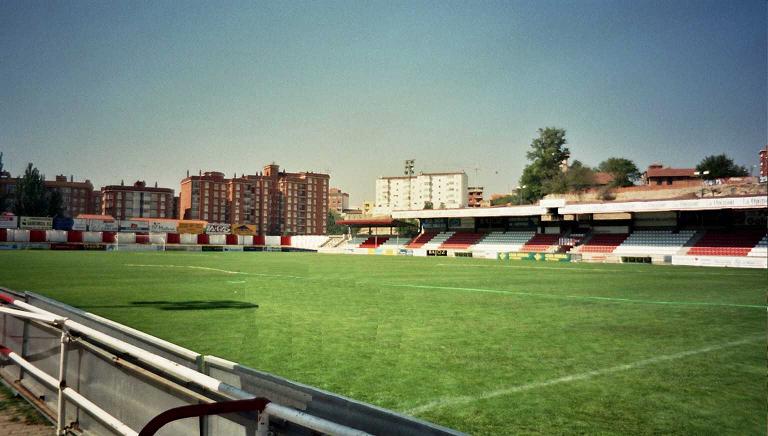
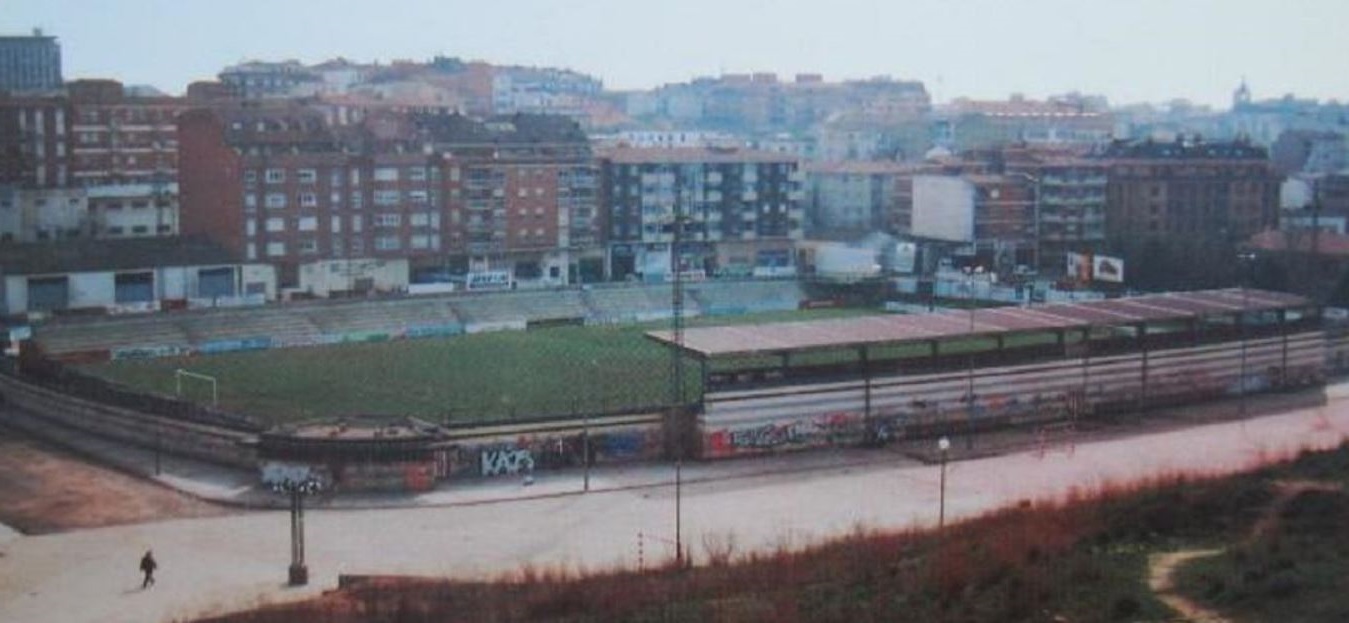
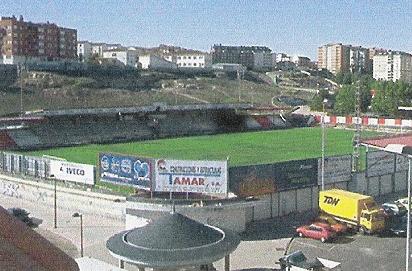
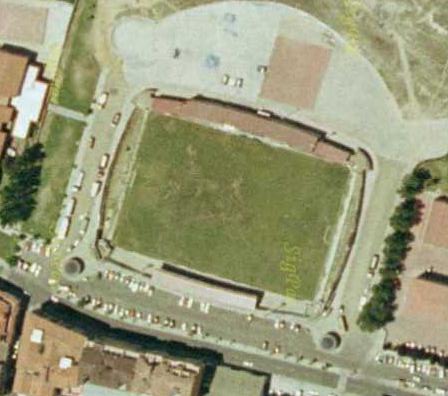

Over the next ten seasons, Zamora CF recorded a series of top-ten finishes in the Tercera, qualifying for the playoffs on five occasions, but failing to progress on each occasion. Then in 1996-97, a comparatively lowly fourth-place finish saw them grouped with Lalin, Santa Ana & Club Siero in the playoffs. A near-perfect performance saw the club top the group and return to Segunda B after an eleven-season absence. Zamora CF suffered the first-season hiccup when they lost a relegation play-off to CD Mensajero, but Zamora CF’s third Tercera title and another playoff victory saw a return to Segunda B for the 1999-00 season. On 12 May 2002, Zamora CF played its last game at La Vaguada, losing 2-3 to SD Compostela. The club moved to a new municipal stadium south of the Rio Duero, and apartment blocks were built where La Vaguada stood. The move heralded a period of relative success for the club, with qualification to the playoffs in four of the succeeding seven seasons; however, promotion to La Segunda was to prove elusive. The last few seasons have seen Zamora CF drop back into the pack and then drop into the Tercera in 2015. The club returned to the third tier in 2020 and competed in the last-ever season of Segunda B, before the RFEF restructured the leagues. A year later, promotion was won to the Primera Federación, and despite dropping to the Segunda Federación after just one season, Zamora CF returned to Spain’s third tier in 2024.
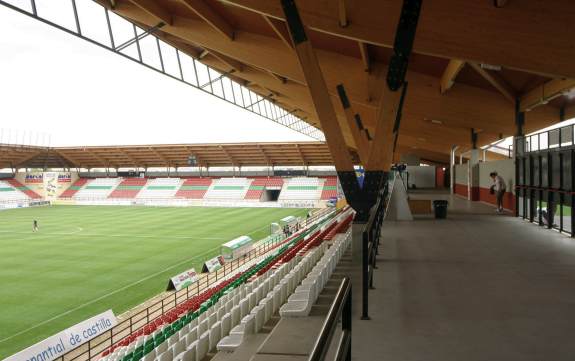
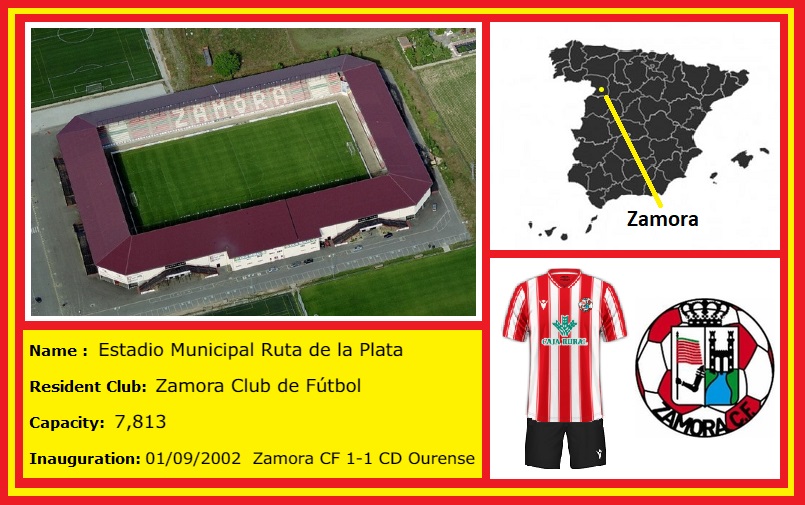
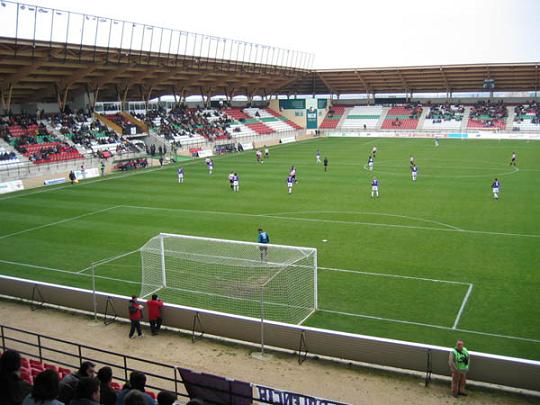
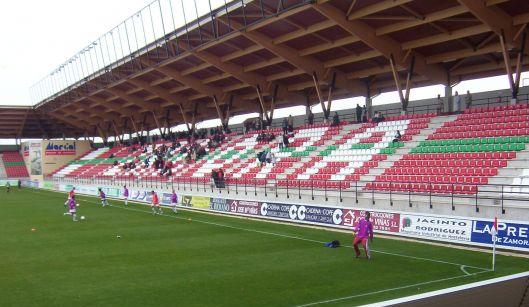
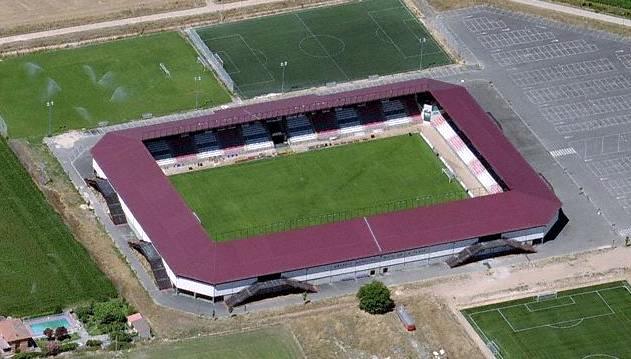
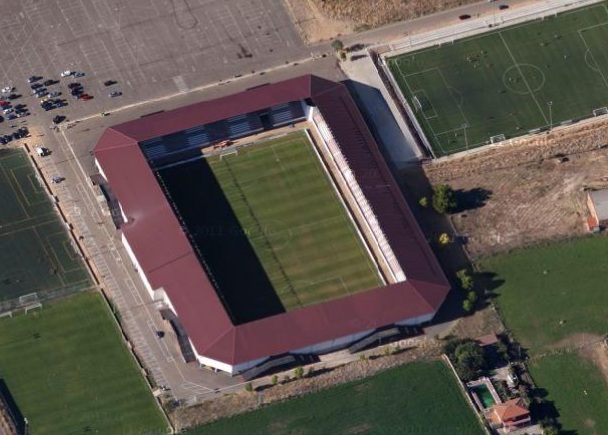
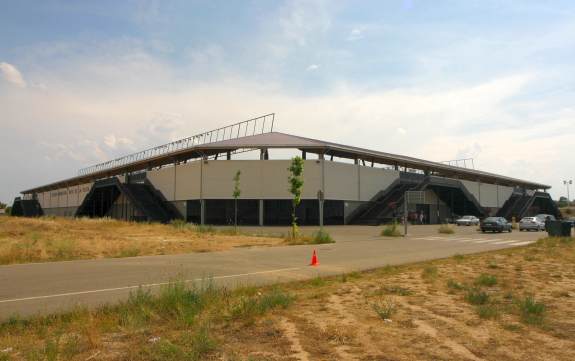
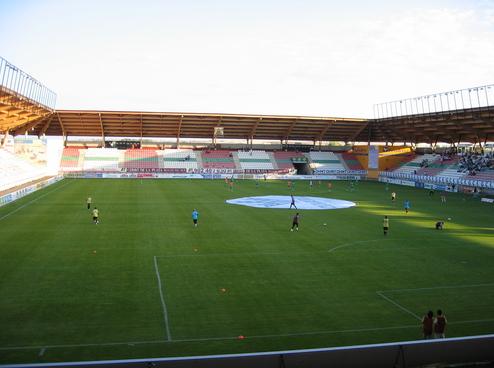
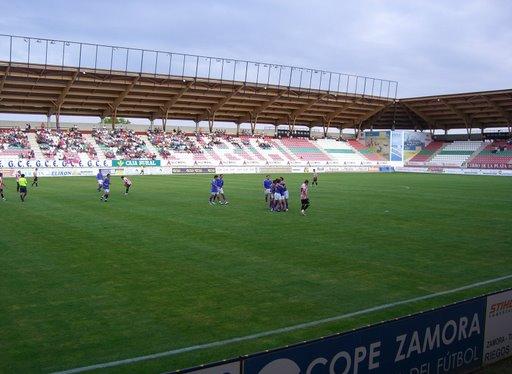
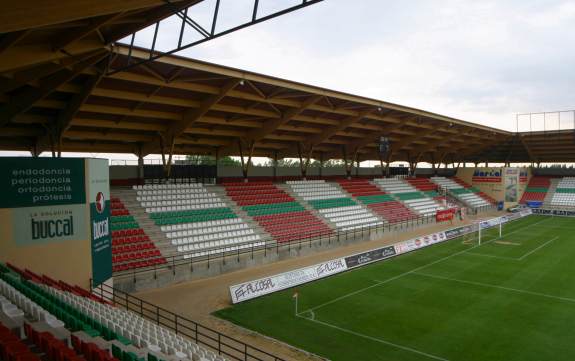
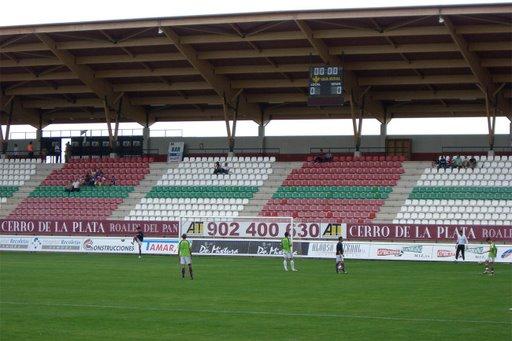
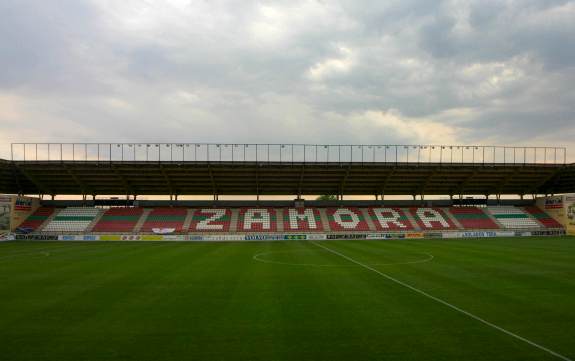
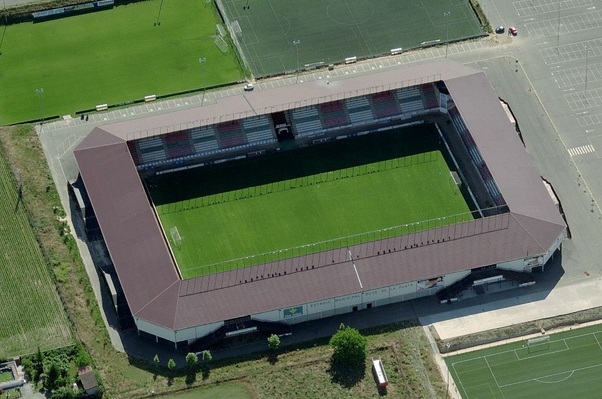
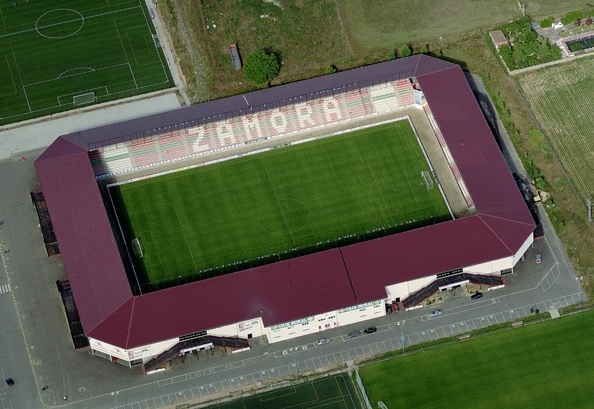
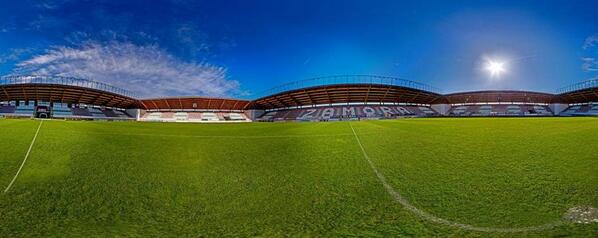
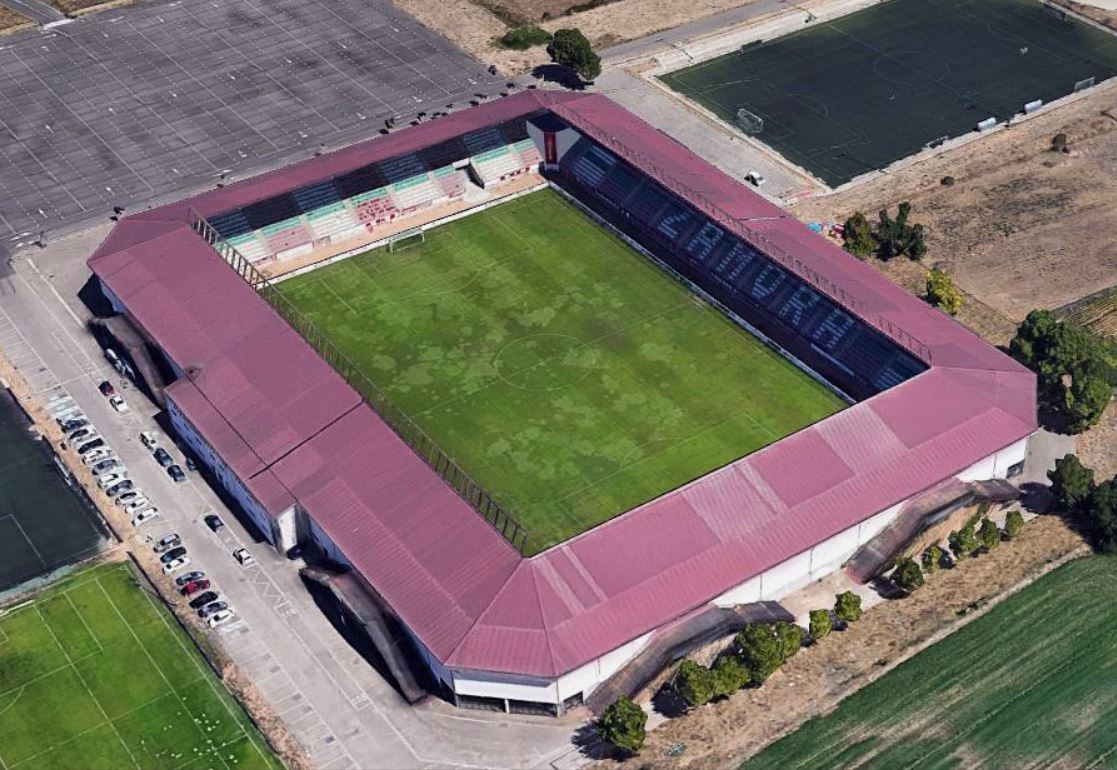
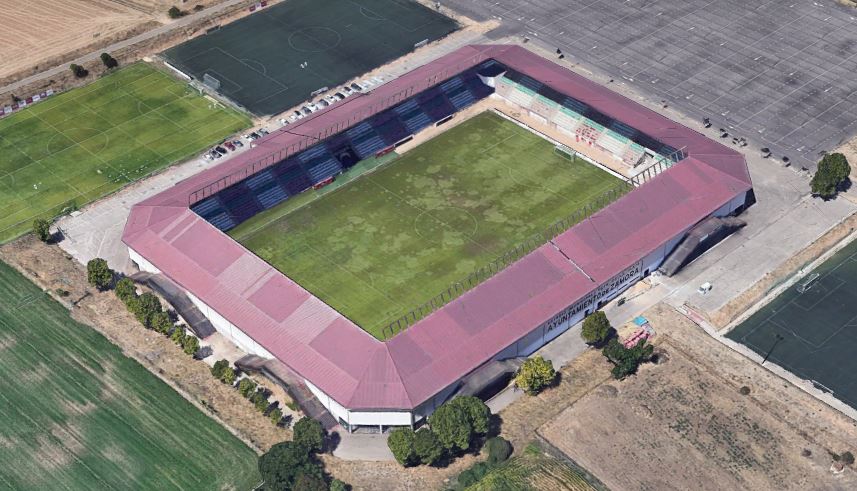
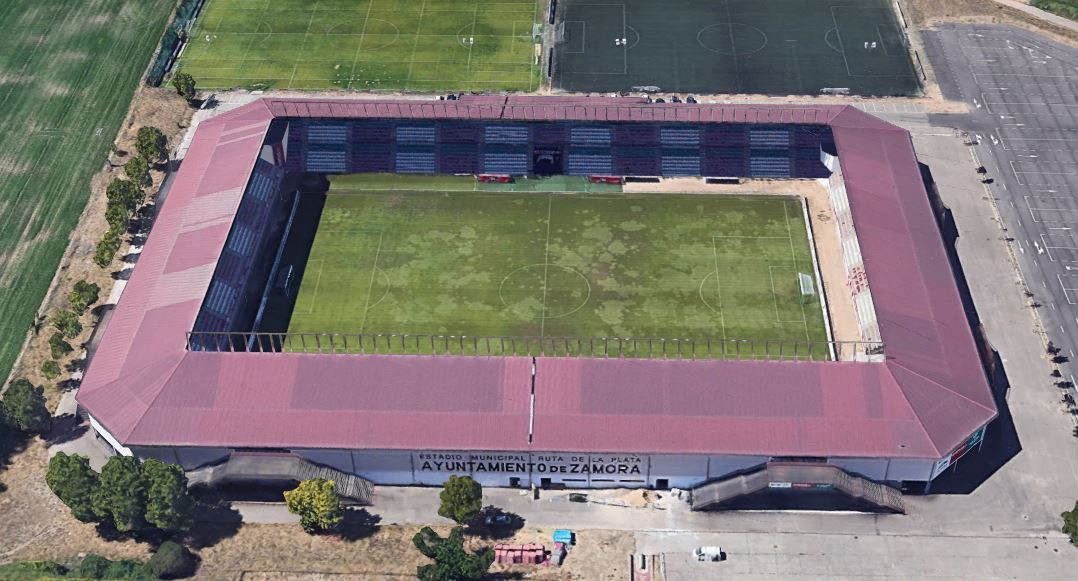
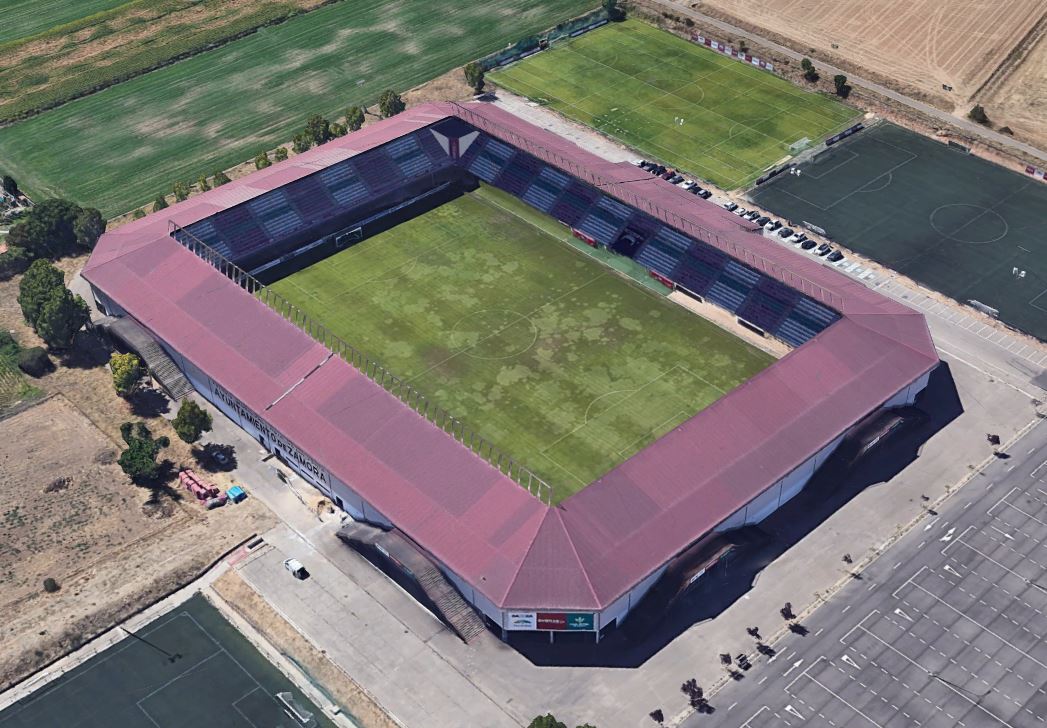
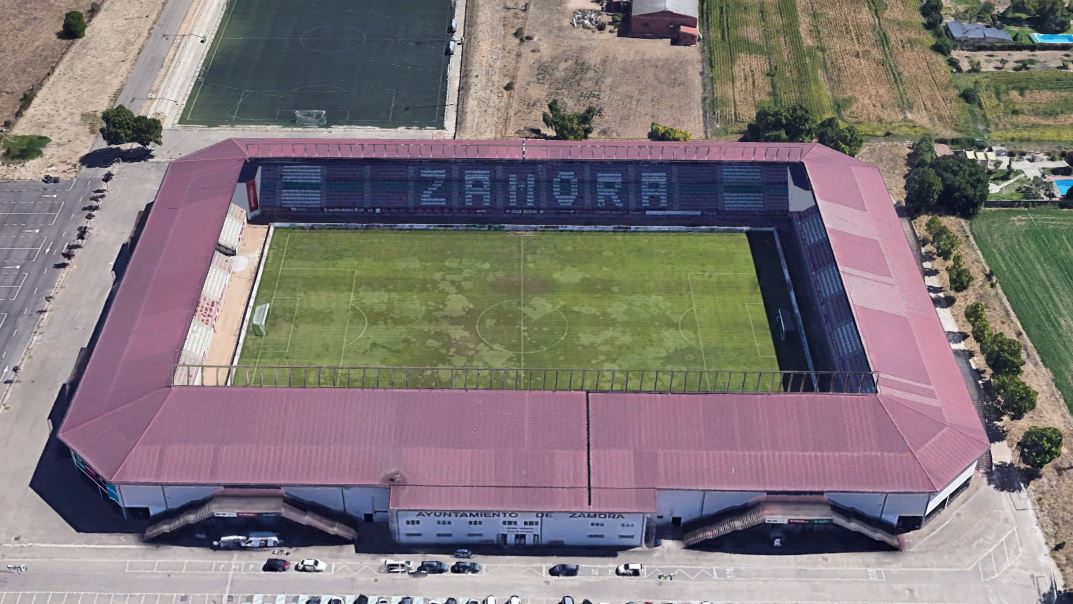
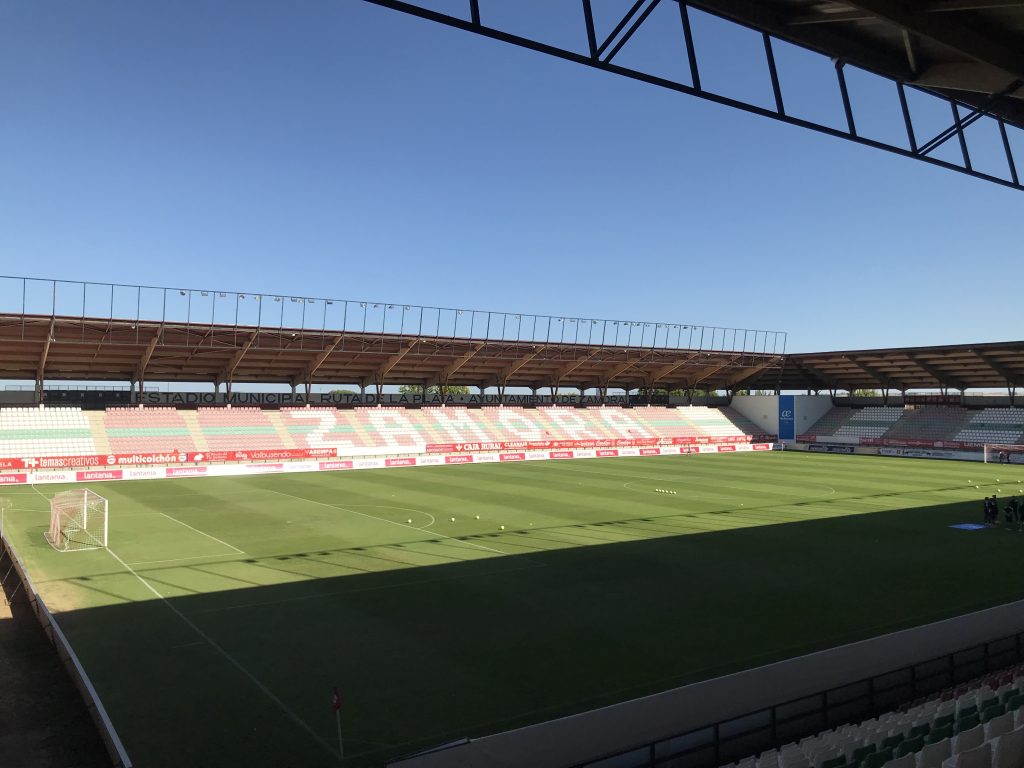
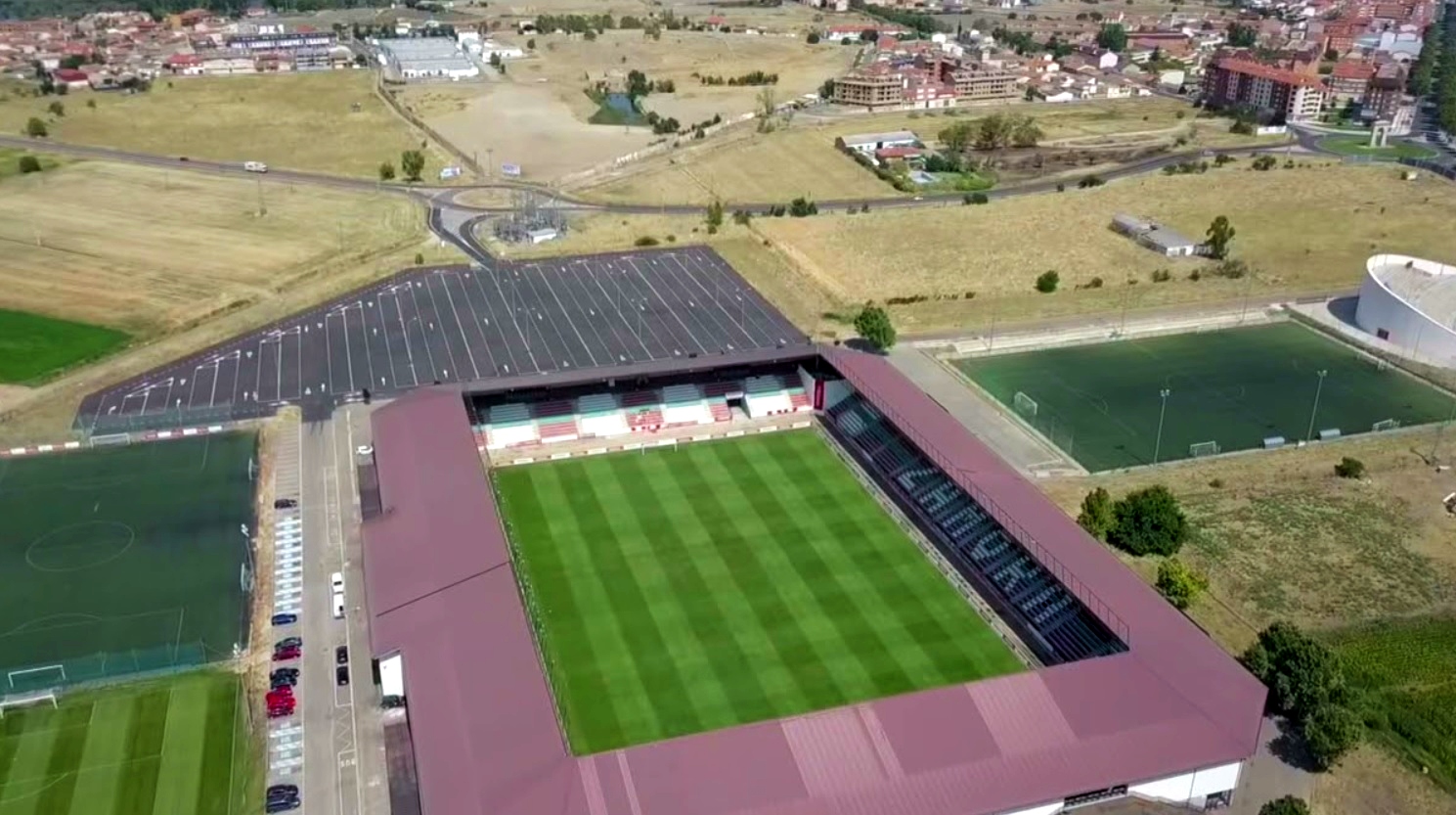
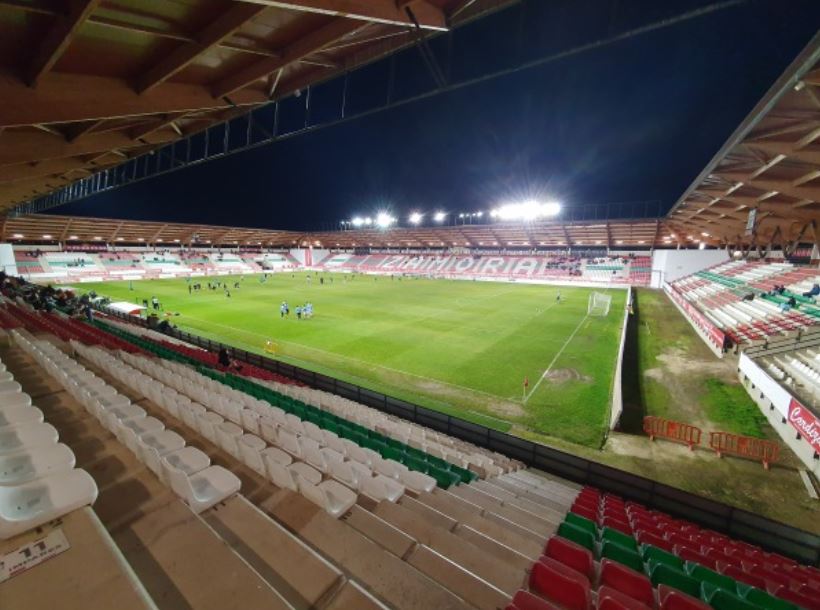
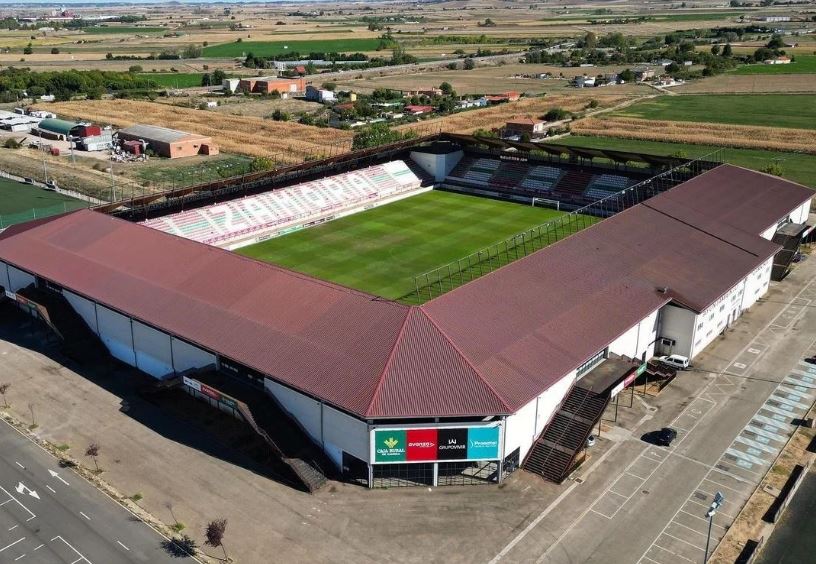
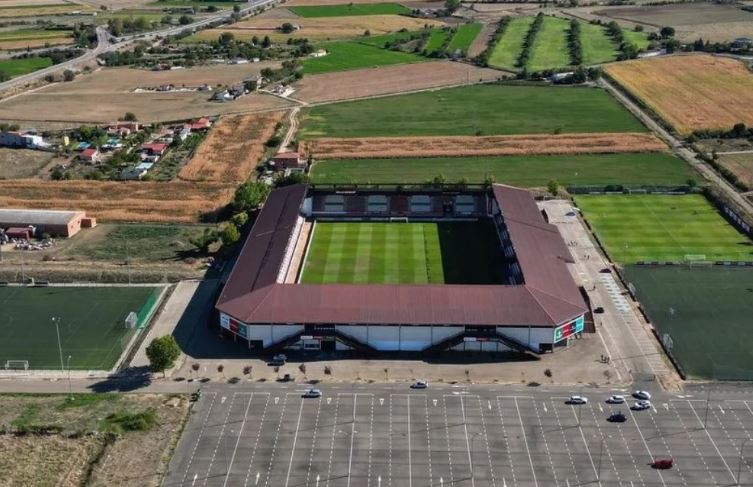
The Estadio Ruta de la Plata opened on 1 September 2002 with a 1-1 draw in a league match against CD Ourense. The stadium takes its name from the ancient trade & pilgrimage route that passed through Zamora and bears a striking resemblance to another that opened in the east of the region a few years earlier, namely Numancia’s Nuevo Pajaritos in Soria. Although slightly smaller than its counterpart in Soria, the Estadio Ruta de la Plata uses the same materials that prove so effective when faced with the temperature extremes found in Castile y León. The exposed oak roof beams expand during the summer heat and contract in the bitterly cold winters. They also provide a great contrast to the bands of red, white and green seats below. This seating deck is slightly raised on all four sides of the stadium and provides excellent views from its 8,000 seats. Outside the stadium, the design is slightly spoiled by ugly access ramps to the raised entrances at the rear of each stand. Surrounding the stadium are several full-size pitches and futsal courts, along with a n amphitheatre for open-air concerts.
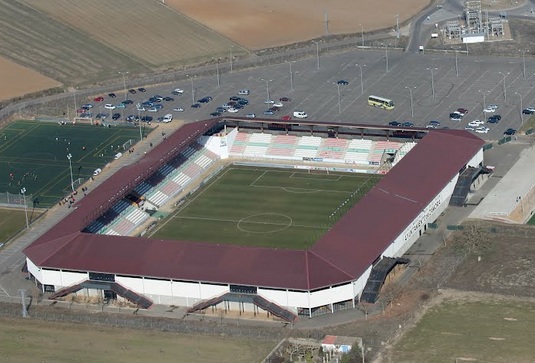
The Estadio Ruta de la Plata may not be original in design, but it is perfectly suited for a club of Zamora’s size. However, despite a name that suggests their ambitions should be focused on a place in Spain’s silver category of football, their time at the stadium has been spent in the bronze category or below.


 Estadios de España