Article updated: 12/09/2025
Before the advent of daytime television and 2-4-1 offers in the union bar, students could be a resourceful bunch. Take, for example, the students who formed RCD Espanyol way back on 28 October 1900. It was set up as a sports club for the Spanish middle class in an increasingly pro-Catalan Barcelona. As with many clubs, Espanyol’s formative years were at times difficult and not helped by their almost nomadic existence. Between 1900 and 1909, the club played at five different grounds and changed its name on four occasions. The original club even went into a sort of hibernation in 1906 when X Sporting Club (no, they really were called X!) took on the footballing duties and made a rather good fist of it, winning the Campionat de Catalunya in three successive seasons from 1905-08. Their home stadium during this run of success was the Calle de Marina, which stood on the site of the current-day Plaza de Toros Monumental. In 1909, the club was relaunched as Club Deportivo Español and a year later adopted its present colours of blue and white stripes.
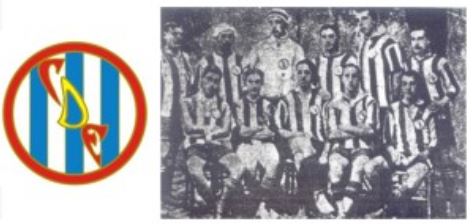
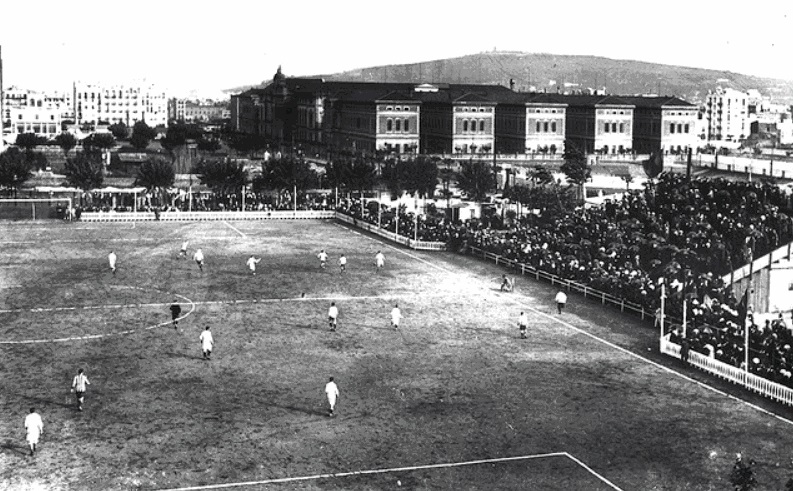
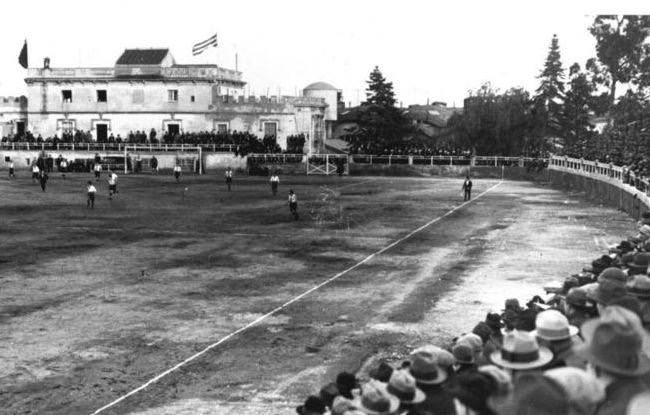
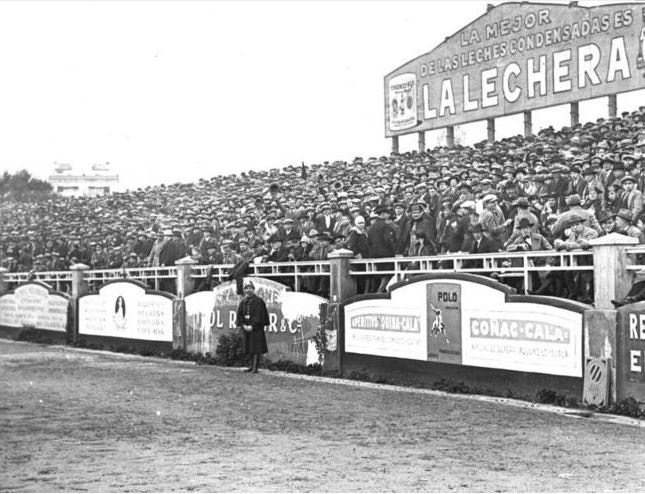
In 1911, the club moved to Campo de la Calle Muntaner, which had been vacated by arch-rivals FC Barcelona the previous season. The move was a success, as the club celebrated another win in the Campionat de Catalunya at the end of the season. Further titles followed in 1915 & 1918, and the old stadium was even chosen to stage the final of the cup in 1917. Madrid FC & Arenas Club lined up on 13 May 1917 and again two days later for a replay. However, the truth of the matter was that although Campo de la Calle Muntaner provided them with a stable home, it was basic and fell well short of the standard of the new stadium FC Barcelona opened in 1922 in the Les Corts district.
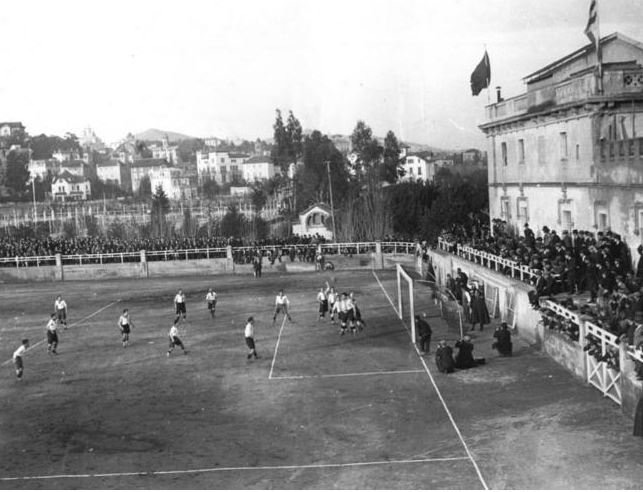
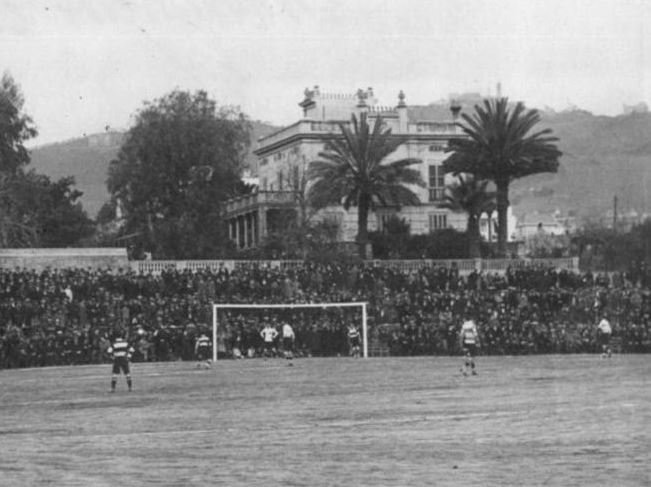
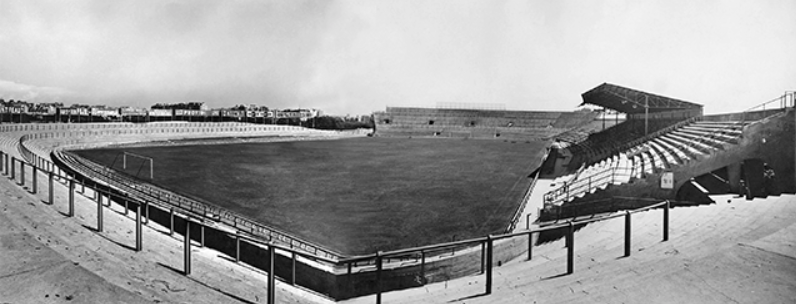
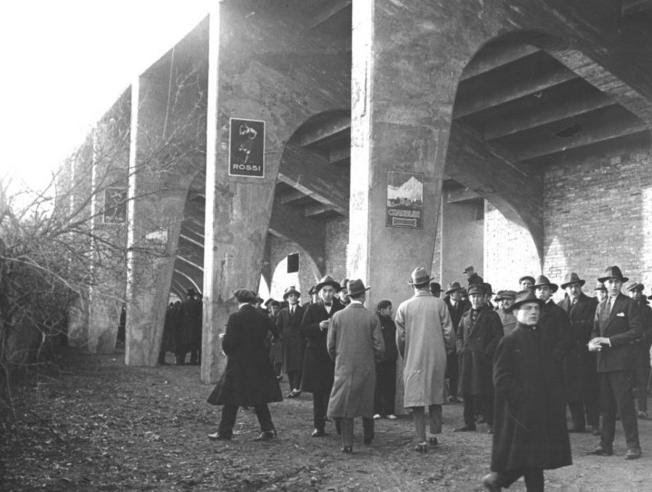
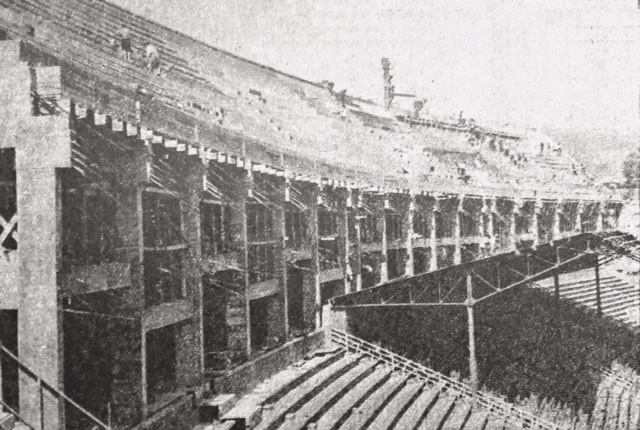
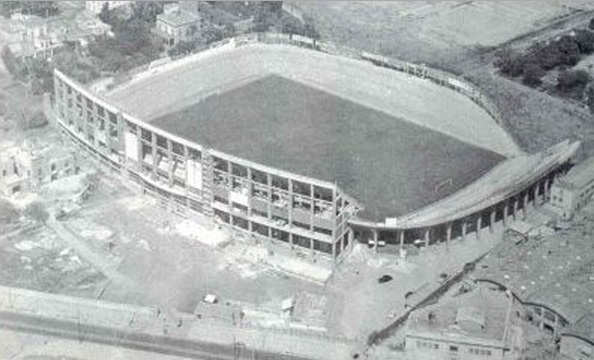
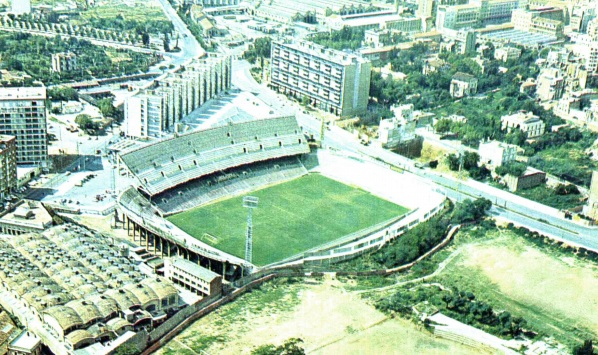
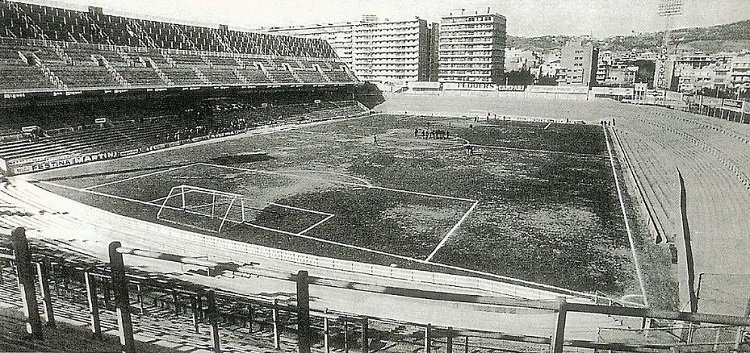
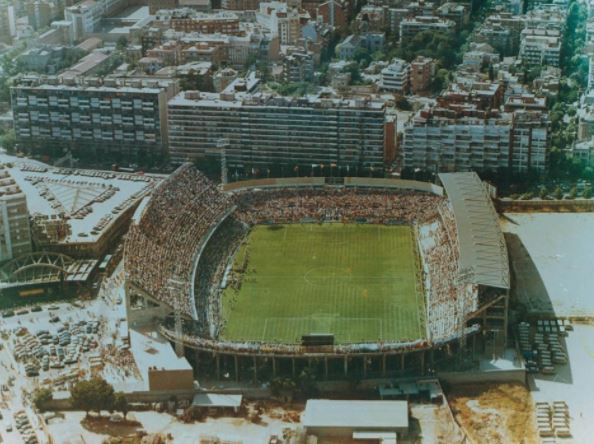
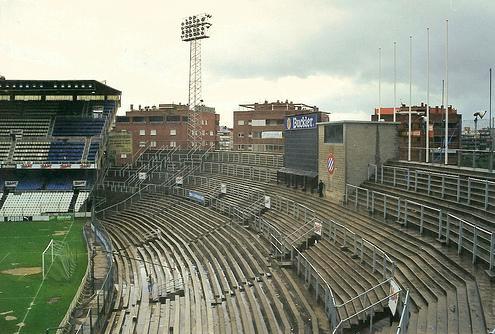
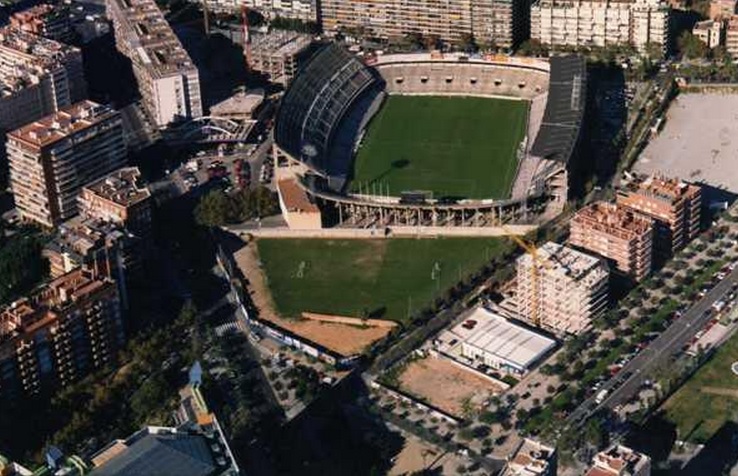
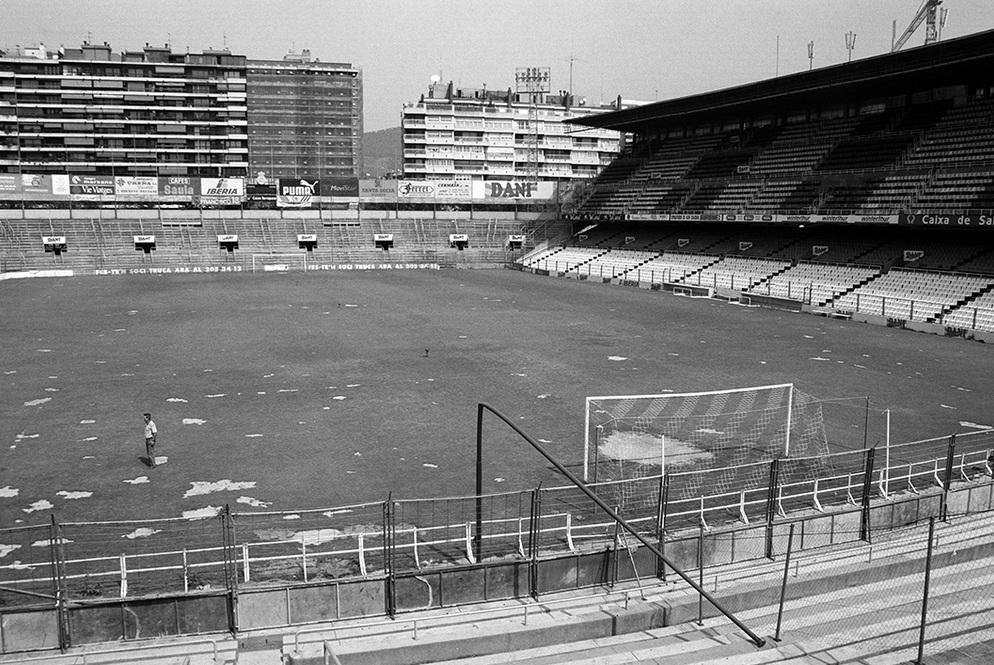
You can already see a pattern developing, one that shows Espanyol eternally a step behind their neighbours. However, help was at hand in the form of the La Riva Family, wealthy textile industrialists, who bought Espanyol some land on the Carrer de Sarrià, deliberately close to Barça’s Les Corts stadium. The ground was initially called Can Rabia, or White House, after an old villa that stood behind the southern goal. Construction began in December 1922 under the supervision of architect Matías Colmenares. The initial plans for the stadium to hold 40,000 spectators had to be scaled back after the construction company went bust. With a revised capacity of 10,000, the ground opened on 18 February 1923 with a 4-1 victory over UE Sants. It was a basic affair of banked terracing or bleachers, but in 1926, the first stand was erected on the west side of the enclosure. Two years later, Sarrià was the location of the first goal in the new national league when “Pitus” Prats scored for Espanyol in a 3-2 win over Real Unión.
In 1929, Espanyol won their first Copa del Rey, defeating Real Madrid 2-1 at Valencia’s Mestalla stadium. However, soon afterwards, the club sold their talismanic goalkeeper, Ricardo Zamora, to their cup final opponents for a record fee of 100,000 pesetas. An enforced name change to Club Deportivo Español followed in 1931, after the formation of the Second Spanish Republic outlawed the use of royal insignia; however, this was reinstated after the civil war. In 1940, the club won its second Copa del Rey, and once again, Real Madrid were the opponents as Espanyol ran out 3-2 winners at the Campo de Vallecas.
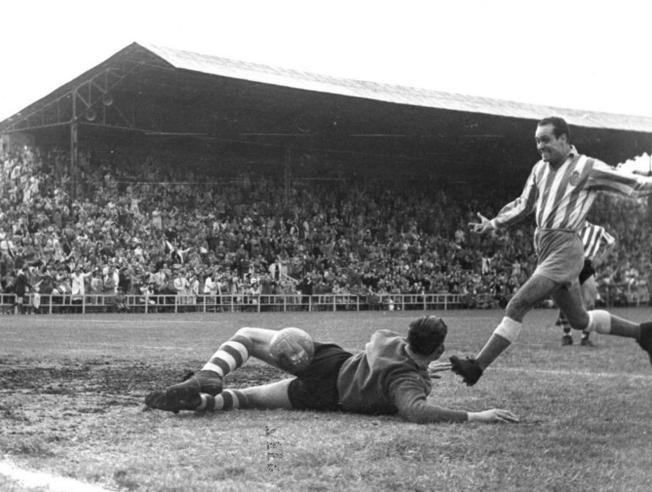
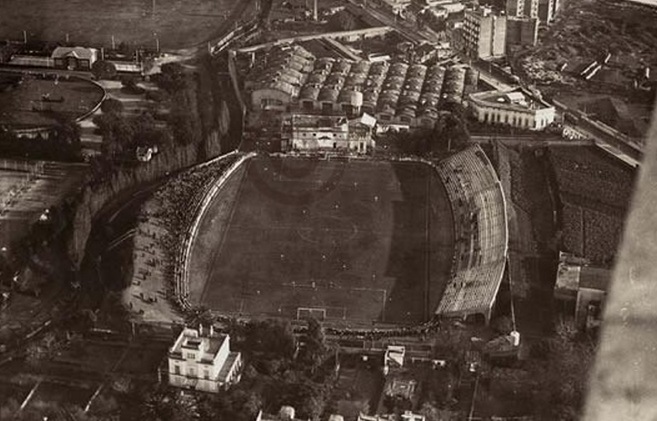
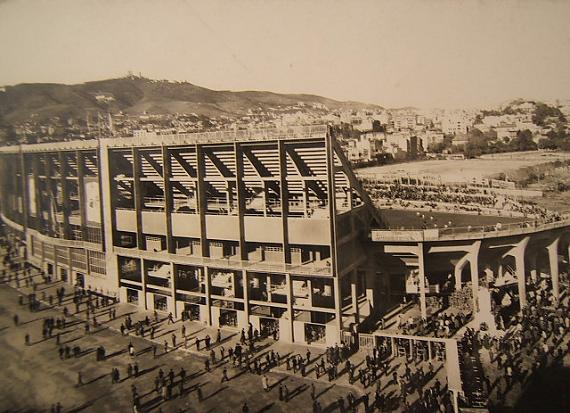
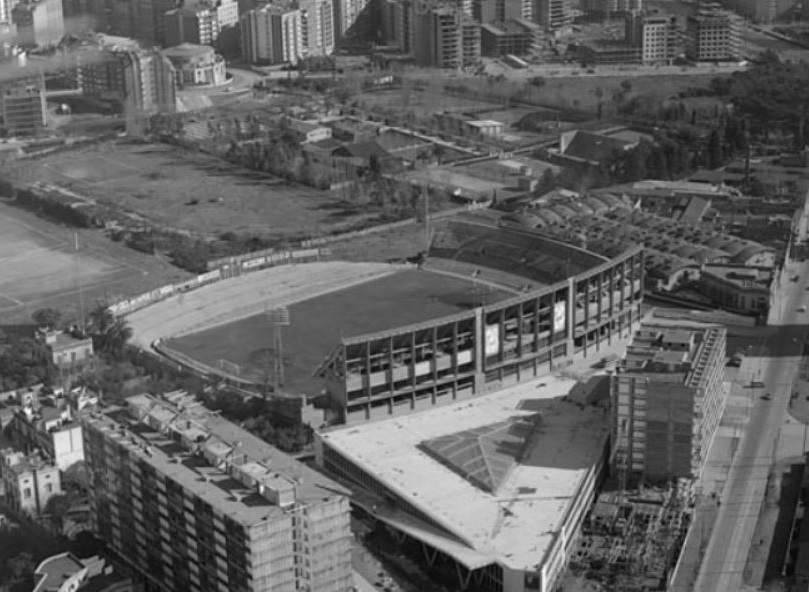
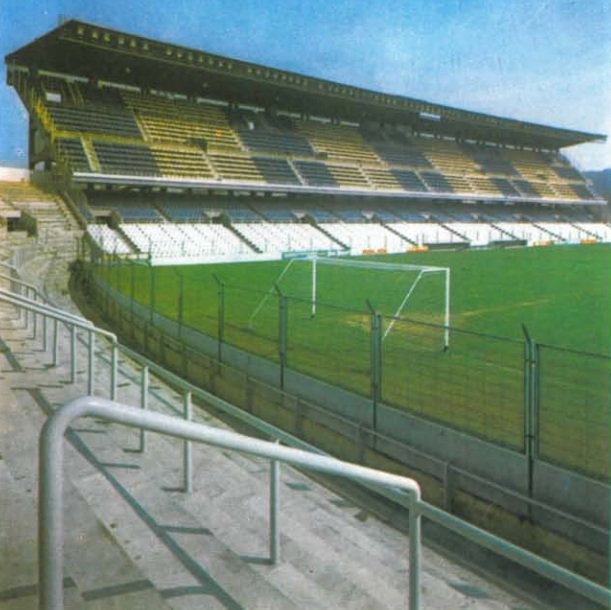
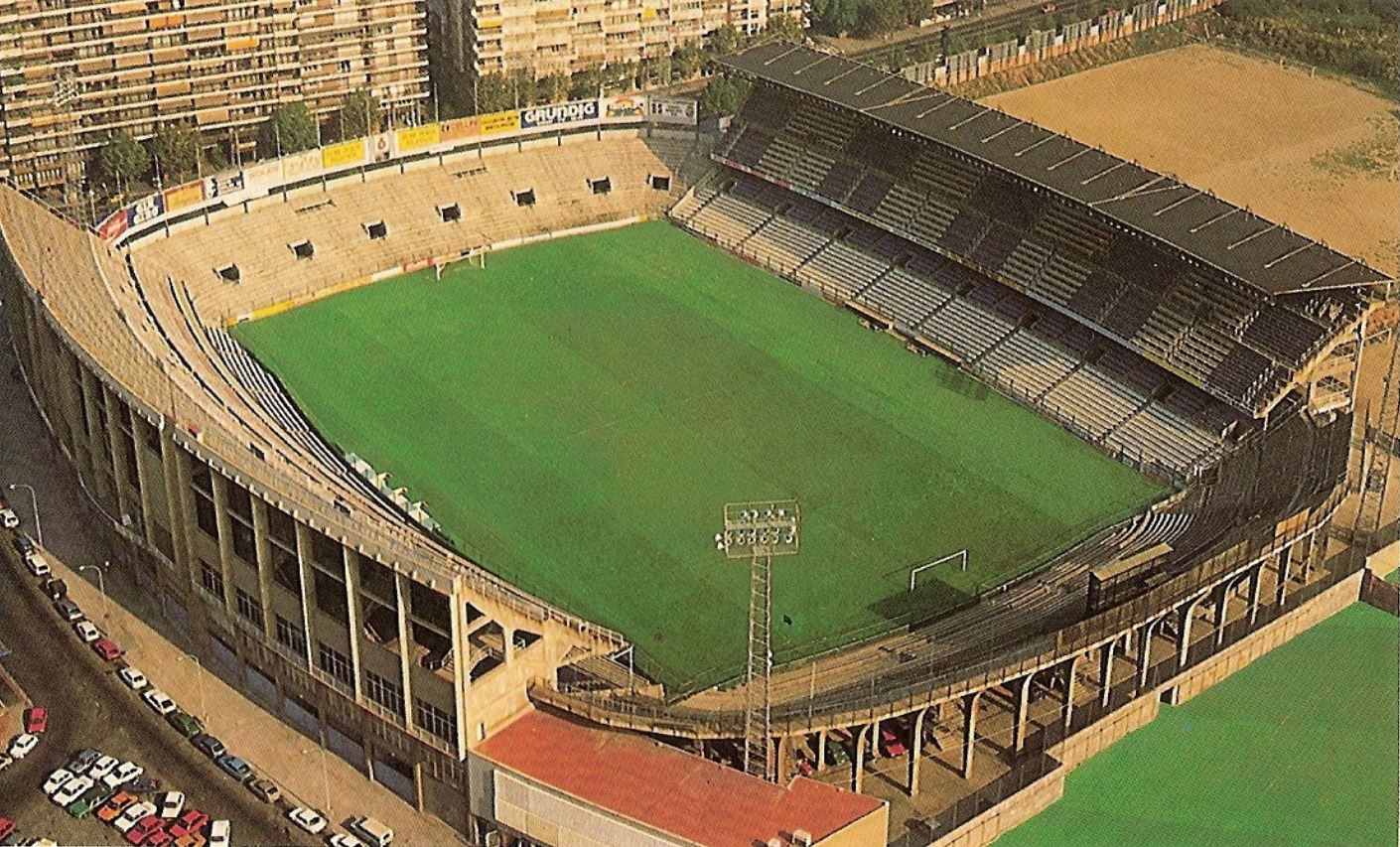
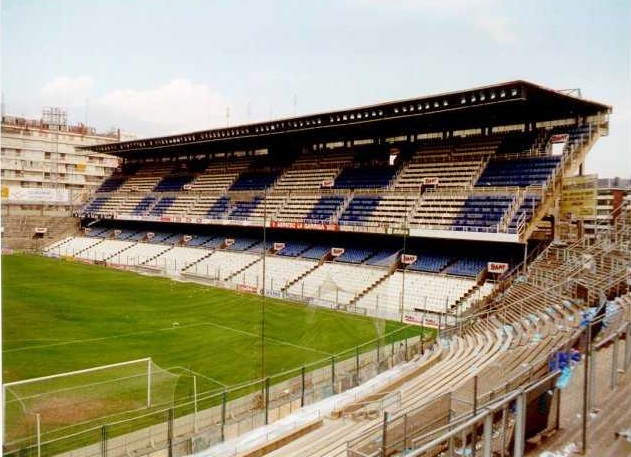
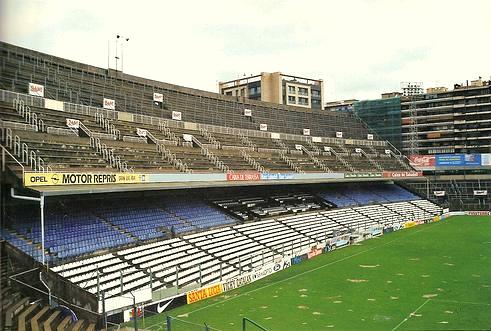
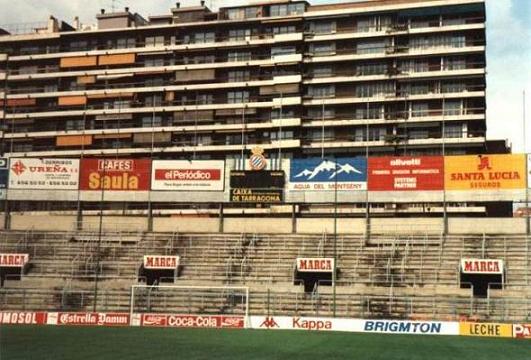
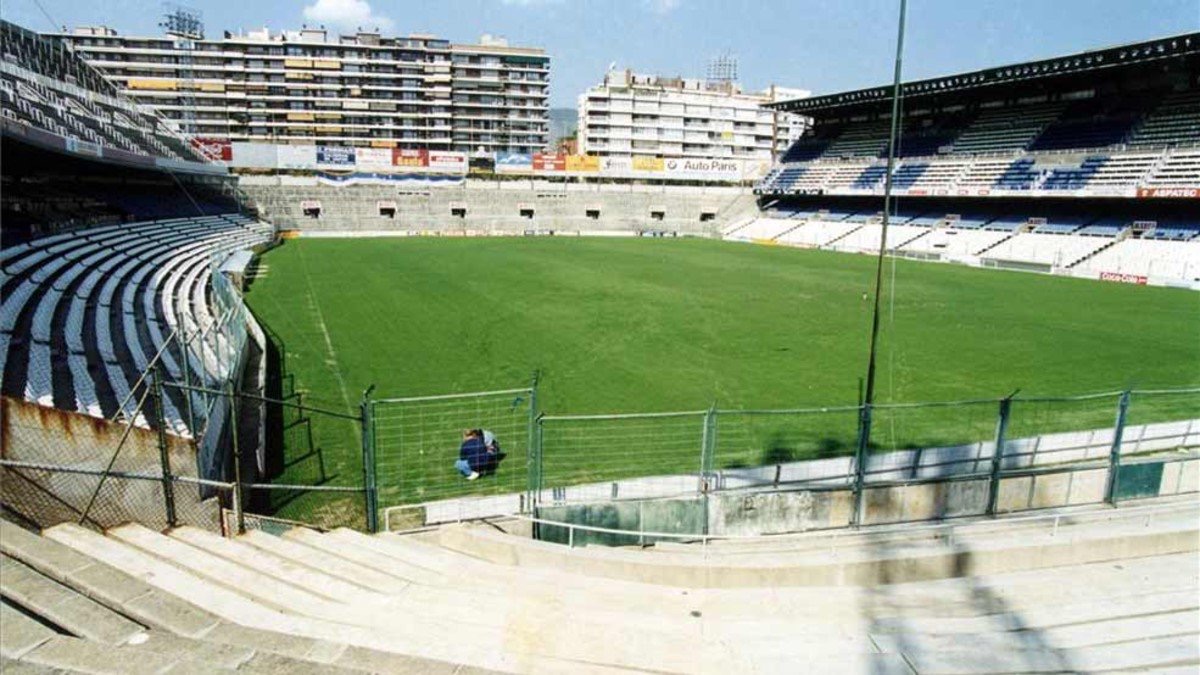
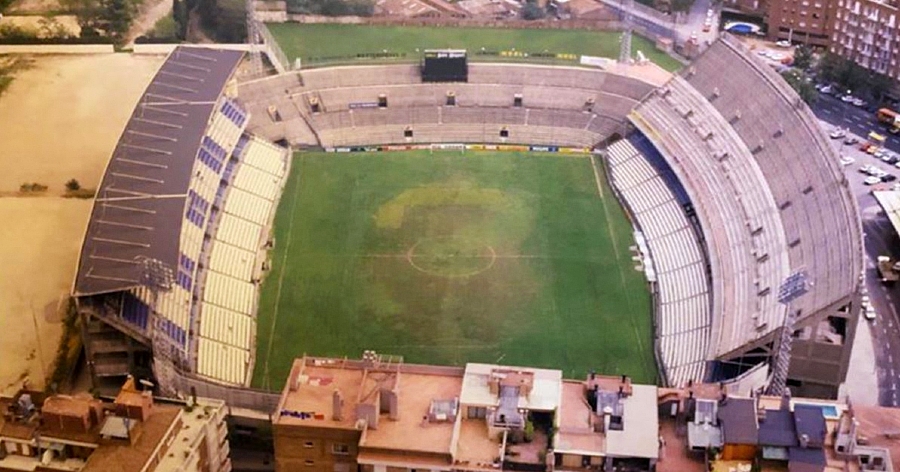
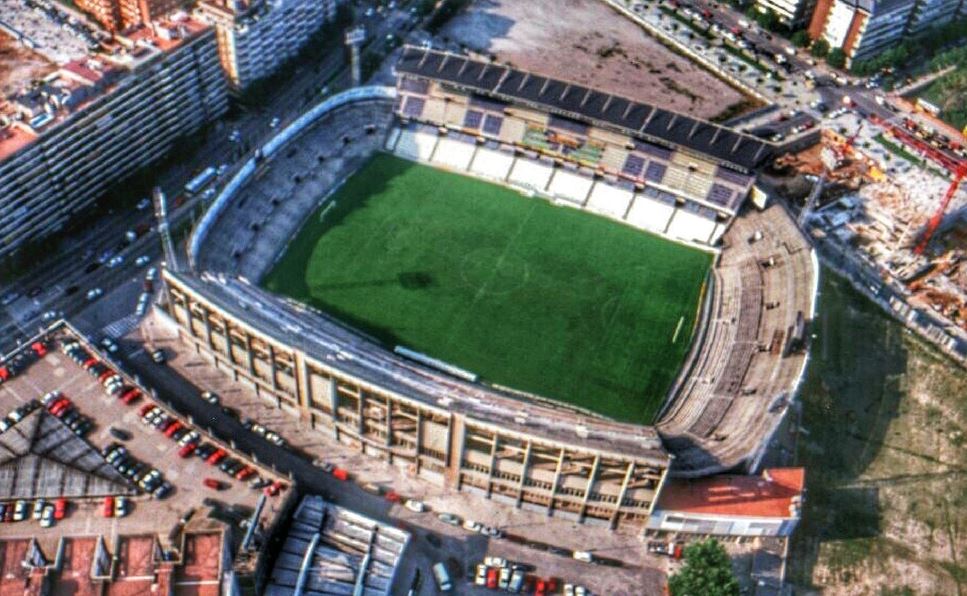
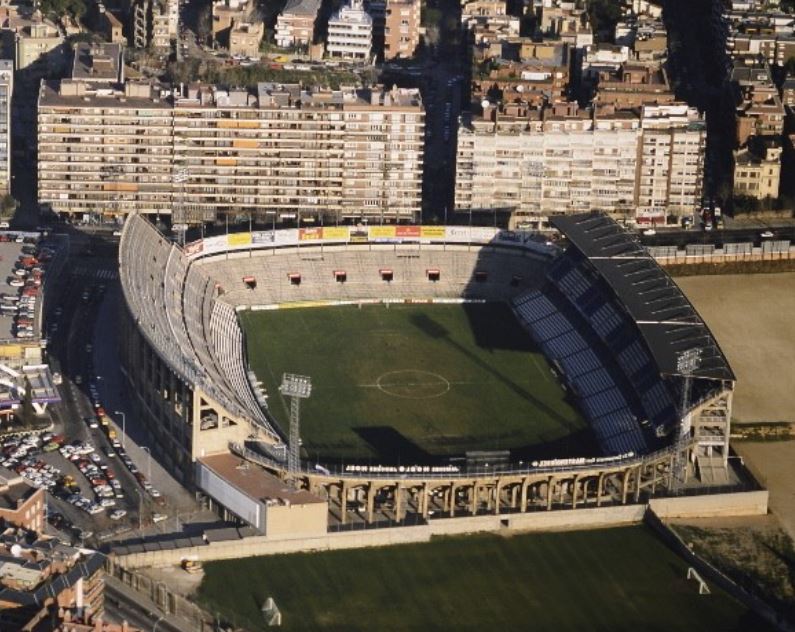
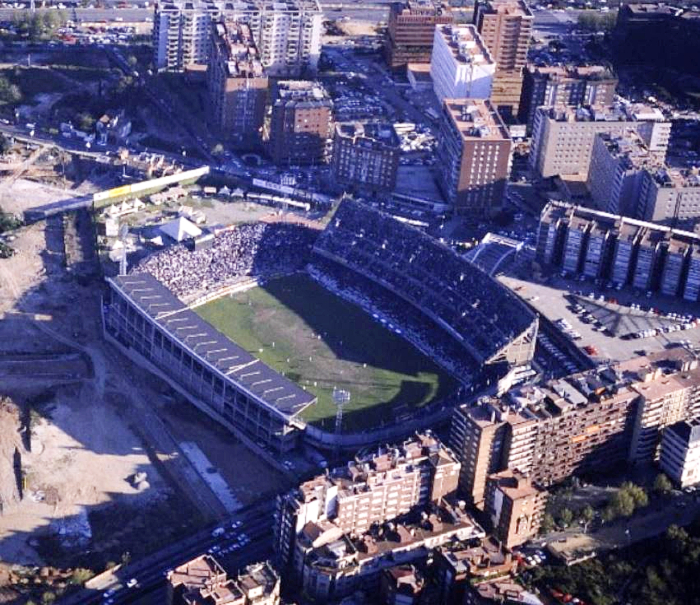
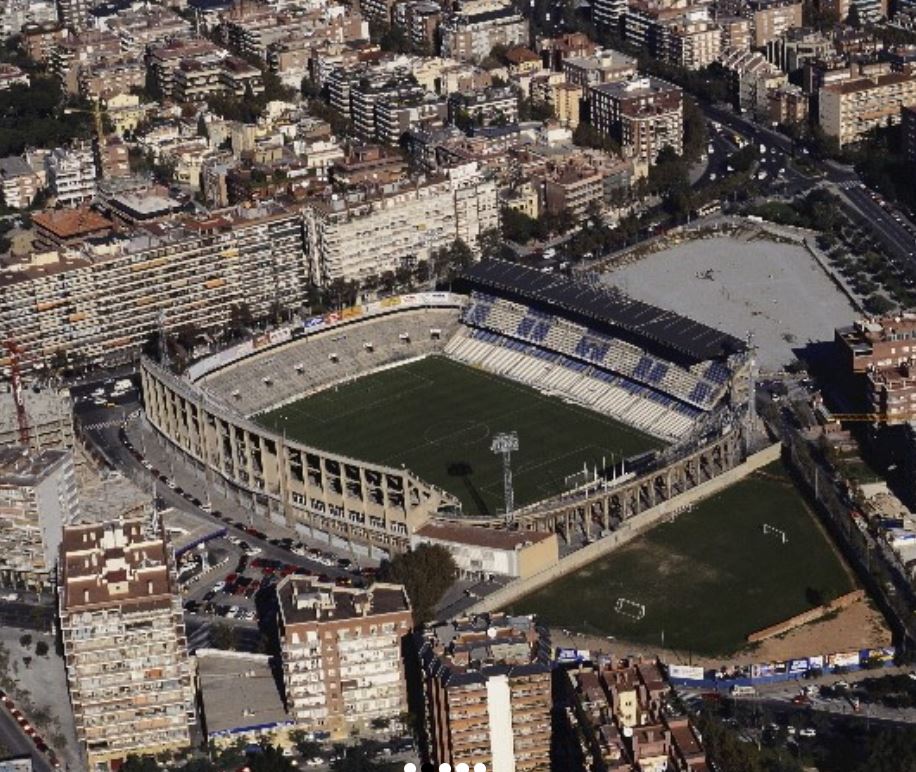
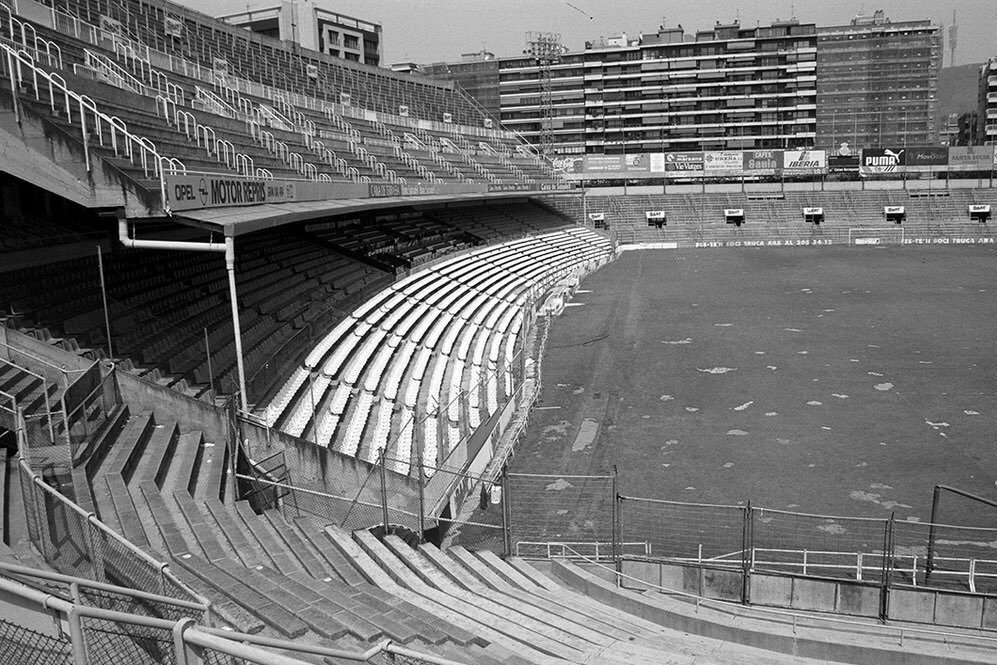
In the mid-1940s, Franco’s government decreed that all club presidents must be nominated by his cronies in Madrid, which did not go down at all well with the La Riva family. They demanded the return of their land, and a protracted dispute ensued, only resolved in 1951 when the club bought the ground for 5 million pesetas. This led to a building spree, with the White House making way for a new southern terrace in 1952, and an anfiteatro or raised terrace being added to the west side in 1956. This work was conducted by J. Soteras Mauri, the co-architect of the Camp Nou. The roof that had adorned the west side of Sarrià for less than 20 years was purchased by UE Lleida, where it stood at their Camp d’Esports until 1993.
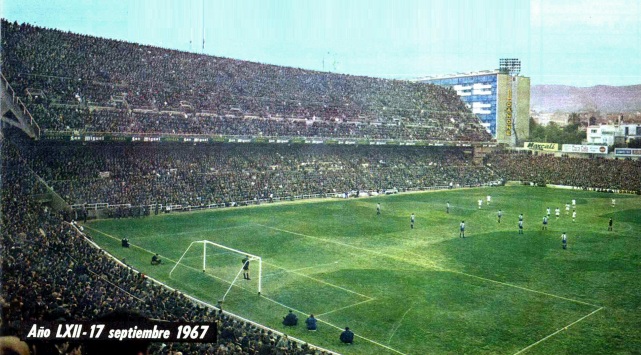
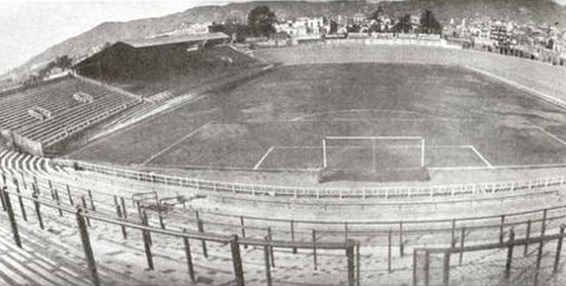
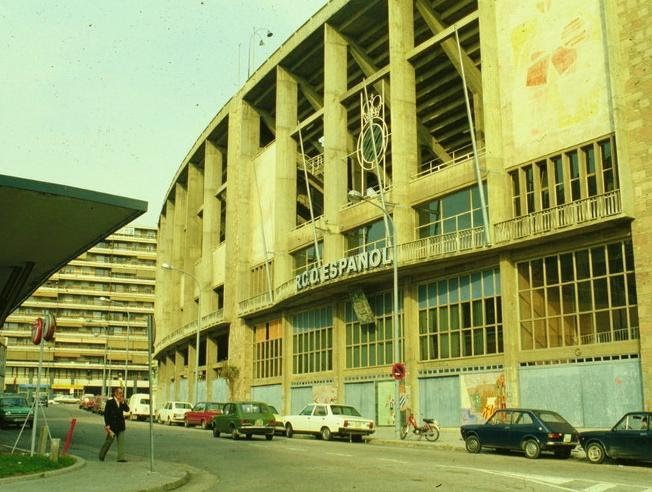
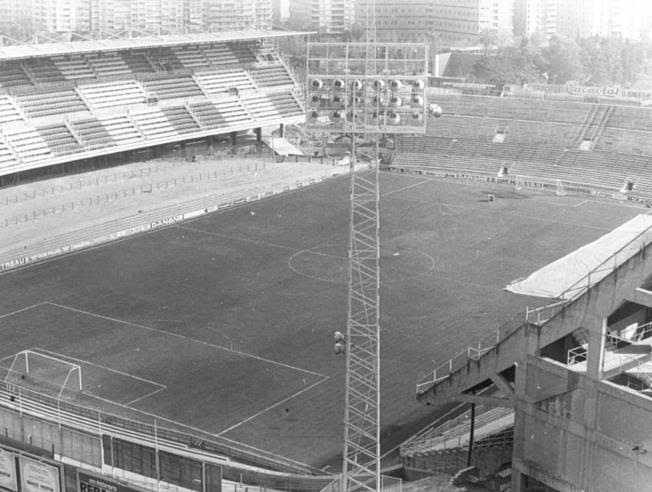
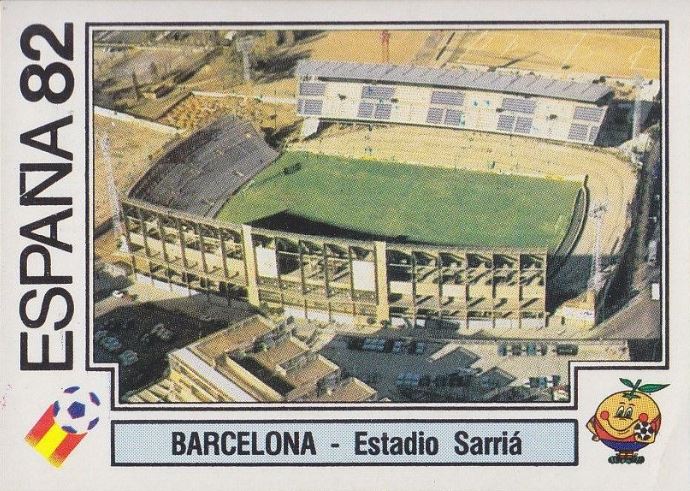
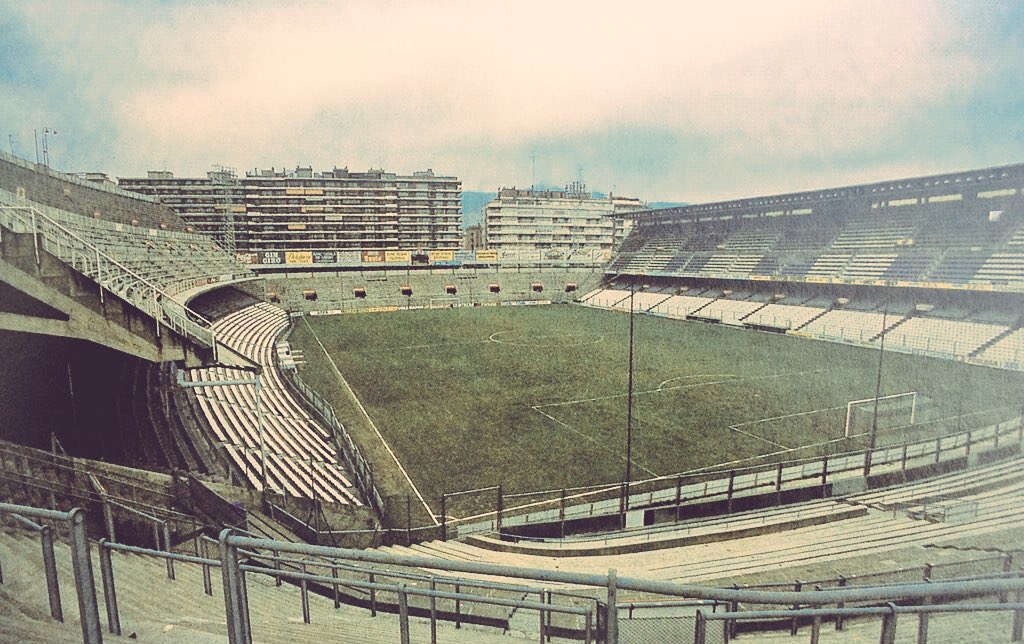
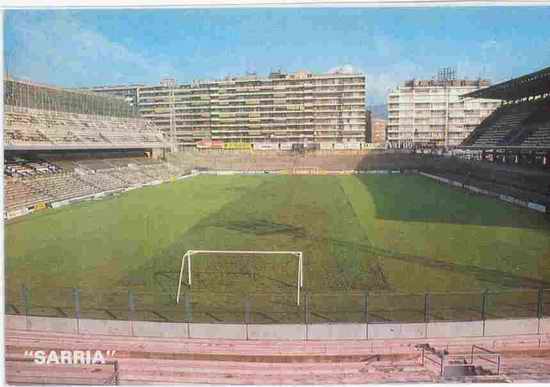
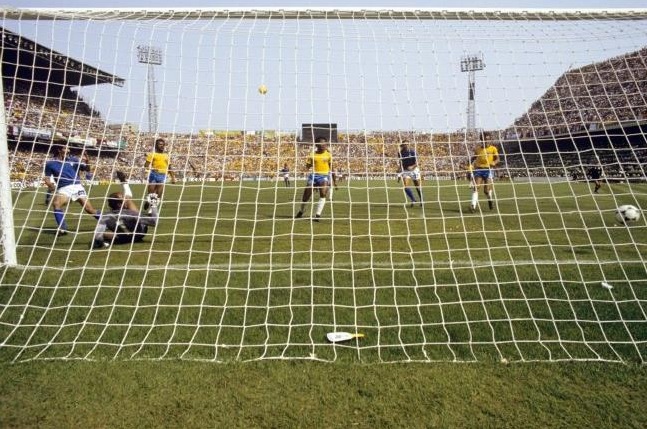
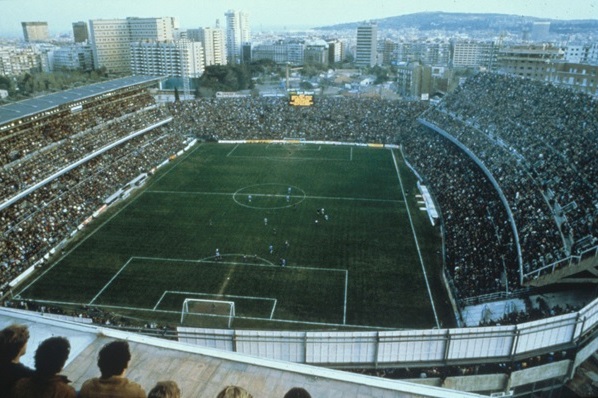
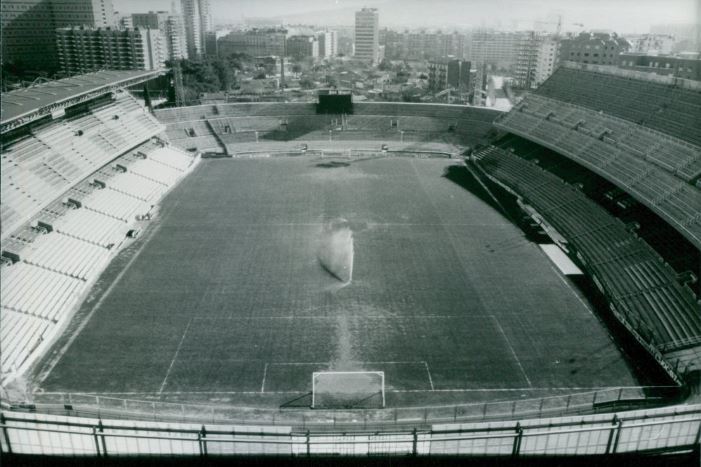
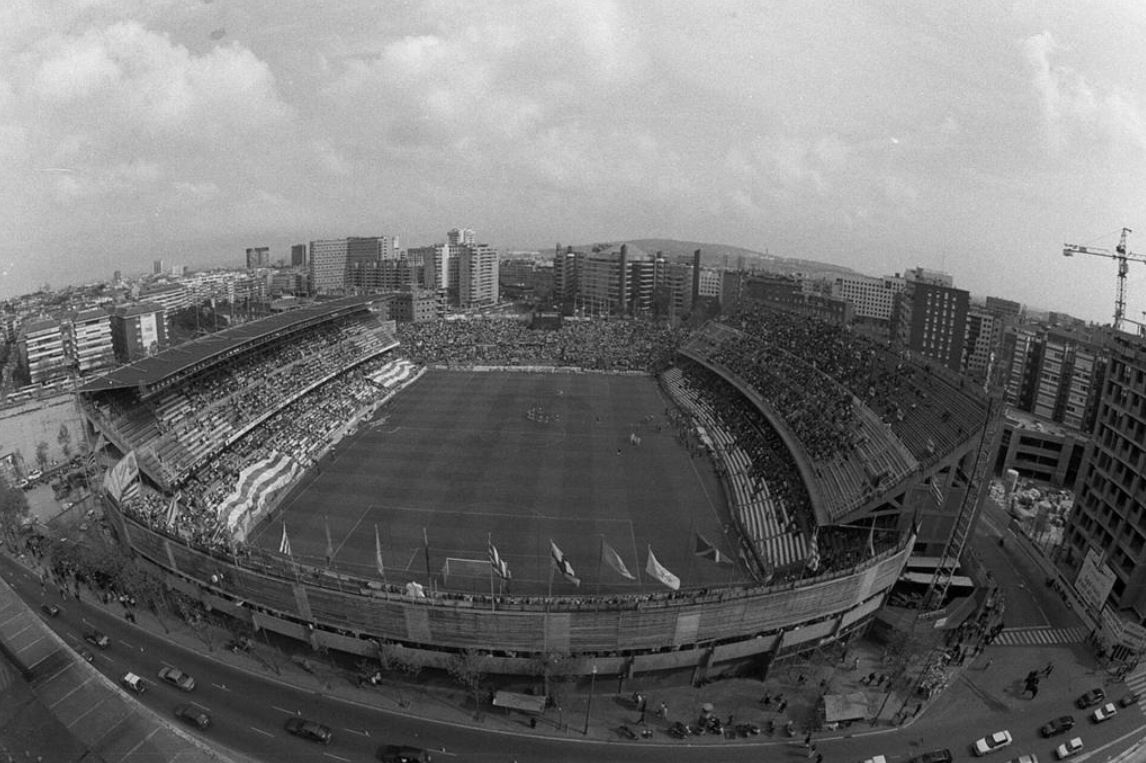
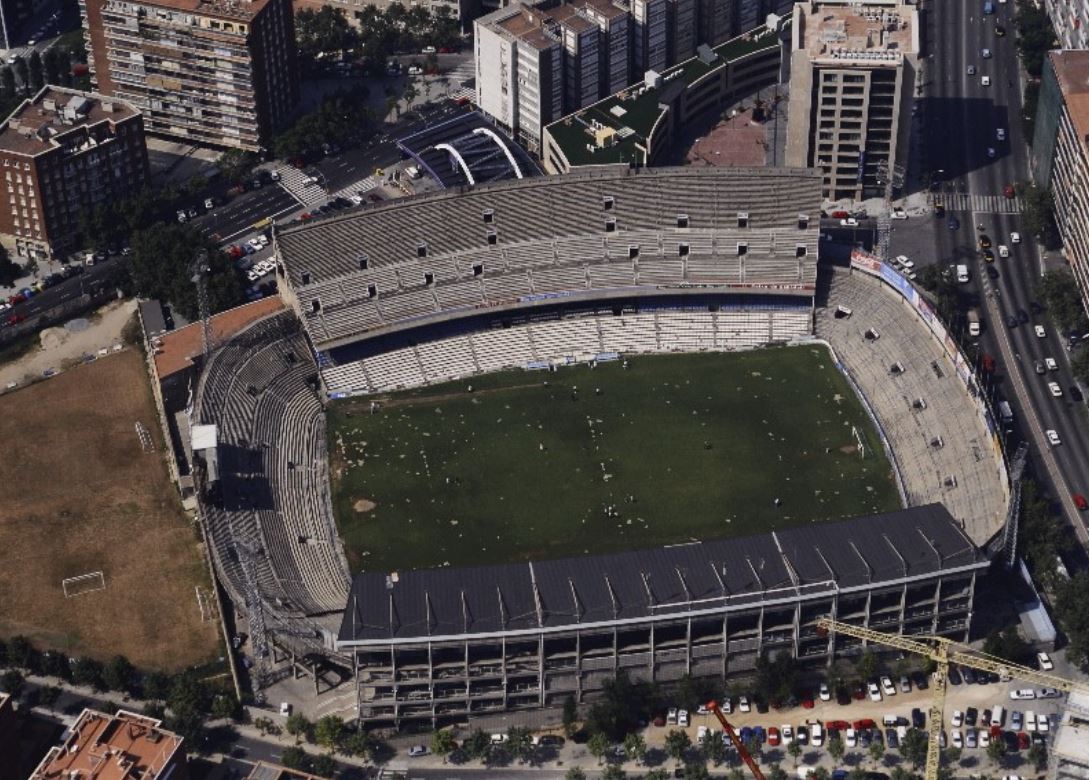
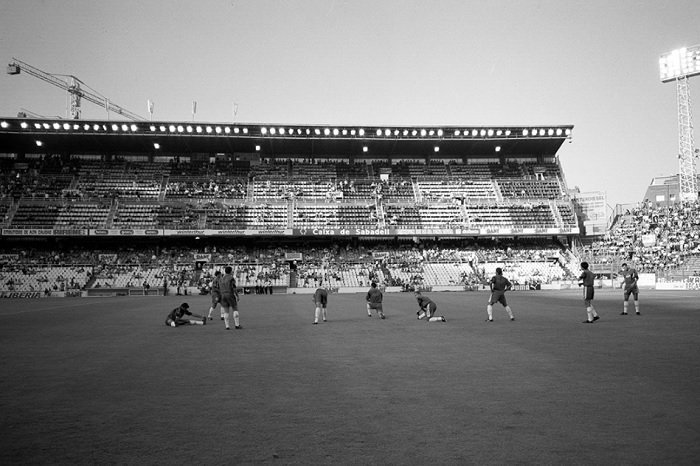
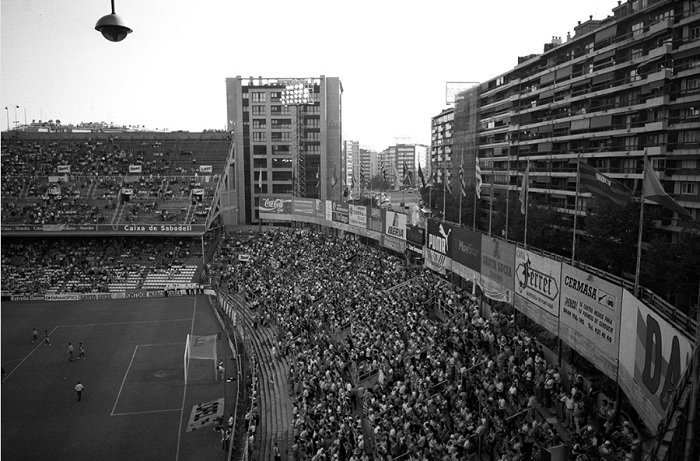
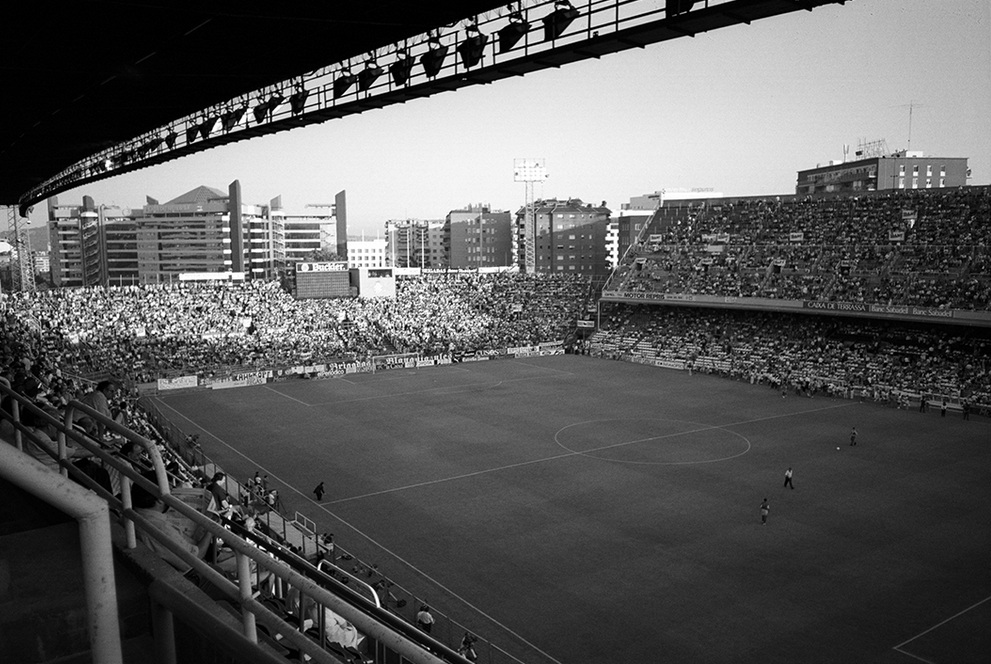
The 1950s and ’60s brought slim pickings for Espanyol, who were relegated to La Segunda for the first time at the end of the 1962-63 season. They returned to La Primera a season later but were back in the second tier again in 1969-70. In all, the club has been relegated to the second division on six occasions, but has bounced back every time within a year. The east side was developed in 1974 when an all-seated covered stand was erected, and then in the lead up to the 1982 World Cup, 413 million pesetas were splashed out on redeveloping the ground and its infrastructure. This included seating the paddock area in front of the east stand, new corner terraces, improved media facilities, and new floodlights. This raised the capacity to 44,000. Sarrià hosted three second-round matches at España 82, including possibly the greatest game ever played at the finals, Italy’s 3-2 victory over Brazil.

The Spanish national side has played relatively few matches in Barcelona, and certainly not that often since Franco died in 1975, but La Selección was welcomed to Sarrià by this pro-Spanish club on three occasions. However, it is a reflection of Sarriá’s place in the pecking order that Montjuic, the Camp de Les Corts & the Camp Nou all staged internationals before Sarriá’s first match in February 1974. On that occasion, West Germany were the visitors but lost 1-0 to La Selección. Denmark paid a visit in October 1975, and Spain was victorious again, this time by two goals to nil. The national team’s last appearance at the Estadi de Sarriá was in November 1980, when they lost 1-2 to Poland. The national team’s last appearance at the Estadi de Sarriá was in November 1980, when they lost 1-2 to Poland. Sarrià hosted its last international action during the 1992 Olympiad, when it hosted three group stage matches. Attendances were poor, with the aggregate attendance for the three matches totalling 35,000.

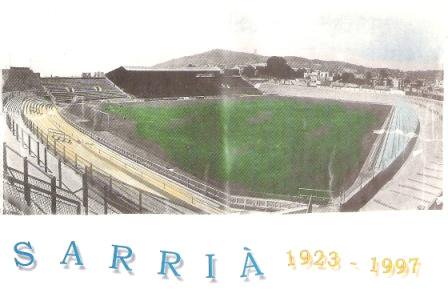
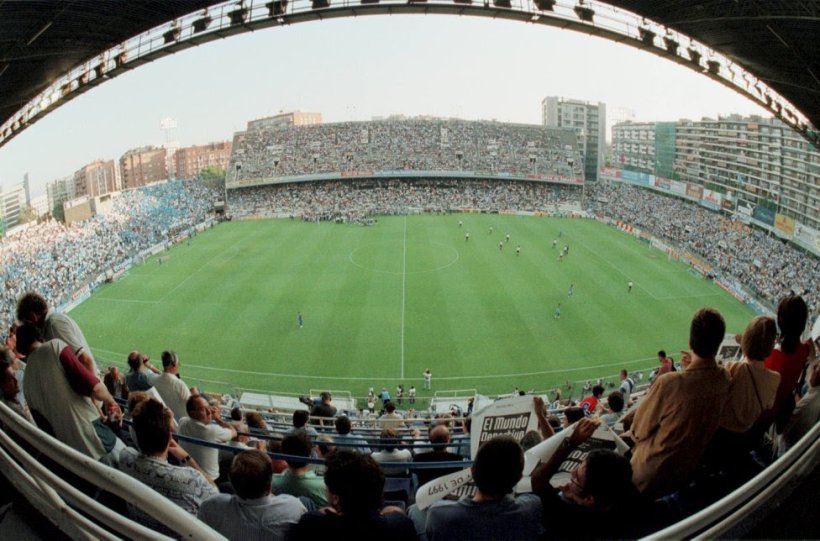
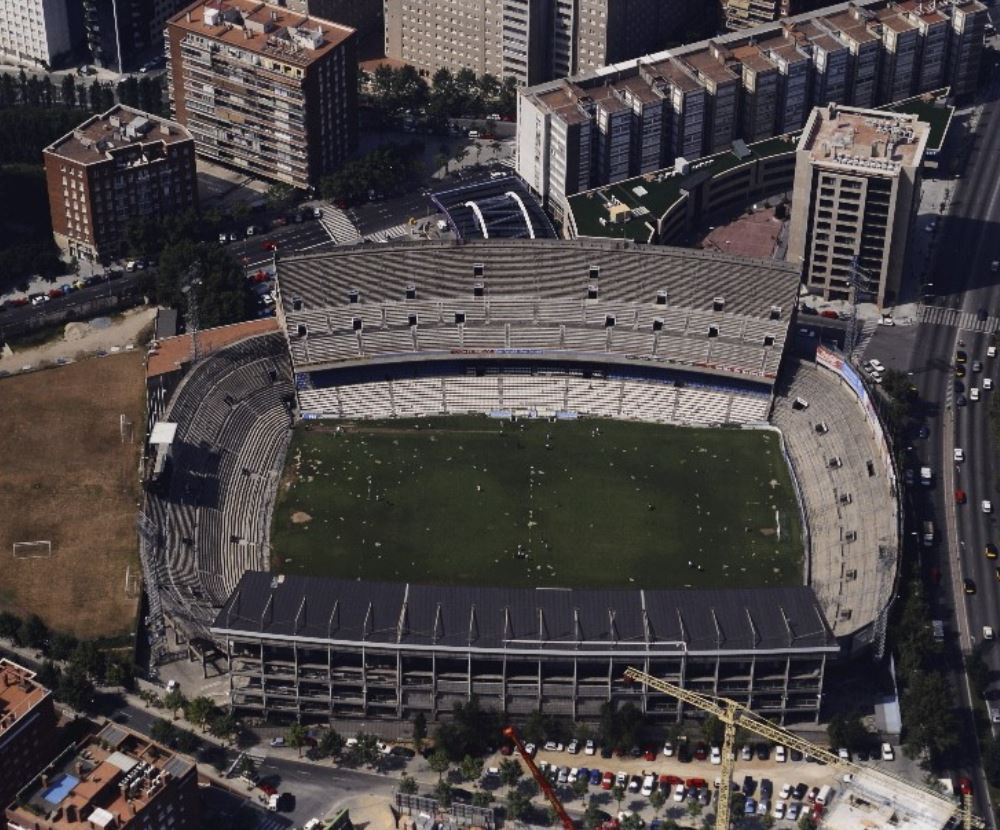
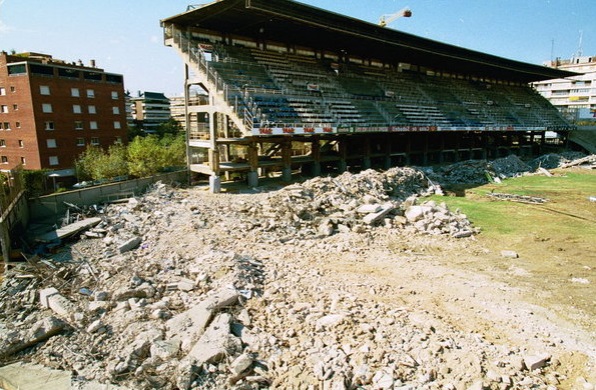
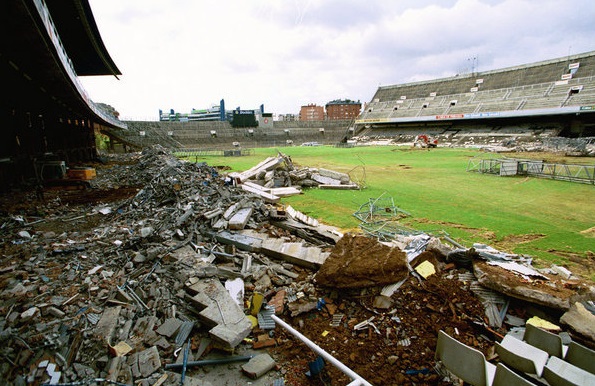
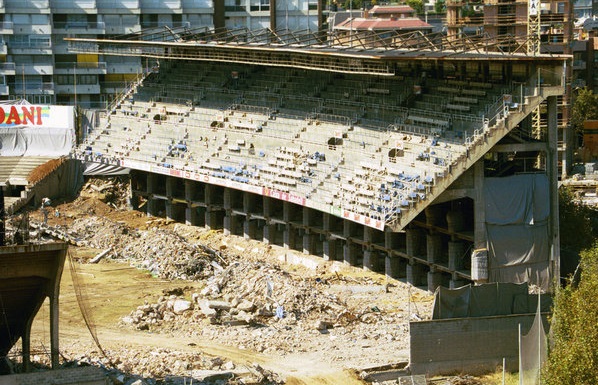
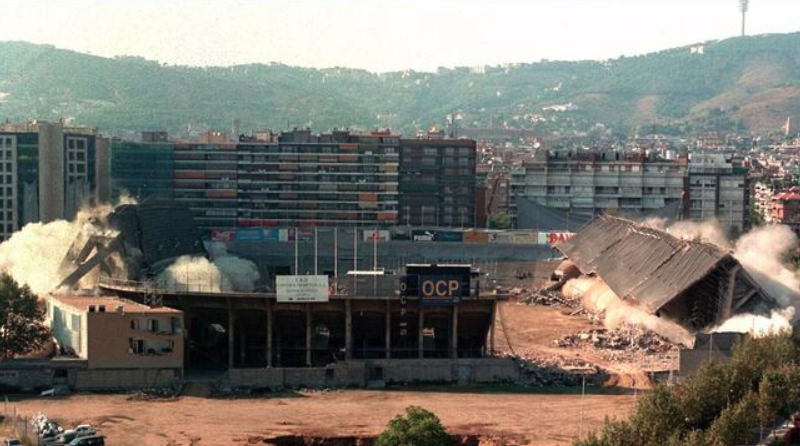
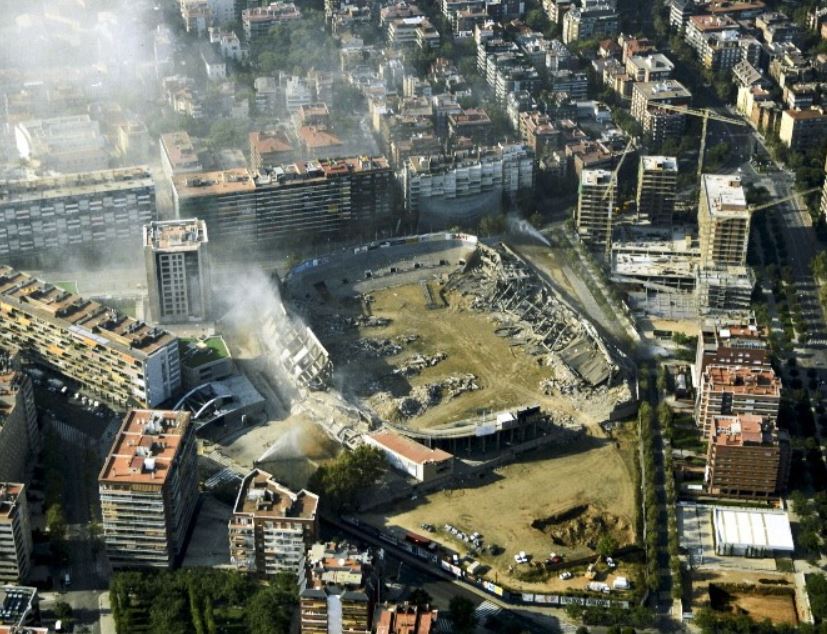
Whilst the Olympics thrust Sarrià into the spotlight once again, it also cast a shadow over the stadium due to the redevelopment of Estadi Montjuic. Not wanting an 8,500 million peseta white elephant overlooking the city, the municipality and the Catalan Parliament pressured the club to relocate to the Olympic arena. Although the club and especially its 18,000 socios initially resisted this move, mounting club debts made selling Sarrià to developers the only viable solution. On 21 June 1997, it hosted its final match, with Espanyol beating Valencia 3-2. Later that year, on 20 September, 76kg of explosives razed the stadium to the ground. Espanyol received around €60 million from the developers who built luxury apartments and a small plaza on the site of the old stadium, which you will find sandwiched between the Ronda del General Mitre and the Avenida de Sarrià.
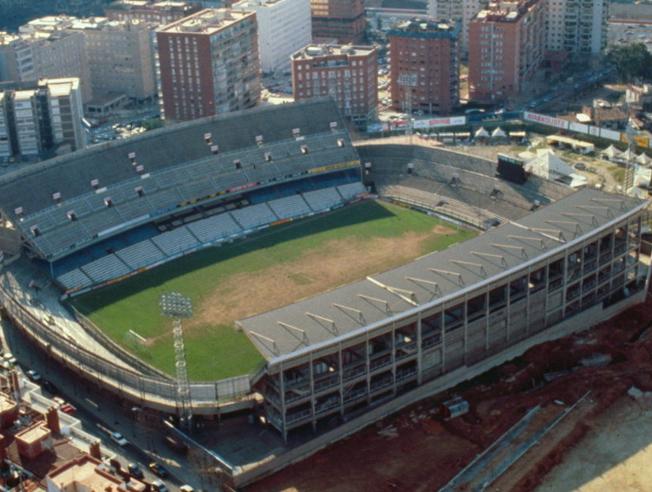
The Estadi de Sarrià was an atmospheric, intense and at times, hostile arena. Espanyol’s fans witnessed the club’s best years at the old ground, and few would argue that they have not experienced anything approaching that fervour and excitement in their years at Montjuic/Lluís Companys and the RCDE Stadium.









 Estadios de España