This article updated: 05/09/2025
Organised football has been played in the Canarias since the early part of the twentieth century, but with no access to Spanish national competitions, matches were confined to island leagues and an overall Canarias regional championship. In February 1949, five leading clubs from Las Palmas met with the purpose of forming a united club that would be able to compete at a national level. Negotiations between the five, CD Gran Canaria, Atlético Club, Arenas Club, Marino FC & Real Club Victoria, were protracted, but the motion gained added momentum when the Spanish Federation agreed to the inclusion in the national leagues of a Canarias Championship on 6 June 1949. Finally on 22 August 1949, Unión Deportiva Las Palmas was founded.
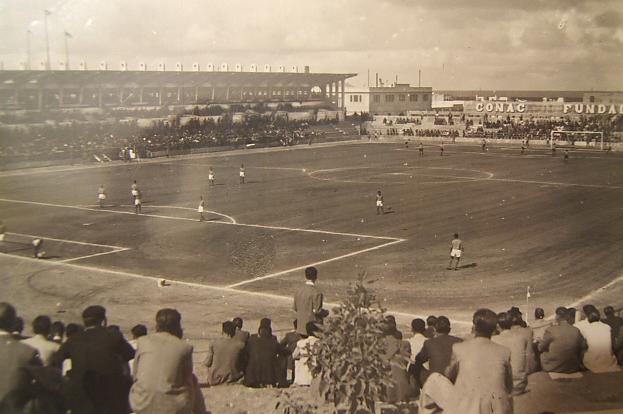
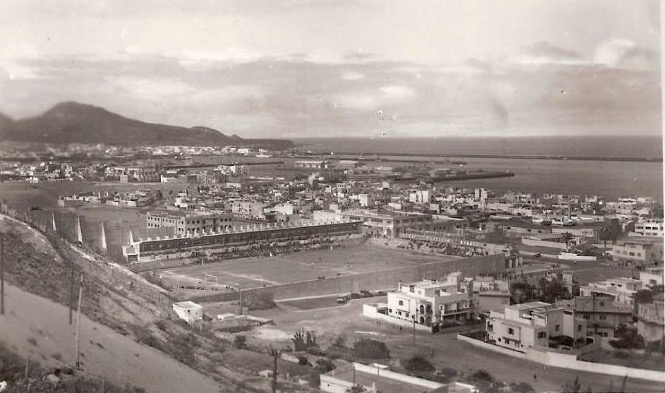
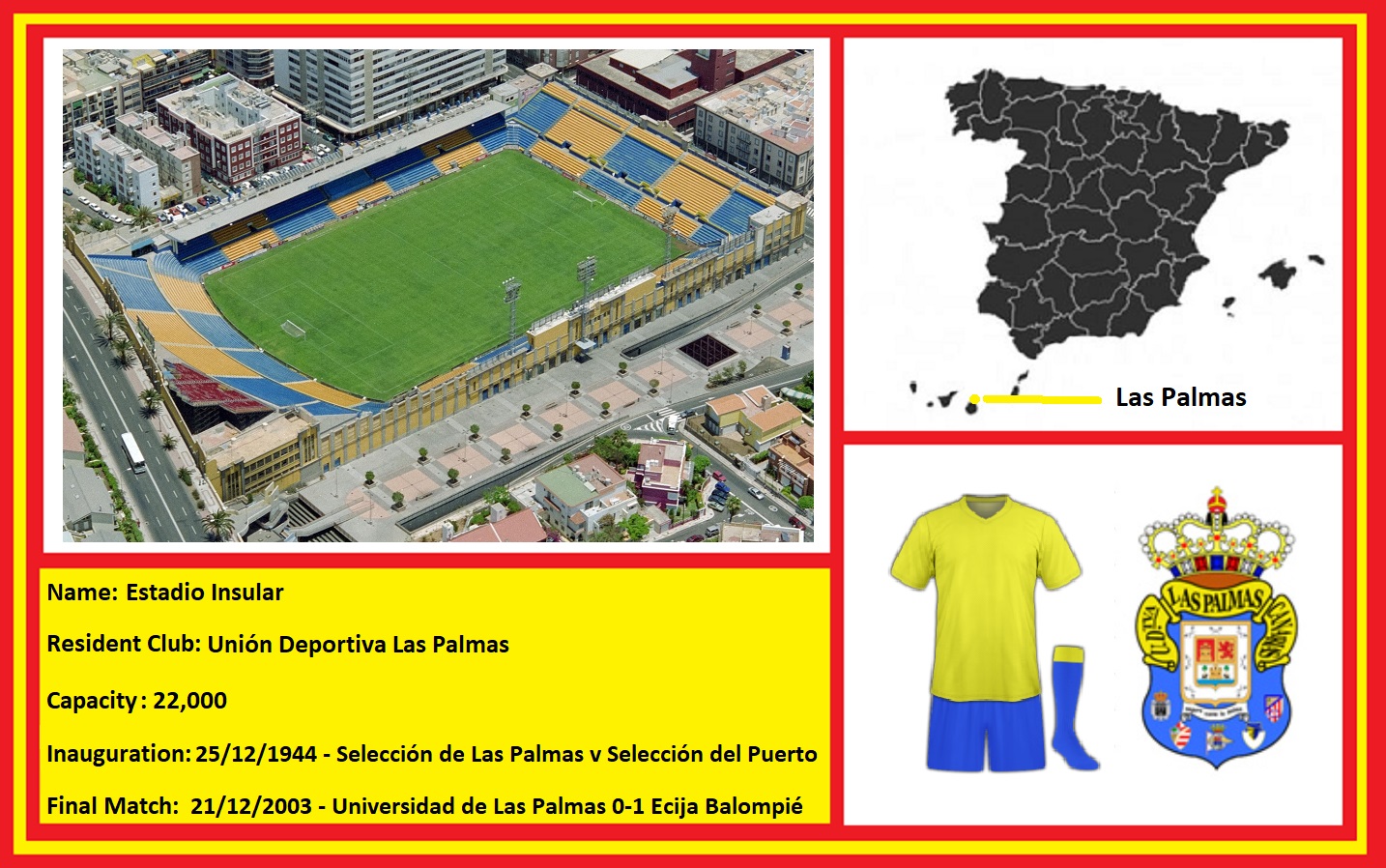
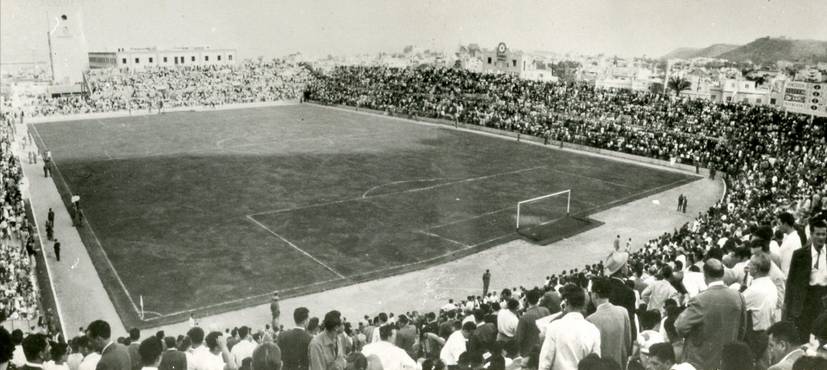
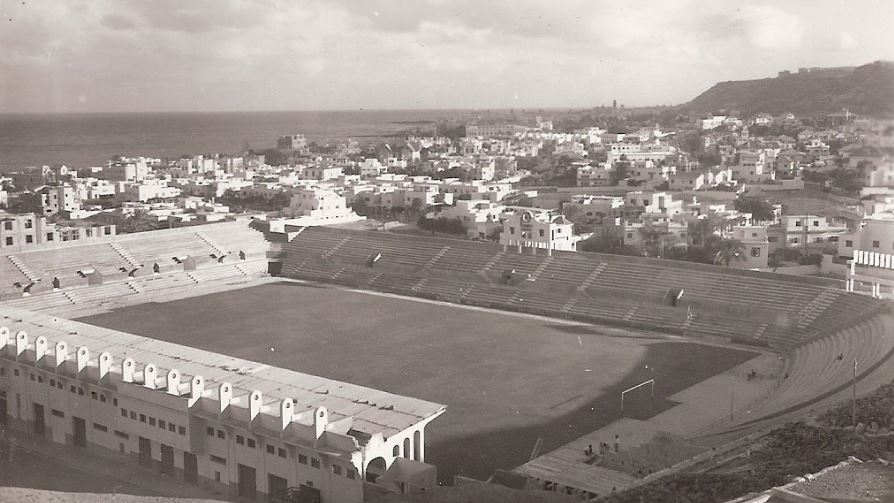
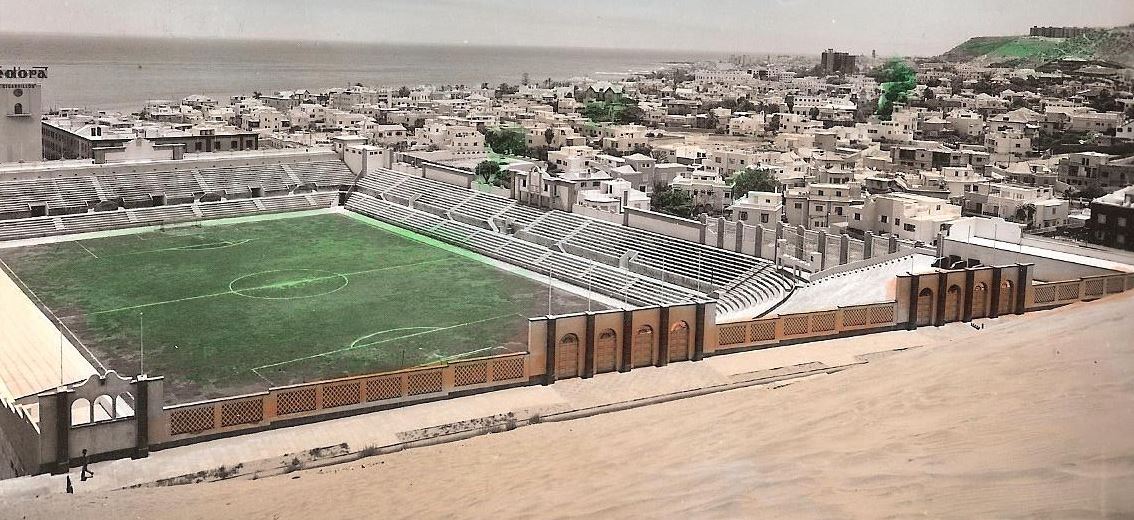
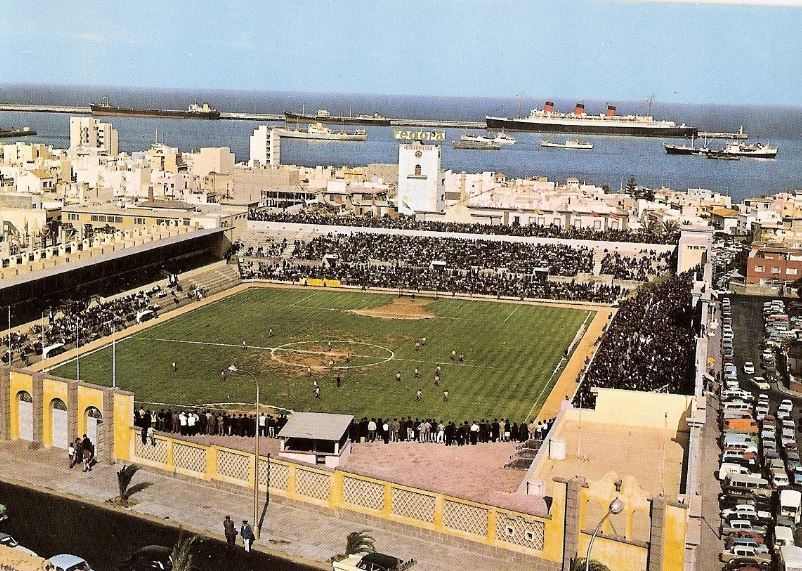
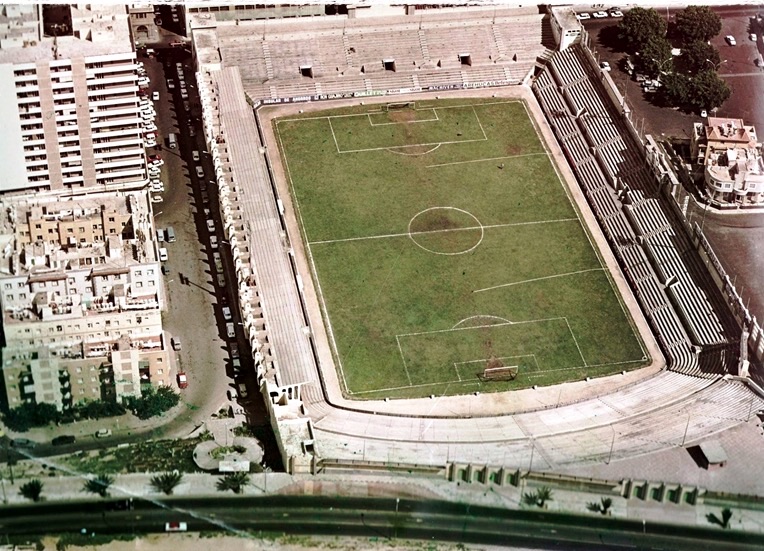
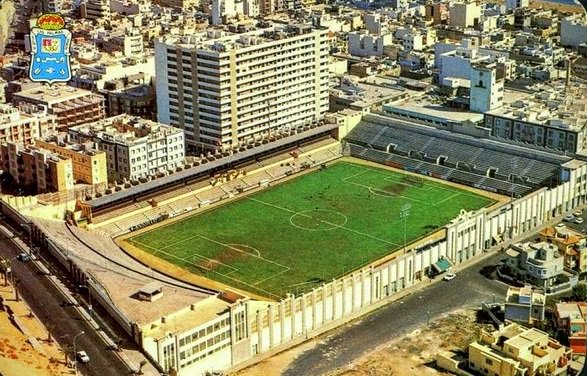
The club had a ready-made stadium as the Estadio de Las Palmas (later renamed Estadio Insular in 1951) had opened on 25 December 1944 with a match between a select Las Palmas XI and a Select Port XI. Designed by Fernando Delgado and built over a period of 7 months by Alfredo Farray’s company, it had a capacity of 8,000. When it was purchased by the local municipality in 1950, it was extended to hold 25,000. UD Las Palmas played their first match at the stadium on 9 October 1949. Their opponents were Marino FC, who were playing their last fixture as a professional outfit. The progress of the new club was rapid. Taking up the position in the Tercera earned by Real Club Victoria, it won promotion to La Segunda along with UD Melilla at the end of the 1949-50 season.
A fourth place in the second division saw the club enter the playoffs at the end of the 1950-51 season, where they duly finished top of the mini-league and won promotion alongside Real Zaragoza. Incredibly, little over two years after formation, UD Las Palmas had reached La Primera. It was apparent, however, that progress had been too swift, for their stay in the top tier lasted a season, and UD Las Palmas was relegated, conceding 95 goals in the process and losing all but one of their away matches. They returned to the top flight for the 1954-55 season, and this time their stay lasted six seasons with a high finish of tenth in 1956-57.
The club’s Golden Era began with promotion back to La Primera in June 1963. Steady progress was made until they earned a runners-up position behind Real Madrid in the 1968-69 season. UD Las Palmas qualified for the Fairs/UEFA Cup on three occasions and in 1978 lost to Barcelona in the final of the Copa del Rey at the Santiago Bernabéu. This was by far the longest sustained period of success for the club, with their stay in La Primera lasting 19 seasons and achieving eight top-ten finishes. Relegation finally arrived in June 1983, and whilst the club returned to the top tier for a three-season stint in 1985, by the start of the nineties, they were at the wrong end of La Segunda.
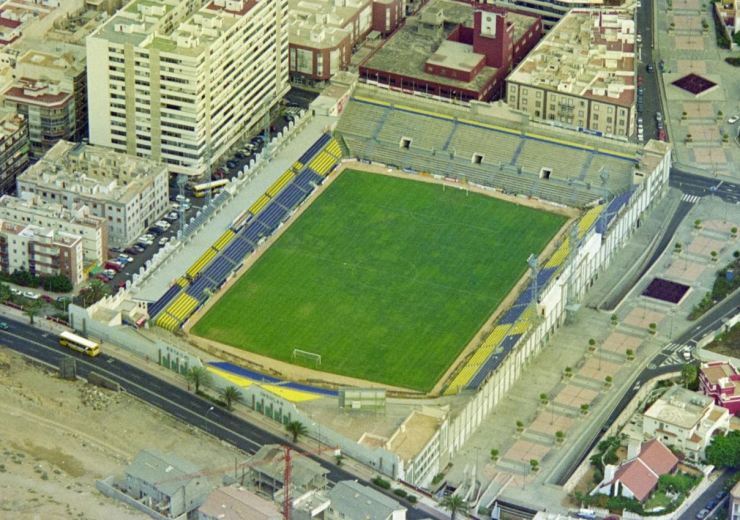
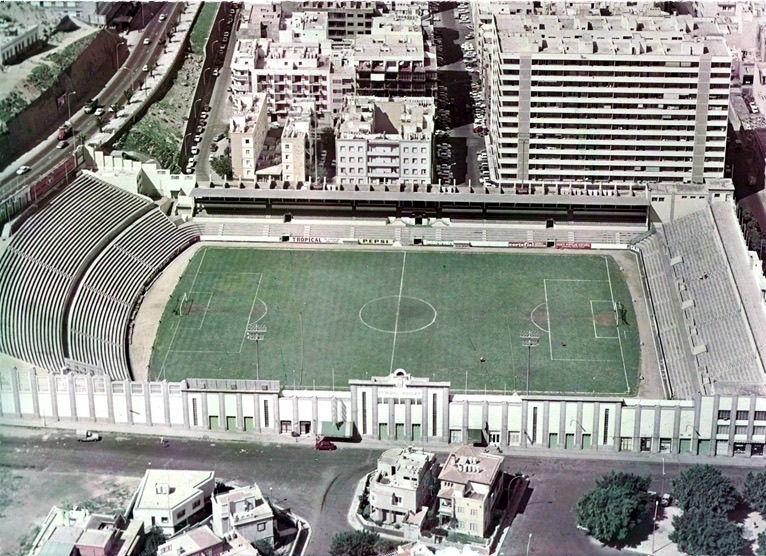
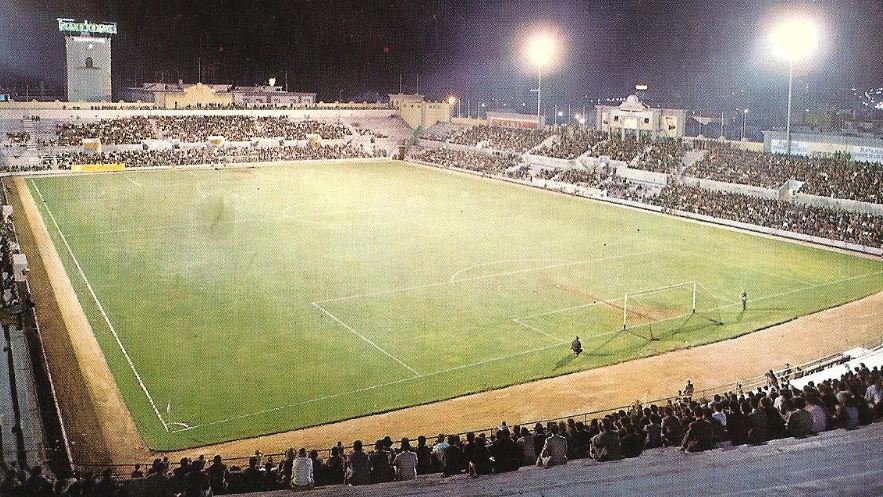
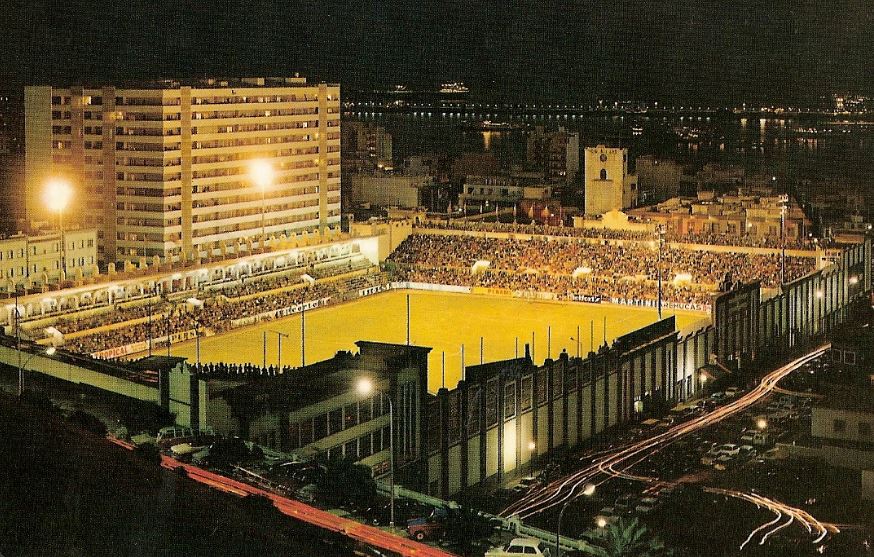
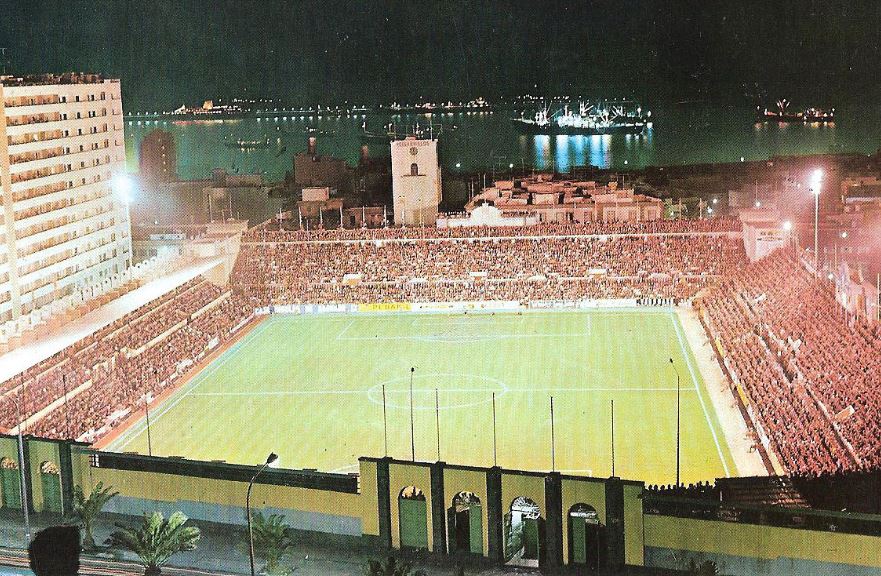
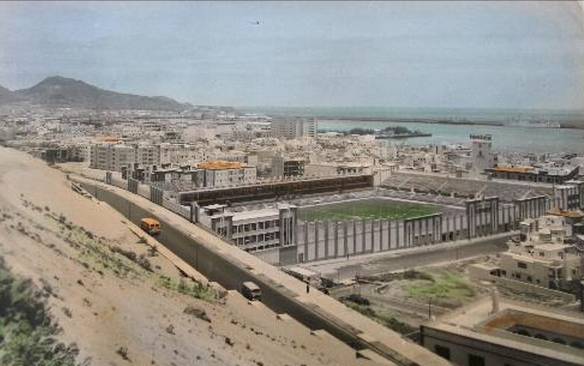
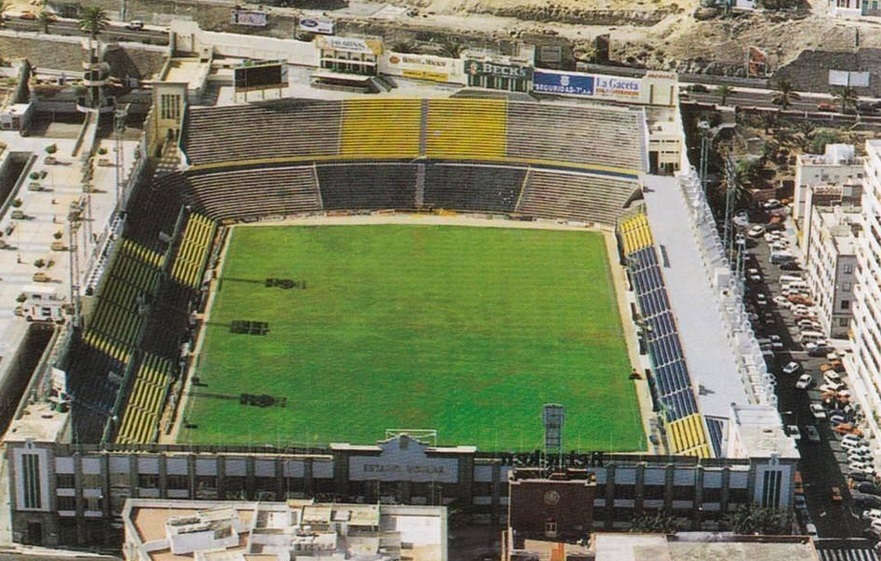
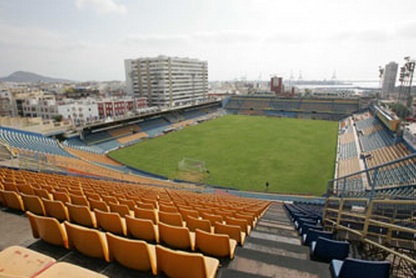
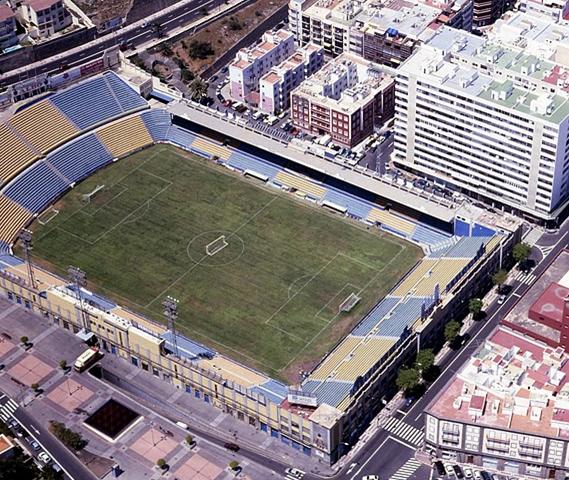
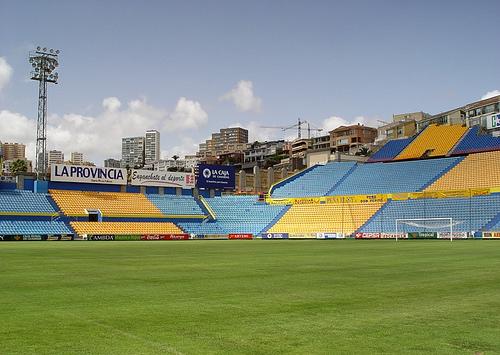
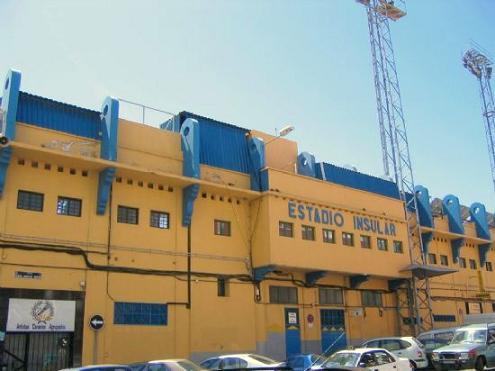
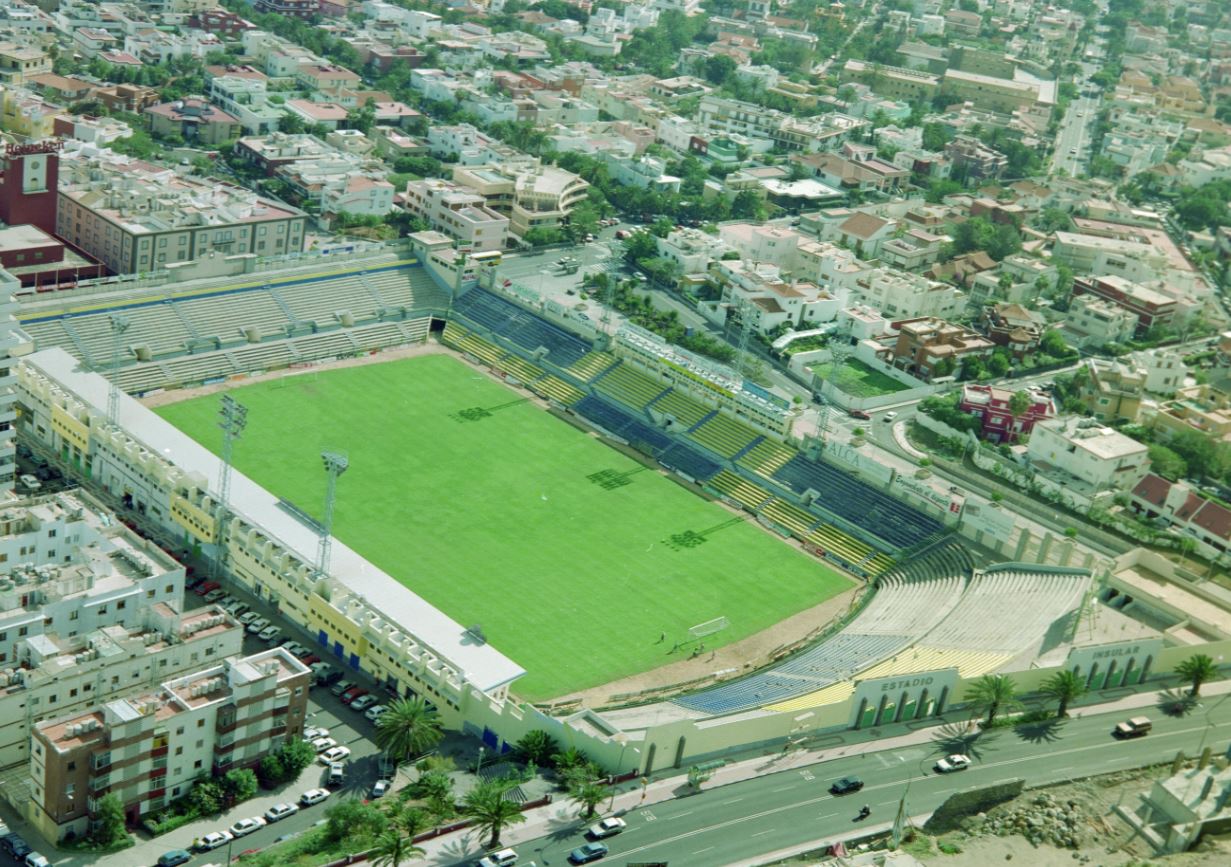
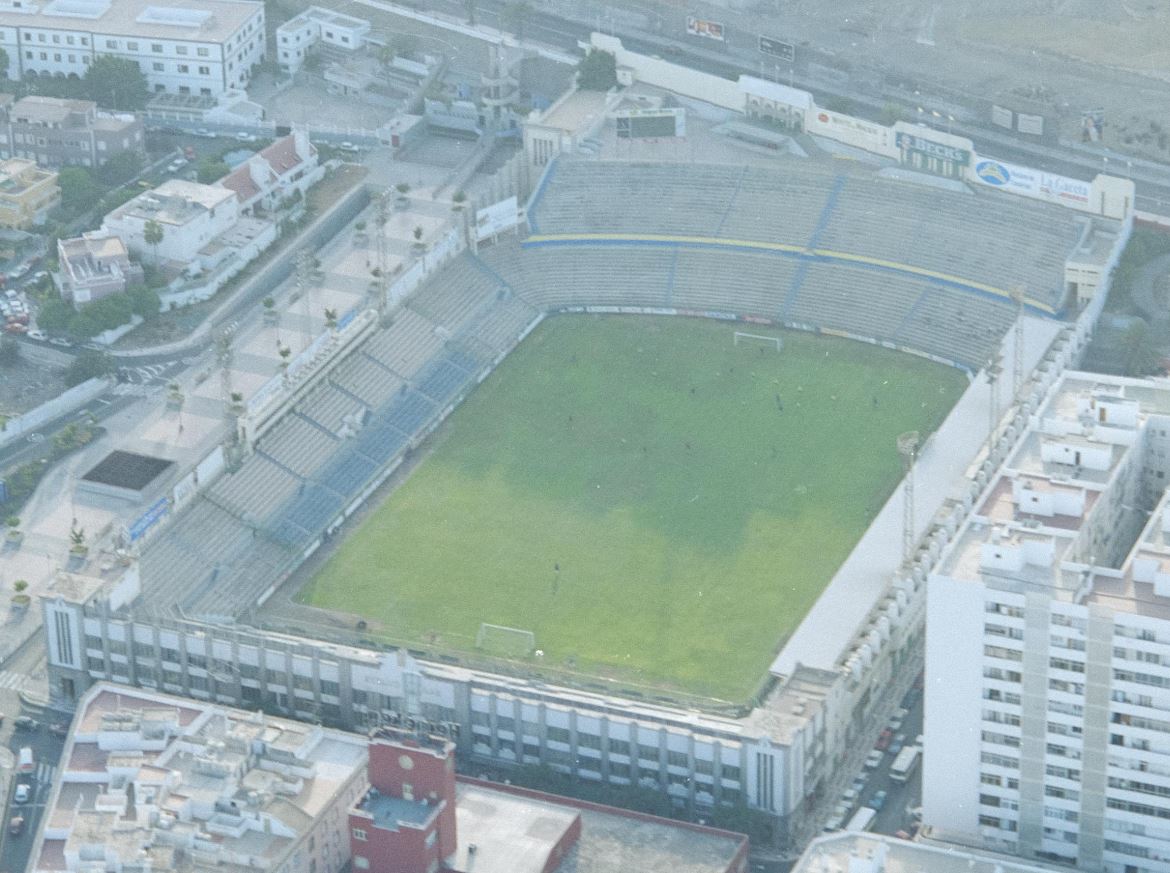
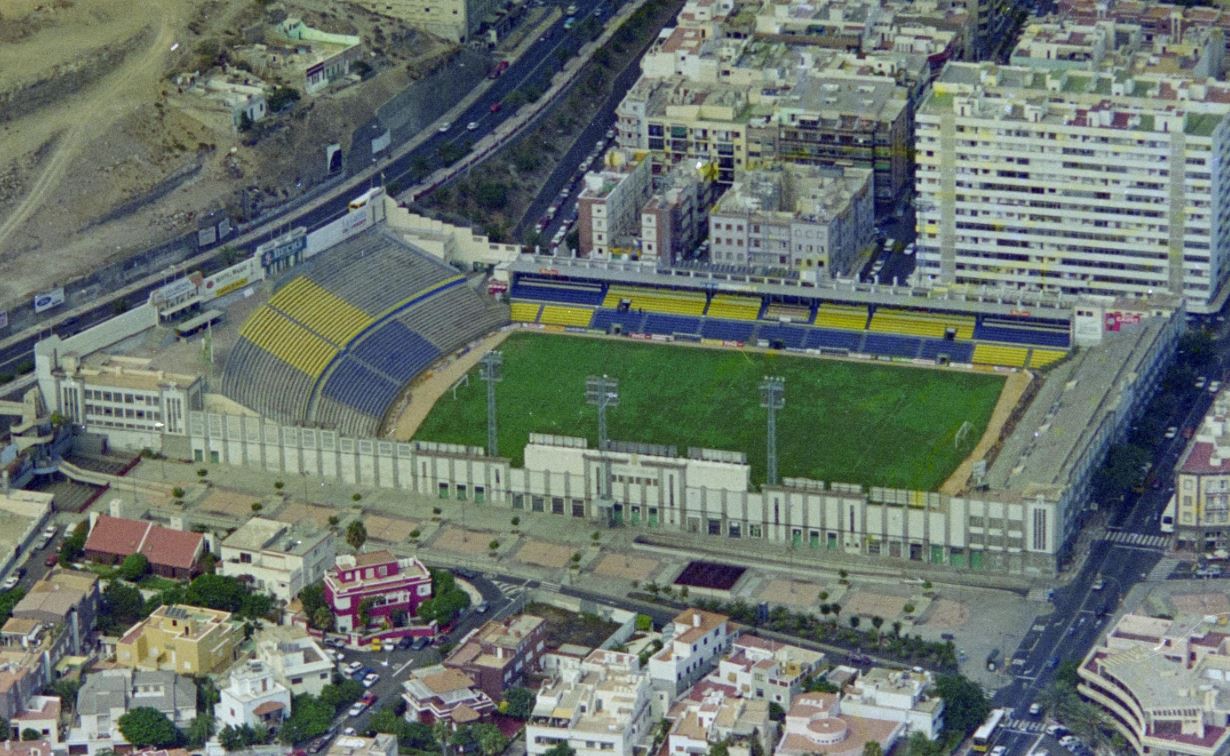
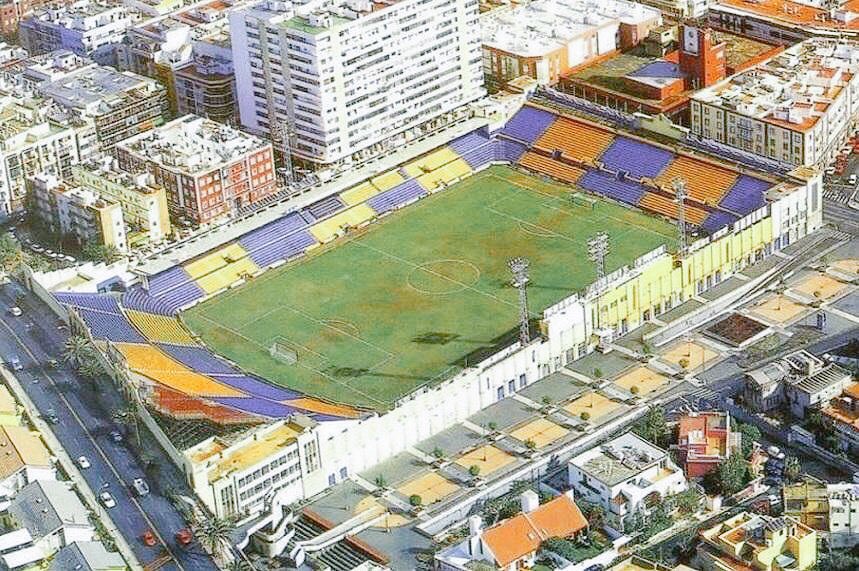
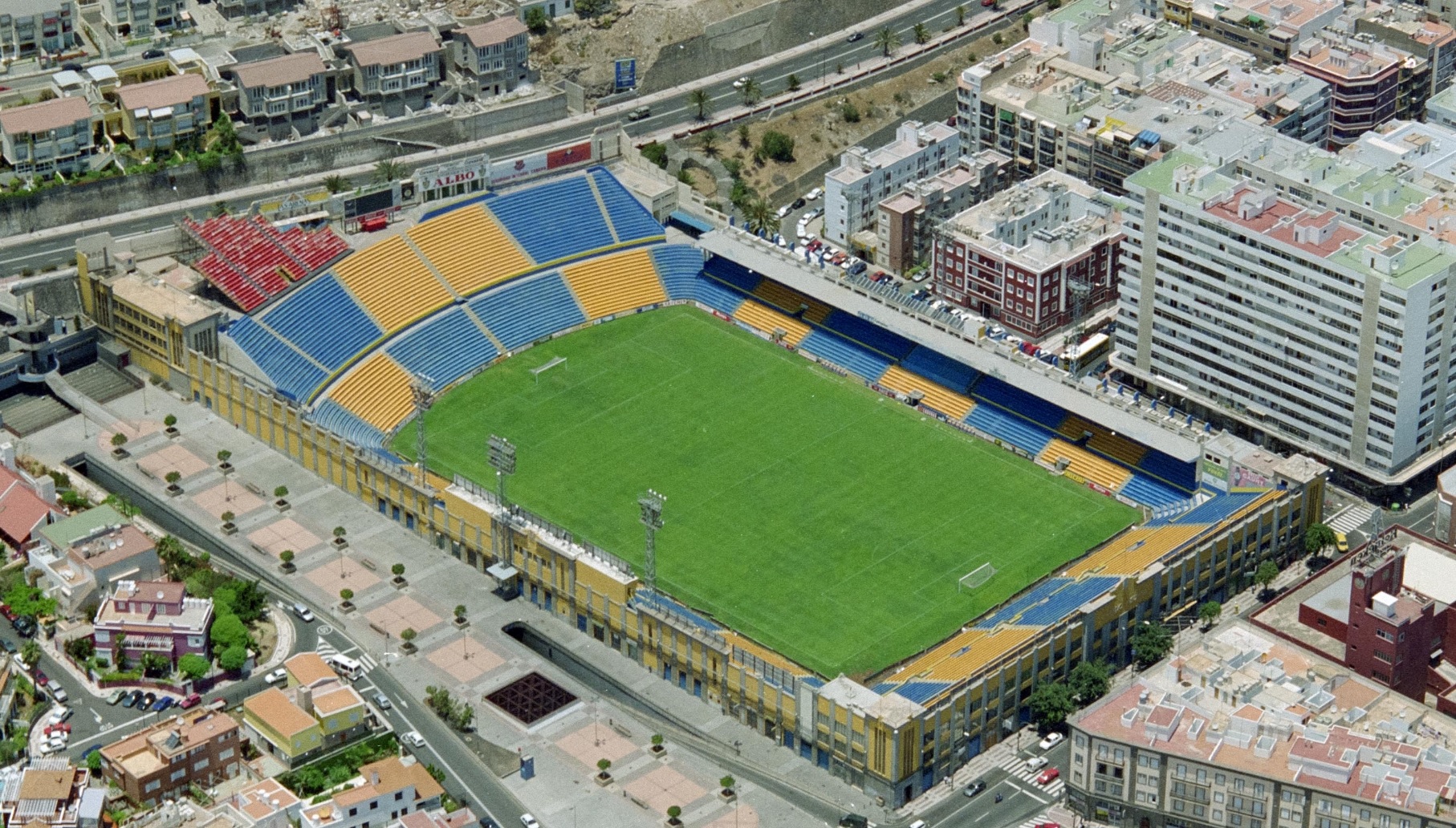
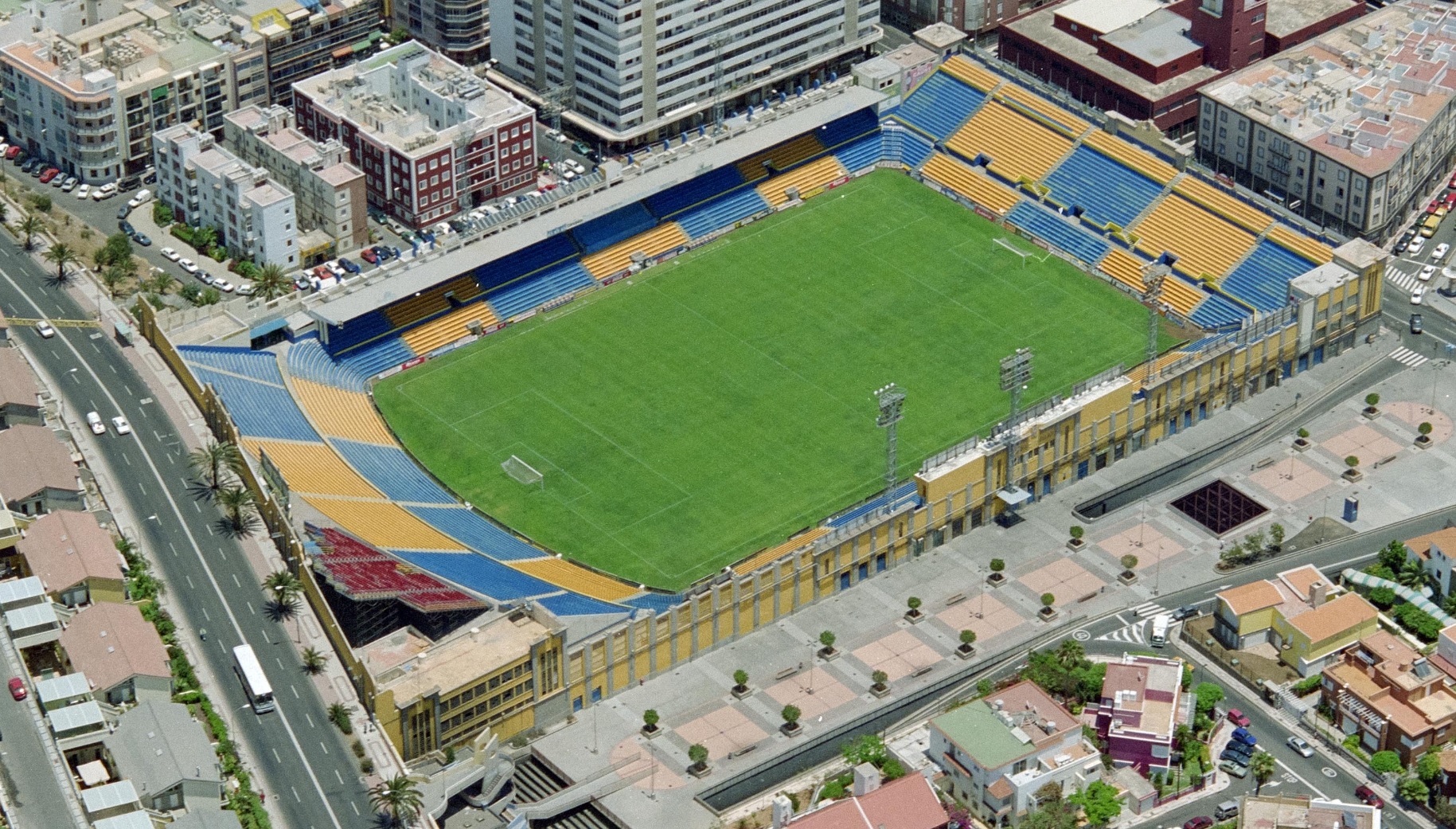
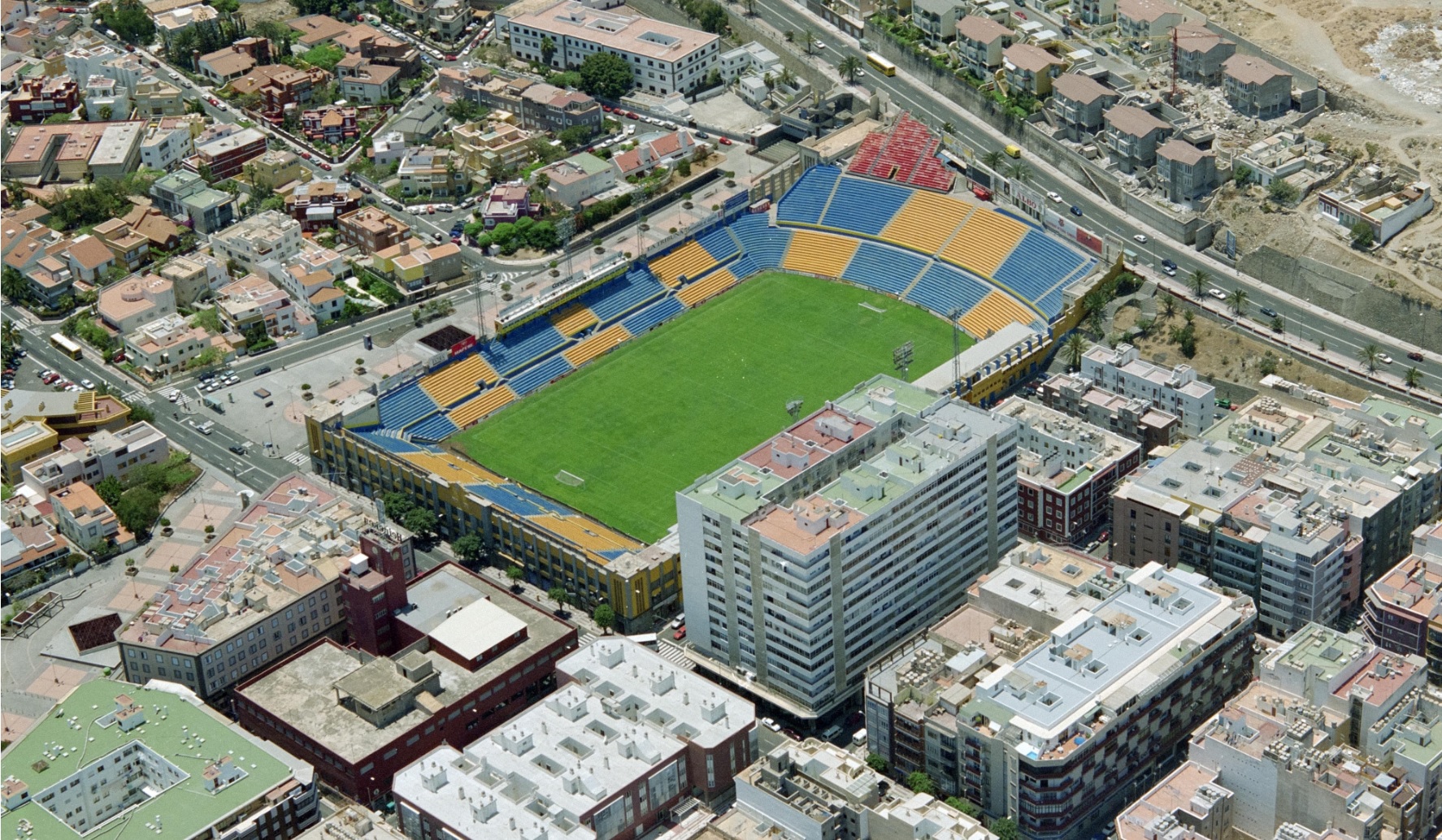
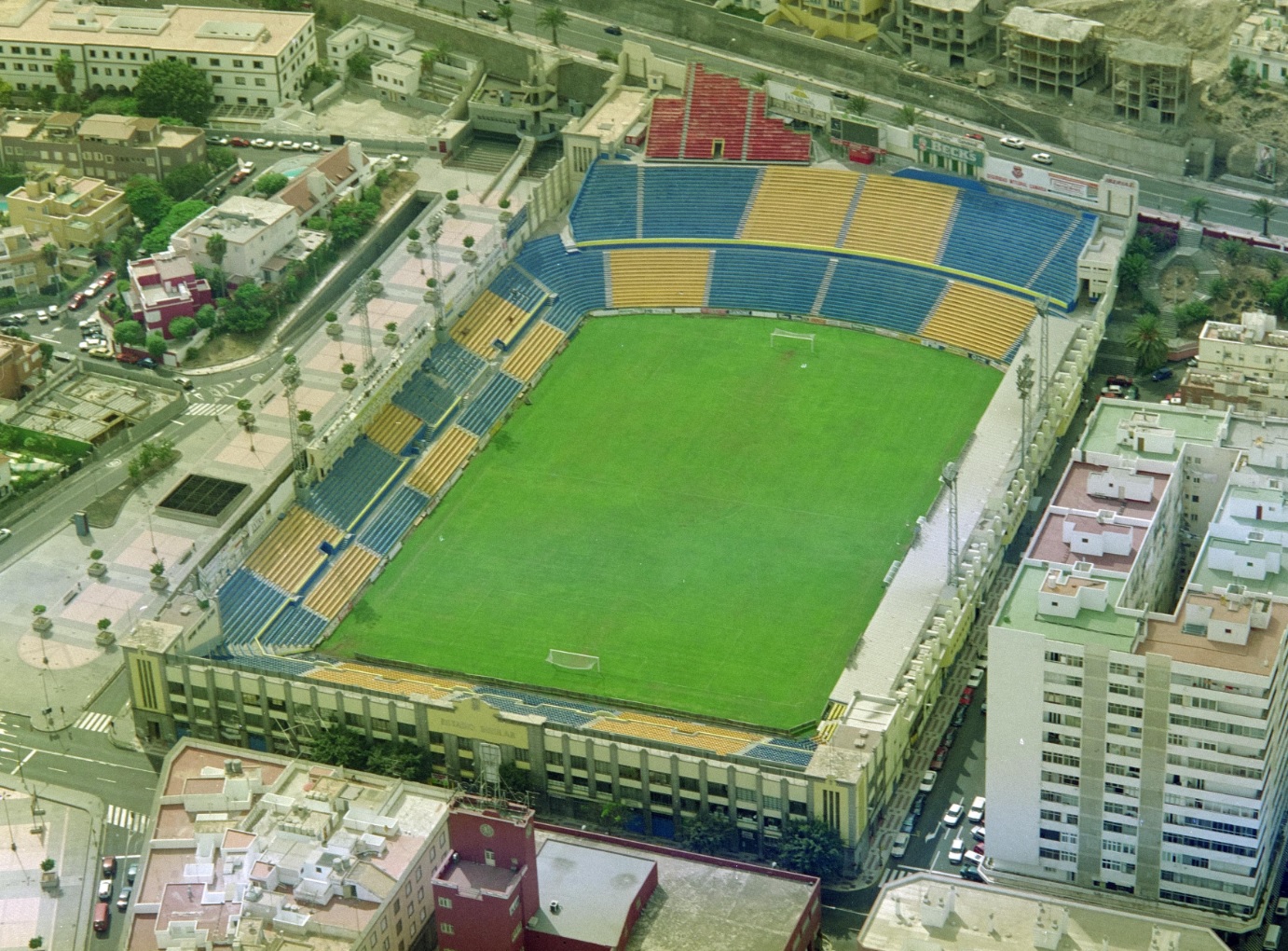
The drop to Segunda B followed in June 1992, and with it came severe financial difficulties. What was expected to be a quick visit to the third level turned into a four-season-long struggle, with the play-offs tripping up the club at the final hurdle in each of the first three seasons. Eventually, UD Las Palmas prevailed, dominating their play-off group, winning their first five fixtures and finishing ahead of Elche CF, Gimnàstic Tarragona and Cultural Leonesa. During this period, it has to be said that Insular was quite a spruce and atmospheric ground, with its 22,000 yellow and blue seats all in close proximity to the pitch. The only cover was on the north side of the stadium, and the largest bank of seats was arranged in three tiers behind the west goal. The outside of the stadium was a fairly bright affair as well, with its stylised exterior painted yellow with blue facings.
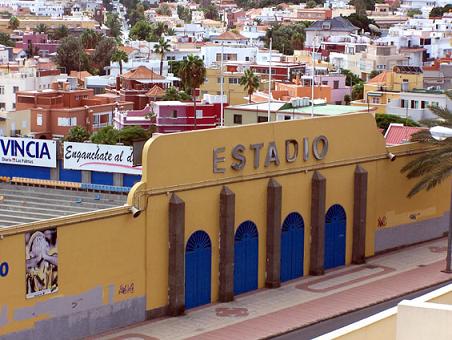
La Selección played at Insular on four occasions, the first coming in 1974 in a 2-2 draw with Yugoslavia. Three further visits in 1986 against the USSR, 1993 against Mexico and 1996 against Norway all resulted in home wins. By the end of the nineties, however, it was clear that Insular was on borrowed time as it lacked many of the facilities associated with a modern stadium. In 2000, the municipality decided to start building a new stadium in the southern suburb of Siete Palmas. The Estadio Insular was to get one last season in the spotlight when UD Las Palmas returned to La Primera for the 2000-01 season. Unfortunately, the stay lasted just two seasons, and the club was back in La Segunda when it played its last ever fixture at Insular on 29 June 2003. A 2-0 victory against Elche CF brought to an end nearly 60 years of football at the stadium.
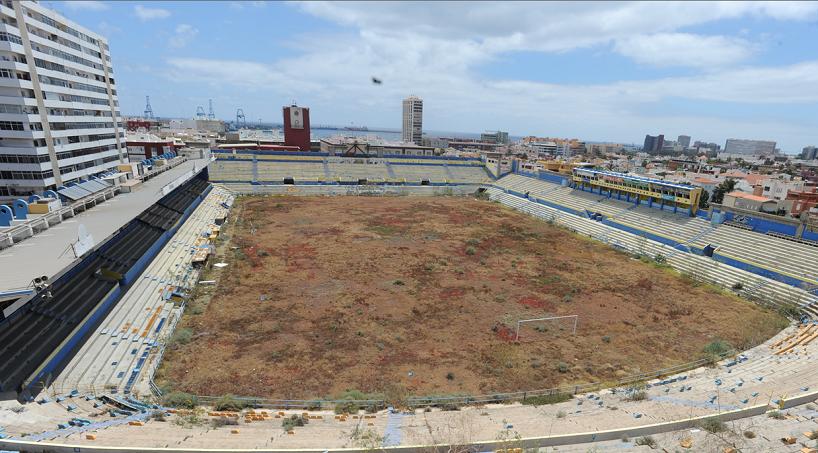
Following the first team’s departure from the stadium, the club’s reserve side, UD Las Palmas Atlético, shared the stadium with Universidad de Las Palmas de Gran Canaria Club de Fútbol during the 2003-04 season, but all footballing activity had ended by January 2004. Initially, plans were drawn up to build a shopping mall on the site, but then talk turned to redeveloping the stadium and bringing the club back from the unpopular Estadio de Gran Canaria to the centre of town. Eventually, in May 2014, the local council started work on converting the site into a “Sports & Activity Park”. The site now features a running track, tennis courts and playground, all surrounded by dozens of native species of plants. There is also a mural paying tribute to football in the city in the shell of the old stand, along with a liberal splash of yellow & blue throughout.

 Estadios de España