
A growing dissatisfaction with many aspects of the modern game has led to a rise in the number of fan-owned clubs across Europe. Whether it is disquiet with the corporate sanitation of the game or dismay at a particular club’s financial mismanagement, the surge in the number of “one member, one vote” clubs shows that there is a significant proportion of fans who have had enough of modern football. Over the years, Spanish Football has seen more than its fair share of financial mismanagement, but until the last decade, fan-owned options had long been the preserve of four mainstream clubs. Barcelona, Real Madrid, Athletic Club, & Osasuna, whilst all fan-owned, occupy a different stratosphere from the clubs that have sprung up in the last 10-15 years.

One group of fans to snub its nose to the excesses of the modern game were those of Unión Deportivo Salamanca. Left without a team to follow after the club’s liquidation in 2013, they founded Unionistas de Salamanca Club de Fútbol. The members made clear their objectives from the outset: the new team would not try to pass itself off as the former team, it would be ruled by the concept of “one member, one vote”, and the most important decisions would be taken democratically. Well, that certainly impressed Vicente del Bosque, as the former UD Salamanca reserve team forward (he also won a few trophies elsewhere!) became an associate of Unionistas.
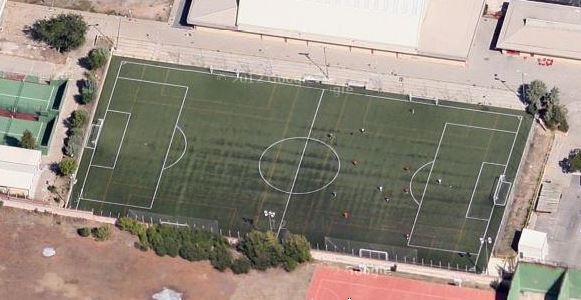
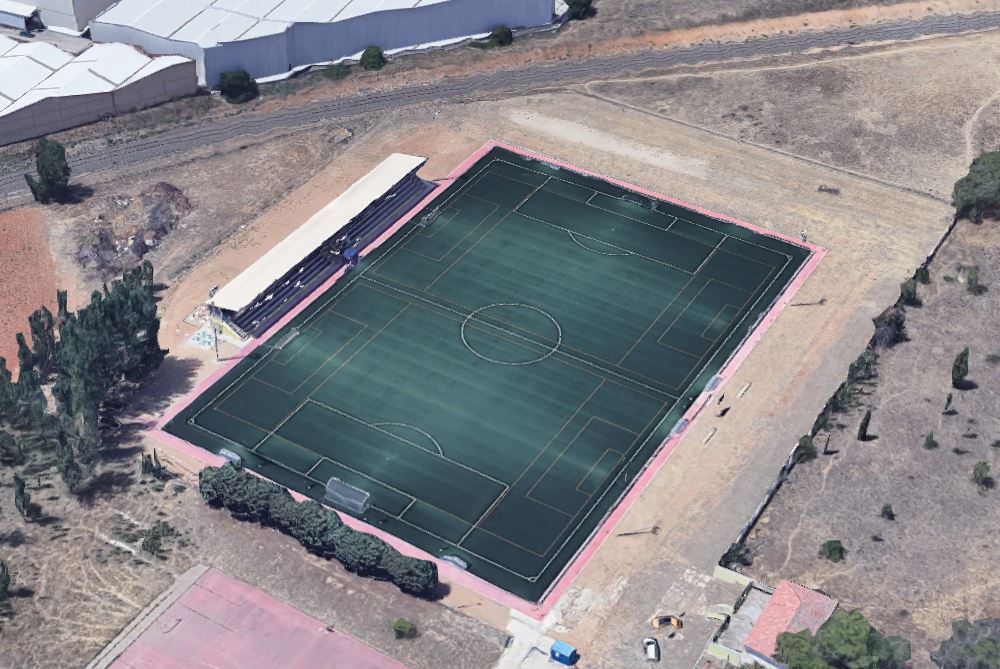
On 2 September 2014 Unionistas were admitted into the Primera Provincial de Salamanca, the sixth and lowest semi-professional level of Spanish football. A day later, it played its first official match, losing 0-1 to UD Santa Marta. Home for that first ever season was the Campo Rosa Colorado, or La Sindical as it is known locally. That first season saw Unionistas cruise to the league title and defeat Real Salamanca Monterrey in the playoffs. With growing support, the local municipality allowed Unionista to use the Estadio Las Pistas del Helmántico, literally a short pass from UD Salamanca’s old haunt. Just one year later, the Primera Regional title was won, and victory over Onzonilla in the playoffs saw Unionistas reach the Tercera. Whilst the first season in the fourth tier saw the club finish in third place, forward momentum was halted following defeat to Olímpic de Xàtiva in the second round of the playoffs. The 2017-18 season saw continued success with a first Tercera tile, and eventual promotion to Segunda B defeating Socuéllamos with a 96th minute penalty kick.

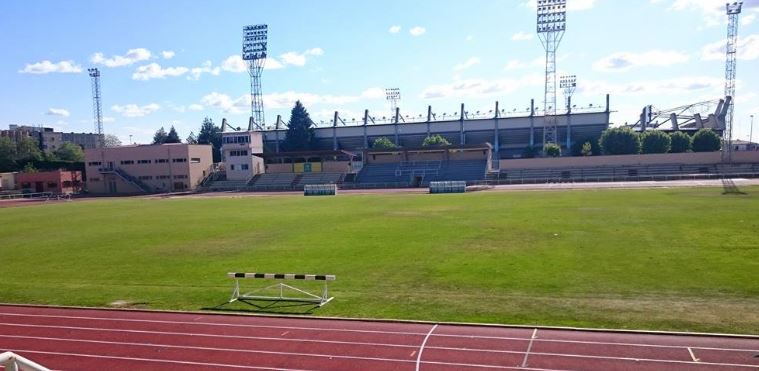
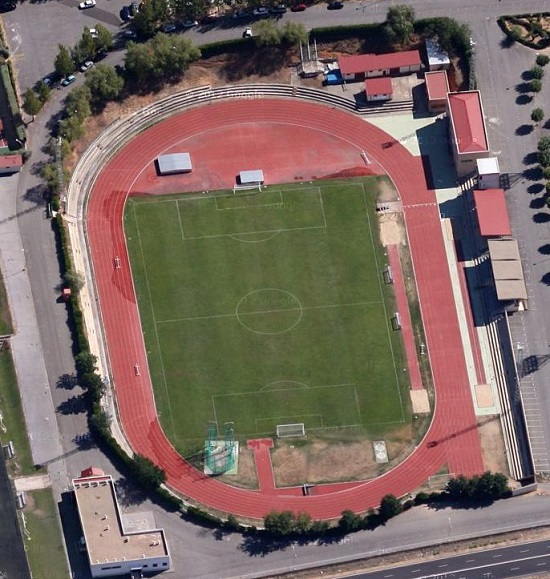
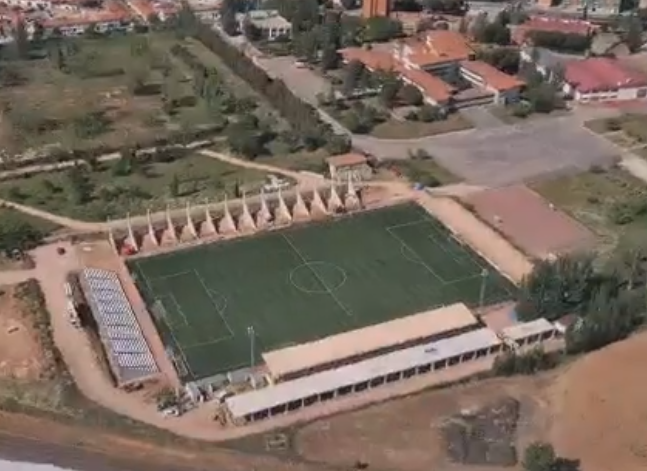
Unionistas’ stay at the Estadio Las Pistas del Helmántico was a marriage of convenience. It allowed all of its not-inconsiderable support to watch the club in relatively comfortable but rather uninspiring surroundings. Opened in 1970, it has always played ugly sister to the smart and impressive Estadio Helmántico. In fact, probably the most interesting aspect of the stadium was the change of name between 1993-2000, when it was officially known as the Estadio Javier Sotomayor. This was in recognition of the Cuban high jumper setting a world record at the stadium on 29 July 1993. The stadium’s only spectator structures of note are found on the west side of the stadium, where two differing cantilevered covers hang over concrete bench seating. Changing facilities are found in a three-tiered building in the southwest corner of the stadium. Five steps of terracing follow the line of the athletics track on the remaining side of the enclosure.
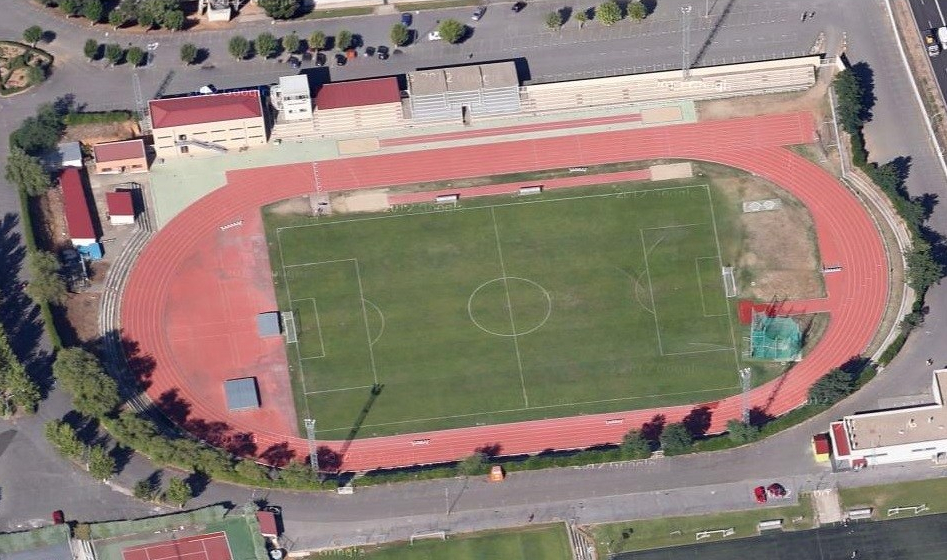
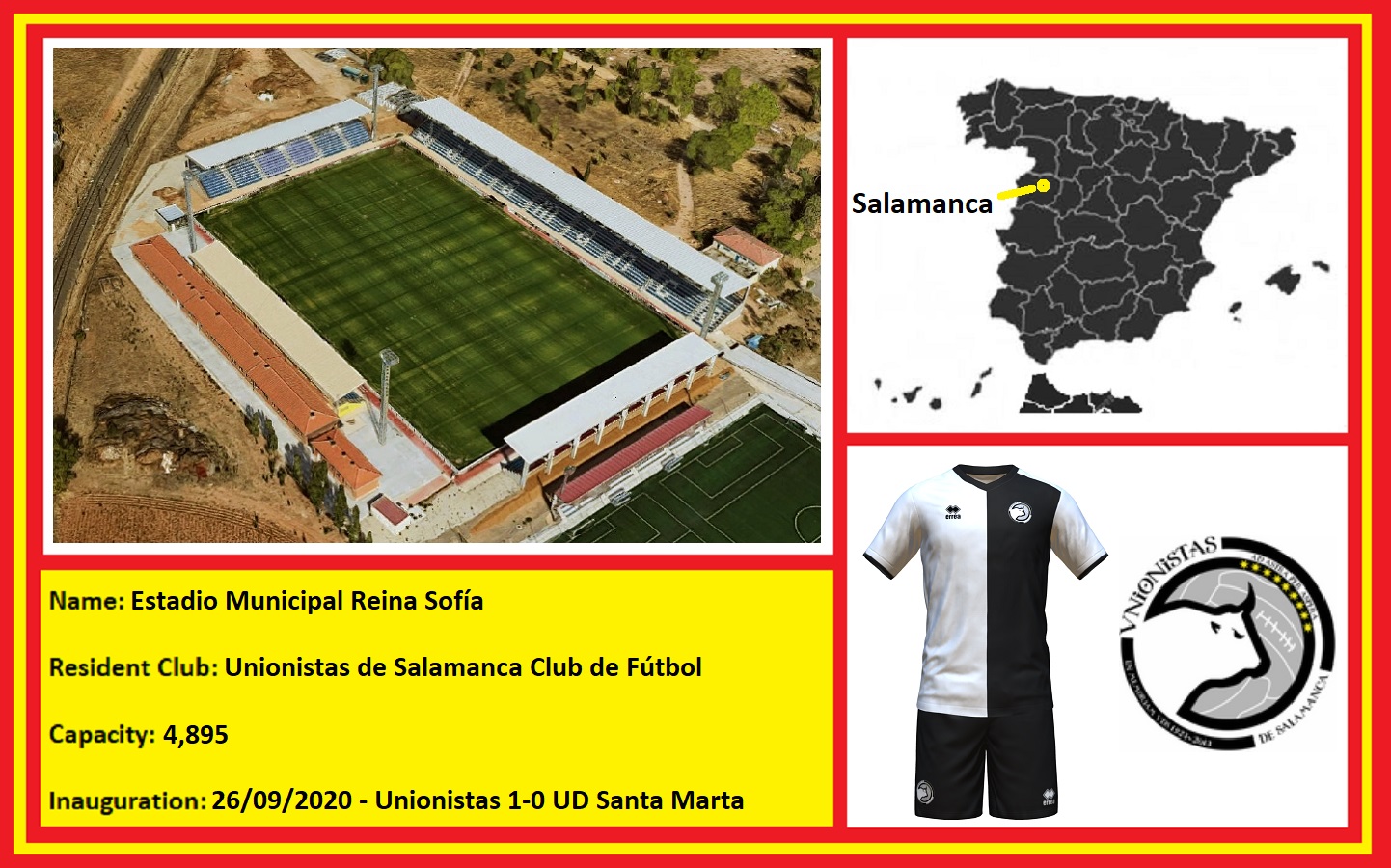
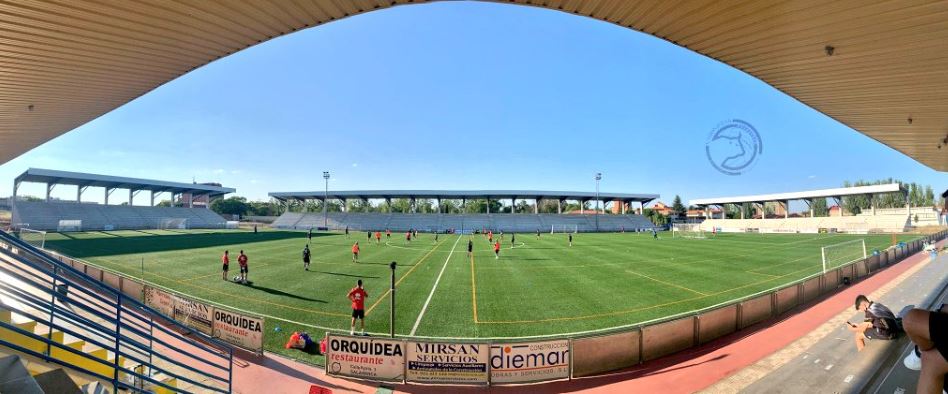
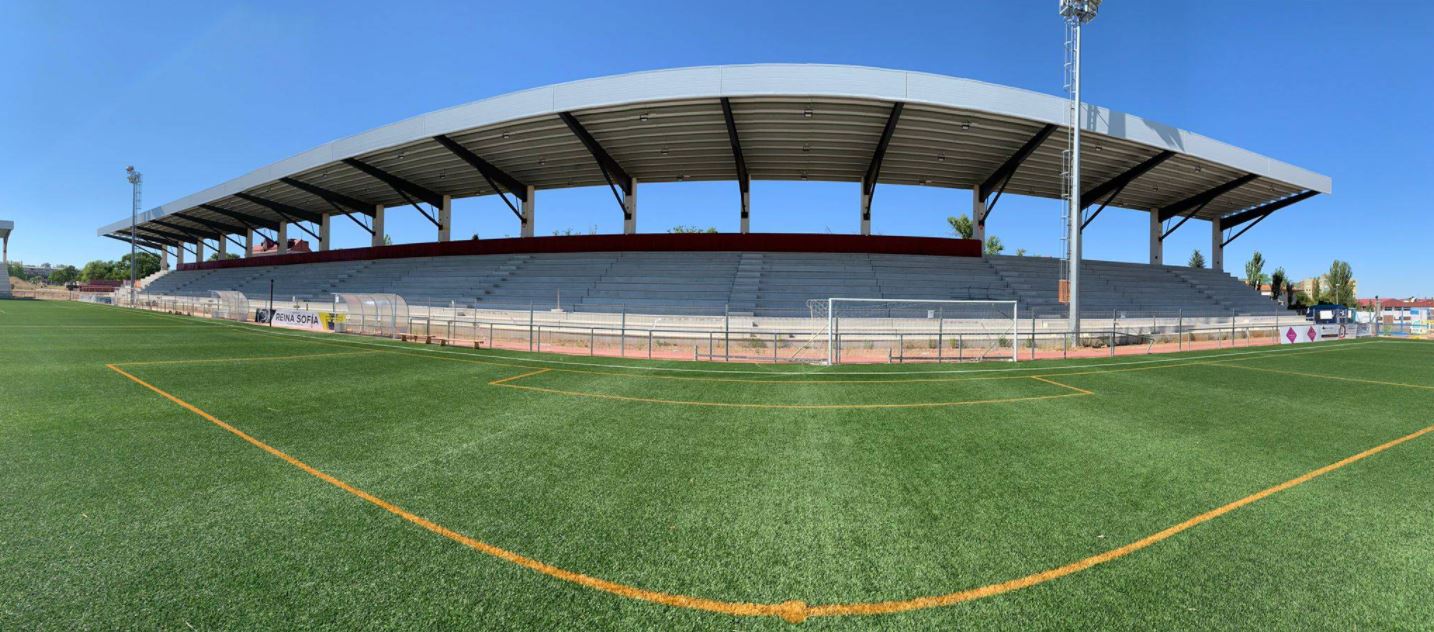
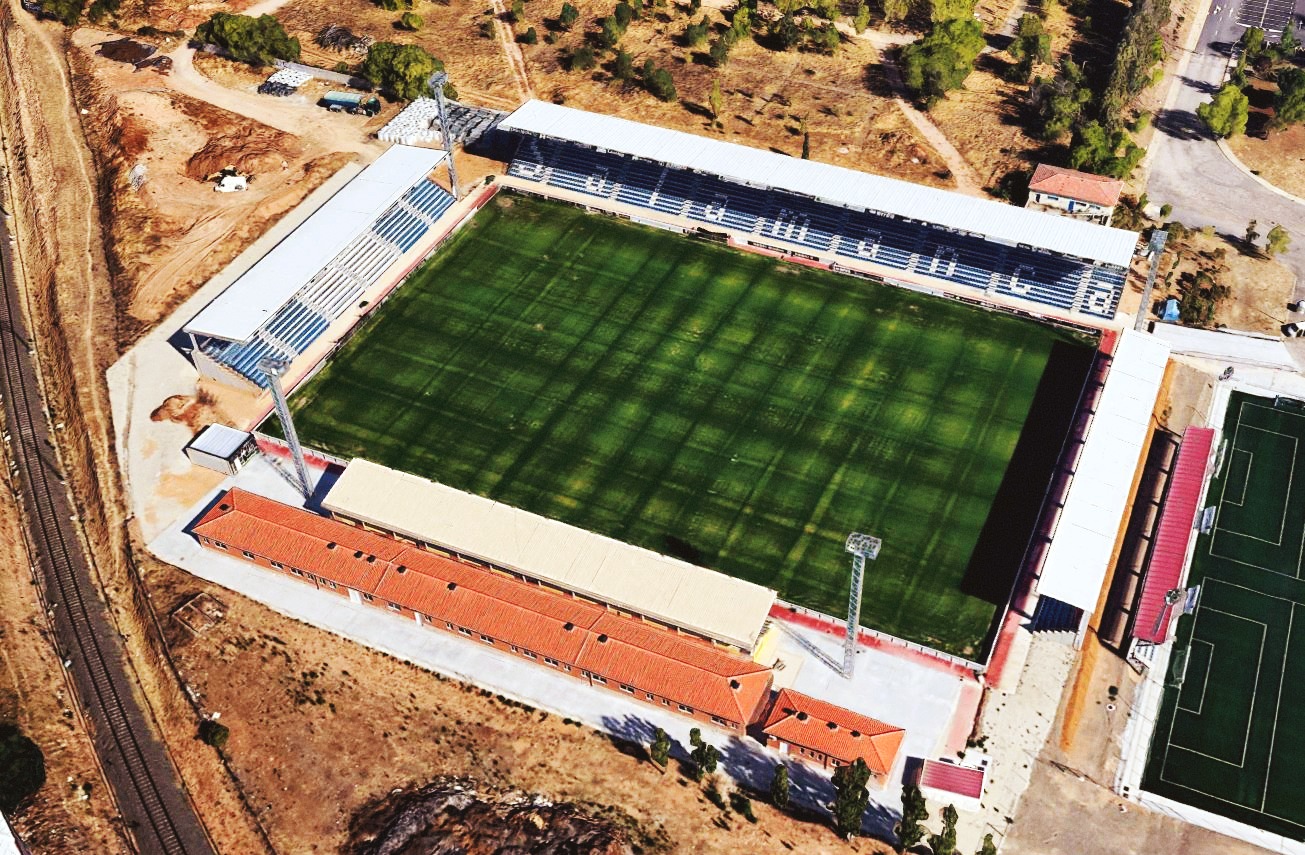
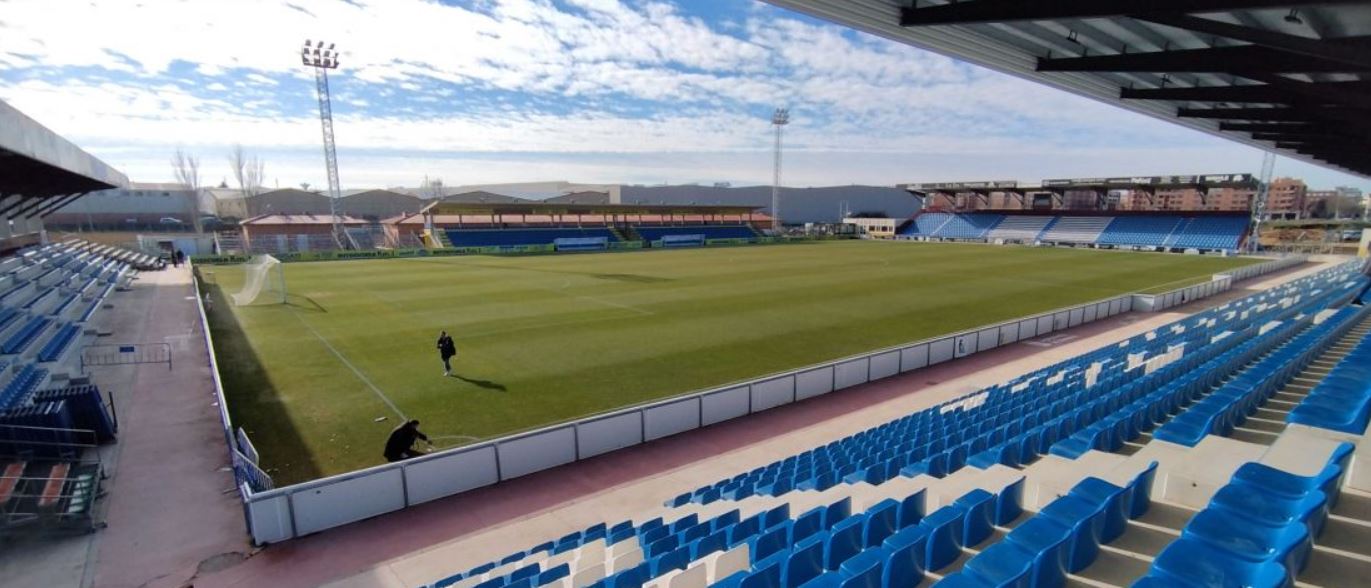
In January 2020, Unionistas drew Real Madrid in the Copa del Rey. True to their word, the club resisted the temptation to move the tie next door to the Estadio Helmántico or elsewhere, and whilst they lost 1-3, they were rewarded with national television coverage and a raised profile across the globe. However, Unionistas’ future lay elsewhere. The southwestern suburbs of Salamanca to be precise. In November 2017, the local municipality committed itself to renovate the Estadio Reina Sofía stadium in the barrio of Zurguén, close to new housing & industrial units.
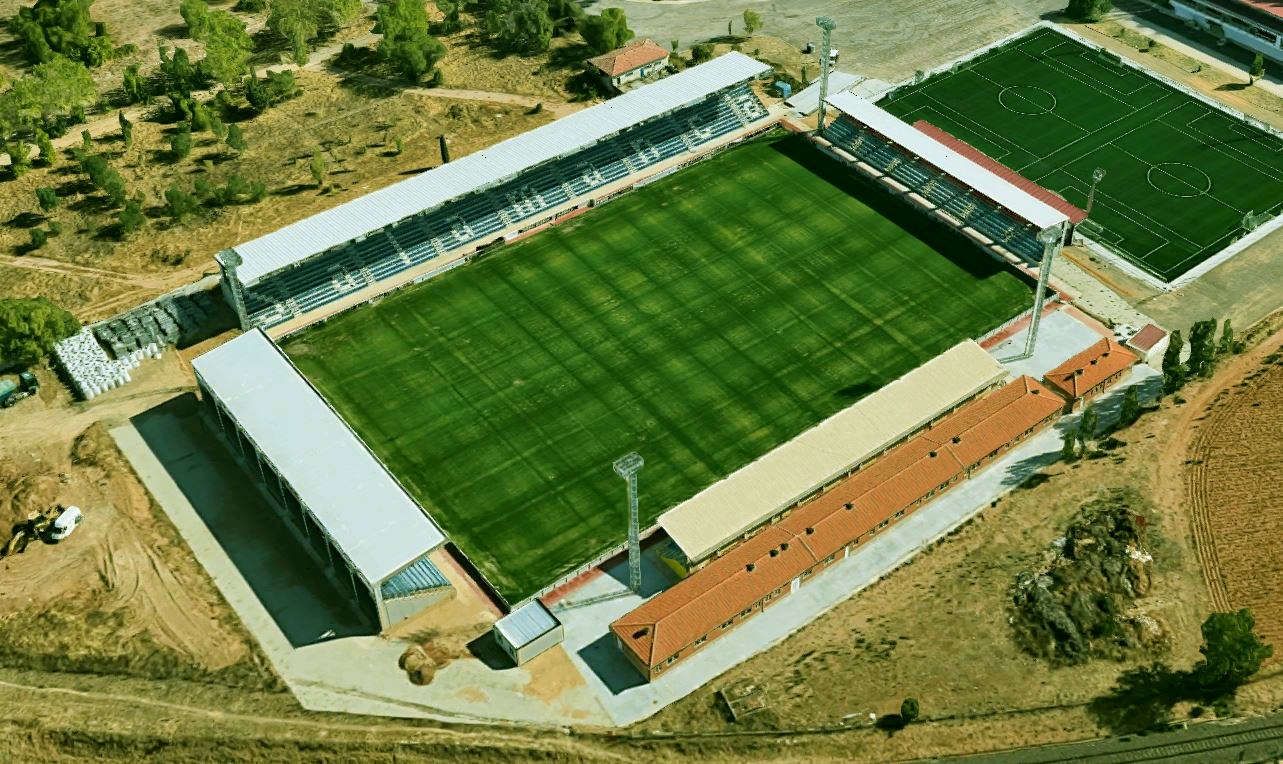
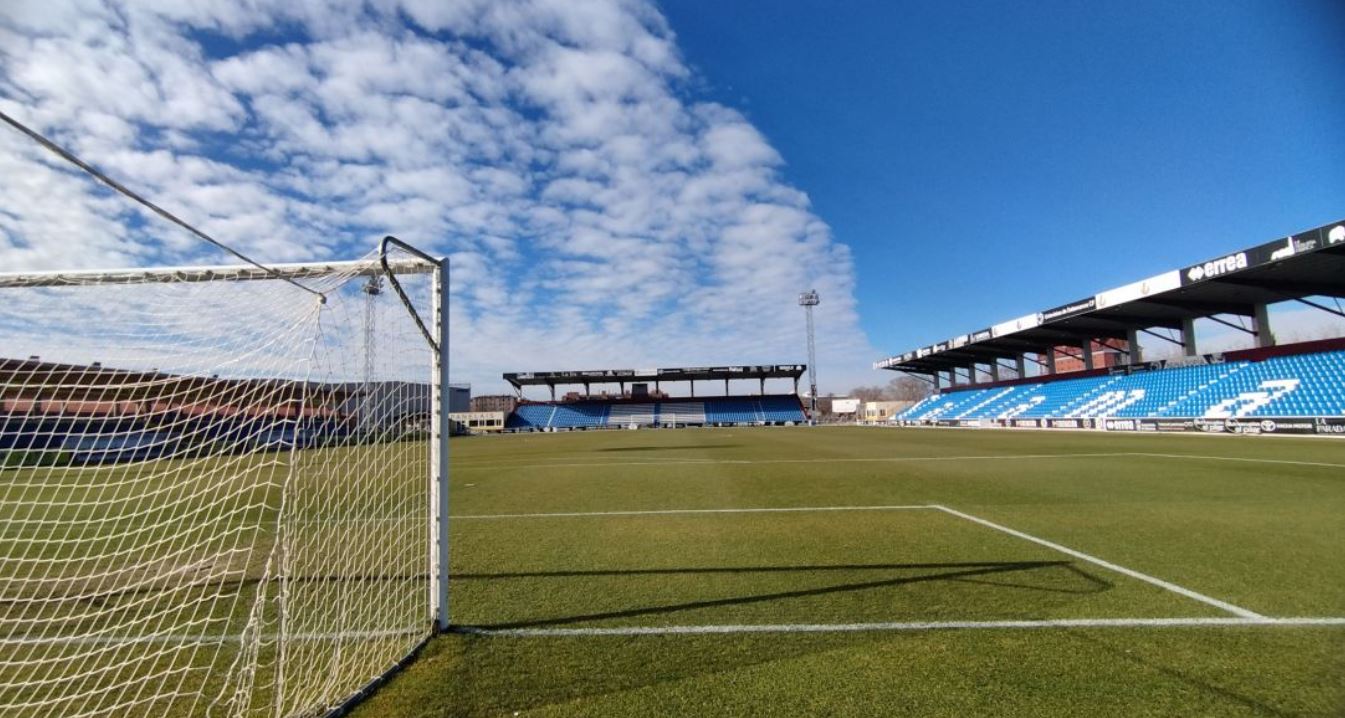
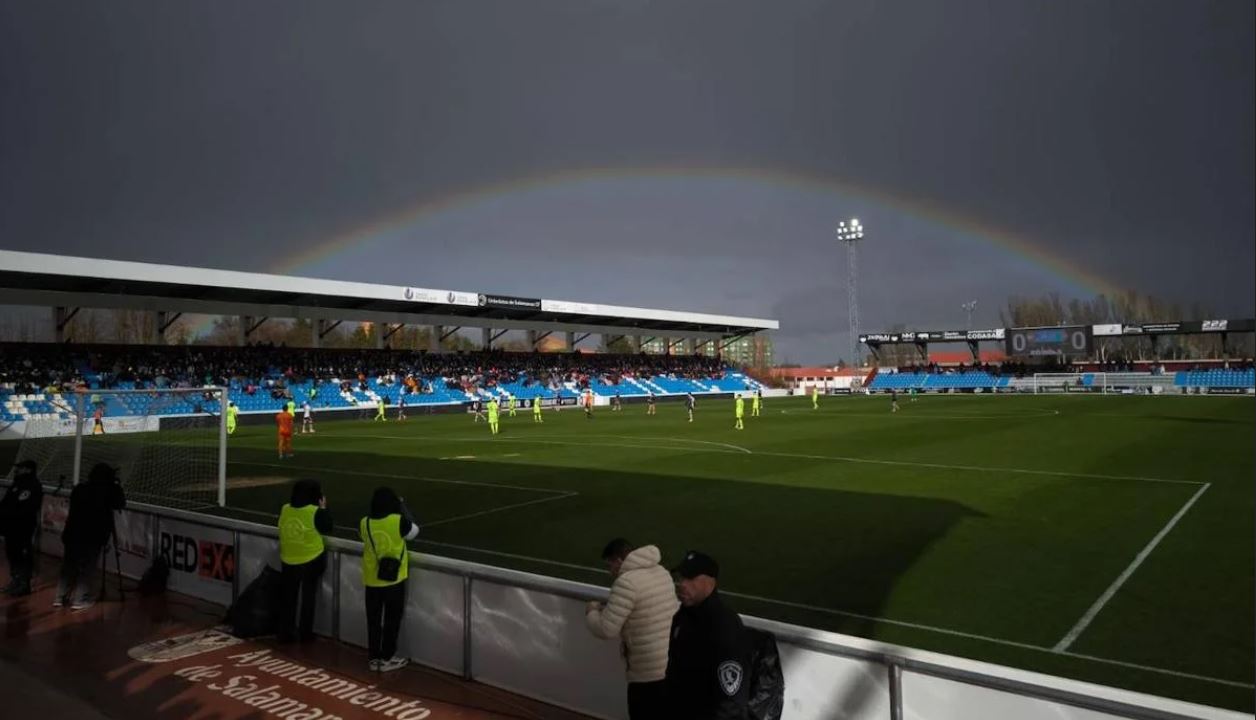
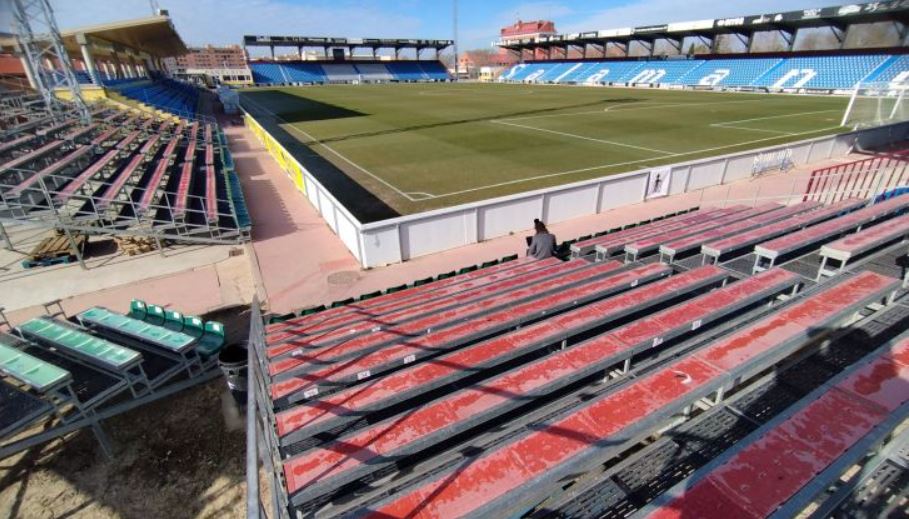
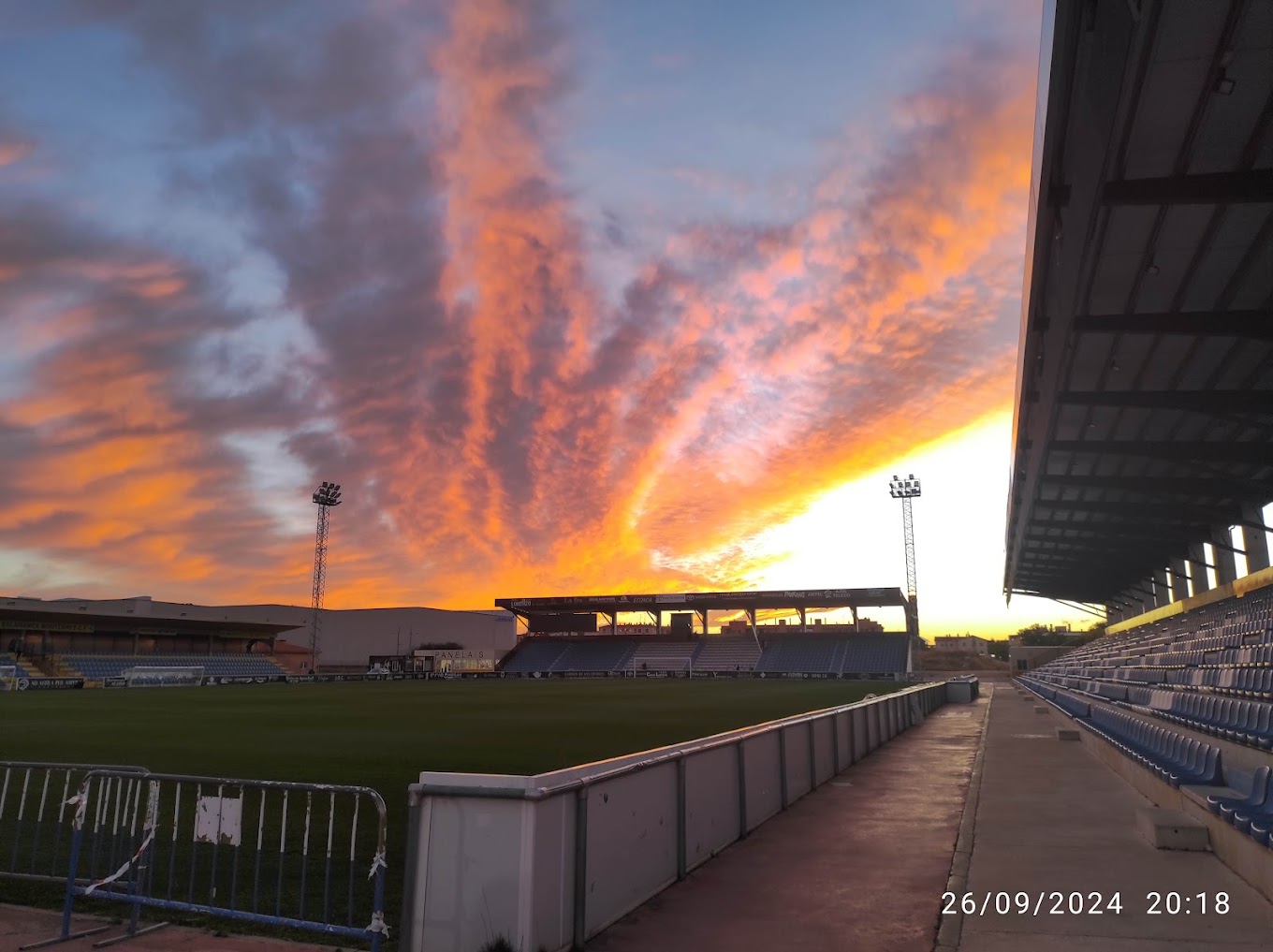
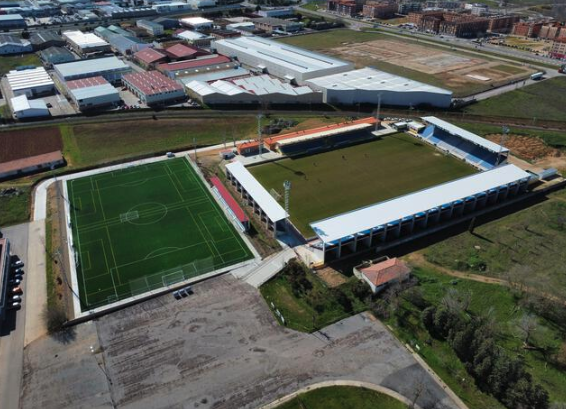
The decision was met with some resistance, with some asking why public funds were being used to rebuild a stadium when, in reality, there were two solutions in the north of the city at the Helmántico complex. However, the project gained momentum when another local club, Real Monterrey CF, agreed to share the facility with Unionistas. At a cost of €1.5m, the renovation saw the addition of three covered stands, which raised the capacity to 4,895. New floodlights, an artificial surface and new changing & media facilities were also added. The COVID-19 pandemic delayed the project, but eventually, Unionistas played their first match at the Estadio Reina Sofía on 26 September 2020. Fate dictated that the first opponents at the new stadium would be Unionistas’ first-ever opponents, UD Santa Marta. On 18 January 2024, Unionistas hosted FC Barcelona in the Copa del Rey. Whilst the Catalans won the tie 1-3, a new attendance record of 6,246 was set at the Estadio Reina Sofía, thanks to the addition of temporary seating.
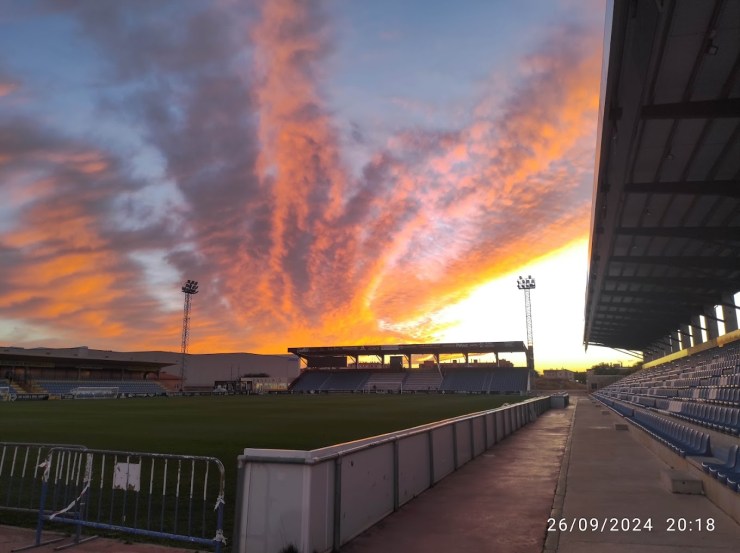
While the 2020-21 regular season was shortened by the COVID-19 pandemic, Unionistas took advantage of the condensed calendar to earn a place in the newly formed Primera Federación. In their first three seasons at this level, the club has recorded successive 7th-placed finishes.










 Estadios de España