Article updated: 08/07/2026
For a stadium that bears the name of such a giant of the Spanish game, the Estadio Vicente del Bosque is somewhat slight in stature. Let’s just say it’s a reflection of the man’s modest & humble presence off the pitch, rather than his outstanding achievements as a player and manager.
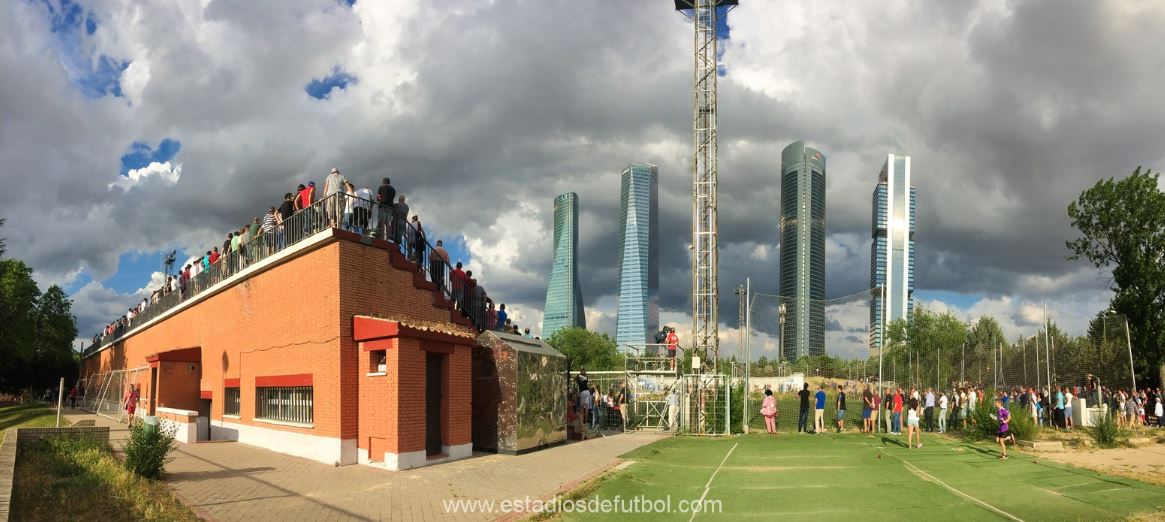
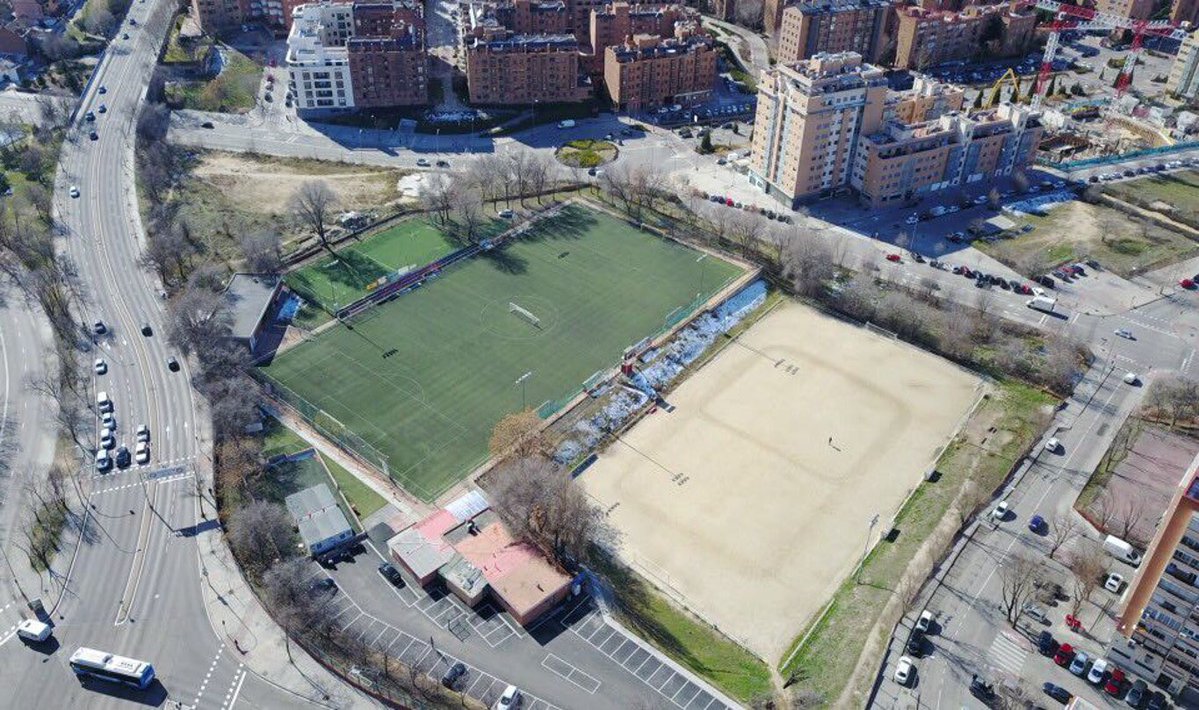
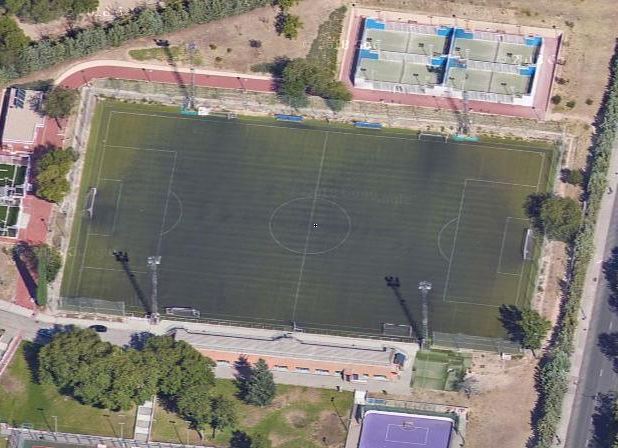
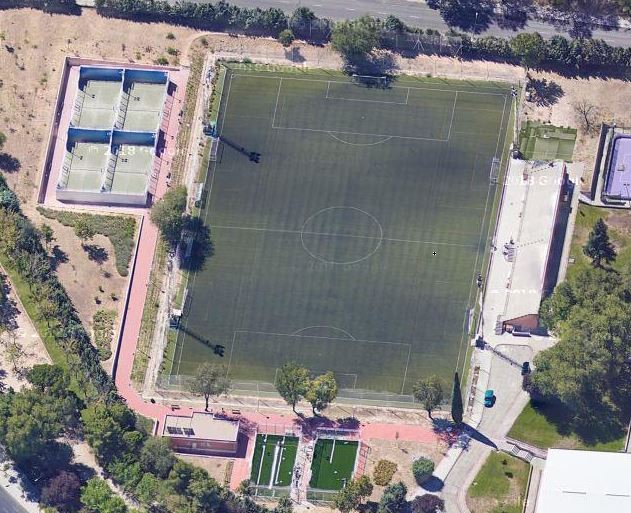
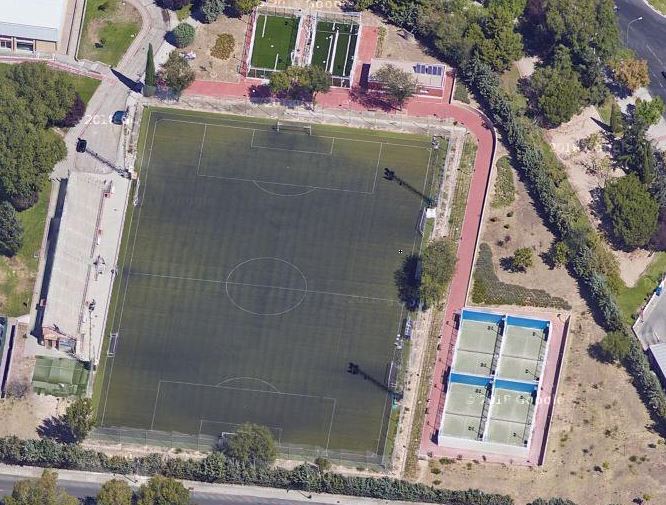
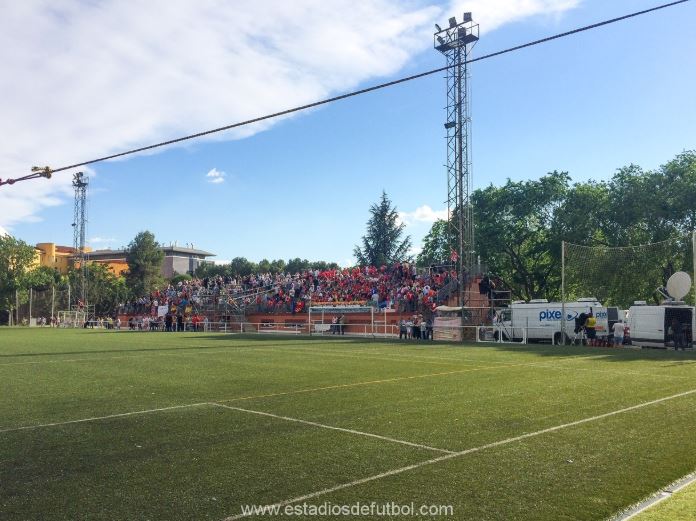
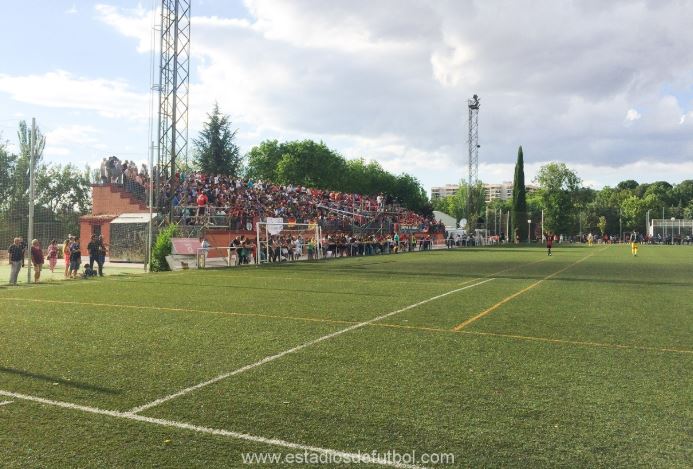
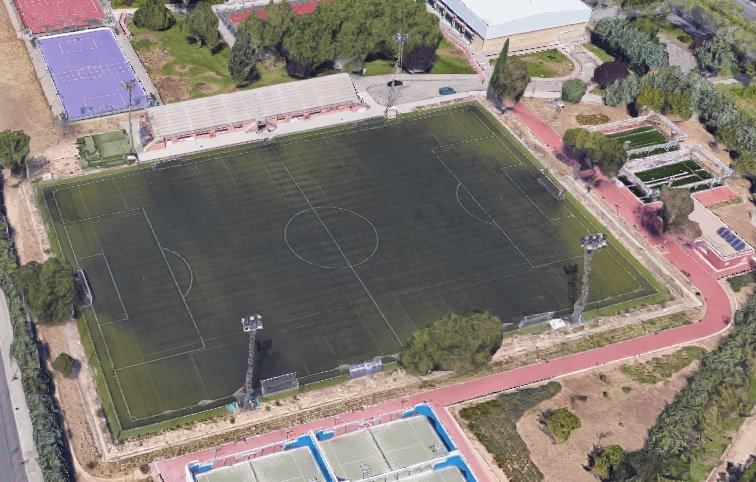
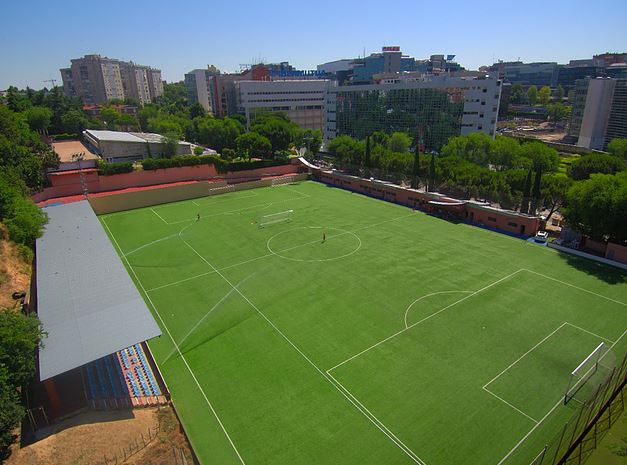
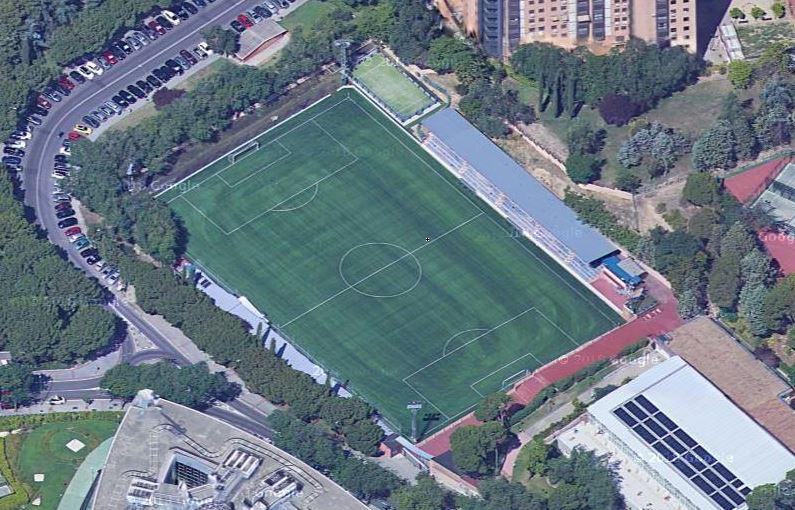
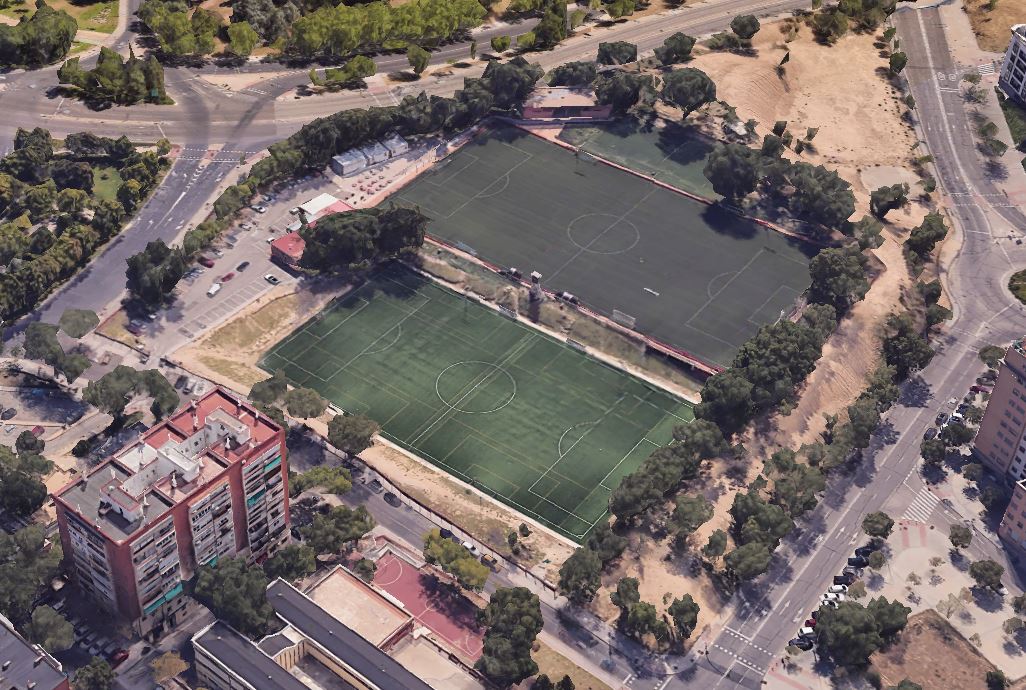
Situated in the Barrio del Pilar, the first thing that catches the eye on entering the ground is the looming presence of the Cuatro Torres Business Area. These four skyscrapers, built on the site of Real Madrid’s former Ciudad Deportiva, dominate Madrid’s northern skyline. Their immense scale dwarfs almost everything around them and provides a striking contrast to the low-rise simplicity of this modest football ground. With a capacity of just 2,000 spectators and no protection from Madrid’s seasonal extremes, the enclosure is only three kilometres from, yet a world away from, Vicente del Bosque’s old stomping ground, the Estadio Santiago Bernabéu. The only elevated viewing area is a 50-metre-long terrace perched above the stadium’s changing rooms, while the remainder of the capacity consists of hard standing in front of the main stand.
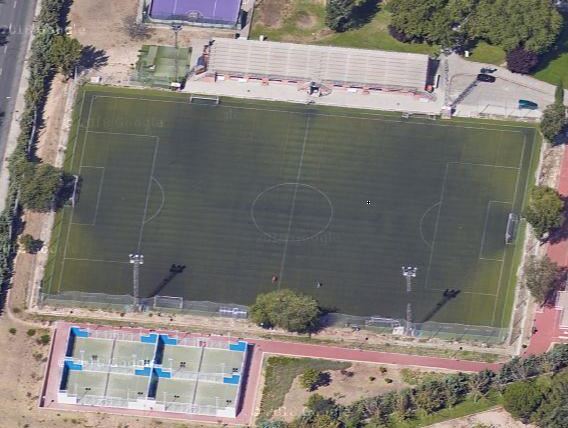
The Estadio Vicente del Bosque staged third-tier football during the 2017-18 season, following the promotion of Agrupación Deportiva Unión Adarve to Segunda B. The club was founded in 1992 following the merger of Agrupación Deportiva y Cultural Adarve & Unión Deportiva Barrio del Pilar. Those early years were spent at the Polideportivo Isla de Tabarca, before a move to the Campo Vereda de Ganapanes in 2005. Unión Adarve first reached the Tercera in the 2007-08 season, but this ended in relegation. They returned to the Tercera in 2011-12 and recorded top-four finishes on four occasions. In the summer of 2016, Unión Adarve moved around 2km west of Campo Vereda de Ganapanes to the Estadio Vicente del Bosque. The new surroundings had an immediate impact, with promotion gained to Segunda B at the end of the 2016-17 season. After finishing second in the regular season, Unión Adarve saw off the challenges of FC Vilafranca, SD Tarazona and Atlético Malagueño in the playoffs.
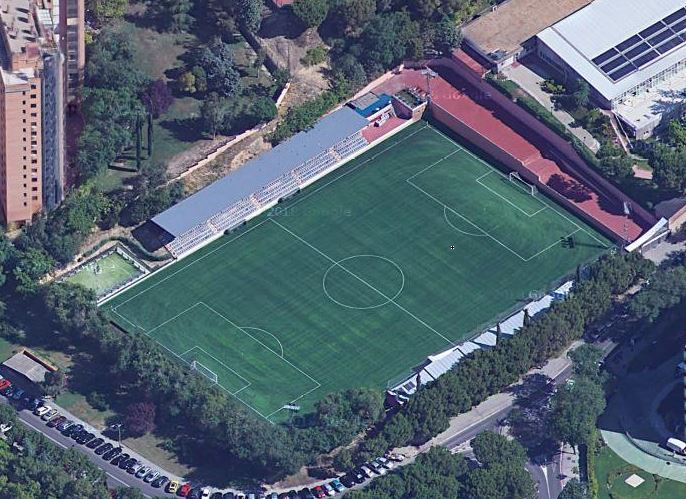
Unión Adarve’s debut season in the third tier proved impressive, with the club securing an 11th-place finish. However, the limitations of the Estadio Vicente del Bosque had become increasingly apparent, most notably its ageing artificial pitch. Following discussions with the local municipality, plans were approved to modernise the stadium’s facilities. The redevelopment would require Unión Adarve to temporarily relocate to the Campo García de la Mata, approximately 6 km southeast of their current home, in the suburb of Ciudad Lineal. At the same time, the municipality committed to redeveloping the club’s former ground, the Campo Vereda de Ganapanes. Under the initiative, known as Project Comunale, a new single-stand stadium will be constructed, featuring facilities that meet the standards required to host Segunda División football. The project is expected to take between two and three years to complete. The stay at the Campo García was an unhappy one, with the club relegated to the Tercera at the end of the 2018-19 season.
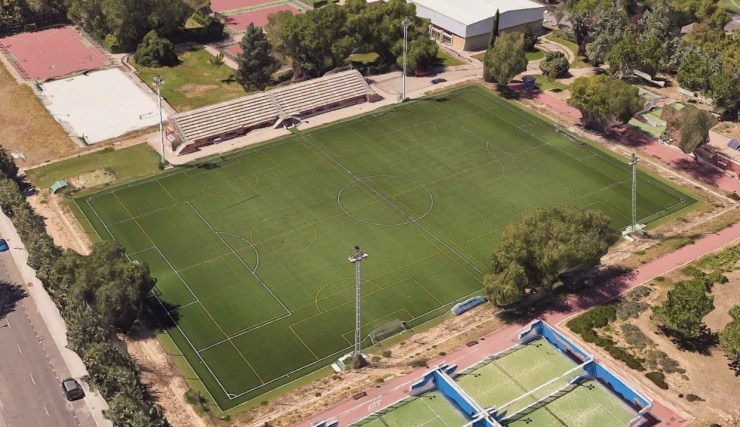
Unión Adarve returned to the Estadio Vicente del Bosque at the start of the 2019-20 season, and here it remained whilst the project to redevelop the Campo Vereda de Ganapanes stalled. The limitations of the Estadio Vicente del Bosque led Unión Adarve to move some home matches to other stadiums in the city, with Estadio José Luis de la Hoz–Matapiñonera and the Estadio Román Valero just two of several venues used. Finally, in February 2026, Unión Adarve returned to a comprehensively renovated Vereda de Ganapanes. Improvements included new artificial turf, dressing rooms, a 500-seat stand, gymnasium and café, allowing the first team and academy to be reunited at one site.