
Article Updated: 07/10/2025
Organised football came late to El Ejido, which until the early 1960s was a small village on the road to nowhere in particular. Then, thanks to a horticultural boom, El Ejido grew and became prosperous. At the end of the decade, the town’s population had grown to over 25,000, and Club Polideportivo Ejido was founded. Its subsequent rise and ultimate fall ran parallel to the economic growth of El Ejido and its subsequent downturn.

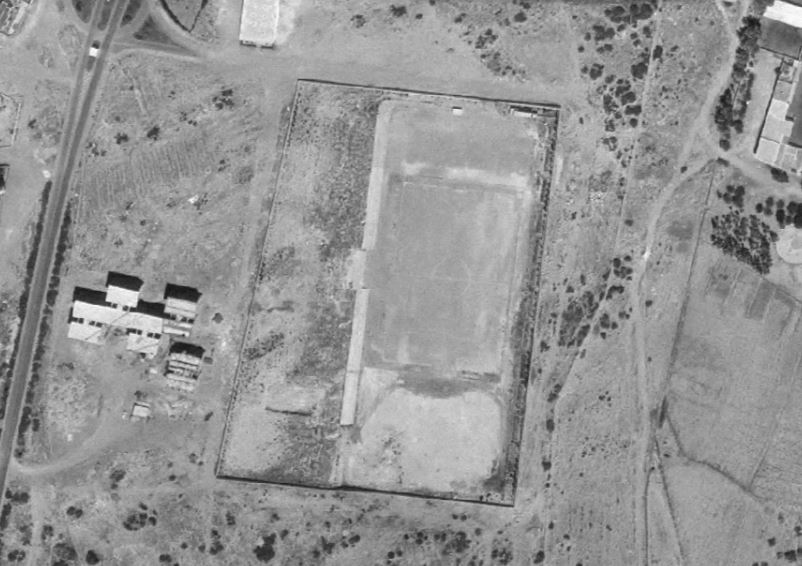
Salvador Callejón was the founding President of the multi-faceted sports club. In 1970, he acquired land to the southeast of the town centre and opened the Campo de Santo Domingo. During the early years, the club primarily played in the regional Preferente. As more people and funds arrived in El Ejido, the club began climbing divisions. Poli reached the Tercera in 1987-88, aided by league restructuring. Four seasons later, they earned promotion to Segunda B by winning a play-off group featuring CD Villanovense, UB Conquense, and Cadiz B. At this point, the Municipality assumed control of Campo de Santo Domingo, a modest yet respectable stadium with a 50-metre main stand on the west side and a few steps of hard standing around the rest of the pitch. In their first Segunda B season, Poli surprised many opponents, finishing fifth and just two points shy of the playoffs. However, this momentum did not continue, as the squad soon reached its limits. Relegation to the Tercera followed in 1994, and although Poli made a quick return to Segunda B for the 1996-97 season, it spent the rest of the 1990s in the Tercera.
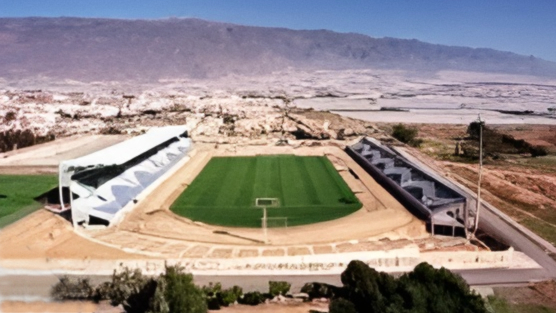
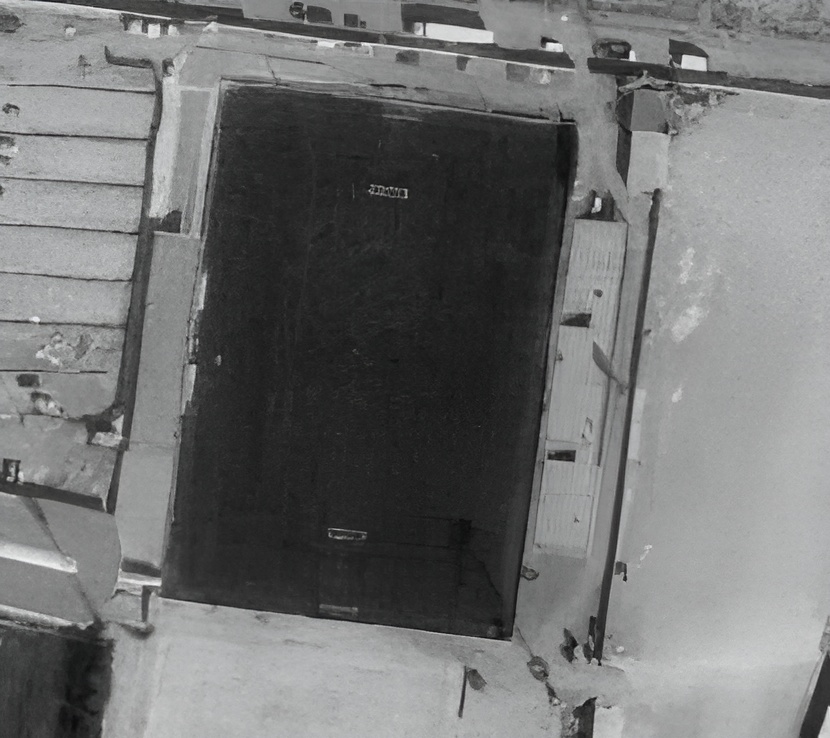
The turn of the millennium brought a new President, Gabriel Hildalgo Martin, and a coach, Antonio Tapia. Under their tutelage, Poli was to prosper. Promotion back to Segunda B was achieved thanks to a second Tercera title and victory over Puerto Real, Albacete B & CD Villanovense in the playoffs. The rise continued with an excellent second-place finish in the 2000-01 regular season. In the playoffs, Poli was pitched against Espanyol B, Atlético Madrid B and Calahorra. Trailing Calahorra by three points with the final game to play in La Rioja, Poli pulled off a magnificent 2-0 victory to win promotion to La Segunda. The club’s promotion caught everybody by surprise, not least the club, which now faced the prospect of hosting the likes of Atlético Madrid and Sporting Gijón in a stadium that held little over 2,500. Temporary seating was quickly erected next to the main stand, and a more substantial terrace was built on the east side of the ground, which raised the capacity to 5,000. The first season in the second tier was always going to be difficult; however, Poli survived thanks to a sound defence (only 48 goals conceded) and a last-day victory over Racing Santander. The 1-0 win against Racing was the last match at the old Campo de Santo Domingo, which was demolished during the summer to make way for a new stadium.

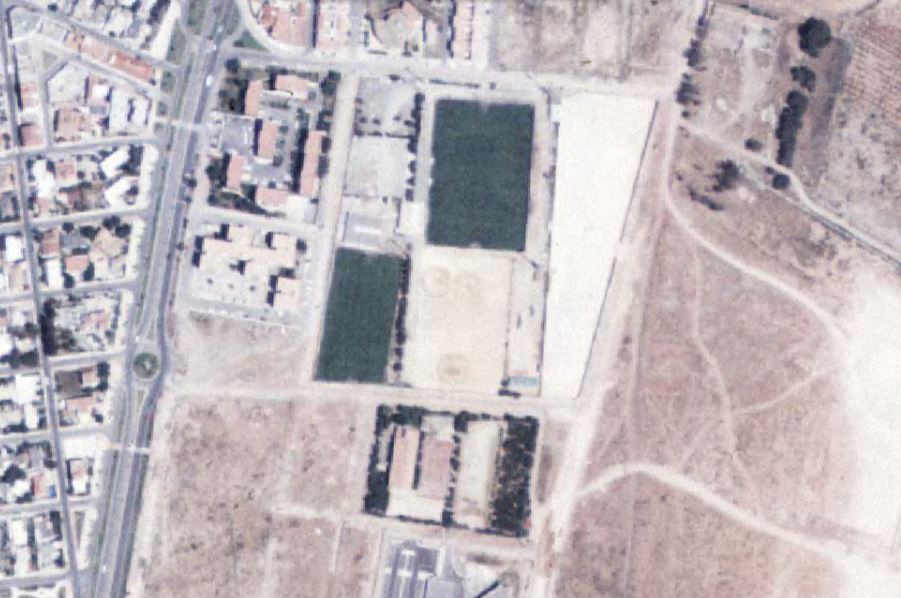
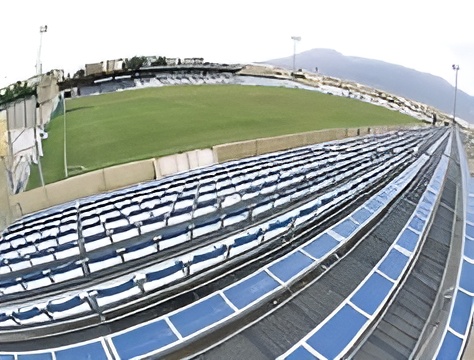
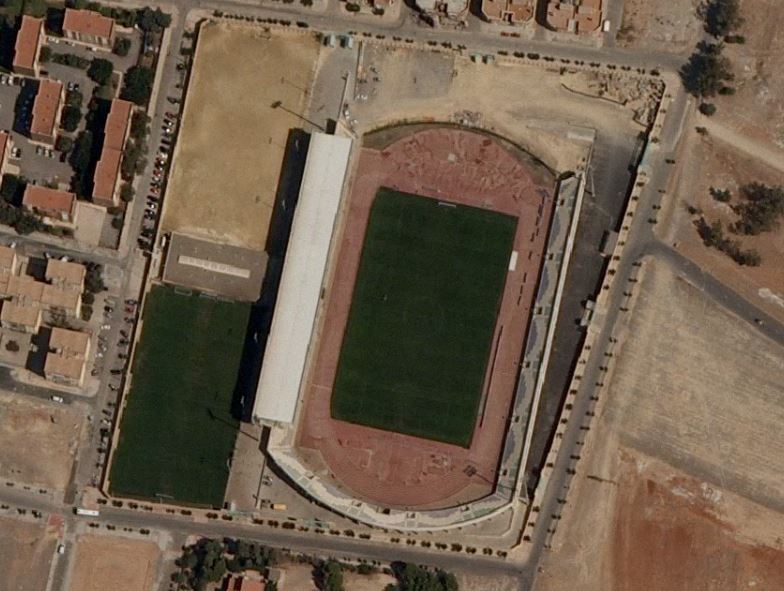
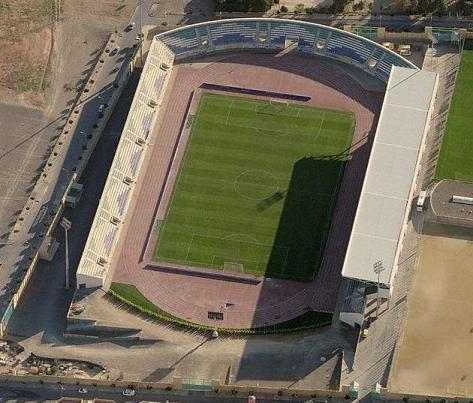
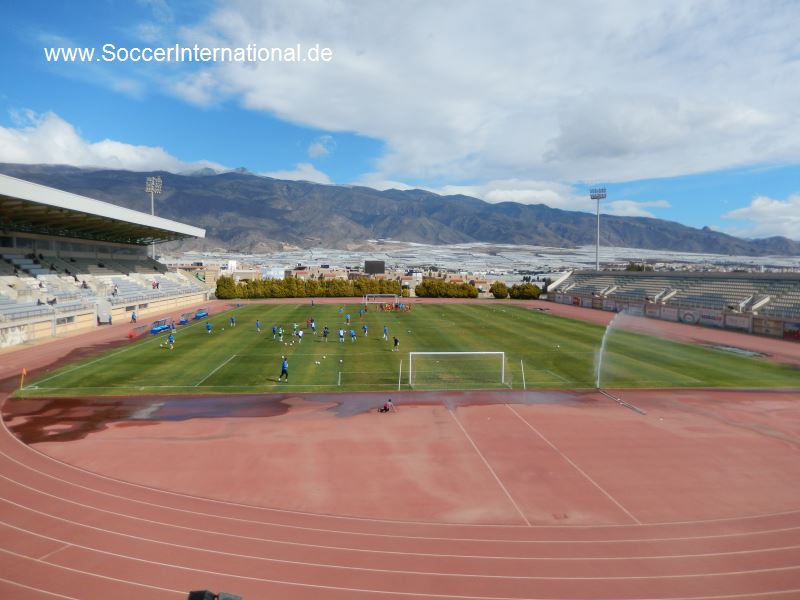
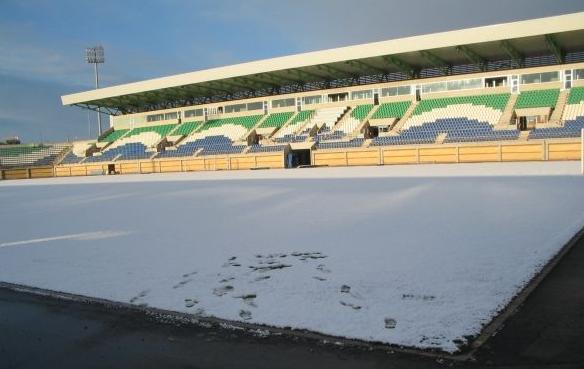
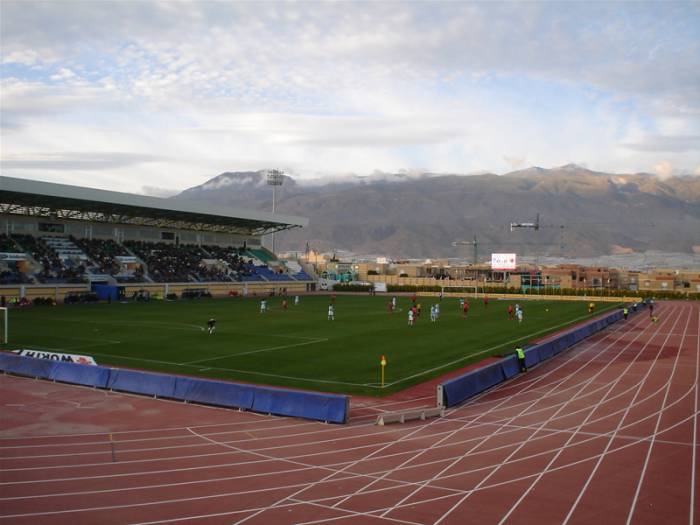
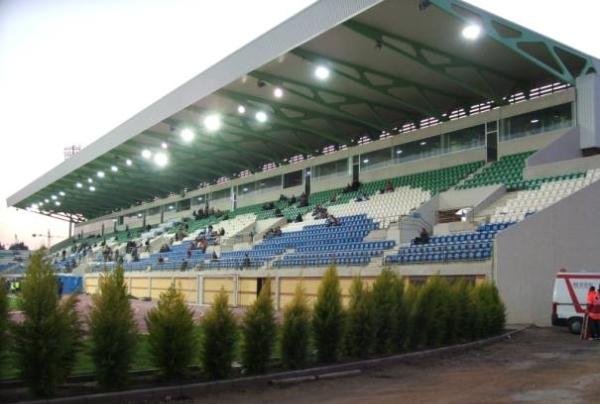
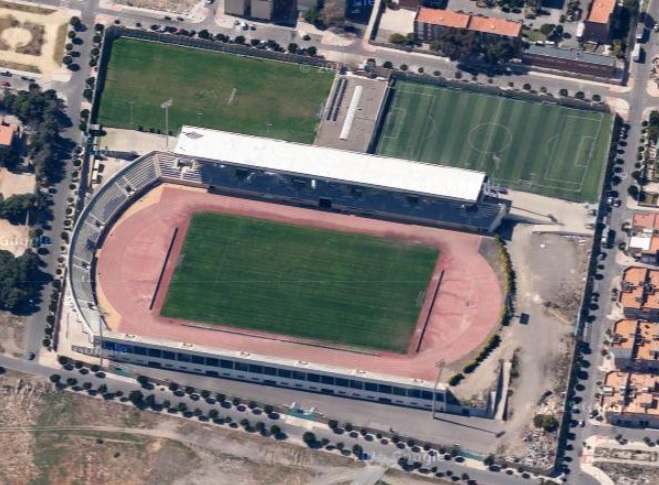
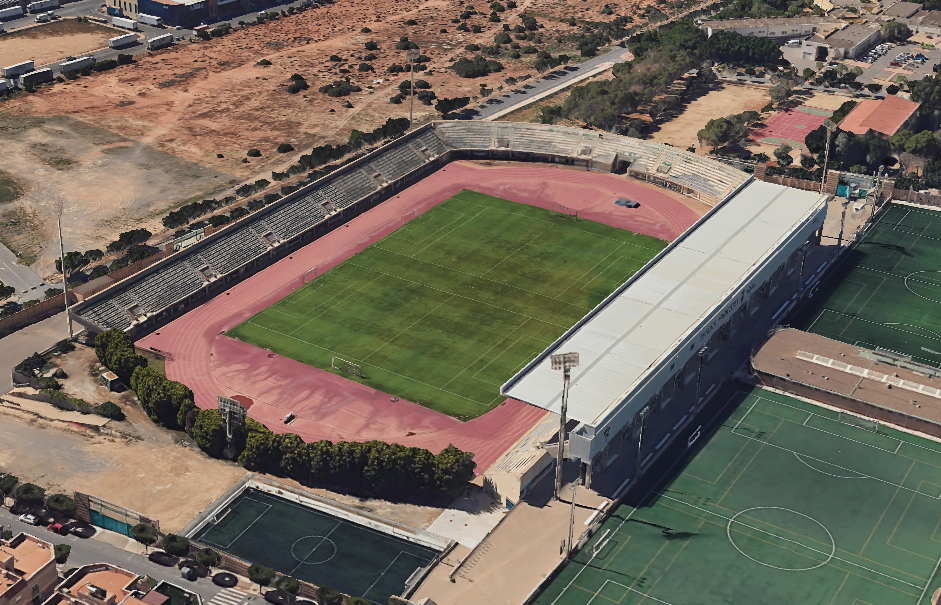
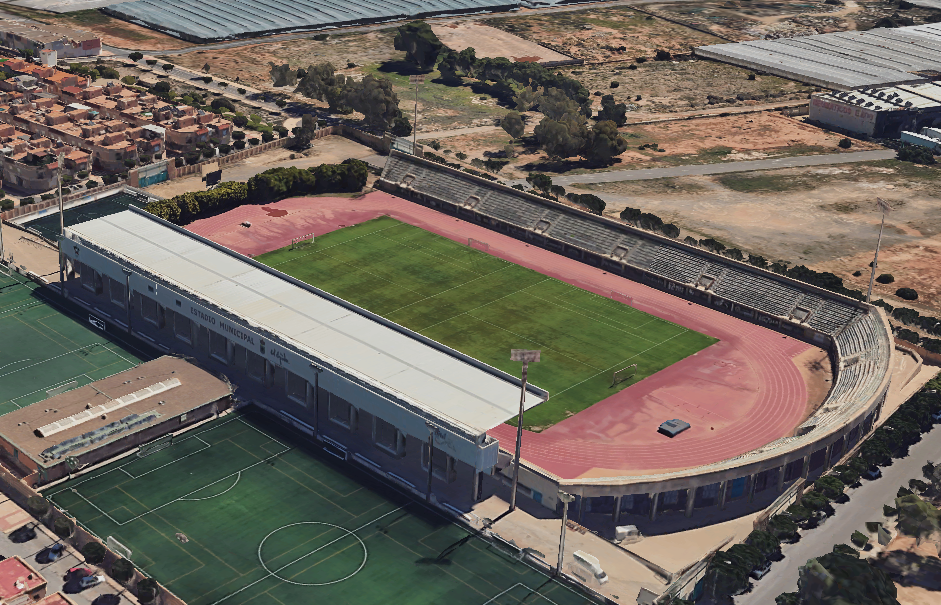
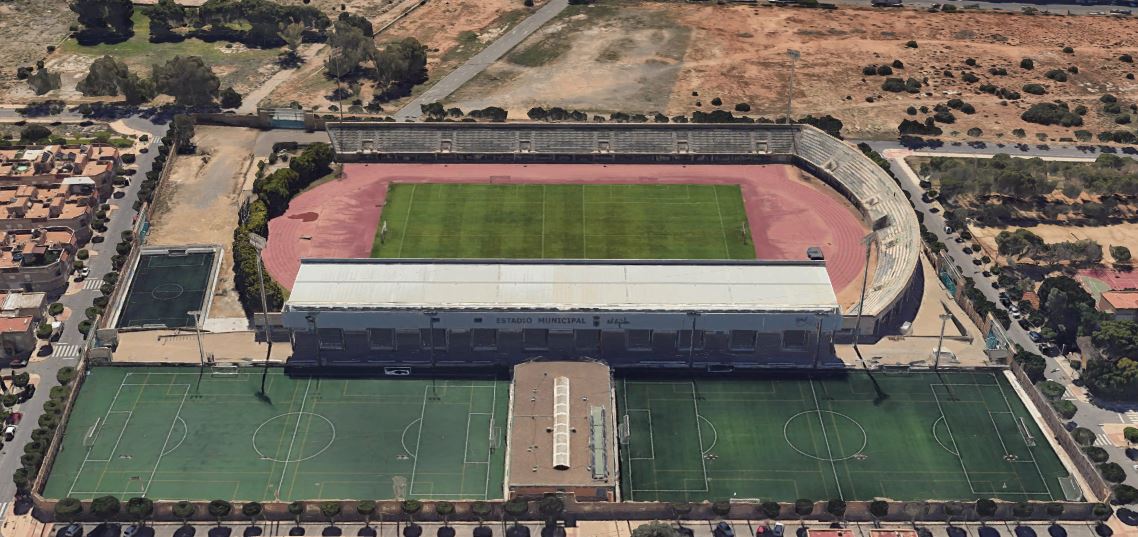
The new stadium was built fifty metres to the south east of the old ground and overlapped the old pitch. It initially comprised a single raised cantilevered stand on the west side and a raised strip of seating to the east and was opened in time for the start of the 2002-03 season. The south terrace was built during the 2002-03 season and curved around to link both sides. An athletics track was also added during this phase. Blue, green and white seats were installed throughout the stadium in a pattern that reflects the flag of El Ejido. The north end was left open, but temporary seating was added to bring the capacity up to 9,000. Whilst built by the Municipality for the use of the club and community, the Estadio de Santo Domingo reached a wider audience when it hosted football matches during the 2005 Mediterranean Games.

Poli settled in well to their new surroundings, and whilst they never challenged at the top end of La Segunda, they did achieve a decent run of finishes over the following six seasons. This came to an end when the club, beset with financial difficulties in the lead up to the 2007-08 season, finished bottom of the table six points from safety. The succeeding years saw Poli challenge for a return to La Segunda, but play-off defeats to Ponferradina & Barcelona B put an end to their dreams. Money, or lack of it, was still a problem, and with the municipality struggling both financially and under investigation for misappropriation of funds, crucial sponsorship was reduced. This led to the closure of Poli’s reserve side in the summer of 2011. The club’s financial difficulties worsened and came to a head on 22 January 2012. After failing to field a team for the previous week’s away fixture, Poli fulfilled the home fixture against Lorca Deportivo with a team made up of predominantly youth players and lost 0-14. A record home defeat in the top three divisions. The result was later annulled by an embarrassed Federation, and the club apologised for the “misunderstanding”. The club promptly resigned from the league following that debacle and was officially wound up on 30 June 2012.
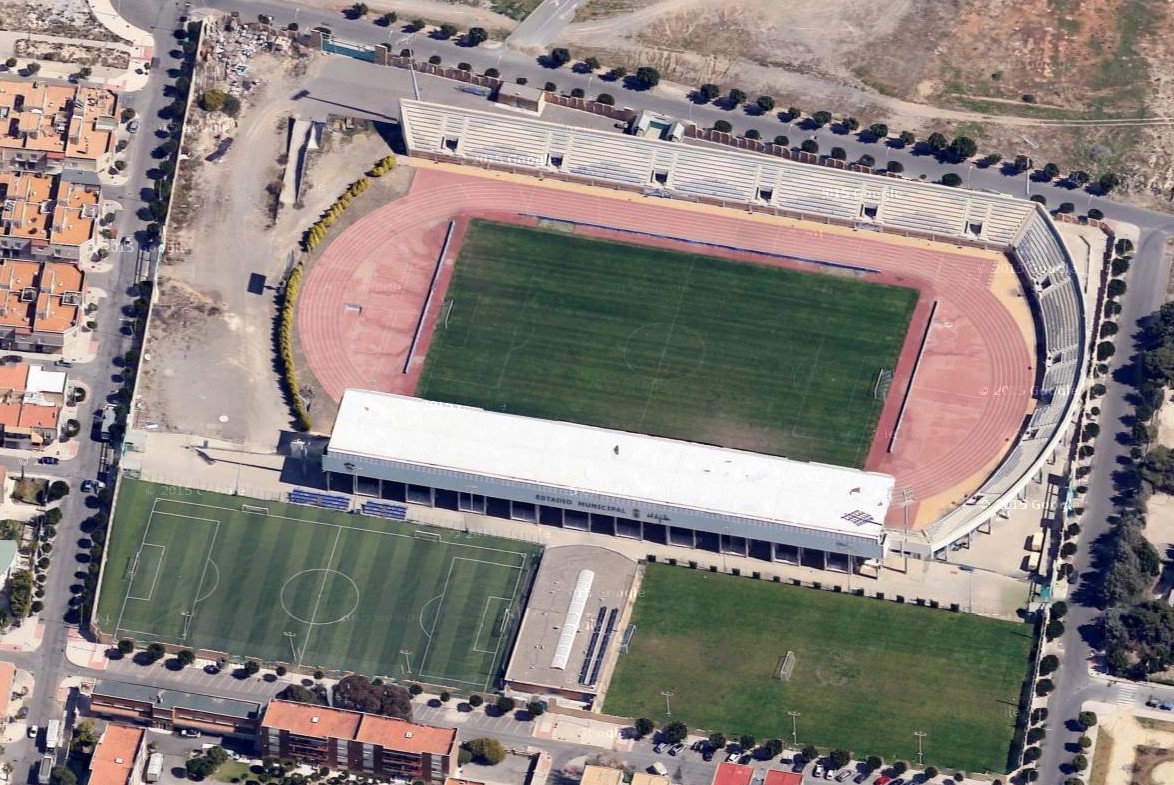
As is often the case, a new club rose from the ashes of the old. During the summer of 2012, El Ejido Fútbol Sala, a club formed in 1989 to play the indoor version of the beautiful game, established an 11-a-side section and competed in the Regional Preferente under the name Club Deportivo El Ejido. A year later, it merged with CP Berja, a team based 12 miles northwest of El Ejido and playing in the tier above. Changing their name to Club Deportivo El Ejido 2012, the club achieved promotion to the Tercera in 2014, and two years later, it reached Segunda B. It played a total of four seasons in the third tier, but following the reorganisation of the Spanish football pyramid, a series of relegations saw the club playing in the División de Honor (sixth tier).
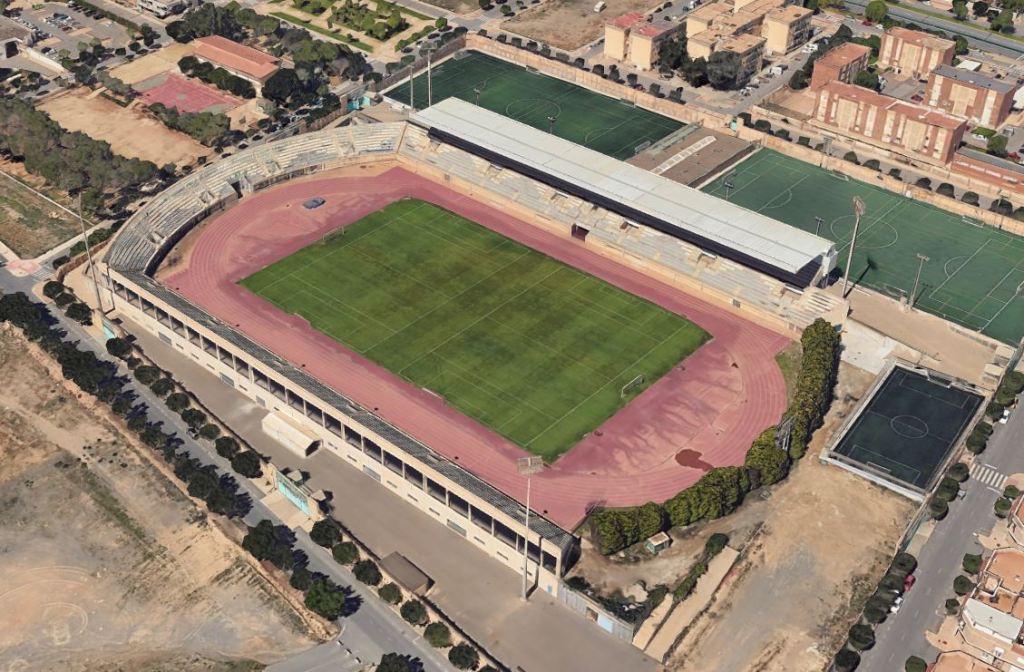
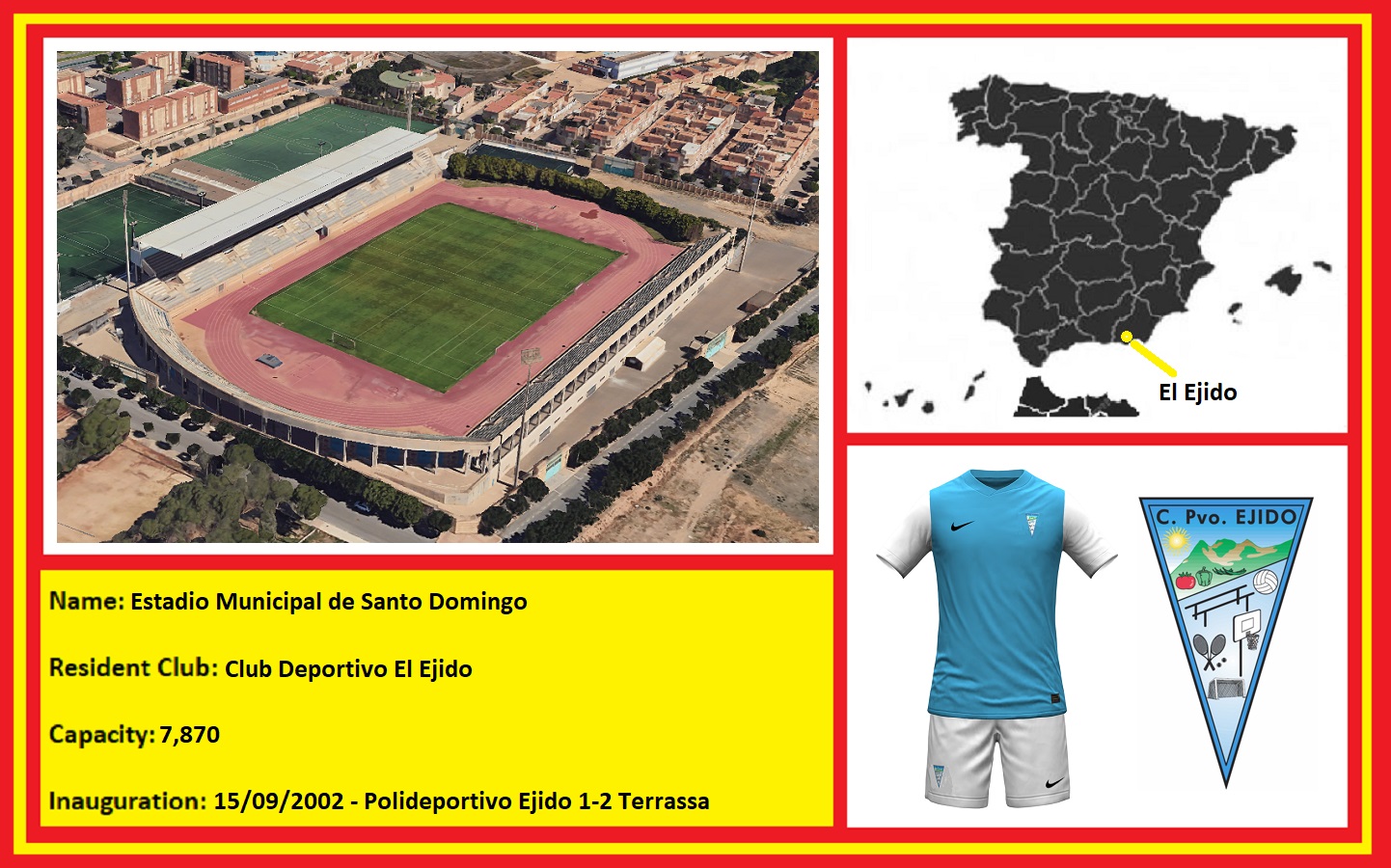
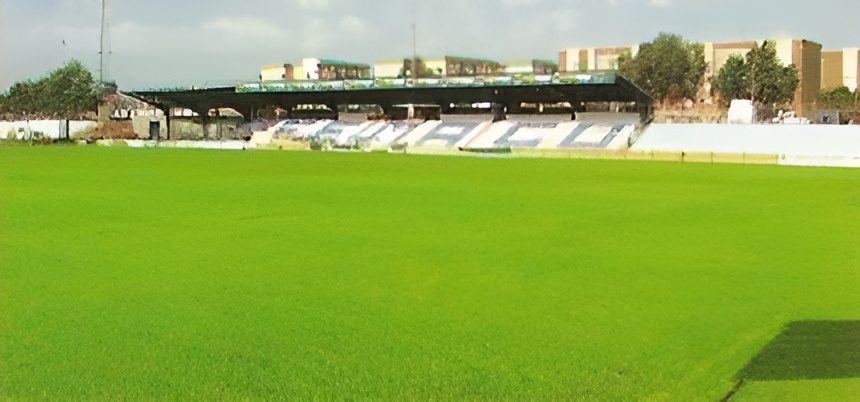
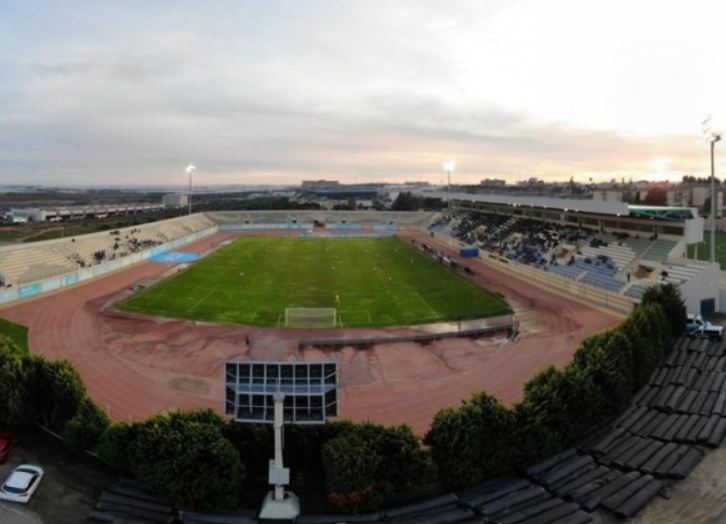
As for the Estadio Santo Domingo, not much has changed. The blue & green seats have faded in the sun, and the temporary stands have disappeared. The capacity has now been reduced to 7,870. Perfectly adequate for the club in a city the size of El Ejido. The Estadio Municipal de Santo Domingo is one of the better examples of a football stadium with an athletics track. Ideal for the community and the resident football club. All that is missing is another multi-millionaire greengrocer to take a team from El Ejido up the leagues.





 Estadios de España