
The historic city of Sanlúcar de Barrameda has, over the centuries, witnessed many ups and downs. From the highs of its base as a starting point for the exploration of the Americas and the rise of the House of Medina-Sidonia, to the lows of its near destruction following the 1755 Lisbon Earthquake and its current economic problems, that sees its citizens with one of the lowest per capita income in Spain. The city’s senior football club, Atlético Sanluqueño, has experienced much less defined peaks and troughs, bumping along in the lower reaches of the Spanish leagues for much of its history.
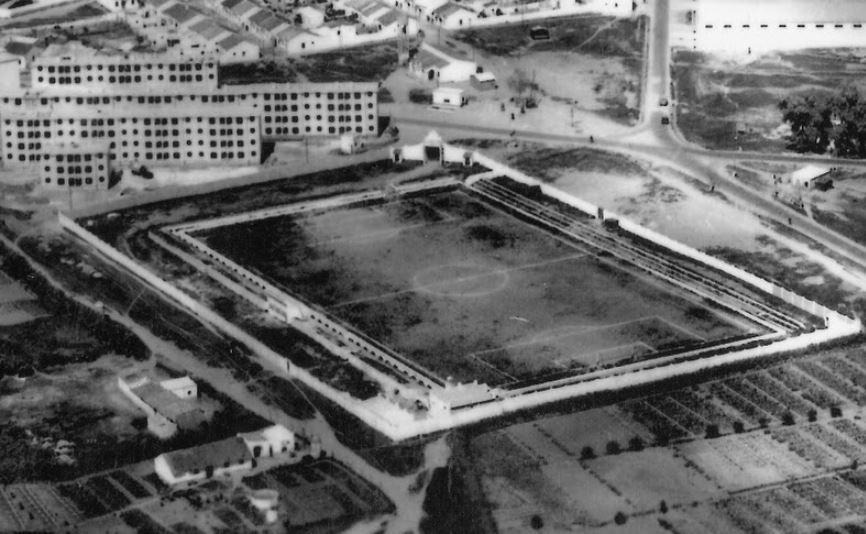
Life started back in 1948 for Atlético, and home was El Palmar, the municipal football field located a couple of kilometres to the south of town. Atlético set about playing friendly matches for the next few years, before joining the Cadiz regional leagues in 1951. Thanks to contacts their manager had with Real Betis, they adopted the Béticos colours, albeit via a set hand-me-down kit. The club reached the Tercera for a three-year spell in 1958 and returned again in the mid-1960s. The whole of the 1970s was spent back in the regional leagues before the 1980s saw the club embark on a run that would take them to Segunda B. It wasn’t all plain sailing, as the club received a reprieve from relegation from the Tercera at the end of the 1982-83 season. However, by 1987 the club had risen to a final placing of third, which earned a position in the newly expanded Segunda B.
There followed five seasons in the third tier, including an impressive third-place finish in 1988-89, finishing above the likes of much bigger teams such as Granada CF, Hércules CF, Albacete & Villarreal CF. The fun couldn’t last, and in 1992, Atlético dropped back to the Tercera. Chances to return to the third tier over the next two decades were limited, but finally Atlético won promotion after winning their first ever Tercera title in 2011-12. That said, it was a torturous route that saw the club lose to Catalan champions AE Prat before disposing of CD Montuiri and Extremadura UD to earn a place in Segunda B. An eleventh-placed finish was achieved in their first season back in the third tier, before dropping back to the Tercera in 2014. After a two-season absence, Atlético returned to Segunda B in 2016 for a season and won promotion to the third tier once again in June 2018. Their followed a period of relative stability, before the reorganisation of the Spanish league pyramid in 2021, saw Sanluequeno earn a place in the Primera Federación.
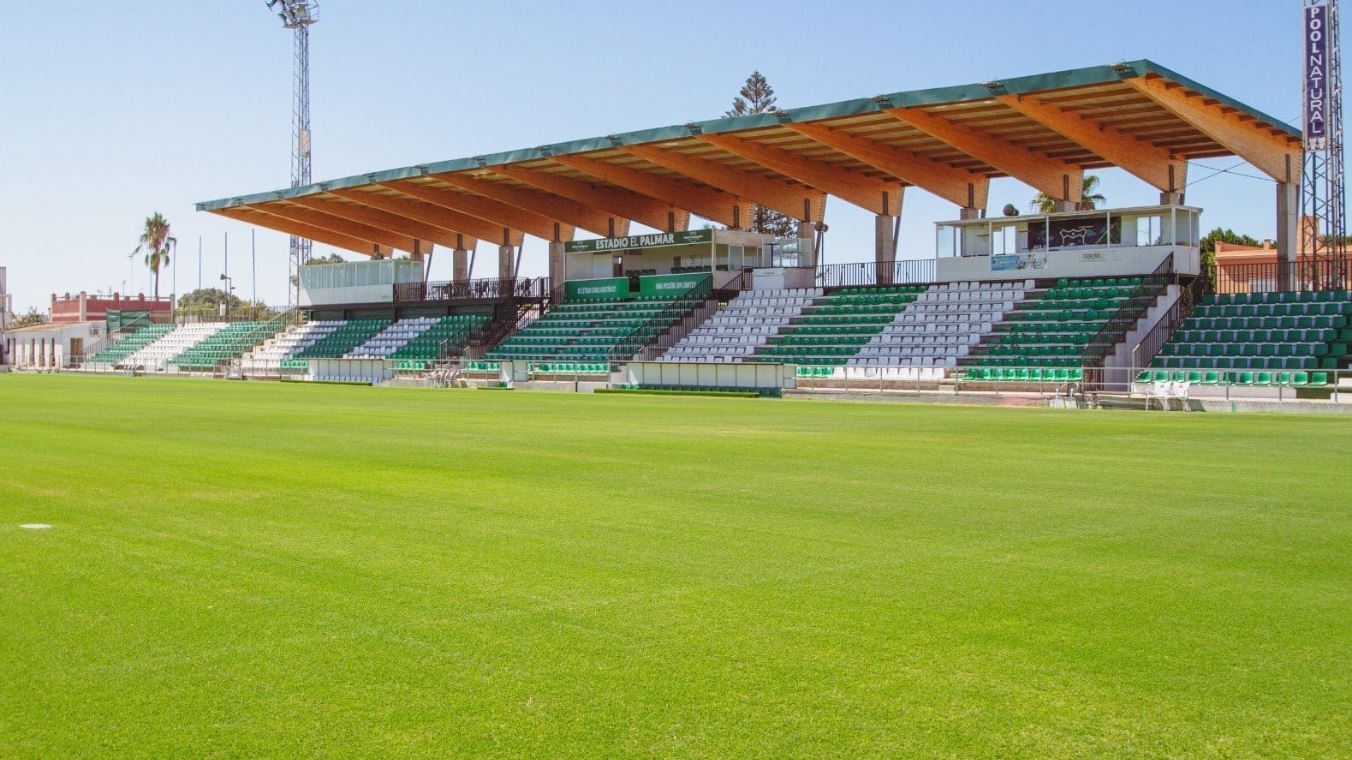
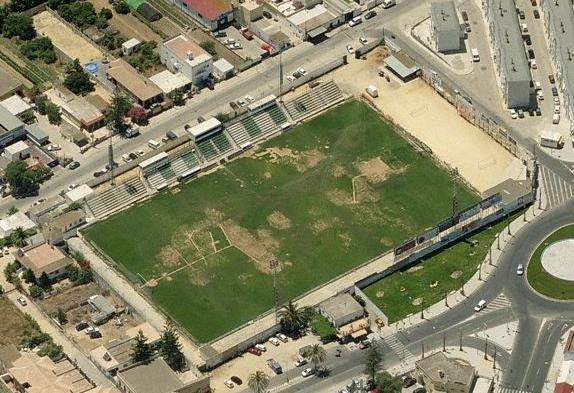
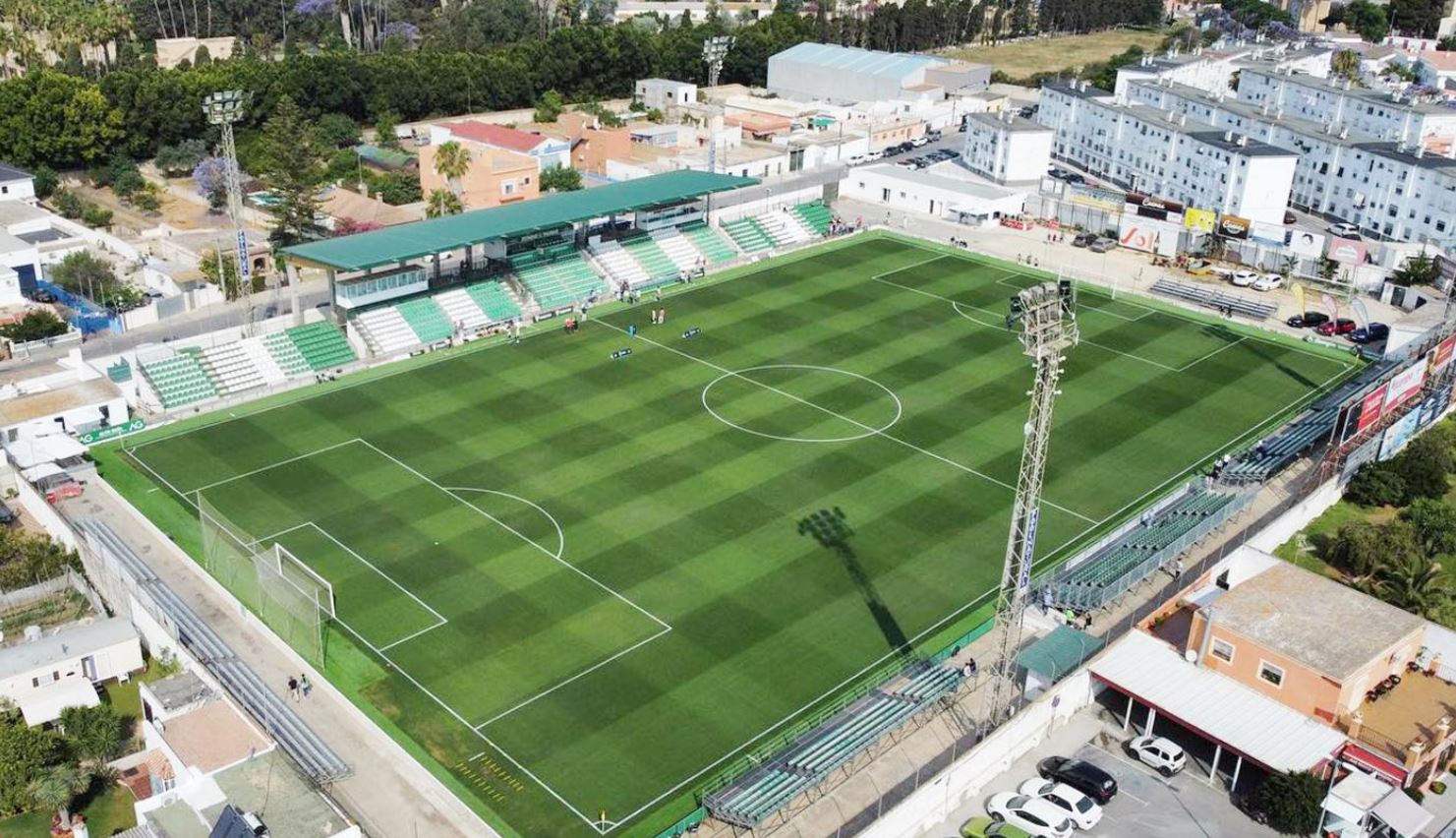
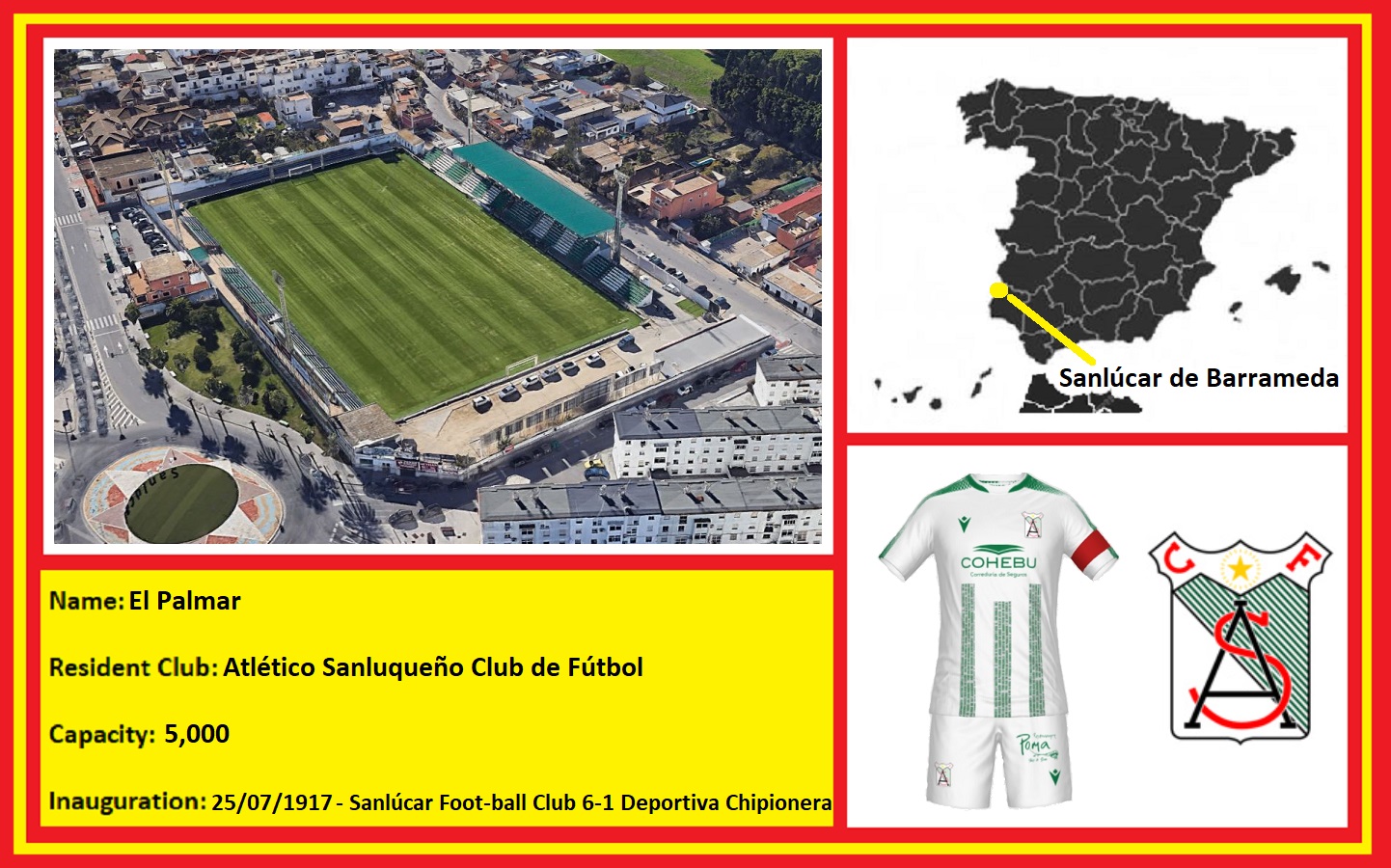
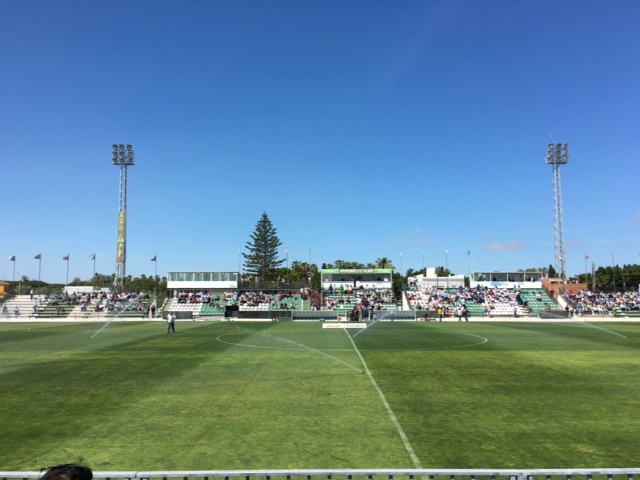
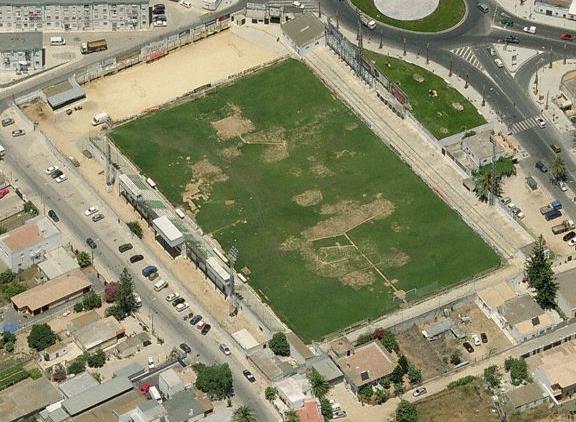
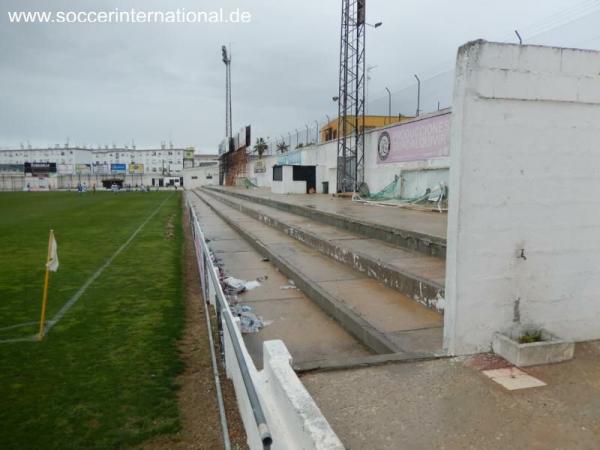
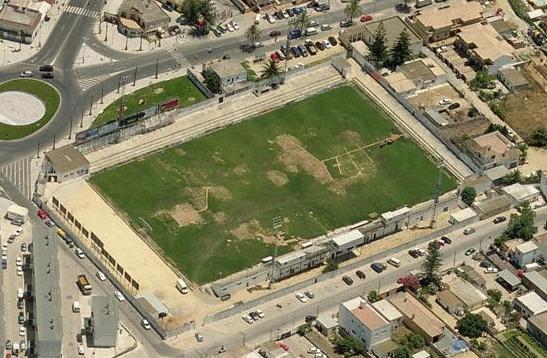
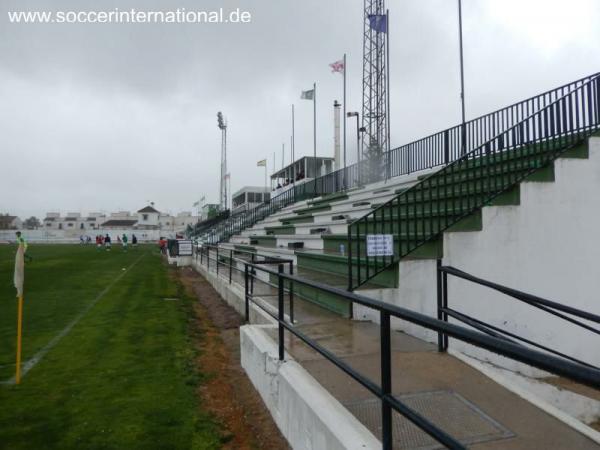
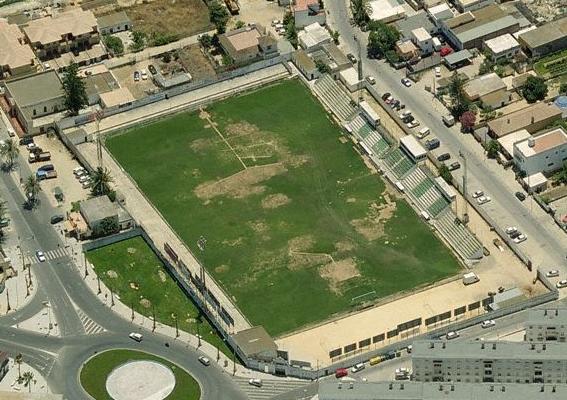
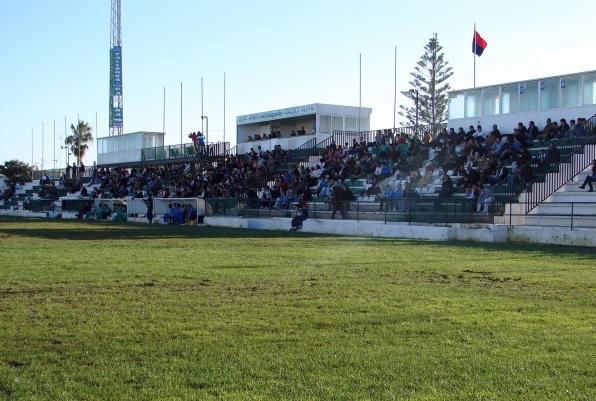
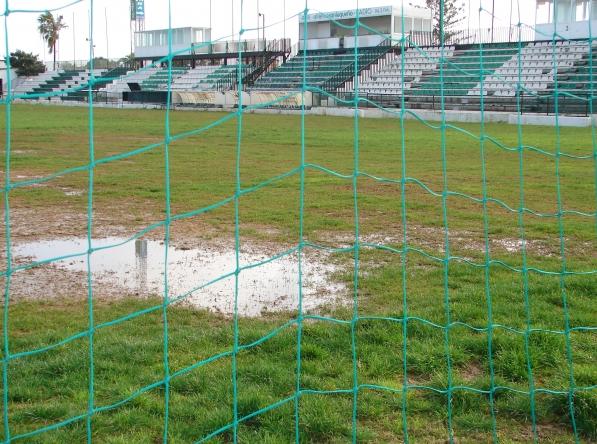
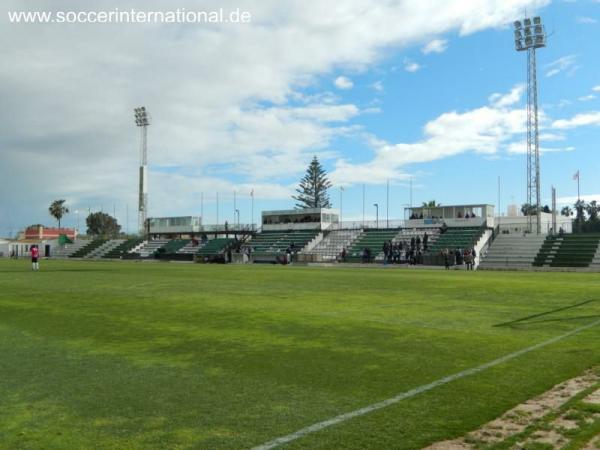
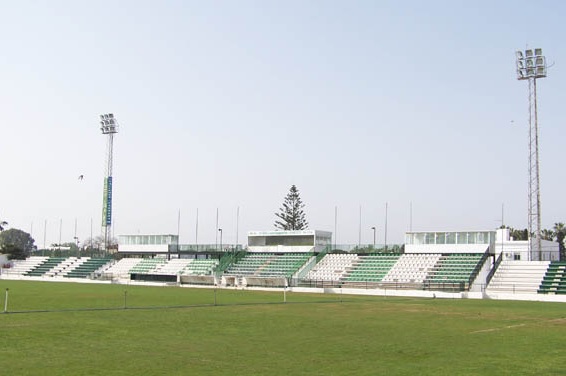
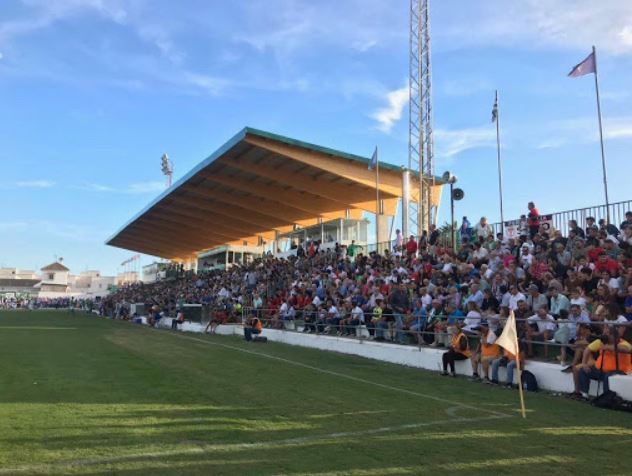
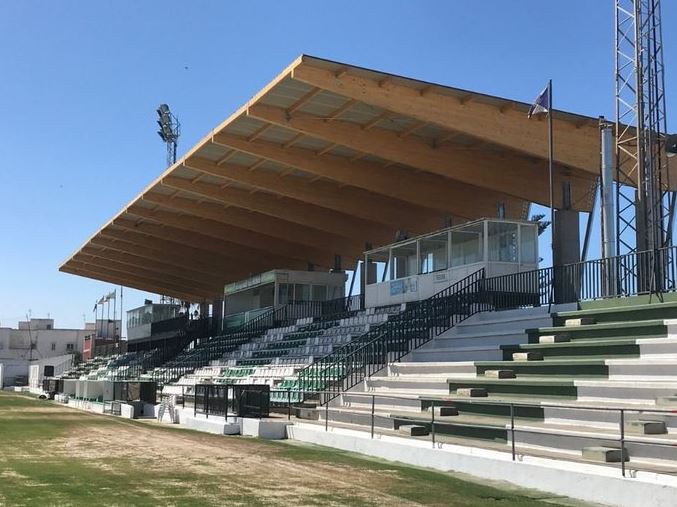
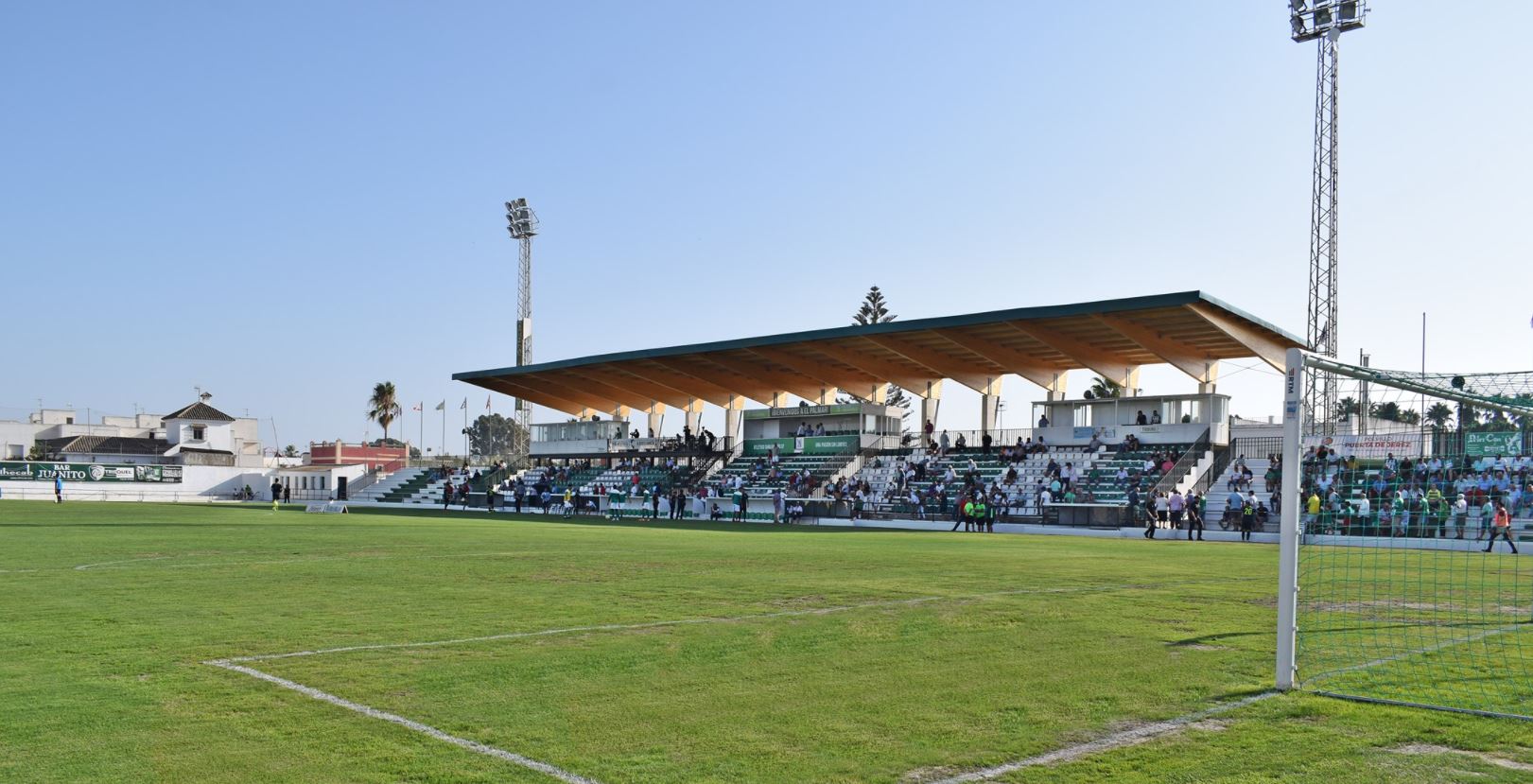
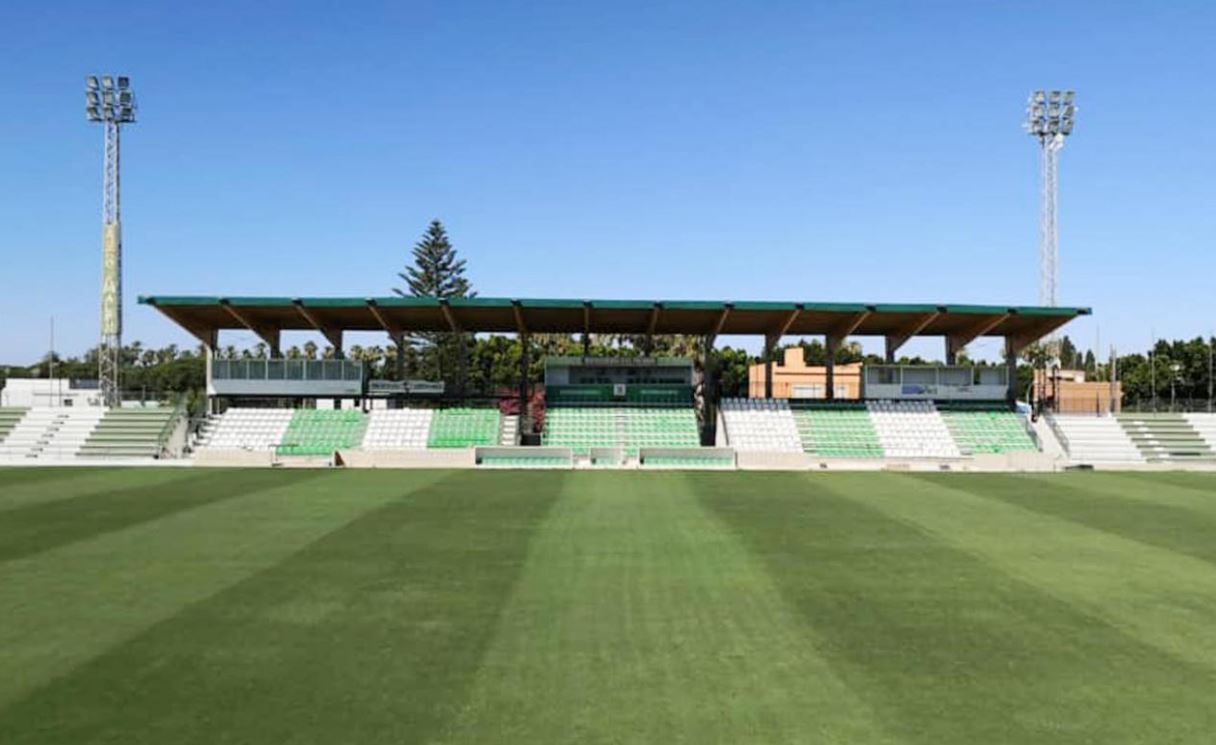
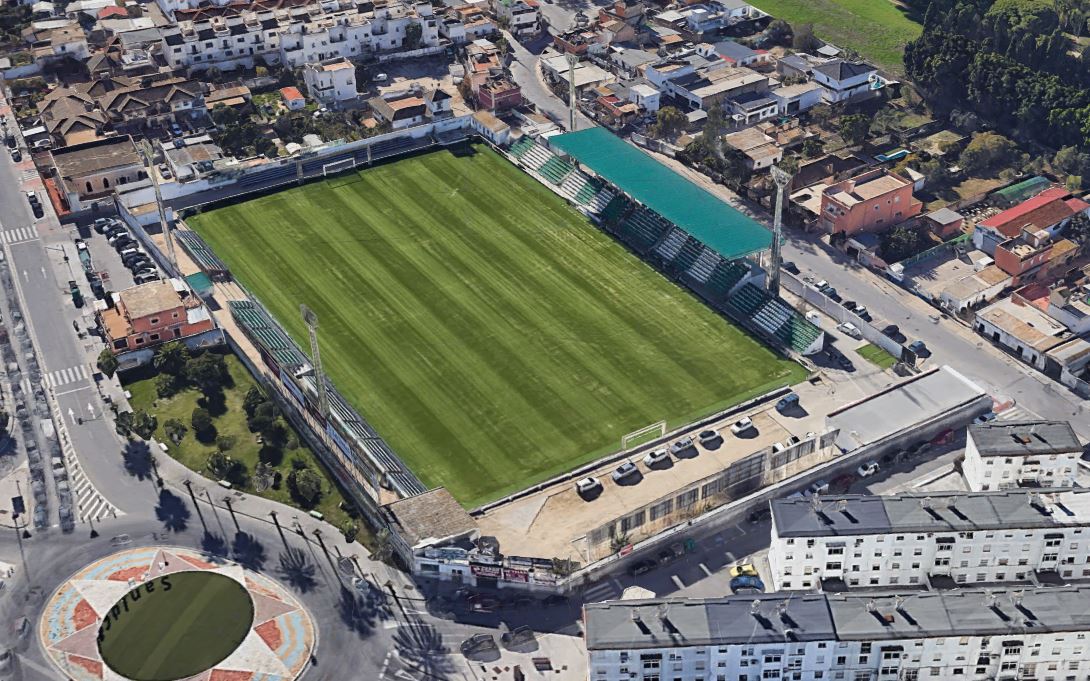
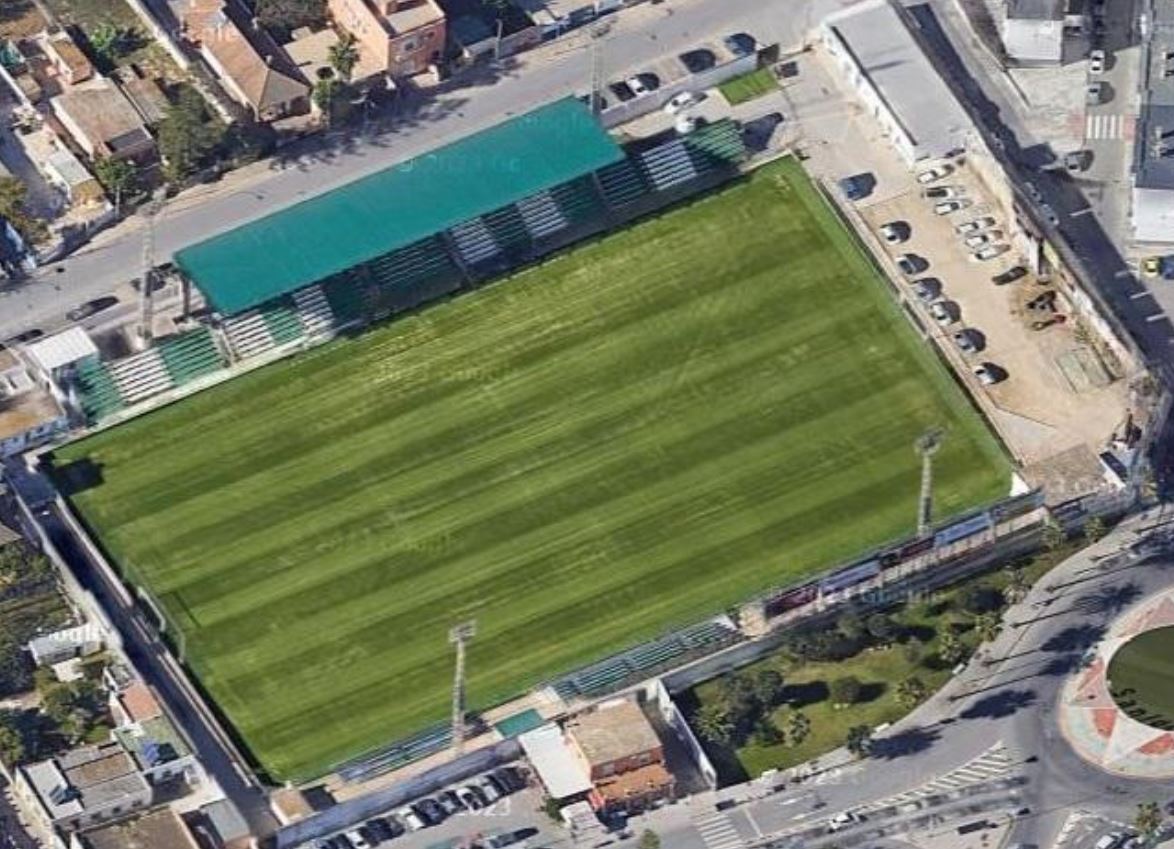
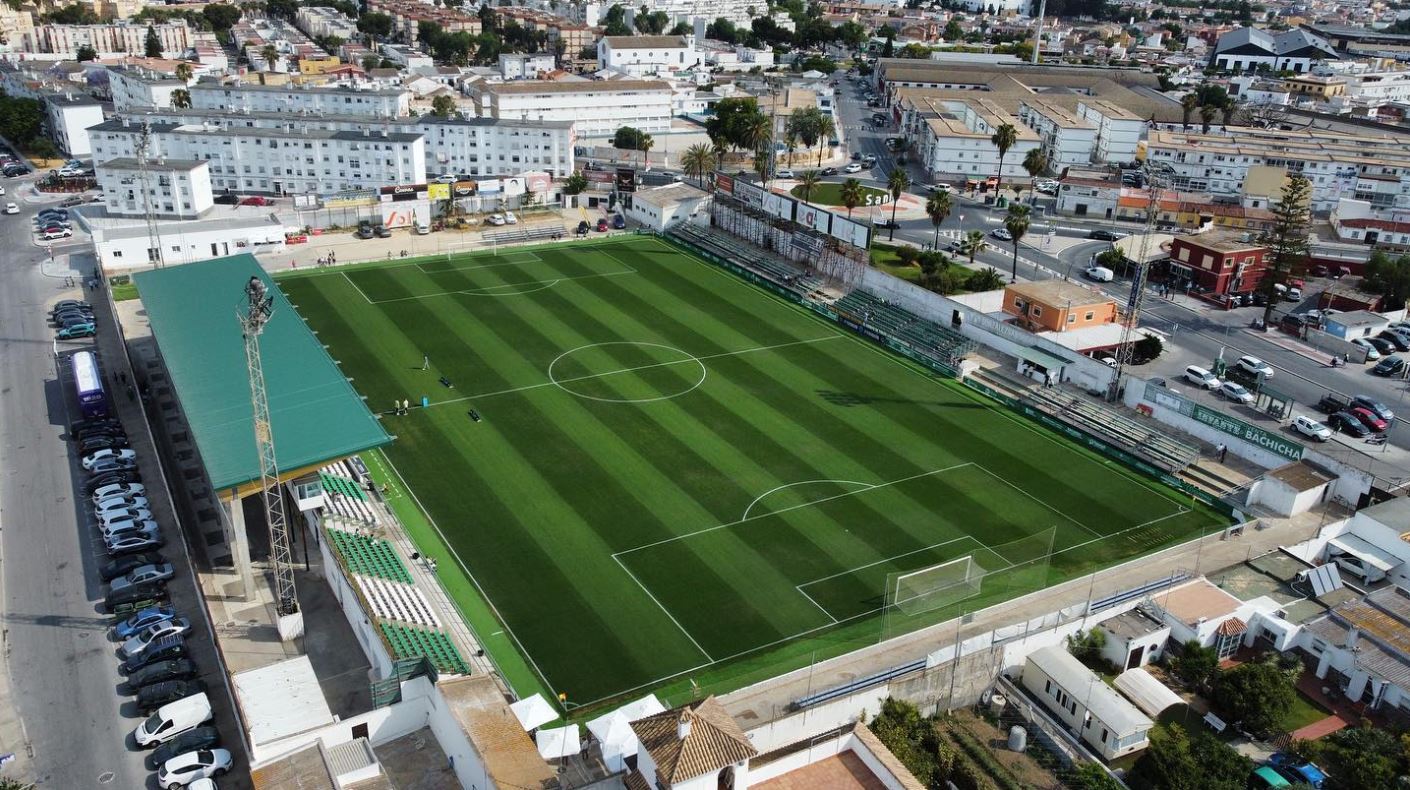
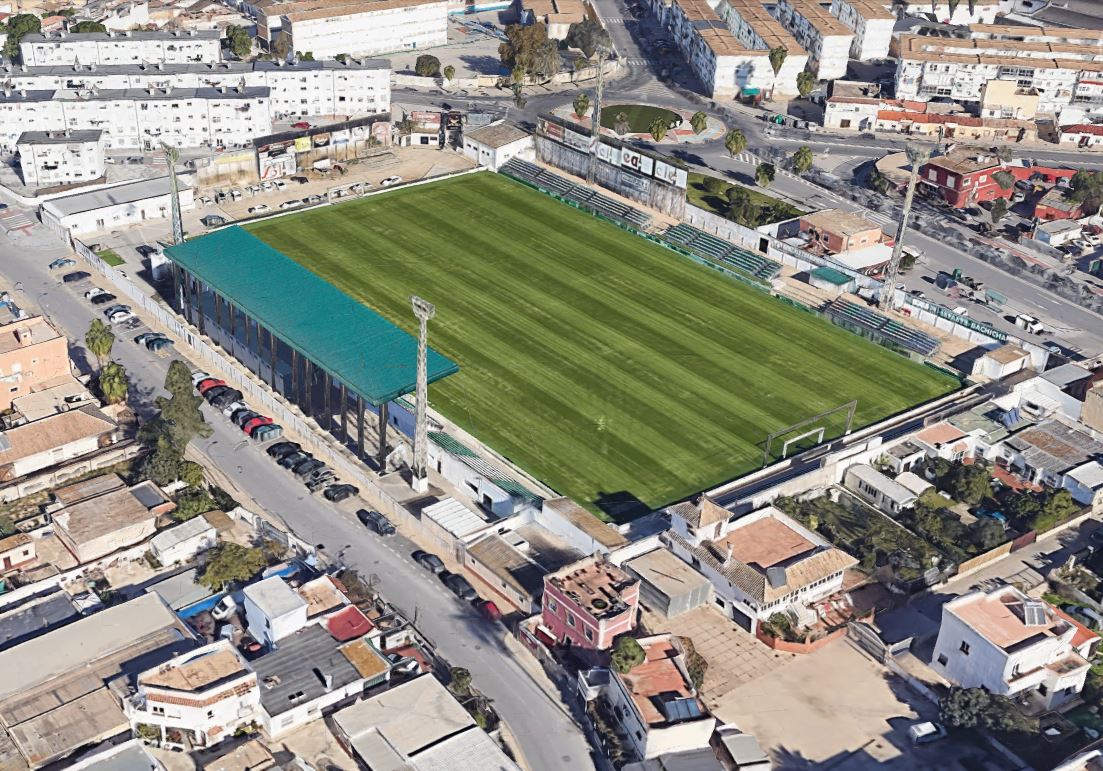
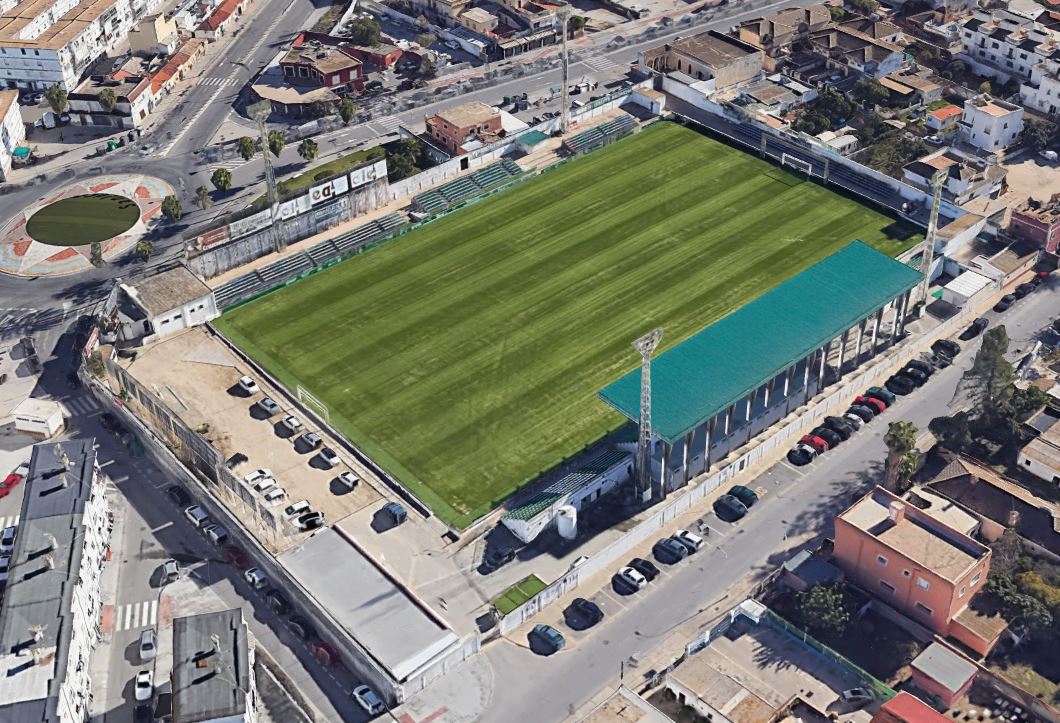
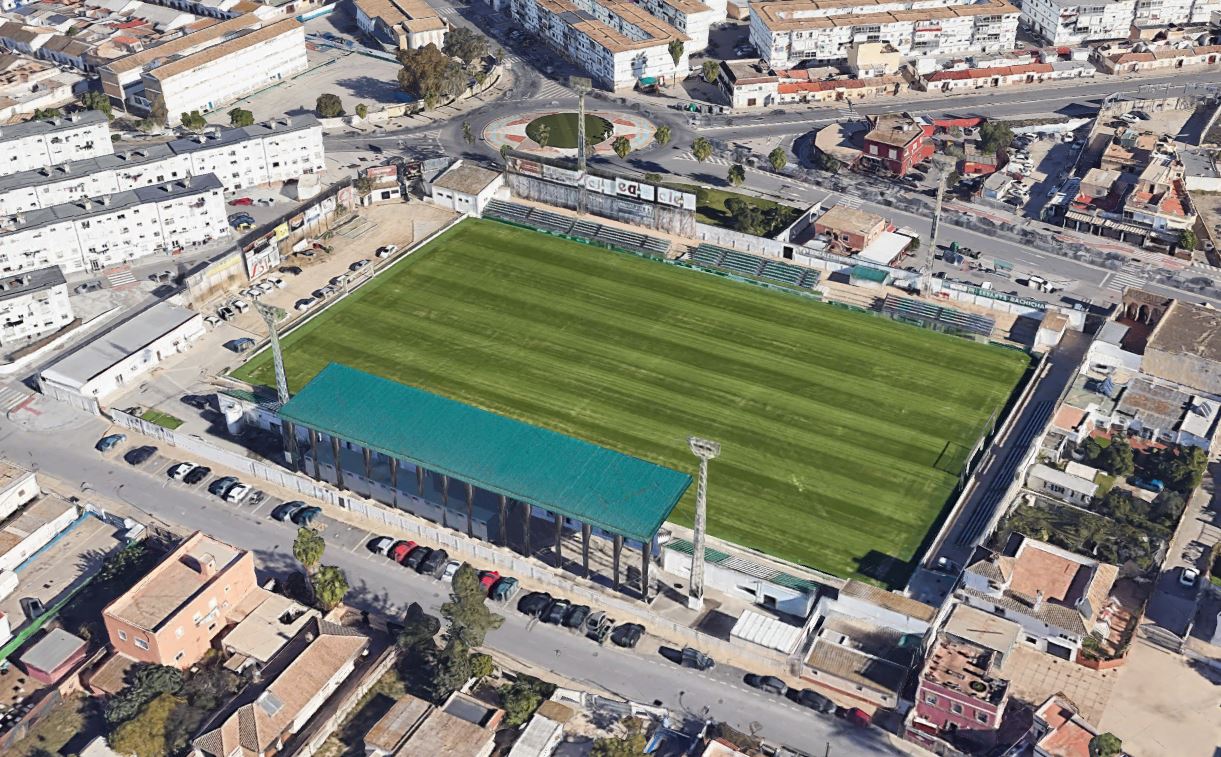
El Palmar opened in 1917 and took its name from the village of El Palmar de San Sebastián, which lay outside of the city boundary then. It was the home of Sanlúcar Foot-ball Club, which inaugurated the enclosure on 25 July 1917, beating Deportiva Chipionera by six goals to one. El Palmar has lost much of the surrounding palm groves and is now bordered by industrial outlets and mid-rise housing. That said, comparing photos from the 1950s, El Palmar has kept its basic layout. Blocks of temporary seating which are anchored to the original terracing, run down the eastern side of the ground, whilst shallower seating is found on the narrow strip of land behind the southern goal. The northern end is usually left vacant and doubles as a car park for club officials on match days, but temporary seating is often added for bigger matches. Behind the parked cars, tucked away in the northwest corner, are the club offices and changing facilities. The highlight, however, is the western side of the ground, which in the summer of 2019 gained an elegant 60-metre-long cantilevered roof that straddles the halfway line and offers much-needed protection from the sun. Rather than opt for a steel or concrete cantilevered structure, fourteen huge wooden struts support a roof constructed of more wood and bright sheet metal.
Whilst Sanluqeuno’s focus maybe be on maintaining their position in Spain’s third tier, El Palmar has hosted matches at a higher level. In 2001, Xerez CD played a number of second division matches here when their own ground was undergoing redevelopment.

 Estadios de España