
Article updated – 21/10/2025
The summer of 1992 was not a good time for Villanueva de la Serena, a town of 25,400 inhabitants, 65 miles east of the provincial capital, Badajoz. Club Deportivo Villanovense, the town’s senior club since its formation in 1951, had just been relegated from Segunda B after its one and only season in the third tier. With debts of 16 million pesetas, the club was wound up. Luckily, the football-loving residents of the town found refuge in the newly formed Sport Club Villanueva, which started life in the Regional Preferente. By 1996, the club had reached the fourth tier, which is where they have played the majority of their football since. In 1999, they adopted the title of Club de Fútbol Villanovense and took on the green & white colours and the crest of the former team.
Up to the start of 2011-12, there have been three season-long sojourns in Segunda B, the first coming in 2003-04 after topping a playoff group that featured Quintanar del Rey, Granada CF & Club Deportivo Villanueva de Córdoba. A first Tercera title was won in 2005-06, and a second stay in Segunda B followed, thanks to playoff victories over CF Gimnástico Alcázar & Motril CF. Villanovense’s third visit to Segunda B had a degree of fortune about it. After losing in the playoffs to CD San Roque in June 2009, the club was offered a place in Segunda B after the administrative relegation of Mérida UD. A second Tercera title was won after Villanovense dominated Group 14 of the Tercera in 2010-11 and won promotion with a 2-1 aggregate playoff victory over the Andalucians’ Comarca de Níjar. Villanovense enjoyed a successful season in Segunda B, clocking up 55 points to finish in ninth place. Unfortunately, 2012-13 was less successful, and after finishing in 16th position, the club endured the agony of losing in the relegation playoffs to Zamora. A third Tercera title followed in 2014, and after a playoff victory over Gimnástica de Torrelavega, they returned to Segunda B and earned a highest placed finish of fourth. They lost to Bilbao Athletic in the playoffs, but their high league finish earned a place in the following season’s Copa del Rey. Their reward was a visit from cup holders Barcelona on 28 October 2015.

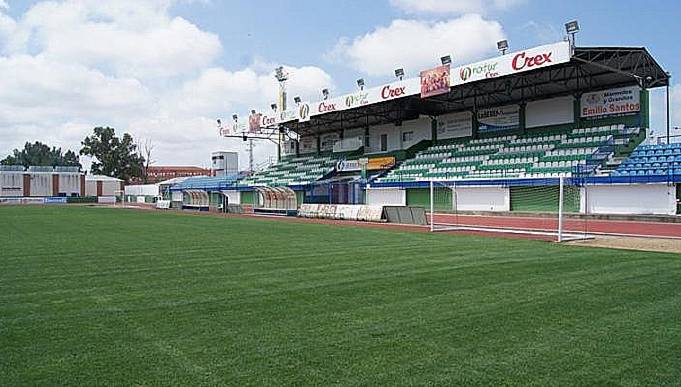
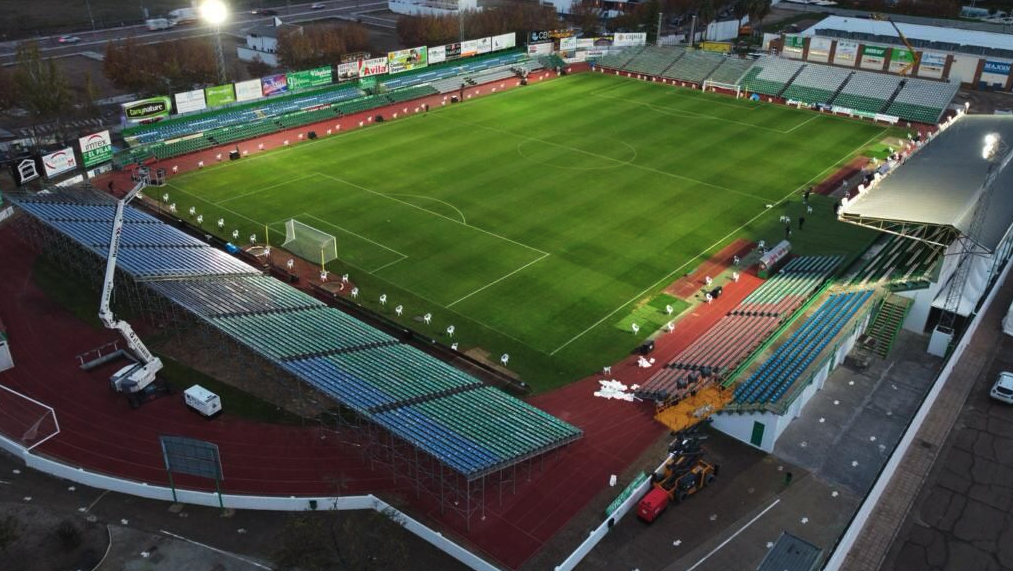
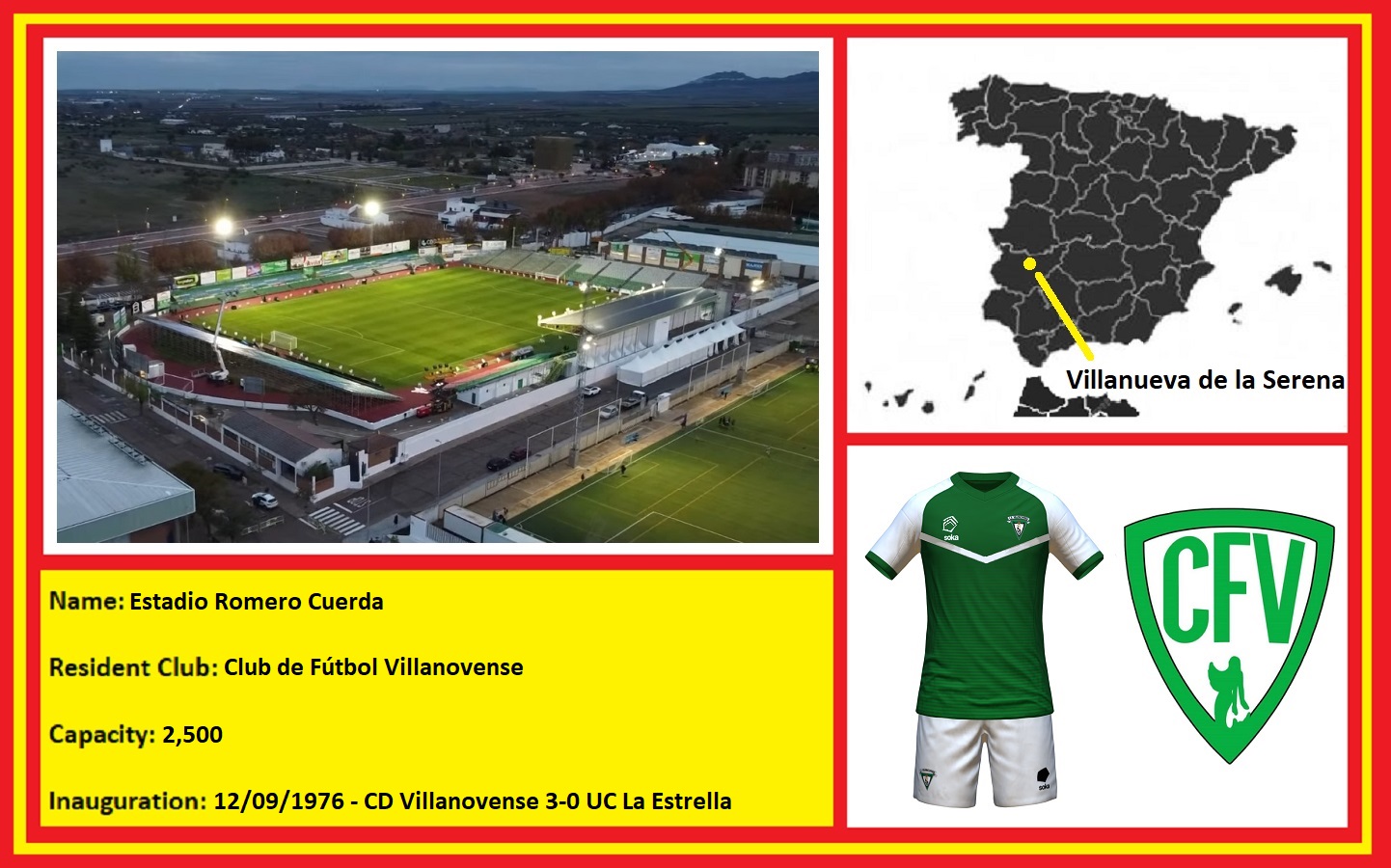
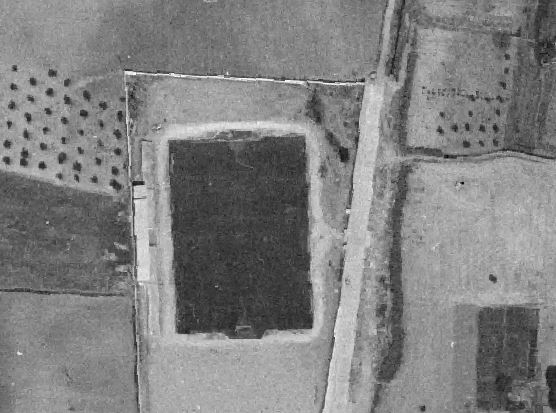
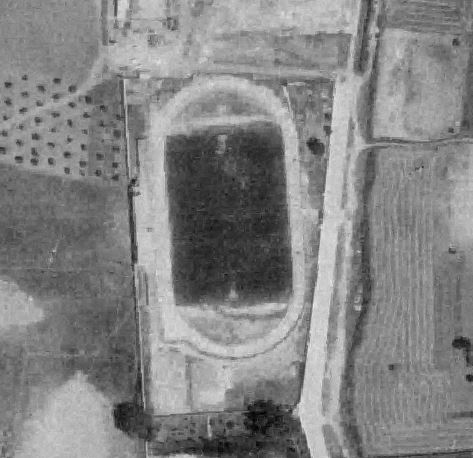
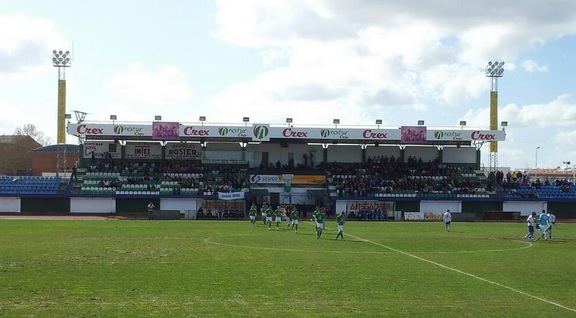
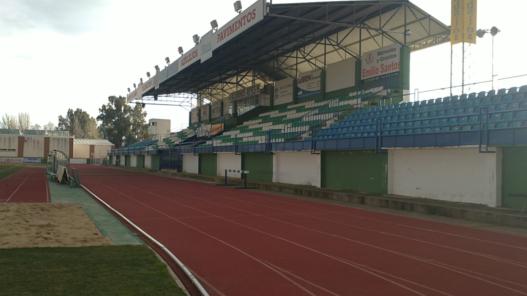
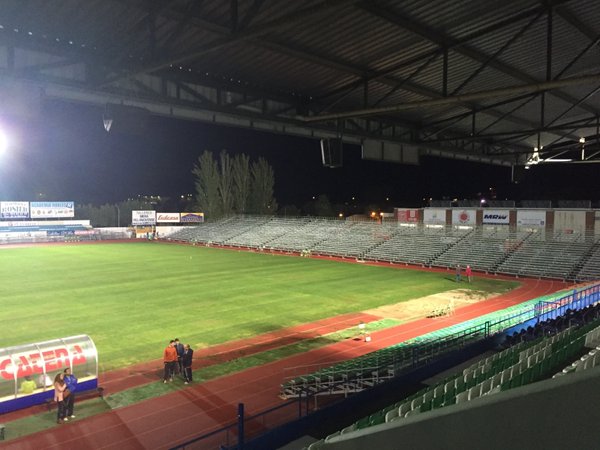
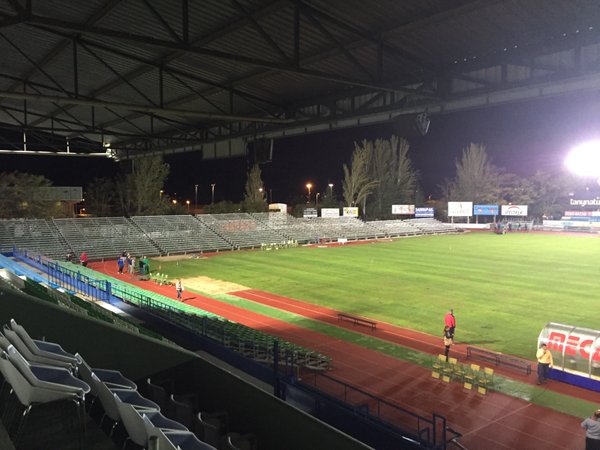
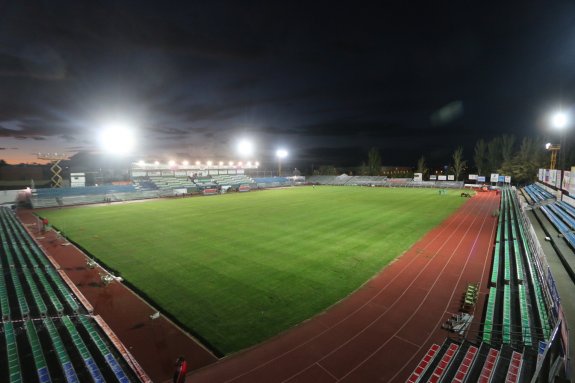
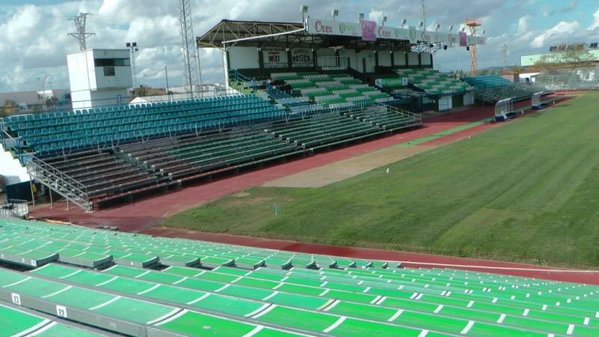
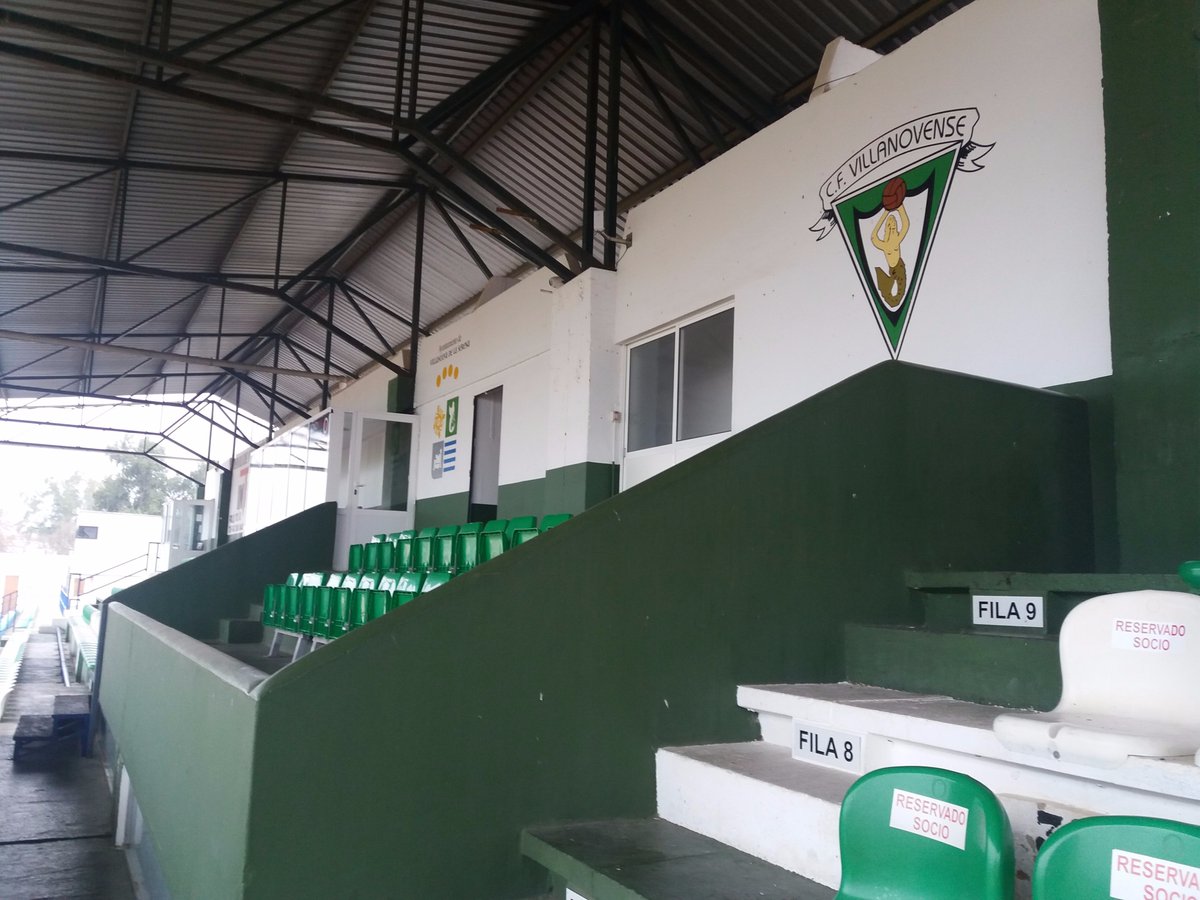
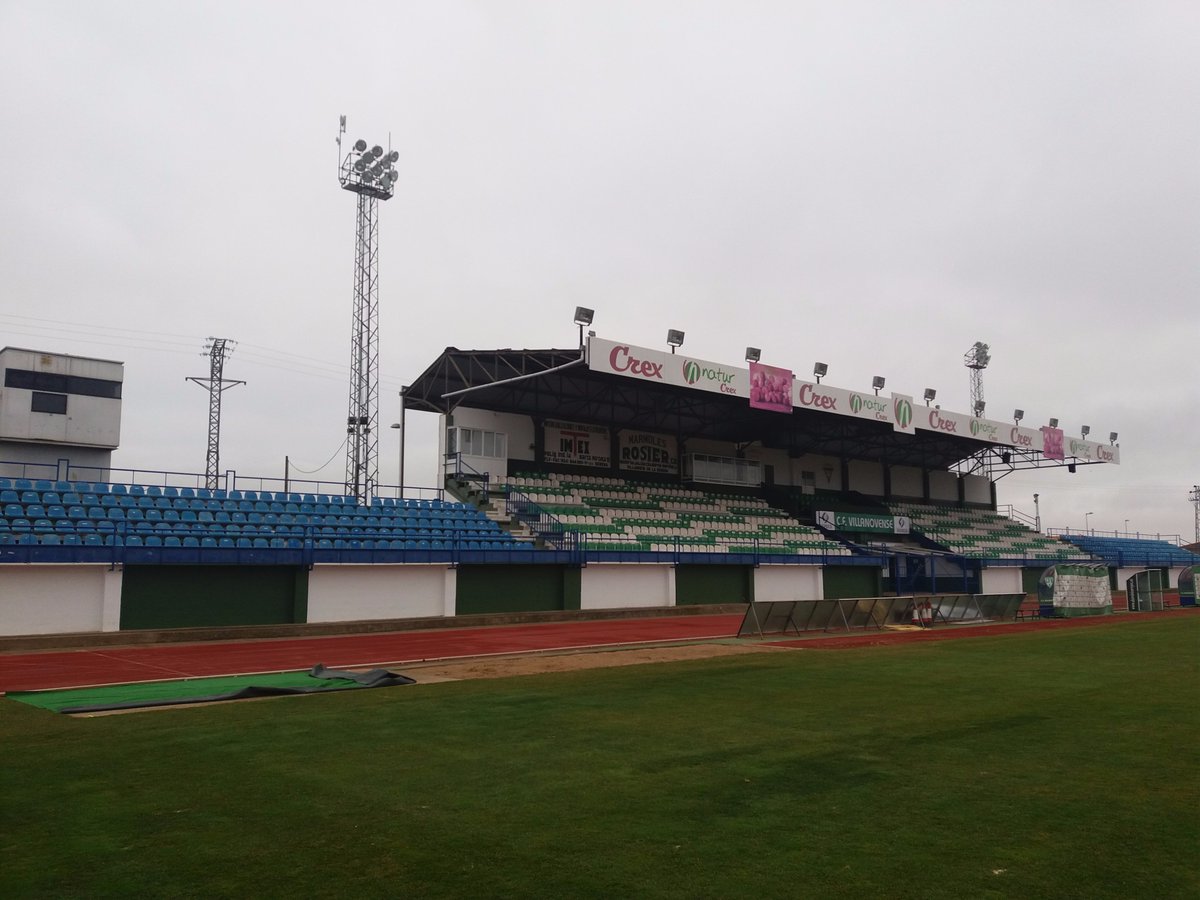
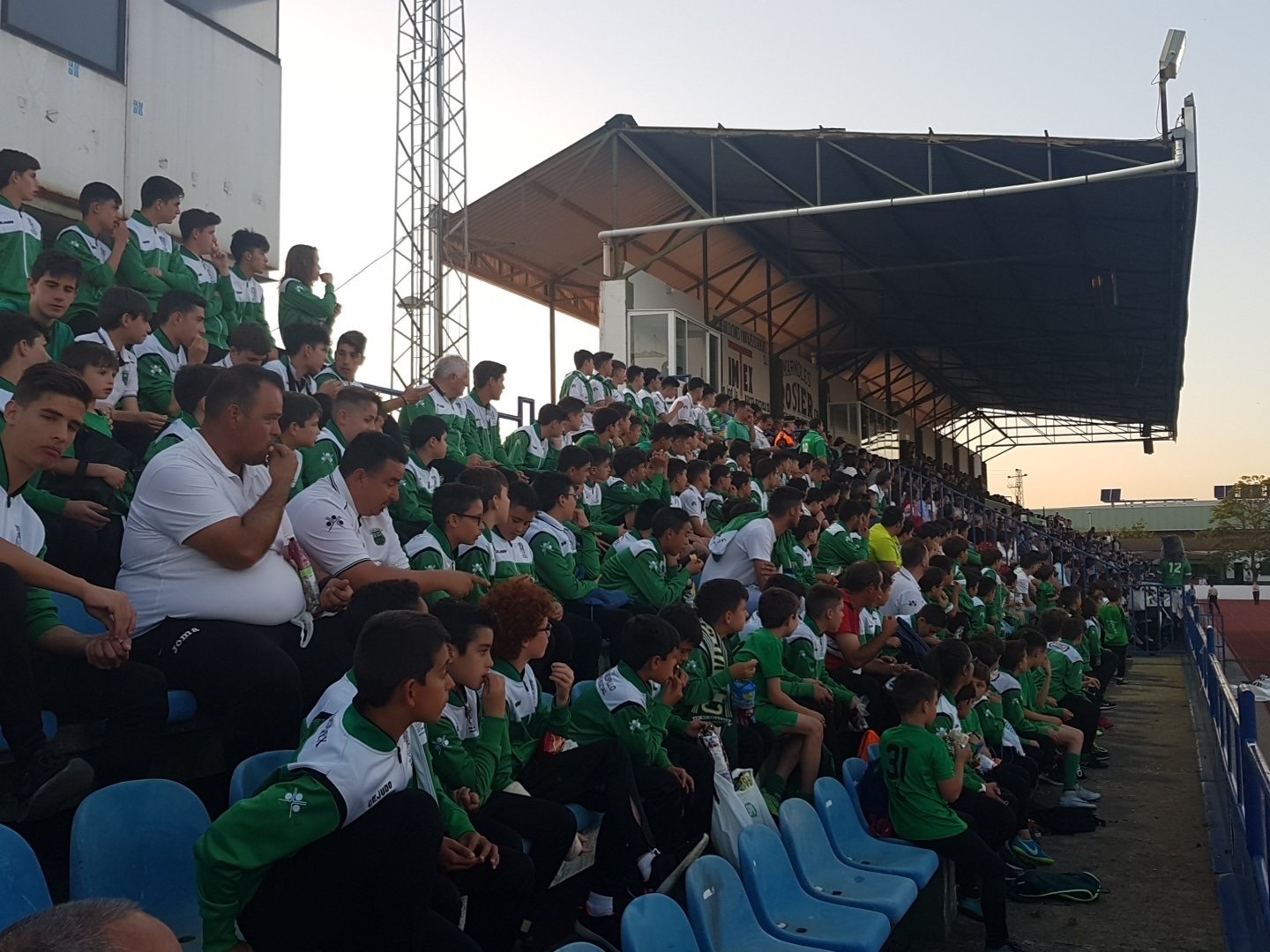
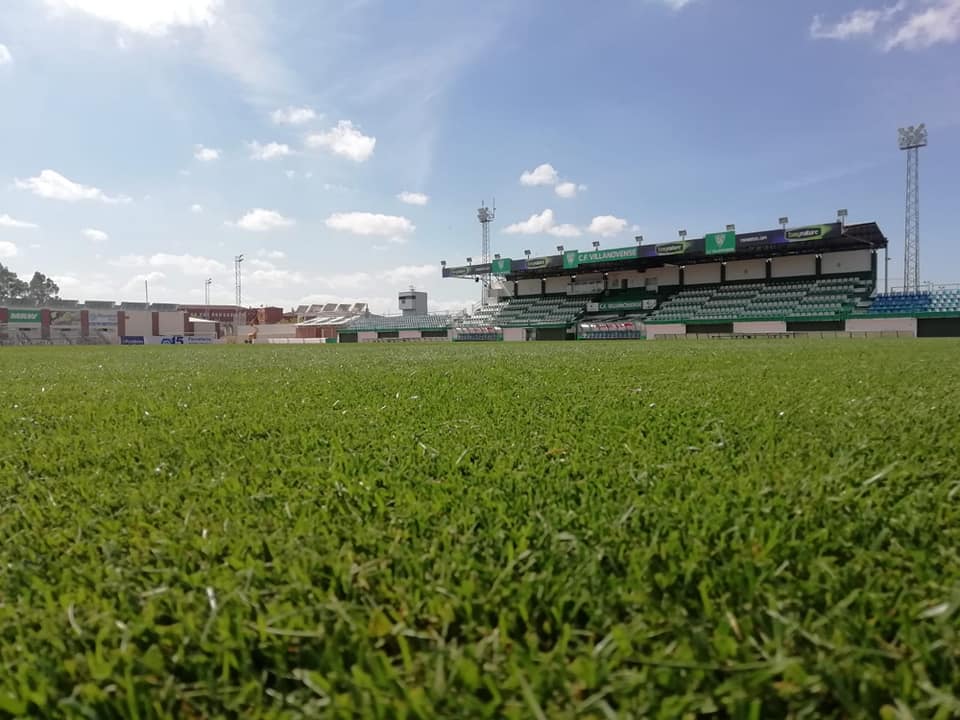
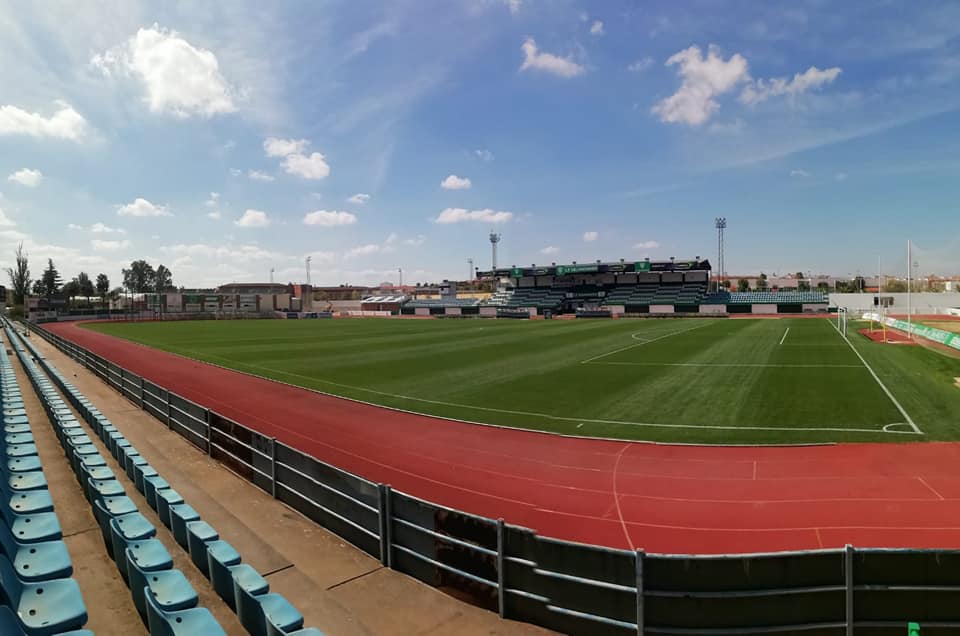
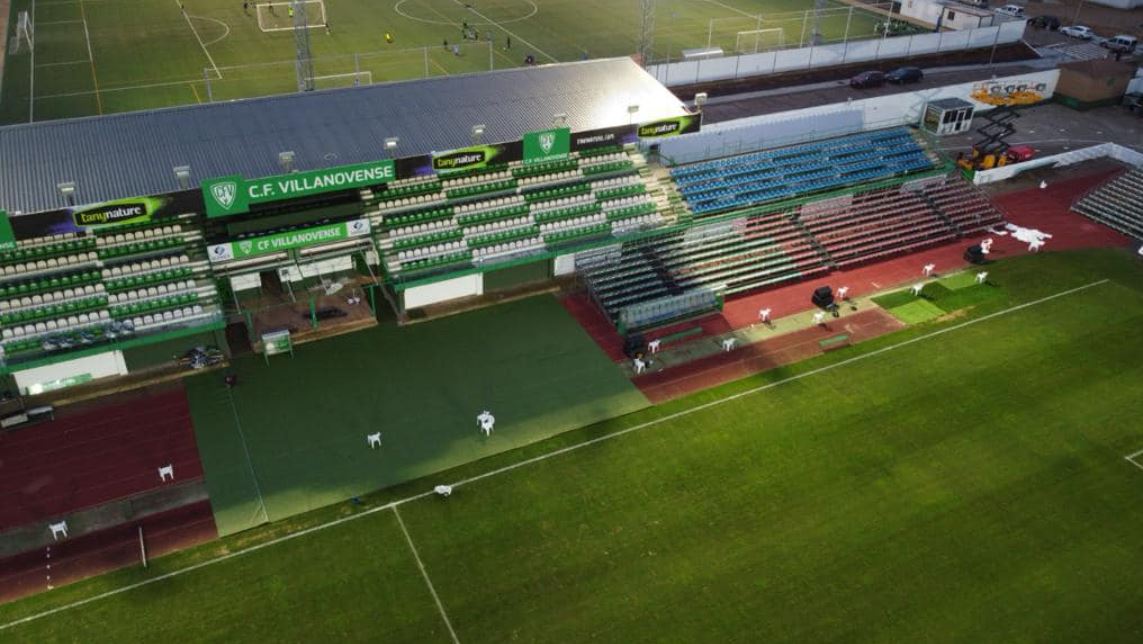
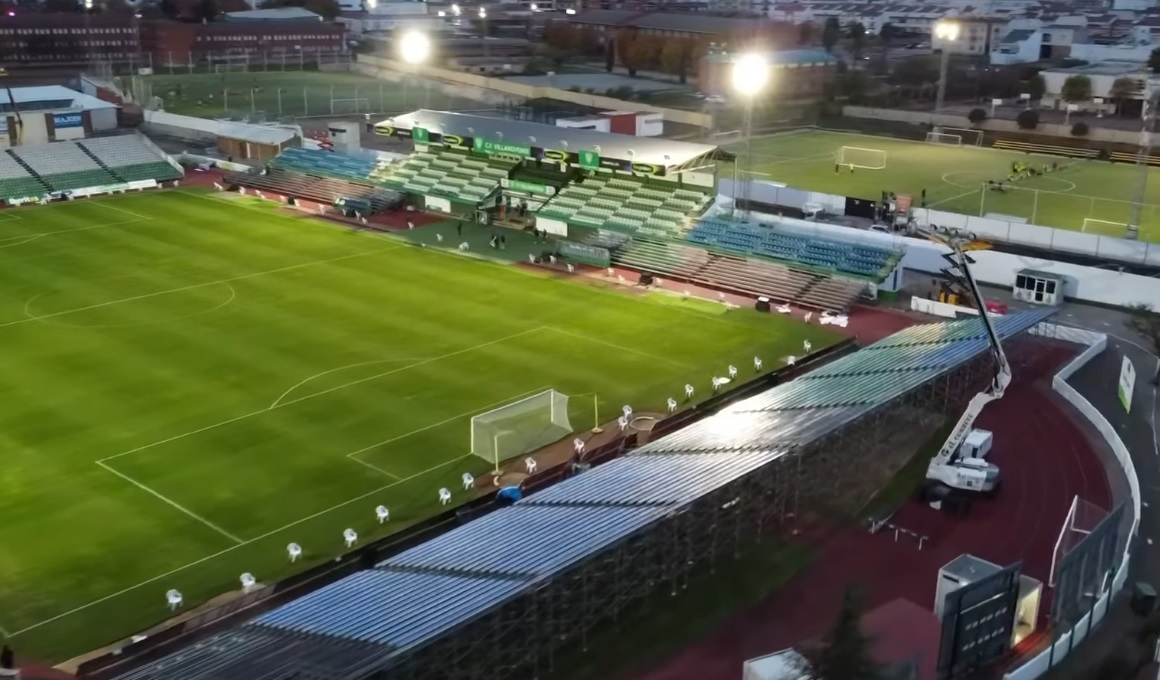
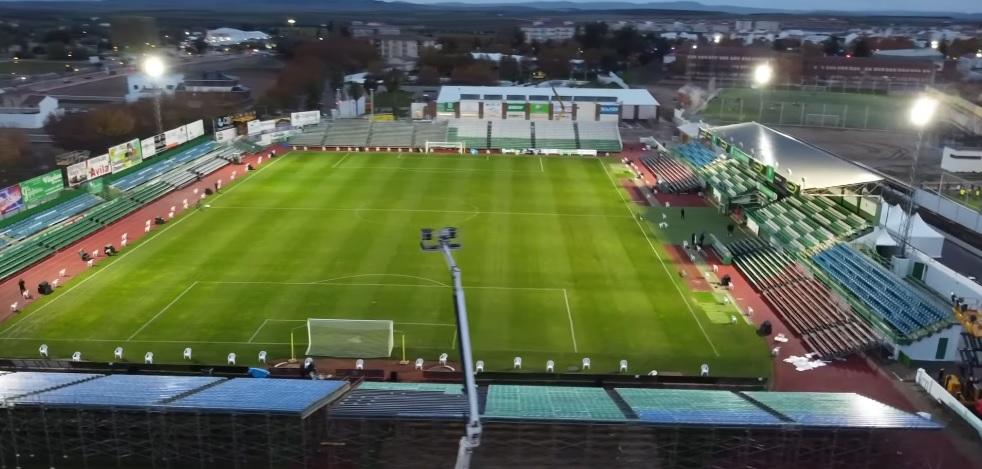
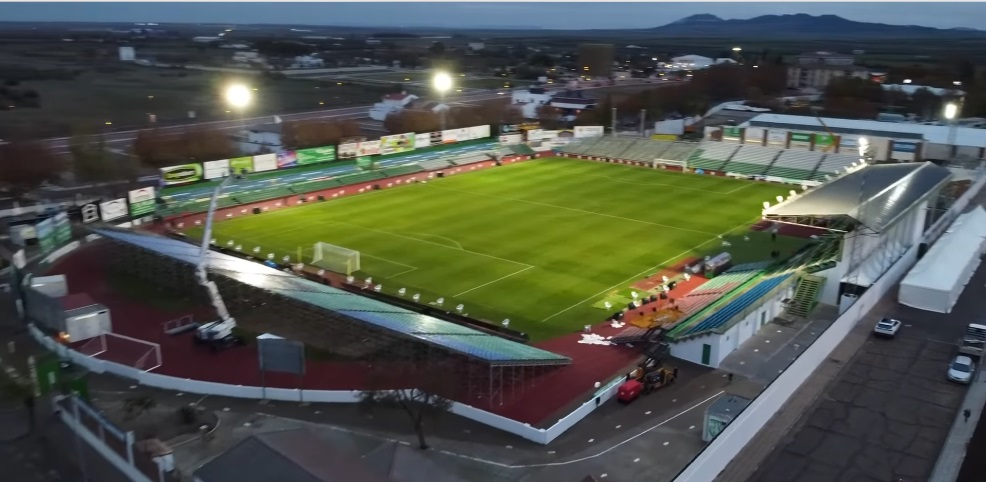
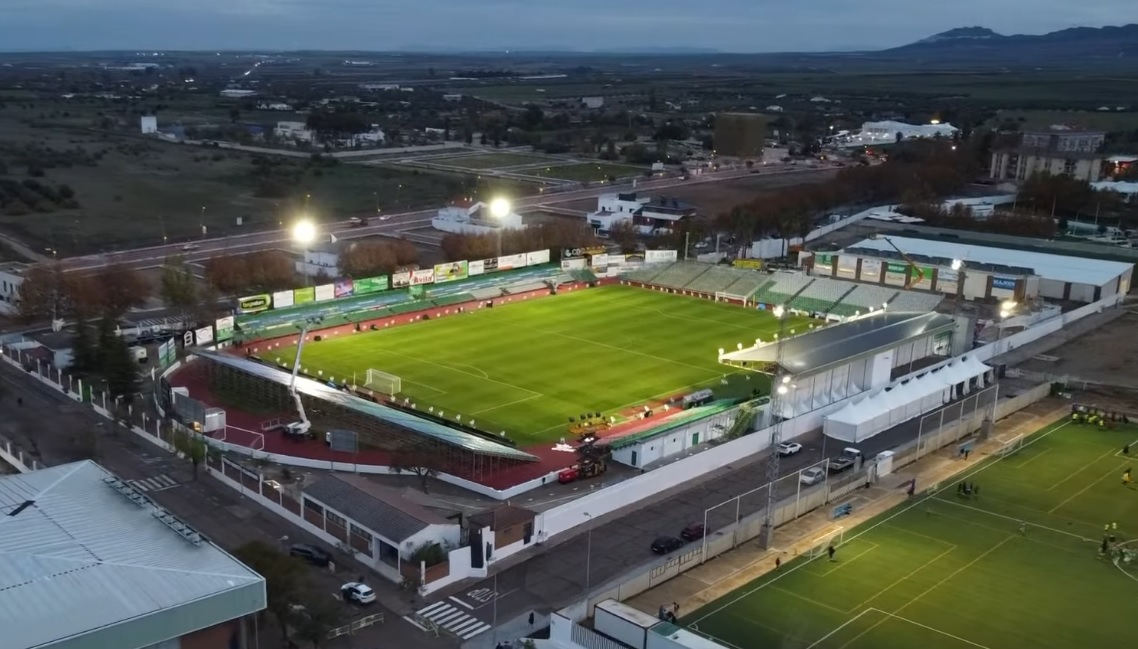
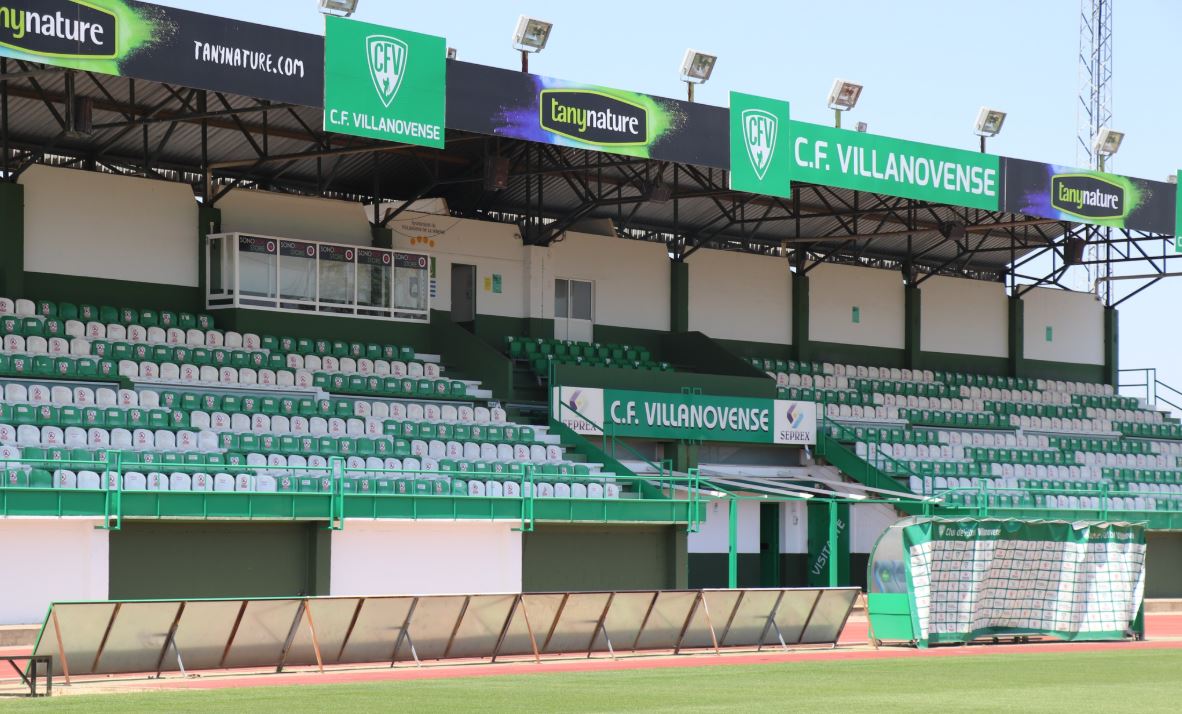
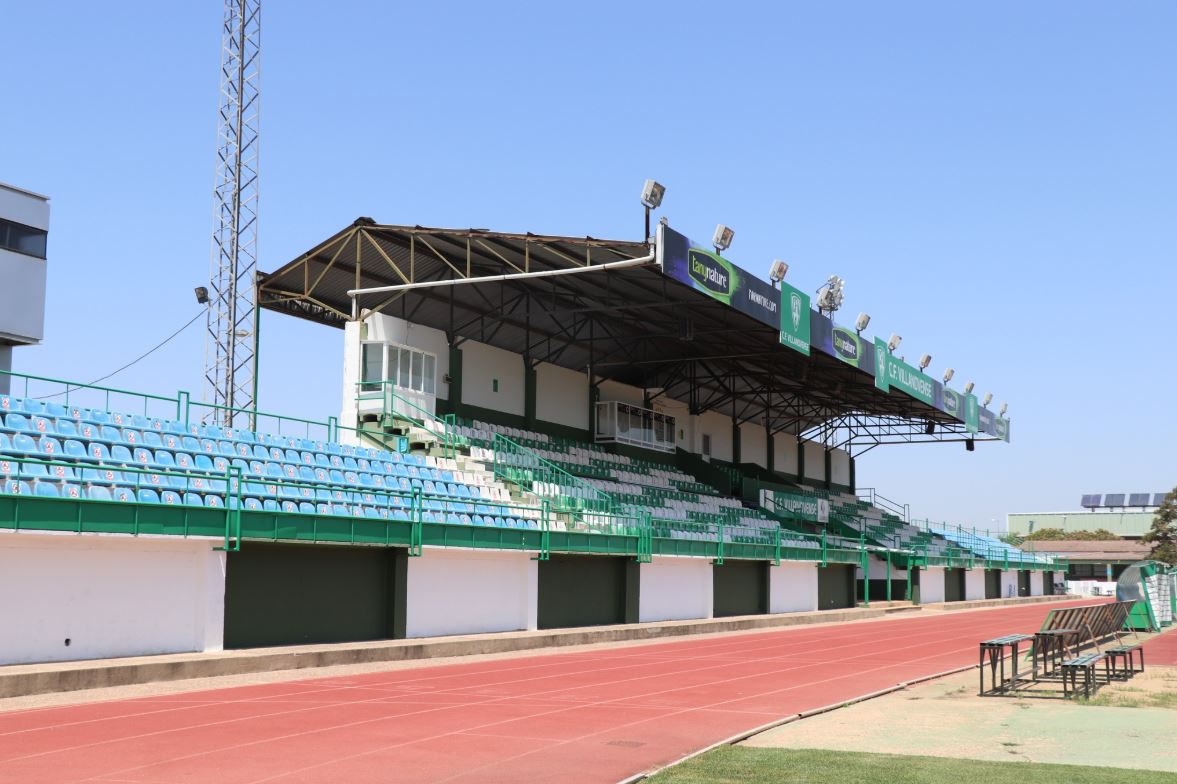
Villanovense play at the Estadio Romero Cuerda, a municipally owned stadium with an athletics track around the pitch. It lies on the eastern edge of town and initially had a capacity of 6,500. The inaugural match took place on 12 September 1976 when CD Villanovense beat UC La Estrella 3-0. To begin with, the layout was a traditional square-sided format, but an athletics track was added in the early 1980s. The capacity was reduced to 2,500 in 2012 when the eastern terrace was seated. In all, there are 1,800 seats, 400 of which are in the main Tribuna, which provides the ground’s only cover. The Tribuna is bedecked in bands of green and white seats, which sit on a raised deck above the stadium’s changing facilities. The aluminium sheet roof is supported by exposed, cantilevered iron beams. The main tribuna is flanked by raised decks of open seating. The capacity was temporarily increased to 10,000 for the visit of Barcelona in October 2015, with the addition of large banks of seating on the arc behind each goal and more seats in front of the main stand.
Villanovense’s five-season jaunt in Segunda B came to an end in 2019. However, a year later, the club was celebrating its third Tercera title and promotion back to what would be the final season of Segunda B, before the Spanish football pyramid was restructured. The 2020-21 season was foreshortened, but Villanovense came within a whisker of earning a place in the new third tier, the Primera Federación. The following few seasons have seen a series of respectable top-half finishes in the Segunda Federación, before the club dropped to the Tercera Federación at the end of the 2024-25 season. Throughout the past decade, Villanovense has recorded a series of very respectable performances at the Estadio Romero Cuerda in the Copa del Rey. Barcelona (2015) & Sevilla (2018) have been held to scoreless draws, whilst Real Betis (2023) required two very late goals to squeeze through by 1-2.

 Estadios de España