Article updated: 07/11/2025
The city of Don Benito lies on a fertile plain on the left-hand bank of the Rio Guardiana, around 50km east of Mérida. It traces its origins to the medieval repopulation after the end of the Christian Reconquista, and takes its name from an early settler, Benito Sánchez. Over the centuries, Don Benito developed into an important agricultural centre, and by the turn of the 20th Century, its population had grown to around 16,000. Somewhat off the beaten track, it would take until the early 1920s for football to arrive in the city. Vicente Sanz Diéguez, the son of a local merchant, first encountered football when at college in Barcelona. After qualifying as an accountant in Madrid, he returned home and set up Don Benito Foot-ball Club.
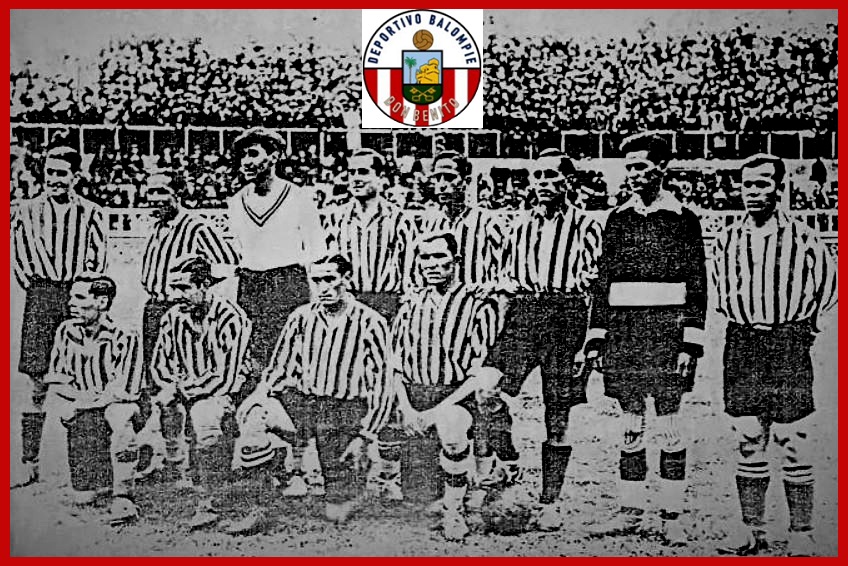
Vicente Sanz’s initial attempt faultered when Don Benito Foot-ball Club ceased playing after only a handful of matches. Its successor, Cultural Deportiva Extremeña, followed a similar fate, but on 19 August 1928, under Sanz’s patronage, Club Deportivo Balompié was founded. It quickly acquired the use of a field on the edge of the city at Dehesa Boyal, which they named Las Albercas. On 8 September 1928, Club Deportivo Balompié played its first match, losing 2-8 to Sport Club Badajoz. Undeterred by the heavy defeat, Sanz set about building a competitive team and improving facilities at Las Albercas. The club joined the Federación Regional Extremeña and was immediately accepted into the top division. To provide some context to the decision, the leading clubs from Badajoz had left the federation, and the 1929-30 championship consisted of four clubs. Club Deportivo Balompié won the first three titles, which in turn earned prestigious ties in the Copa del Rey. However, heavy defeats to Real Murcia (0-15 on aggregate in 1930), Barcelona (1-12 on aggregate in 1931), and Celta Vigo (0-22 on aggregate in 1932) merely emphasised the huge gap in class. Following the expulsion of Recreativo Huelva from the southern federation in 1932, the RFEF dissolved the Federación Regional Extremeña. A new western federation was established, which included clubs from the Provinces of Huelva and Badajoz. Club Deportivo Balompié competed in the first two championships, but the cost of travel proved too much, and in the summer of 1934, it ceased activity and did not return until after the Civil War.
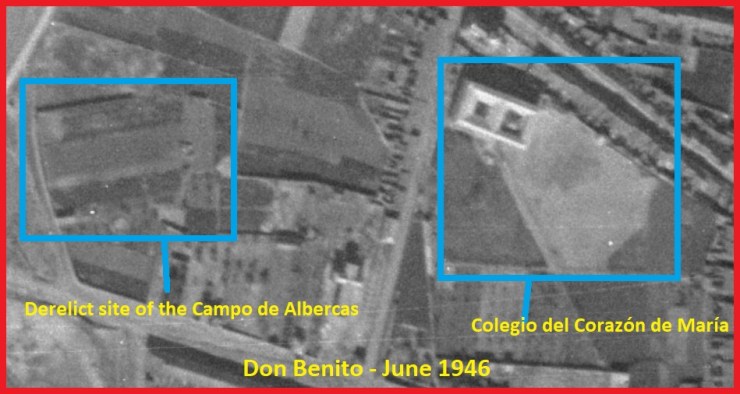
When the club returned to action in the autumn of 1940, it had changed its name to Club Deportivo Don Benito. It participated in a weakened Regional Preferente, but lost to CD Badajoz at the semi-finals stage. It then withdrew from the league, playing in non-federated competitions at a local level. During this period, the club played within the grounds of the Colegio del Corazón de María, as the Campo de Las Albercas had been commissioned for use by the military and then the local youth front. CD Don Benito returned to action at a federated level in the 1945-46 season, and a year later purchased the Campo de Las Albercas and set about refurbishing it. In their first season back at Las Albercas, CD Don Benito won the Regional Preferente title, and again in the 1952-53 season, which earned promotion to the Tercera. After an impressive sixth-place finish in their first season in the third tier, CD Don Benito won back-to-back Tercera titles between 1954-56, but lost out on promotion to La Segunda in the playoffs. The final season at Las Albercas saw the club finish fourth in Group 13 of the Tercera. On 28 April 1957, CD Don Benito played its final official match at Las Albercas, beating Emeritense four goals to one. Las Albercas was a basic enclosure on the western edge of town, with a capacity of 7,000 on open terraces. There was a small seated section on the northern side of the enclosure with around 400 seats. The area is now contained within the modern-day Parque Las Albercas.
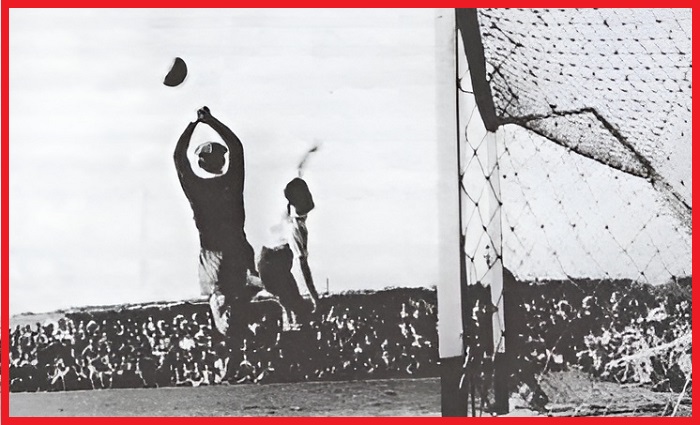
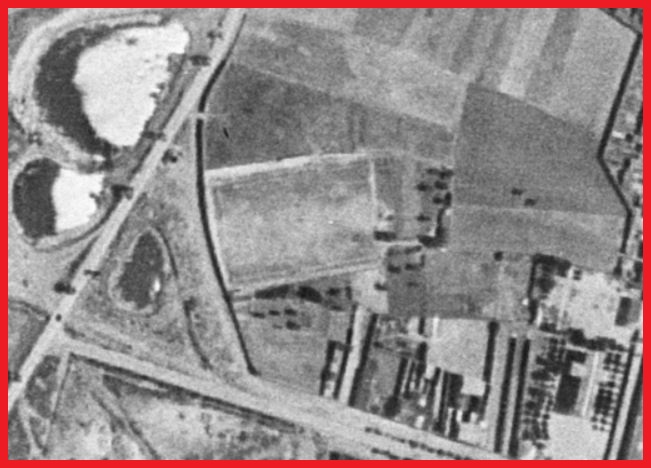
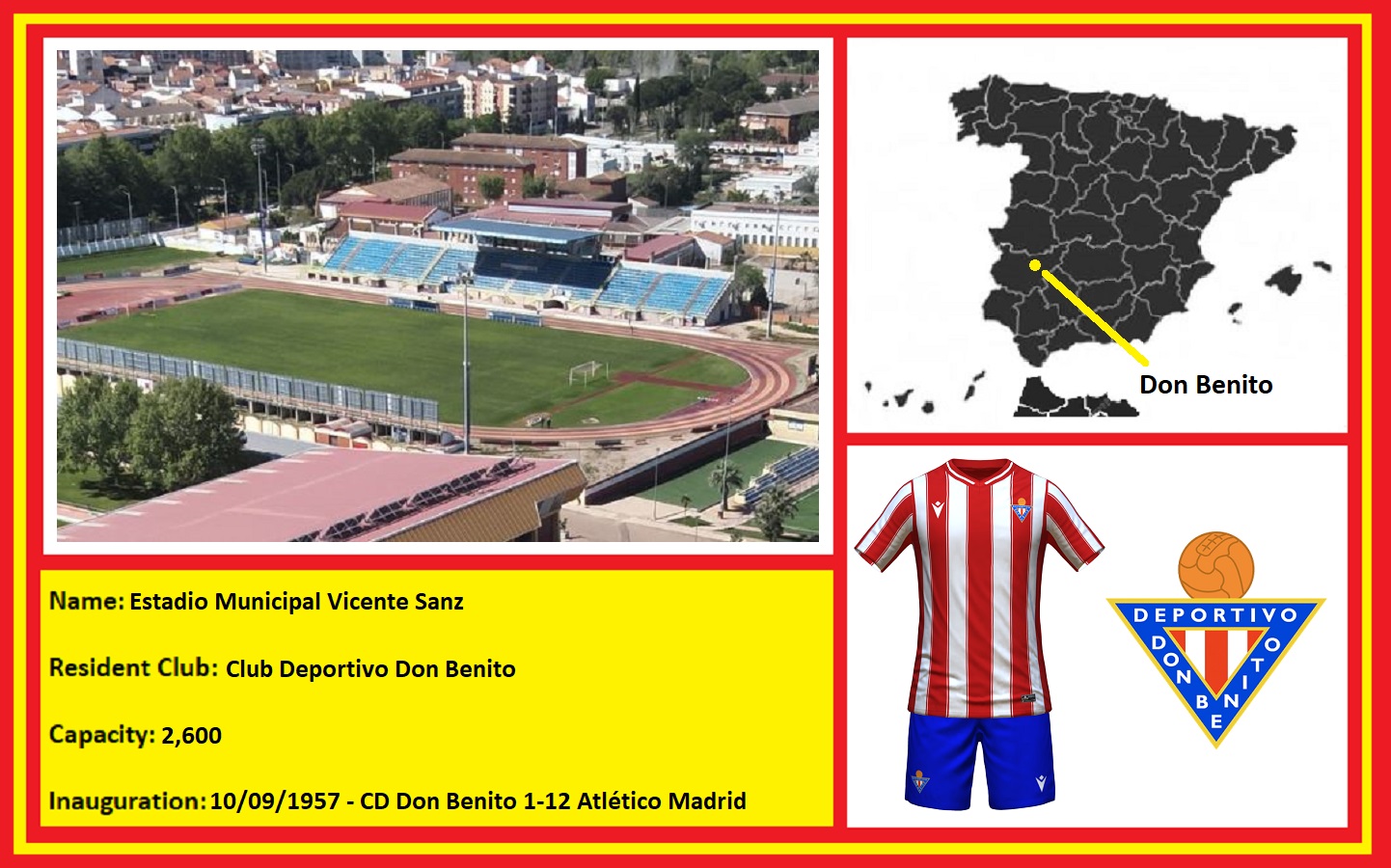
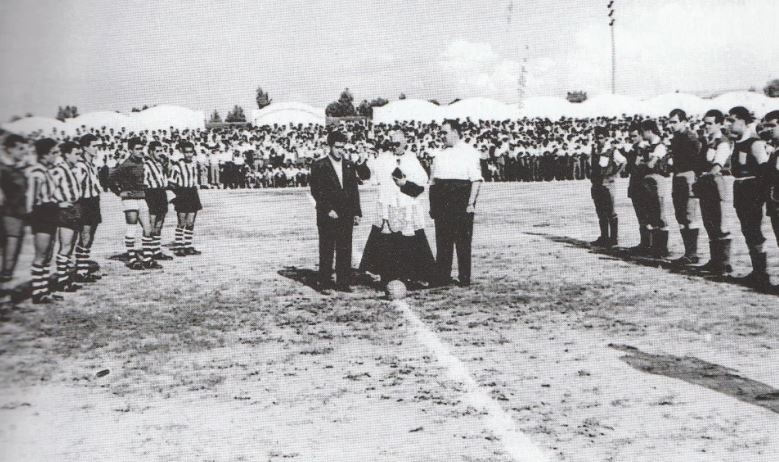
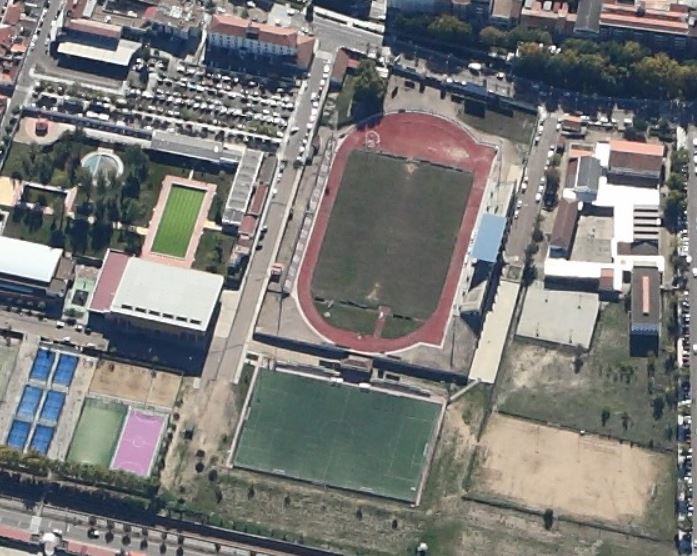
Unlike its predecessor, the new Estadio Municipal had a more central location, just to the north of the city centre. It was opened on 10 September 1957 with a friendly against Atlético Madrid, which ended in a 1-12 defeat. Whilst the inaugural match did not set the tone for what was to come, the stadium did not have the desired effect that the club may have hoped for. Over the next 30 years, nearly twenty ended with mid-table finishes in the Tercera. There was even a decade-long stint in the Regional Preferente from 1968 to 1977. Results began to improve in the early 1980s, with regular qualification to the Copa del Rey and a runners-up placing in the league in 1980-81. CD Don Benito reached the final round, but lost out on a place in Segunda B to Sporting Gijón B. Promotion to Segunda B was finally achieved in controversial circumstances on the final day of the 1987-88 season. Level on points, but trailing CP Mérida on goal difference of six, CD Don Benito needed a footballing miracle. CP Mérida earned a 4-1 victory against Fuente de Cantos, only for CD Don Benito to beat CD Coria 10-1 and claim top spot on goals scored. No questions asked.
CD Don Benito’s first visit to Segunda B was a short-lived affair, finishing 19th and four points from safety. It would take another 12 seasons in the Tercera before the club returned to the third tier, and again, the 2000-01 campaign ended in relegation. They only had to wait three seasons for their next visit to Segunda B, but once again, it ended in disappointment with relegation back to the Tercera in May 2005. Over the next thirteen seasons, CD Don Benito consistently recorded top-ten finishes in Group XIV of the Tercera. Unfortunately, they also failed to progress through the playoffs on six occasions, before an eighth Tercera title in the 2017-18 season, and victory over Unionistas de Salamanca in the playoffs triggered the club’s first sustained presence in Segunda B. Both the 2018-19 & the foreshortened 2019-20 seasons saw CD Don Benito finish just outside of the bottom five places. The reorganisation of the Spanish league system in 2021 saw CD Don Benito placed in Segunda División RFEF, or the 4th tier, where, to be honest, they struggled and subsequently dropped to the Tercera Federación in 2025.
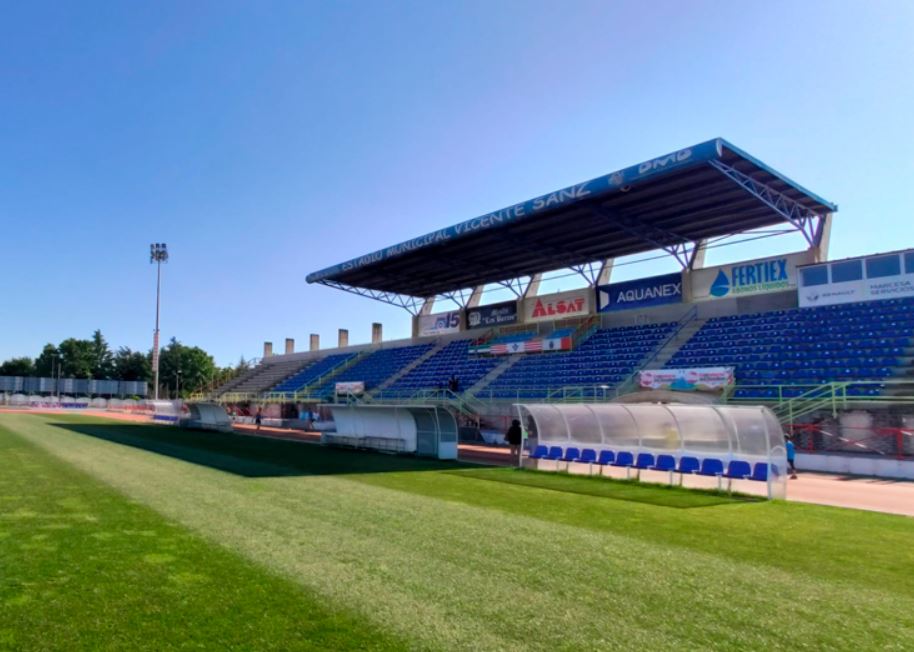
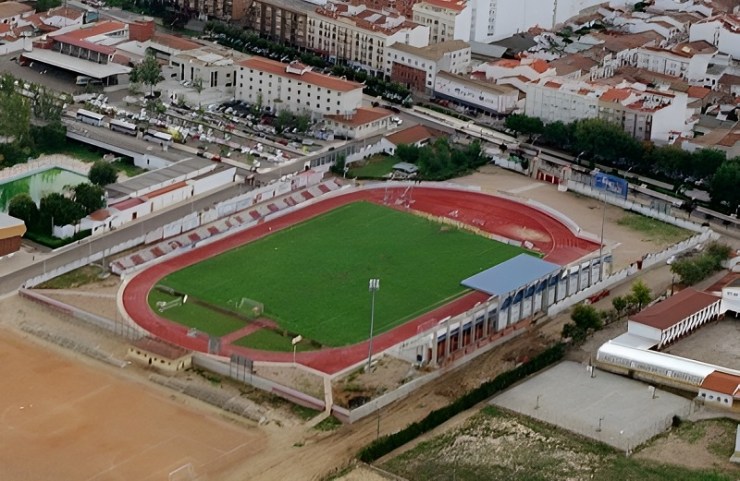
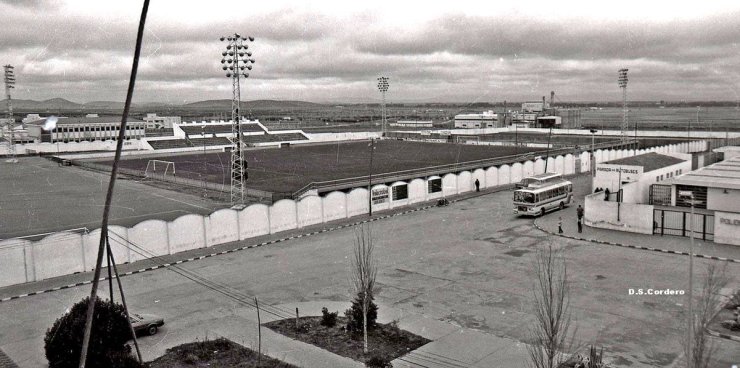
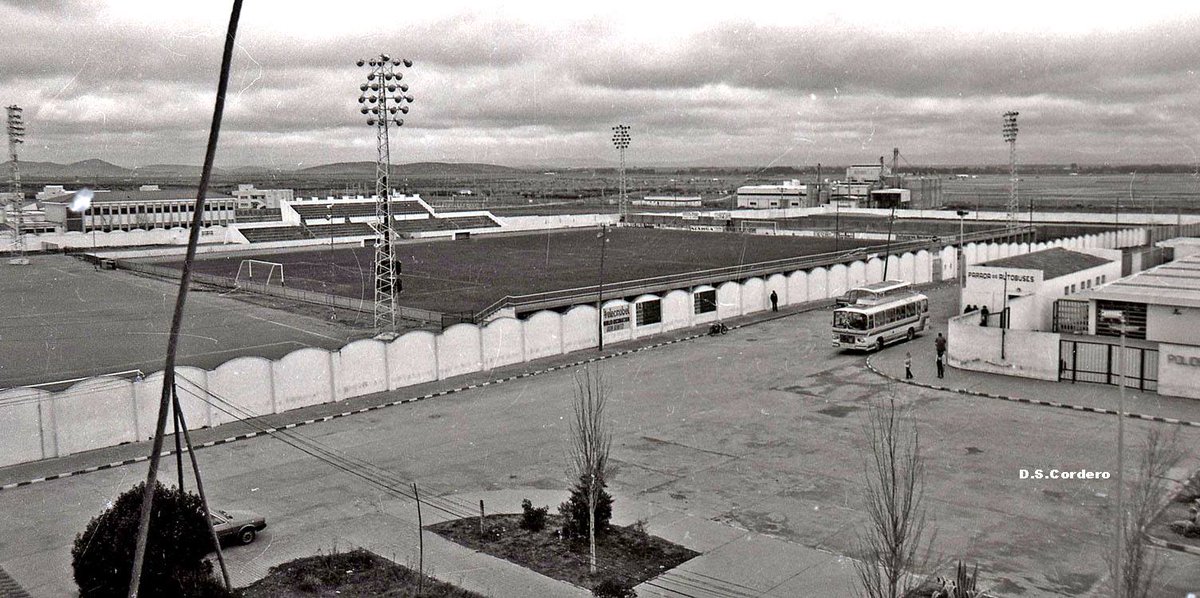
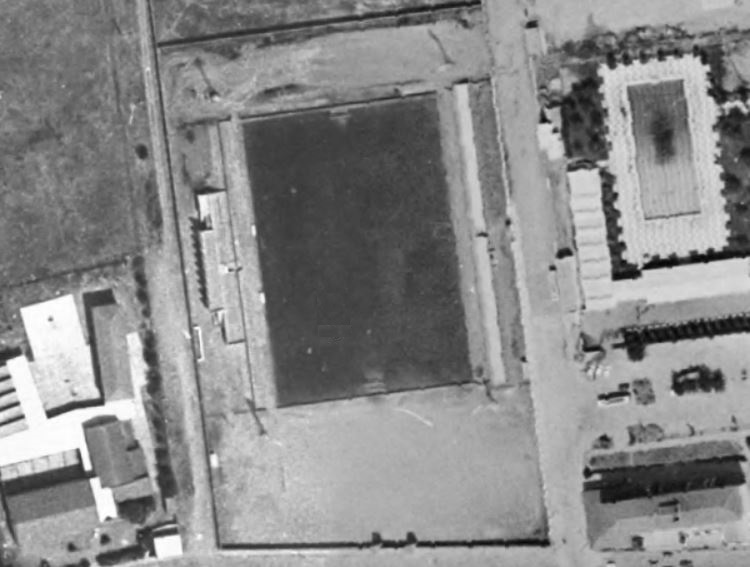
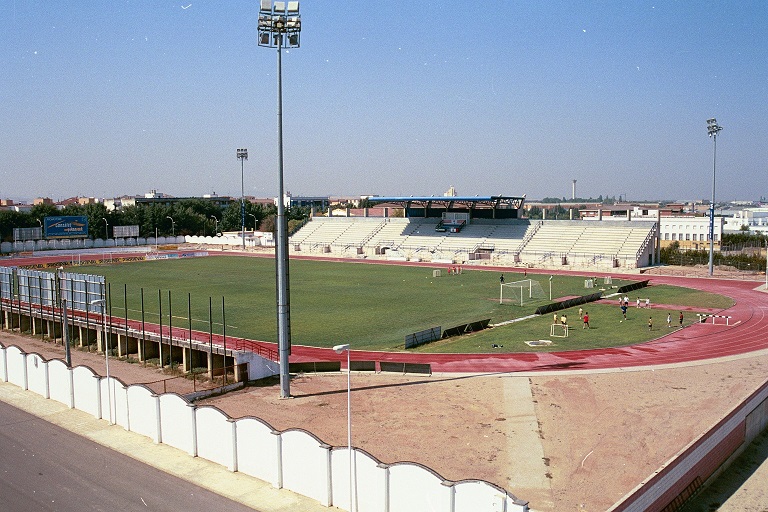
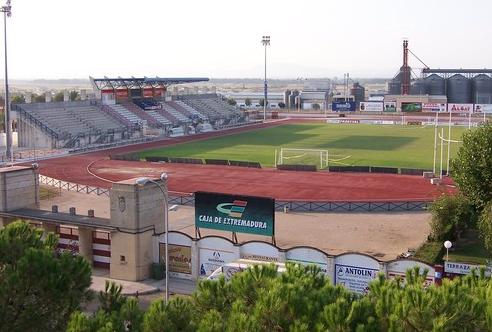
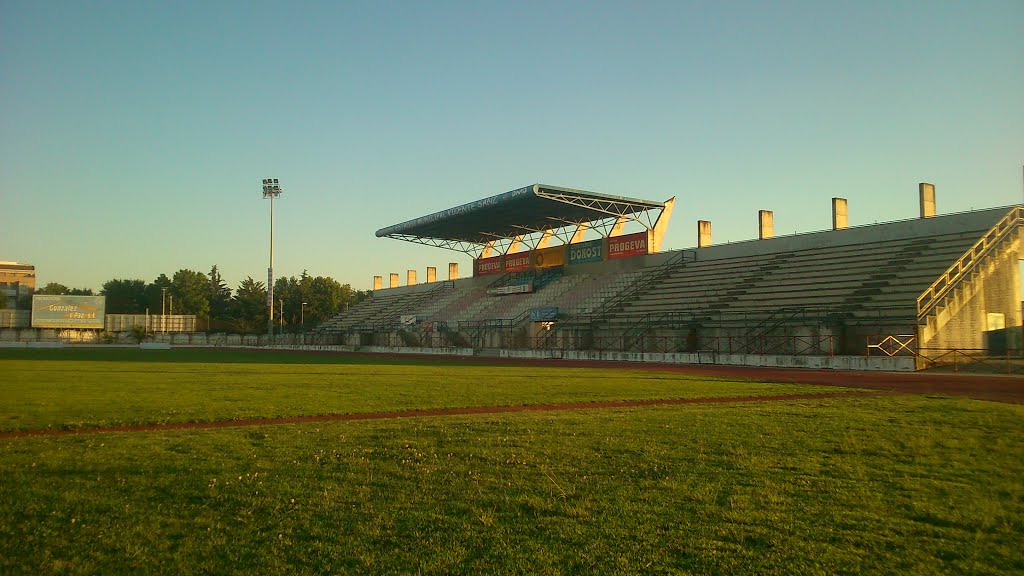
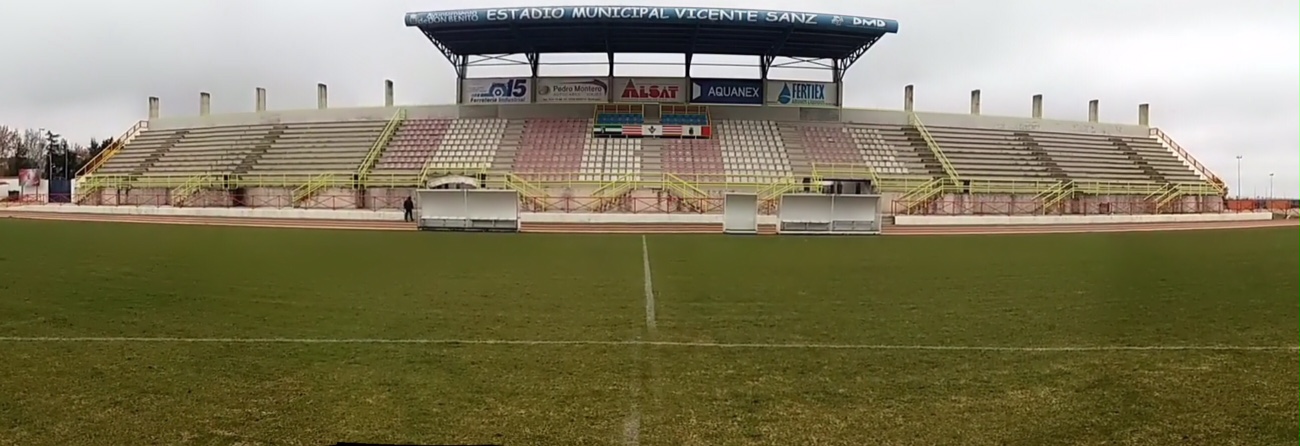
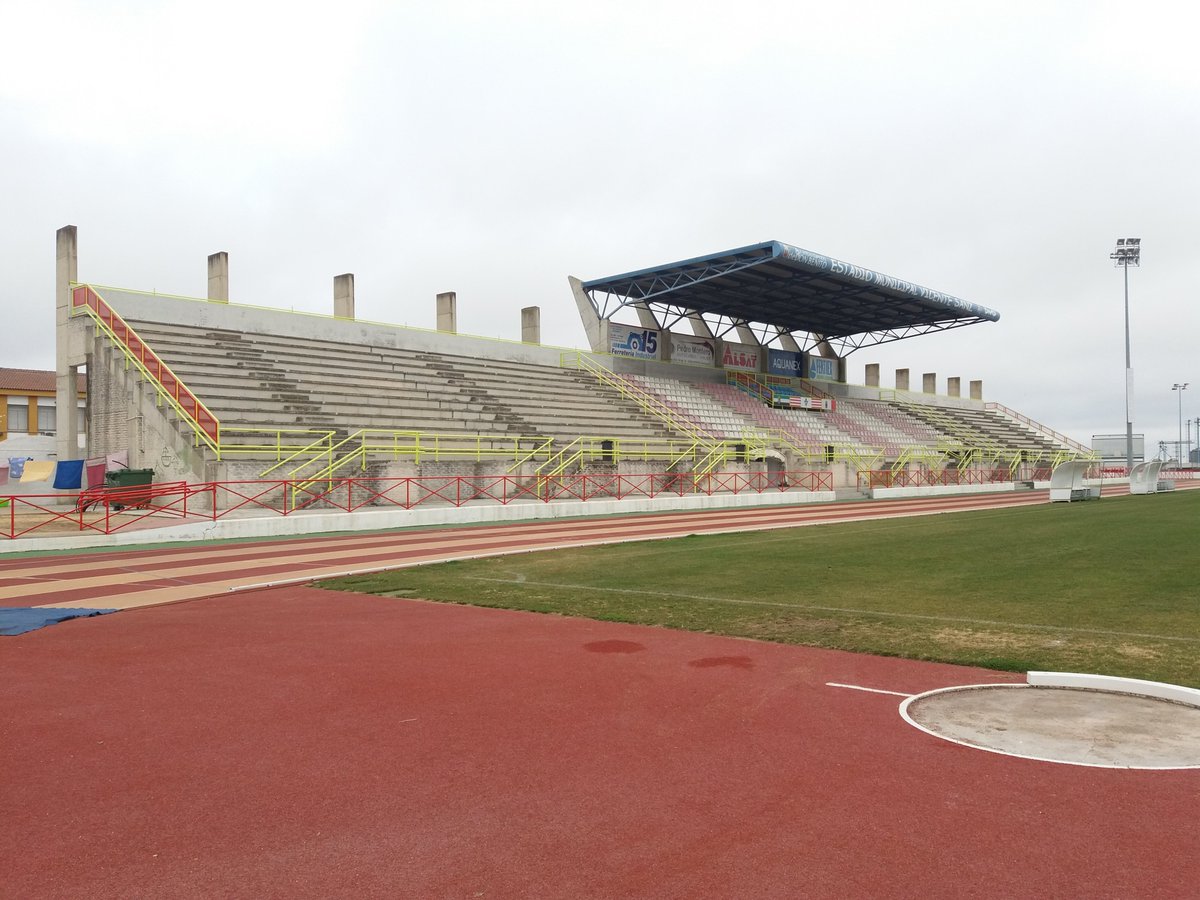
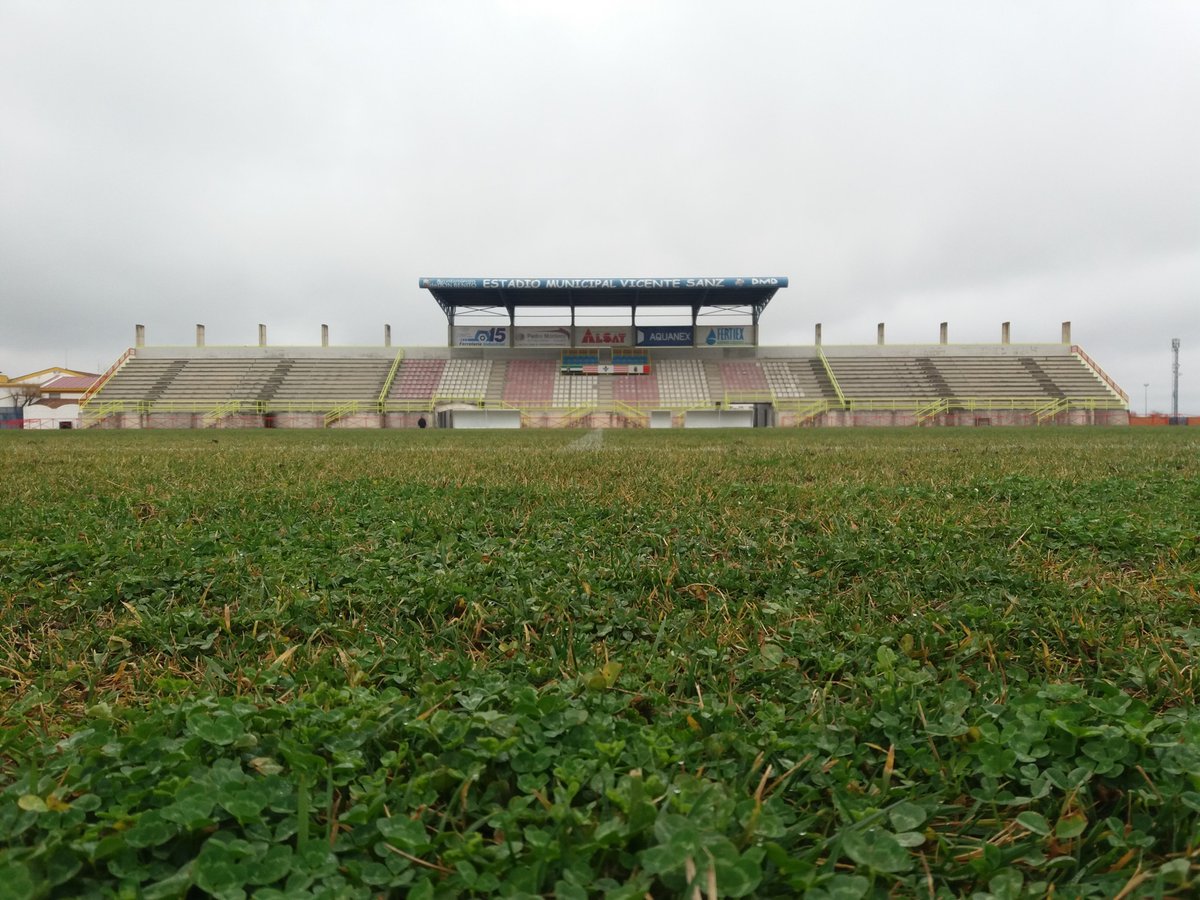
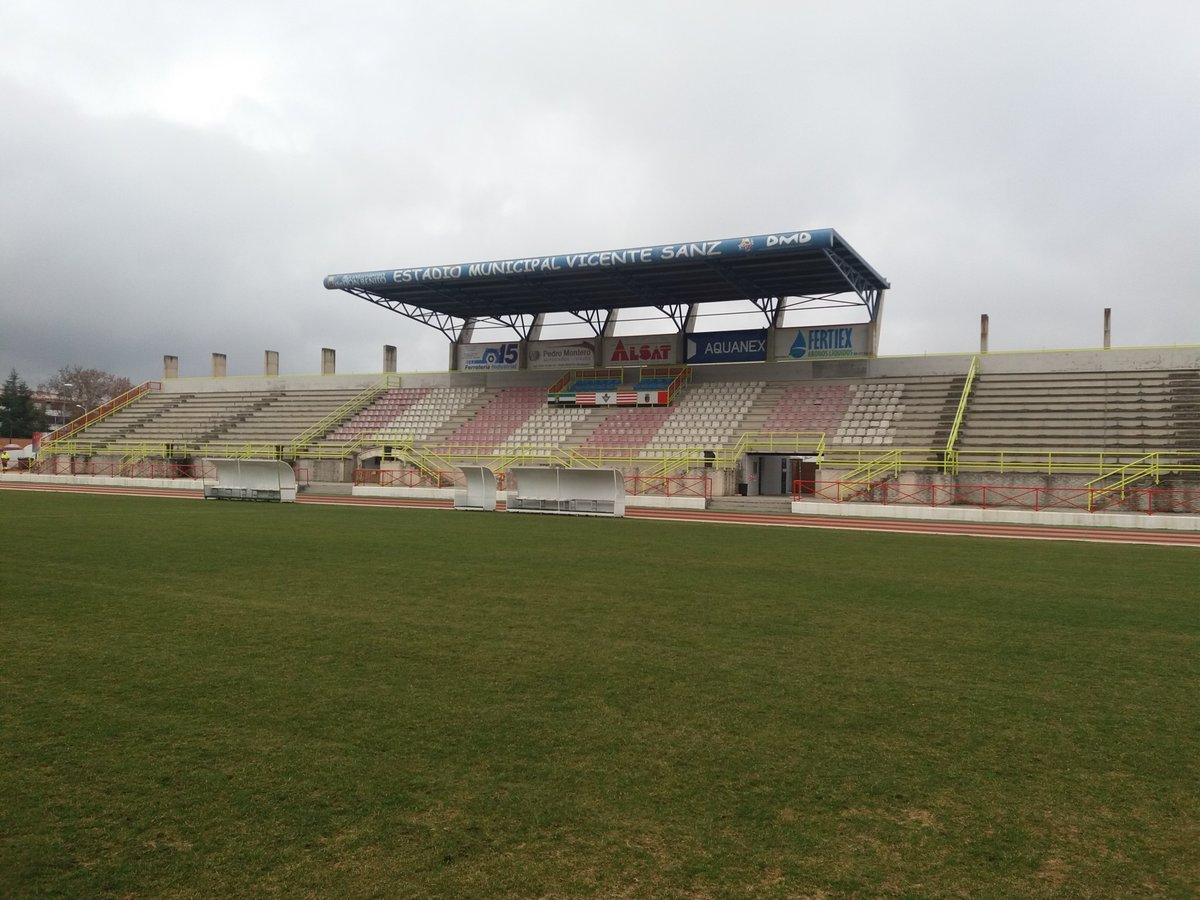
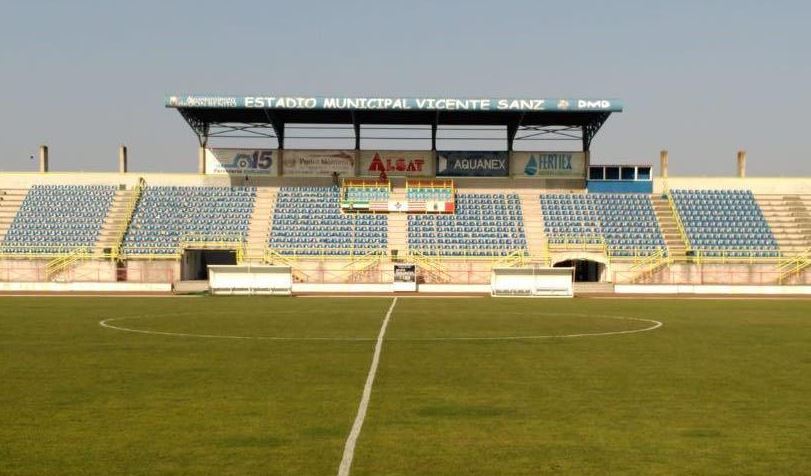
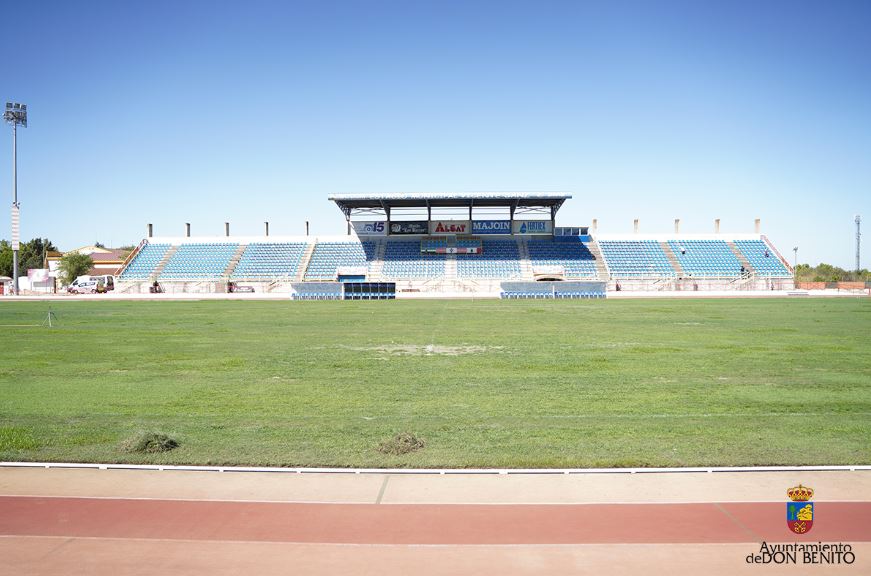
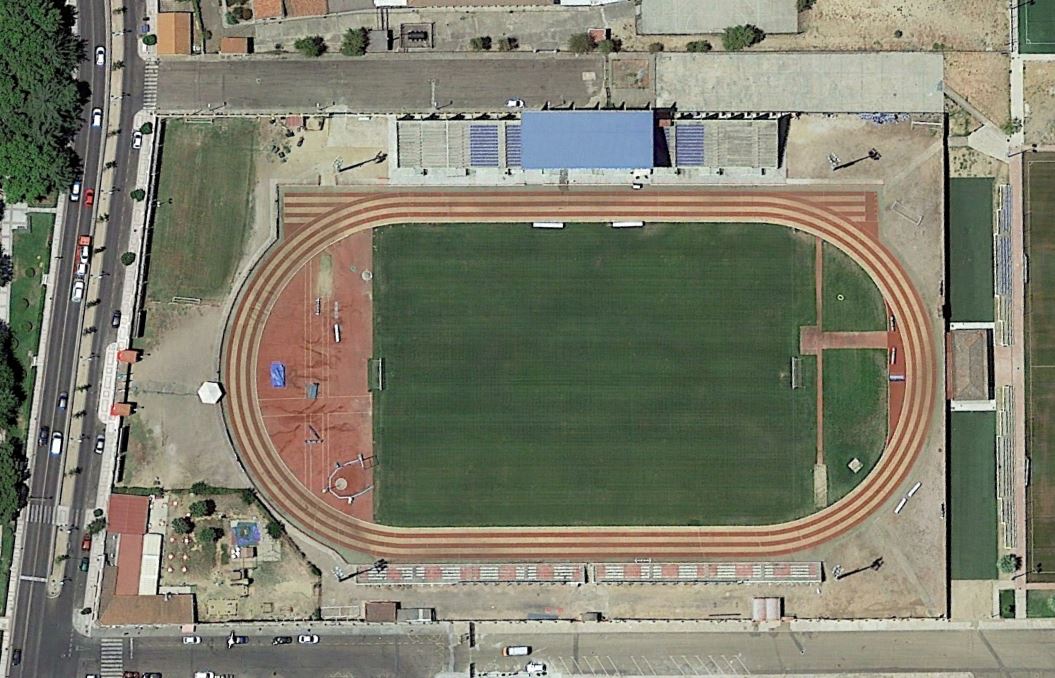
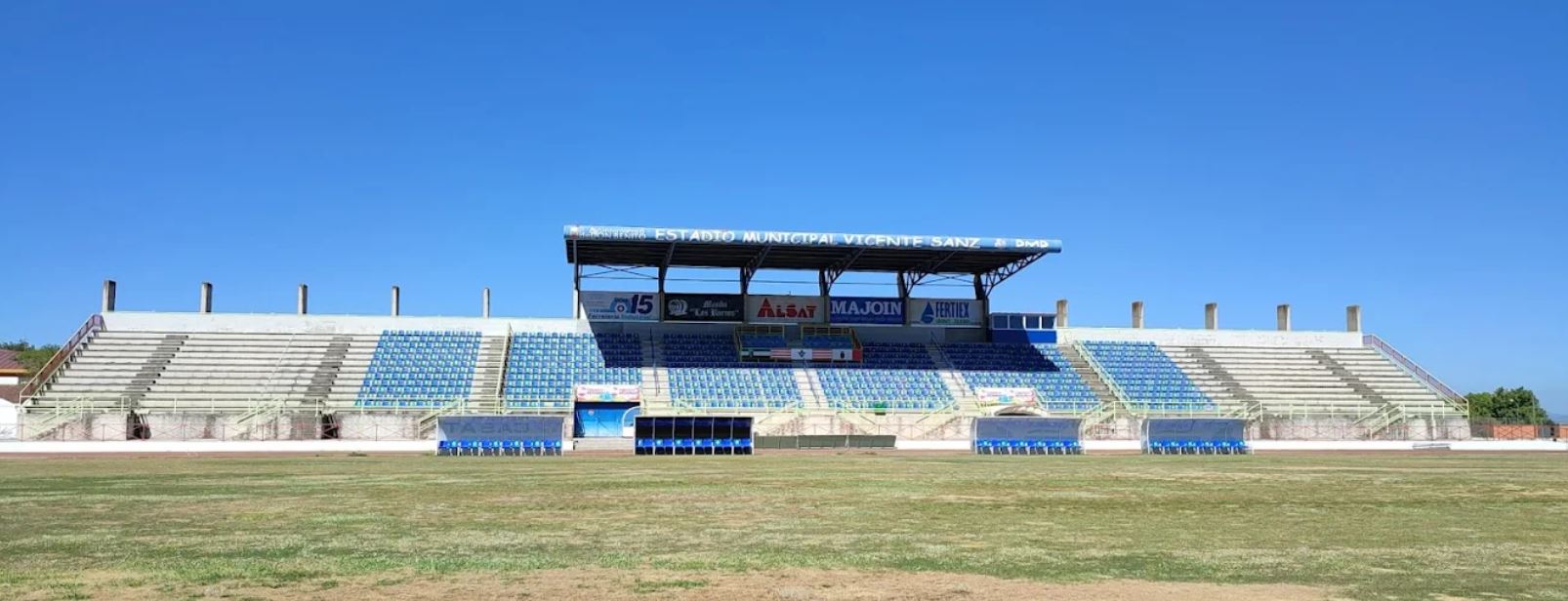
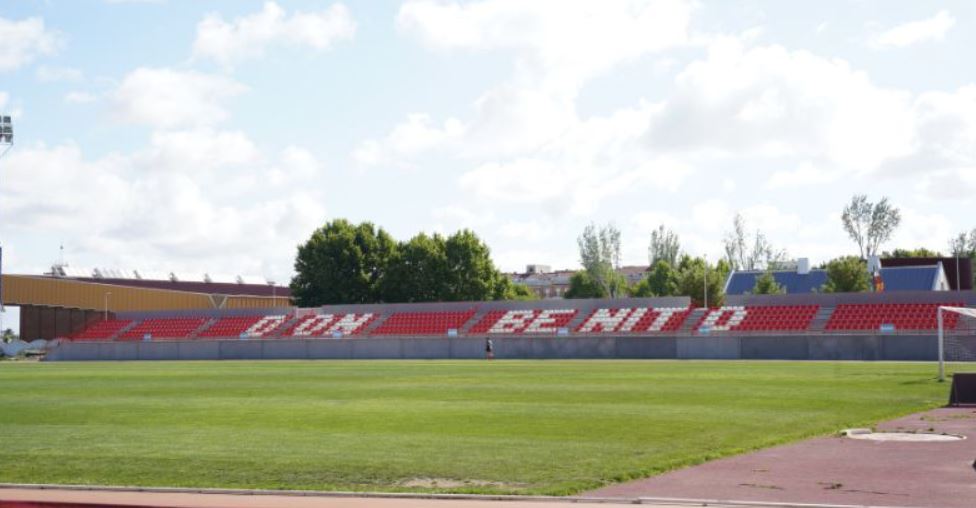
When CD Don Benito moved to the new Estadio Municipal in 1957, the layout was along the lines of a traditional football stadium, with a short, main tribuna on the west side of the pitch and an open terrace along the east side. There were, however, large open spaces at either end, with the southern area featuring a narrow sand and lime training pitch. The stadium underwent redevelopment in 2001, when a new main stand, featuring a short cantilever roof, was constructed on the full length of the west side of the ground, while seats were installed on the open terrace on the east side. The redevelopment also saw the addition of a six-lane athletics track around the pitch. The stadium was also renamed the Estadio Municipal Vicente Sanz after the founder of the club.
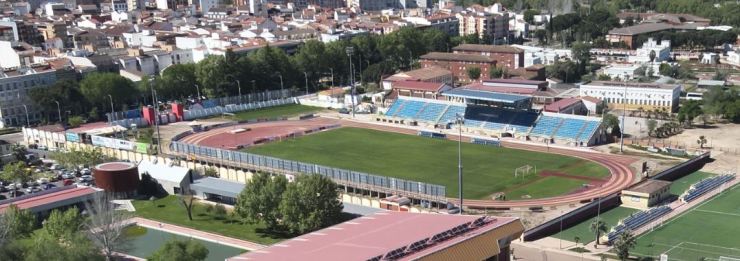
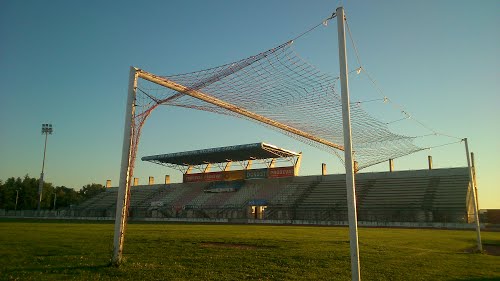
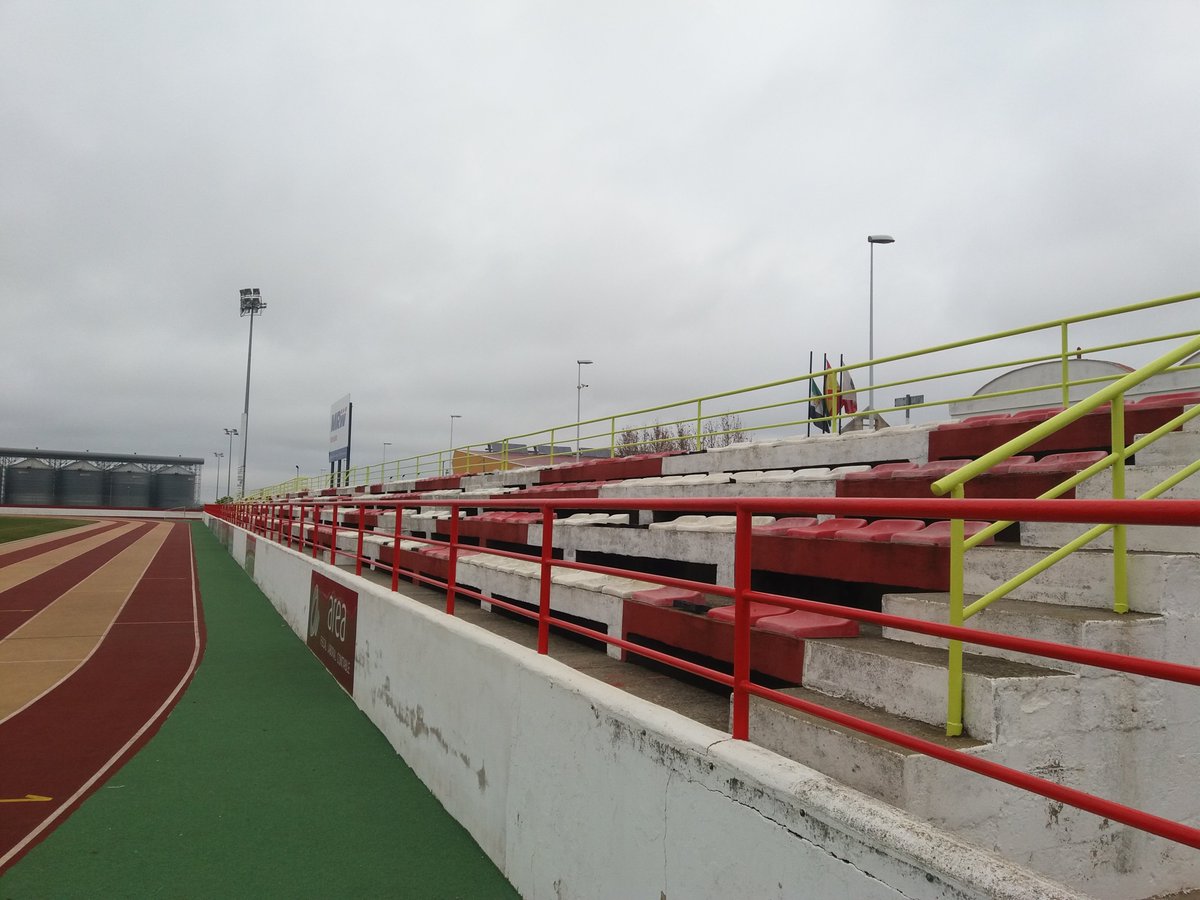
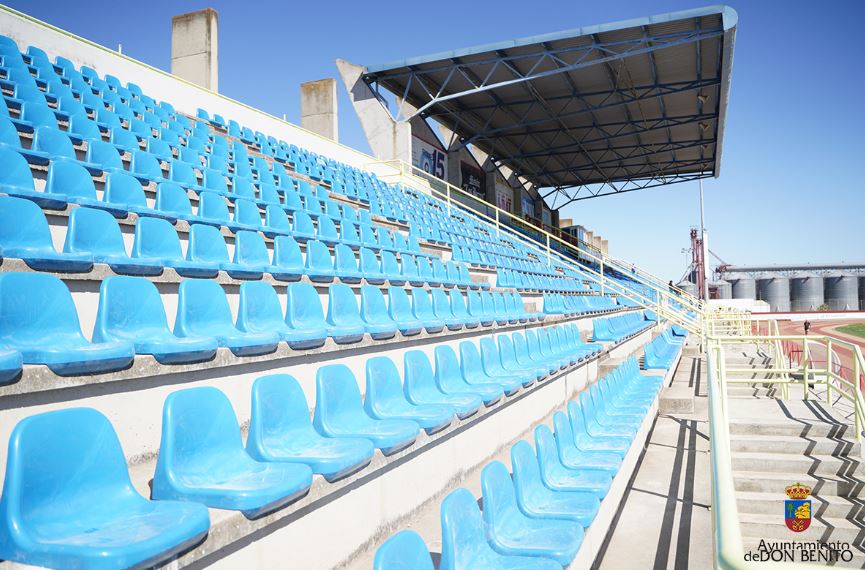
The Estadio Vicente Sanz has a total capacity of 2,600, but it has been occasionally extended to 4,000 when temporary seating was added to the arcs behind each goal. In 2019, following the demolition of the Estadio Vicente Calderón, Atlético Madrid donated 1,000 blue seats to Don Benito, which made up the central six blocks of seating in the main tribuna. The rest of the main tribuna was seated in 2023, along with new red and white seats on the eastern preferencia.
 Estadios de España