Article updated: 03/11/2025
A little over 20km south of the historic town of Gernika is Durango, which, despite having a population of just 29,000, is the second largest town in Vizcaya, after those that make up the Bilbao conurbation. Steeped in Basque tradition, it was Durango and not Gernika that suffered first at the hands of Franco’s hired assassins, when the German and Italian air force bombed the town on 31 March 1937. It was one of those Basque traditions, the Ezkurdioste games, which was responsible for the birth of the town’s senior football club. The 1919 games included a football tournament, and a group of friends joined forces to form Sociedad Cultural Deportiva Durango.
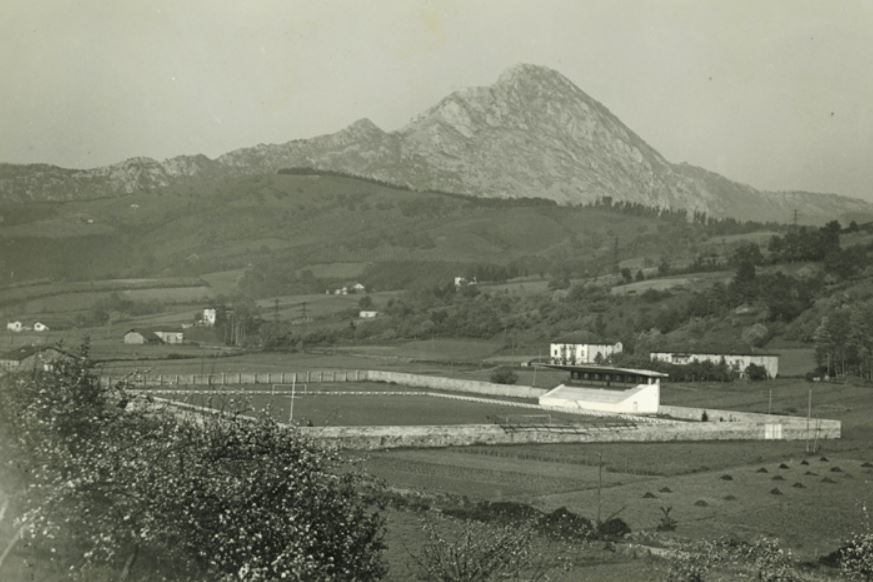
Cultural’s first permanent home, Ertzimingogane, opened in 1921, north of the Río Ibaizábal, in the nearby village of Iurreta. In 1925, the club moved back to Durango and the Campo San Fausto. It was here that Cultural achieved a modicum of success, winning the Campeón Absoluto de la Serie “B” and attracting scouts from the region’s bigger clubs and beyond. In 1943-44, Cultural won the Primera Regional and advanced to the Tercera for the first time. The start of the 44-45 season could not have gone much better, with Cultural winning three and drawing one of the first four fixtures. However, that was as good as it got, as a player exodus in October saw the club lose 13 of the remaining 14 fixtures, leading to relegation. Cultural returned to the Tercera a season later, but was demoted at the end of the 1947/48 season in controversial circumstances, when the RFEF decided that provincial capitals should be represented in the third tier. So Cultural made way for CD Numancia and Deportivo Alavés.
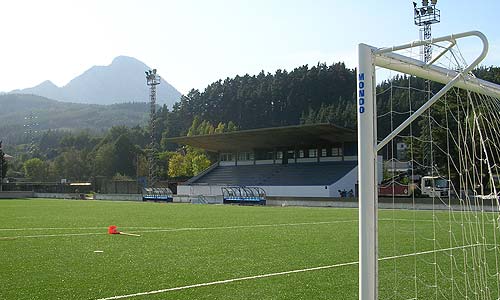
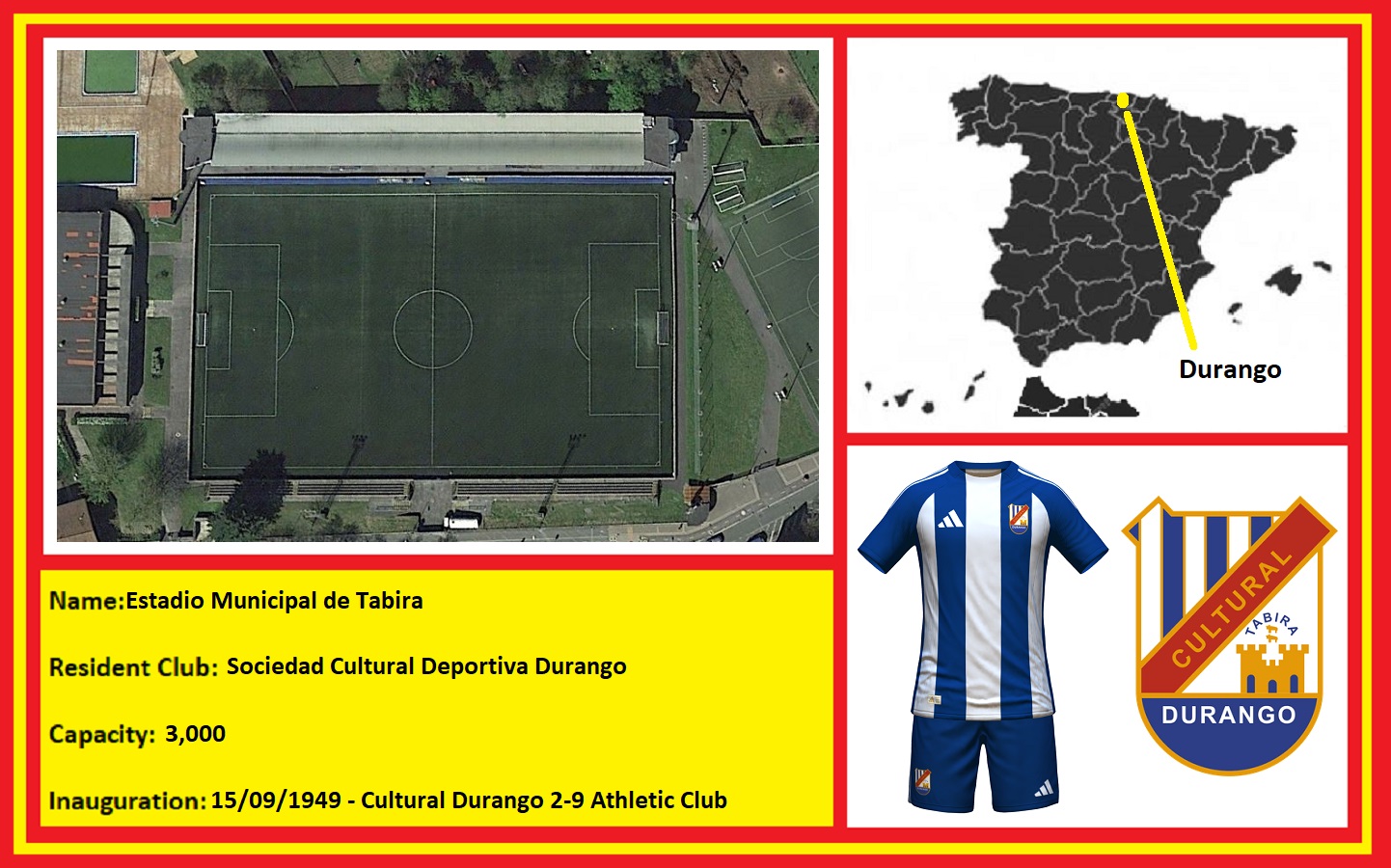
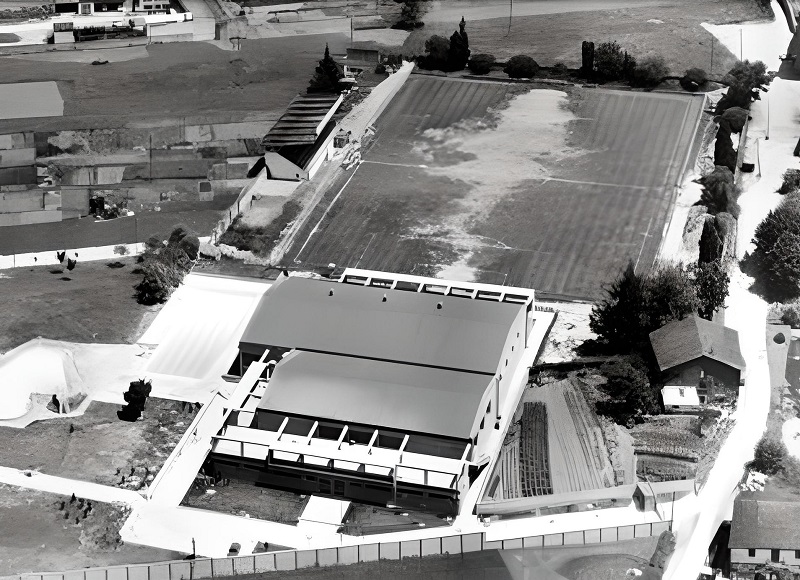
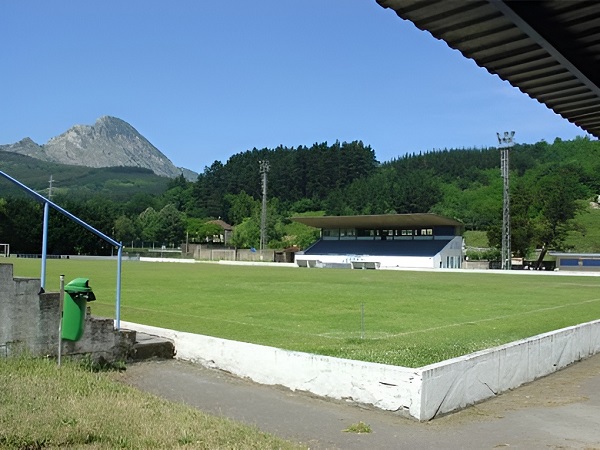
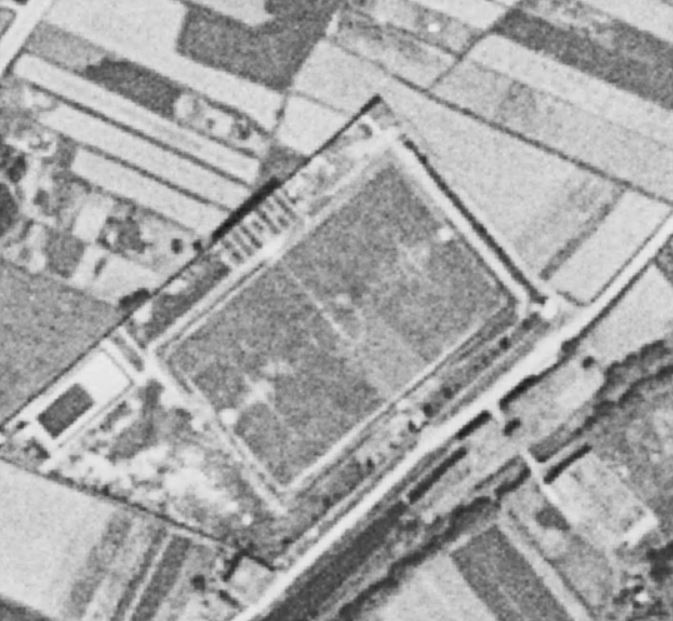
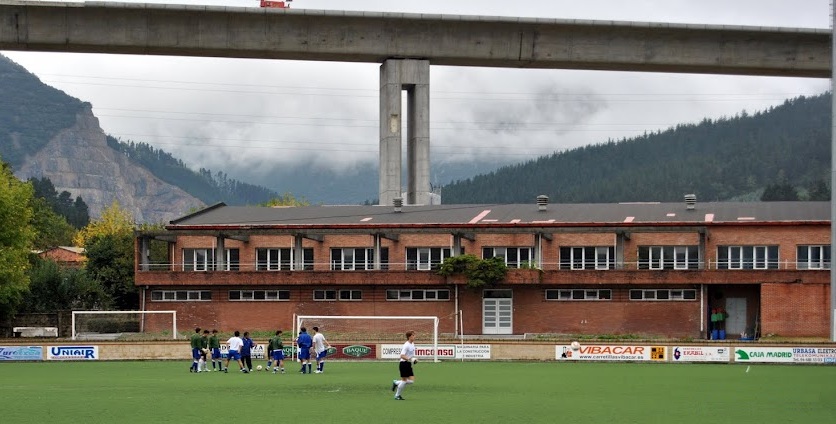
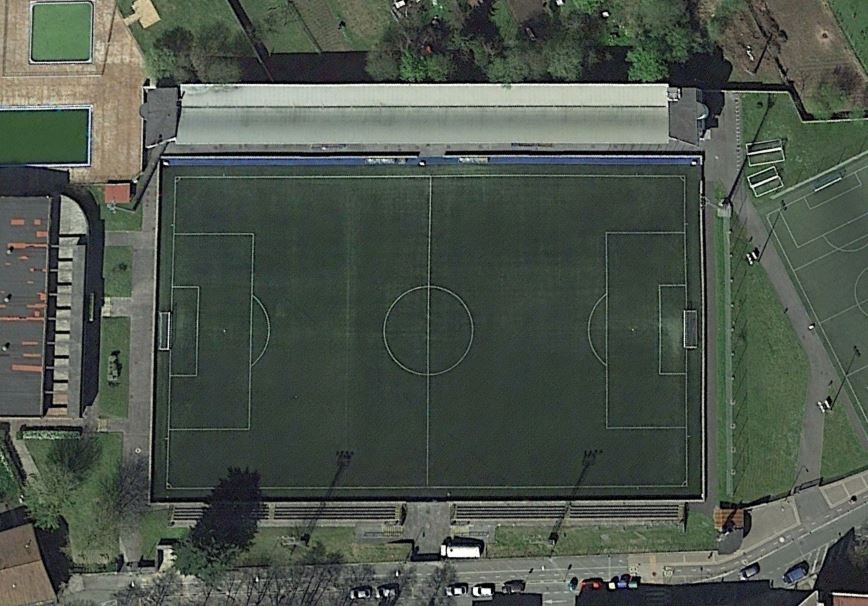
Cultural played its last competitive match at the Campo San Fausto on 17 April 1949, drawing 2-2 with Galdakao. Work had already begun on a new stadium located to the south of the town. Constructed by the Regiones Devastadas Committee and run by the local municipality, the Campo de Tabira opened on 15 September 1949. To mark the occasion, Athletic Club provided the opposition, winning the match 2-9. The Campo Tabira featured one of the region’s first cantilevered covered stands. It featured a raised seating deck, with a line of private boxes at the rear. Changing facilities were incorporated in the space under the stand, which was only 30 metres in length. A strip of 4 steps of terracing was built opposite the stand on the east side of the ground. The new Campo de Tabira was simple and effective and would serve the club and its supporters for the next 57 years.
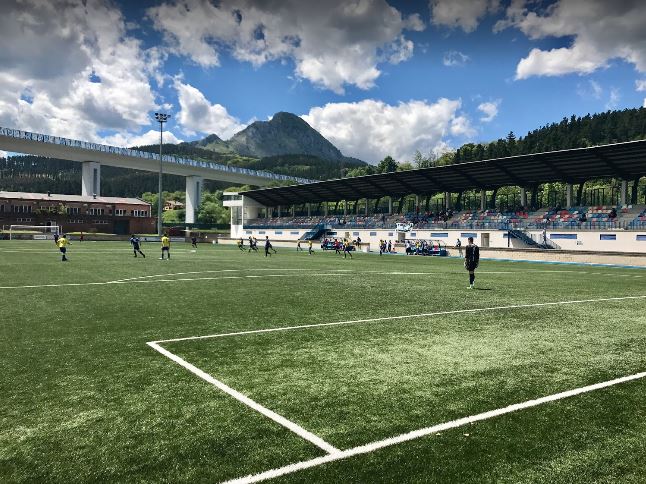
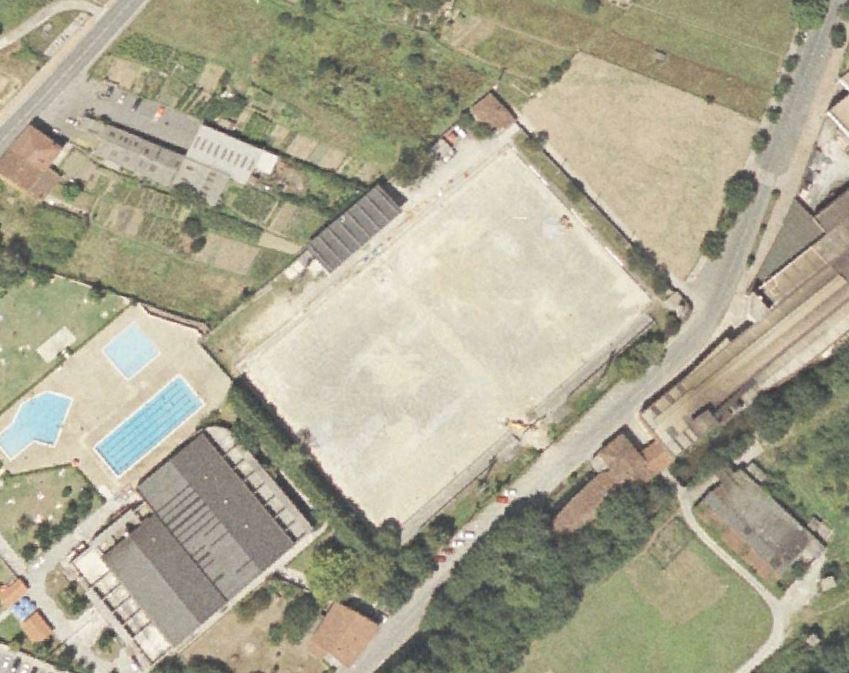
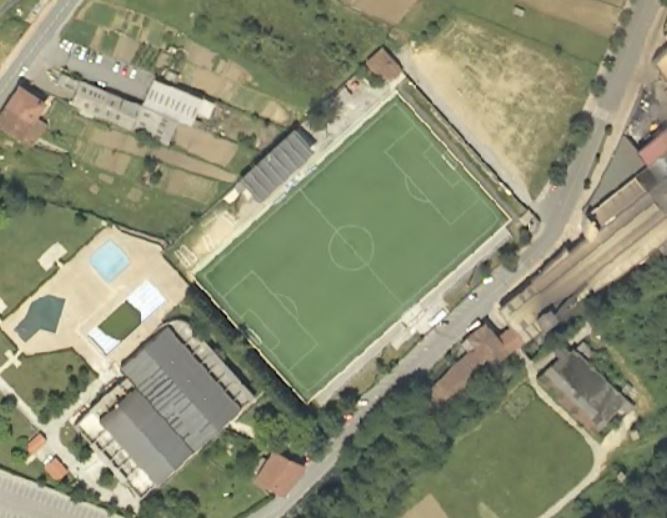
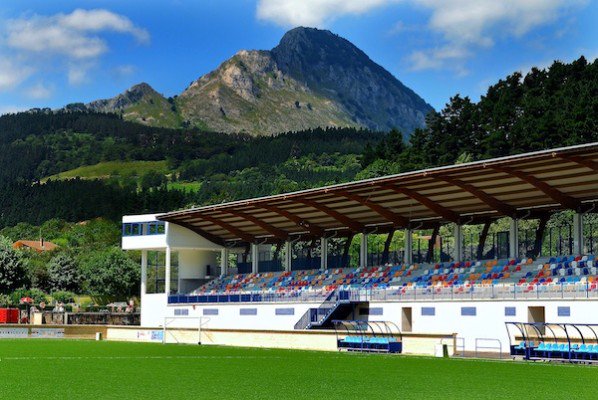
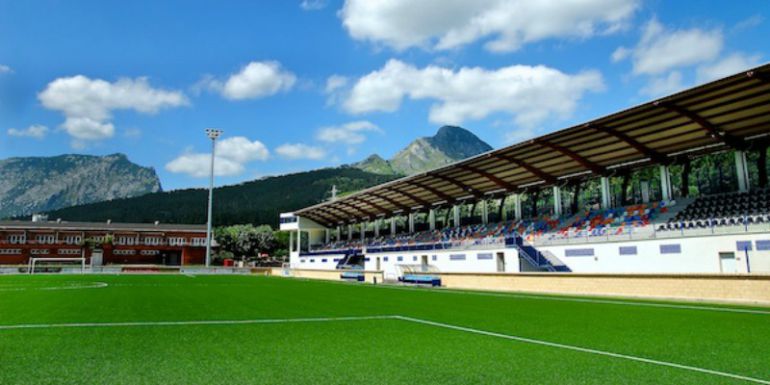
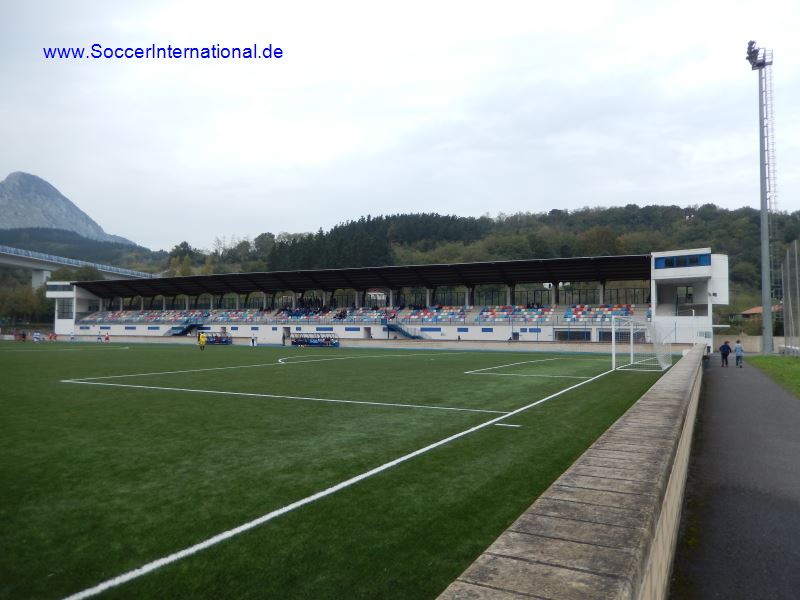
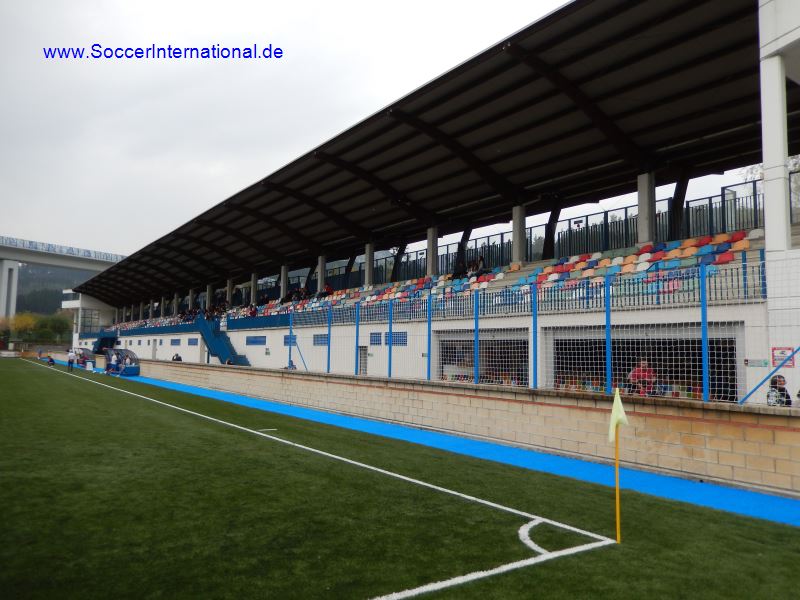
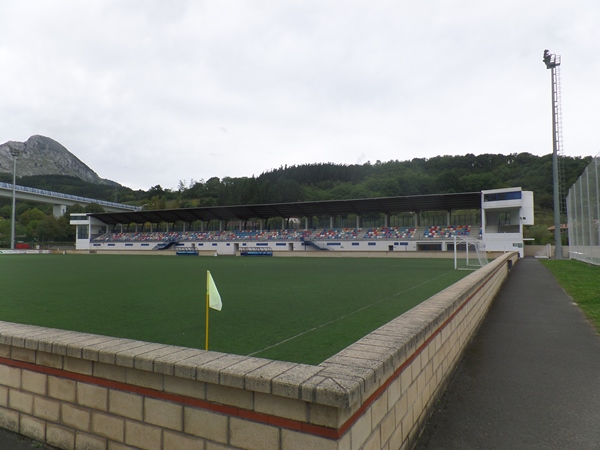
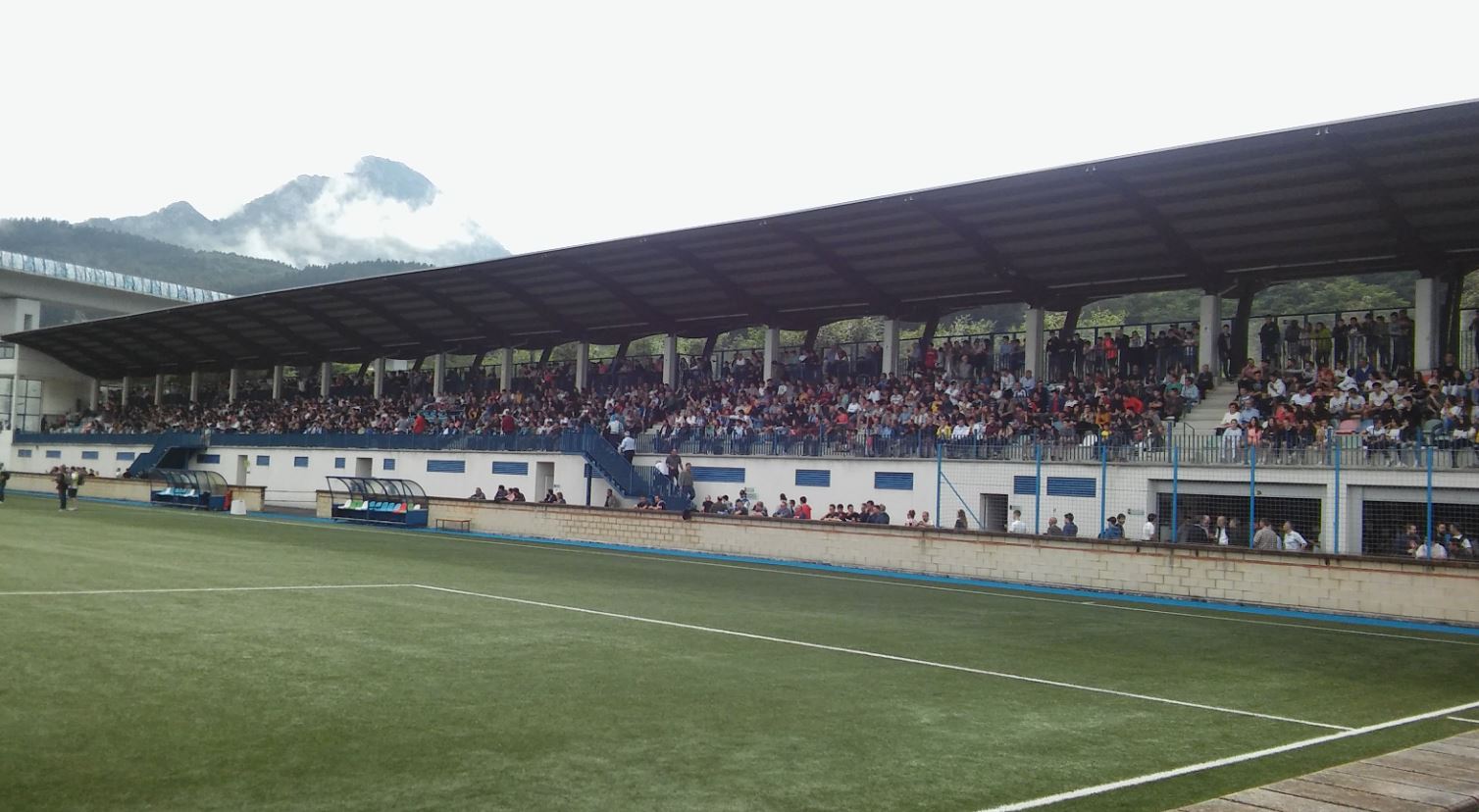
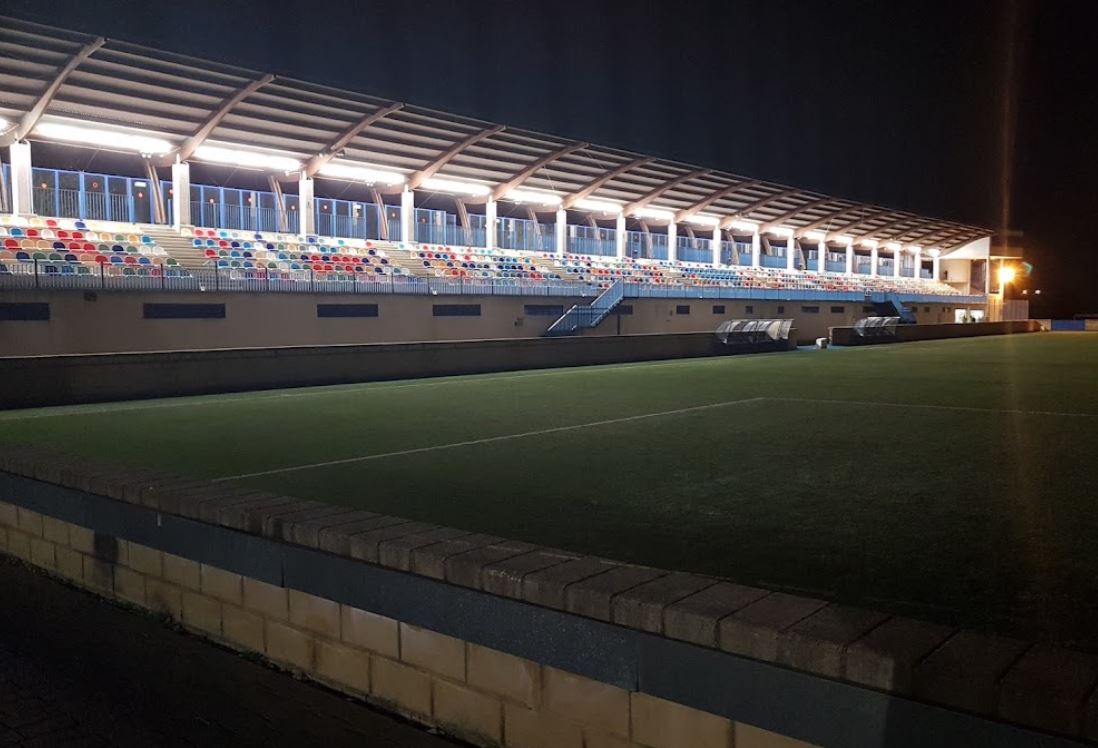
Cultural returned to the Tercera for the 1955-56 season, which saw the club finish second, but perform poorly in the playoffs, finishing seventh out of eight. Cultural never quite scaled those heights again and dropped into the regional leagues in 1962, where they remained for 20 years. The club returned to the Tercera in 1982, winning the title in that first season, but losing out to UE Figueres in the playoffs. Eventually, in 1987, Cultural won automatic promotion to Segunda B. There followed four consecutive seasons in the third tier, finishing sixth in 1989-90, before dropping back to the Tercera in 1991. The majority of the next three decades were spent in the Tercera, although the club did make fleeting returns to Segunda B in 1995-96, 2005-06 & 2018-19. Following relegation in 2006, the municipally owned stadium underwent a major rebuild. The historic, but ageing, main stand was replaced with a bright, full-length cantilevered Tribuna, and an artificial playing surface was installed.
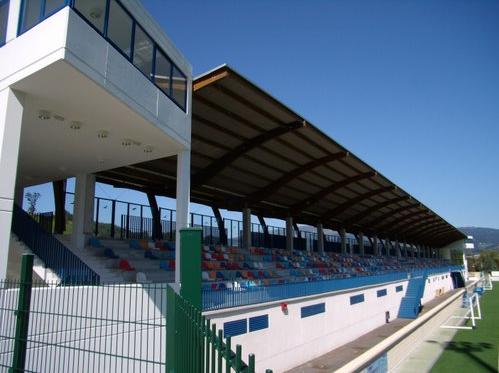
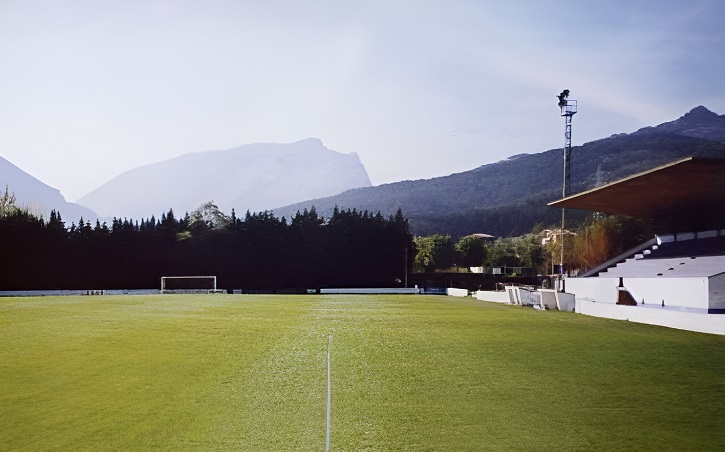
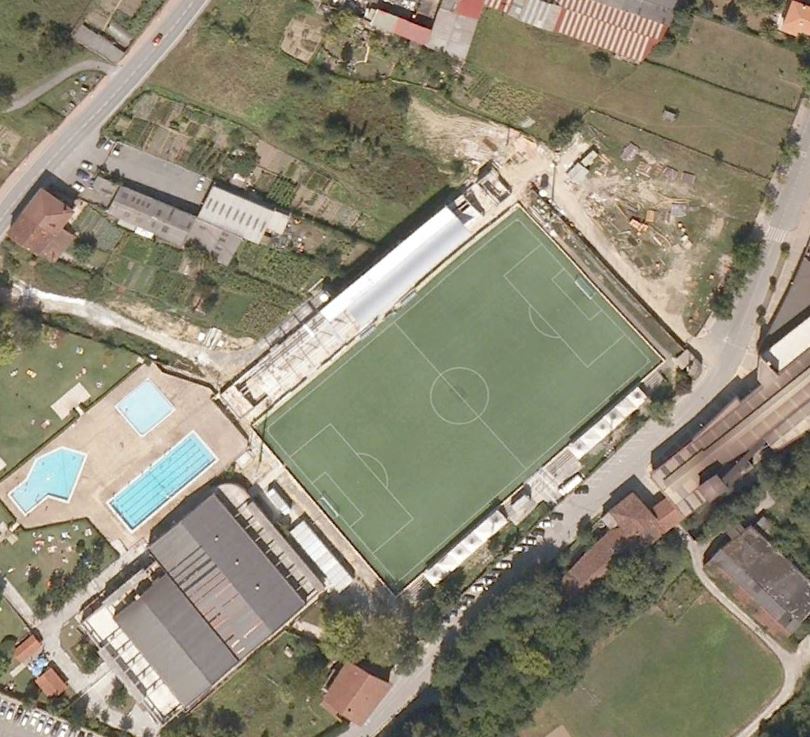
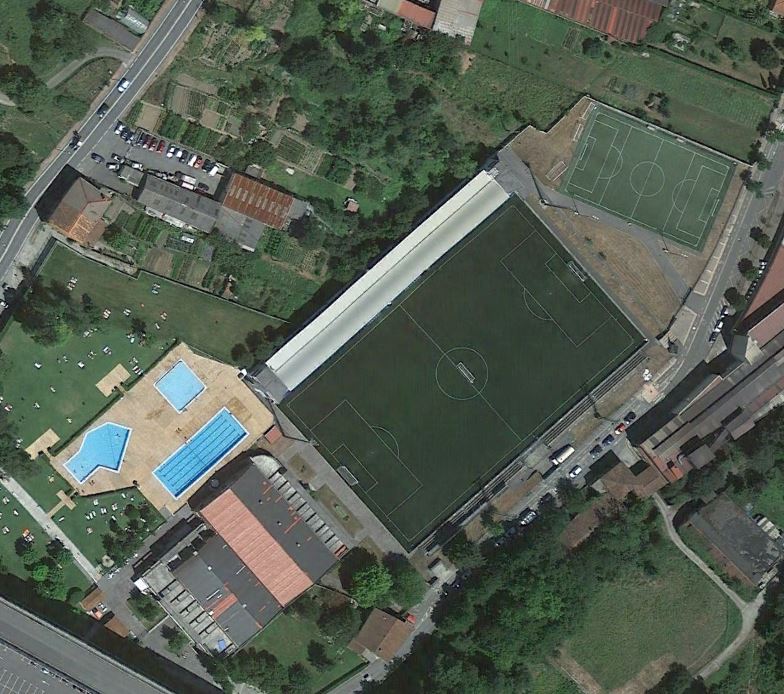
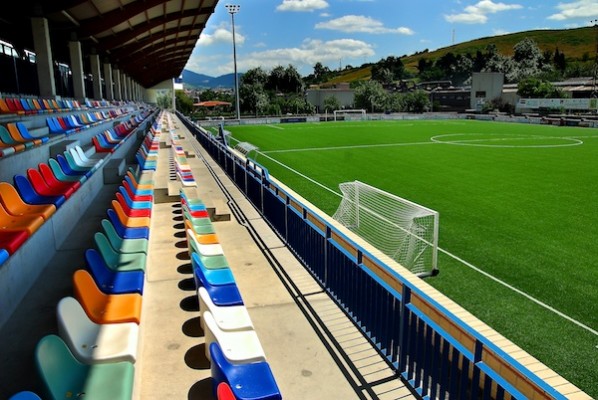
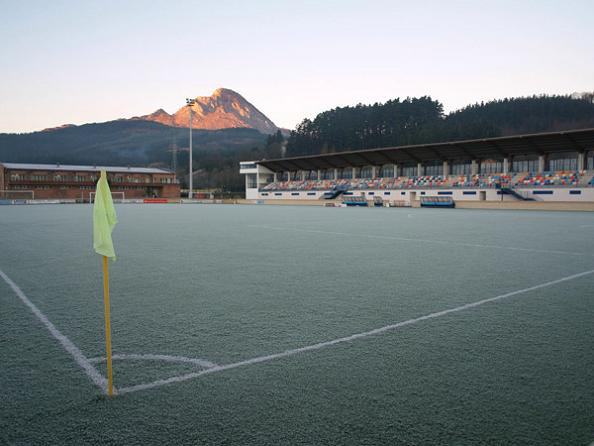
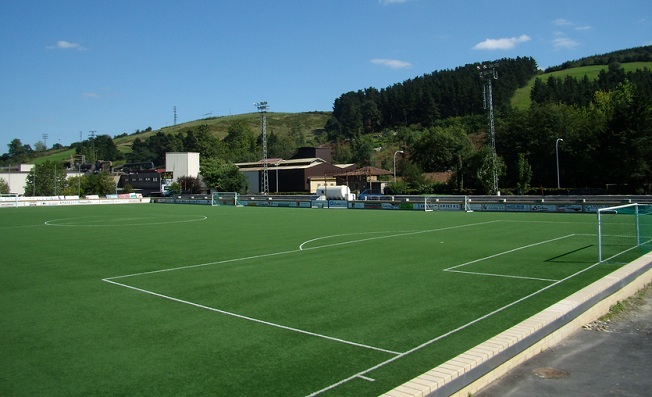
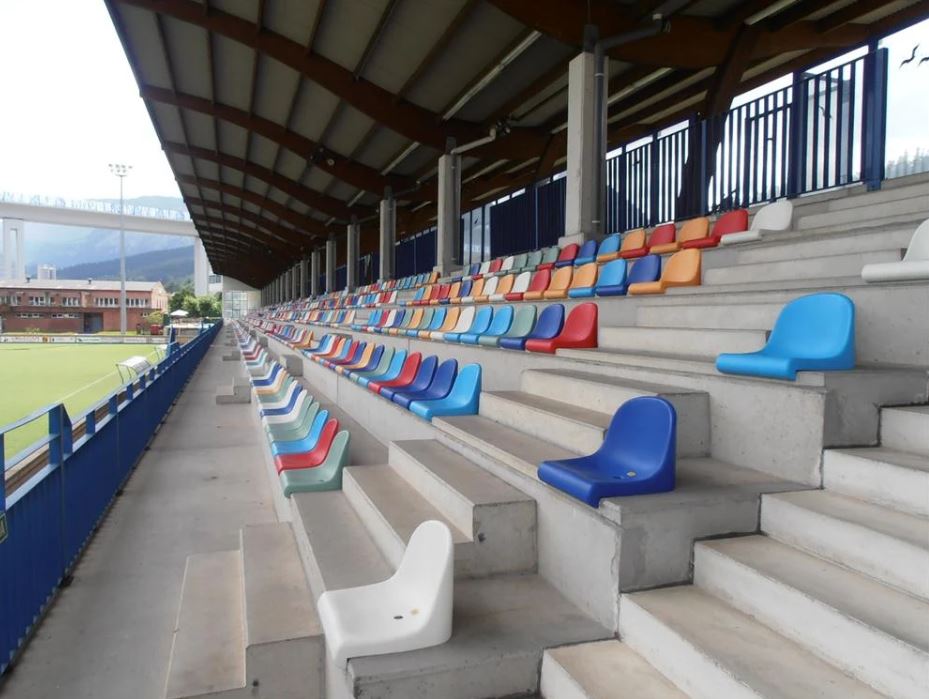
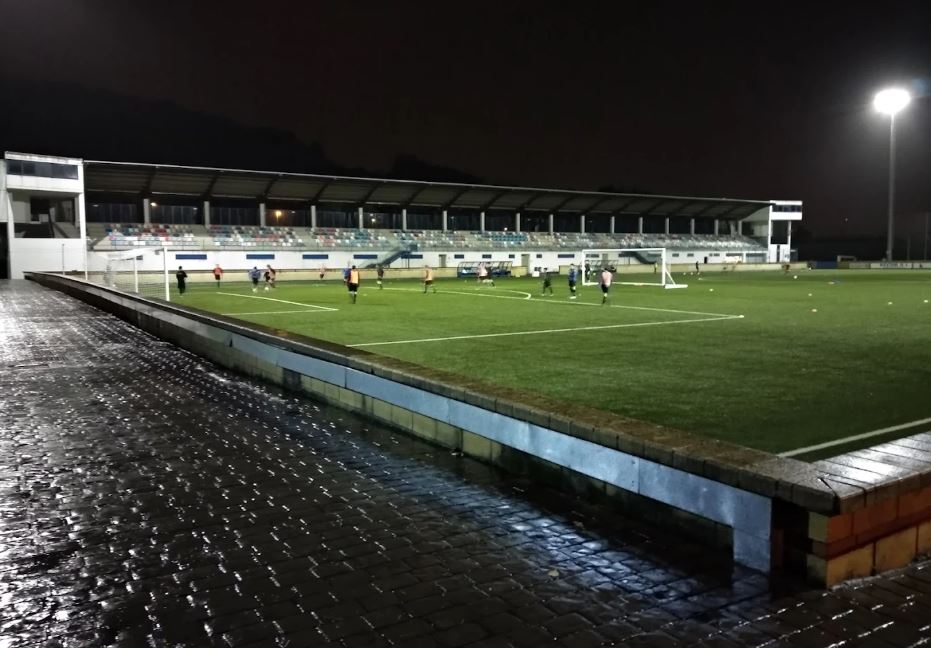
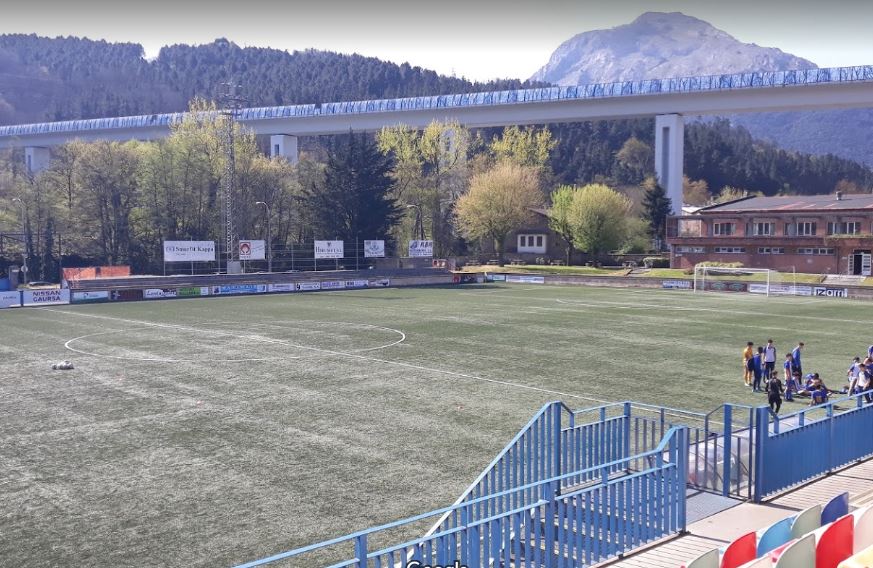
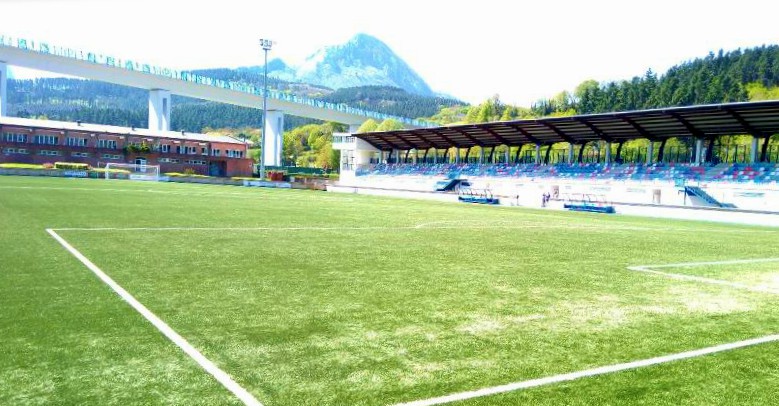
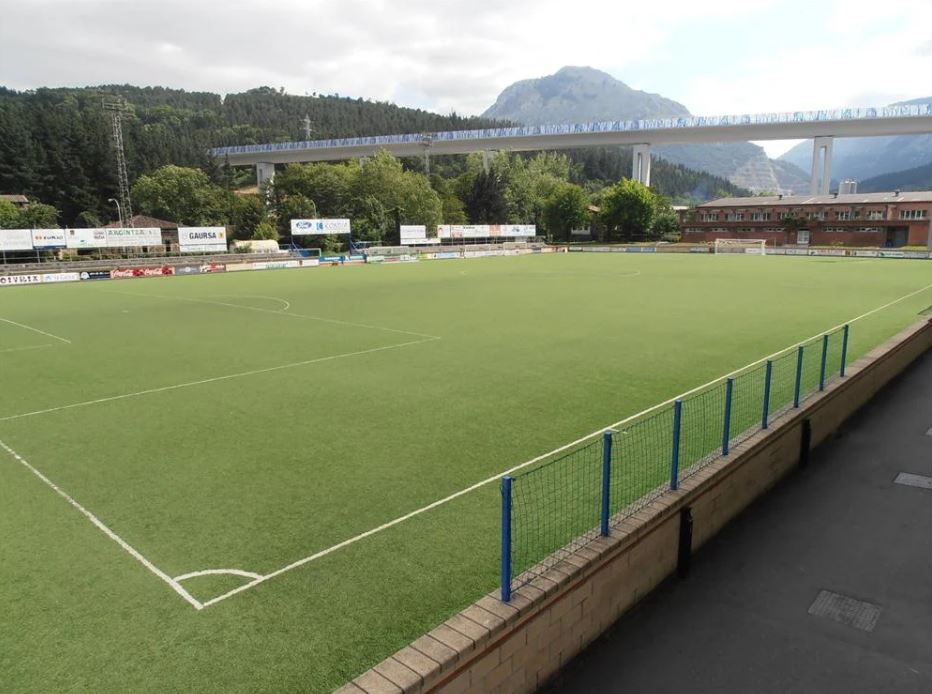
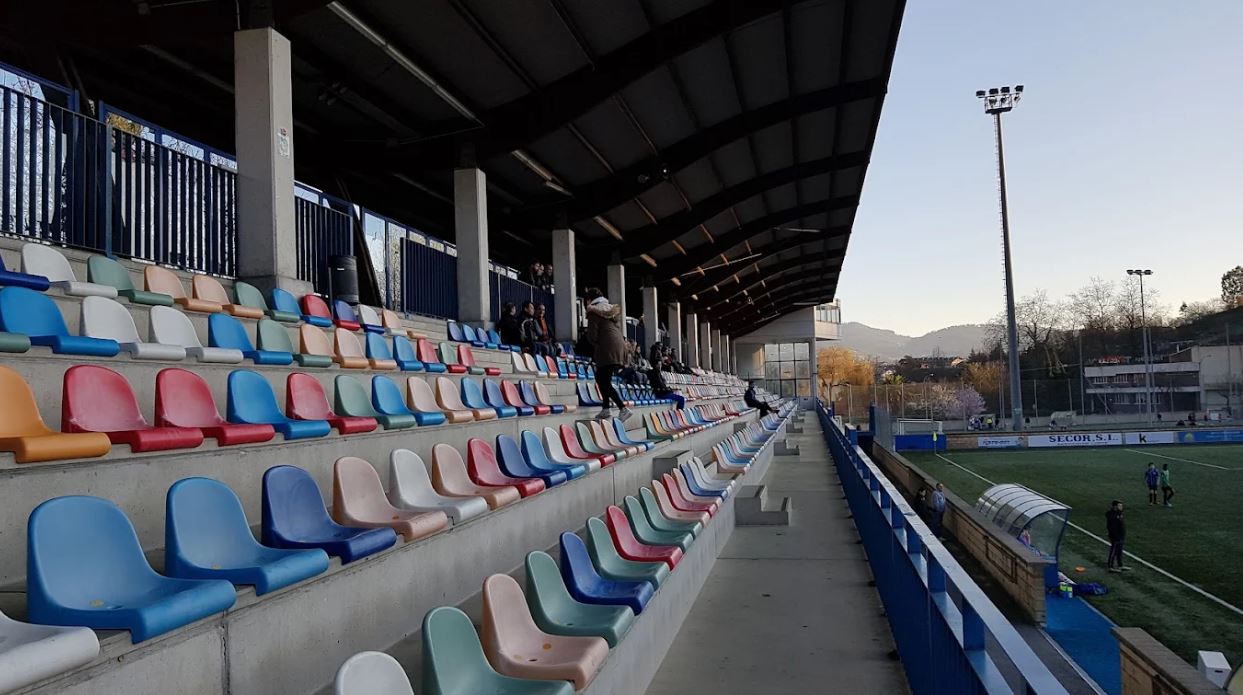
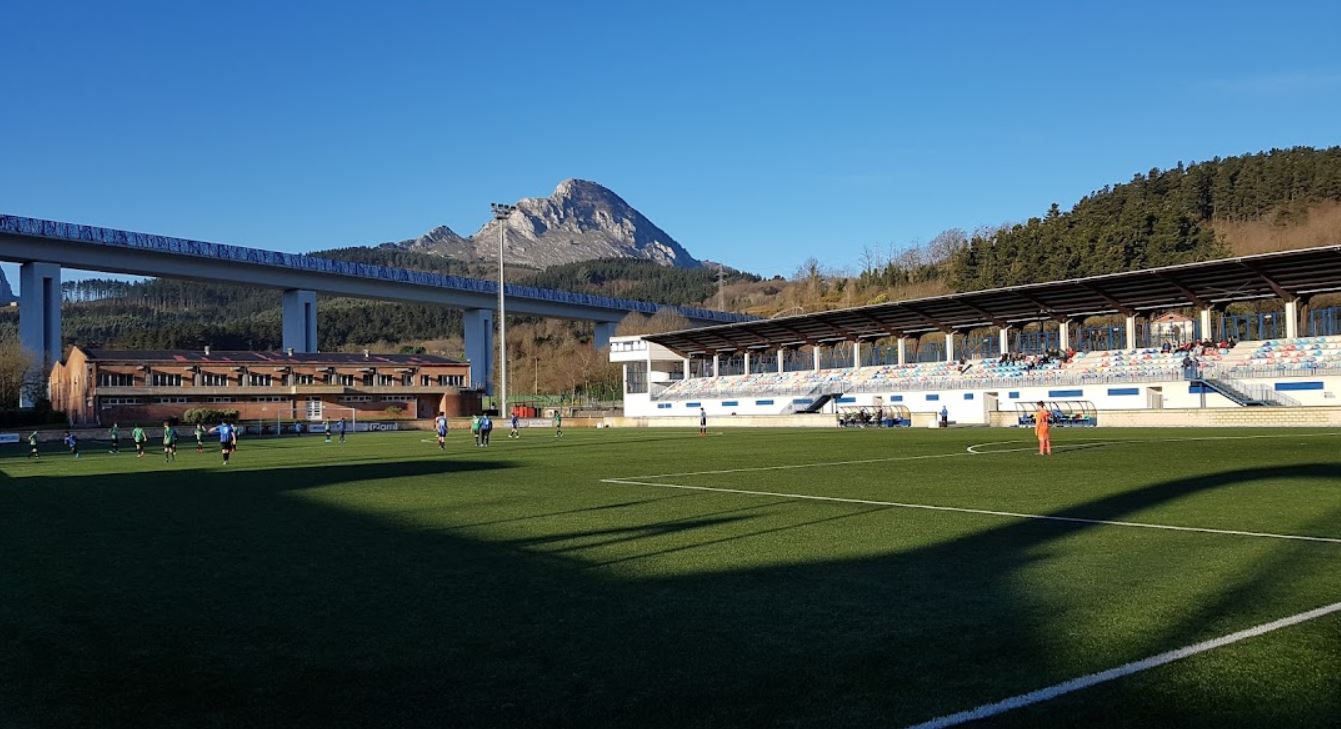
The Campo de Tabira follows the recent trend of new developments for smaller clubs, which feature just one main raised stand and incorporate all of the club’s facilities. Tabira’s main tribuna is an impressive structure, featuring 5 rows of multi-coloured seats along the full length of the west side. This seating deck is raised 8 feet above pitch level to allow changing and other facilities to occupy the void under the stand. The clean lines of the stand are somewhat spoilt by two sets of access stairs at the front, but this is redeemed by the thin, slightly curved cantilevered roof. At each end of the stand are two raised pods, which add to the curiosity, but I am not convinced about their actual functionality. The opposite east side features a relic of the old stadium, a thin, open terrace. Hard standing is located at either end of the stadium, and behind the southern end is the looming presence of the Mañaria Viaduct, which is an integral link on the unfinished Basque Y High Speed Rail project. Single-stand stadiums have their detractors, but when they are delivered with the style and panache of the Campo de Tabira, they deserve credit and recognition.
 Estadios de España