Article updated: 04/10/2025
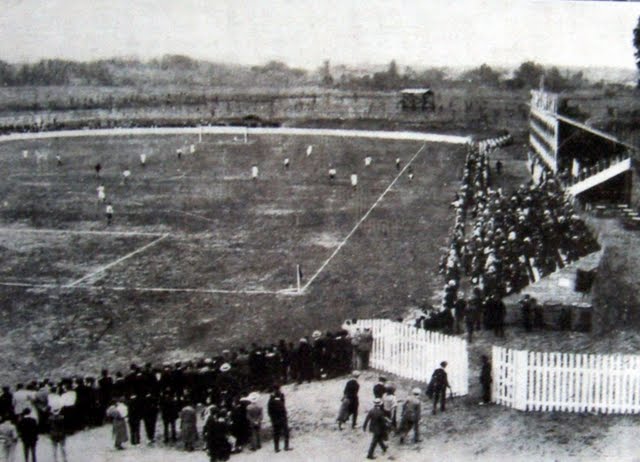
Like their namesake from Tarragona, Real Sociedad Gimnástica de Torrelavega can trace its roots to the formation of a multi-sports club. However, unlike their Catalan counterparts, Gimnástica didn’t wait 28 years to form a football team. The club was the brainchild of José Gabino Teira, who, with the help of the Torrelaveguense Orchestra, set the ball rolling on 28 September 1907. A gymnasium was opened on Calle de Hoyos, and this was to be the focal point of the club in its first years. During the summer of 1908, a footballing section was formed, and on 2 August 1908, Gimnástica entertained FC Santander at the Campo de El Ansar. This was a basic field to the north of the city, close to the Rio Saja Besaya.
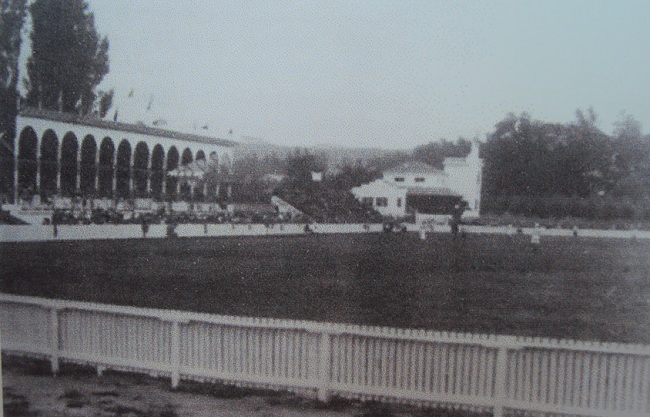
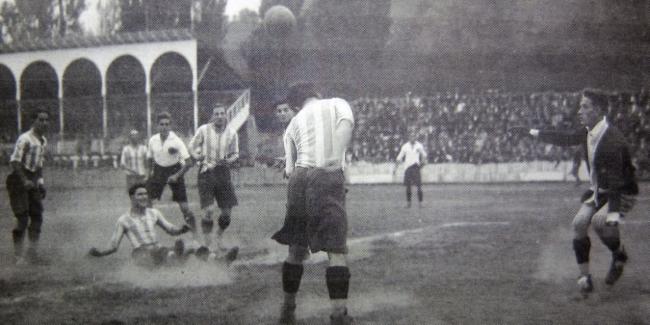
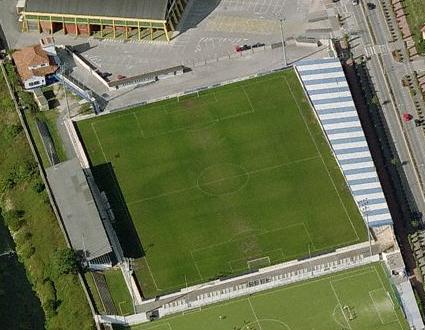
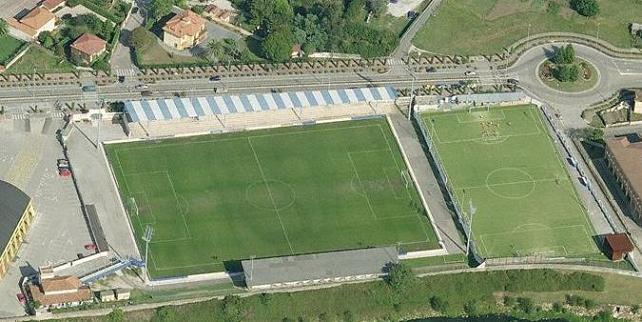
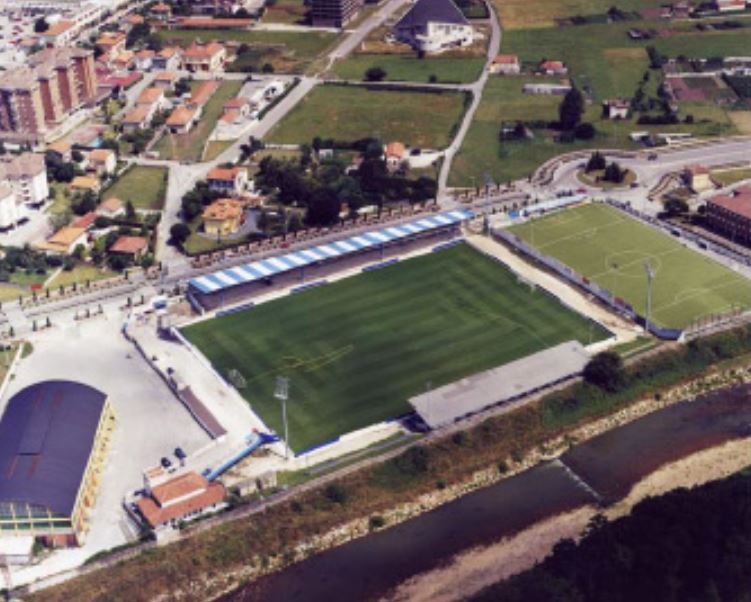
The football section grew in stature and, within five years, became one of the leading clubs in Cantabria. This was emphasised when Gimnástica was invited to play Racing de Santander in their first competitive match and spoiled the party by winning 0-5. Gimnástica carried on at El Ansar until 1921, when the society opened new facilities a kilometre upstream on the Rio Saja Besaya, at El Malecón. The new complex featured a gymnasium, tennis courts, and a football field, which included the club’s first grandstand, an ornate wooden structure, and changing facilities in a clubhouse in the north-east corner of the ground. At a cost of 75,000 pesetas, El Malecón was among the best stadiums in Spain and saw its first match on 2 October 1921, when Gimnástica played Unión Montañesa in a friendly. Football had become hugely popular in the city, and a great number of local clubs had been formed by the time the Cantabrian Football Federation was founded in 1922, with the help of our friend José Gabino Teira. El Malecón was officially inaugurated on 13 August 1922 in the presence of Reina Victoria and her sons. The club clearly made an impression, for in March 1923, Gimnástica received Royal patronage.
The club’s directors began to have loftier ambitions, and in April 1924, they hired former English International Samuel Wolstenholme as coach. Gimnástica finished runners-up to Racing Santander in the 1926 Cantabrian championship and qualified for the Copa del Rey for the first time. Grouped with Real Sociedad and Arenas Getxo, the club lost all four matches and conceded 16 goals. They qualified for the cup again in 1927 and 1928, but failed to progress beyond the group stages. 1928 also saw the formation of the national league, and while Gimnástica failed to make the top two leagues, they did earn a place in the short-lived third division. The fixture list saw the club travel as far south as Cartagena, and whilst they managed to finish fourth out of ten teams, financially it was a disaster. The league was restructured for the 1929-30 season, but the damage was already done. The club struggled to raise a team, leading to a delay in starting the competition, and finally finished fourth out of five teams. In August 1930, with the club coffers empty, Gimnástica was wound up
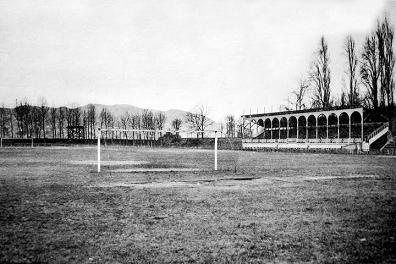
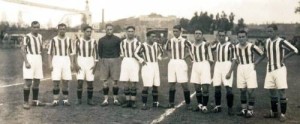
Faced with such a dire situation, but having clearly enjoyed Gimnástica’s moments in the limelight, the directors of the club approached the members of CD Torrelavega, who had formed in 1923 and had shared El Malecón with Gimnástica. With the support of the members, the club adopted the blue & white striped kit and competed in the regional league, winning the title in 1931-32. During the summer of 1932, the club merged with cross-city rivals Torrelavega FC to form a more competitive force. This decision bore fruit when the title was won again in 1932-33 and promotion to the Tercera was achieved. CD Torrelavega dominated their group, but eventually lost to US Vigo in the play-offs. The league was restructured again in 1934, and CD Torrelavega competed in the Cantabrian Regional Championship in the two seasons leading up to the Civil War. Club activities dried up during the war, due in part to the Luftwaffe’s bombing of the city in September 1937. The air raid saw bombs fall directly on El Malecón, destroying the wooden stand and making the pitch unplayable. During this period, CD Torrelavega played matches at Barreda, a village just to the north of the city. In the first season following the war, CD Torrelavega was invited to compete in the newly formed La Segunda. It was not a season to remember with the club finishing bottom of a group of eight, resulting in a drop to the Tercera, where they would spend the majority of the next decade.
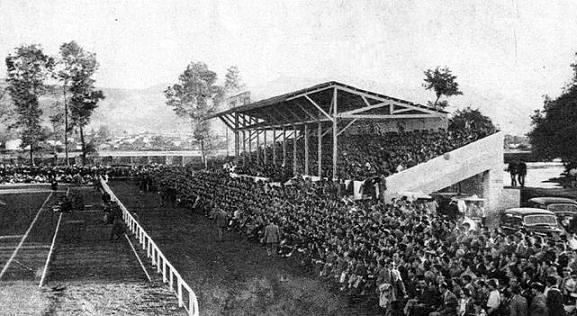
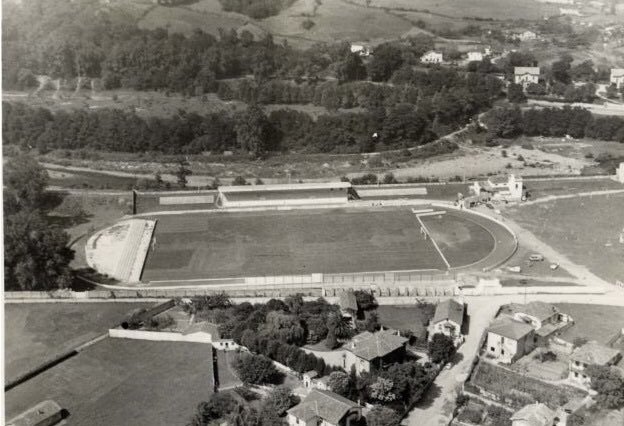
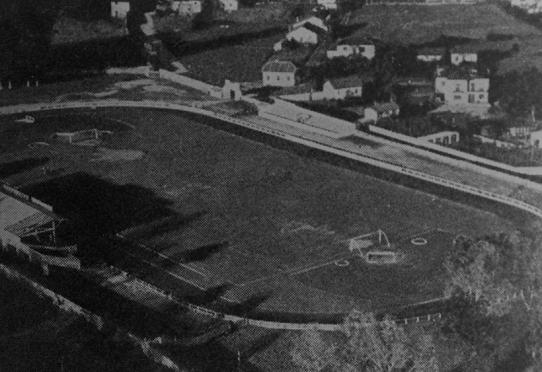
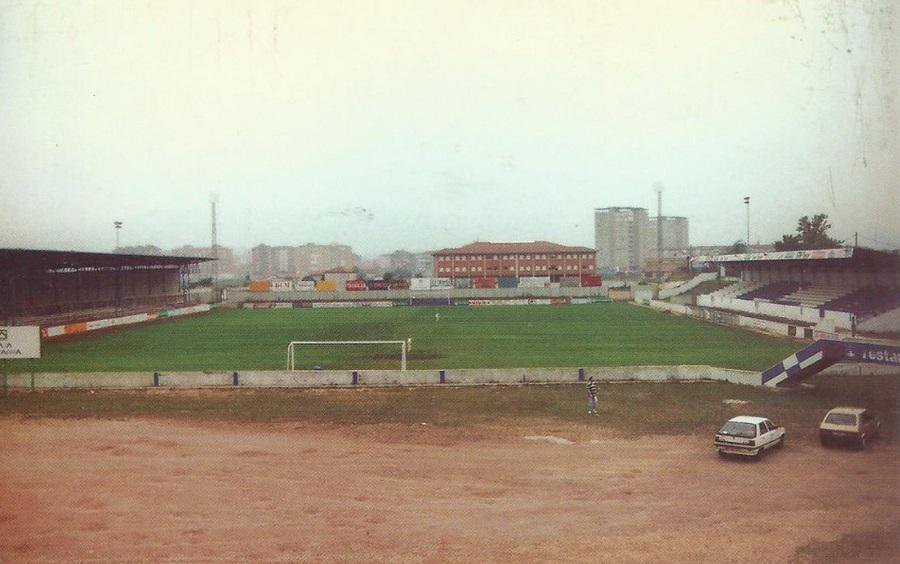
Whilst in the Tercera, the club gained permission from the Spanish Federation to readopt its original name, and from 1943, was known once again as Real Sociedad Gimnástica de Torrelavega. In 1946, the municipality purchased El Malecón from the club for the sum of 200,000 pesetas. The facilities at El Malécon were improved, with the addition of a new grandstand on the western side, hard standing and bleachers were added to the east side of the ground, and a cinder athletics track surrounded the pitch. With a capacity of 10,000, El Malecón was ready for football at a higher level, which is just as well, as Gimnástica won promotion back to La Segunda in 1949. Promotion heralded the start of the club’s golden age, and the 1949-50 season saw Gimnástica achieve a highest-ever final placing of fifth in Group I of La Segunda. The undoubted highlight of the season was a 2-3 victory at Racing Santander’s El Sandinero. The next few years saw the club escape relegation thanks to a convoluted process of relegation play-offs, before succumbing to the drop at the end of the 53-54 season. Over the next dozen seasons, Gimnástica regularly topped their section of the Tercera, but were unable to gain promotion until 1966, when playoff victories over CD Numancia & Plus Ultra earned a return to La Segunda.
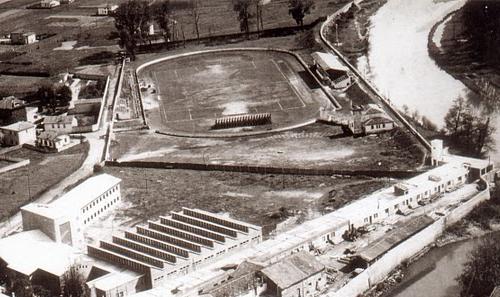
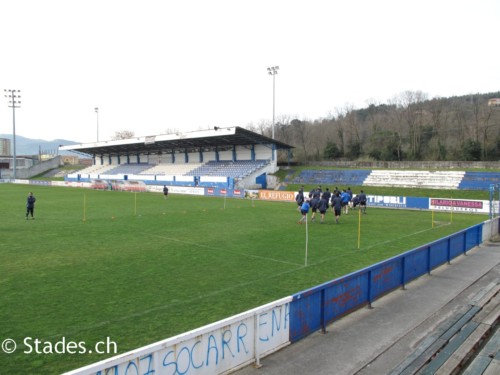
The 1966-67 & 67-68 seasons were to be Gimnástica’s last in La Segunda, but the first season was not without highlights. The ground was extended with the addition of a permanent terrace on the east side, and the capacity was stretched to the limit when Real Madrid were held to a 2-2 draw in the Copa del Rey. Racing Santander was beaten at both El Malecón & El Sardinero, and the club finished above their eternal rivals for the first and only time. The drop back to the Tercera in 1968 brought about a 20-year malaise that even saw the club spend two seasons in the Cantabrian regional leagues at the end of the 1970s. In the mid-1970s, El Malecón received a makeover with the removal of the oval track, covers added to the west & east sides, and small end terraces were added square to the pitch. Floodlights were switched on in October 1985 for a Copa del Rey tie with Racing Santander. The expansion of Segunda B in 1986 saw Gimnástica elevated to the third tier for a season, and despite two further years back in the Tercera, a degree of permanence was achieved with promotion back to Segunda B in 1989-90.
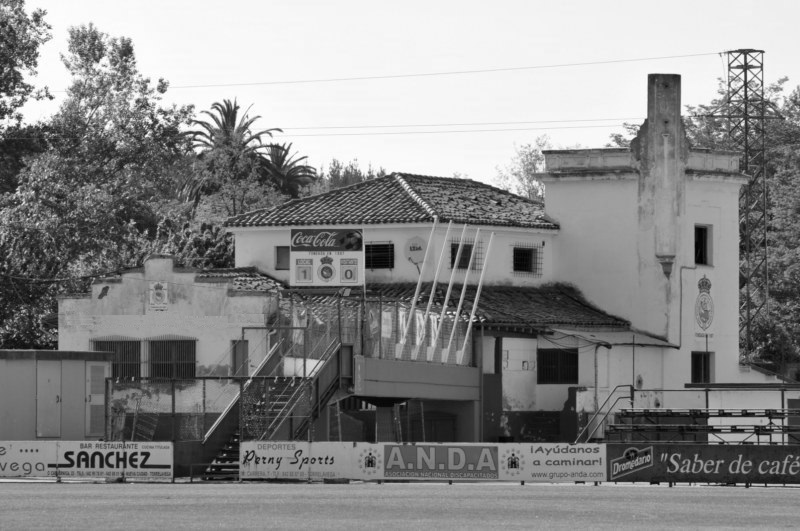
Over the next two decades, Gimnástica was a stalwart of Segunda B. There were three brief visits back to the Tercera, but the championship was always won, and a quick return to the third tier was always achieved. However, for most of its time in Segunda B, Gimnástica was a bit of a makeweight, only threatening a return to La Segunda on two occasions. The first time was in 1992-93, when a third-place finish saw it falter in the playoffs behind Hércules CF, UD Salamanca & UD Las Palmas. Hopes were high at the turn of the millennium when a stunning season saw the club capture its first Segunda B title. The playoffs saw Gimnástica push hard and finish level on points with Real Jaén, but lose out on promotion due to goal difference. The push for promotion came at a cost, and over the next few seasons, budgets were slashed and performances dropped. This culminated in relegation to the Tercera at the end of the 2004-05 season, during which the players occupied the clubhouse for over a month, as their salaries were unpaid for the majority of the season.
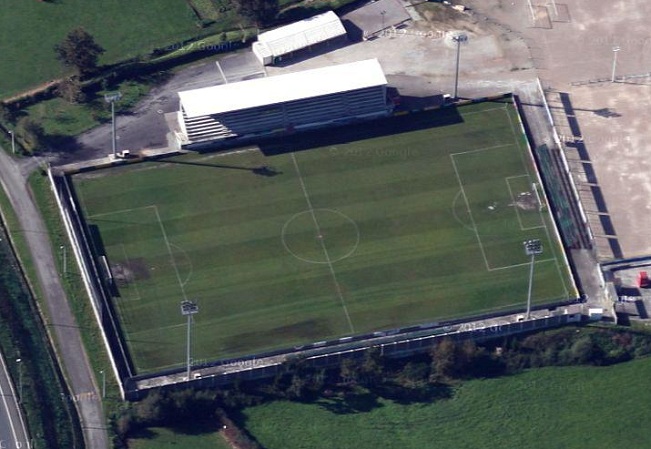
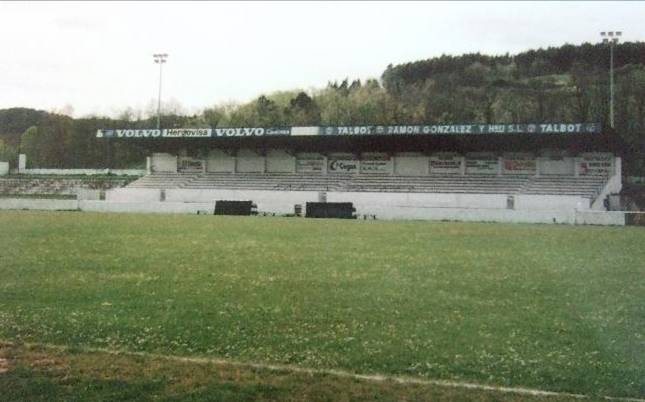
Following the club’s final promotion to Segunda B in 2009, the municipality announced plans for the redevelopment of El Malecón. This would necessitate the club relocating to the Campo Municipal Santa Ana, the home of CD Tropezon, a few miles south of Torrelavega in the village of Tanos. Whilst Santa Ana has little more than a short, raised main stand and hard standing around the rest of the pitch, the move was not a big a culture shock. Temporary seating was erected at the northern end of the ground and along the narrow east side. In addition, the changing facilities beneath the main stand were considerably better than those at El Malecon. Gimnástica played CD Guadalajara on 9 May 2010 in the final match of the 09-10 season at El Malecón, before moving south for the start of the 2010-11 season. Their first match at Santa Ana was on 5 September 2010 and saw Gimnástica beat Real Oviedo by two goals to nil.
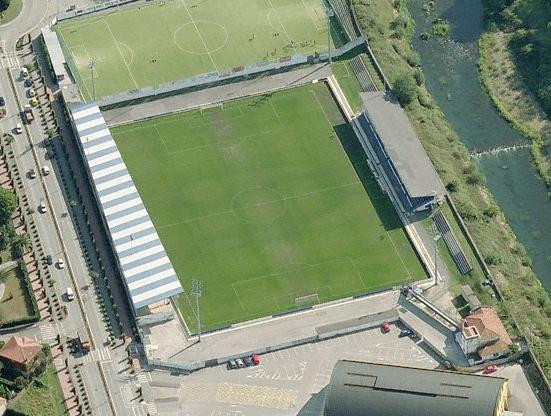
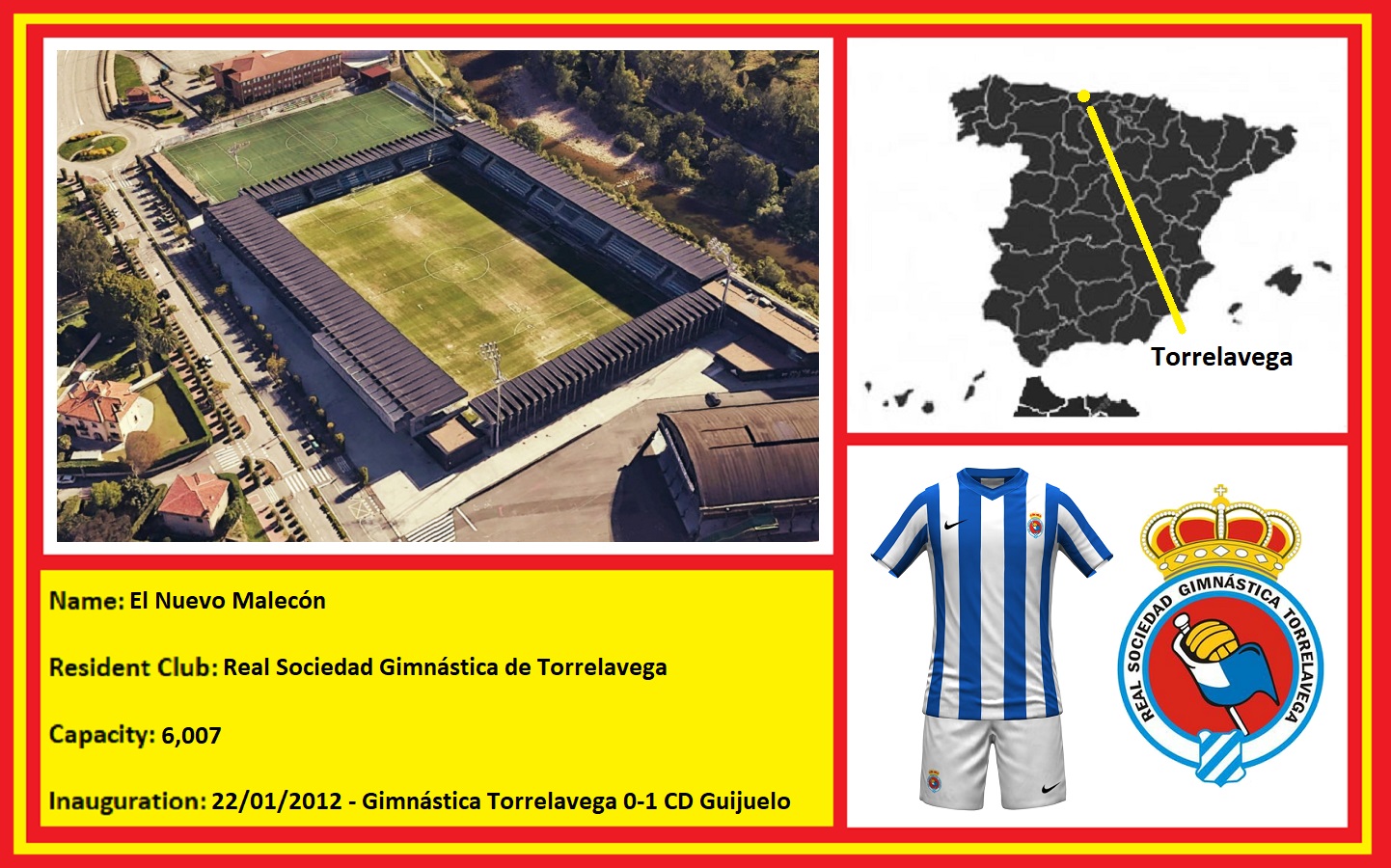
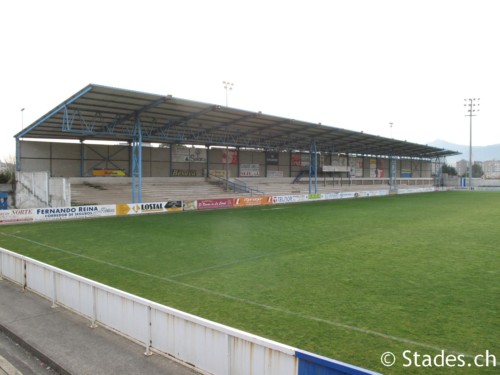
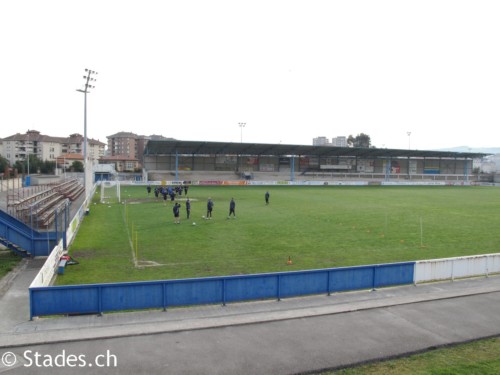
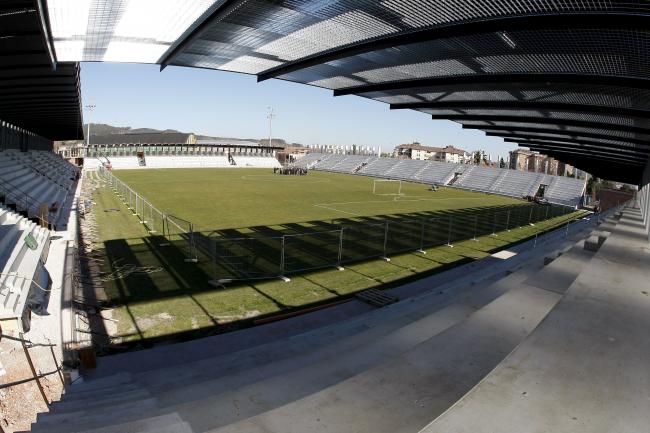
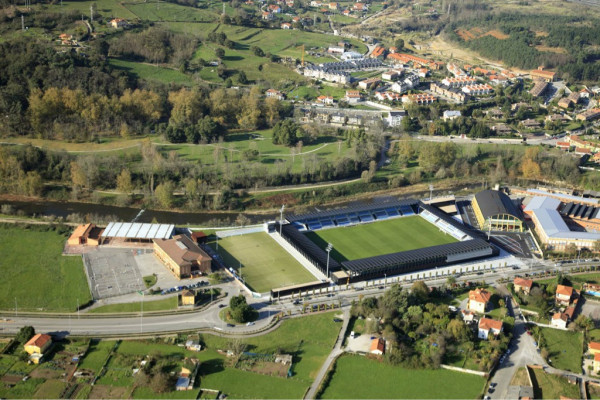
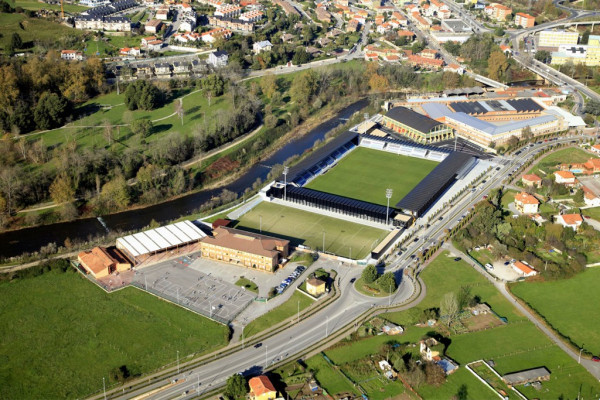
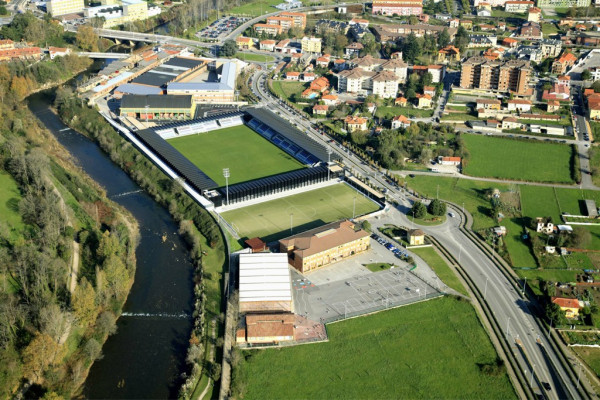
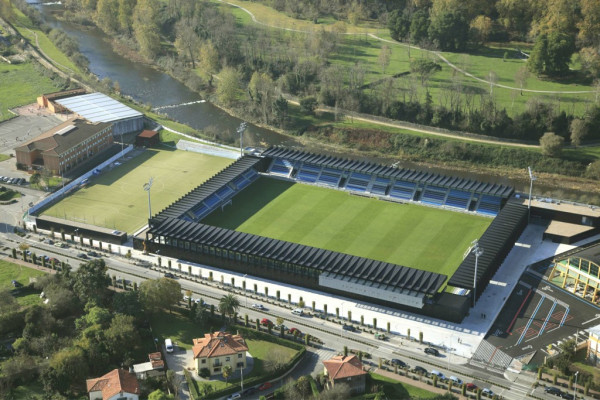
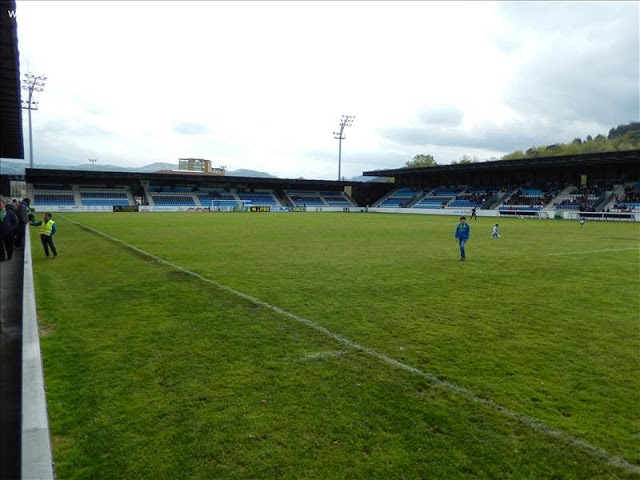
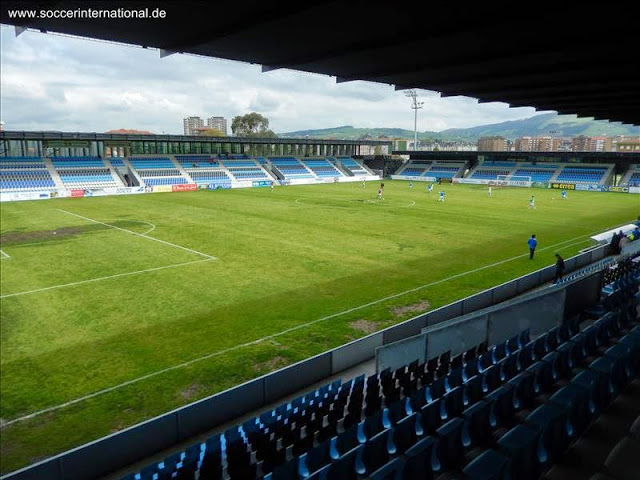
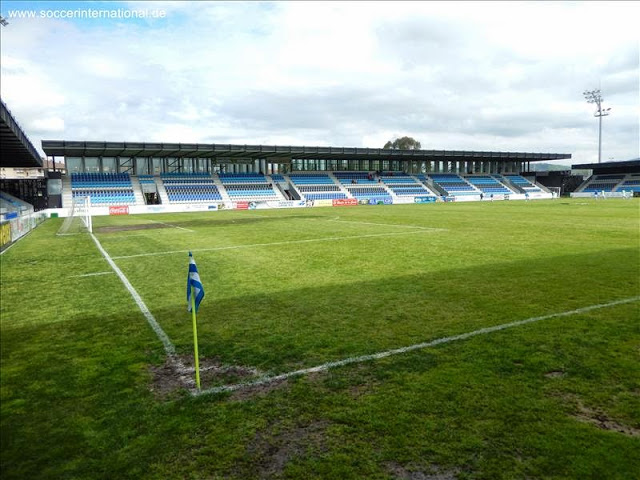
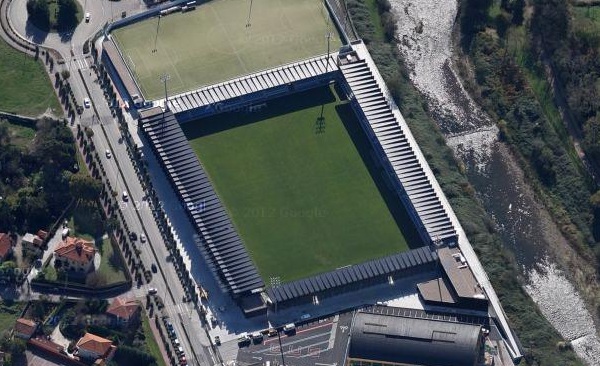
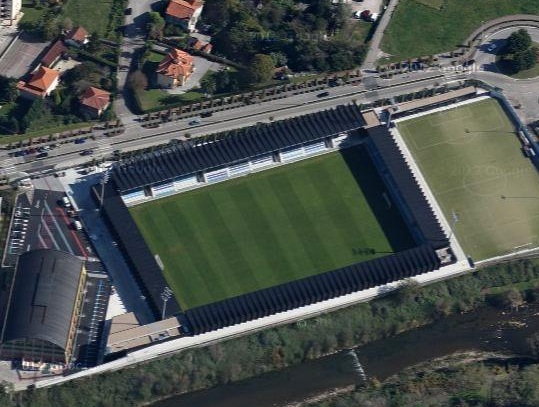
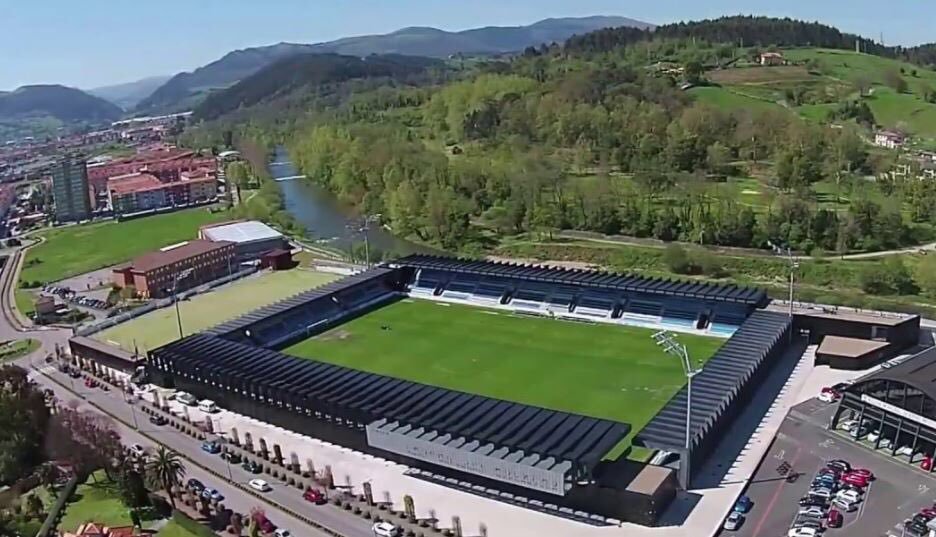
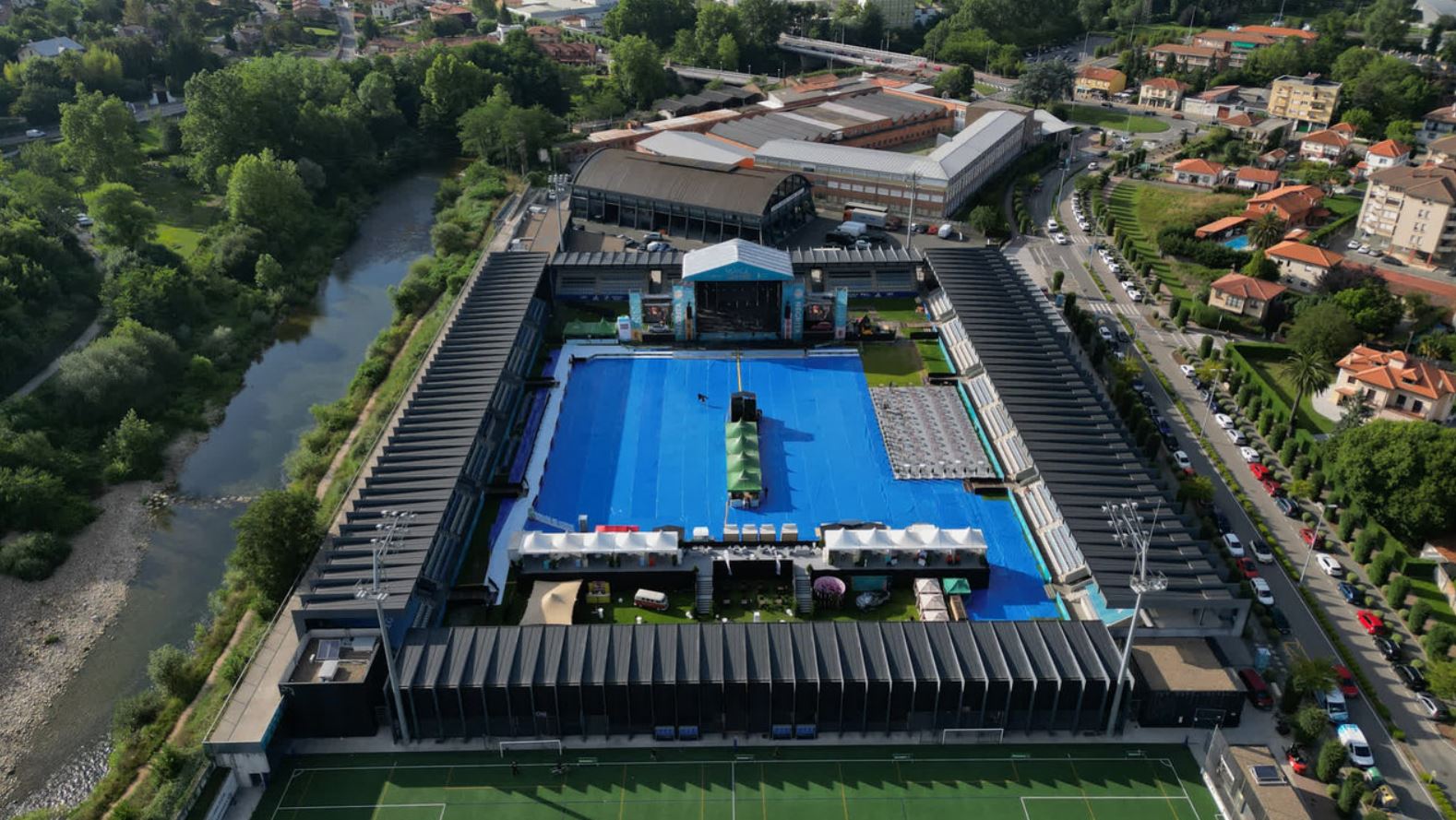
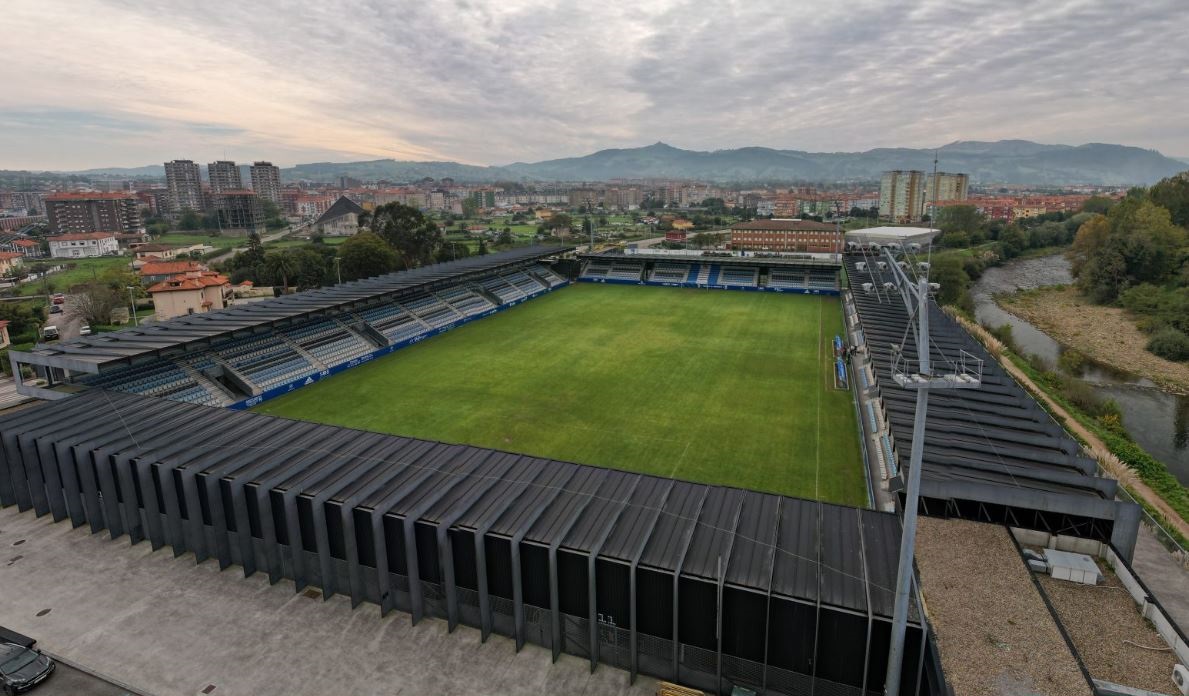
Meanwhile, back in Torrelavega, work commenced on clearing the site at El Malecón. The new stadium was designed by local architect Javier Terán and featured four fully seated stands that had a total capacity of 6,007. With an original budget of €5.1 million, the build was planned to be completed for the start of the 2011-12 season. The President of Cantabria, Miguel Angel Revilla, laid the first stone on 9 August 2010, but the build was soon hit by delays and budgetary problems. Work stalled in the spring of 2011 with just three of the stands constructed, as the contractors awaited the signing-off of an additional €500,000 from the local government. Work recommenced, and the east stand was completed, and seating was added at the end of October 2011. Even then, the project suffered further delays when the final fix to the changing facilities could not be completed, as the funds had been exhausted. Finally, at the beginning of December 2011, the stadium was handed over to the municipality. Even then, Gimnástica had to wait. Due to the winter break and a quirk in the fixture list, they could not play their first match at the stadium until 22 January 2012. CD Guijuelo provided the opposition for Gimnástica, and were the poopers at the party, winning 0-1.
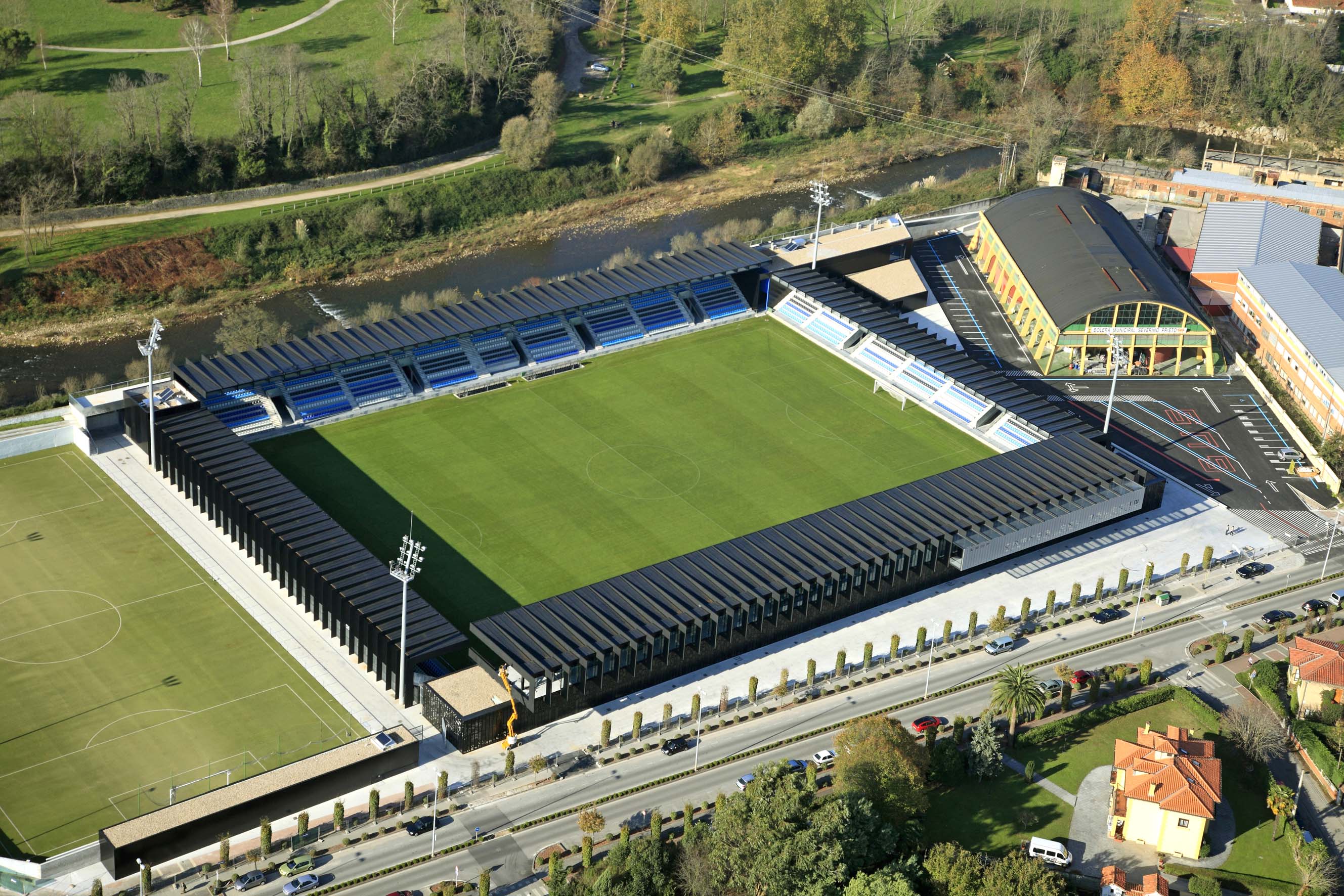
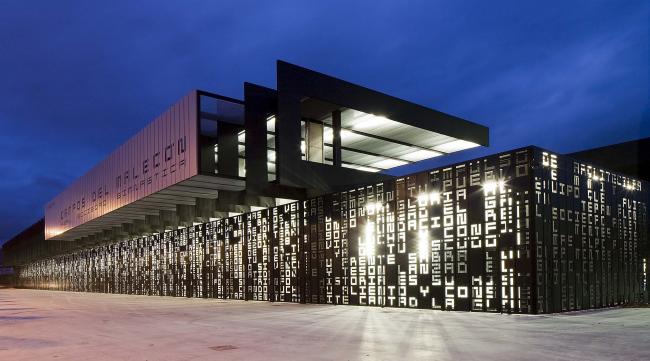
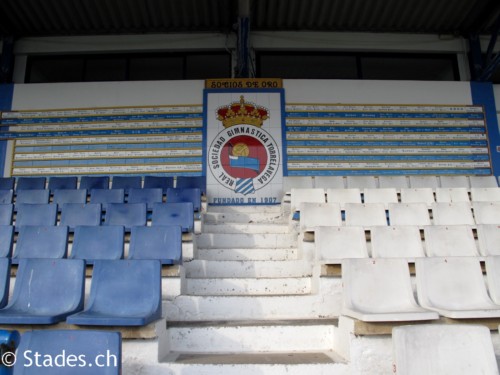
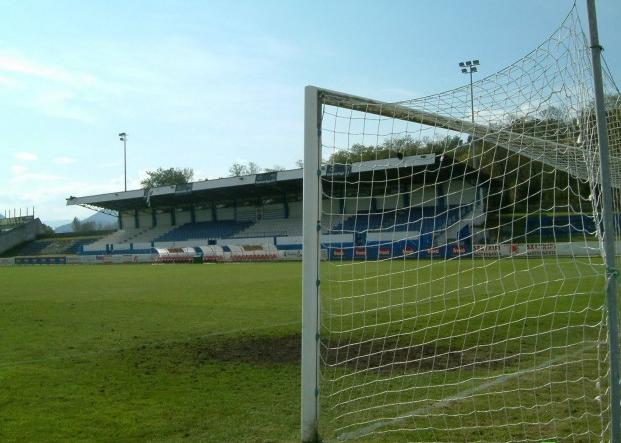
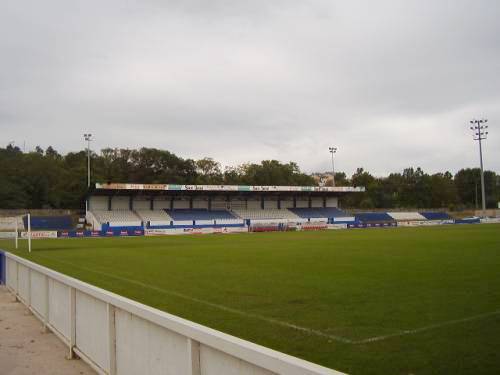
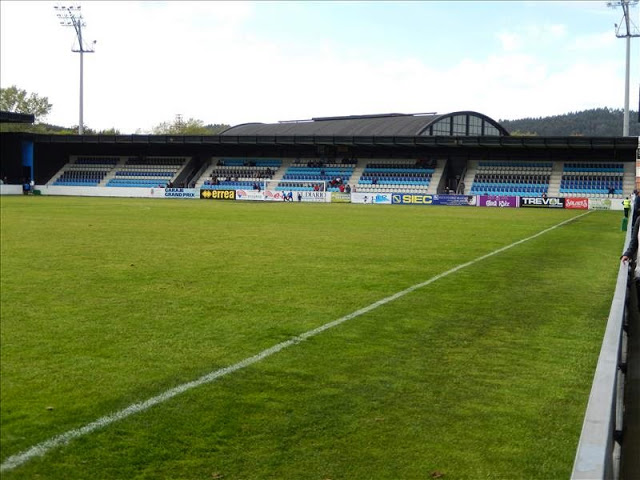
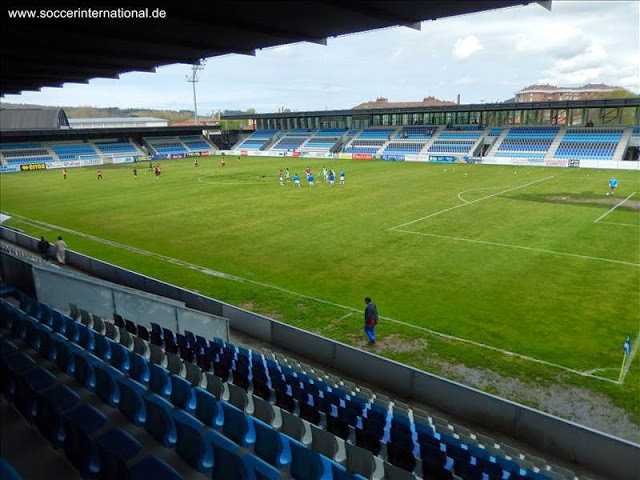
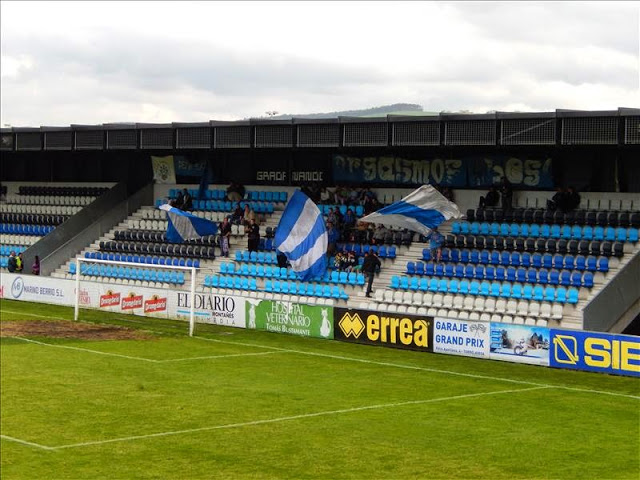
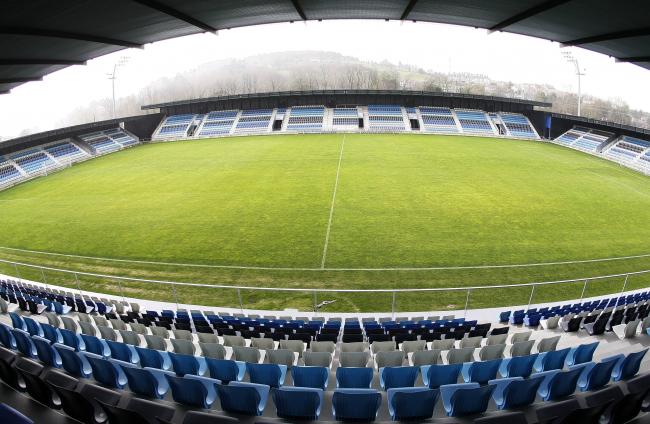
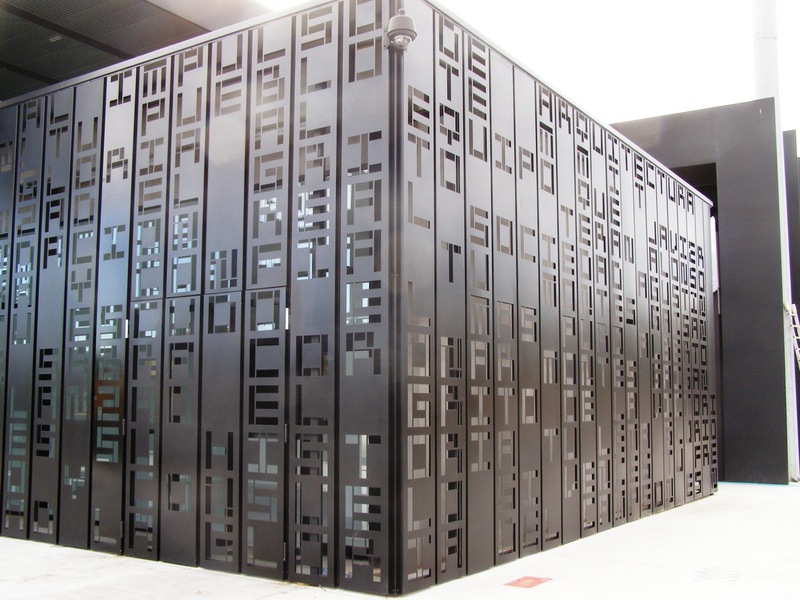
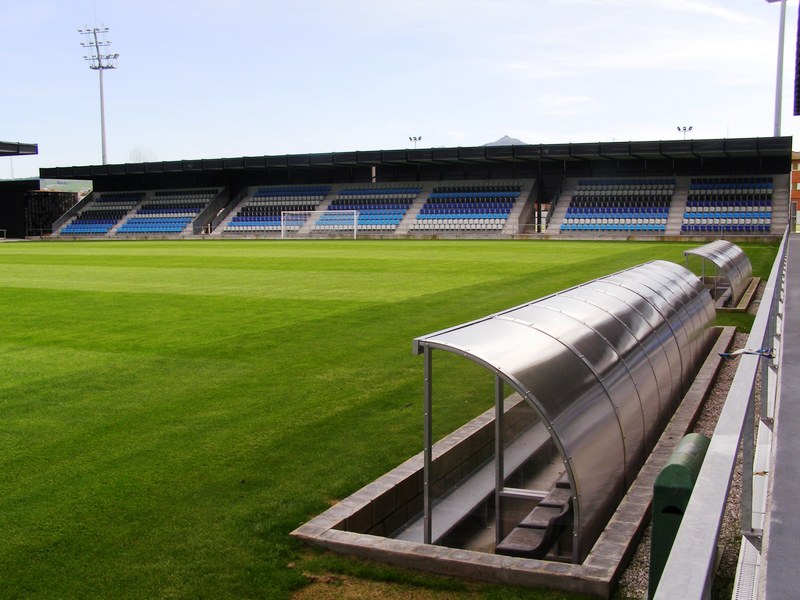
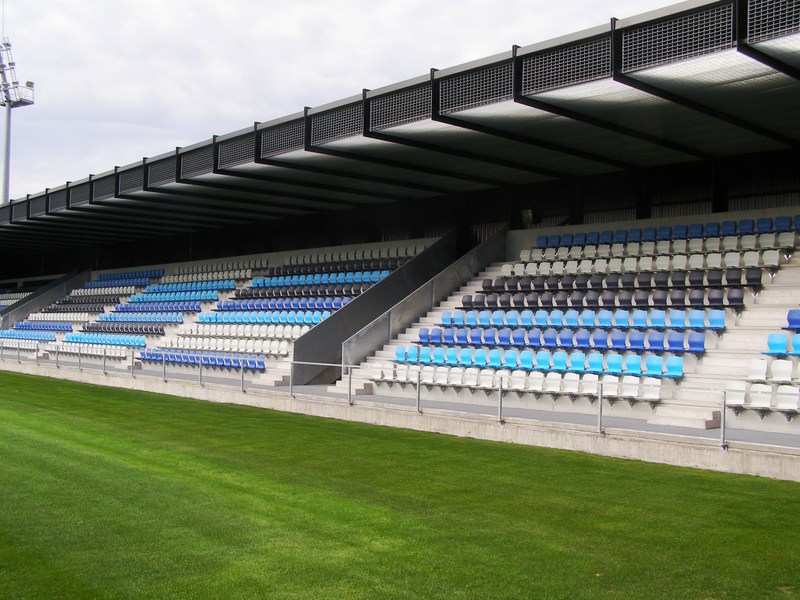
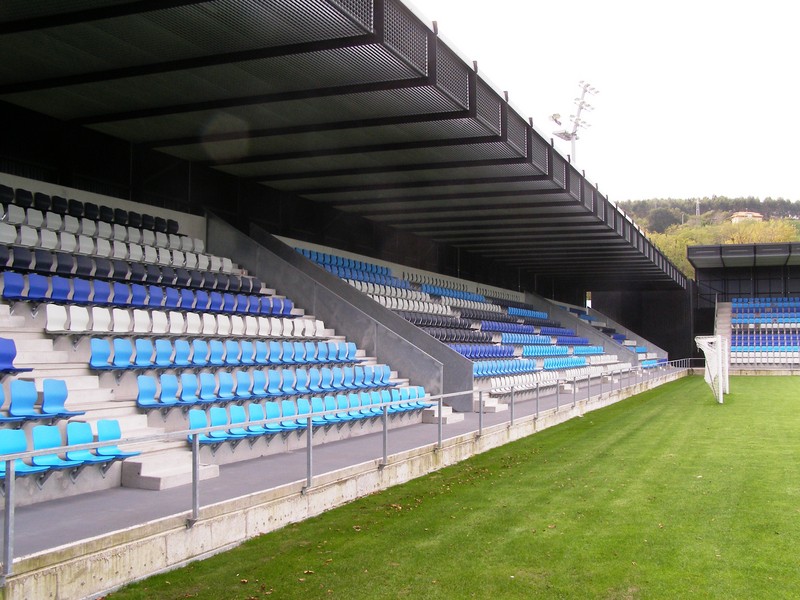
Despite the delays and budgetary issues, the Municipality of Torrelavega and Gimnástica have ended up with a fantastic little stadium. It would have been very easy to construct an identikit football ground with all the same facilities, but no character. As always, it is the little touches that lift it above the ordinary. The matte black steel supports and translucent roof panels create a great juxtaposition of light and dark. An imaginative use of blue, white, and black seats, arranged in horizontal bands, ensures that the interior of the stadium creates an instant visual impact. Best of all, however, is the exterior of the east stand. This is clad with black steel sheets, which have been perforated with the words of the club’s anthem. Also, suspended a few metres above the walkway is a white canopy, which has the name of the stadium cut into the steel. A great and very effective touch that lifts this stadium above the ordinary. It remains to be seen if the stadium has the desired effect on Gimnástica. Whilst the stadium came in €600,000 over budget, it just shows what can be achieved with tight finances and a little imagination.
It would be hard to argue that the new stadium has led to a positive impact on Gimnástica’s performances. The club was already in Segunda B when they moved to the rebuilt El Malécon in 2012. Just under 18 months later, and despite avoiding relegation by a single point, Gimnástica was demoted to the Tercera for failing to pay its players’ wages again. Several attempts to return to the third tier ended with defeat in the playoffs, before victory over Mallorca B in the playoffs earned a season-long stay back in Segunda B for the 2018-19 campaign. Following the reorganisation of the Spanish football pyramid in 2021, Gimnástica found themselves in the new Tercera Federación (fifth tier). A successful 2021-22 campaign saw the club win the league by 8 points and earn promotion to the Segunda Federación.



 Estadios de España