
Article updated on: 14/08/2025
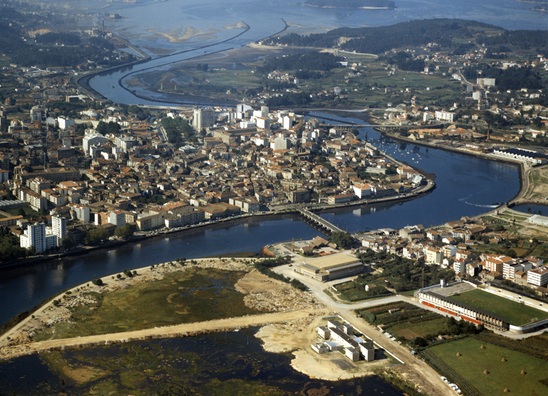
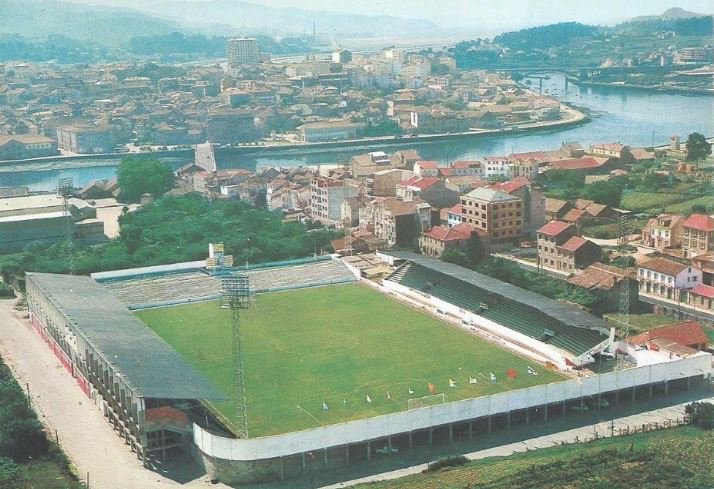
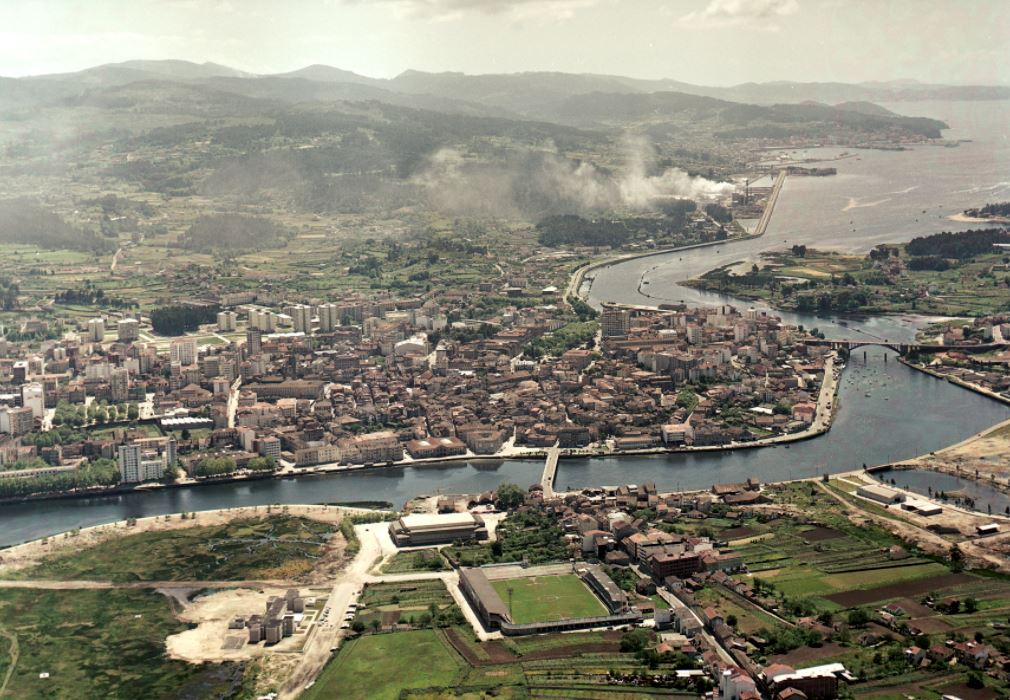
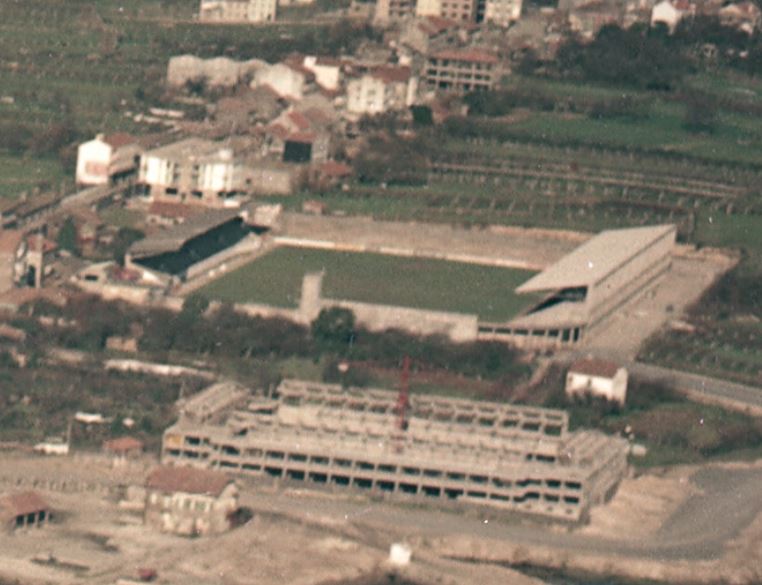
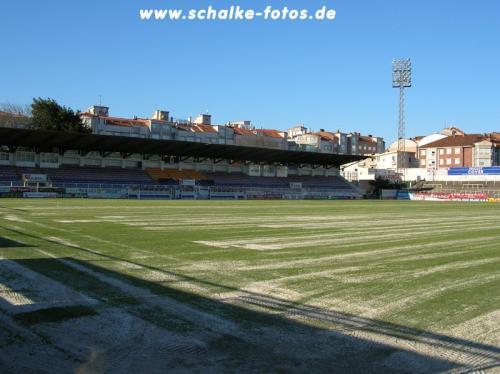
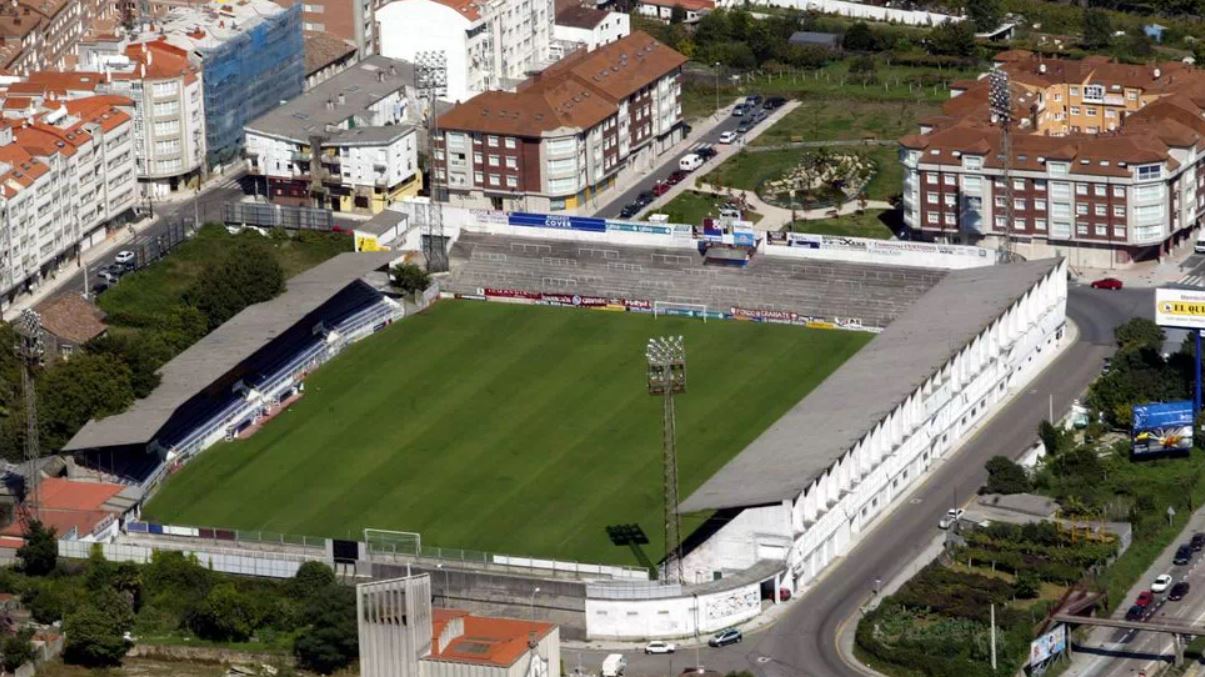
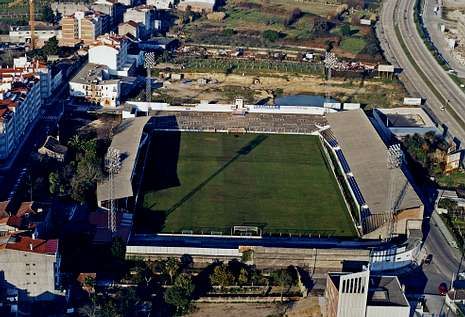
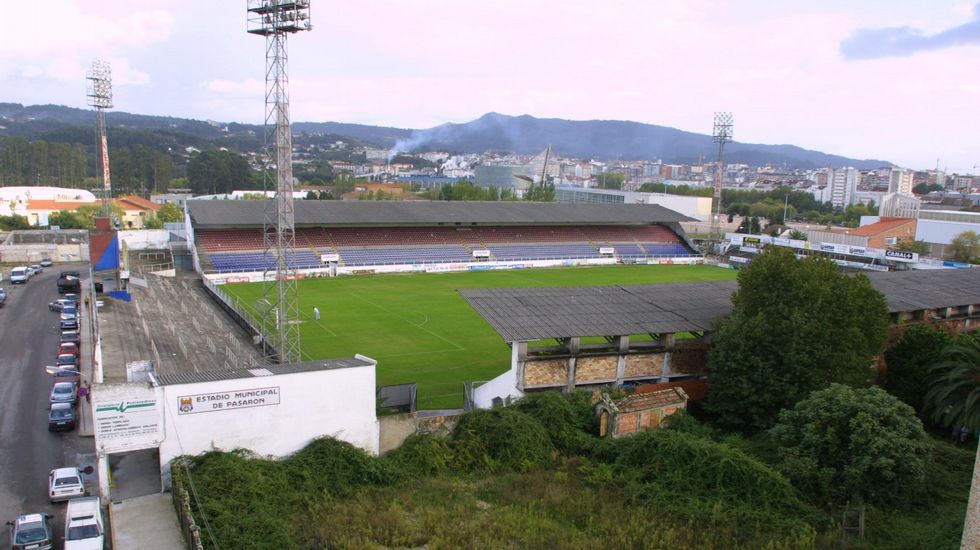
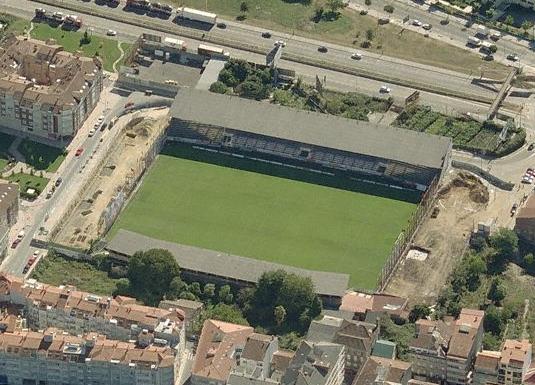
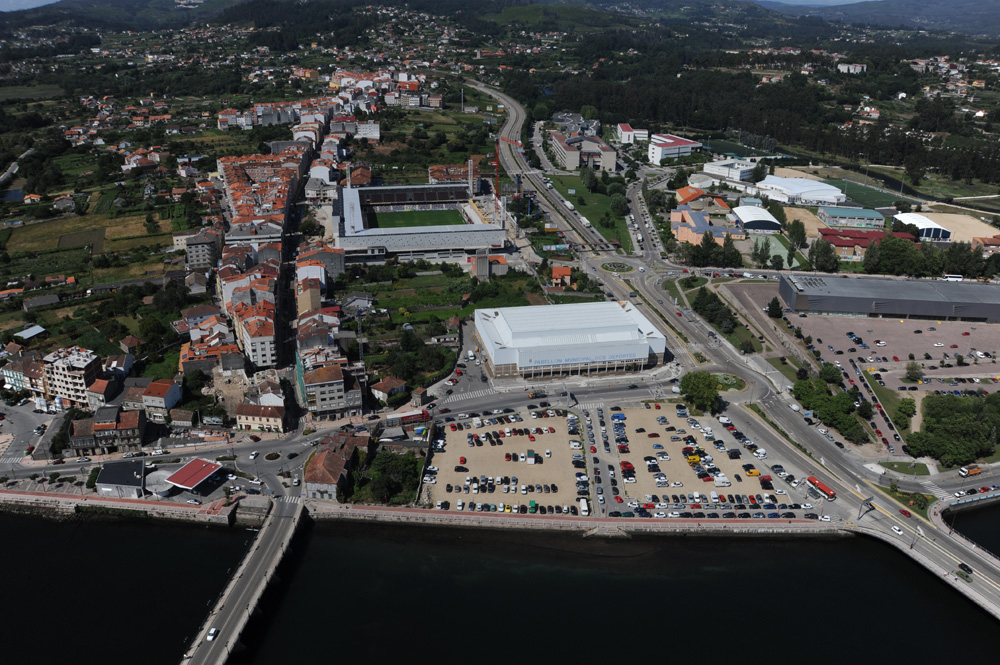
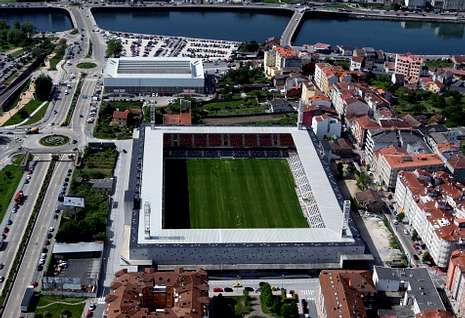
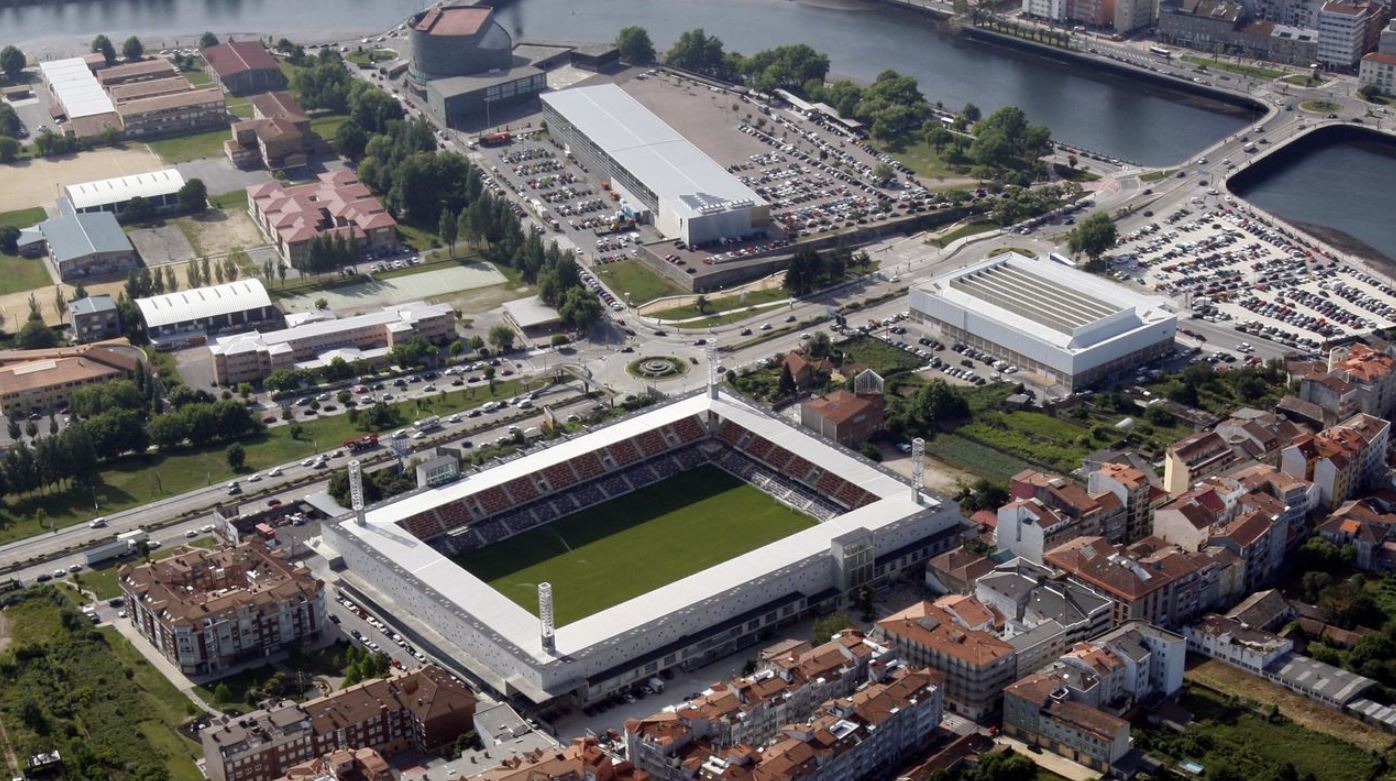
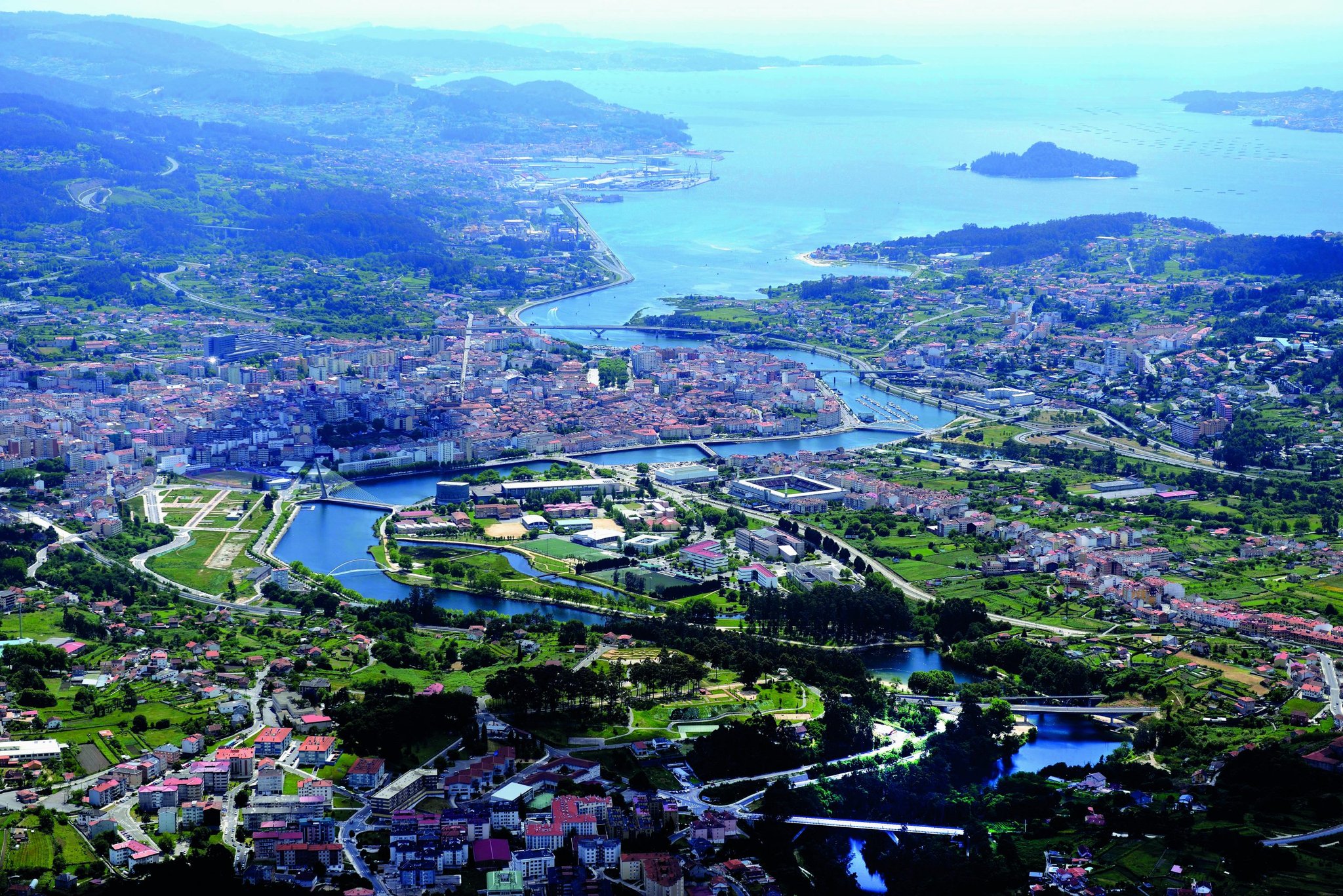
In 2005, Pontevedra Municipal Council decided to redevelop the ageing stadium that stood just north of the Río Lérez. The resident club, Pontevedra Club de Fútbol, had just won promotion to La Segunda, so it seemed a credible decision. The stadium was to be rebuilt stand by stand, commencing with the north and south stands in 2006. Over the next 4 years, the stadium took shape, and finally, on 15 May 2010, the new 12,000-seat Nuevo Pasarón was inaugurated with a match against Real Oviedo.
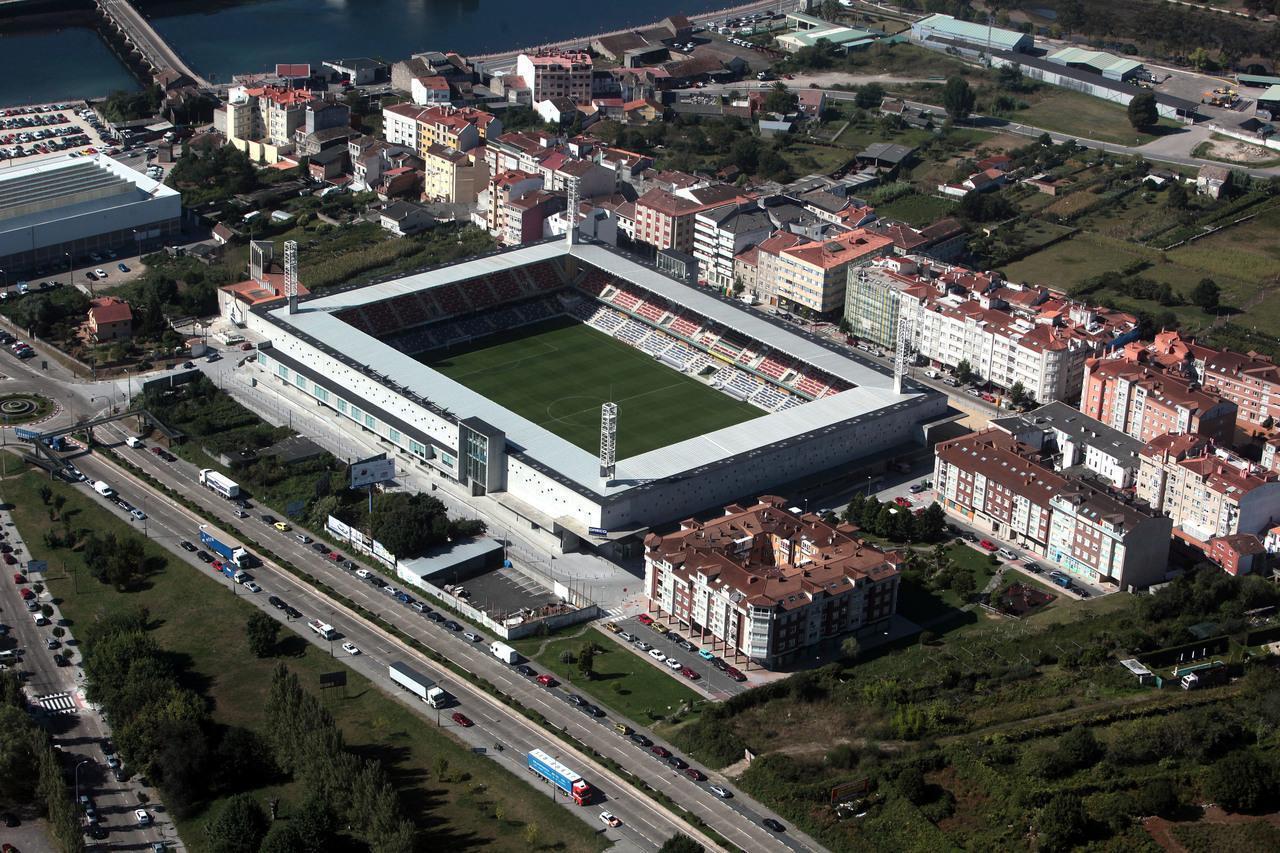
Unfortunately, whilst all the building was taking place, on-field progress was being gradually dismantled. Relegated from La Segunda after just one season in June 2005, the club made valiant attempts to return, falling in the playoffs in four of the next five seasons. The 2010-11 season was, however, a disaster and the club was relegated to the Tercera. The Municipality would argue that the stadium needed to be redeveloped, and a very fine job they have done, albeit over double the original cost at €16m. However, ask the fans of Pontevedra CF, and they would swap this splendid new arena for a place back in La Segunda in the blink of an eye.
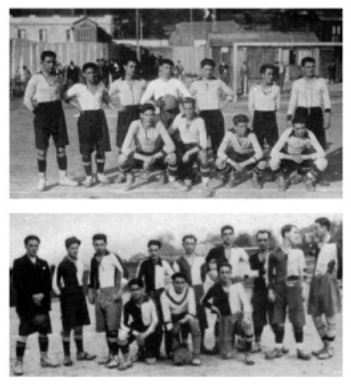
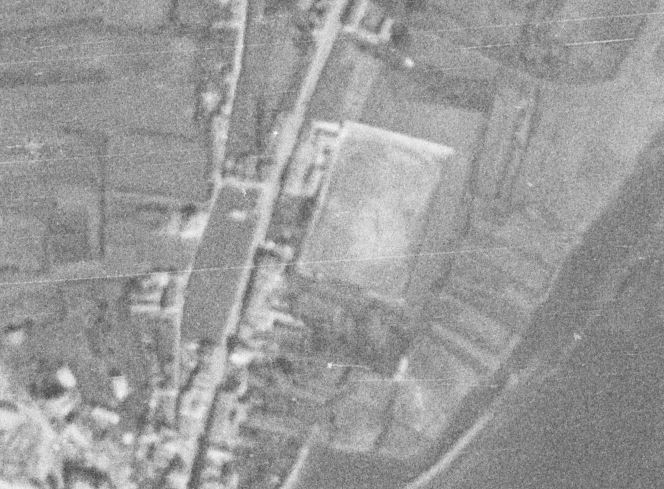
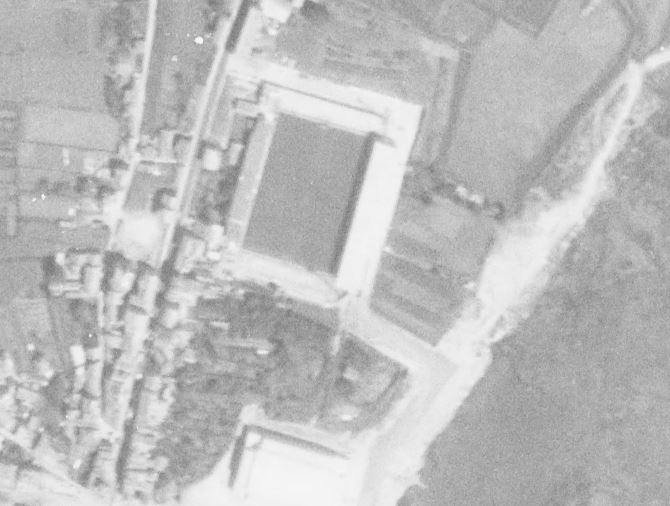
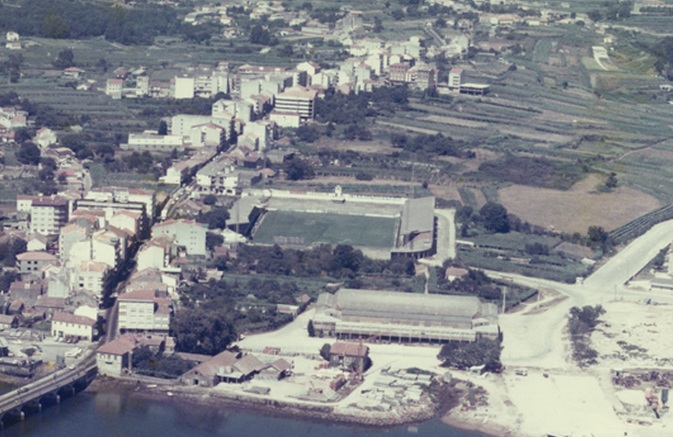
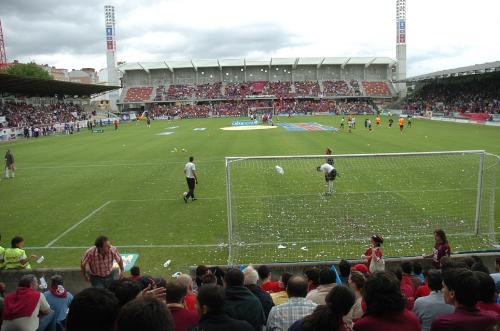
It wasn’t always so, as football in Pontevedra has a proud heritage dating back over 120 years. The exact date of the emergence of the city’s first club is unclear; however, by the mid-1900s, Sporting Club Pontevedra was playing other teams from all over Galicia. The 1920s were particularly productive, and the city witnessed the birth of several clubs, most notably Eiriña FC, which played its home matches on a field that is now the site of the current stadium. The field had opened in 1919 and had hosted several clubs before Eiriña was formed in 1922. Eiriña played in the Tercera for three seasons in the early 1930s and won the Copa de Galicia in 1935. Also founded in the twenties was Alfonso XIII FC, which became Sport Club Pontevedra in 1932. It was the merger of Eiriña FC & SC Pontevedra that finally gave rise to Pontevedra Club de Fútbol on 16 October 1941. The club chose to use the basic enclosure of Eiriña’s, which now went by the name of Pasarón. The club made swift progress, winning the Galician Campeonato de Primera Regional in 1943, earning promotion to the Tercera. The Tercera title was won in 1947-48, but failure in the playoffs against more established opposition, such as Racing Santander & Osasuna, ended the club’s hopes of promotion. In fact, it would take over a decade for the club to mount another serious challenge for a place in the second division.
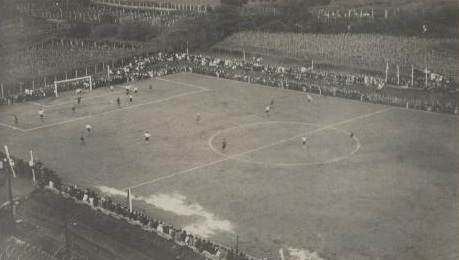
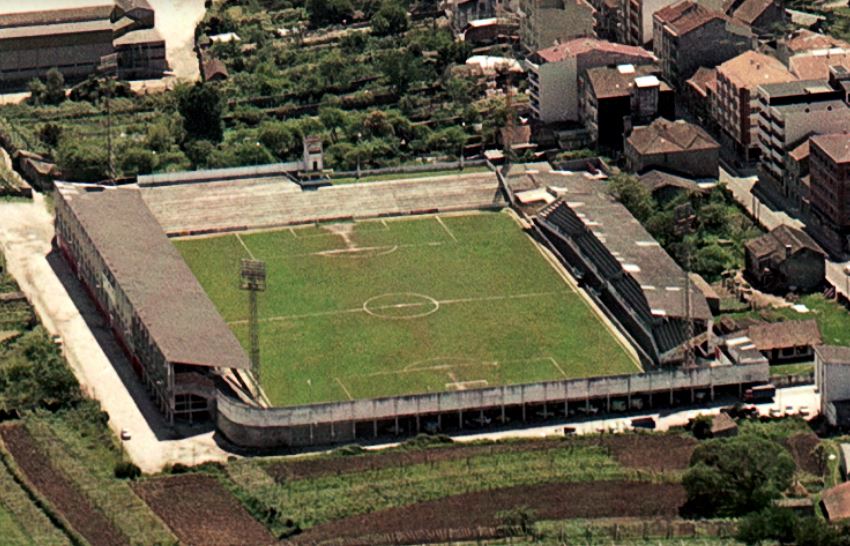
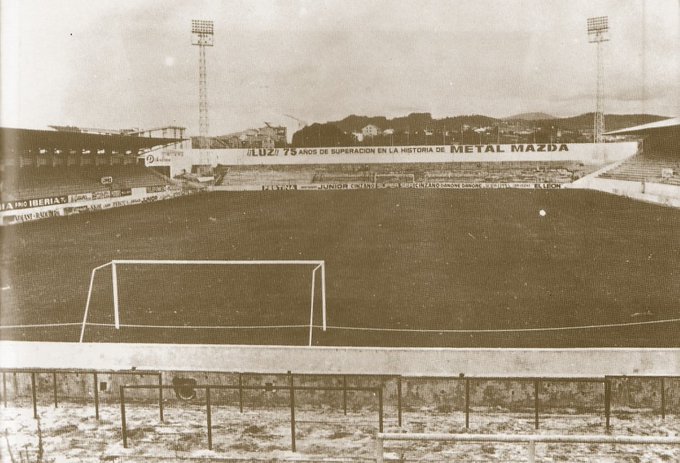
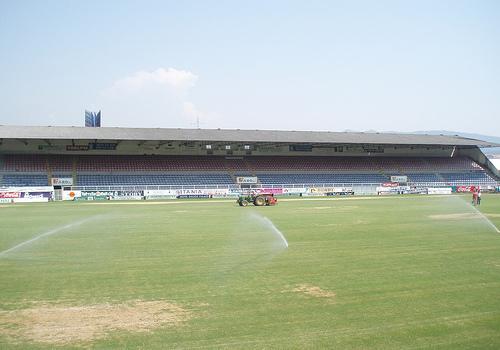
If the 1940s had been about hope, much of the 1950s was spent fighting relegation back to the regional leagues. The inevitable fall came at the end of the 1956-57 season, but fortunately, the club bounced back immediately and, within two seasons, had secured a second Tercera title. This time, the playoffs were navigated successfully, although it did take three matches to see off Caudal Deportivo and another three to beat Burgos CF. With football in La Segunda on the horizon, the local council moved swiftly to purchase the Campo Pasarón from Valentín Paz Andrade, a local politician and lawyer. With the club showing signs of progress, municipal architects Emilio Quiroga Losada and Alfonso Barreiro Buján designed a new west stand, which opened for the start of the 1962-63 season, a campaign that was to prove momentous. Pontevedra’s first two seasons in La Segunda had resulted in mid-table finishes, but form throughout the 62-63 campaign was impressive. The club headed the table for the majority of the season and won a pivotal match against their nearest challengers, Espanyol, on 7 April 1963, before clinching the title and promotion a week later with a home draw against Celta Vigo.
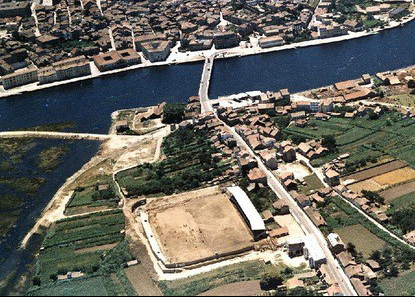
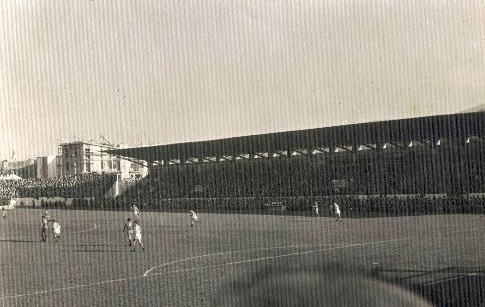
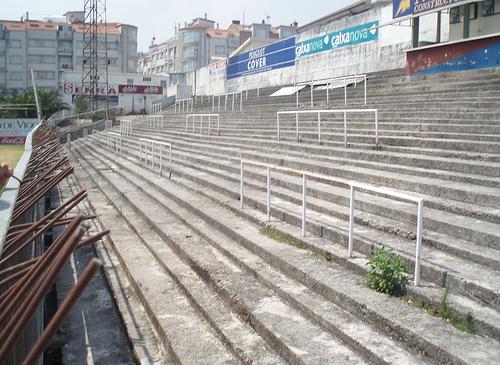
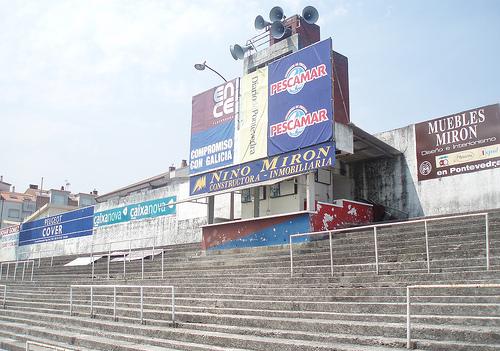
The 1960s were the club’s golden era, and whilst the first season in La Primera ended in relegation, the La Segunda title was won for a second time in May 1965. Pontevedra was more resolute this time around, and the 1965-66 season saw the club top the league in early October, then finish the season in a record high position of seventh. The Estadio Pasarón was also shaping up nicely with the addition on the east side of a large stand and improved terracing at the north and south ends of the stadium. There followed a further four seasons in the top flight, with the end coming at the end of the 1969-70 season, when a dismal last-place finish saw the club win on just four occasions. The club never challenged for a return to the top tier and was relegated to the Tercera in 1973. That 72-73 season also saw a tragedy at the Estadio Pasarón when Sevilla forward Pedro Berruezo suffered a heart attack and died on 7 January 1973.
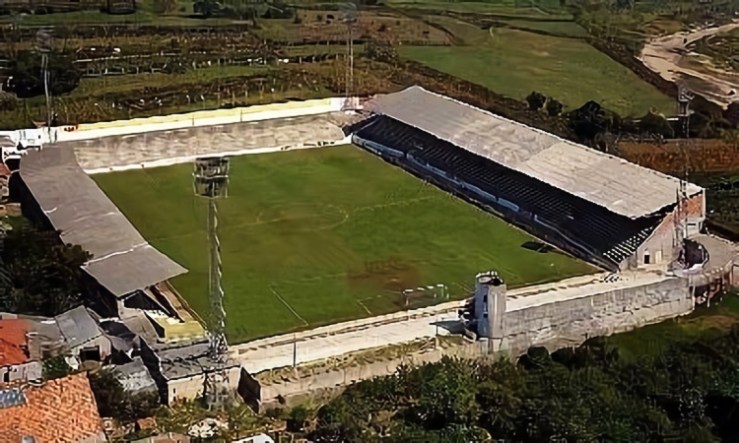
Pontevedra made a brief return to the second division in season 1976-77, but a lowly 17th place finish saw the club demoted to the newly formed Segunda B, and it’s the third tier of Spanish football that has been the club’s home for the vast majority of campaigns since. The exceptions have been a couple of spells back in the Tercera in the early eighties and the single season back in La Segunda in 2004-05. Regrettably, Pontevedra made an appalling start to their last season in the second tier, winning just two of their first 29 fixtures, leading to an inevitable relegation back to Segunda B. The following five seasons saw four visits to the playoffs, but no cigar. With budgets drastically cut for the 2010-11 season, the side was unrecognisable from the season before and was relegated to the Tercera for the first time in nearly thirty years. Four seasons in the fourth tier followed before Pontevedra won the Tercera title in the 2014-15 season. In the playoffs, the club lost in the Campeones Round to CD Mensajero but overcame Manzanares CF and Haro Deportivo to return to Segunda B. A fourth-place finish in 2016-17 earned Pontevedra a chance at promotion back to La Segunda, but Real Murcia ended their hopes in the playoffs. When the RFEF restructured the Spanish leagues in the summer of 2021, Pontevedra were placed in the Segunda Federación. The club won promotion to the Primera Federación at the end of the 2021-22 season and has alternated between the third and fourth tiers over the past few seasons.
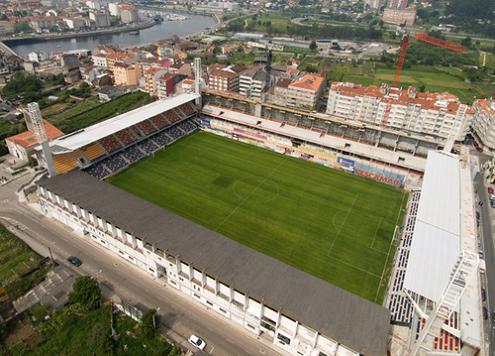
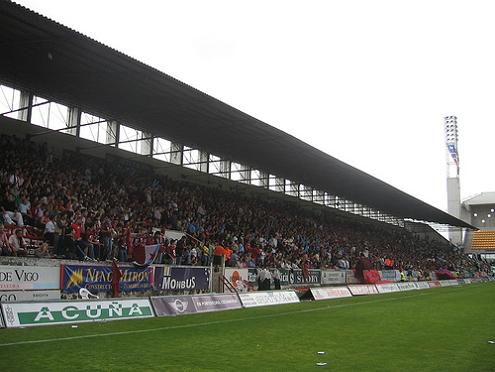
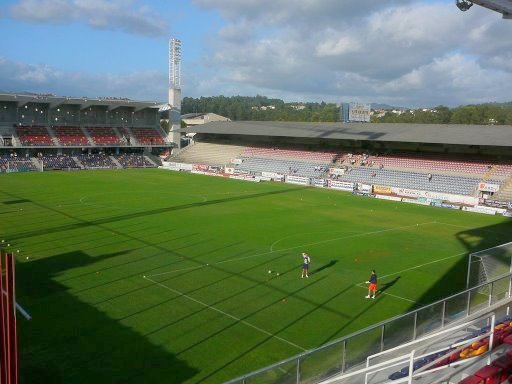
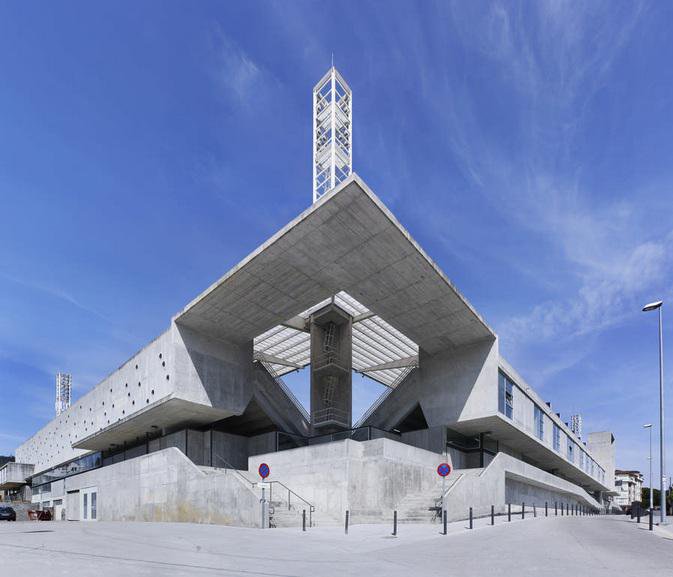
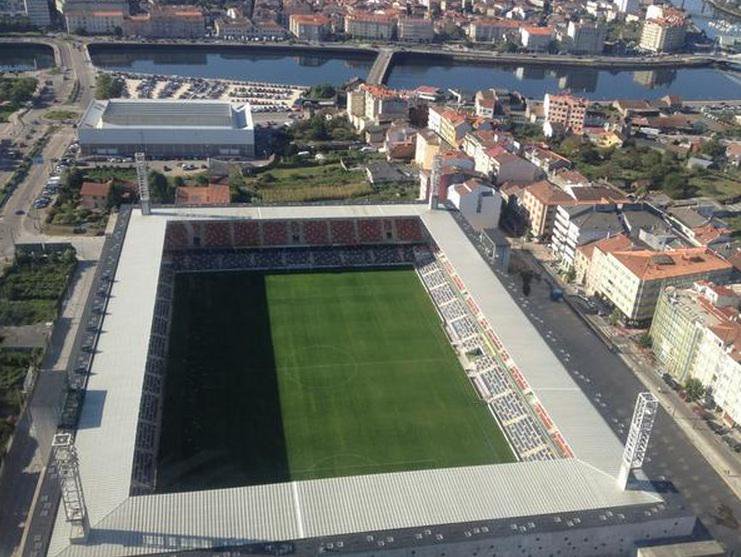
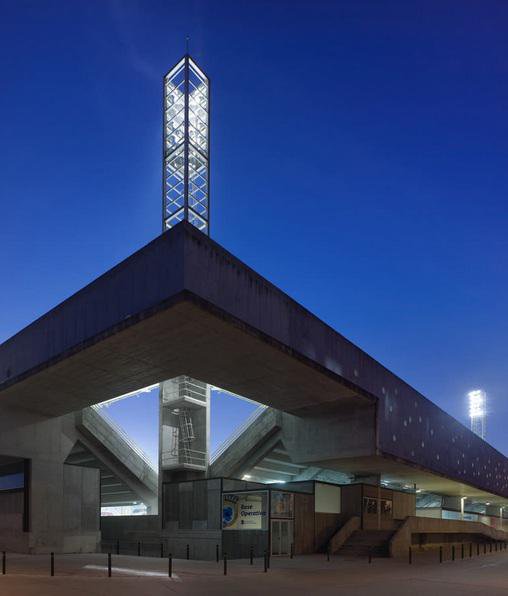
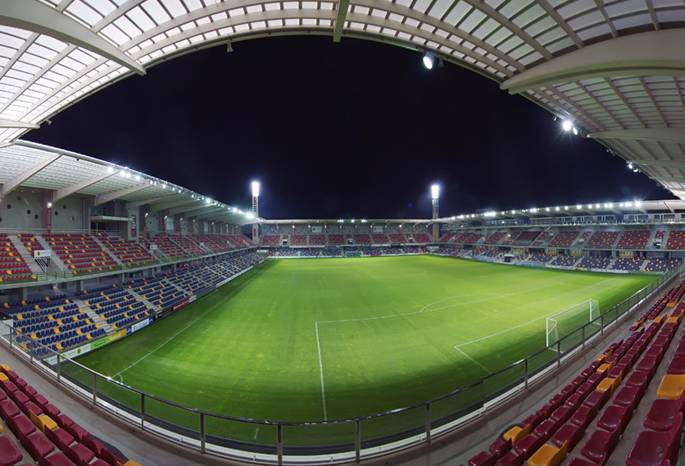
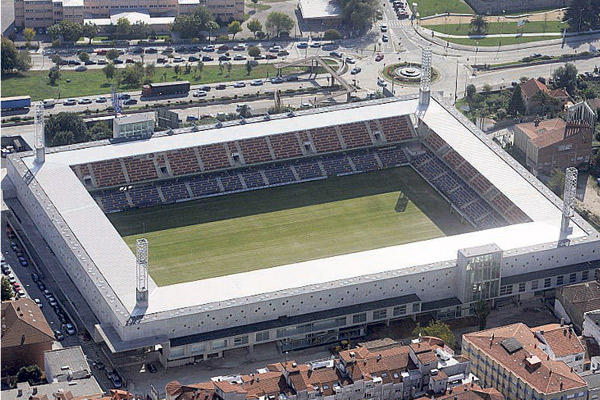
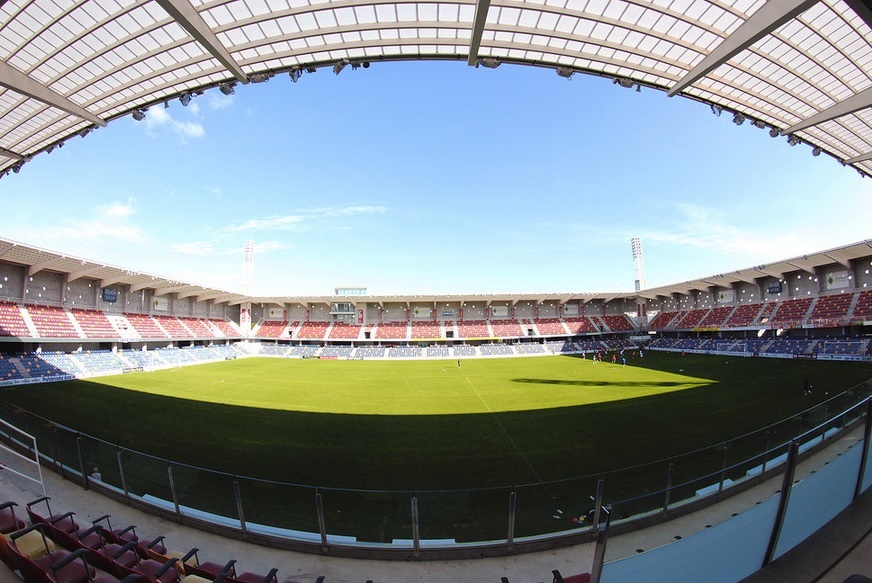
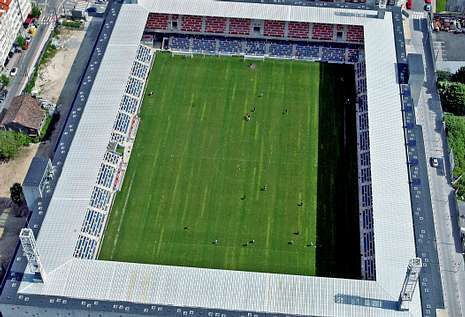
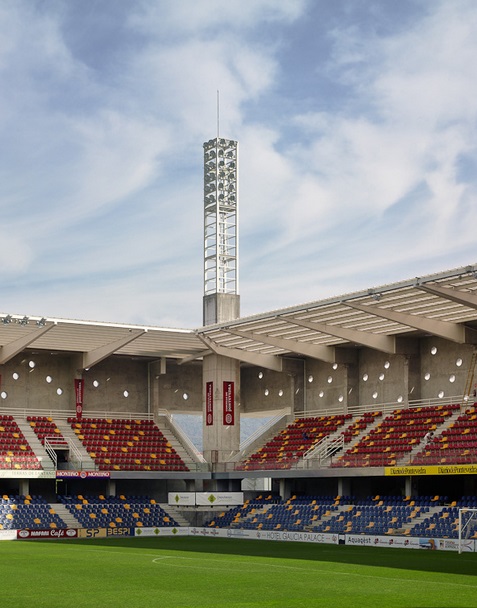
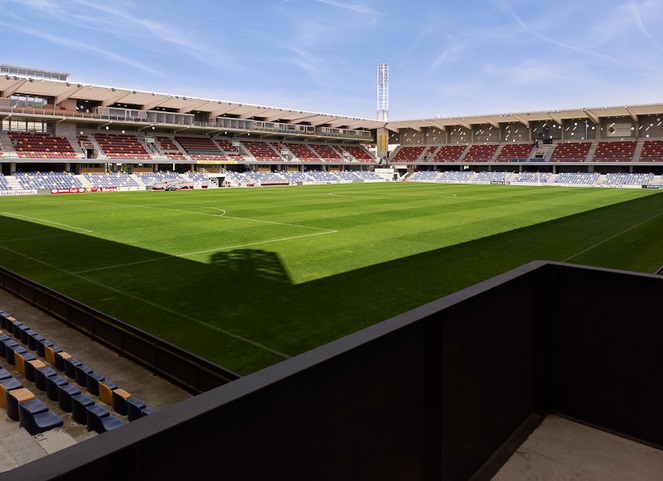
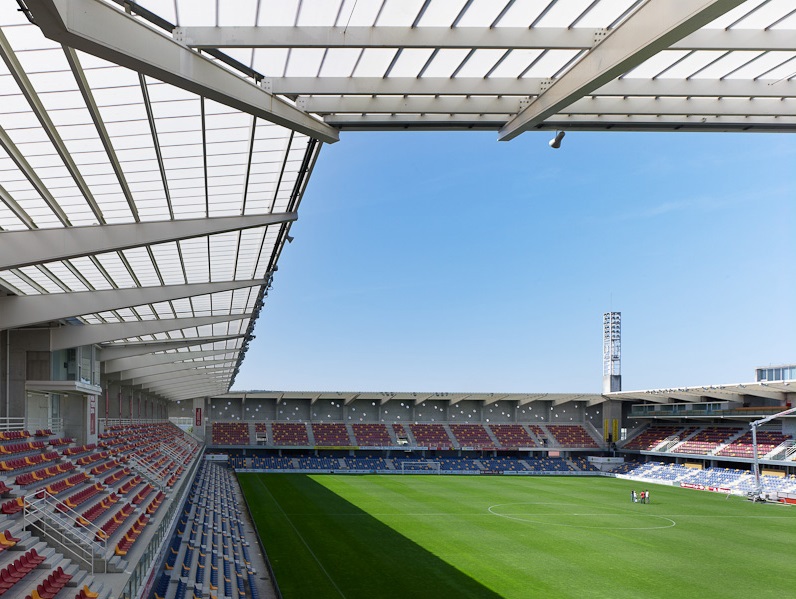
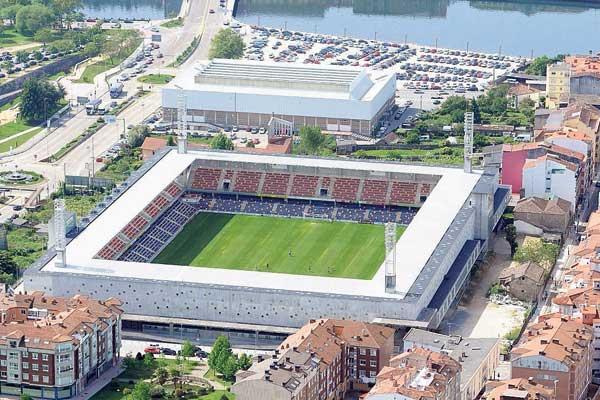
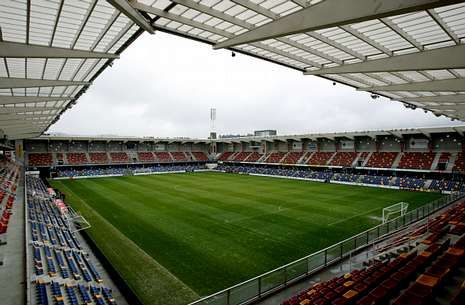
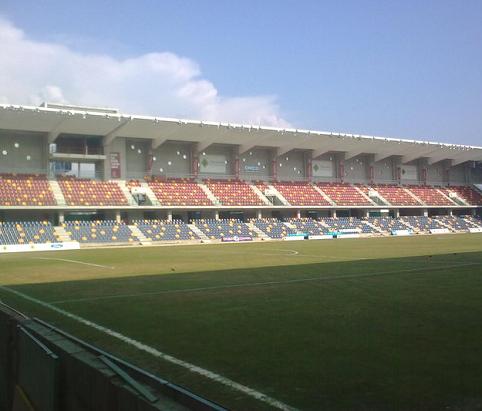
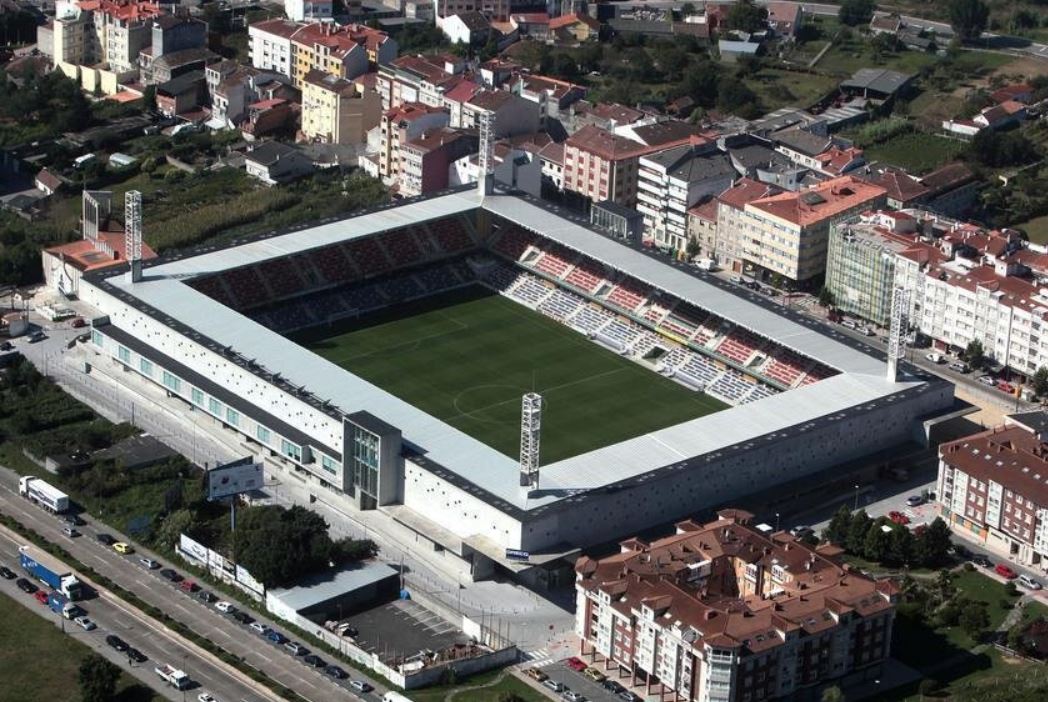
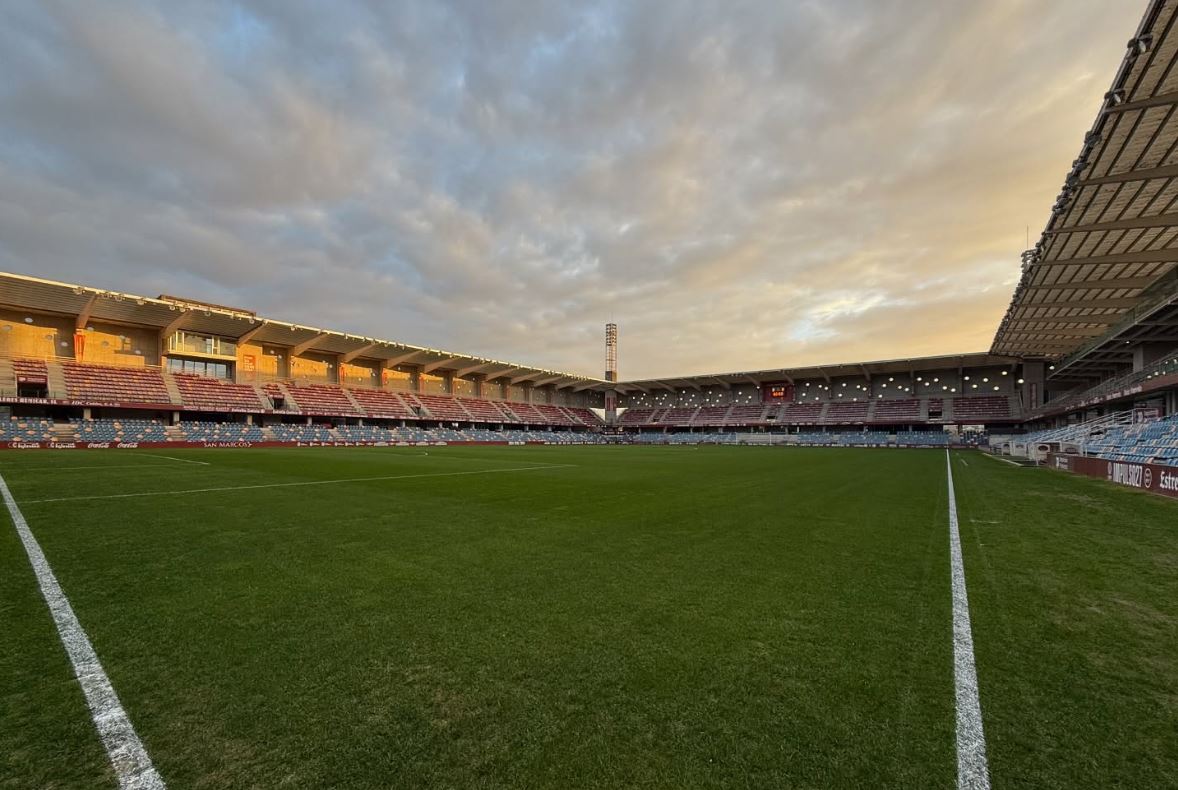
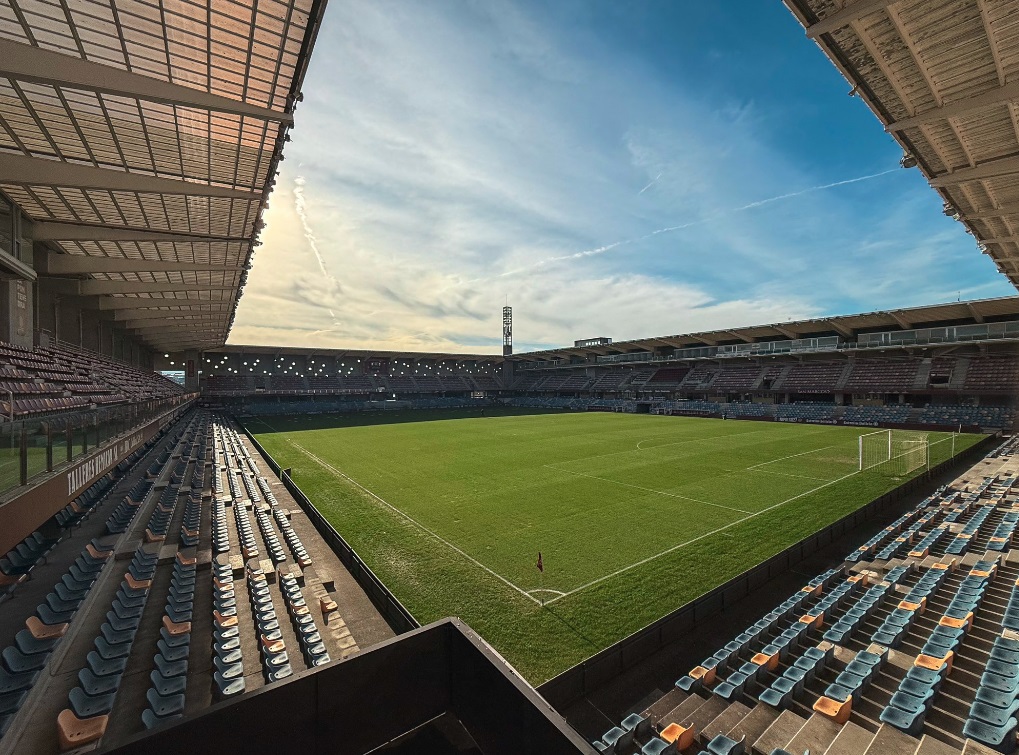
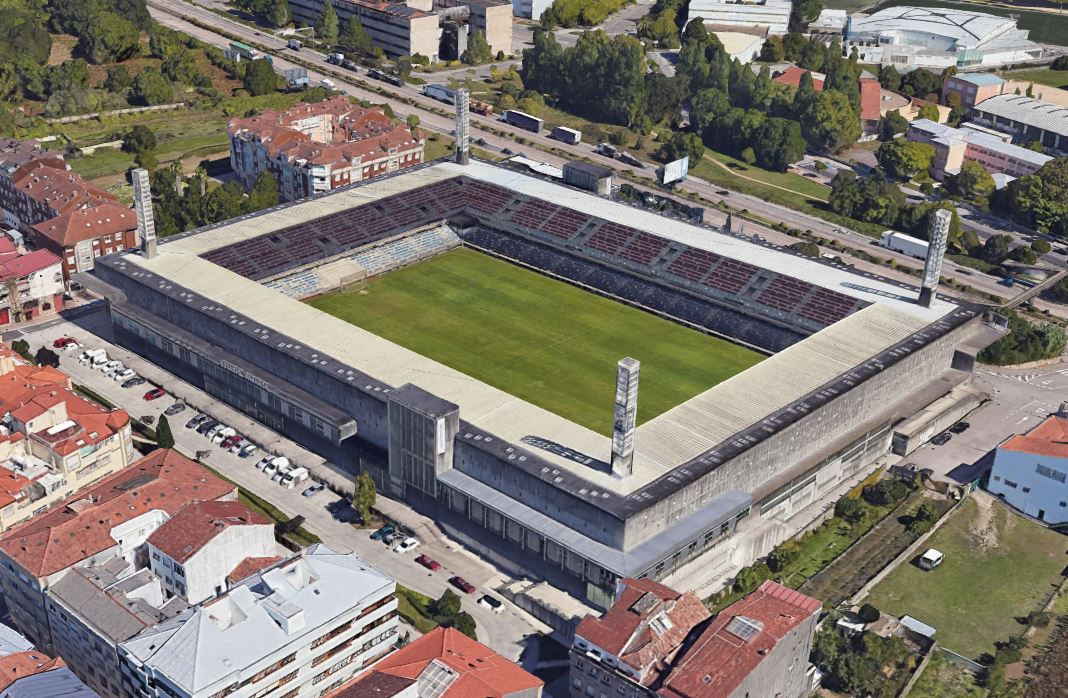
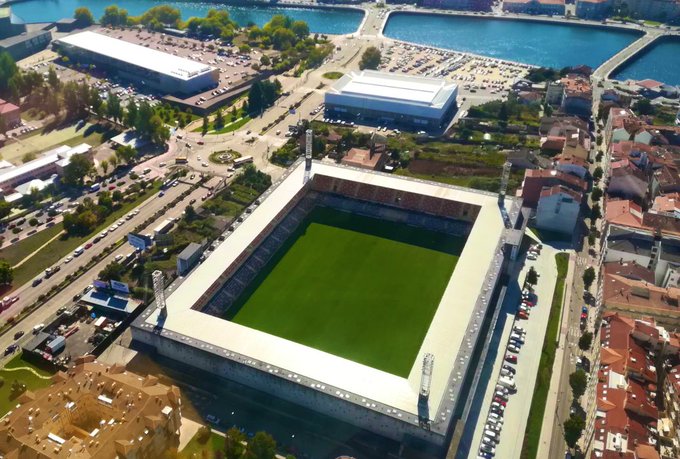
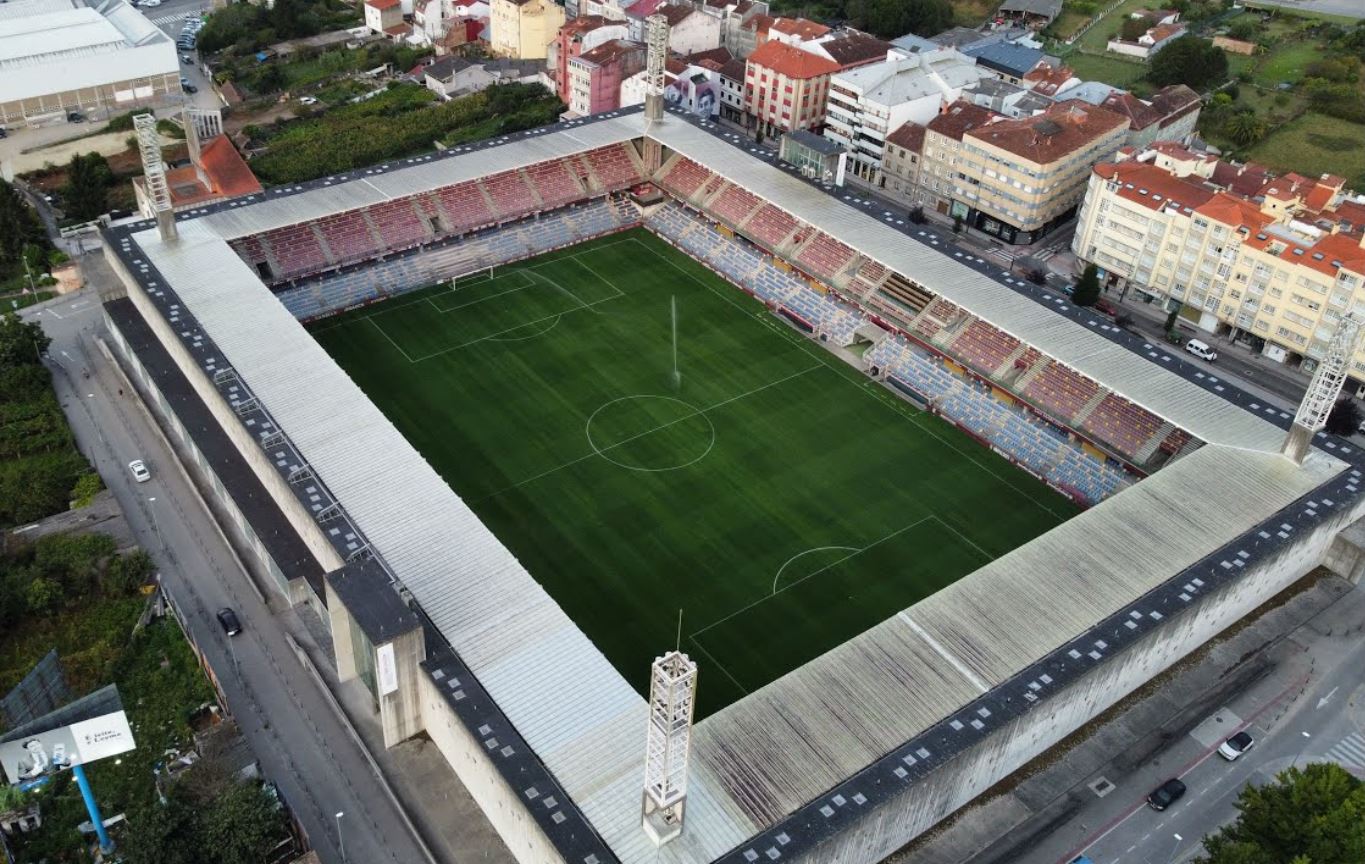
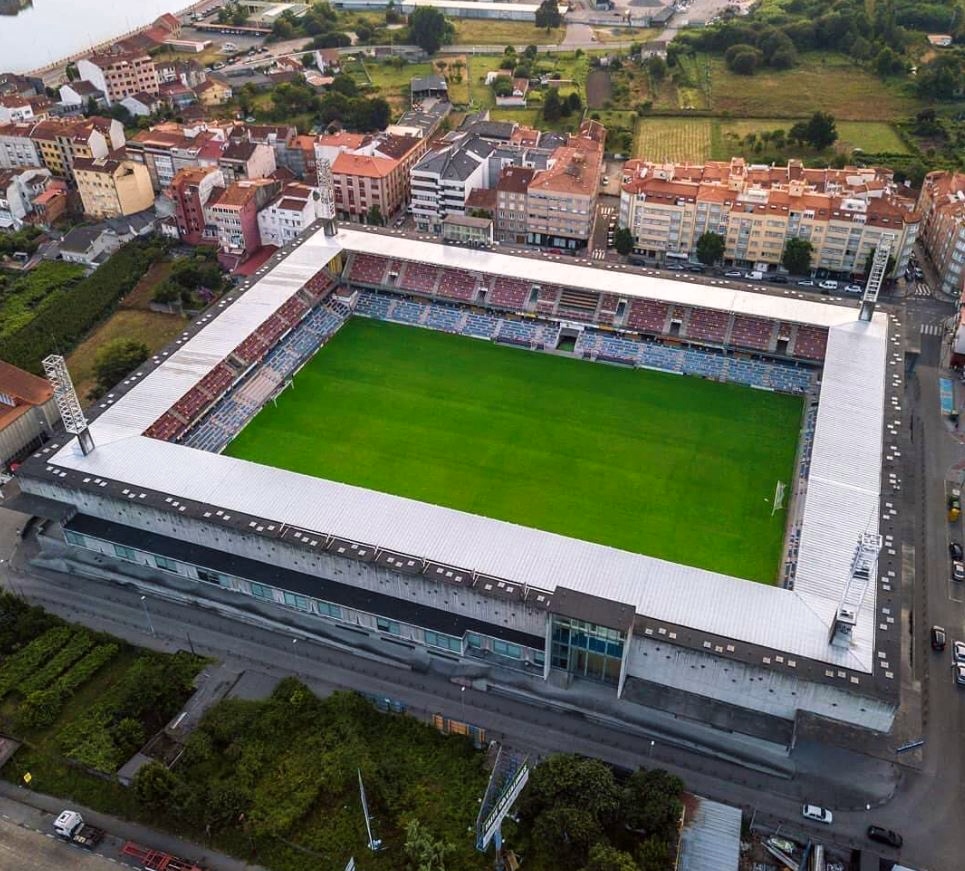
For all of the club’s woes, you have to concede that Pontevedra play in an exceptional stadium. Funded jointly by the Municipality of Pontevedra and the Xunta de Galicia, the four-year process of redeveloping each side was expensive and, at times, torturous. Architect Galo Zayas’s design was originally costed at €7.2m but came in at over double that amount. All four stands are practically identical in design, featuring an upper tier of burgundy and yellow seats, although the west stand does have small private booths or palcos at the rear. The upper tier is slightly cantilevered over a lower tier of blue and yellow seats. A steel and polycarbonate roof covers all four sides, which is on the high side and offers little cover to the lower tier. The roof is also pierced in each corner by the body of a floodlight. Each pylon cuts through each of the tiers like a giant toothpick, creating the illusion that the whole structure is anchored by these square-shaped towers.
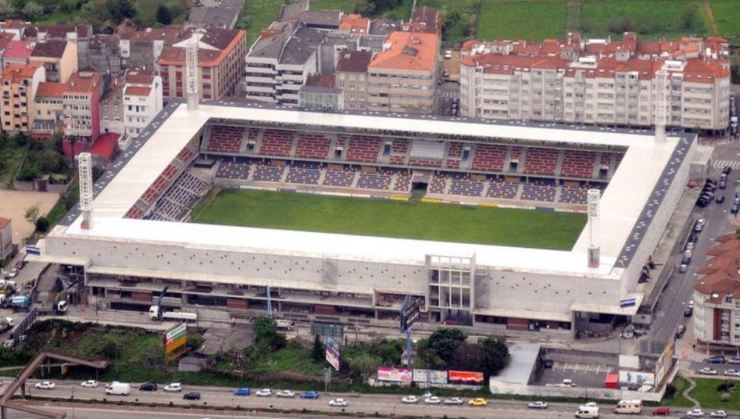
In the early summer of 2012, the local council successfully lobbied the RFEF and was granted the opportunity to host the Spain vs Saudi Arabia friendly on 7 September 2012. I can’t say, hand on heart, that the stadium is worth every cent of its €16 million price tag or that it has had a positive effect on Pontevedra CF. In fact, it would be much easier to argue the complete opposite. However, we all know that art comes at a price, and for a while, both the club and the municipality suffered for its art.





 Estadios de España