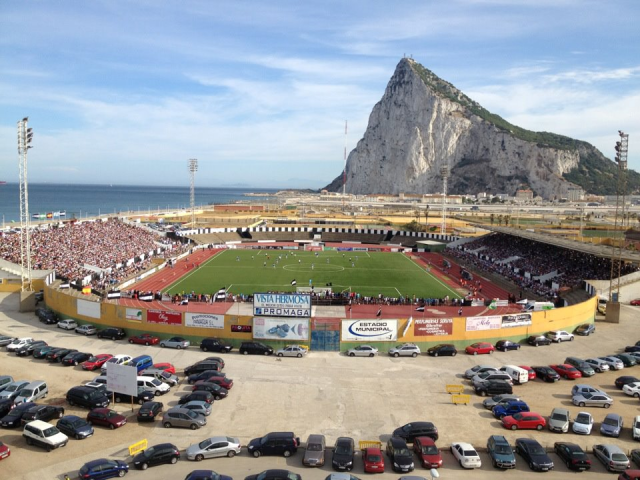
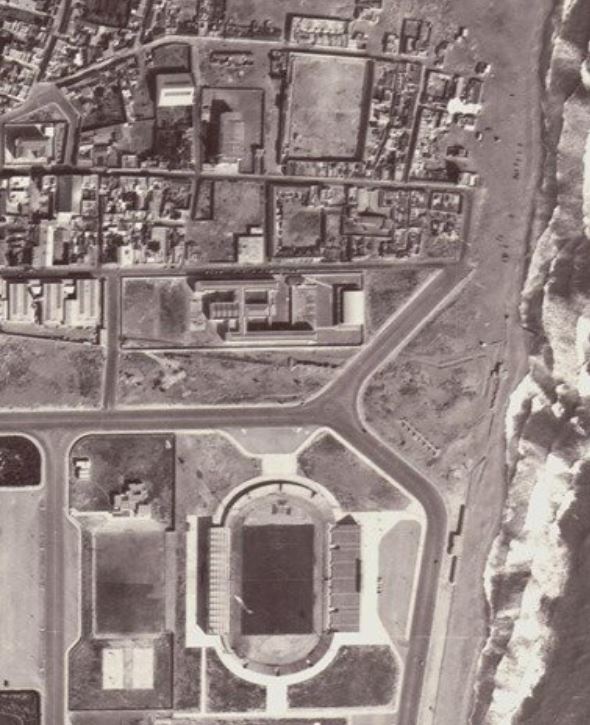
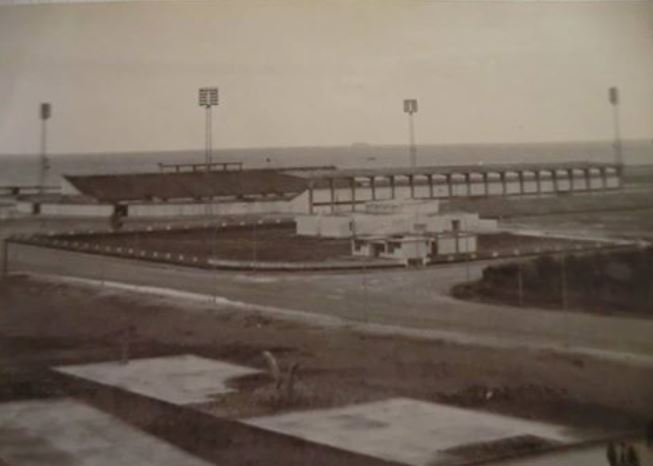
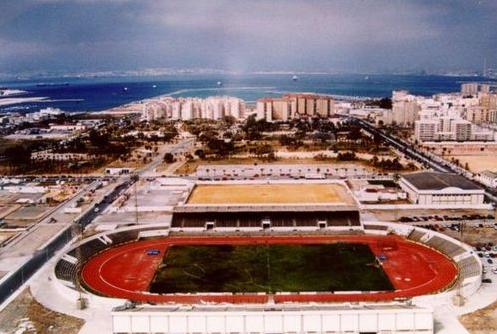
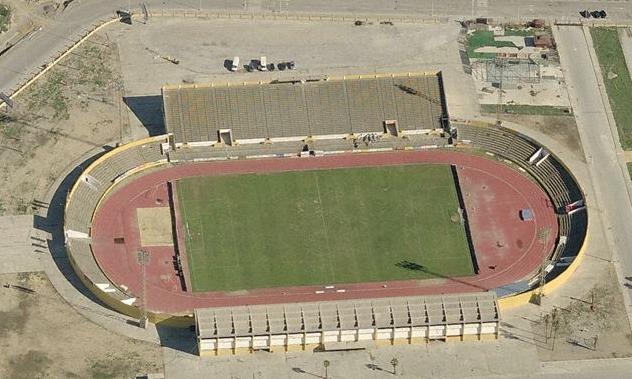
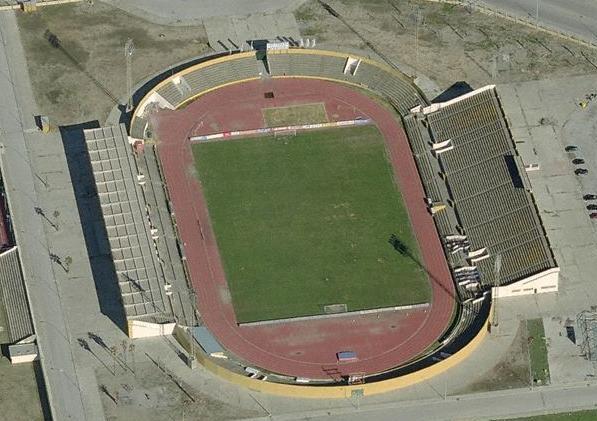
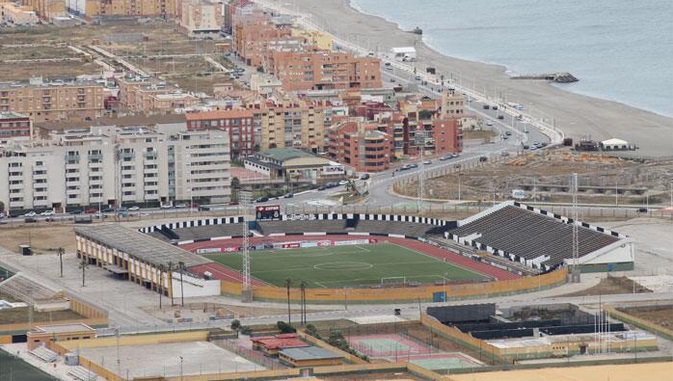
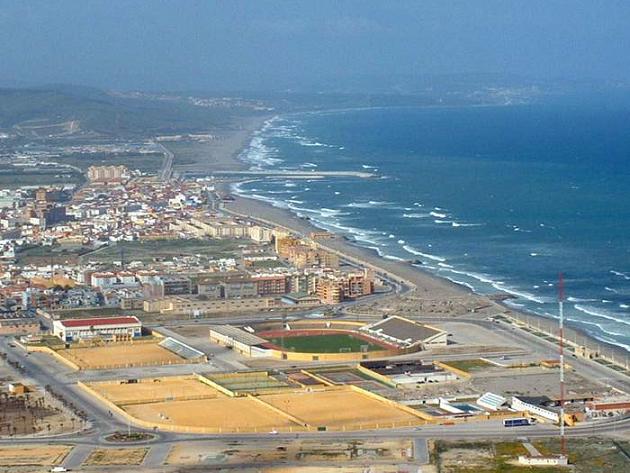
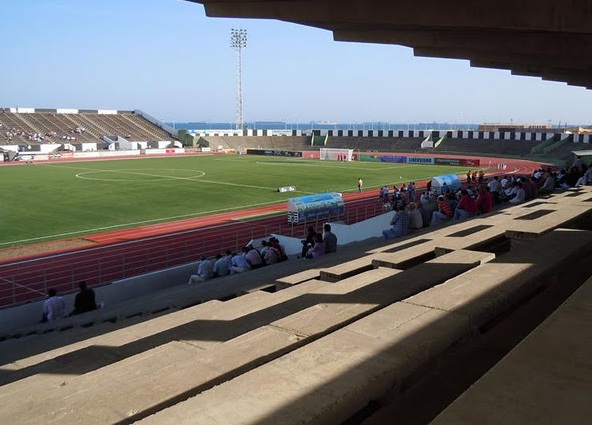
La Línea de la Concepción is the town on the opposite side of Spain’s border with Gibraltar, and because of its close proximity to the Rock, the two have developed a close relationship over the years. That is when they have been allowed to. Back in 1969, Spain closed its border with Gibraltar following the breakdown of talks with Britain over sovereignty. In a fit of posturing and possibly in response to the thousands of jobs that had been lost overnight, Franco’s government started a building programme in La Línea, that included the Estadio Municipal de La Línea de la Concepción.
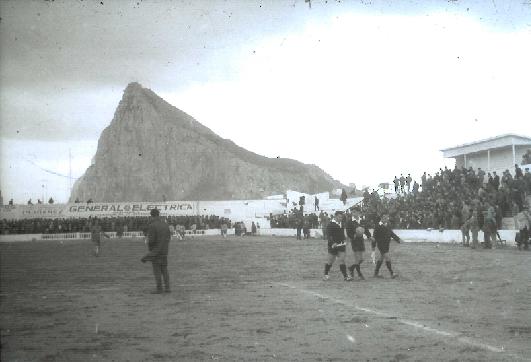
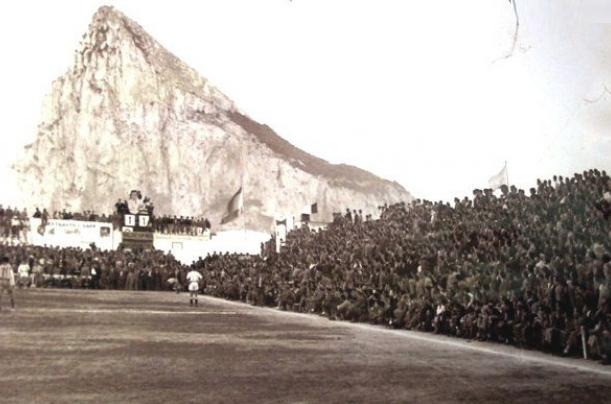
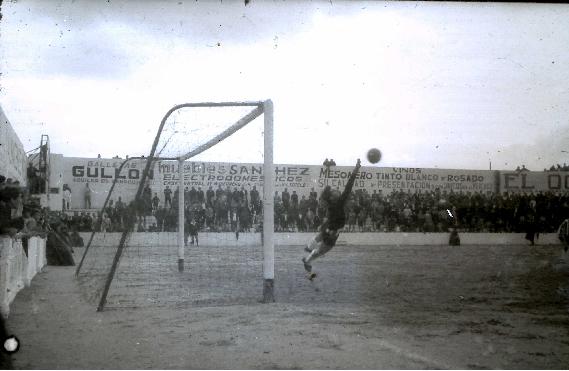
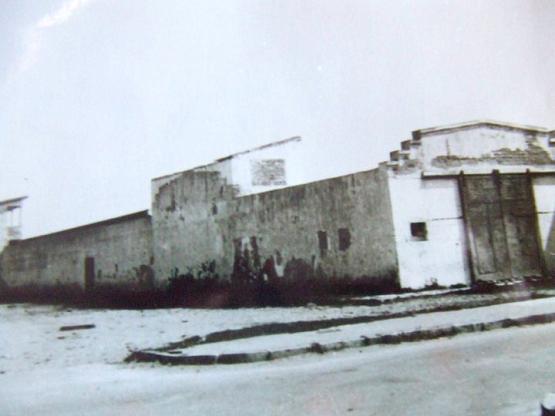
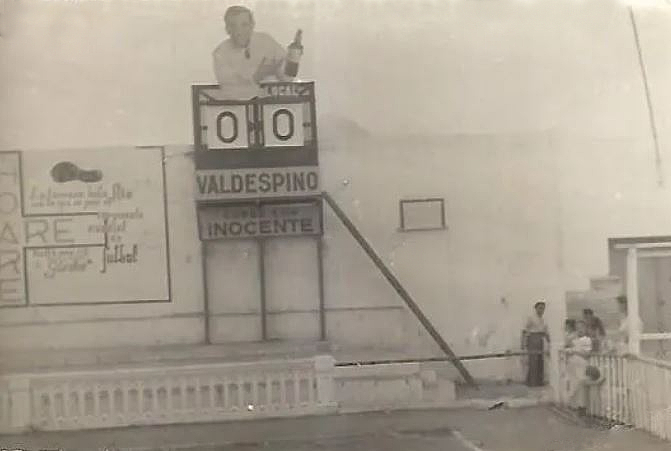
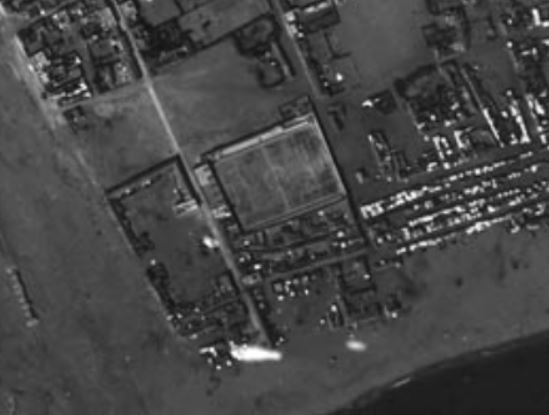
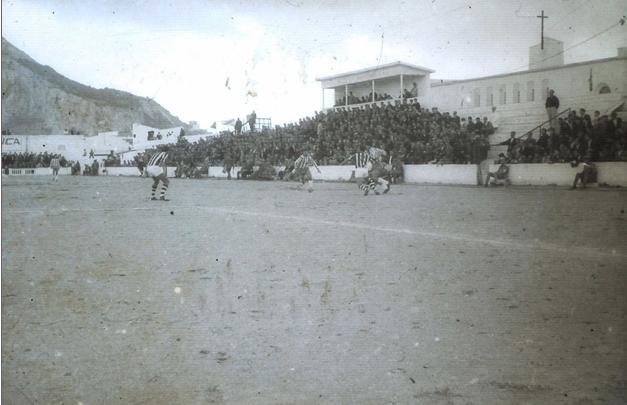
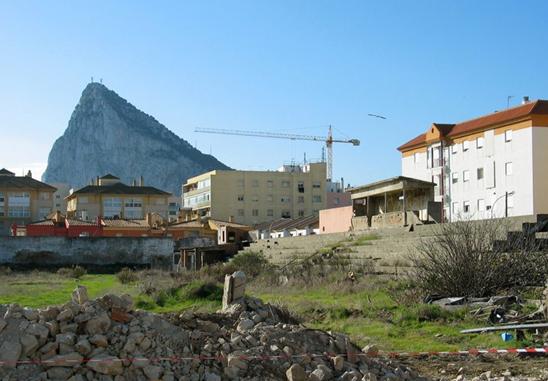
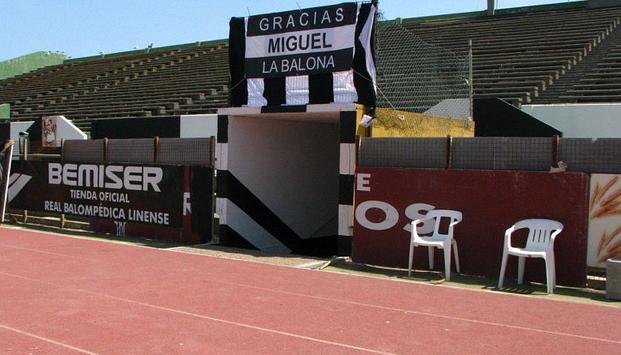
At the time, the town’s club, Real Balompédica Linense or La Balona, was playing at the Campo San Bernardo. It was an incredibly cramped and basic ground, just 300 metres north from where the new stadium was being built. San Bernardo was not the club’s first home. La Balona started out at the Campo de la Puerta de Tierra in 1921, before moving to the Campo del Aurora in 1924. Here they stayed for 3 seasons before moving to the San Bernardo site in 1927 (although it was known as the Campo de La Balompédica until 1952). La Balona reached La Segunda in the 1949-50 season, where they stayed for six seasons, never threatening the promotion places, earning a highest placing of 9th at the end of the 1950-51 season. When they were finally relegated at the end of the 1954-55 season, La Balona went out in style, conceding 97 goals in 30 matches. Towards the end of their time at the Campo San Bernardo, La Balona won their first & second Tercera titles, but failed to navigate the play-offs, losing to AD Plus Ultra in 1966 & SD Indaucha in 1968. The end was called on the Campo San Bernardo at the start of the 1969-70 season, when La Balona hosted Sociedad Deportiva Unión África Ceutí, earning a 2-1 victory on 5 October 1969.
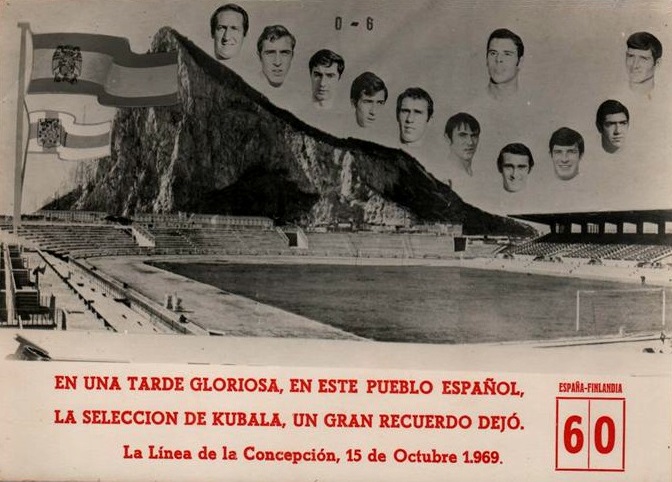
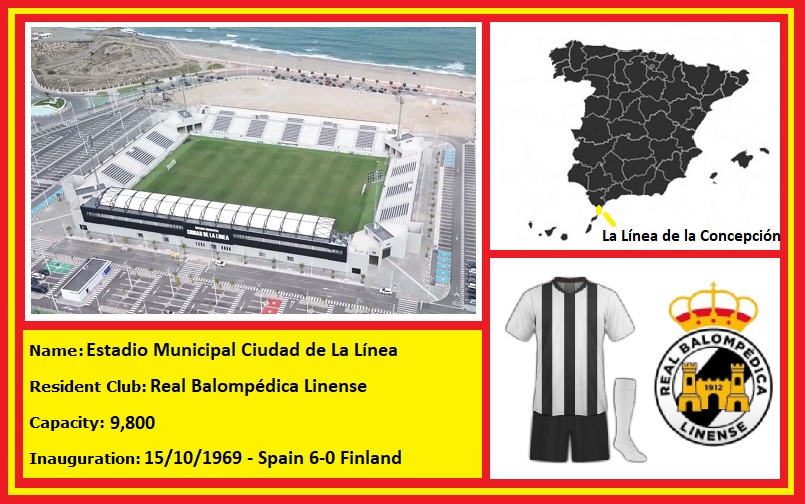
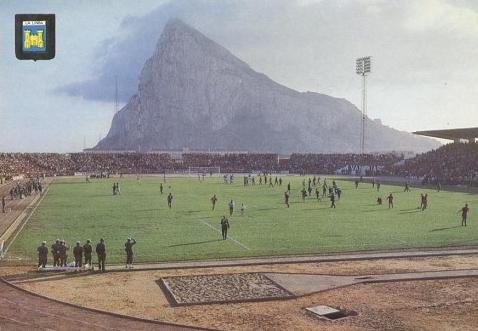
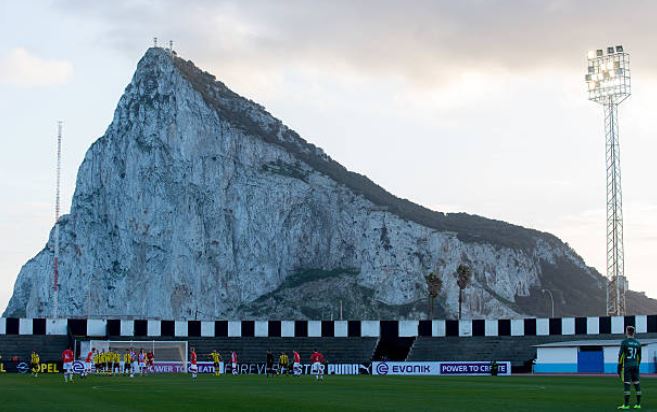
La Balona’s current home opened on 15 October 1969 when La Selección beat Finland 6-0 in front of a capacity crowd of 20,904. Here is some great footage of the opening festivities and match. Four days later La Balona drew 1-1 with Cádiz in their first match at the stadium. Whilst La Balona could not have continued to play at San Bernardo for too much longer, did they or for that matter the town need a stadium that held over 20,000 people? There have been large crowds at the stadium since it opened, as La Selección returned in 1984 to play Yugoslavia in a friendly. Then there are the derbies against Algeciras which pull in a large following, and in June 1999 La Balona won promotion to Segunda B after a 2-2 draw with Hellin Deportivo. The stadium is also a popular destination for Dutch & German clubs during their winter break, with Borussia Dortmund & PSV Eindhoven playing friendlies at the Estadio Municipal.
To be brutally honest, La Balona’s tenure at the stadium has been mediocre at best. They have never been able to reclaim a place in La Segunda and have spent just over half the seasons since the stadium opened, in the fourth tier or below. Over 20 seasons in the third tier have drawn little success, with only 4 visits to the play offs, and even when they reached the play-offs in 2021, it was to maintain their place in the restructured third tier, rather than elevation to La Segunda.
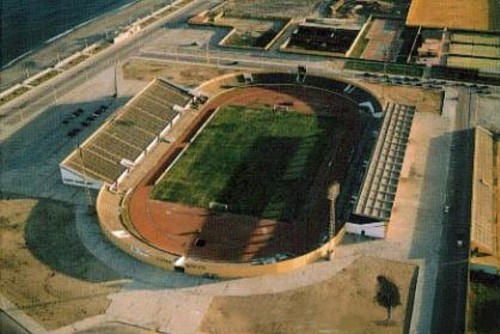
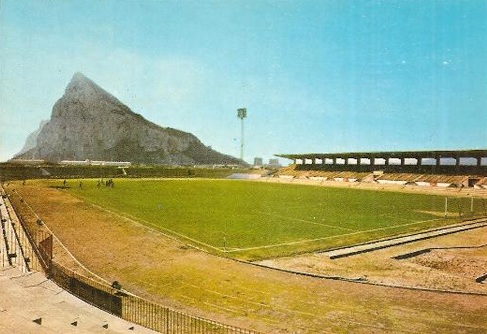
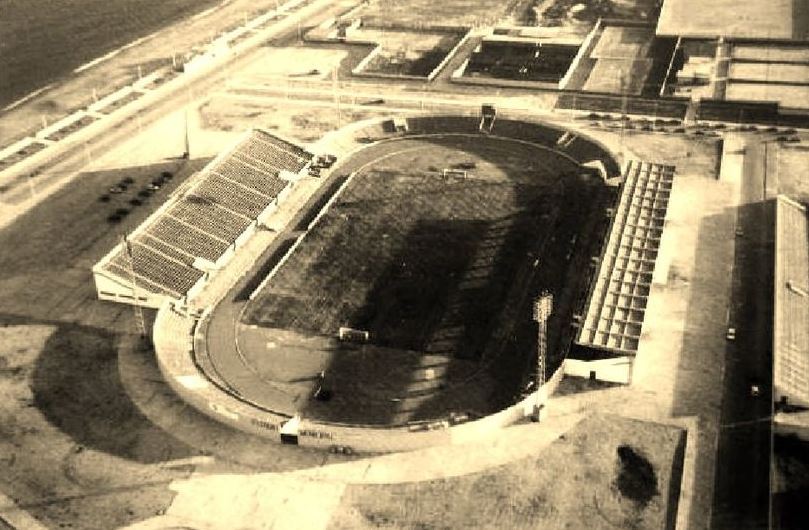
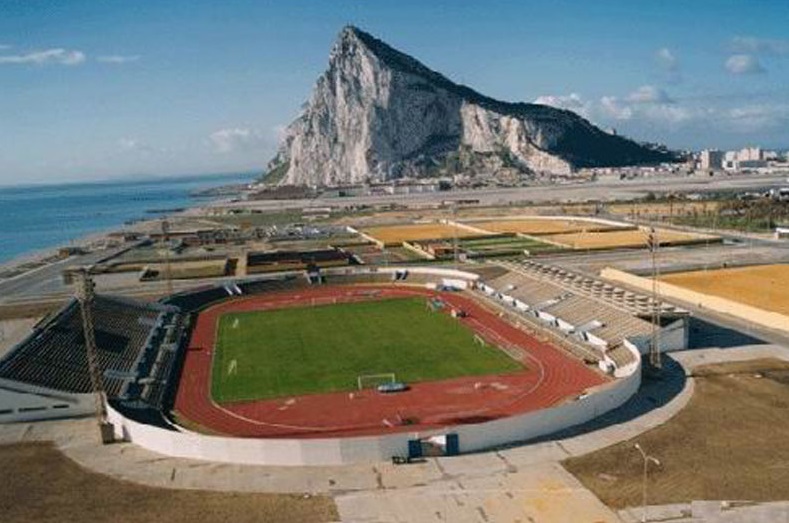
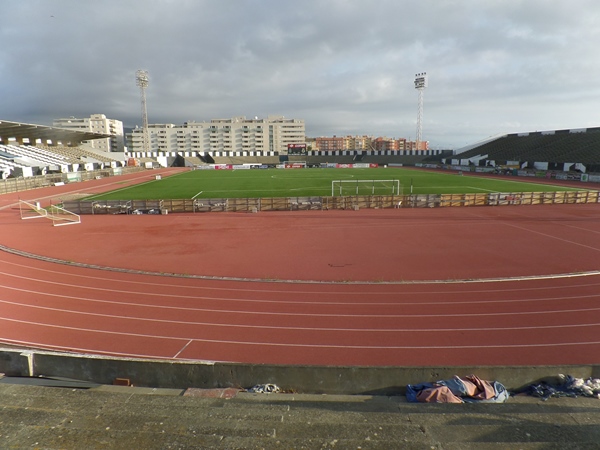
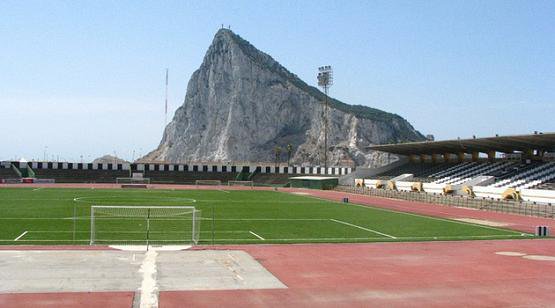
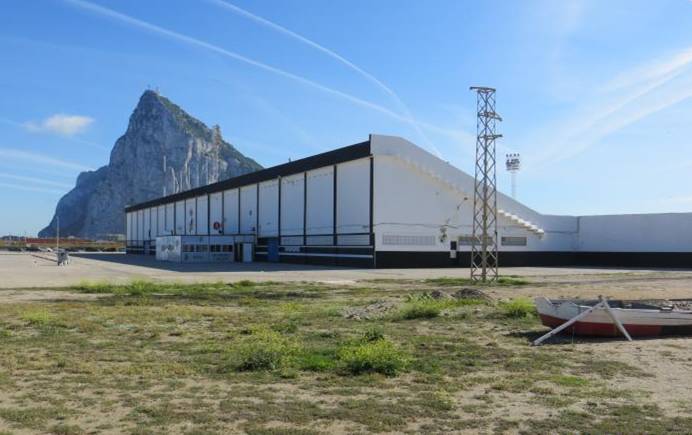
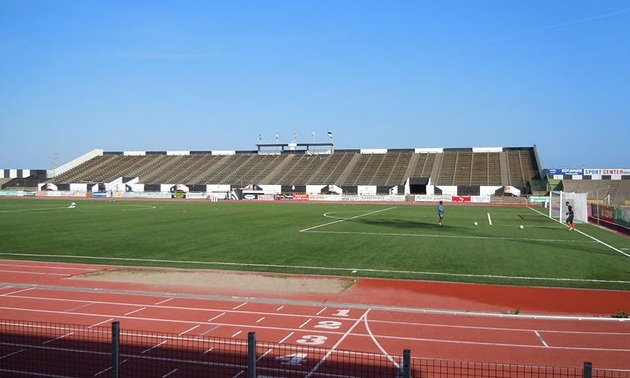
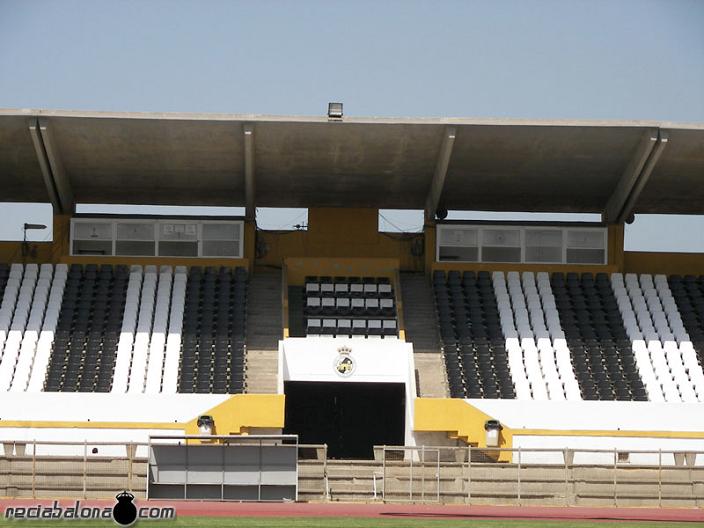
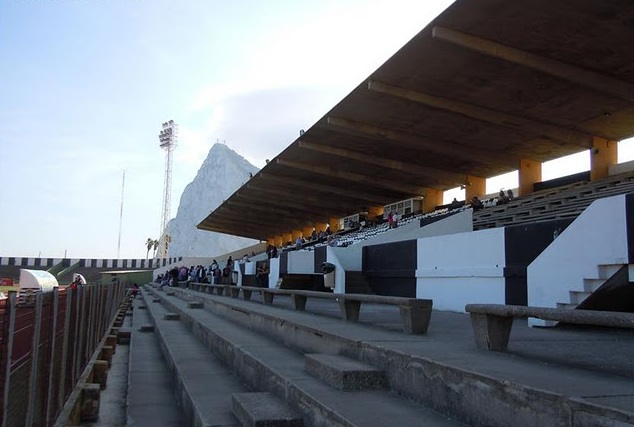
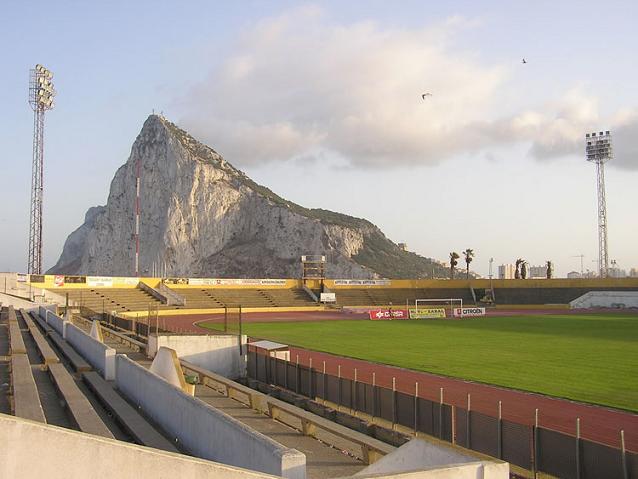
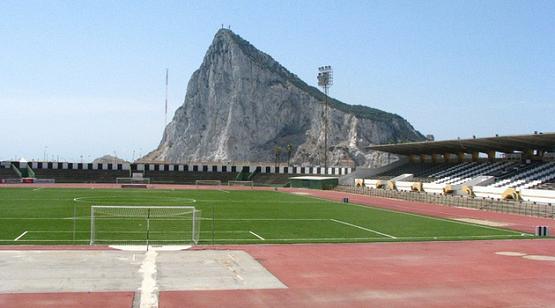
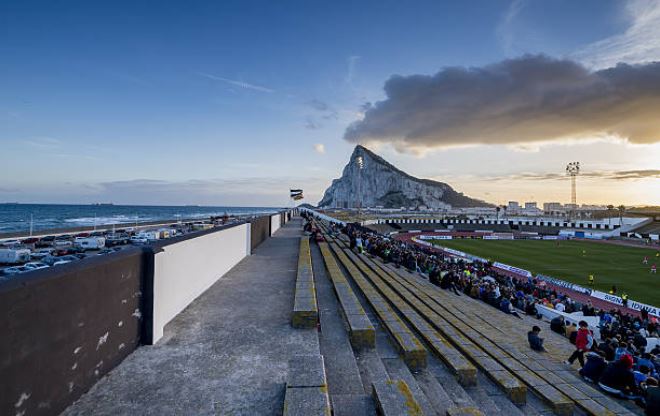
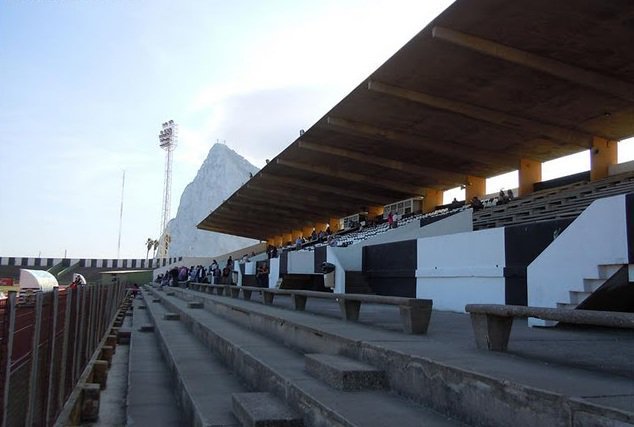
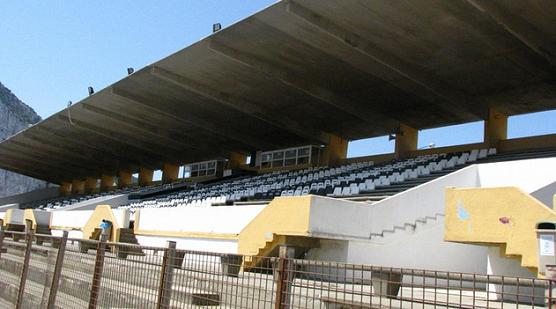
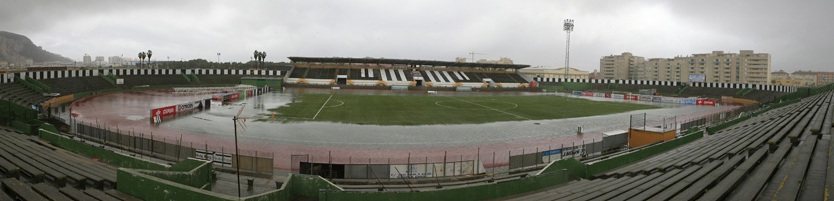
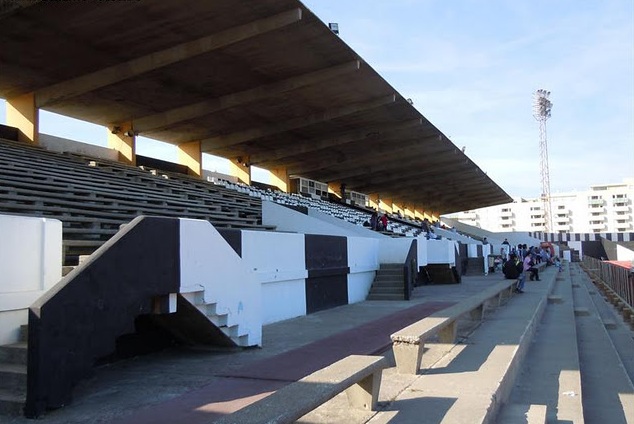
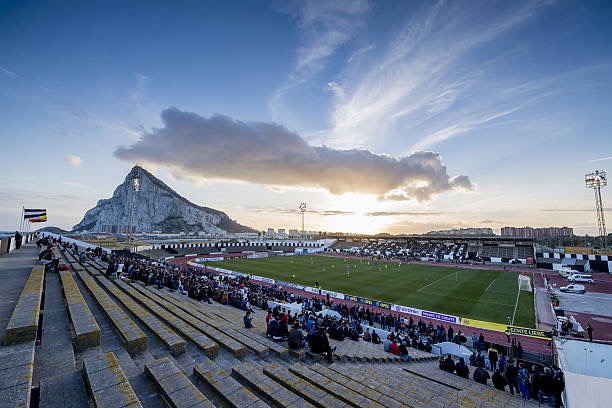
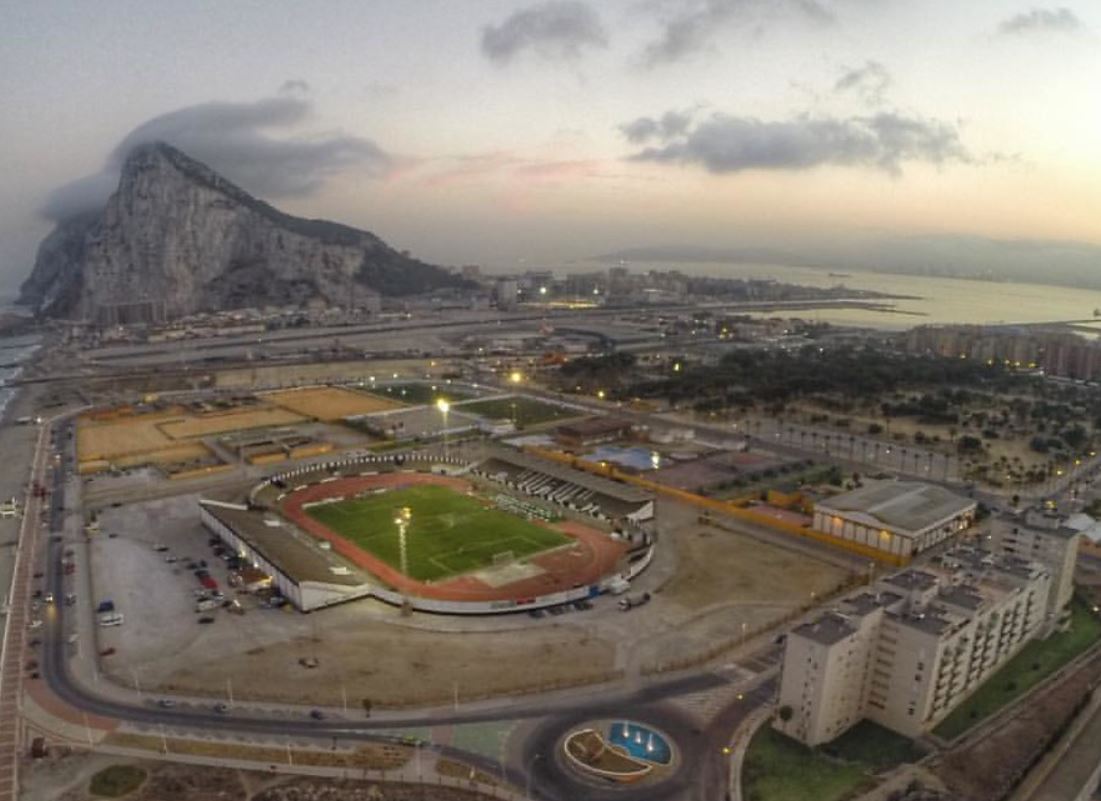
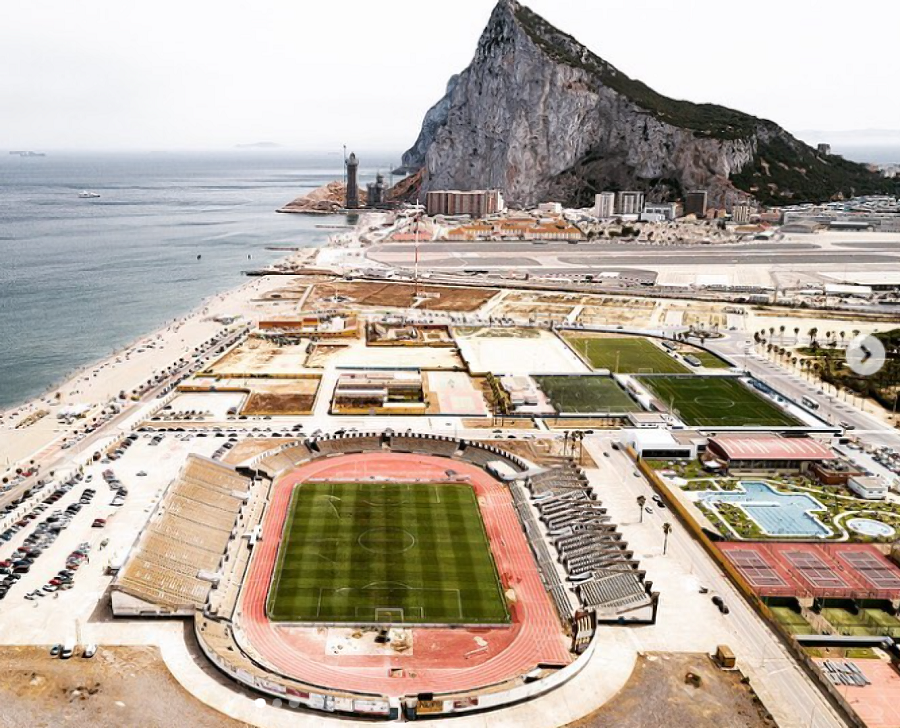
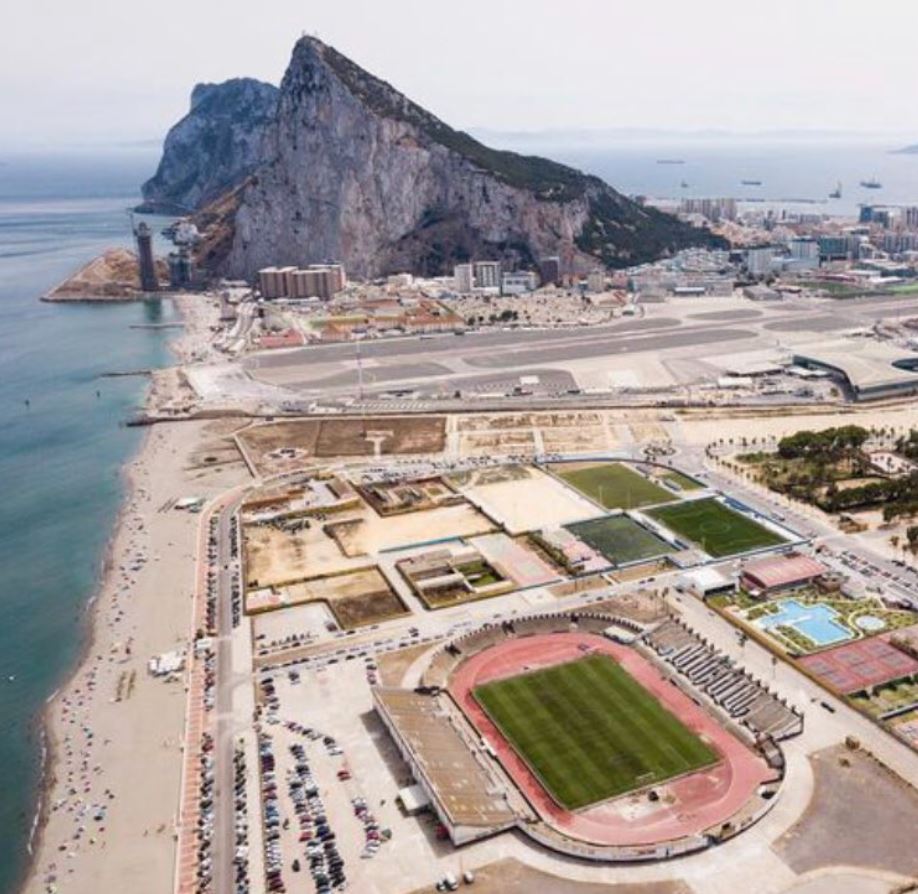
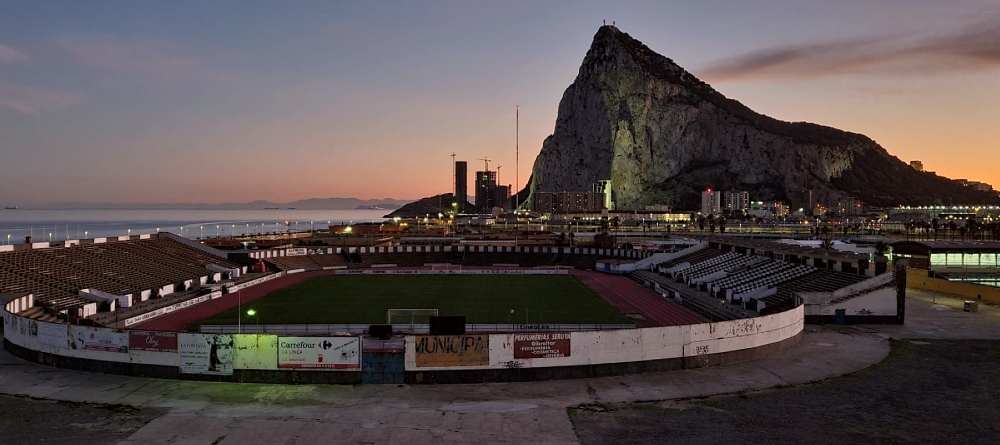
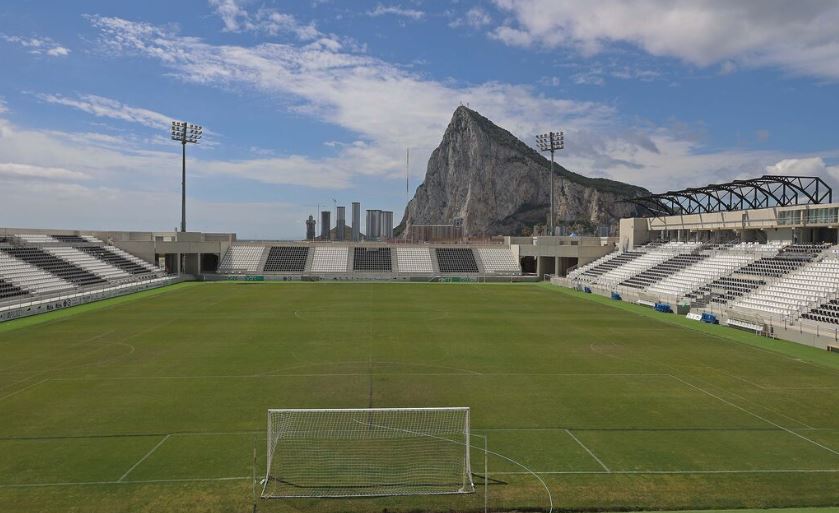
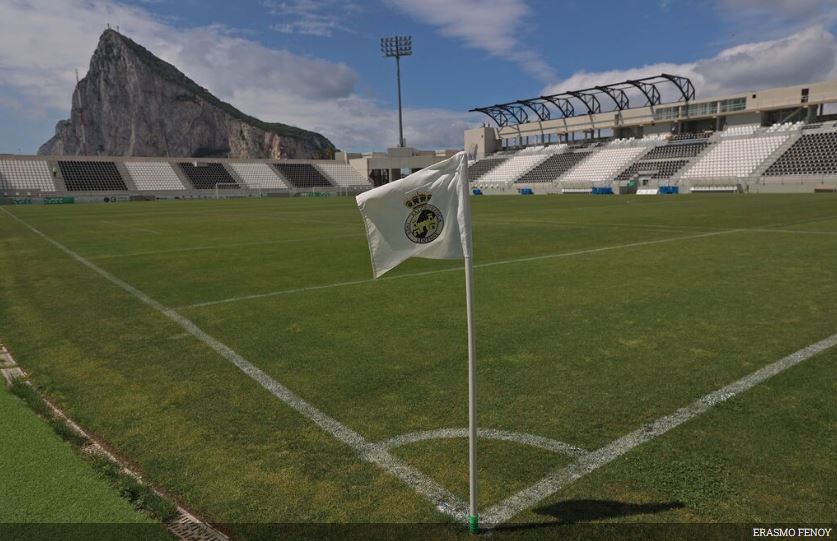
The stadium has encountered problems with the quality of the concrete used in its construction and in 1991, the club had to play some matches away from the stadium whilst repairs were conducted. More substantial renovations were carried out in 2003 and in 2009 an artificial pitch was installed. La Balona did not find the plastic that fantastic and in the Summer of 2016, they turned back the clock and replaced it with a natural grass surface. Whilst outdated and way too big for the size of the crowds that La Balona attracts, it was still a striking enclosure, with its deep concrete cantilevered roof (although that was removed in the 2010s!), a large east terrace that houses the changing rooms and oh yeah… that iconic monolith to the south.
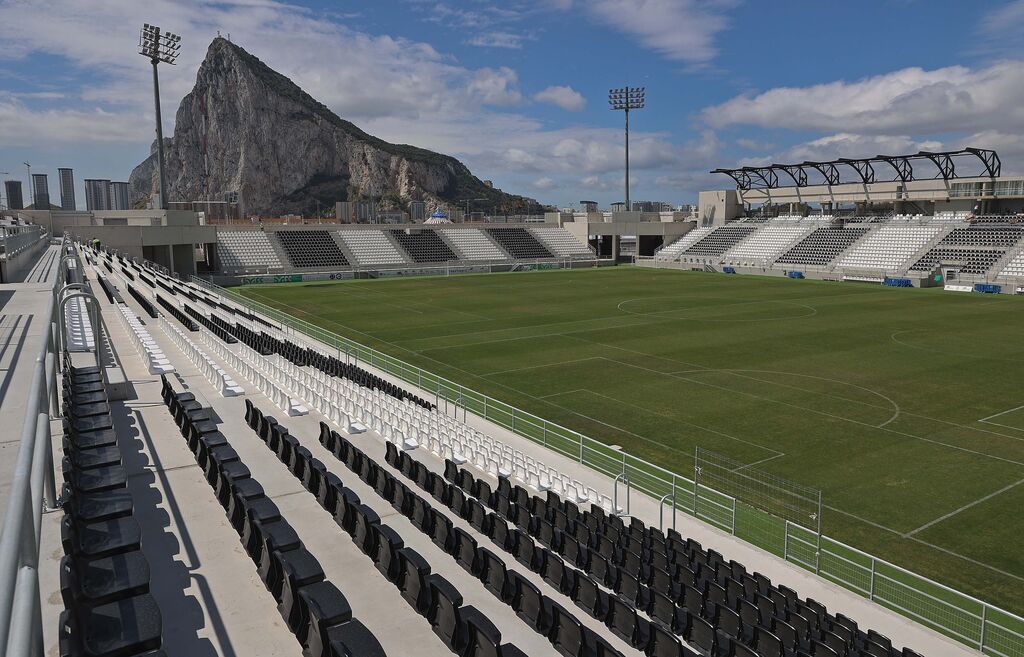
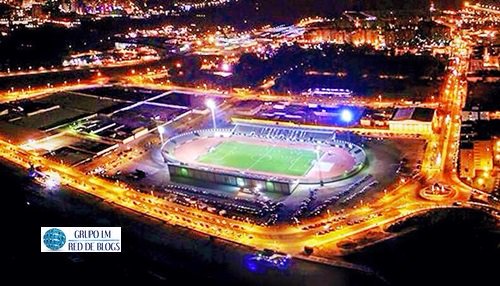
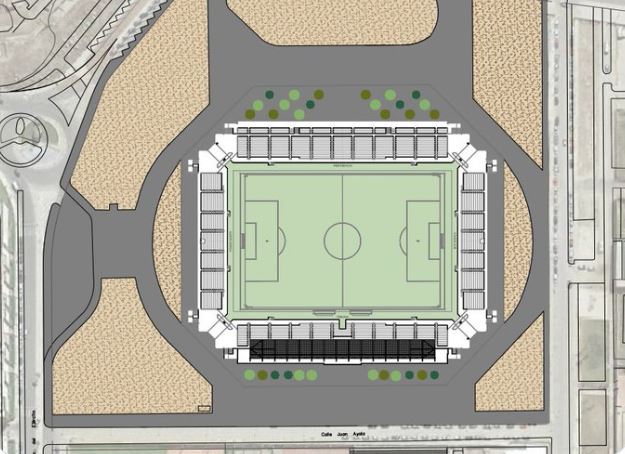
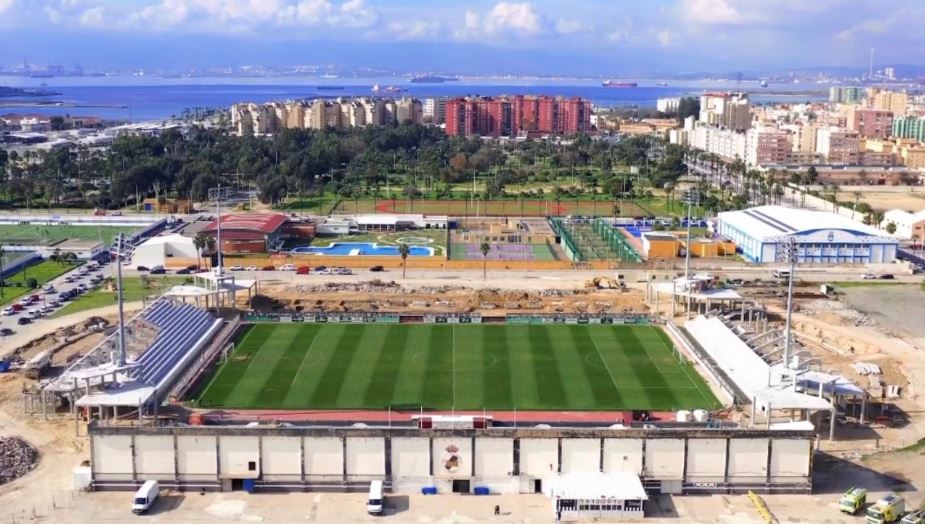
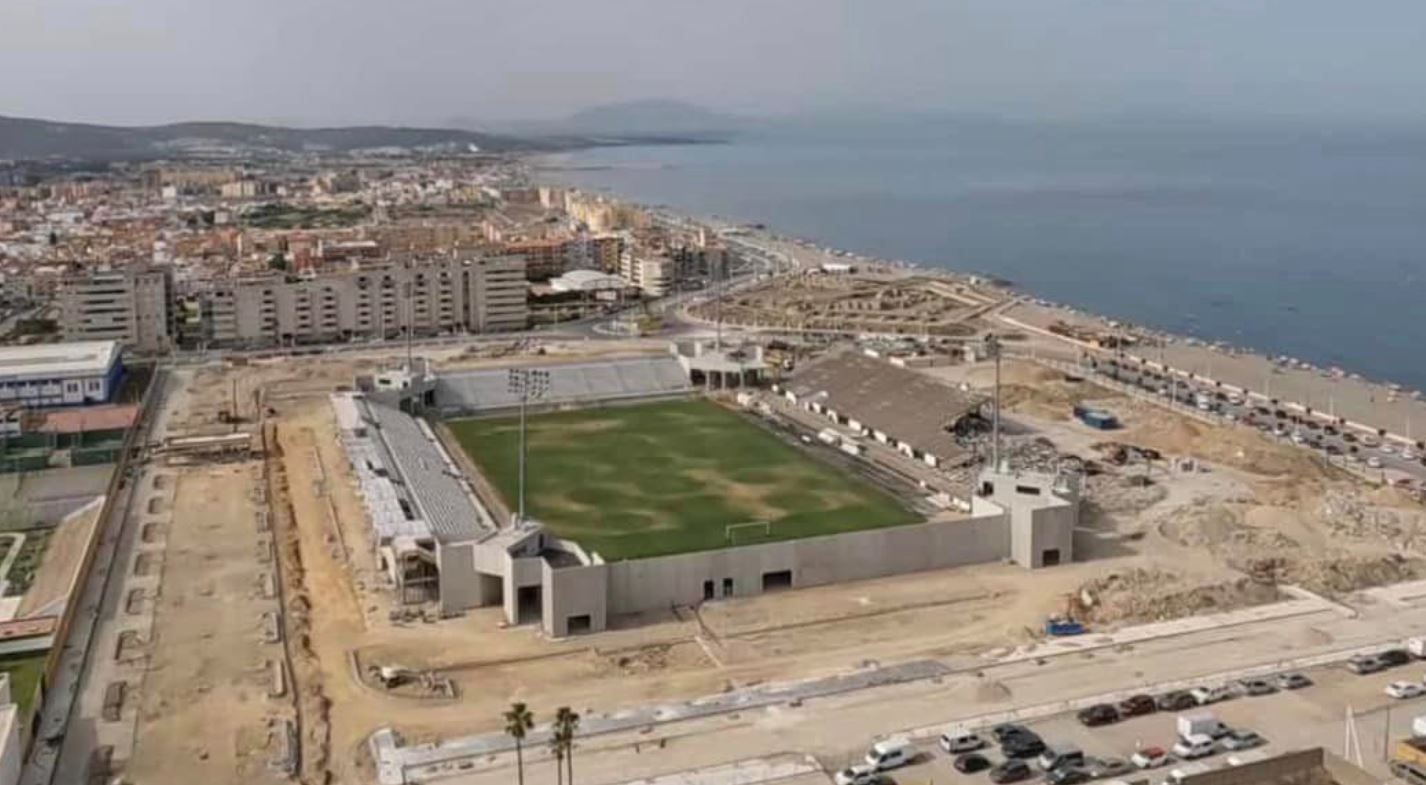
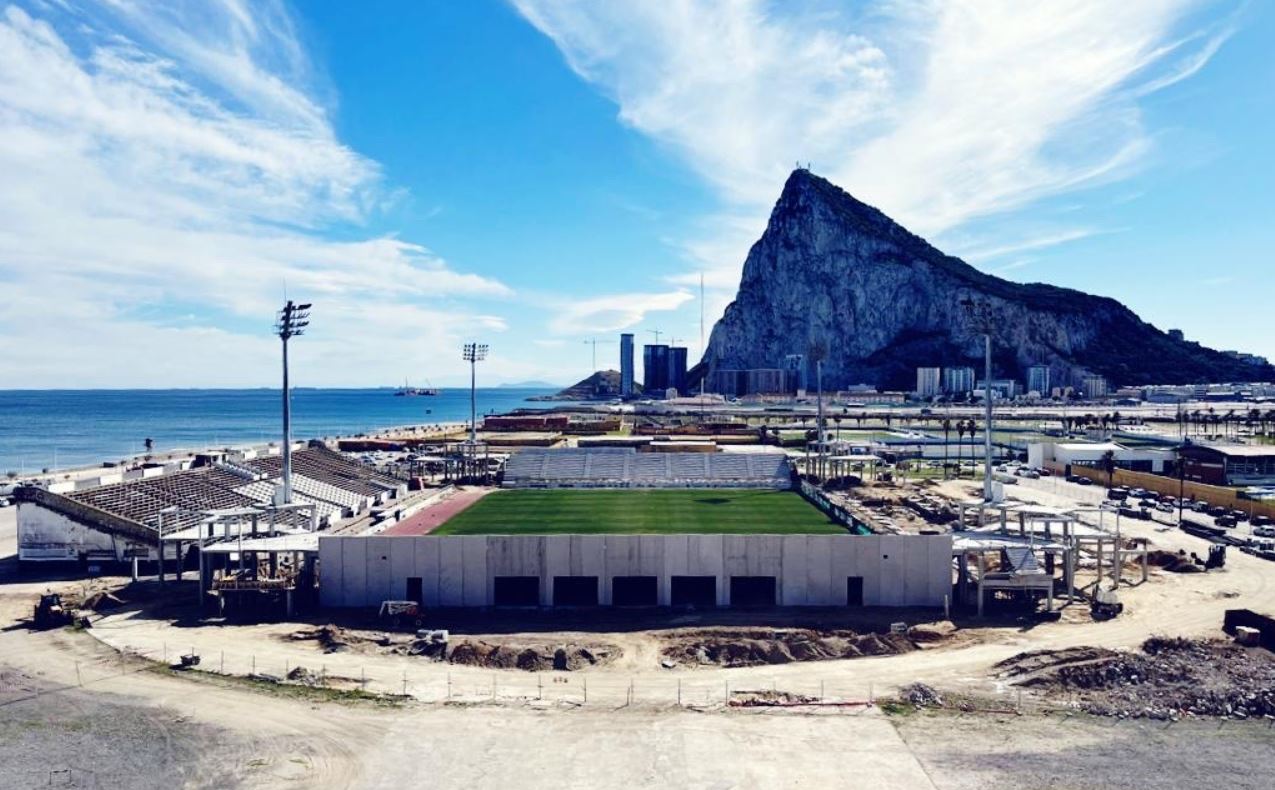
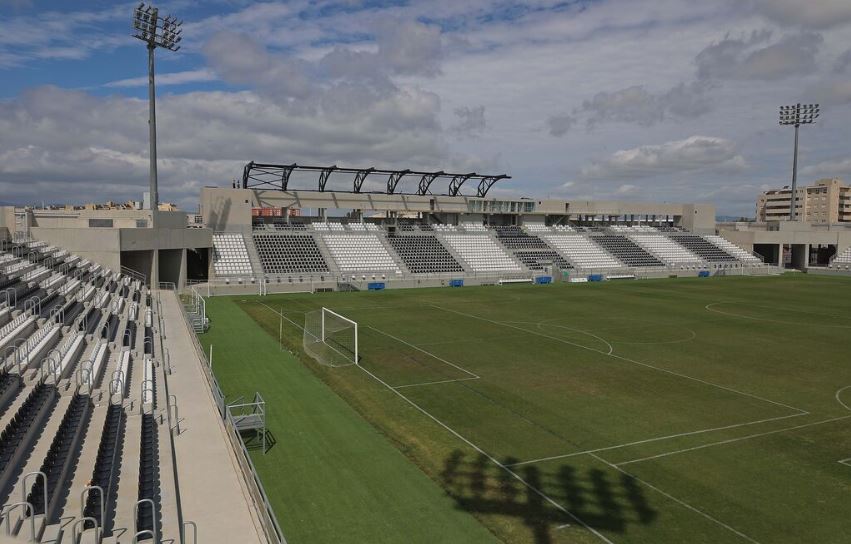
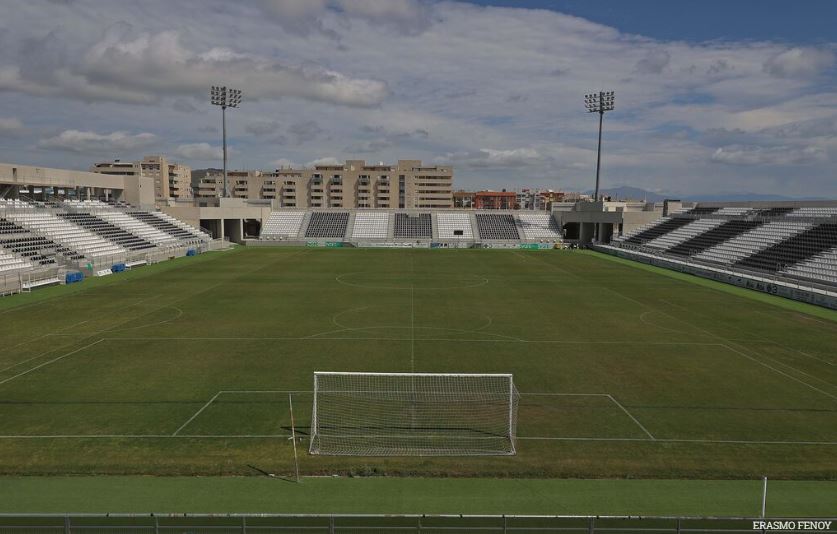
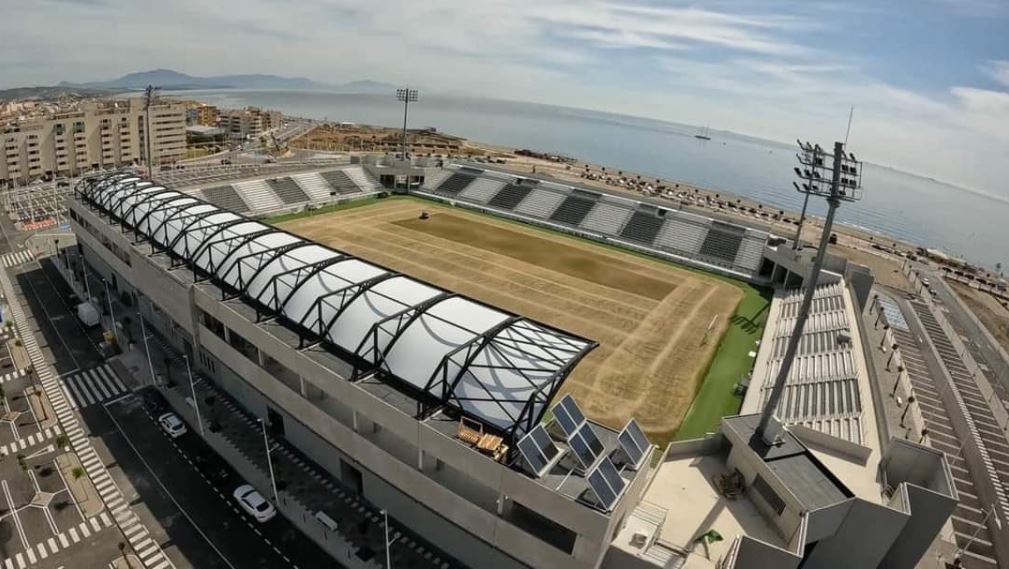
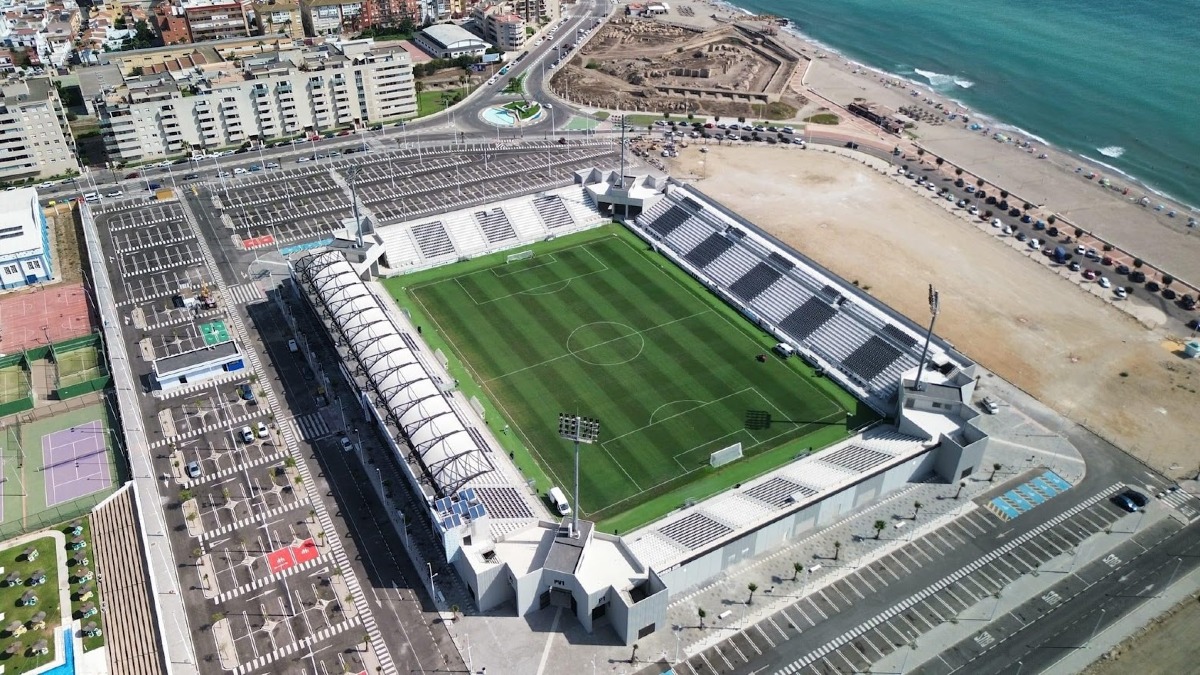
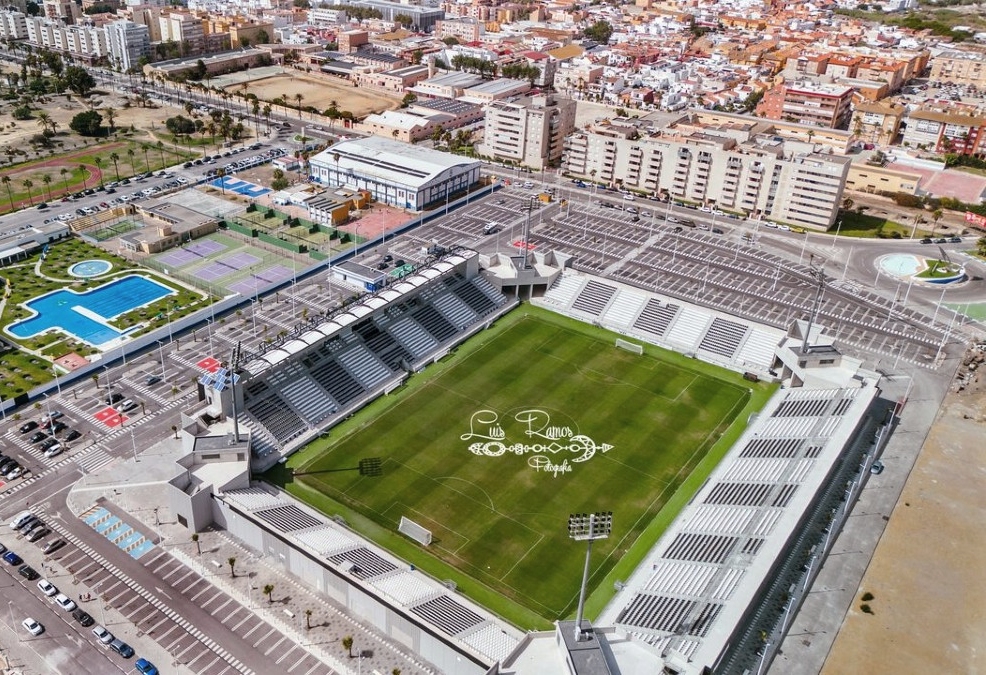
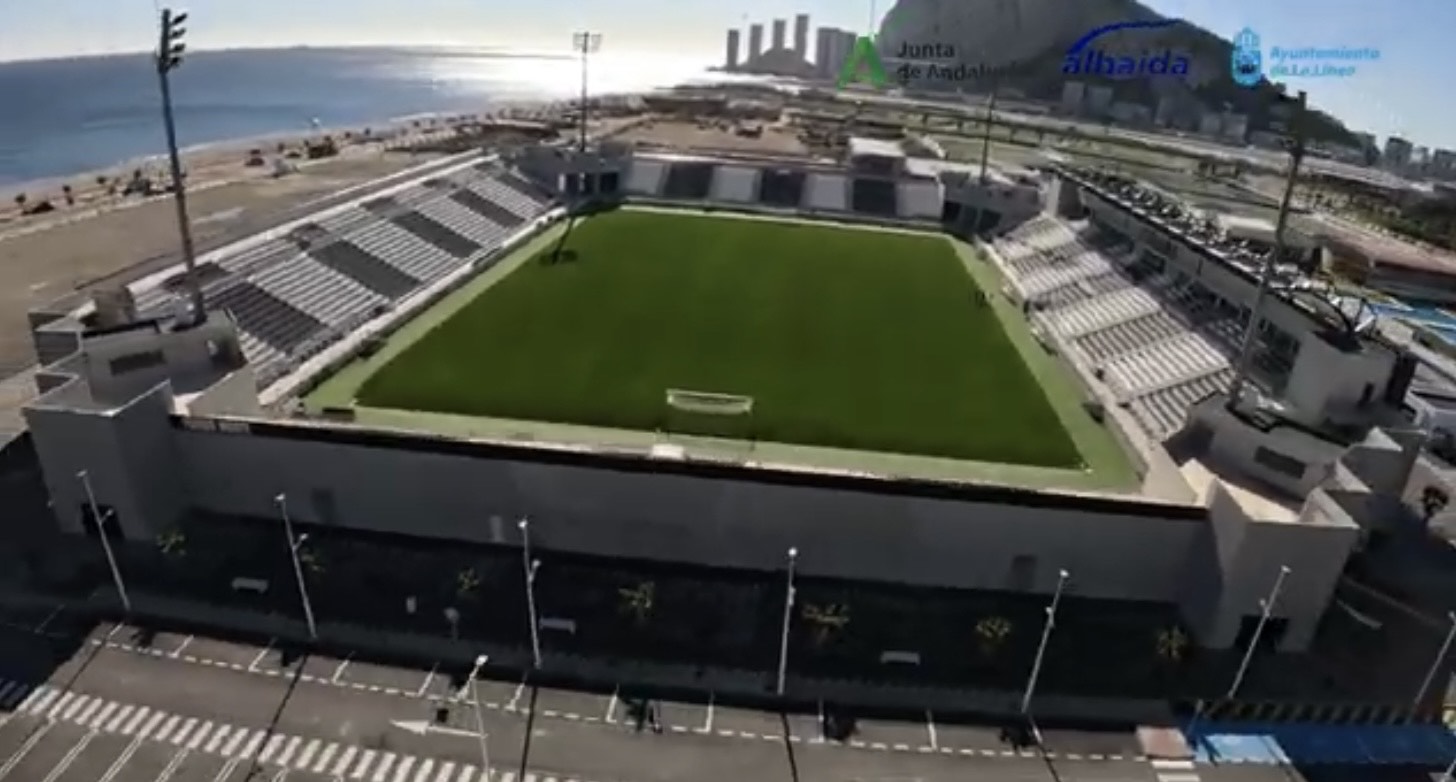
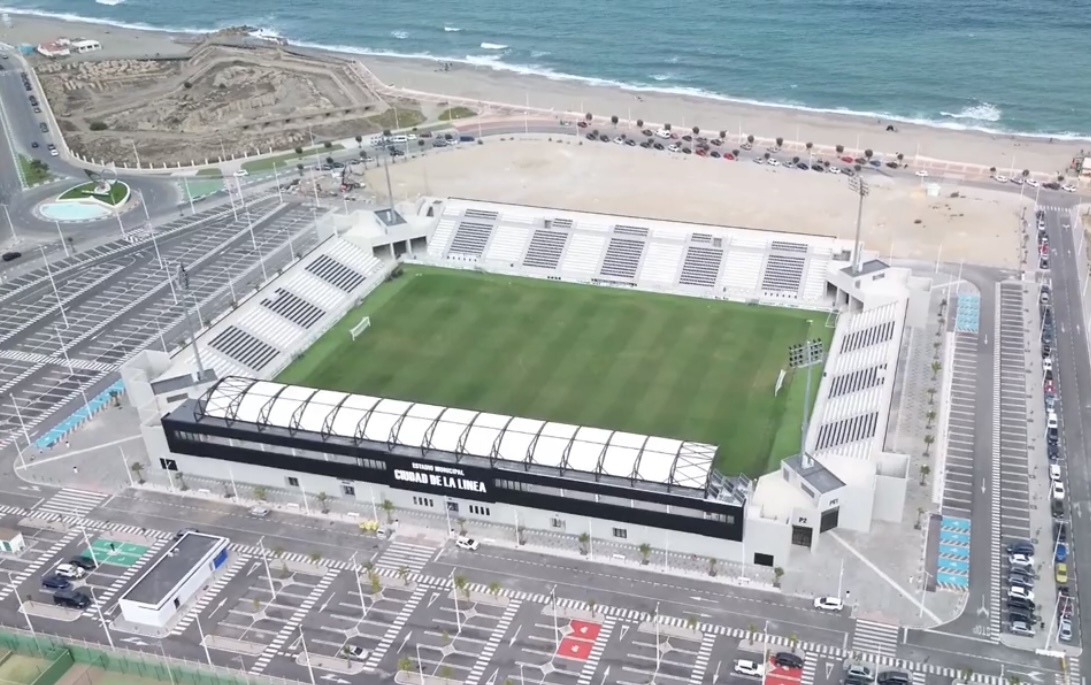
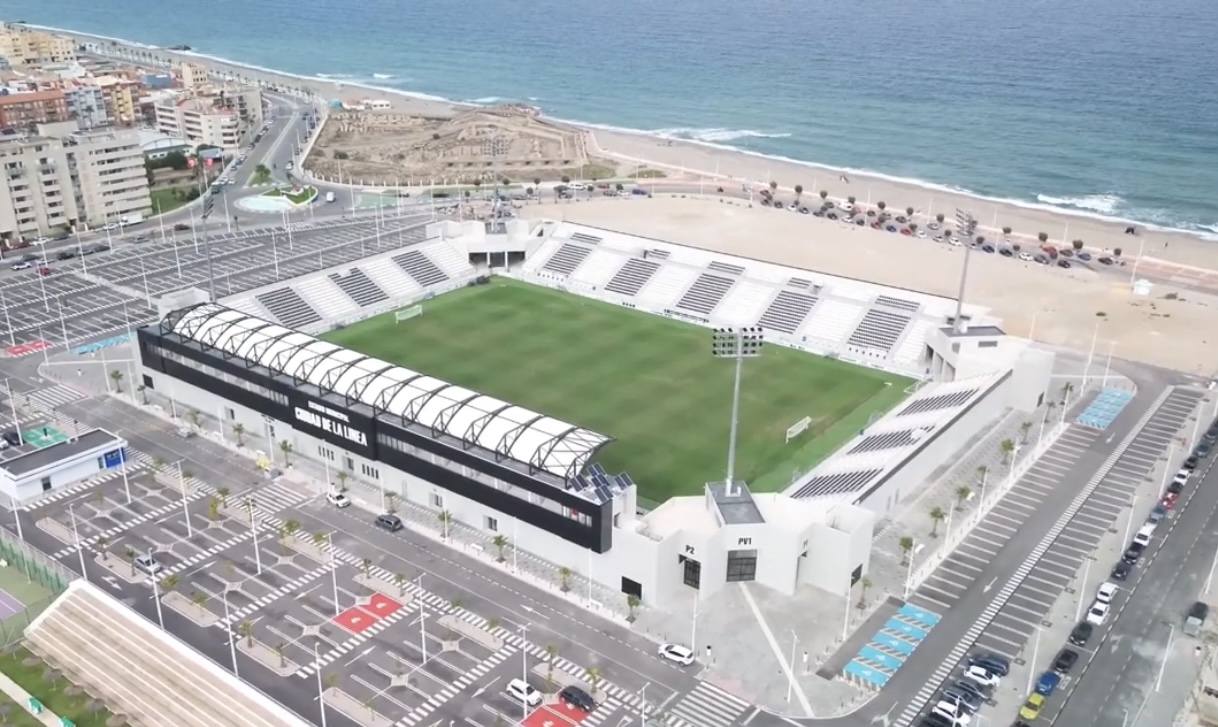
In 2022, the municipality started the €6m reconstruction of the newly titled Estadio Municipal Ciudad de La Línea. The bane of many a municipal stadium, the athletics track, was removed, and all existing structures demolished. The first sections to be redeveloped were the north and south ends, which were linked to the new main stand by curved corner sections that also housed the stadiums floodlight pylons. During the 2002-23 season, whilst the west side and north & south ends were under construction, the old eastern Preferencia was the only area of the ground in use, which restricted capacity to 3,997. The main stand on the eastern side was completed during the summer of 2024 and the new layout was inaugurated with a friendly against Real Betis on 14 July 2024.
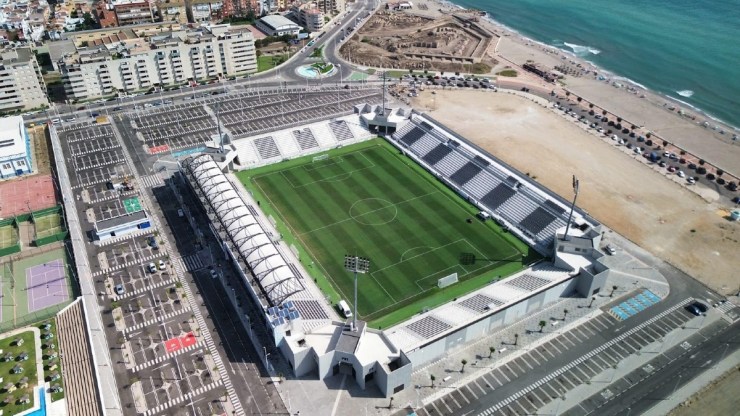
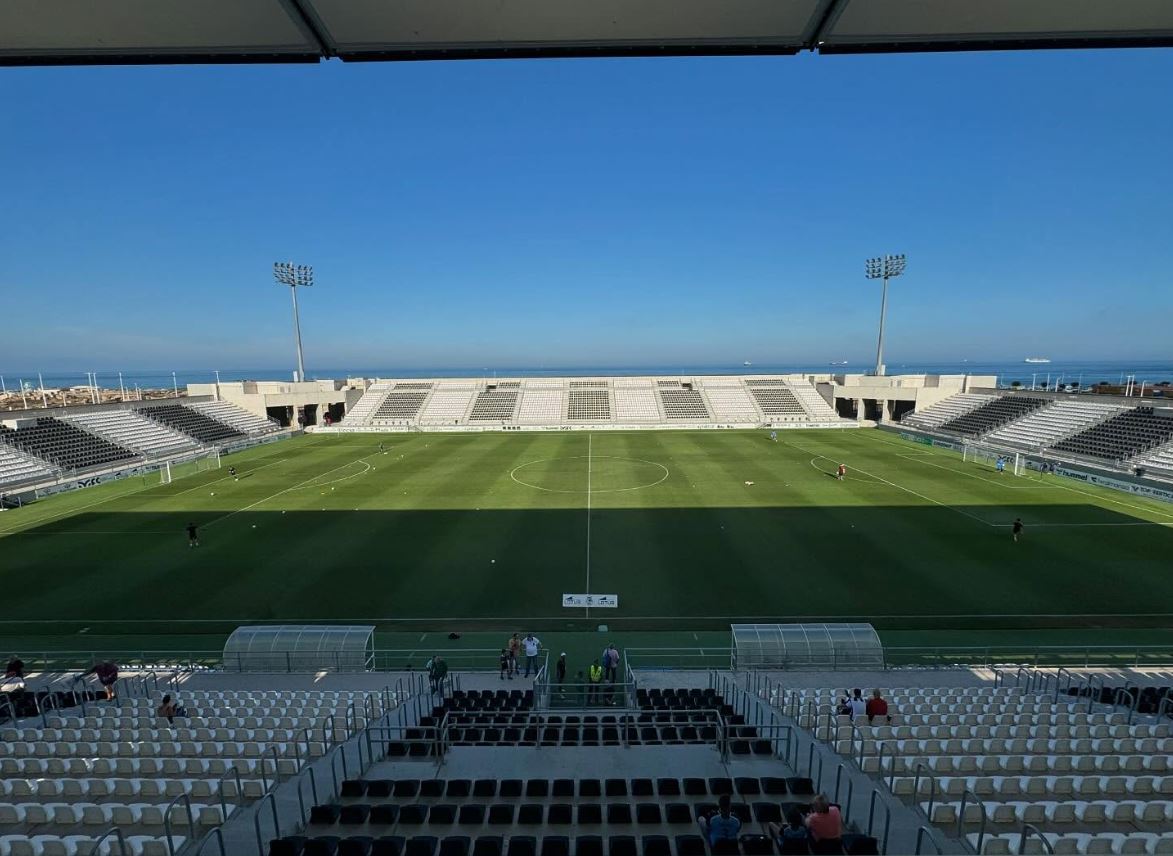
The rebuild is a striking upgrade on its popular, but wholly inadequate predecessor. The design was a collaborative effort from Ingenio Arte Arquitectura and Dproyectos Estudio de Arquitectura y Urbanismo SL. The layout dispenses with the athletics track, bringing all four stands closer to the pitch. The largest of the four stands is the eastern Preferencia, which is now fully seated with bands of black & white seats. It is linked to the the north & south ends of the stadium by two-tier corner units that house floodlights. Each end also has bands of black & white seats. The main stand on the western side is the most striking of the stands. It’s line of seating is broken on the halfway line by the players entrance tunnel, above which is the directors seating. Suspended above the rear of the seating deck is a line of media booths, above which is the cantilevered roof, which uses polyurethane sheets to provide shade and cover. With an overall capacity of 9,000, the Estadio Ciudad de La Línea is proof that with a lot of thought and a little flair, a cost-effective, modern stadium can still get the pulse racing.

 Estadios de España