Article updated: 15/10/2025
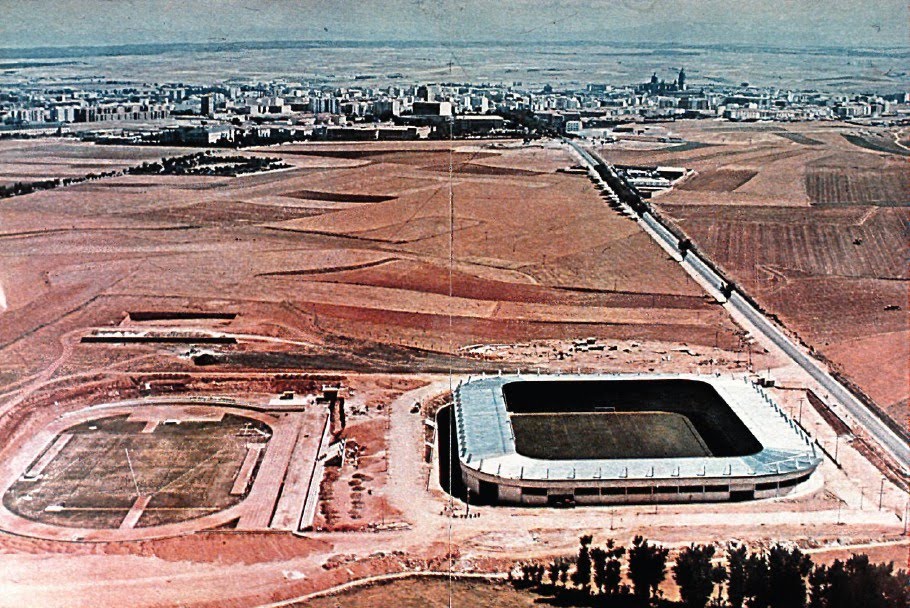
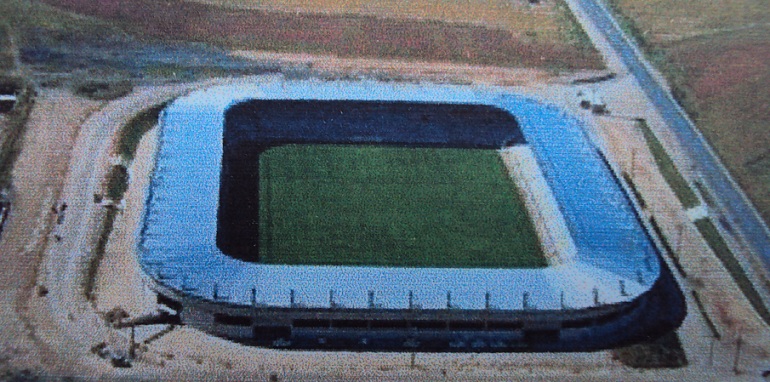
Founded in 1923, Unión Deportiva Salamanca’s first home stadium was the Campo de El Calvario. Situated in the San Bernardo barrio, just to the west of the city centre, El Calvario was a basic enclosure which had seen little development since the 1930s. In 1966, the club sold the land to the city council, raising over 9 million pesetas, which saw the club purchase land a couple of miles to the north of Salamanca. The site was close to Prado de Panaderos, where the first significant club to emerge from the city, Helmántica Football Club, used to play. In May of 1969, the club appointed architects Antonio García and Fernando Población to design the new stadium, and work commenced on the site in November of that year.
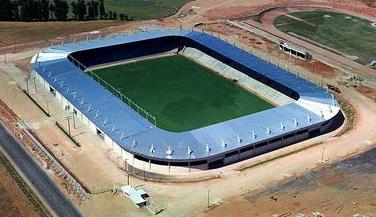
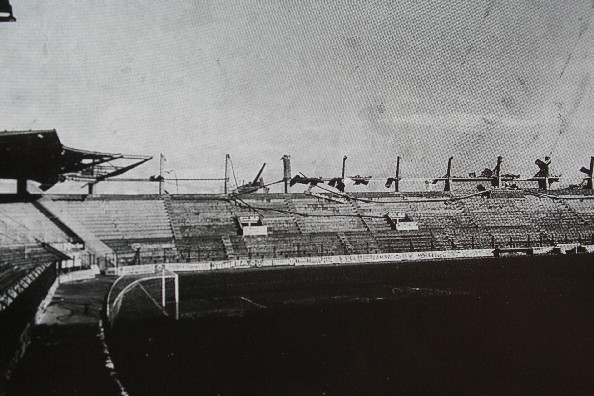
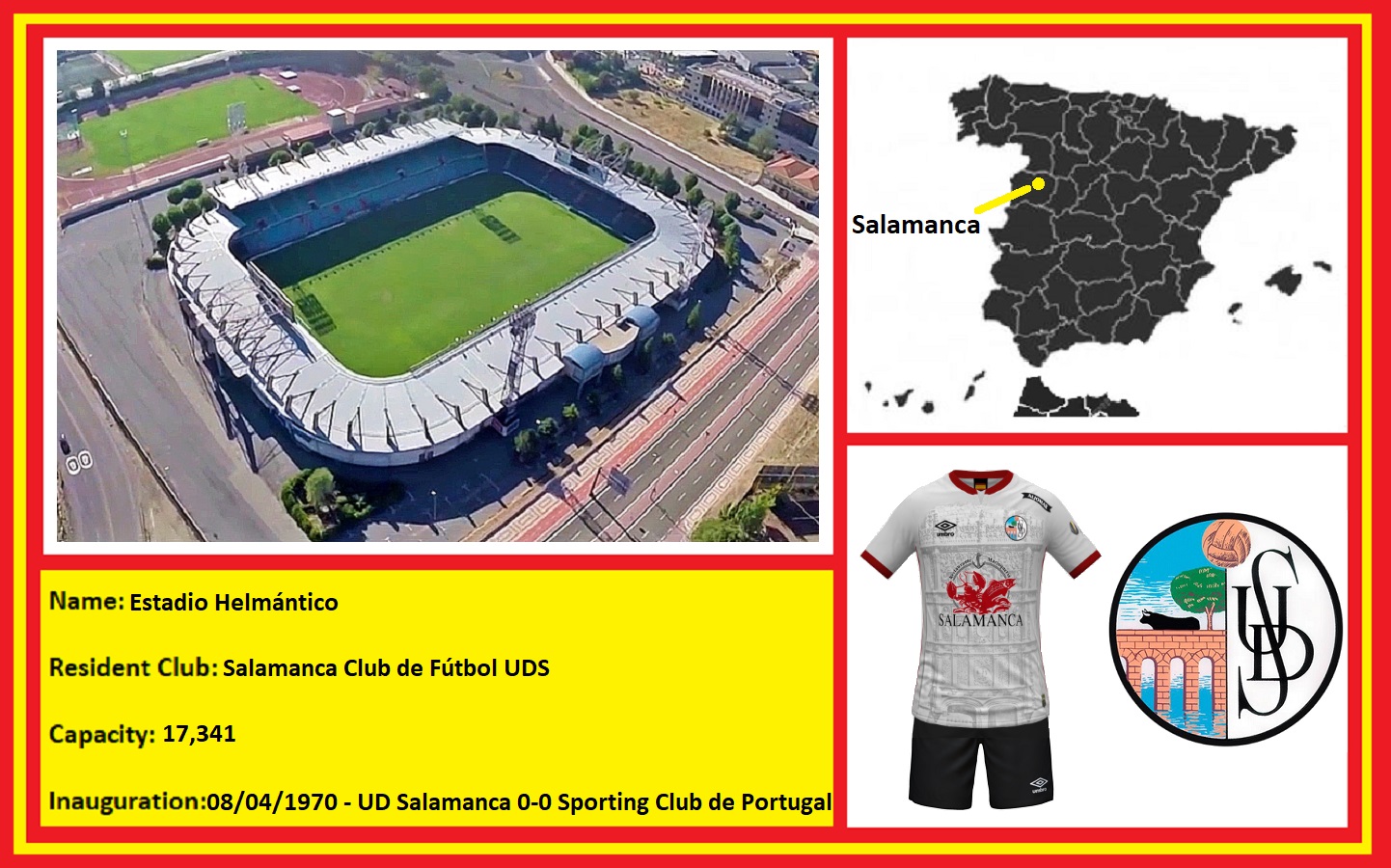
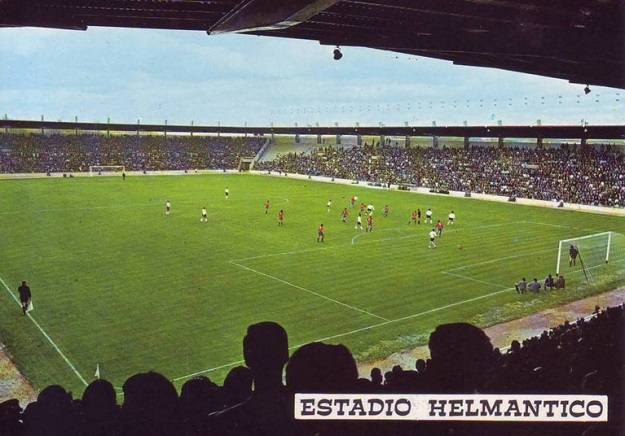
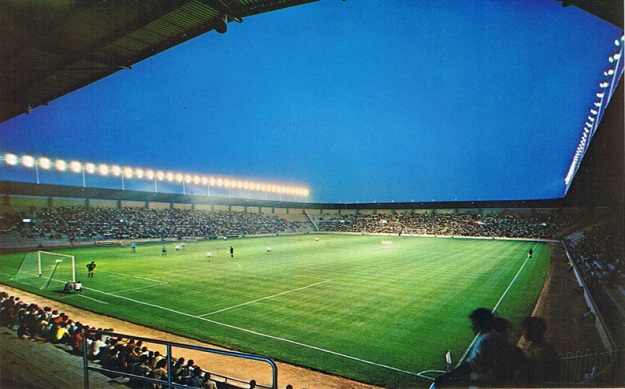
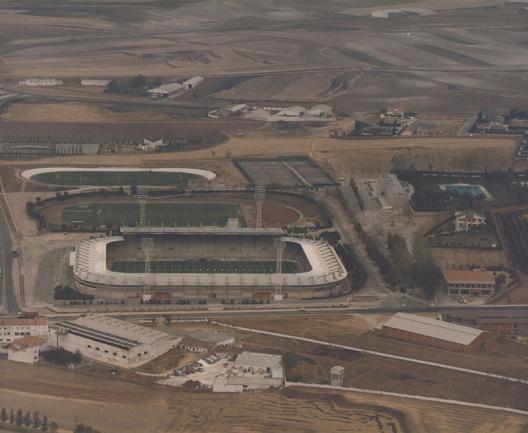
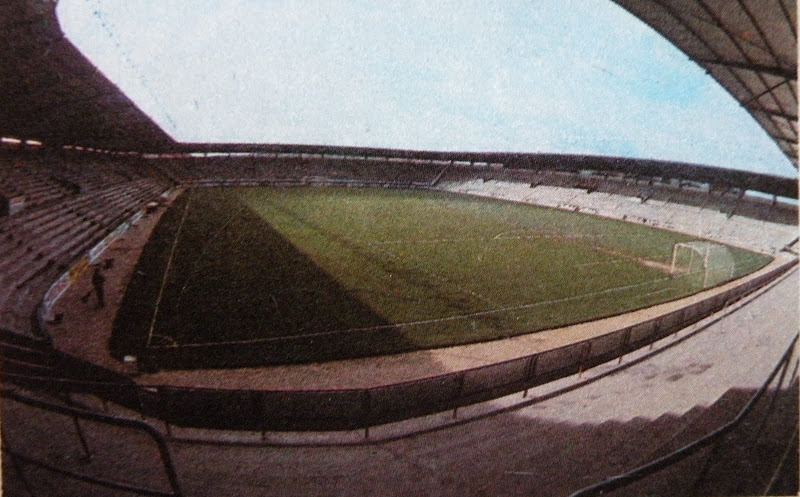
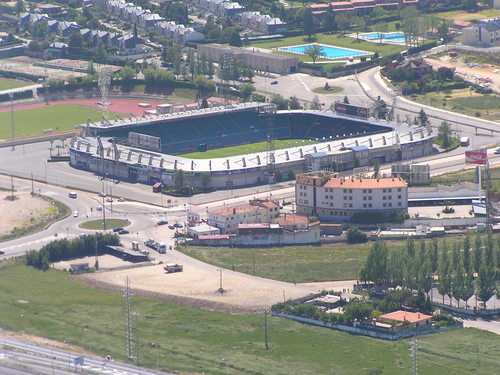
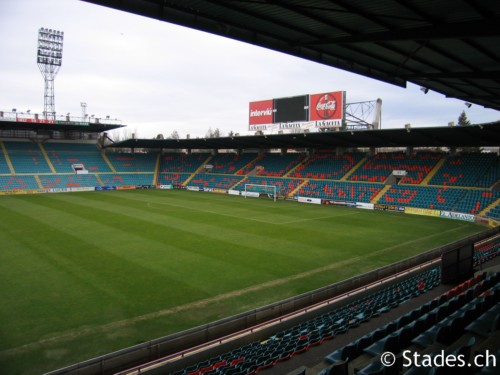
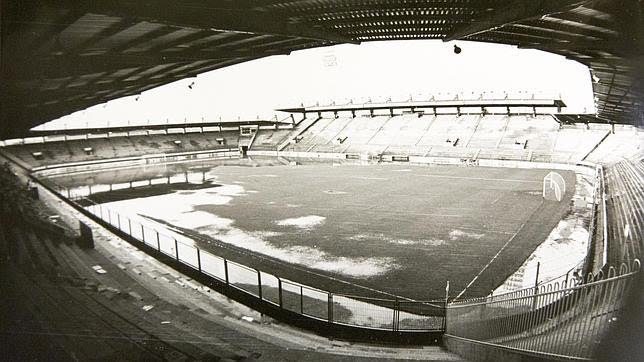
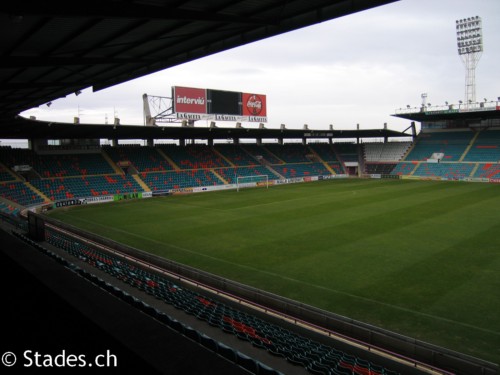
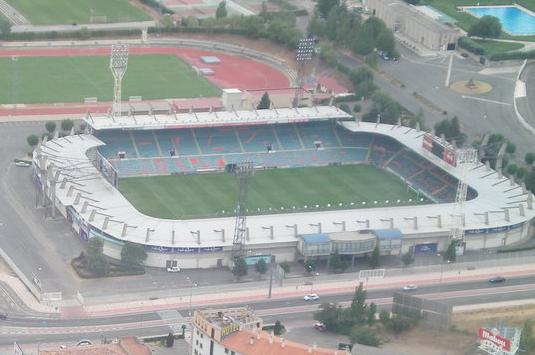
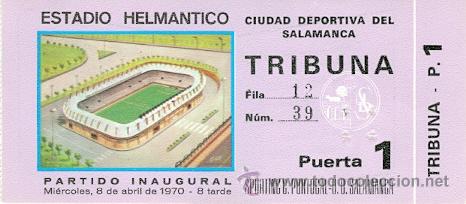
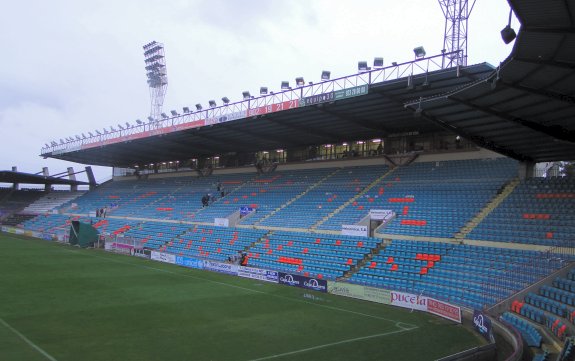
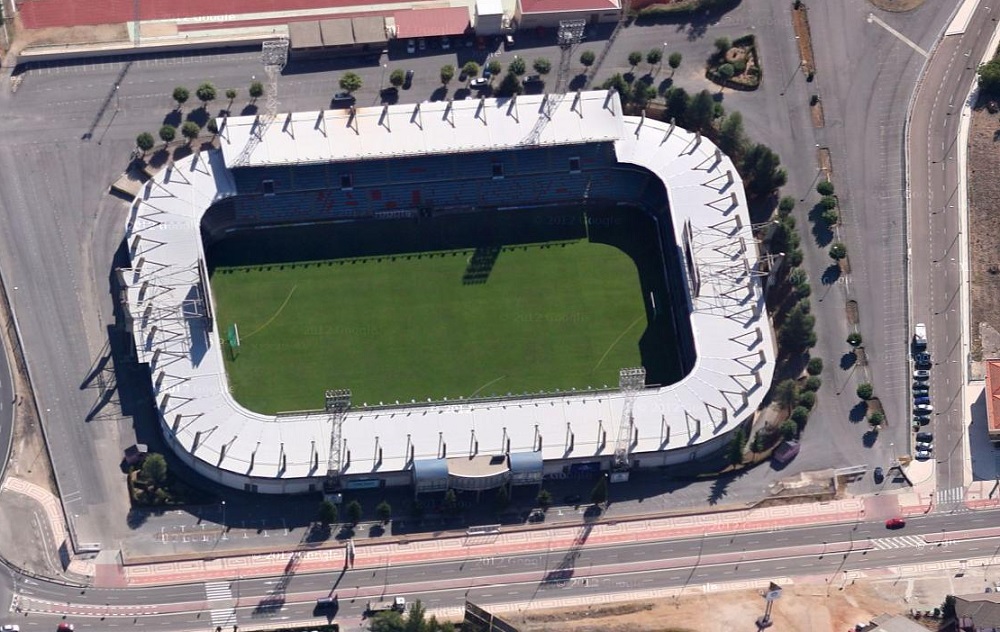
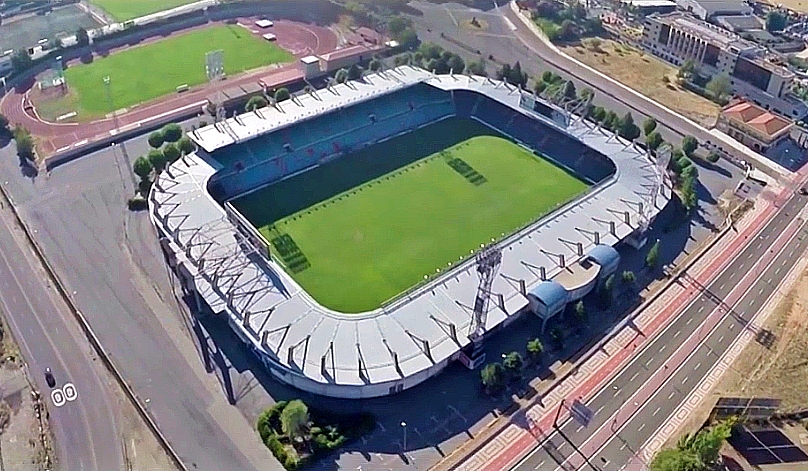
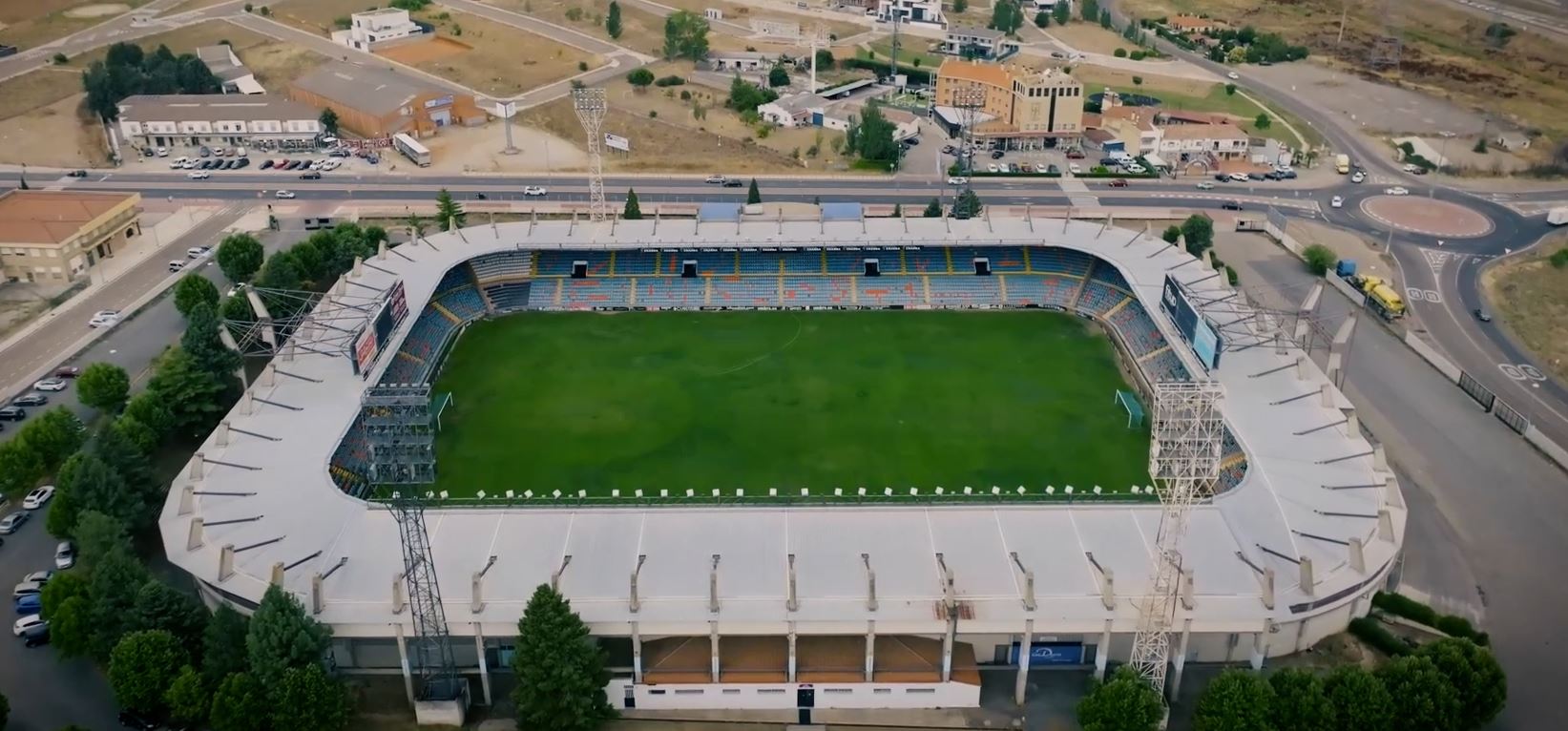
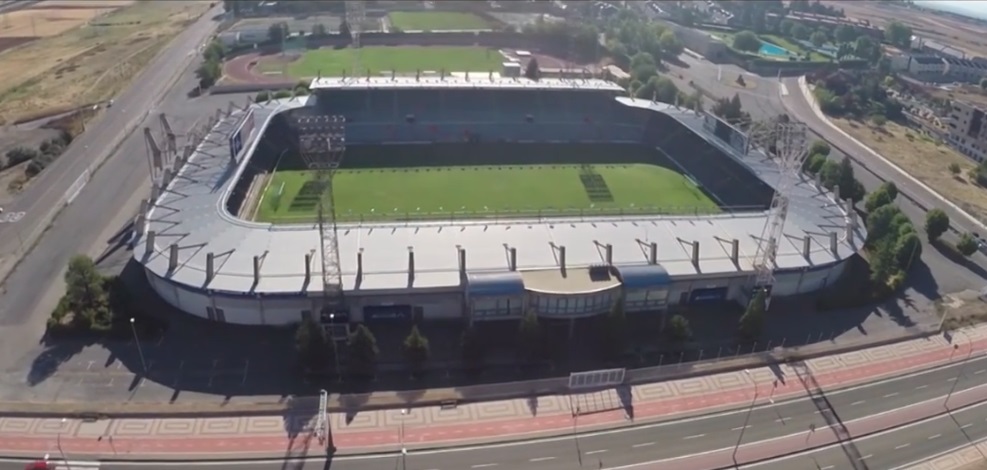
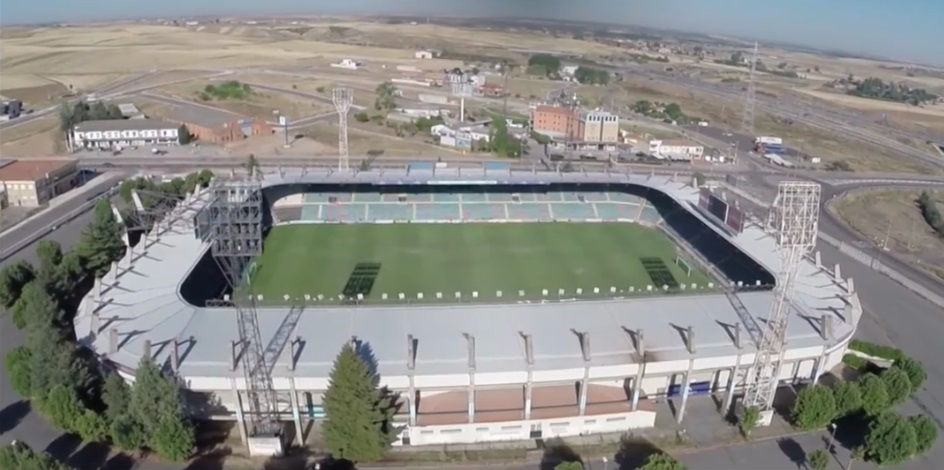
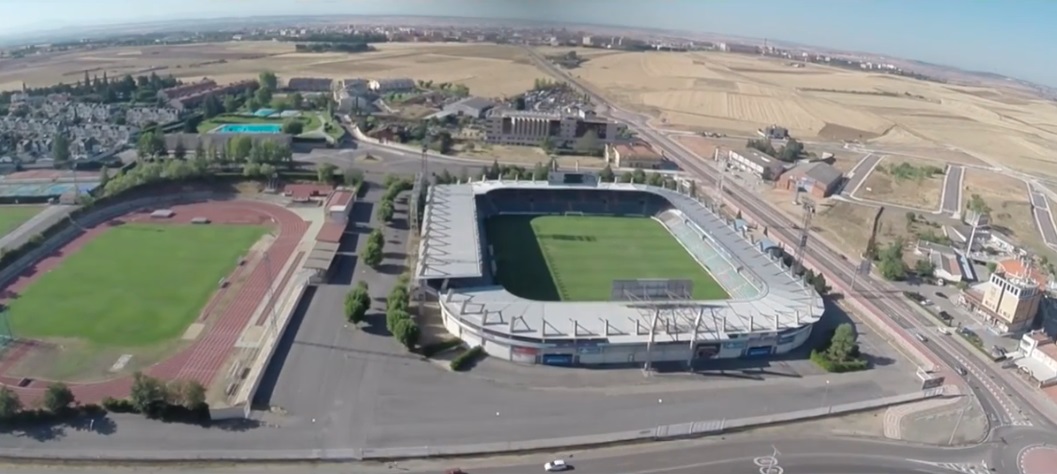
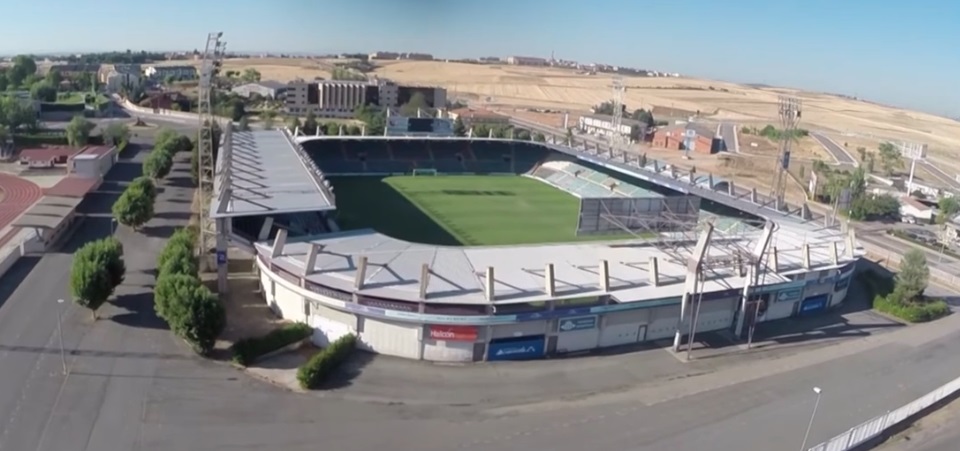
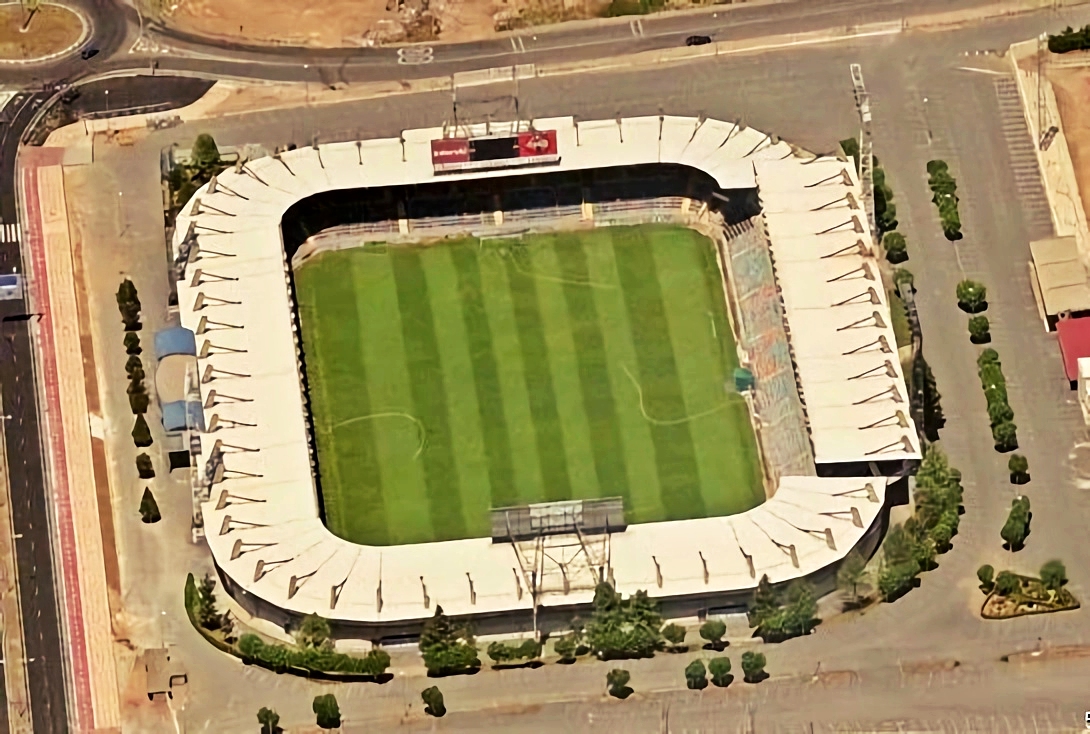
On 8 April 1970, the new Estadio El Helmántico was opened by National Sports Minister and future Olympic President Juan Antonio Samaranch. UD Salamanca drew 0-0 with Sporting Lisbon in a friendly, and four days later, the first official match at the ground also ended goalless, when the hosts drew with Real Betis. Initially, El Helmántico had a capacity of 30,000, which consisted of three terraced sides and a seated stand on the west side. They were all housed on a single tier under a cantilevered steel and aluminium roof. Rather than use floodlight pylons, the pitch was illuminated by lights that were situated on gantries that ran along the front of the roofs of the east and west stands. Over the next decade, the roof would come under severe attack from the strong winds that blow across the Castellano-Leonesa plain, and on three separate occasions, buckle. The first occasion was on 14 January 1975, when a 110km gust tore three 3,000kg beams from their moorings. Then on 11 December 1978, two days before the stadium’s first full international between Spain and Cyprus, a gust of nearly 100km uprooted a cornerstone and peeled the roof off the northern Fondo. Damage was estimated at 25 million pesetas, but the match did take place, albeit in front of a reduced capacity of 18,000. The problems were only rectified after another incident damaged the main east stand in February 1979. During the summer of 1979, all moorings were strengthened, and the east stand was extended with nine rows of seats, and a new roof was added.
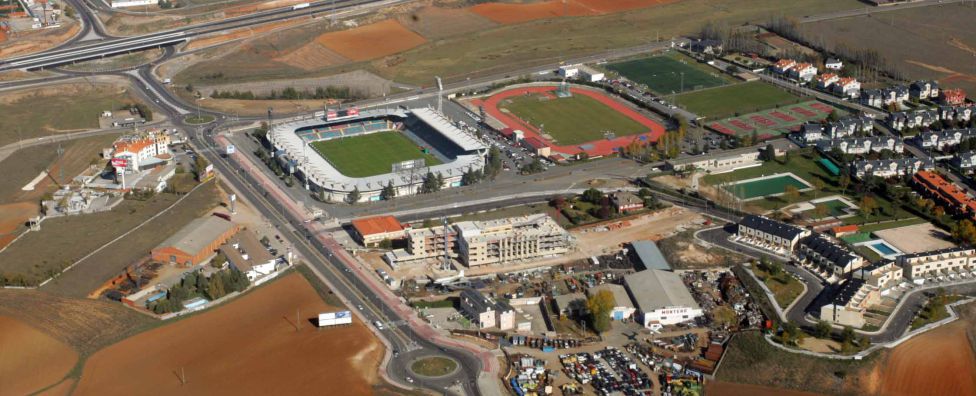
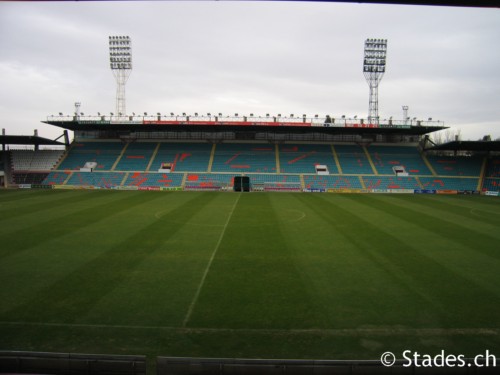
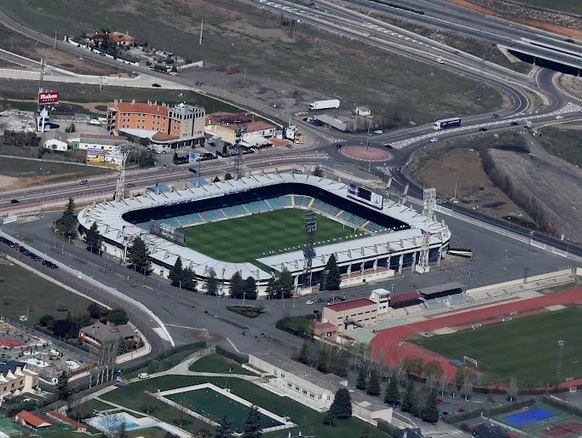
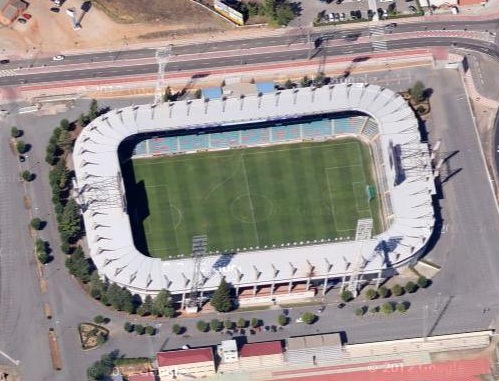
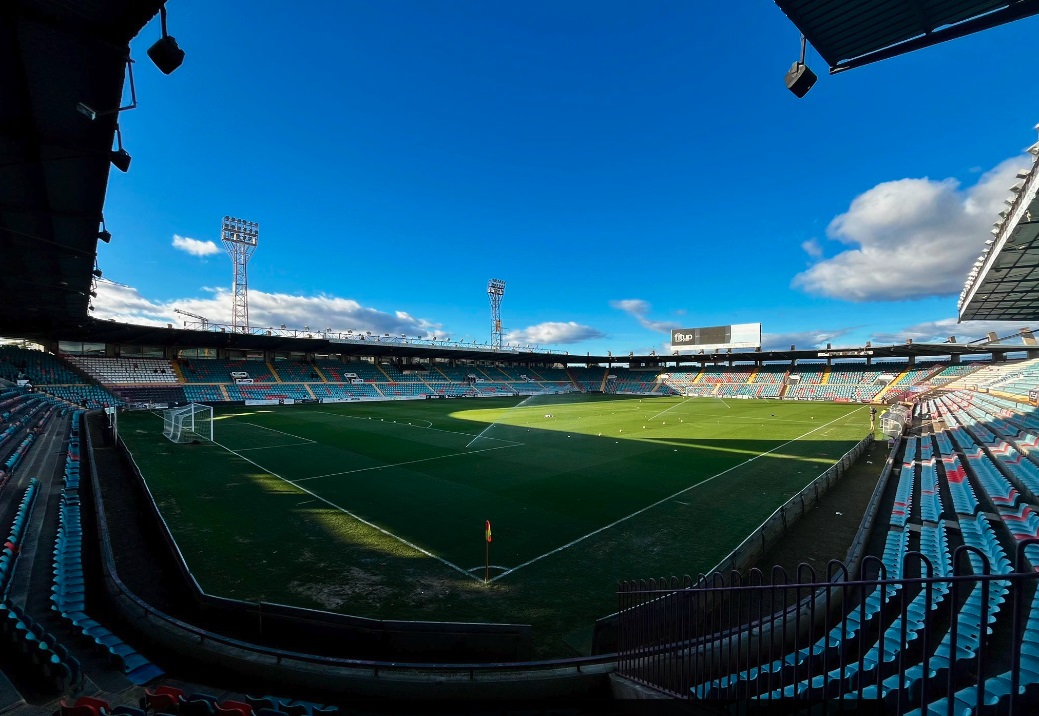
Although the move to El Helmántico coincided with relegation to the Tercera, UD Salamanca soon regrouped and, with the remaining funds from the sale of the El Calvario site, built a side that won the Tercera title in April 1973. With that win came automatic promotion to the second division, and more was to follow. The 1973-74 season saw the club compete at the top end of the table and even head the league with nine matches to play. Whilst there was a loss of form in the closing stages, it held on, claiming promotion to the top flight with a 1-0 win over Real Betis in the penultimate fixture of the season. The next ten years were the club’s golden period, with comfortable mid-table finishes in seven of the next ten seasons. The stadium’s current floodlight system was installed during the summer of 1982, but instead of being placed in the corners, the oversized pylons sit level with the penalty area. UD Salamanca dropped back into the second division in 1984. A year later, the dream was well and truly over when the club dropped into Segunda B. The next decade was evenly split between dominating Segunda B and struggling in La Segunda. The club broke the cycle in 1995 when it won promotion from the second division and then spent three of the next four seasons in the top flight.
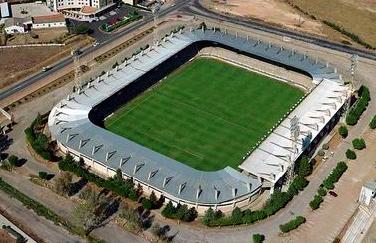
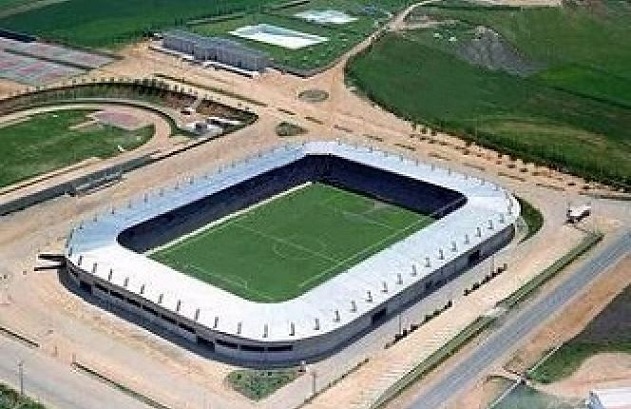
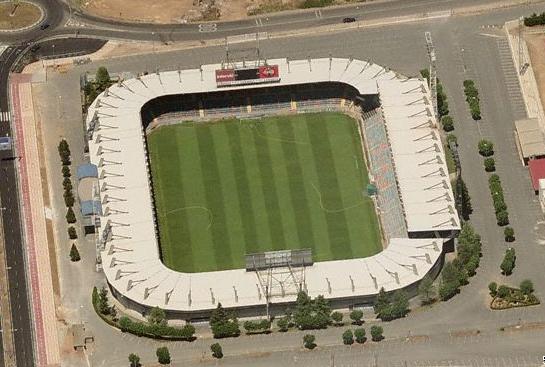
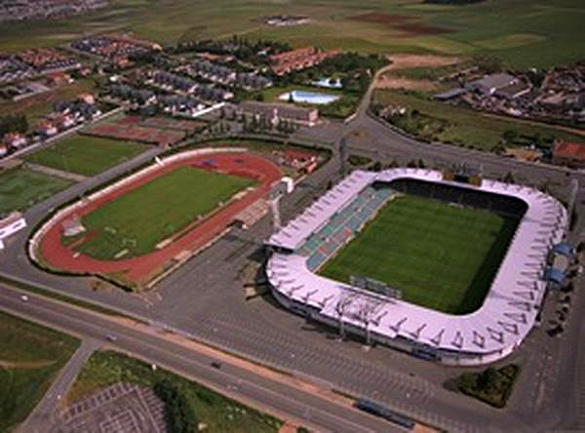
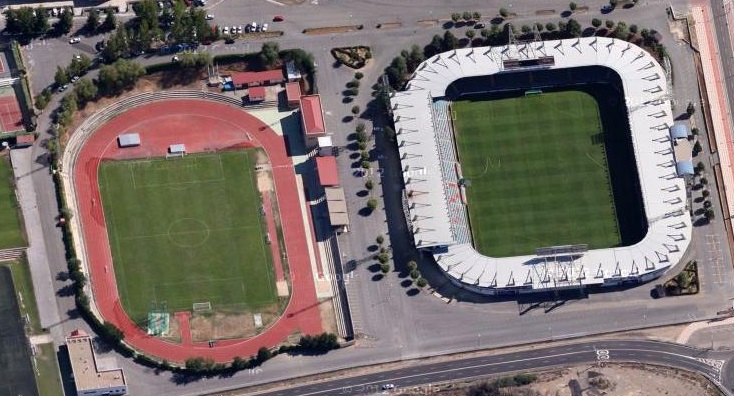
Despite a troublesome and at times windswept first decade, El Helmántico has weathered rather well and does not have the look of a stadium that is over fifty years old. At first glance, it resembles a slightly older relative of Racing Santander’s El Sardinero, albeit on one tier rather than two. It is, however, smaller, not helped by the installation of seats ahead of UD Salamanca’s last visit to La Primera in 1995. It now has an all-seater capacity of 17,341. The stadium has hosted La Selección on four occasions, with the aforementioned victory over Cyprus, a defeat to Sweden in 1988, and two further wins over China (2005) and Lithuania (2010). Behind the east stand is the Pistas del Helmántico, an athletics stadium which has, over the years, hosted UD Salamanca’s reserve side and both of UD Salamanca’s successors.
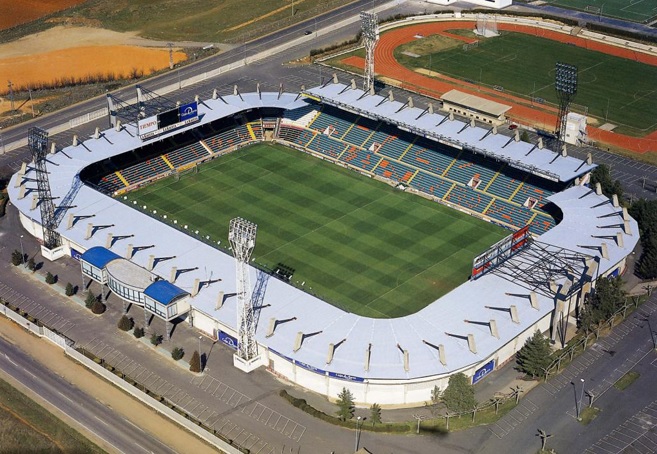
Following the drop to the regionalised third tier, UD Salamanca’s financial problems worsened, and amidst allegations of mismanagement, questions were raised about the club’s future. Finally, after 90 years of representing the city, UD Salamanca folded on 18 June 2013, after failing to reach an agreement with the bank over a debt of €23 million. The club’s assets, including Helmántico, were put up for auction, with Desarrollos Empresariales Deportivos purchasing the stadium. It’s often the case that a new club emerges from the still-smoking ashes of the old. In the case of the city of Salamanca, two clubs took up the mantle. Club Deportivo Club de Fútbol Salmantino and the supporters co-operative, Unionistas de Salamanca Club de Fútbol. Salmantino took over the place vacated by Salamanca B in the Tercera for the 2013-14 season, and clocked up successive 9th-placed finishes, before the Spanish Federation demoted the club to the regional leagues, stating that it was independent of the old UD Salamanca, and therefore had no claim to the B Team’s Tercera place, despite allowing them to compete since 2013.
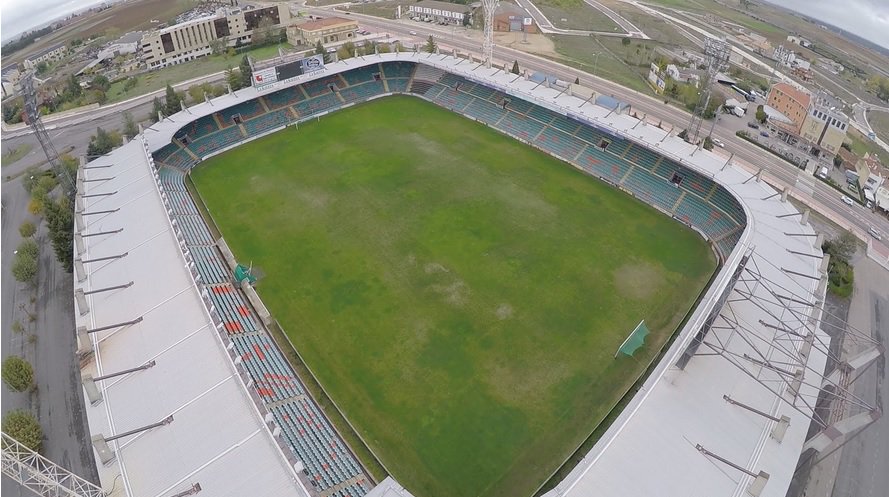
Three successive promotions saw CF Salmantino reach Segunda B, whereupon they changed their name to Salamanca Club de Fútbol UDS. Importantly, the club reached an agreement with Desarrollos Empresariales Deportivos to play at the Estadio Helmántico. The club also reached an agreement to purchase the historical name, crest & trophies of the old UD Salamanca for €152,000, much to the chagrin of the fan-owned Unionistas de Salamanca. Following the reorganisation of the Spanish football pyramid, Salamanca Club de Fútbol UDS dropped to the Tercera Federación before gaining promotion to the fourth tier in June 2024.
 Estadios de España