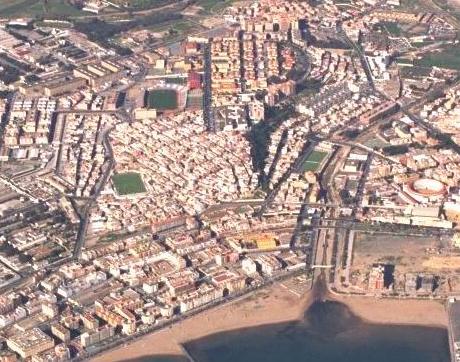
Melilla is a Spanish autonomous city located on the north coast of Africa, bordering Morocco. Its prime location saw it become a strategic military & trading hub for the Phoenicians, Romans, Berbers and finally the Spanish after they seized the city in 1497. Football was introduced to the enclave by the Spanish military in the 1910s, and over the next 40 years, the political climate of the region would shape, distort and eventually split its football community.
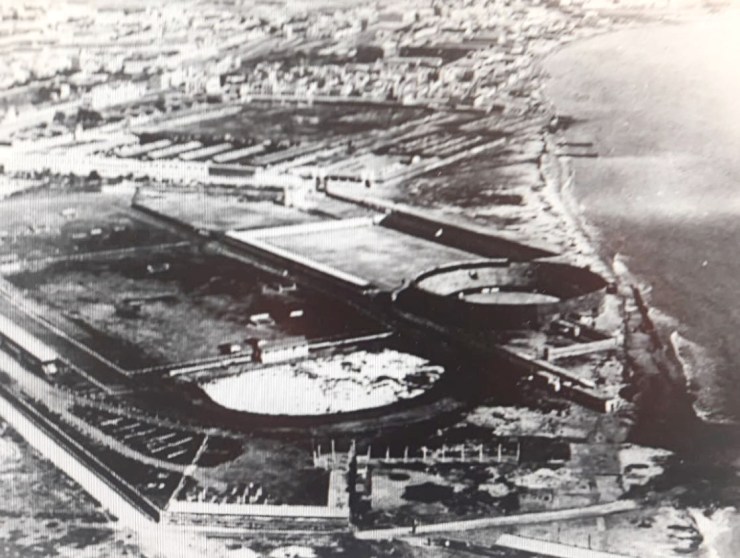
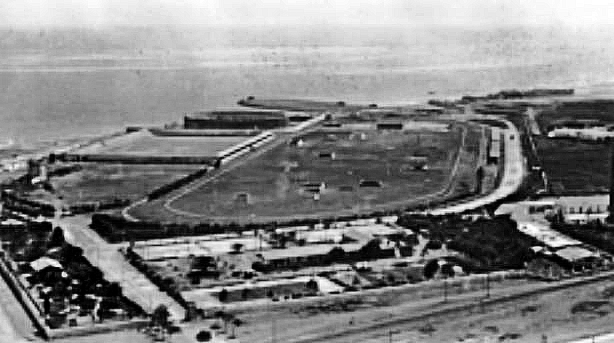
In 1917, the formation of the Federación Africana de Clubs de Foot-ball led to the first competitive league structure in Melilla, and apart from a year when the league was suspended due the Rif War, the competition ran for the next 14 years. Most clubs played at the Campo de Hipica, a compact ground sandwiched between the Playa de Hipica, Plaza de Toros and the city’s racecourse. In 1923, Melilla Foot-ball Club was founded and, despite the Campo de Hipica’s expansion, chose to open their own enclosure at El Real in 1924. In January 1931, the Federación Haspano-Marroqui de Clubs de Fútbol was founded, and shortly after, the Spanish Second Republic was established. Several clubs folded during this period, and by the end of 1935, there were only three federated clubs in the city: Melilla FC, CD Español and SD Melillense. This would become irrelevant, for on the evening of 17 July 1936, the Spanish Army stationed in Melilla staged a coup d’état that started the Civil War.
After the end of the conflict, football in Melilla returned, although it would soon be diluted. Melilla FC, CD Español and SD Melillense were joined by a new club, Juventud Deportiva, which soon merged with CD Español to form Club Unión Juventud Español. Meanwhile, SD Melillense moved from Melilla to Nador and joined forces with the local club to form SD Villa Nador FC. The fragmented and fragile nature of its football clubs meant that Melilla did not have a representative in the Tercera, and it would take the expansion of the Tercera in 1943 to convince the renamed Melilla Club de Fútbol and Club Unión Juventud Español to merge and form Unión Deportiva Melilla. Playing at the Campo de Fútol de Hipica, UD Melilla found immediate success, winning the Copa de Marroqui and the Primera Regional Marroqui in 1943. The latter earned them a place in the playoffs for the Tercera, where they would overcome a 0-3 deficit to beat CD Electromecánicas of Córdoba 5-3 on aggregate and Hércules de Cádiz (5-1 on agg) to earn a place in the third tier.
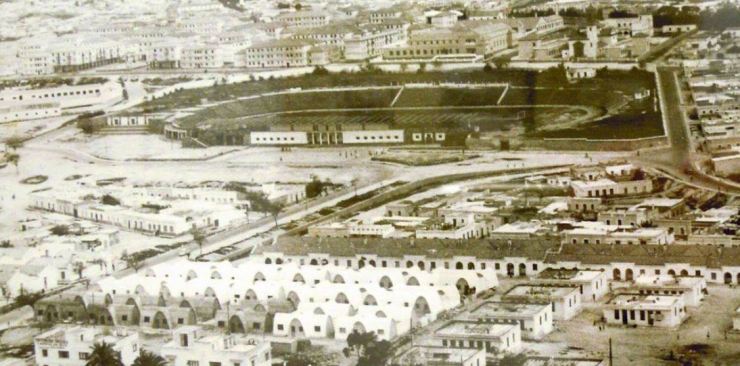
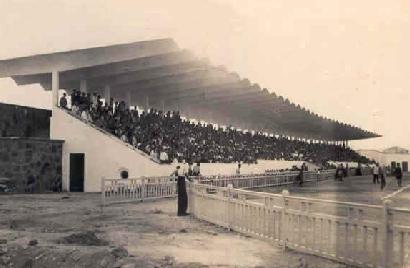
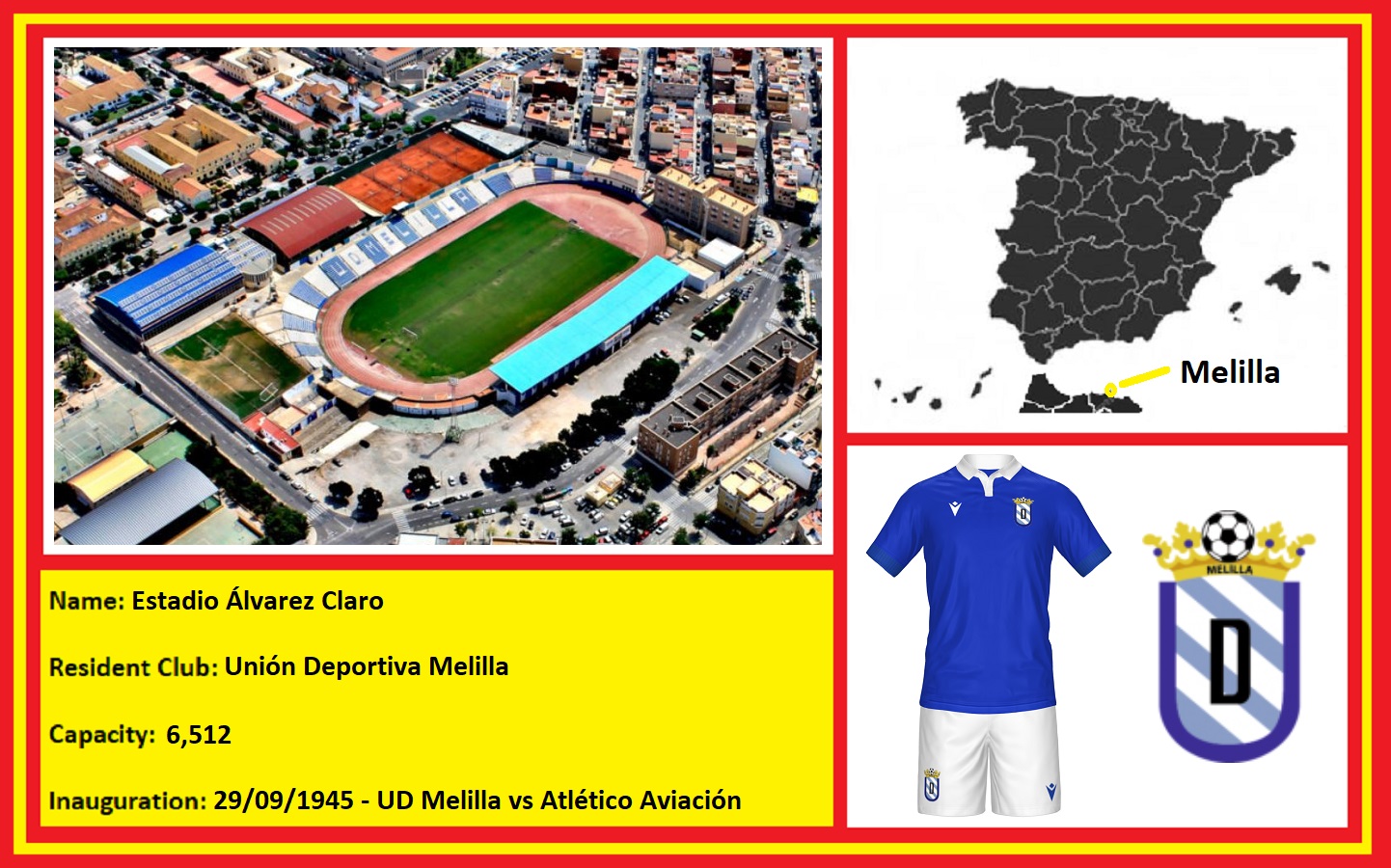
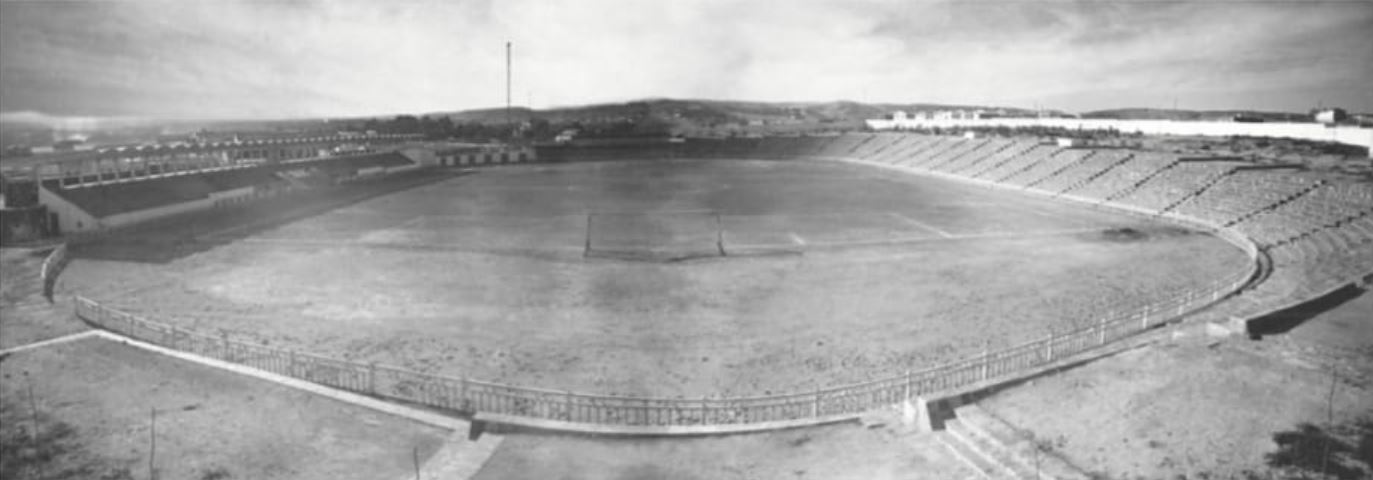
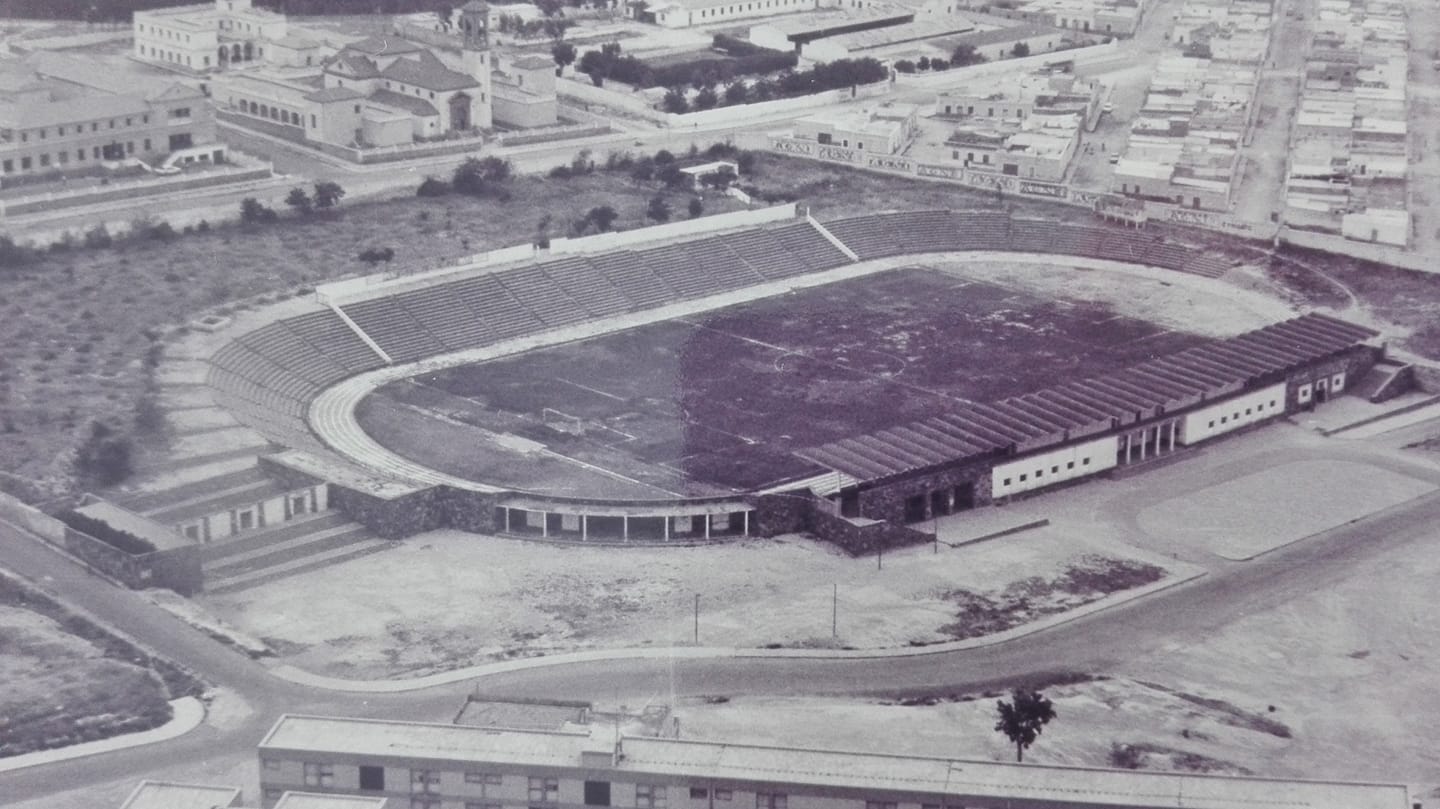
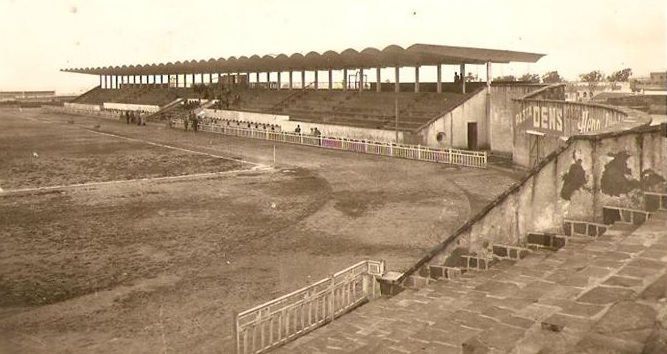
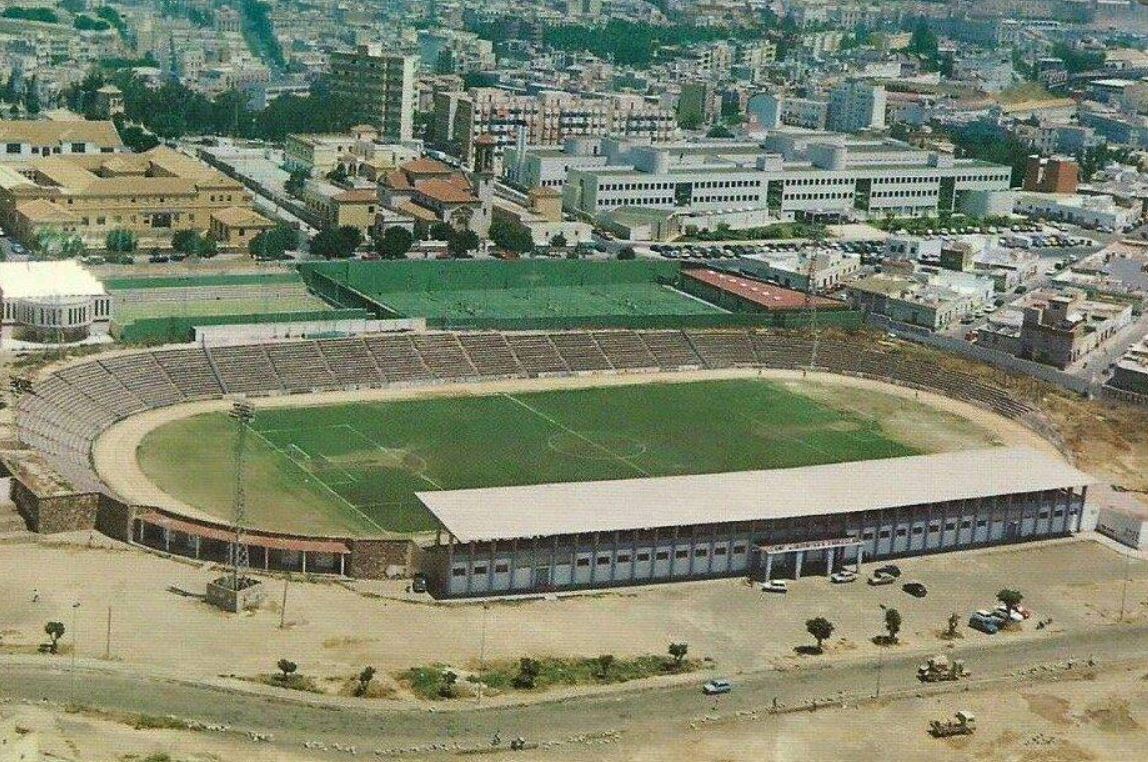
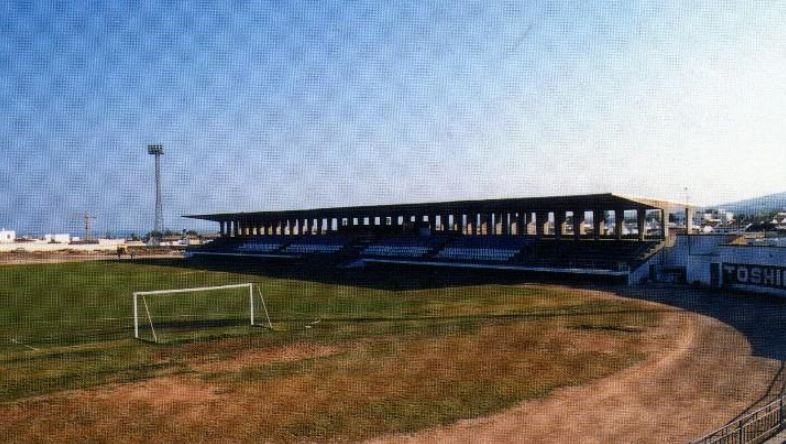
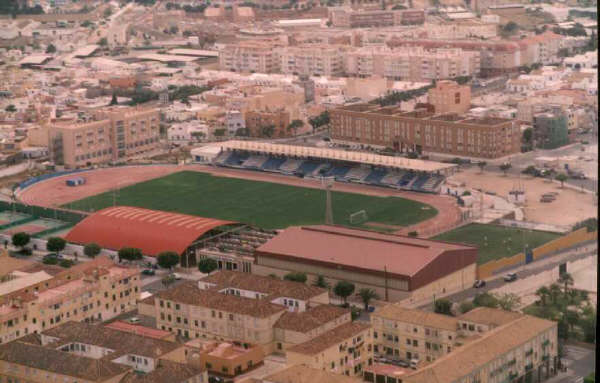
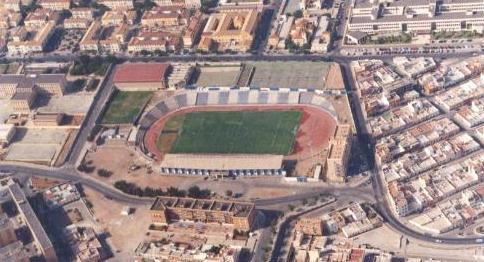
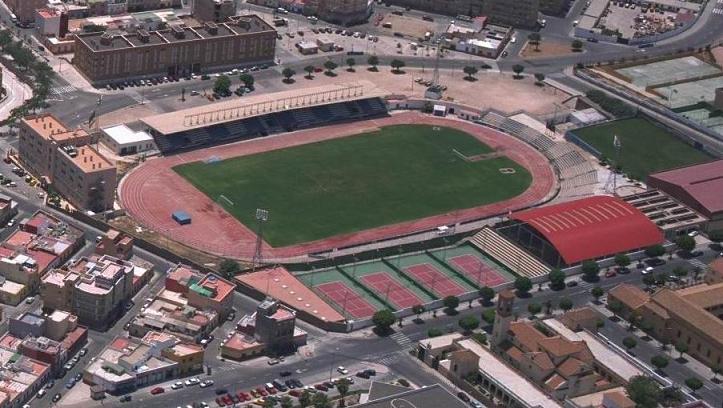
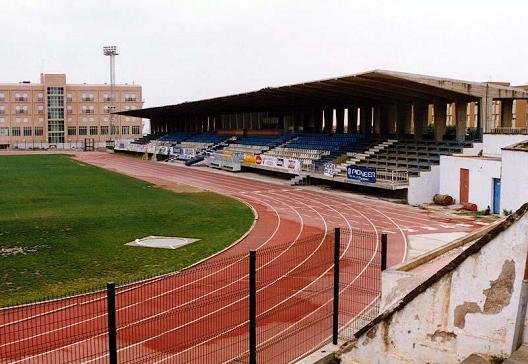
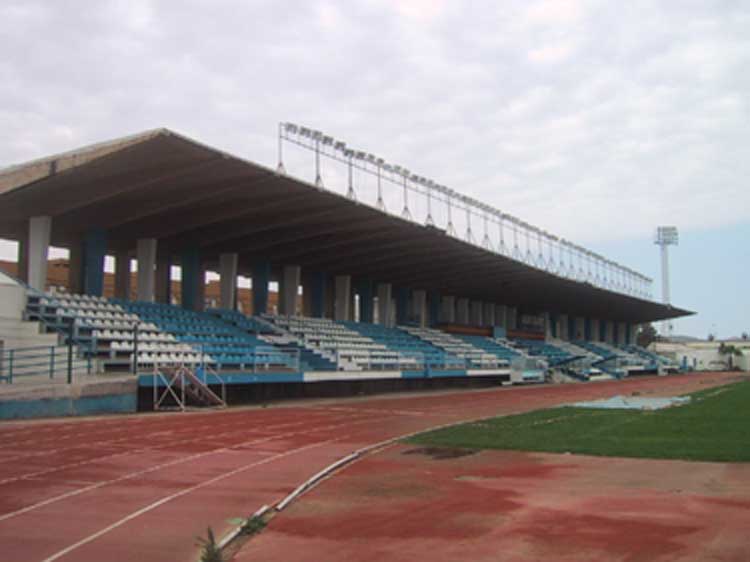
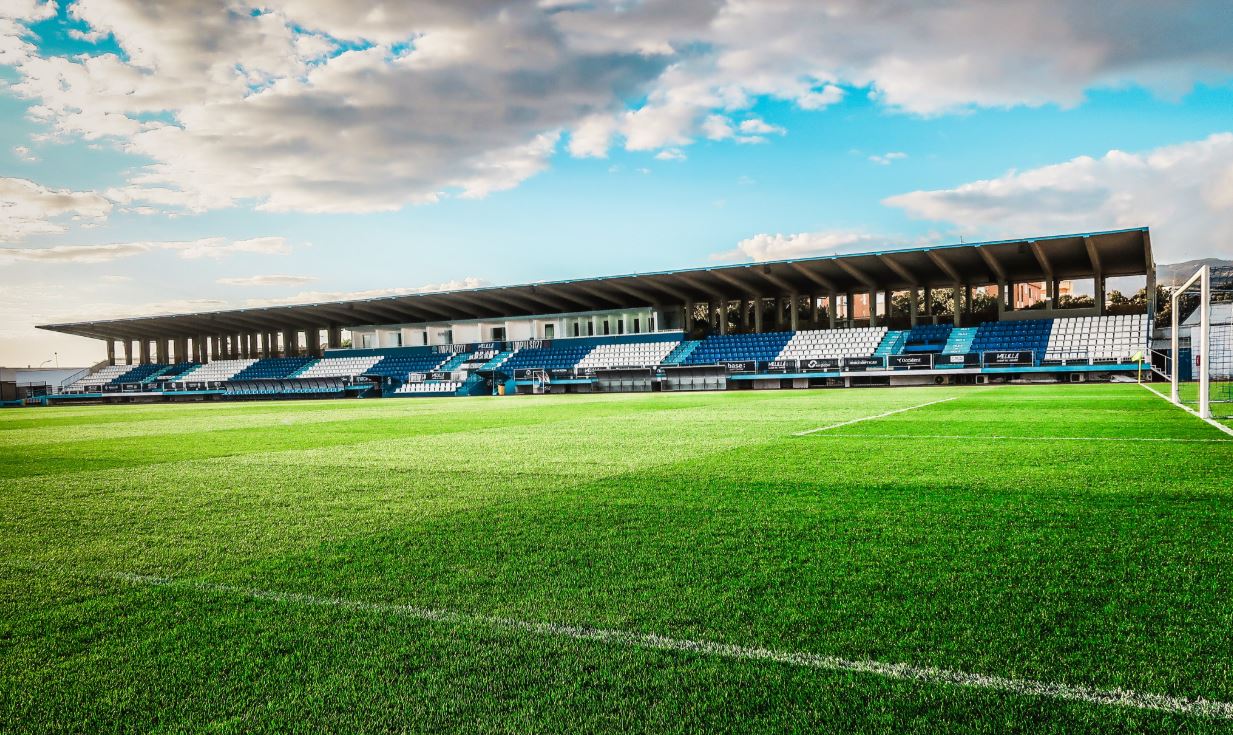
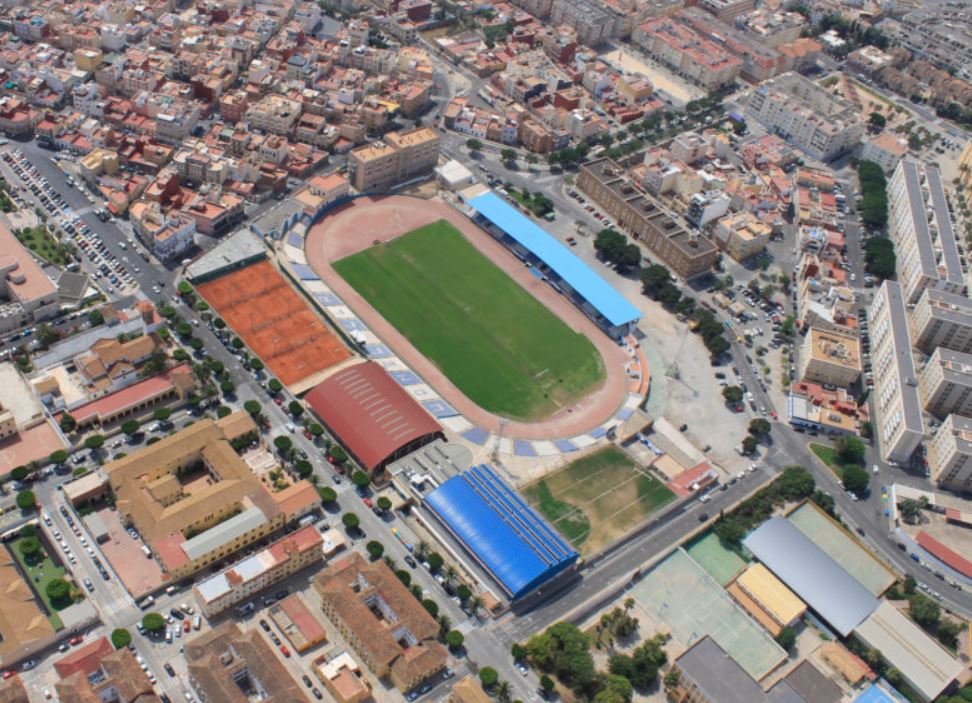
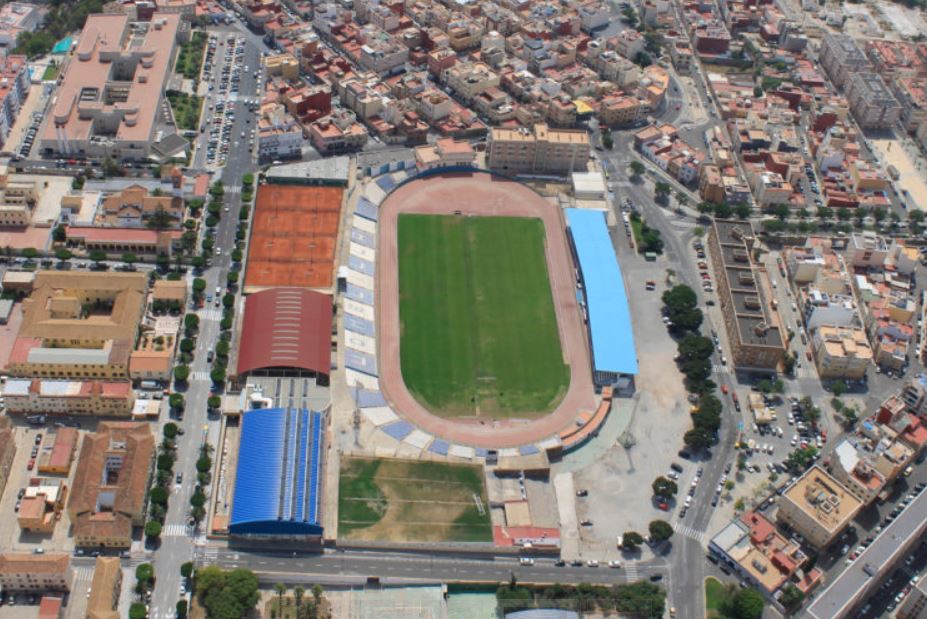
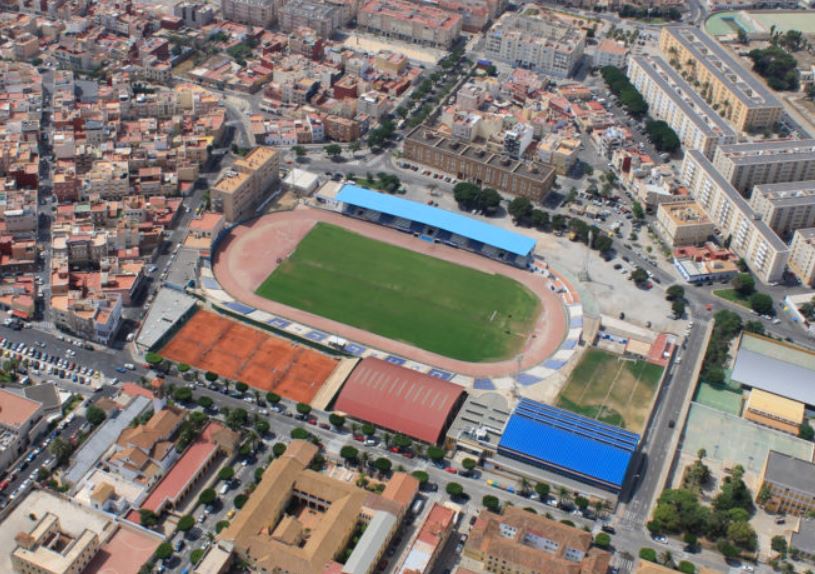
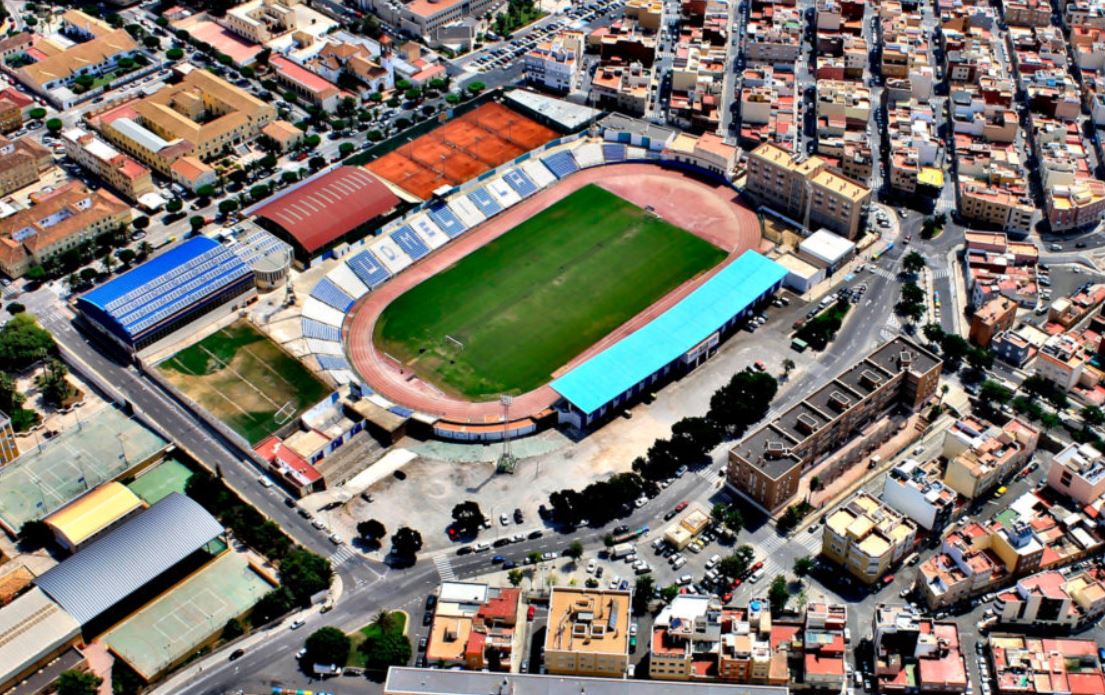
The club’s first season in the Tercera would also be its last at the Campo de Fútbol de Hipica. UD Melilla acquitted itself well, finishing 5th in a division of ten teams. On 29 September 1945, the Estadio Álvarez Claro was opened with a friendly match against Atlético Aviación. At a cost of 4 million pesetas, the stadium featured a full-length cantilevered stand with an overall capacity of 12,000. UD Melilla continued to make rapid progress and reached La Segunda in 1950-51. Football in the Spanish Protectorate of Northern Morocco was strong during the 1950s, with Atlético Tetuan and SD Ceuta also in the second tier and Hispano de Tánger joining La Segunda in 1955. However, UD Melilla’s exhilaration of reaching the second flight was curtailed by tragedy. On 26 January 1951, the club travelled to its away fixture with Real Mallorca. With flights cancelled, they had taken the ferry to Málaga and were travelling by road to Alicante to catch another ferry to Palma. Just outside the town of Loja, 35 miles west of Granada, the coach carrying the team was struck by a lorry. Two players and the club’s physiotherapist were killed. The Spanish Football nation was in shock, and benefit matches were played for the families of the victims, including one at Mestalla, where Valencia played Barcelona.
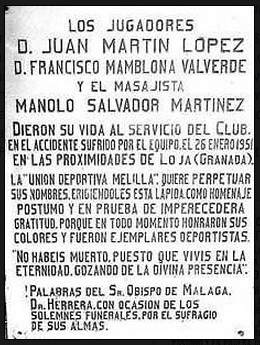
The team survived the season, finishing in a respectable tenth place. Three further seasons in La Segunda followed, with a fifth-place finish in 1952-53, but by the end of the following season, the considerable cost of running the team was taking its toll, and they were relegated. UD Melilla struggled in the Tercera for another year or two, but along with the money, the club had lost its heart, possibly on that road outside Loja. In the lead up to Morrocan independence, UD Melilla had been identified as the team to merge with Unión Deportiva España Tánger. However, the cost of the merger, including UD Melilla’s accumulated debt, was estimated in the region of 4 million pesetas, and with Melilla’s municipality unprepared to underwrite the debt, the club was dissolved on 9 August 1956. UD España Tánger merged with Algeciras CF and played in La Segunda in the 1956-57 season.
The next team from Melilla to strut its stuff at a national level was Melilla Club de Futbol. They were formed in 1943 as Club Deportivo Tesorillo, filling the void left in the city for amateur football after UD Melilla’s ascent to the Tercera. CD Tesorillo rarely played outside of the city in the first decade and a half of its existence, but in the 1955-56 season, the club was parachutted into a specific division of the Tercera for clubs based in the protectorates of Ceuta & Melilla. Having won the “Battle of the Enclaves”, SD Tesrillo changed its name to Melilla CF and repeated their victory in 56-57, before losing to Recreativo Huelva in the playoffs. The Tercera returned to its normal format in 1957-58, and Melilla CF played in the Andaluza section, which covered teams from Huelva in the west to Linares in the northeast of the region. The club made steady progress, with improved final league placings over five consecutive seasons, finishing runners-up in 1960-61, but losing to C.D. Galdácano in the playoffs. Finally, Melilla CF won promotion to La Segunda in 1962, beating Albacete Balompié in a relegation/promotion playoff. The following three seasons saw Melilla CF avoid relegation by the skin of their teeth, finishing either a point or a place above the relegation playoff berths on each occasion. The drop finally came at the end of the 1965-66 season, when they finished fifteenth and seven points from safety.
Melilla CF continued in the Tercera for another decade, until they were relegated following a disastrous 1975-76 campaign. Coming the other way after winning the Regional Preferente playoff was another Millenense club, Club Gimnástico de Cabrerizas. Gimnástico lacked the funds to be competitive but held that all-important place in the Tercera. During the summer of 1976, the directors of the two clubs agreed to merge and take on the name of the town’s most famous club, Unión Deportiva Melilla. Taking the place in the Tercera earned by Gimnástico, UD Melilla gradually progressed over the next decade to the point where promotion to the Segunda B was achieved in 1987. And there they remained for the next 35 seasons! The club won the league title in 1998-99 but finished bottom of the playoff group that saw Elche CF promoted. There were three further visits to the playoffs, all unsuccessful, and one relegation scare, when they overcame SD Beasain in a relegation playoff in 2002. Demotion following the reorganisation of the leagues at the end of the 2020-21 season was a little harsh on UD Melilla, and while they did bounce back with a Segunda Federación title in 2023, they dropped back to the fourth tier a year later.
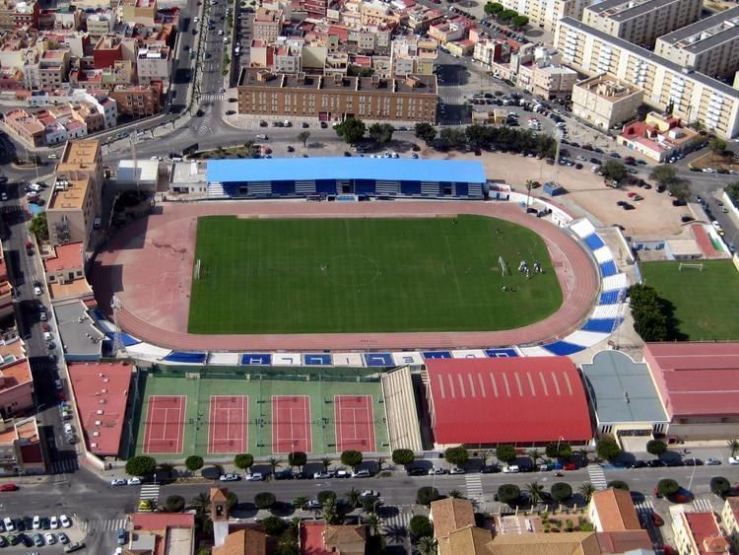
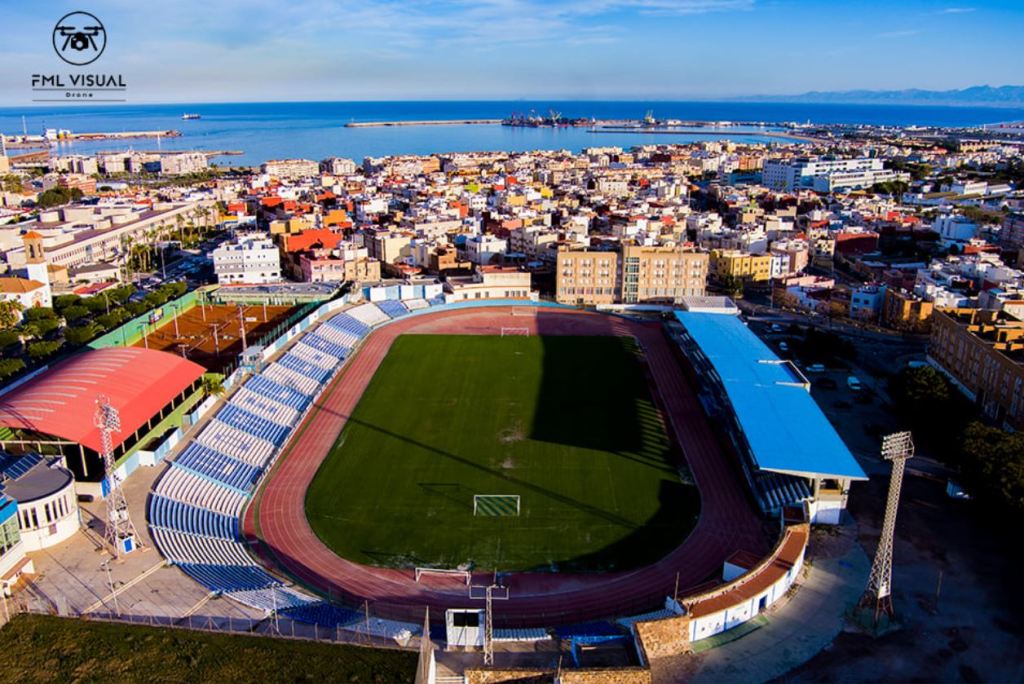
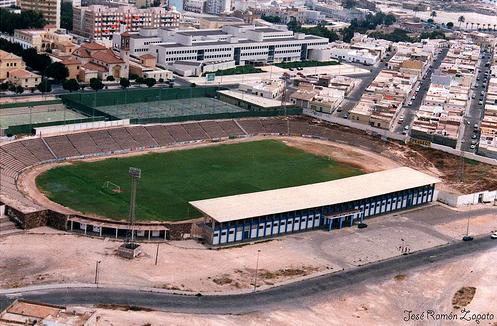
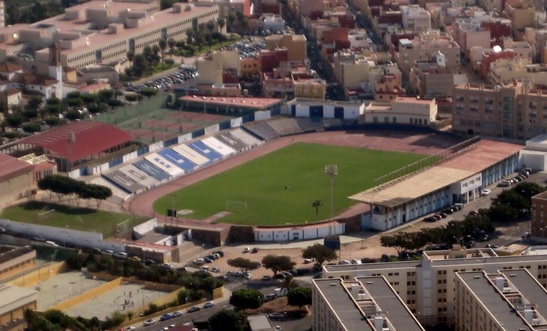
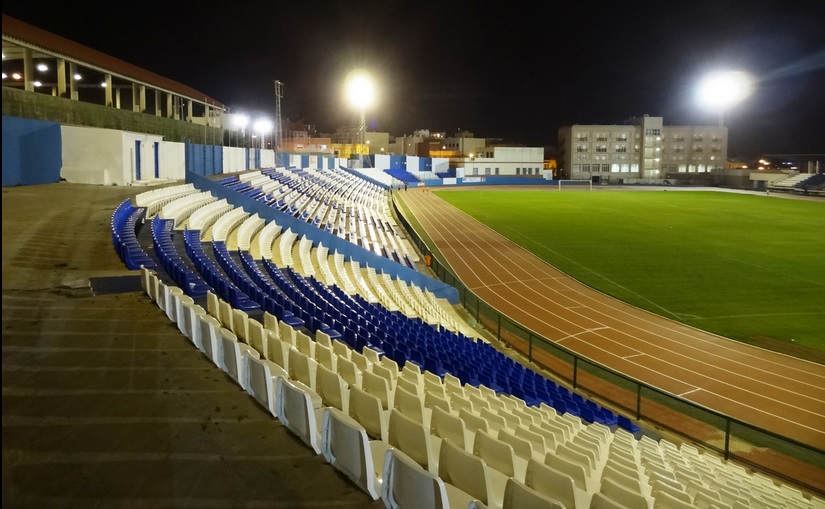
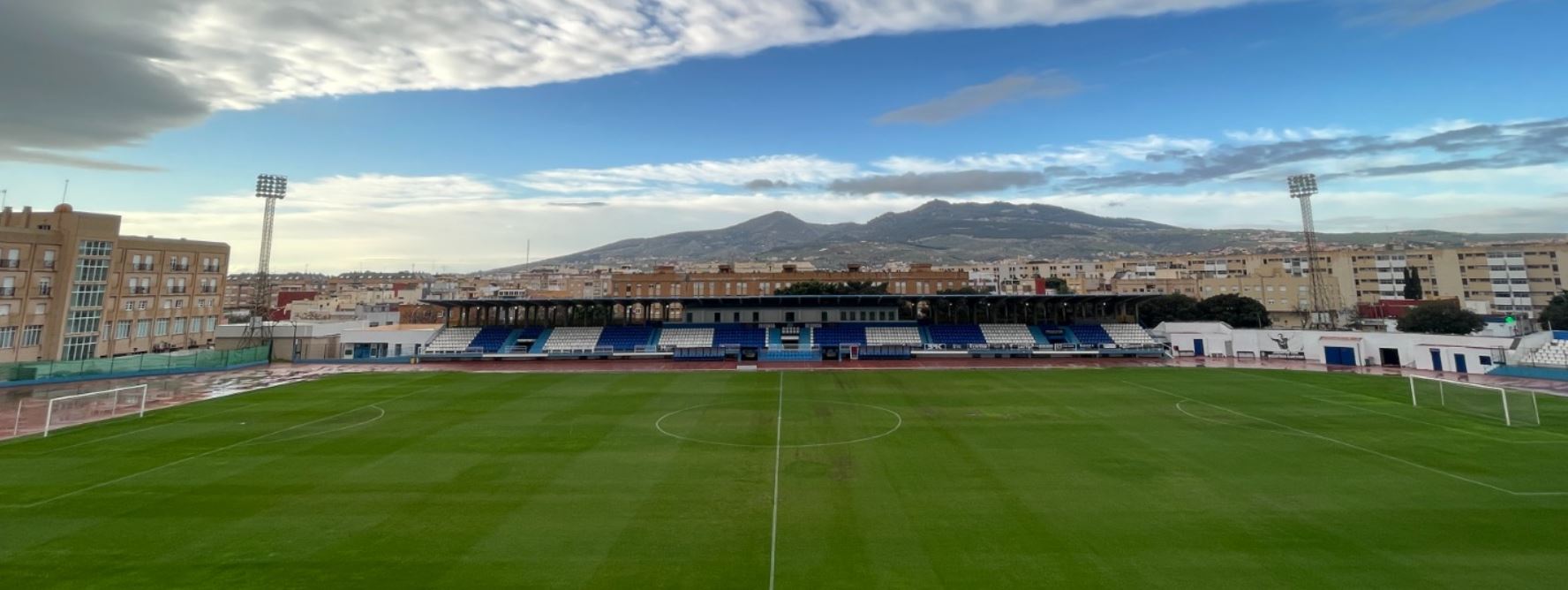
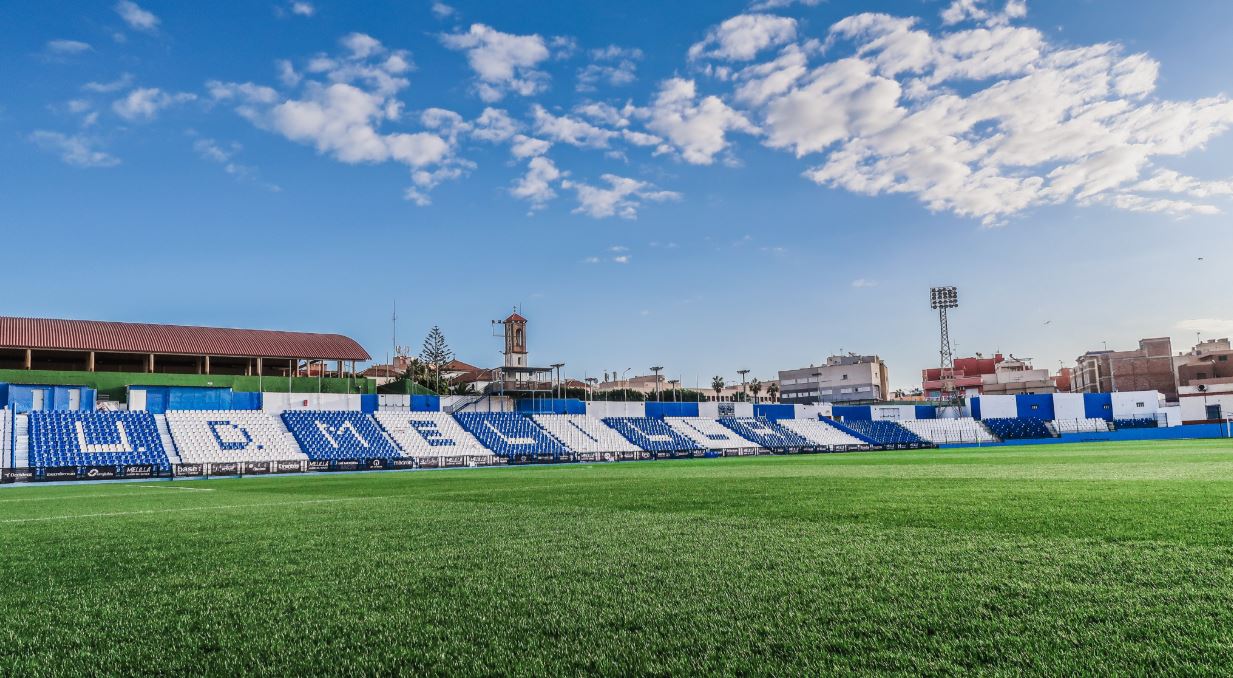
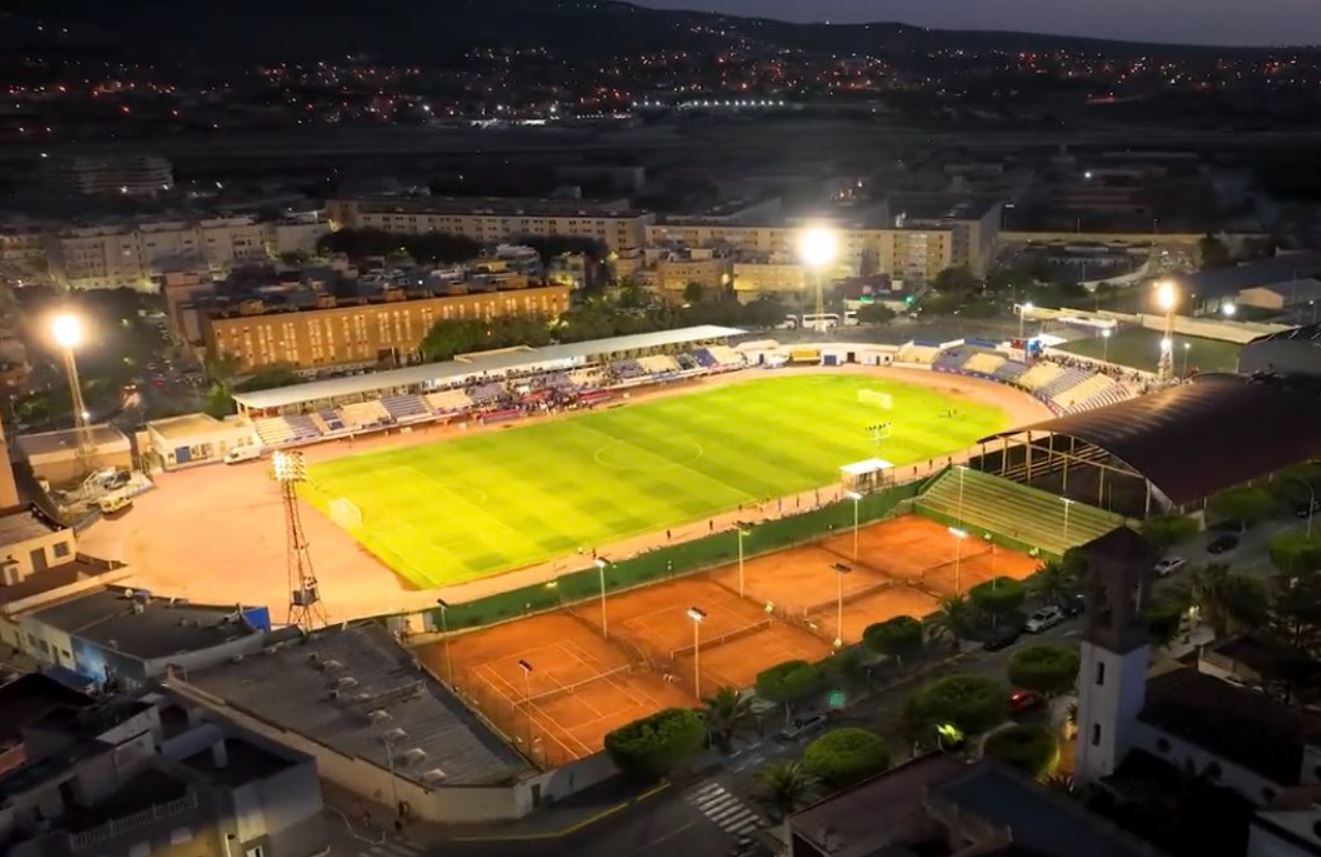
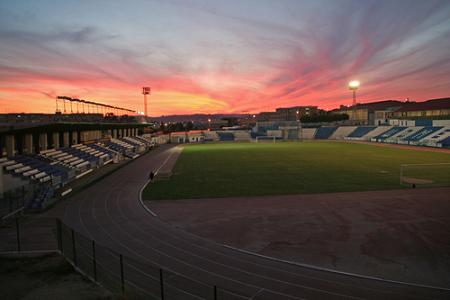
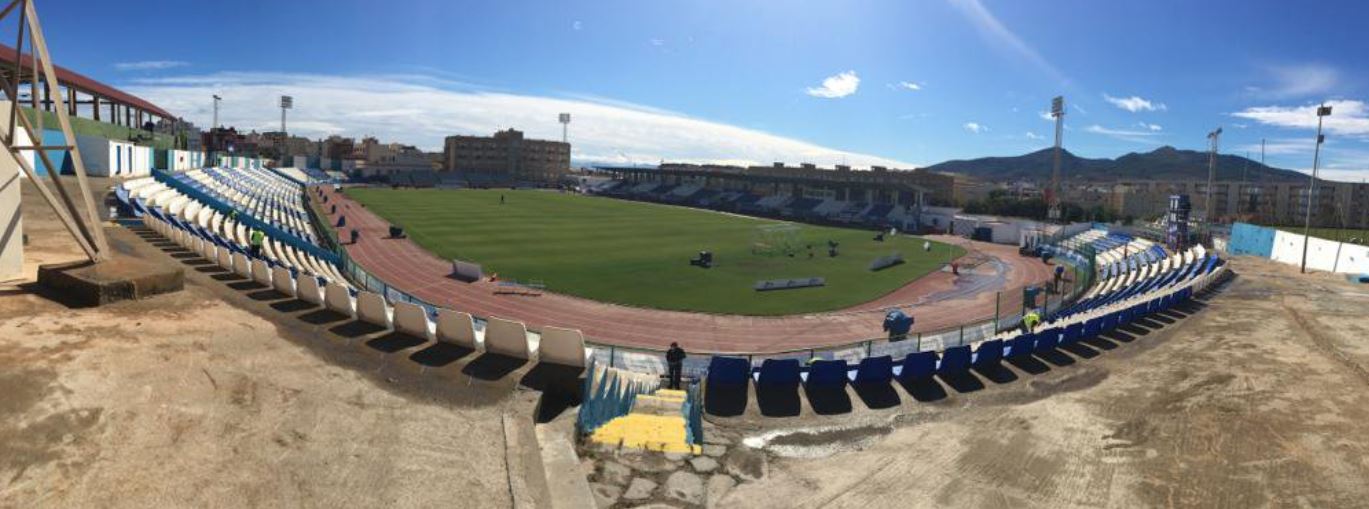
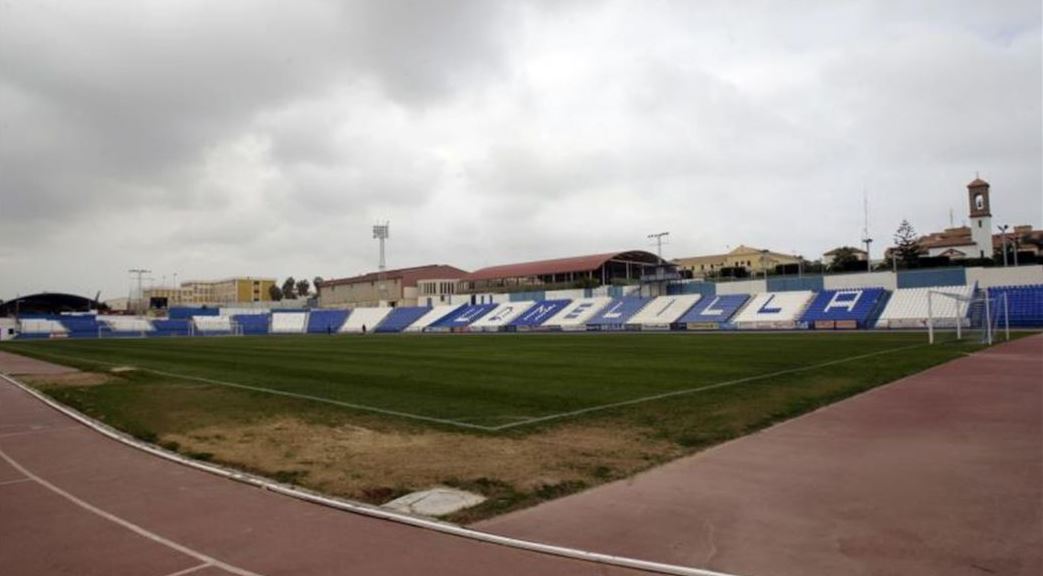
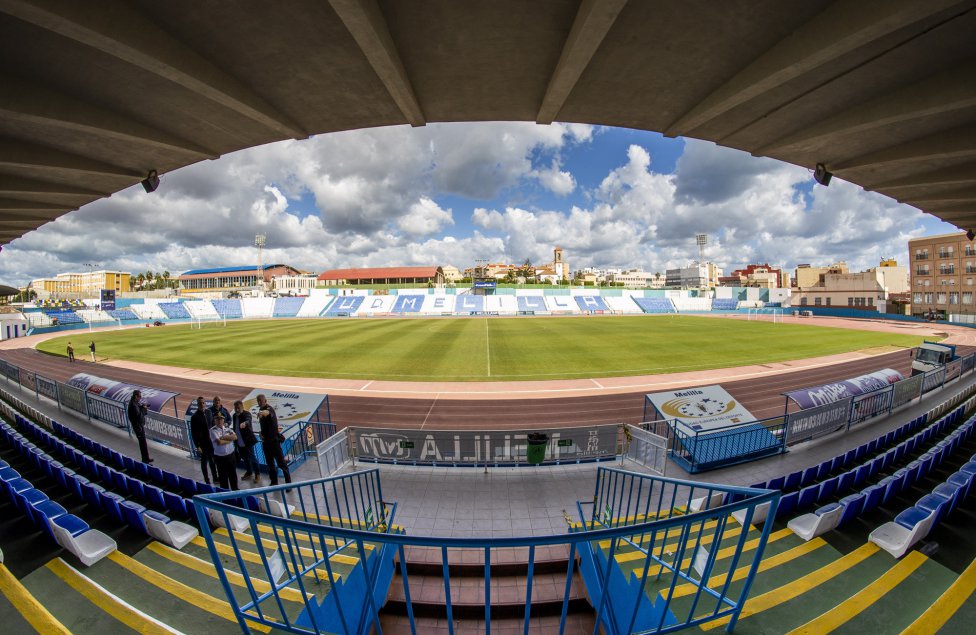
Estadio Álvarez Claro remained relatively unaltered for over 75 years, except for the odd lick of paint here and new seats there. The stadium underwent a makeover in 2021, with the entrance and offices renovated at the rear of the main stand, whilst seats were added to the remaining arcs of terracing. This resulted in a reduction in capacity, and the stadium now holds 6,512. A noble effort to update, but the Estadio Álvarez Claro is of another era. It used to look smart in a sort of utilitarian way when UD Melilla graced La Segunda in the 1950s, but now it’s a bit of an anachronism. Essentially caught in a time warp and a relic of the last days of the Spanish Empire. Not unlike Melilla itself.

 Estadios de España