The 2018-19 season saw an unlikely addition to the second division. Club de Fútbol Rayo Majadahonda is a team from a leafy and affluent suburb of Madrid that is around 10 miles to the northwest of the Spanish capital. Rayo was founded as recently as 1974, and prior to promotion to the second tier, had spent just five seasons in Segunda B.
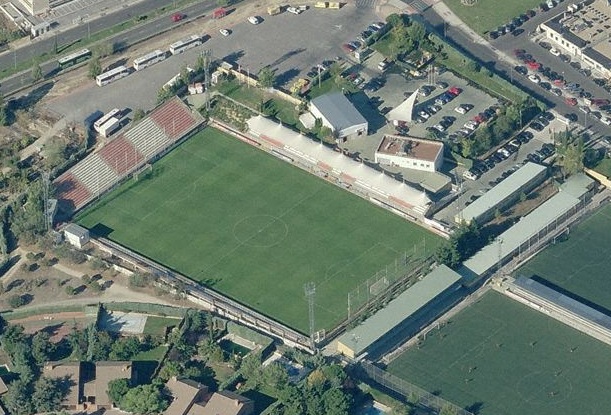
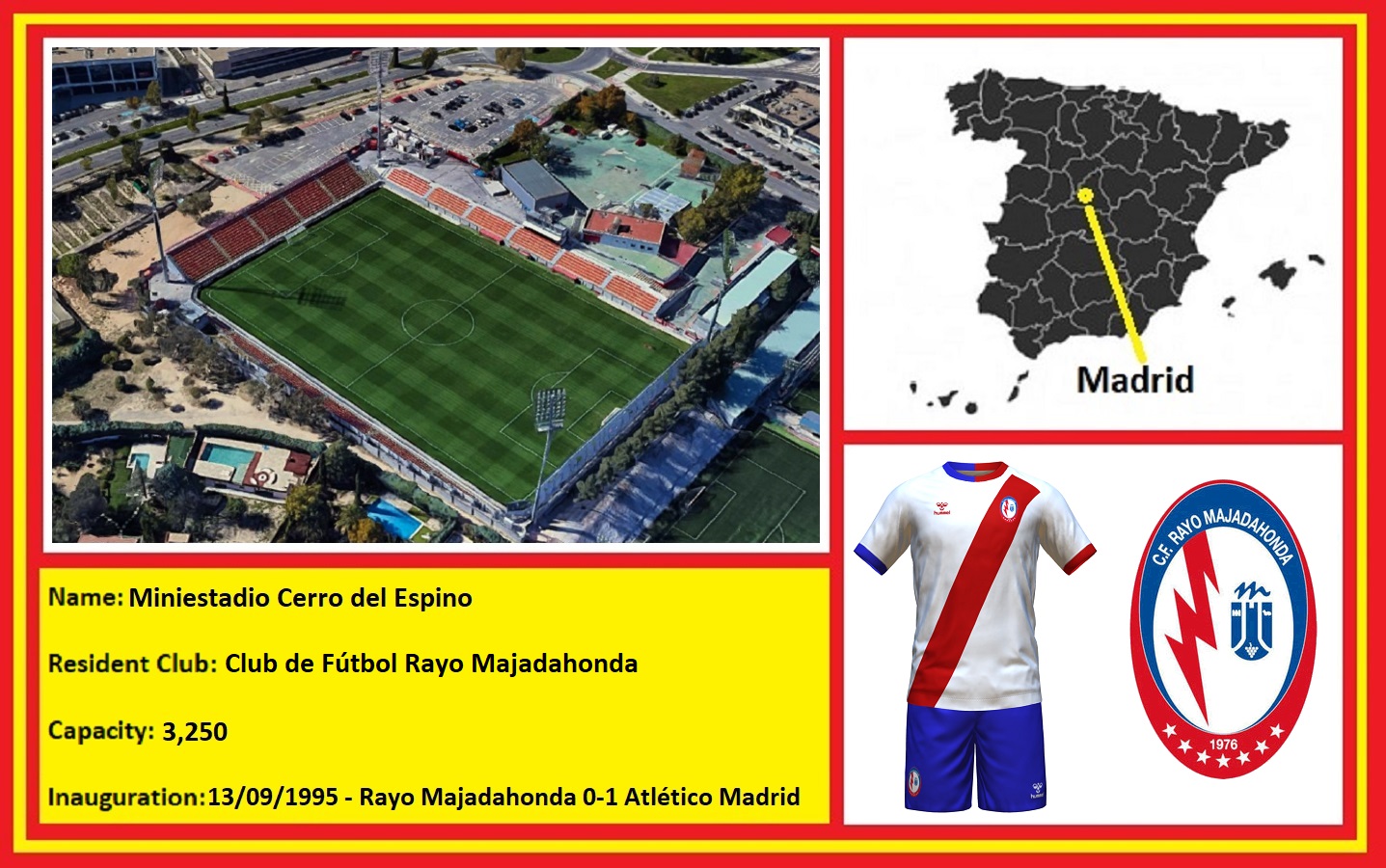
The current settlement of Majadahonda can be traced back to the 1500s, and it was a village of around 200 houses when Cervantes name-checked it in Don Quixote. It was decimated during the Civil War, but by the late 1950s, it had been rebuilt and had a population of around 3,000. A series of amateur clubs came and went during the 1950s & 60s before the current club was established in 1974. Rayo registered with the Castellana Federation on 7 June 1976, the same year that the local municipality developed land to the south of the town. The very basic Campo Municipal Cerro del Espino featured a small clubhouse, a dirt pitch and not a lot else. Rayo worked its way through Madrid’s regional leagues and reached the Tercera in 1987. By the mid-1990s, Rayo were contenders for promotion to Segunda B, and the municipality invested in the Cerro del Espino by building a new grandstand and installing the club’s first grass pitch. The new setup was inaugurated on 13 September 1995 with a friendly versus Atlético Madrid. Rayo & the municipality established ties with Atlético Madrid, which led to Atléti training at and relocating the B Team to Cerro del Espino.
The main arena underwent substantial improvements in 1997, when Atlético Madrid signed a 50-year agreement with Rayo & the local municipality to manage and maintain the site. In return, Atléti invested 600m pesetas developing the facilities, which now include an additional four full-size pitches, accommodation for the Atléti’s academy and an Atléti superstore on the site of the old clubhouse. Rayo first reached Segunda B in 1997-8. It was a season-long stay, which the club repeated in 2003-04. It would take Rayo just over a decade to get back to the third tier, but within three seasons, a league title and promotion to La Segunda had been achieved. The title race went to the final game, and Rayo’s 3-3 draw at Racing Ferrol, coupled with Deportivo Fabril’s failure to win at CD Toledo, saw Rayo top the league. In the playoffs, Rayo was paired with FC Cartagena, and a last-minute own-goal in the second leg at the Cerro del Espiño secured Rayo’s promotion on away-goals scored.

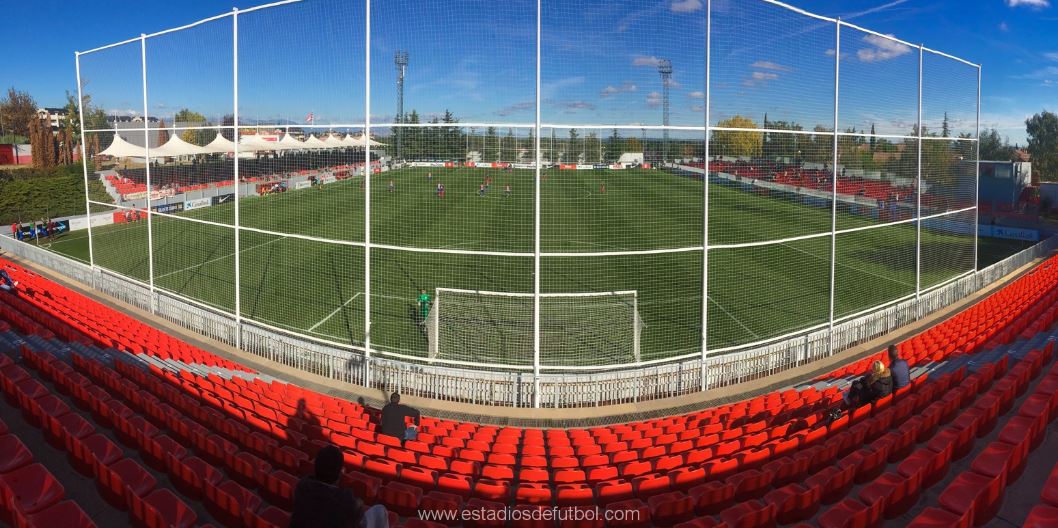
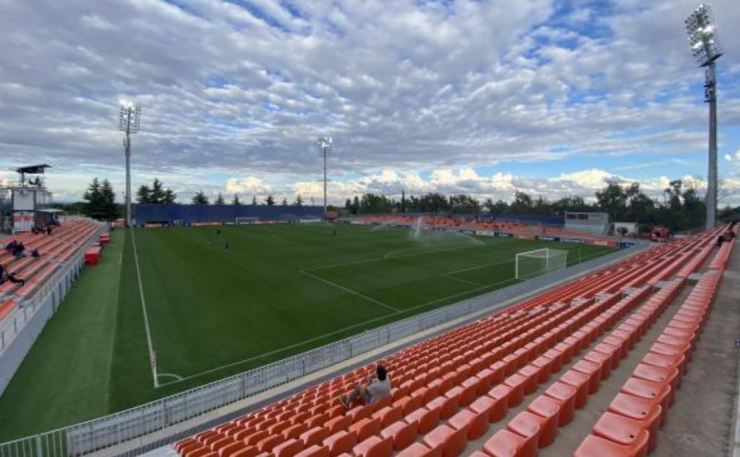
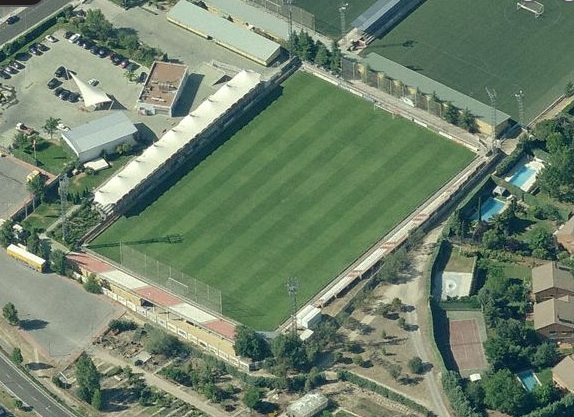
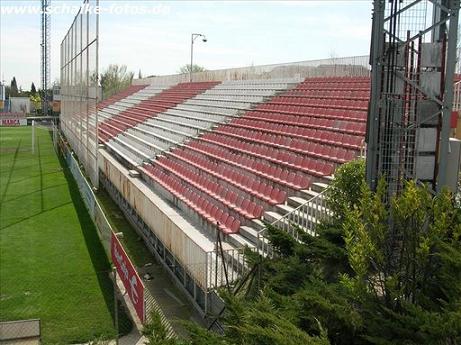
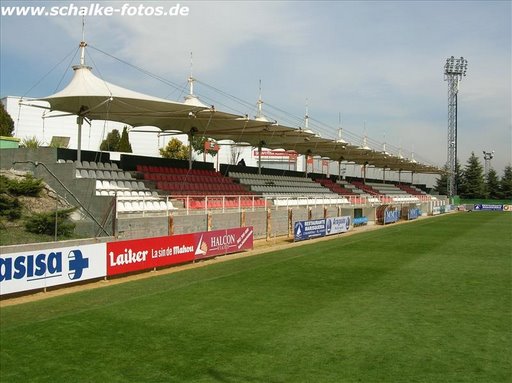
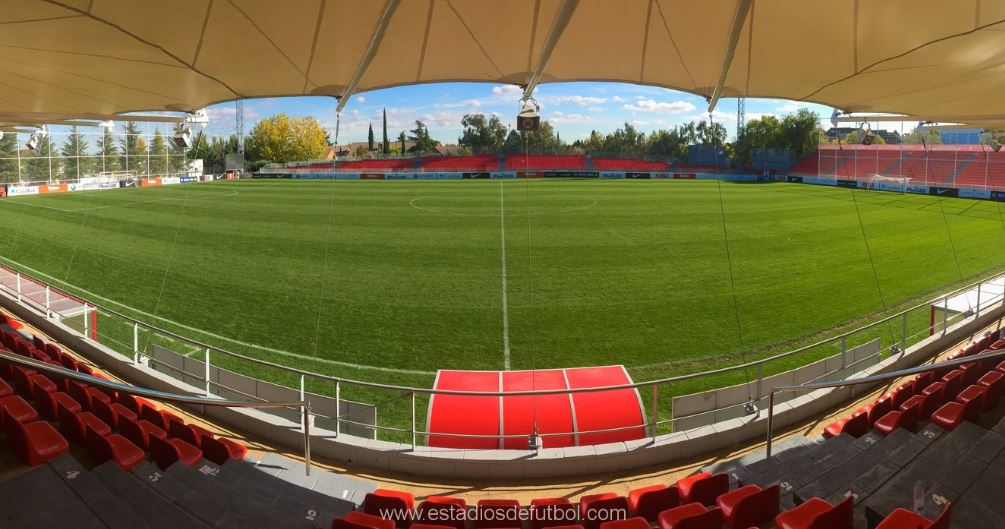
The requirements for hosting La Segunda matches had changed since the Mini Estadio last saw second-tier football in 2000, when Atlético Madrid B’s stay came to an end. So much so that Rayo called upon the special friendship with Atléti and used the 67,000-seat Estadio Metropolitano for the first few months of the 2018-19 campaign. Rayo returned to the “upgraded” Cerro del Espiño at the beginning of December for their match with Deportivo La Coruña. The main stand is 80 metres long and sits on the northwest side of the ground. Its seating deck is raised 8 feet above pitch level and has 725 seats that were once sheltered under a white fibre-glass roof that resembled a series of conjoined gazebos. The roof was removed in 2018 to accommodate the necessary broadcast and VAR equipment during Rayo’s stay in La Segunda. Opposite the main stand is a thin strip of 825 open seats, whilst the southwest end of the ground holds the most spectators, with 1700 housed on a large open deck of seating. All perfectly functional, but rather underwhelming.
Having come so far, so quickly, Rayo savoured every minute of their first season at a national level. They came very close to securing a second season but ran out of steam, failing to win any of the last six matches, which allowed CD Lugo to perform their regular escape act. Whether Rayo can repeat their remarkable rise to La Segunda is a moot point. The restructuring of the Spanish Leagues in 2021 has introduced another tier between Rayo’s natural level and La Segunda, making a return to the second tier more unlikely than their original adventure.
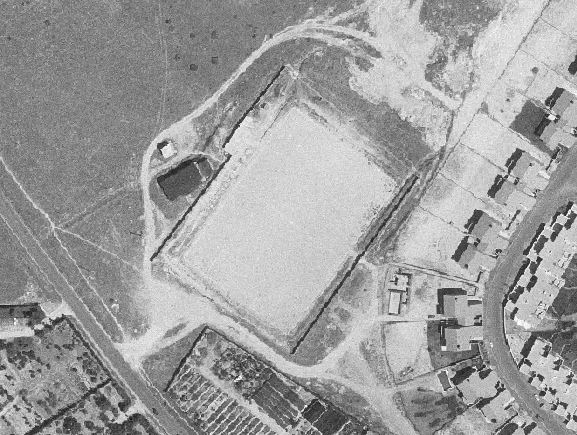
Cerro del Espino in 1980 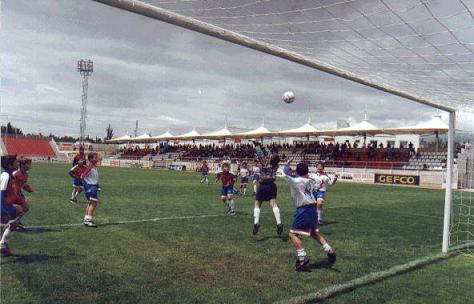

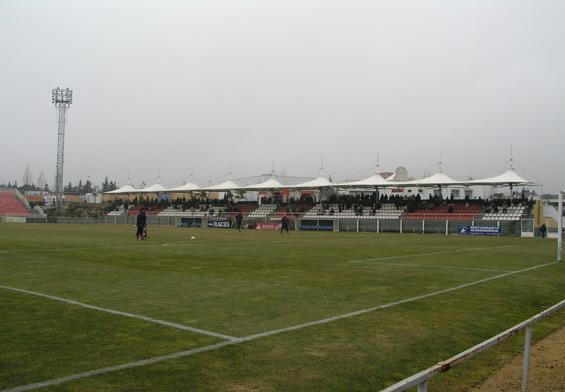

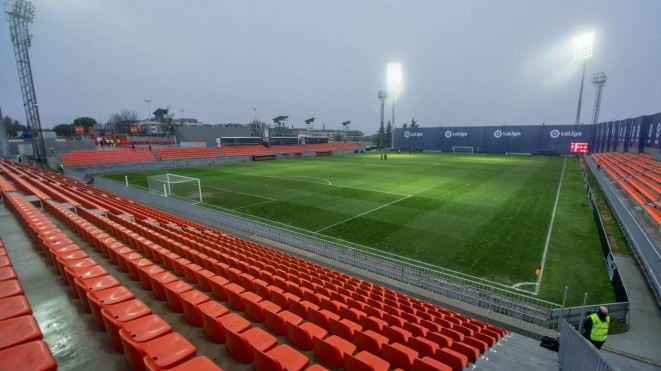
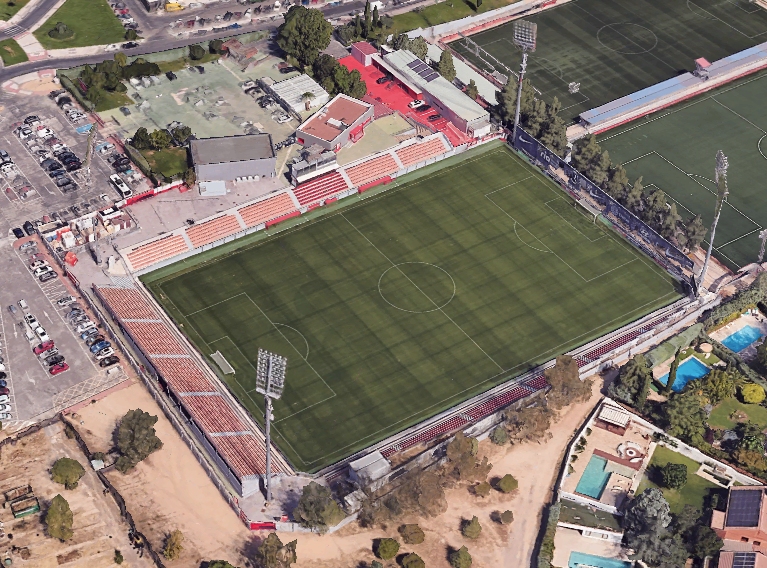
Miniestadio Cerro del Espino 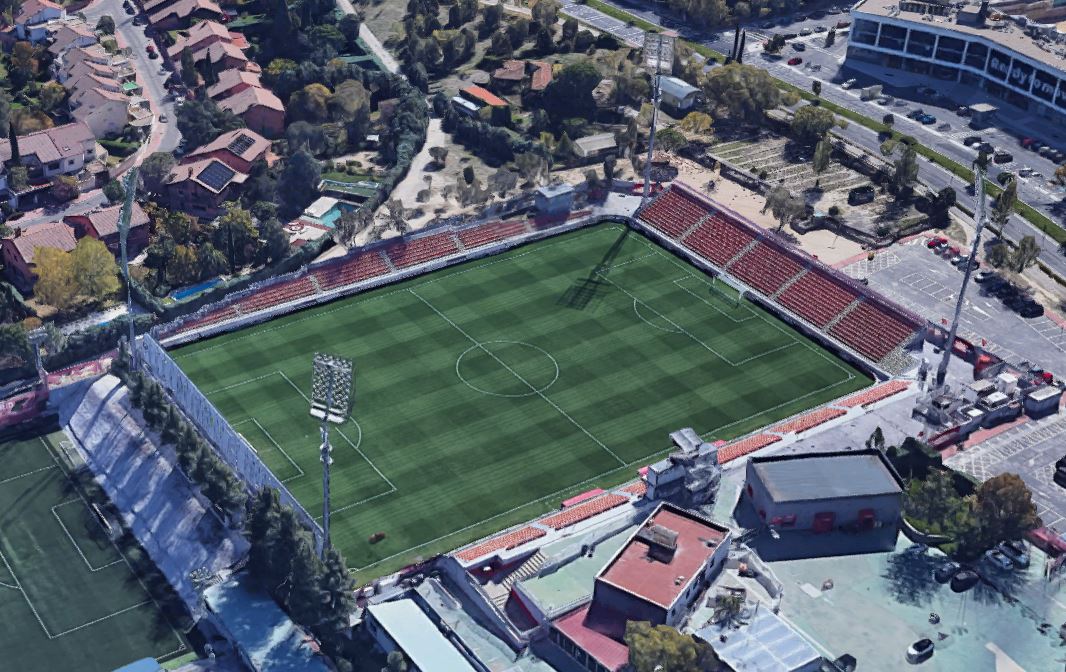
Miniestadio Cerro del Espino 
Miniestadio Cerro del Espino 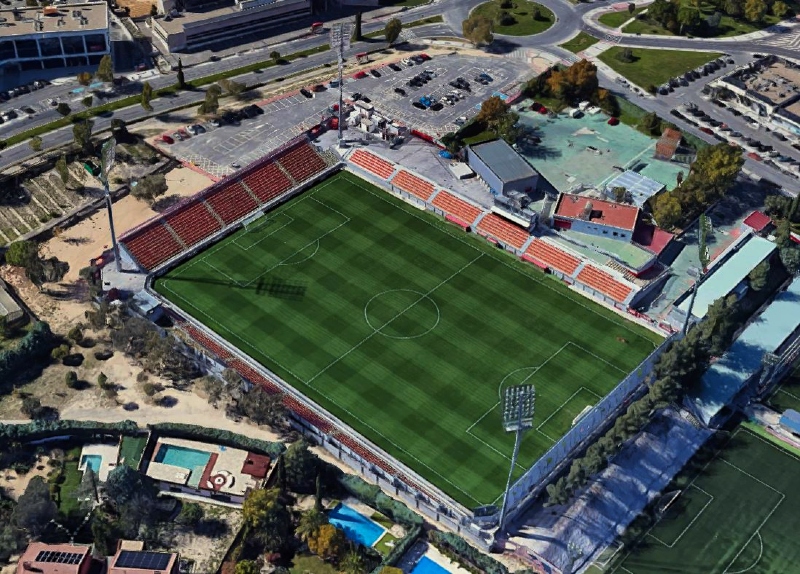
Miniestadio Cerro del Espino 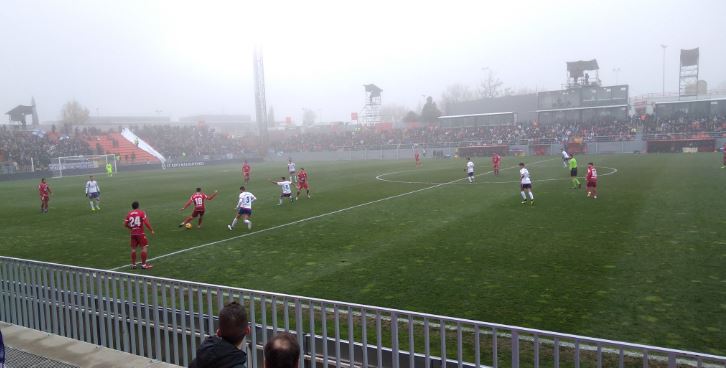
Miniestadio Cerro del Espino 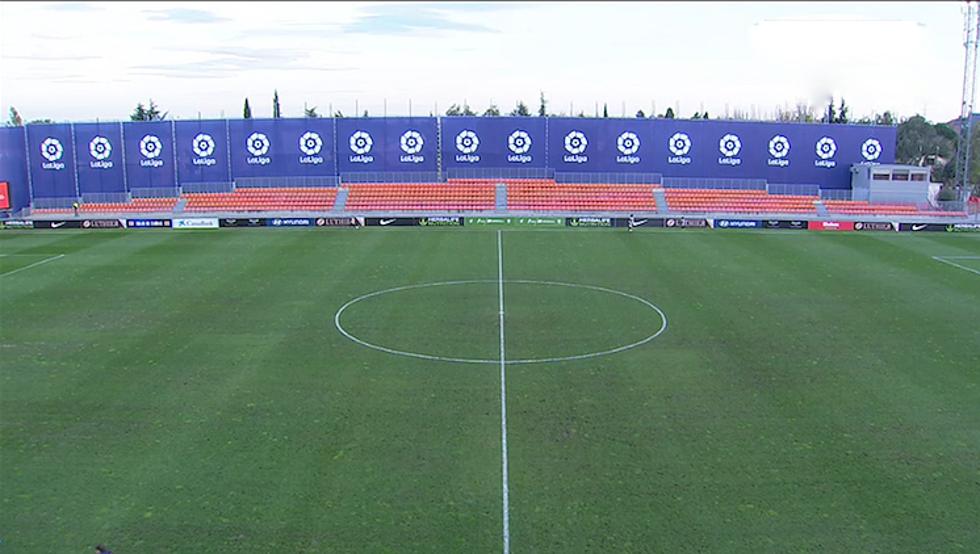
Miniestadio Cerro del Espino 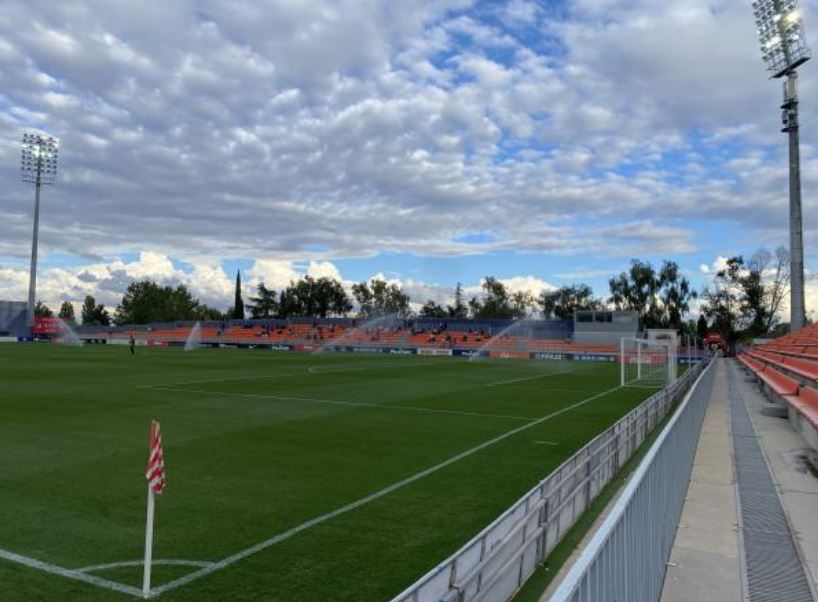
Miniestadio Cerro del Espino 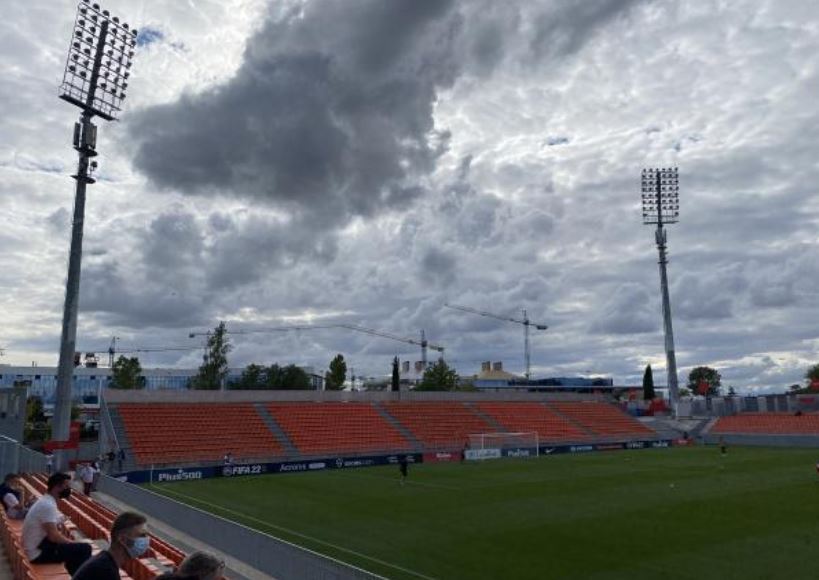
Miniestadio Cerro del Espino 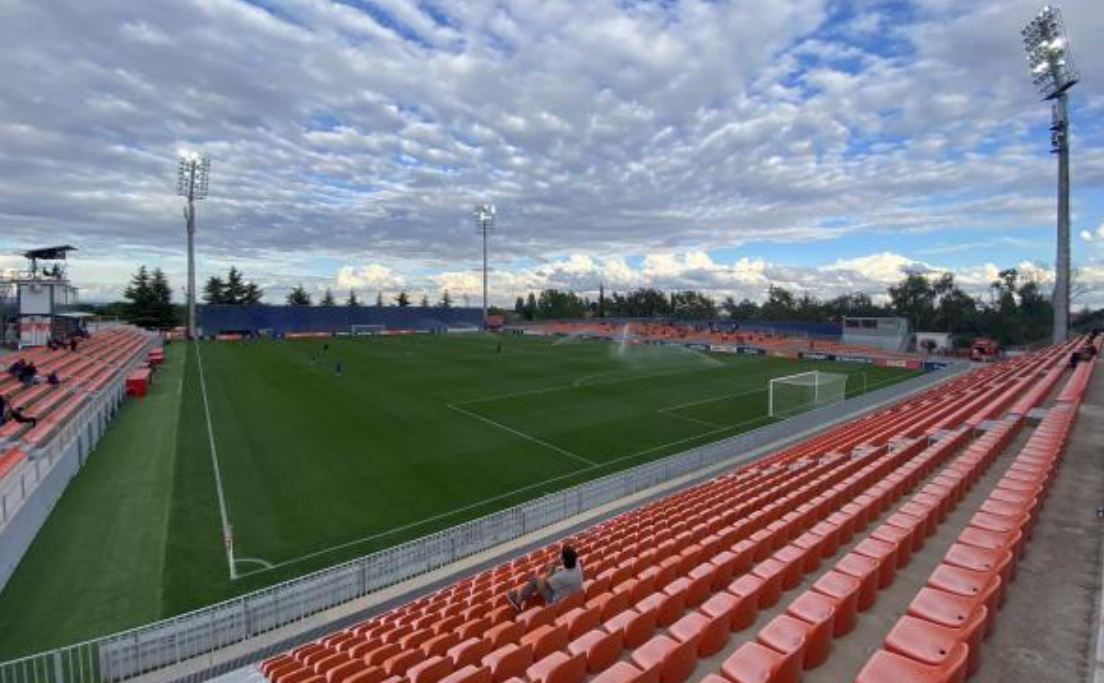
Miniestadio Cerro del Espino 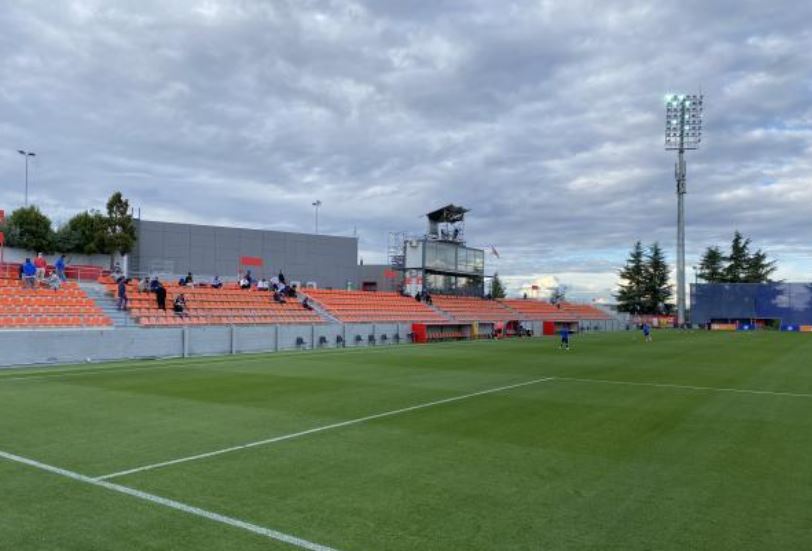
Miniestadio Cerro del Espino
 Estadios de España