Article updated: 05/10/2025
Through the ages, the city of Córdoba has had its fair share of ups and downs. Roman and Islamic occupation saw the city’s stature grow to the point that by 1000 AD, it was the largest city in the world, with a population of 500,000. The decline and fall were rapid, however, and by the mid-sixteenth century, Córdoba was a backwater with little over 20,000 inhabitants. It’s back on its feet now and is a confident modern city with a fantastic old heart. The football clubs that have represented the city can never claim to have been the biggest in the world, nor do they score highly on heritage, but they certainly have had their share of highs and lows.
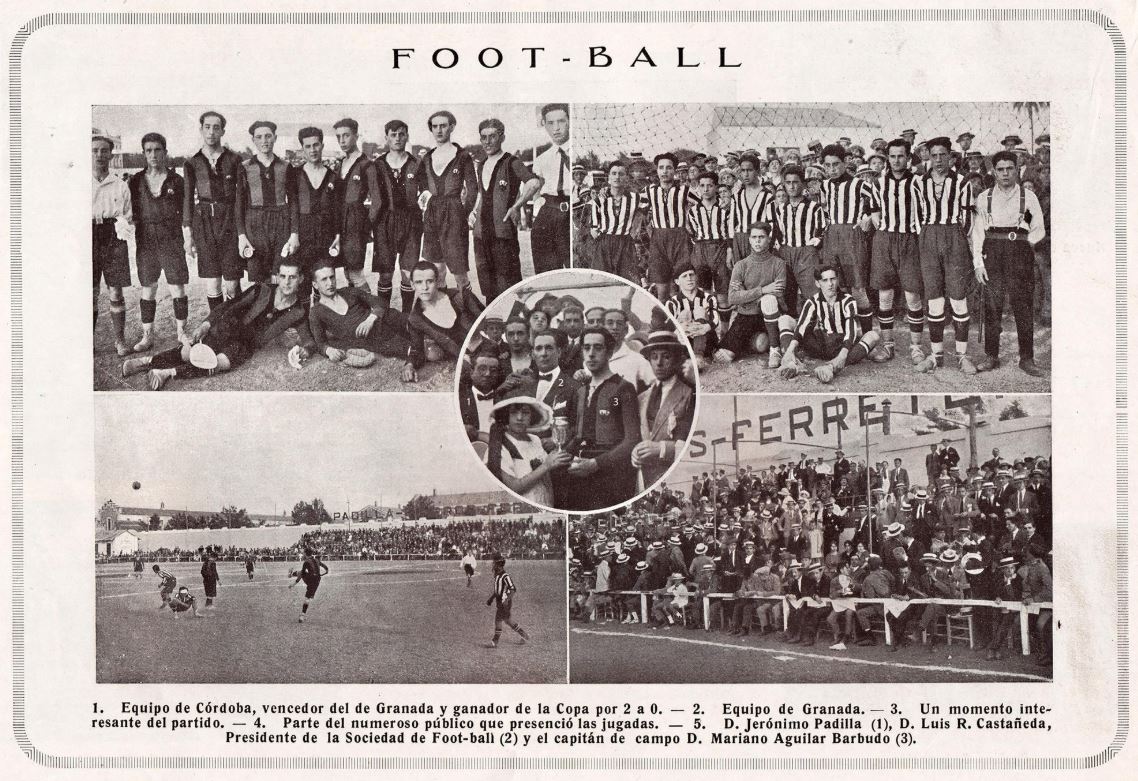
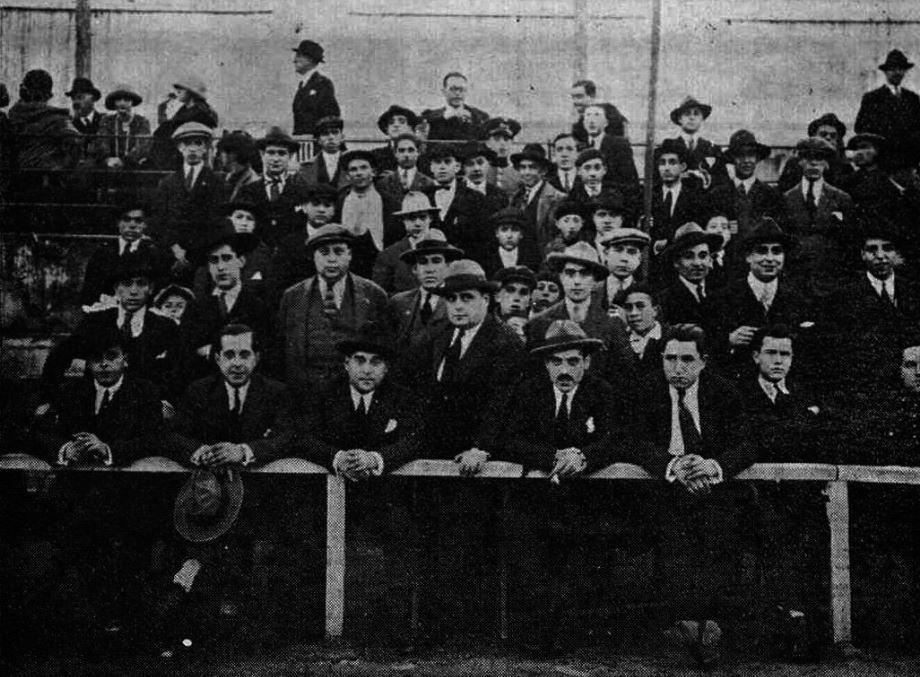
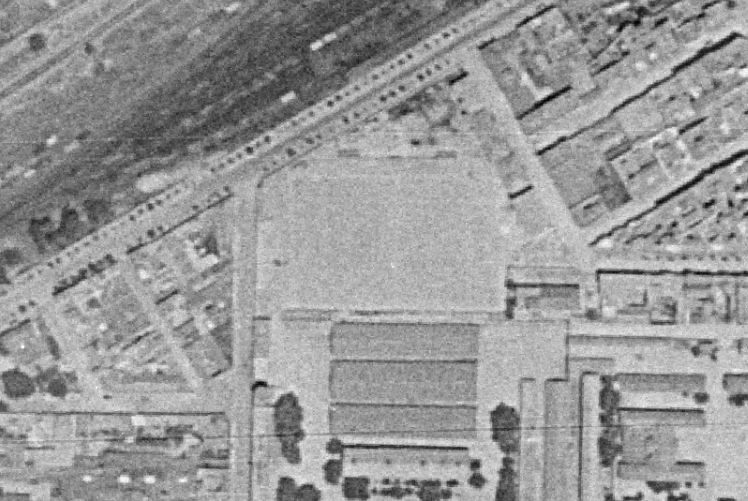
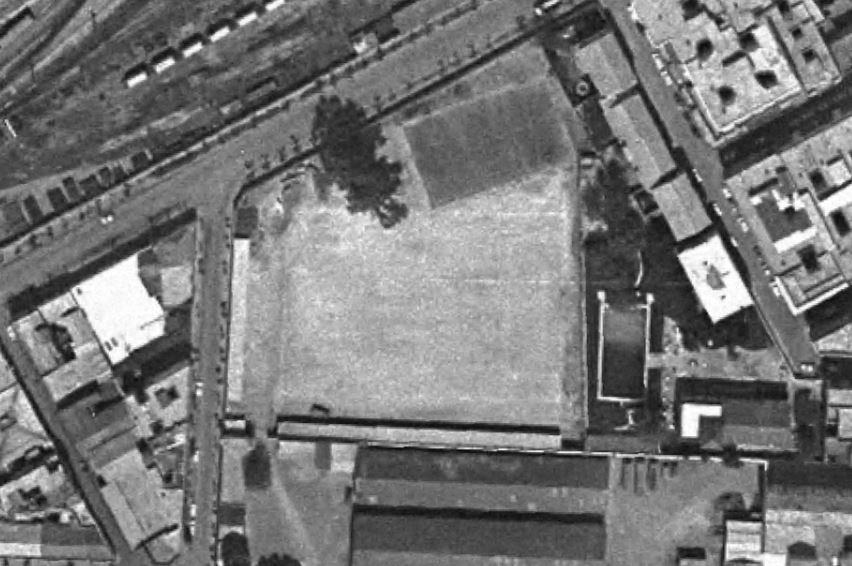
We begin back in 1923 with the opening of the city’s first purpose-built stadium. On 27 May 1923, the Estadio de América staged its first match between Córdoba Sporting Club and Athletic FC of Granada. The stadium had been built by Jerónimo Padilla, owner of a large iron warehouse, who had made his fortune in America. It was constructed on the Huerta de Cercadilla and located behind the city’s military barracks. The Estadio de América had a capacity of 5,000, spread over four narrow open terraces and 32 Palcos (Private boxes). It also featured two pavilions, one for the players and the other for match officials and medics. The barracks were expanded following the Civil War, and the stadium was incorporated into the facility, being used as a drill field by conscripts until 1977. The barracks were demolished in the 1980s, but the playing area remained visible until 2005. The ground was located between the current-day Avenida de América and Avenida de Medina Azahara.

In the summer of 1929, with the city’s main clubs struggling, both in terms of performance and finance, a new club, Córdoba Racing Club, was established. The club reached the National Tercera in 1931, but with finances tight and debts accumulating, the club folded in the summer of 1933. A year later, another pretender emerged, namely Racing Fútbol Club. Their first matches were played at the Estadio de España, but they soon moved to the Estadio de América when the then tenants, Balompédica Cordobesa, folded in February 1935. Córdoba Racing Club competed in the Primera Regional B de Andalucia in 1935-36, winning the league and then beating Racing Club Extremeño (Badajoz) in a third playoff match, after the first two ended all-square. Preparations for the club’s debut in the Primera Regional were halted by the outbreak of the Civil War.
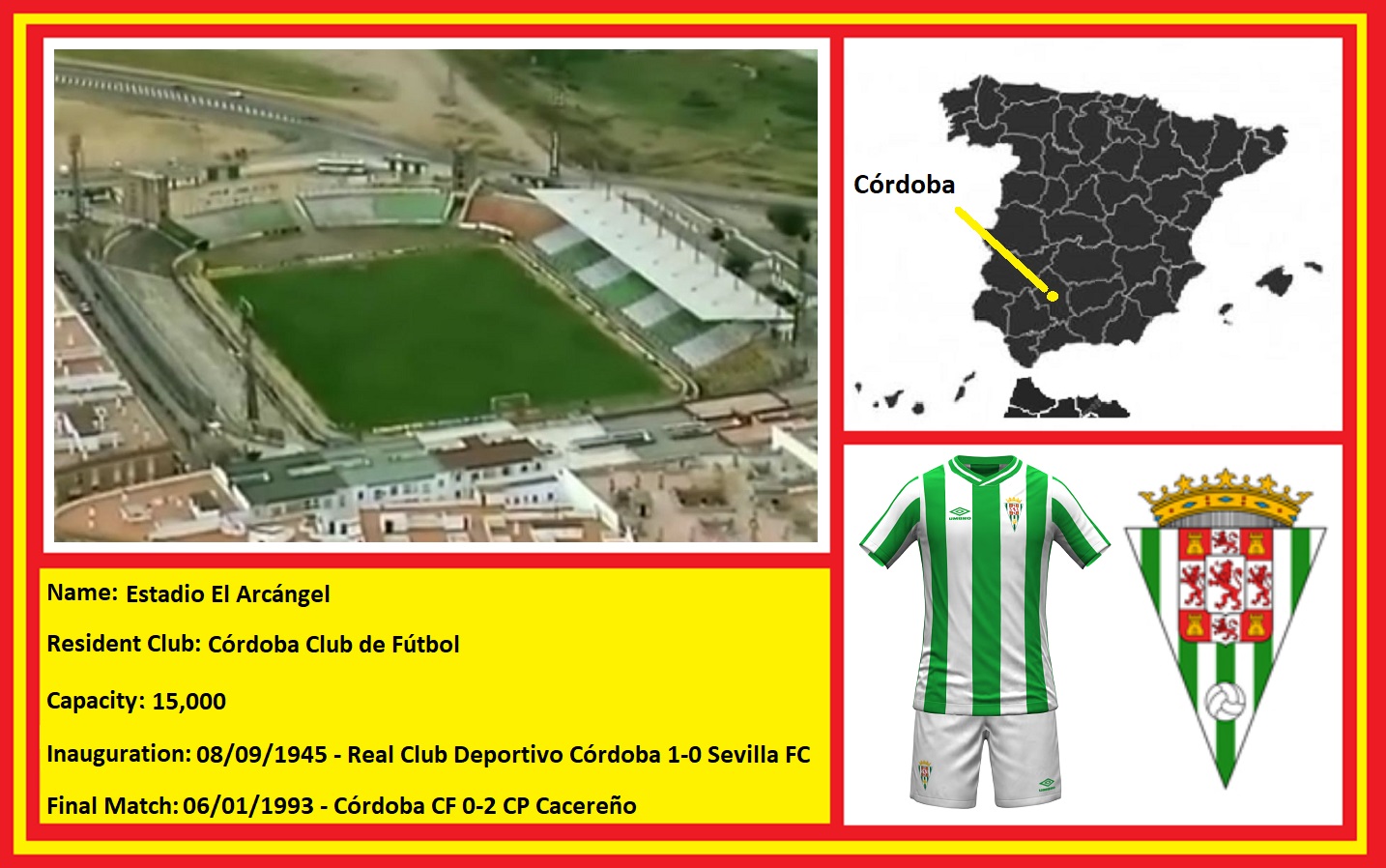
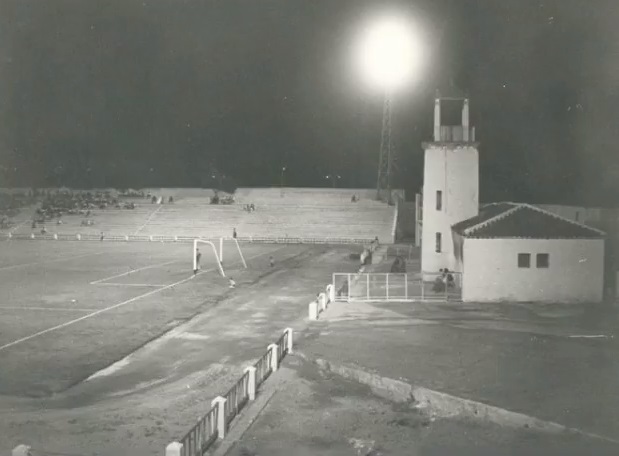
In 1939, like many other clubs from large cities, and despite a lack of pedigree, Córdoba Racing Club was invited to participate in the reformed Segunda División. With the advent of the Nationalist Government, the club dropped the anglicised version of its name, becoming Club Deportivo Córdoba. A fourth-place finish in its first season saw CD Córdoba safely secure another year in the second tier, but following the restructuring of the league for the 1940-41 season, the club was found wanting. An eleventh-place finish saw the club enter a playoff match in Madrid against Elche CF, which was lost 1-2. In 1944, President and royalist José Ramón de la Lastra y Hoces successfully lobbied for the restoration of the club’s royal prefix (albeit previously granted to the former Real Sporting). A year later, the club upped sticks and moved to a new stadium, built by and rented from the club president. The Estadio del Arcángel was close to the north bank of the Rio Guadalquivir and was opened on 8 September 1945 with a match against Sevilla FC. Real CD Córdoba had won promotion back to La Segunda the previous season and went on to spend seven of the next eight seasons in the second flight. However, problems were brewing behind the scenes.
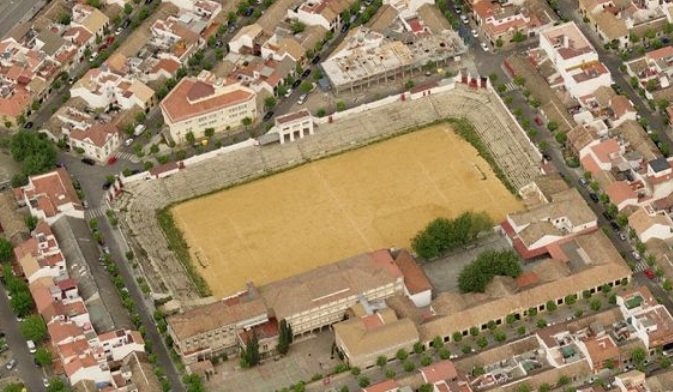
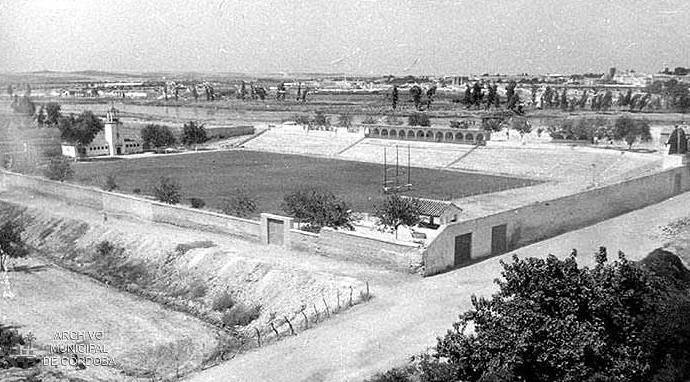
With the passing of José Ramón de la Lastra y Hoces, the club debt grew to 1.5 million pesetas. Unable to pay the rent to the family, the club moved from the Estadio del Arcángel in 1953. They chose to share with a small club called Deportivo San Álvaro at the Estadio de San Eulogio, a municipal stadium on the south bank of the Rio Guadalquivir, around a kilometre southwest of El Arcángel. The end was near for Real CD Córdoba, however, as the 1953-54 season saw the club fail to break out of the Tercera. On 31 July 1954, a special meeting was convened, and the club was wound up. Deportivo San Álvaro was founded in 1951 and reached the Tercera in 1953, playing against Real CD Córdoba in their final season. They even beat Real CD Córdoba 1-3 in the club’s final fixture at Arcángel. Deportivo San Álvaro took on the mantle of the city’s senior team, changing their name to Córdoba Club de Fútbol on 6 August 1954. Under new club president Antonio Cruz Conde, an agreement was reached, along with the municipality, to purchase the Estadio del Arcángel from the Lastra y Hoces family. On 4 February 1955, the ground was reopened with a friendly against Real Madrid. A year later, Córdoba won the Tercera title and promotion to La Segunda, just three seasons after Real CD Córdoba’s last appearance at that level.
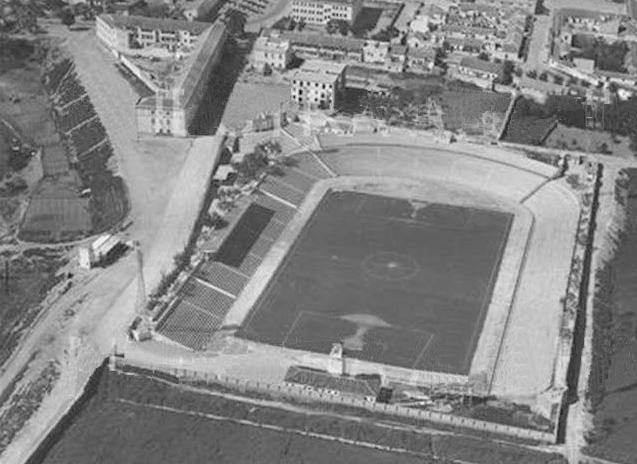
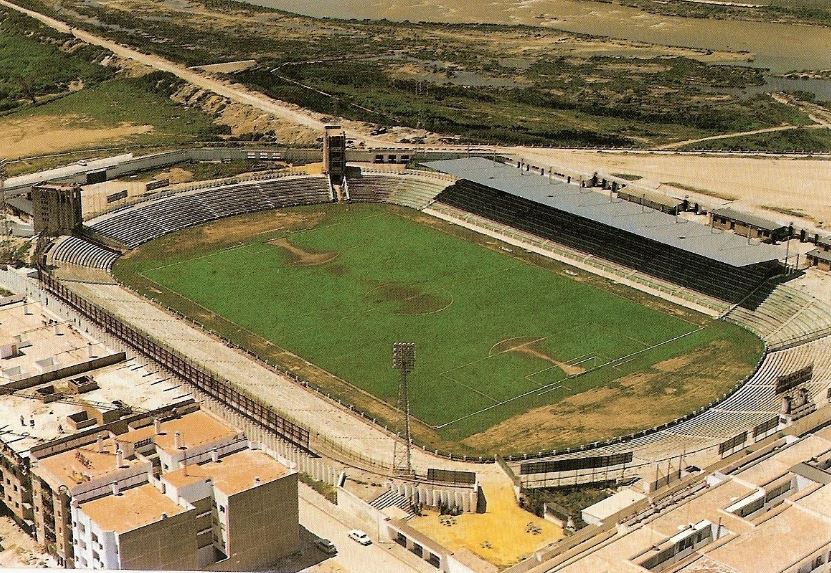
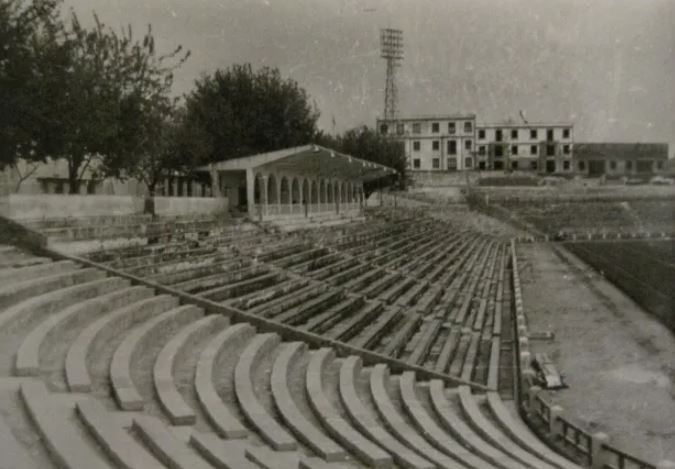
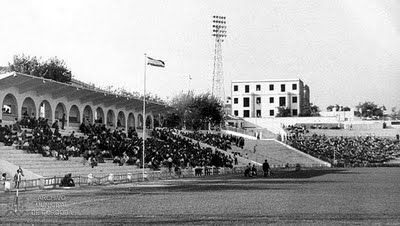
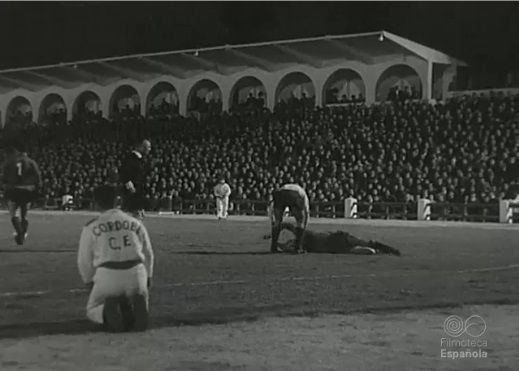
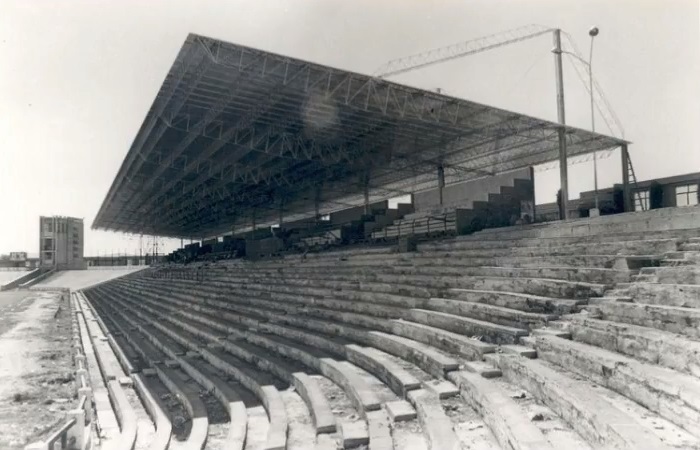
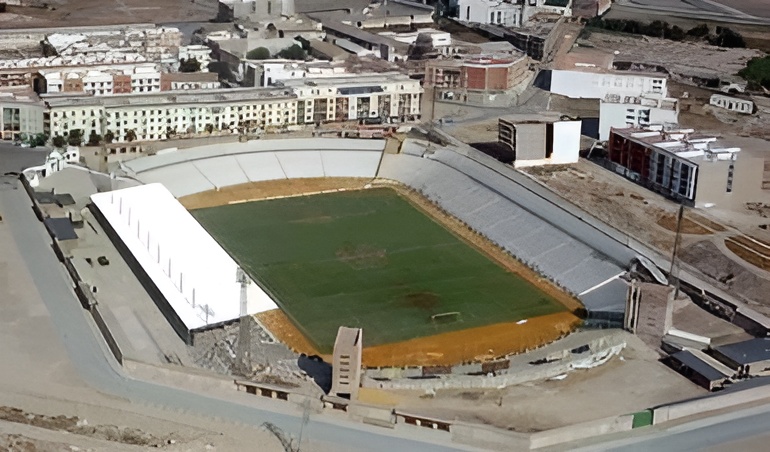
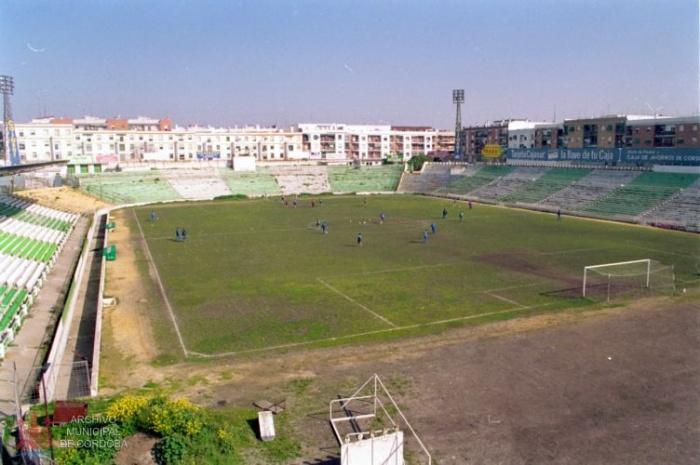
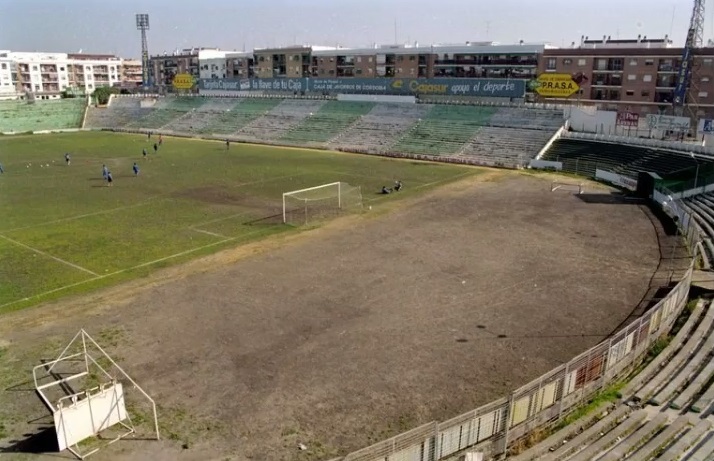
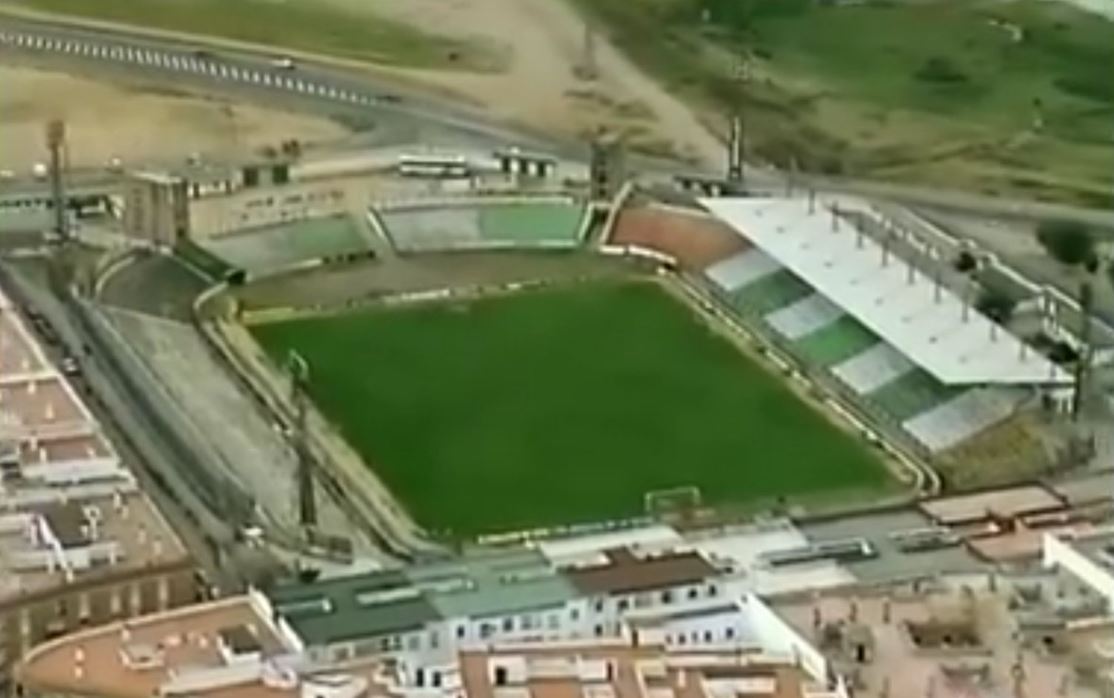
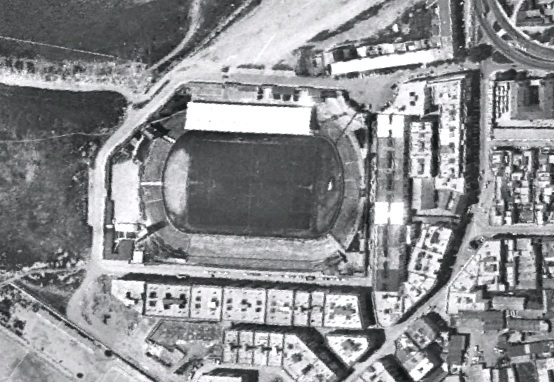
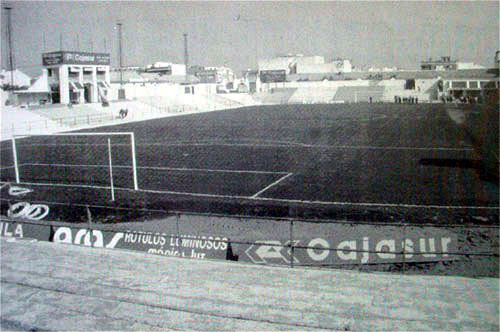
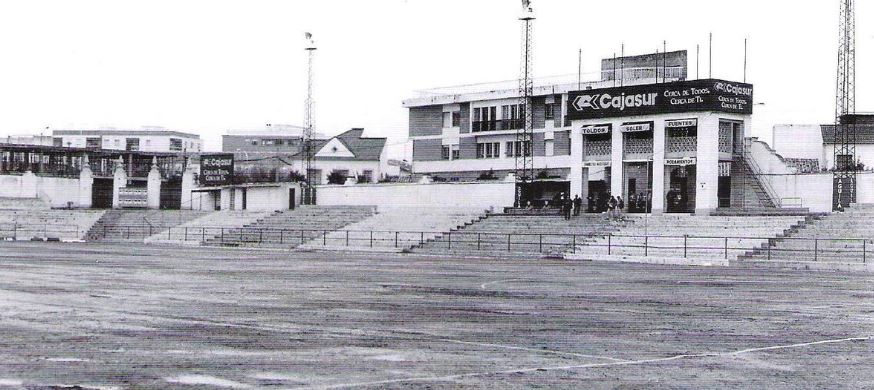
Córdoba, in its new guise, was now better suited to La Segunda, finishing second in 1959-60. They met Real Sociedad for a place in La Primera and could not be separated over the two-legged tie. The third match in Madrid finished 1-0 in favour of the Basques. Two years later, Córdoba won La Segunda title and with it a place in the top division for the first time. El Arcángel underwent extensive refurbishment during the summer of 1962 in preparation for its debut in La Primera. The north and east terraces were extended, and a new terrace was added to the southern end of the ground, along with changing facilities in the south-east corner. Either side of the south terrace stood towers, which may have been part of a grander plan, but frankly always looked unfinished. The original floodlights that had been installed in 1958 were upgraded, and the new look arena had a capacity of 20,000.
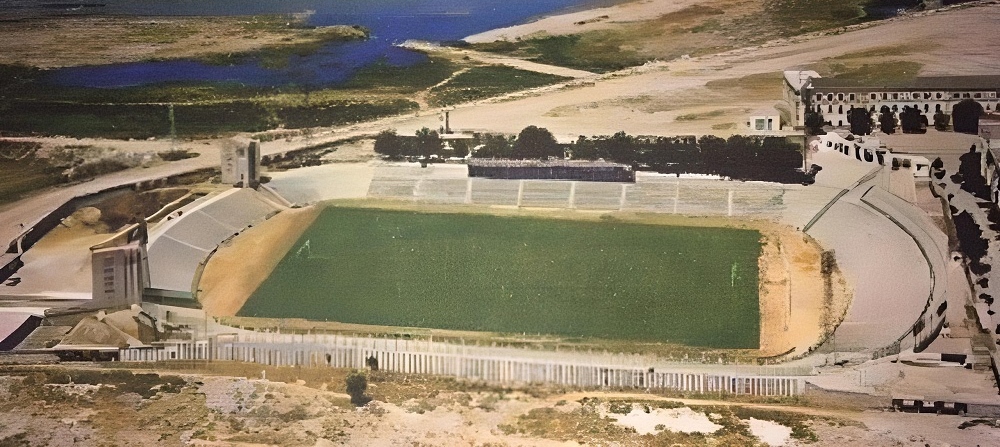
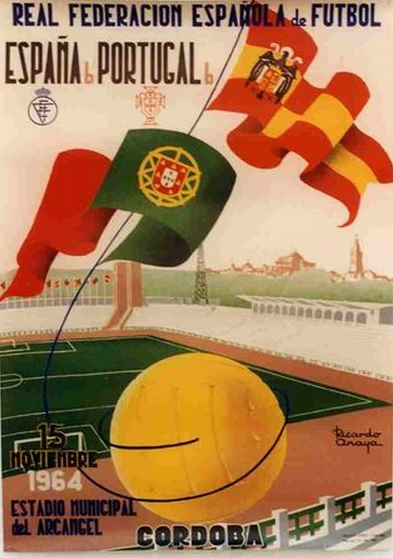
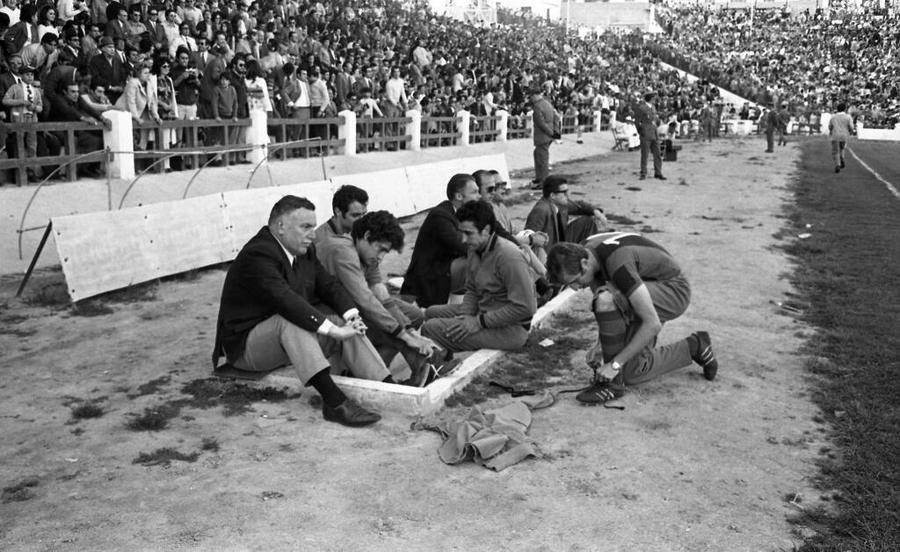
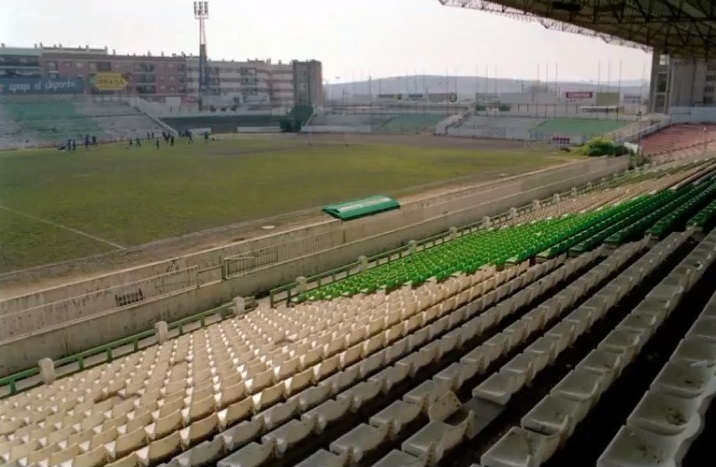
After a shaky start, Córdoba found its feet and finished as high as fifth in the 1964-65 season. However, it was still essentially a provincial club with a comparatively small budget, and following seven consecutive seasons in the top tier, Córdoba finished bottom of the league with just five wins. There followed two seasons in La Segunda, with a fifth-place finish in the 1969-70 season, then fourth place a year later. Thanks to the expansion of the top flight to 18 teams, Córdoba returned to La Primera. A full-length roof was added over the west side during the summer of 1971, but the 1971-72 season was to prove to be the last that the Estadio Arcángel would stage top-level matches, as Córdoba finished 17th and was relegated. It was the start of a slow decline. Six seasons in La Segunda petered out with relegation to Segunda B in 1978. There was a brief recovery with promotion back to the second tier in 1981, but the club hit rock bottom with two successive relegations and ended up in the Tercera for the 1984-85 season. The stay in the fourth level lasted just the one season, and Córdoba saw out the rest of the 1980s in Segunda B.
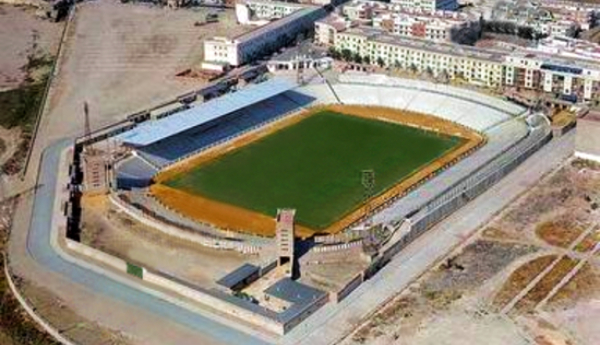
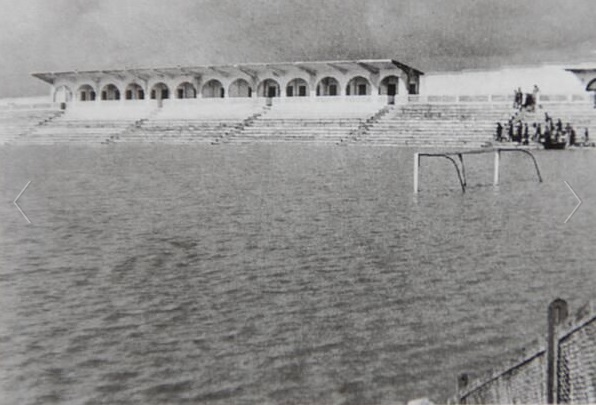
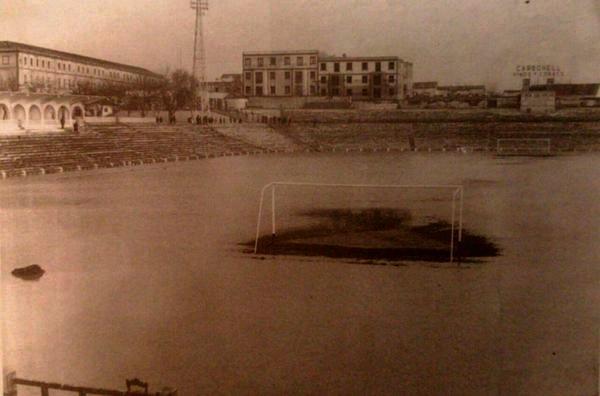
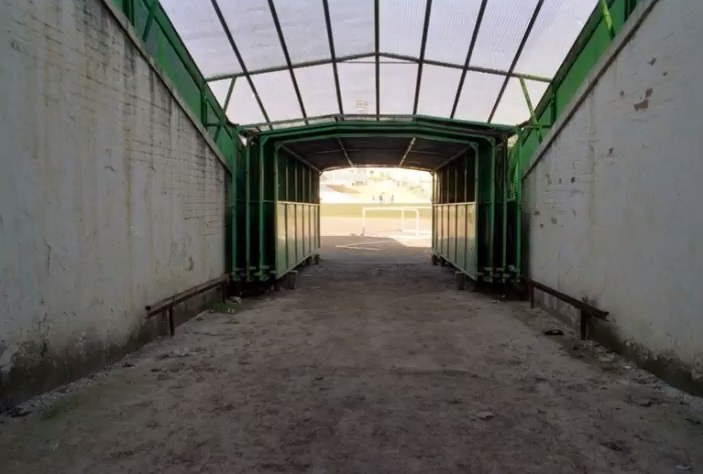
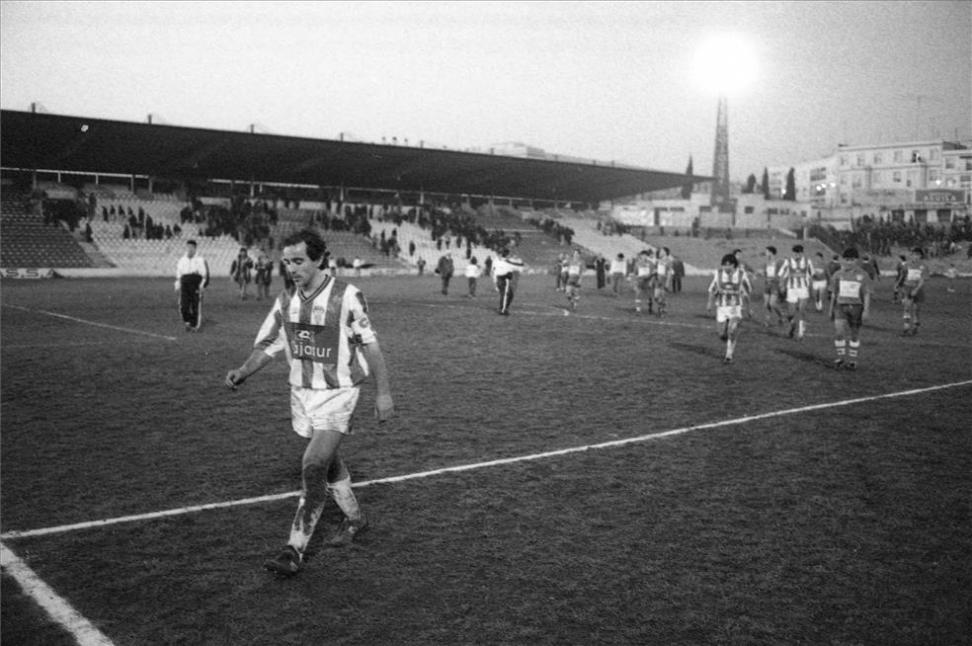
By now, El Arcángel was coming towards the end of its useful life. It had always been susceptible to flooding, and the municipality decided in 1991 to build a new multi-sports stadium 500 metres to the south of the old stadium. El Arcángel hosted its final fixture on 6 January 1993. There was to be no happy ending at the old home, as Córdoba succumbed 0-2 to CP Cacereño. The club decamped to the south of the river to the old Estadio de San Eulogio for the remainder of the 92-93 season. Córdoba’s final match at San Eulogio saw a 3-1 victory over Xerez Club Deportivo on 24 October 1993. On 7 November 1993, Córdoba crossed back over the Guadalquivir to play its first match at the Estadio Nuevo Arcángel.







 Estadios de España
1 thought on “Córdoba – El Arcángel (1945 – 1993)”
Comments are closed.