
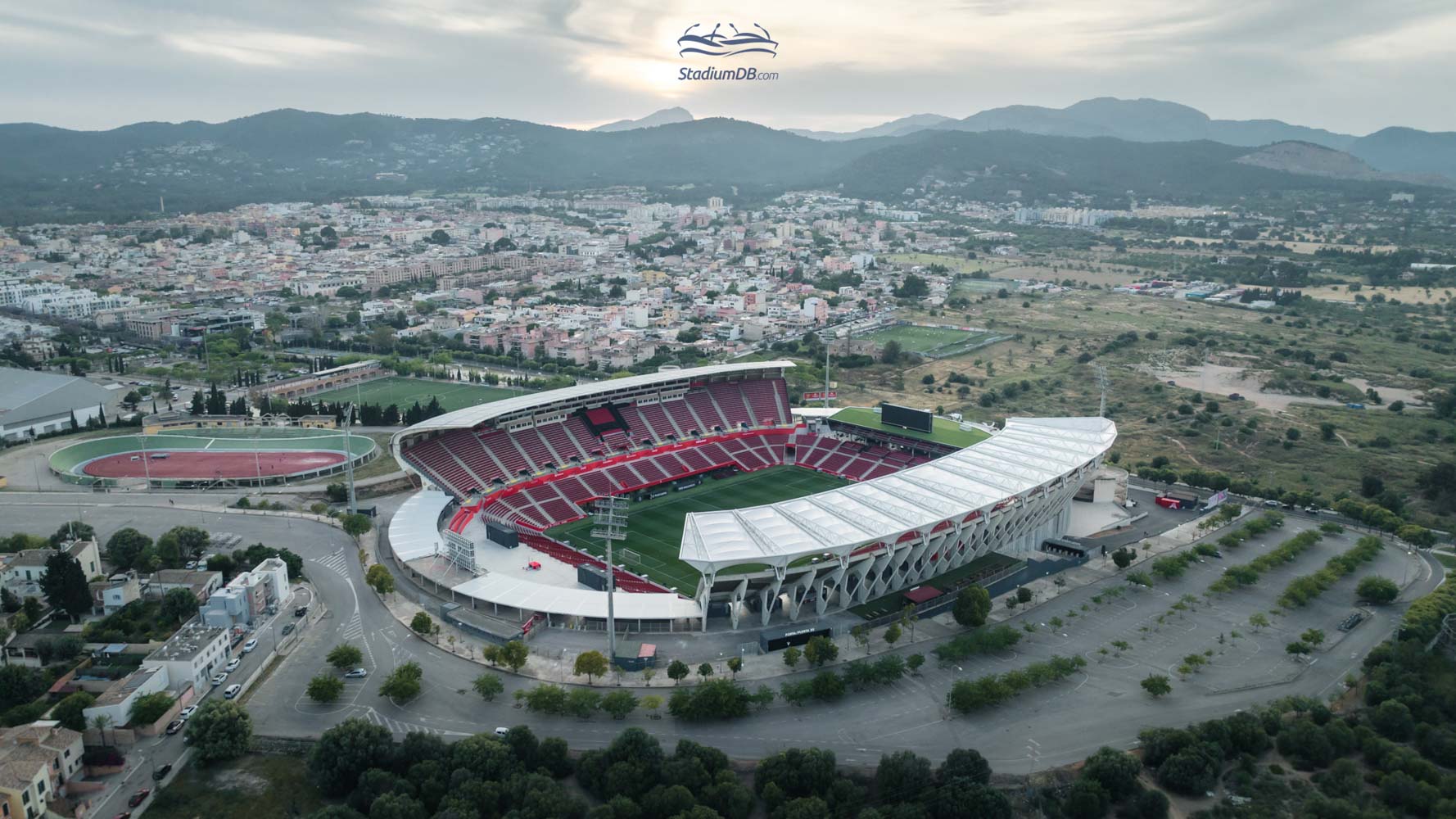
With the crumbling Estadi Lluis Sitjar having its fate sealed by FIFA’s all-seater ruling, Real Mallorca needed to find alternative accommodation. Fortunately, they found an ally in the shape of the local municipality. Palma had been awarded the 1999 Summer Universiade (or the World Student Games in old speak) and a plot of land was chosen at Can Valero, around 2 miles northwest of the town centre, to build a new multi-sports stadium. As building got underway, Real Mallorca signed a 50-year lease with the municipality on 15 December 1997 that granted the club exclusive use of the stadium for all footballing activity.

The cost of the project was around 35 million euros and the head architect, Guillem Reynés, was soon to become club president. The stadium was inaugurated on 3 July 1999 when the Student Games were officially opened, and seven weeks later, Mallorca got its first taste of football at the stadium when Real Madrid kicked off the new season, but spoiled the party with a late winner. However, things soon started to look up on the field, as club repeated the success of its final season at Lluis Sitjar with another third-place finish in 2000-01. In the following season’s Champions League, Mallorca was unlucky not to progress to the knock-out phase, despite accruing 9 points. A second national title arrived in 2003 when the club beat Recreativo Huelva 3-0 in Elche to secure its first Copa del Rey. After the cup success, results tailed off and Mallorca spent several seasons avoiding relegation. Form picked up towards the end of the decade and the club achieved a well-deserved fifth place in 09-10. However, club finances were a mess and in May 2010 the club filed for bankruptcy and entered administration with debts of 45 million euros. As a result, the club was not granted a licence to compete in the 2010-11 Europa League.
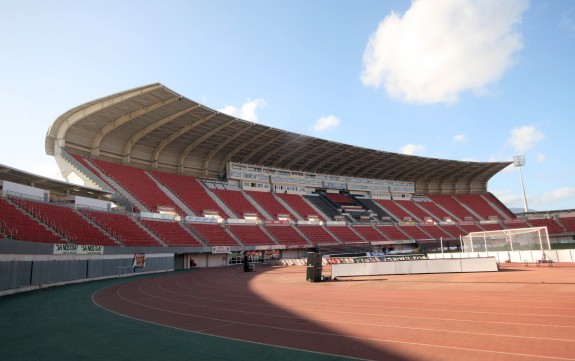
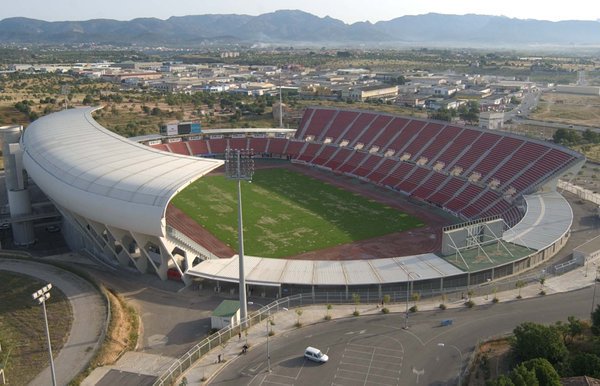
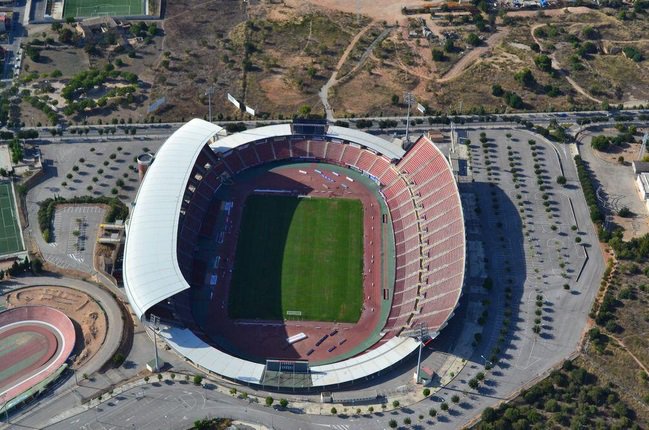
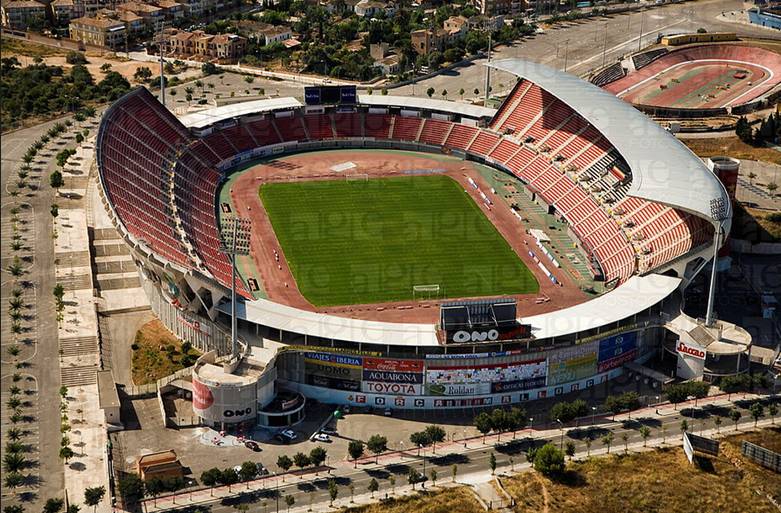
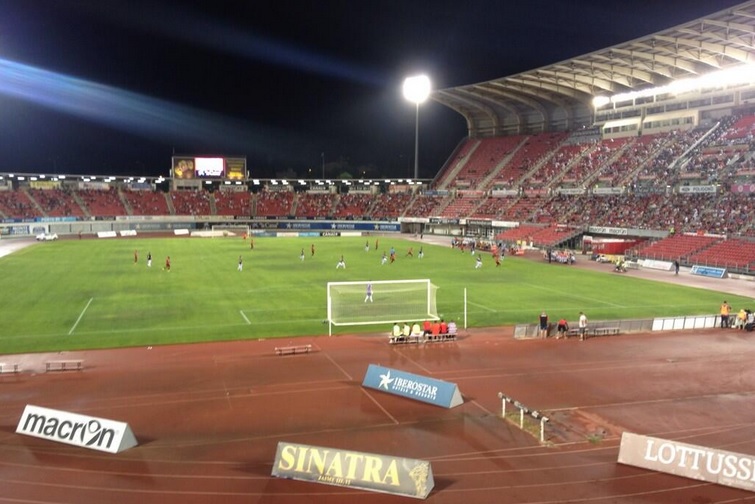
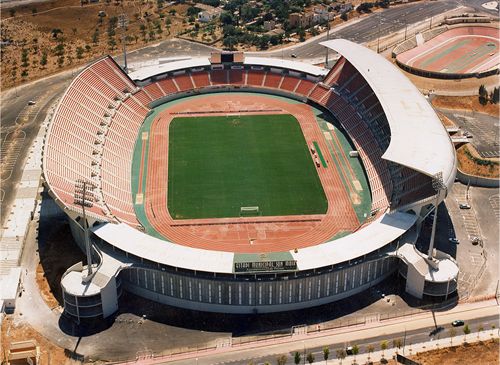
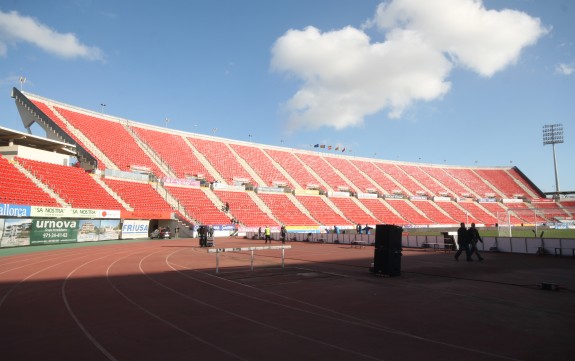
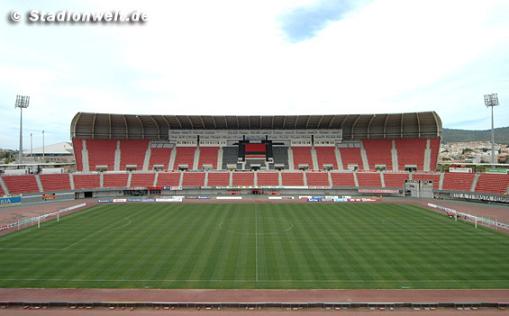
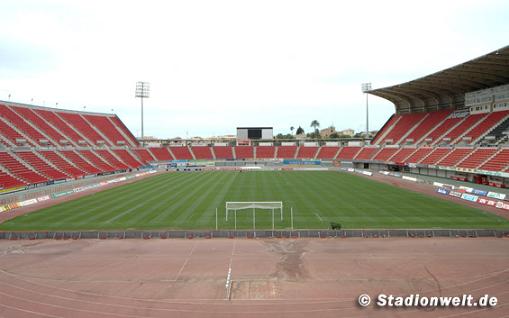
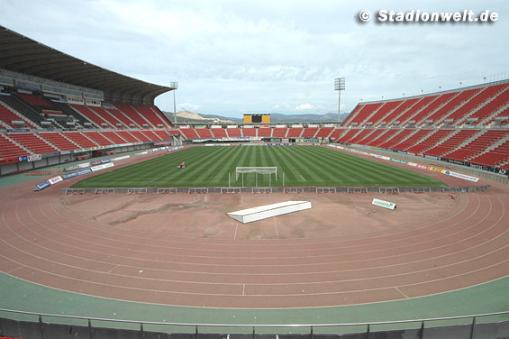
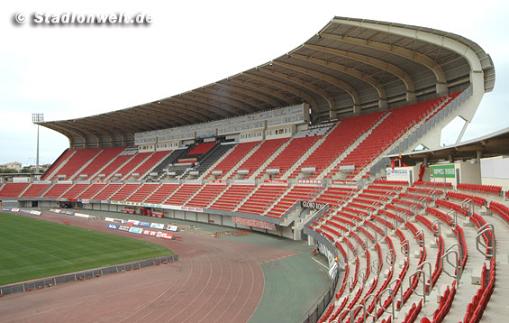
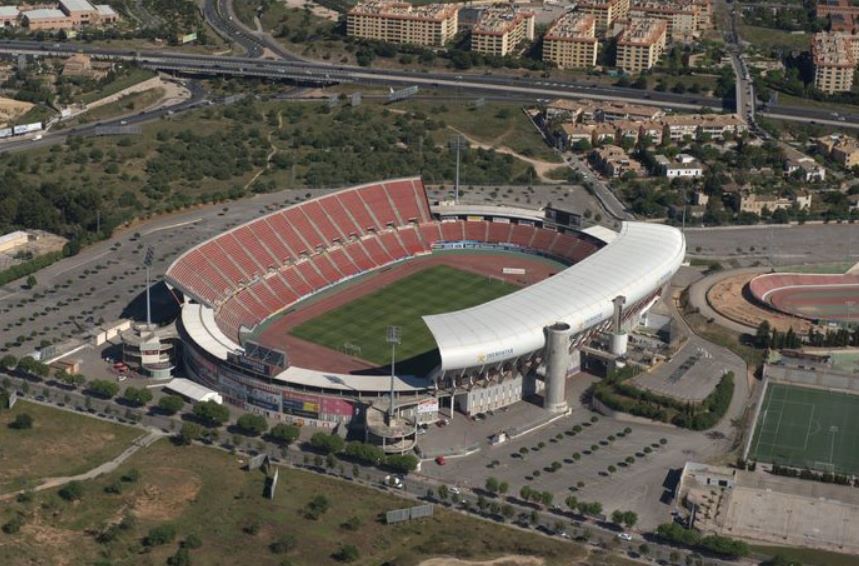
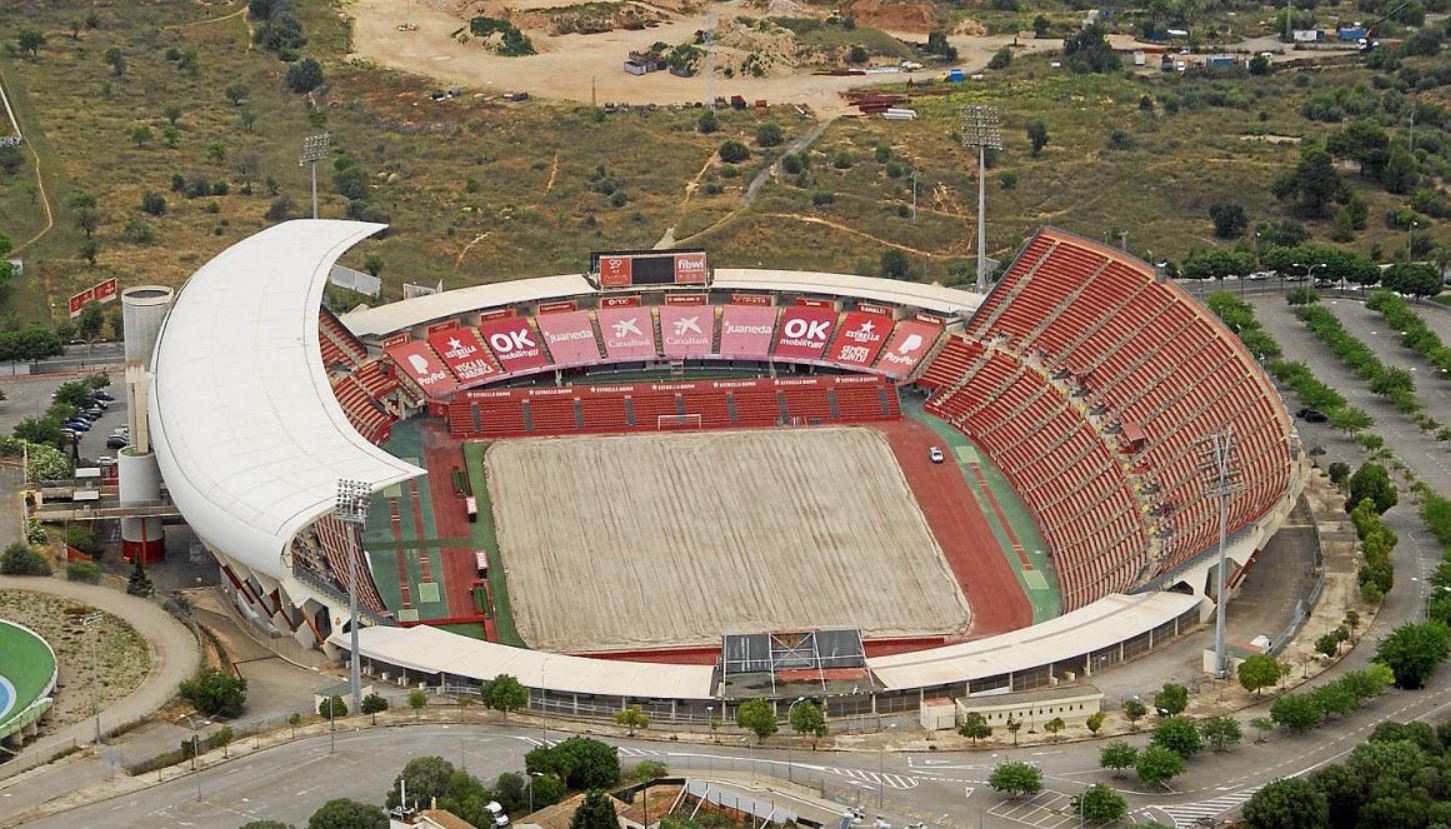
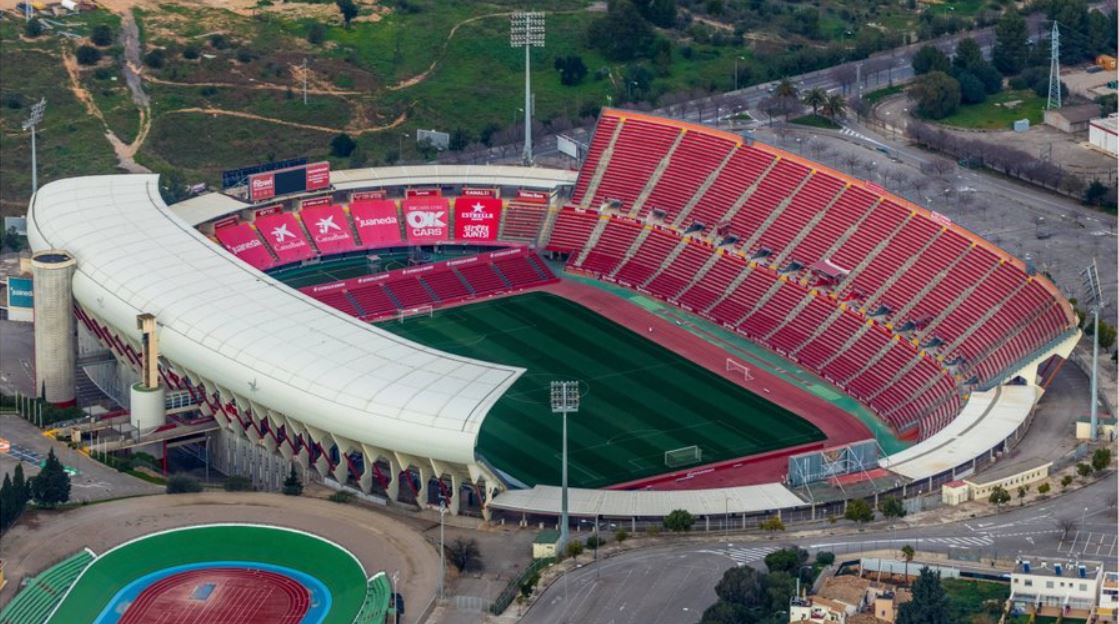
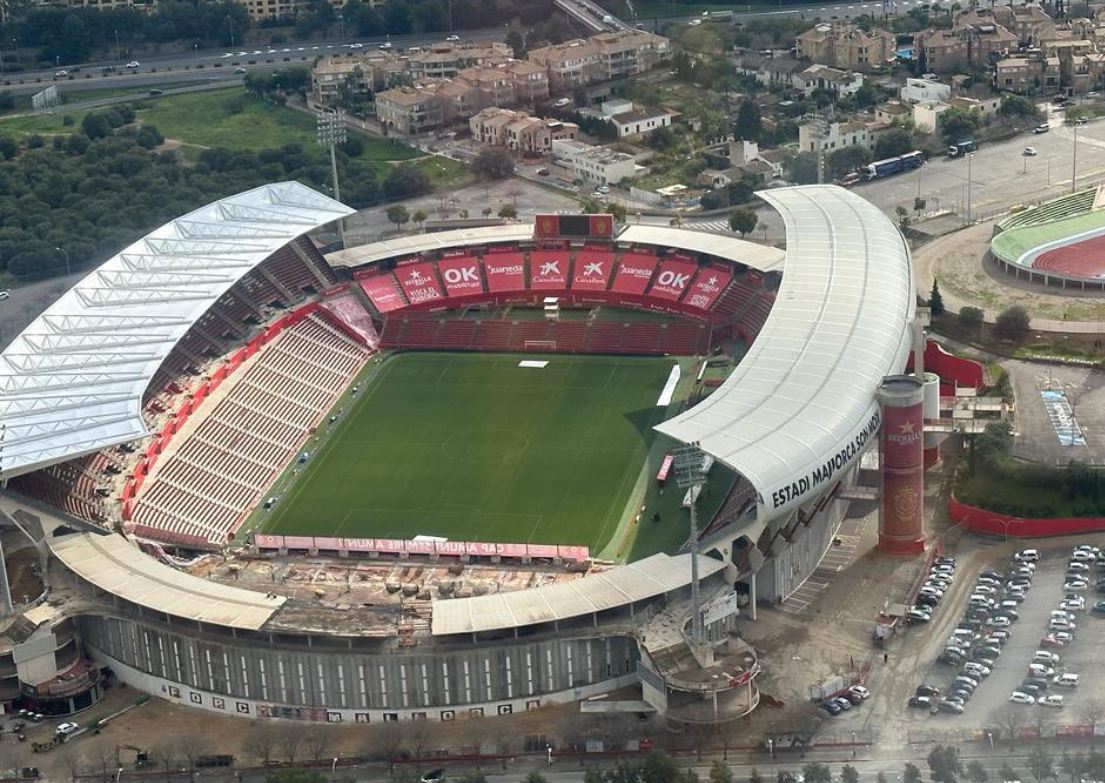
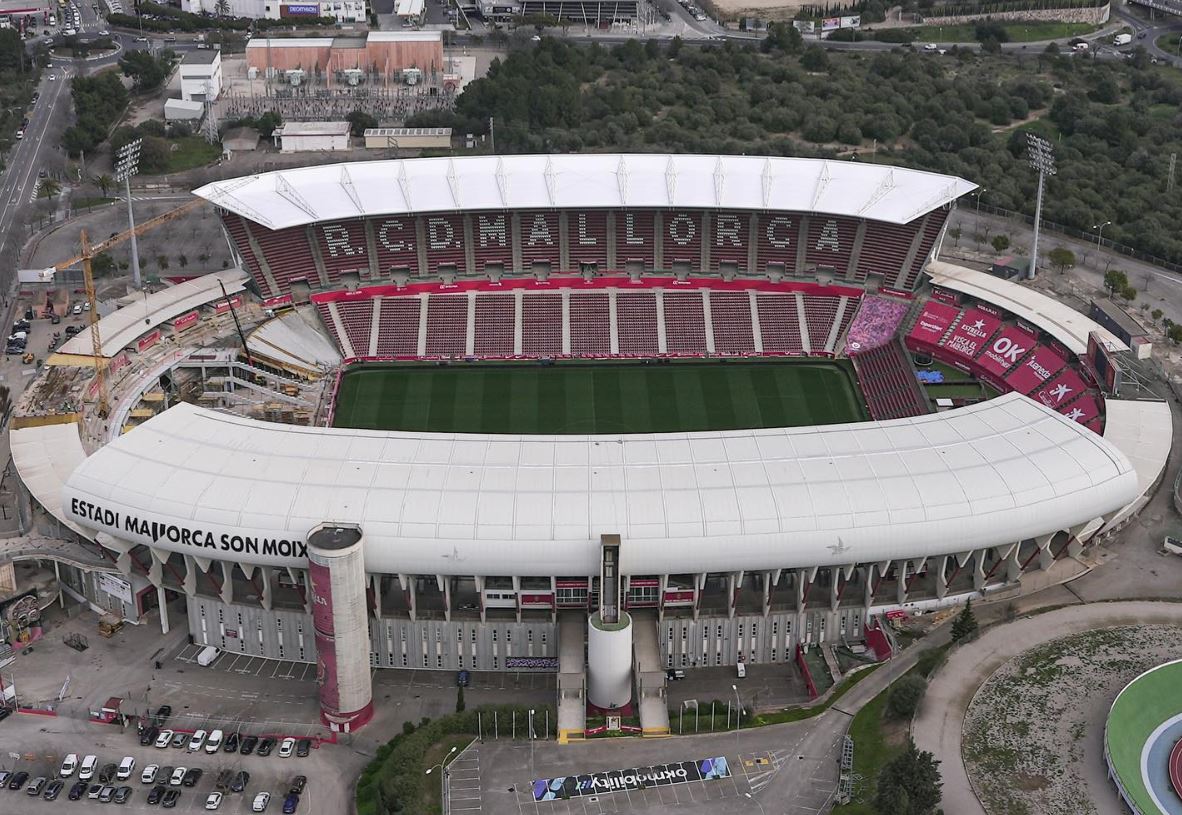
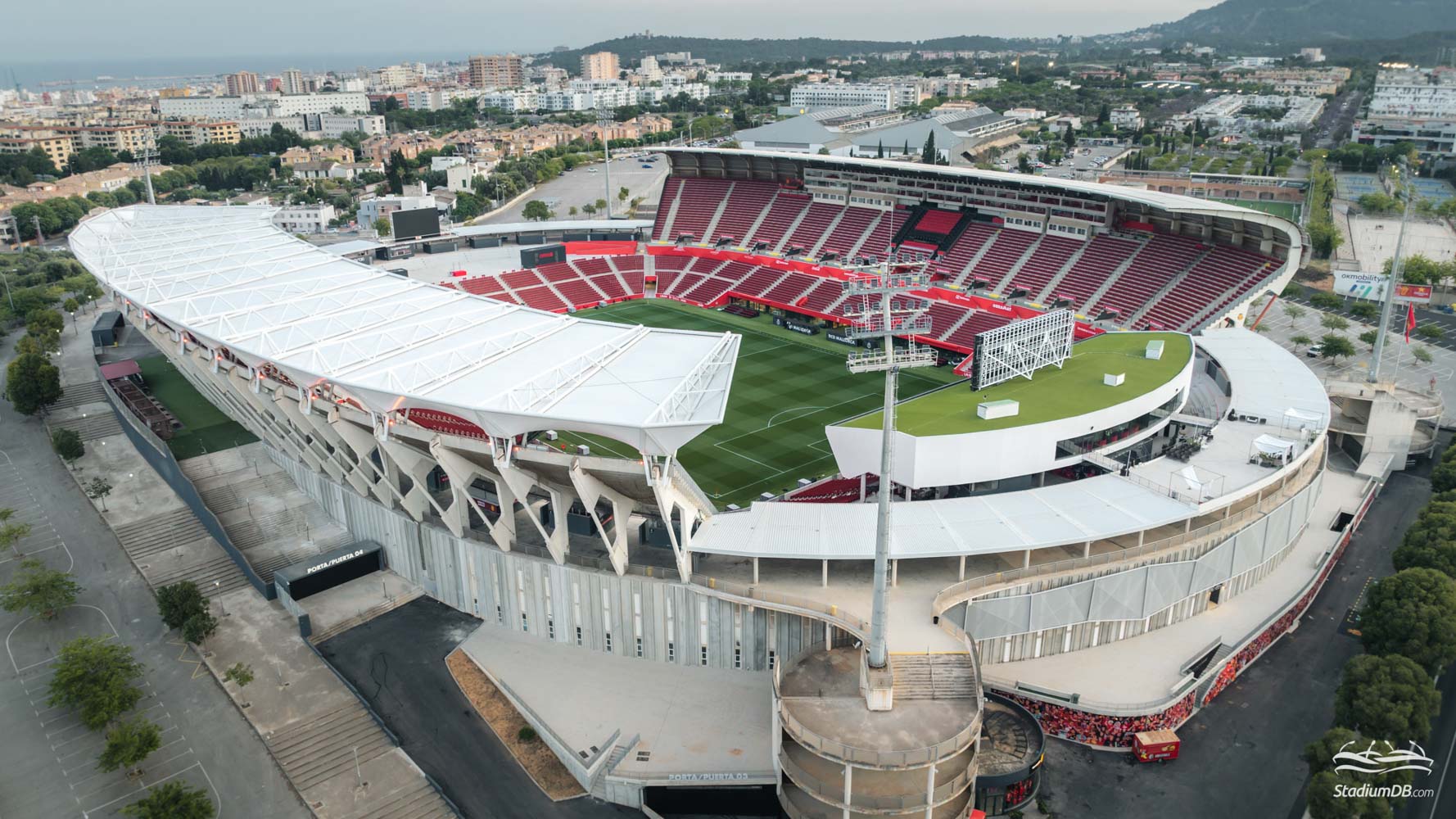
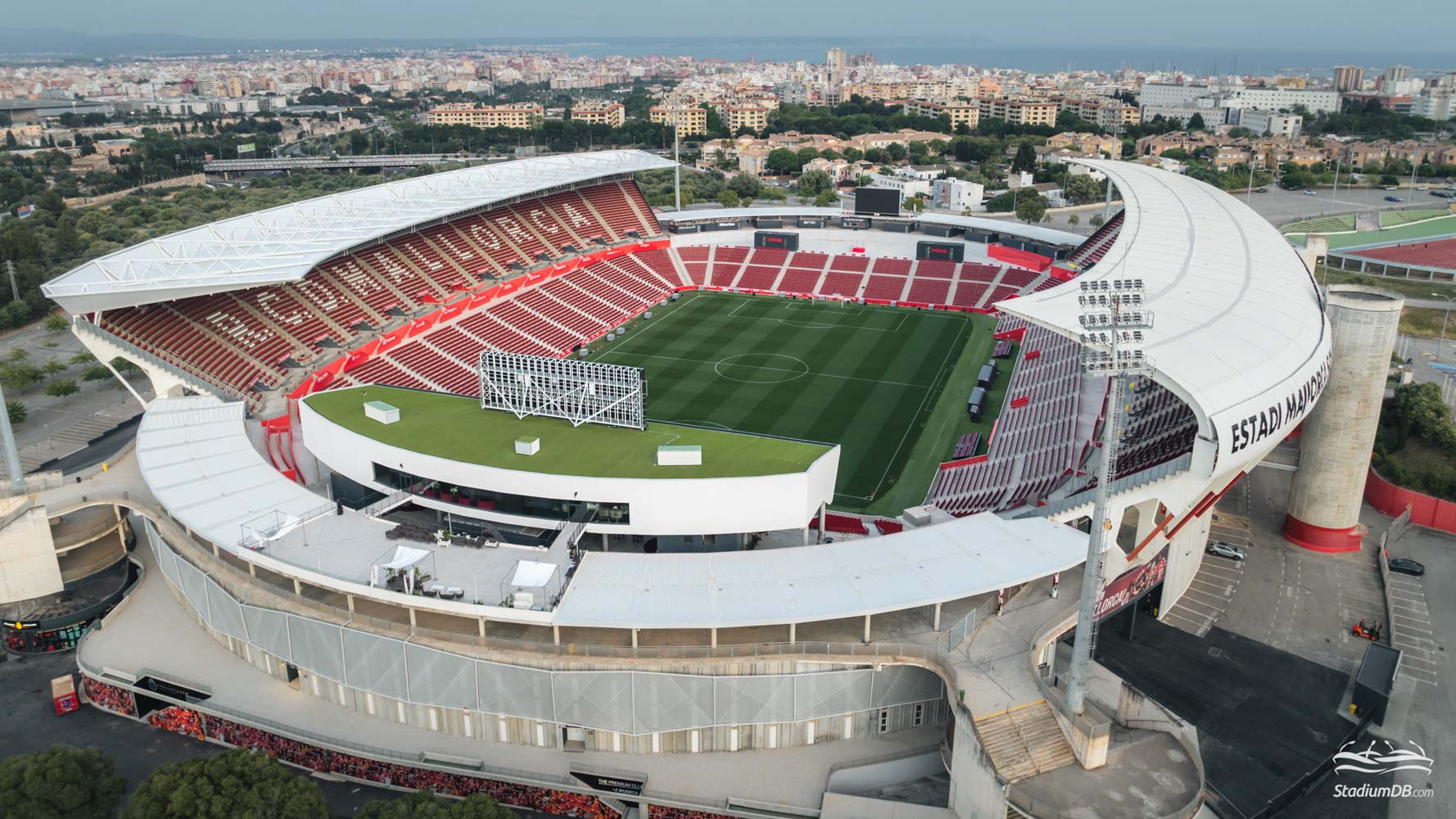
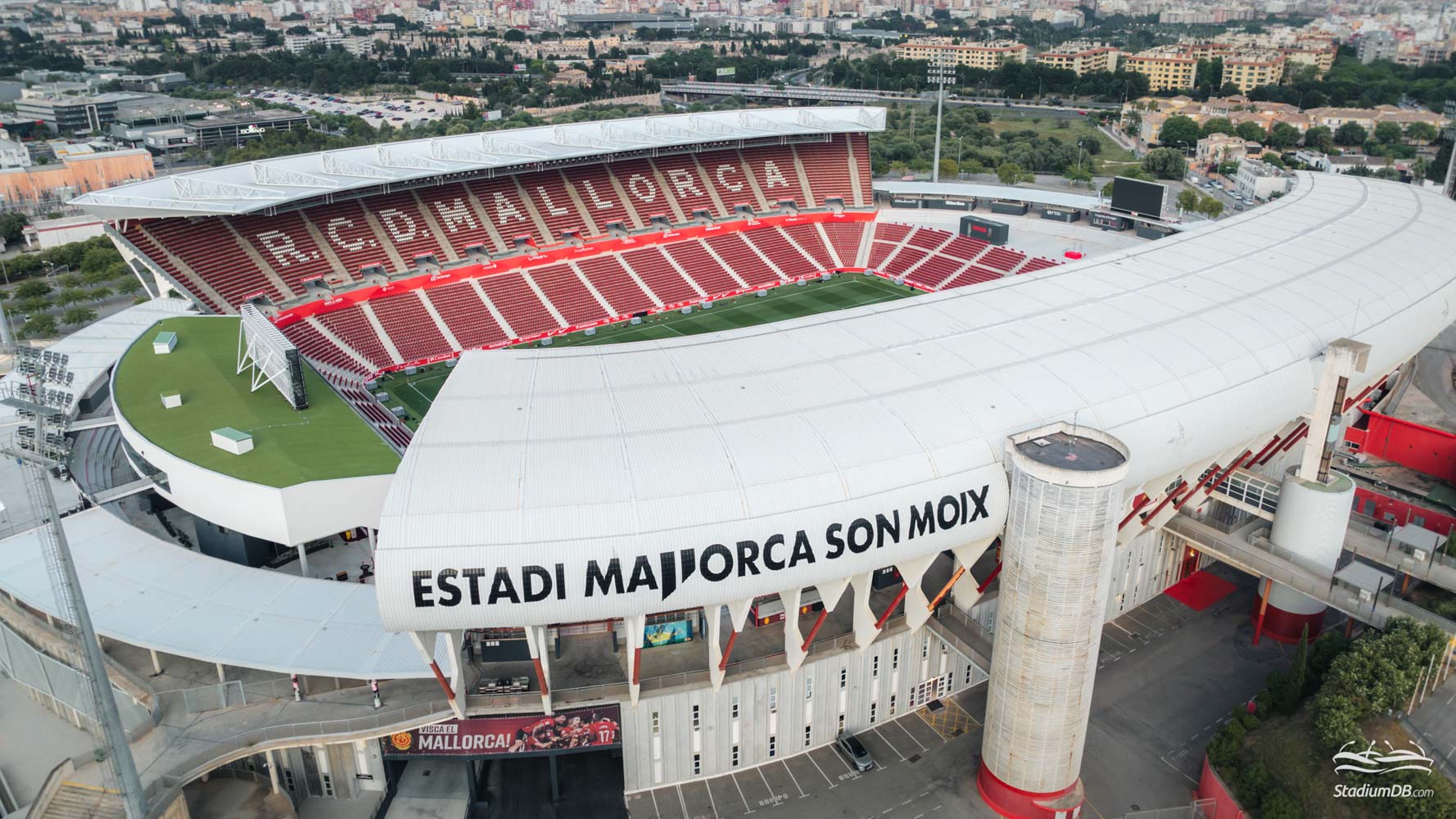
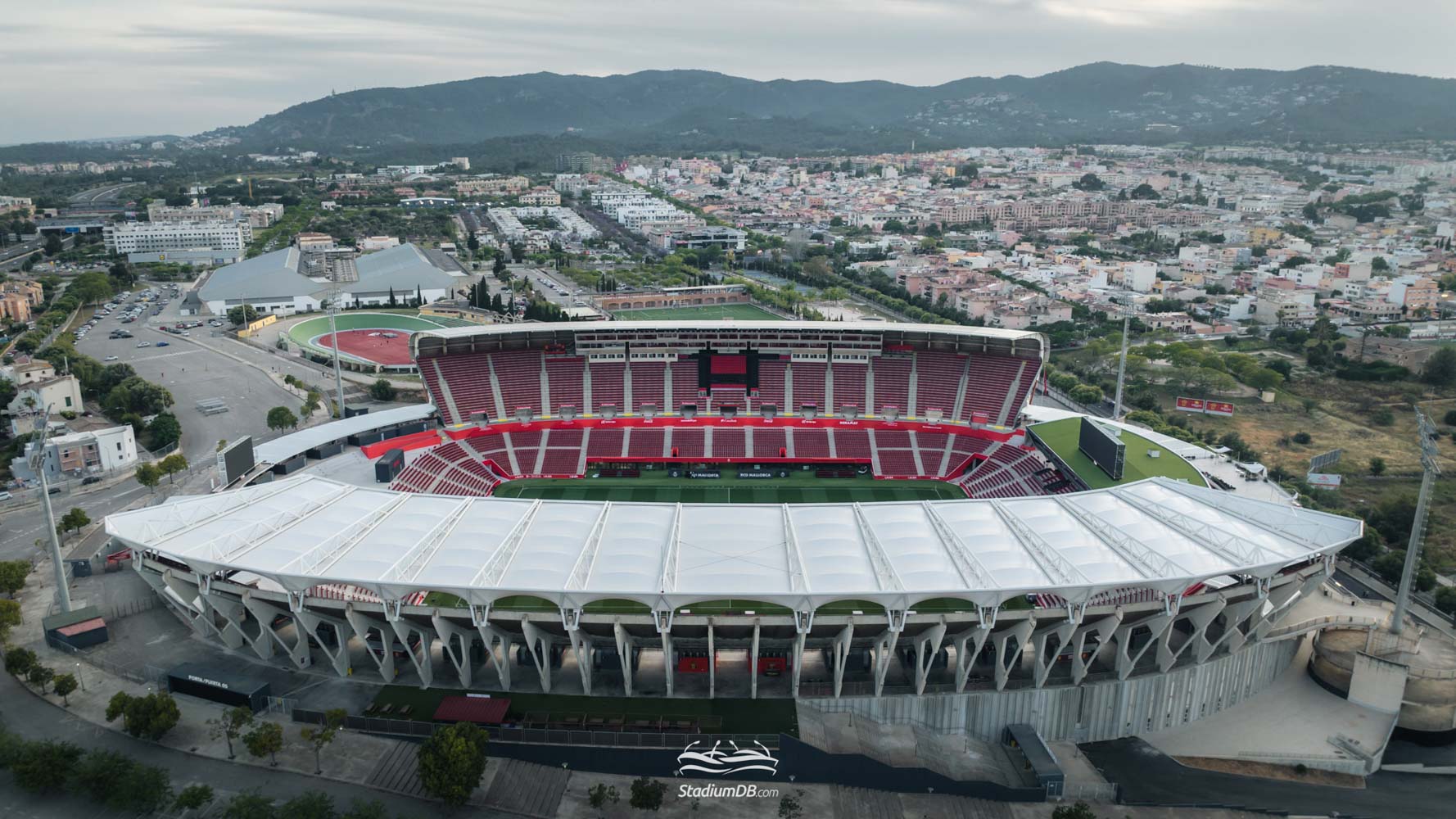
What shall we call the stadium? It started out as the Estadi de Son Moix , but in 2004 the club and municipality signed over naming-rights to a telecommunications company and the stadium became the ONO Estadi. That was until 2010, when a further deal was struck with hotel chain Iberostar. Then in 2020, it’s official name became the Visit Mallorca Estadi, before becoming the Estadi Mallorca Son Moix in 2022. Let’s stick with Son Moix. What of the stadium? Since opening in 1999, whatever praise came the way of the stadium was always countered with the plain truth that it was still essentially a venue designed for athletics. It’s was better than some, but frankly, it never got the pulse racing. The stadium’s one redeeming feature upon opening was the beautifully curved cantilevered cover that still hangs elegantly over the two tiers of the west stand. The remaining three sides were made up of open, seated stands, all with compromised views of the pitch. It was pretty forgettable and unsuited for watching football at any level.
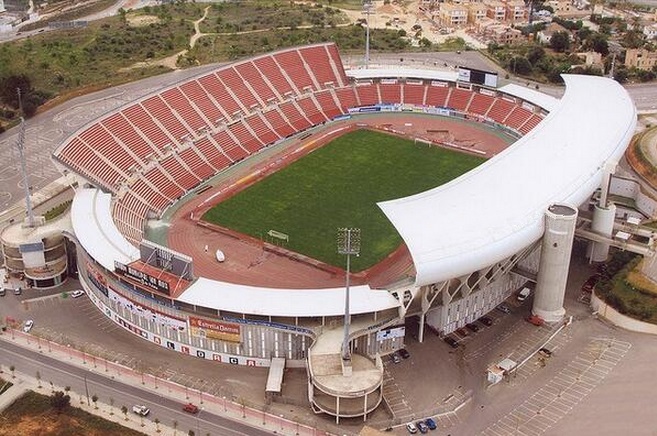
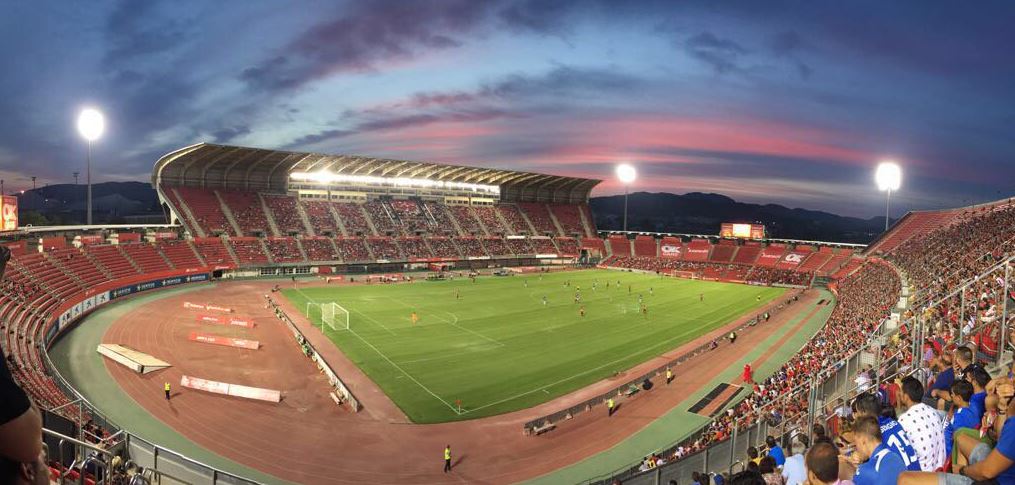
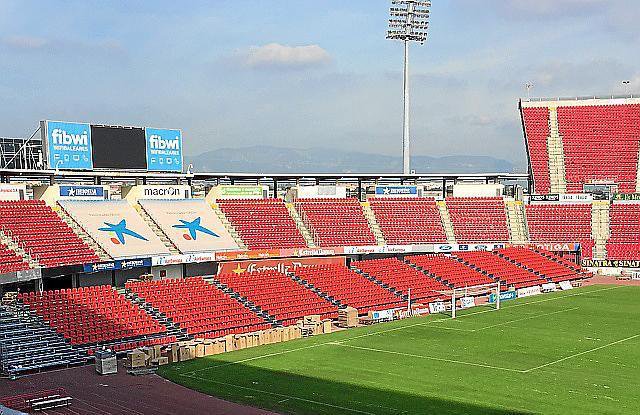
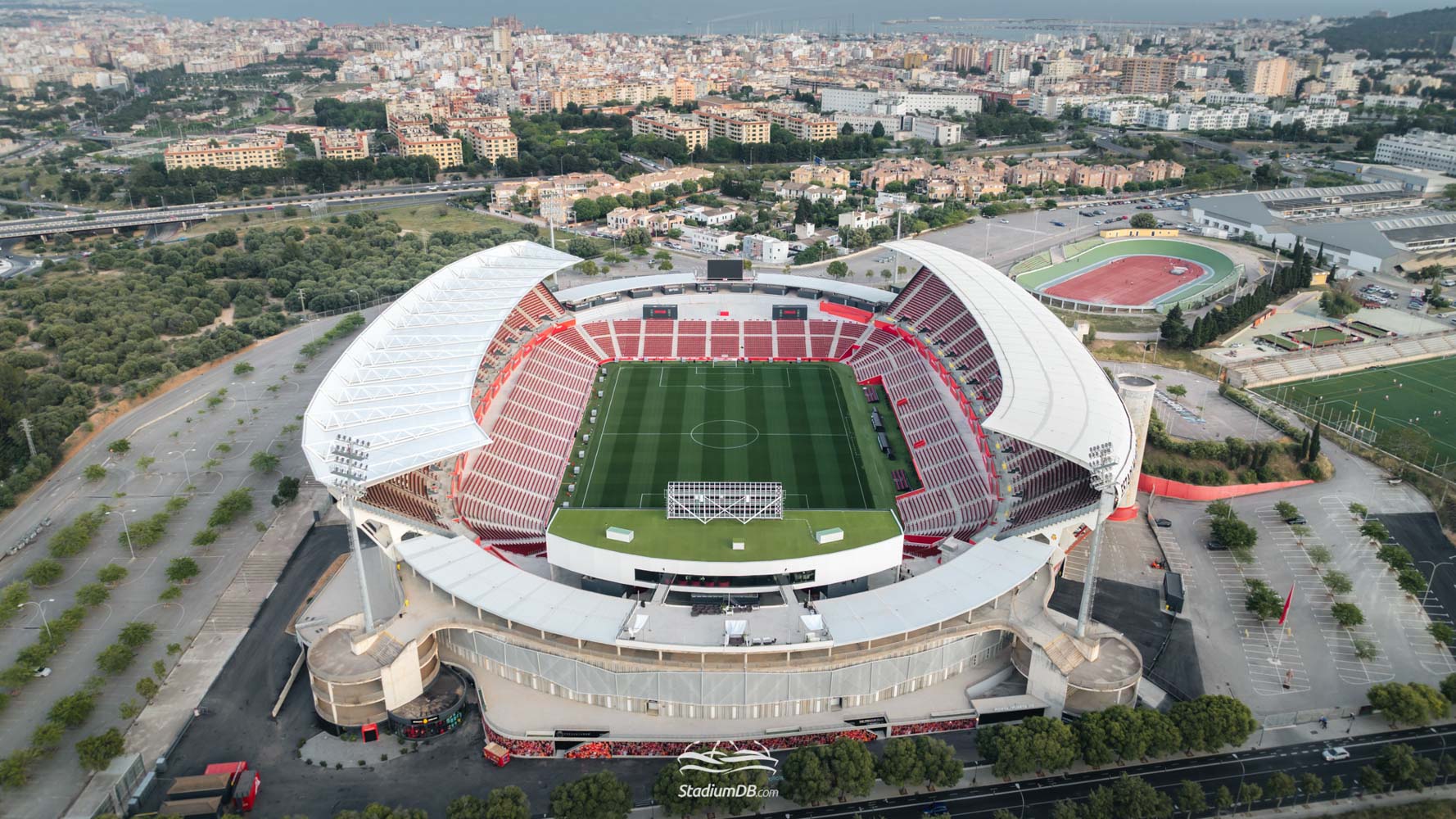
The double tier was repeated on the east side, whilst both ends are made up of single tiers and have all the sight disadvantages you associate with stadiums of this ilk. The capacity upon opening was 23,142, but as Mallorca failed to repeat the form of the turn of the century, the stadium was rarely full. Compromises where attempted; temporary seating was erected in front of the main stand during the 2012-13 season, and behind the north goal in 2015. Whilst this brought the fans a little closer to the pitch, like the rest of the stadium, it was rarely filled to capacity. As one would expect from a build little more than 20 years old, the media have excellent facilities, as do the corporate guests. The stadium also houses a club-themed café, club shop and headquarters of Fundació Reial Mallorca, a fans forum founded in 2002.

With a modern, top-flight stadium now in place, the Islanders could expect a visit from the national team. To date, the stadium has hosted La Selección on four occasions. The first of which was in February 2003, when Germany was beaten 3-1 in a friendly. Son Moix played host to the national side again in March 2007 when Iceland was defeated 1-0 in a Euro qualifier. Six years on and the stadium was chosen again, this time to host Spain’s World cup qualifier with Belarus. However, the 2-1 victory was marred by a serious incident on the eve of the game. An electrical generator exploded in the car park causing serious injuries to two workers. Eleven years passed without the National Team playing on the island, but in June 2024, Spain beat Northern Ireland 5-1 at a revamped Son Moix.
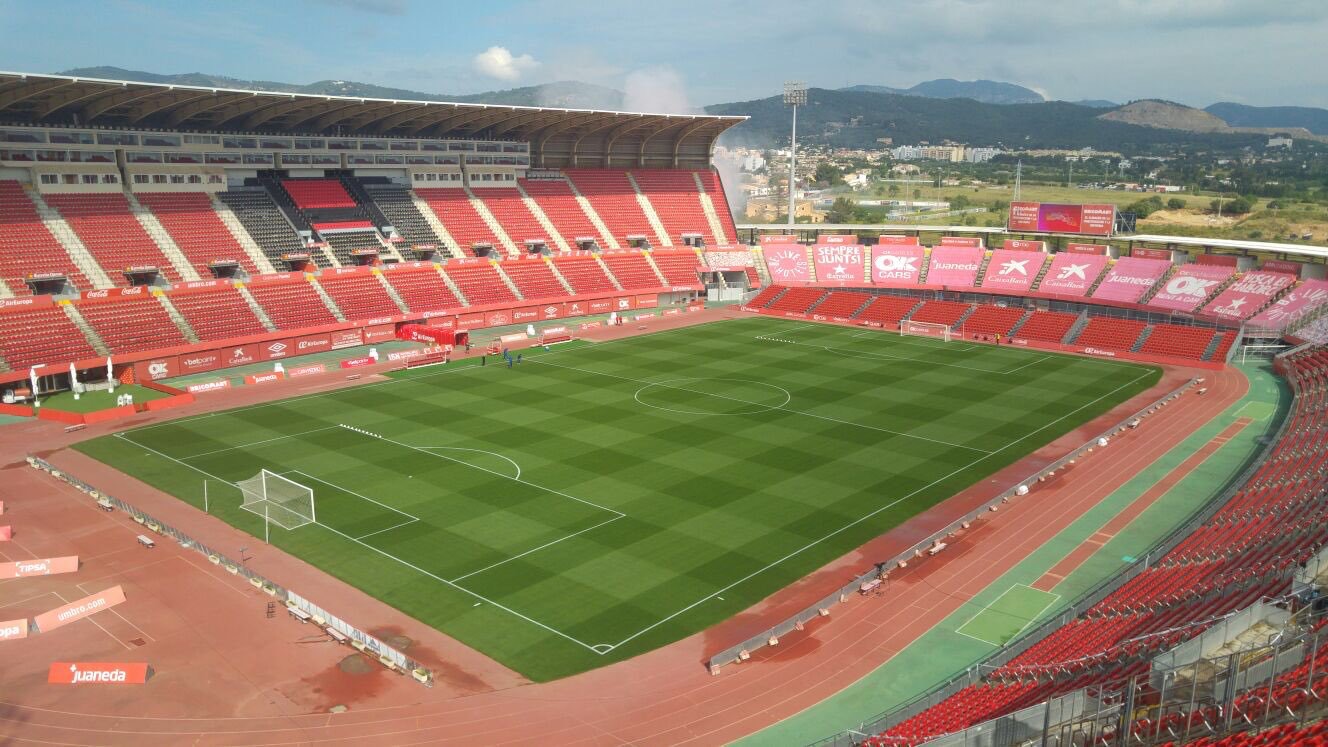
From the upper tier of the east and west stands, you used to be able to see see the crumbling anfiteatro of the old Lluis Sitjar stadium, little more than a kilometre away. It was a potent reminder of the days when watching Mallorca was an interactive experience. There was little chance of that happening at Son Moix, for with attendances averaging 10,000, any atmosphere generated quickly disappeared into the Mallorcan air. Despite a particularly fragile financial position and relegation to La Segunda (and one season in Segunda B), Mallorca considered a project that would see the redevelopment of Lluis Sitjar site. Plans for a 40,000 covered arena at a cost of €220m eventually bit the dust, as did the plan to rotate the pitch 90º and build new stands at the former north & south ends of the stadium. Finally, in 2022 a design from architects Izaskun Larzabal for €21m redevelopment of Son Moix was approved. A plan which meant that the dreaded athletics track would be consigned to history.
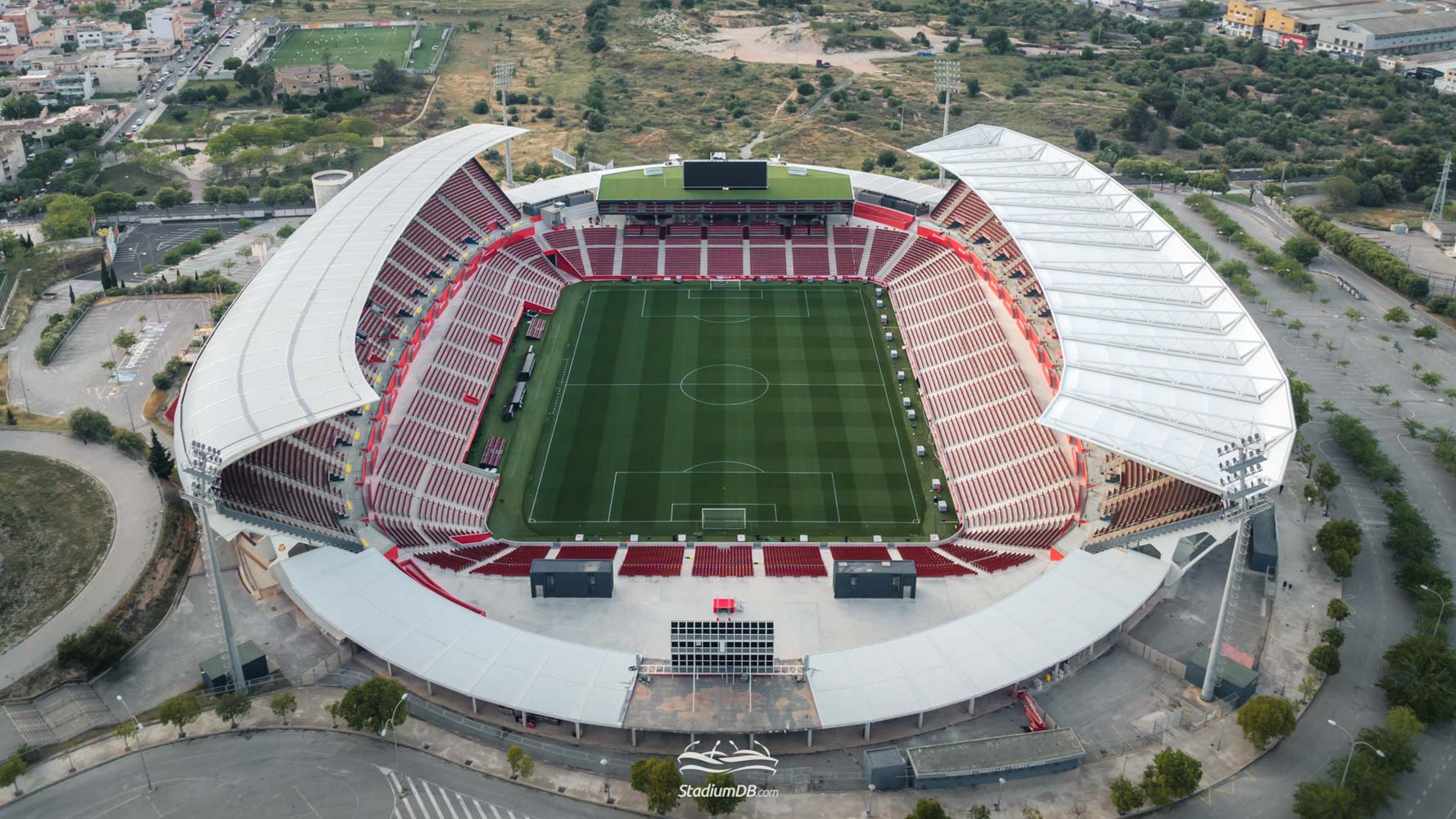
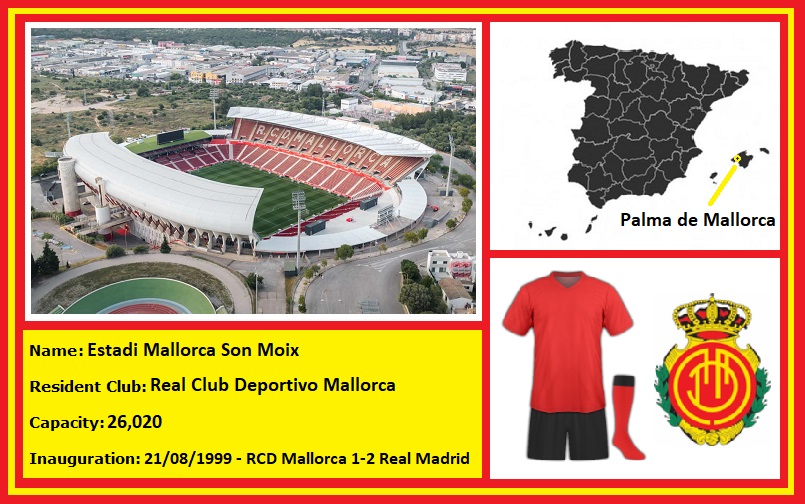
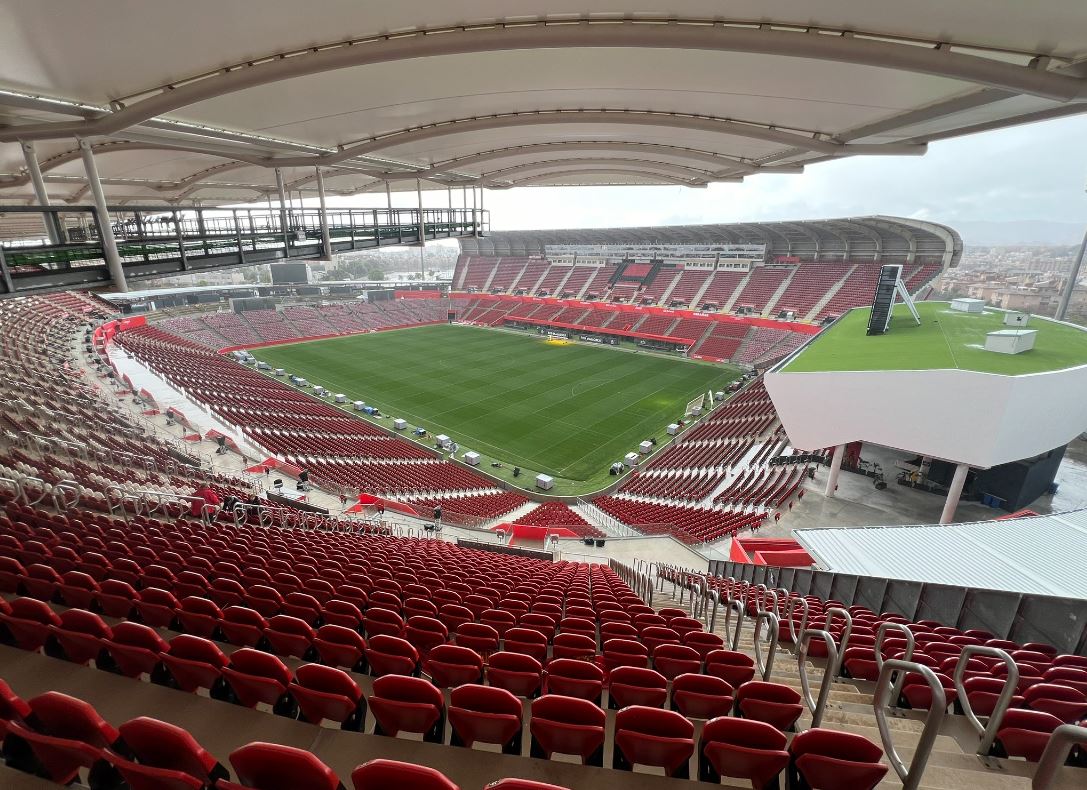
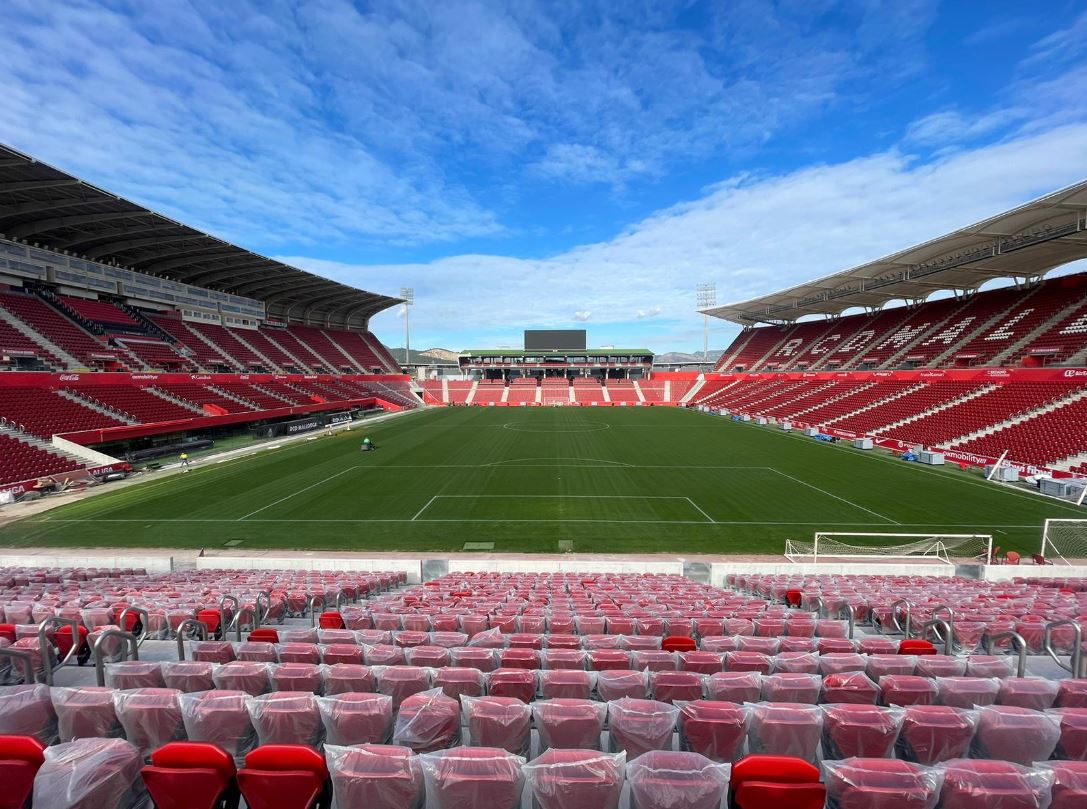
Work commenced in May 2022, the first phase of which saw the removal of the atheltics track, lowering of the pitch and new lower tiers added to the west and east sides of the stadium. A new cantilevered roof was added to the east stand, and whilst it doesn’t have the smooth, sleek lines of the cover of the main west stand, it is deeper and offers much needed protection from the elements. A new north stand began to take shape in the arc behind the goal in the spring of 2023. It features a lower tier of seating, a covered car park to its rear, above which now stands a new VIP hospitality pavilion. Finally, in early 2024, the arc behind the southern goal gained a new seated area, along with corner stands to link it the east and west sides of the stadium. The redevelopment was complete in less than 2 years, ending over 2 decades of doubt and prevarication. The project saw capacity increase to 26,020 and came in €8m over budget, but the new-look Son Moix looks a picture and can now finally be called a football stadium.












 Estadios de España