
Article updated: 19/09/2025
In the late 1970s, Gonzalo Alonso was president of Real Valladolid, and he had an eye for an opportunity. With his beloved club on the verge of returning to La Primera after a sixteen-year absence and the World Cup coming to Spain, Alonso set about lobbying both the Spanish Football Federation and the local municipality. First, he wanted Valladolid to be a host at Mundial 82. Next, with no realistic chance of redeveloping the original, but antiquated Estadio José Zorrilla, Alonso wanted a new stadium. Thanks to his persuasive manner and commitment, Valladolid hosted three matches in the 1982 World Cup at the only purpose-built stadium at that year’s finals.
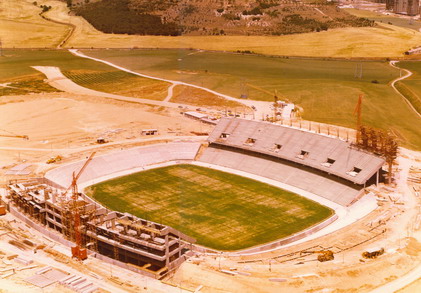
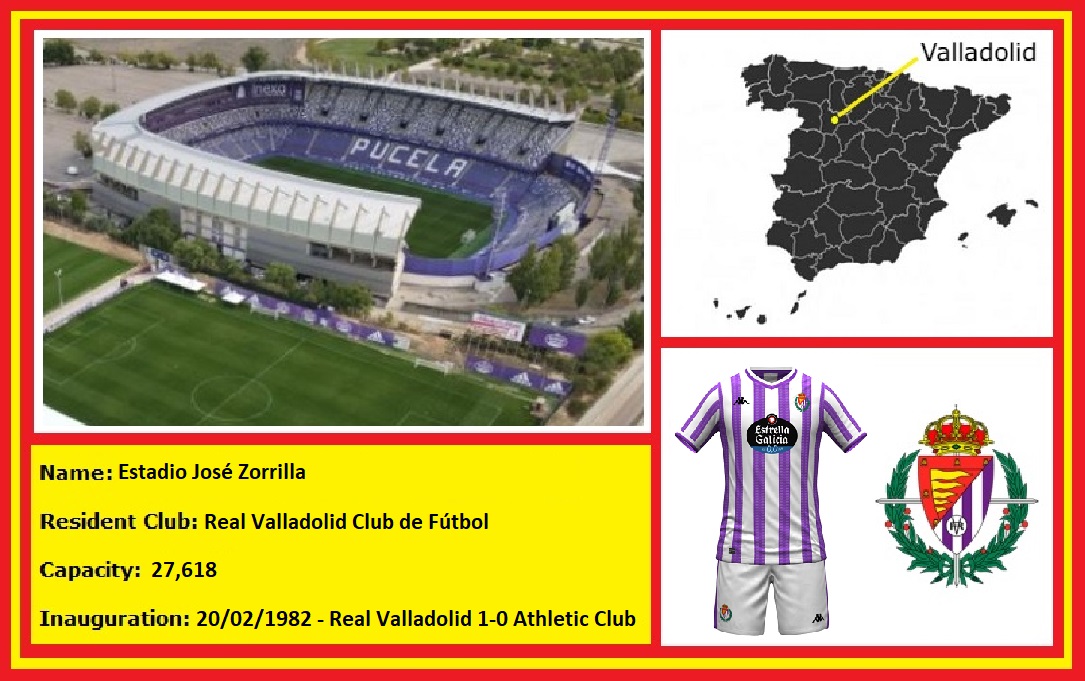
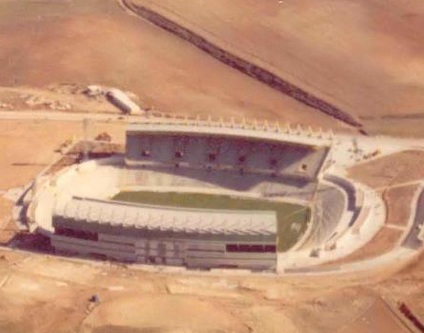
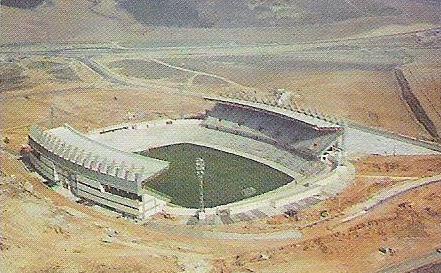
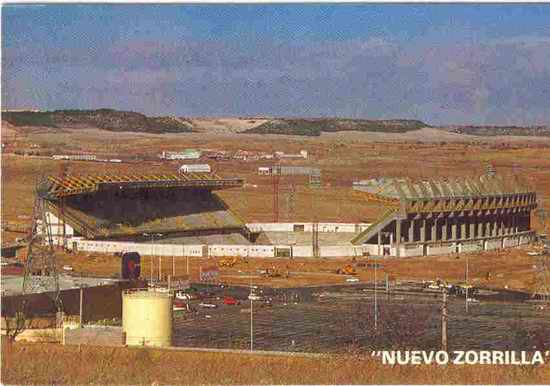
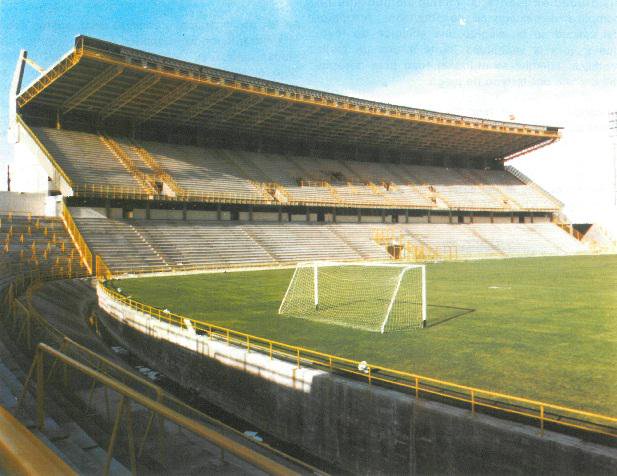
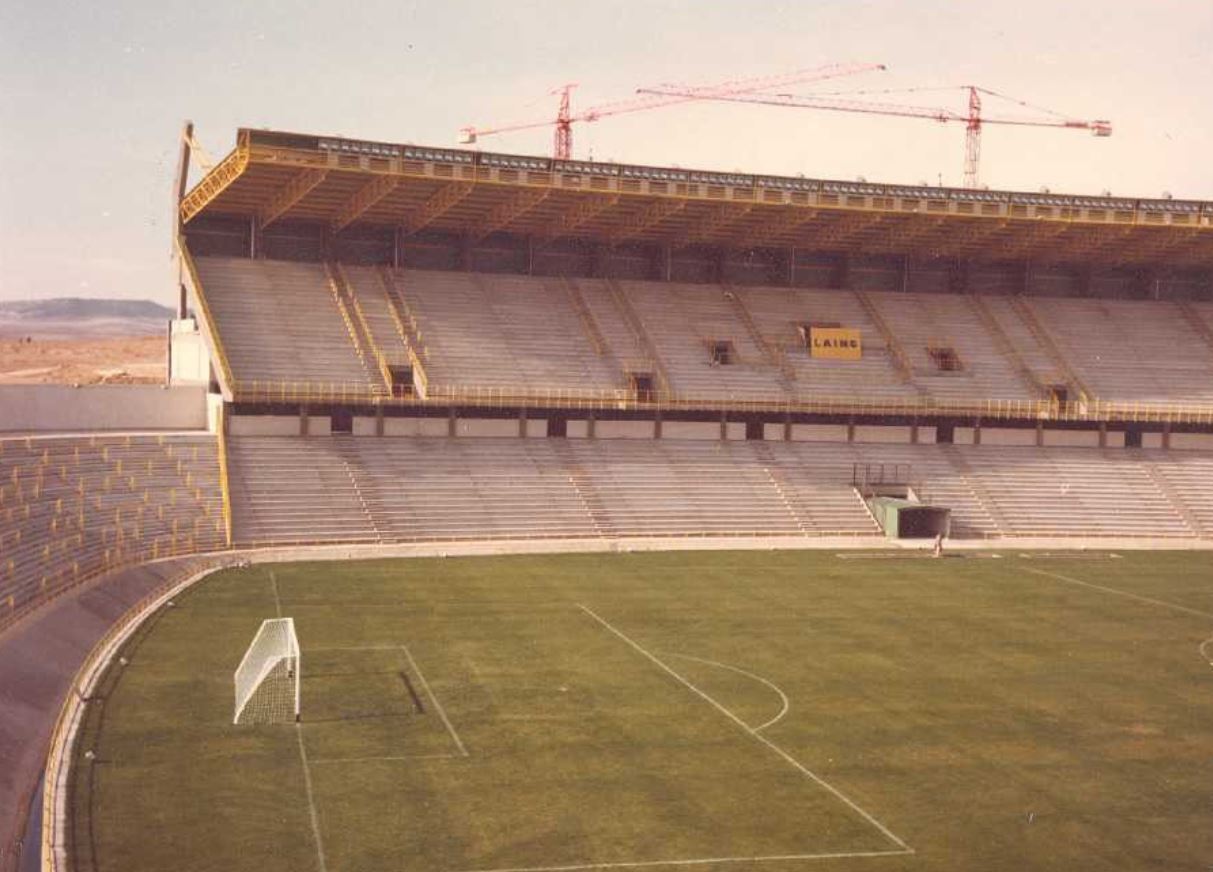
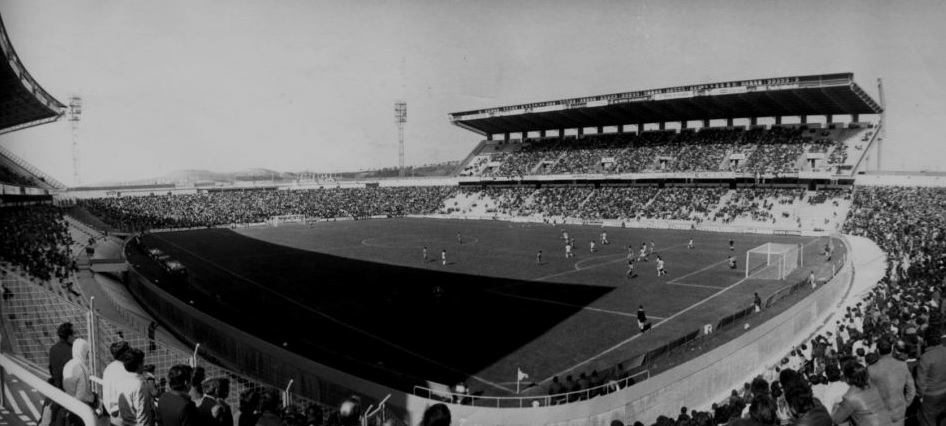
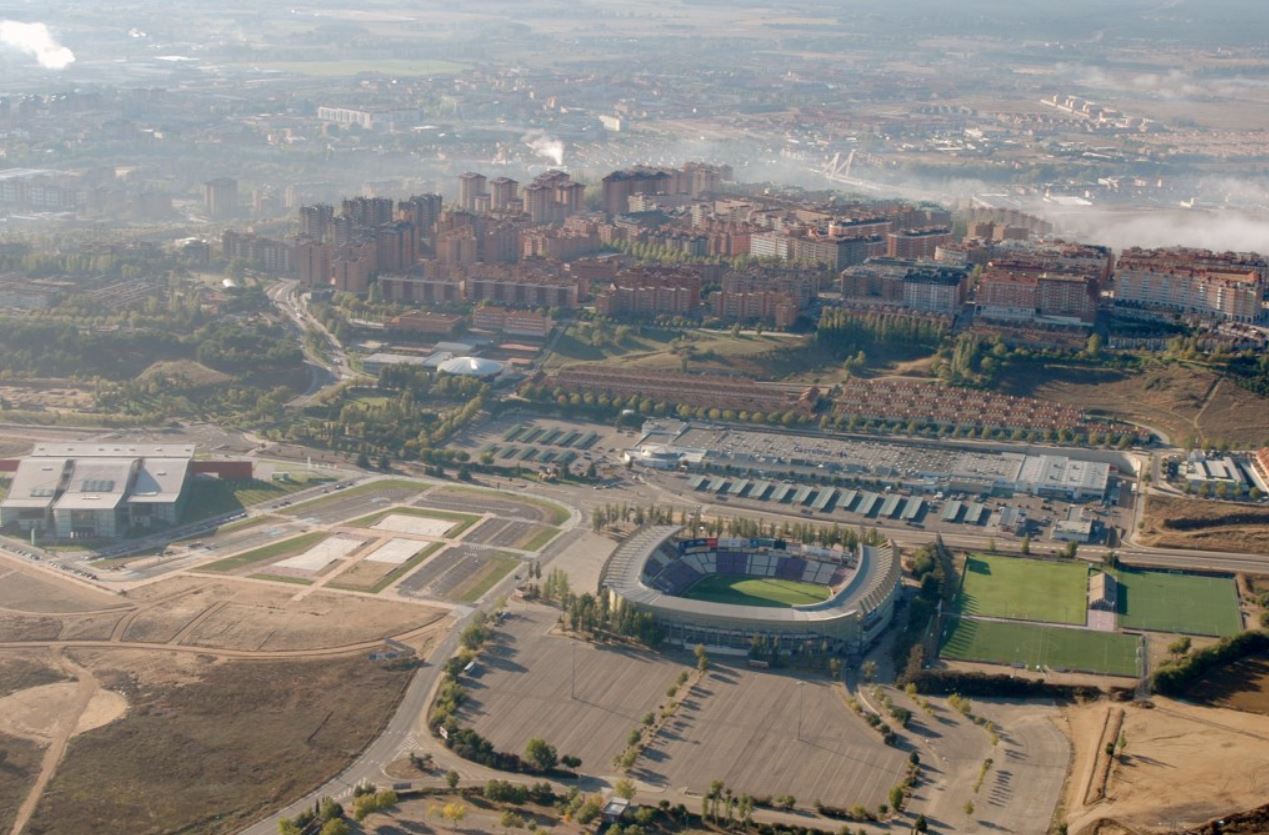
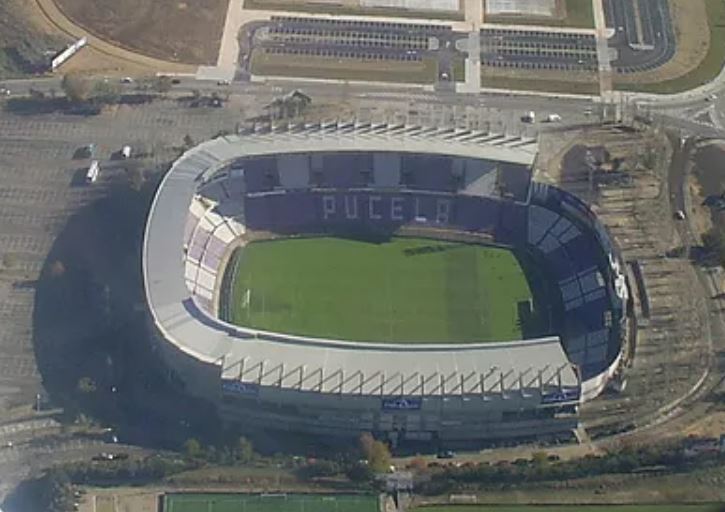
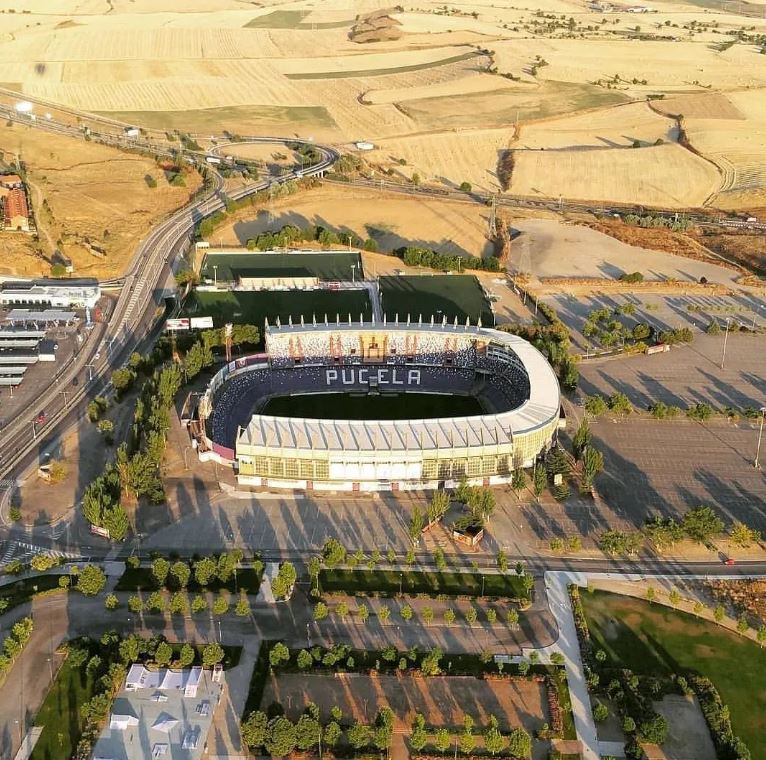
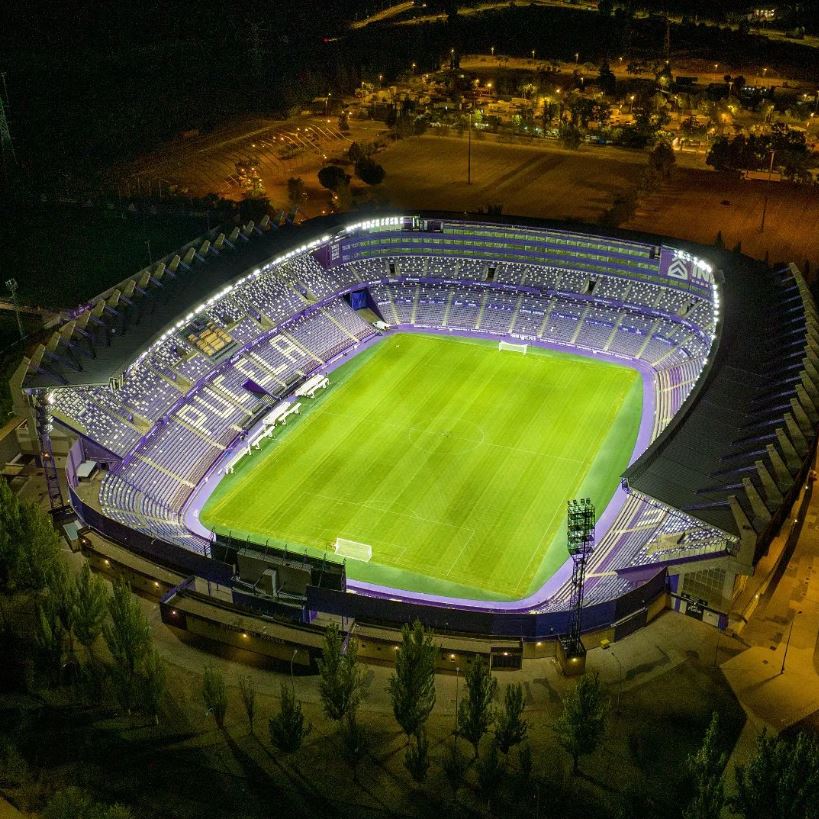
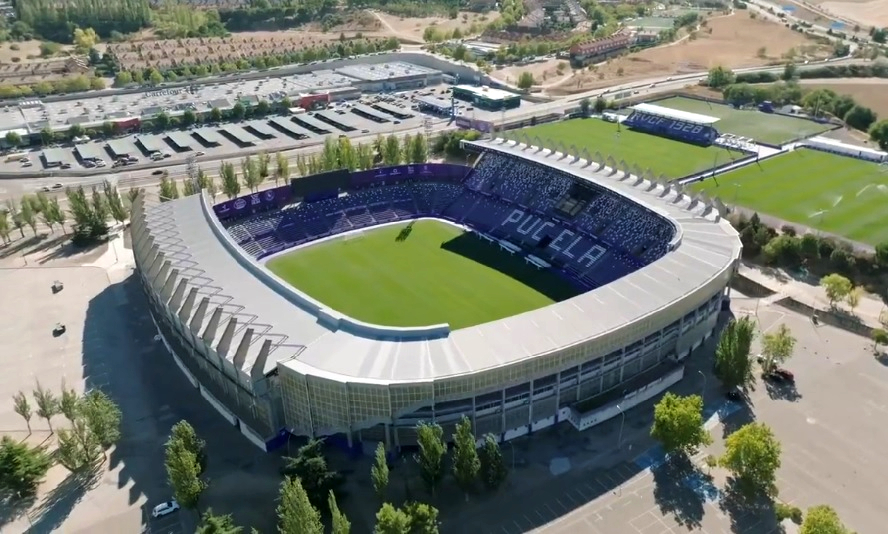
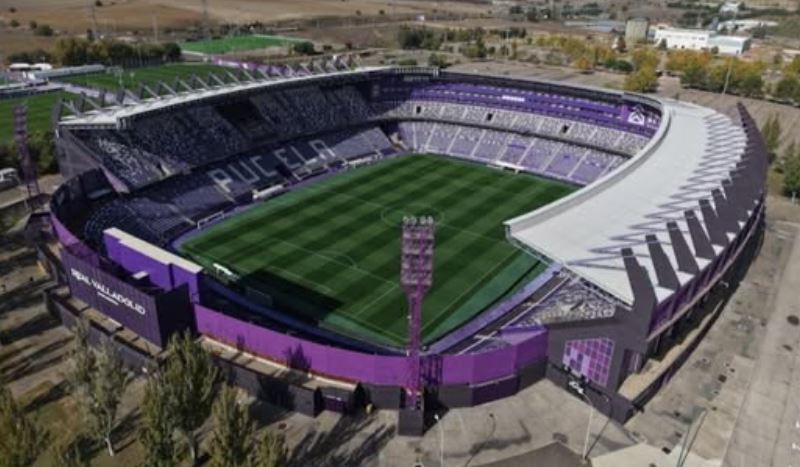
The municipality identified land to the west of the city, around 2km from their existing stadium. A budget of 700 million pesetas was agreed upon, with significant grants coming from the National Sports Council and the Spanish Federation. Work began in November 1980, and little over a year later, on 20 February 1982, Valladolid played host to Athletic Club in a league match that they won 1-0. It also had the honour of hosting Real Madrid & Sporting Gijón in the final of the Copa del Rey in April of that year, before France, Czechoslovakia and Kuwait rolled into town for España 82. At the time of the World Cup, the stadium consisted of a single open tier that curved around the pitch, with two identical covered stands on the east and west sides. The stadium’s capacity for the World Cup was 29,990, and all three matches attracted a decent attendance. You can read more about the stadium hosting of the World Cup in 1982 here.
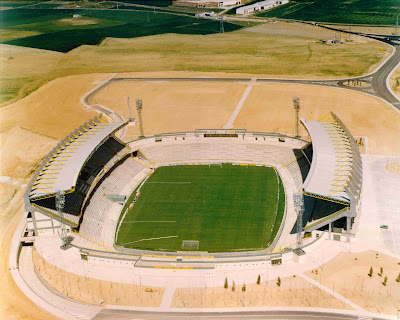
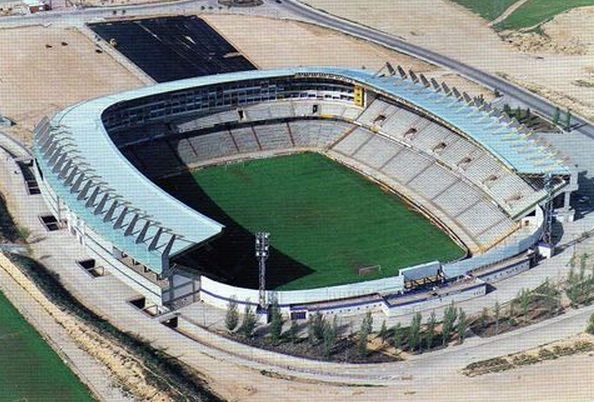
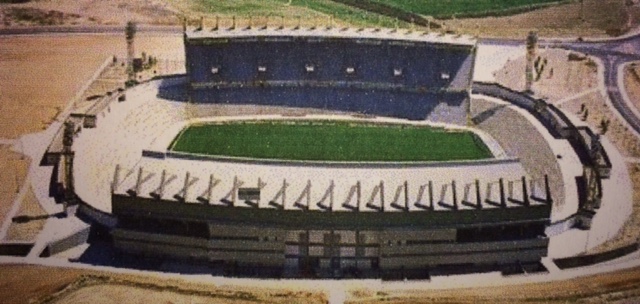
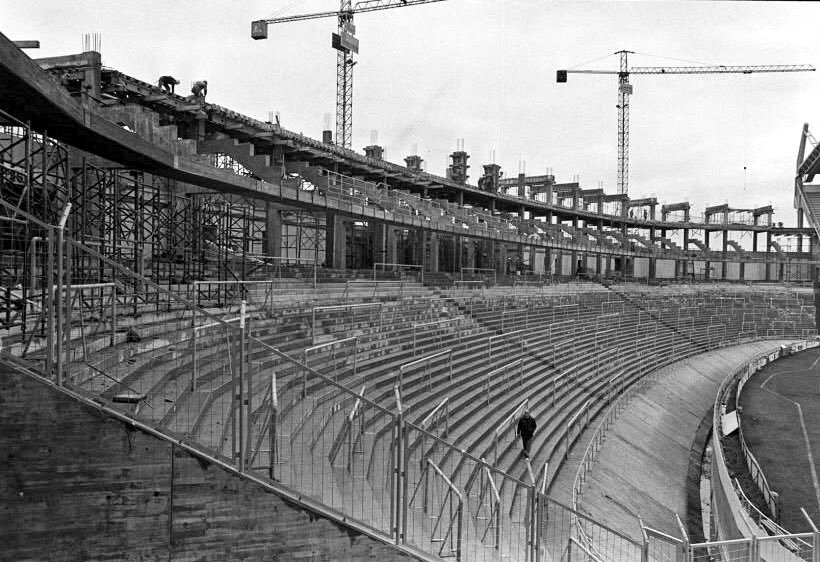
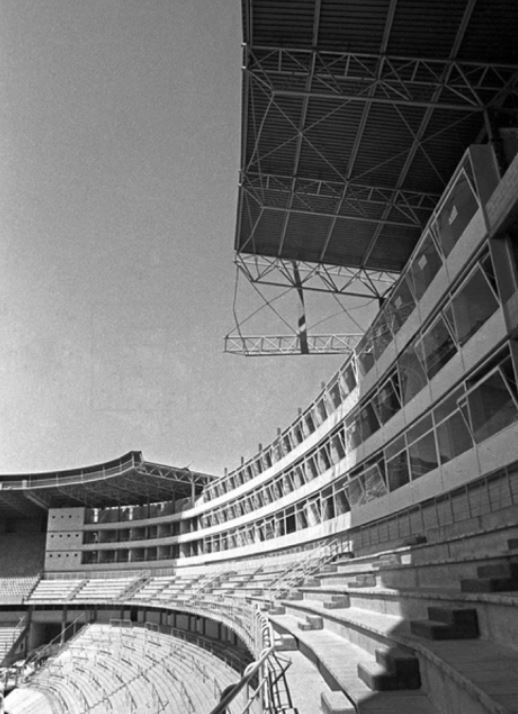
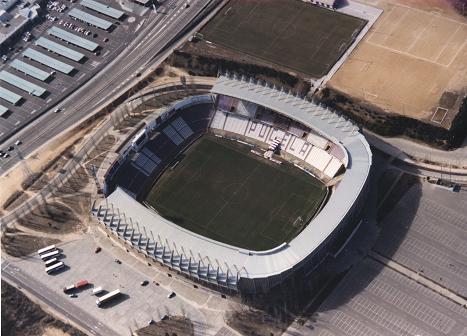
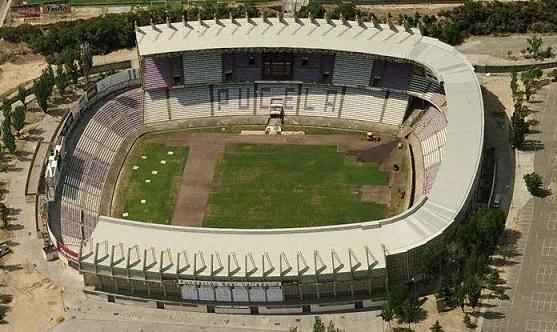
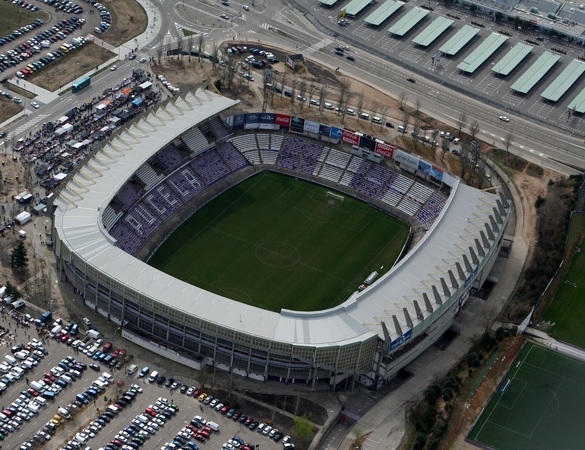
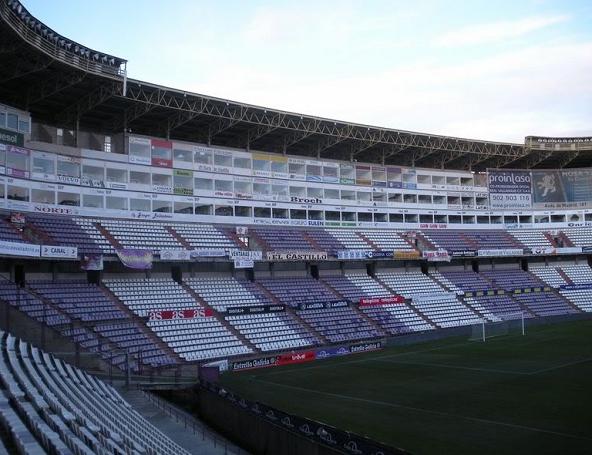
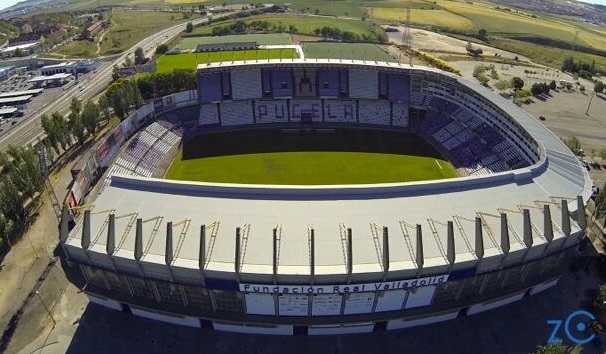
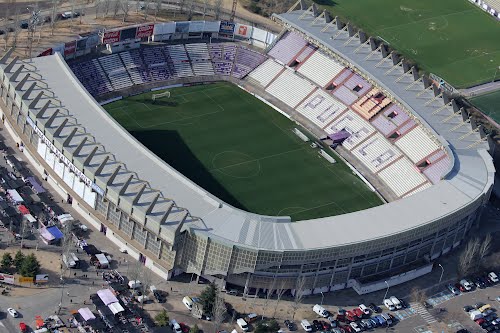
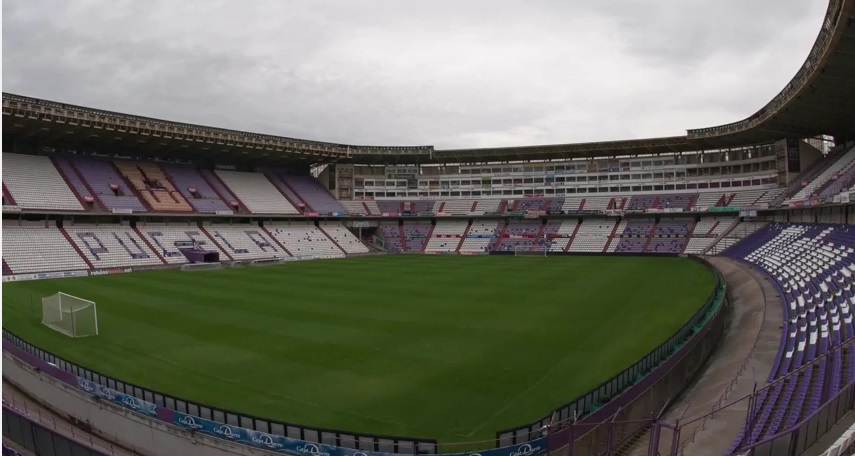
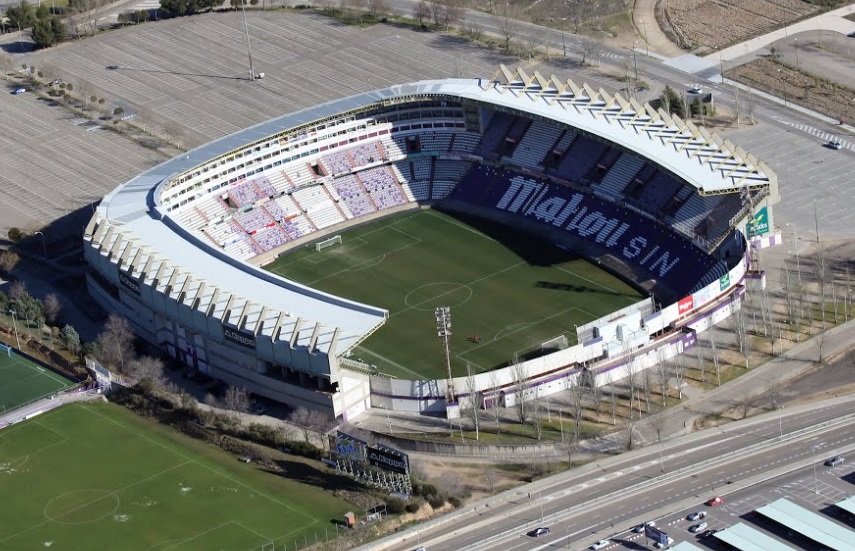
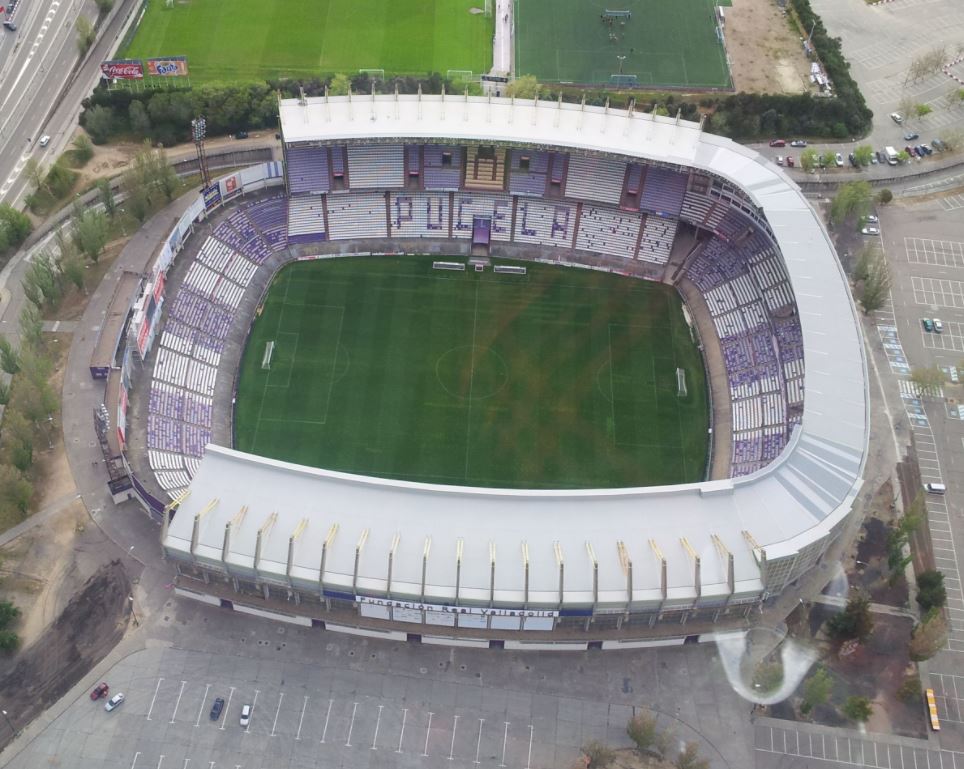
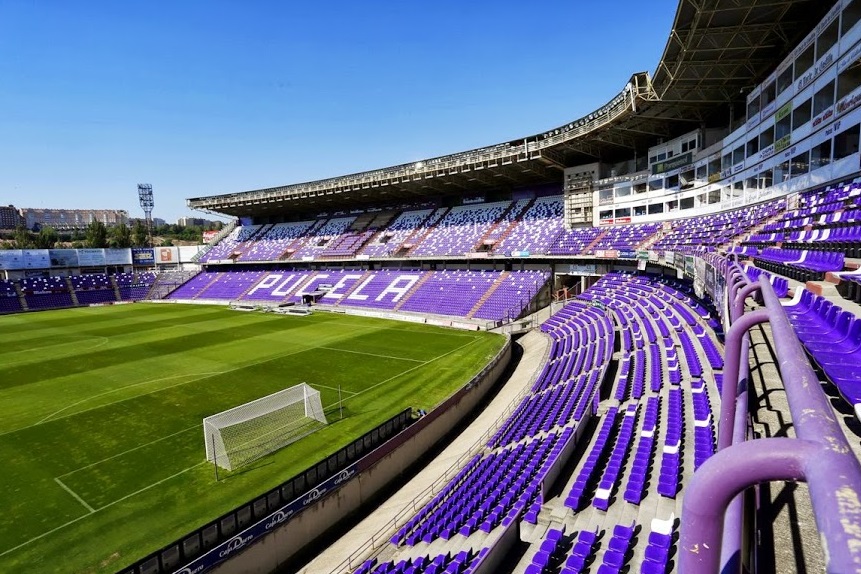
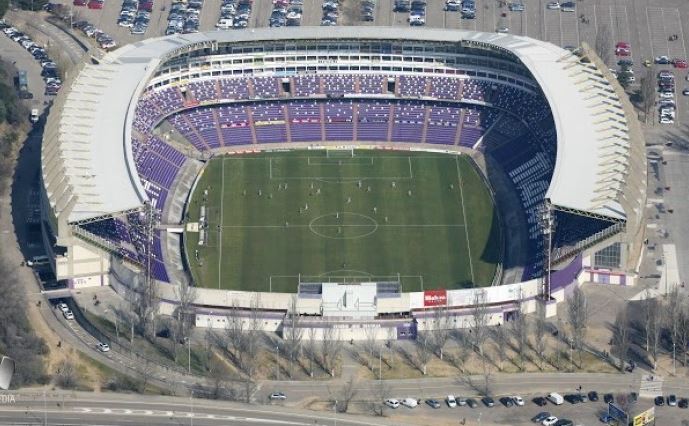
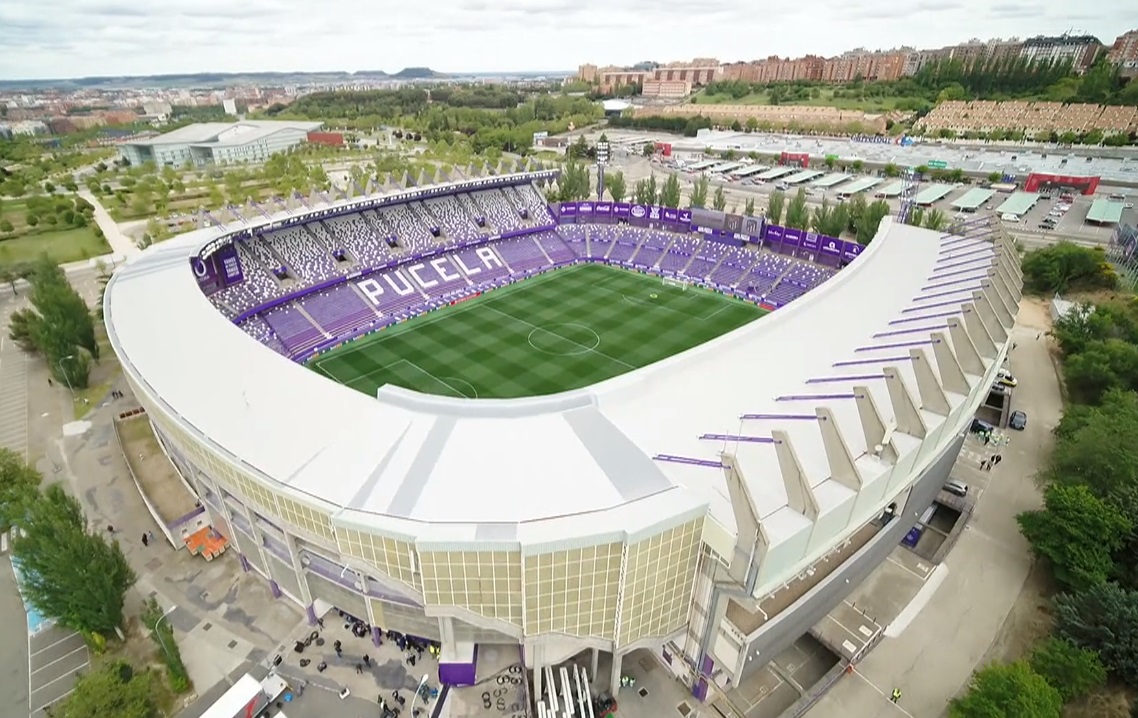
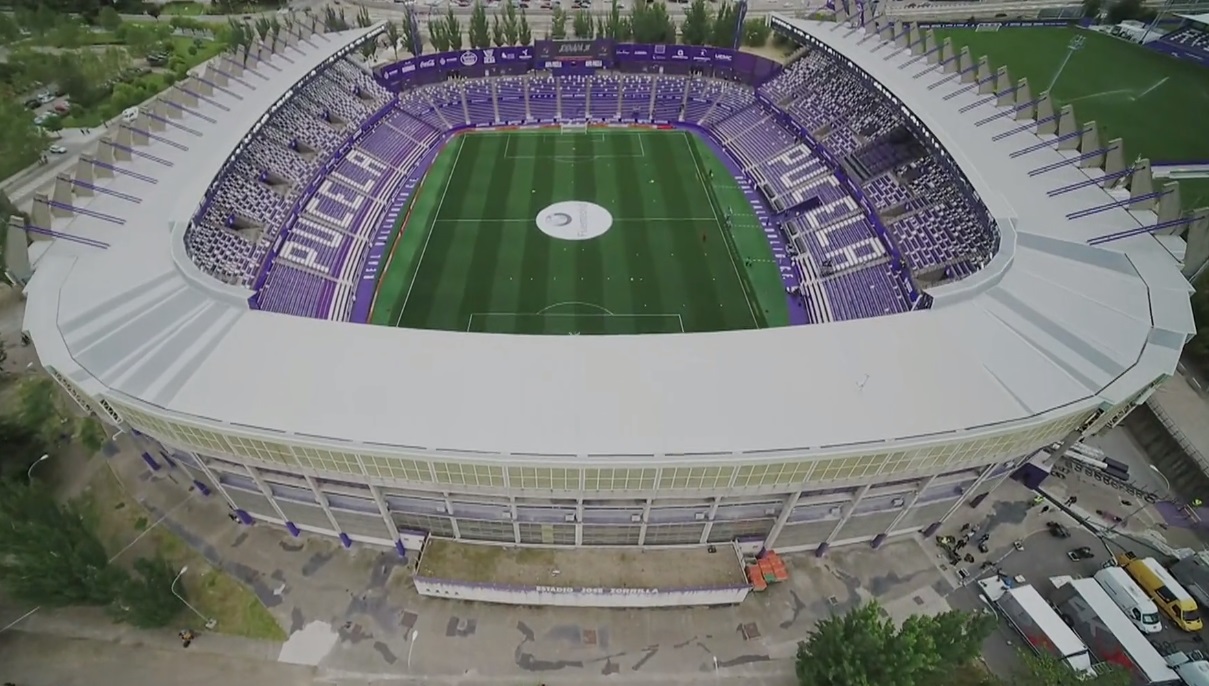
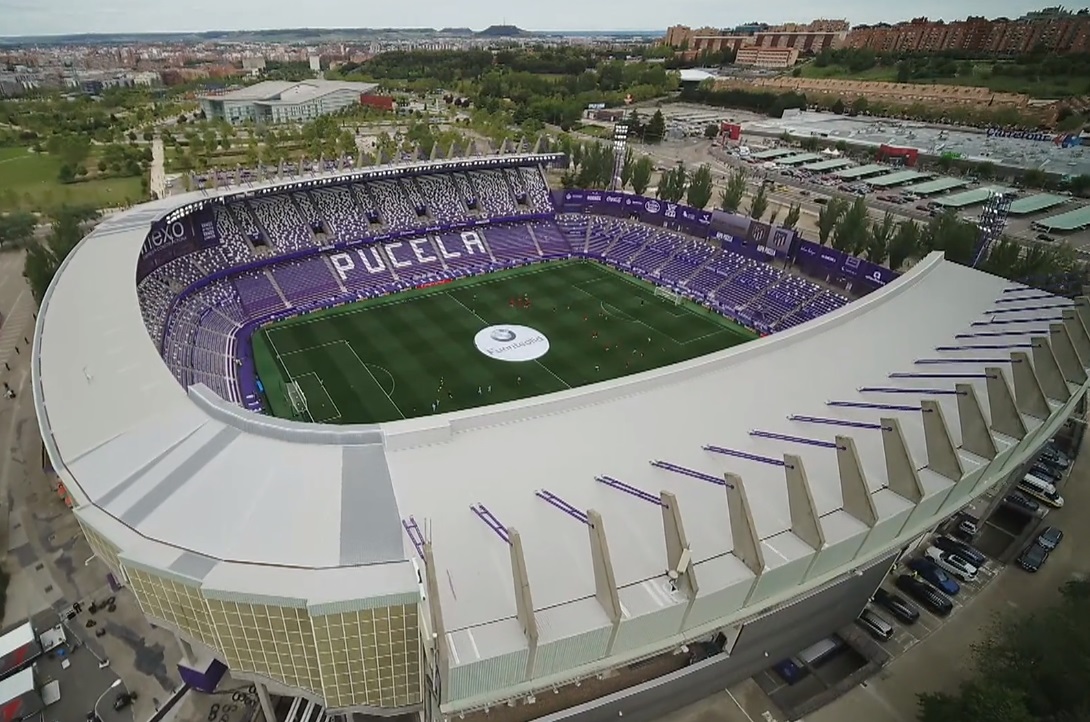
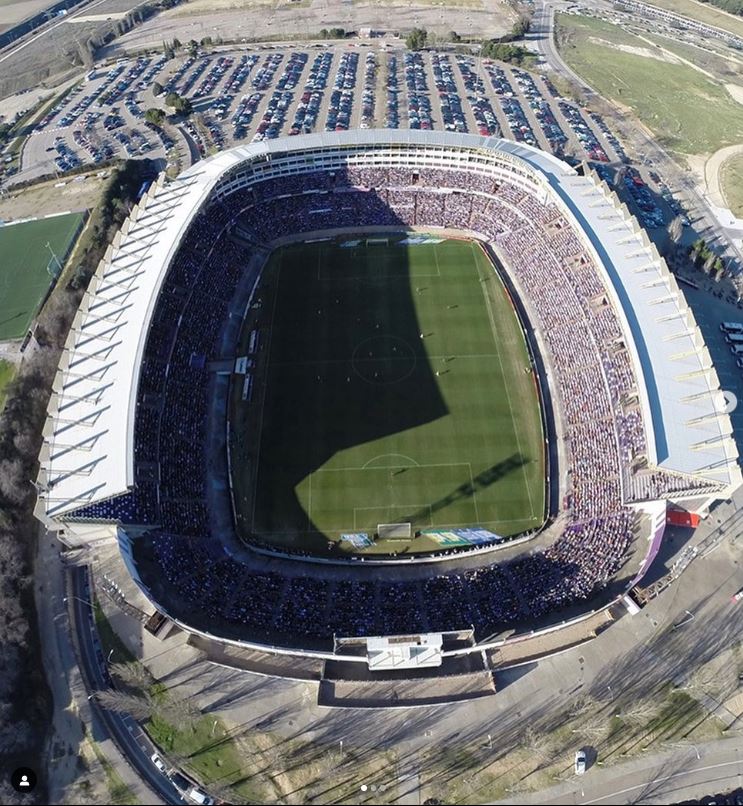
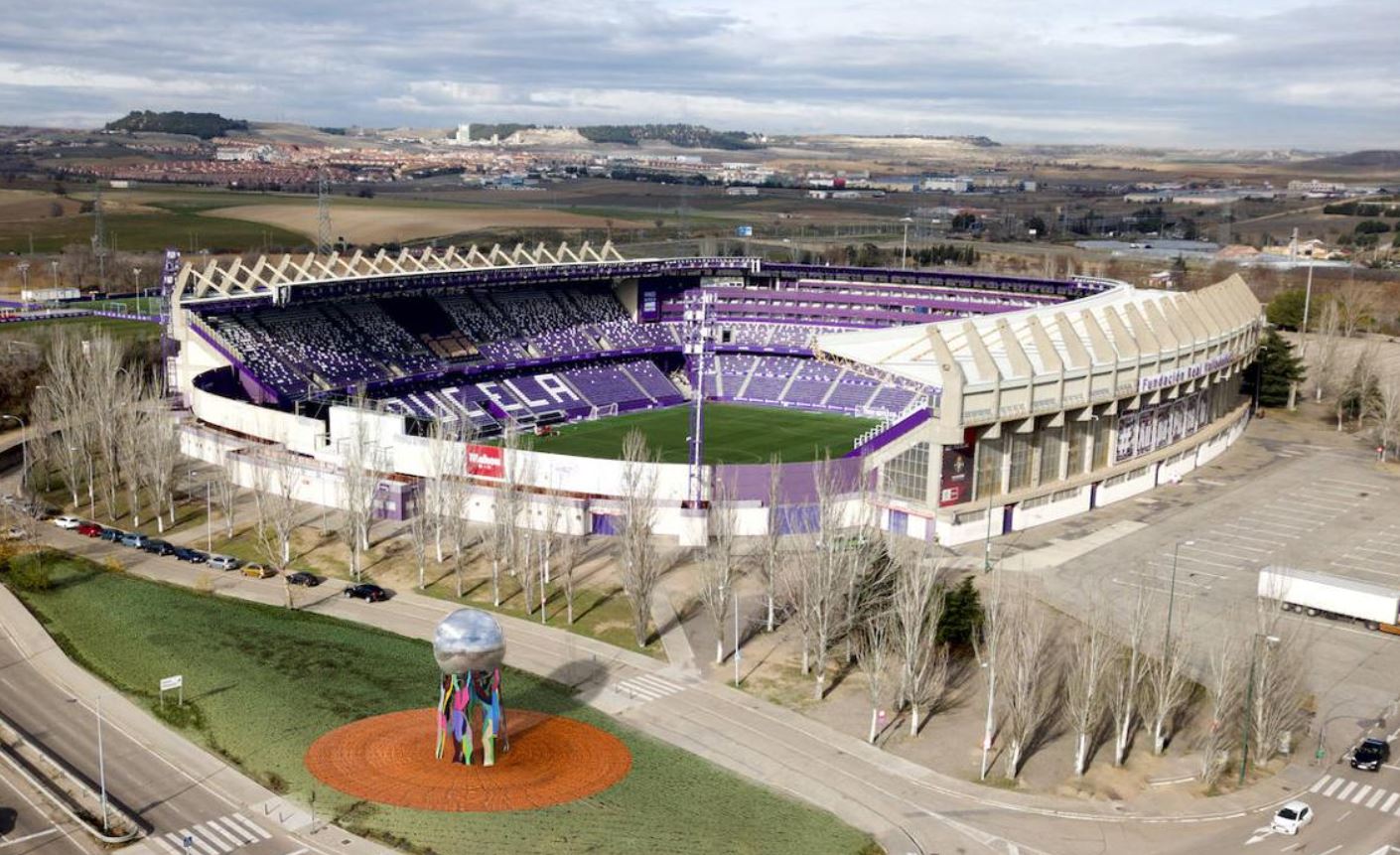
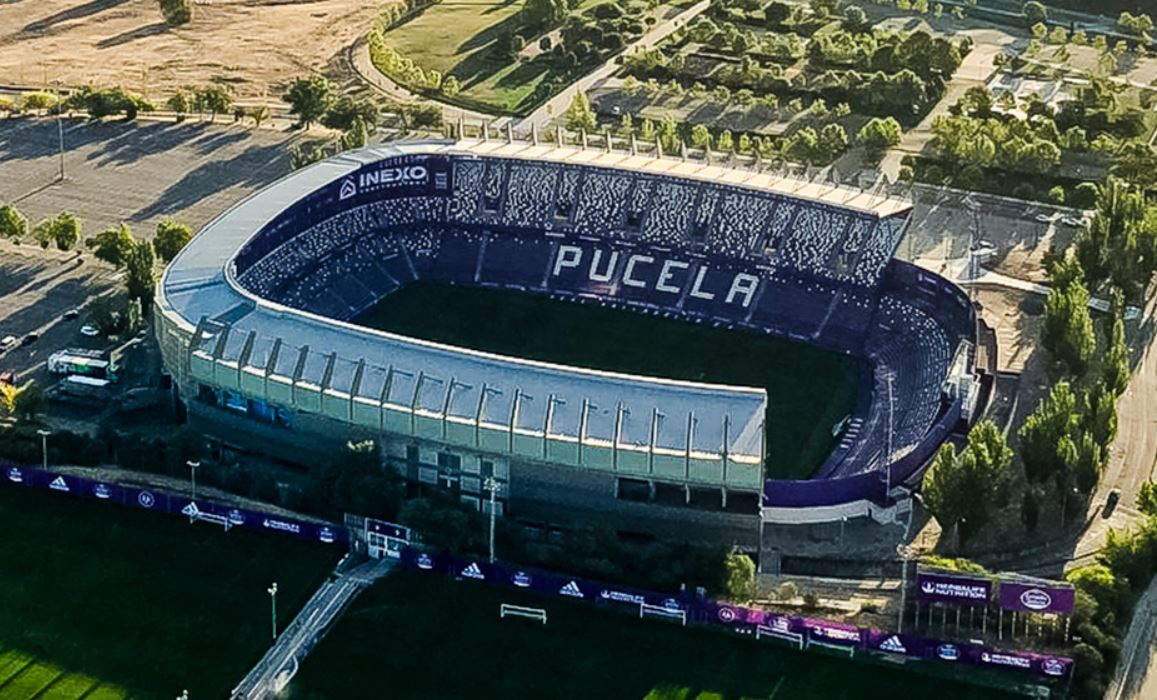
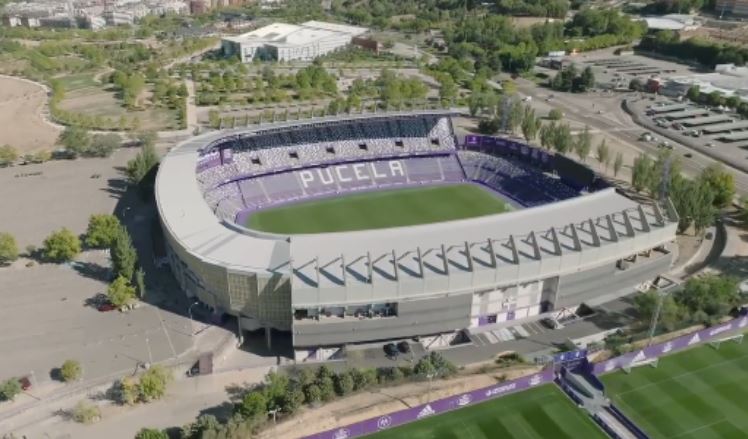
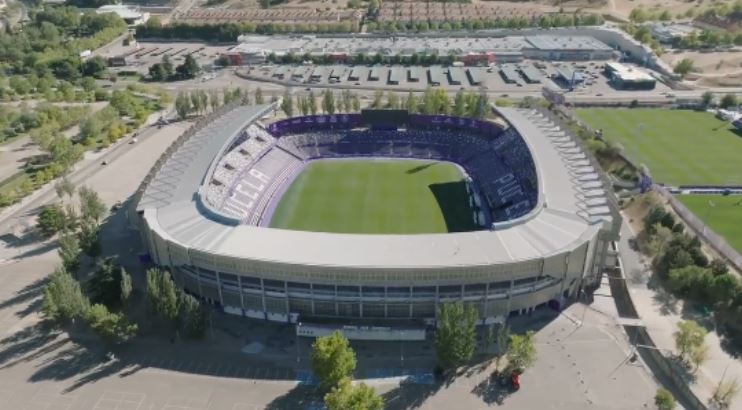
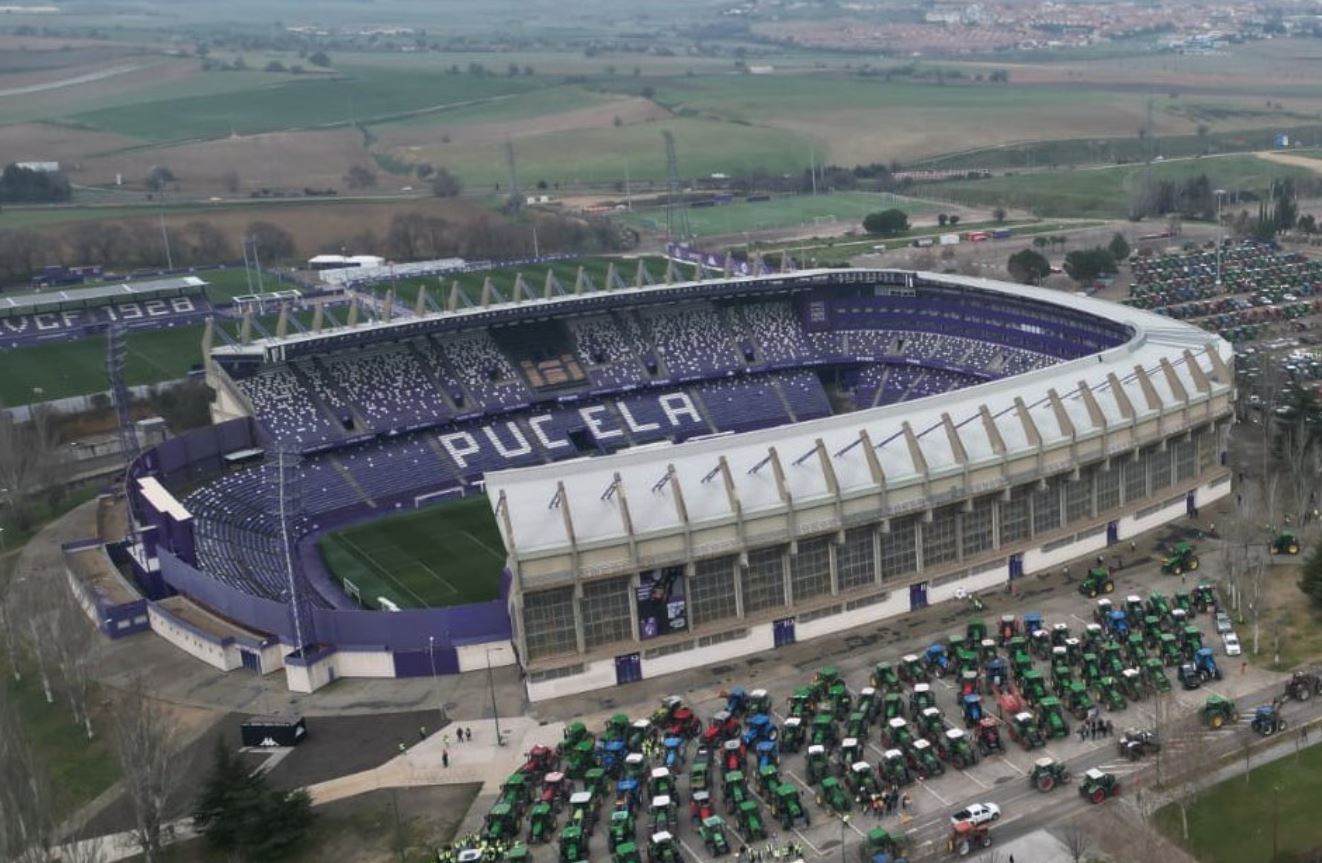
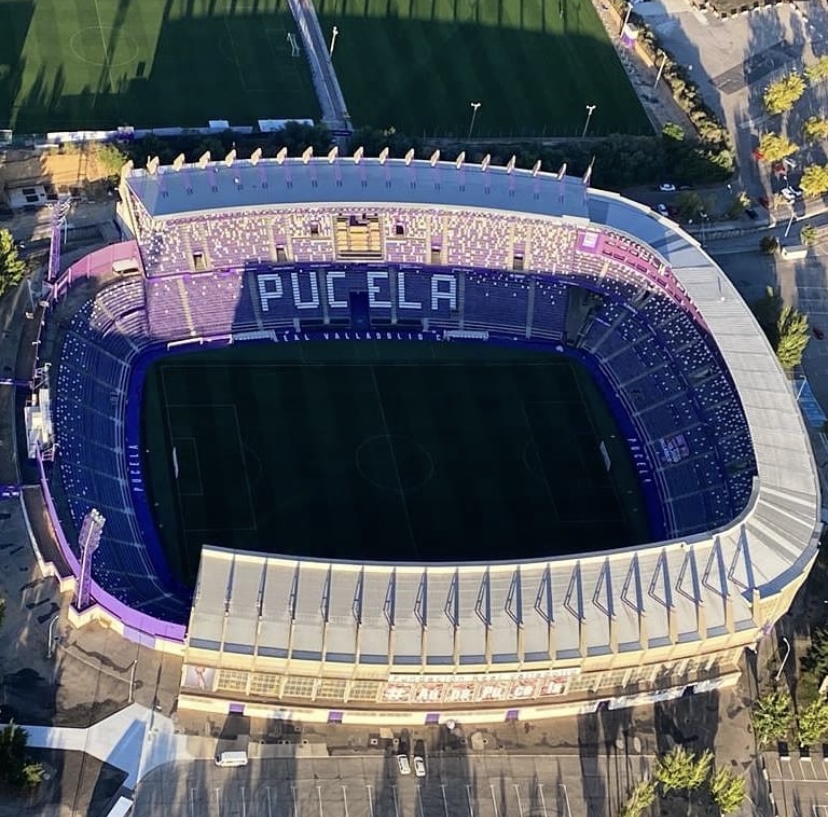
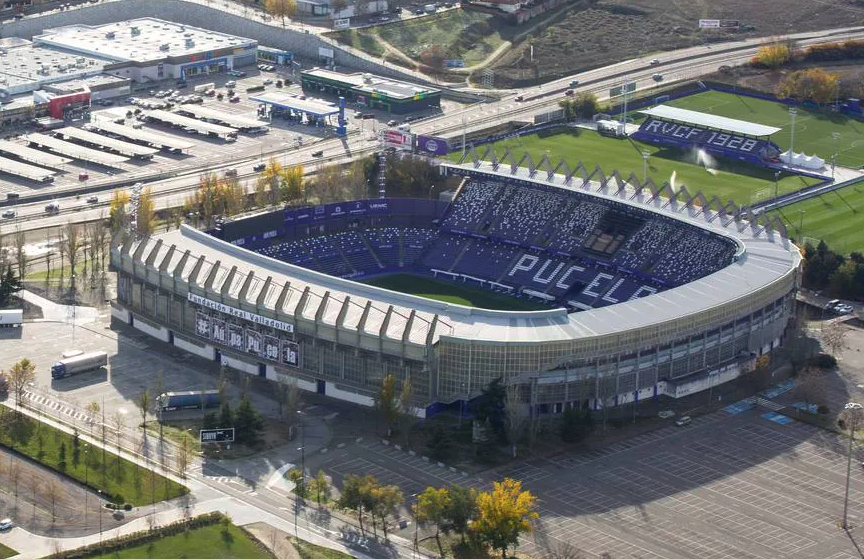
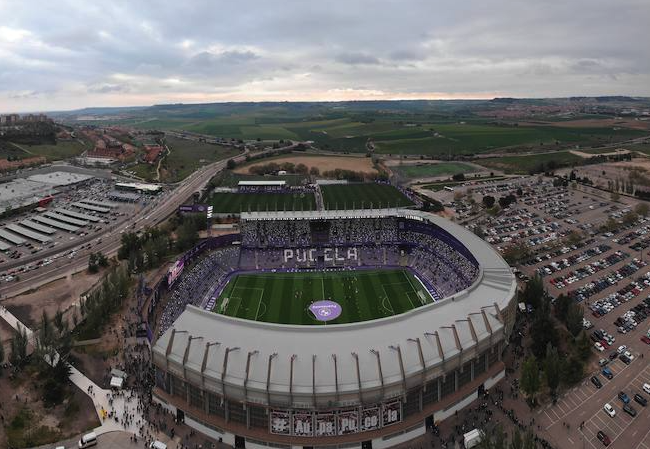
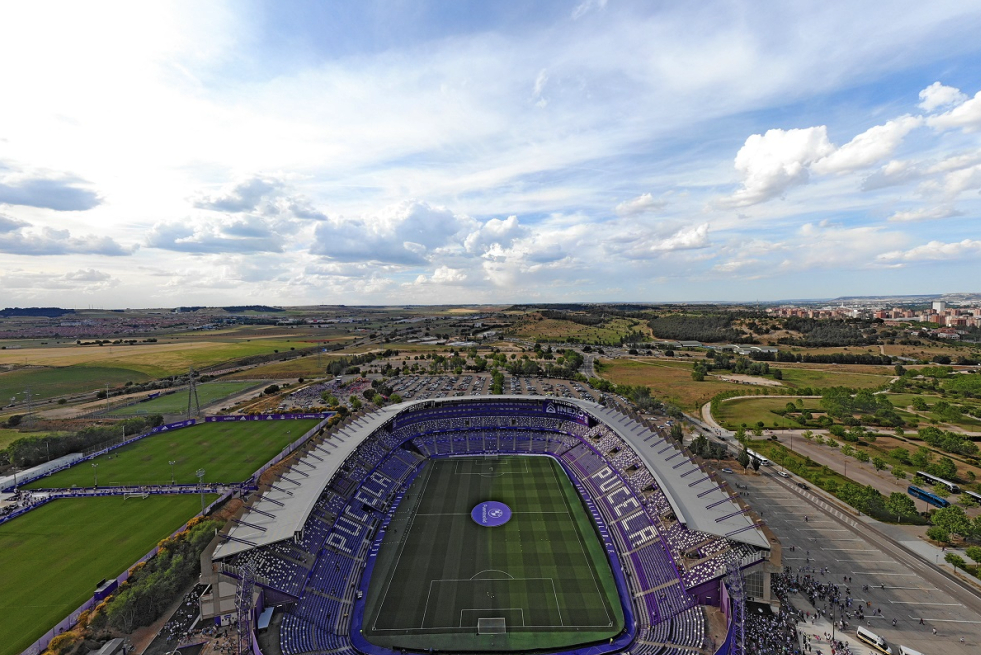
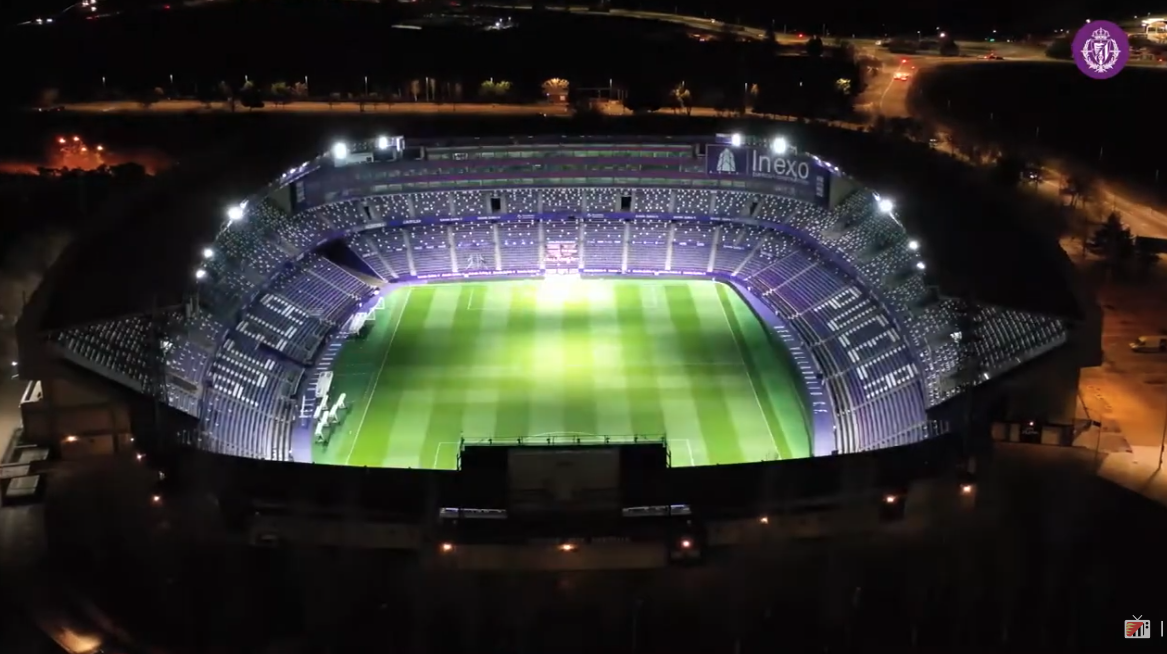
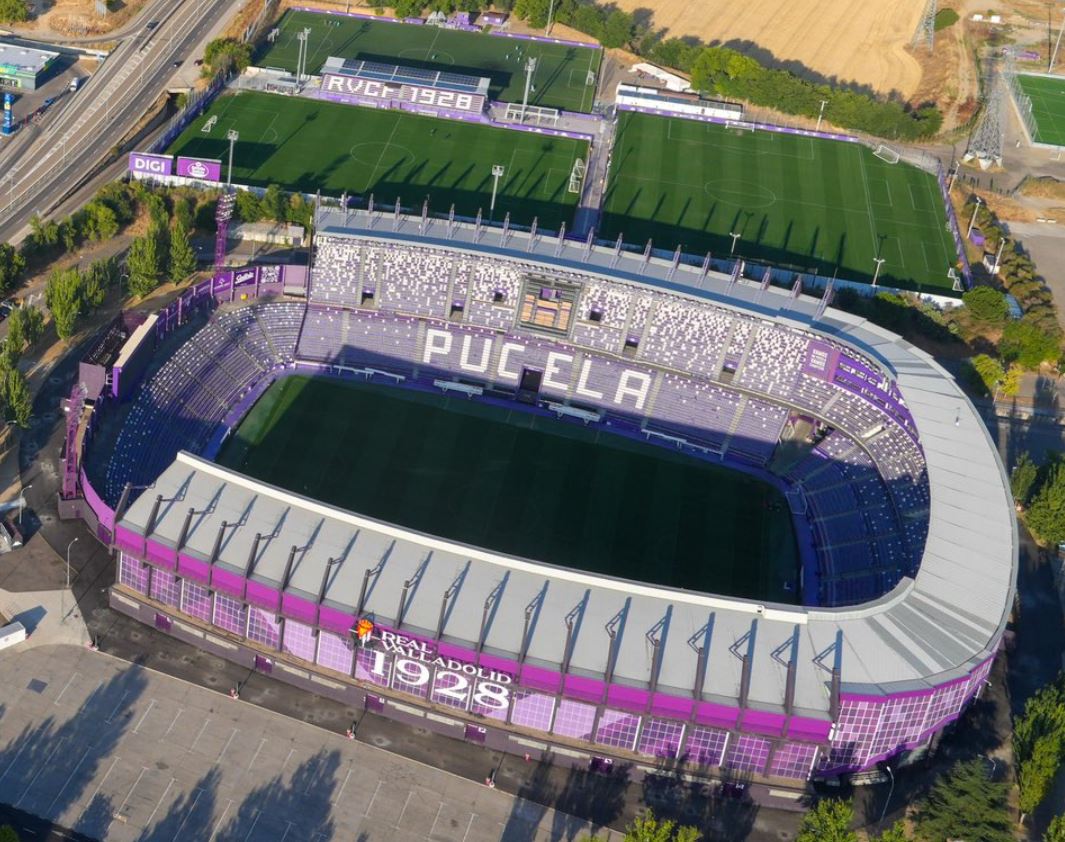
Standing over 700 metres above sea level on an exposed plain, the stadium earned the nickname El Estadio de la Pulmonia – the stadium of pneumonia. The two stands acted like a wind tunnel, so in 1984, the two side cantilevered roofs were continued around to the north side to form a horseshoe. Rather than continue all of the seating, three tiers of private boxes, 120 in total, were built with a row of seats at their base. This enclosed the arena, but the wind still had a trick up its sleeve. On 25 July 1986, an 80 kph gust lifted the central section of the new roof off its frame and dropped it in the car park behind the stand. The replacement was built of sterner stuff and was designed to withstand winds up to 150 kph. Even a Castilian winter doesn’t get that severe. With the additional stand, the capacity rose to 37,500, 26,500 of which were seated.
Having only returned to the top flight after a 16-year absence, Real Valladolid took time to find their feet in the top division, fighting tooth and nail to achieve a series of mid-table finishes. They did achieve their only national honour in 1984 when they won the short-lived League Cup, with a 3-0 aggregate victory over Atlético Madrid. League performances improved and sixth place was achieved in 1988-89, a season that also saw the club reach the final of the Copa del Rey, losing 0-1 to Real Madrid at the Vicente Calderón. The steady growth ended abruptly in 1992 when the club was relegated to La Segunda. The stay in the second division was brief, with Real Valladolid securing the runners-up position in 1992-93.
With one or two exceptions, the club spent the next decade staving off the threat of relegation, before the inevitable drop occurred at the end of the 2003-04 season. There would be no immediate return, with the club recording sixth and tenth-place finishes in 2004-05 & 2005-06, respectively. The 2006-07 team, however, was made of sterner stuff. Real Valladolid remained unbeaten for 29 matches and secured promotion back to La Primera with eight games to spare, a record for La Segunda. There followed three seasons of battling at the bottom of the league before the club dropped back to La Segunda in May 2010. Following the heartache of elimination through the promotion play-offs in 2011, Real Valladolid used the same route a year later and successfully navigated their way past Córdoba & Alcorcón to regain a place back in La Primera.
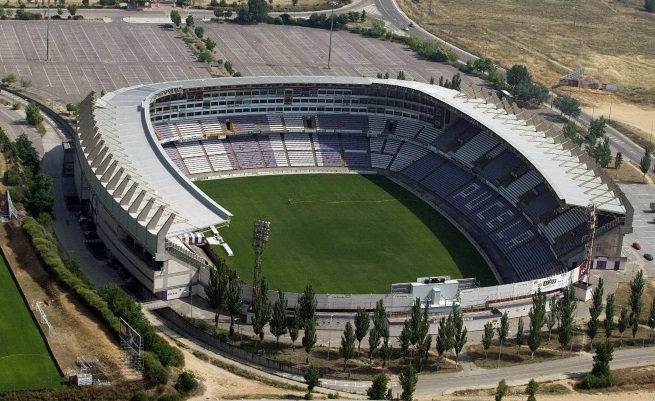
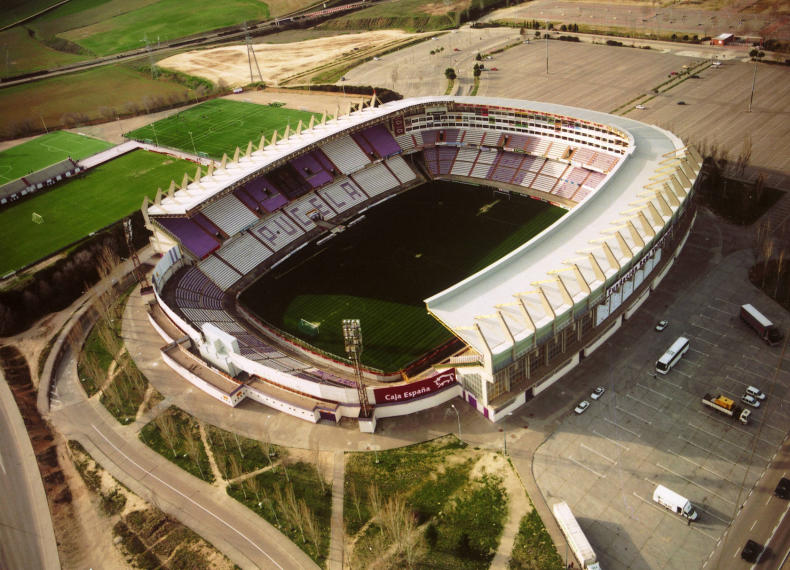
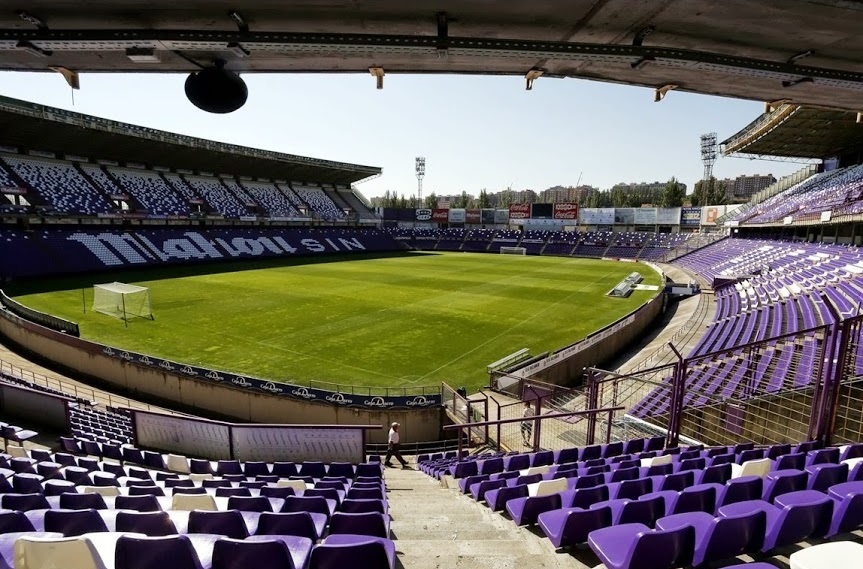
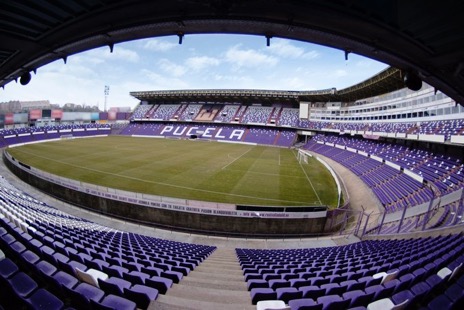
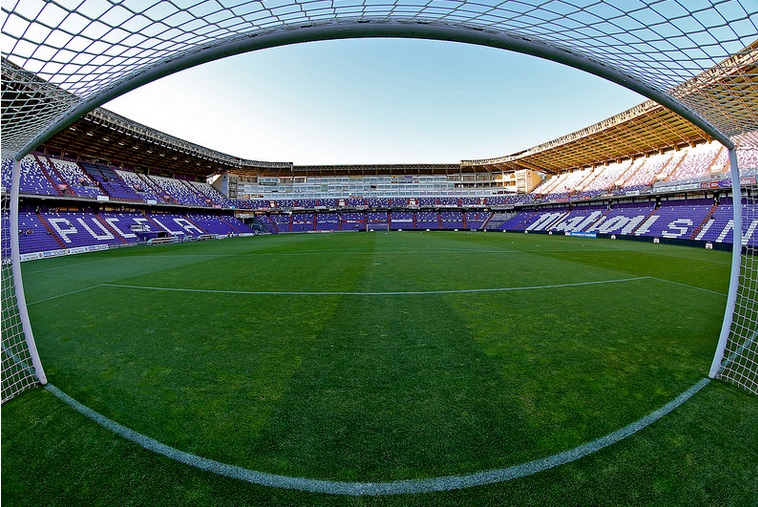
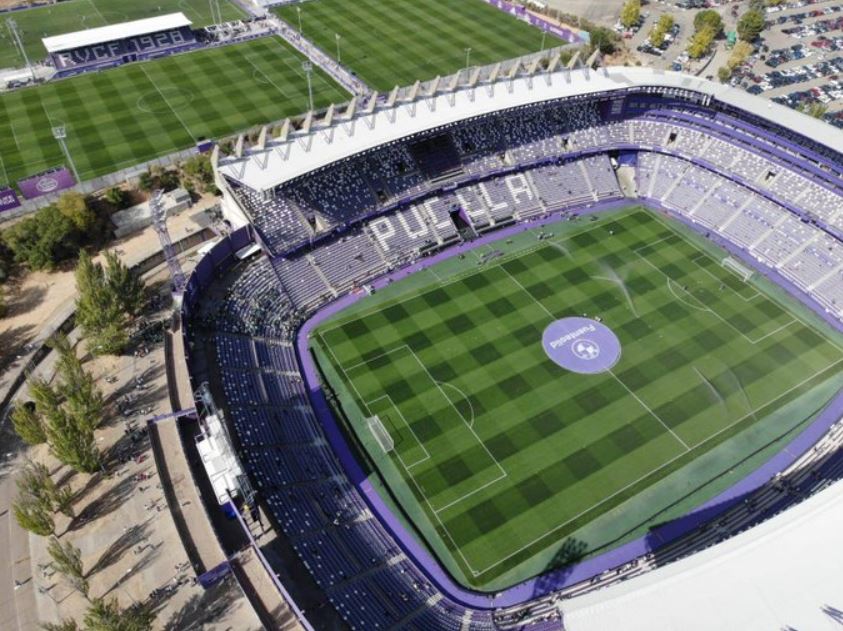
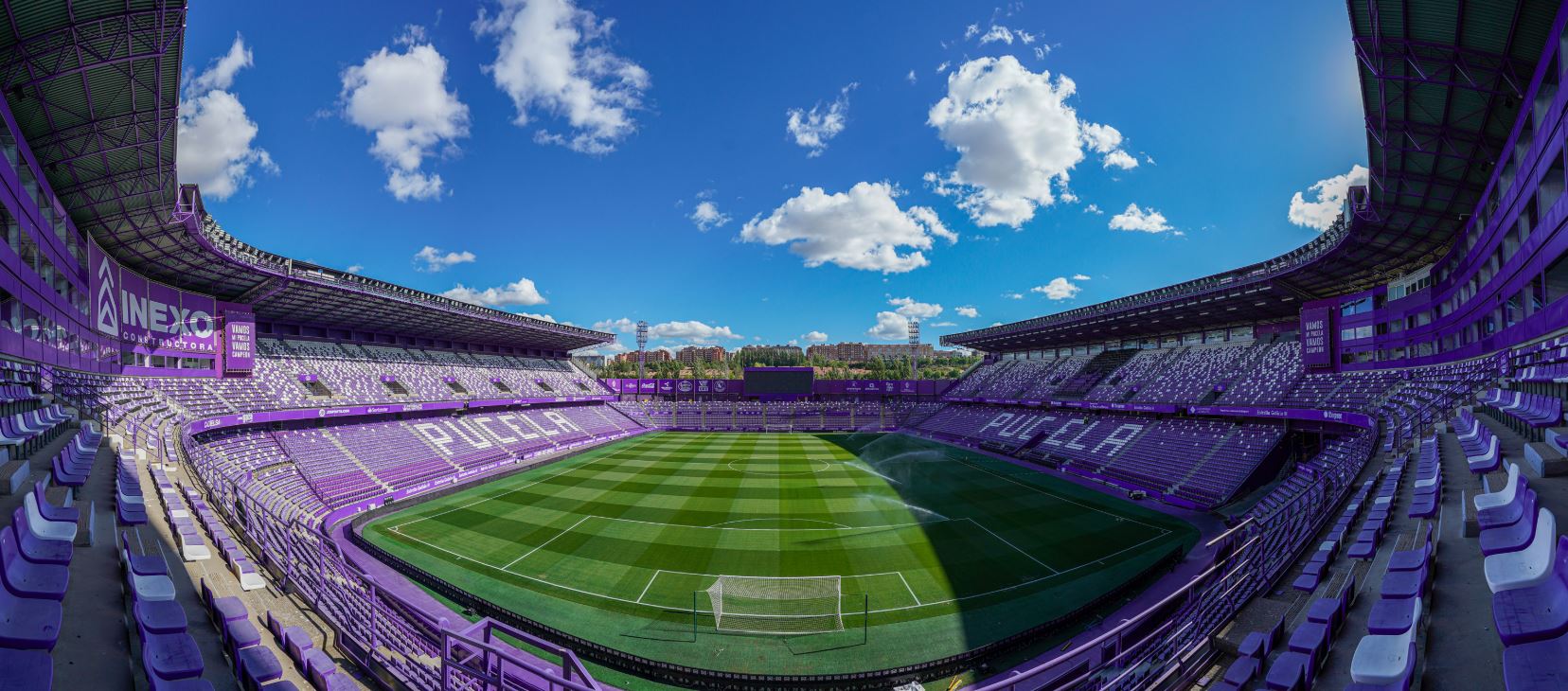
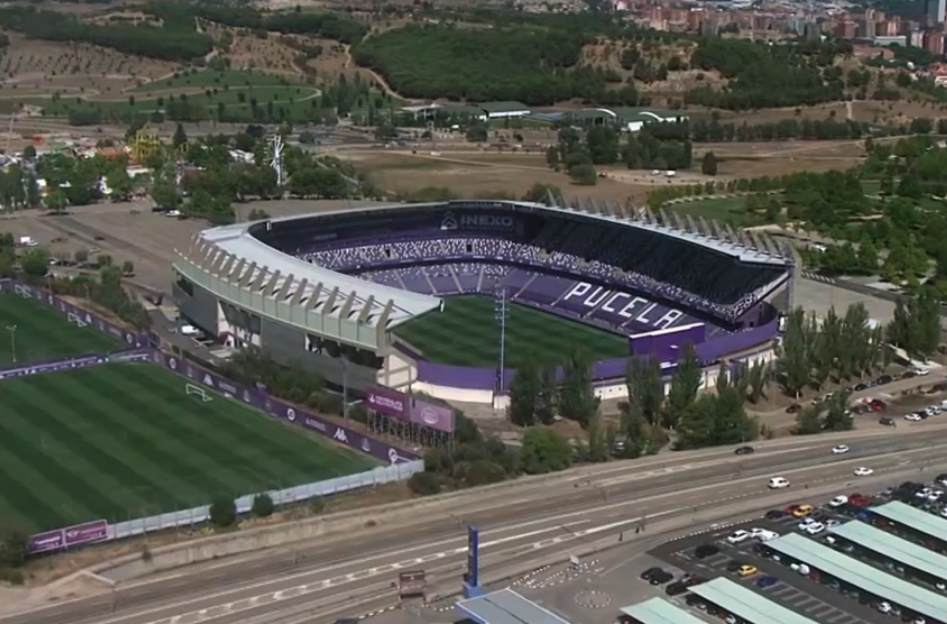
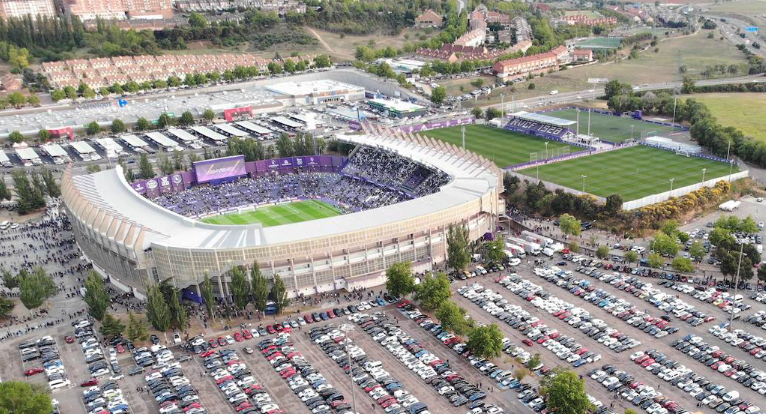
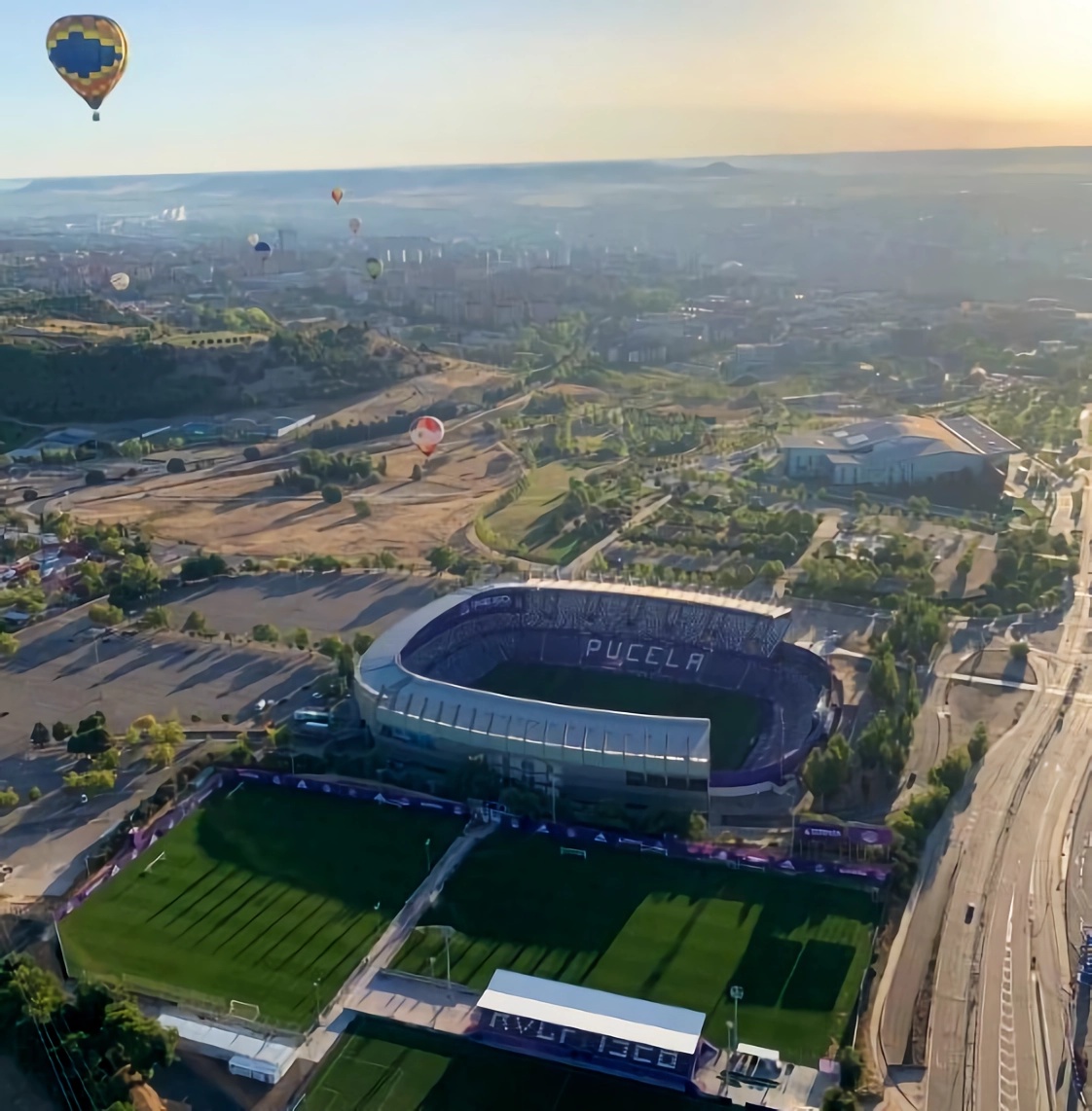
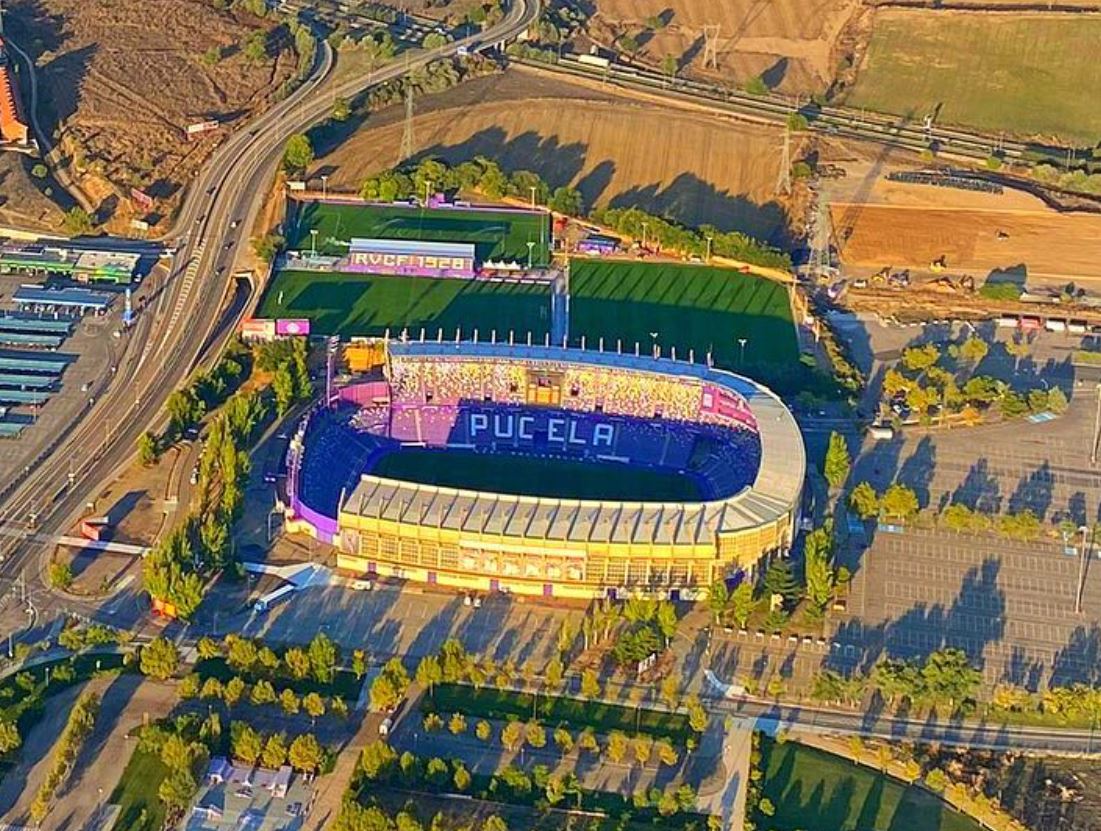
Structurally, little has changed at Estadio Nuevo José Zorrilla since the roof blew off, or rather, the new roof went on in 1986. The stadium was converted to an all-seated arena in 1995, and the capacity dropped to 26,512. La Selección first played at the stadium on 11 March 1992, when 30,000 watched a 2-0 victory over the USA. They returned in 1997, 2006 & 2023 for full houses in matches against the Czech Republic, Ivory Coast & Georgia. Whilst there is nothing radical from a design perspective, architect Ricardo Soria got the fundamentals absolutely spot on. There is not a bad seat in the house, and thanks to the acoustics, even a medium-sized crowd generates a great atmosphere. Behind the main west stand is Real Valladolid’s Ciudad Deportiva, where the reserve team play their matches in front of a few hundred fans.
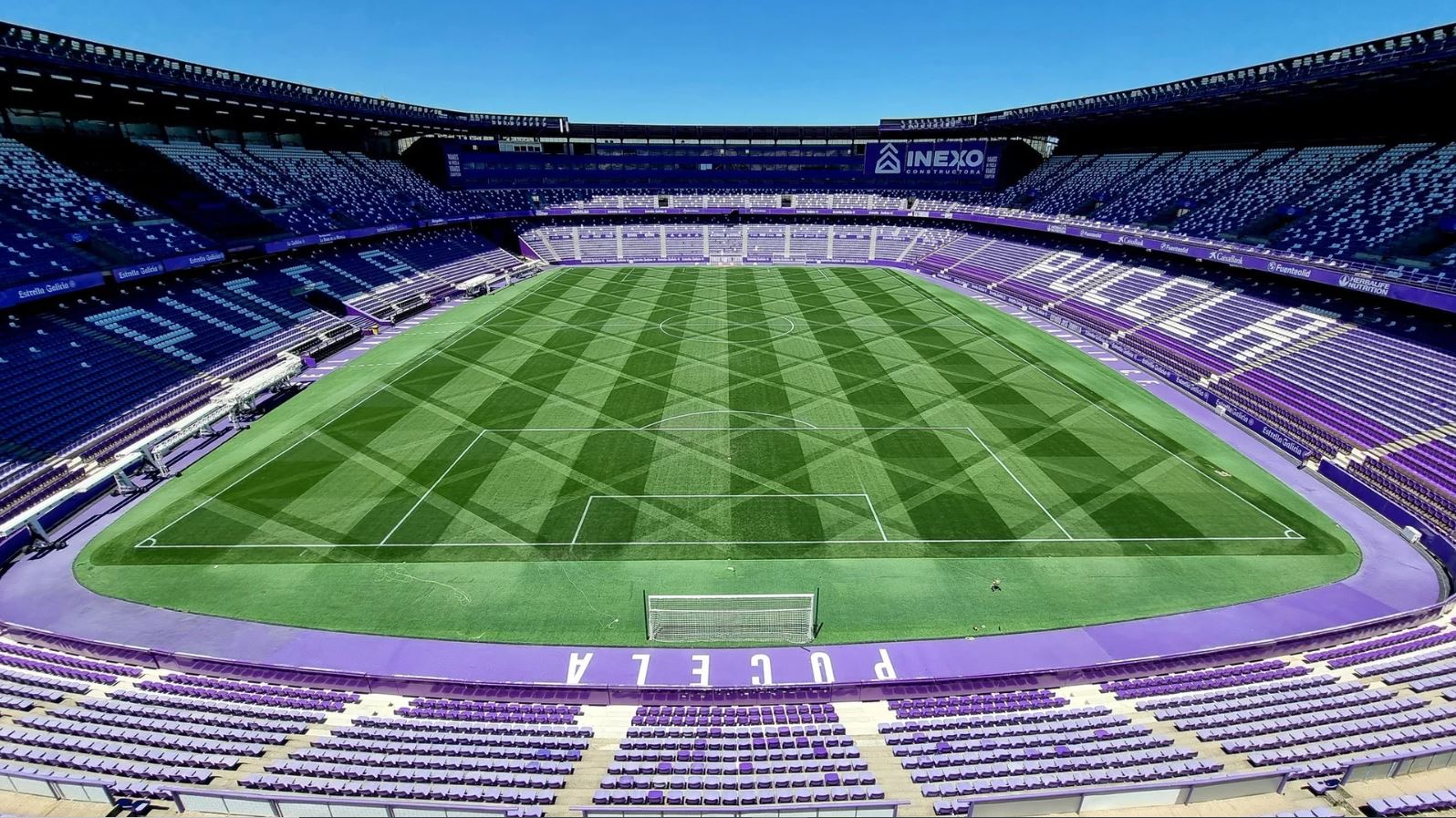
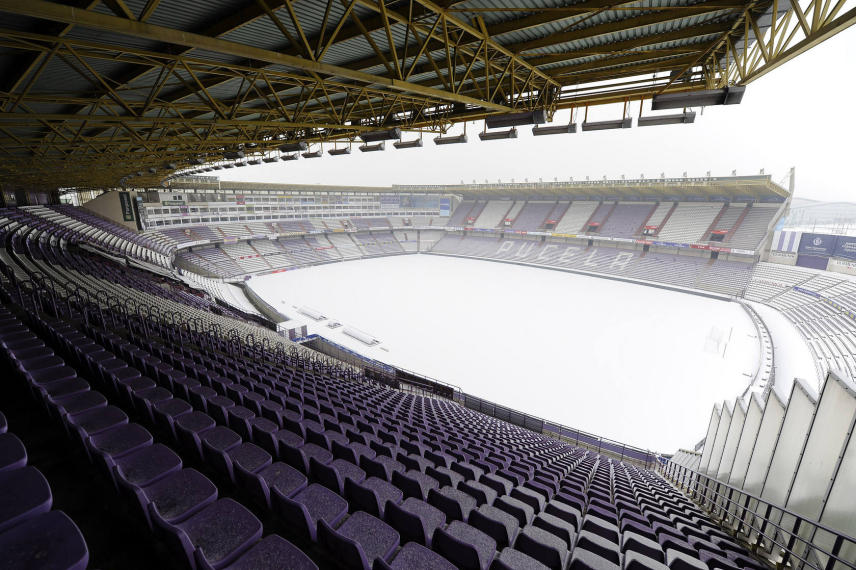
For a while, it appeared that the stadium would undergo major redevelopment. The Valladolid Arena was originally conceived as part of Spain’s failed 2018 World Cup bid. However, like the bid, the plans came to nothing. In the summer of 2013, the club replaced the rows of faded purple & white seats with predominantly purple seats that match the shade on the club shirts. Improvements to the pitch drainage and surface, the first in over a decade, were carried out in the summer of 2018 following Real Valladolid’s promotion back to the top tier after a four-season absence. A year later, further work saw the pitch lowered and the moat removed, allowing the addition of more seating, raising the capacity to 27,618.








 Estadios de España