Article updated: 09/12/2025
For a club that goes by the nickname of El Glorioso, Deportivo Alavés seems to have more than its fair share of mediocrity. This historic club from the heart of the Basque Country has experienced some dizzying highs since forming in 1921, becoming the darlings of Spanish and European football at the turn of the century. How quickly things can change, for within 8 seasons of playing in a UEFA Cup final, Alavés were playing in the regionalised Segunda B.
With Basque neighbours Athletic Club, Arenas Club de Getxo, Real Unión and Real Sociedad already well established, it was important that success came quickly to the fledgling club. As Club Deportivo Alavés, they entered the Federación Vizcaína in 1925, as there was no such body in Álava. Successive promotions saw the club challenge Athletic Club for the Campeonato Vizcaíno in 1927-28 and reach the semi-finals of the Copa del Rey. Keen to progress, Alavés entered the qualifying competition to partake in the first La Liga season but finally had to settle for a place in the inaugural season of La Segunda. The club led the way for much of the season, eventually coming up short, finishing third, a point behind champions Sevilla. In 1930, Alavés won the Segunda División title and was promoted to La Primera. Their debut in La Primera got off to a dream start, and the club topped the league at the end of week 3. They came back to earth with a bump a week later with a 7-1 defeat at Athletic Club and eventually finished eighth. Alavés managed to stay in the top tier for another two seasons, but successive relegations followed, and the club nearly folded, not competing in the regional leagues in the 1934-35 season. Renamed Deportivo Alavés, they participated in the National Amateur Championship in the season preceding the outbreak of the Civil War.

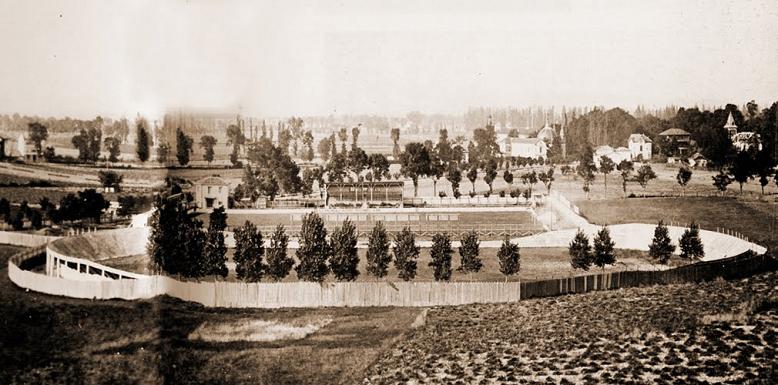
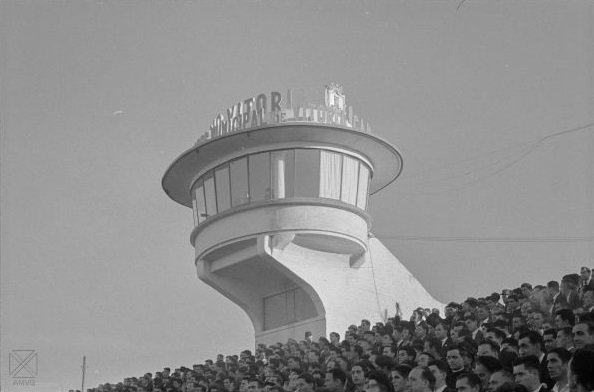
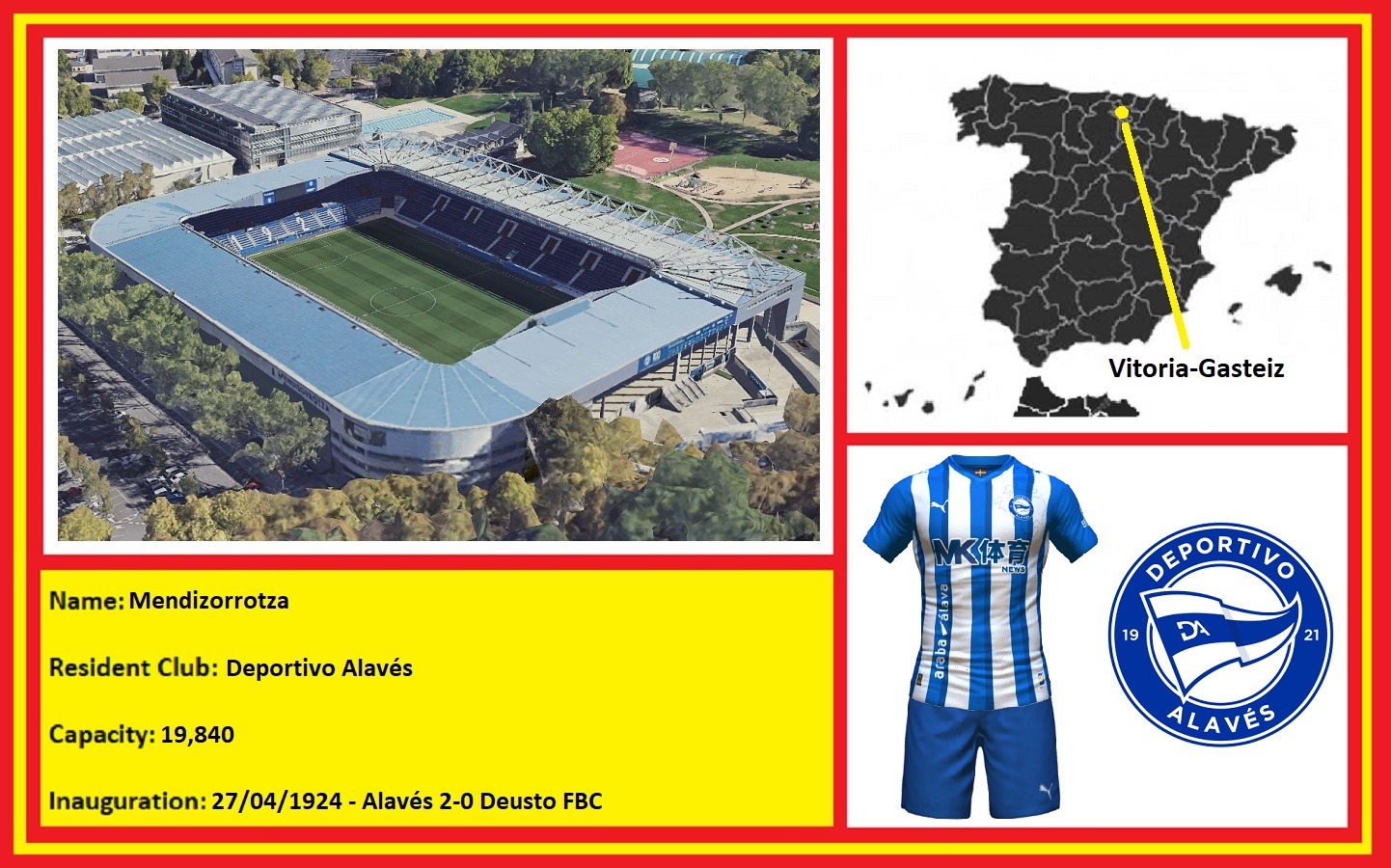
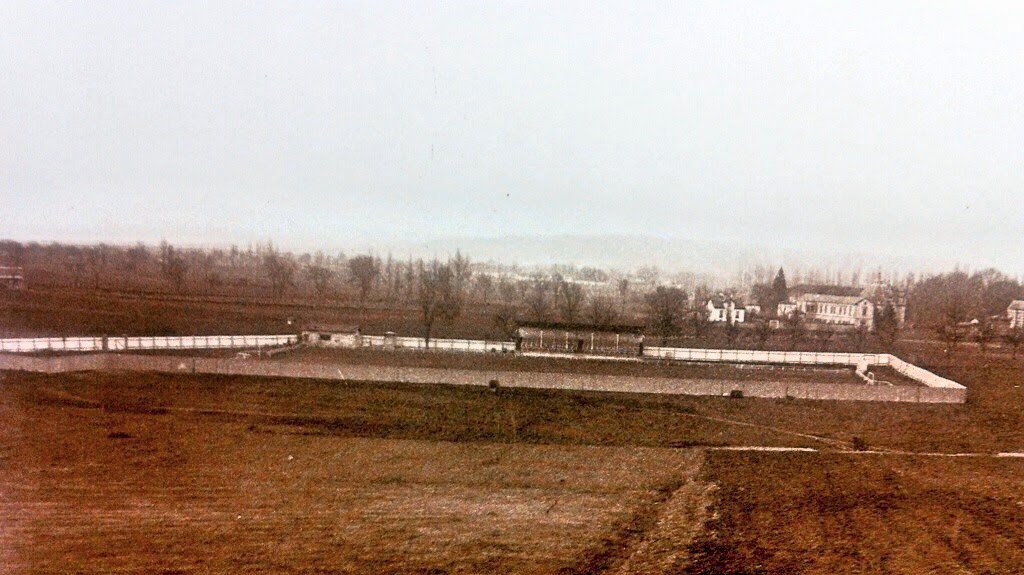
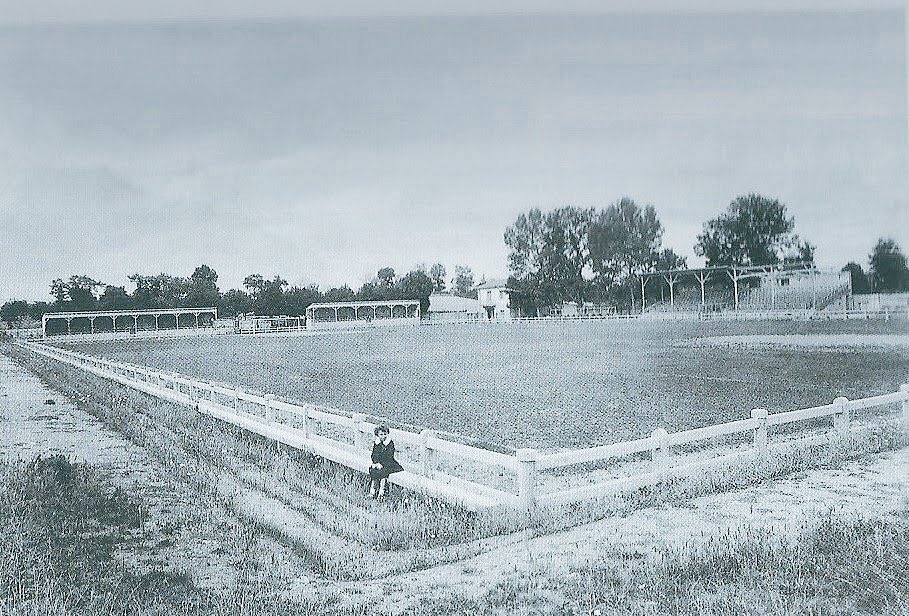
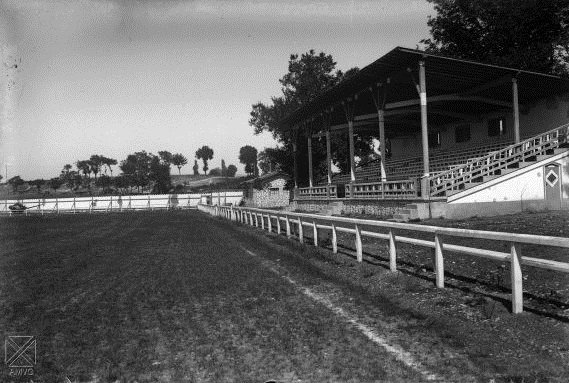
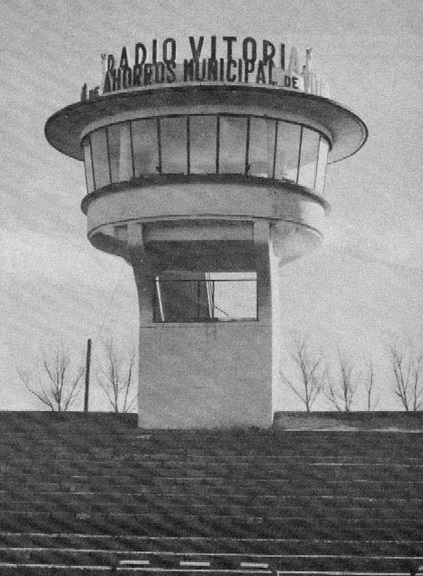
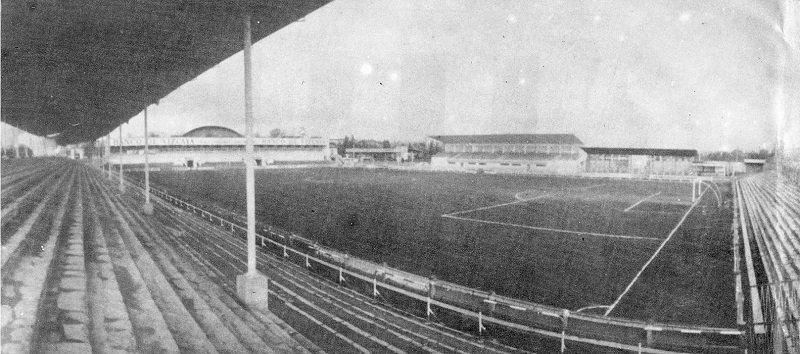
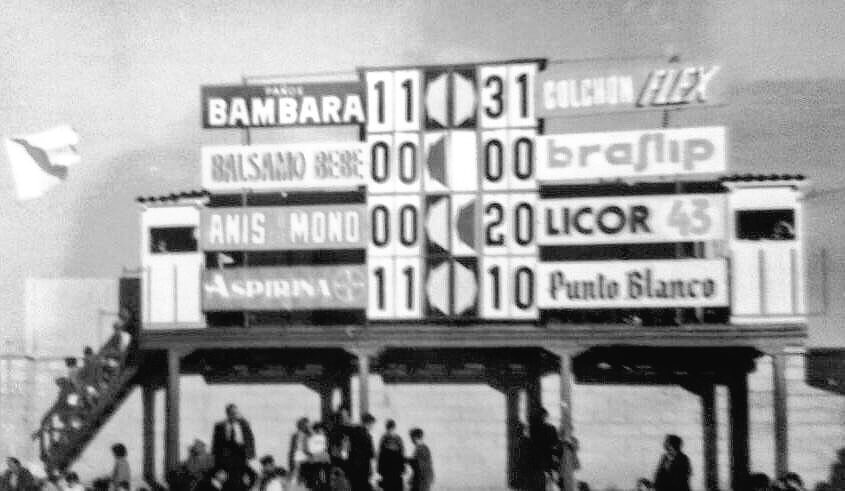
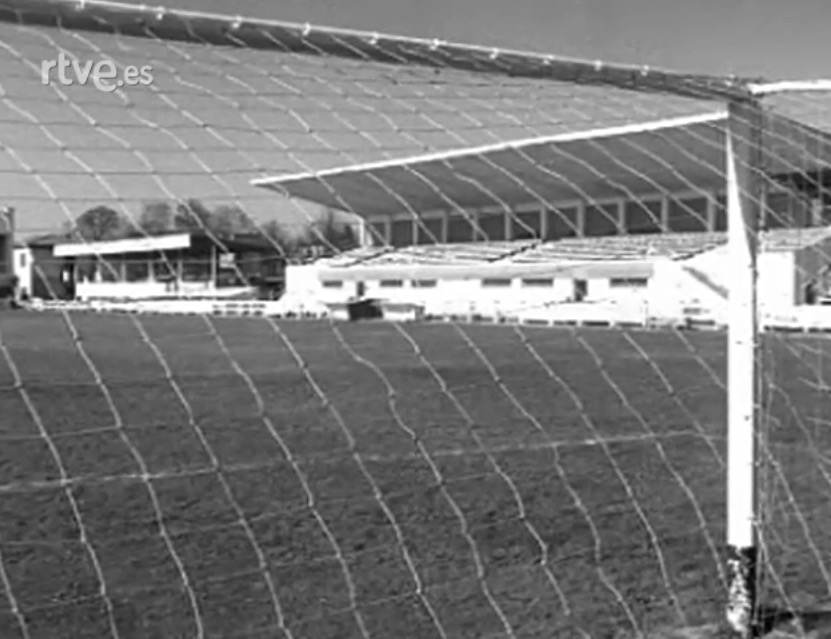
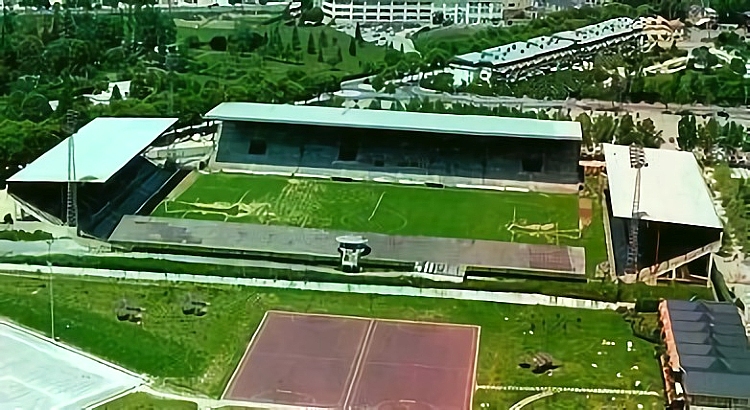
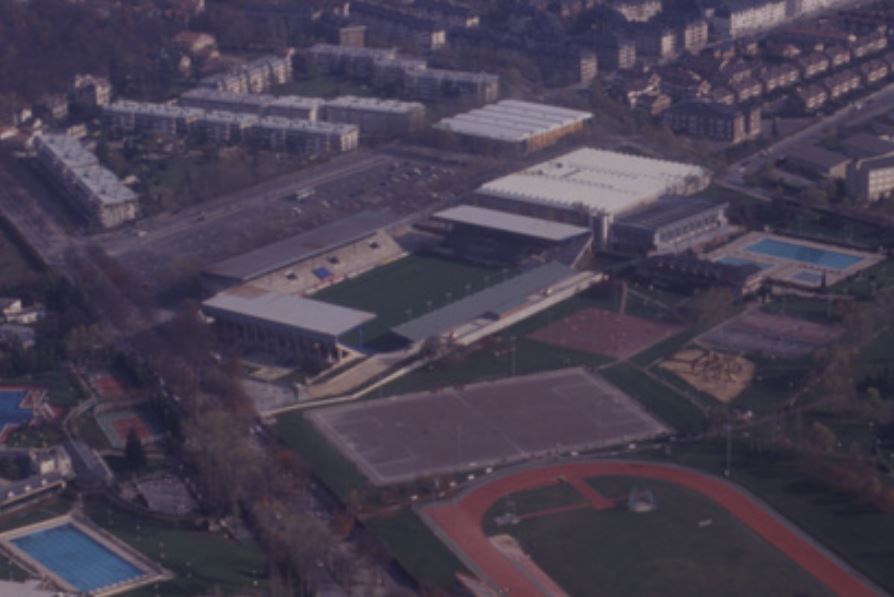
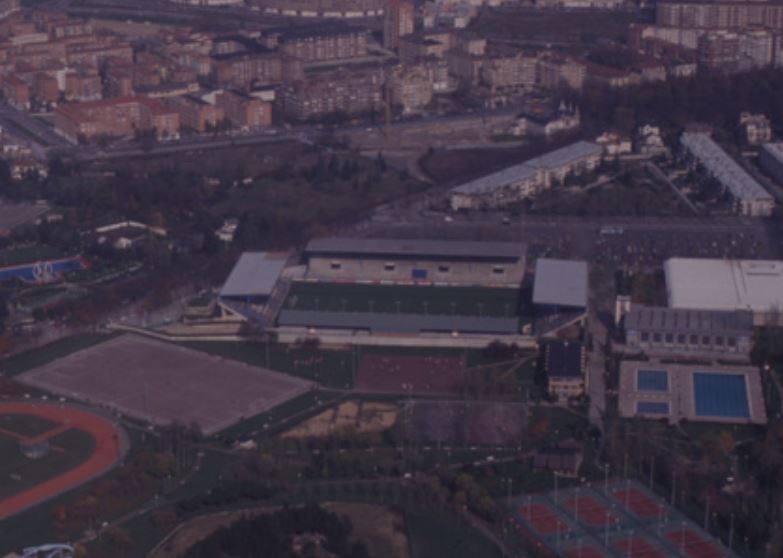
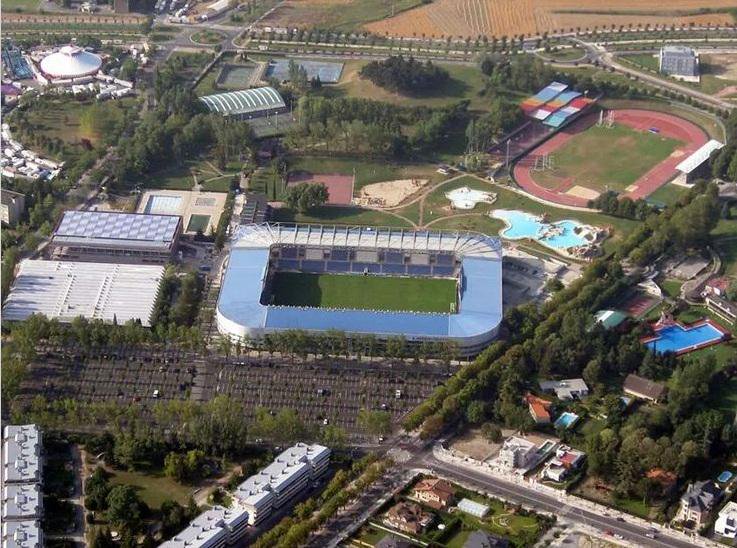
The club has played at its Mendizorrotza home for all but the very first three years of its existence. In those first few seasons, the club used a field on Camino de Lasarte. Then on 27 April 1924, they moved to the southwestern edge of town, where Vitoria’s first sports complex was being developed. This included a swimming pool, a Velodrome and an enclosed football ground. By the time of their top-flight debut, Mendizorrotza had a capacity of 8,000, with a short but rather ornate stand on the north side of the ground. The southern side of the ground was comprised of open terracing, but in 1935, an Art Deco-style radio tower was built above the terrace. Alavés were invited to compete in a restructured Segunda in the season immediately after the war, but finished bottom of Group II and dropped to the Tercera. Alavés bounced back immediately, and two campaigns in the second tier followed before the club endured an 8-season spell back in the Tercera. The club returned to La Segunda in the 1951-52 season and two seasons later won the regionalised second division title and with it, promotion back to La Primera. Back in La Primera, the club managed to remain in La Primera thanks to a last-day victory at Racing Santander, but the following 1955-56 season saw the club finish 14th and enter the relegation play-offs. In a mammoth 6-team tournament, Alavés finished bottom and dropped a division.
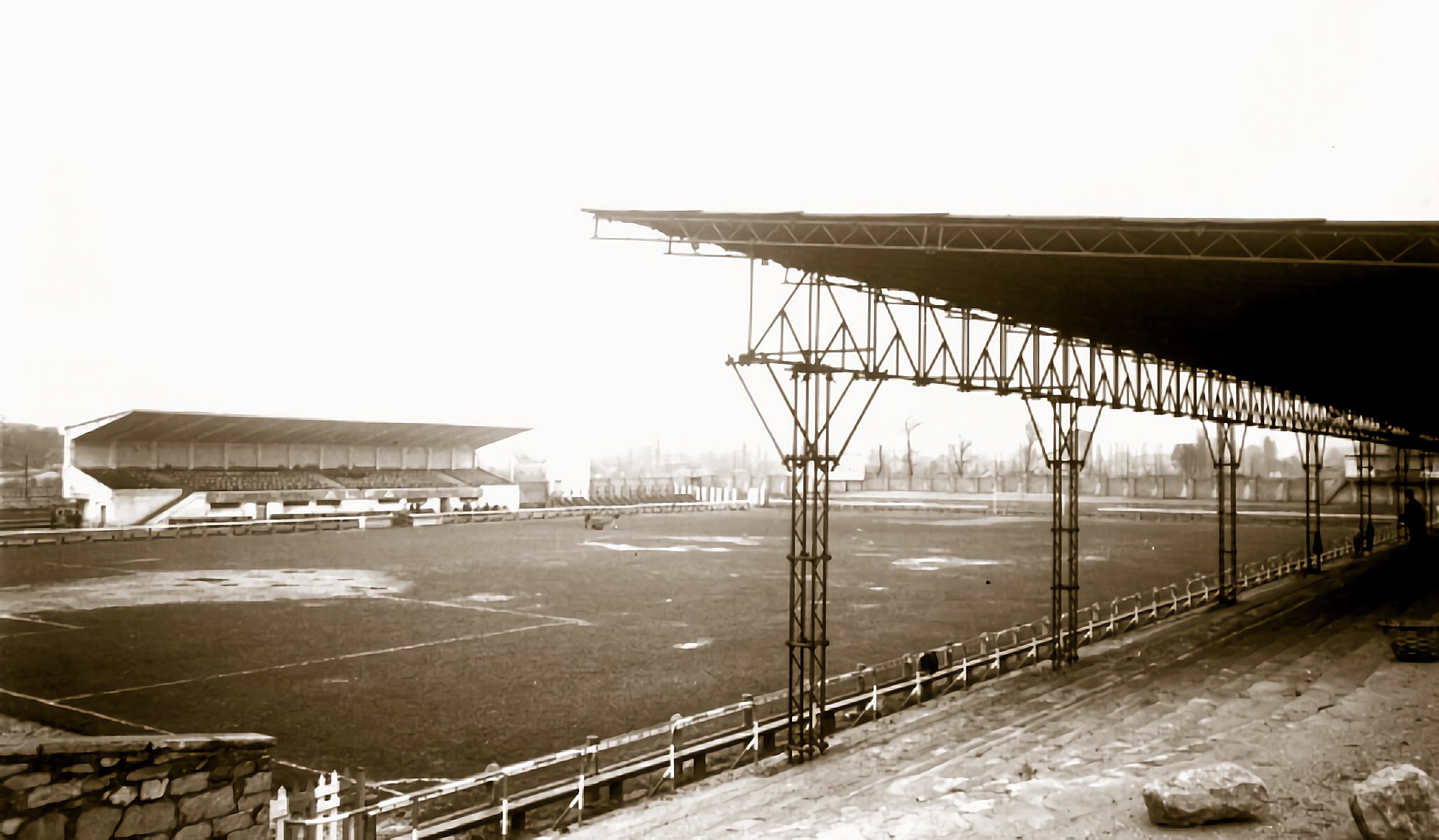
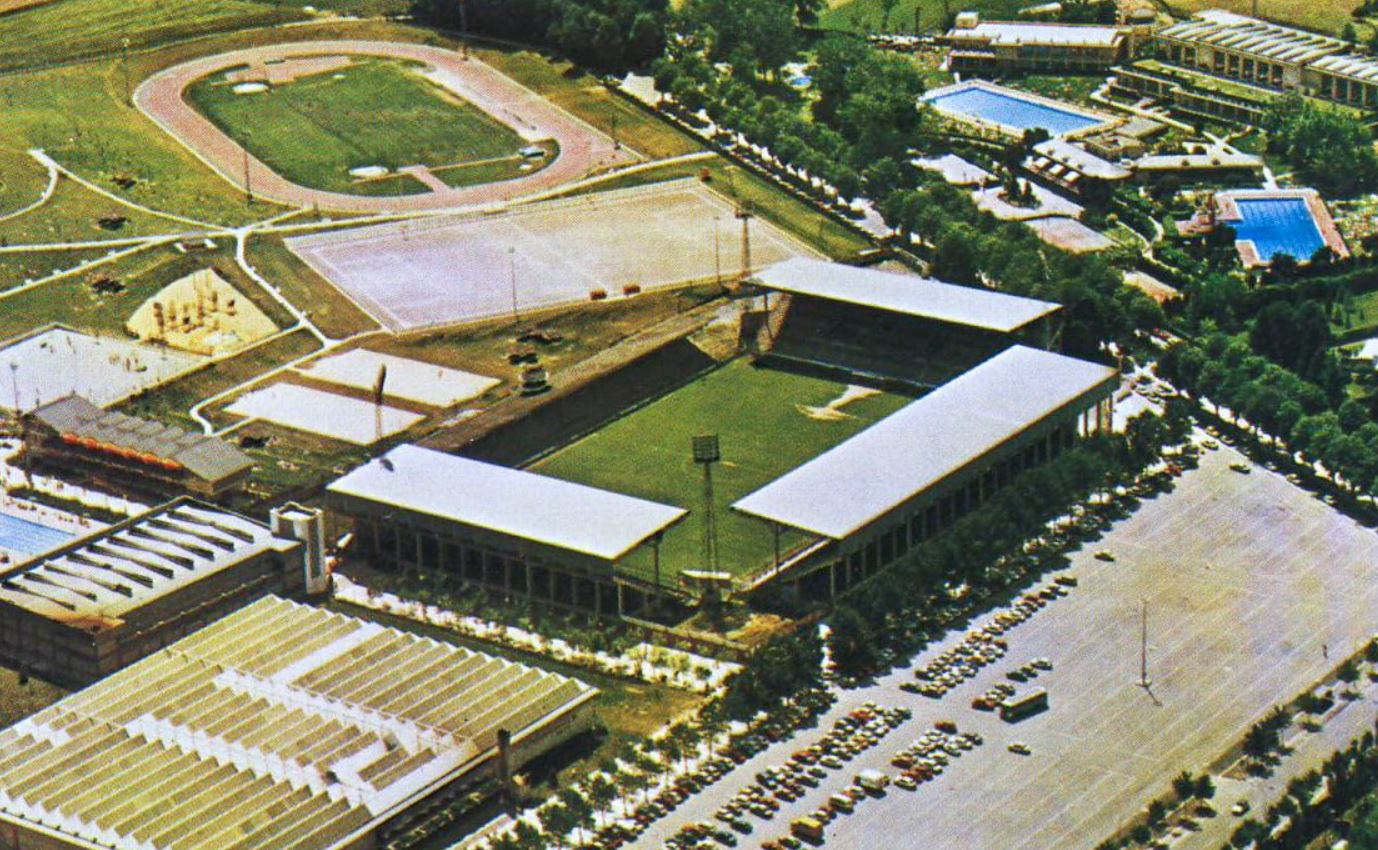
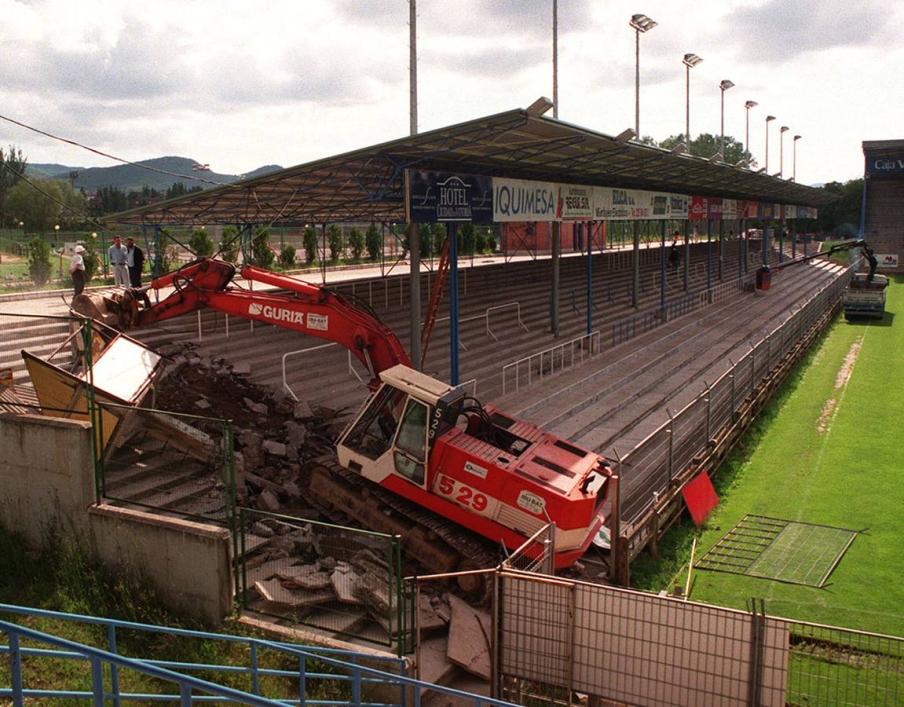
Alavés remained in La Segunda for the rest of the fifties and flitted between the Tercera and the second tier throughout the 1960s. The combination of a lowly ninth-place finish and the reorganisation of the Tercera saw the club drop into the Primera Regional for the 1970-71 season. However, within four years, it had returned to La Segunda and remained at this level until 1983. Such is the up-and-down nature of the club’s history that the period of nine fairly anodyne seasons in La Segunda is the longest period it has remained at the same level. In 1982, work commenced on rebuilding the stadium. The structures on the western, northern and eastern sides were replaced with large, covered terraces, increasing the capacity at its peak to 30,000. However, that figure was not about to be tested, as with money in short supply and a thin squad, Alavés dropped to Segunda B in 1984. Attempts to regain their place in La Segunda and the redevelopment of the ageing Mendizorrotza saw the club rack up huge debts. With the players going unpaid throughout much of the 1985-86 season, Alavés was demoted to the Tercera. There followed a desperate couple of seasons where the club’s future was seriously in doubt, and performances on the pitch saw them stuck in mid-table. Then, in 1989, Juan Arregui Garay became president, marking the next upward cycle in Alavés’ history.

Under Arregui’s presidency, the club was transformed, but not without some initial frustrations, none more so than the five attempts it took to escape Segunda B in the early to mid-1990s. Alavés made comparatively short work of the second division, winning the title in its third attempt, and returning to the top tier after a 42-year absence. Salvation in the 1998-99 season went right down to the wire, with the club securing its place in La Primera with a 2-1 victory over neighbours Real Sociedad. By now, the club had installed José Manuel Esnal ‘Mané’ as coach. He had achieved some success at UE Lleida, but he was about to lead the club on an adventure that would culminate in playing in one of the most memorable European finals. The run to the 2001 UEFA Cup Final in Dortmund had been made possible thanks to a highest-ever finish of sixth in La Primera in the 1999-00 season. On their route to the final, Alavés disposed of Internazionale, Rayo Vallecano and Kaiserslautern. In the end, they came up just short, losing an epic final 4-5 to Liverpool in extra time. Alavés would be unable to match the highs of the 2000-01 season, and by 2003, had dropped to the second division.
The club sold a 51% share to American/Ukrainian Dmitry Piterman in 2004. As followers of the Spanish game and supporters of Racing Santander & Palamós will testify, this usually ends in tears. Initially, the club responded well to relegation, finishing fourth in 2003-04 and winning promotion back to the top flight in 2004-05. The return to La Primera was short-lived, and amidst rumours of financial difficulties, the club dropped back into the second division a year later. Relations between Piterman, the rest of the board and players deteriorated, which was not helped by the non-payment of wages. Finally, in March 2007, Piterman sold his stake in the club, leaving it €23m in debt. The club was facing closure off the field and was uncompetitive on it, and struggled in La Segunda before finally being relegated at the end of the 2008-09 season. They were now a big fish in the considerably smaller pond of Group II of Segunda B, and they soon found that not everything was to their liking. Alavés missed out on promotion for three successive seasons before finally winning the Segunda B title and disposing of Real Jaén in the playoffs. Back in La Segunda for the 2013-14 season, Alavés was made to fight all the way, avoiding relegation with a last-minute goal in the final game of the season at Real Jaén. Two seasons later, Alavés had been transformed, winning La Segunda and ending their 10-year exile from the top flight.
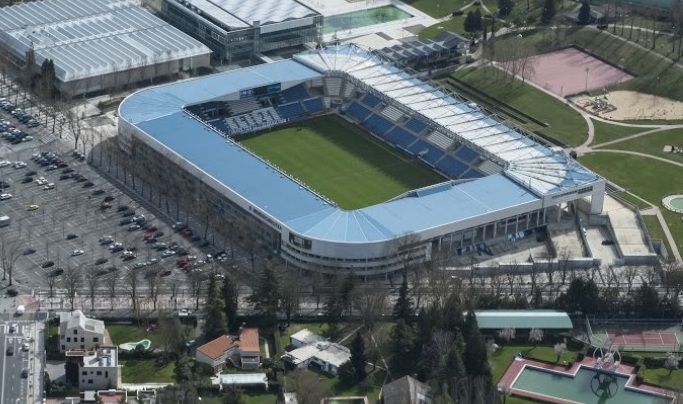
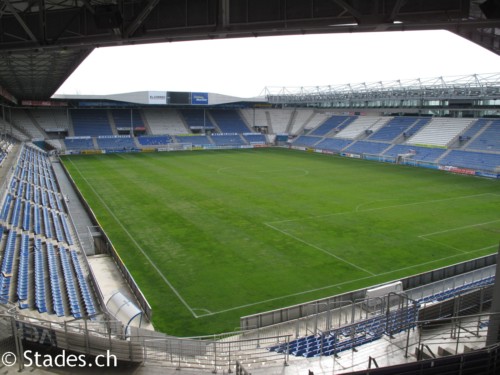
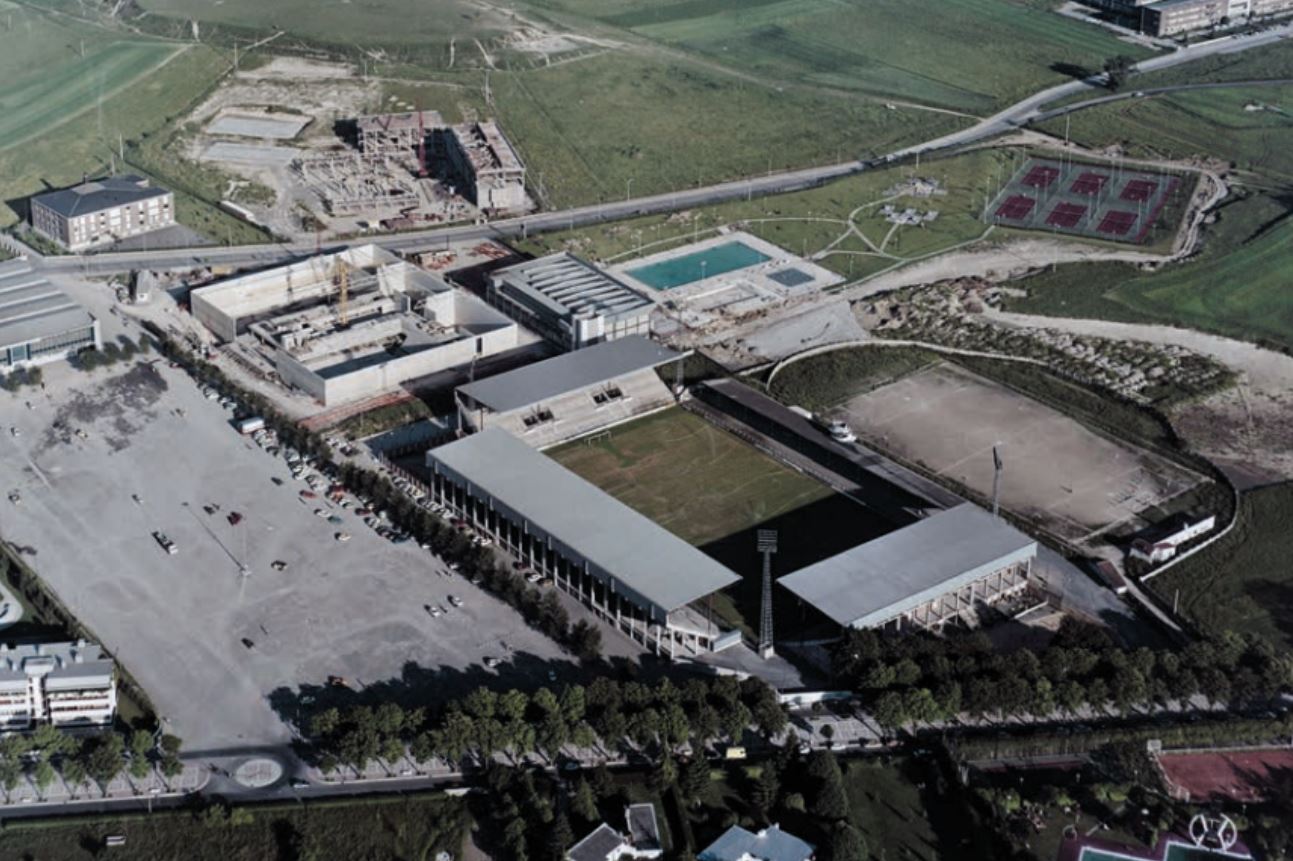
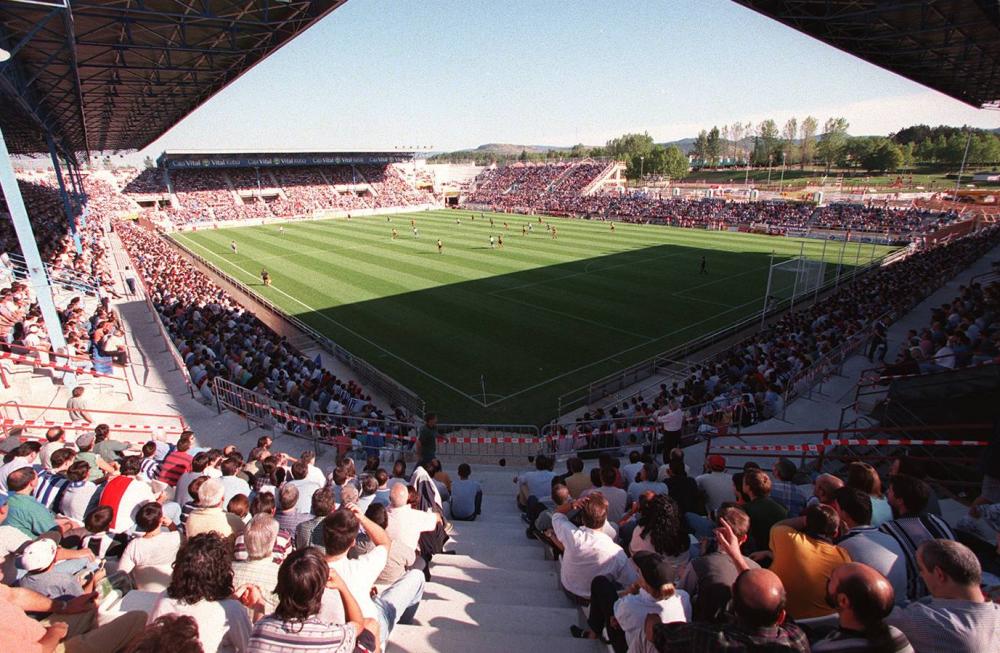
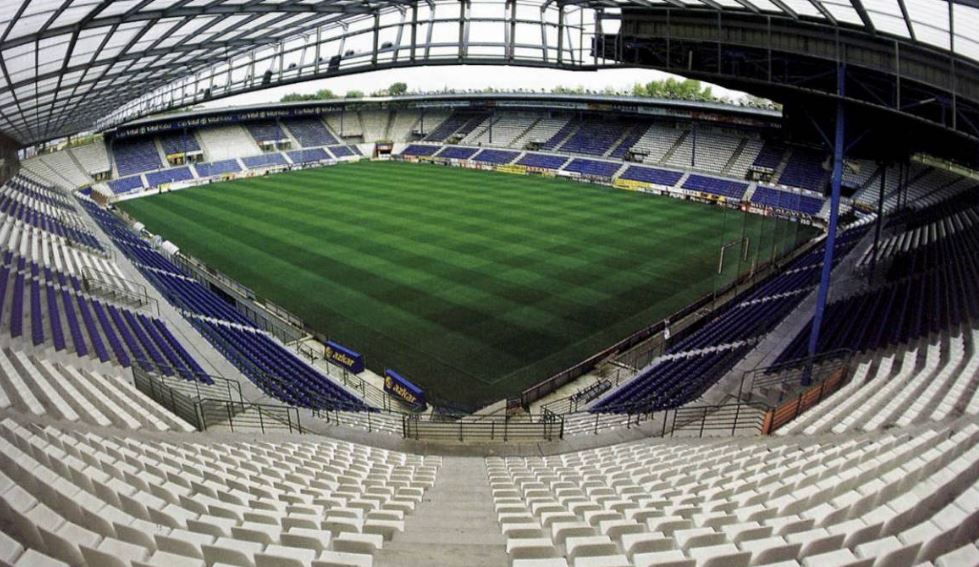
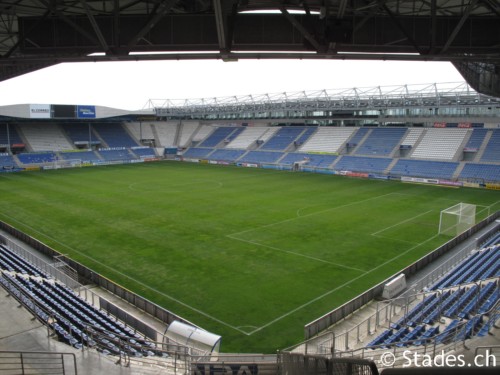
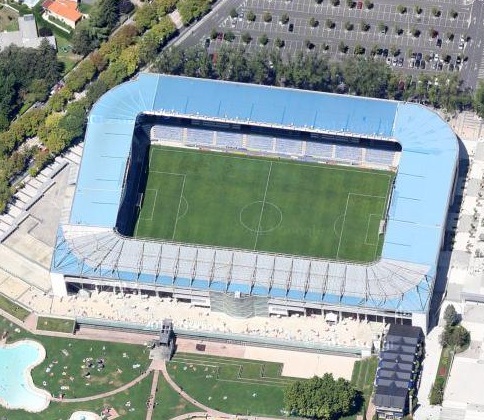
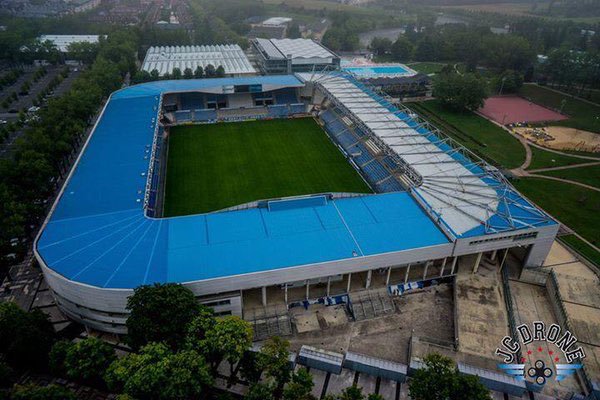
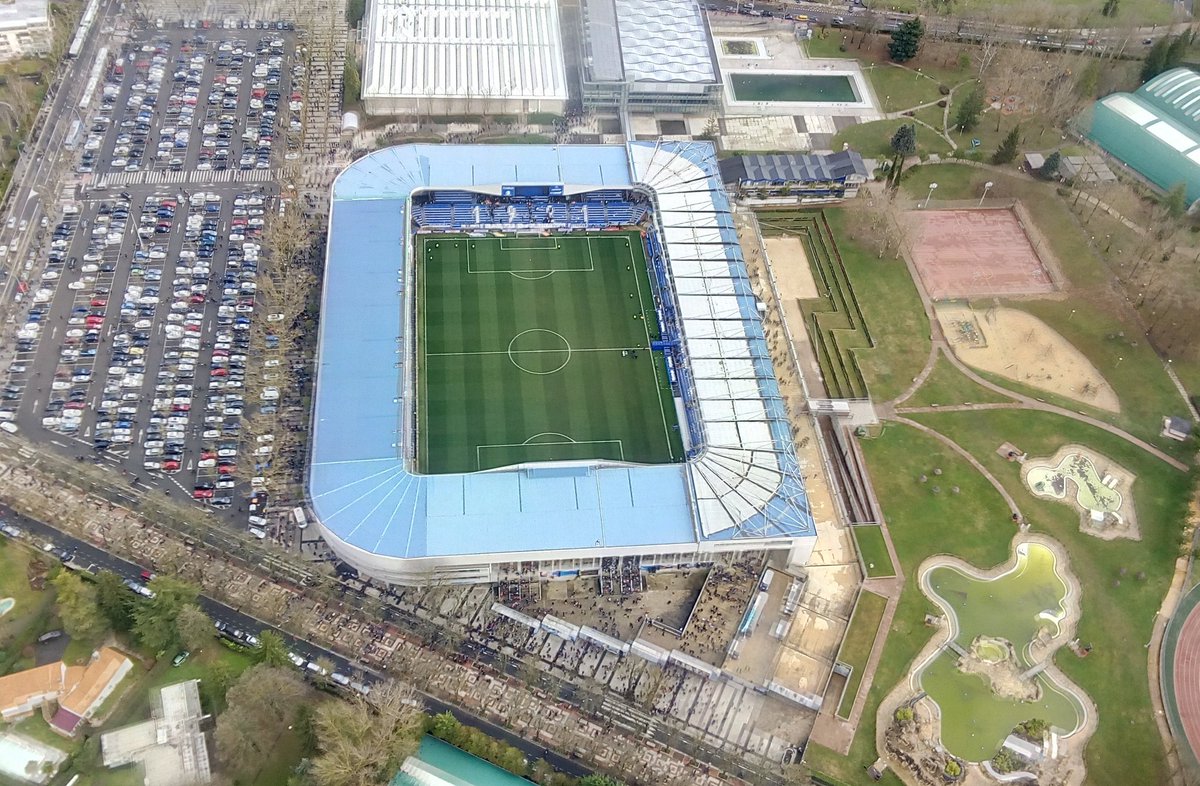
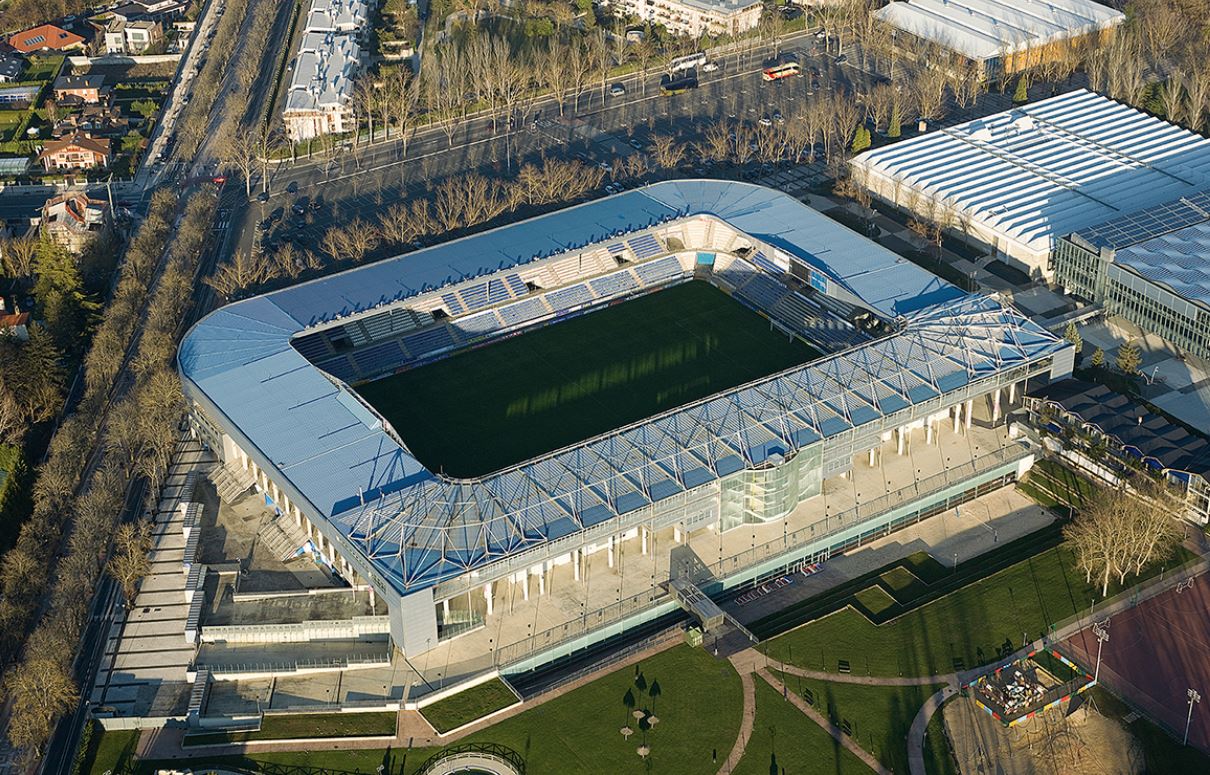
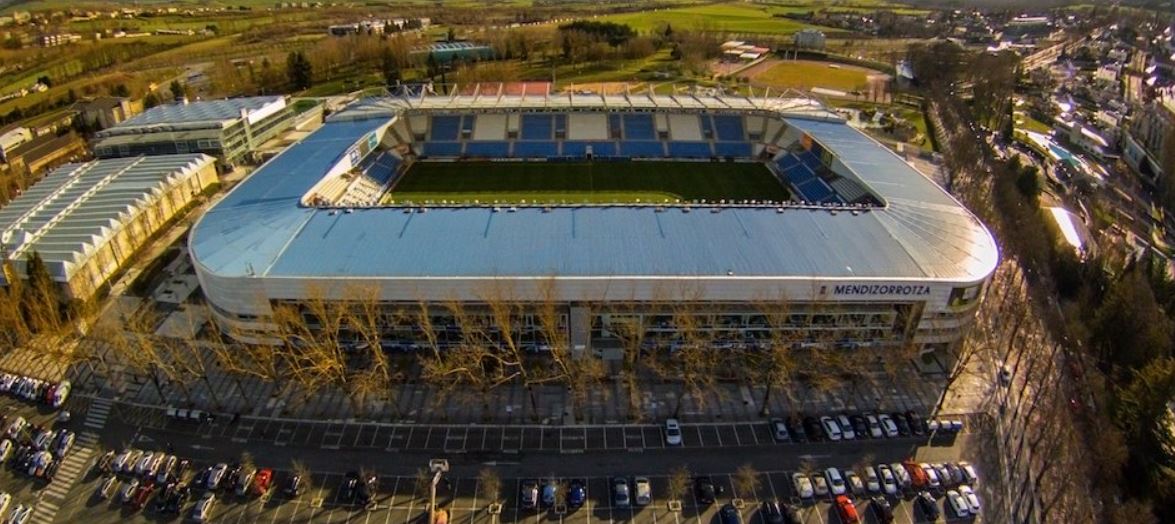
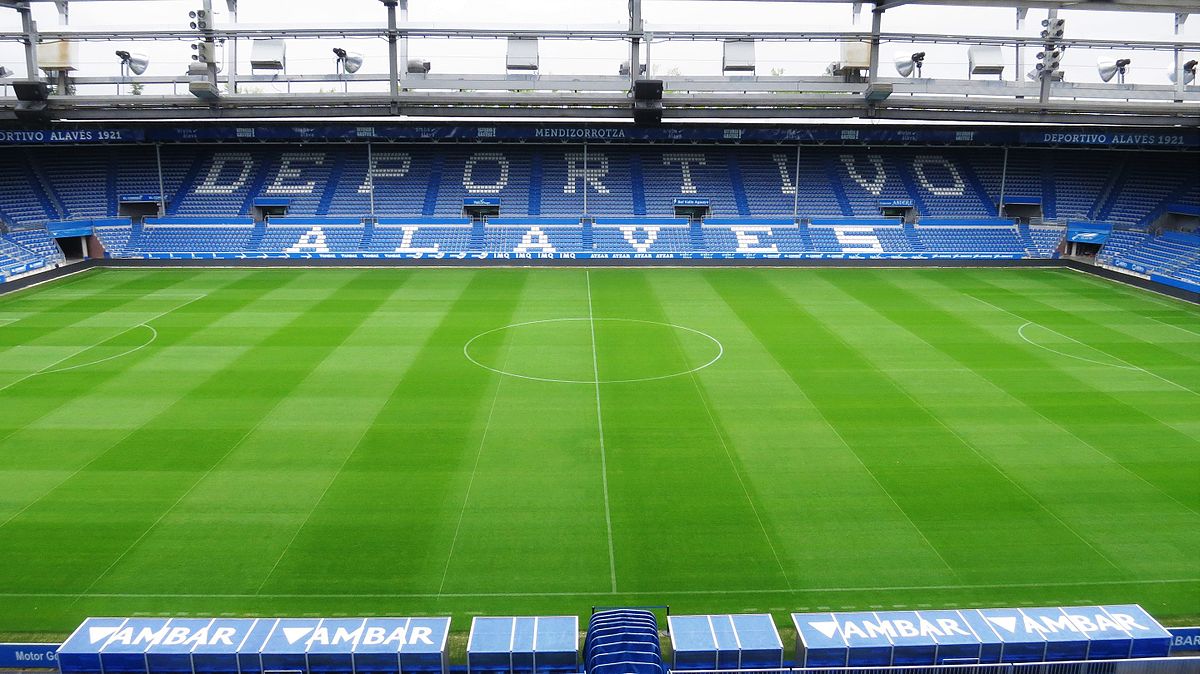
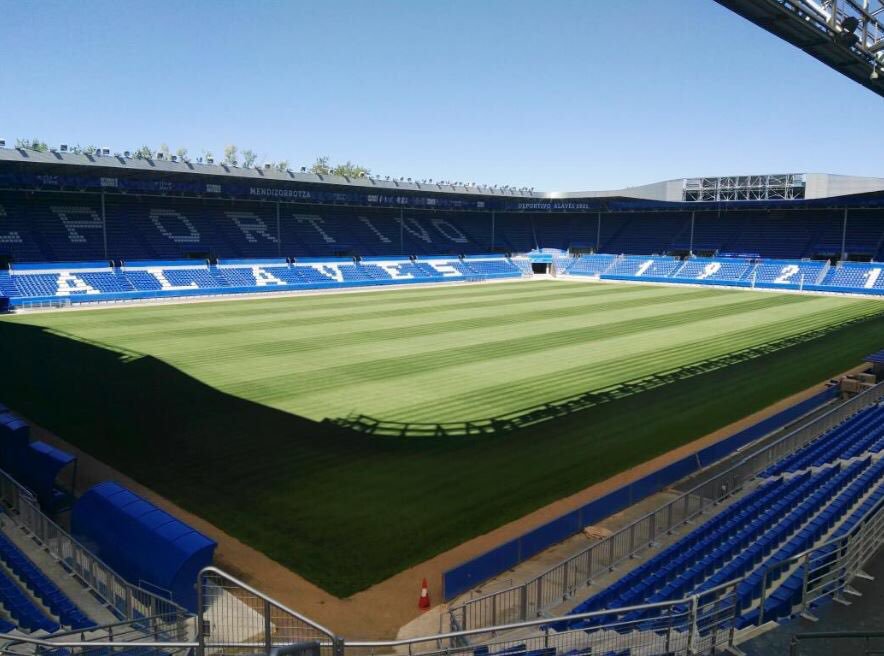
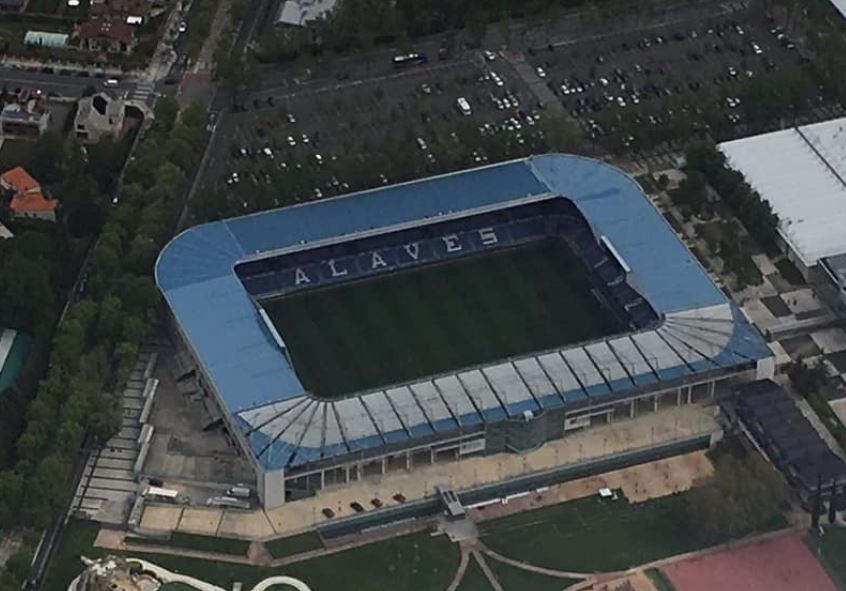
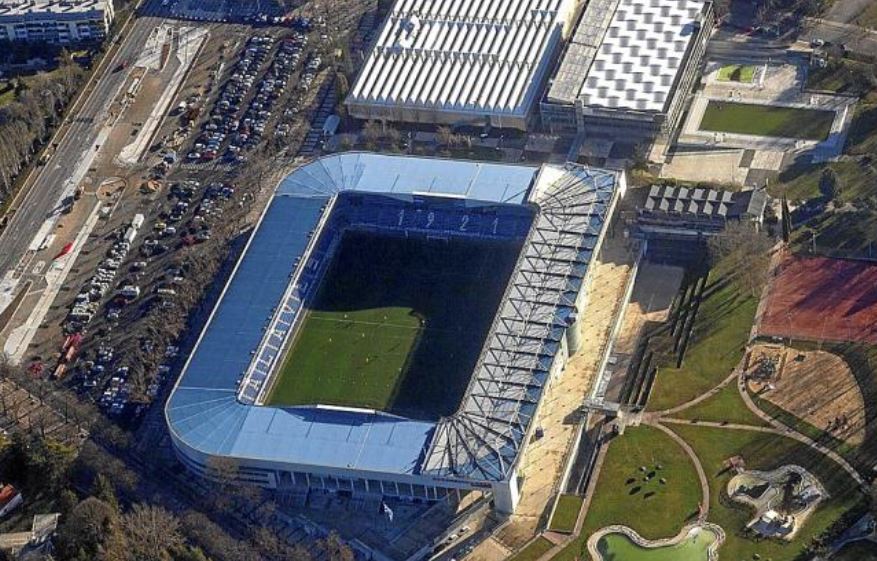
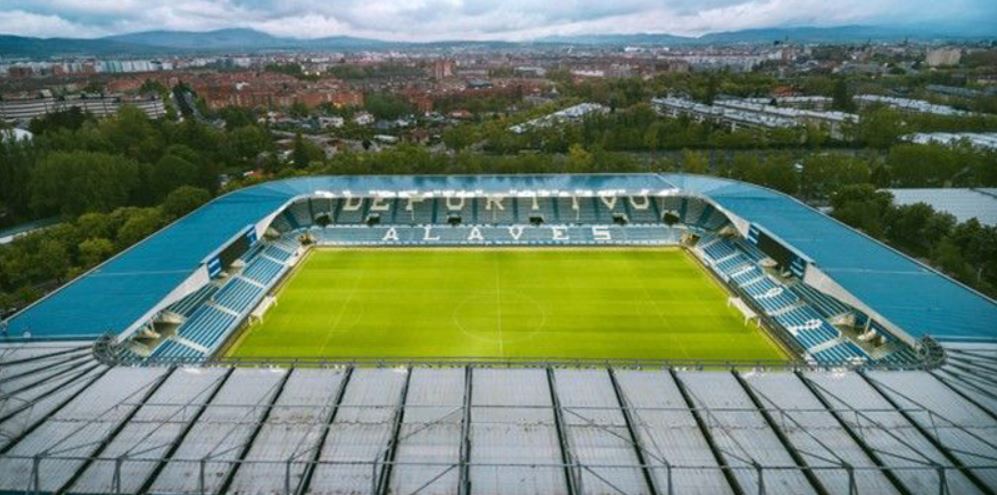
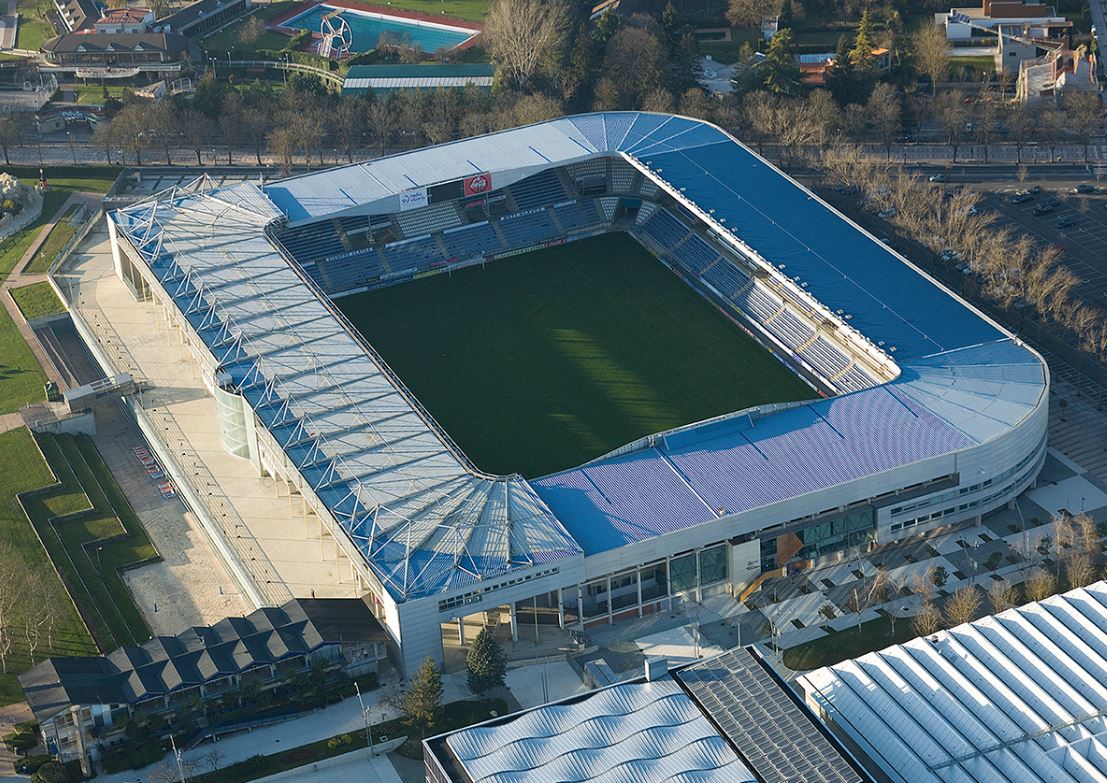
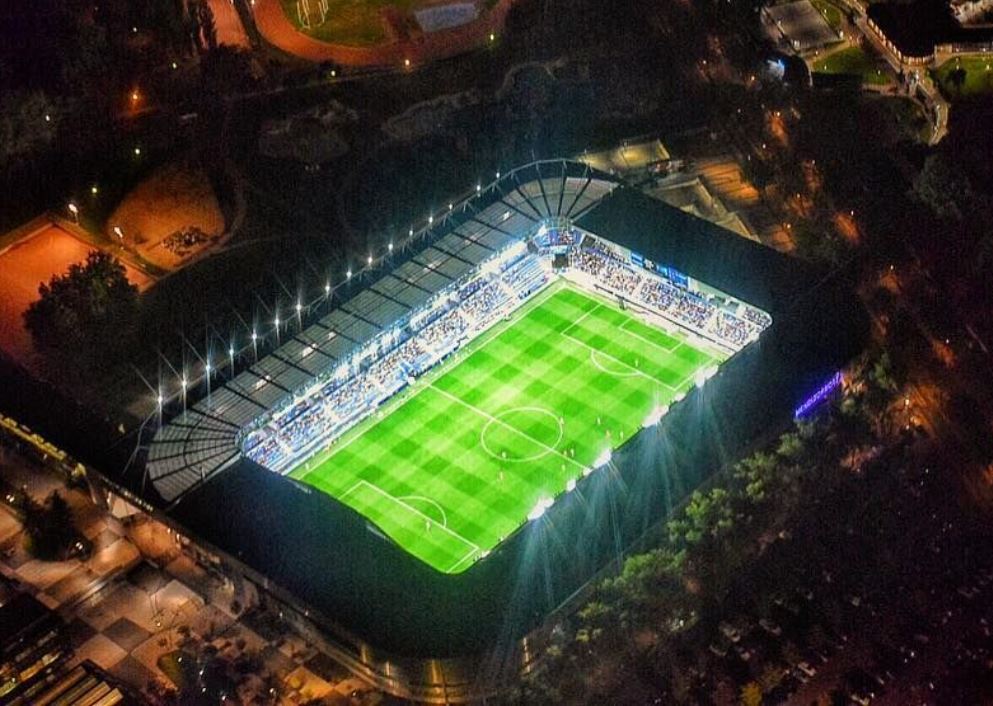
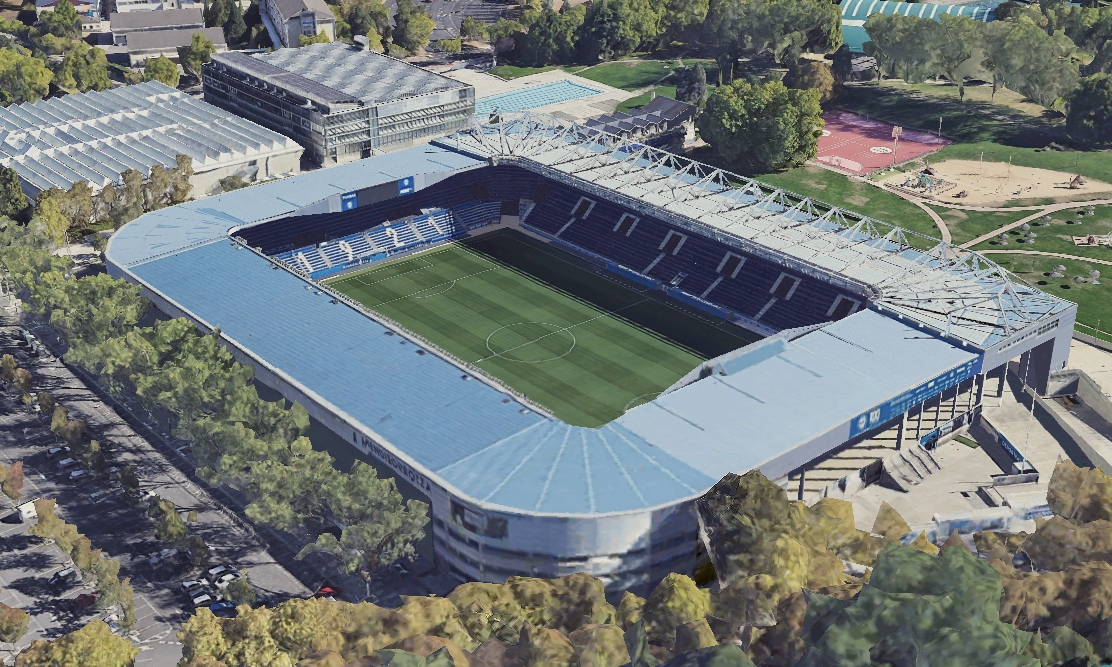
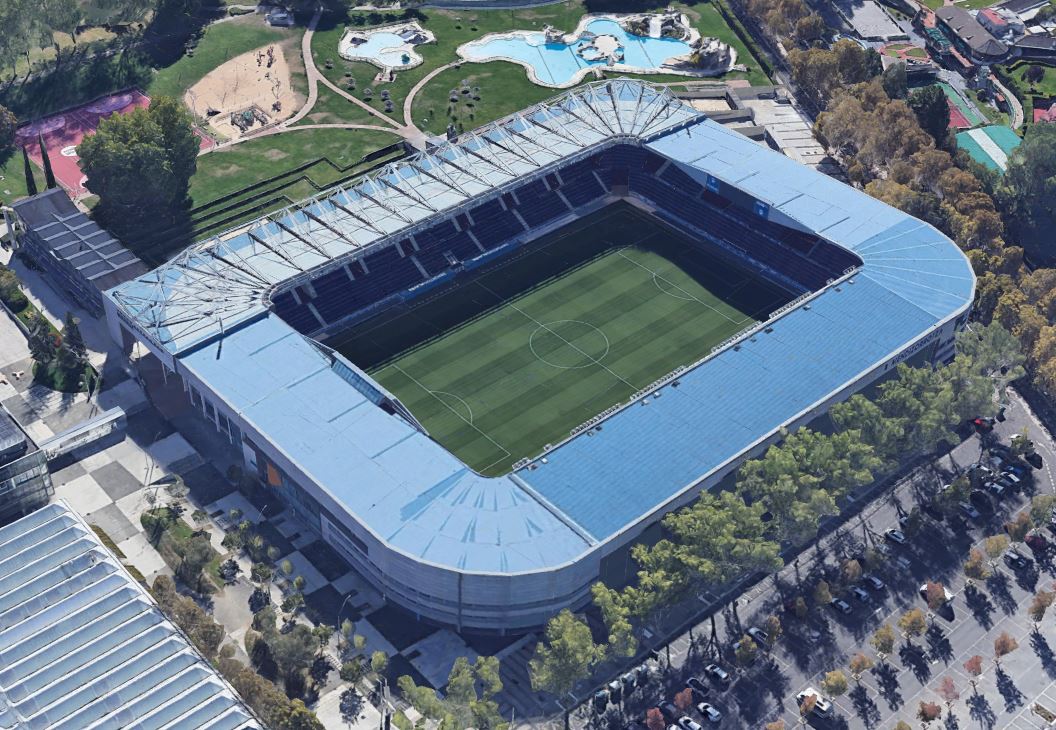
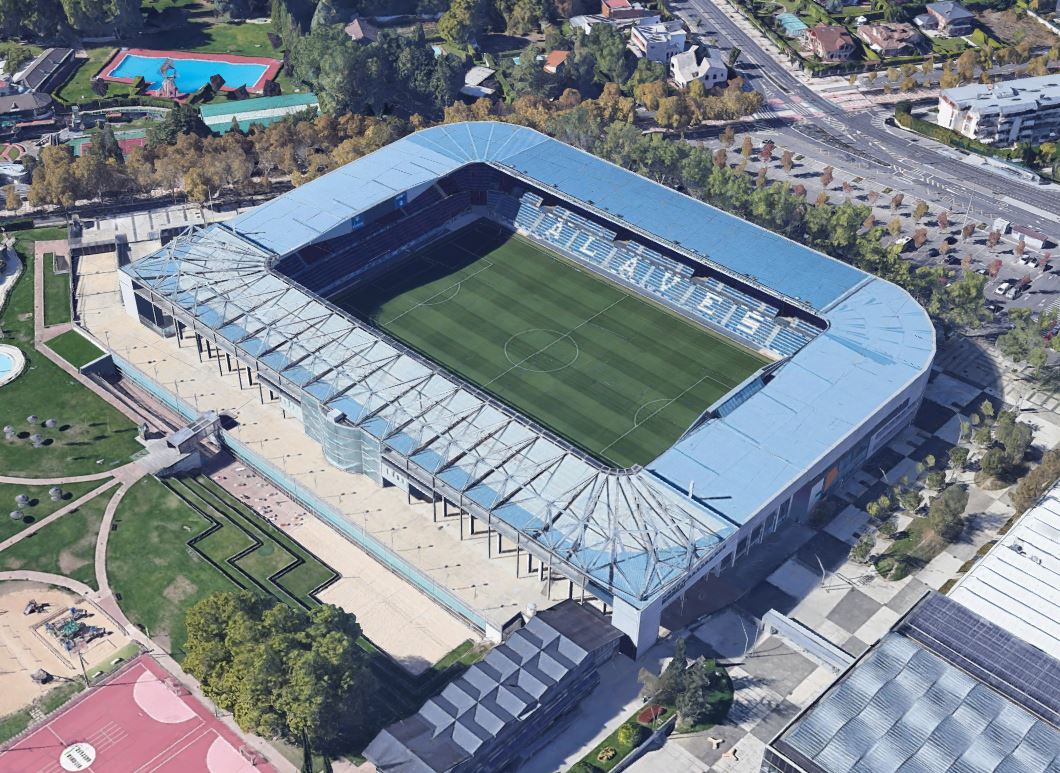
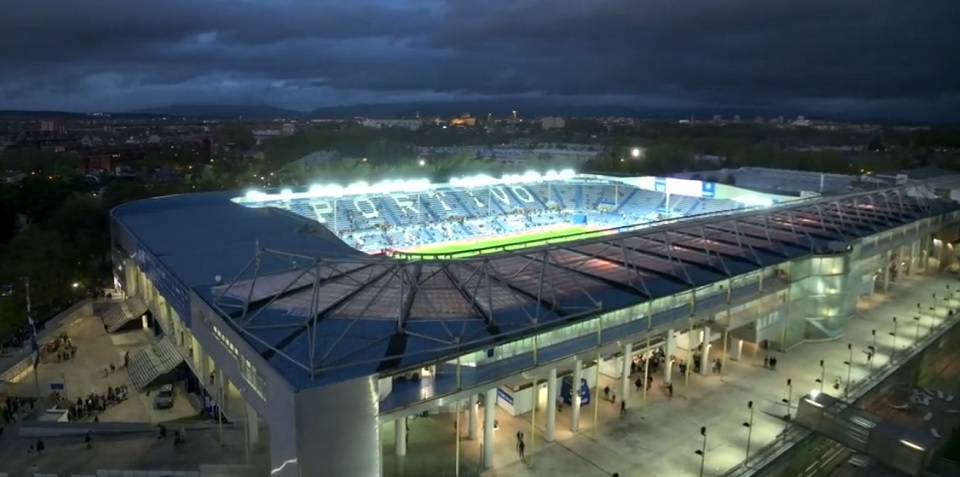
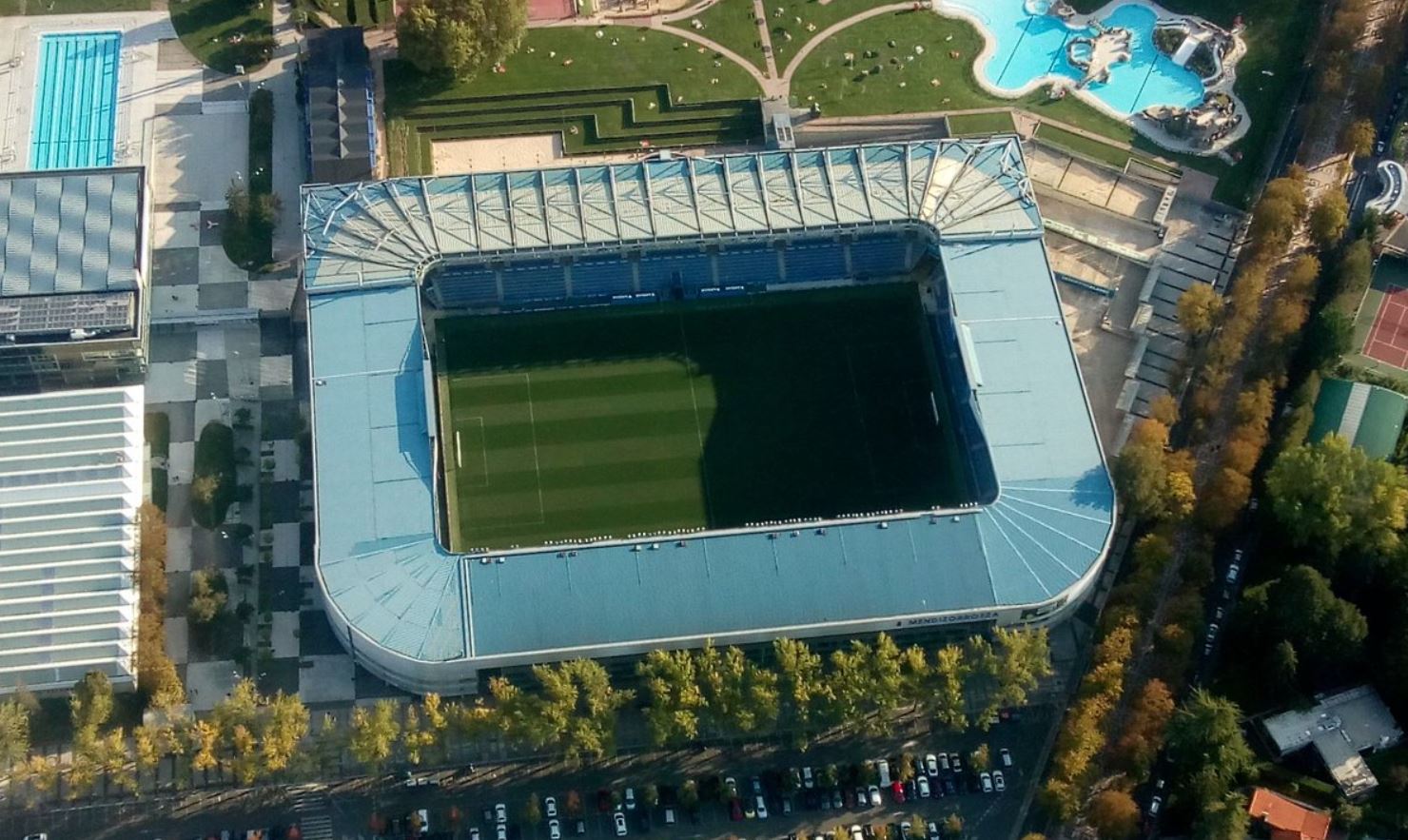
The work conducted at the turn of the century meant that Mendizorrotza did look distinctly out of place in Segunda B. Its 19,840 blue & white seats are all covered by roofs that date from this period. The newest stand of the stadium is the main southern Tribuna, which was erected in 2000 and houses the club offices and changing facilities. It has a large single-tier housed under a polycarbonate and steel cantilevered roof. The three remaining stands date from the early 1980s but were extensively refurbished following the club’s ascent to La Primera in 1998. The roofs are identical, propped post-and-beam constructions; however, the stands at either end of the stadium feature a video screen incorporated within the facias. The four stands are linked by cantilevered corner stands that were also added during this phase of refurbishment. Mendizorrotza has the feel of an English stadium, and maybe because of the colour scheme and the similar stands at either end of the ground, some Alavés fans have compared it to Tottenham Hotspur’s old White Hart Lane.

Alavés has enjoyed one of the more stable periods in its history, having played nine of the last ten seasons since 2016 in La Primera. However, this club, probably more than any other in the Spanish leagues, knows that the obscurity of regional football can just be a couple of short steps away.









 Estadios de España