
Article updated: 12/01/2026
Up until the turn of the 21st century, Club Deportivo Leganés had its own private battles in the south of Madrid with local rivals Getafe Club de Fútbol. The majority were carried out in the lower reaches of the Spanish league system, but some were in La Segunda, and you could argue that Leganés was the top dog. All that changed at the end of the 2003-04 season when Getafe won promotion to La Primera, and Leganés dropped to Segunda B. The decade that followed was a difficult time for Leganés and its followers. Watching as the club stagnated in the third tier whilst their rivals and neighbours reached two cup finals, played in Europe and attracted overseas investment.
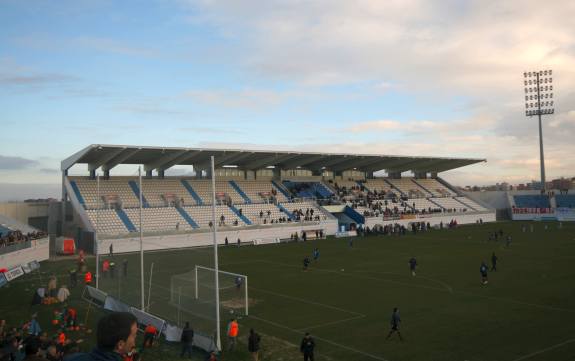
Leganés is the older of the two clubs, having formed on 23 June 1928. The Campo de Tiro military field was used in their first season, when they competed in the Federación Regional Centro. The club moved to Campo del Paseo de La Estación in 1929 and adopted a tricolour green, white and red shirt, which featured as the club’s changed kit in 2018. The Campo del Paseo de La Estación was north of the town centre on the present-day Avenida de la Universidad. Leganés did not immediately reform after the Civil War but eventually re-emerged in 1946. The club joined the Segunda Regional Ordinaria and played in a green shirt, adopting their nickname “Los pepineros”. After two successive promotions, Leganés reached the Primera Ordinaria in 1949. Promotion to the Tercera was achieved in 1954 when the league title was won, and Callosa Deportiva CF & UD Poblense were dispatched in the playoffs. Leganés played eight of the next twelve seasons in the Tercera but had dropped back to the Primera Regional Ordinaria when they played their last match at the Campo del Paseo de La Estación in April 1966.
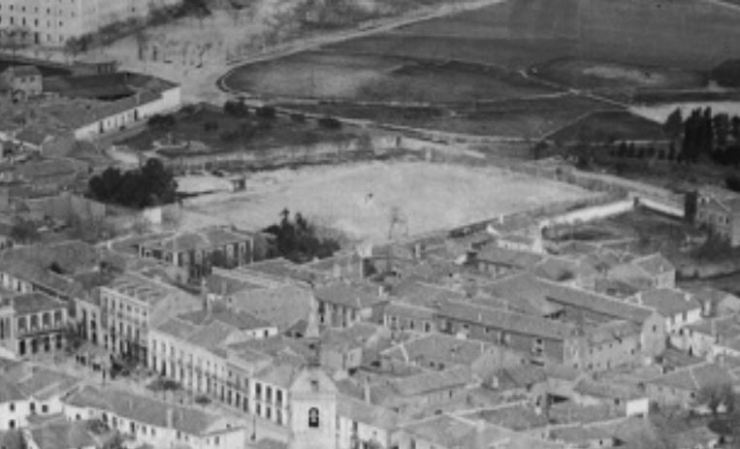
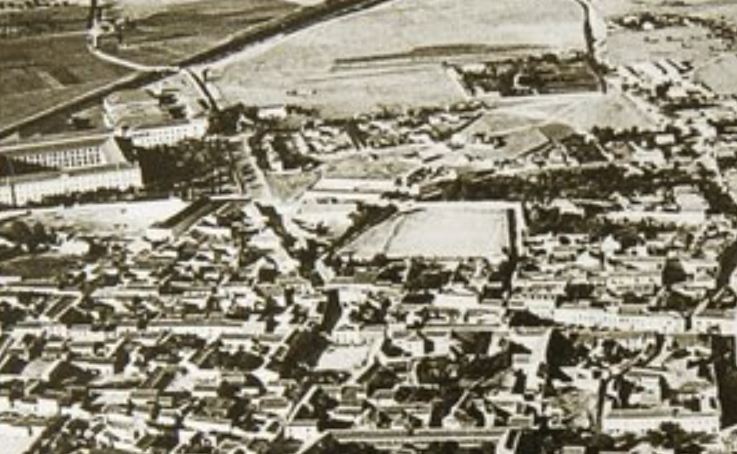
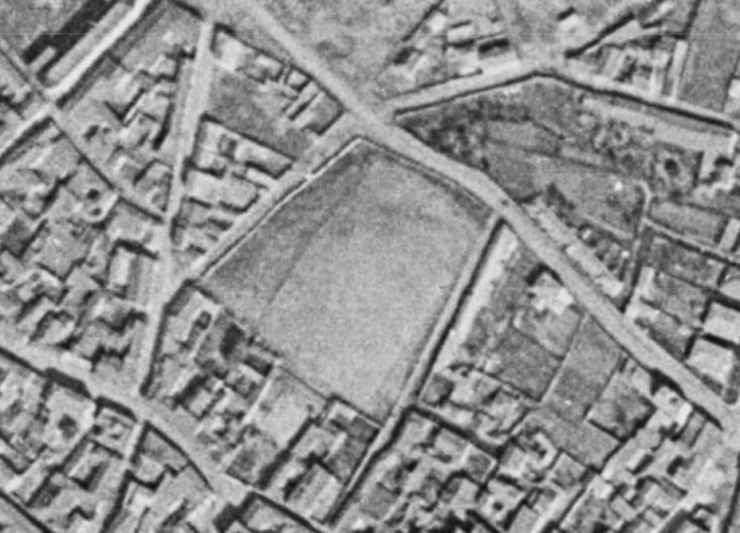
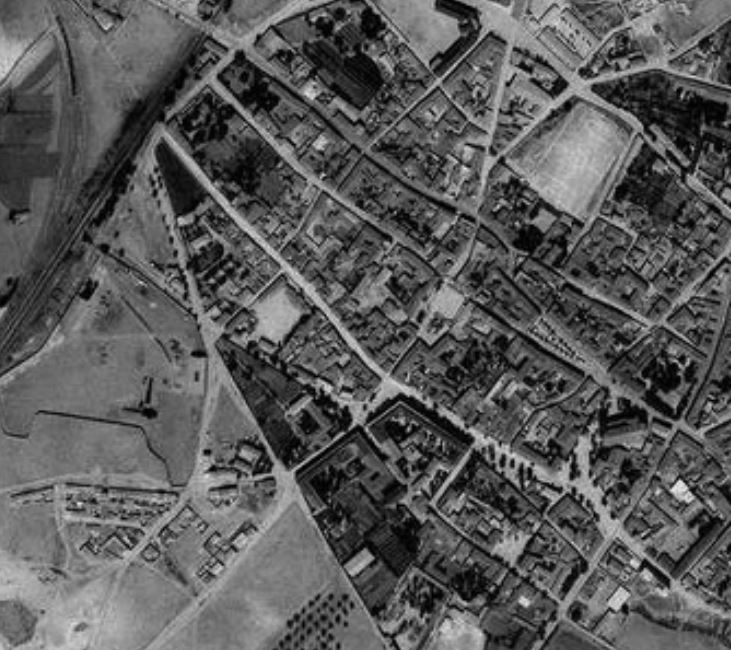
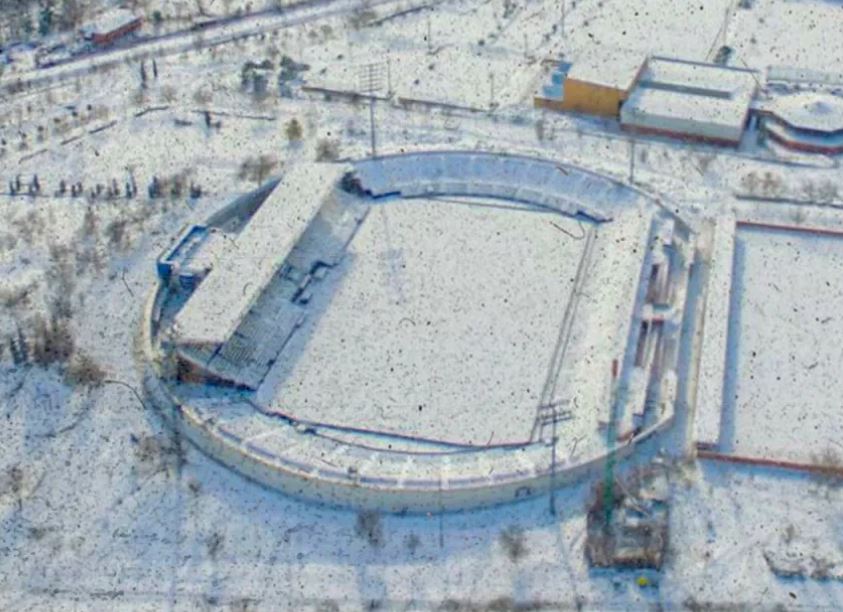
With the population booming, the club moved to a new ground on the southern edge of the town. The Campo Luis Rodríguez de Miguel was inaugurated on 24 April 1966 with a youth team game. The new ground was not exactly high-end architecture, consisting mostly of hard standing around a dirt pitch made up of sand and lime. It did have changing rooms at the northern end and a very short covered stand on the west side. It was here in the 1970s that the club began to build its reputation, returning to the Tercera for the 1977-78 season. Over the next decade, Leganés steadily improved its results, winning the Tercera title in 1985-86, but losing out to CD Lugo in the playoffs. A year later, a third-place finish was good enough to earn a place in the newly extended Segunda B.
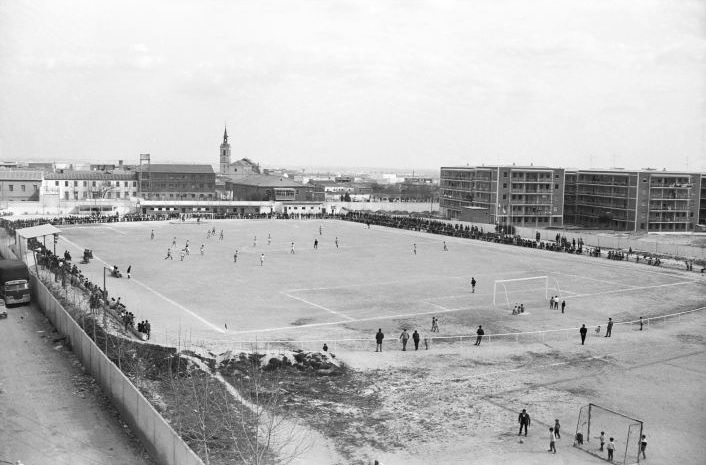
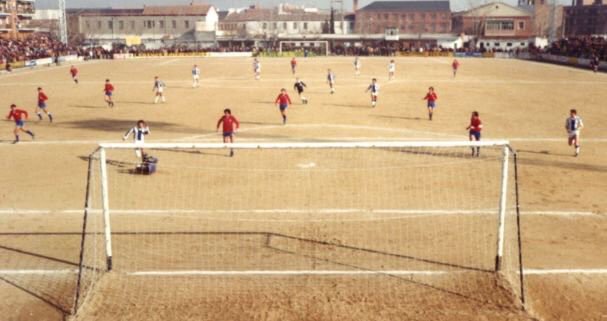

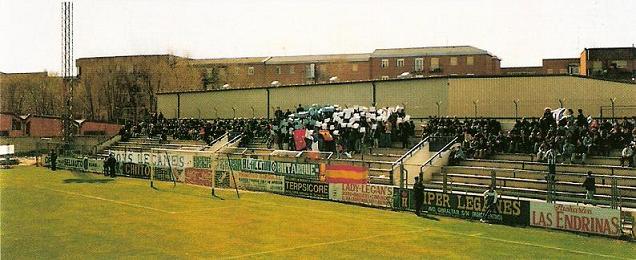
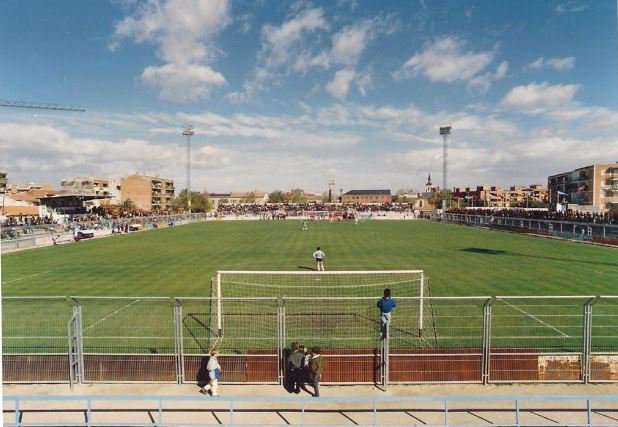
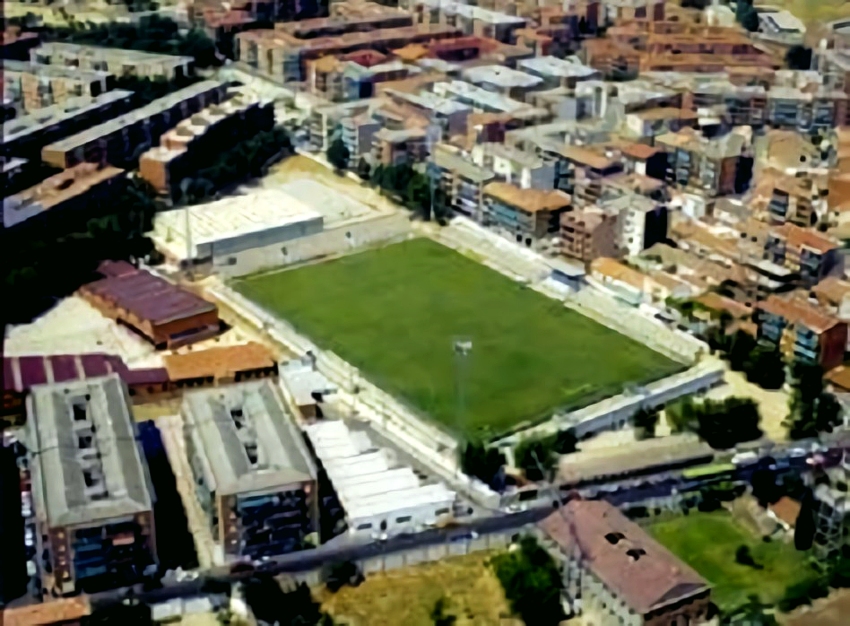
Leganés made a steady start to life in Segunda B, gradually improving season by season until they won Group I of Segunda B in the 1992-93 season. Leganés was drawn in a tough playoff group that featured Elche CF, CF Palencia & Xerez CD. An unbeaten record saw the club win the group and promotion to the second division. The Campo Luis Rodríguez de Miguel had seen improvements to the ground when the club was in the Tercera, which led to the east and west terraces being extended. Promotion to La Segunda necessitated further work, as the southern & northern ends were also terraced. At its peak, the Campo Luis Rodríguez de Miguel held 6,000. Over the next eleven seasons, Leganés played their football in La Segunda, finishing as high as eighth in the 1995-96 & 1996-97 seasons. On the back of these impressive final placings, the club and the municipality decided to build a new stadium to the north of the town. The Campo Luis Rodríguez de Miguel saw its last competitive match on 1 February 1998 when Leganés lost 1-2 to CD Ourense, thanks to the last-minute goal by former Manchester United player Mark Robins. The site of the old stadium is now occupied by the town’s new Plaza Mayor and plush modern apartments.
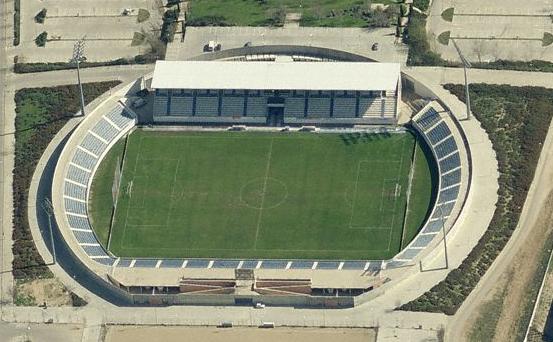
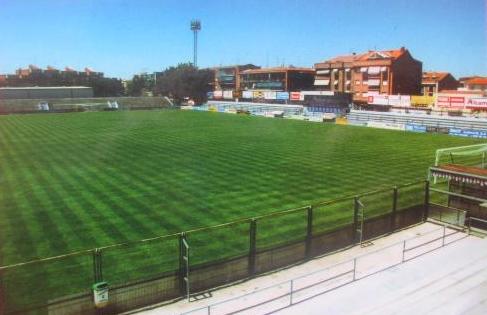
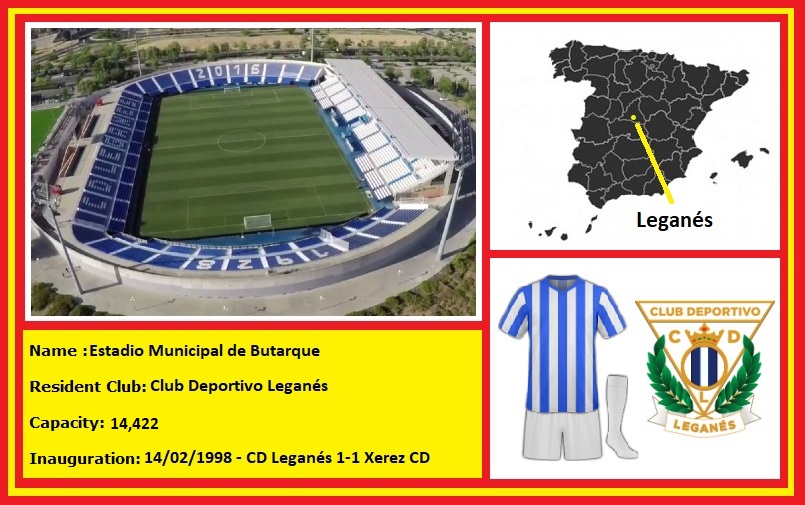
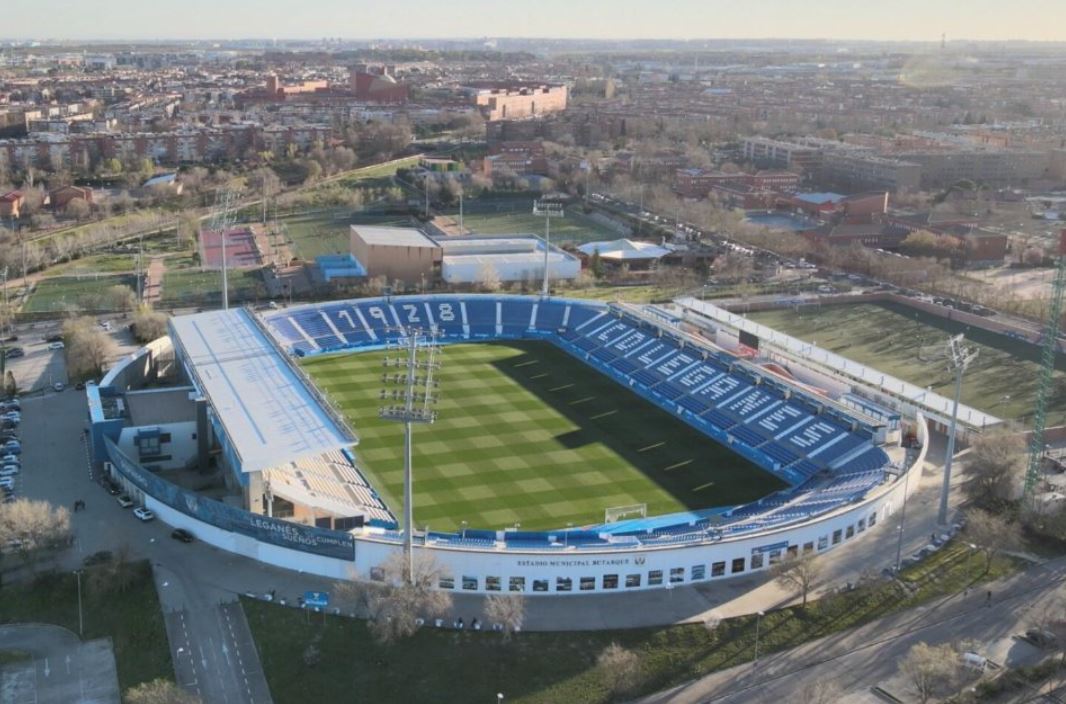
On 14 February 1998, Leganés hosted Xerez CD in the first match at the new Estadio Municipal de Butarque. The match ended 1-1, and the club saw out the season with patchy home form, finally finishing in 13th position. In truth, the move to the stadium had come a few seasons too late. Leganés had peaked, and over the following six seasons, they struggled to maintain their place in the second tier. In fact, the club earned a reprieve at the end of the 1992-93 season, despite finishing in the relegation zone. SD Compostela’s demotion due to unpaid debts saw Leganés retain their place in La Segunda. There would be no reprieve a year later, as the club dropped back to Segunda B. A decade in the doldrums finally came to an end in May 2014, when Leganés won promotion back to La Segunda. A respectable 10th place was earned at the end of the 2014-15 season, before history was made in June 2016, when Leganés finished runners-up in La Segunda to earn promotion to La Primera.
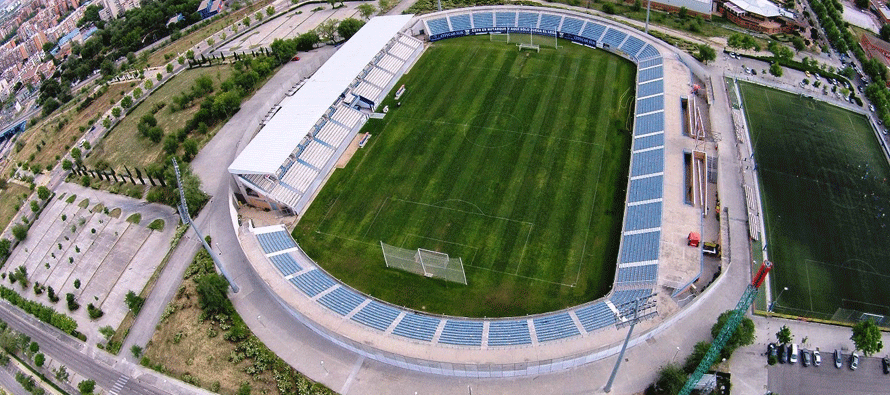
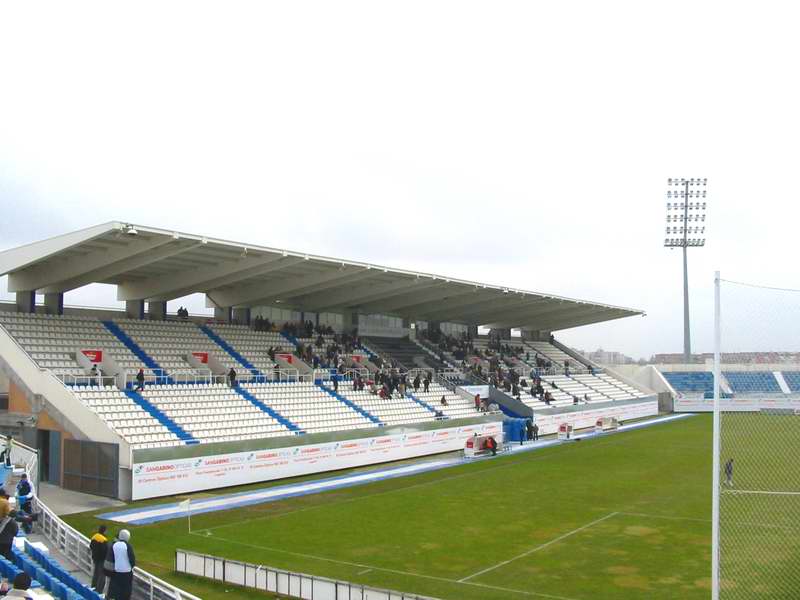
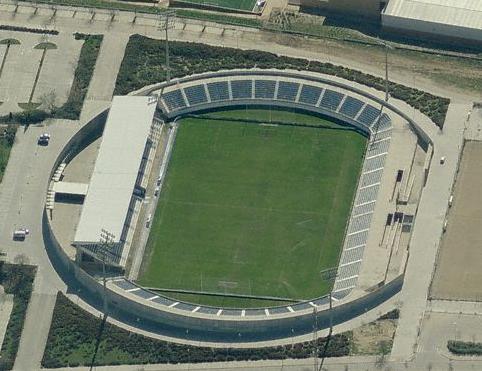
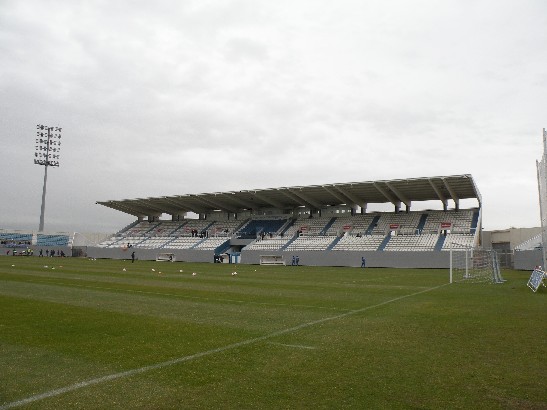
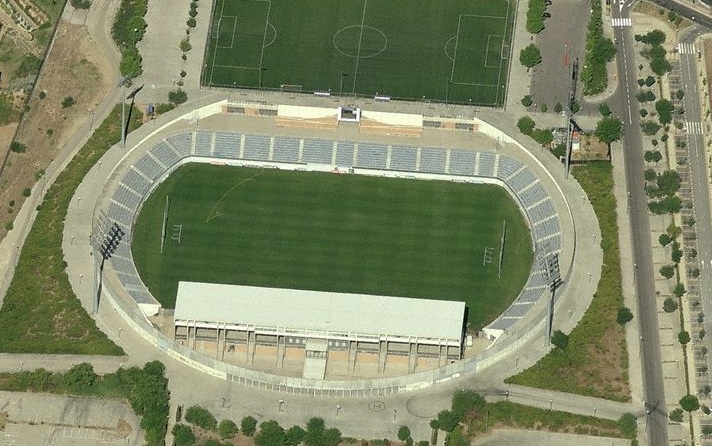
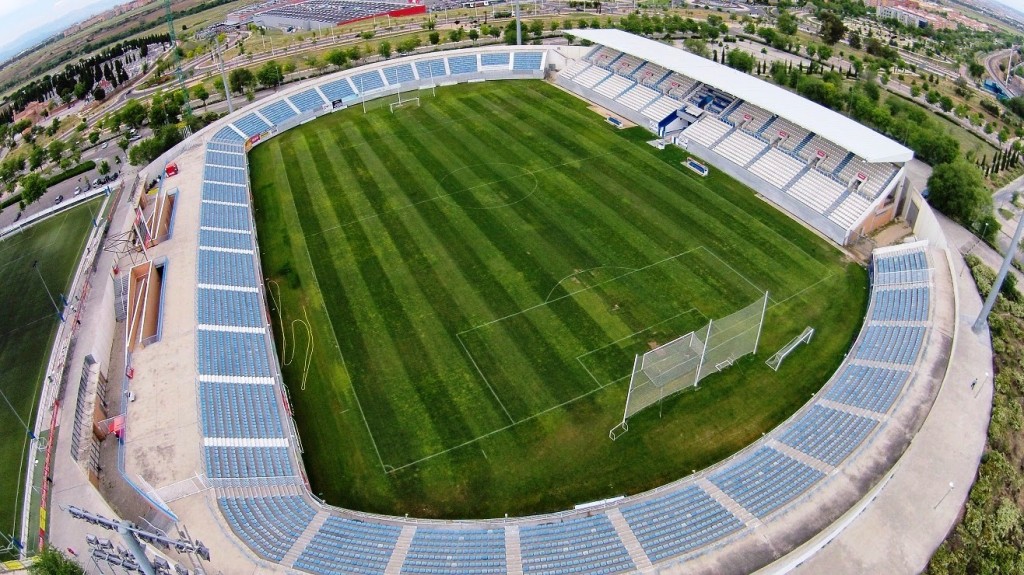
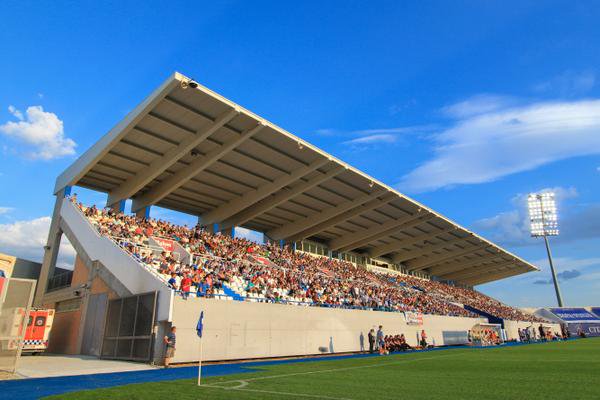
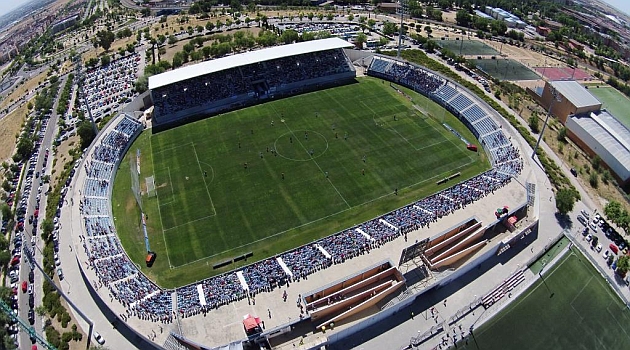
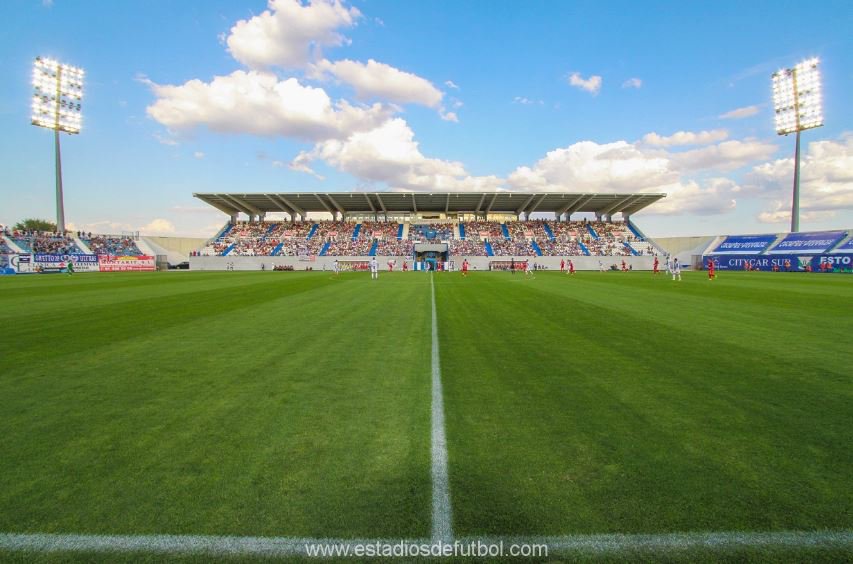
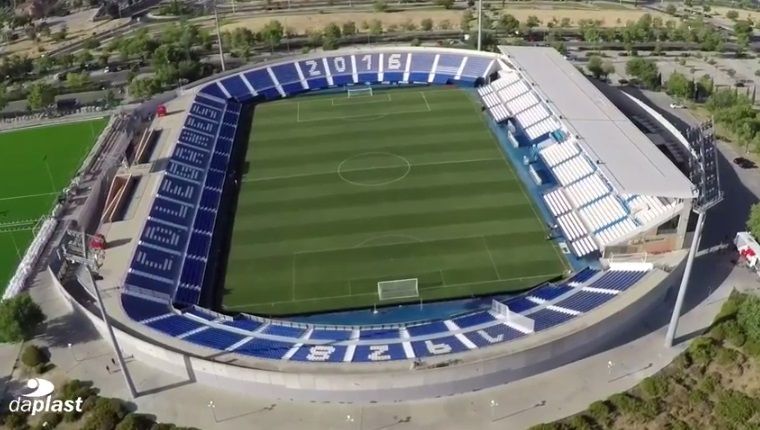
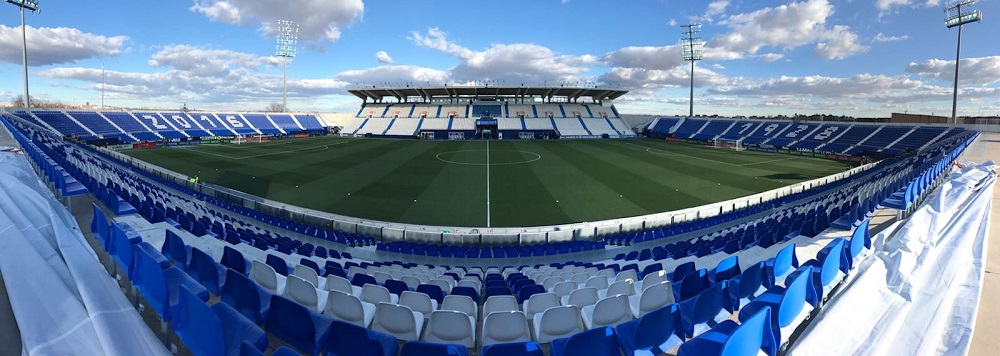
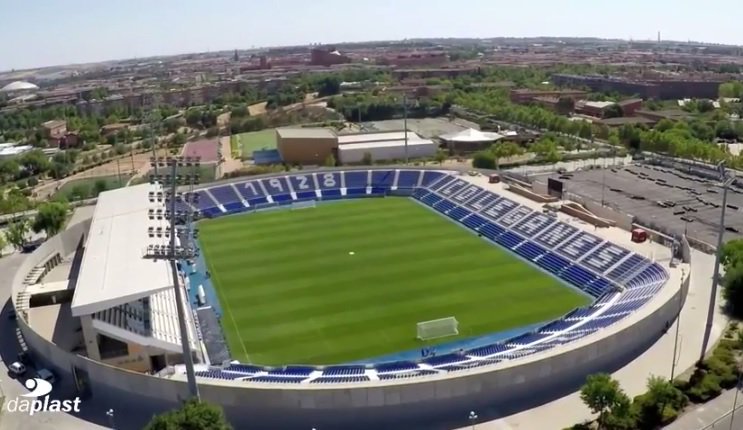
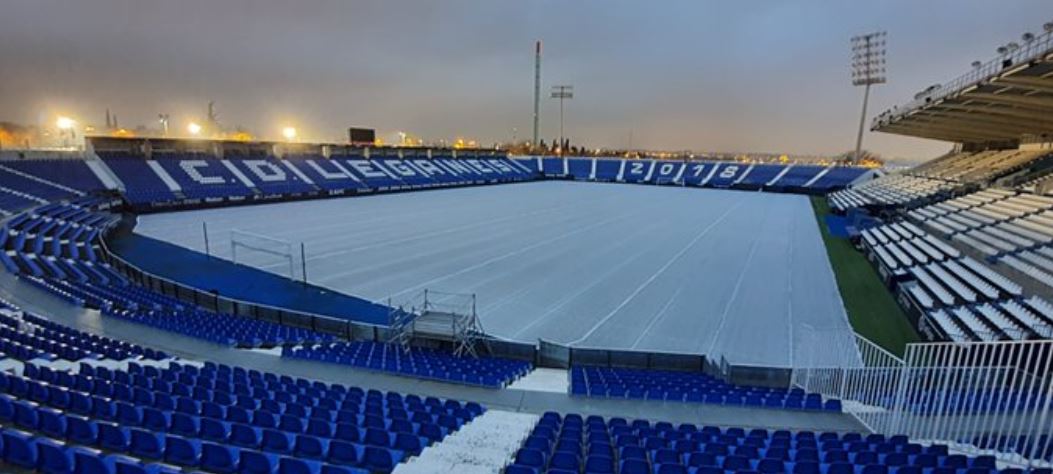
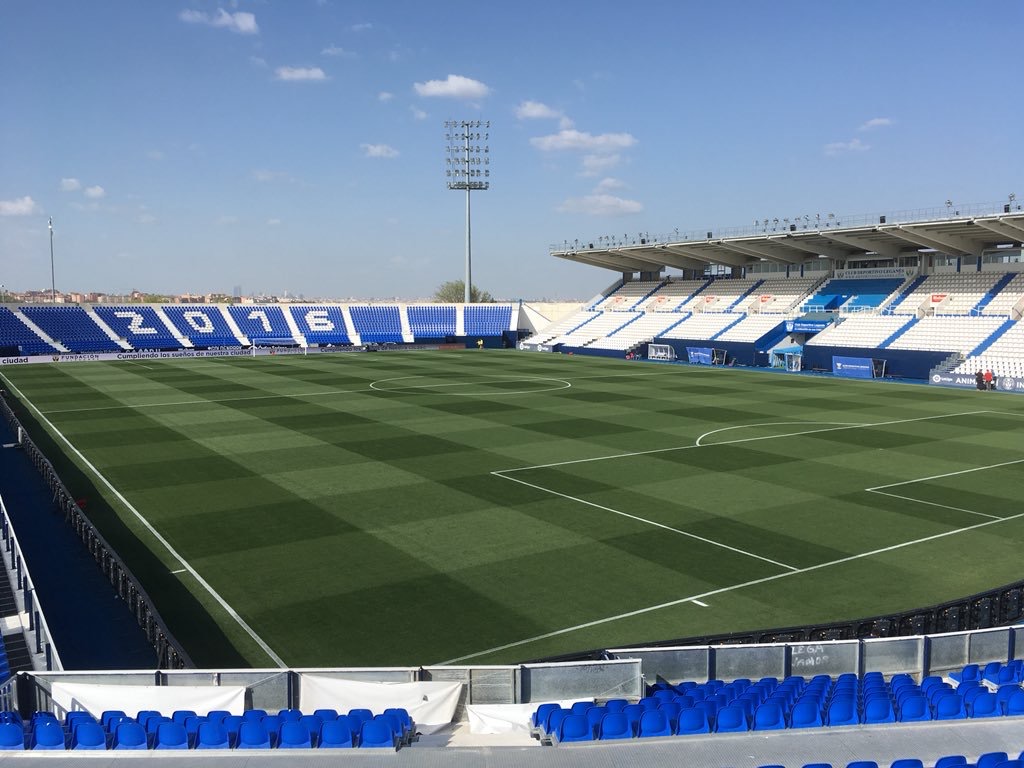
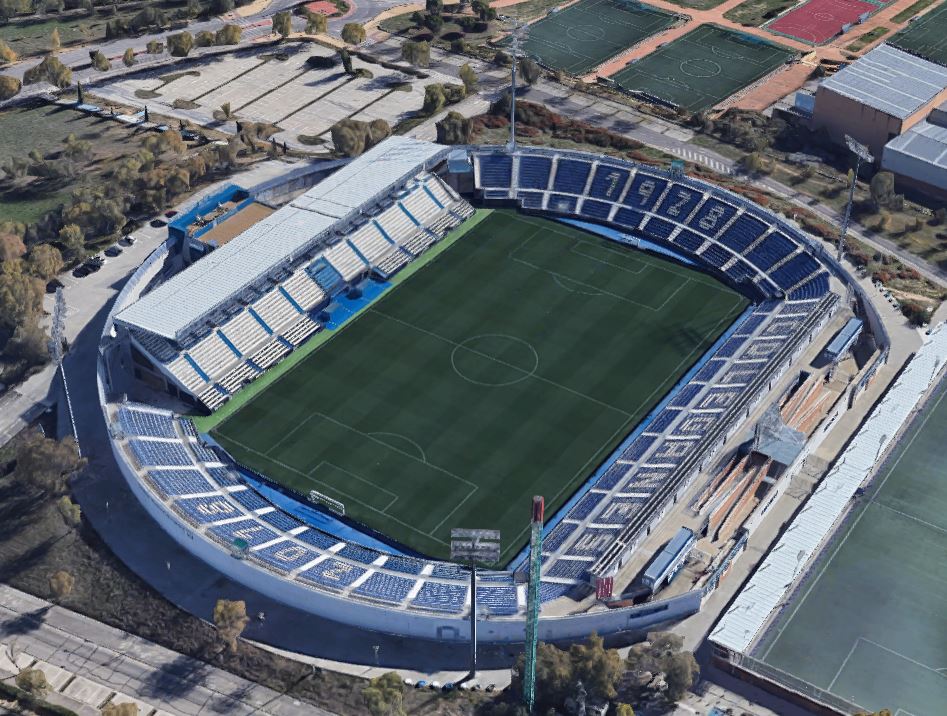
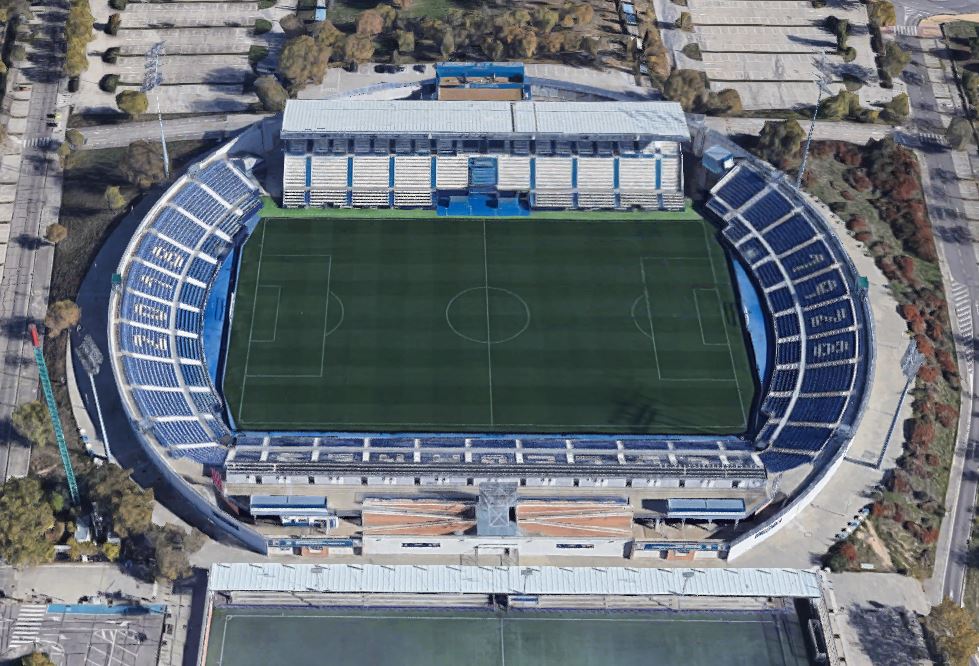
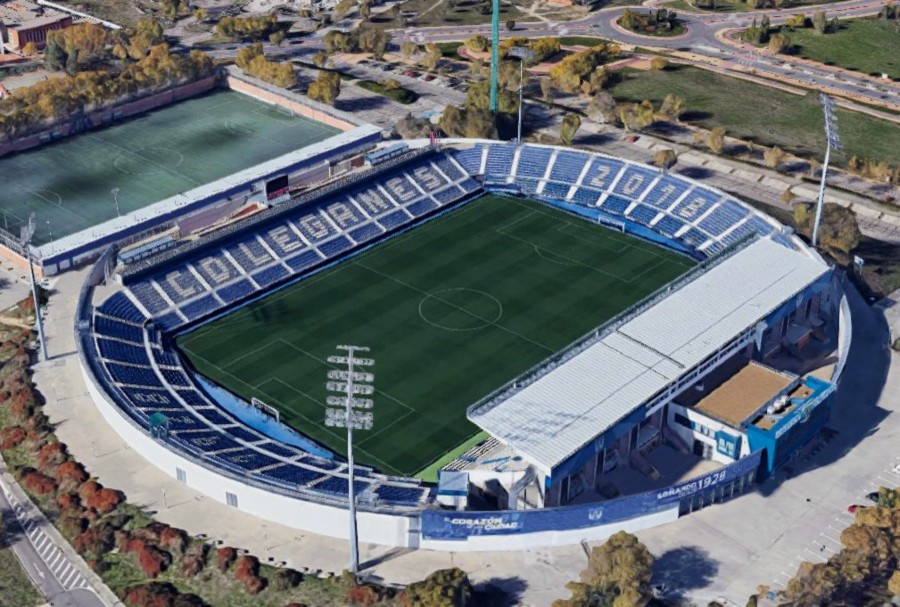
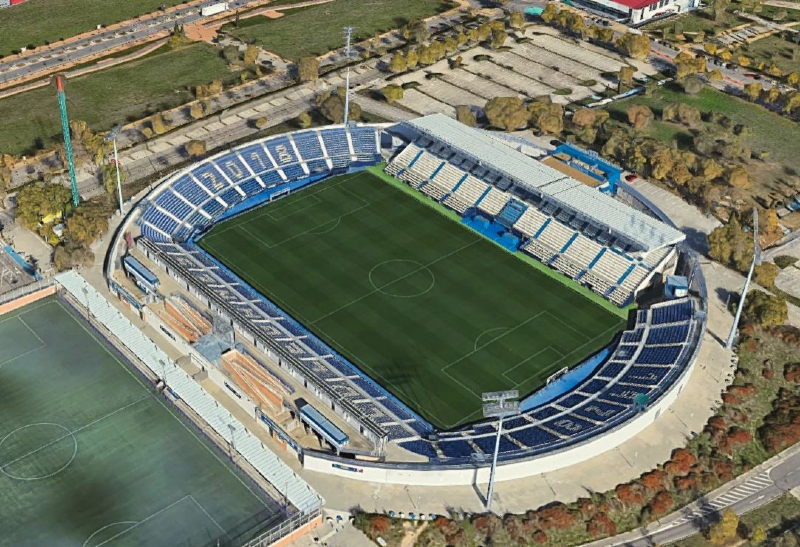
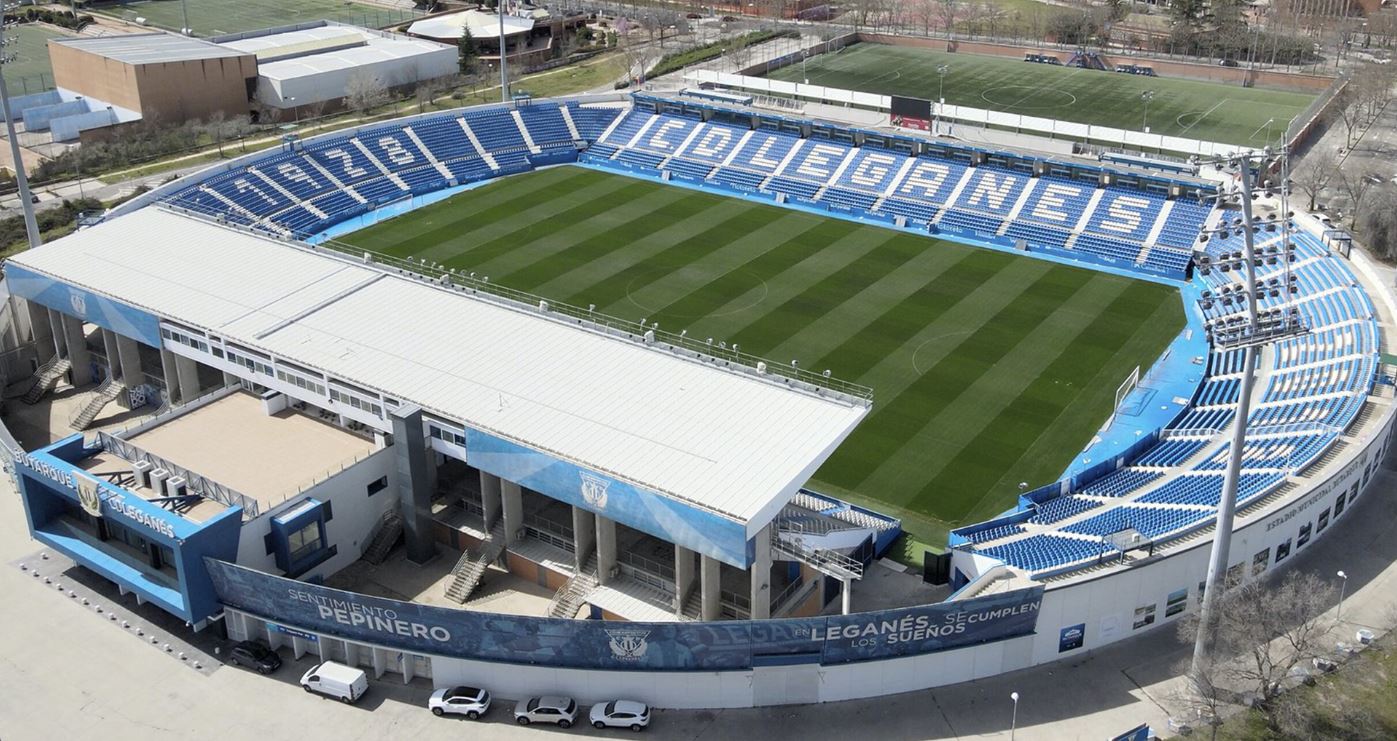
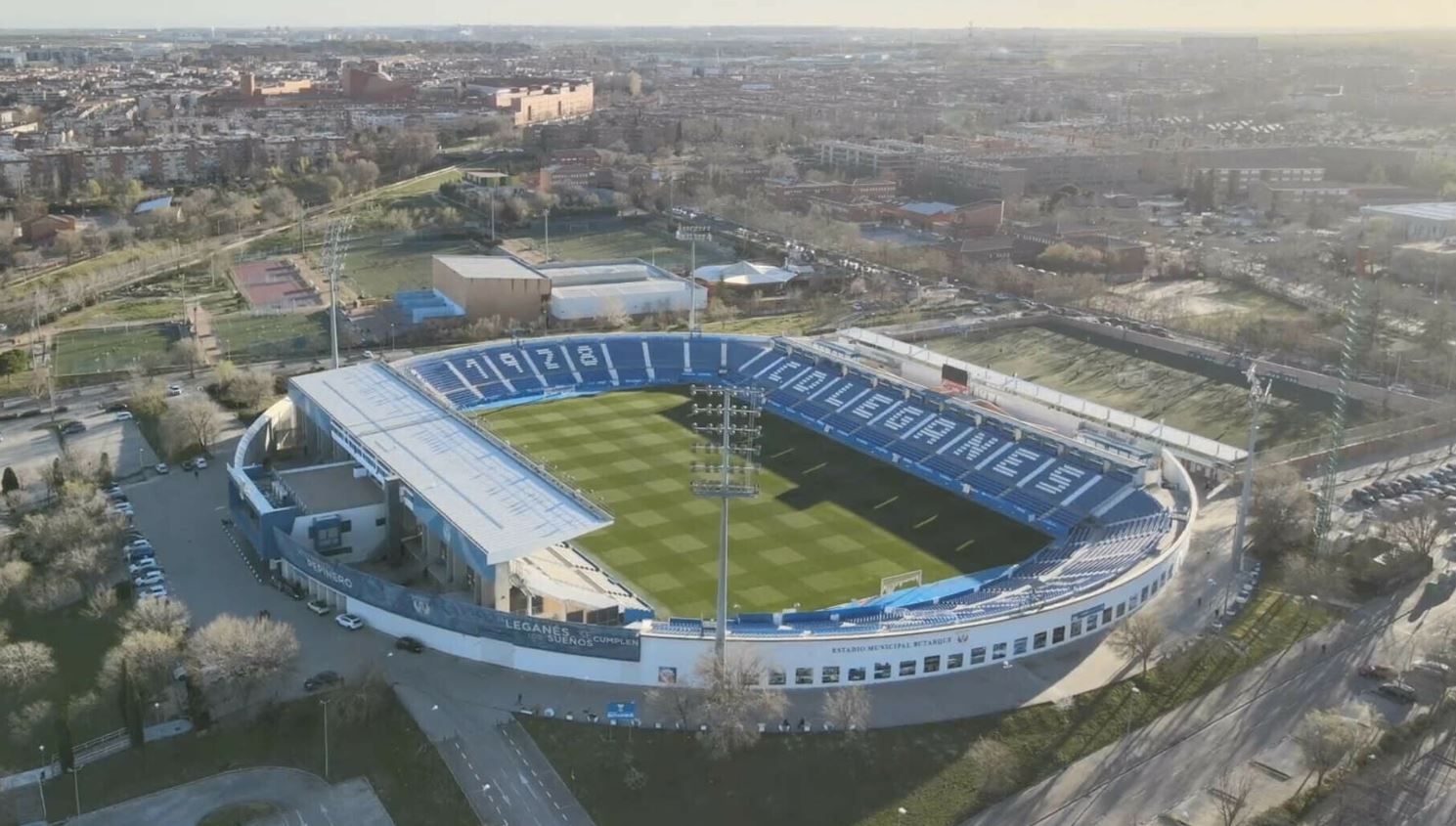
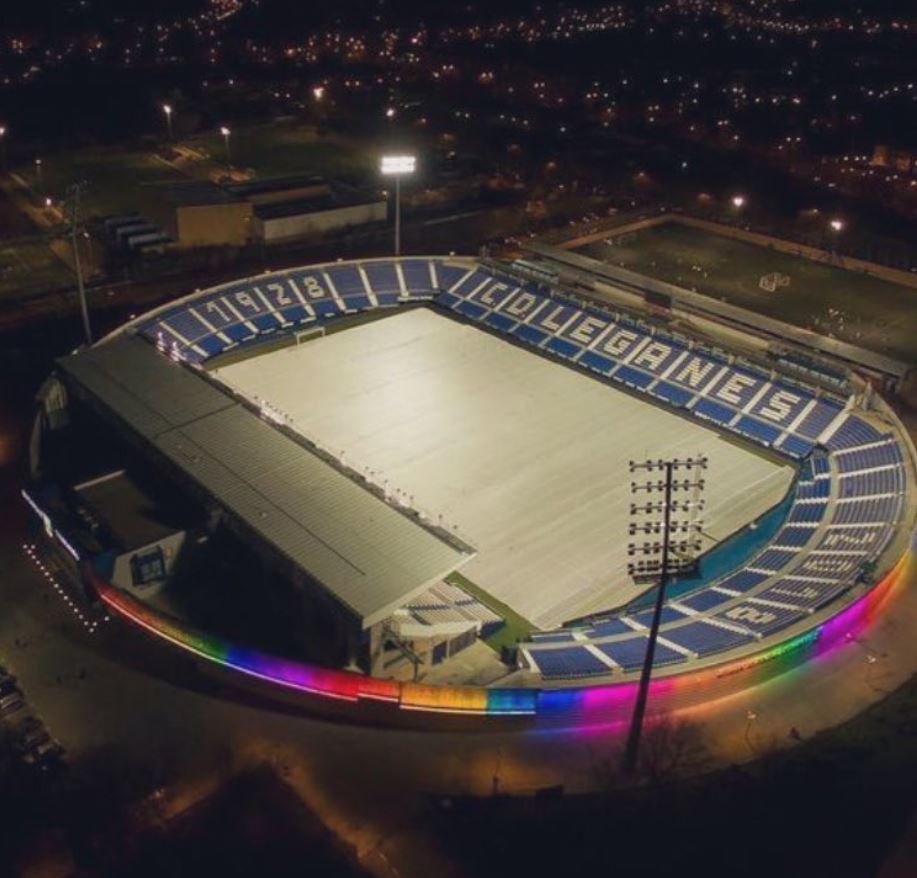
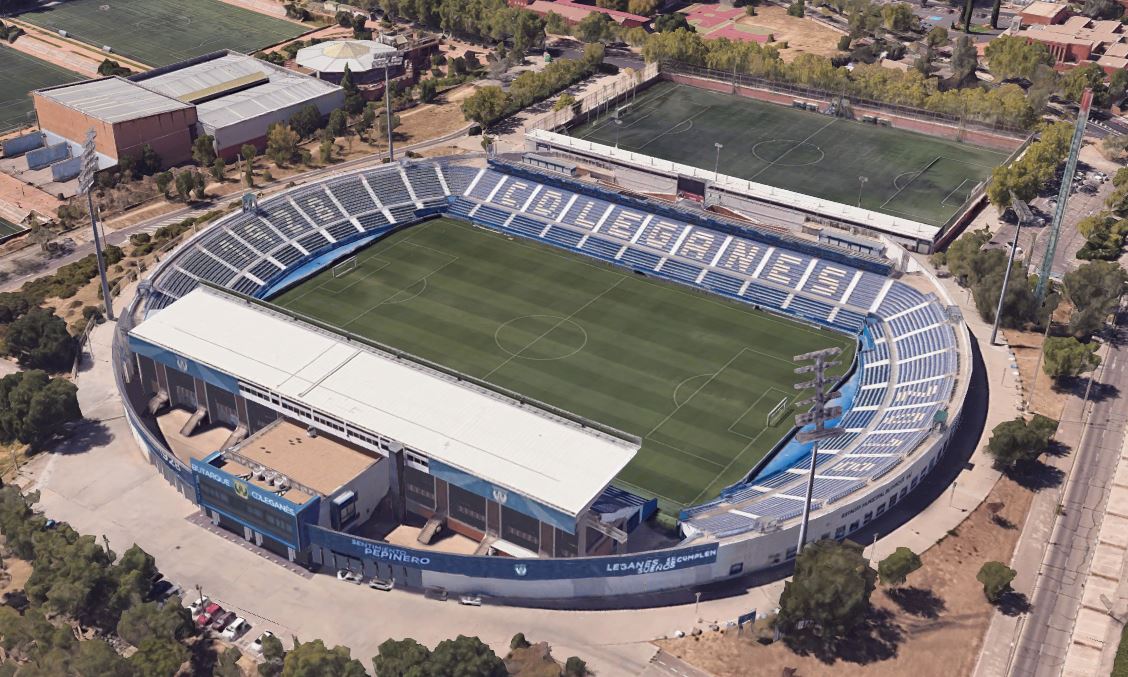
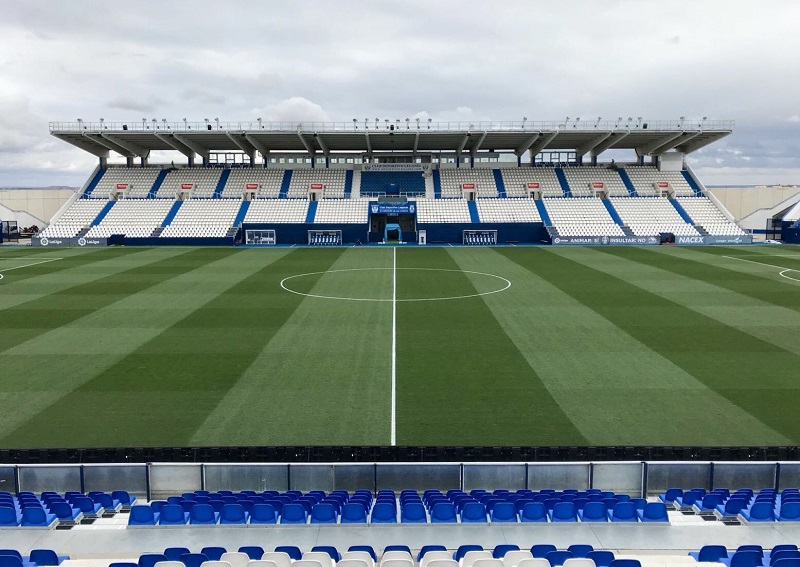
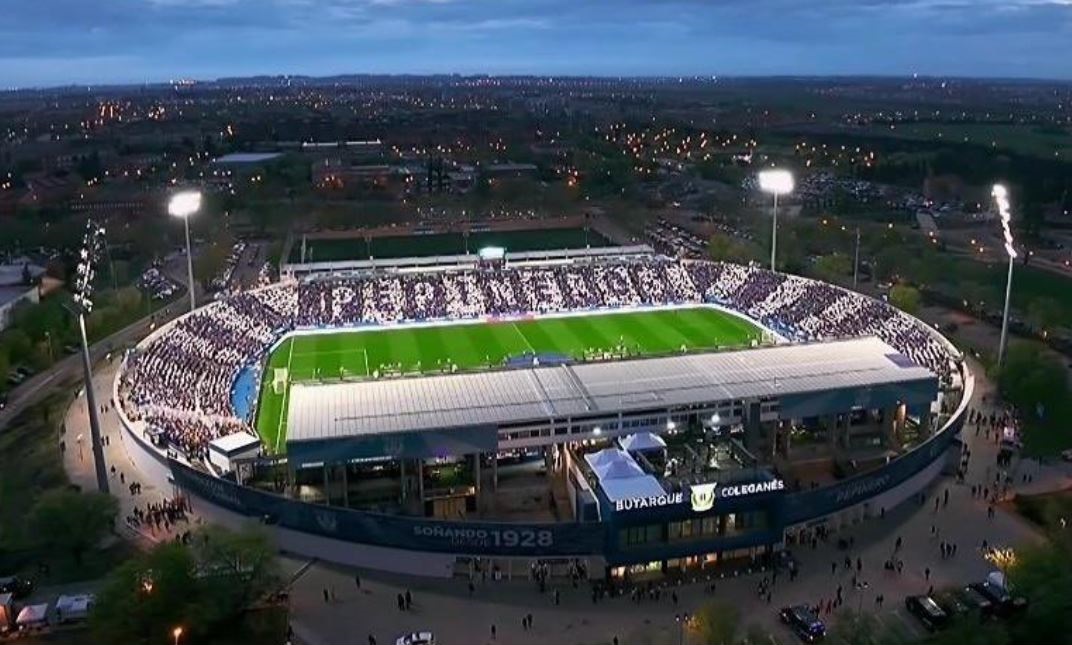
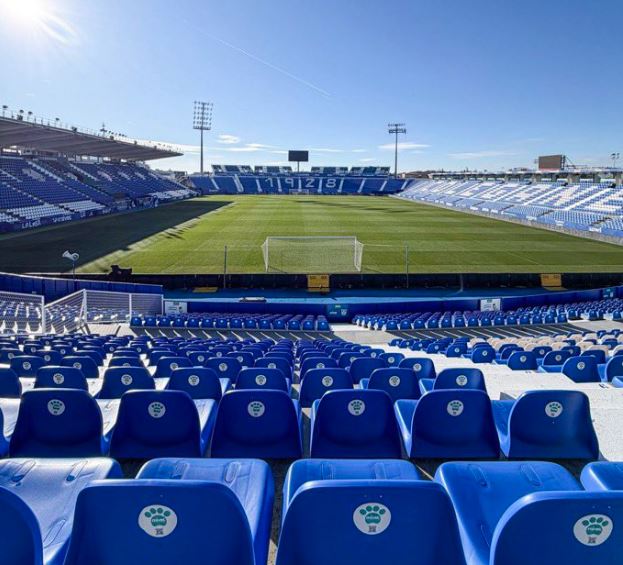
Butarque was designed by Y León Consultant Architects in 1994 following a commission from the local municipality. The stadium forms the centrepiece of a sports development and is bright, if a little formulaic. That might sound harsh, but a year later, the Andalucian town of Algeciras opened a carbon copy of Butarque. Both stadiums featured a single tier of raised seating and a high cantilevered roof over the western side of the ground. When completed, Butarque had the edge on capacity, with 8158 blue & white seats placed around the playing surface in an oval configuration. Smart, functional and bigger than the old Campo Luis Rodríguez de Miguel. Promotion to La Primera saw the capacity of Butarque extended. The existing raised tier of seating gained a lower section, consisting of five rows. The extensions were made up of pre-fabricated units, similar to those used to fill the corners at Granada’s Estadio Nuevo Los Cármenes. This ring of additional seats raised the capacity to a respectable 10,958. Further work to add a ring of 1,500 seats at the rear of the open stands began in the summer of 2018, bringing the total to 12,454 seats.
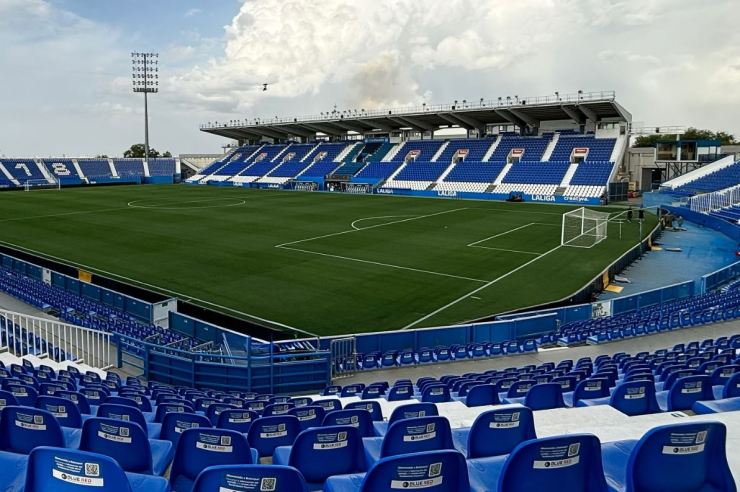
Leganés’ initial stay in La Primera lasted four seasons, with it coming to an end behind closed doors during the COVID-19 pandemic. There followed four seasons in the second tier before their first Segunda title was earned at the end of the 2023-24 season. It was a fleeting visit as the club dropped back to the second tier after just one season. That didn’t stop the expansion of Butarque, for in January 2026, a semi-circle of modular seats was added to the rear of the northern end of the ground, taking the current capacity to 14,422. With these visits to La Primera, Leganés has proven that, like SD Eibar, Girona FC, and neighbours Getafe CF, with sensible planning, one can survive in the top tier on small attendances & a minuscule budget.


Links:
 Estadios de España