
When Real Sociedad moved to Anoeta in 1993, the culture change must have been immense. It was not just a mile or so to the south from the centre of this beautiful coastal city, but a world away from the intense and claustrophobic surroundings of Atotxa. The Penas and Ultras, who had been used to standing less than five feet from the goal-mouth action, were now up to 50 metres away.
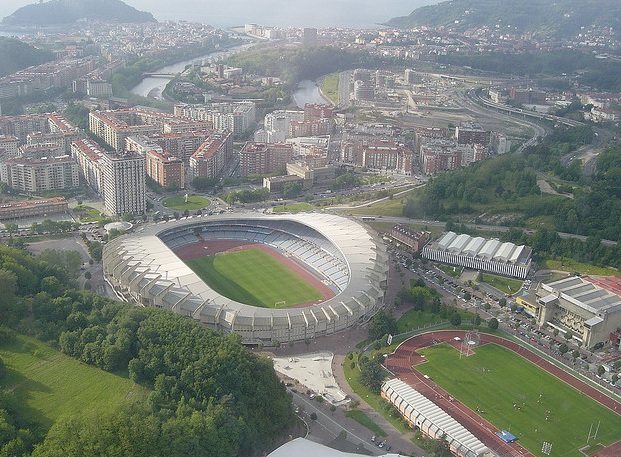
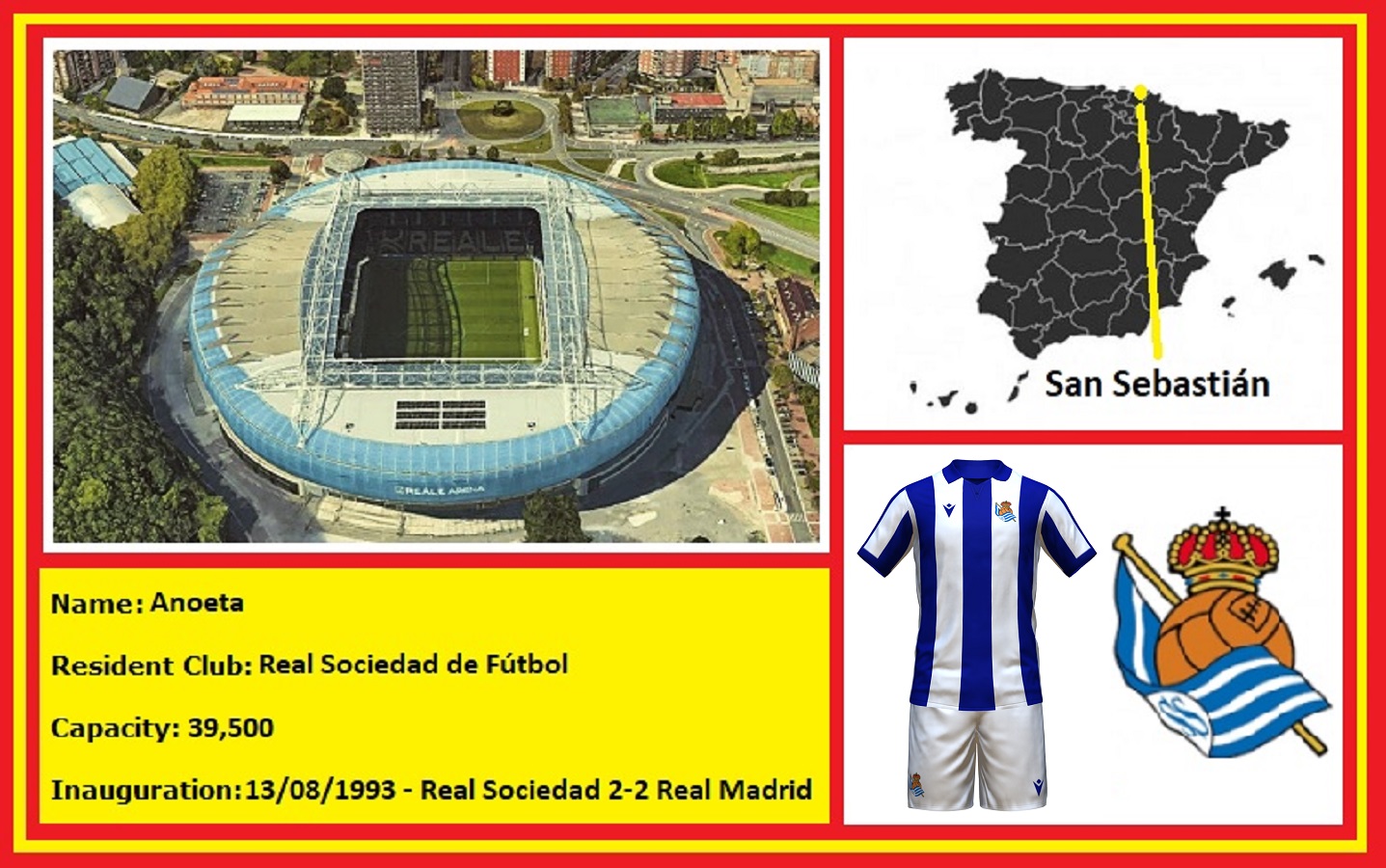
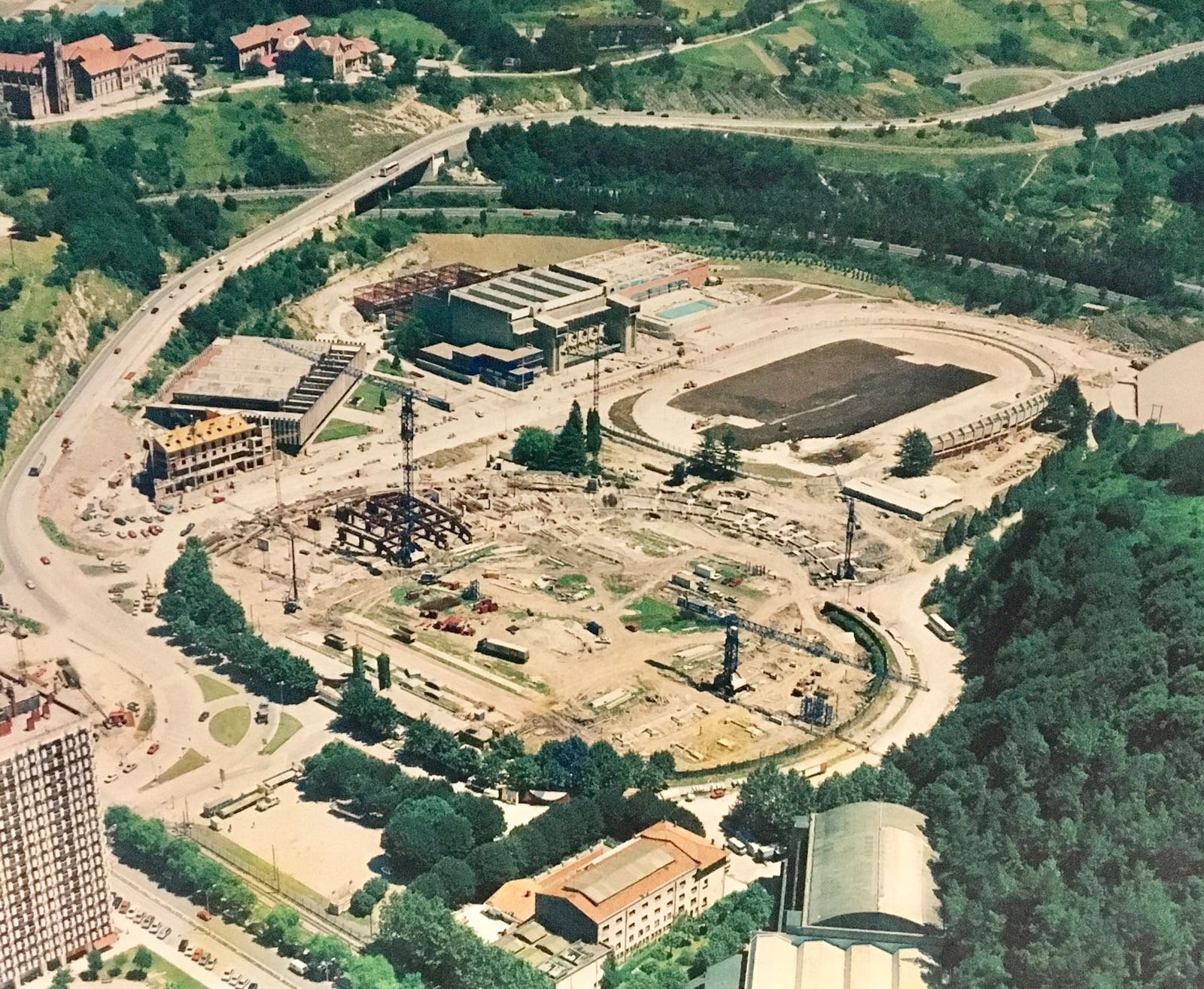
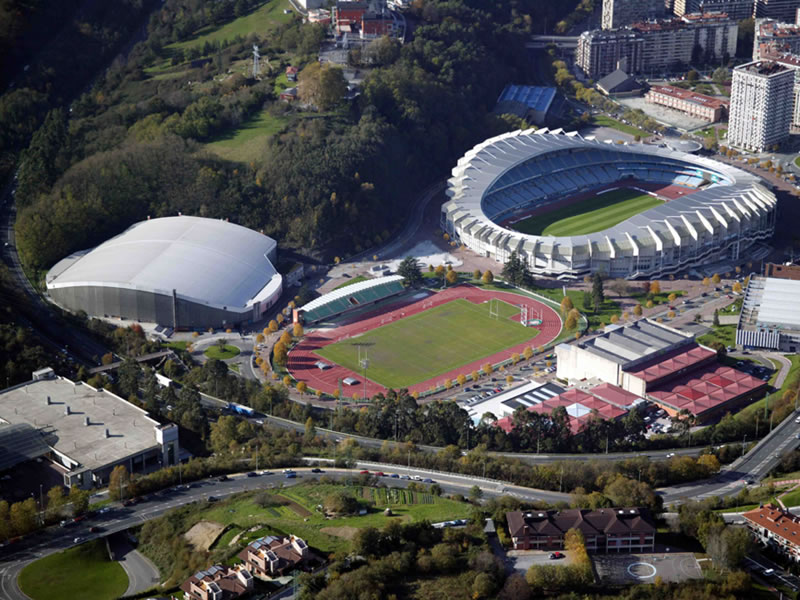
Work started on the construction of Anoeta in late 1990, on the site of the city’s old municipal athletics stadium, which had originally opened in 1950. The budget for the build was the equivalent of €21m, and the original specification had a capacity of 29,000 seats spread over two undulating tiers. It was inaugurated on 29 June 1993 with the opening of the European Junior Athletics Championships and saw its first football match, a friendly between Real Sociedad and Real Madrid, on 13 August 1993. The north and south ends of the ground were developed further in 1998, with the addition of a shallow extra tier between the existing two levels.
Results at home in that first season were better than the last season at Atotxa, but to be honest “La Real” was already a team in decline. Since moving to the new stadium, Real Sociedad has achieved just two podium finishes, third in 1997-98 and second in 2002-03. The decline cannot be wholly attributed to the move to Anoeta. Since the introduction of the Champions League and individually negotiated TV rights for teams in La Liga, it has become even harder for mid-ranking teams from smaller cities (San Sebatián has 185,000 inhabitants) to compete. Then in 2007, La Real was relegated from La Primera for the first time in 40 years, and it took them 3 attempts to get back. Normality appears to have been restored, as Real Sociedad have clocked up multiple top-ten finishes since their return to the top flight in 2010.
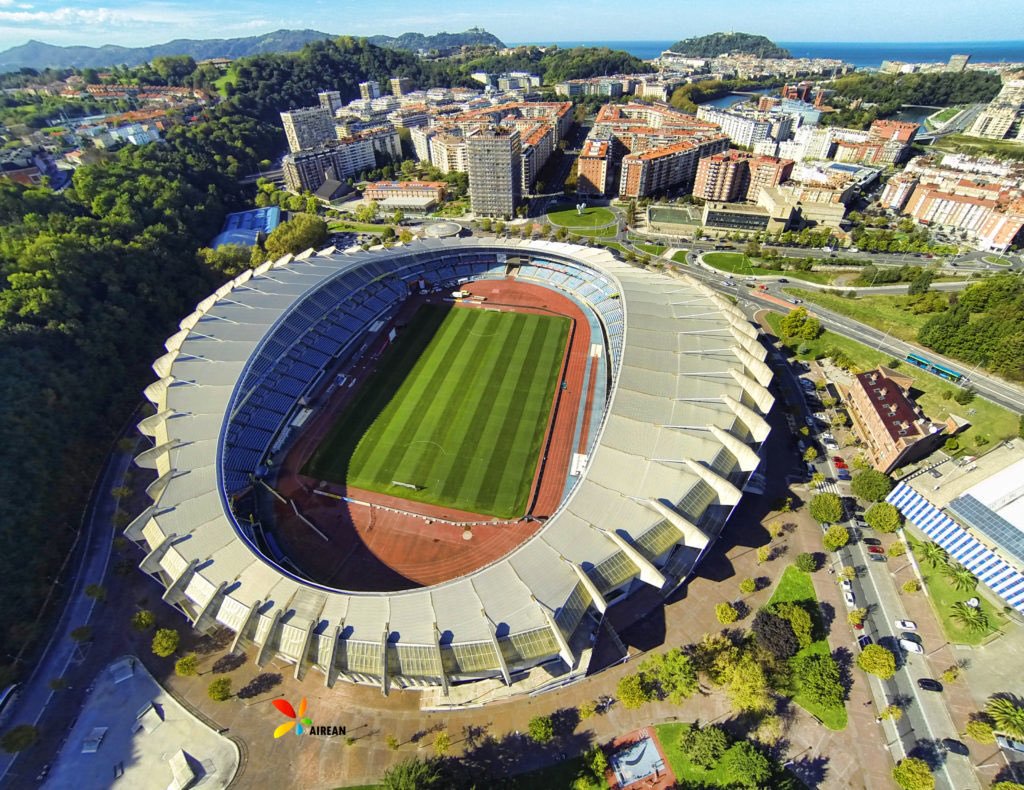
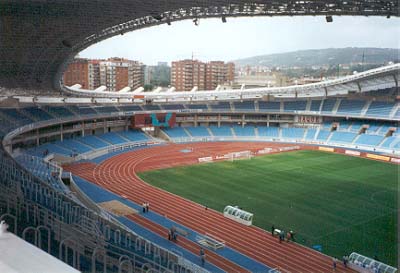
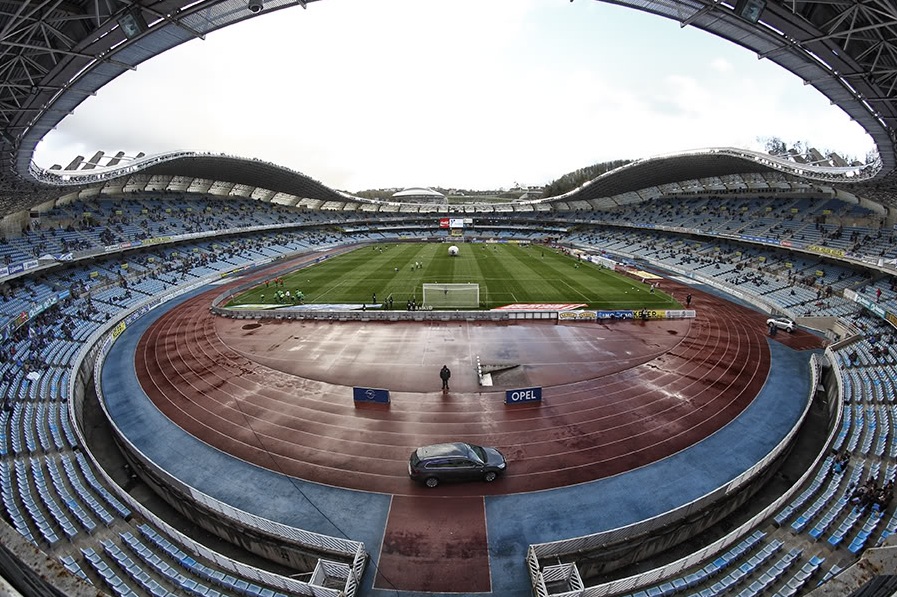
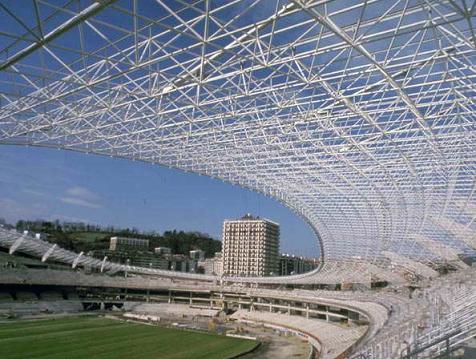
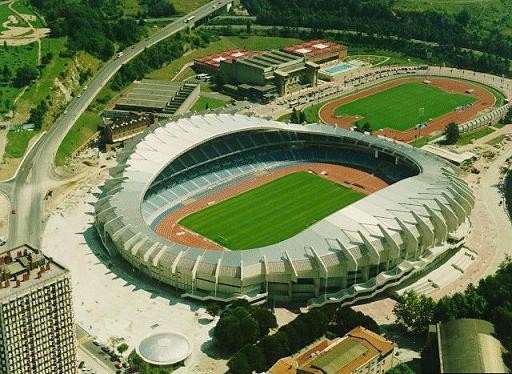
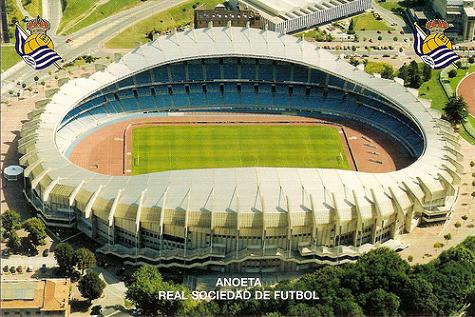
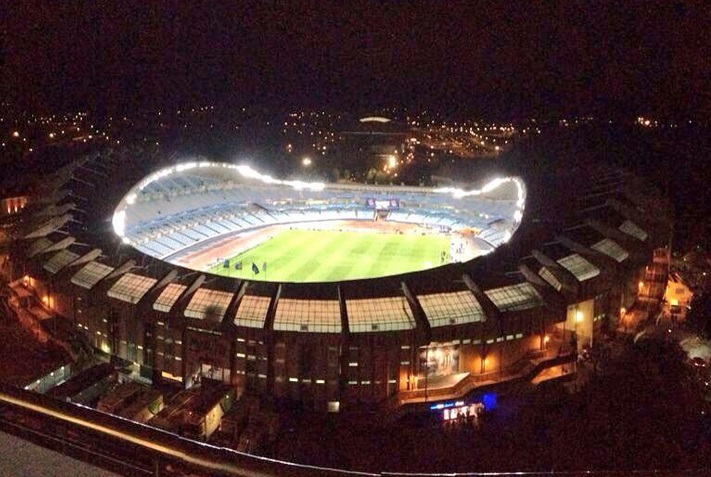
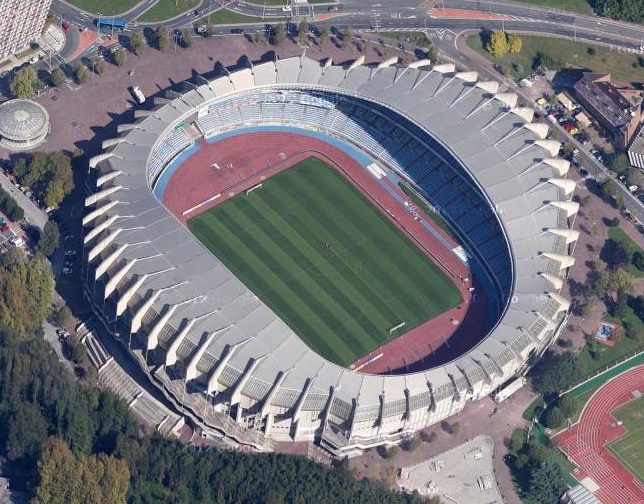
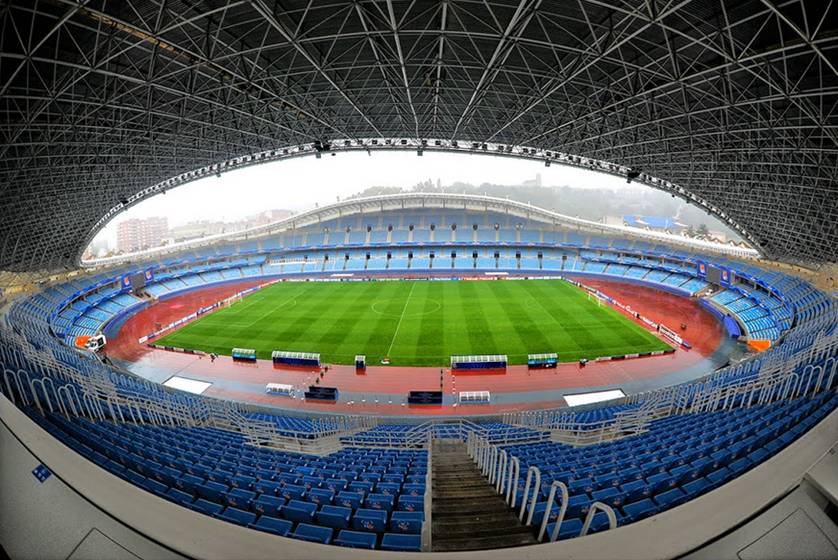
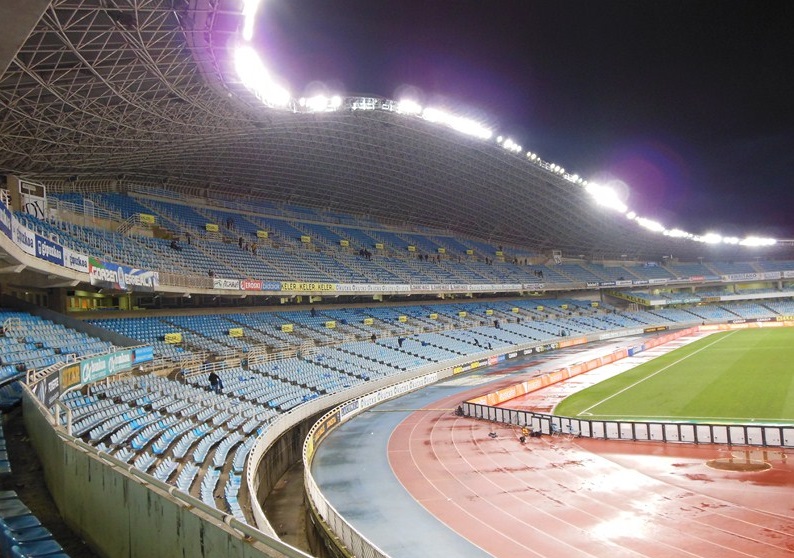
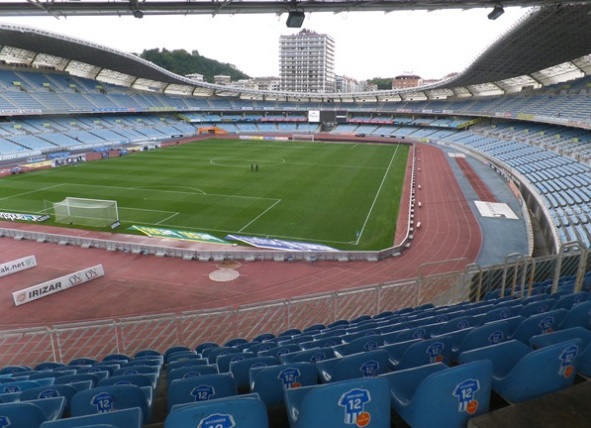
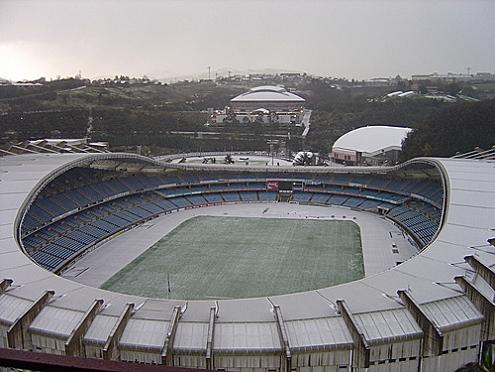
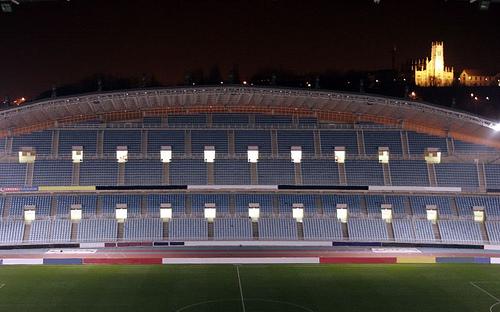
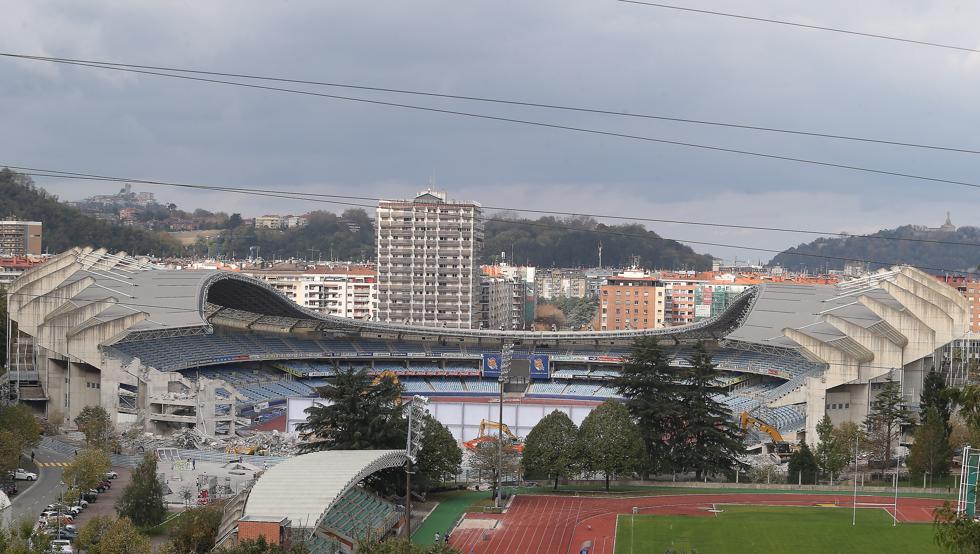
Anoeta shares a large part of its DNA with Roger Taillibert’s iconic design for the Parc des Princes in Paris and is, in effect, a smaller version of the Olympic Stadium in Seoul. I am sure it worked well as an athletics venue, but I don’t recall any major championships being held here. It has held the ubiquitous stadium concerts from U2/Rolling Stones/Springsteen and Rugby has featured with Bayonne and Biarritz popping over the border from France. Owned by the Municipality, Anoeta had a peak capacity only slightly larger than Atotxa, standing at 32,076. However, all-seater regulations introduced in the mid-1990s saw capacity drop to 26,000. The roof undulated and peaked on each side of the pitch, under which were large two-tiers of seating. These swept away to the lower ends, which included between their two tiers, a third mezzanine level. It did look attractive and weathered surprisingly well, but it was still an athletics stadium with a football pitch in the middle.
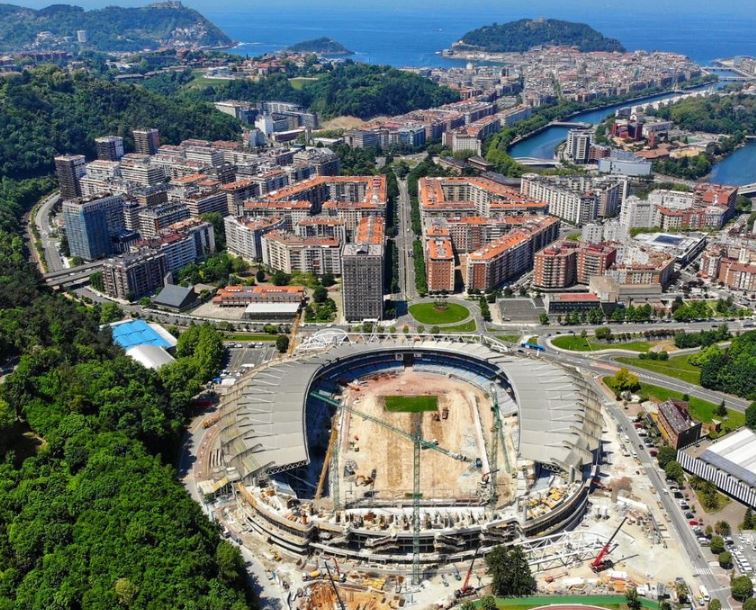
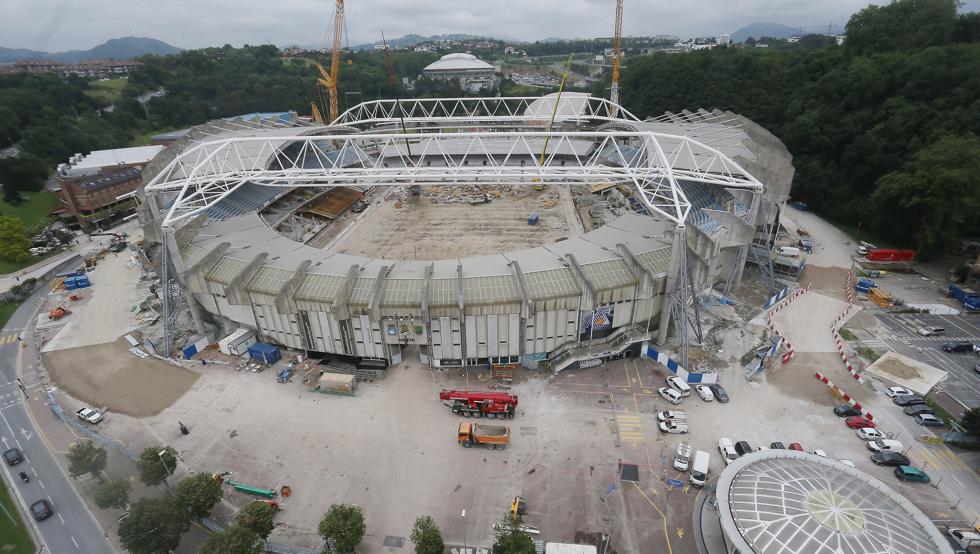
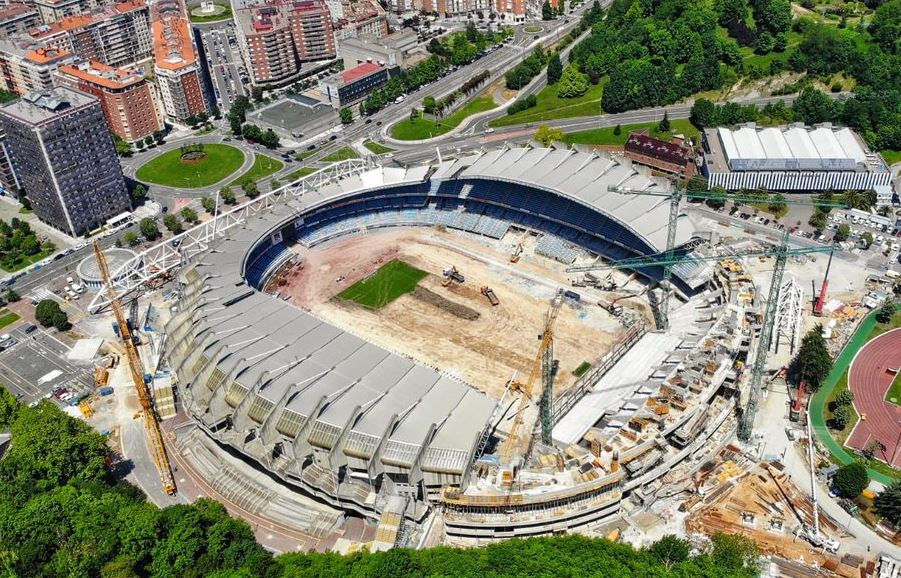
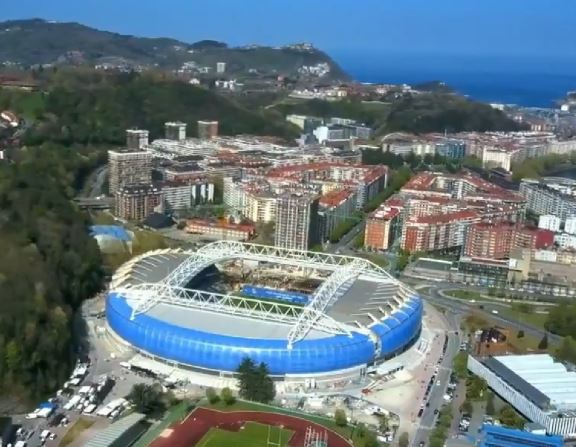
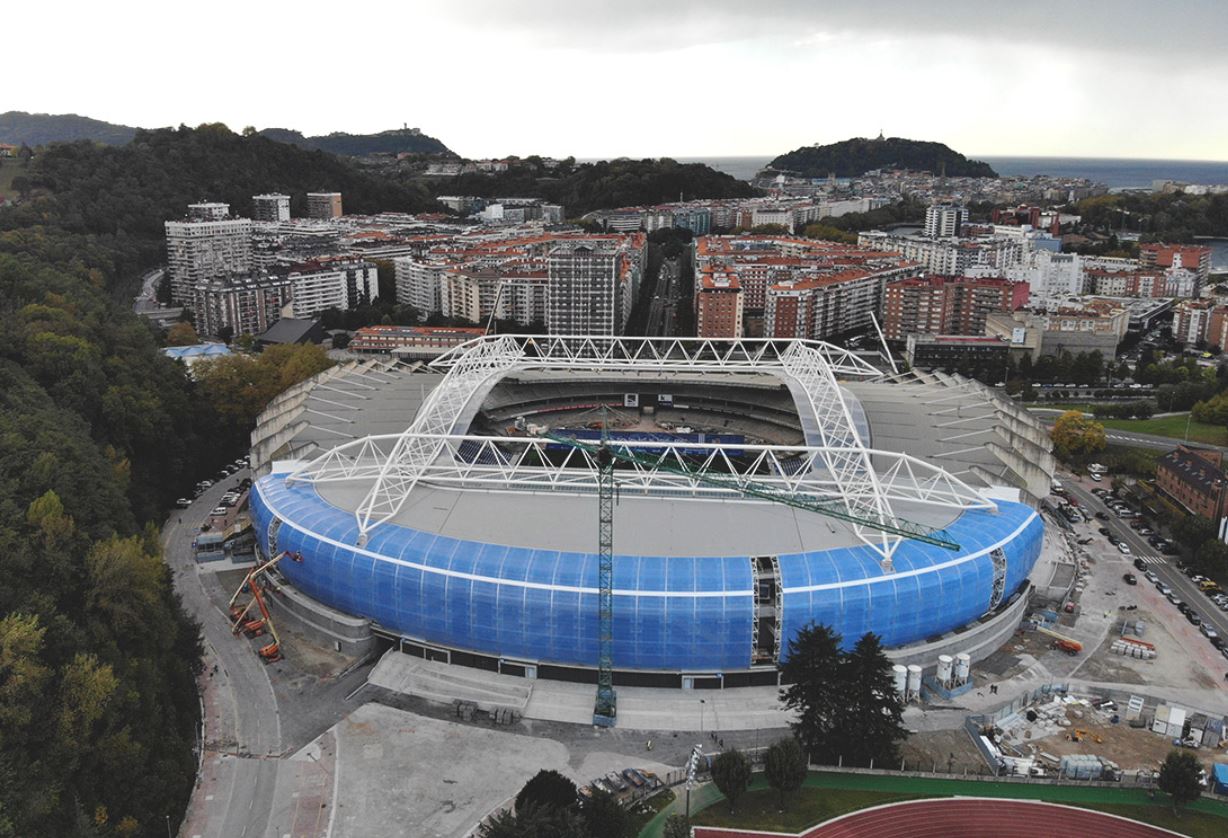
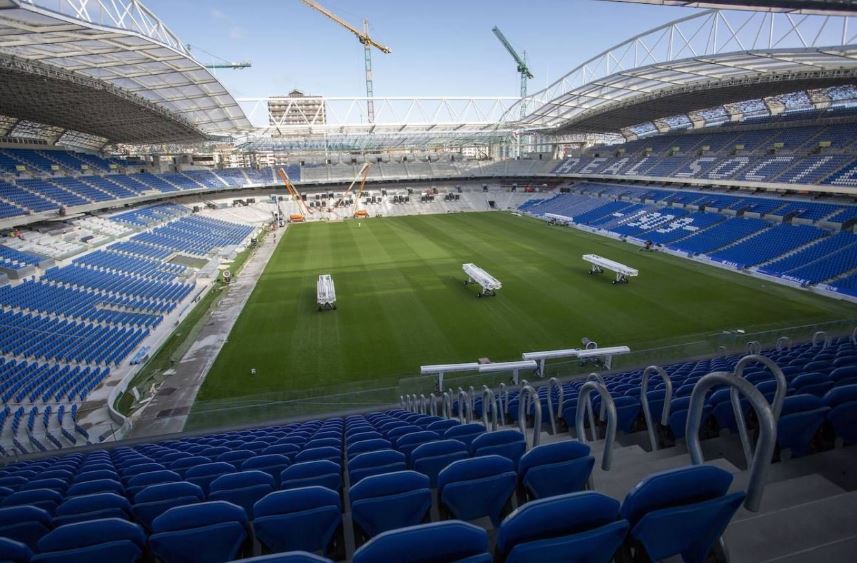
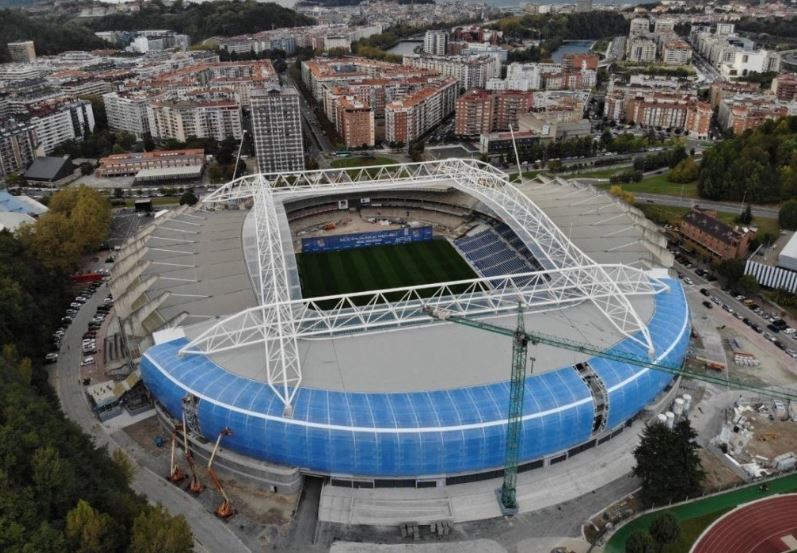
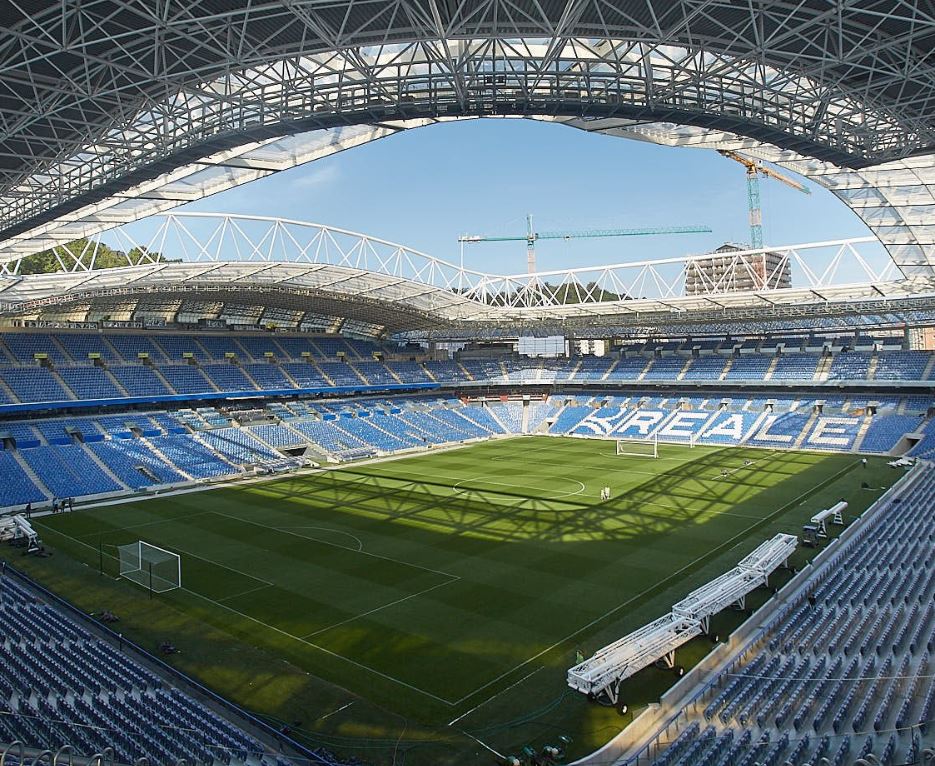
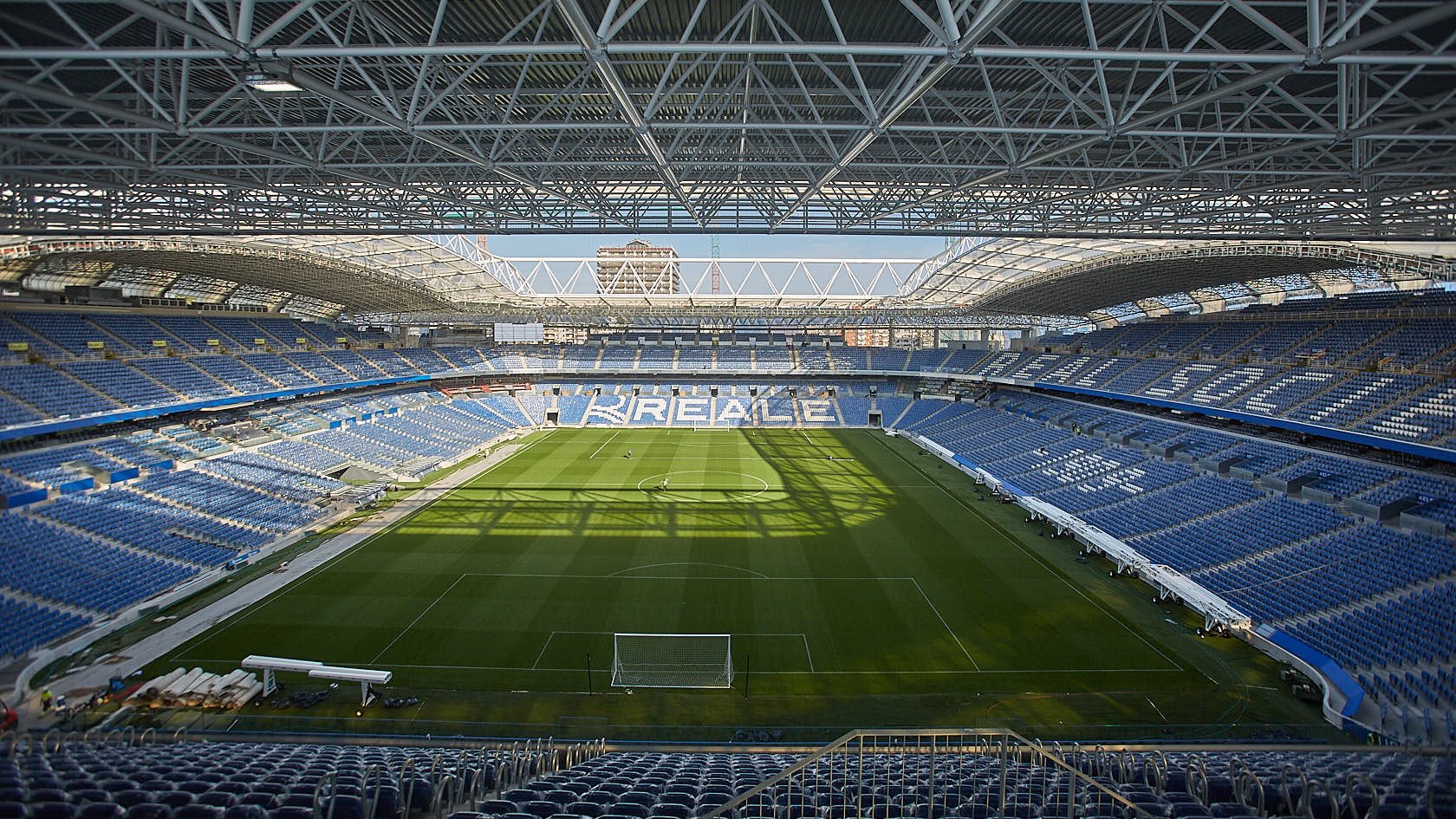
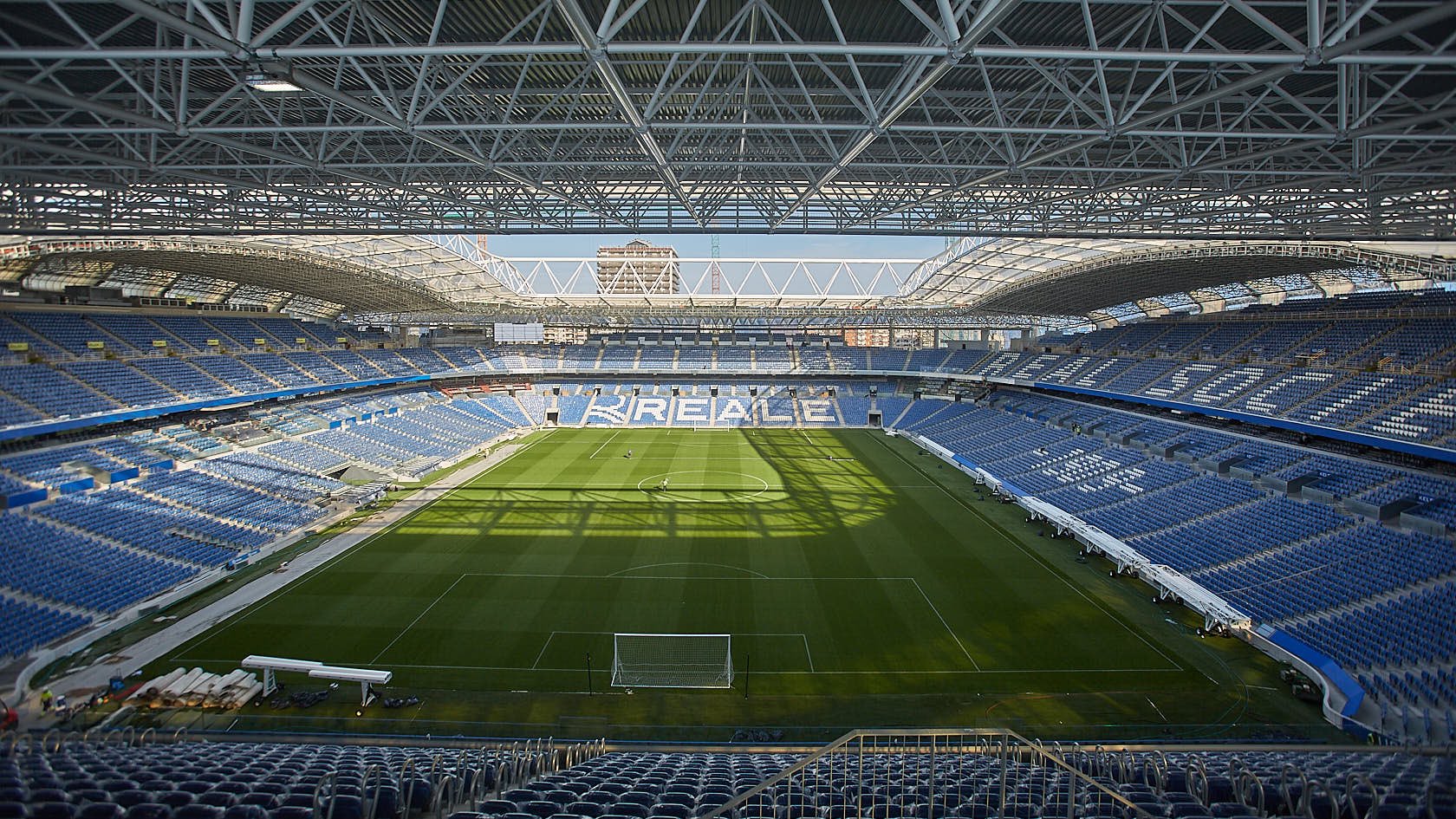
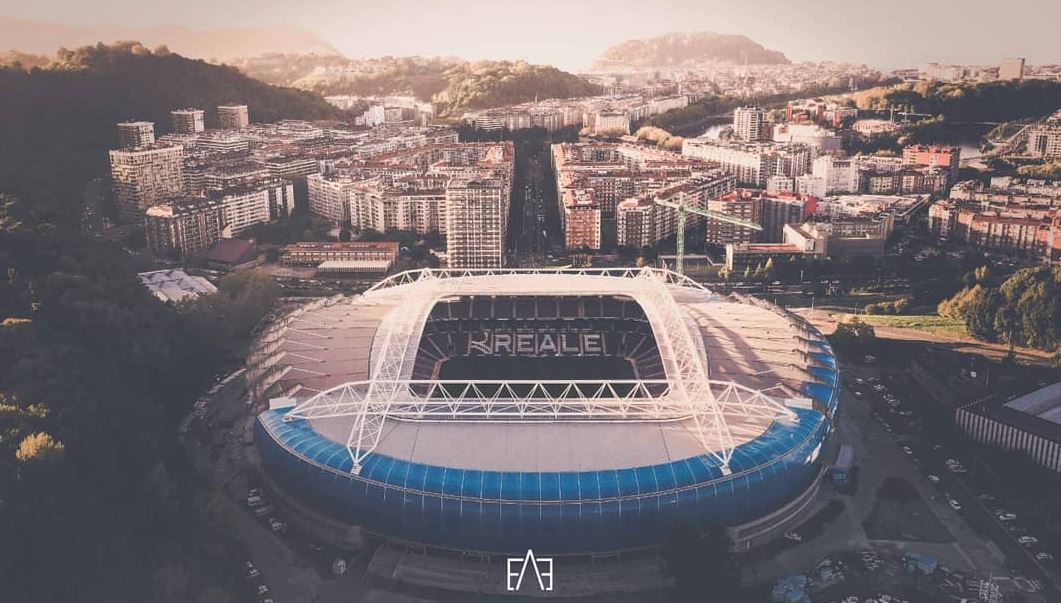
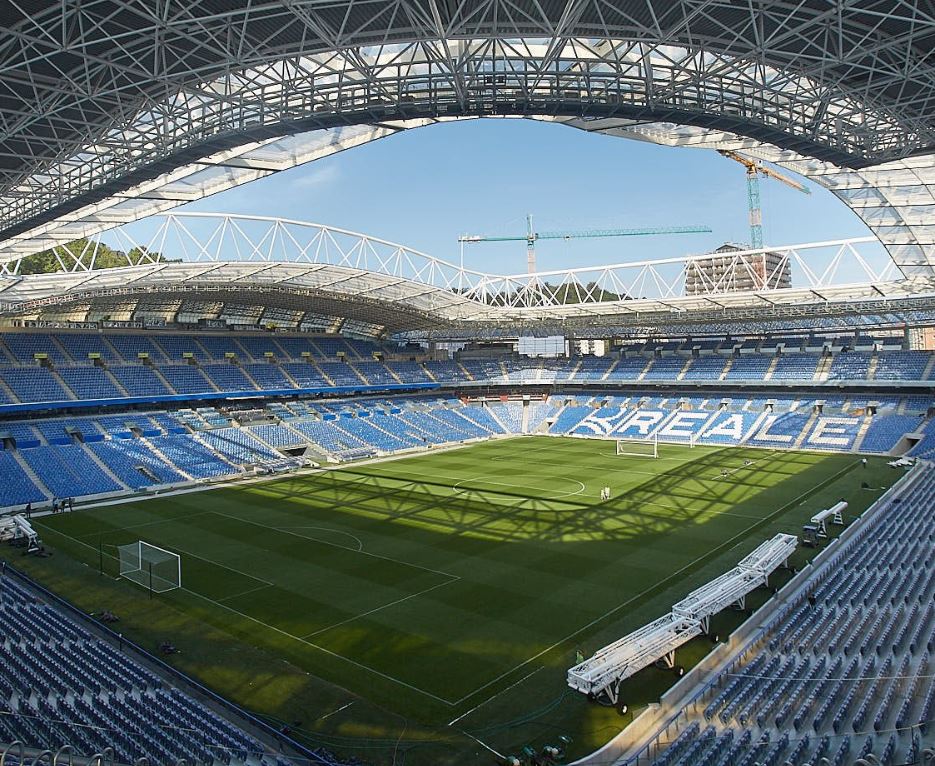
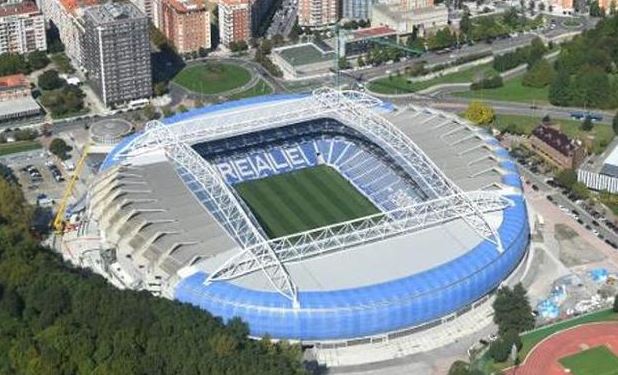
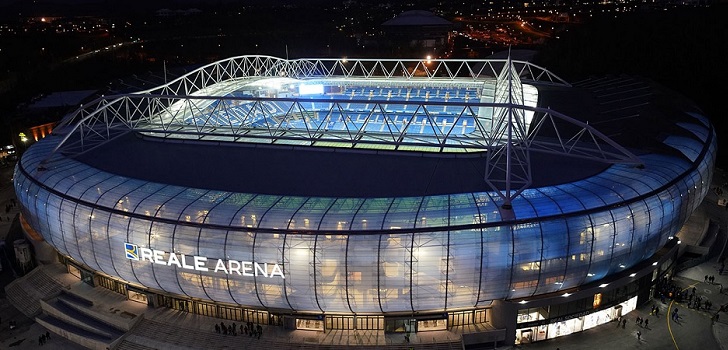
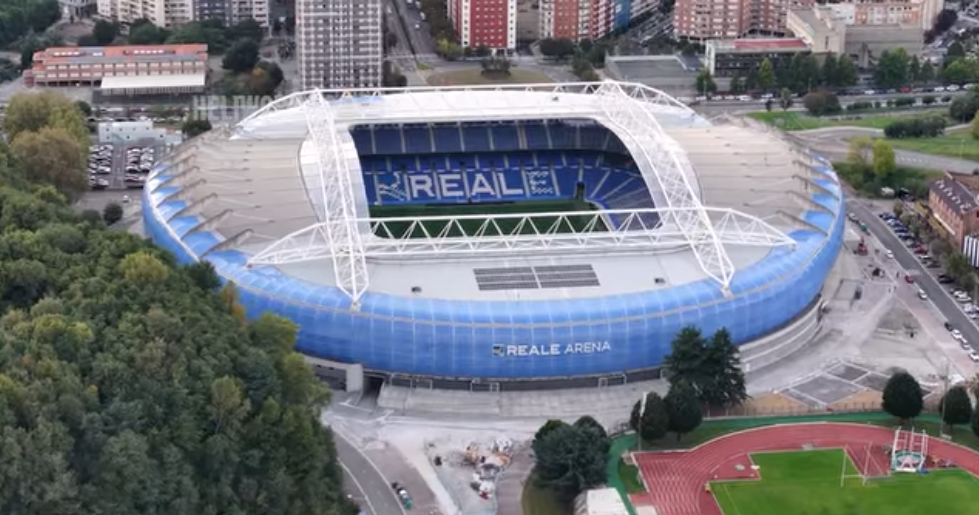
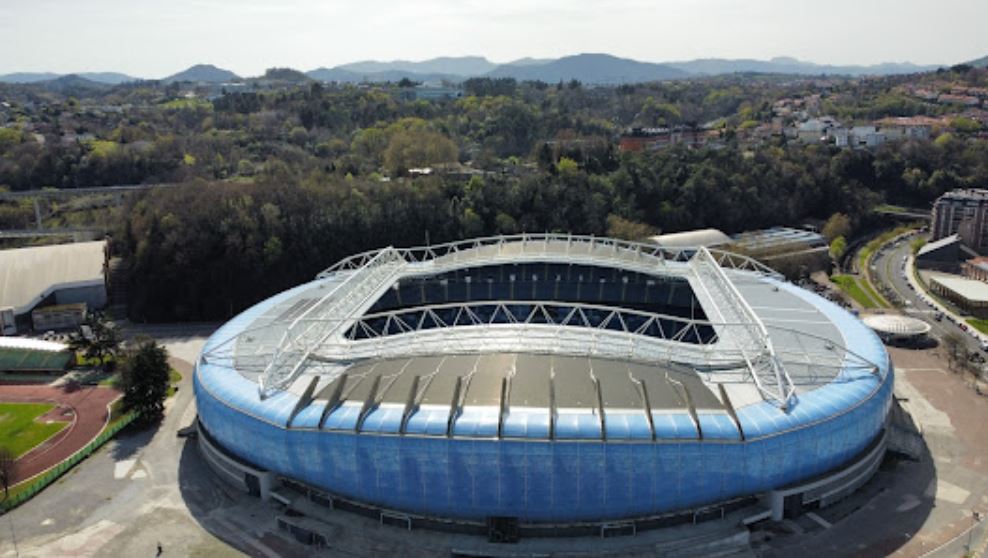
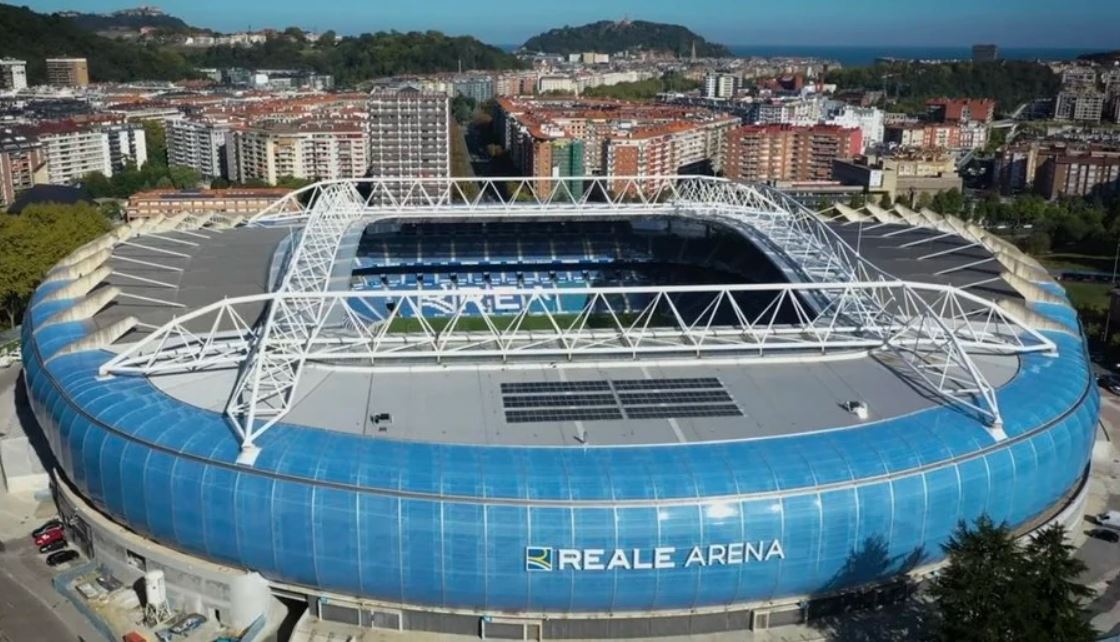
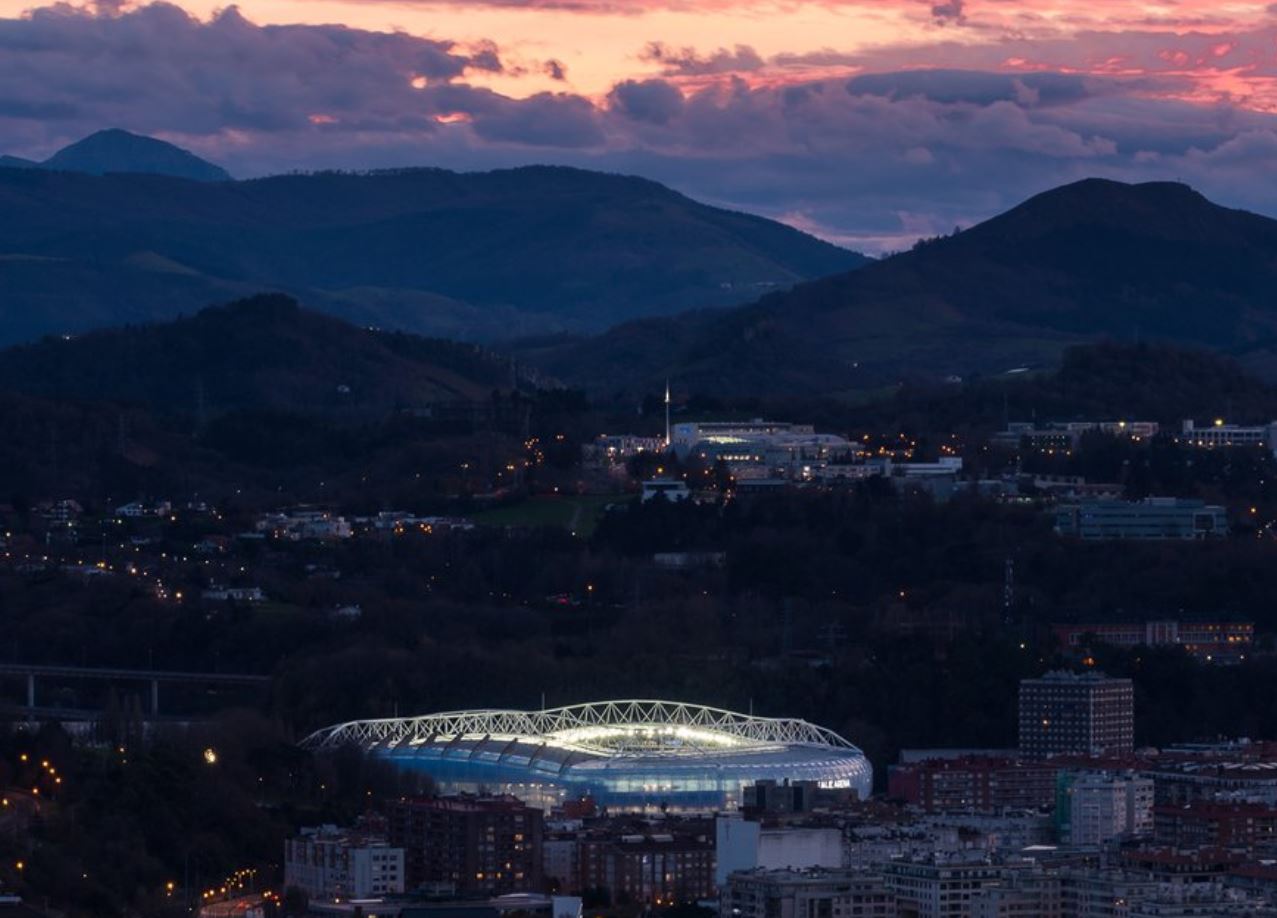
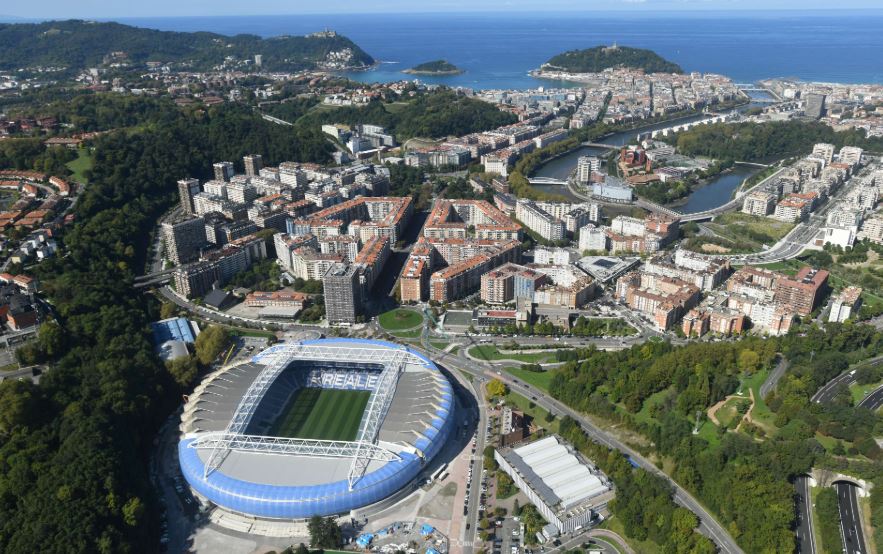
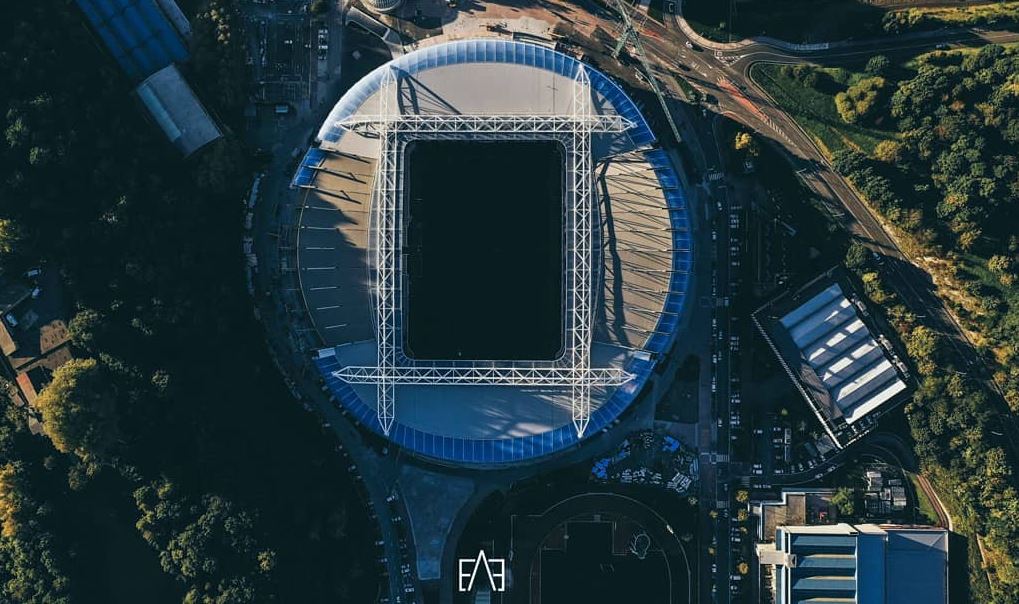
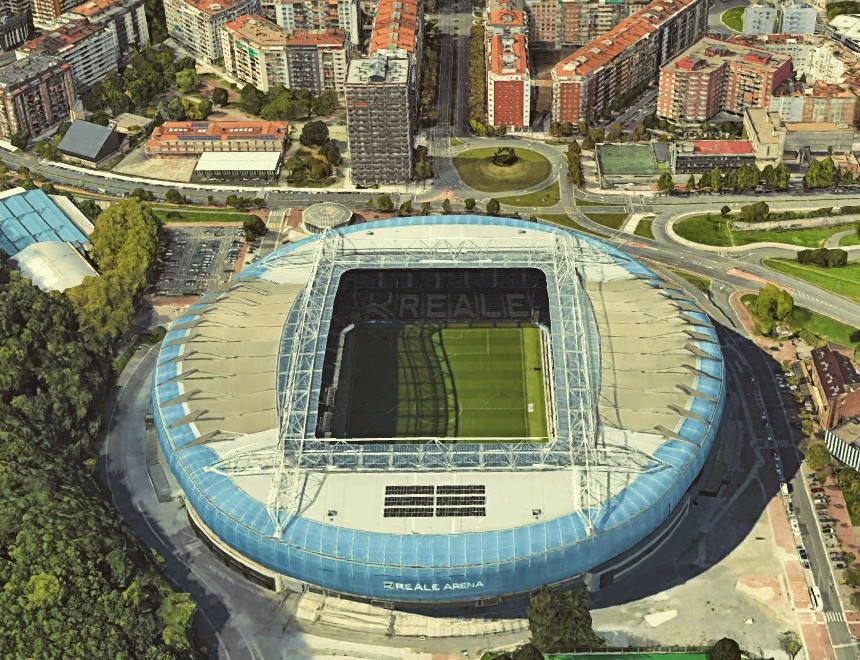
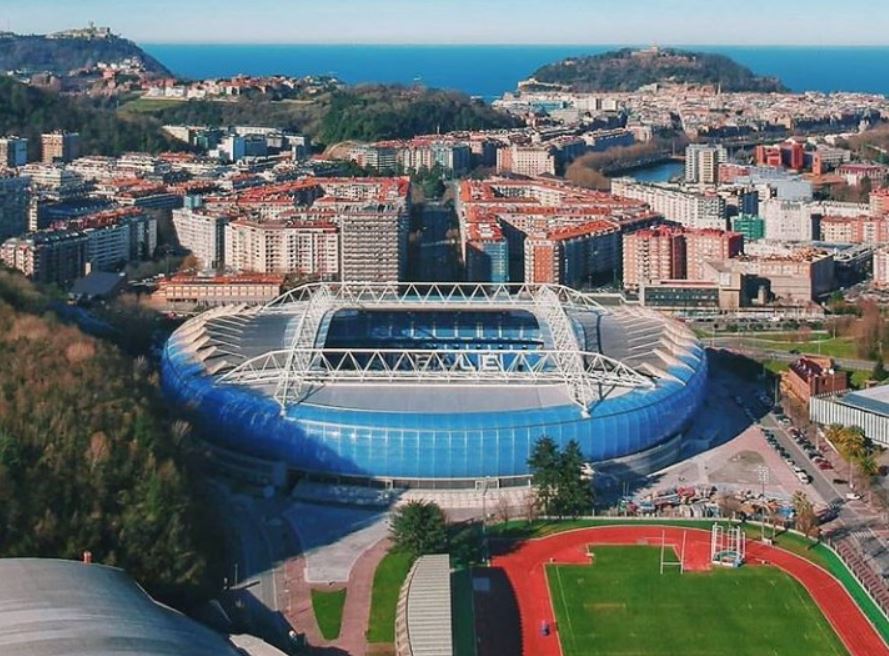
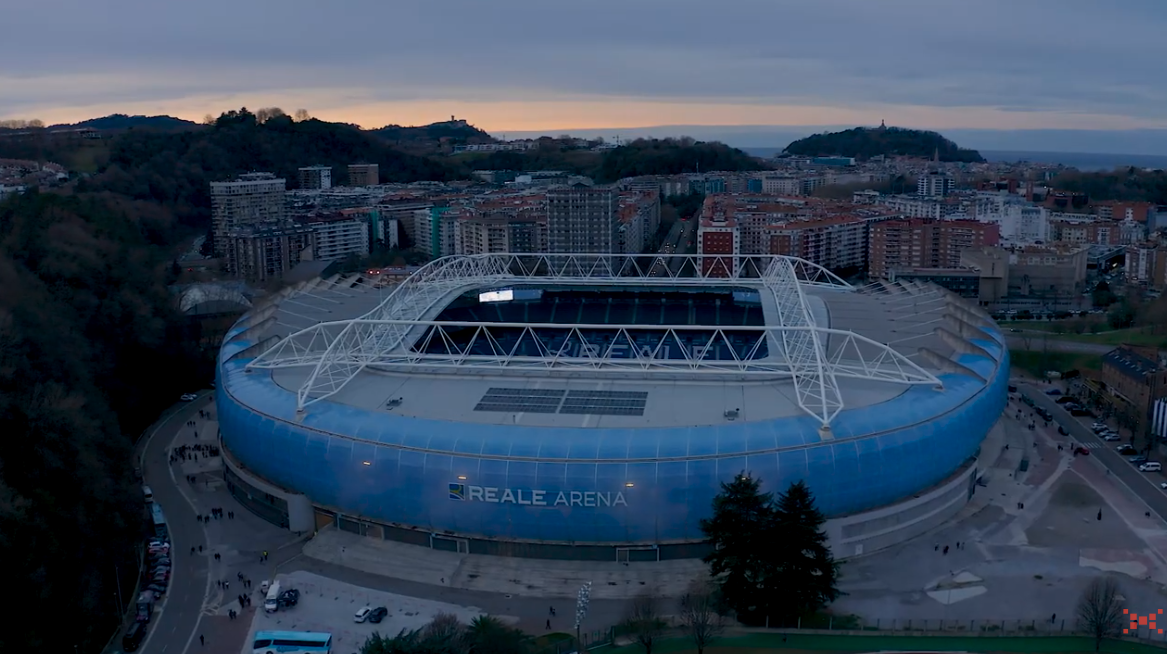
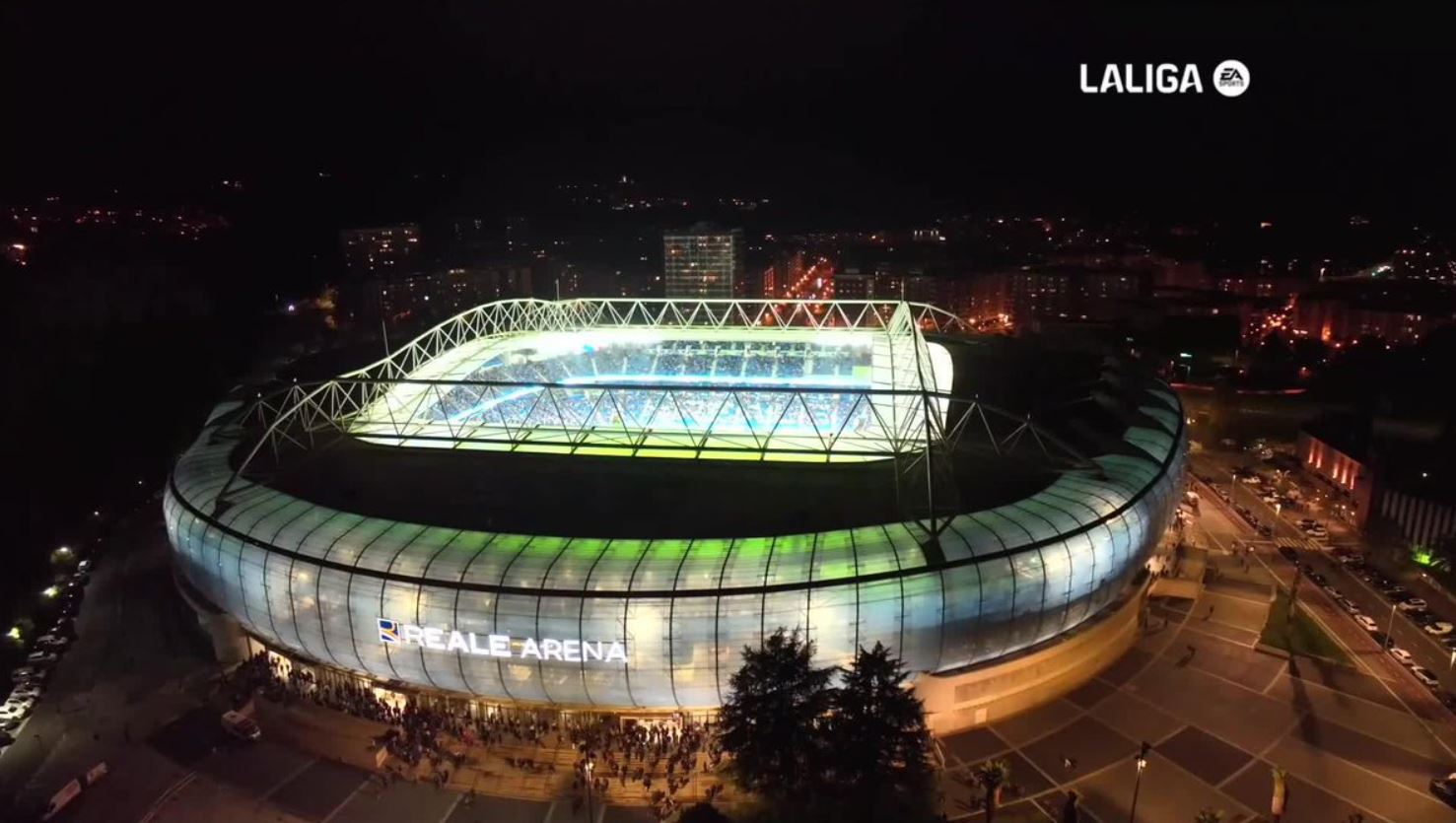
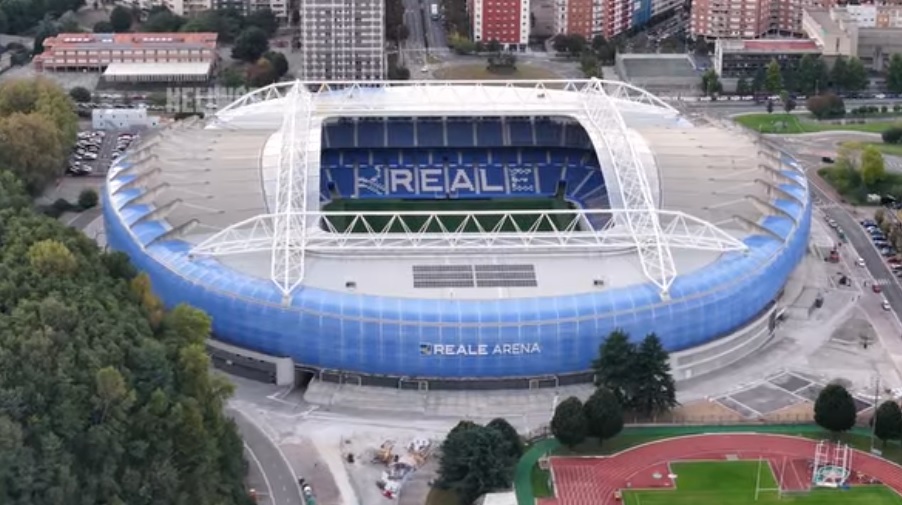
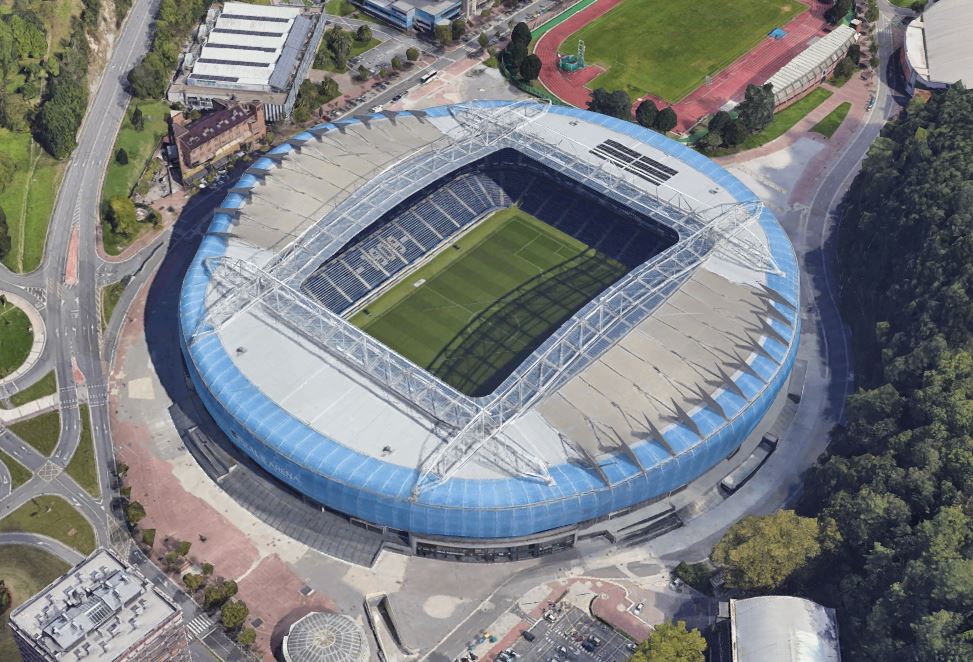
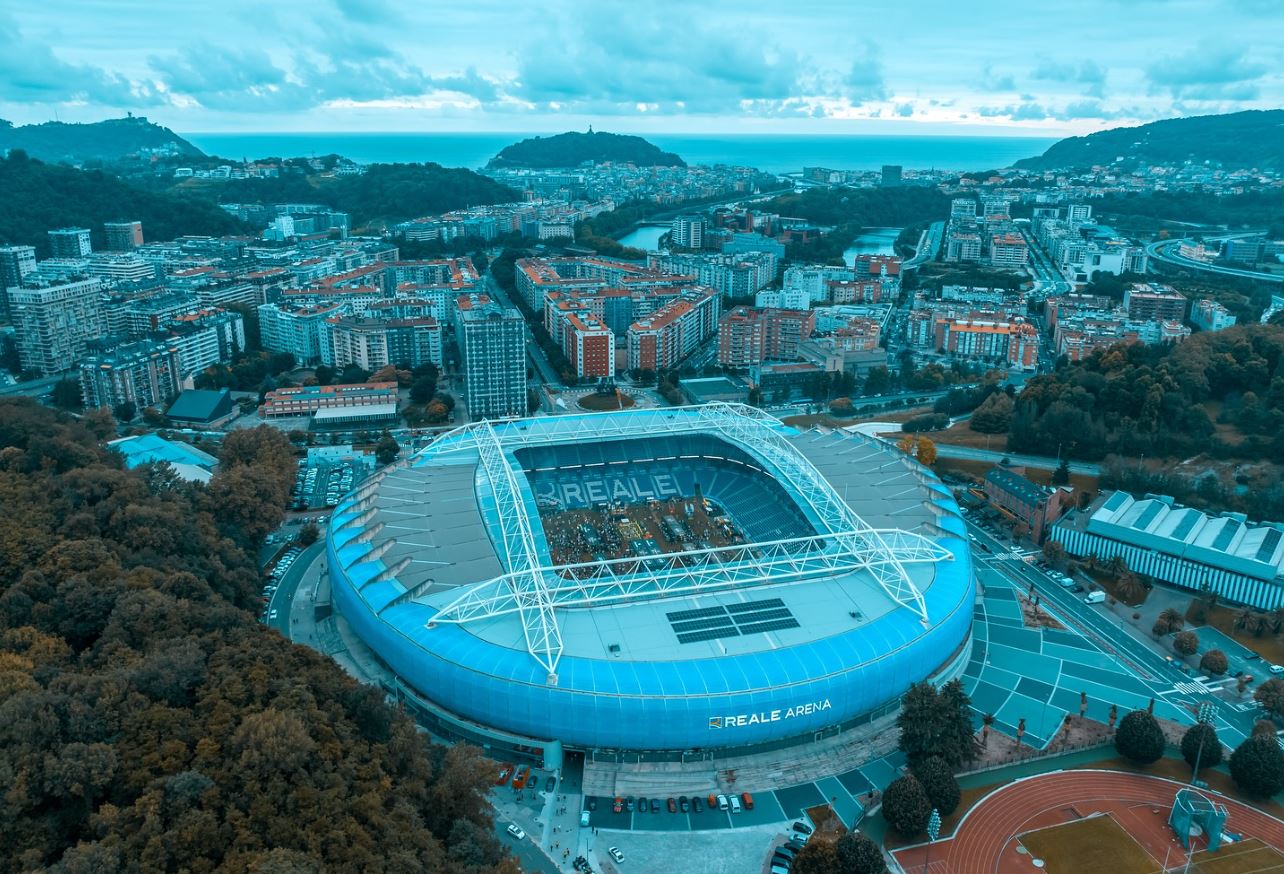
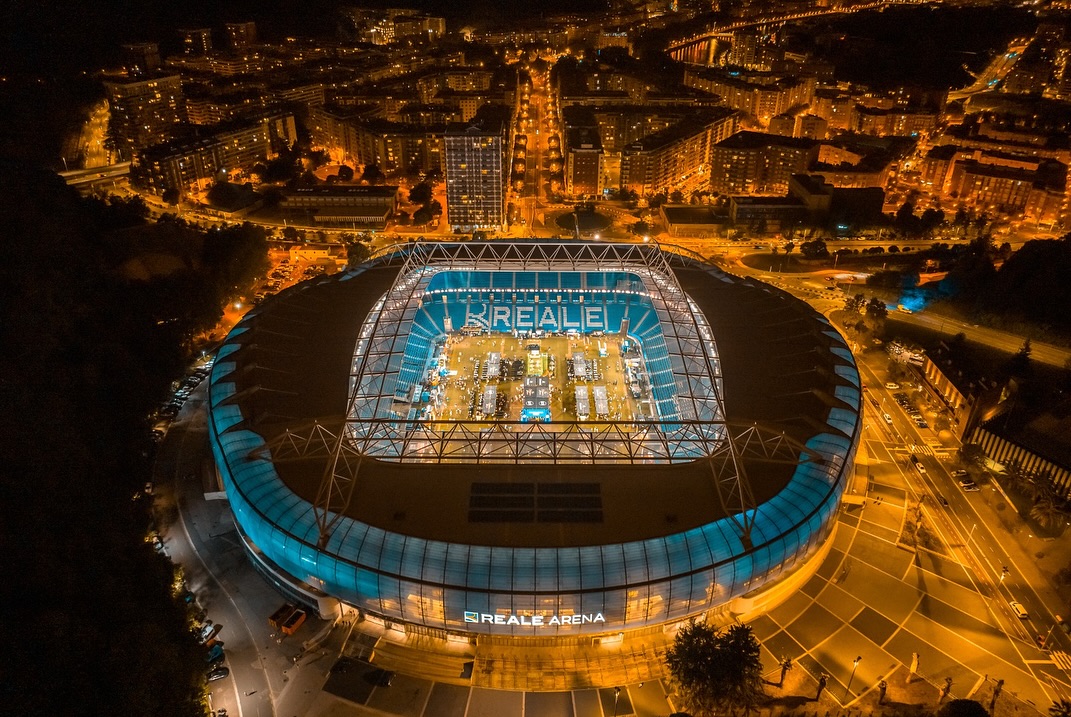
Over the years, several plans to convert Anoeta into a football stadium have been considered. Eventually, in 2014, the club chose Izaskun Larzabal’s design. This would involve excavating the playing area, building new end stands and extending the lower tier closer to the pitch. Corporate facilities would be expanded and the roof extended to cover the new seating areas. This would increase capacity to 39,500 and cost €47m. The project was jointly funded by Real Sociedad (€33m), the Basque Government (€10m) and the Gipuzkoa Provincial Council (€4m). Work eventually began in May 2017, with the demolition of the southern end and construction of a new Gol Sud, uptight to the pitch. The project was coordinated so that La Real avoided having to play away from Anoeta during the building work. As soon as the Gol Sud was completed in September 2018, work commenced on demolishing the northern end. Just before the completion of the project, Real Sociedad announced a sponsorship deal with Spanish insurance company Reale Seguros, that would see Anoeta renamed the Reale Arena until the end of the 2024-25 season. Finally, thoughts of the athletics track were banished and symmetry was achieved on 15 September 2019, when La Real hosted Atlético Madrid in the first match at Anoeta with its new configuration.
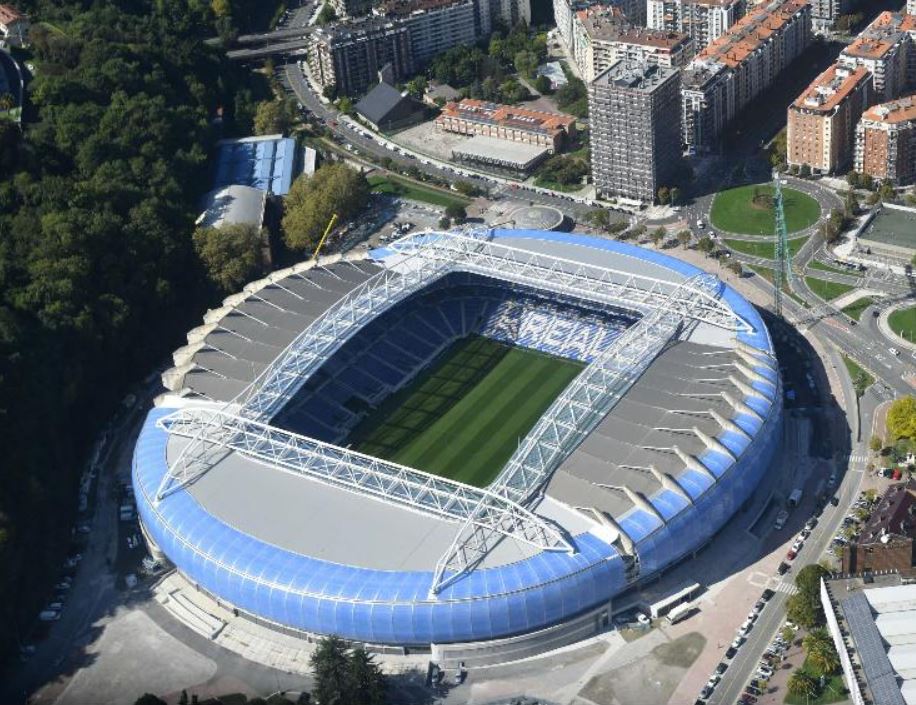
La Real’s (and the municipality’s) investment has paid dividends. Since the completion of the redevelopment, the club has not finished outside the top six in La Primera. European football, including the coveted Champions League, has returned to this part of the Basque Country, and the club won its first national trophy in over three decades when they beat Athletic Club 1-0 in the delayed 2020 Copa del Rey final. Not surprisingly, Anoeta was included in Spain’s list of venues for the joint hosting of the 2030 FIFA World Cup along with Morocco and Portugal. All of this shows how crucial it is to understand the value of true supporters, the vocal and passionate as opposed to the wealthy and apathetic, when designing a stadium. Put simply, Anoeta has finally got a soul.




 Estadios de España
1 thought on “San Sebastián – Anoeta”
Comments are closed.