
There was a time, many years ago, when any self-respecting stadium development in Spain could not be called complete without the addition of a tower. This impractical, egotistical appendage was all the rage during the 1940s, when Franco’s regime, along with his hand-picked club presidents, began developing new arenas. The inspiration for the inclusion of the towers undoubtedly came from the stadia built in Germany and Italy a decade earlier. Whilst the creators & their motives were unquestionably disturbing, when viewed in isolation, these towers were magnificently anachronistic. Serving little purpose other than to show off, many made way when new stands were developed or old grounds were demolished. The few that do remain are tucked away in forgotten corners, like an embarrassing relative at a family party, but like our nutty next of kin, they have a story to tell. So, here’s our homage to the towers that stood proud and prominent across the Iberian Peninsula.
La Coruña – Estadio de Riazor
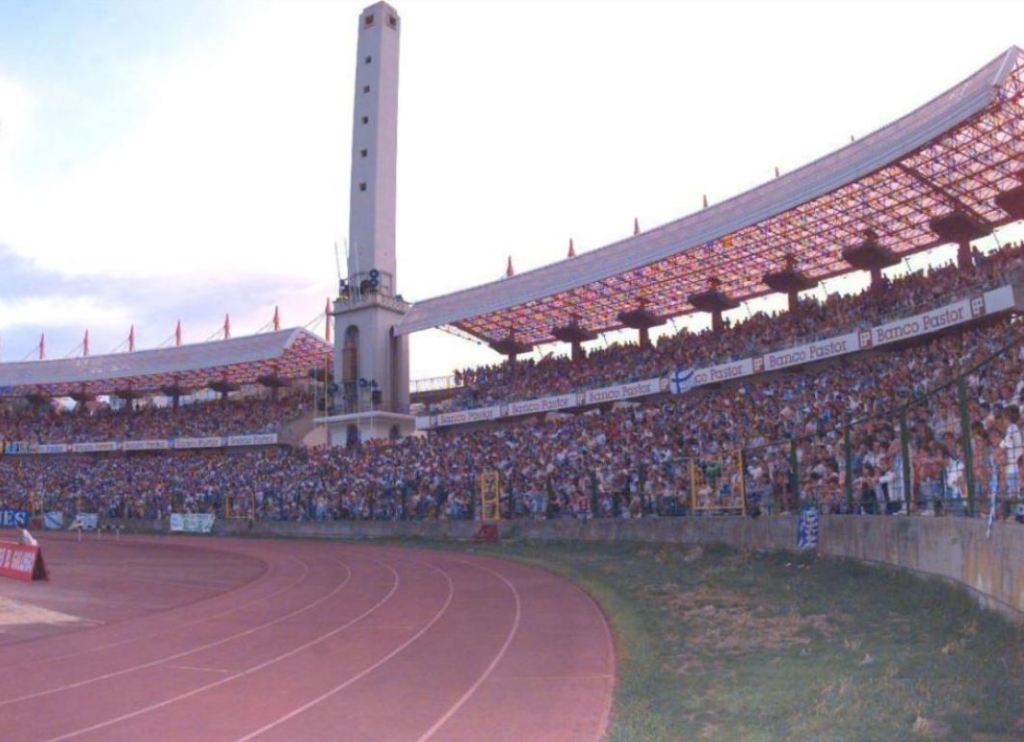
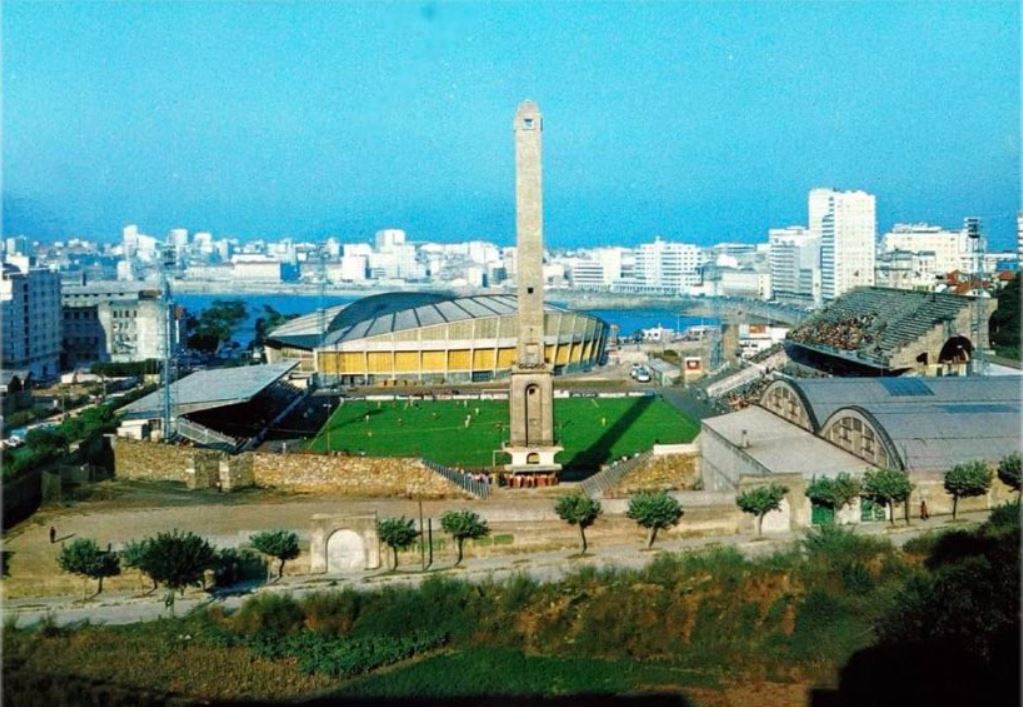
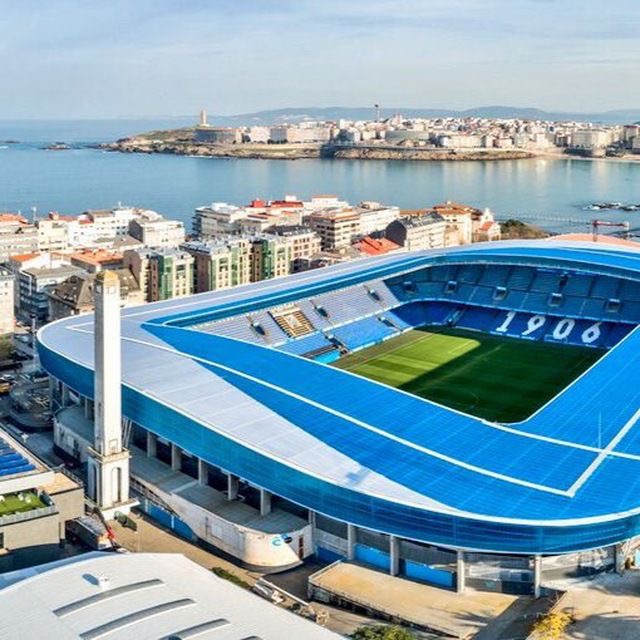
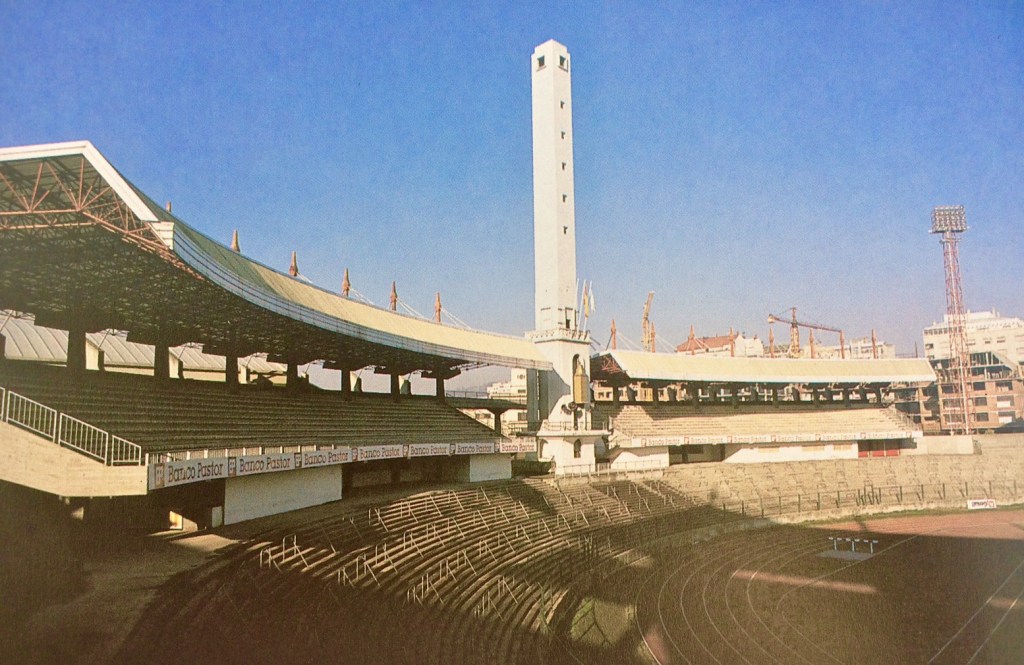
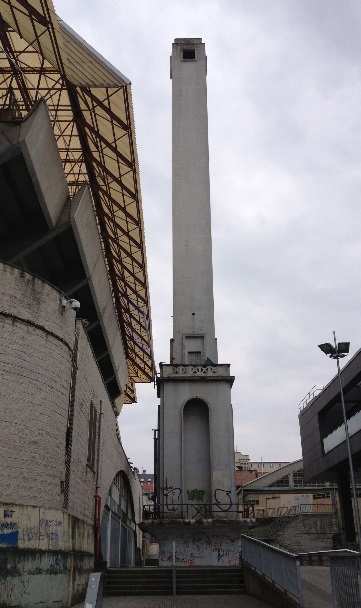
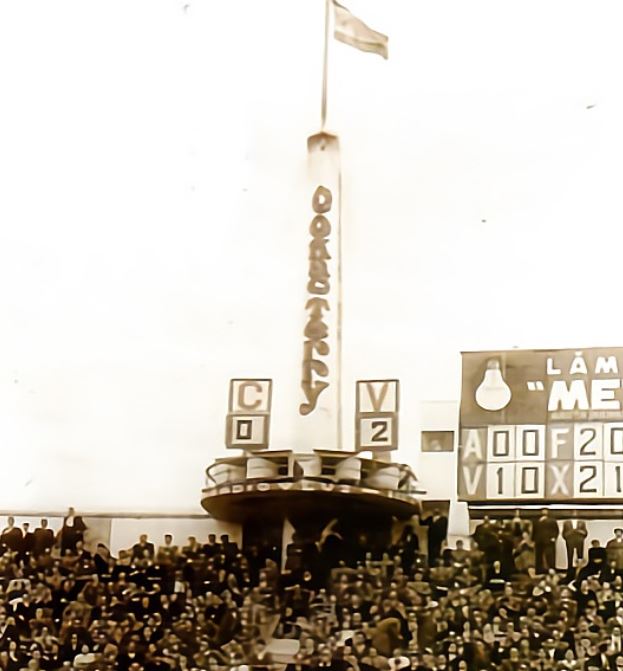
Probably the most recognisable stadium tower anywhere in Spain is the Torre de Maratón at Deportivo’s Riazor stadium. The stadium was built in 1944, just across the road from the old Campo de Riazor. The original layout and the upgrade for the 1982 World Cup allowed spectators an uninterrupted view tower until the present configuration opened in 1998, leaving it stuck rather unceremoniously behind the west stand. You can read more about the Riazor here.
Castellón de la Plana – Nou Estadi Castalia
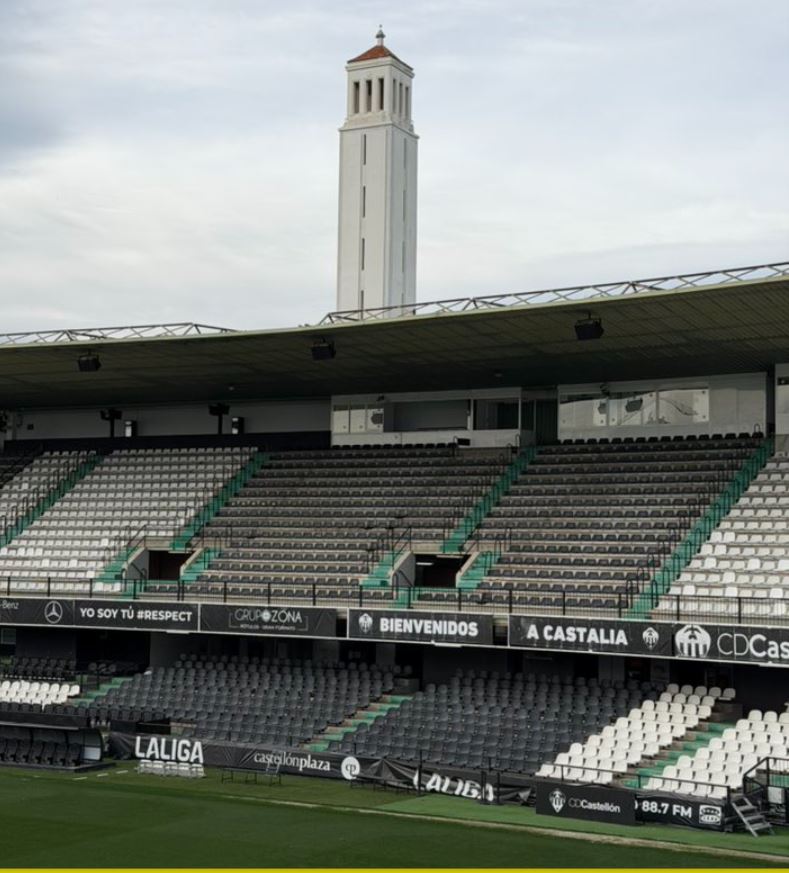
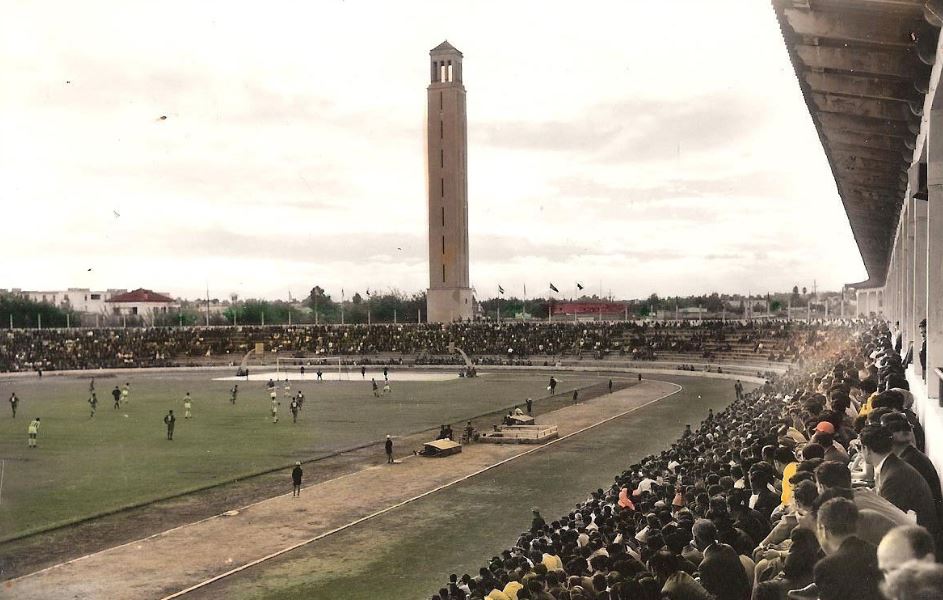
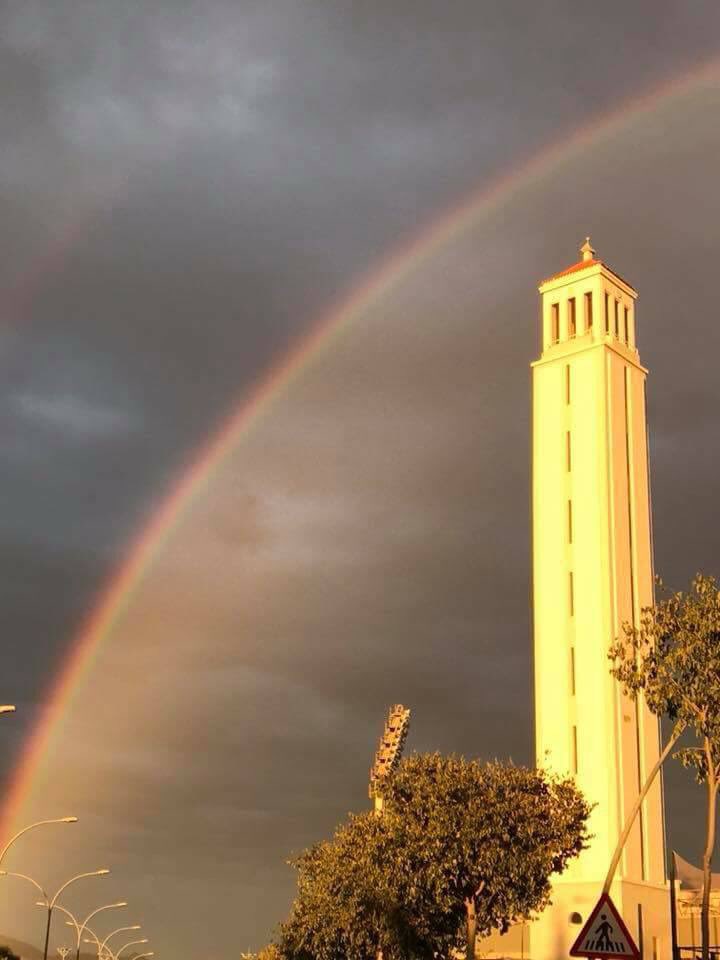
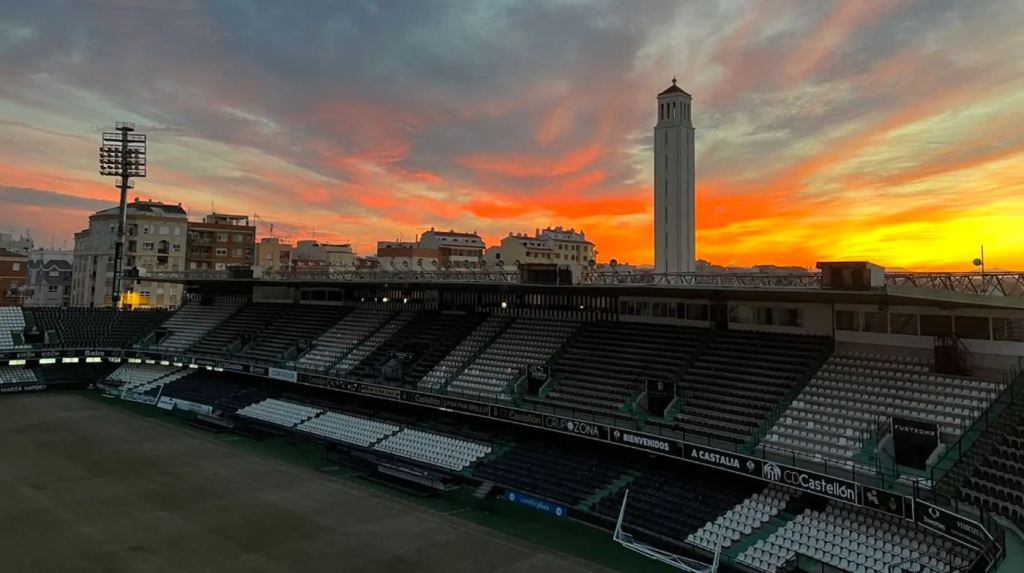
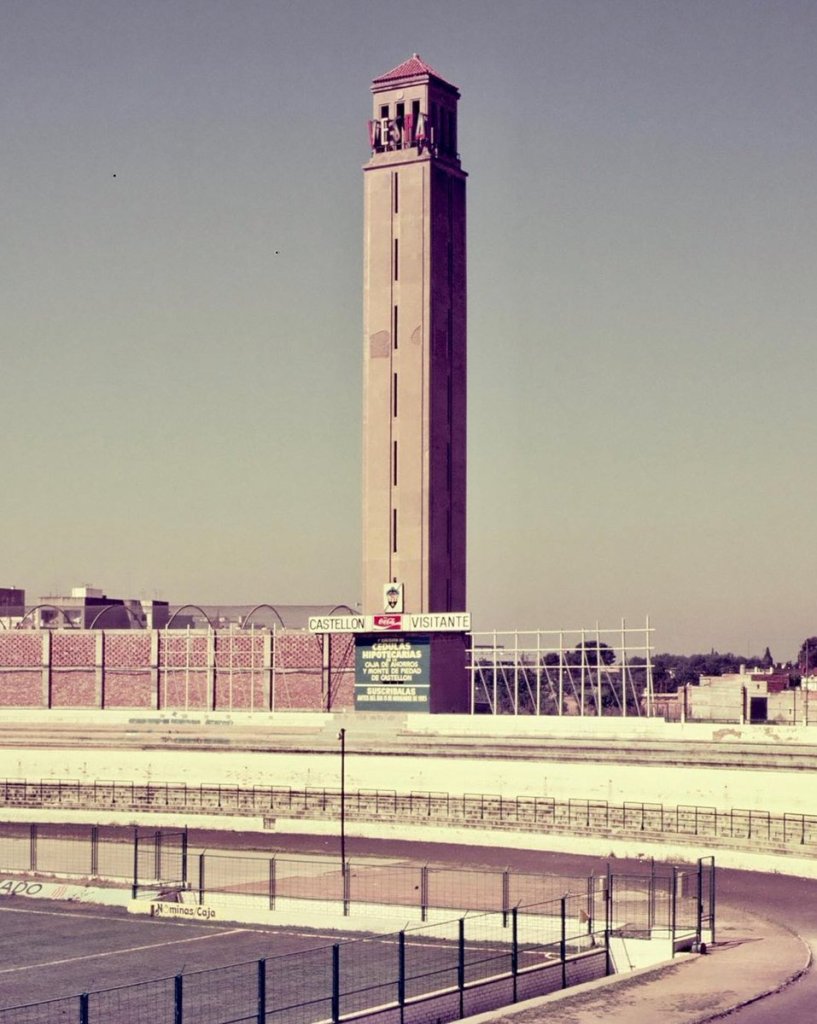
Standing 40 metres in height, the Torre de Maratón de Estadi Castilia dominated the old Estadio Castalia. Opened in November 1944, the horseshoe-shaped stadium served as home to CD Castellón until May 1986. The enclosure was demolished, and the current stadium was built at right angles to the old layout. Thankfully, the tower was saved and now stands behind the current main stand. Read more on these two fantastic stadiums here.
Albacete – Estadio Carlos Belmonte
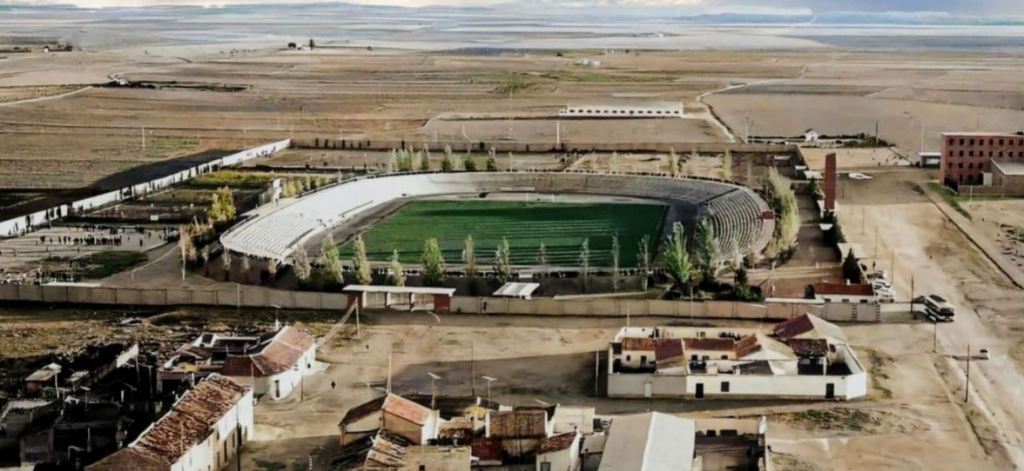
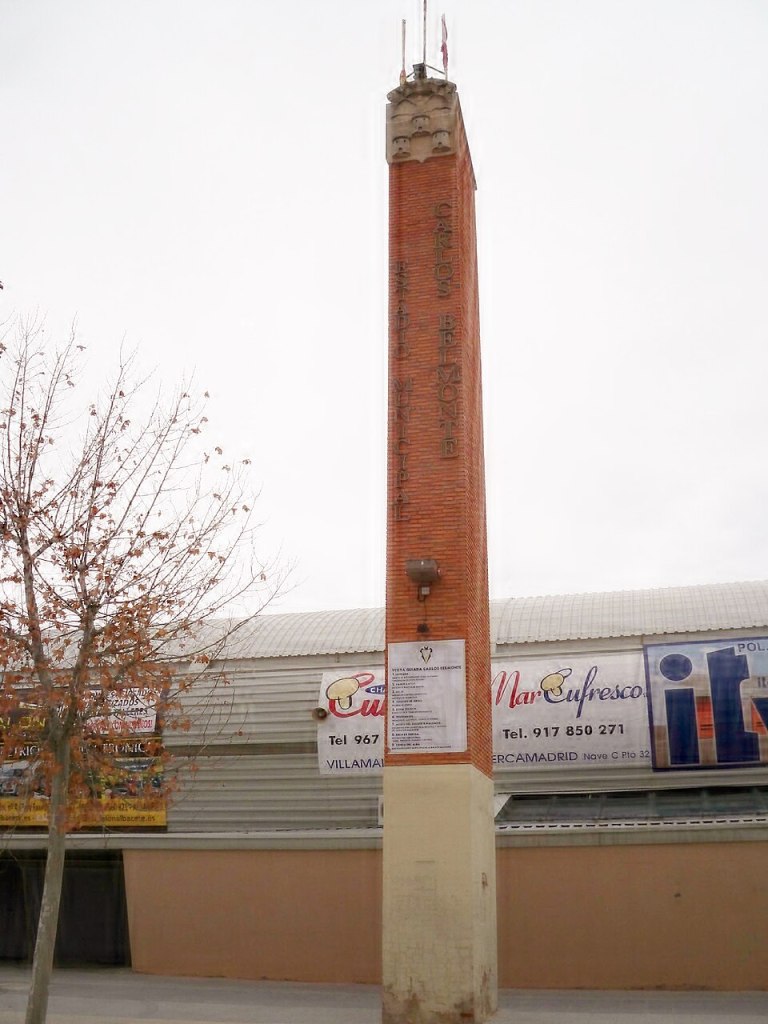
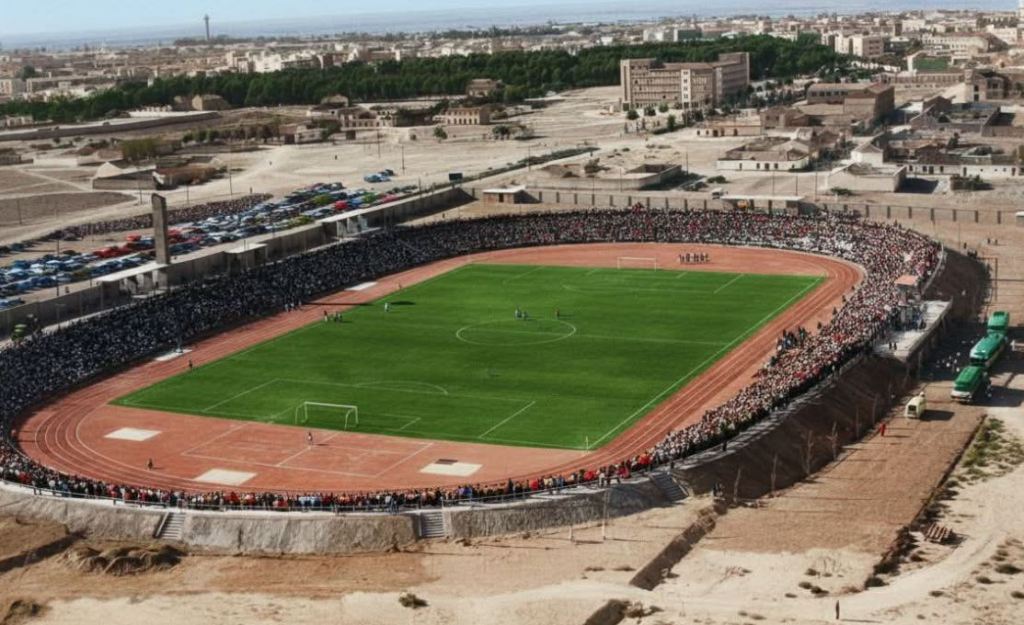
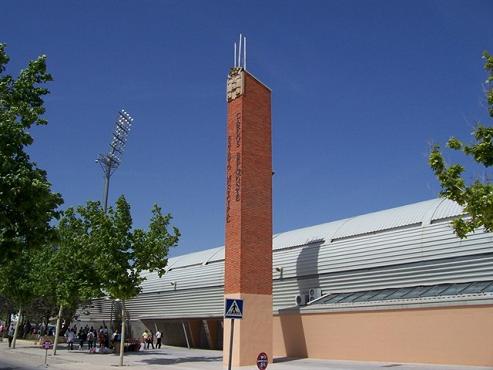
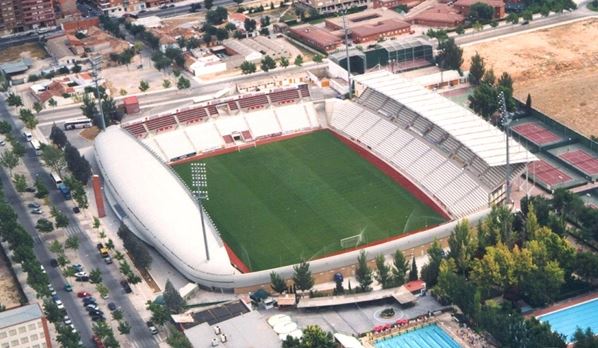
The modest Monolito at the Estadio Carlos Belmonte was erected in 1960, making it the last ornamental tower to be constructed at a Spanish stadium. Like the stadium, it was designed by the club’s President, Carlos Belmonte, and still stands on the stadium’s western perimeter. Upon opening, it was incorporated within the boundary wall and was visible throughout the enclosure. Any view from within the stadium is now obstructed by the west stand, but you can view more pictures of the tower here.
Barcelona – Estadi Olímpic Lluís Companys
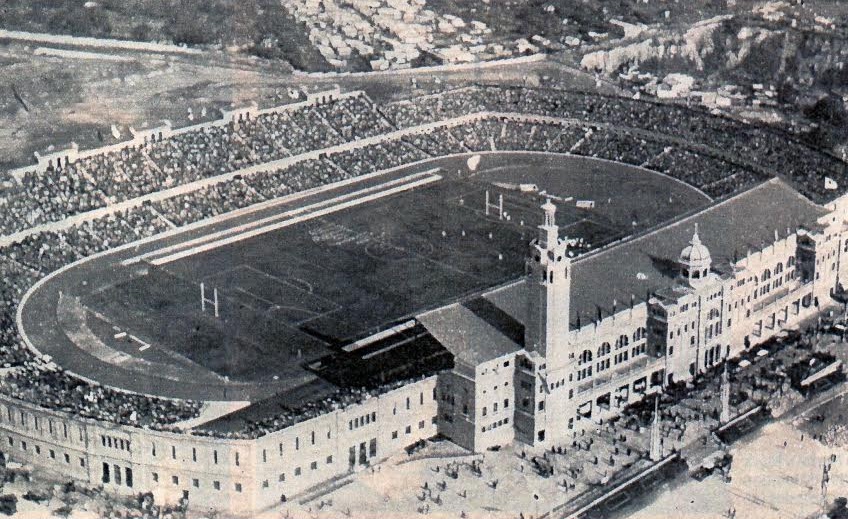
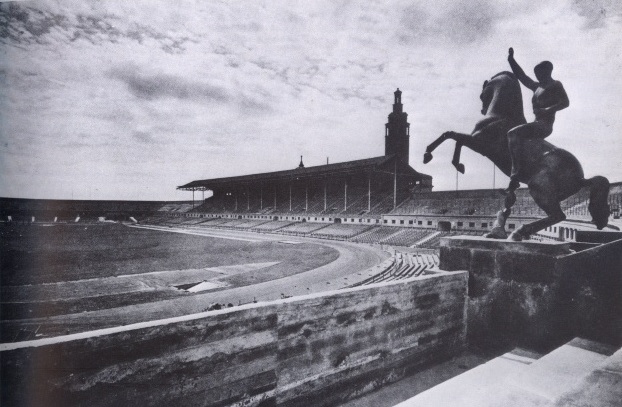
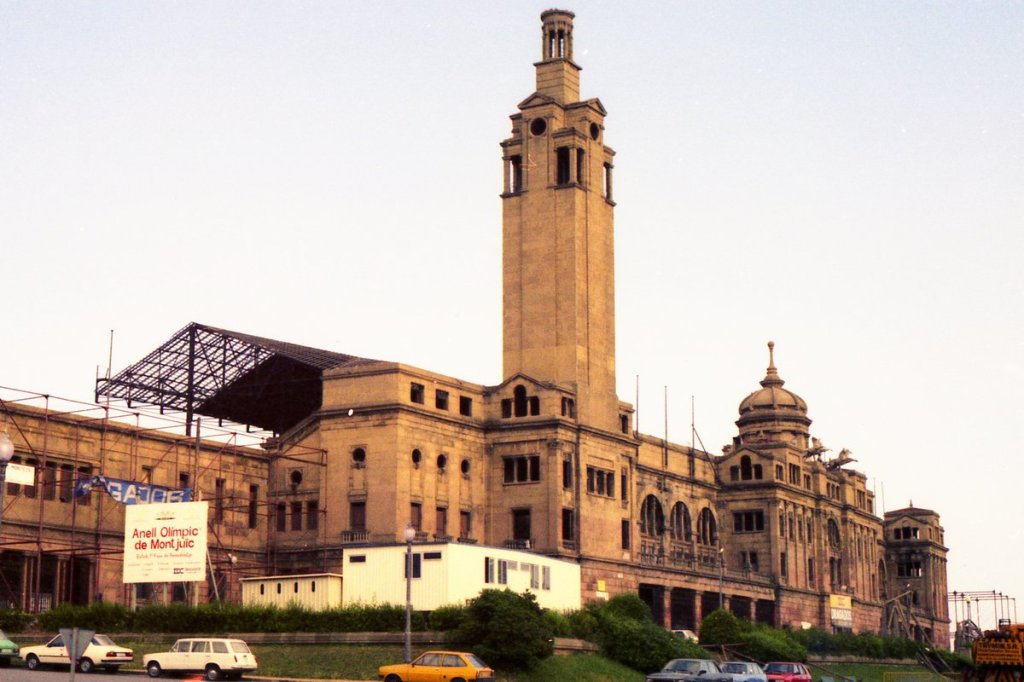
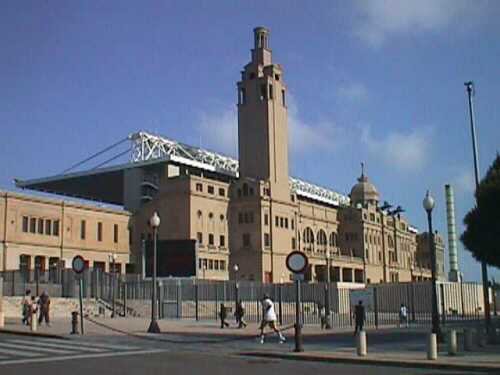
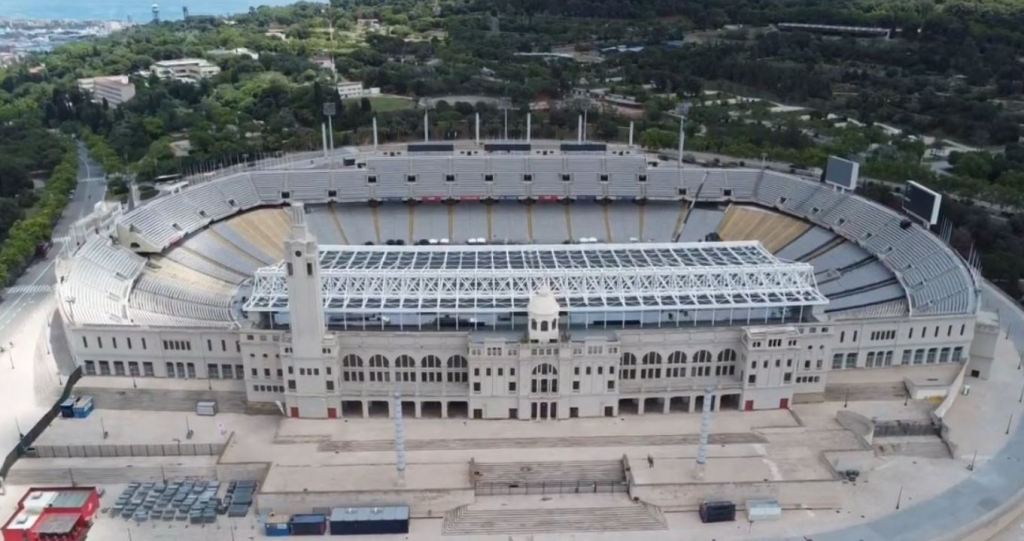
Pre-dating Franco’s regime, the Estadi Olímpic in Barcelona was built for the 1929 International Exposition at Parc Montjuic. Designed by Pere Domènech i Roura, the stadium was also the focal point for Barcelona’s unsuccessful bid to host the 1936 Olympiad. Built in the Noucentisme style, It features a host of essential items that any self-respecting monumental stadium of that era should include: Palatial Facade, Central Cupola, Over-sized Marathon Gate, and, of course, a Tower. In this case, a particularly grandiose bell tower. All these features were restored and incorporated in Vittorio Gregotti’s revamped stadium, which hosted the 1992 Olympics. Set high above the city, a visit to Montjuic is an absolute must. Read more here.
Madrid – Estadio Santiago Bernabéu
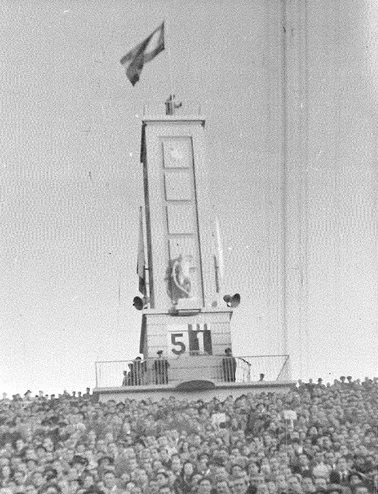
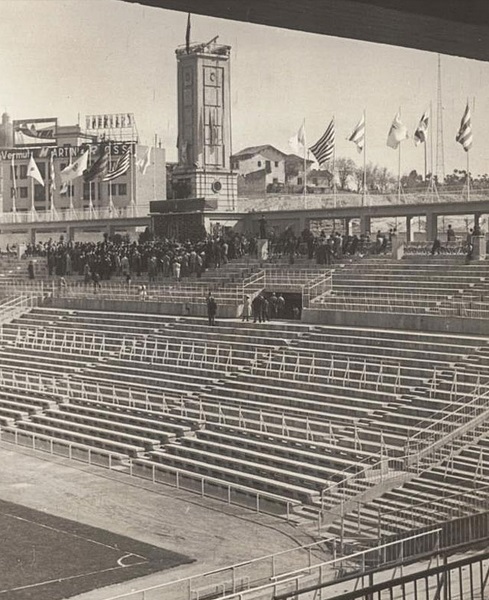
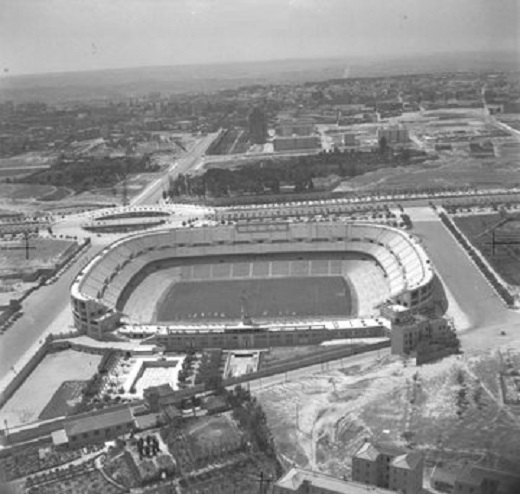
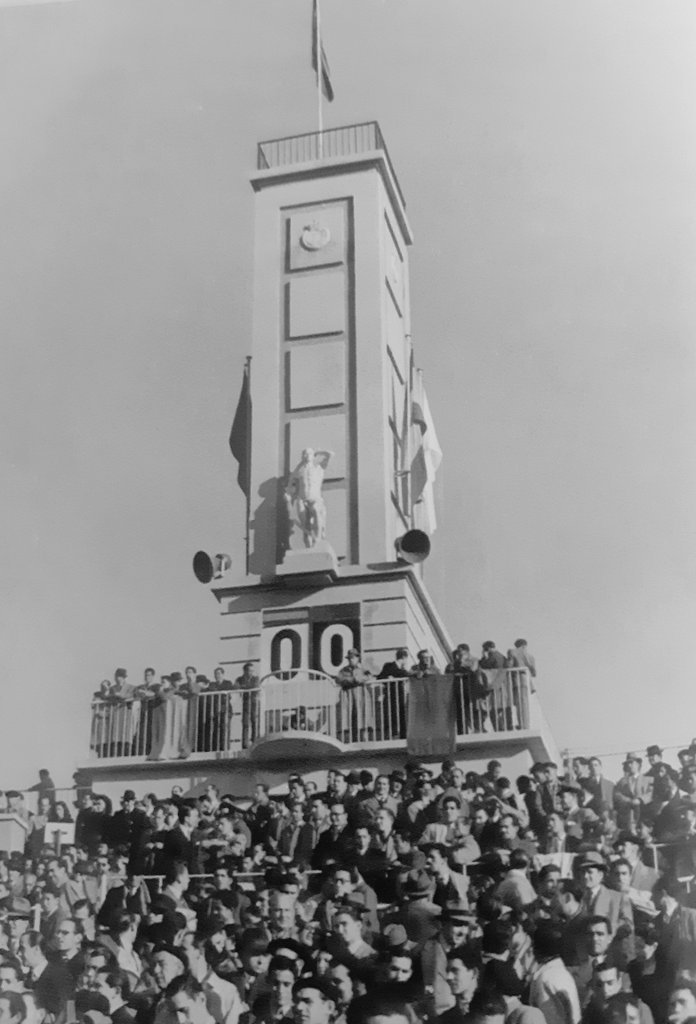
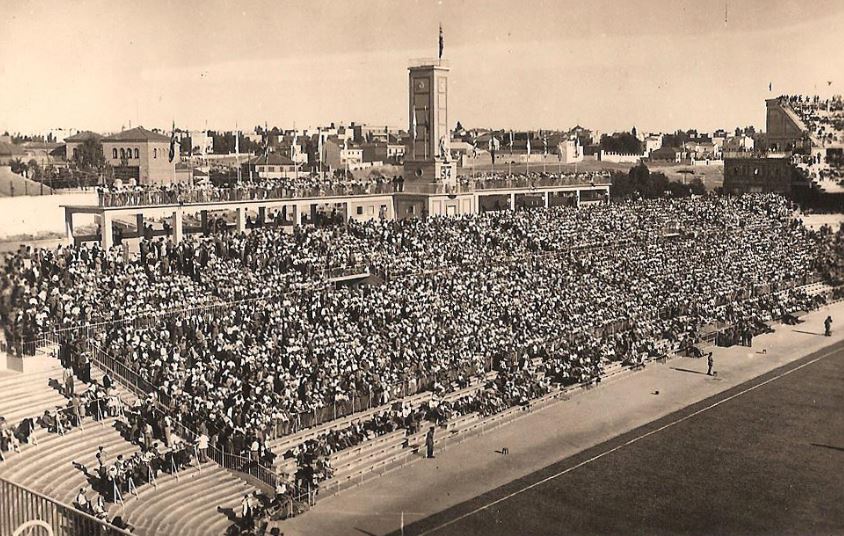
This effort from Real Madrid had a very short lifespan. It was situated on the east side of the Nuevo Estadio Chamartin (The stadium was renamed the Estadio Santiago Bernabéu in 1955), which, upon opening, comprised a single tier, due in part to the proximity of the old Campo de Chamartín. Designed by Luis Alemany Soler and Manuel Munoz Monasterio, this neoclassical tower was demolished in 1953, when the east side was extended to include two further tiers. You can view more pictures of the tower and learn about its history here.
Cádiz – Estadio Ramón de Carranza
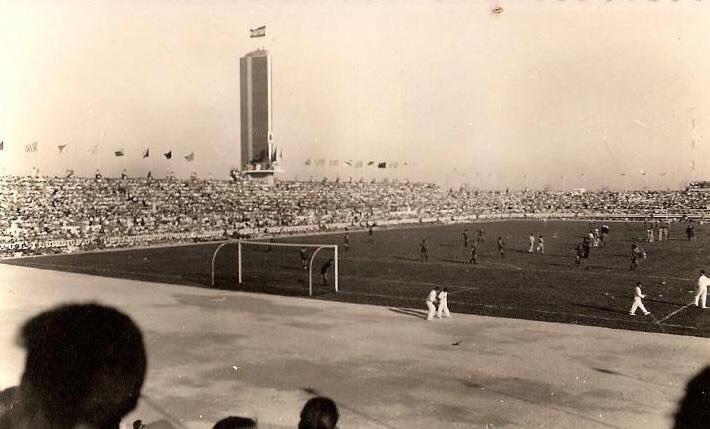
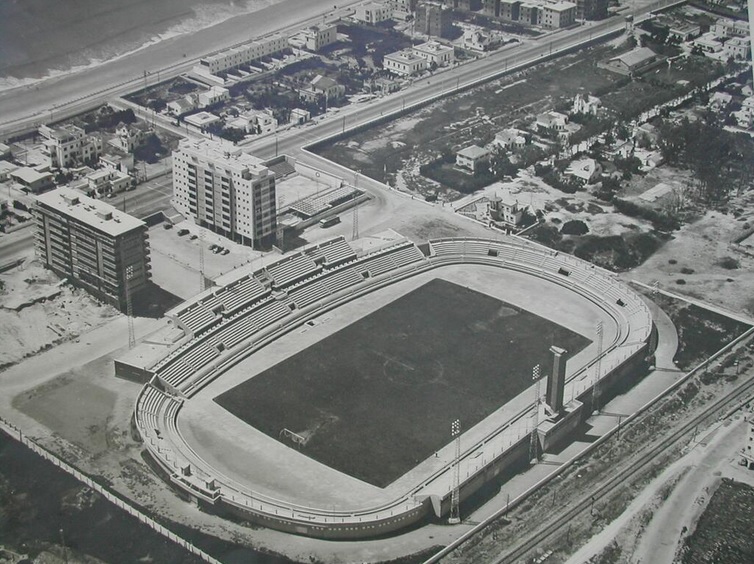
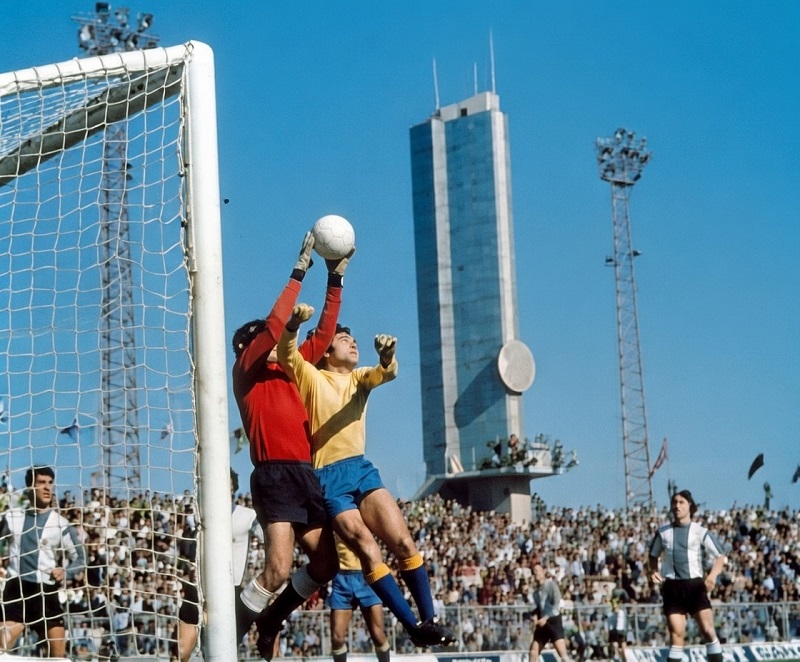
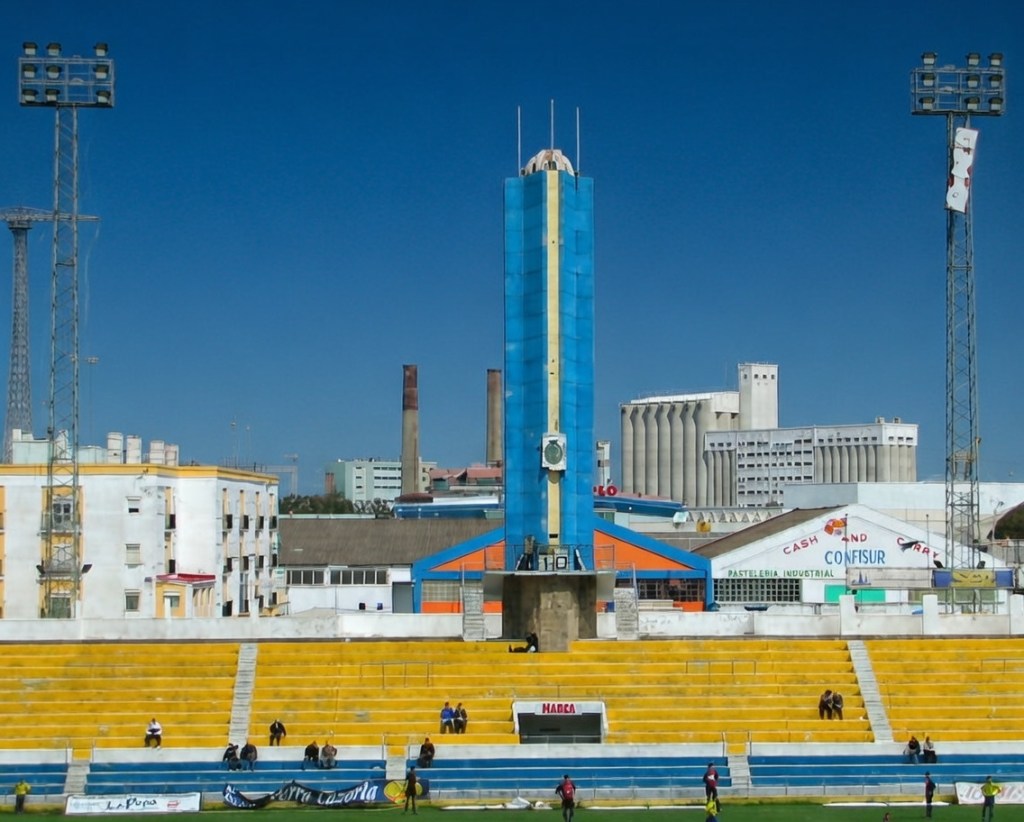
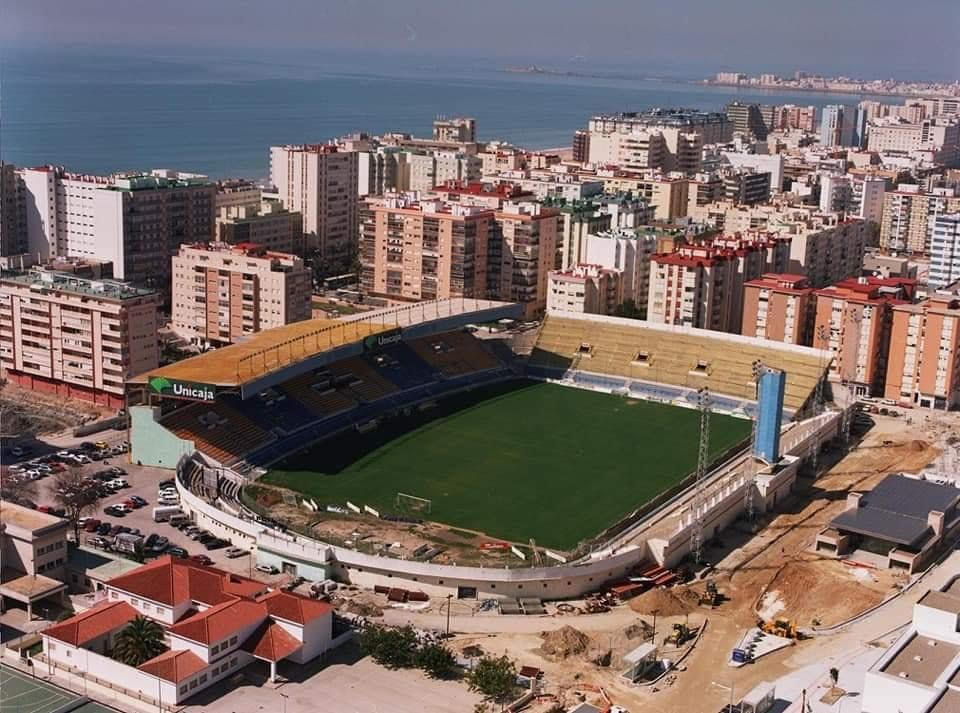
The Torre de Preferencia (or Torre Olímpica) stood at Cádiz’s Estadio Ramón de Carranza for nearly 50 years. Built during the 1954-55 season, the stadium finally opened on 3 September 1955. The tower stood guard over the popular terrace until the end came in 2004, when the first phase of the stadium’s redevelopment began. More on the stadium’s history and incarnations can be found here.
Valladolid – Estadio José Zorrilla
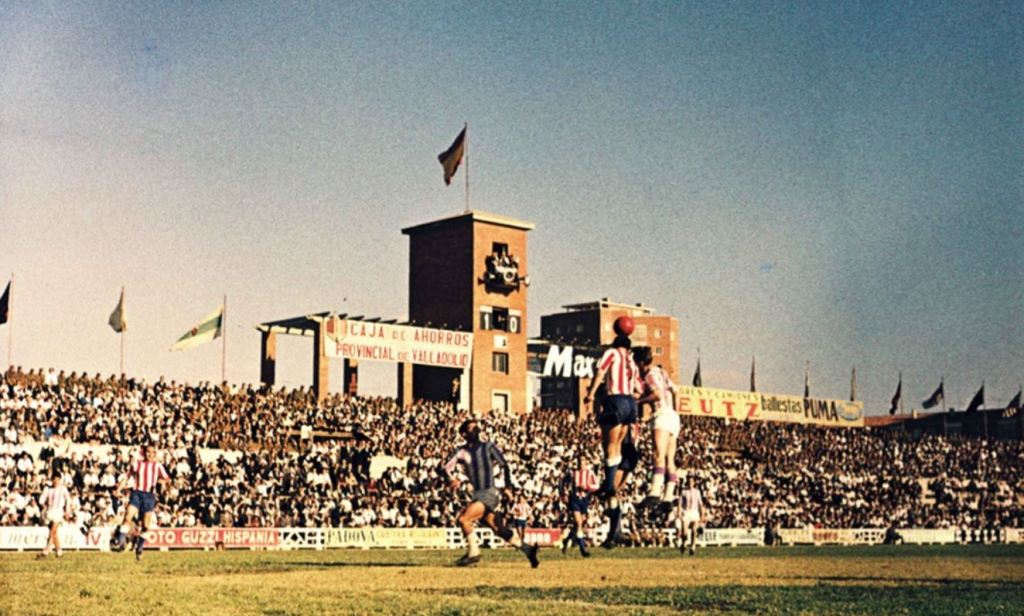
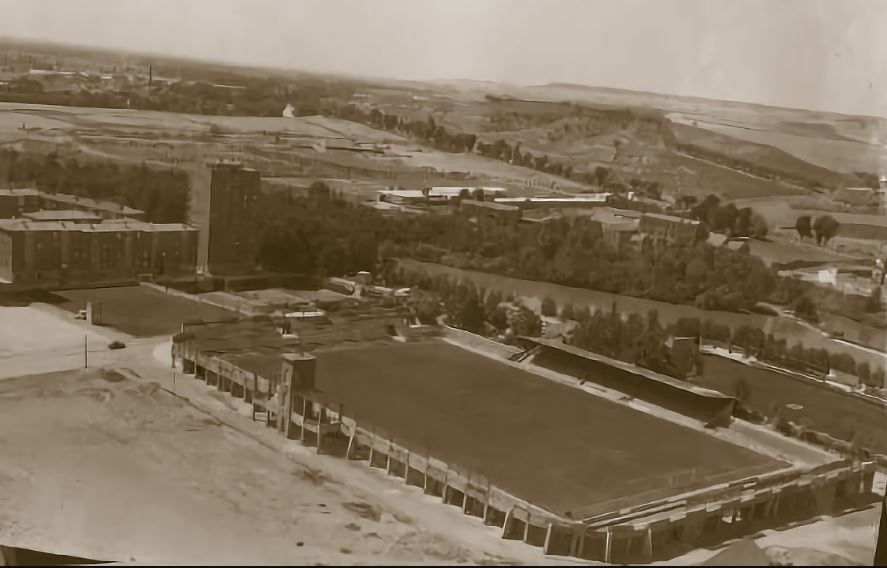
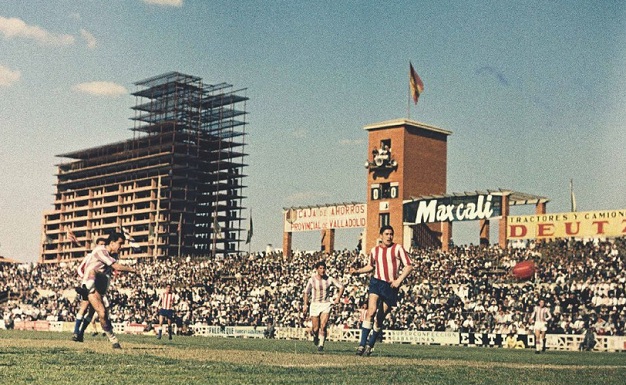
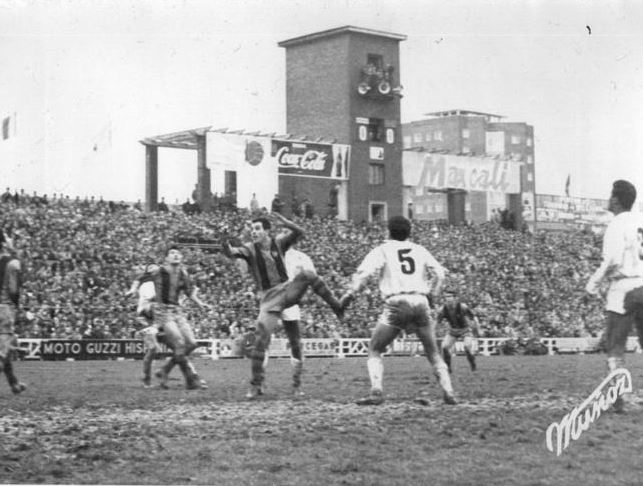
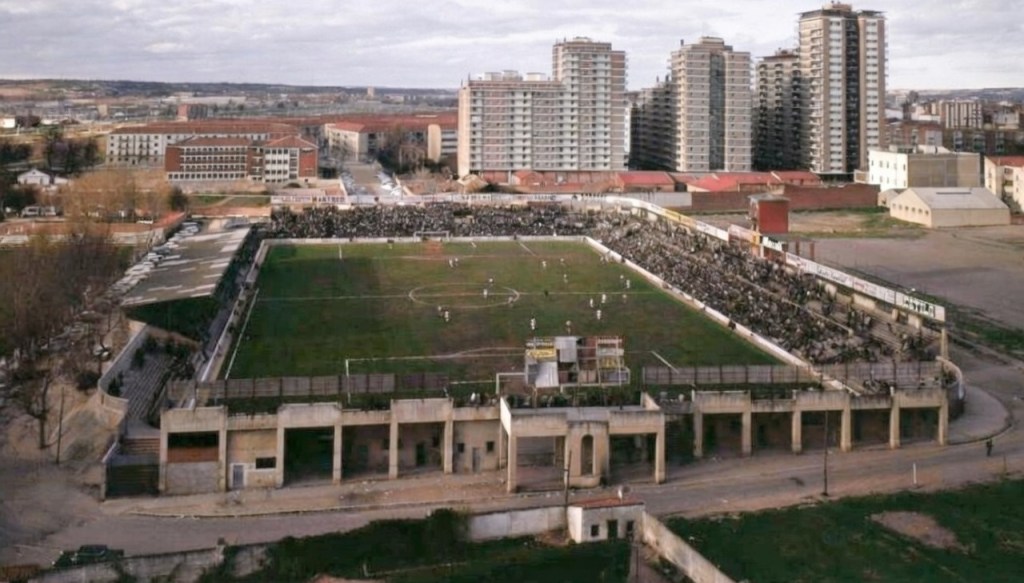
Real Valladolid’s original Estadio José Zorrilla evolved in a rather piecemeal fashion over the forty-two years it served as their home stadium. However, an ever-present feature was the simple neo-classical tower that stood on the stadium’s east side. The tower was partially obscured when a cover was erected over the east terrace in 1974. First XI fixtures ceased at the old ground in 1982, when Real Valladolid moved to the Estadio Nuevo José Zorrilla. The stadium was finally demolished in 1984. You can read more here.
Alzira – Estadio Frente de Juventudes
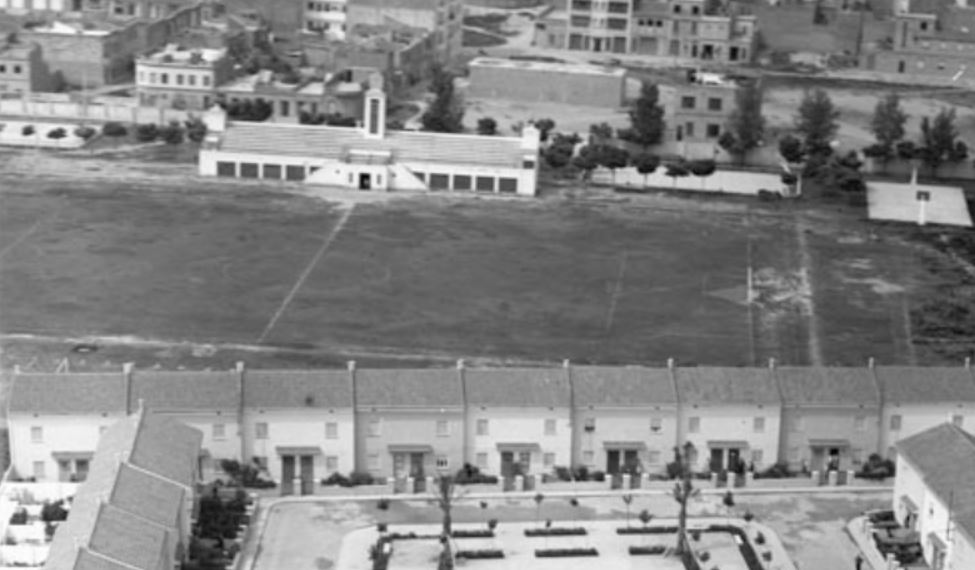
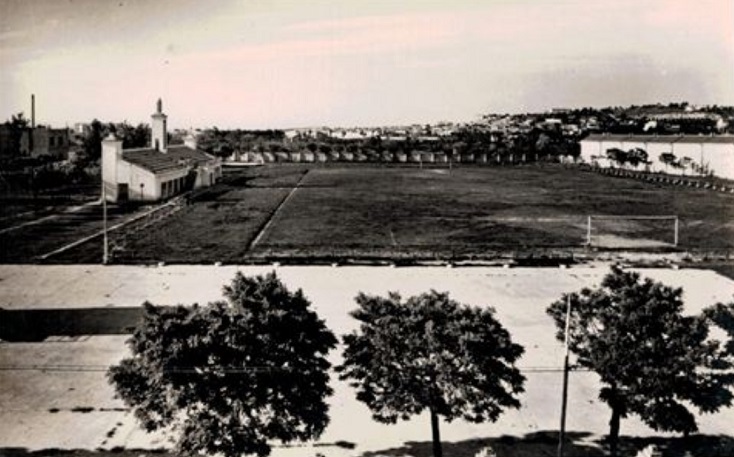
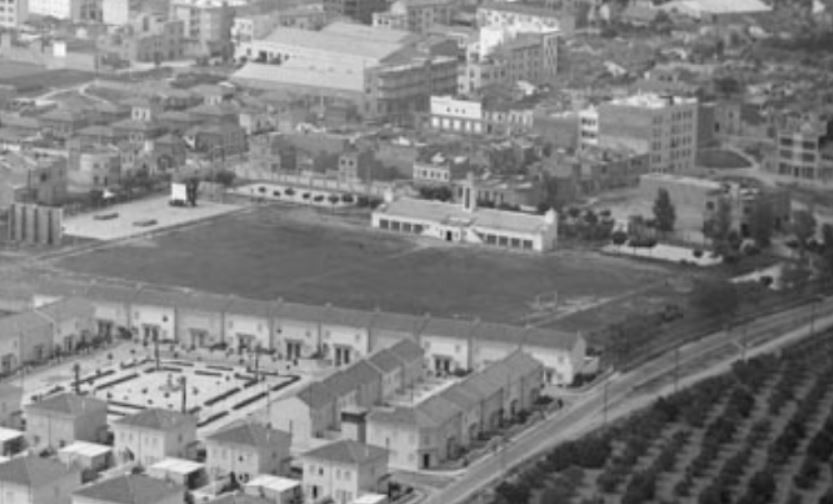
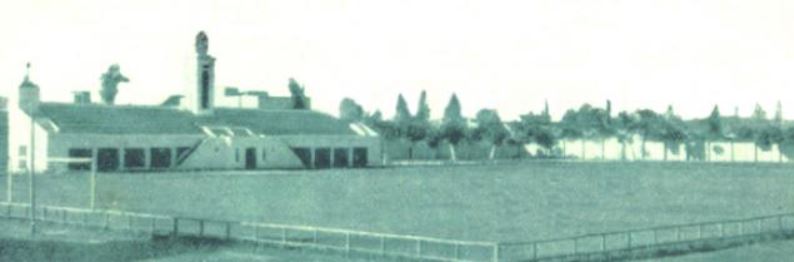
Alzira’s absurdly grandiose Estadio Frente de Juventudes housed UD Alzira from 1946 to 1973. The stadium’s only significant stand boasted three towers, not just one. Since I’m easily impressed by quantity, and photographs are very few and far between, this has got to be my favourite! Read all about it here.
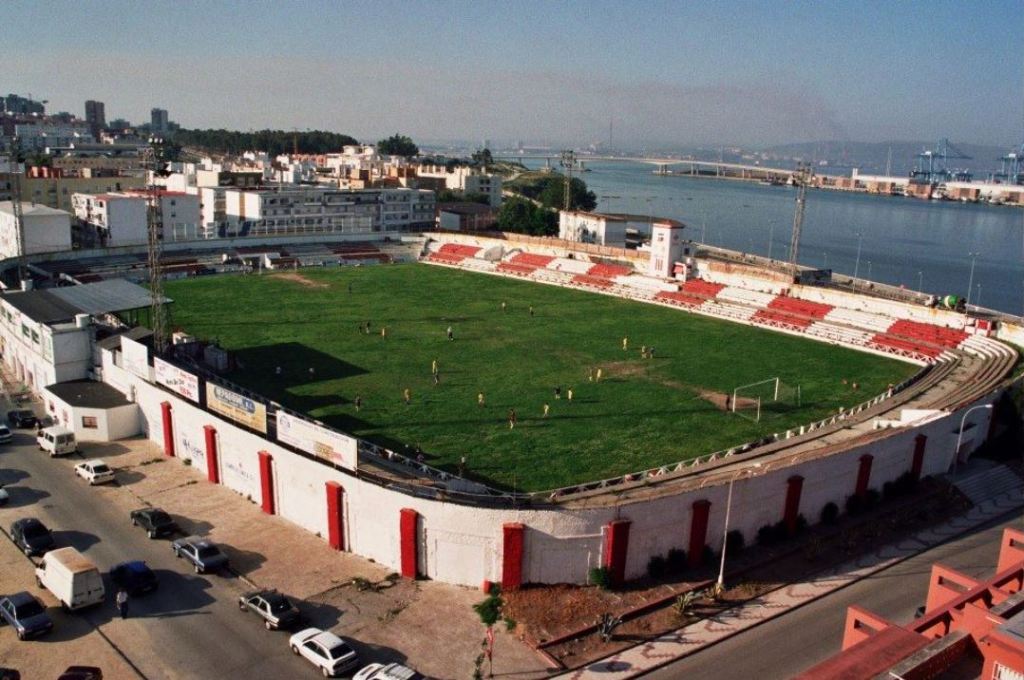
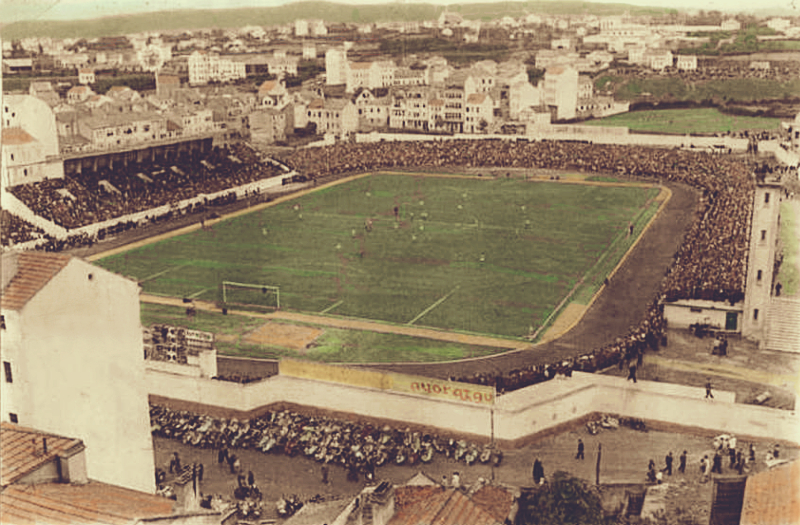
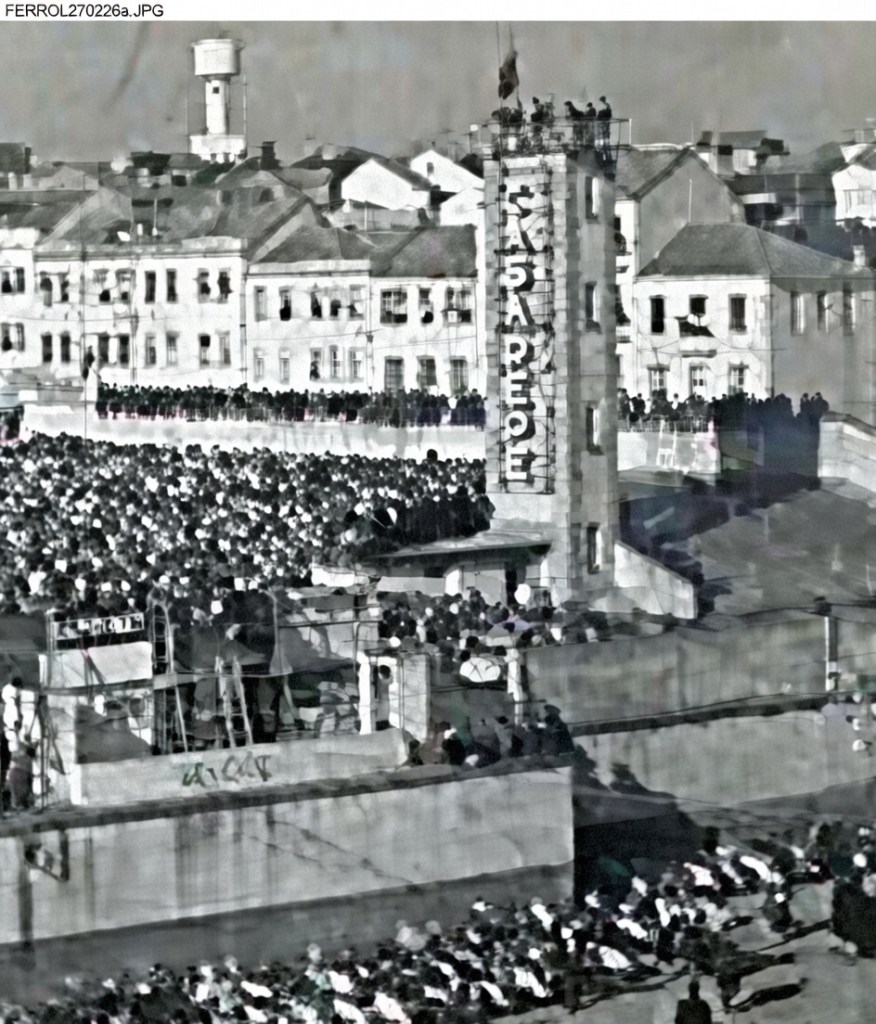
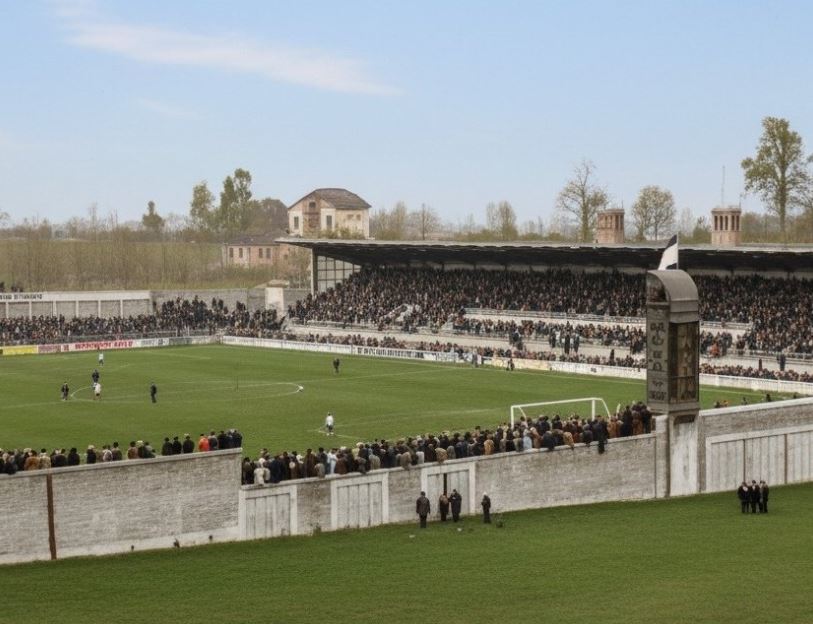
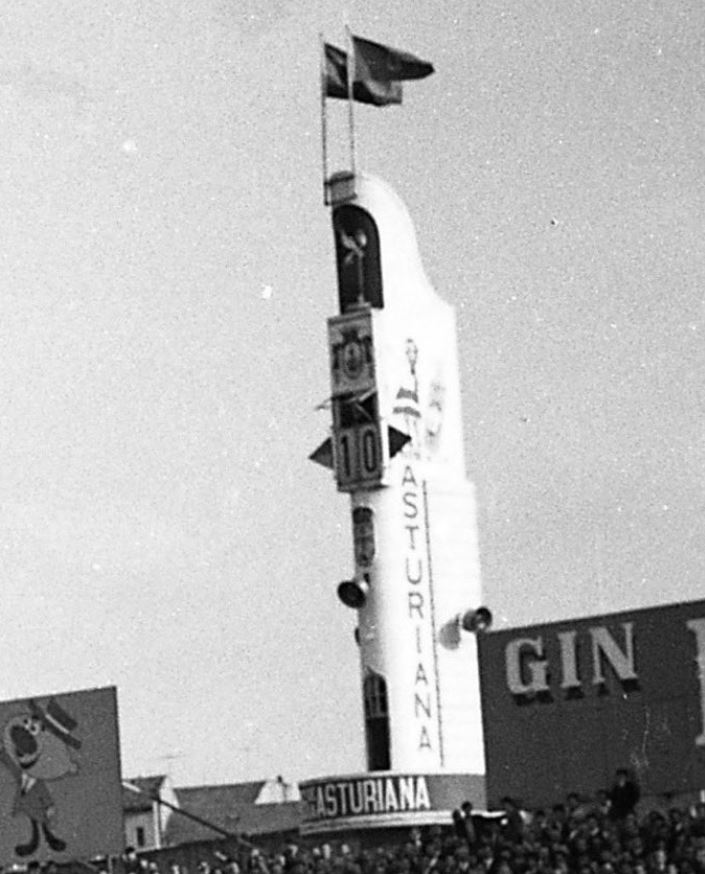
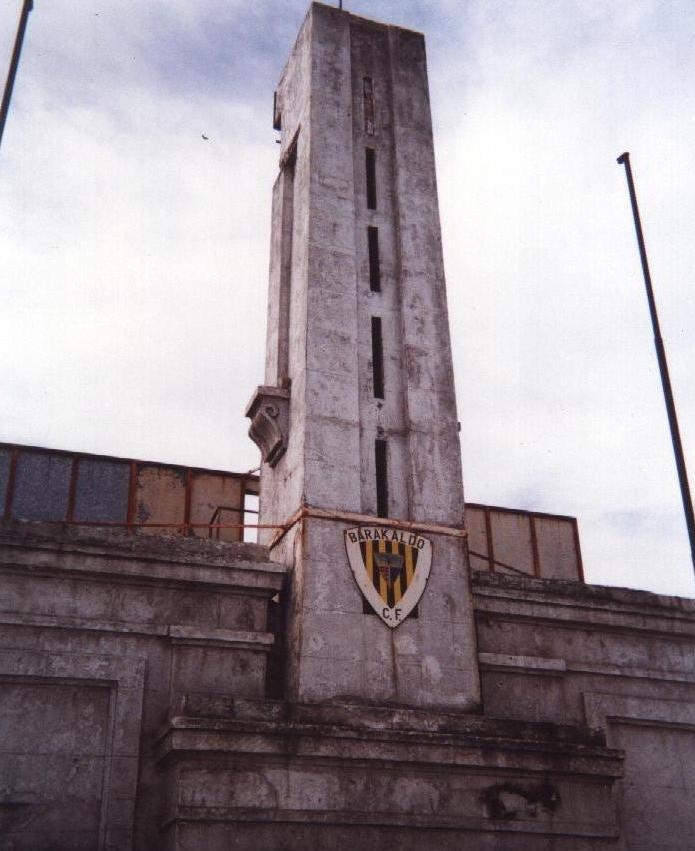
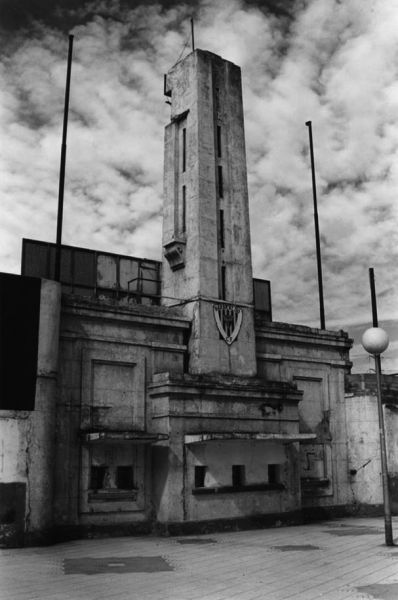
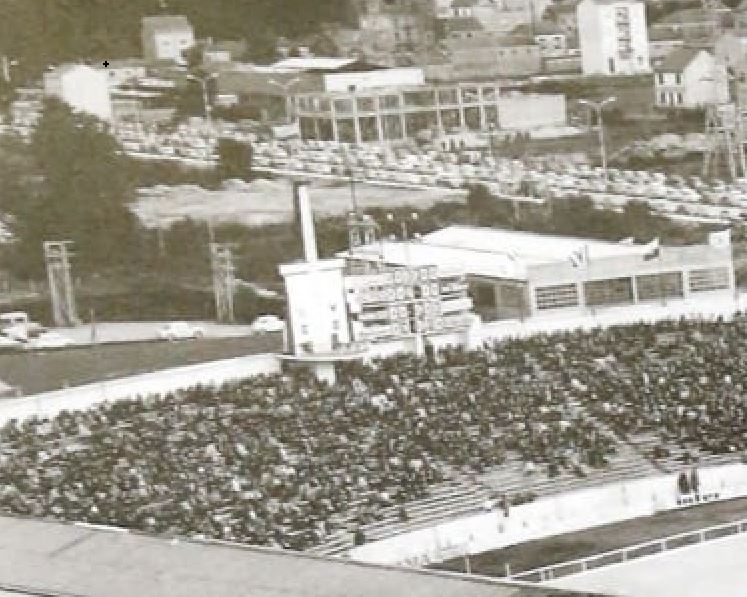
Towers were also erected at stadiums in Algeciras, Ferrol, Oviedo, Barakaldo and Vigo, and while they have long since been demolished, old photographs of them evoke mixed feelings. Yes, they were grand, but ultimately futile.
 Estadios de España