
Article updated: 25/05/2026
It’s 1900, and the new-fangled craze of foot-ball is starting to take a grip on mainland Spain, but not in far-off Lanzarote. 25 years later, and the islands of Gran Canaria, Tenerife and La Palma have established football clubs, but not Lanzarote. By the middle of the 20th century, clubs from the Canary Islands were competing in the national leagues, but Lanzarote is still struggling to field a decent representative team in the Campionate de Canarias. Quite why mainstream football passed the island by is a bit of a mystery, but by the late 1960s, despite numerous youth teams and occasional forays in senior football, the island was still a footballing backwater. The island needed a focal point, and that was provided in 1968 with the building of a new stadium.
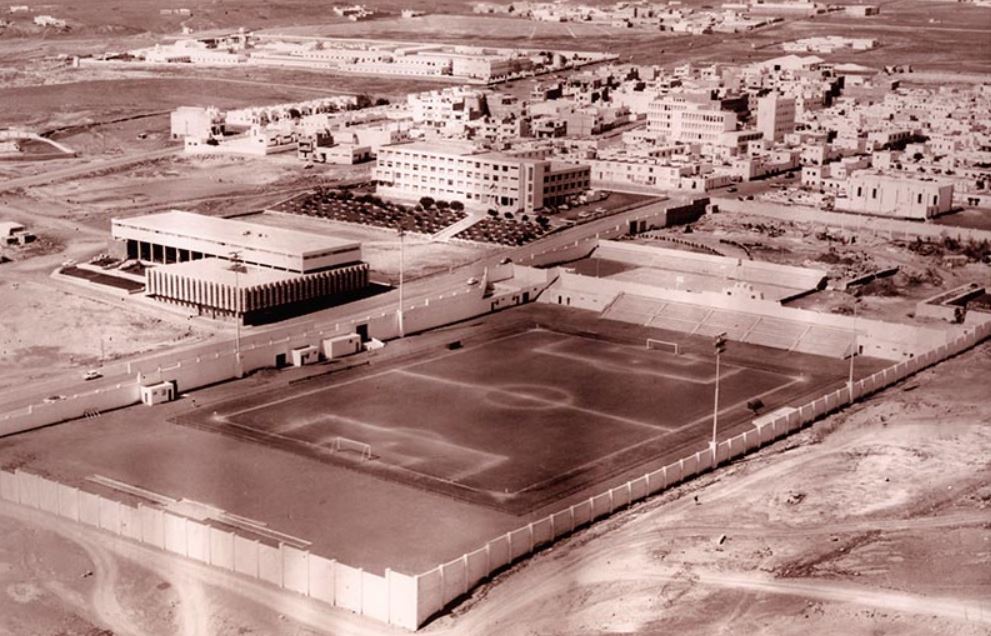
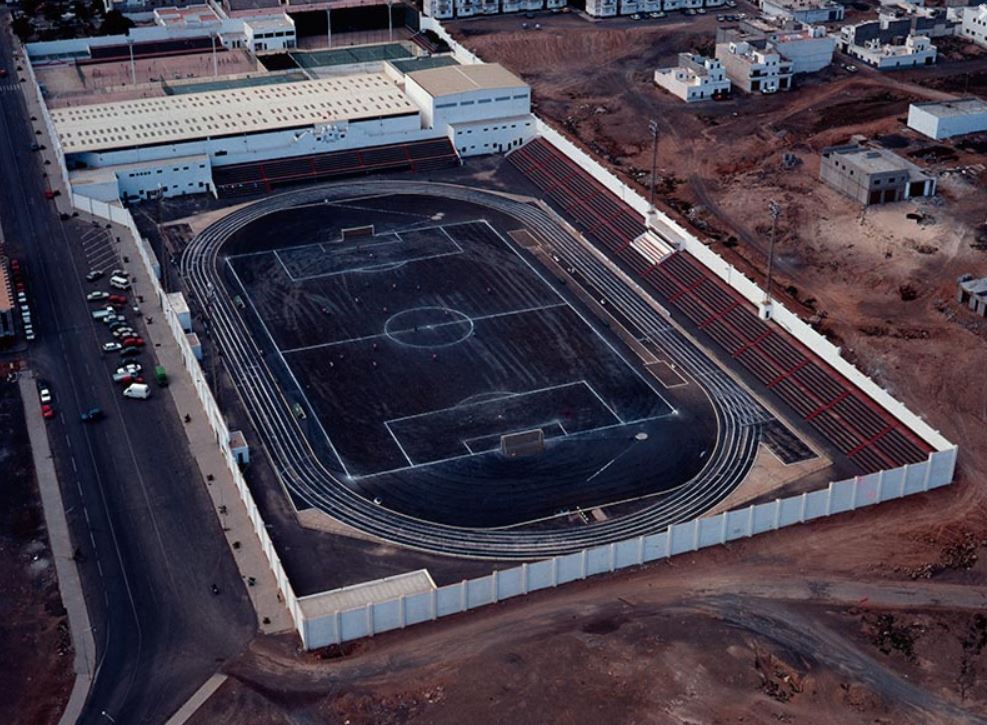
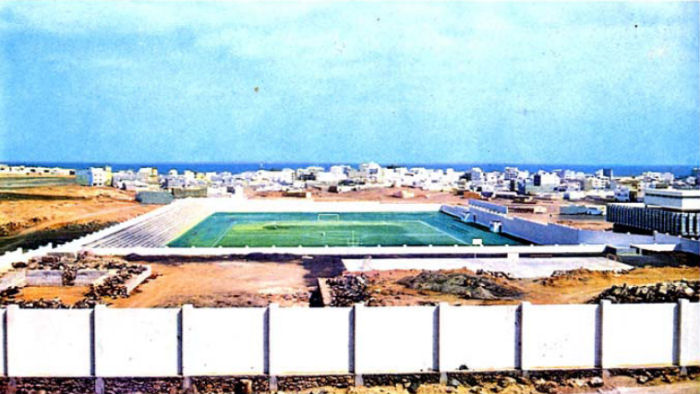
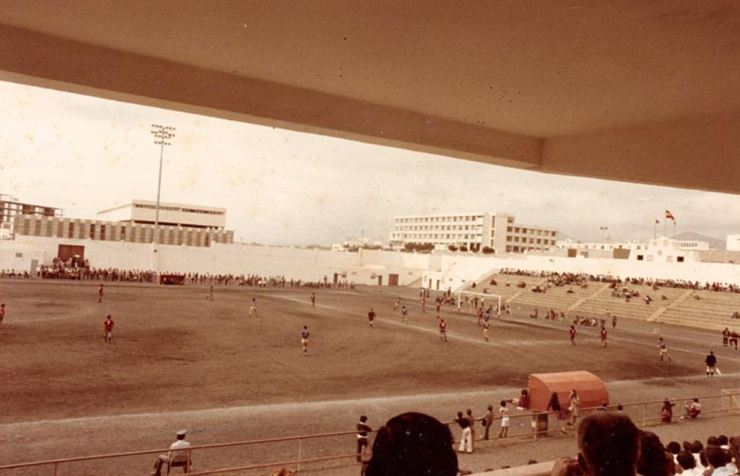
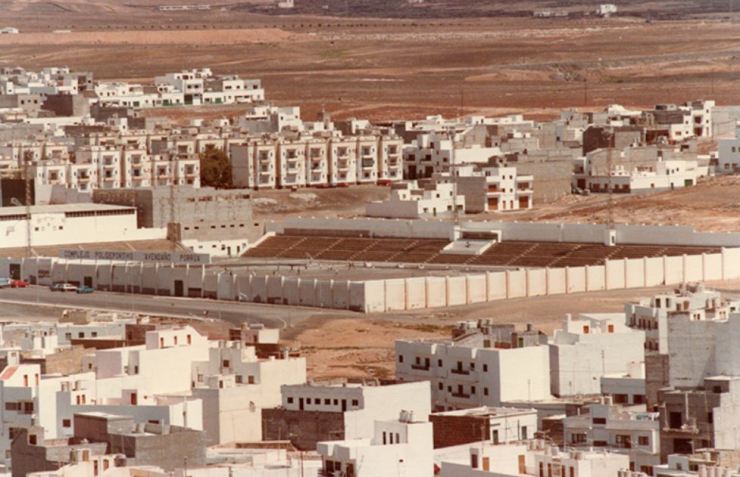
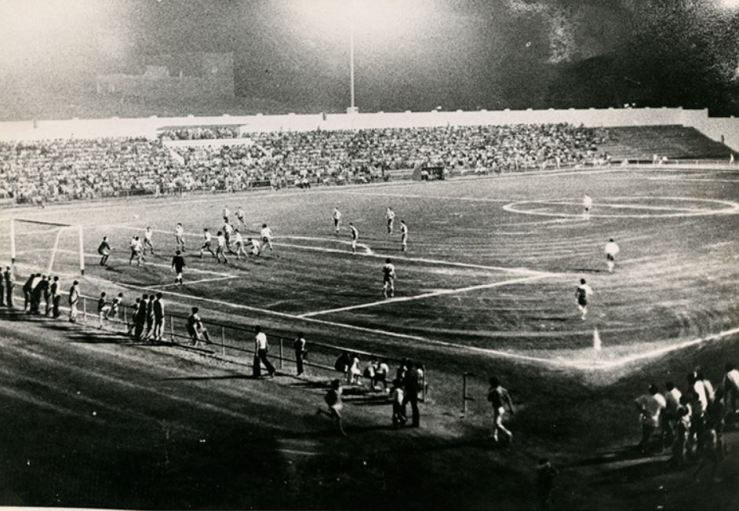
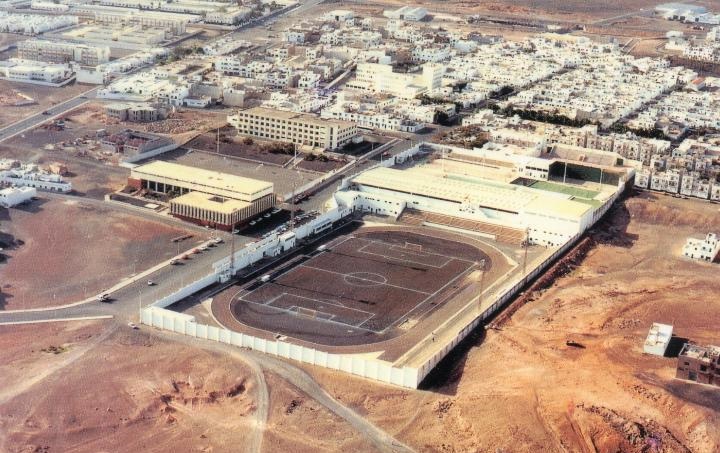
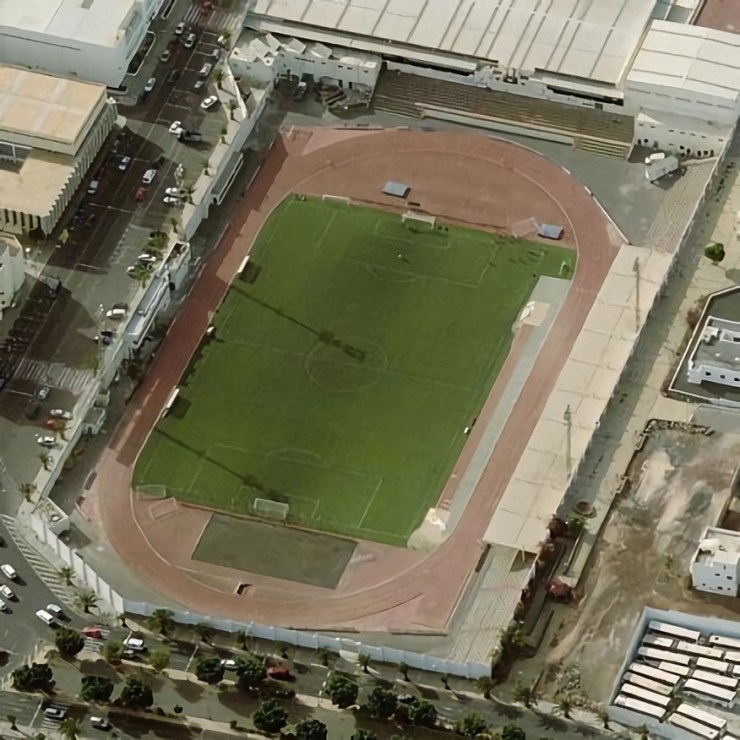
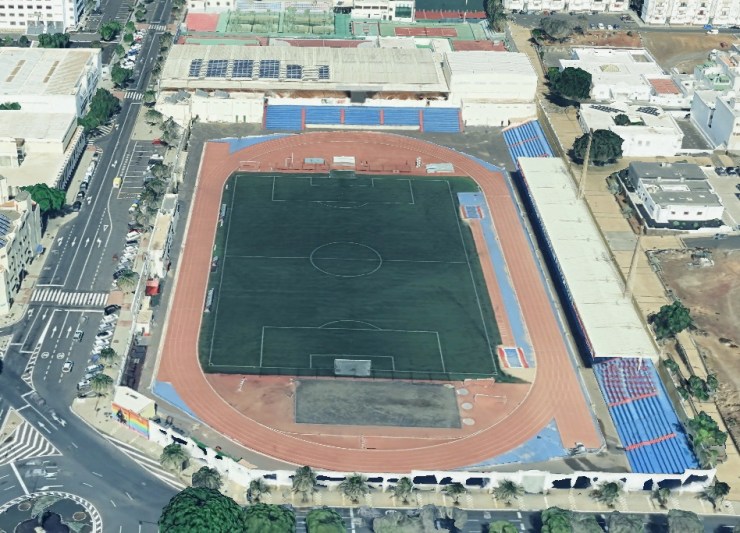
There had been rudimentary stadiums in and around Arrecife from the mid-1920s, such as the Campo Salinas, Campo La Vega and the rather optimistically named Estadio Olimpico. The latter was damaged by severe flooding in 1959, and five years later, the Civil Governor of Las Palmas, Avendaño Porrúa, visited the island and announced that a new stadium would be built to the north of the old town. The new Estadio Avendaño Porrúa finally opened in 1968 and featured a long open terrace on the east side of the stadium, with a small covered stand for dignitaries & press, whilst another open terrace ran behind the northern goal. The west side featured changing facilities and not a lot else. Given the arid climate, it would be a difficult and expensive task to maintain a natural grass pitch, so the island’s volcanic soil was compacted to produce a playing surface. In the beginning, the pitch was set towards the northern end of the stadium, but in the 1980s, it was moved to the south to accommodate a six-lane athletics track. To start with, this new facility did not inspire Lanzarote’s senior teams, so in 1970 the local football authorities raised the idea of forming a team which would represent the island. In July 1970, Unión Deportiva Lanzarote was founded by pooling the best players from the island’s senior clubs.
The new club started out in the second division of the regional provincial league, reaching the Tercera in 1980. Here it remained for the next nine seasons, rarely troubling either end of the table, before dropping to the Regional Preferente in 1989. UD Lanzarote struggled to establish itself during much of the 1990s, but towards the end of the decade, it reached the Tercera playoffs. A 4th-placed finish in 1997-98 saw the club enter the end-of-season shootout for the first time, but come up short in a group featuring Las Palmas B, Corralejo and promotion winners, Universidad de Las Palmas. UD Lanzarote returned to the playoffs a year later and won promotion to Segunda B, outplaying UD Telde, UD Orotava & UD Las Palmas B, despite finishing below them in the regular season. Their first visit to the third tier in the 1999-00 season was short-lived (finishing 17th), but with the nucleus of a good team, UD Lanzarote won its first Tercera title a year later. In the playoffs, SD Tenisca was held to a goalless draw in the final match to secure a return to Segunda B. There followed nine uninterrupted seasons in the third tier, the highlights being a third-place finish in 02-03 and the Segunda B Grp IV title a year later. However, UD Lanzarote fell foul of the playoff system, finishing bottom of their group on both occasions.
Thanks to UD Lanzarote’s excellent runs in the Copa del Rey in the early part of the 21st century, several La Liga clubs paid the stadium a visit, with Tenerife, Athletic Club & Mallorca sent packing with defeats. Perhaps the most memorable night at the stadium, however, was when Real Madrid visited on 28 November 2001. Los Rojillos held a team featuring Figo & Zidane well into the second half, before Los Blancos ran out 1-3 winners. The club’s stay in Segunda B ended in rather ignominious fashion when they finished the 2009-10 season in last place, some ten points from safety. Two reasonable attempts at a return were made, with a second Tercera title earned in 2010-11, but with budgets slashed, results dropped off. Five further visits were made to the end-of-season play-offs, but all ended in failure. Following the restructuring of the Spanish football pyramid, UD Lanzarote play in the Tercera Federación, or fifth tier of Spanish football. Their playoff hoodoo continues, with two first-round defeats in 2023 & 2024.
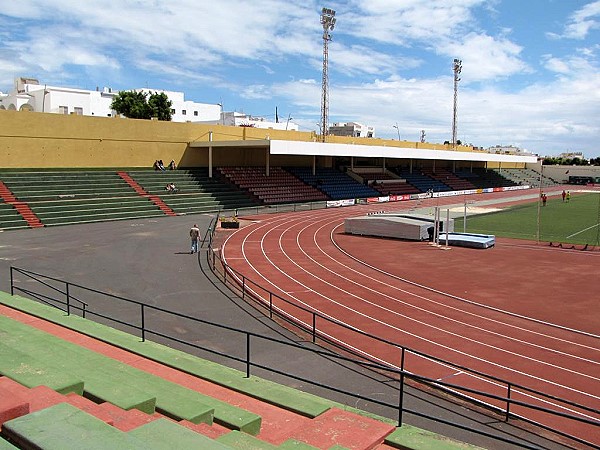
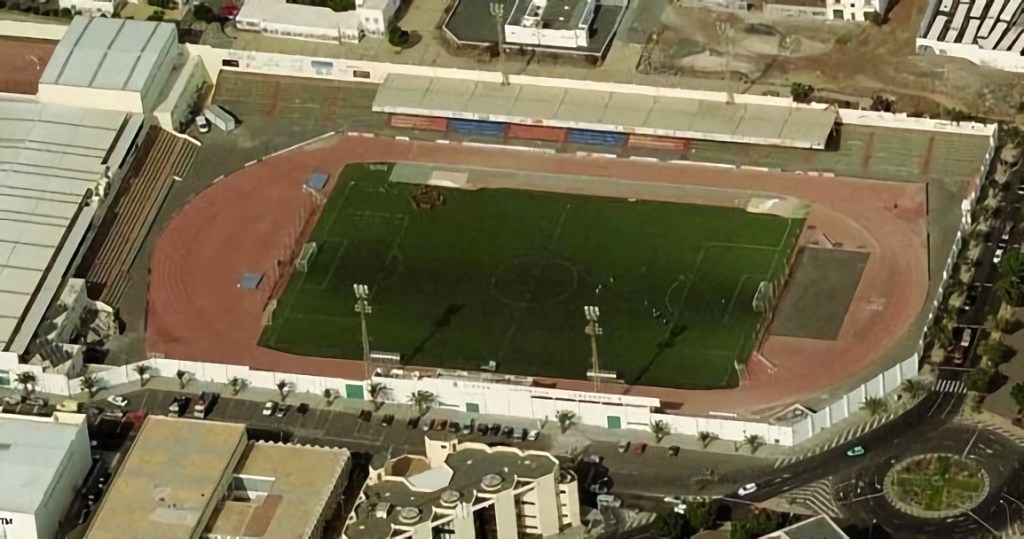
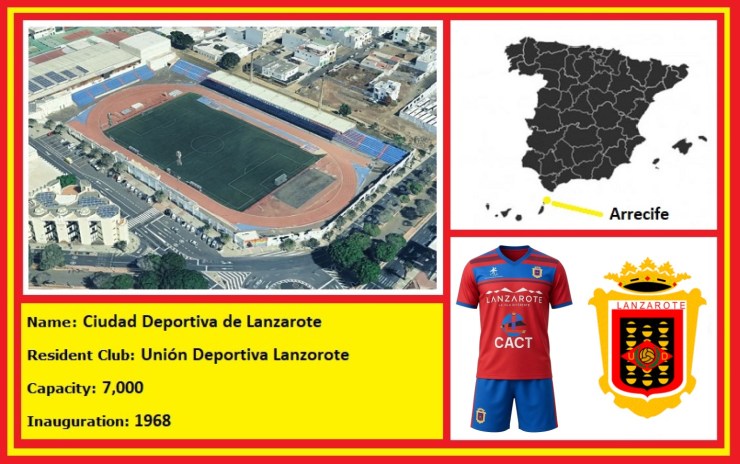
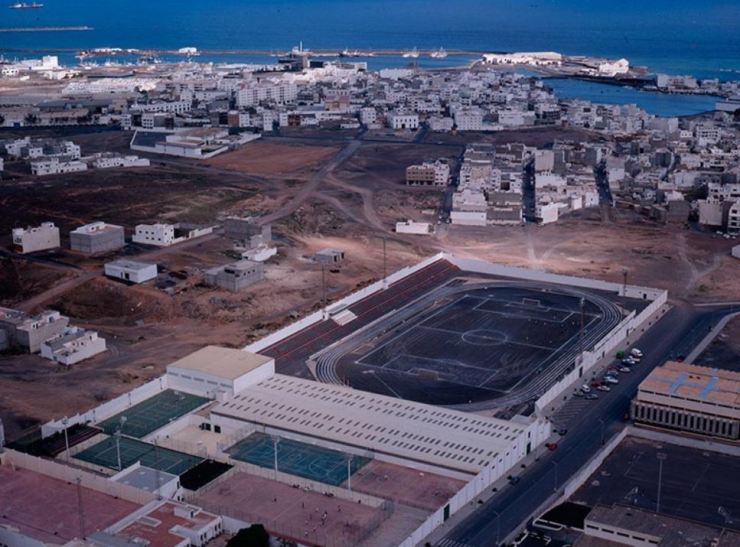
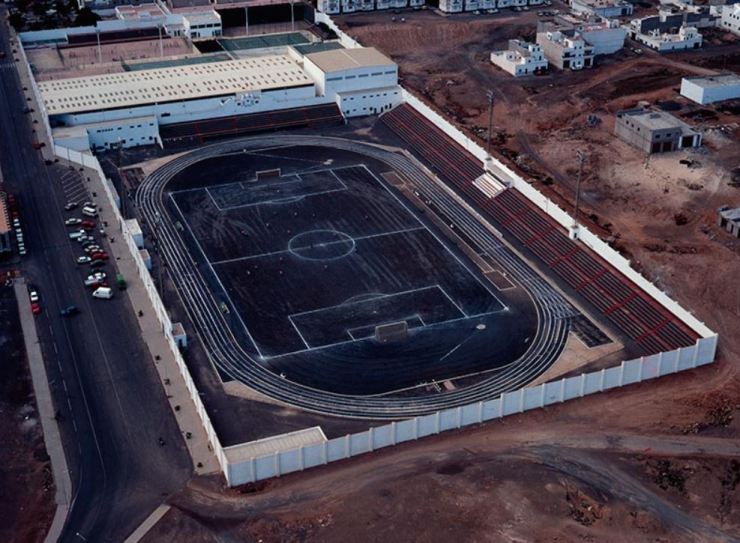
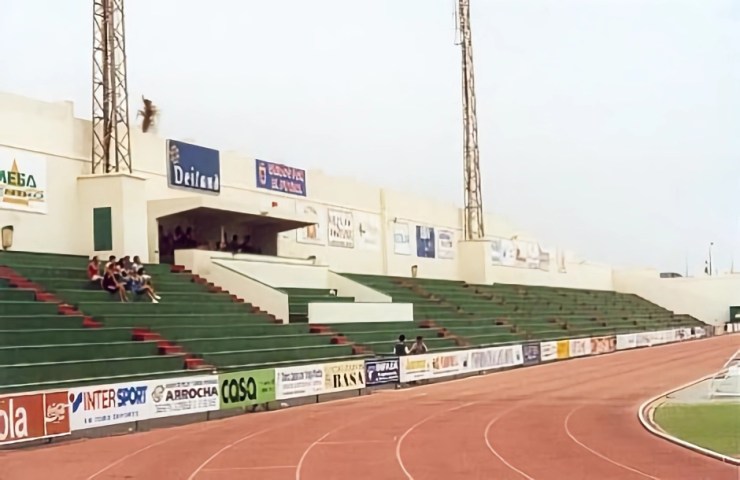
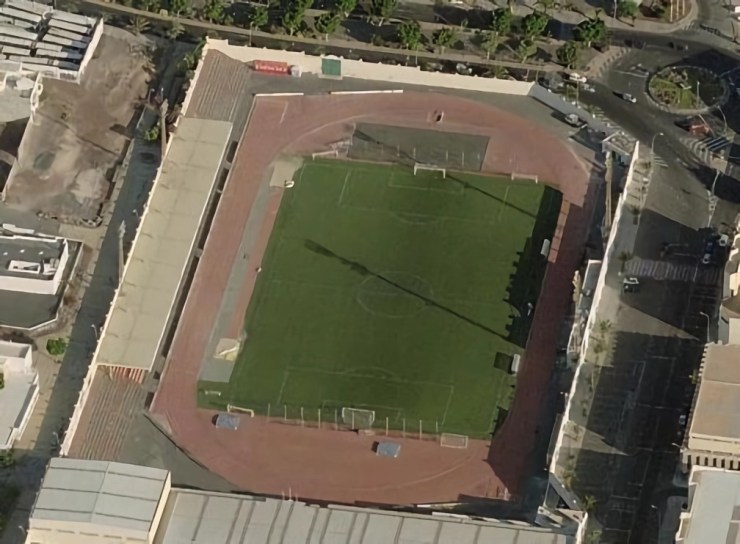
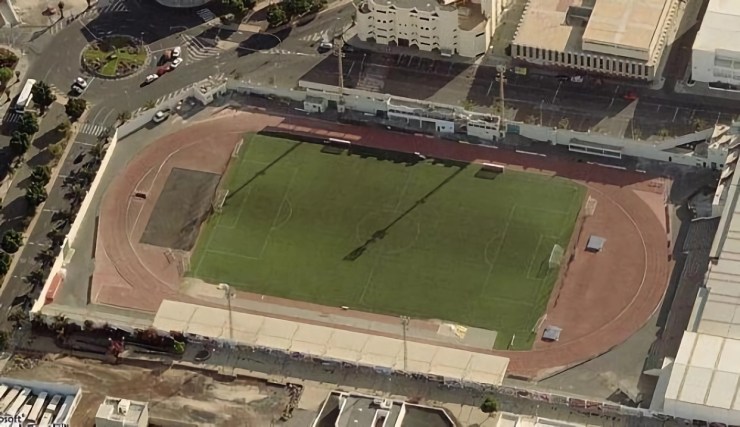
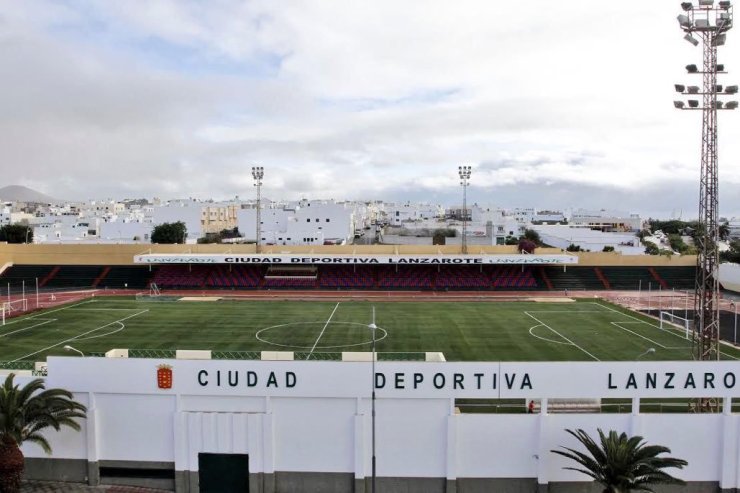
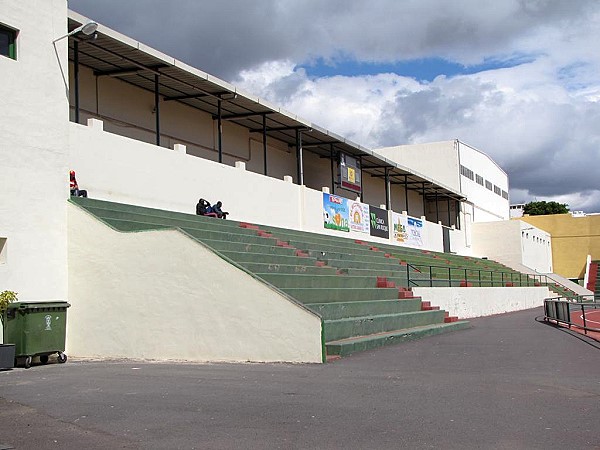
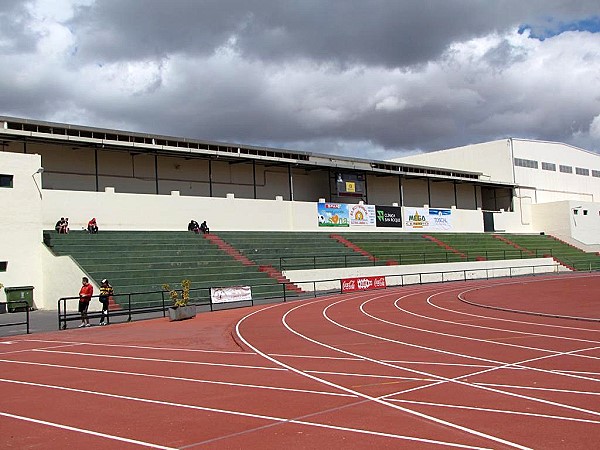
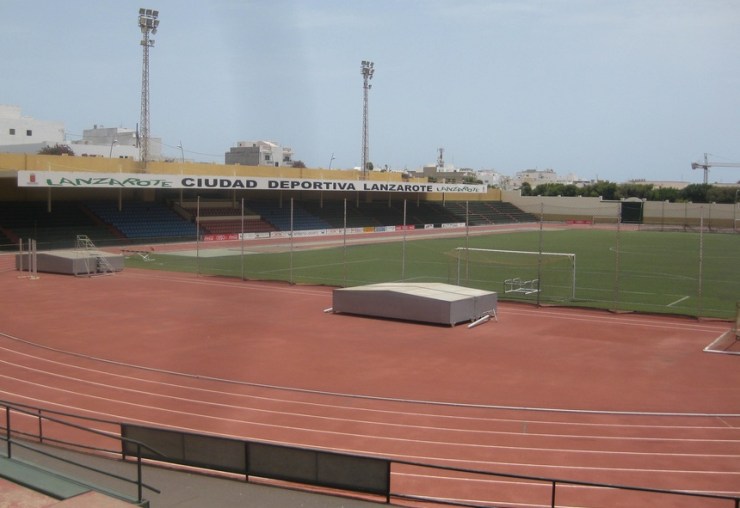
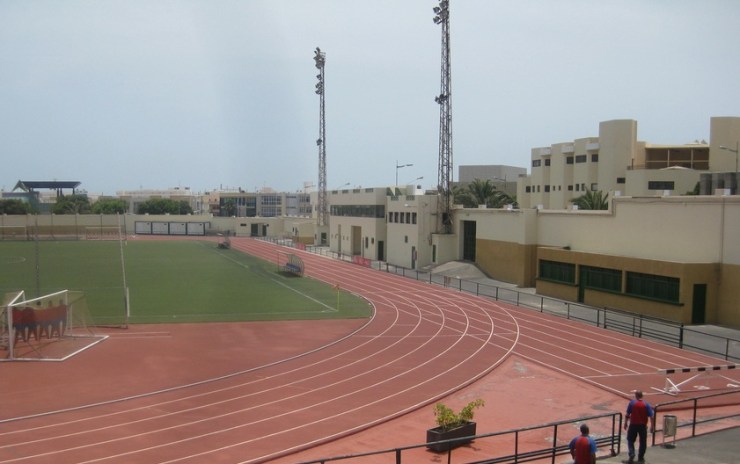
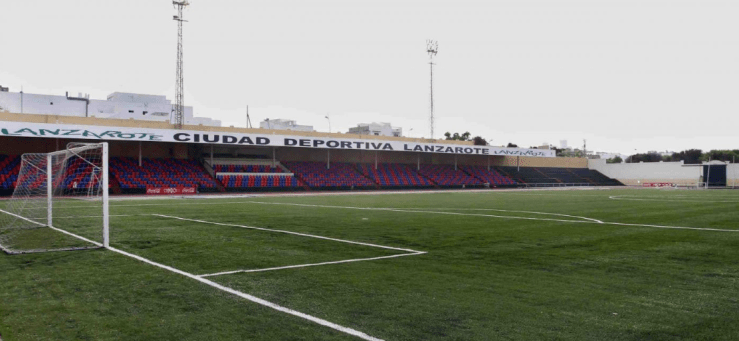
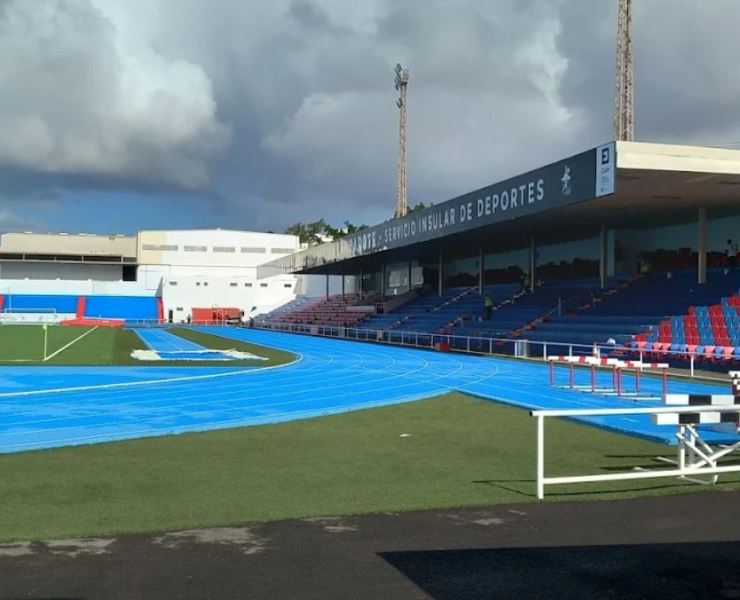
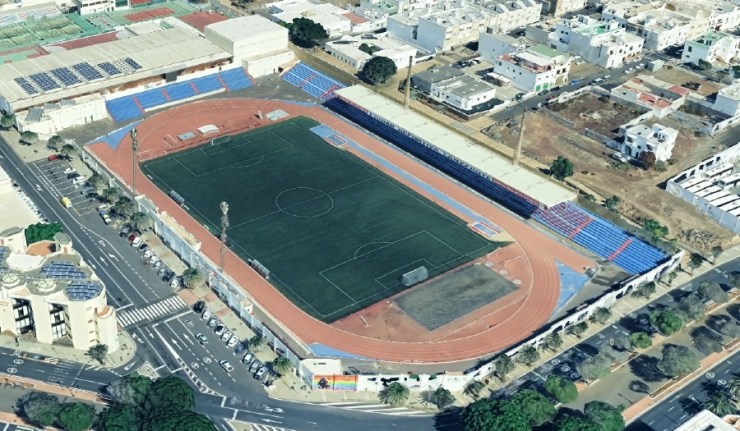
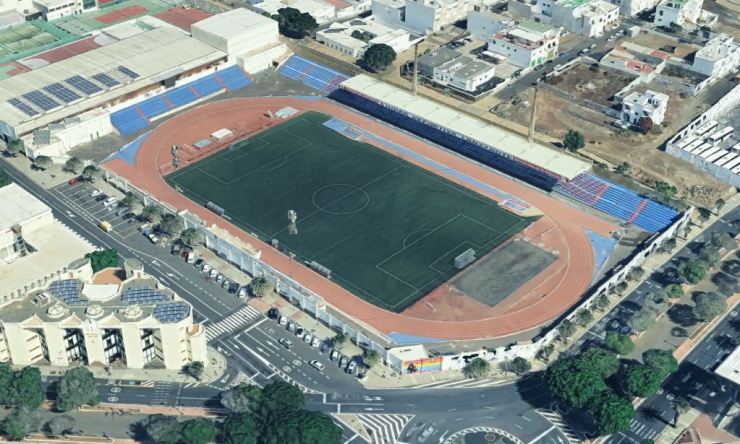
The Estadio Avendaño Porrúa became the Estadio Ciudad Deportiva in 1986, but little has changed in the structures, although an artificial pitch and synthetic running track were added in the late 1980’s. The ground was still open to the elements when UD Lanzarote made its first appearance in Segunda B, but a propped cover was eventually added over the east side in 2005. This rather bulky roof runs the length of the playing surface and hangs low over 2,500 red and blue bucket seats. The old raised seated area for dignitaries & press has been retained, now slightly offset from a central view following the realignment of pitch in the late 1980s. The stadium staged Segunda B football every weekend of the 2006-07 season when Club Deportivo Orientación Marítima, also from Arrecife, gained promotion and switched home matches to the venue. In October 2024, work began on a €1.2m project to replace the artificial turf and athletics track. As a result, UD Lanzarote played their home matches during the 2024-25 season at the Estadio Pancho Bermúdez, 10km west of Arrecife in Tías.
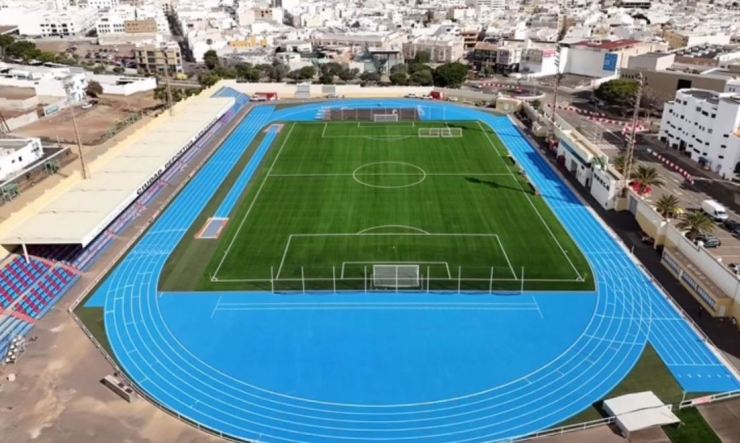
Now confined to the Tercera Federación, UD Lanzarote seems miles away from the heady days of the early 2000s. History would suggest that the club has returned to its natural level, but following the Ciudad Deportiva’s makeover, maybe the club will be inspired to climb the leagues once again.
 Estadios de España