
Article updated: 14/05/2026
Situated in the far eastern corner of La Rioja, Alfaro is a small town with a population of around 10,000. It is renowned for its Roman history, surrounding vineyards and the annual nesting of over 100 pairs of storks. Not the typical ingredients associated with a footballing hotbed. This may explain why the town was somewhat slower than its immediate neighbours to fully embrace the joys of football. Whilst clubs sprang up in Calahorra, the regional capital Logroño and in the nearby Navarran town of Tudela in the first decade of the 20th Century, it took the citizens of Alfaro until 1924 to form a club. The first team to emerge from the town was the original Club Deportivo Alfaro, which in July 1924 approached the local council to provide an area for use as a football pitch. Land to the northwest of town, on the Paseo de La Florida, was identified and rented to the club by the private landowners.
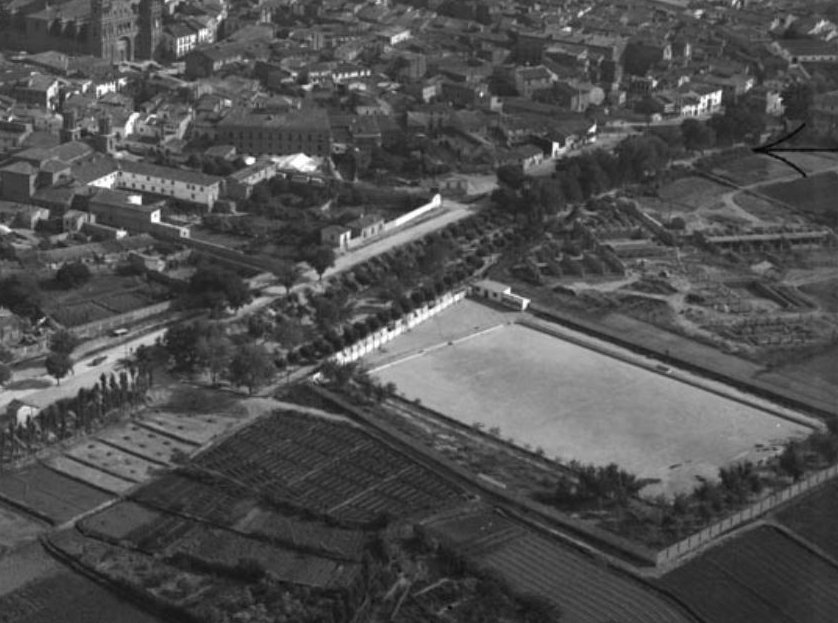
The original CD Alfaro had dissolved by the early 1930s, and a series of local clubs kept the footballing flame burning up until the Civil War. In the years after the war, numerous clubs attempted and failed to establish themselves as the town’s foremost representative. In 1947, the local council spent 47,000 pesetas on a patch of land on the Paseo La Florida. The land was enclosed, the pitch was fenced off, and a clubhouse with changing facilities was built. However, despite the lush climate, the money did not stretch to providing a grass pitch or any raised standing for spectators. Finally, in 1952, the current Club Deportivo Alfaro was founded and, with funds from the council, competed in the second tier of the Federación Navarra. Success was instantaneous, and with promotion to the Regional Primera, urgent work was carried out at the Campo La Florida to upgrade to changing facilities and pitch surround. After several near misses, CD Alfaro became champions of the Regional Primera in the 1958/59 season, earning promotion to the third tier of Spanish football.
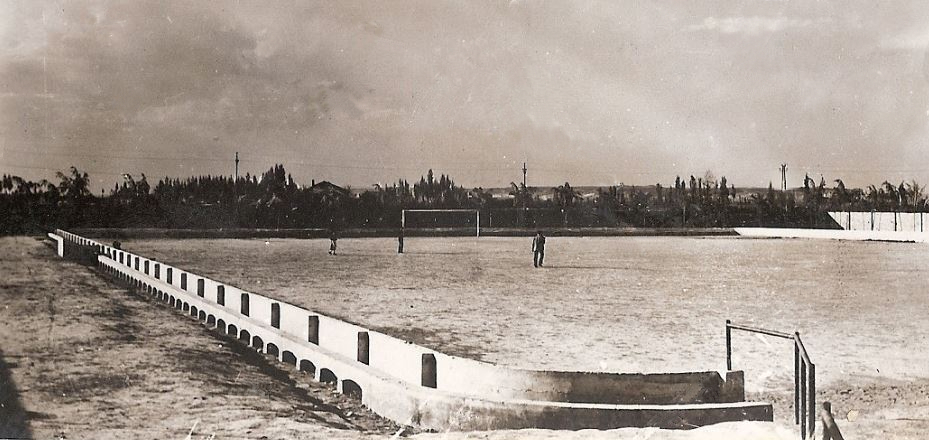
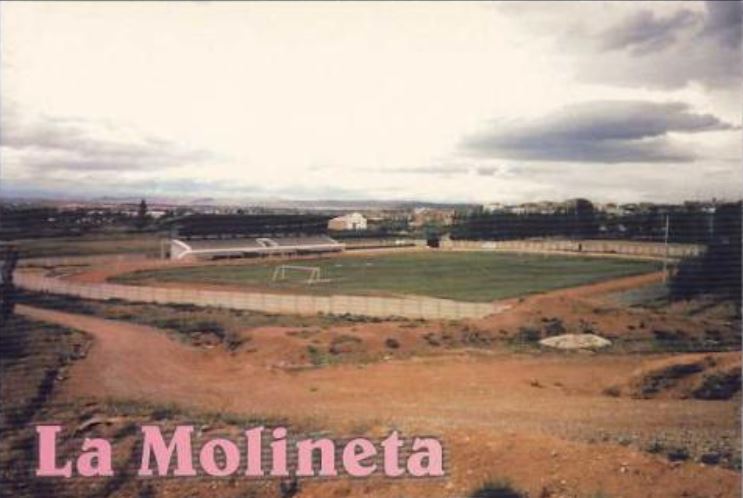
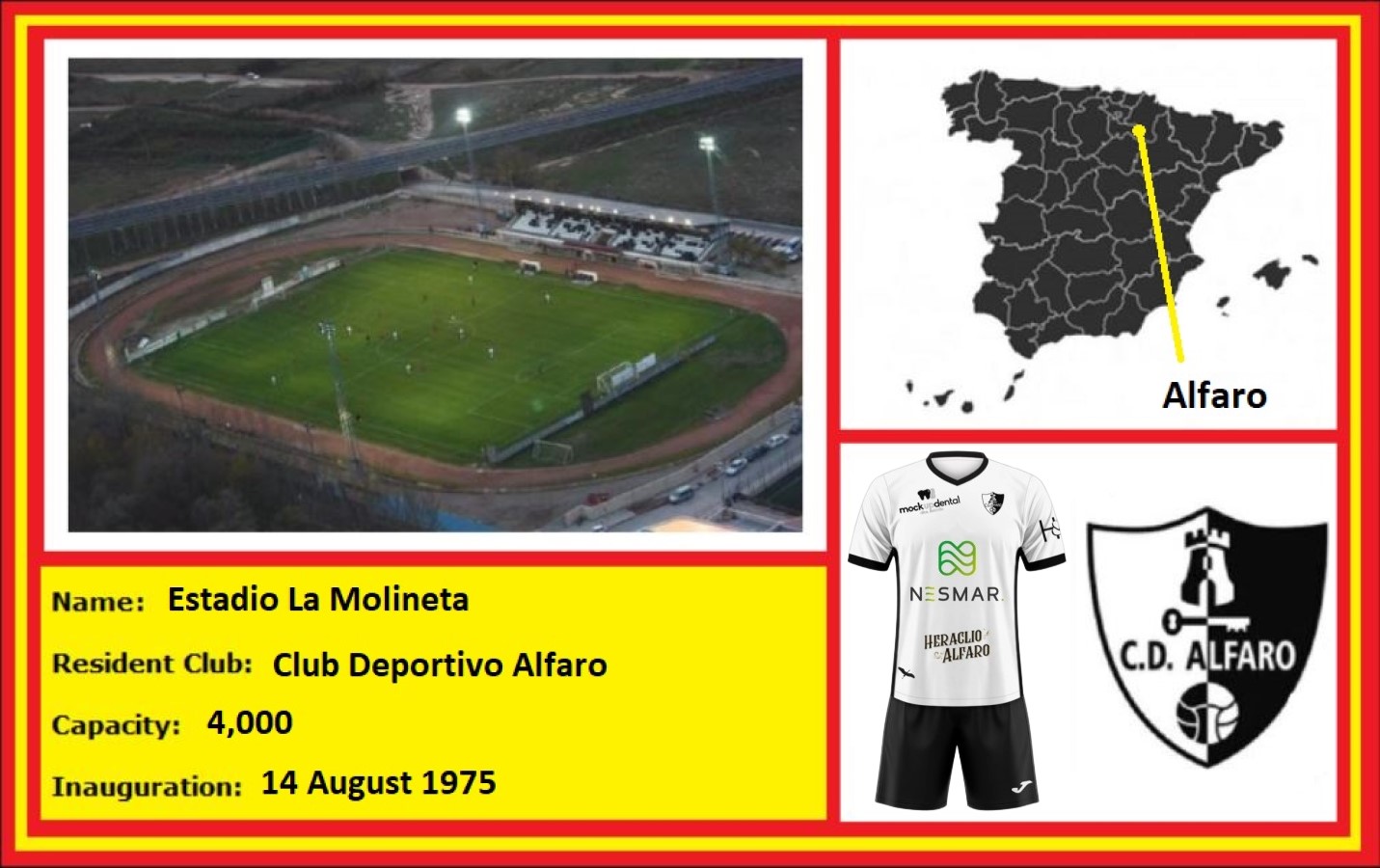
Although never seriously challenging for promotion, CD Alfaro acquitted themselves reasonably well, finishing as high as 7th in three successive seasons from 1960-63. They hung around in the Tercera for eight seasons before returning to the regional leagues in 1967. By the time CD Alfaro returned to the Tercera in 1975, the Campo La Florida had closed, and the town’s main football ground could be found a kilometre or so to the south of the town, next to La Molineta reservoir. The club played its first match at the Estadio La Molineta on 14 August 1975, having won promotion back to the Tercera at the end of the 74-75 season. Regrettably, this was a brief visit, and they dropped back into the regional leagues a year later, where they would stay until 1981. Over the next 20 seasons, CD Alfaro made little impact on the Tercera, but this changed in 2001, when a third-place finish earned them a spot in the promotion playoffs. On 17 June 2001, a 5-1 victory over Aurrera Ondarroa earned the club promotion to Segunda B.
The 2001-02 season proved difficult, and although not disgraced, the club finished bottom of the league, 9 points from safety. A season later, CD Alfaro had won promotion to Segunda B again, and this time they stuck around for a little longer, finishing as high as ninth in 2003-04. The club rallied following relegation in 2007 and won its first Tercera league title at the end of the 2007-08 season. The club’s promotion hopes appeared dashed when they lost 3-5 on aggregate to CD Tudelano. However, CD Logroñés latest demotion saw CD Alfaro reprieved and offered a place in Segunda B. For the duration of the 2008-09 season, CD Alfaro was the region of La Rioja’s top dog. Not that it counted for much, as the club was relegated back to the Tercera after finishing nineteenth.
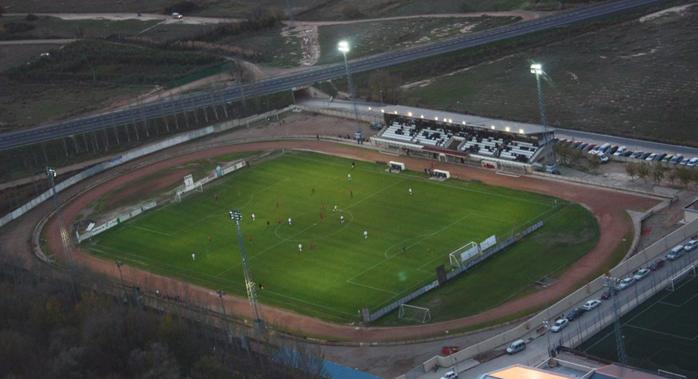
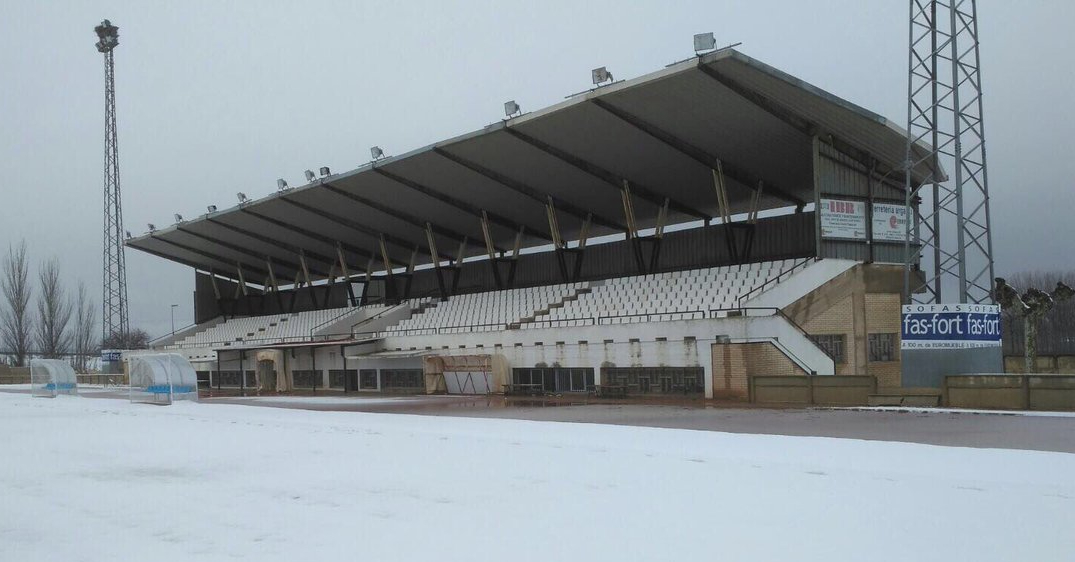
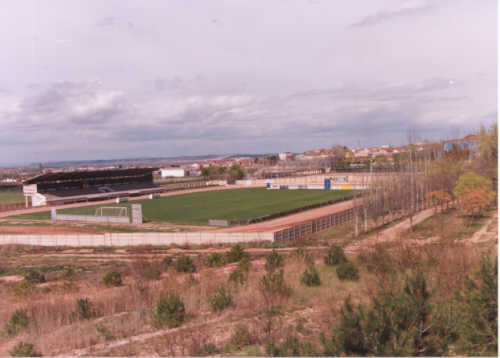
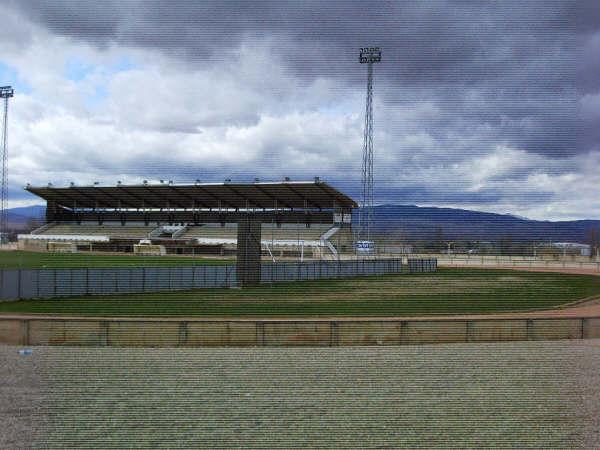
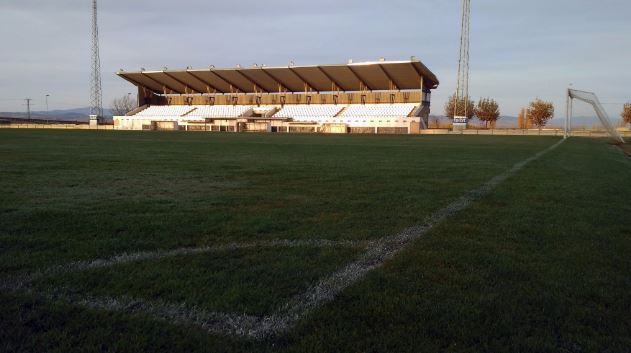
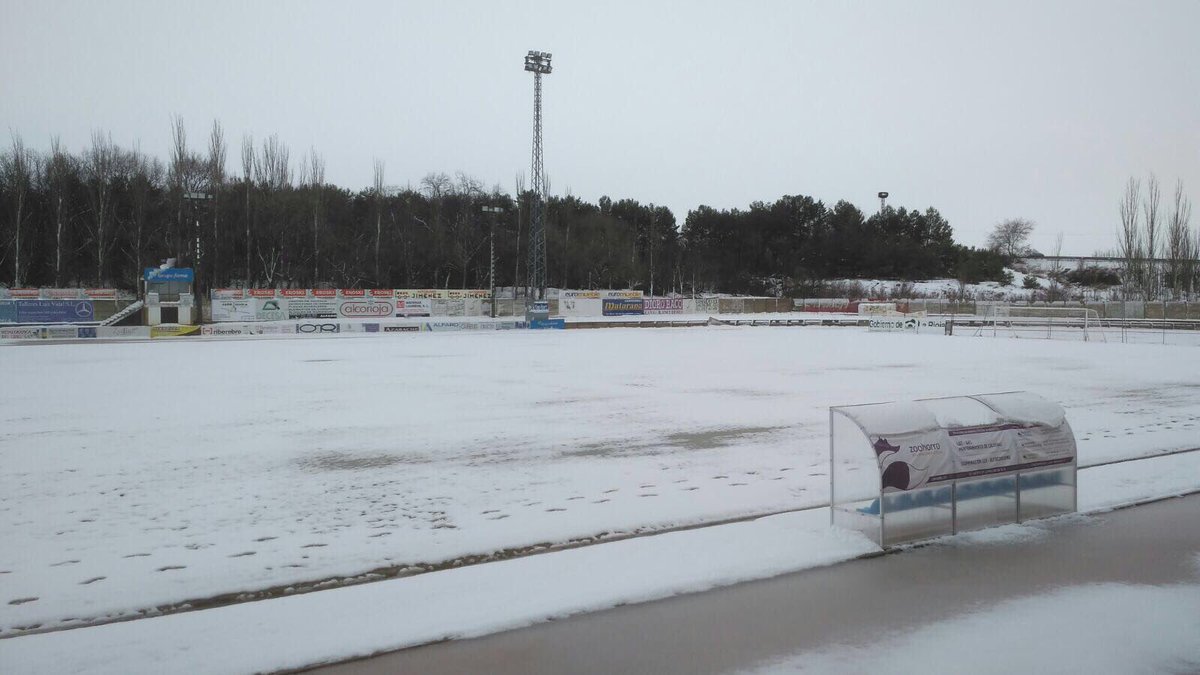
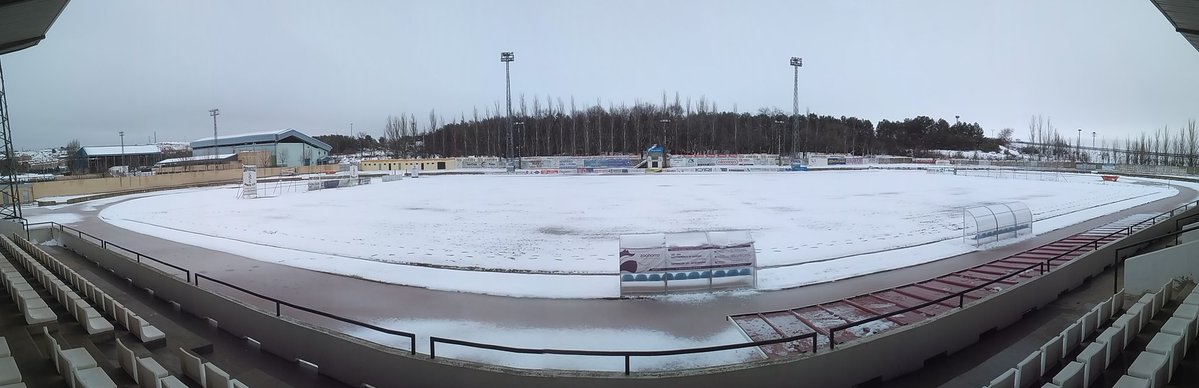
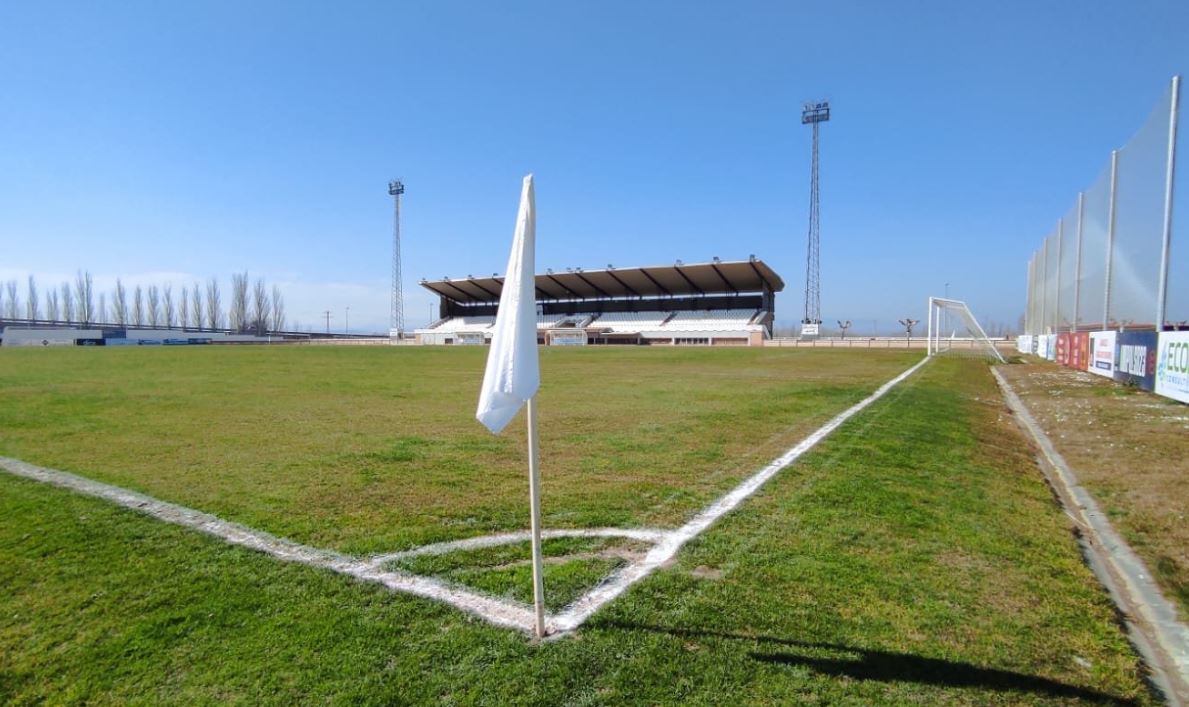
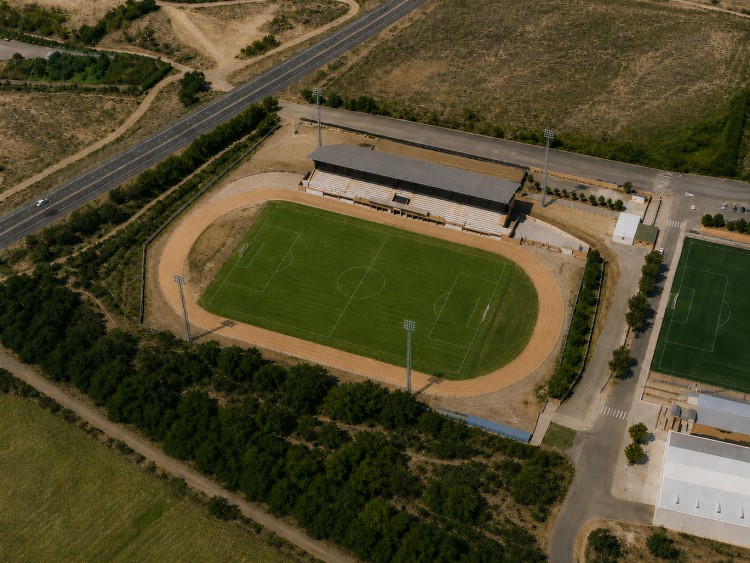
The only stand at the Estadio La Molineta is a strange contradiction. At first glance, its design of a single raised tier above changing facilities, coupled with a pitched cantilevered roof, gives the impression that it was built a decade or so before its actual construction. However, the sound quality of the build (not something that can be said of all Spanish stadiums built in the 1970s!) and its subsequent refurbishments give it a fresh feel that belies its age. Straddling the halfway line for 60 metres, it has 1000 white seats, added to the original concrete bleachers in 2008. The stadium’s floodlights were added in 2001 following the club’s first promotion to Segunda B. A gravel track surrounds the pitch, and the remainder of the 4,000 total capacity is made up of hard standing. La Molineta certainly has a rural air about it, which only adds to its character.
CD Alfaro has not been able to repeat its success of the 2000s, when it played 6 seasons in the third tier. The 2010s saw the club marooned in the Tercera, with just two unsuccessful visits to the end-of-season play-offs. Its status suffered a further blow in 2021, when the RFEF’s reorganisation of the Spanish football pyramid demoted the club to the fifth tier, or the confusingly named Tercera RFEF. However, the disappointment was short-lived, for in 2022 the club achieved its first promotion in 14 seasons, finishing runners-up in Group 16 of the Tercera RFEF and beating CD Lealtad on penalties in the playoff final. Joy was tempered a year later with relegation back to the Tercera Federación, but another runners-up placing in 2023-24 saw CD Alfaro return to the playoffs. Here, CD Alfaro beat SD Oyonesa and CD Anguiano to return to the Segunda Federación. Two seasons in the fourth-tier, including a high finish of tenth, ended with relegation at the end of the 2025-26 season.

As for the Estadio La Molineta, its days appeared to be numbered. In December 2022, the club and the local council announced plans for a new stadium, very close to the site of the original Campo La Florida. This is to facilitate the expansion of La Molineta reservoir, which will occupy the land on which the current stadium stands. Plans showed that the new €5.65m stadium would feature a single-deck, full-length stand that seats 5,000 and hard standing with a capacity of 1,250 around the remaining three sides. However, disputes over the funding of the projected stadium and the expansion of the reservoir mean that, as of the spring of 2026, CD Alfaro remain at El Molineta.







CD Alfaro Official X/Twitter: https://x.com/cdalfaro?lang=en
La Futbolteca Club History: http://lafutbolteca.com/club-deportivo-alfaro/

