Article updated: 05/12/2025
Along with Langreo, the town of Mieres was at the centre of the Asturian coal and steel industry, and as we know, where there is coal & steel, there is usually a decent football club. The history of Caudal Deportivo is intertwined with the local coal mines & steel factories, and as a result, it has seen its fortunes ebb and flow with the rise and subsequent demise of these industries.
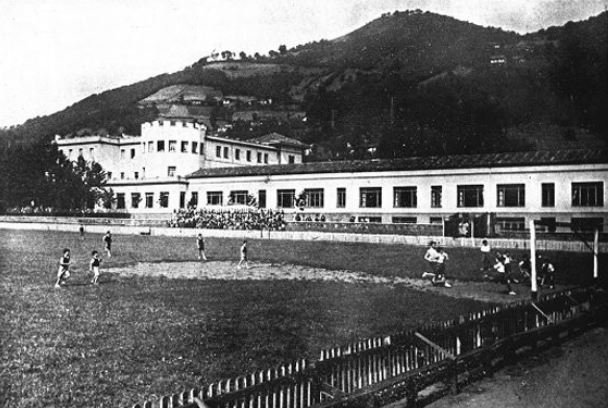
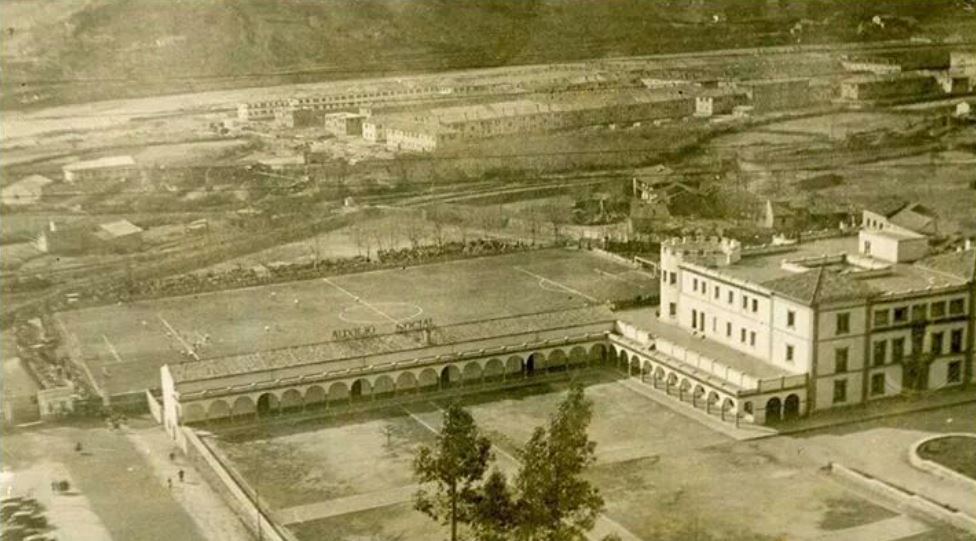
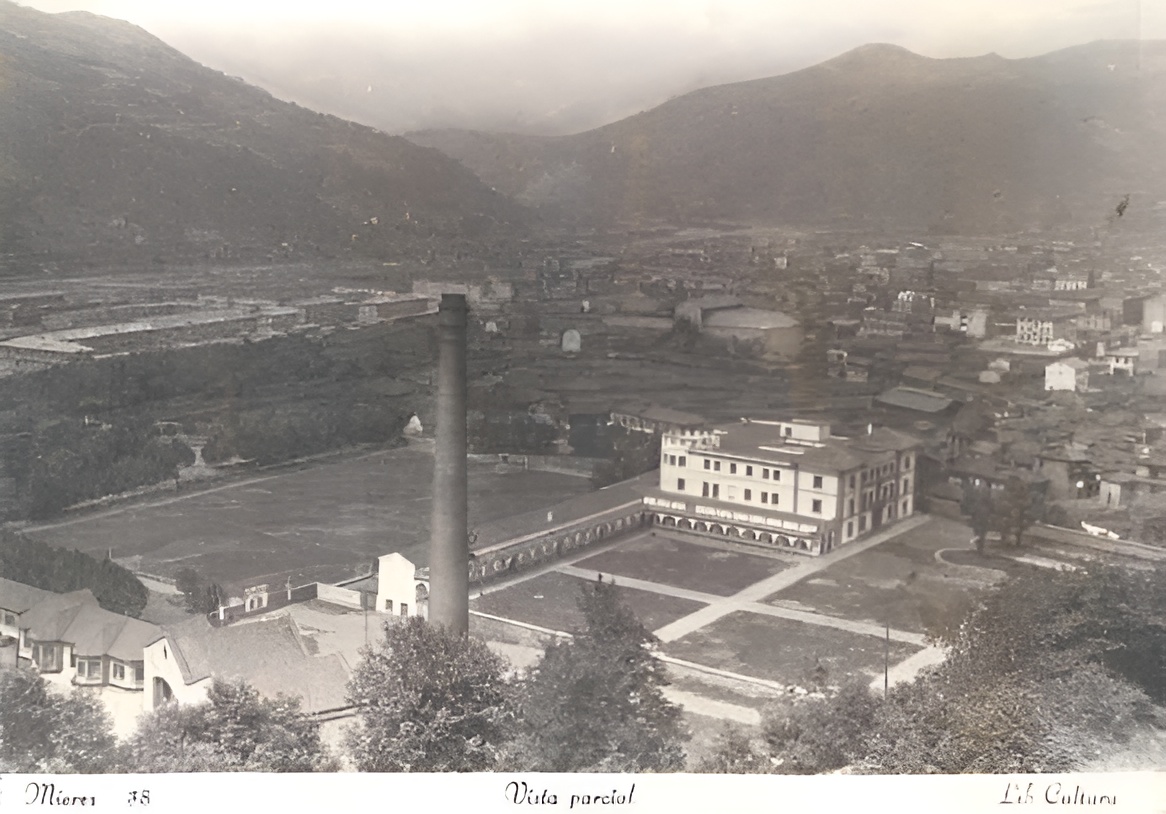
The club was formed in 1918 as Racing Club de Mieres and played its first matches at El Llosu in the Batán neighbourhood. Within a year, the club had fallen under the wing of Fábrica de Mieres, the local mining and steel producer, who built the Campo de El Batán, which opened on 15 July 1919. The company began recruiting some of the region’s best players. Within a few years, it was rubbing shoulders with the regional heavyweights from Gijón & Oviedo in the Primera Categoría Asturiana. Racing was affected by the miners’ uprising of 1934, which resulted in many deaths and led to the club adding a spade and pickaxe to its crest. Following the Civil War and the Federation’s banning of all Anglicised words, Racing changed their name to Caudal Deportivo, a reference to the river that runs through the town. Under the presidency of Ramon Antuña, the club moved to a new ground in the south of Mieres. The Campo de Las Moreras opened on 27 September 1941 with a 2-0 victory over Club Hispania de Gijón, and it was here that Caudal started to make its ascent through the leagues.
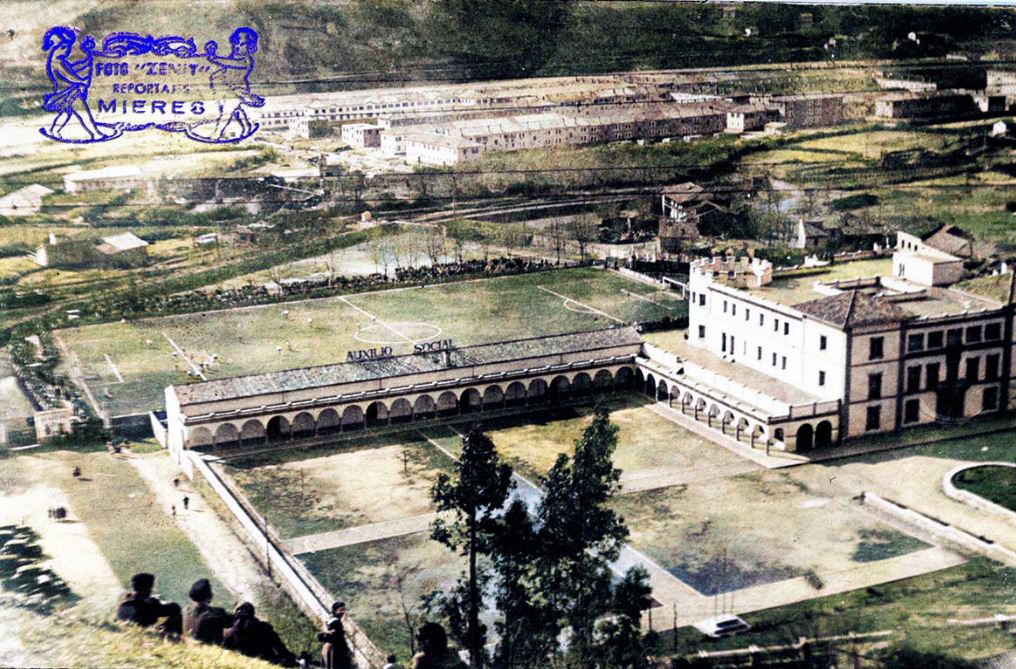
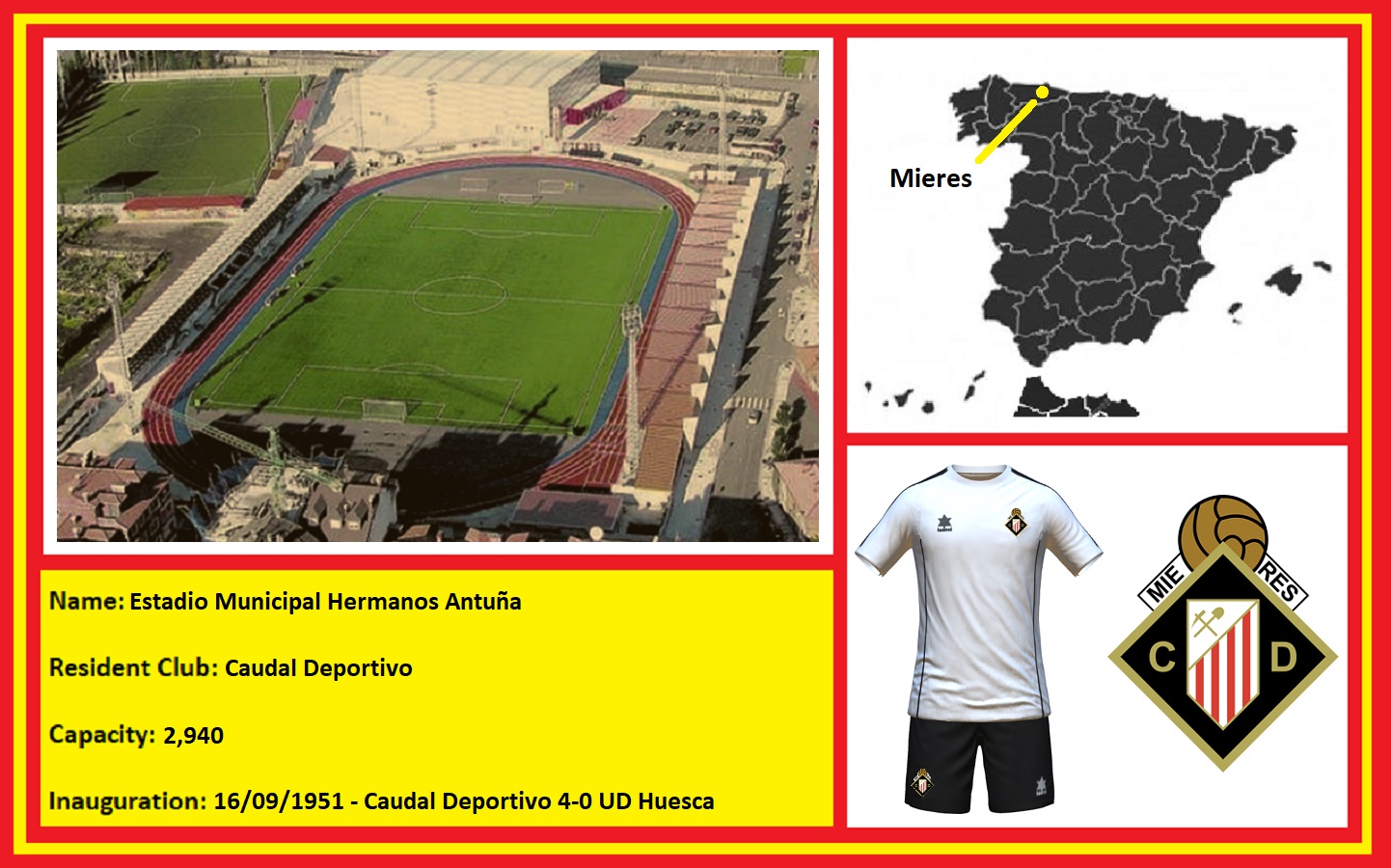
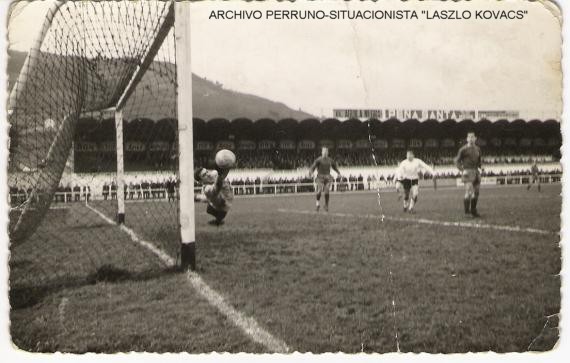
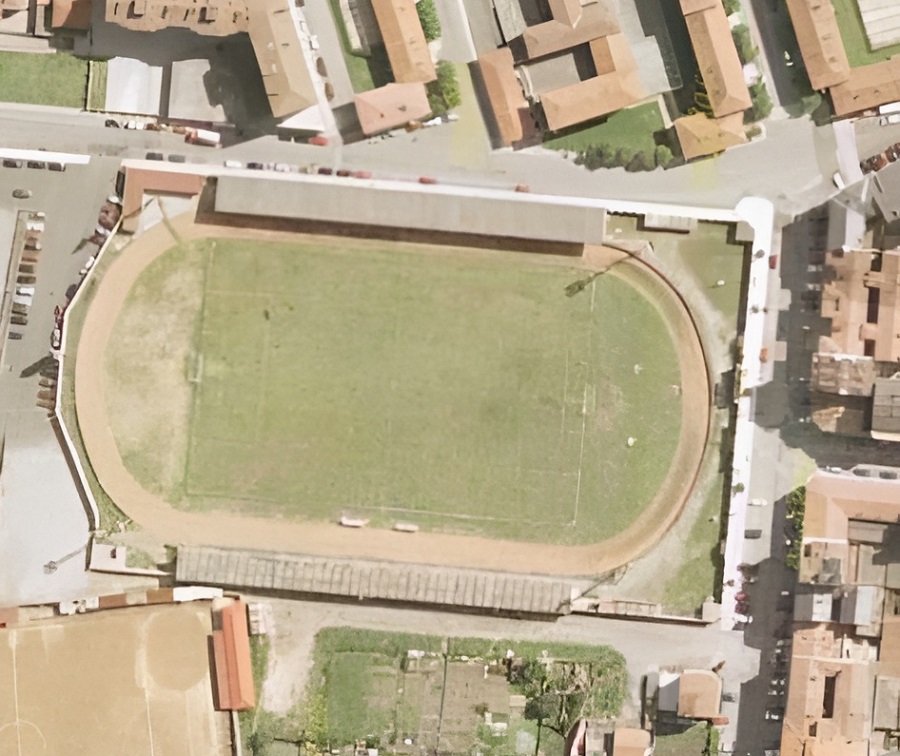
Thanks to the financial support from local industry, Caudal started to climb the regional leagues, reaching the Tercera for the 1946-47 season. After a few years of mid-table finishes, Caudal won Group I of the Tercera in 1949-50, but finished fifth in the playoff group. A year later, a second-place finish earned it another chance at the playoffs, and this time the club did not disappoint, gaining promotion to La Segunda with a 2-0 victory over SD Eibar. That playoff victory over Eibar was the last match the club played at the Campo de Las Moreras, for during the summer, Caudal returned to the north of the town and the newly built Estadio Municipal de El Batán. The Campo de Las Moreras stood just to the west of the Palacio de Camposagrado, a large white manor house, which is now part of the Bernaldo de Quirós Institute. The new stadium was inaugurated on 16 September 1951 when UD Huesca were the visitors for the club’s first home fixture in La Segunda, a match that Caudal won by 4 goals to nil. The club settled into life in the second division reasonably well, recording mid-ranking finishes in its first two seasons. In the 1953-54 season, Caudal finished 12th and entered the relegation playoffs, which it survived alongside fellow Asturian side, La Felguera. Two seasons later, Caudal achieved its best-ever finish of fourth in Group I of La Segunda, but that was the peak, and by the autumn of 1958, the club was back in the Tercera.
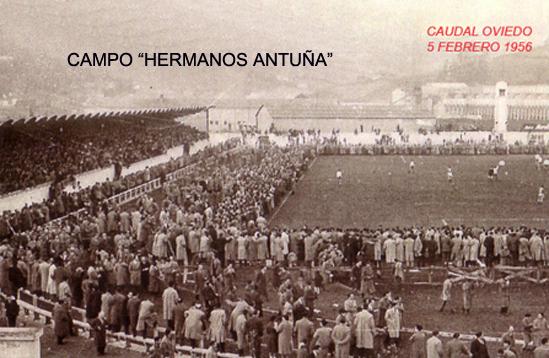
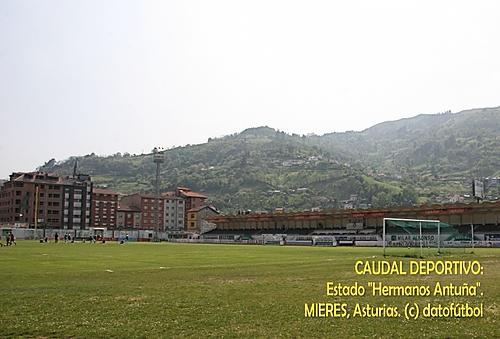
During the 1960s, Caudal made a series of attempts to return to La Segunda, winning the Tercera title on three occasions but failing each time in the playoffs. In June 1964, the municipality renamed the stadium Estadio Hermanos Antuña, after the brothers who had held the presidency during the club’s most successful period. The slump in the mining and steel industries in the 1970s & 1980s also saw a decline in Caudal’s fortunes, including a drop into the regional leagues in 1975. As the town’s population decreased, it became harder for Caudal to compete beyond the Tercera. The club has won the Asturian Tercera title on a record 16 occasions and progressed to Segunda B on seven separate occasions. The stays in the third tier have usually been brief, reflected by the fact that the seven promotions to the third tier have only clocked up a total of 14 seasons. The stand-out highlight came in the 2012-13 season, when Caudal finished 4th in Group I and progressed to the playoffs. In the first round, FC Cartagena were beaten 1-0 on aggregate, but the dream of a return to the second tier ended in the next round. Drawn against the Catalan side CE Hospitalet, Caudal lost 2-1 on aggregate. Since the restructuring of the Spanish football pyramid in 2021, Caudal has played in the Tercera Federación.
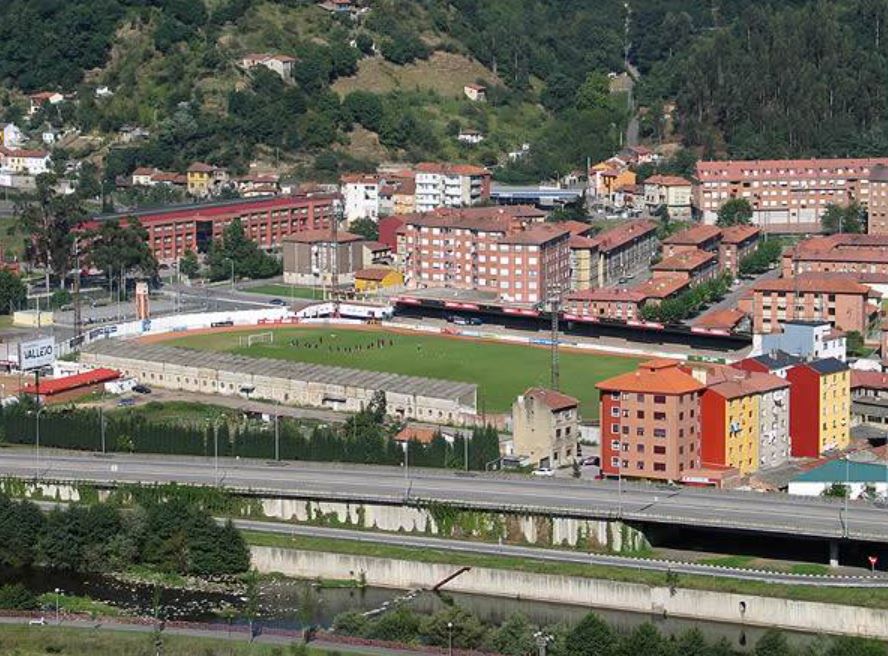
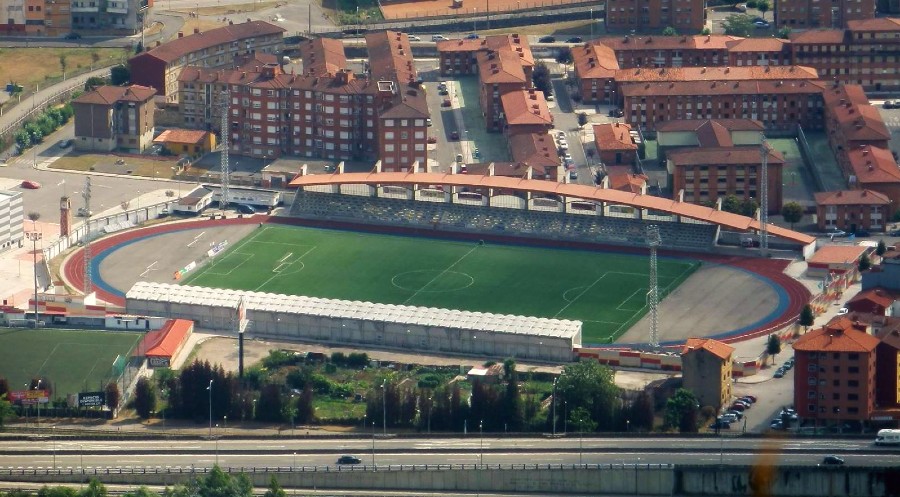
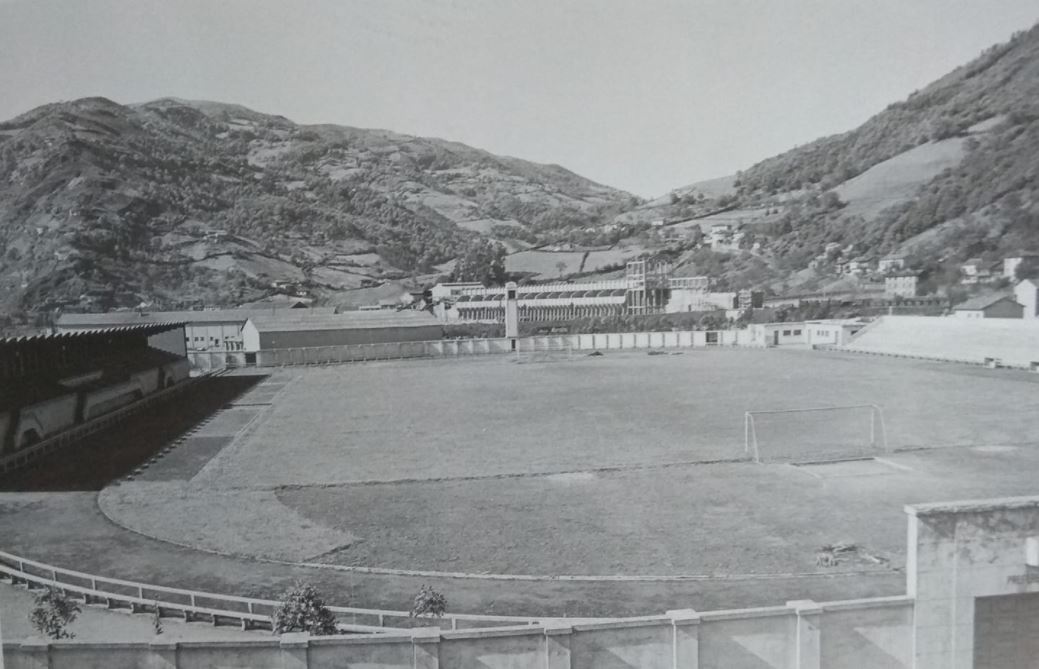
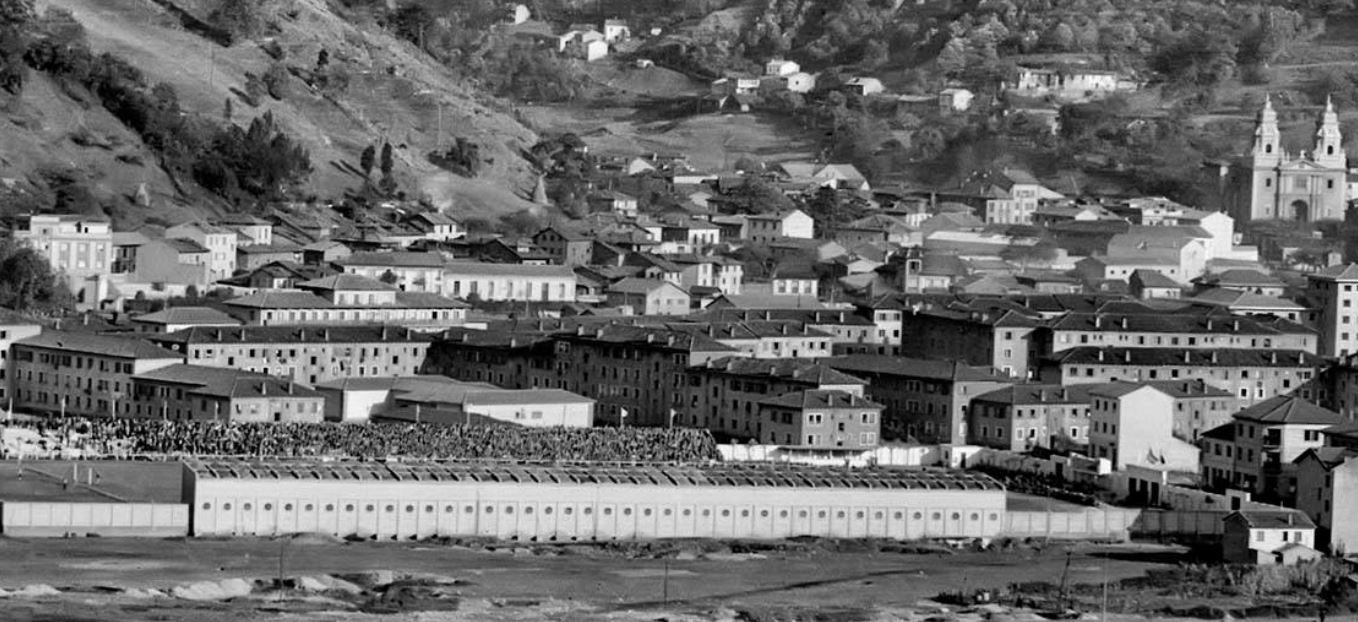
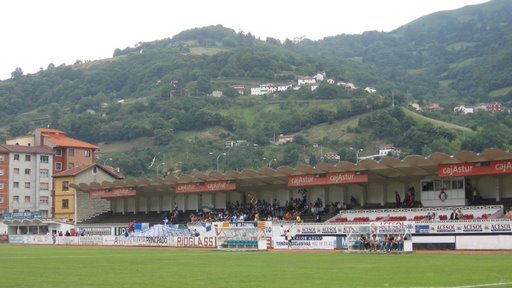
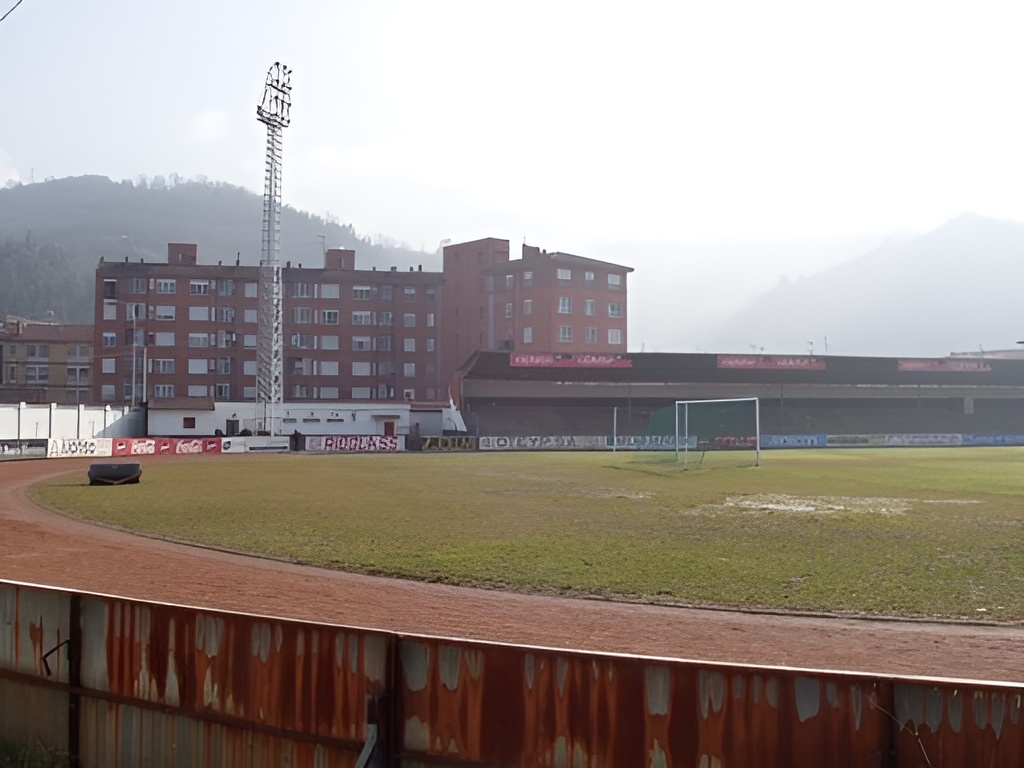
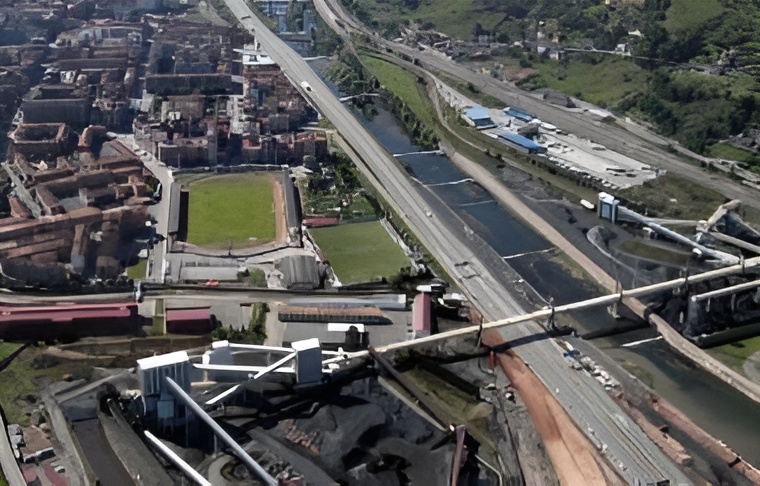
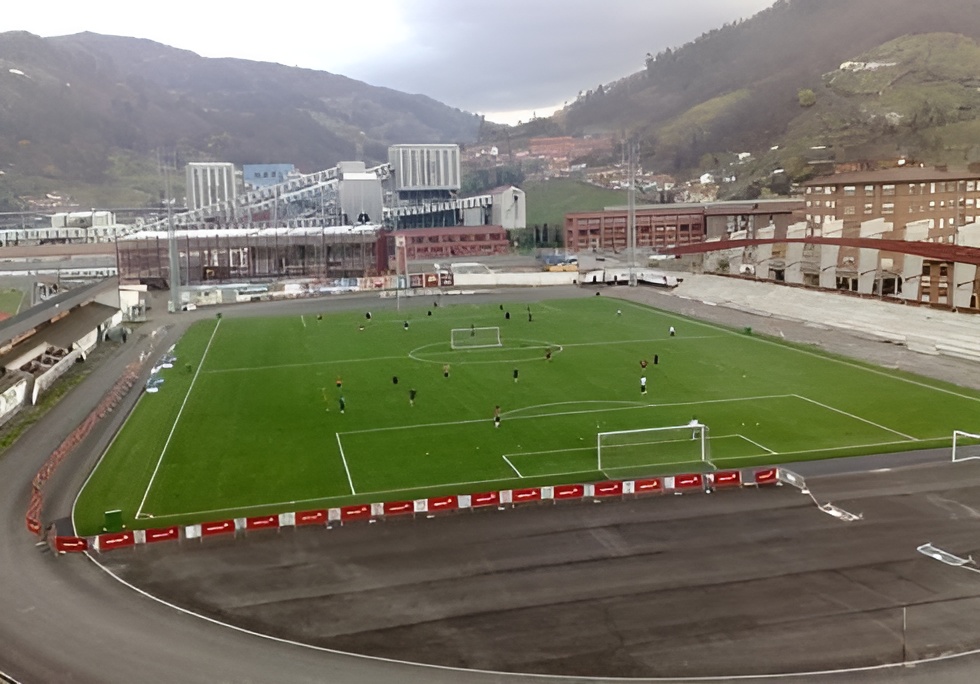
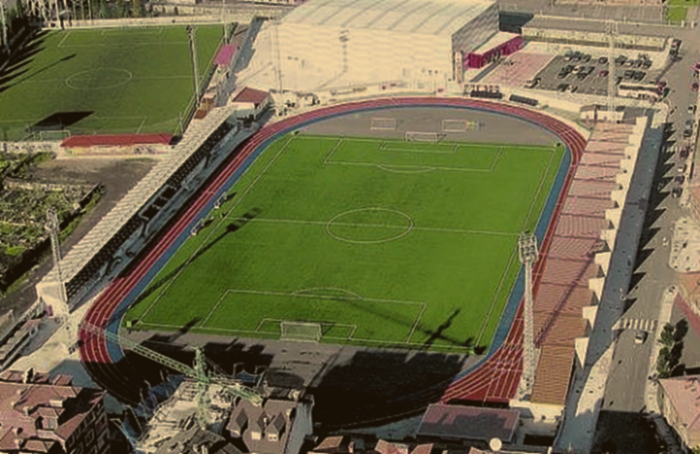
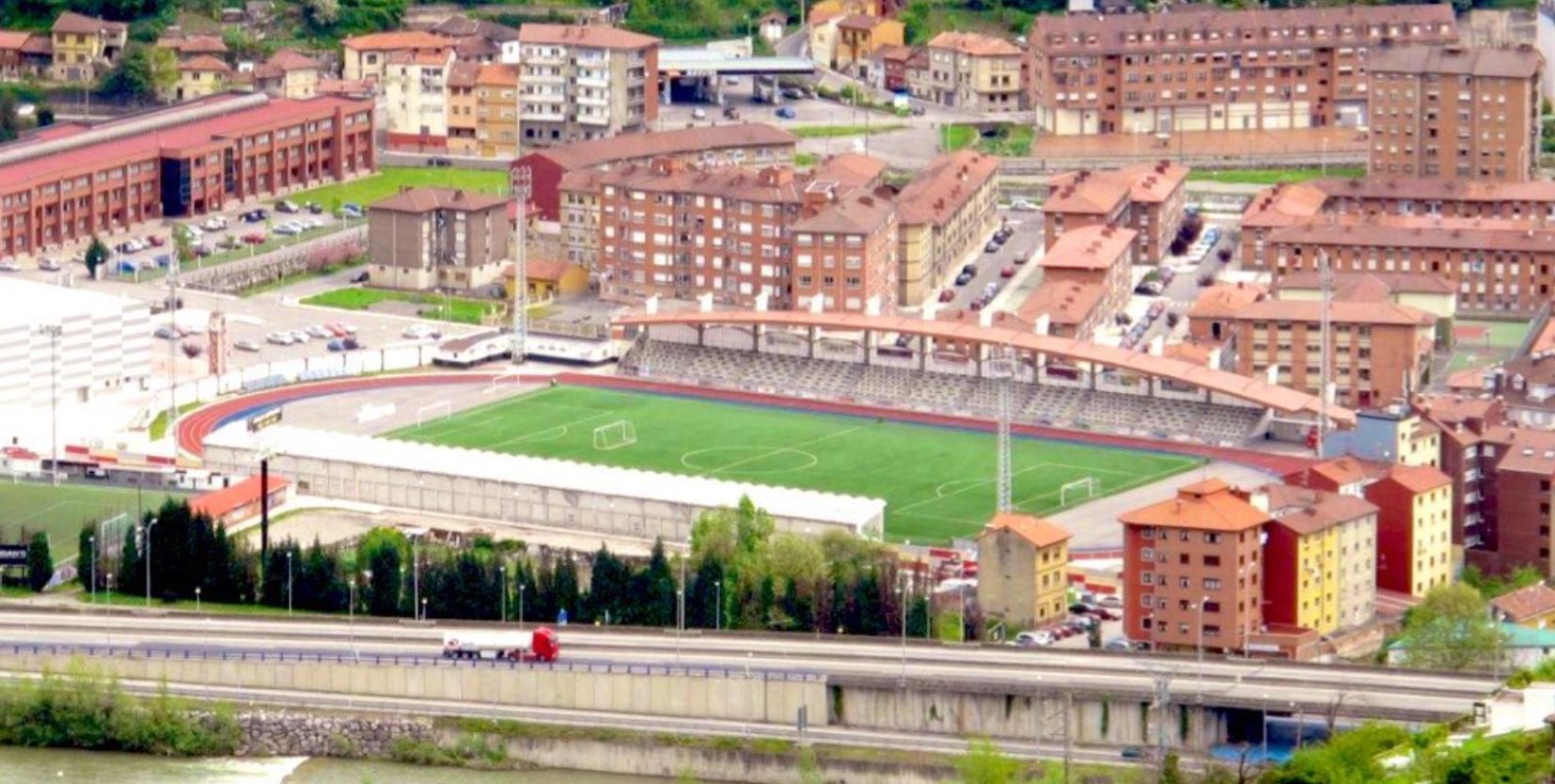
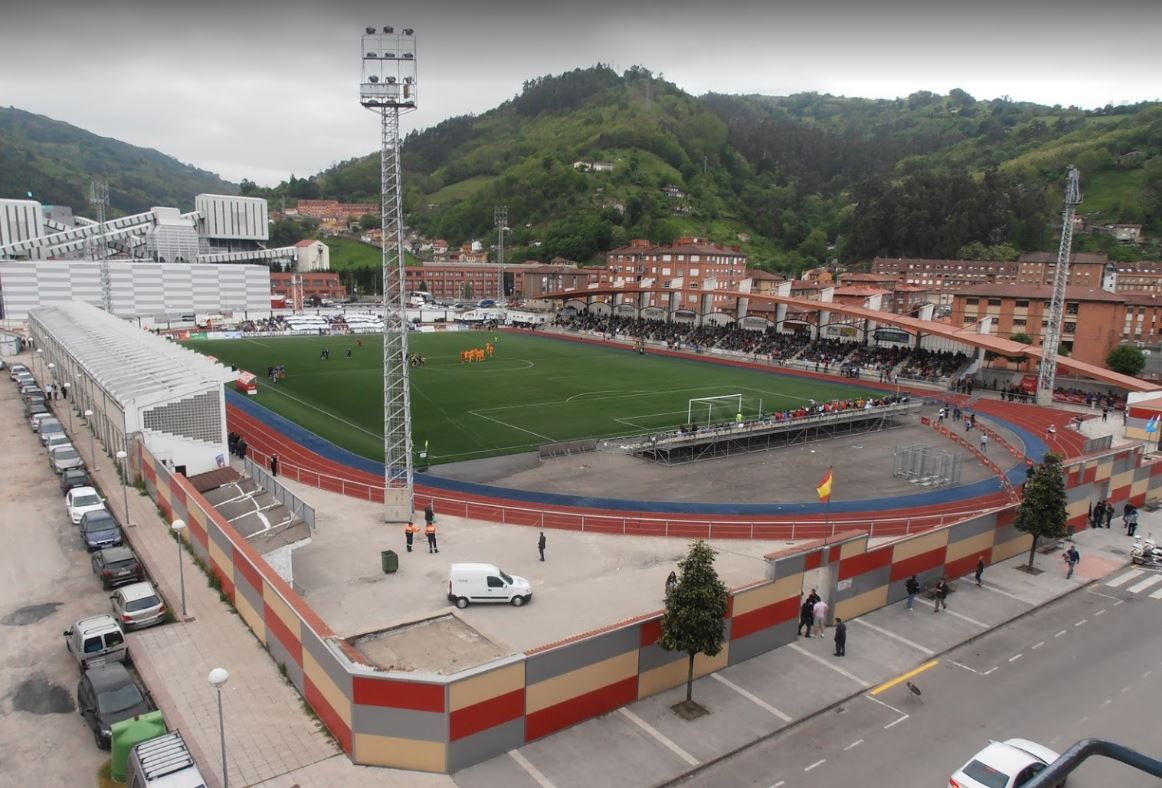
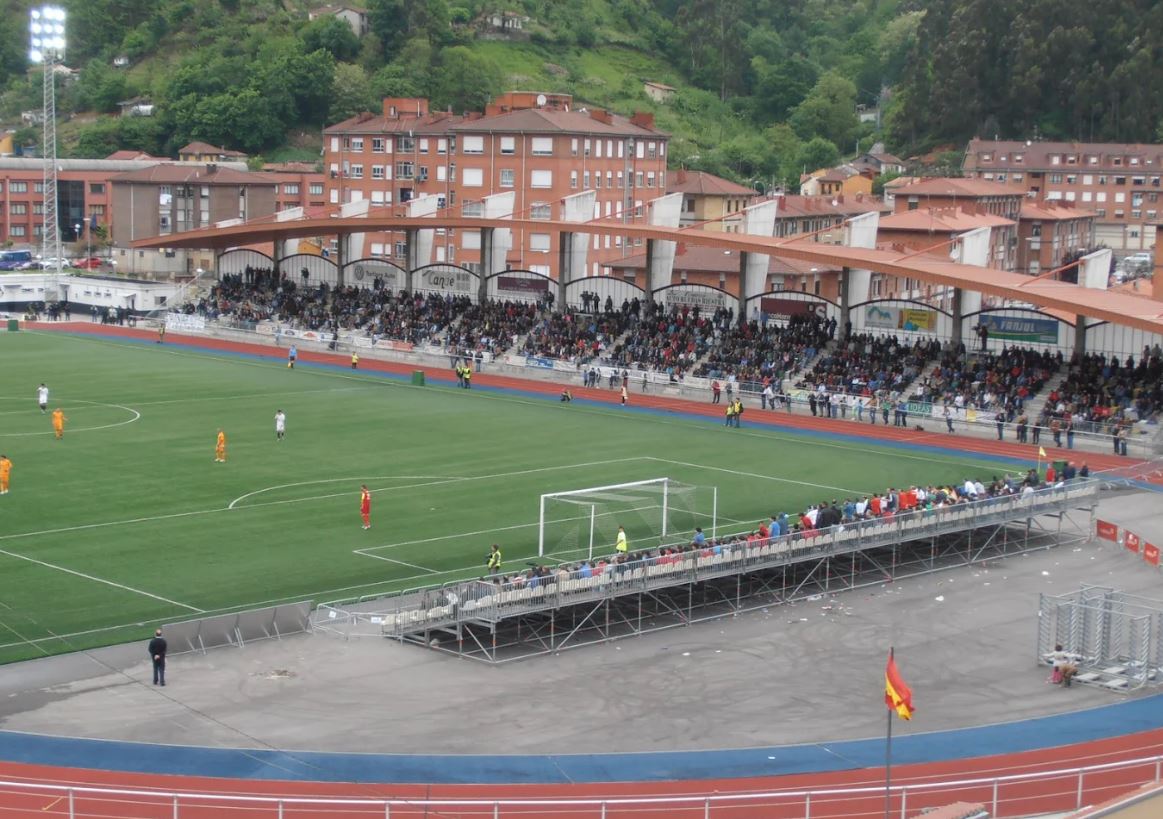
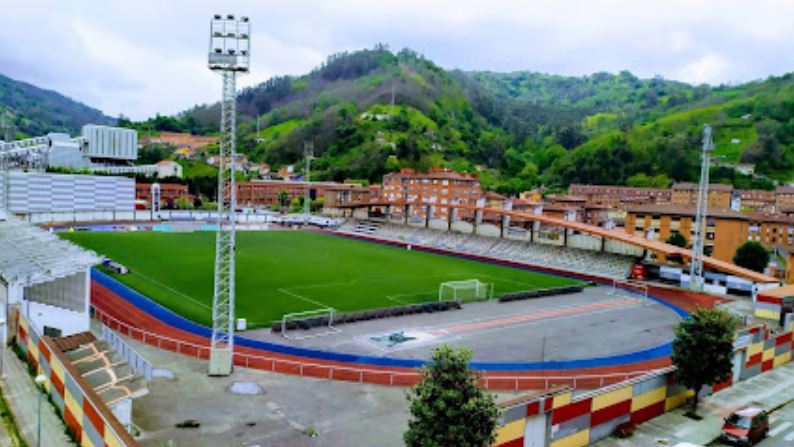
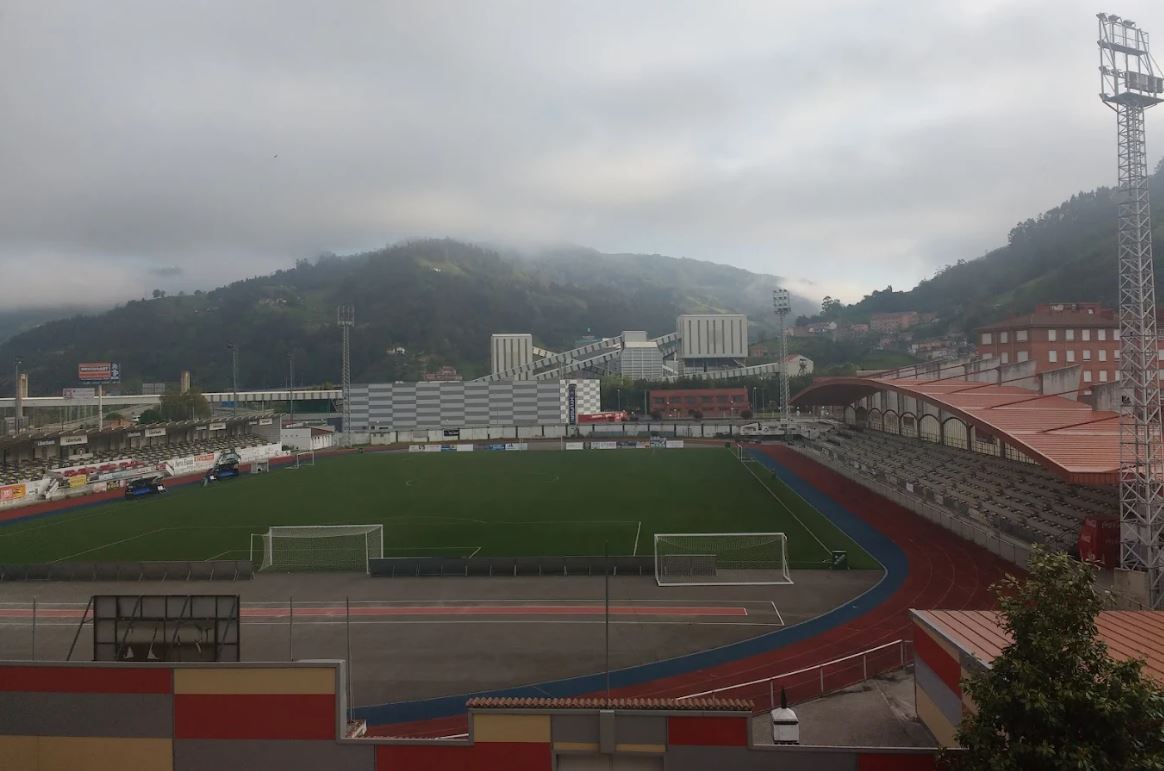
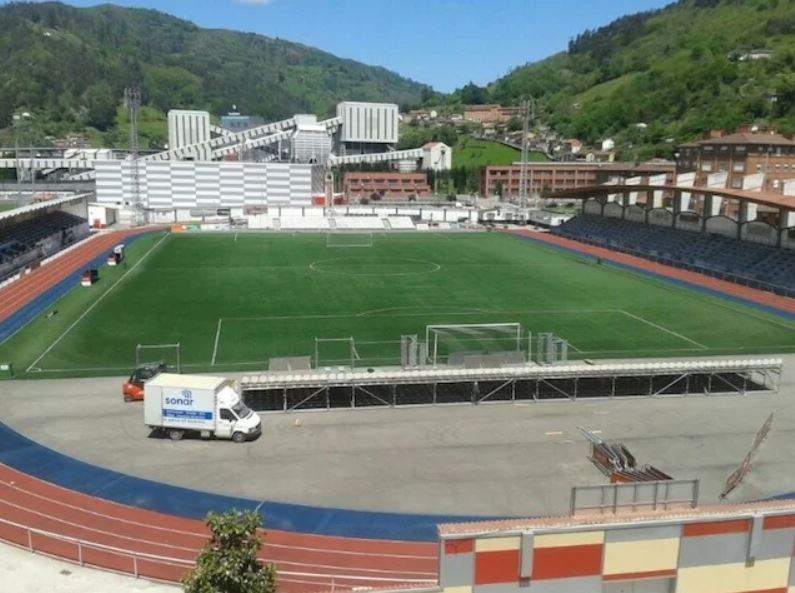
Whilst the form on the pitch has been relatively predictable, the changes to the stadium have been anything but ordinary. Until the mid-2000s, the Estadio Hermanos Antuña was a rather shabby enclosure. It had a pleasant raised stand on the east side of the stadium, which featured a barrel-vaulted cantilevered roof, but it was built when the ground had opened in 1951 and was beginning to show its age. On the opposite west side was a terrace that featured a low, propped cover. This was added to the original open terrace in the late 1960s. A weed-infested oval cinder track surrounded the pitch, which had a reputation for bordering on the unplayable during the winter months. The dark, giant buildings and conveyor belts of the coal processing plant hung over the north side of the stadium, adding to the sense of ageing and neglect.
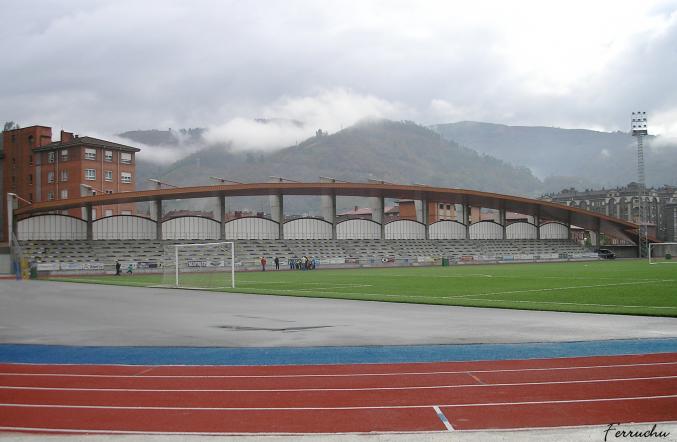
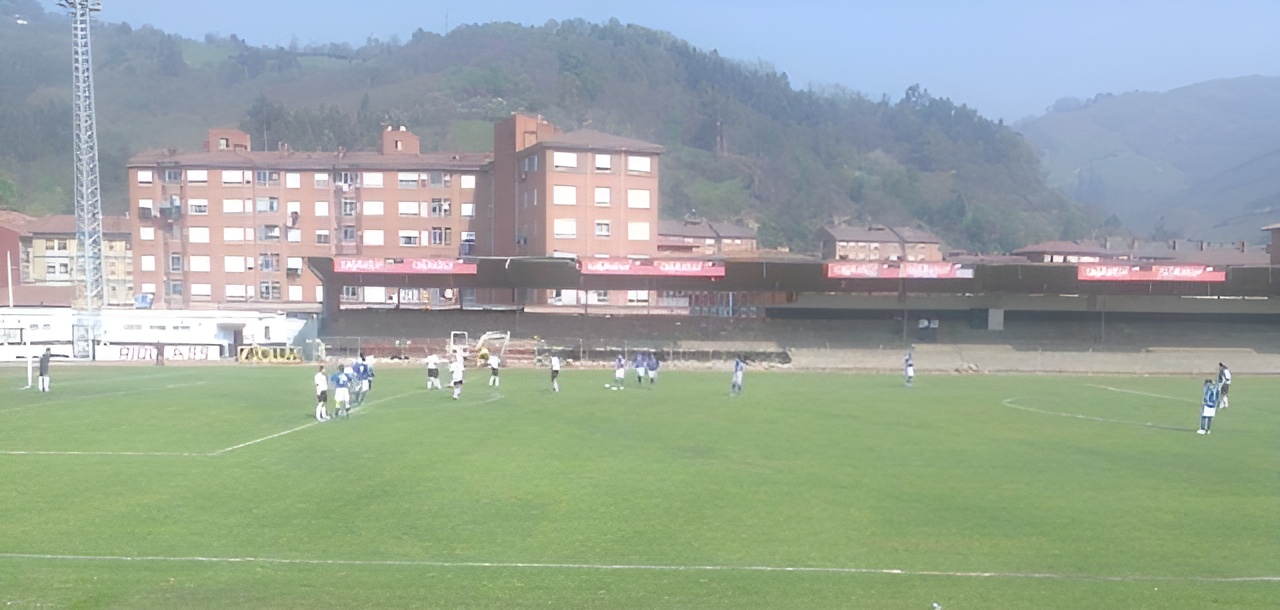
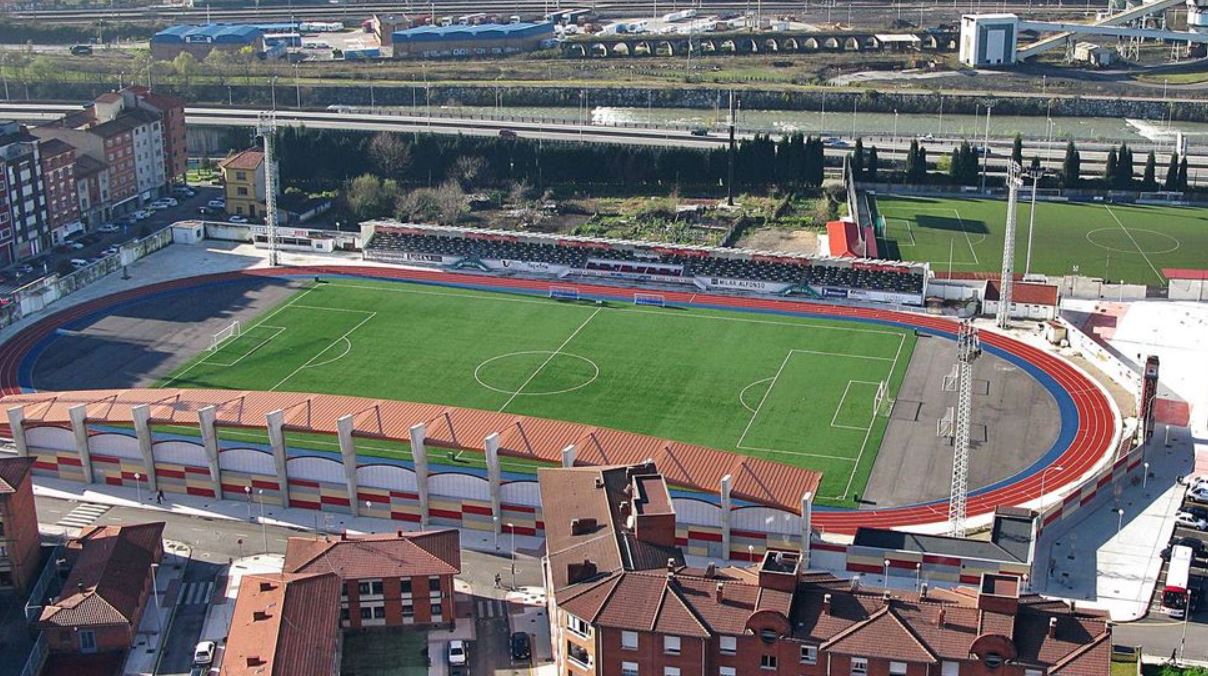
Then in 2007, as part of the town’s urban regeneration, €5.3m was spent on sprucing up the stadium and the area immediately surrounding it. The centrepiece was an elegant stand on the west side that replaced the old terrace. This stand’s roof sweeps in an arc, high above the seven rows of seats below. The roof is suspended by cables that are attached to a series of tall concrete masts at the rear. Between each of these masts are tall, arched screens that allow light to stream through onto the seating deck below. A visually stunning design, but the cover does not offer the best protection against the Asturian rain. Thankfully, some of the money was spent on renovating the old East Stand, installing new seats that increase the overall capacity to 2,940. This can increase to 4,500 when temporary seating is installed in the arcs behind each goal. The cinder track was replaced with a four-lane synthetic track, while the pitch, which was prone to waterlogging, was also replaced with a state-of-the-art artificial surface.
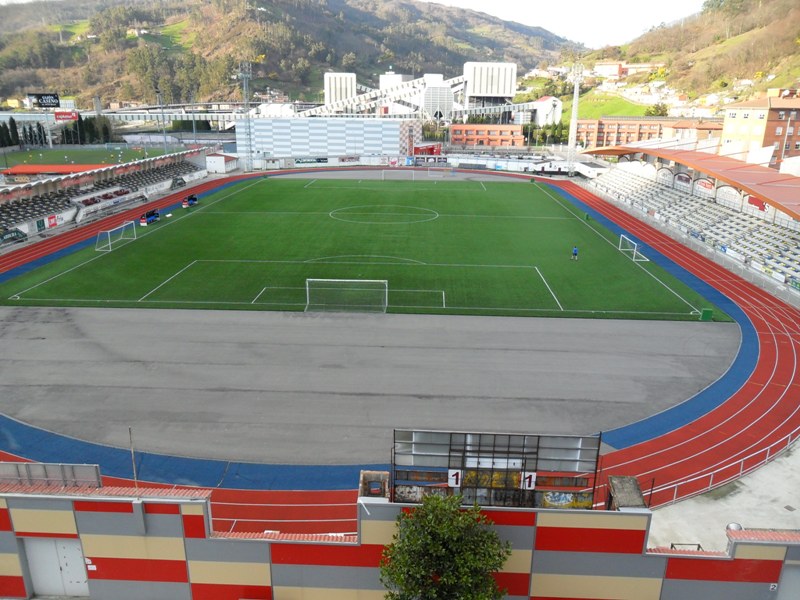
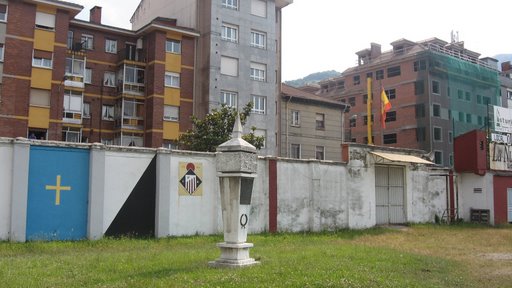
Caudal Deportivo is inextricably linked to its industrial heritage, and this is reflected in a sombre monument located at the southern end of the stadium. It commemorates the lives of the 14 miners who died in the San Nicolás mining disaster in 1996. A poignant reminder that whatever is thrown at the town, Mieres is and always will be a mining community.



Caudal Deportiva Official Website: https://caudaldeportivo.es/
Lafutbolteca Club History: http://lafutbolteca.com/caudal-deportivo/
 Estadios de España