
Article Updated: 25/09/2025
Compared to neighbouring Galicia and Asturias, football came late to Castile-León, but Ponferrada was a pioneer for the province, and friendly matches were a regular feature on Saints Days from the early part of the twentieth century. Sociedad Deportiva Ponferradina was founded in June 1922, and the city’s famous Castillo de los Templarios, which features on the club’s emblem, provided the setting for its first friendly matches. On 8 September 1923, the club moved to the eastern edge of Ponferrada and to its first purpose-built ground, the Campo de Santa Marta. The opening was marked with a friendly match against Cultural Leonesa, and the ground would remain their home for the next 52 years.

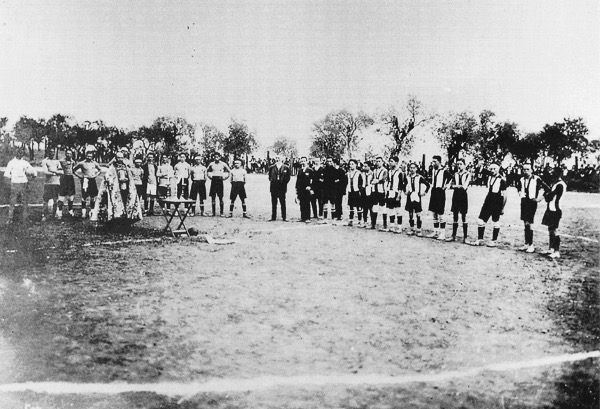

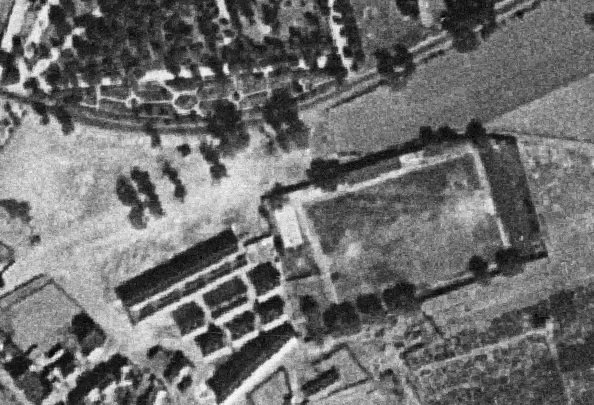
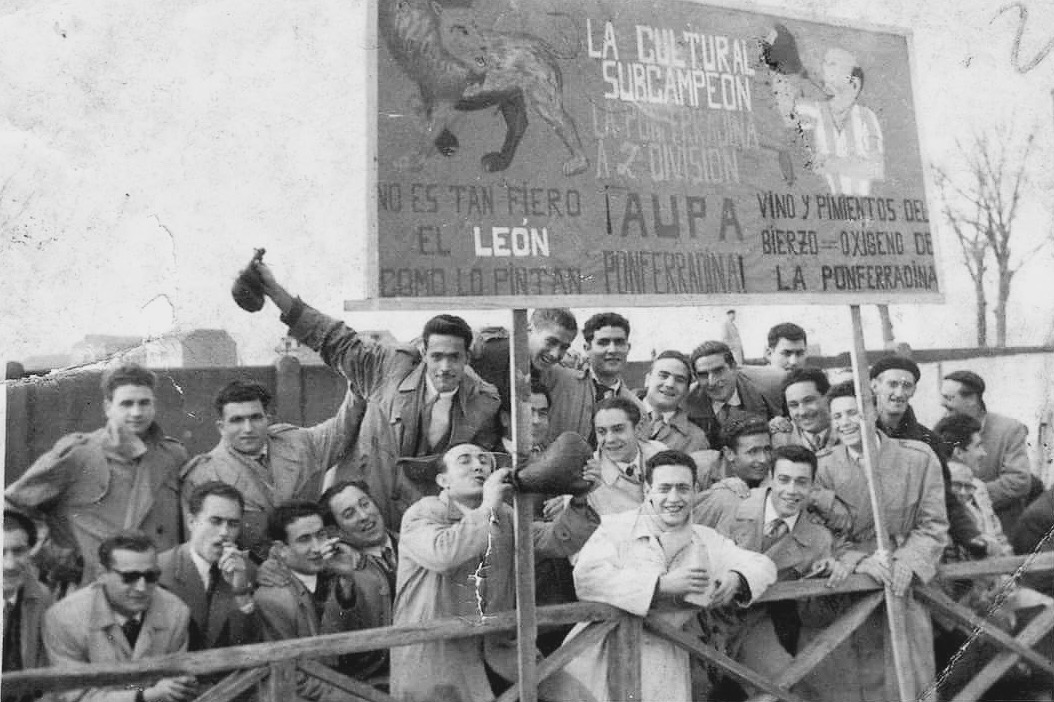
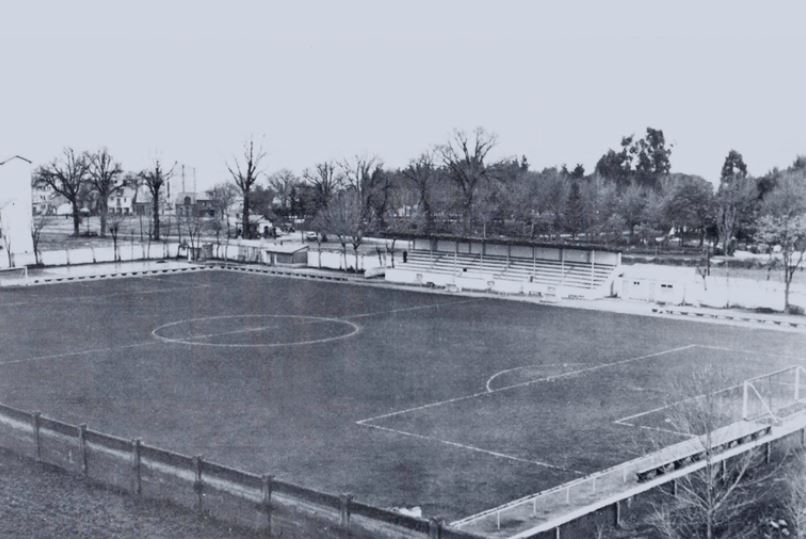
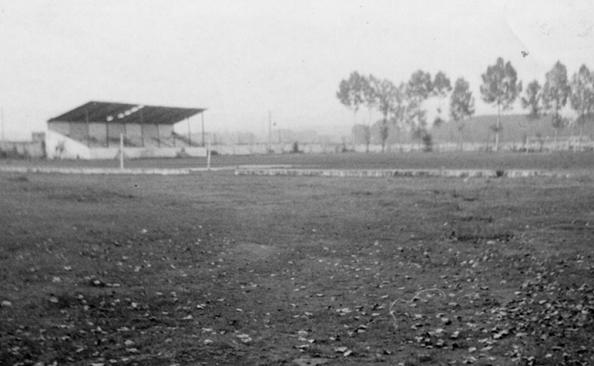
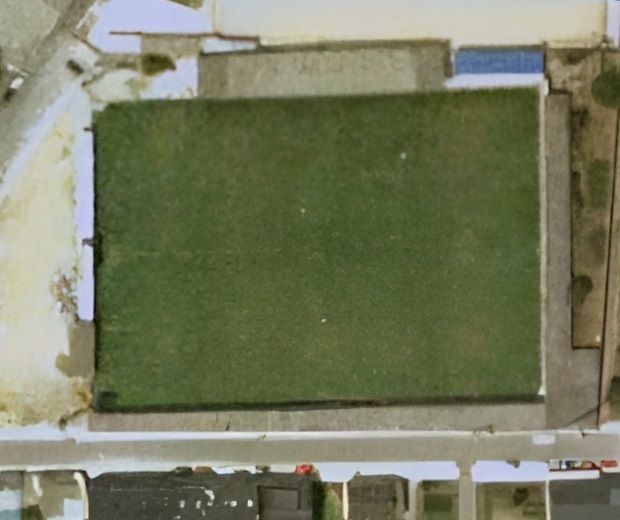
It took Ponferradina 20 years to reach the Tercera, and while the town was in the middle of an industrial boom thanks to the expanding coal and power industries, the club somewhat stagnated, spending practically all of the next 30 years in the Tercera. They did win the regional title on two occasions, but lost to Barakaldo in the 1957-58 playoffs and Eldense in the 1965-66 playoffs. Santa Marta was very basic and wasn’t fenced off until 1942, when a small covered stand was also added. As the club’s debts mounted, however, the ground was sold, and in 1975 they moved to the suburb of El Bierzo and the Campo de Fuentesnuevas. Ponferradina’s last match at the Campo de Marta took place on 16 March 1975, when they defeated Ciudad Rodrigo by three goals to one. The Campo de Marta was situated on the southern edge of the Parque El Plantio, between the present-day Calle General Vives & Calle Monasterio de Carracedo, a site that is now occupied by high-rise housing.

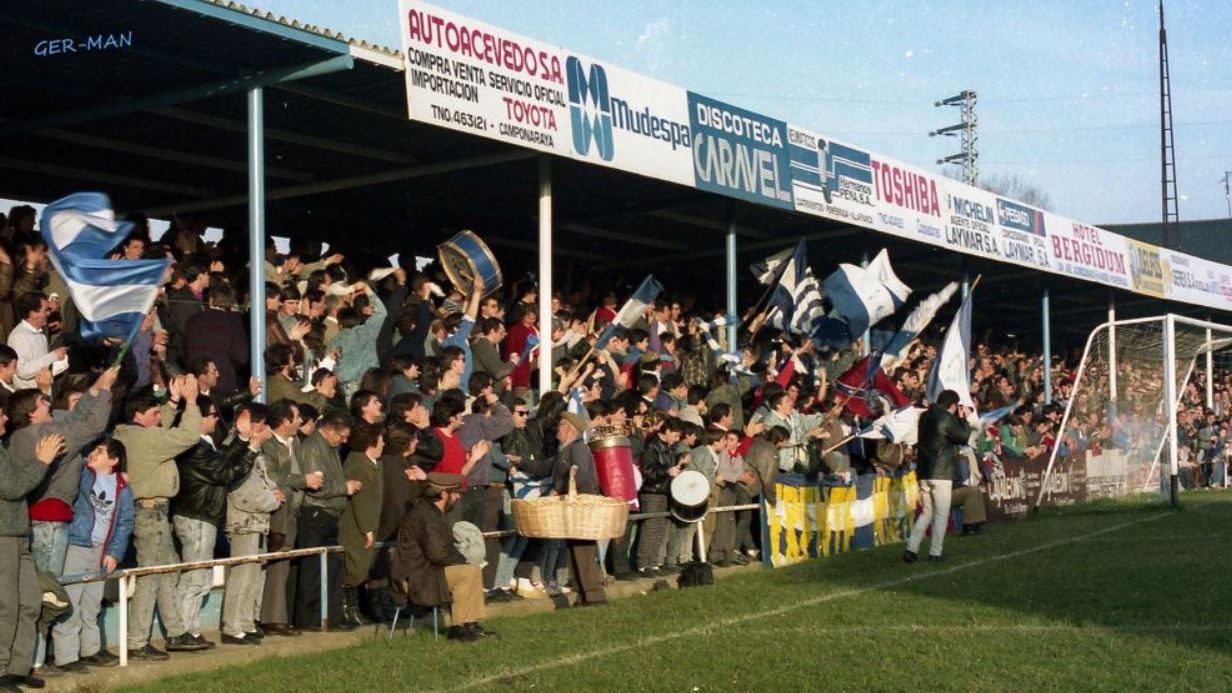
Fuentenuevas was a few miles north west of the centre of town and the home of CD Fuentenuevas, a club that, over the years, had provided Ponferradina with many players. Ponferradina played its first match at Fuentesnuevas on 30 March 1975 against Gimnastic Arandina and won 3-0. The last full season at Santa Marta had resulted in relegation to the regional league, but as is often the case, the new surroundings galvanised the team and in 1976-77 they won promotion back to the Tercera. Over the next decade, the club’s performances improved, with several top-five finishes. Unfortunately, the playoffs proved their undoing, and when promotion to the Segunda B was finally achieved in 1986-87 with a third Tercera title, restructuring of the leagues meant that the club did not have to navigate the playoffs.
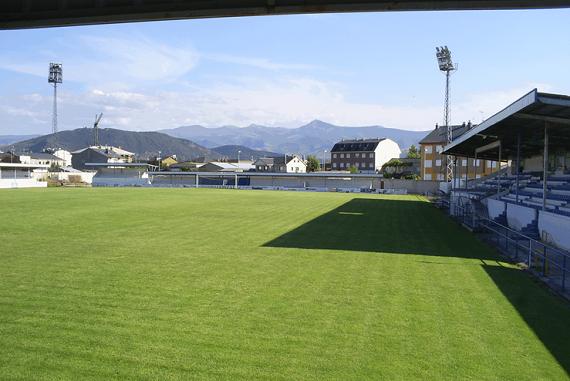
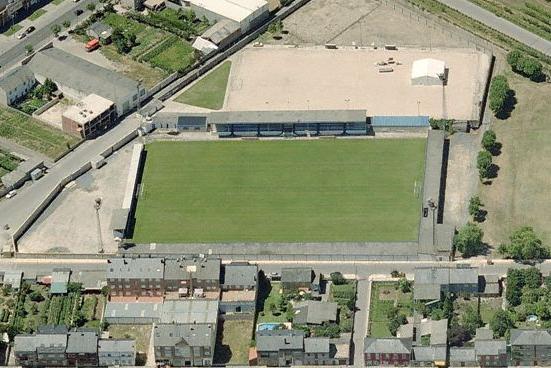
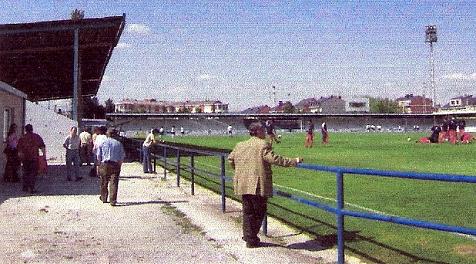
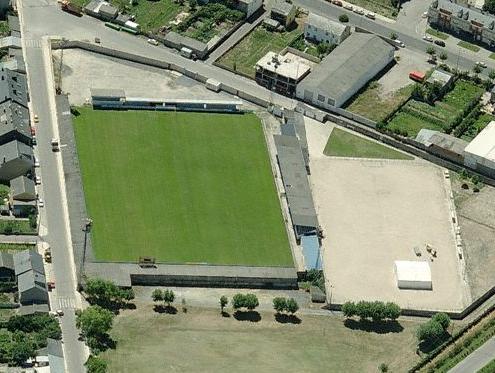
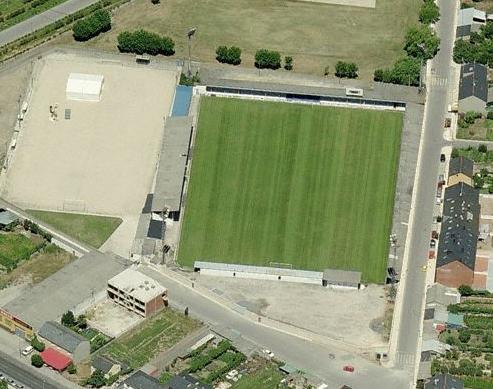
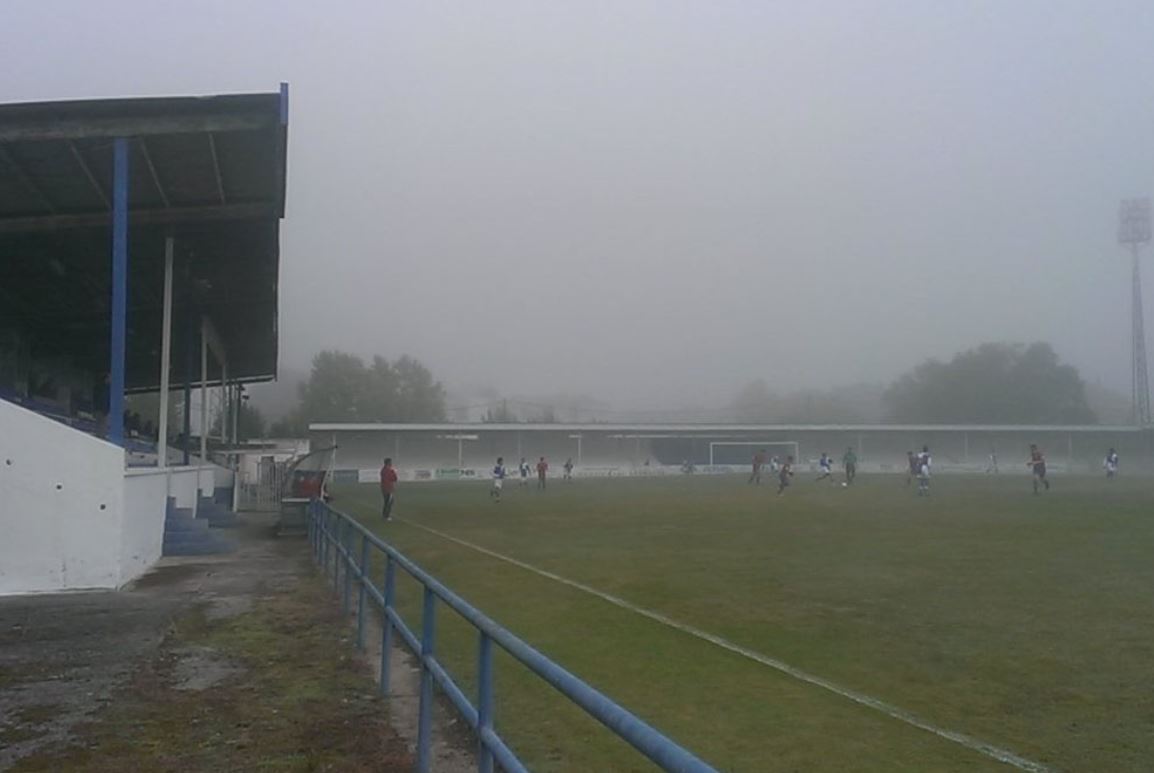
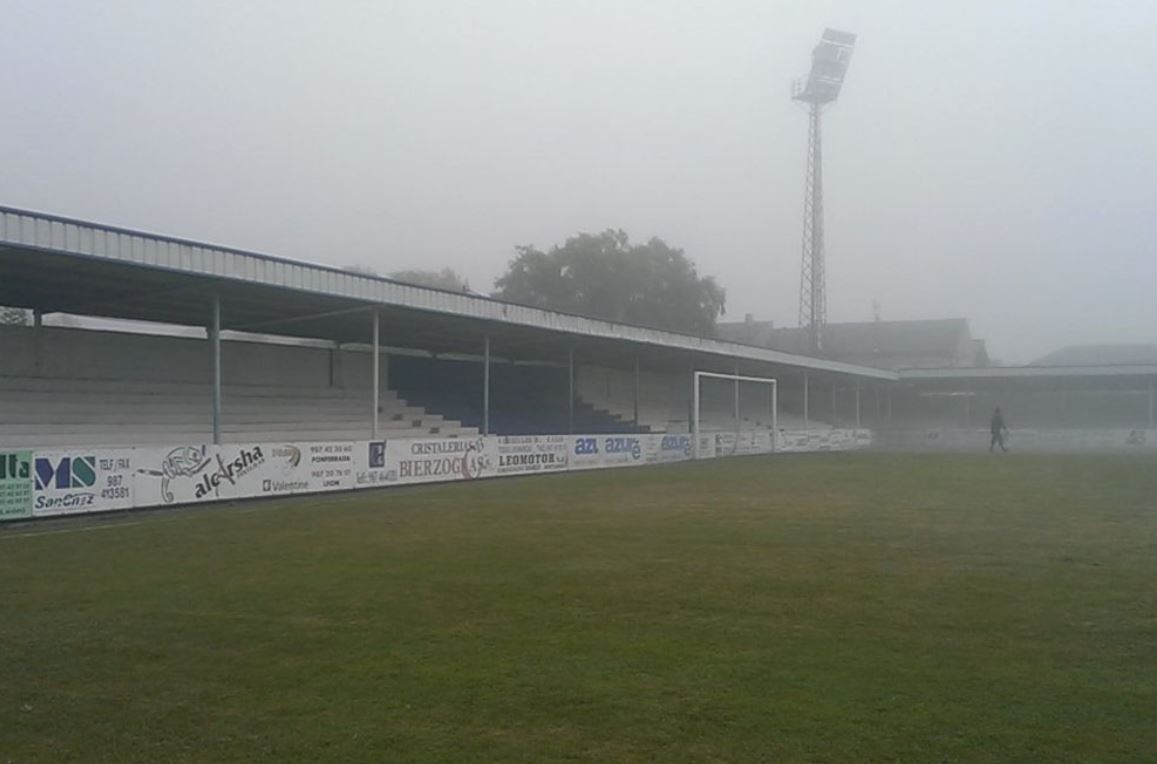
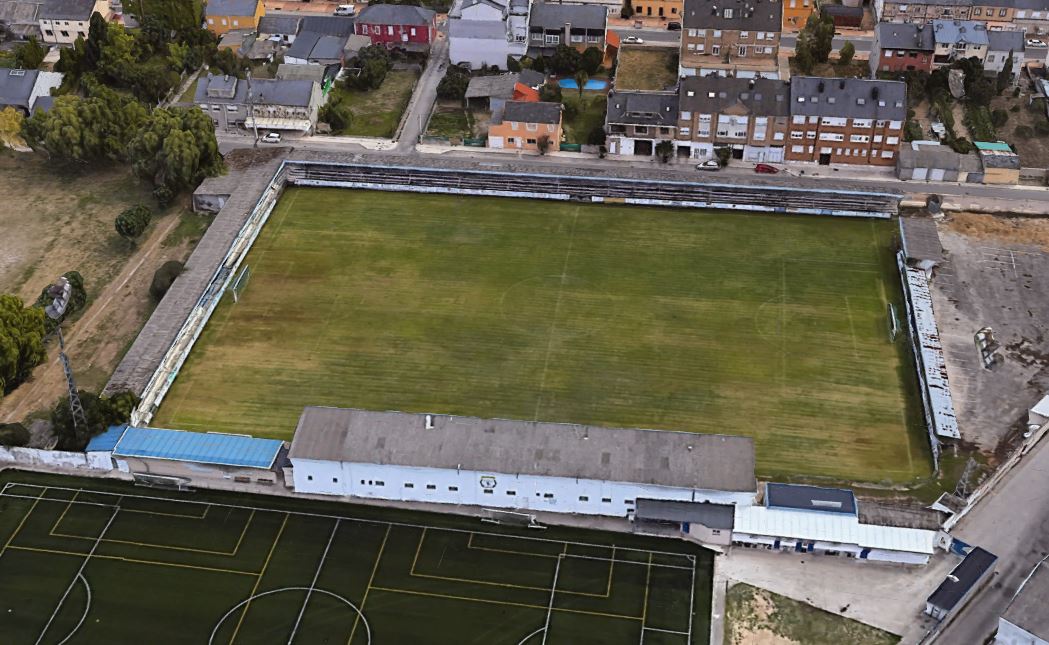
The stay in Segunda B lasted for seven seasons, with a fourth-place finish in their debut season proving to be the highlight. However, the 1990s brought tough times for the town, as mass unemployment followed the closure of the local coal mines and had an economic impact on the club. Following relegation back to the Tercera in 1994, the club very nearly folded. After a few seasons of consolidation, a return to Segunda B was achieved in 1999. The 1999-00 season marked the club’s last at Fuentesnuevas, as they moved to El Toralin, a new municipal stadium situated closer to the centre of town. On 13 May 2000, Ponferradina beat CF Fuenlabrada 2-0 in their final match at Campo de Fuentesnuevas. The stadium is still in use today and looks much as it did when Ponferradina played their final match. The main stand is 60 metres long with a propped roof, while basic roofs cover the shallow terraces on the remaining three sides of the 5,000-capacity ground. While Ponferradina’s move to El Toralin may have heralded a new era and seasons in Spain’s professional leagues, those fans who witnessed matches at Fuentesnuevas know that this is where the club found its belief.




 Estadios de España