
This article updated: 04/09/2025
For such a little and unassuming ground, Los Arcos has seen its fair share of drama. It has witnessed one club folding, another reach the brink of bankruptcy, a financial demotion and for one magical season in the early nineties, the very real possibility that it could stage top-flight football. Goodness knows how it would have coped because, looking at the location, it is hard to see how any more space could have been garnered.
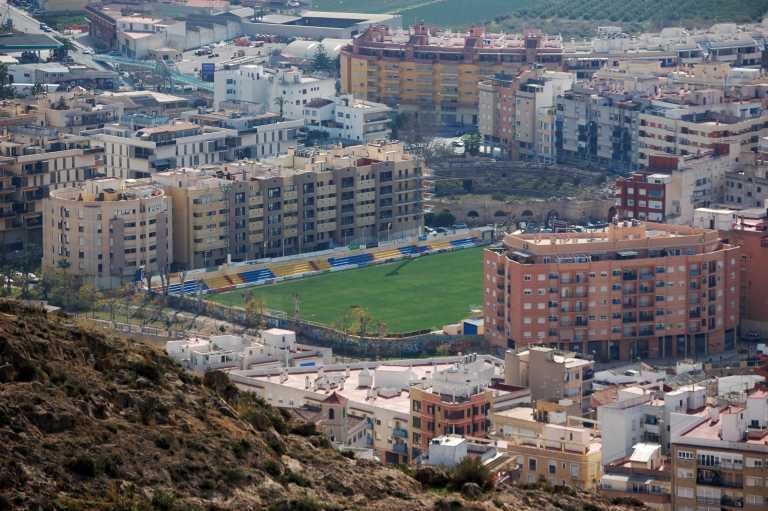
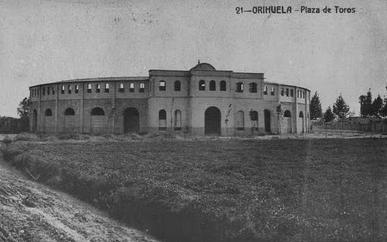
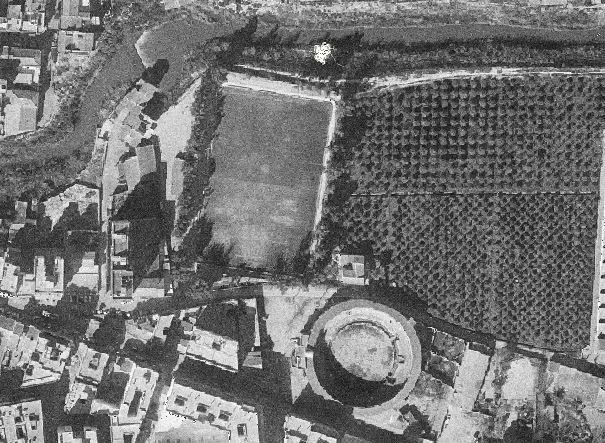
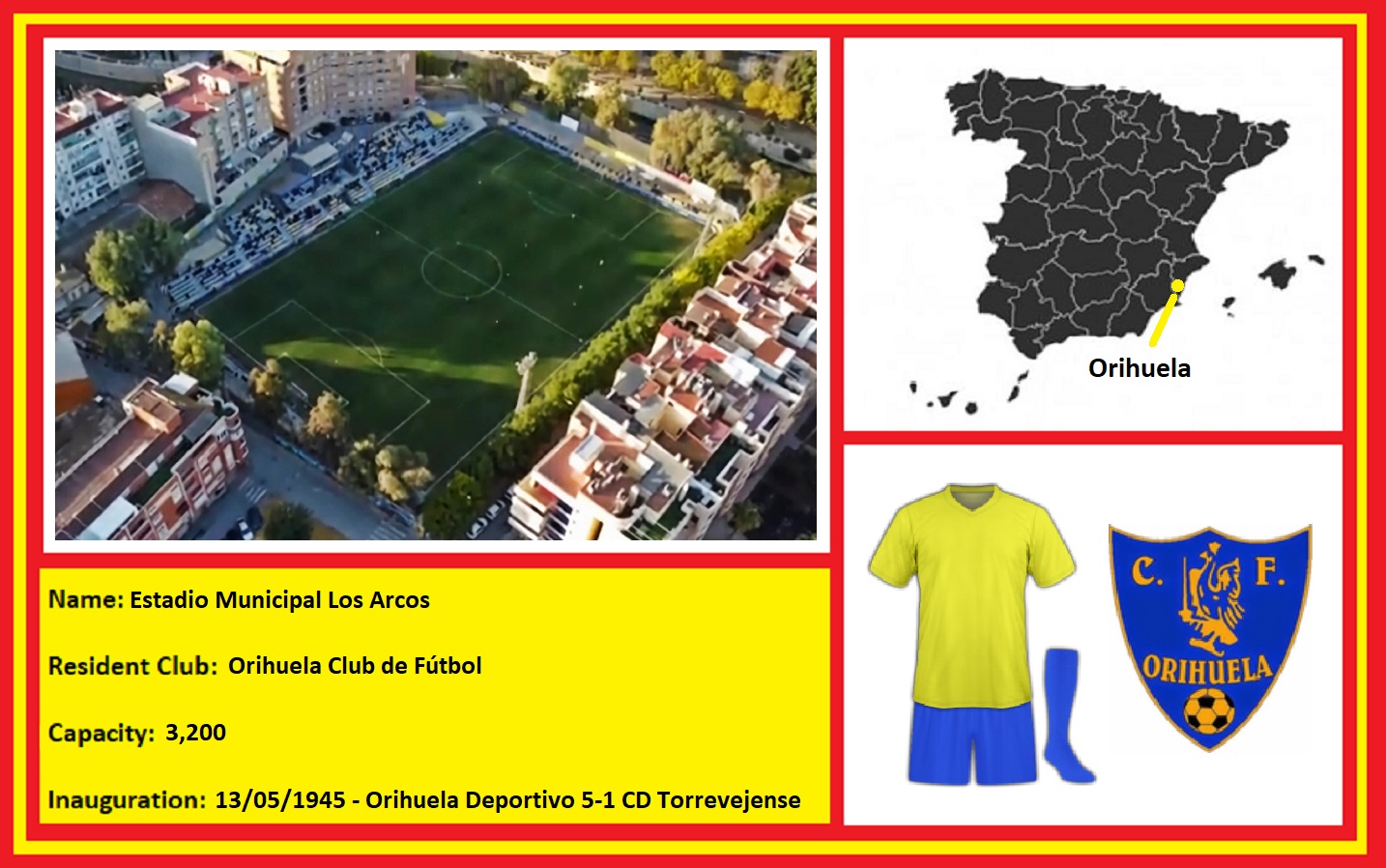
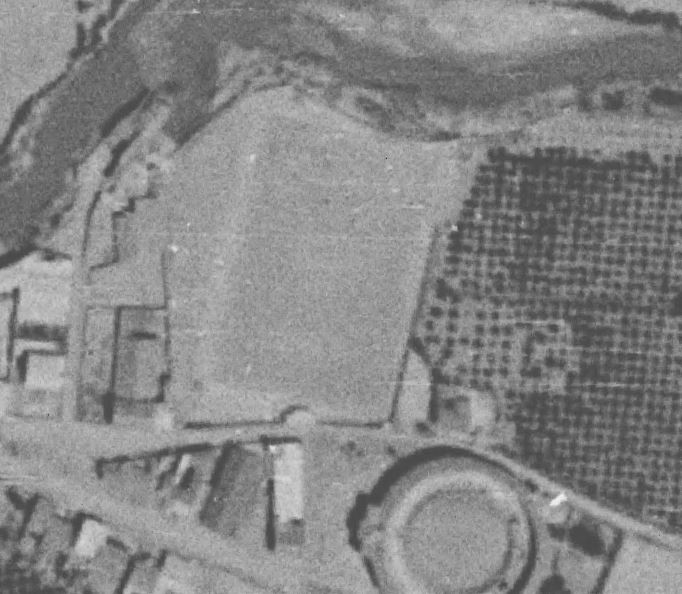
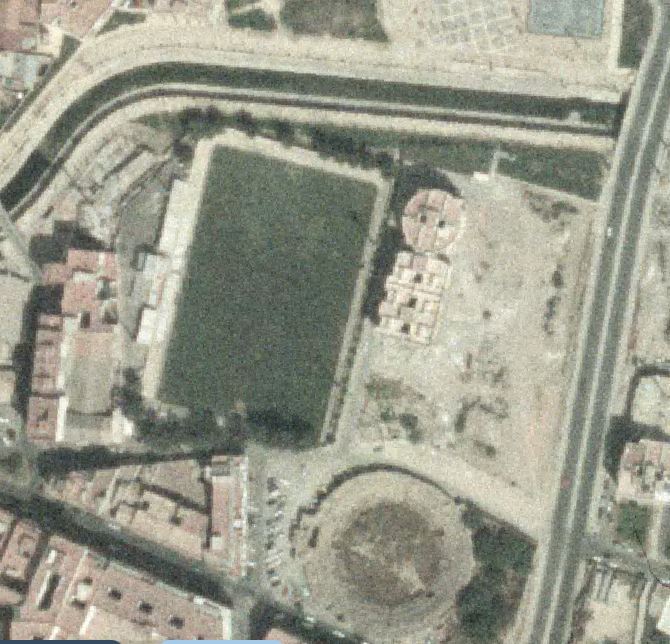
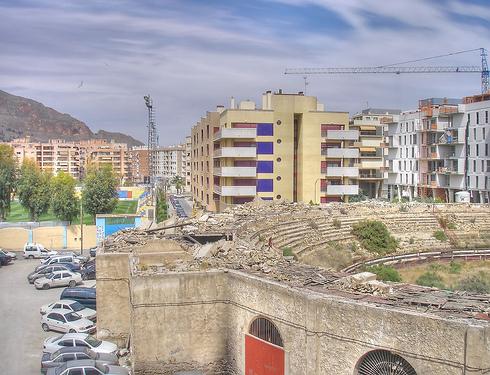
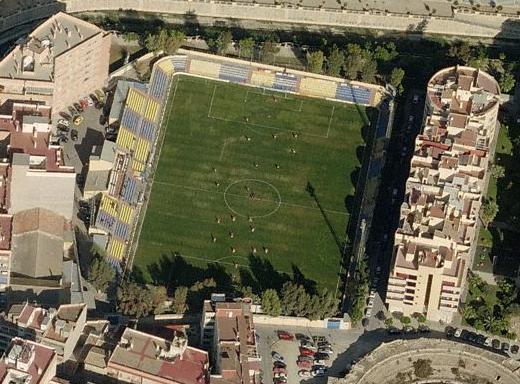
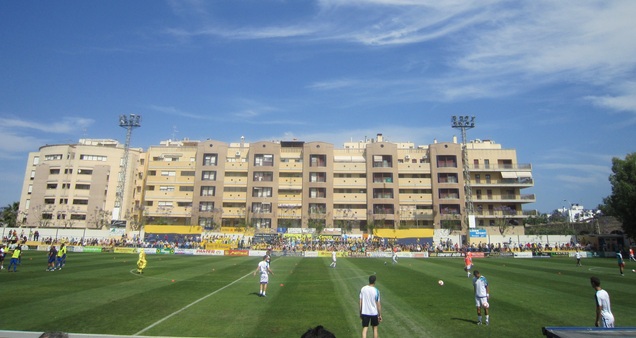
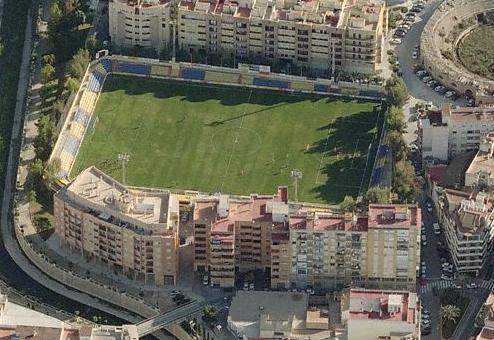
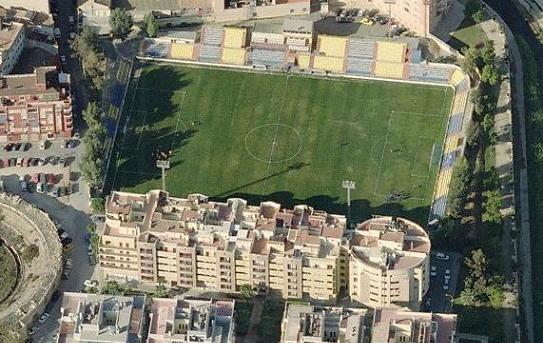
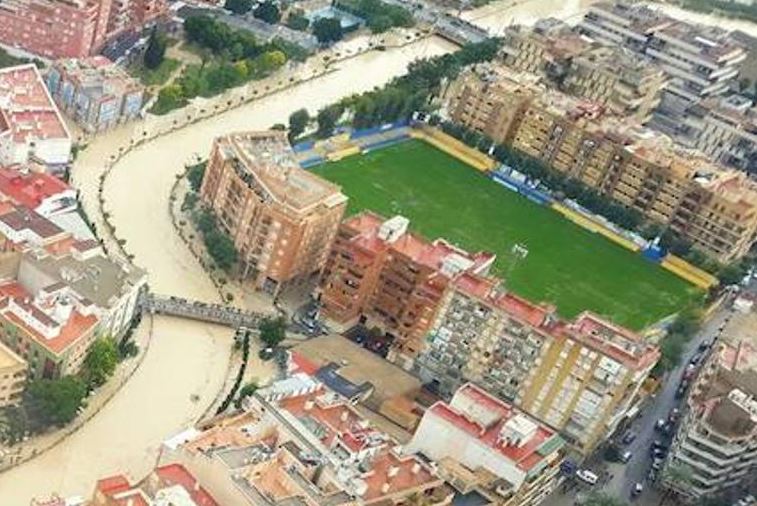
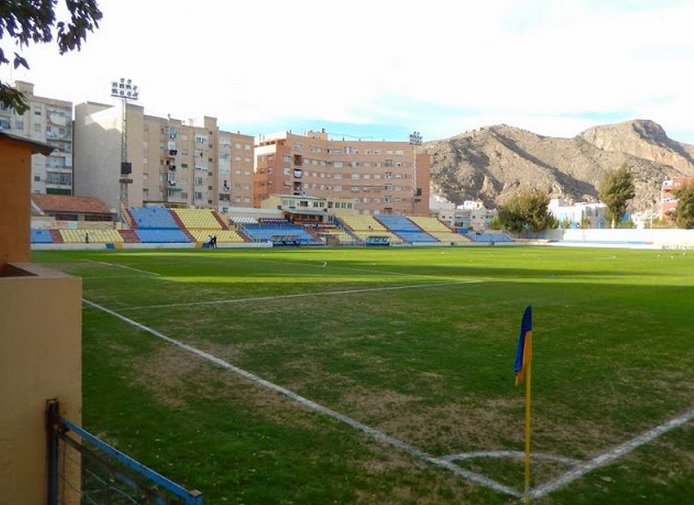
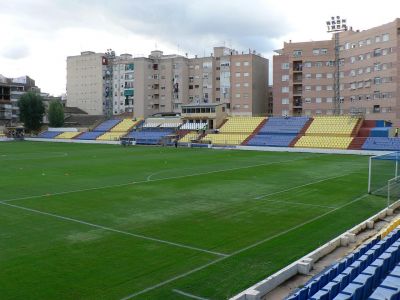
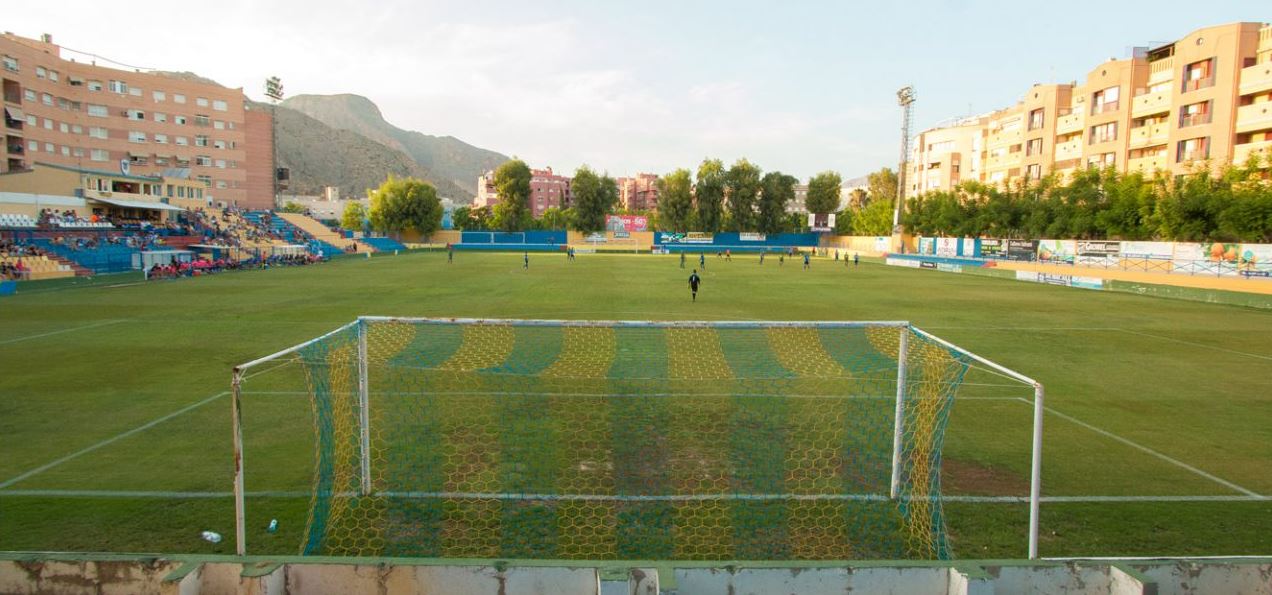
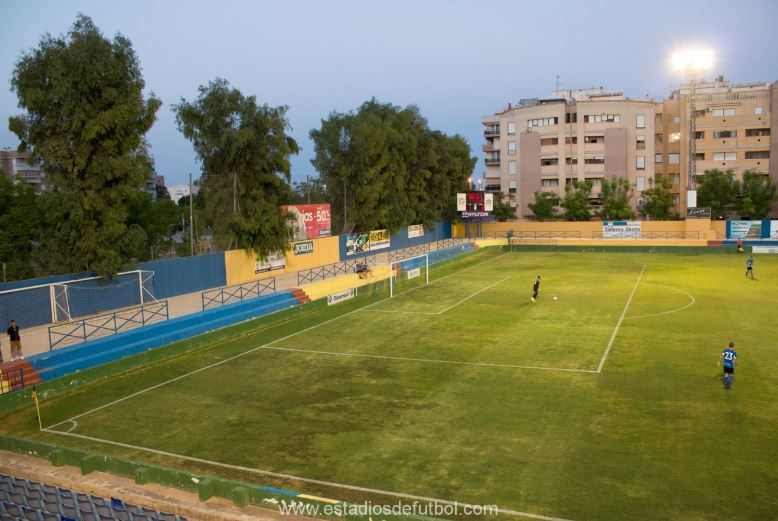
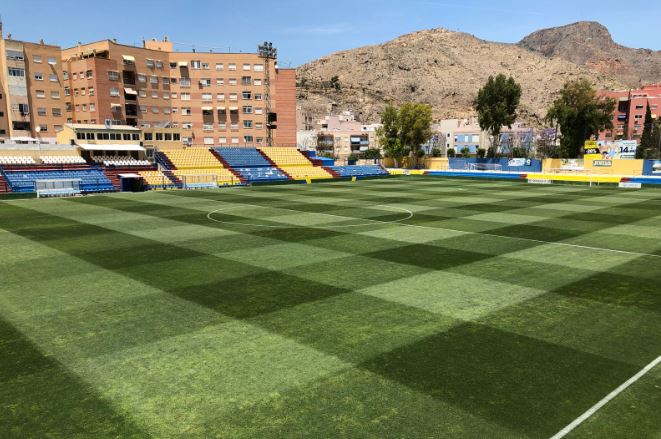
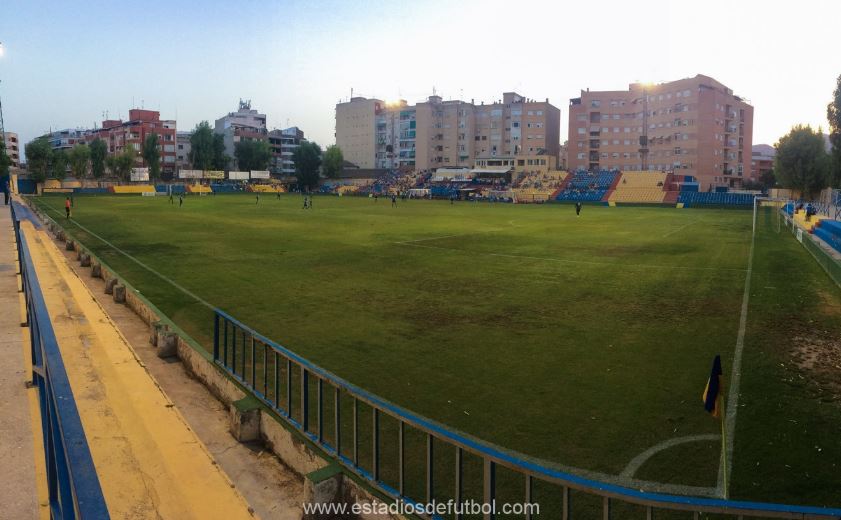
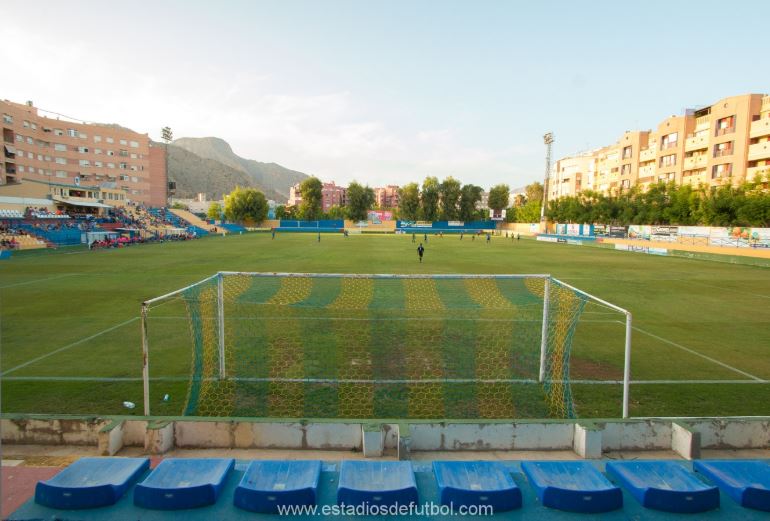
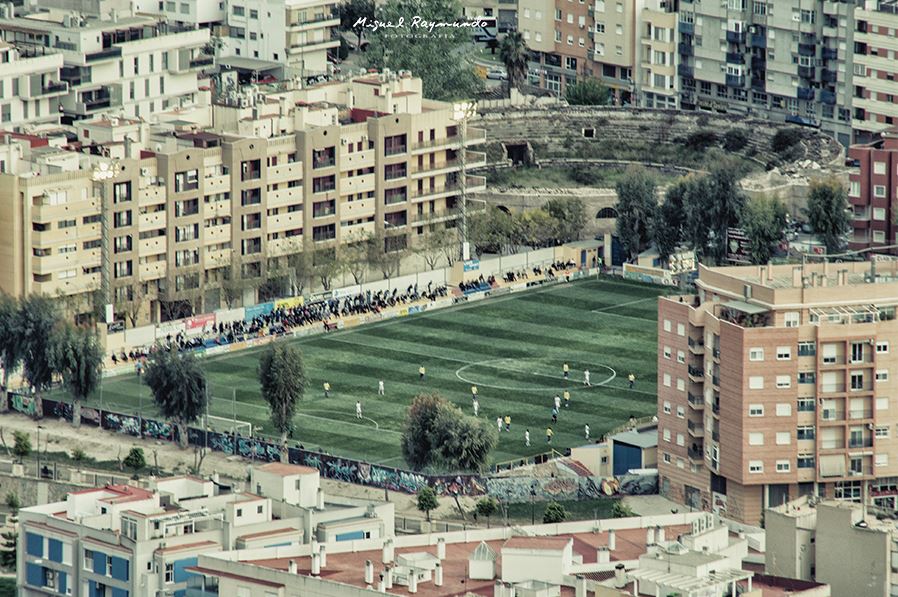
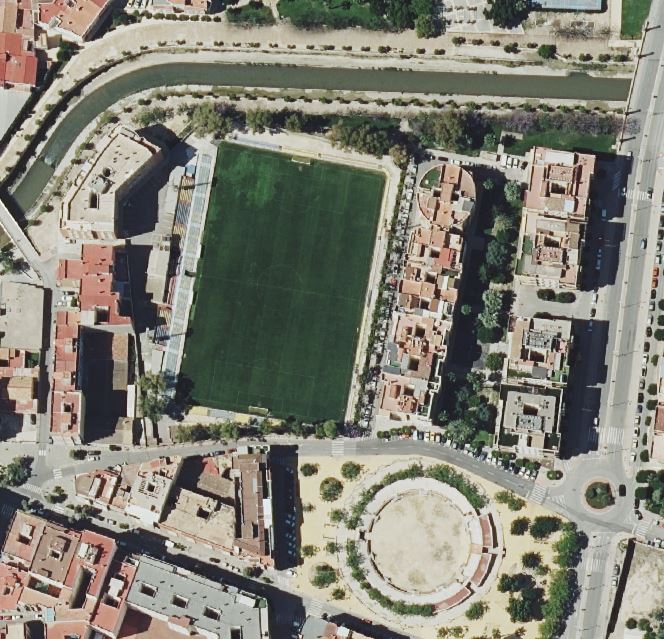
Los Arcos has a capacity of 3,500 and is located on a bend in the Rio Segura, which splits the town in half. On either side of the stadium are apartments. The local bullring (now derelict) is at the southern end, and the aforementioned Rio Segura runs five metres behind the northern perimeter. I’m sure this looked quite spacious when it opened back in May 1945, with just the bullring as a neighbour, and it remained relatively basic for the next 45 years. The first tenants of the municipally owned ground were Orihuela Deportiva, who, having been formed in 1944, were the town’s first serious attempt at a professional team.
They didn’t make a bad start either, as, within 8 years of forming, the club found itself in La Segunda. Back then, the division was regionalised and Orihuela fought out the 1952-53 season against bigger and more established teams such as Alcoyano CF, Real Murcia, Real Mallorca, Granada CF & Hercules CF. Ultimately, their debut season in the second flight ended in relegation, although their twelfth position saw them enter the relegation playoffs, but they succumbed 2-4 to CD Tenerife. For the next 30 or so seasons, Orihuela spent much of their time in the Tercera, except for a three-season spell in the regional league at the start of the 1970s.
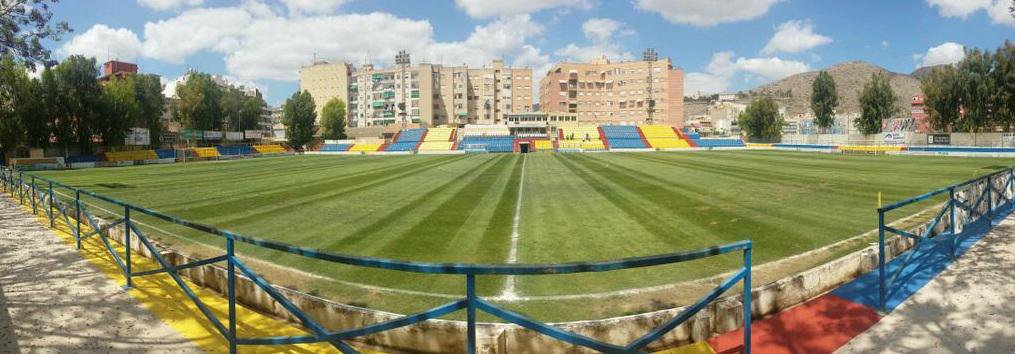
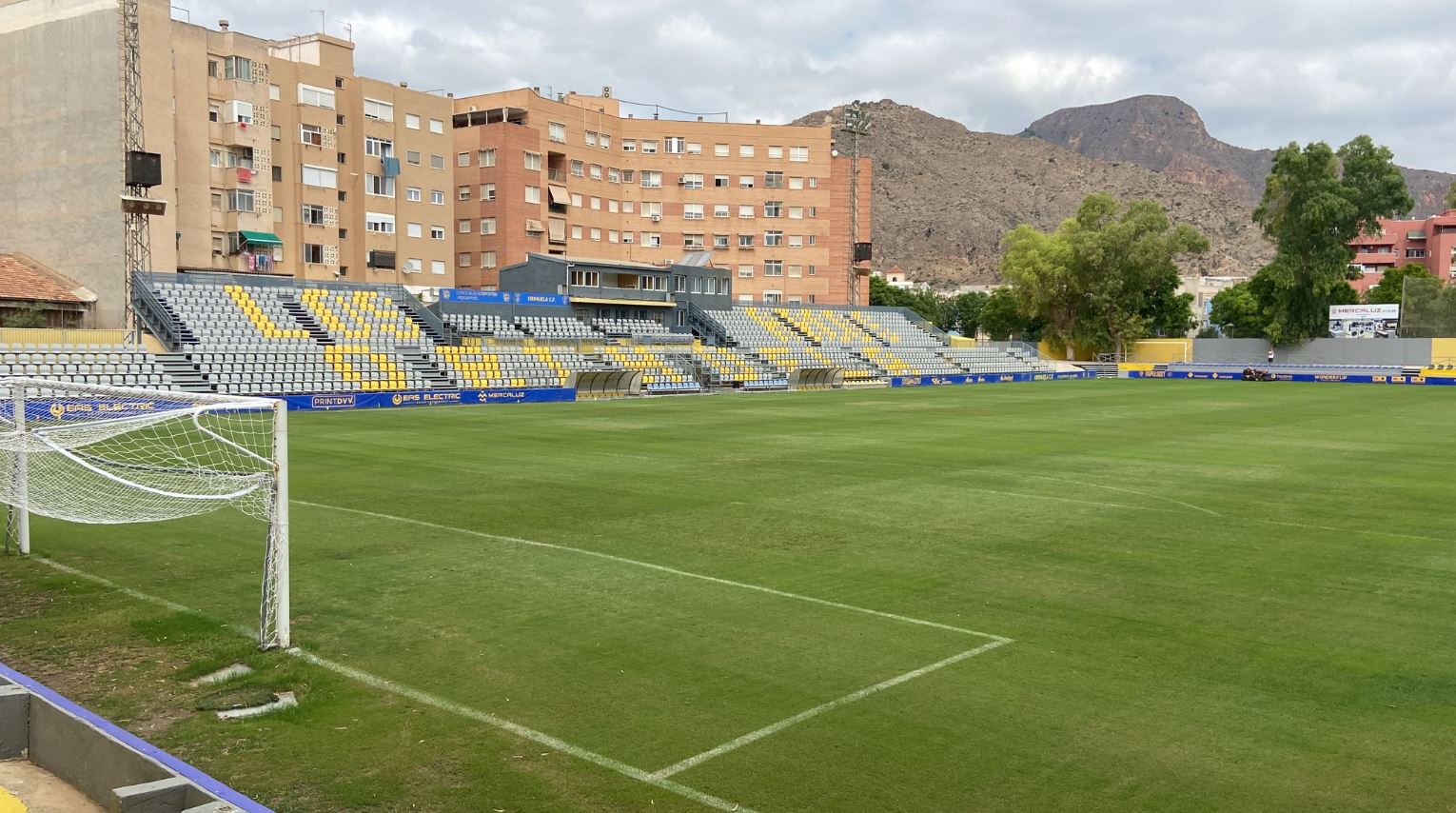
Then, in 1984, the club won promotion to Segunda B, followed by a fifth-place finish in 1985-86, which would normally be very commendable. Unfortunately, the end of the 85-86 season saw the restructuring of the leagues, so despite Orihuela’s high finish, it found itself relegated back to the Tercera. Three seasons later, they were back in Segunda B, and what a successful return, winning their first and only title and earning promotion to La Segunda in 1990. Following the promotion, the municipality developed the west side of Los Arcos, erecting two open stands that sat on either side of a new press box, beneath which sat new changing rooms. Incredibly, Orihuela finished fifth and within a place and three points of entering the playoffs for promotion to La Primera. It soon materialised that the club’s success had come at a price, a price it couldn’t afford, and instead of looking forward to a second season in La Segunda, the club was relegated to Segunda B for failing to pay its debts by the 31 July deadline. It was the beginning of the end for Orihuela Deportiva, and after falling to the Tercera in 1993, the club was wound up at the end of the 1994-95 season.
The current occupant of Los Arcos is Orihuela Club de Fútbol, which was founded in 1993 just as Deportiva was entering its penultimate season. An amalgam of two junior teams, Orihuela Juventud y Deportes & Atlético Orihuela, the club started its first season playing in orange shirts and white shorts but switched to the familiar yellow and blue kit when Deportiva folded in the summer of 1995. To say that their off-field history has been convoluted is an understatement. Impatient to progress from the regional leagues, the club bought its position in the Tercera in 1998 and won promotion to Segunda B in 2002. The then-owner, Paco Gomez, also bought FC Cartagena, yet remained chairman at Orihuela. As his interest waned following the team’s relegation back to the Tercera, the club was purchased by Jose Rodriguez Murcia. In 2006, the club won promotion back to Segunda B and ran up six successive top-half finishes. However, the club experienced financial problems and only avoided relegation to the Tercera in 2010 by clearing its wage debt at the eleventh hour.

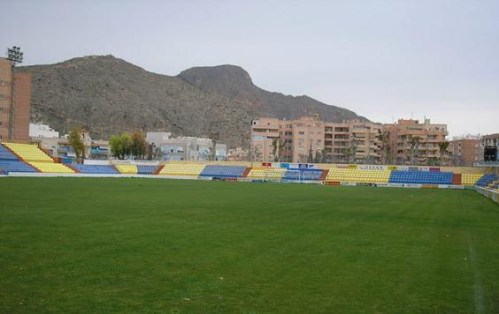
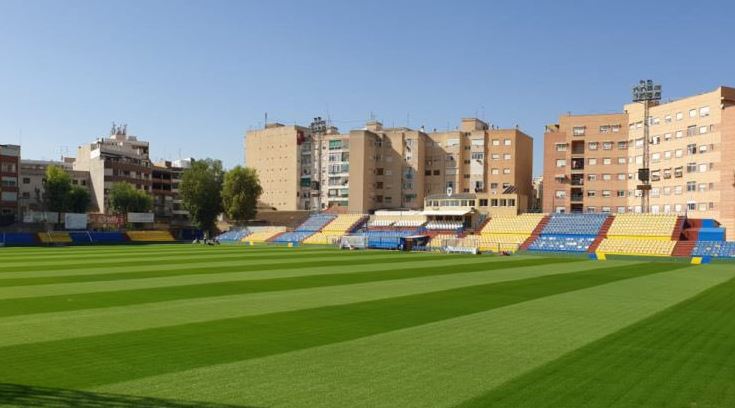
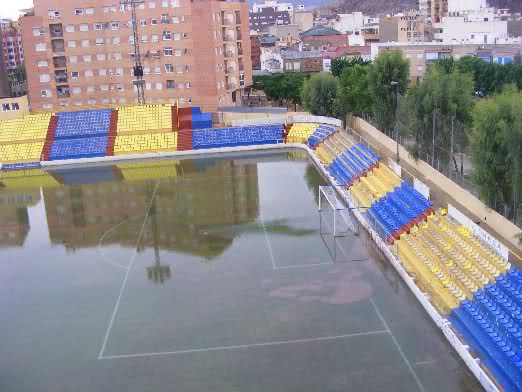
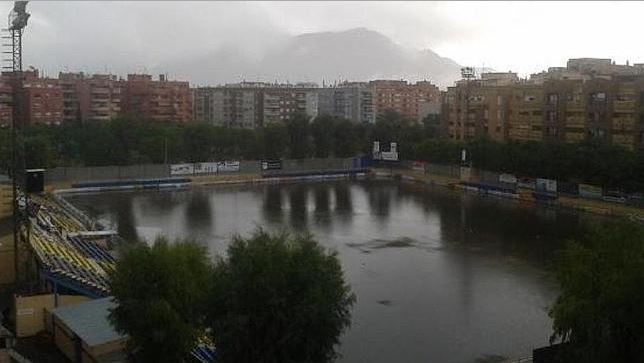
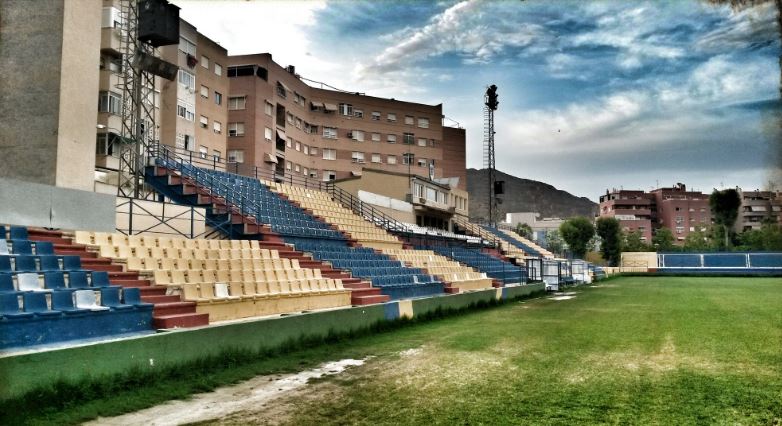
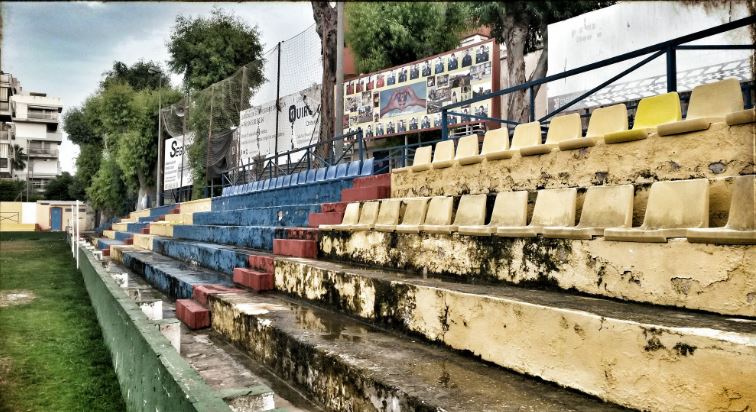
As for Los Arcos, yellow and blue seats were installed throughout the ground in 2001, capping the capacity at 6,000. Then, in 2010, problems were found with the structures on the north and east sides of the ground. Both structures were demolished, leaving just a few steps and reducing the capacity to 3,000. With the municipality experiencing financial problems, there were no plans for any redevelopment. In addition to the loss of the terraces at either end of the ground, the past decade has seen the Rio Segura break its banks and flood the playing surface on several occasions.
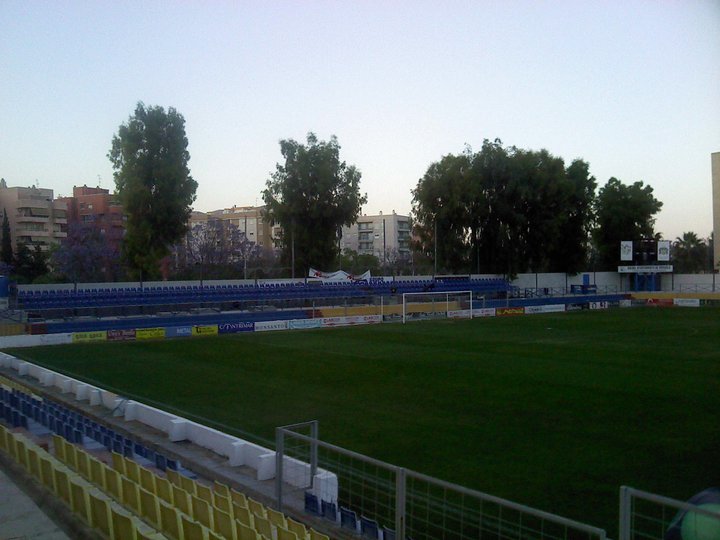
Despite a lack of funds and a crumbling stadium, Orihuela still managed to compete, reaching the playoffs at the end of the 2010-11 season, only to be outplayed by CD Guadalajara. Temporary seating was erected behind the northern goal for the playoffs, and this remained for the start of the 11-12 season. Once again, Orihuela reached the playoffs but lost this time to Albacete Balompié. During the close season, the club’s Alicante-based backers failed to pay the €200,000 bond on time, and the RFEF expelled the club from Segunda B. The club threatened legal action, and a well-publicised hunger strike by the club’s directors followed, but to no avail. Orihuela started their Tercera campaign, only to win after a successful appeal to the high court and be reinstated in Segunda B. Their reprieve, however, lasted just one season. Clearly under-financed and under-cooked, Orihuela dropped back to the Tercera in June 2013. It took six seasons and three visits to the play-offs for Orihuela to finally return to Segunda B, thanks to a 3-1 aggregate win over Aragonese side CD Tarazona in June 2019.
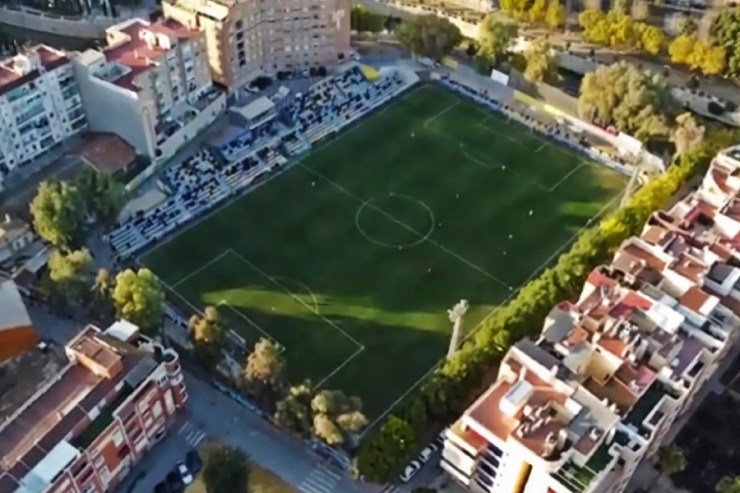
Orihuela’s return to the third tier coincided with two foreshortened seasons due to the COVID-19 pandemic. The 2019-20 season ended after matchday 28, with Orihuela at the foot of the table, but only three points from safety. The 2020-21 season did not begin until 18 October, and once again, Orihuela struggled with the shorter format. The campaign, which also featured a relegation playoff group, ended in relegation to the fifth tier, after the RFEF restructured the league pyramid. The club earned promotion to the Segunda Federación (4th tier) in 2023, and a year later came within a whisker of successive promotions, when finishing fourth in the league. However, defeat in the playoffs to Barakaldo CF ended their chance of a swift return to the third tier.


 Estadios de España