
Article updated: 23/09/2025
You may not know it, but the 21st Century has witnessed Club Haro Deportivo’s golden era. The club, located in the heart of the winemaking region of La Rioja, is experiencing its most successful period in its history. Has this slipped beneath your radar? Well, I’m not surprised, you see Haro Deportivo has become a big fish in the small pond of Riojano football.
Formed in 1914, it has had at best a modest history, spending its first fifty seasons in the regional leagues. Upon reaching the Tercera for the first time in 1965, Haro Deportivo struggled to become a permanent fixture, spending only seven of the next 23 seasons at that level. Some stability was achieved in the late 1980s when it occupied a lowly place in the Tercera group for clubs from La Rioja and Navarra. After dropping back to the regional league in 1995-96, some light relief was achieved a year later, when on its return to the Tercera the club finished fourth in the league and qualified for the playoffs to Segunda B. Unfortunately, Haro Deportivo finished bottom of the playoff group that featured Real Racing Santander B, CD Binéfar and Deportivo Alavés B. They would have to wait another seven seasons before it would get another stab at promotion.
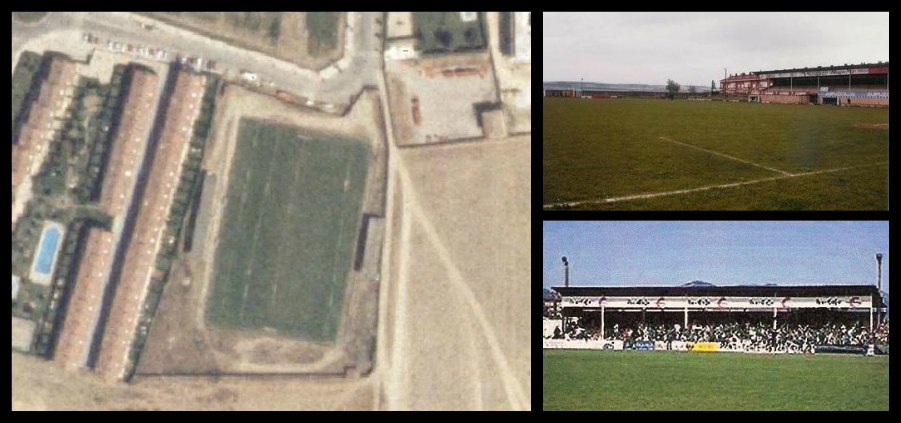
Home matches back then were played at the Campo El Mazo, a basic ground to the southwest of the town that had been home since 1931. It featured a raised stand on the west side of the ground, which was 45 metres in length and had a low propped roof over eight rows of bench seating. Opposite stood a curious little stand, no more than 20 metres long, that housed about 150 seats under a dilapidated propped roof. Haro Deportivo finished fourth in the 2003-04 season, reaching the playoffs. On 6 June 2004, they drew 1-1 with Sestao River in the last match at El Mazo. Haro Deportivo lost the away leg at Sestao, and it seemed that their chance of promotion had passed. However, they didn’t count on CD Logroñés’ demotion from Segunda B and with a place up for grabs, the local federation awarded it to Haro Deportivo. The club’s first visit to Segunda B ended after just one season, with the club finishing bottom of the table and recording just 4 wins during the campaign.

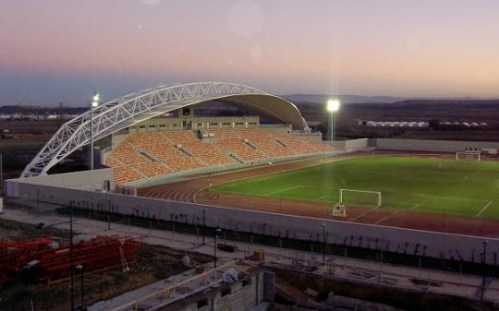
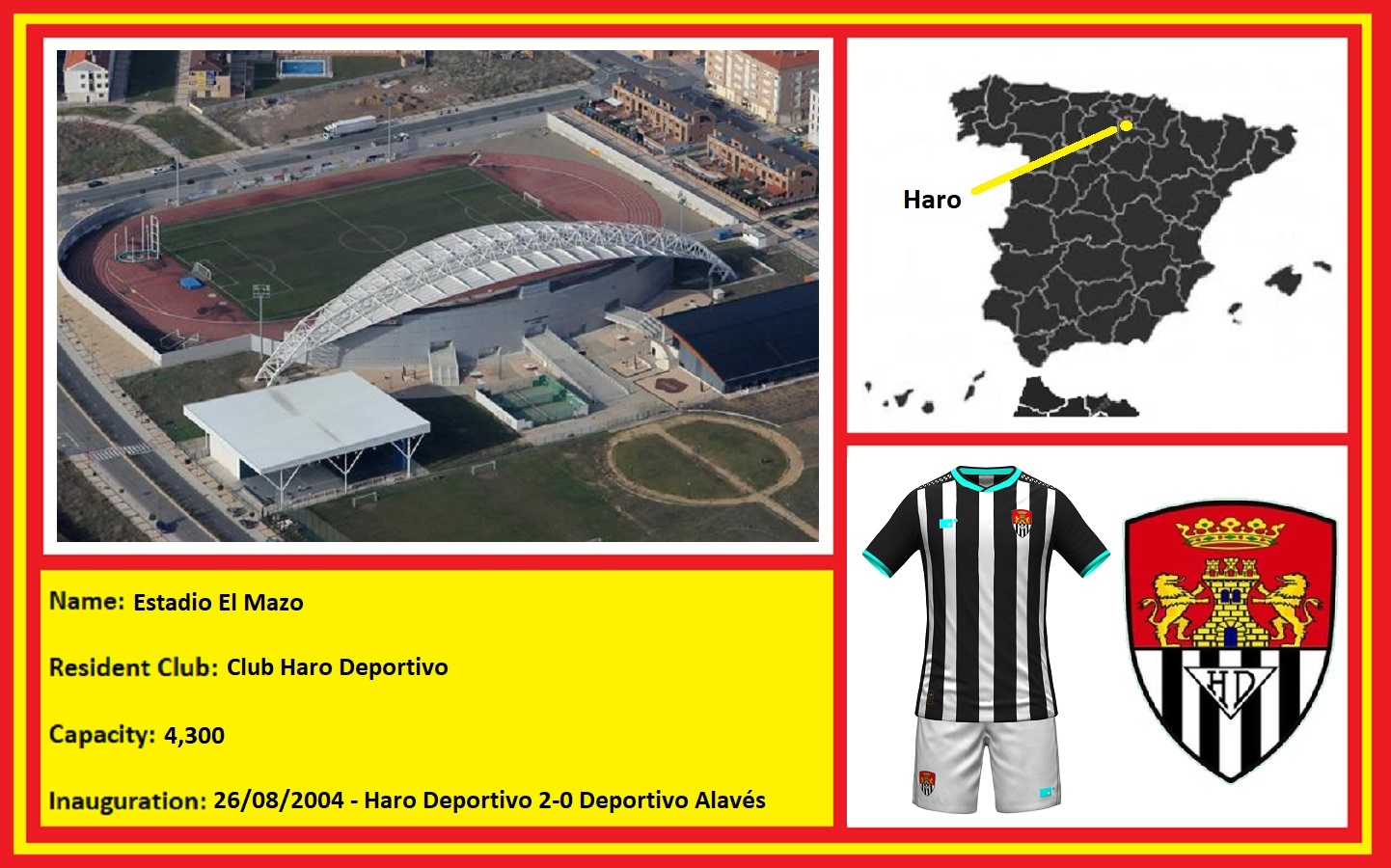
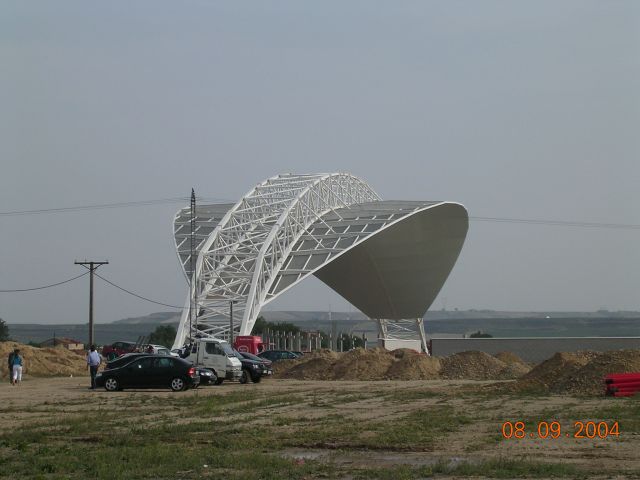
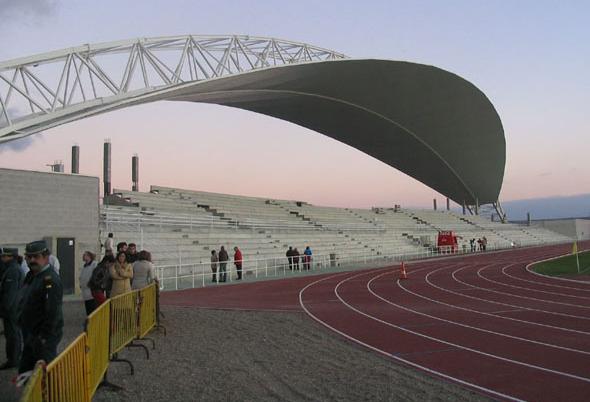
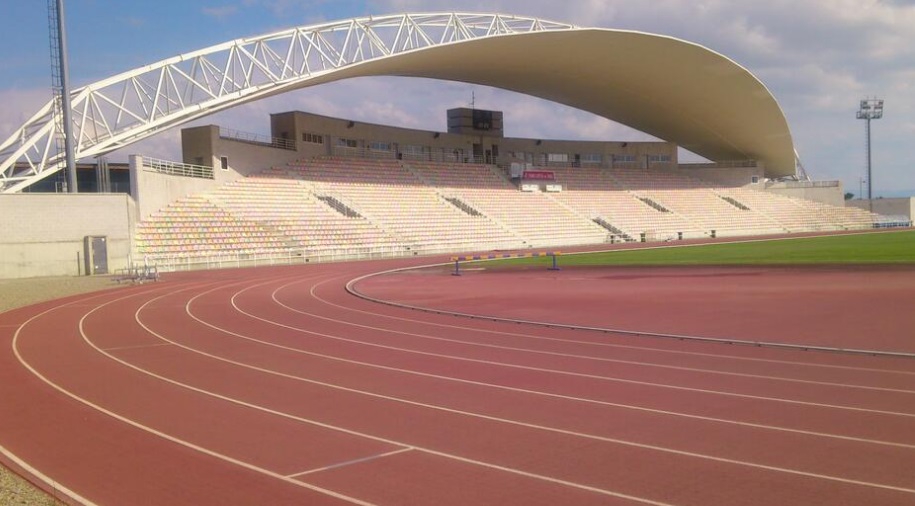
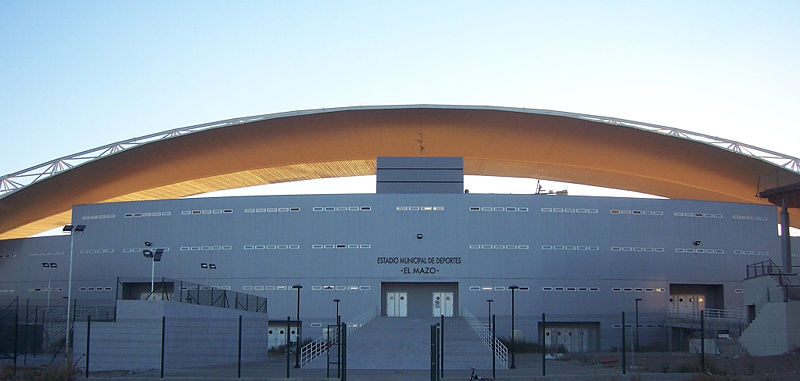
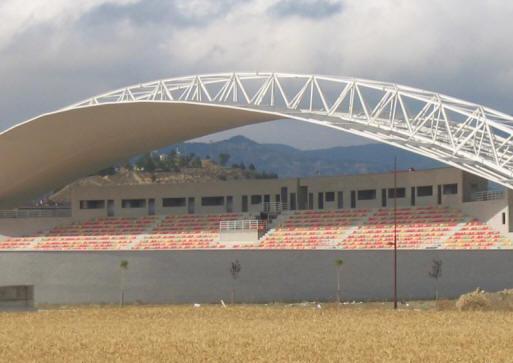
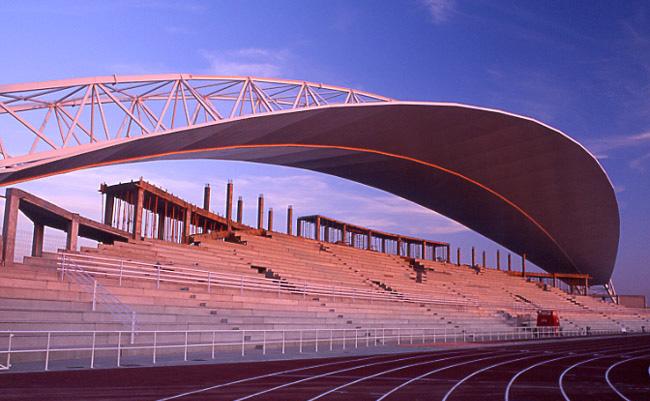
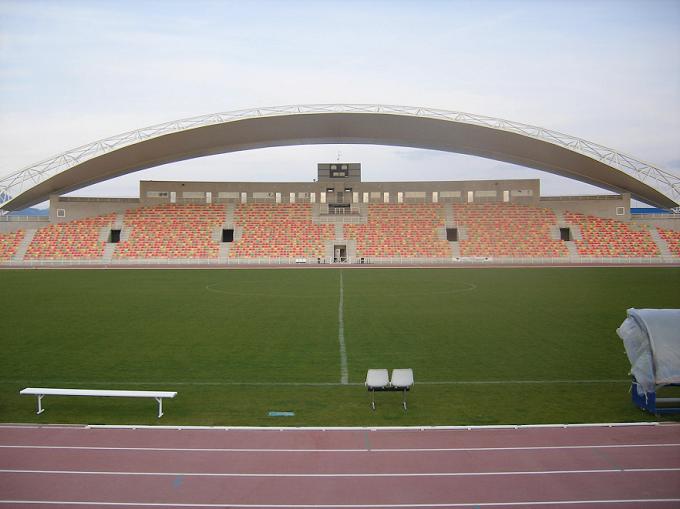
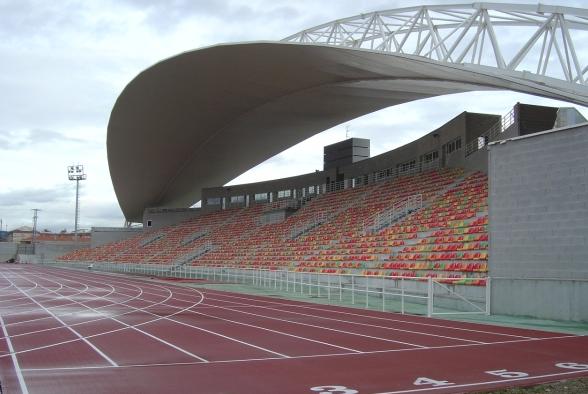
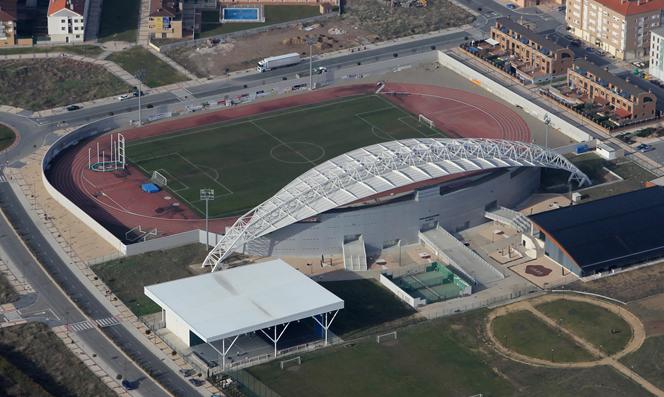
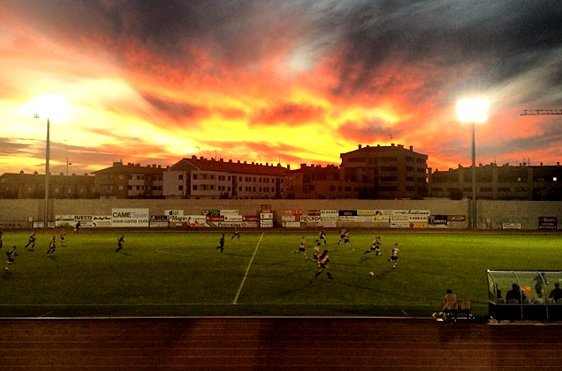
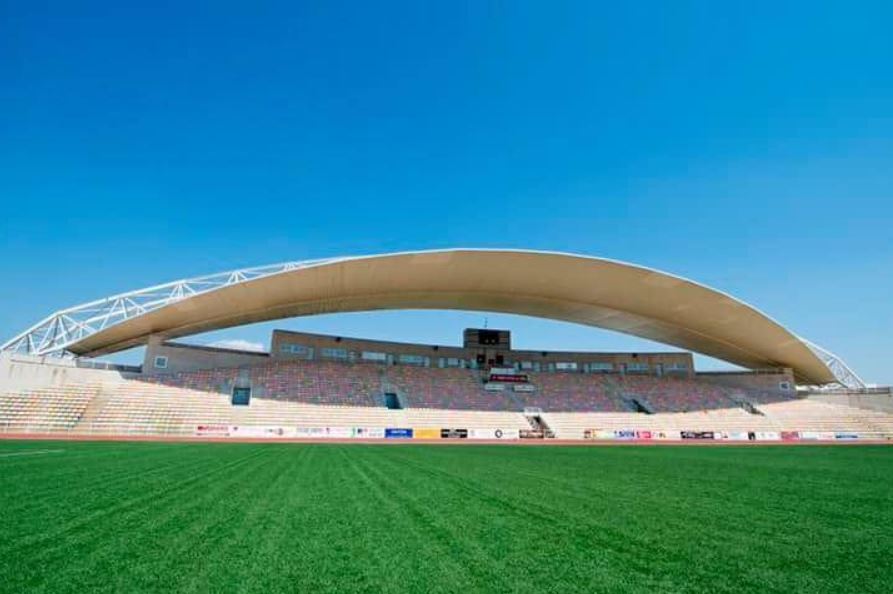
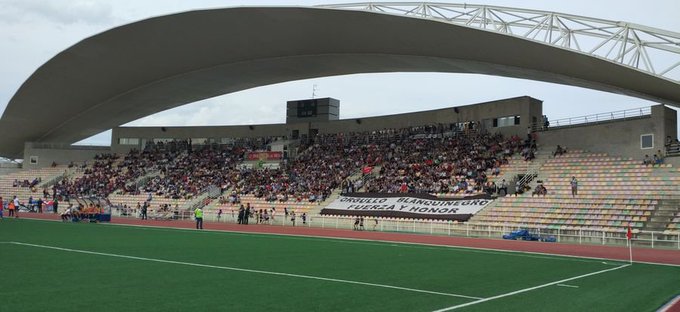
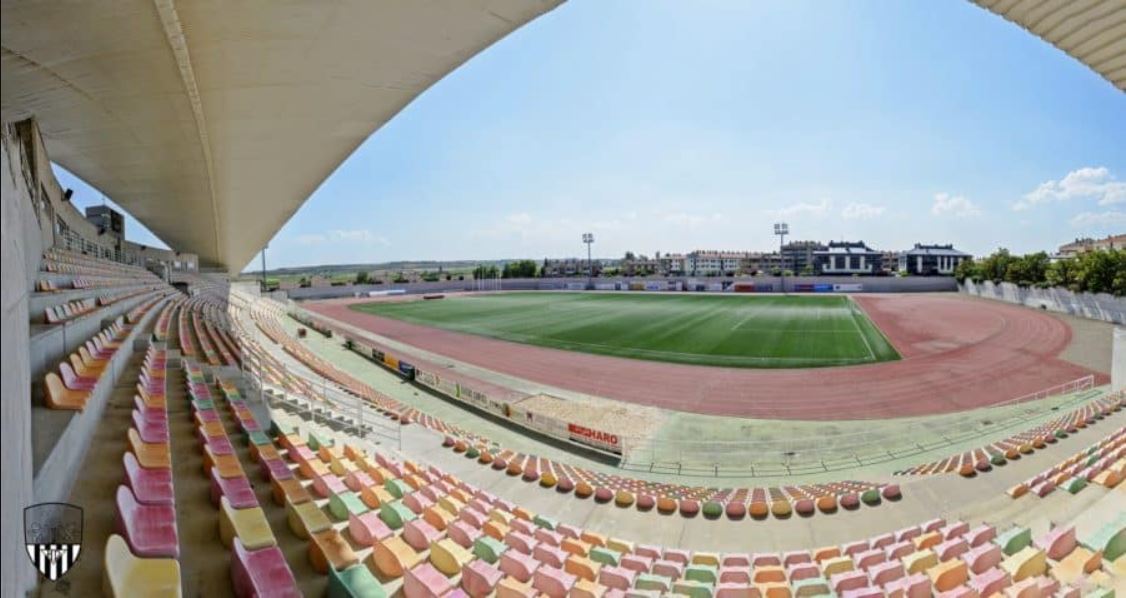
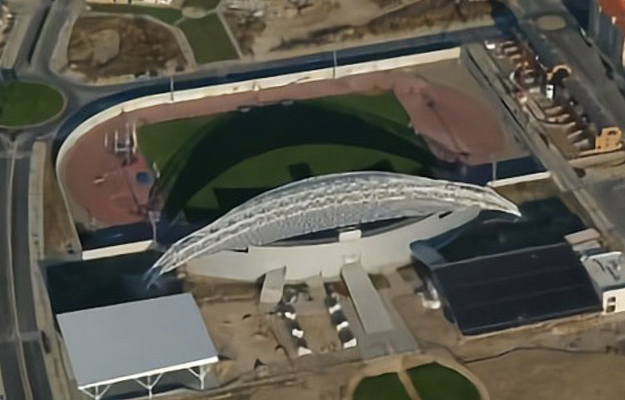
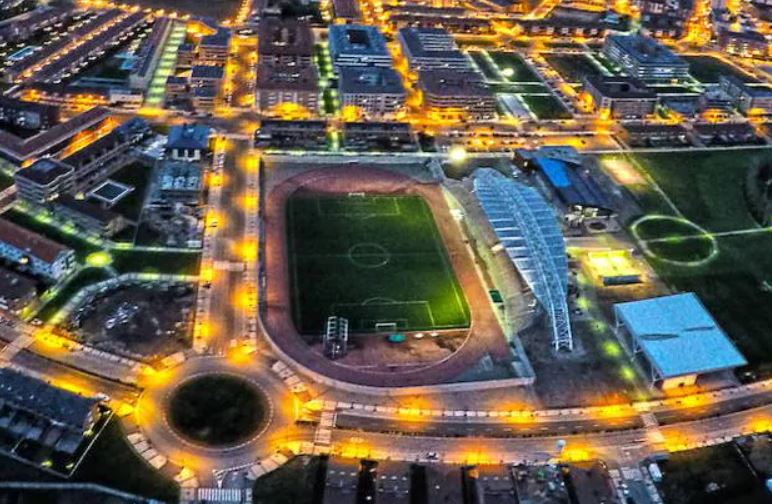
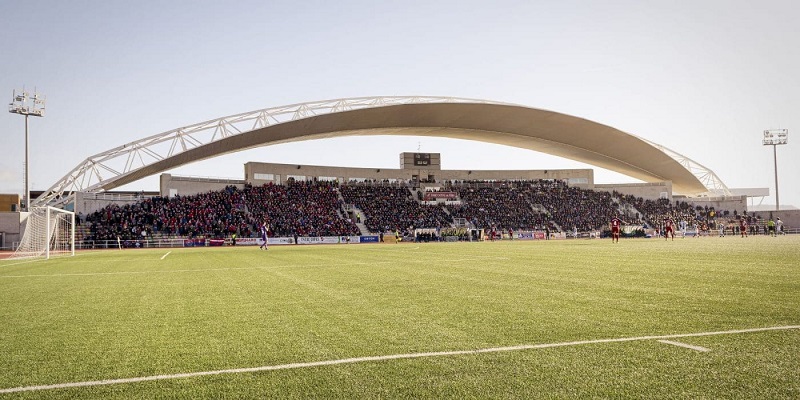
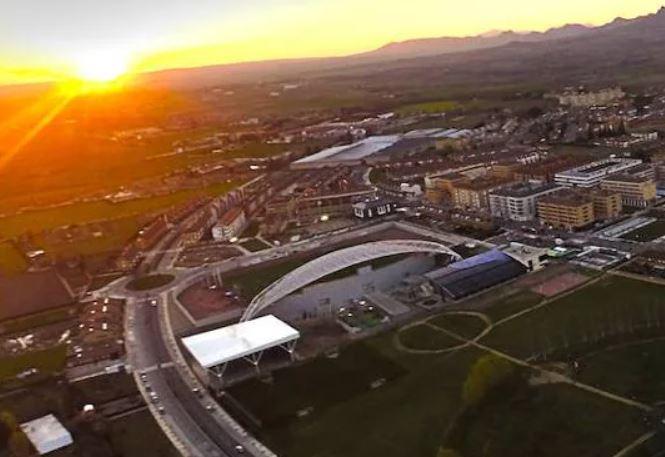
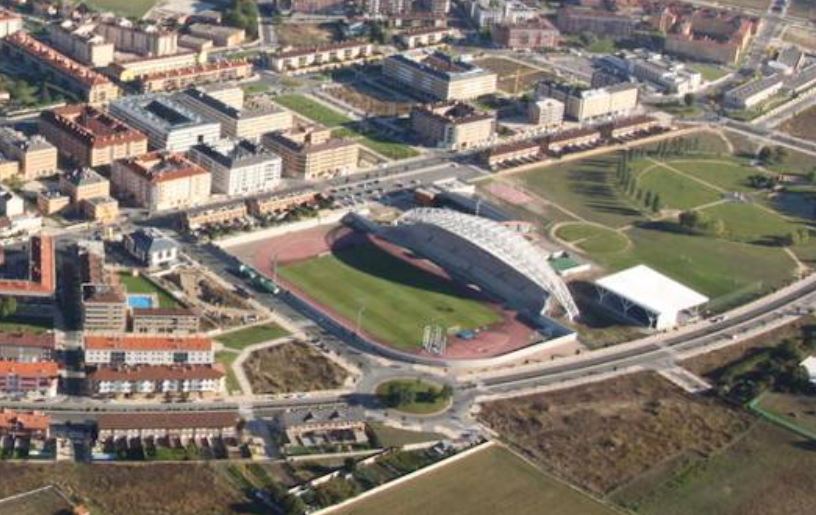
On 26 August 2004, Haro Deportivo opened the new Estadio El Mazo with a 2-0 friendly win over Deportivo Alavés. The stadium was just 200 metres south of the old Campo El Mazo and was designed by architect Enrique Aranzubia. The municipally owned stadium has an athletics track and three empty sides, but all is forgiven due to the striking stand at El Mazo. Aranzubia’s design incorporates a 110-metre-long arch from which is suspended a huge curved roof, and it is like no other in Spain. All 4,300 seats are located on the east side of the stadium, with the roof providing cover for approximately two-thirds of the seating tier. On 29 August 2023, the Estadio El Mazo was renamed in honour of the Spanish Men’s national coach, Luis de la Fuente. Born in the city, de la Fuente played for Haro Deportivo’s youth teams before joining Athletic Club in 1978.
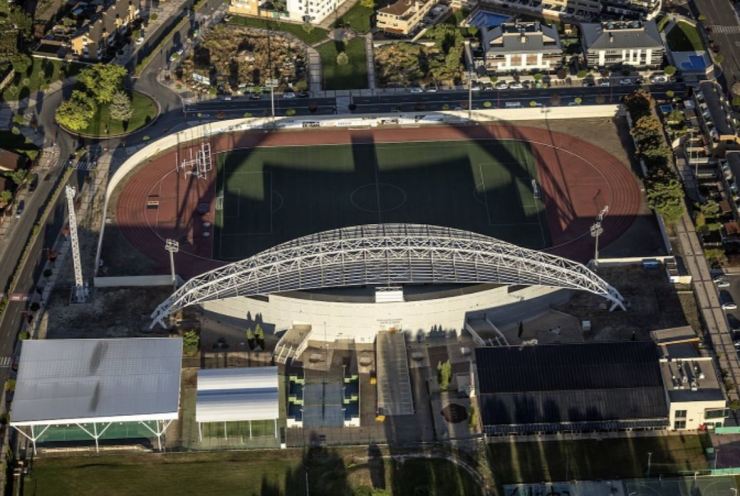
Between 2005 and 2019, Haro Deportivo made the playoffs on all but one occasion. In the end, it proved to be the 13th time lucky, when after securing their third Tercera title in 2019, Haro Deportivo defeated Zamora CF in the playoff finals. Haro Deportivo’s return to Segunda B saw them earn a 10th-placed finish in Group II during the COVID-19-curtailed season. This earned the club a place in the following season’s Copa del Rey, and after overcoming the challenge of Real Balompédica Linense, they hosted Rayo Vallecano at the Estadio El Mazo, losing the tie 1-3. The pandemic further disrupted the 2020-21 season, which saw Haro Deportivo struggle in Segunda B’s final season before the Spanish League system was restructured. After finishing bottom of the sub-group and the relegation playoff group, Haro Deportivo dropped to the Tercera Federación.

 Estadios de España