Article updated: 30/12/2025
The citizens of Zaragoza and, for that matter, other parts of Aragon, took their time to fully come to terms with football. Organised competitions did not truly get underway until 1915, a good decade or so later than neighbouring Catalunya. The first important team to emerge in the Aragonese capital was Iberia Sport Club, which was founded on 24 March 1917 and went on to dominate the early years of the regional championship. The only real challenge Iberia experienced came in the form of Sociedad Atletica Stadium, who were formed in 1919 and pipped Iberia to the title in 1924 & 1925. Another team founded in 1919, Zaragoza Football Club, joined forces with Sociedad Atletica Stadium in 1925 to create Club Deportiva Real Zaragoza, but Iberia continued to reign supreme.
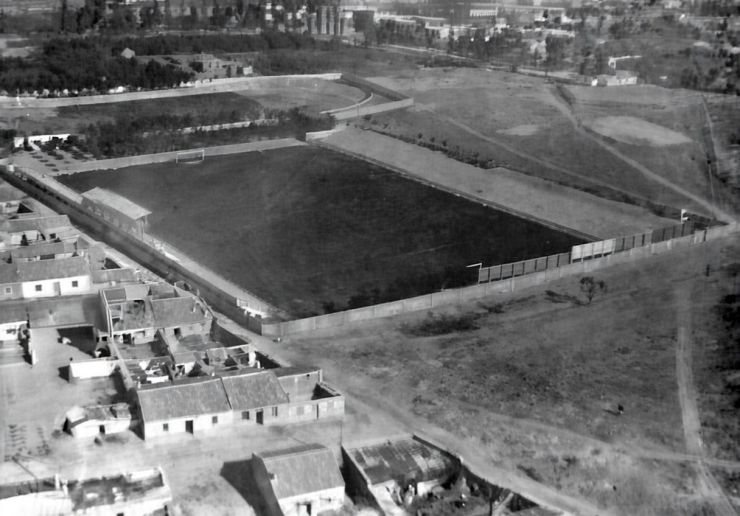
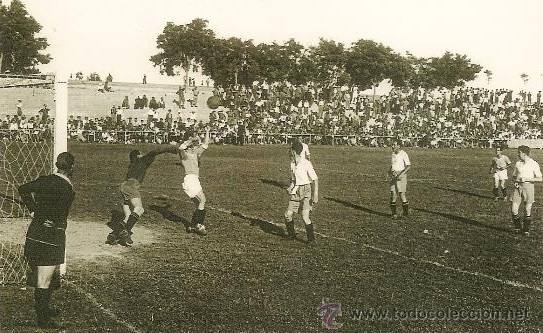
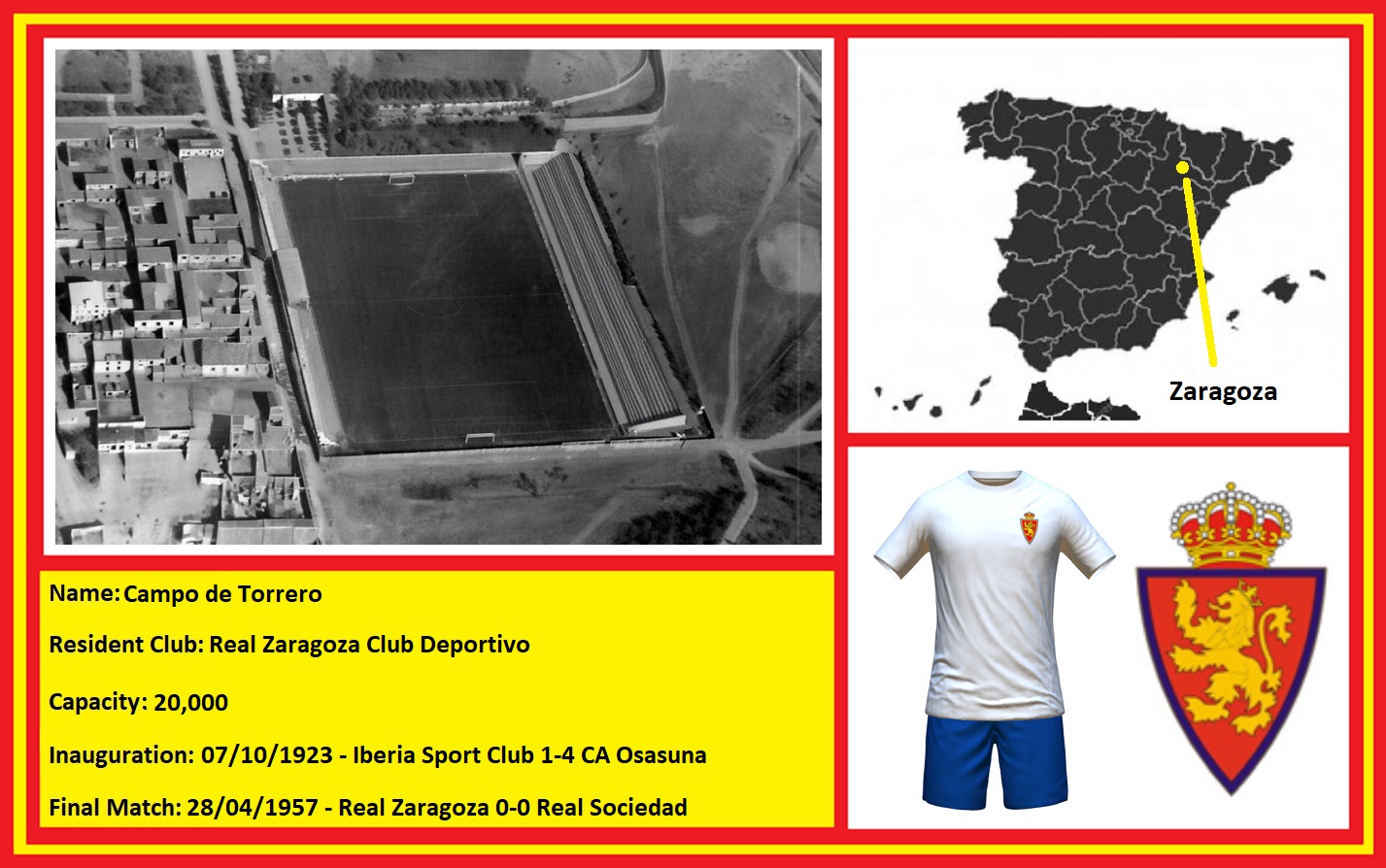
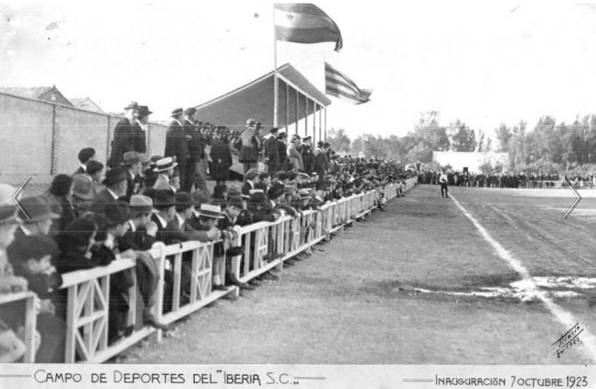
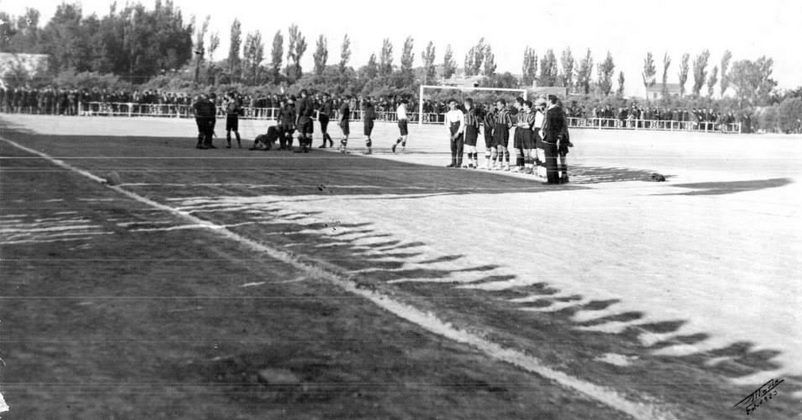
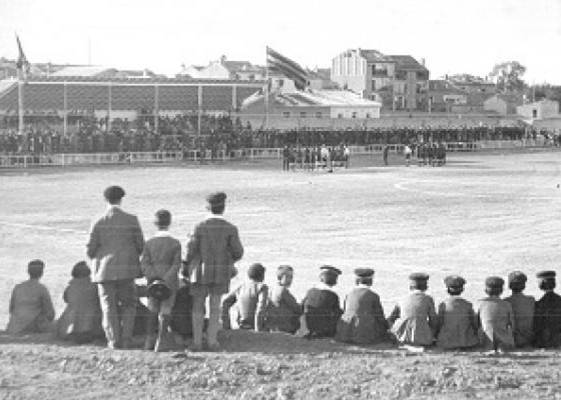
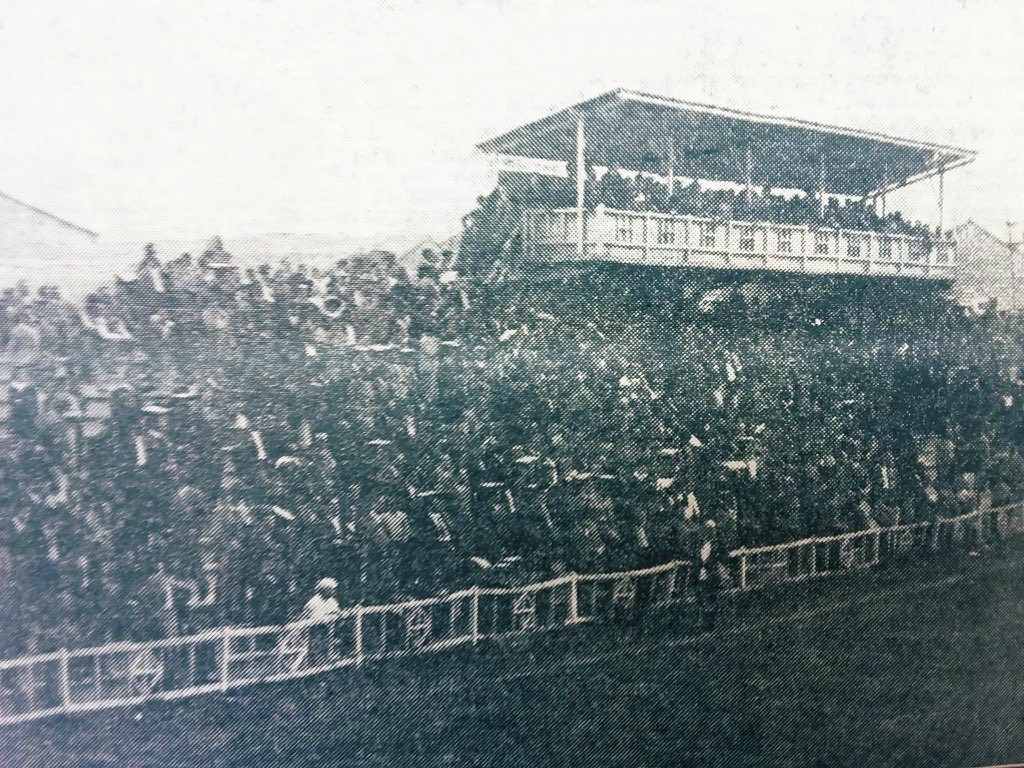
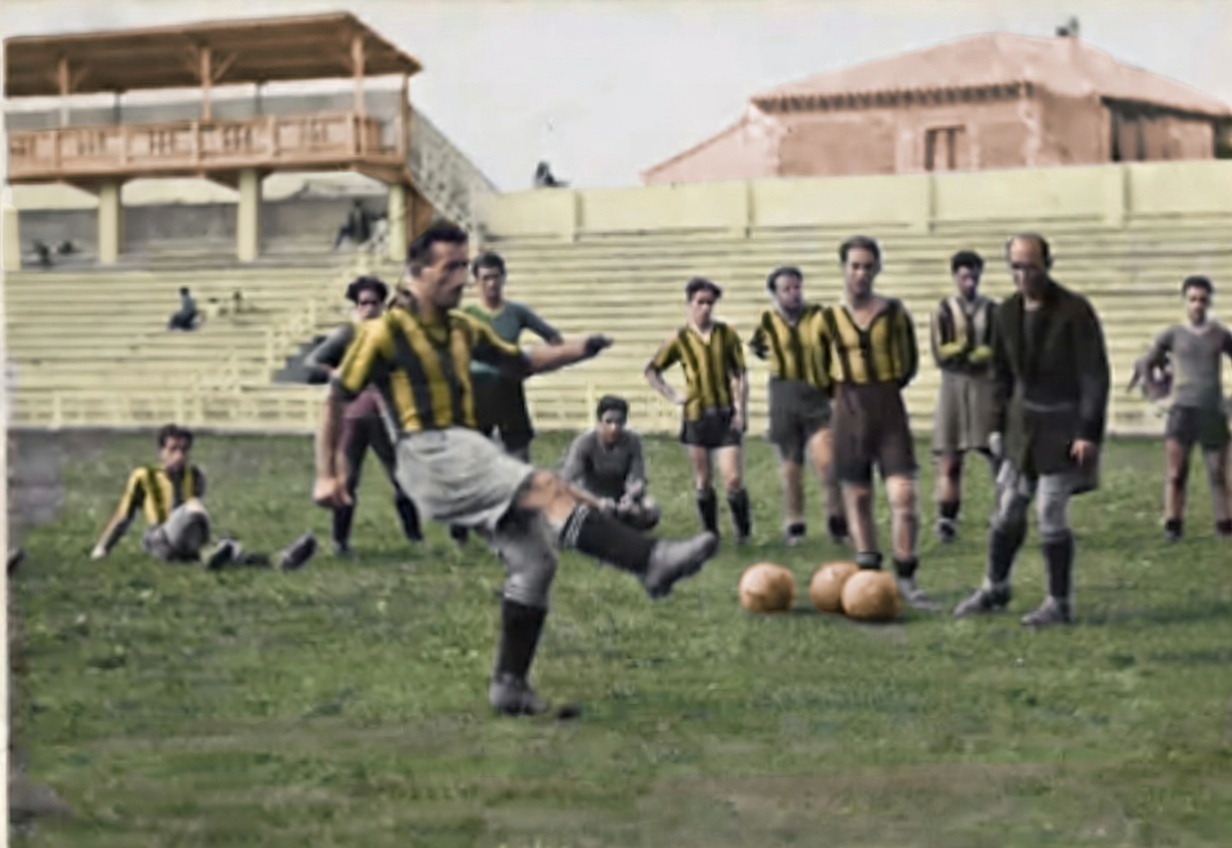
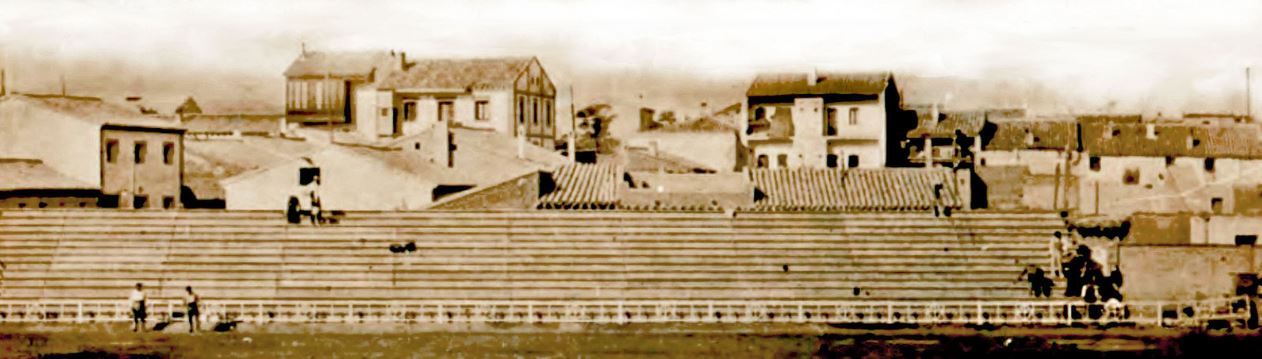
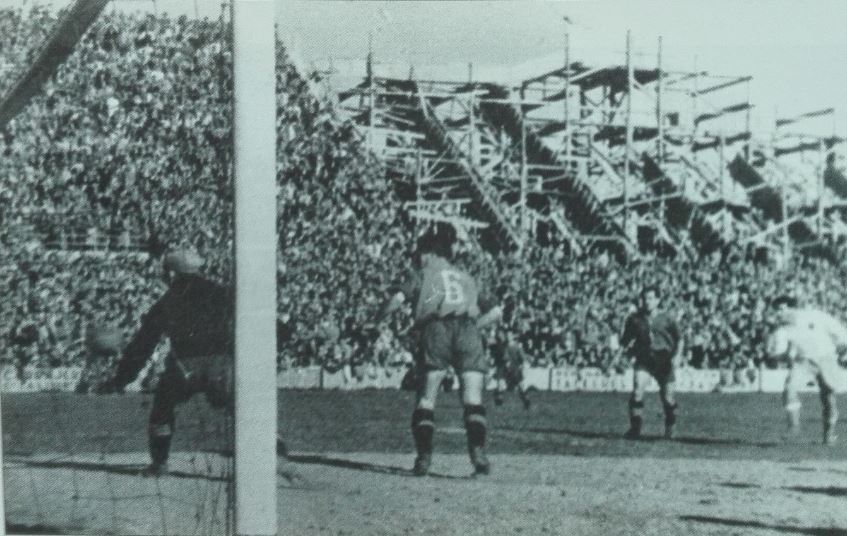
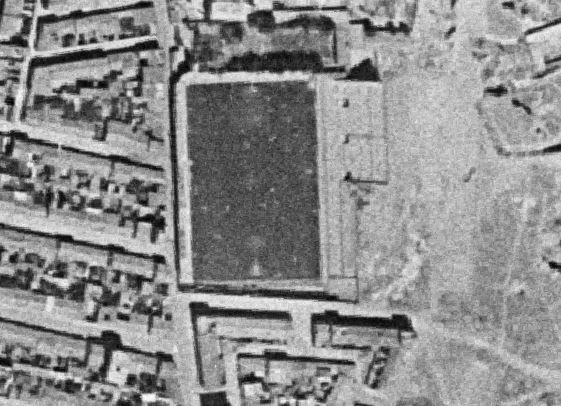
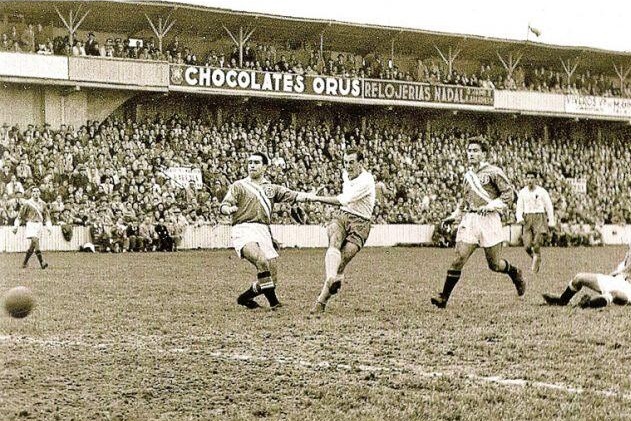
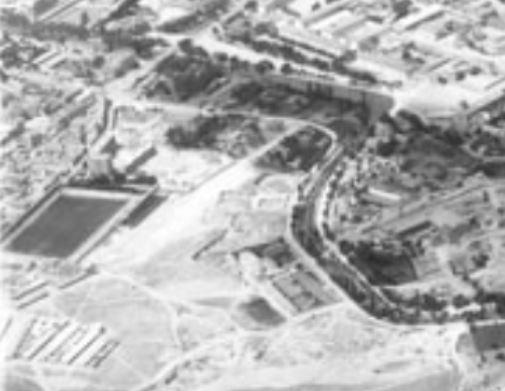
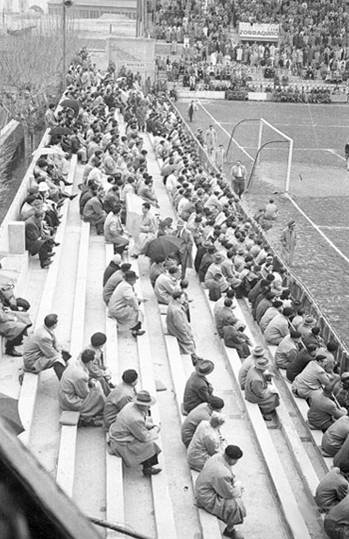
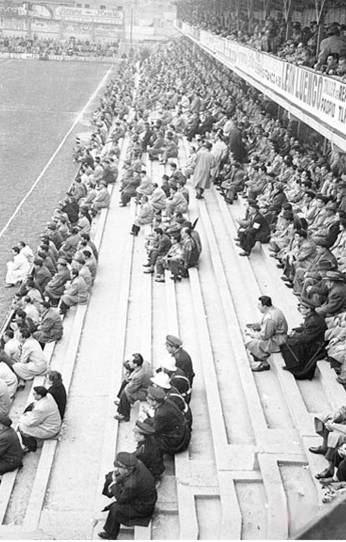
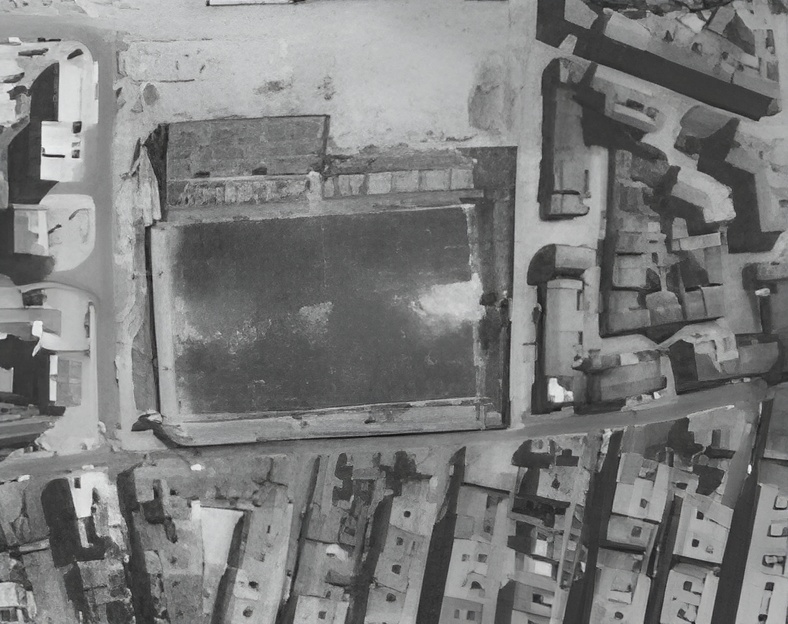
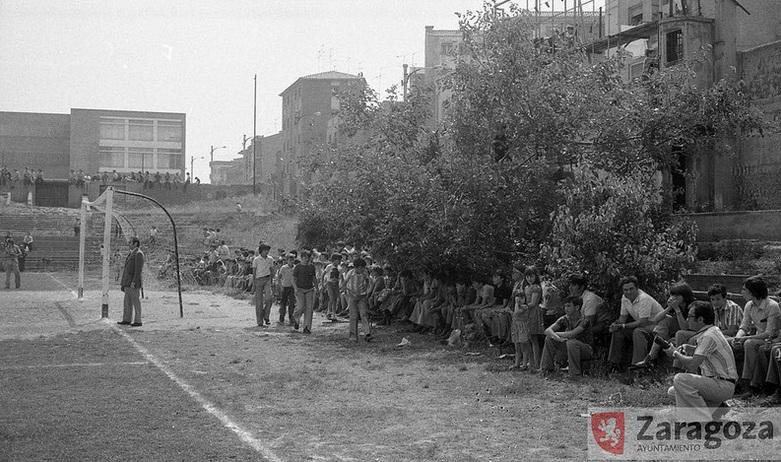
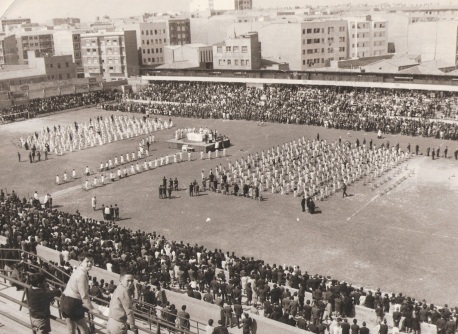
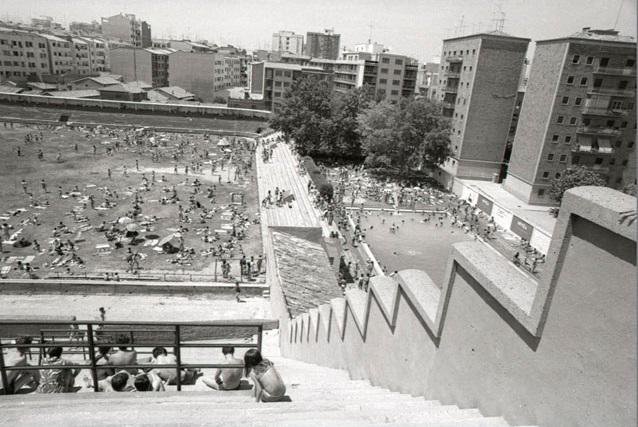
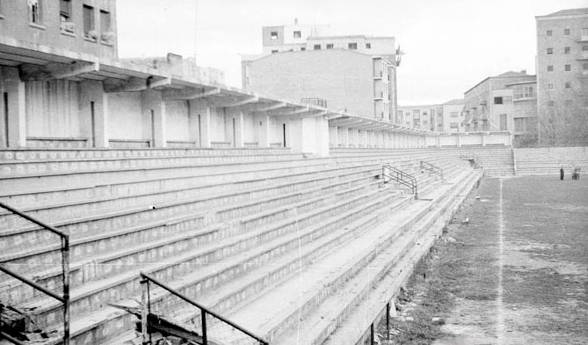
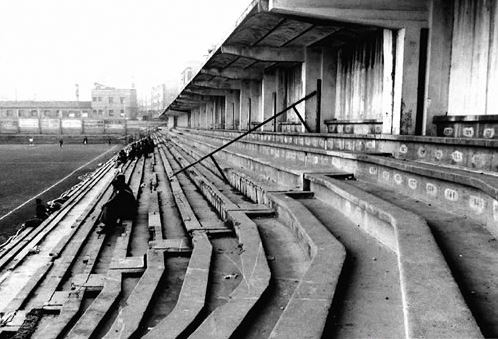
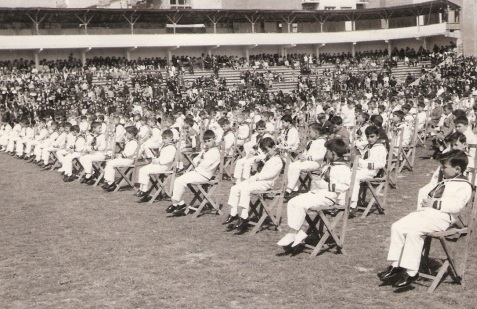
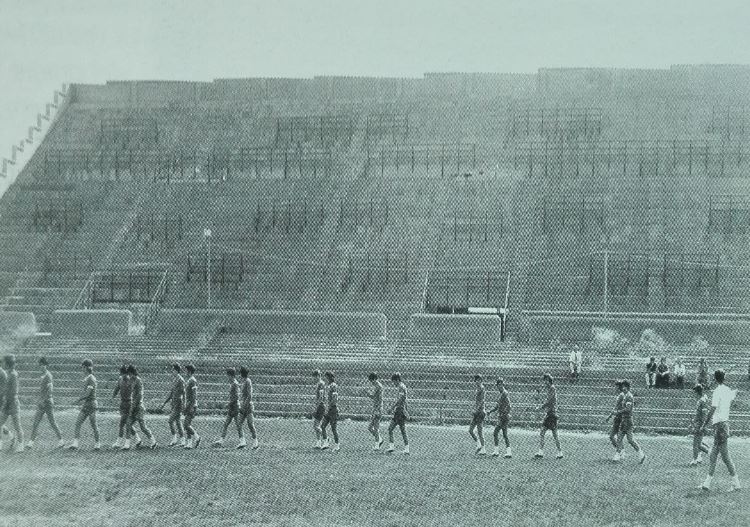
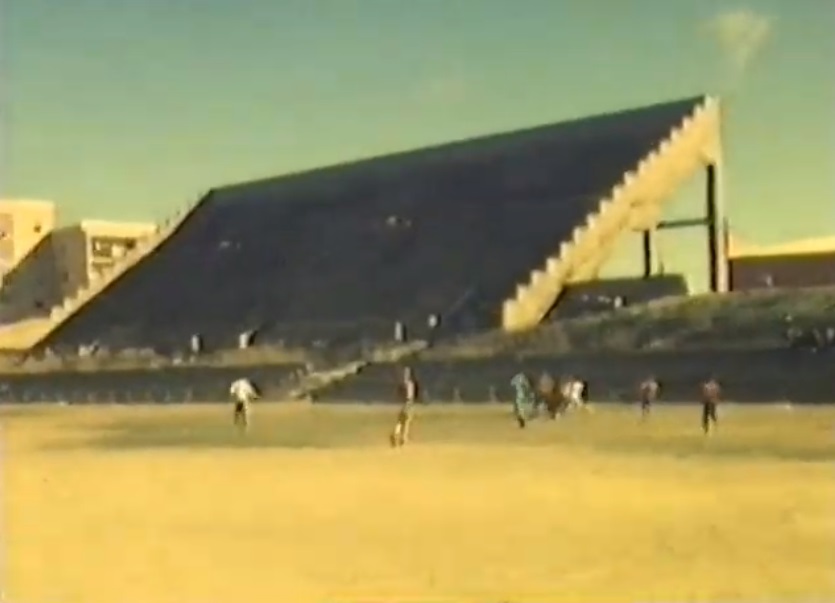
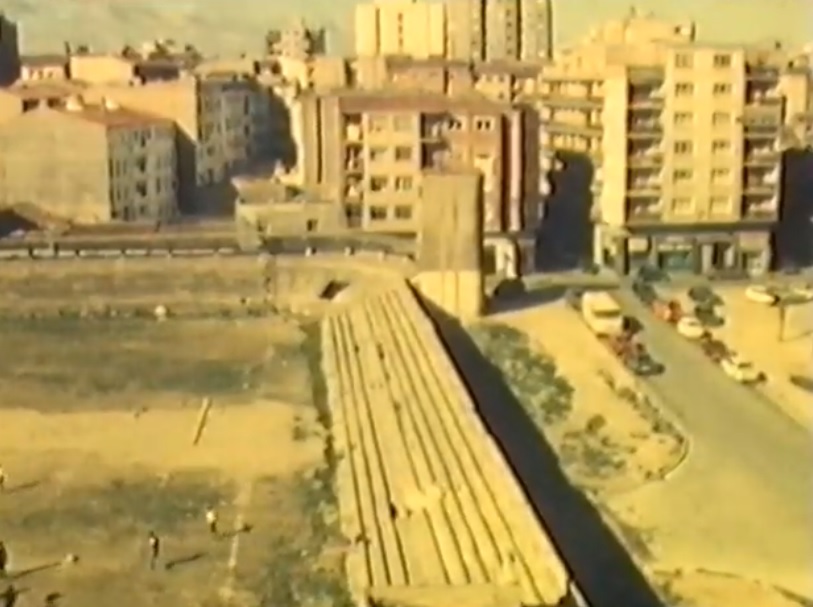
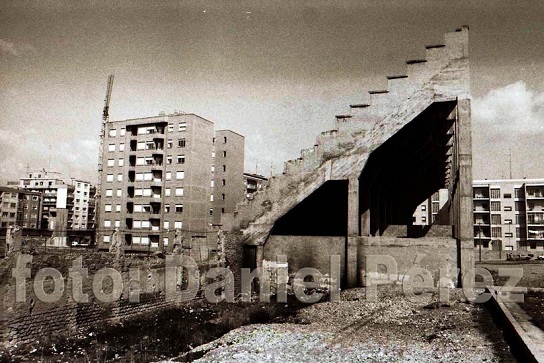
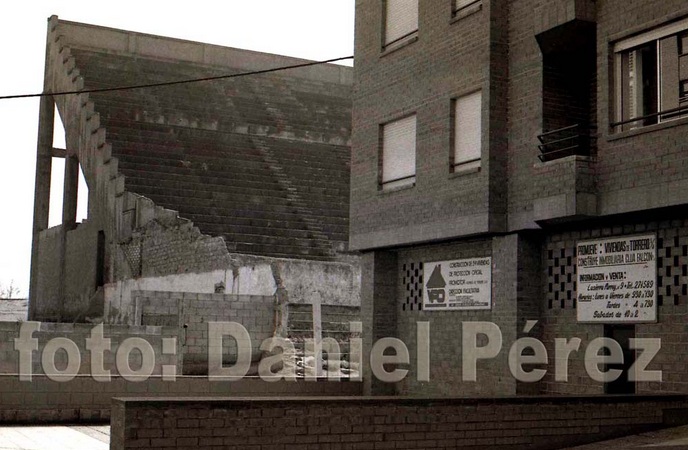
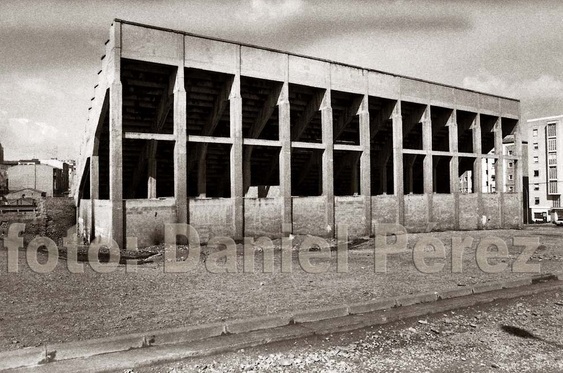
Iberia was undoubtedly helped by the foresight of its directors, who had developed the city’s first purpose-built stadium, Campo de Torrero. Opened on 7 October 1923 with a match against Osasuna (1-4 defeat), the stadium was located to the south of the city centre, between the La Paz & Torrero districts. It featured concrete terracing on all four sides of the ground. Upon opening, the west side featured a short, pitched cover over the terrace, but this was soon replaced by a small raised stand that featured seating for directors. With a capacity of 8,000, it was one of the best-appointed stadiums outside of the traditional footballing heartlands of Catalunya and the Basque Country. This fact was recognised by the Spanish Football Federation when Torrero was selected to host the 1927 final of the Copa del Rey and an international match on 14 April 1929. A capacity crowd watched on as La Selección trounced France 8-1.
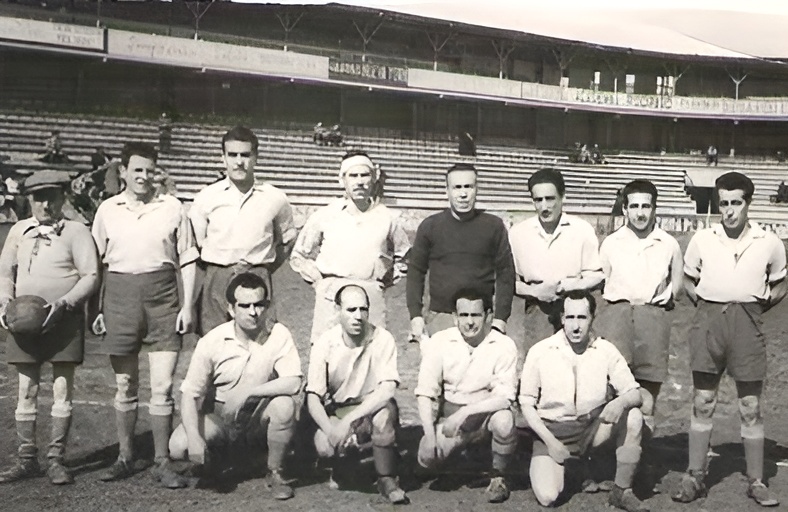
Thanks to their form in the regional championship and to some extent, their facilities, Iberia was invited to take part in the inaugural season of La Segunda. The club finished second in that first season, following up with a third-place finish in 1929-30. The following season was to prove a disaster as Iberia finished bottom of La Segunda and was relegated to the Tercera. The city’s other senior club, Club Deportiva Real Zaragoza, also suffered a miserable season, when their one and only season in the third flight ended in relegation. Top-level football in Zaragoza needed a rethink, and on 18 March 1932, Iberia and Club Deportiva Real Zaragoza agreed to merge, forming Fútbol Club Zaragoza. The new set-up found early success with promotion to La Segunda in 1934-35. A second-place finish in the regionalised section of the second division earned FC Zaragoza a place in the playoffs, where their good form continued, and a runners-up spot behind Celta Vigo was enough to win promotion to La Primera. Their debut in La Primera would have to wait, however, for in the close season, Civil War broke out
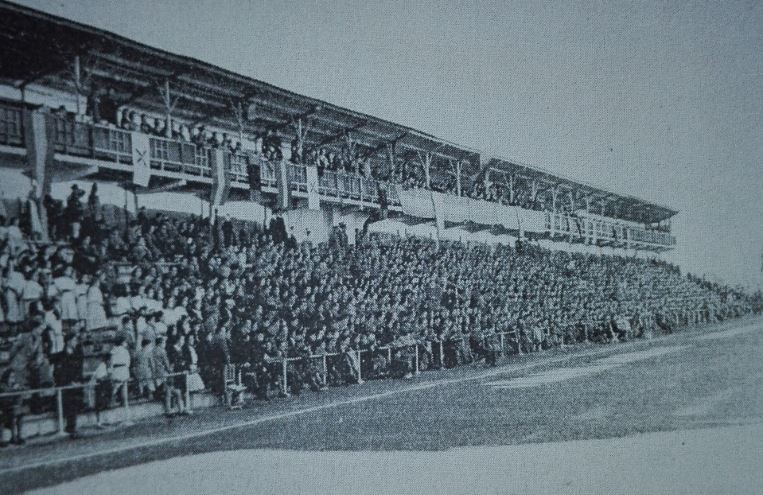
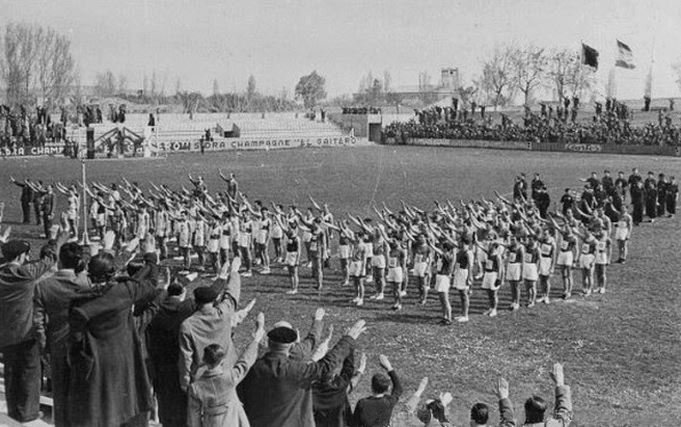
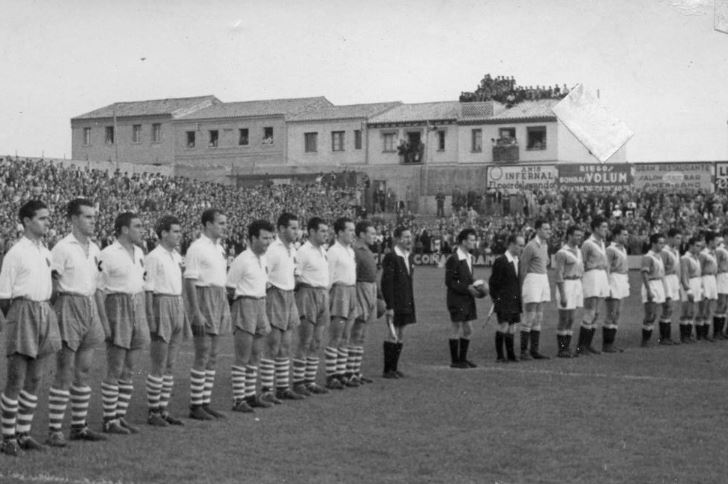
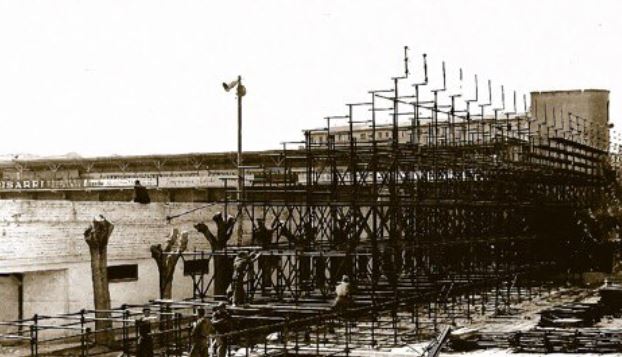
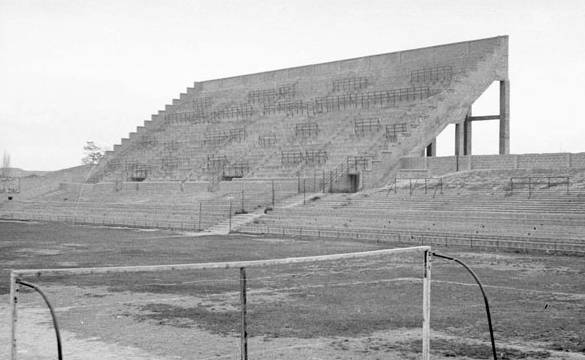
The club and the Campo de Torrero escaped relatively unscathed from the Civil War, although officials had to remove upward of 200 grenades from the pitch. When the league resumed in September 1939, Zaragoza seemed to take their new status in their stride, and home form was particularly impressive. At the end of the season, the club had gained a creditable seventh-place finish and remained unbeaten at Torrero. Unfortunately, Zaragoza could not repeat that form in the 1940-41 season and ended the season in eleventh place, and was relegated to La Segunda. They returned a season later after winning promotion via the playoffs, but the 1942-43 season was to be another disappointment, and 13 points from 26 games saw them drop back to La Segunda. The club developed Torrero in the summer of 1943 when the raised stand was extended along the length of the west side to create a narrow gallery. The terraces to the north and east were extended, raising the capacity to 15,020, but Zaragoza was about to hit an all-time low. Instead of challenging for promotion, the mid-1940s saw the club return three mid-table finishes before dropping to the Tercera in 1947.
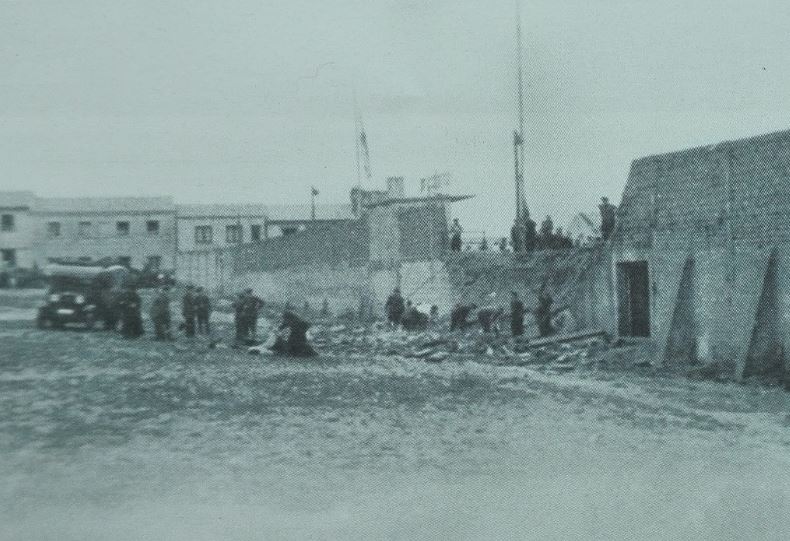
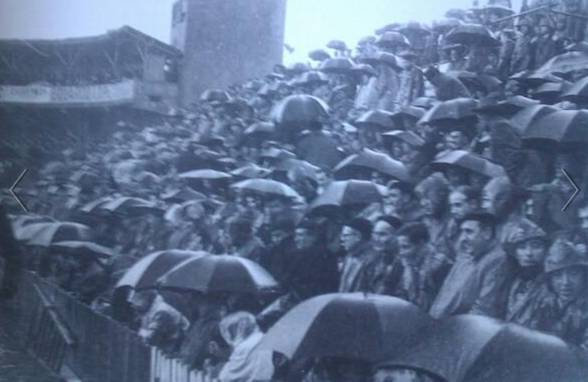
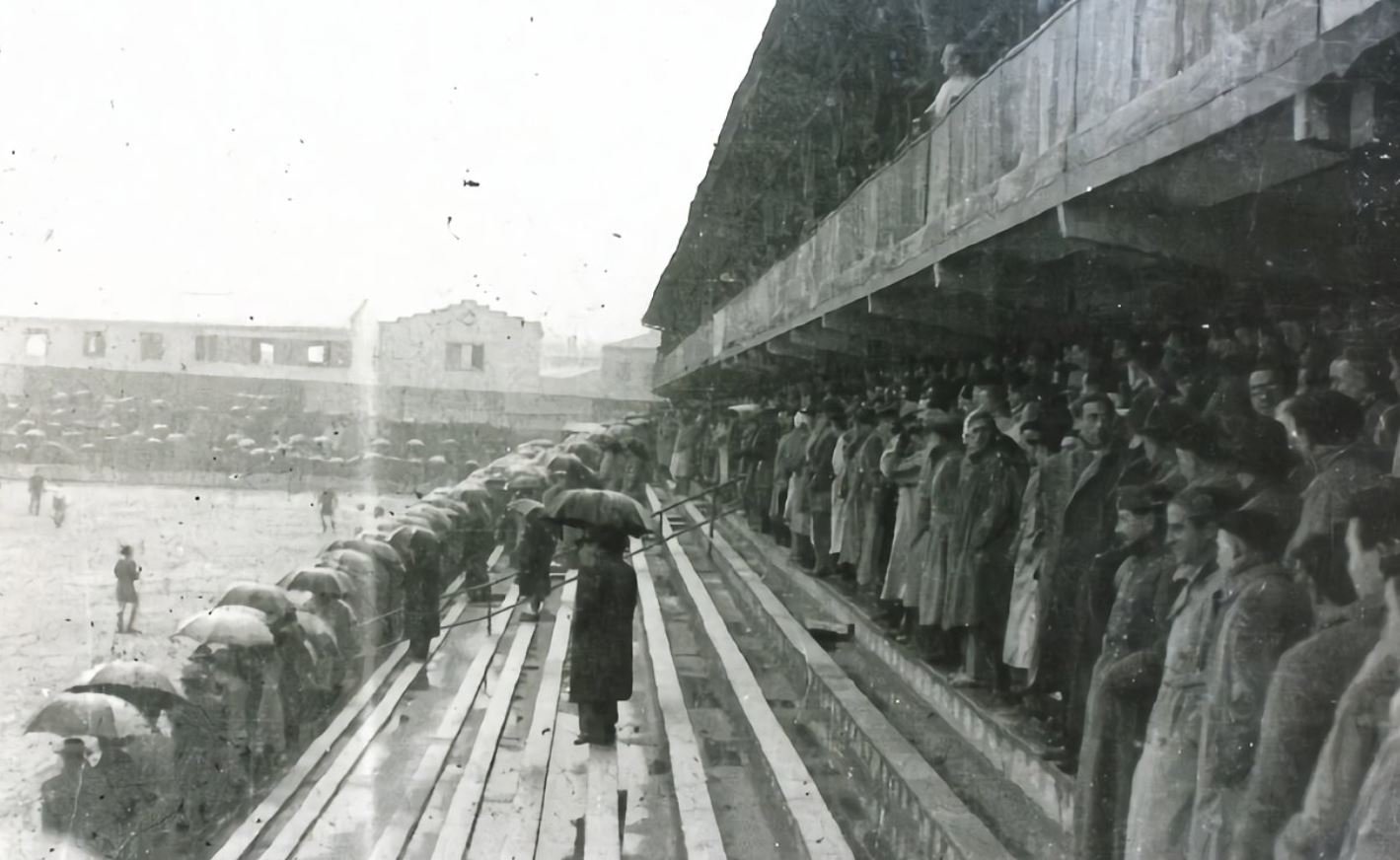
Dropping to the amateur & regionalised Tercera was a major financial blow to the club, and the two attempts it took to escape only added to Zaragoza’s problems. Further woes followed on September 11 1949, in their first home match since returning to La Segunda, a retaining wall at the back of the east terrace collapsed during heavy rain, killing one spectator and injuring a further seven. That 1949-50 season saw the club finish fourth, and in the following season, Zaragoza earned promotion to La Primera for a third time thanks to a second-place finish in the playoff group. The ill-fated east terrace was extended, but only along half the length of the pitch, and the ground could now accommodate 20,000 spectators. The club’s directors recognised, however, that Torrero could not be their long-term home, and in 1951 purchased the ground and surrounding land from the original owners. Sections of real estate around the stadium were sold off, and the proceeds were used to clear the club’s debt and sign new players. Any remaining funds were used to design the new stadium and negotiate with the municipality.
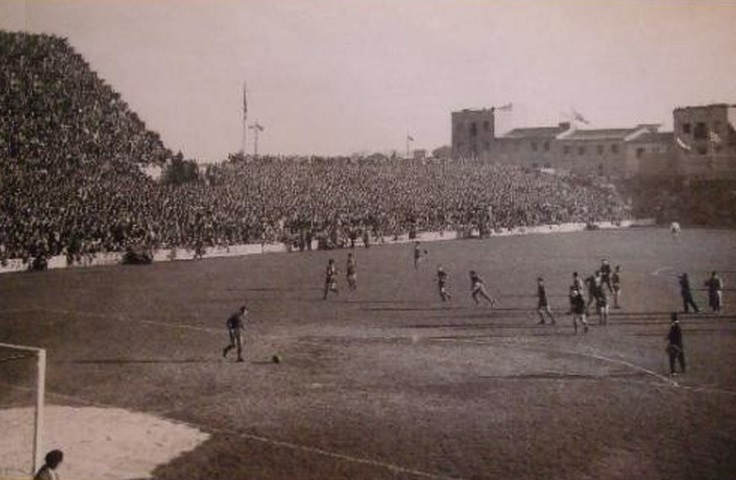
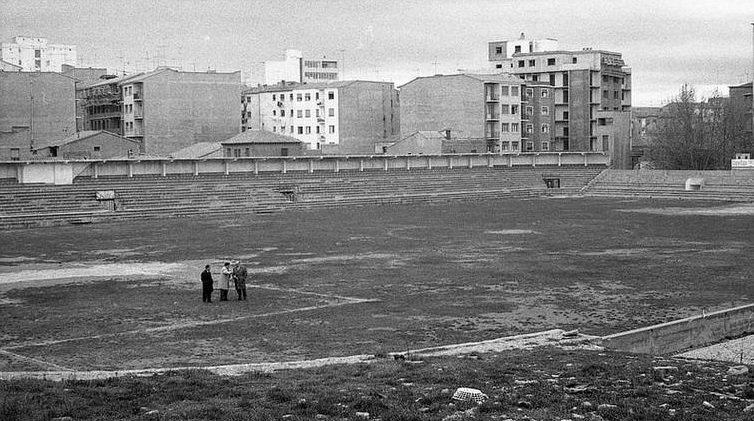
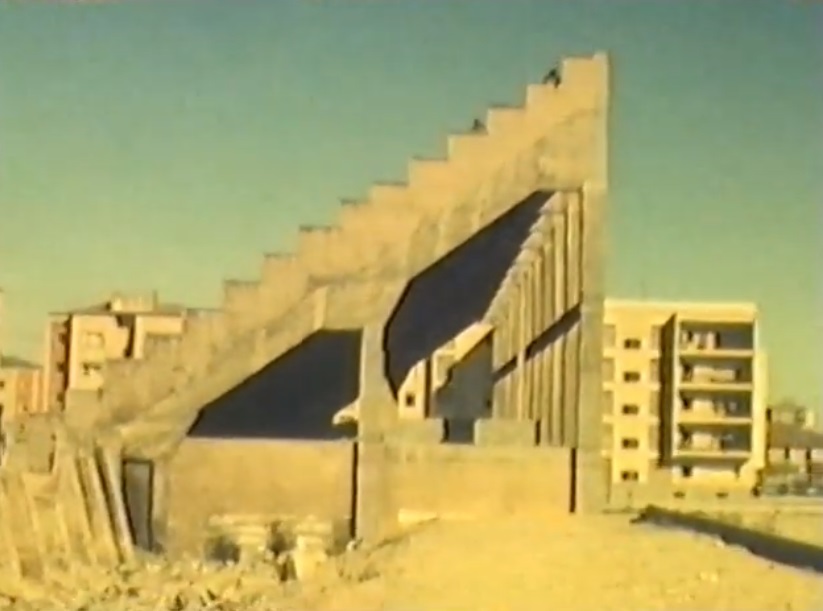
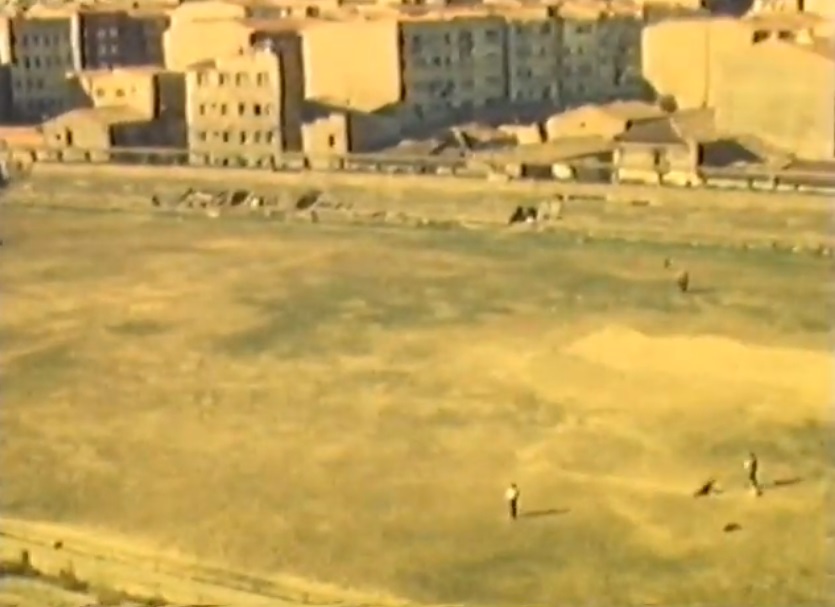
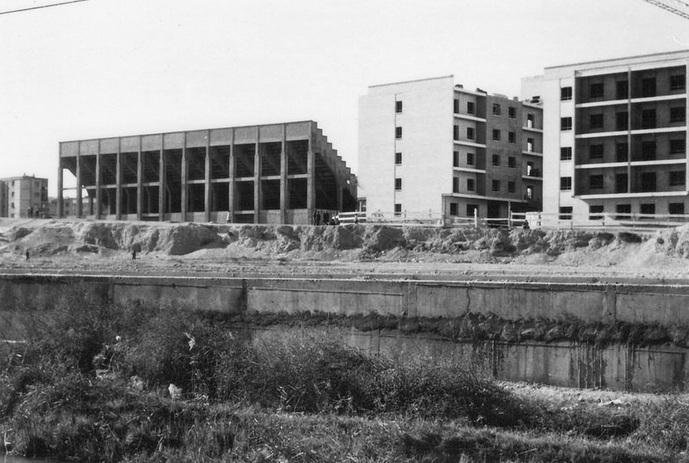
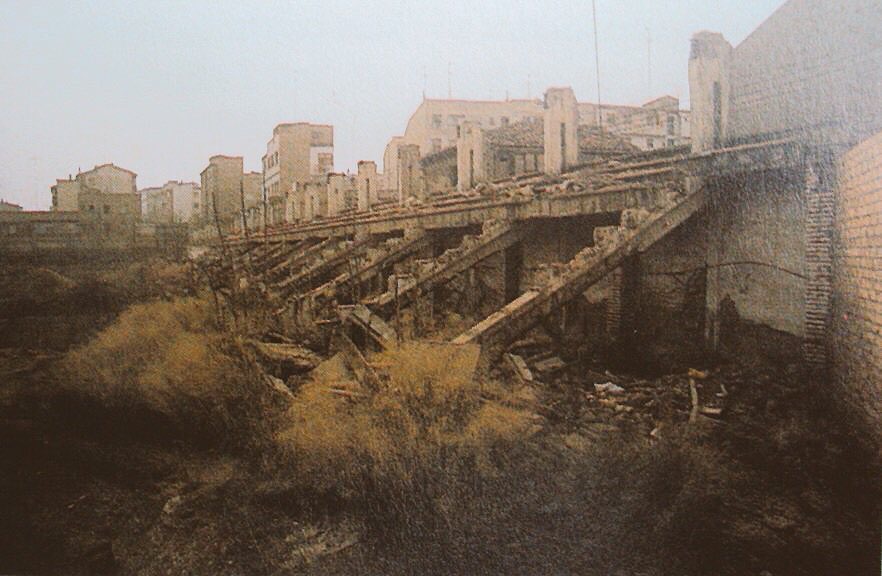
Luckily for Real Zaragoza (they changed their name in 1951), they had a sympathetic ear to call on in the shape of Mayor Luis Gómez Lagun, who was instrumental in agreeing on the financing and location of the new stadium, La Romareda. Meanwhile, Torrero had one last hurrah when the club, which had dropped back into La Segunda in 1953, regained a place in the top flight for the 1956-57 season. Real Zaragoza played its last match at Torrero on 28 April 1957, a goalless draw with Real Sociedad in the first round of the cup. Torrero lingered on as a council-owned stadium until the late 1970s. Real Zaragoza used it as an occasional training base, but it ran into disrepair as plots were gradually sold off for housing, and all traces of the ground had disappeared by the early 1990s. The stadium stood on Calle Lasierra Purroy, and the site is now occupied by the Centro Civico Torrero.


 Estadios de España