Article Updated: 08/10/2025
Let’s try to stop any confusion before it has a chance to start. This is not Andorra, the landlocked principality in the Pyrenees. Although they do have a team that competes in the Spanish leagues in the shape of Futbol Club Andorra. No, this club takes its name from the small town that you will find in the province of Teruel, Aragon. Before you dismiss the local team, Andorra Club de Fútbol as regional make-weights, you should know that in their day, Endesa Andorra, as they were then known, came close to promotion to La Segunda on a couple of occasions, which is pretty impressive for a town of little over 7,400 inhabitants.
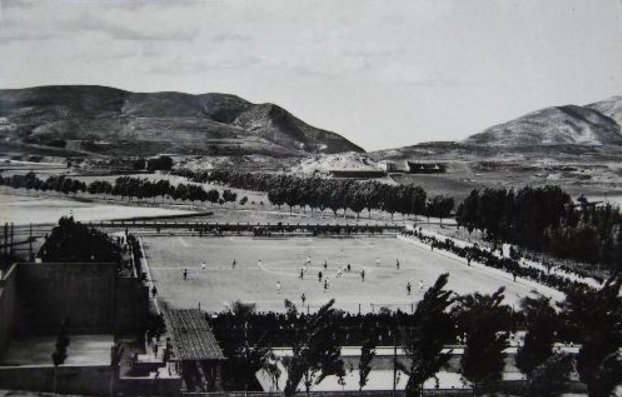
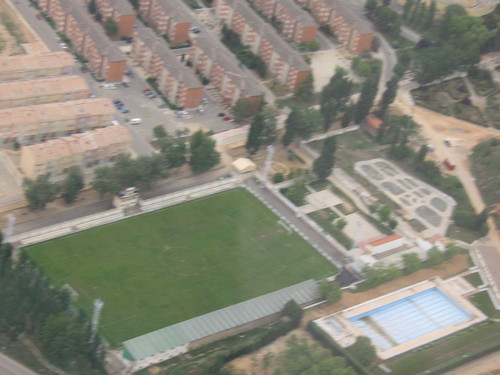
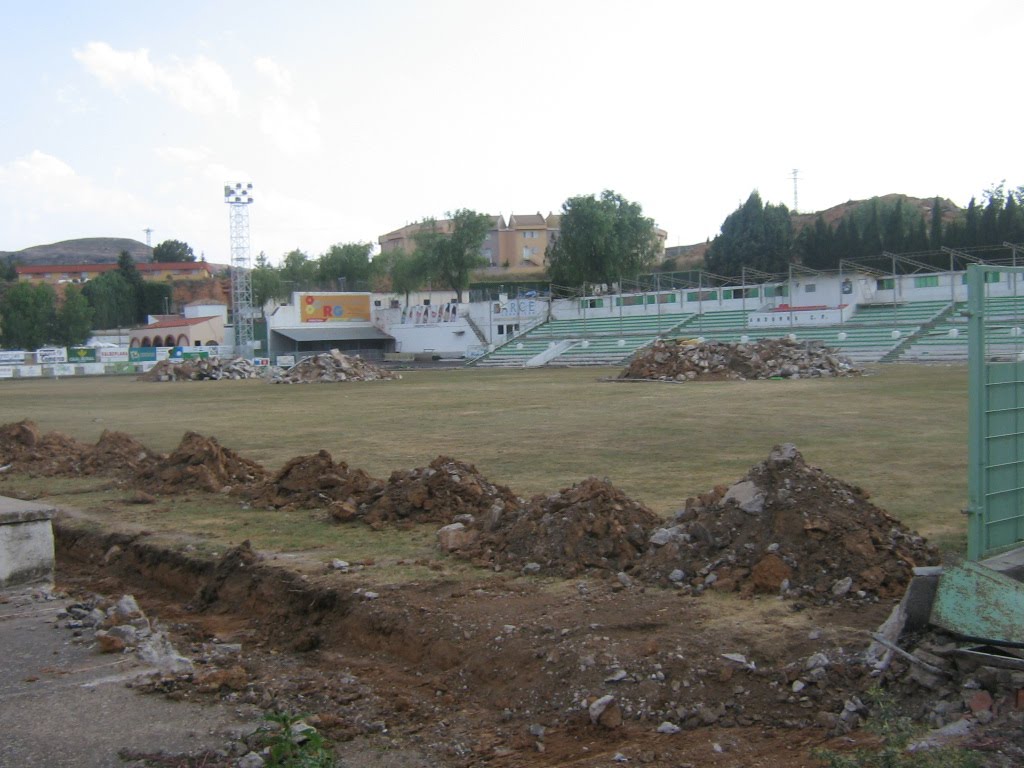
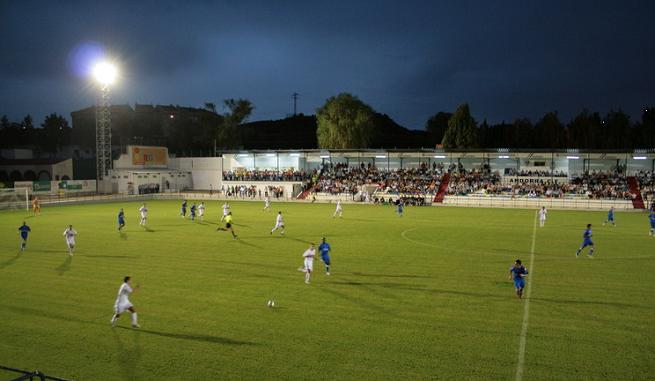
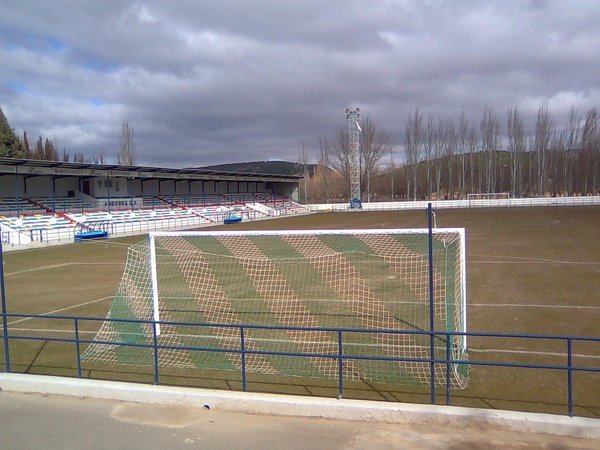
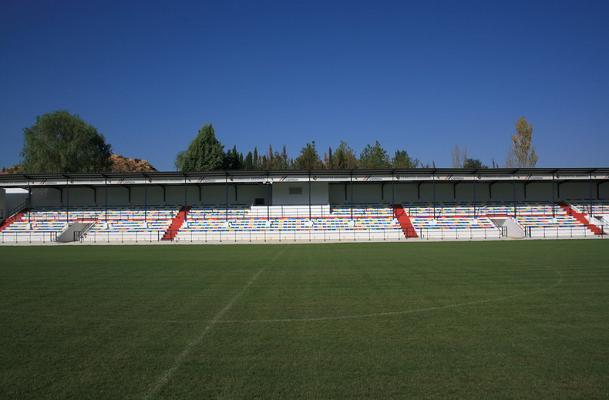
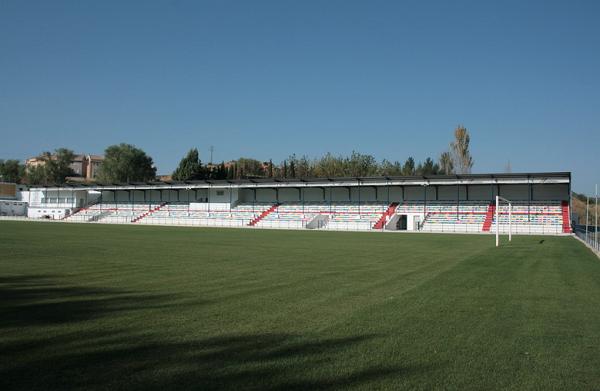
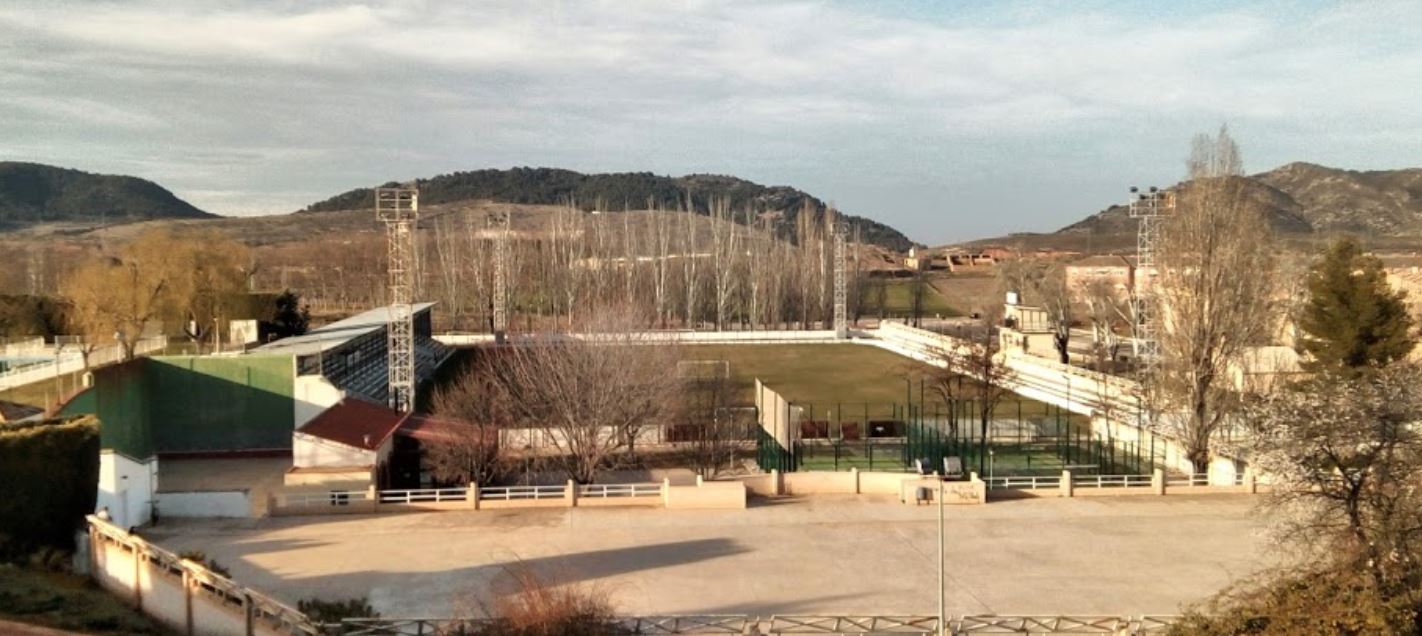
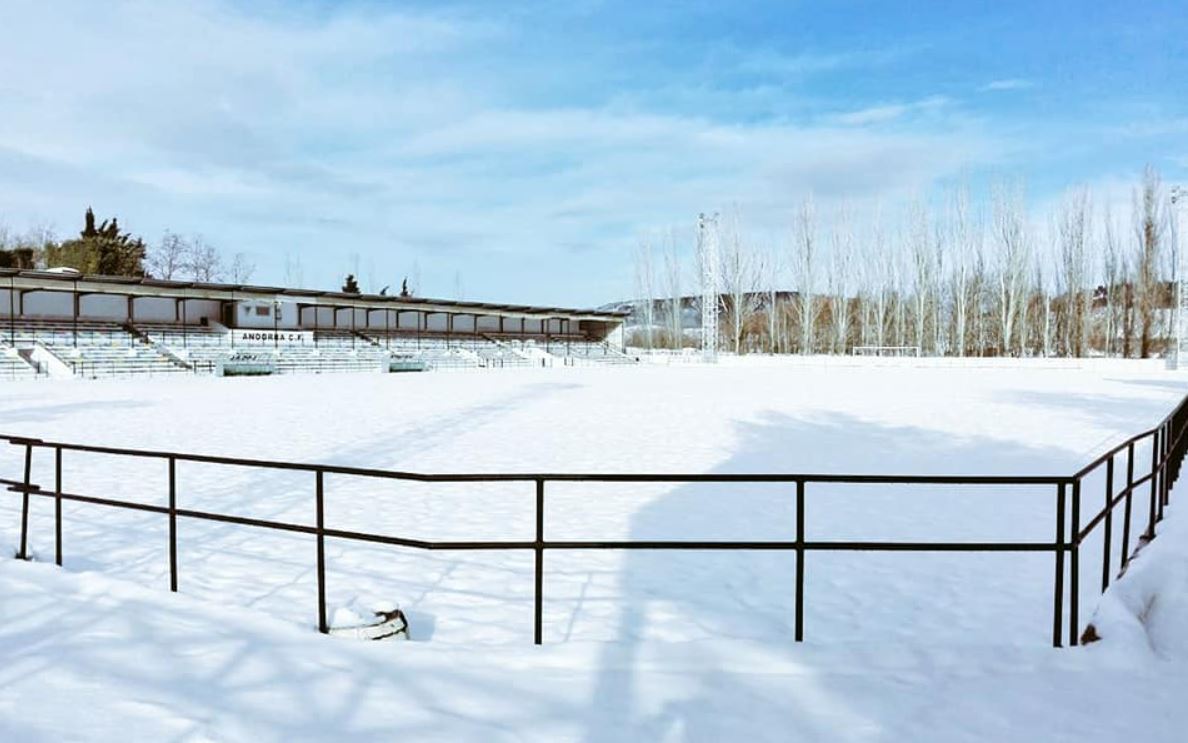
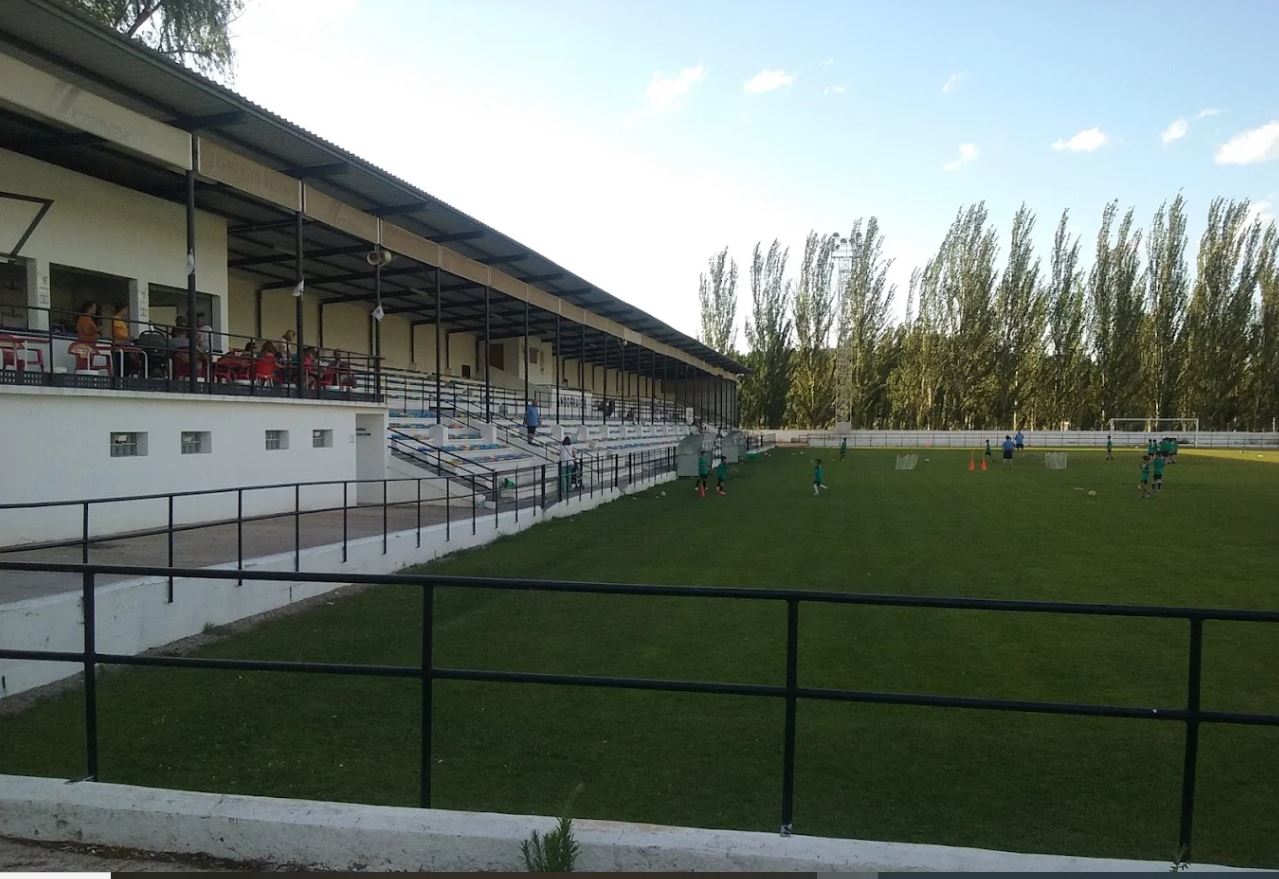
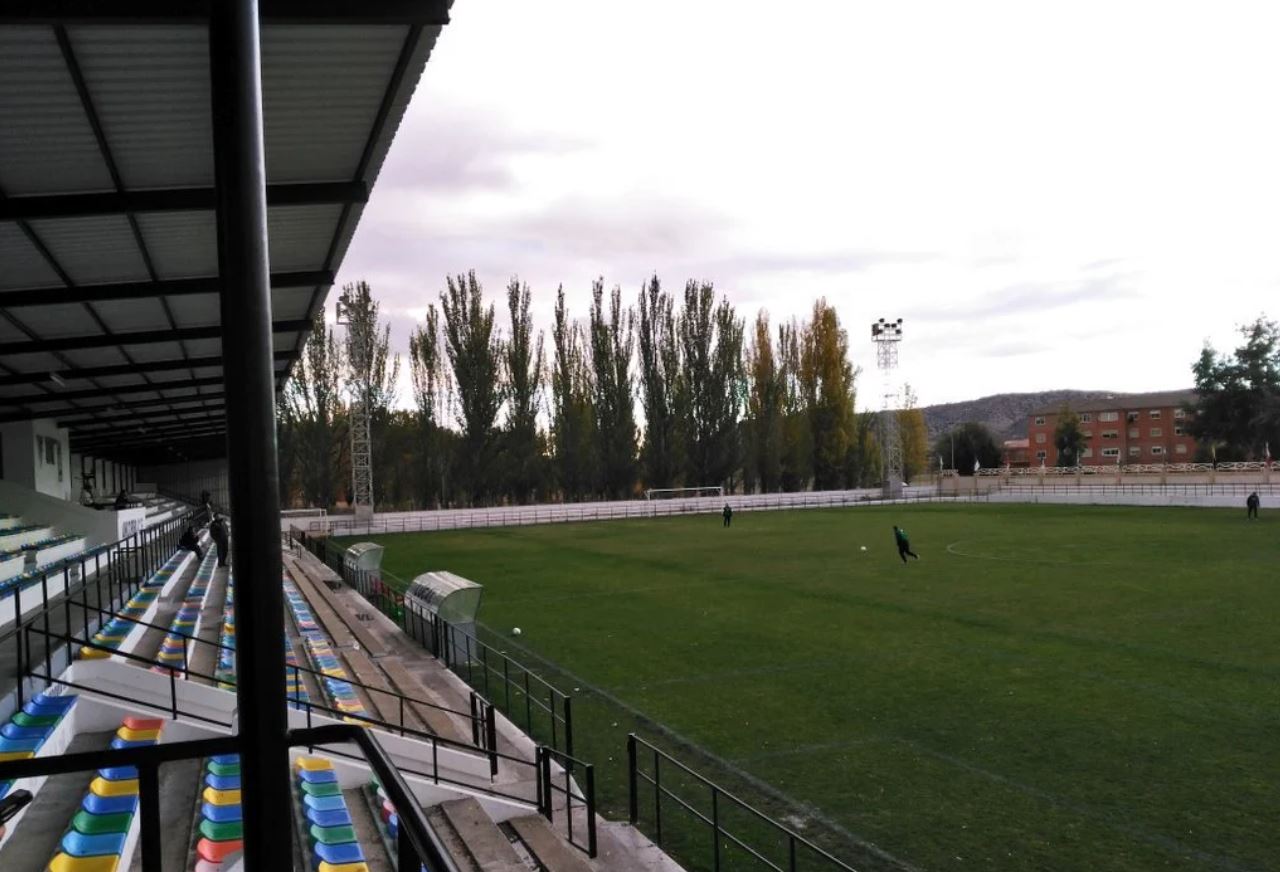
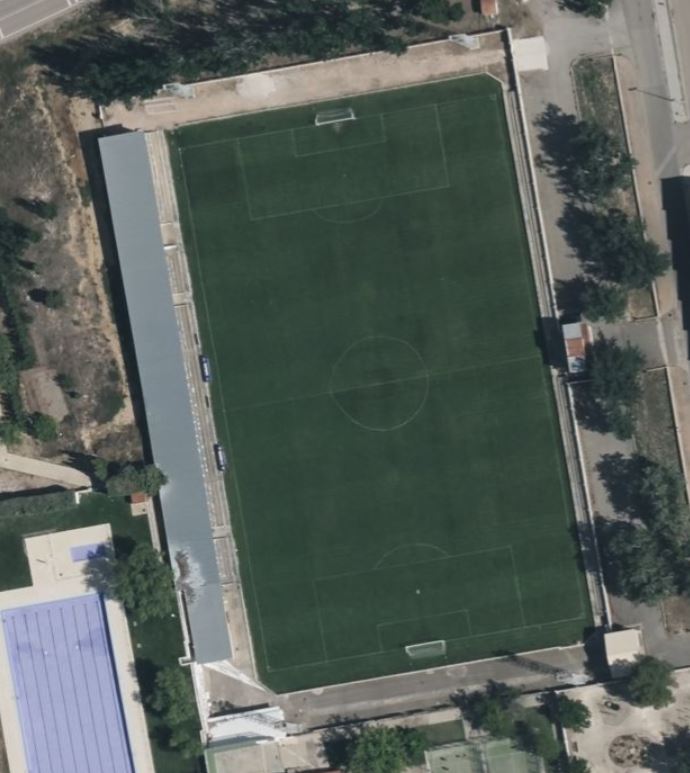
has been the home of Andorra CF since its formation in 1957
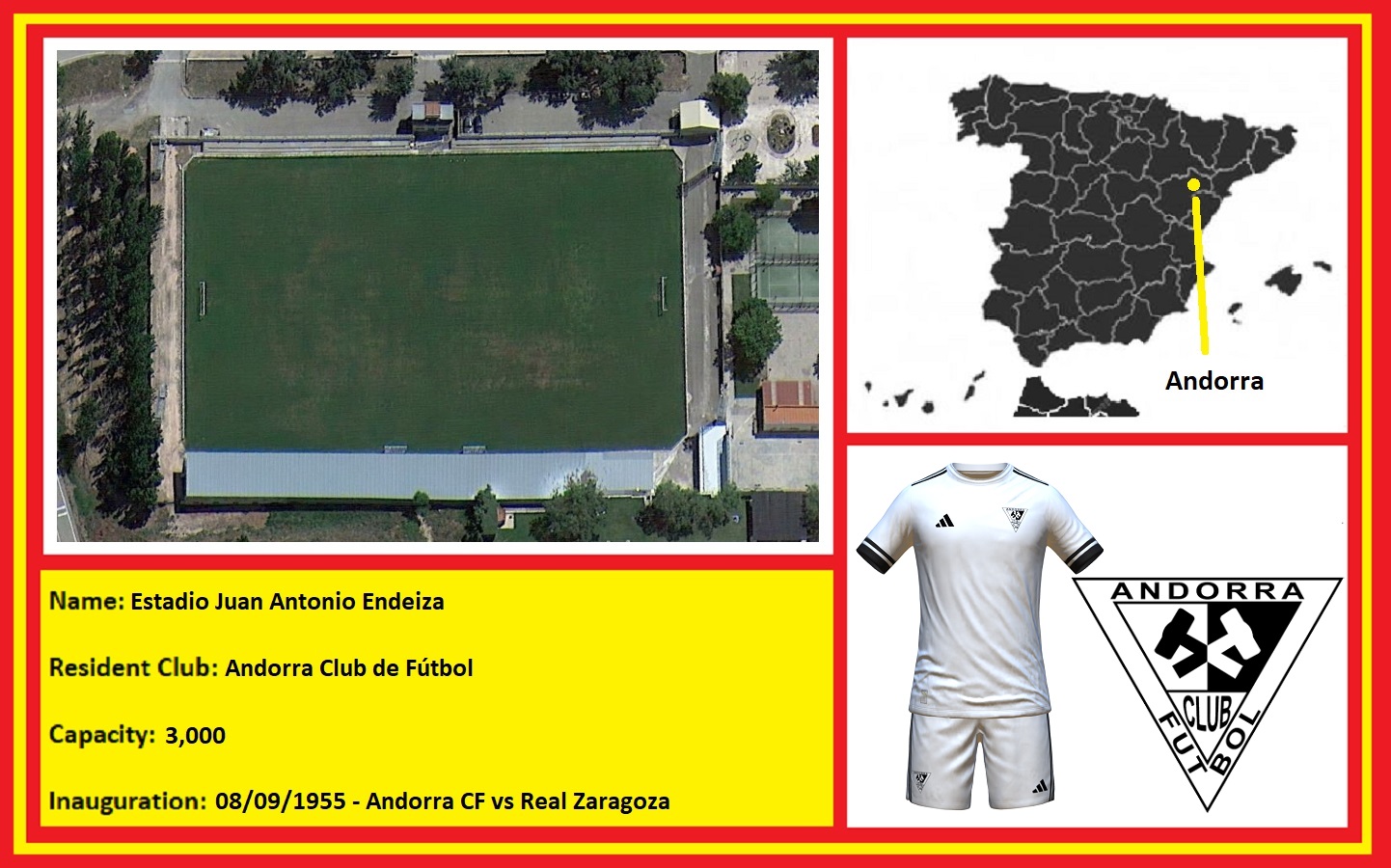
Andorra sits high in the Sierro de Arcos and is prime mining territory. So it comes as no surprise that Calvo Sotelo, the nationalised mining & petrochemical company, set up shop in the town in the 1950s. With its arrival came jobs, migrant workers and new communal facilities. The town’s first club, the unrelated Andorra Club de Fútbol, used the facilities the mining company built in 1955 when competing in the regional leagues. Andorra Club de Fútbol played Real Zaragoza in the inaugural match at the stadium on 8 September 1955. Calvo Sotelo was proving to be a growing influence in the town, and in 1957, they formed Club Deportivo Andorra as an immediate replacement of the recently defunct Andorra CF. Thanks to company sponsorship, the club made short work of the regional league and debuted in the Tercera in 1958. The club adopted the title Club Deportivo Calvo Sotelo in 1959, and the ground was renamed the Campo de Fútbol Calvo Sotelo. Over the next twenty or so seasons, CD Calvo Sotelo remained in the Tercera, gaining a couple of titles along the way, but never quite made the step up to the next level.
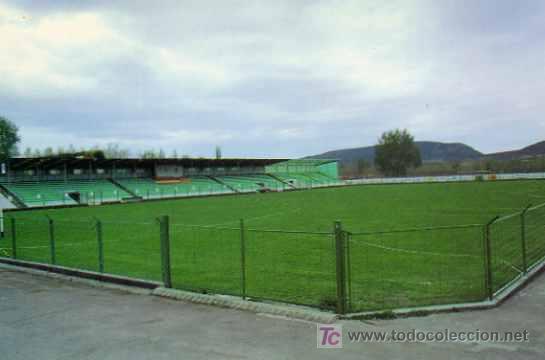
That changed in the 1980-81 season when, under the name of Club Endesa-Andorra (Endesa is the corporate name of the de-nationalised Calvo Sotelo), they began to make some waves. First up was a run in the Copa del Rey that saw the minnows defeat local big-shots Real Zaragoza. Then, after finishing runners-up in the league, Endesa beat Mallorcans UD Poblense to secure a place in Segunda B. Endesa played in Segunda B for 14 of the next 17 seasons, and while they usually occupied the lower reaches of the table, there were exceptions, such as the fourth-place finishes in 1984-85 & 1987-88. The club dropped back into the Tercera in 1998 and lost its sponsorship with Endesa in 2002. Renamed Andorra Club de Fútbol, they achieved a long run of top-half finishes, reaching but failing to navigate the playoffs on five occasions.
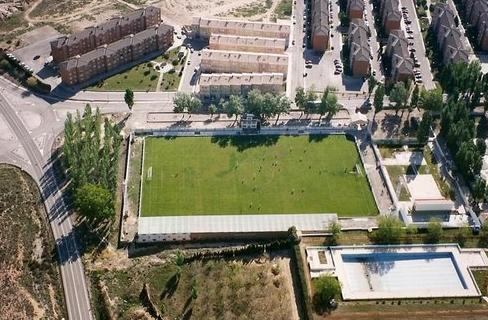
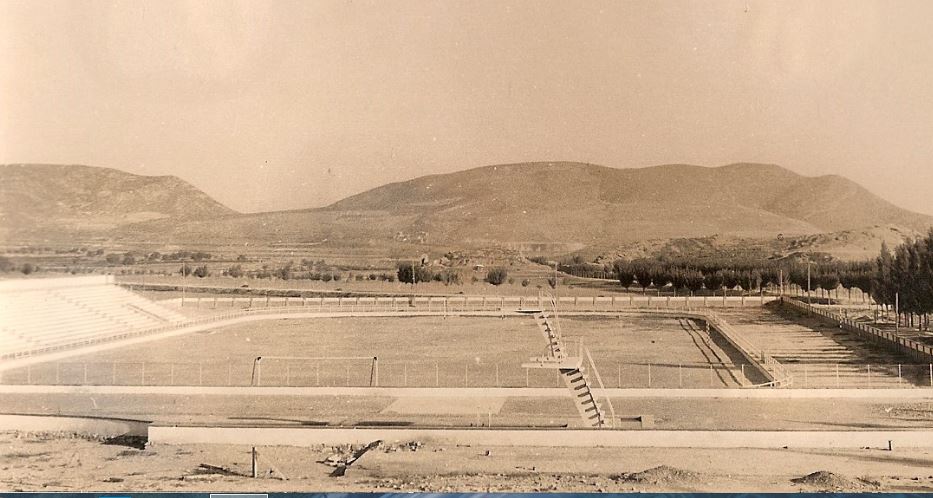
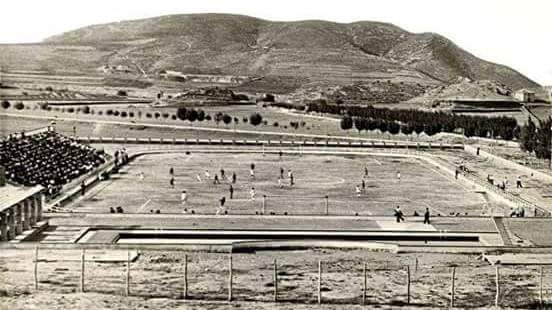
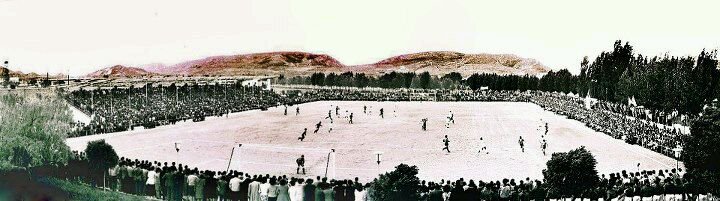
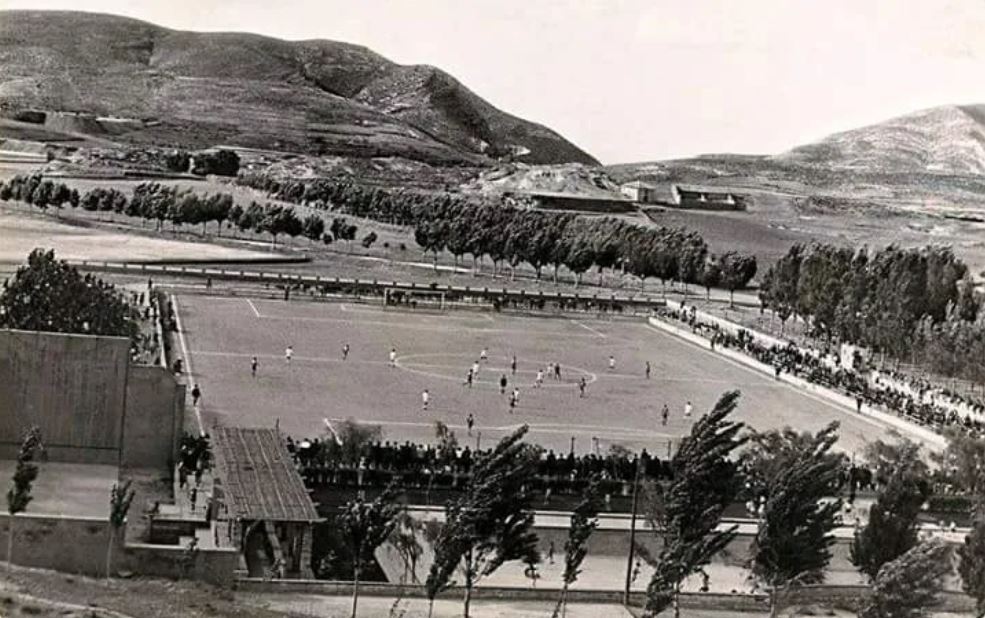
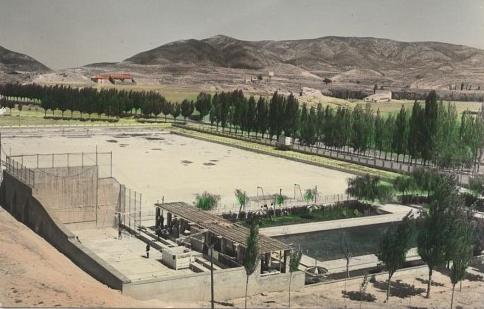
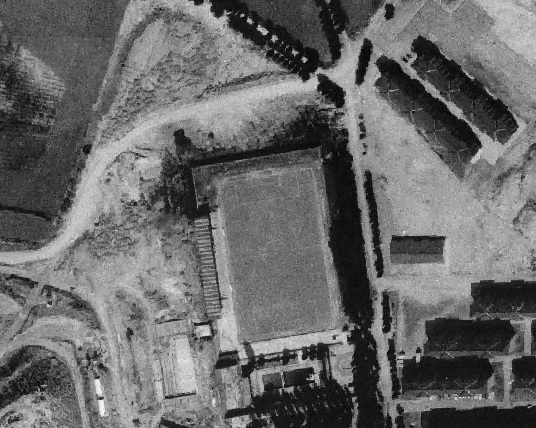
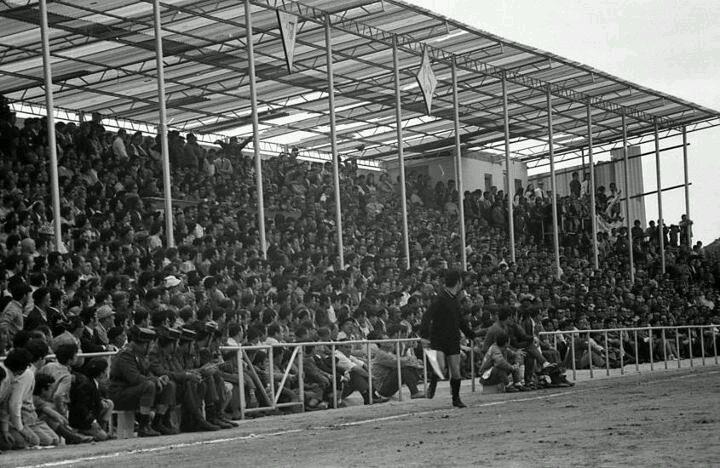
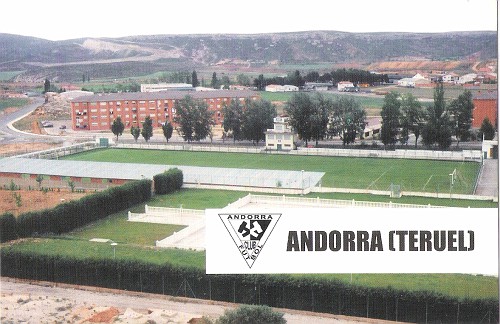
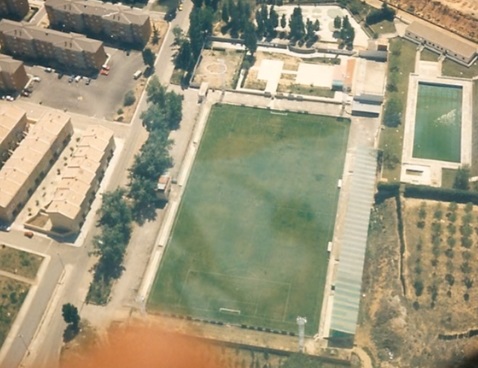
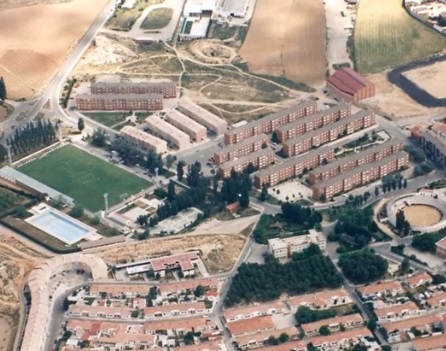
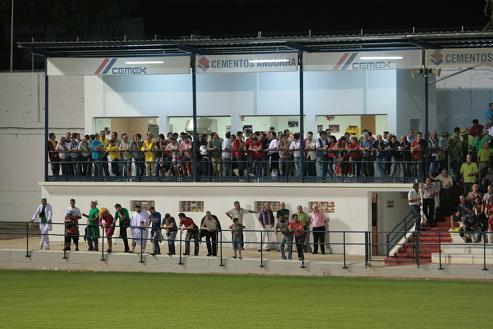
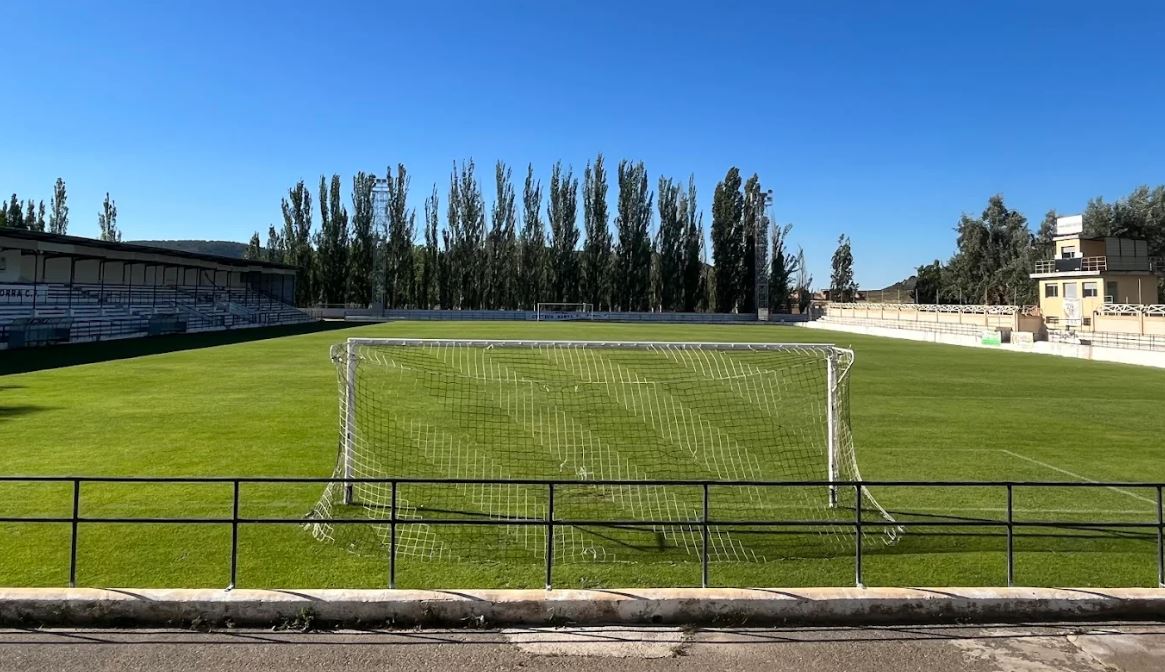
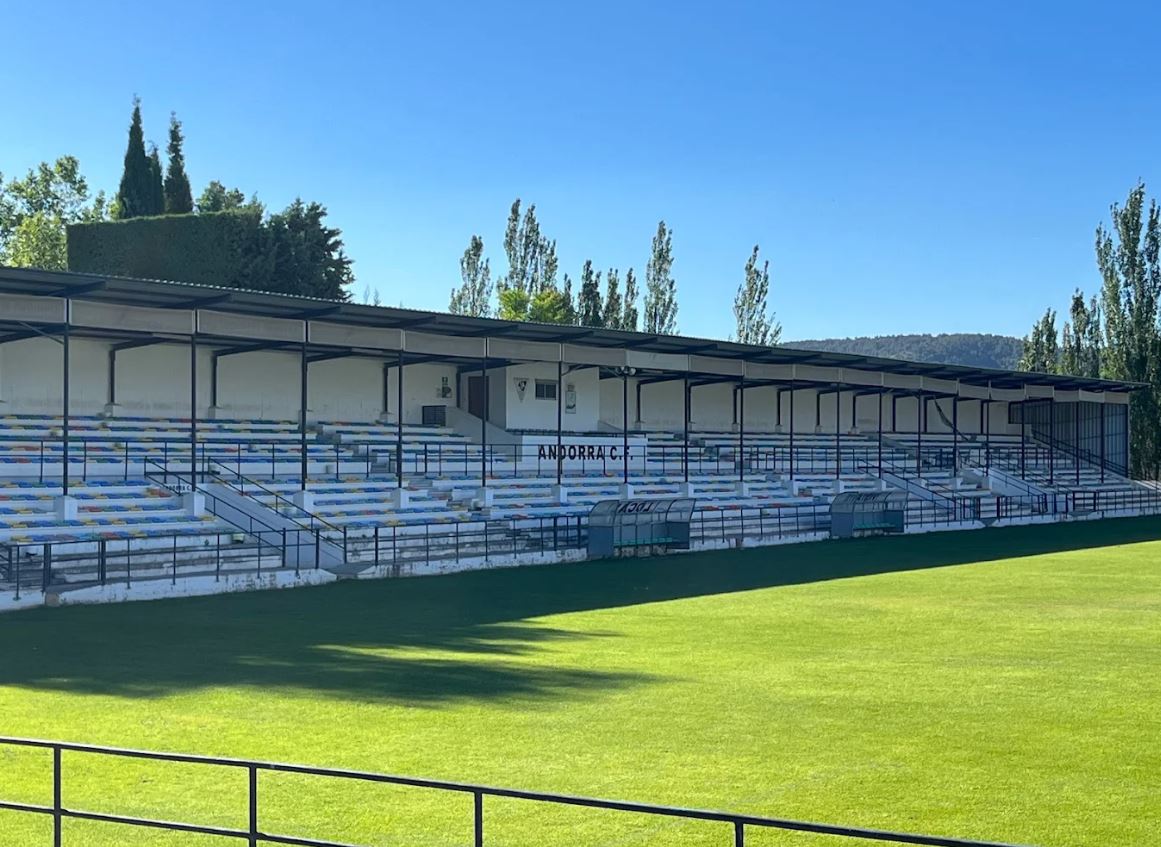
The stadium had undergone some changes since opening in 1957. Originally, it featured an open deck of terracing on the west side that sat on either side of the halfway line for 50 metres. A roof was added in the 1960s, and this was extended northwards with an extension to the seating when the club reached Segunda B. A grass pitch, replacing the old sand & lime surface, was also added at this point. In 2007, as part of the club’s golden jubilee celebrations, the stadium received a makeover when a new roof was added to the west side, which now extended the full length of the pitch. New seating was added to the existing deck, and the raised platform above the changing rooms, which stands in the south-west corner, now features a bar and small hospitality under the new roof. The three open sides were also re-terraced, taking the overall capacity to 3,000, and a new pitch was laid. The stadium was renamed the Estadio Juan Antonio Endeiza in honour of the club president who oversaw proceedings in the 1960s.
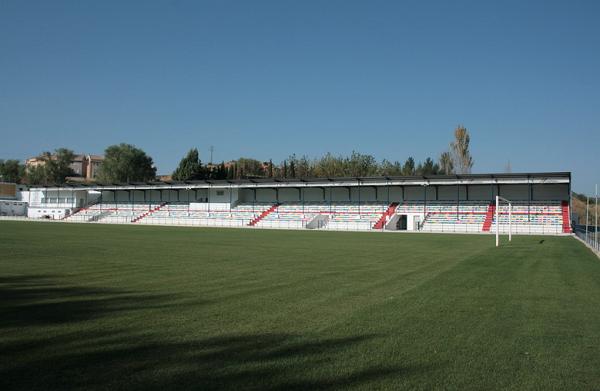
Andorra CF finally returned to Segunda B in 2011, when they won the Tercera title for the seventh time and then defeated SD Noja in the playoffs. There would be no repeat of the glory years of the 1980s & 1990s, with Andorra CF dropping back to the Tercera after a fruitless season-long battle with relegation. Worst was to follow in 2017 when the club was relegated to the Regional Preferente for the first time in four decades. The club was beset with financial problems, and following the COVID-19 pandemic, it sat out the 2020-21 season. The town of Andorra also suffered when the government shut down the local power plant, leading to the loss of hundreds of jobs. Despite this adversity, Andorra CF returned from its sabbatical and won the Regional Preferente championship in 2024, and with it, promotion to the Tercera Federación.
 Estadios de España