This article updated: 09/09/2025
Fútbol Club Barcelona is big, probably the biggest club in the world. Yes, Real Madrid and Manchester United can lay certain claims on the table, and get a bit stampy-feet about such a statement, but Barça is the real deal, and it really is “Més que un club”, or more than a club. However, this club, which is seen as the unofficial national team of Catalunya, came into this world thanks not to the work of a Catalan, or even a Spaniard, but the efforts of a Swiss ex-pat.
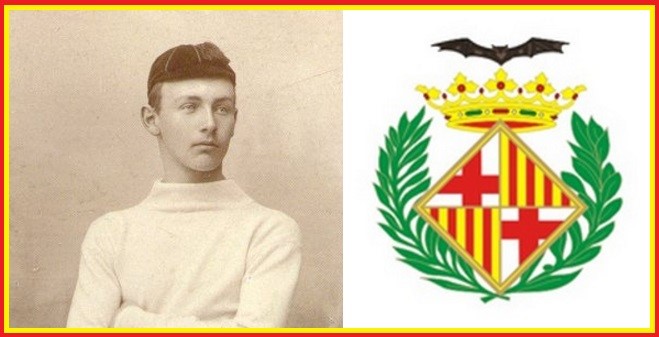

Before we look at the stadium that Barça used for 35 years before the move to the Camp Nou, let’s throw some light on the six other grounds the club used in the first 20 or so years of its existence. First of all, we need to go back to October 1899, when Swiss national Hans Kamper found himself working in Barcelona. Keen to continue his sporting activities, he placed an advertisement in Los Deportes, declaring his wish to form a football club, and at a meeting on 29 November 1899 with 11 like-minded individuals, FC Barcelona was founded. Kamper would play for and later become president of the club, taking the Catalan version of his name, Joan Gamper.
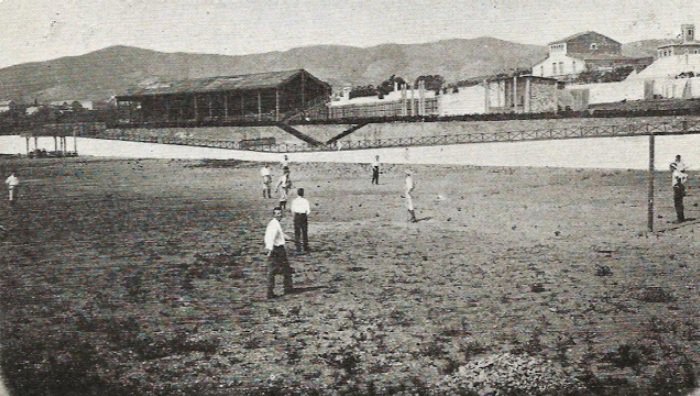
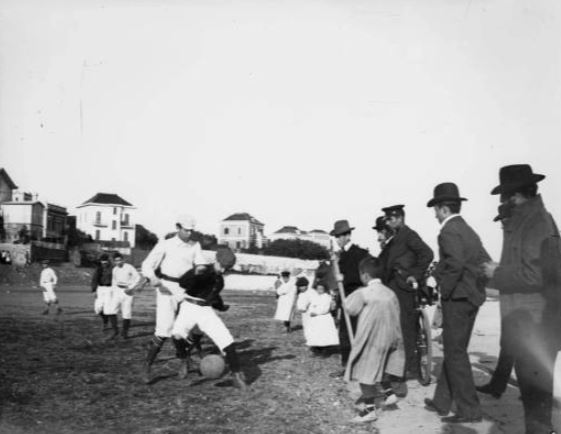
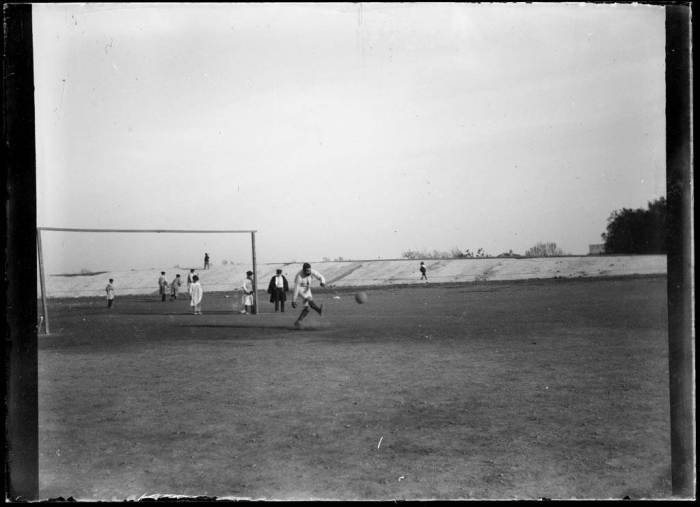
Between 1899 and 1909, Barça played at five different grounds, starting with Velódromo de la Bonanova, and then a year later, they moved to Campo del Hotel Casanovas. Both were very basic, with a roped-off dirt pitch. In 1901, the club moved to Campo de la Plaza de las Armas, another basic ground, before settling down for a few years at Campo de la Carretera de Horta. This was the first enclosure that resembled a football ground, with a short stand on the halfway line and bleachers on the remaining sides of the pitch. In 1905, the club moved to Campo de la Calle Muntaner, which was slightly larger, but if anything, more basic than Campo de Horta. The reason for all the moves in the early years was due to the rapid expansion of Barcelona, as any open space was quickly swallowed up for housing or commercial use.
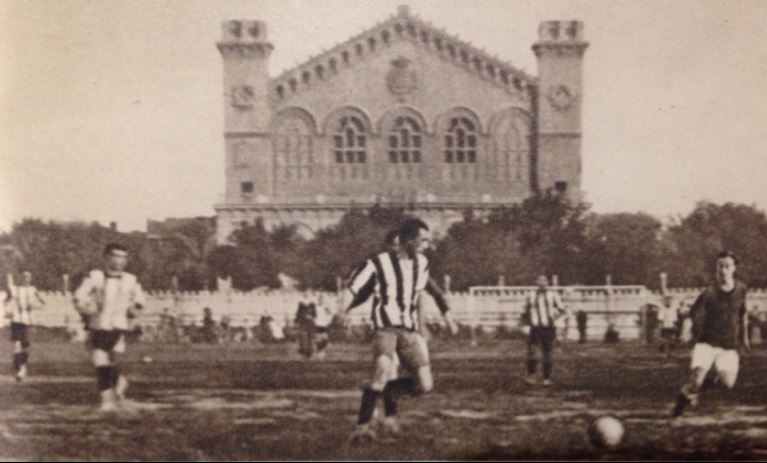

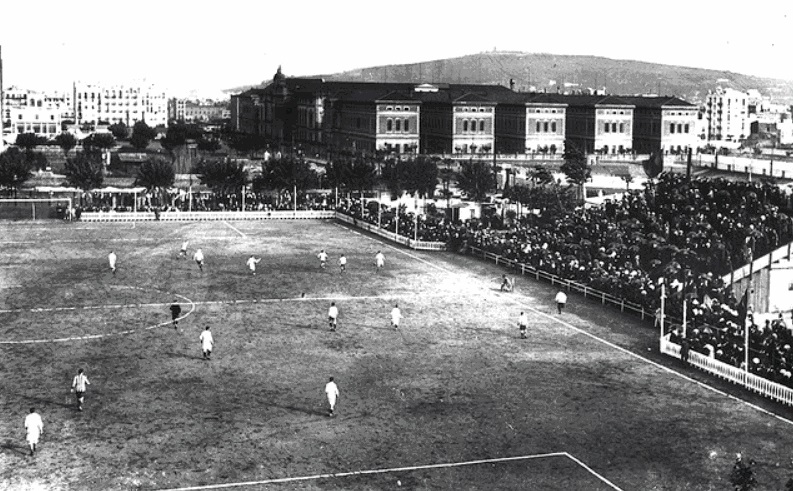
After a brief exile, Gamper returned to the club as president in 1908. After initial success in the Campeonata de Catalunya, the club had not won any competition since 1905 and, with significant debts, was on the brink of folding. Gamper set about refinancing the club, and in 1909, with the help of local businessmen, Barça purchased their first ground at Calle de Industria. He also signed new players, and membership grew to 10,000 socios by 1914. The ground at Calle Industria would become known as L’Escopidora or the Spittoon and was inaugurated on 14 March 1909 with a league match against Català SC. In the next match at L’Escopidora, Barça regained the Campeonata de Catalunya, and the first Golden era of the club was underway.
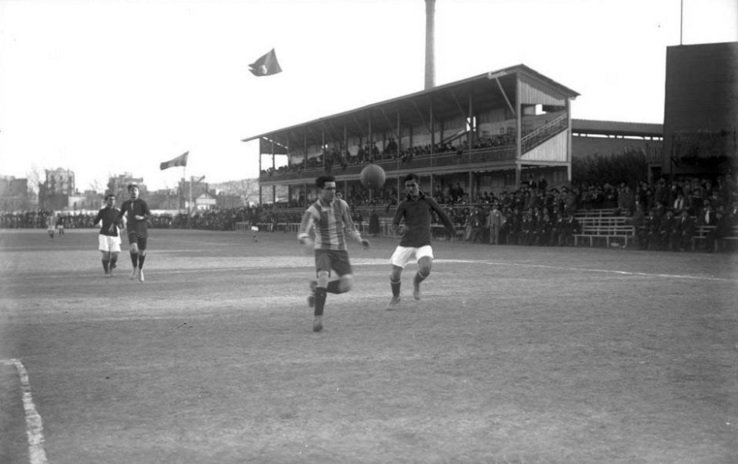
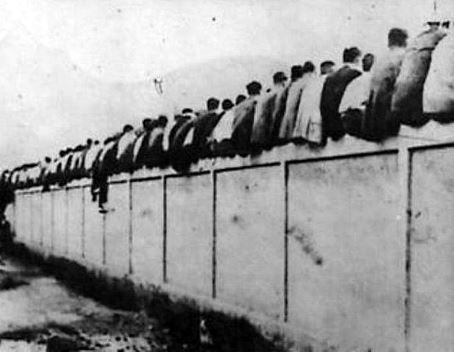
The ground was a revelation at the time with its twin-decked stand and an initial capacity of 6,000. It was also one of the first football grounds in Spain to experiment with floodlights. Such was the popularity of the team that the ground was bursting to capacity whenever Barça played, so much so that some supporters had to sit on the perimeter wall. Passers-by would see the ungainly sight of the fans’ backsides hanging over the edge of the wall and nicknamed the supporters “culés” (that’s “arses” to you and me), and the name has stuck.
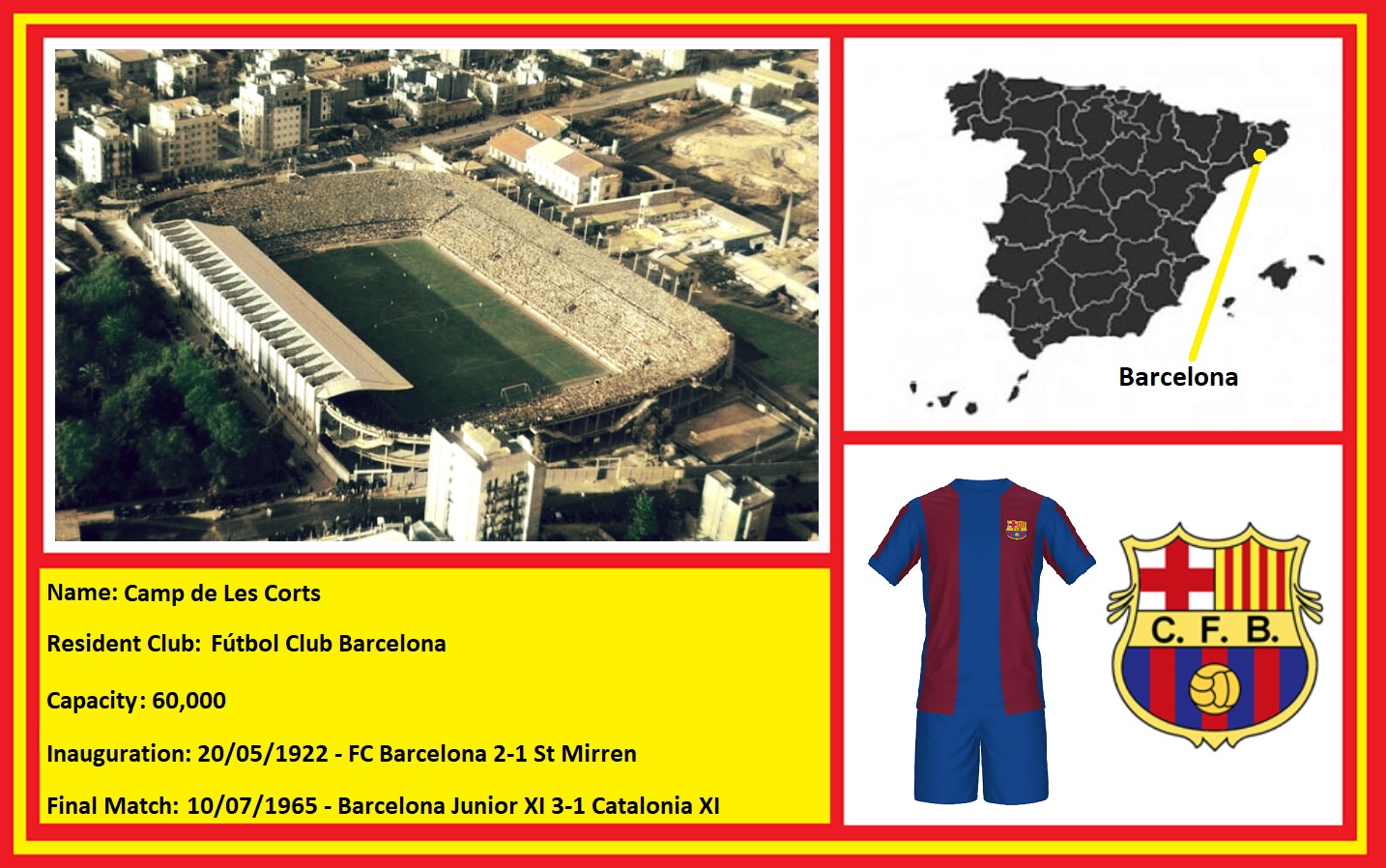
As Barça’s success continued on the pitch, and the number of socios grew, it became apparent that L’Escopidora was never going to be large enough for the club’s needs, and in February 1922, work started on a new stadium in the Les Corts district of Barcelona. The new stadium featured three sides of open terracing, whilst on the west side, an 80-metre-long pitched roof covered a seated stand. Les Corts had an initial capacity of 22,000 and opened on 20 May 1922 when Barça recorded a 2-1 victory against St Mirren. Les Corts staged the 1923 final of the Copa del Rey between Athletic Club and CE Europa, and La Selección played Austria at the venue in December 1924. However, six months later, the club and the stadium were at the centre of a national storm.
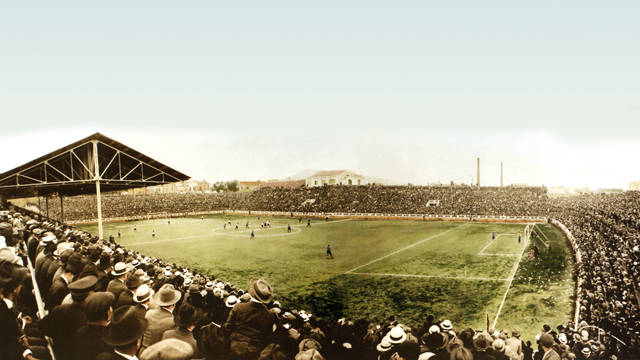
The club continued to be at the forefront of Catalan fervour, and when Spanish Leader Primo De Rivera attended a match in June 1925, the crowd jeered him and the Spanish National anthem. The band from the Royal Marines, who had been invited to provide the musical entertainment, were somewhat flustered by the commotion. They cut short the Spanish anthem and played “God Save the Queen”, much to the delight of the partisan crowd. Primo De Rivera, showing the sort of humour one associates with a dictator, ordered that the ground should be closed for three months and forced Joan Gamper to resign as president. Such was the club’s popularity due to their dominance in the Campeonata de Catalunya and Copa del Rey in the mid-Twenties, that the stadium soon needed to be expanded. In 1926, terracing was extended on the three open sides, raising the capacity to 45,000. This was tested to the full when the club won the inaugural Spanish League in 1929. However, the first golden era was about to come to an end, and with no national titles during the thirties and the outbreak of the Civil War, Barça’s world was about to implode.
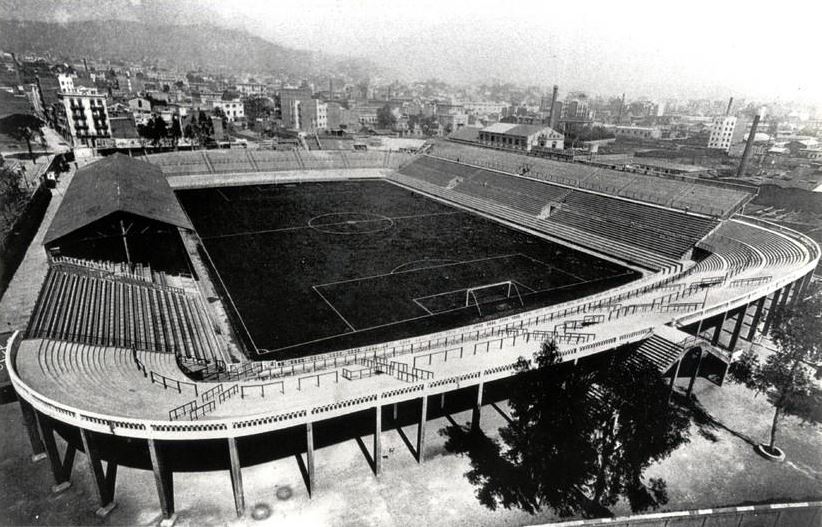
A month after the start of the war, Club President Josep Sunyol was executed by Falangist soldiers after inadvertently crossing the front line near Guadarrama. Back in Barcelona, the club formed a workers’ co-operative to keep Les Corts out of the hands of the anarchists. With the very existence of the club in doubt, Barça took up an offer to tour Mexico and the USA. It was the money raised from the tour that secured the club’s future. However, when they returned home in late 1938, they encountered a very different Catalunya. With membership below 3,000 and their club offices destroyed, Barça suffered the further indignity at the end of the war when Franco’s Nationalist regime removed all forms of Catalan identity from the club. However, the Government was unable to change Barça’s fans, and soon Les Corts became THE place for Catalans to gather en masse and celebrate their identity.

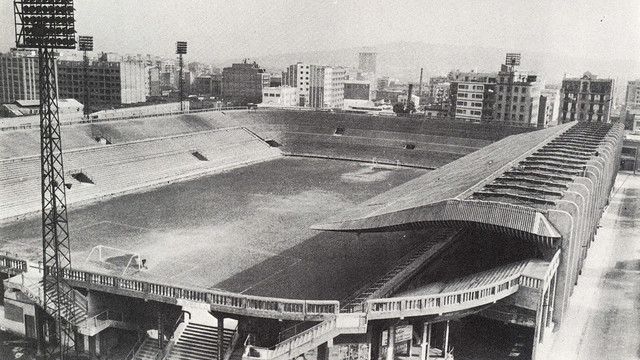
The arrival of the Nationalist Government would have dire consequences for the former separatist areas of Catalunya and the Basque Country. However, contrary to the perception, the 1940s were a very successful decade for Barcelona. Whilst Real Madrid struggled in the seasons following the Civil War, Barça (and Athletic Club) racked up a series of wins in the league and cup. Buoyed by their improving finances, the club set about the further and most spectacular redevelopment of Les Corts. In 1944, the existing terracing was expanded, increasing the capacity to 60,000, but the most impressive work was undertaken on the west side. Designed by Eduardo Torroja, an incredibly advanced, deep cantilevered roof was erected behind the existing cover. Gimnàstic Tarragona purchased and dismantled the old stand, and on 2 June 1945, Barcelona played Gimnàstic in a friendly to mark the opening of the expanded stadium. Torroja also designed the façade of the stand, which featured a pre-cast concrete club crest above the main entrance.
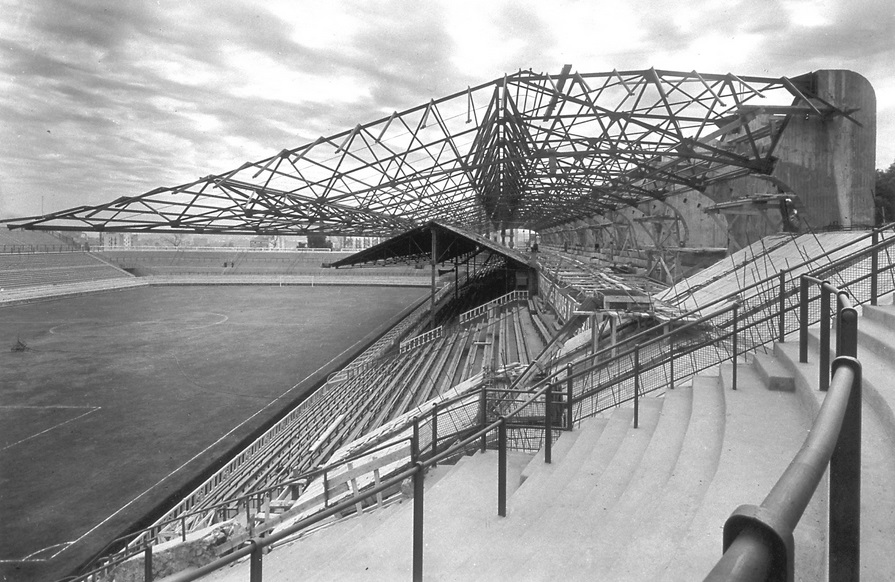
The new roof was among the most advanced in Europe and used a mix of reinforced concrete and steel. The roof undulated and had a span from front to back of 27 metres. The curved underside of the cover was ribbed with cladding and hung low over the seating deck like the tail of a giant alligator. Les Corts was the largest and most spectacular stadium in Spain for much of the 1940s, and it would witness the emergence of the next great Barça team and the arrival of Hungarian legend Ladislau Kubala in 1950. League titles followed in 1952 & 1953, but by the time floodlights were erected in 1954, the club had already decided that the stadium could no longer cater for its ever-expanding support. No doubt prompted by Real Madrid’s development of the Estadio Santiago Bernabéu, the club purchased a large expanse of public gardens and allotments in the west of the city, and in March 1954, the first stone was laid at the Camp Nou.

The move away from Les Corts was necessary if the club was going to compete with the great Real Madrid side of the 1950s, but it was dependent on selling Les Corts for housing. This proved to be a problem for several years as the municipality was adamant that the site would remain a green space within an ever-expanding city. Eventually, the club turned to Franco’s Council of Ministers, who overturned the city council’s decision and sanctioned the sale of the land for housing. An example, and there are a few, where Barça benefited from Franco’s intervention.
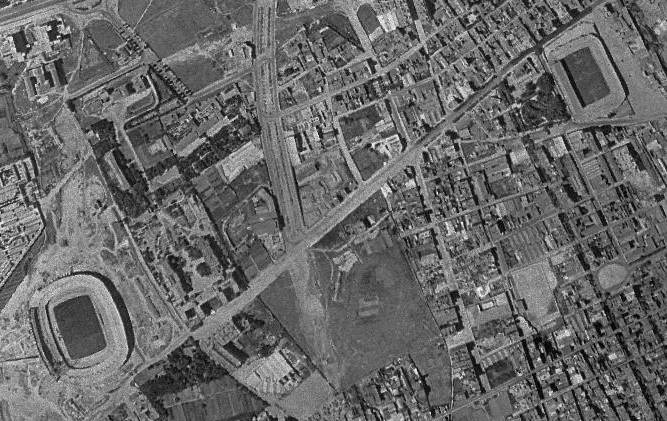
The first team played their last league match at Les Corts on 21 April 1957. Kubala scored the last goal in a 1-1 draw with Sevilla that saw the Andalusians qualify for Europe at Barça’s expense. All this time, whilst Barça were running up a crippling debt following the construction of the Camp Nou, things were not exactly great on the pitch, and many questioned the decision to build such a large stadium. CD Condal, which for part of its history was affiliated to FC Barcelona, carried on using the stadium until 1961 before alternating matches between the Camp Nou and the basic Campo de Hostafranchs. The last match at Les Corts took place on 10 July 1965, when a Barcelona Junior XI beat Catalonia XI by three goals to one. In 1970, SD Condal merged with Atlético Cataluña CF to form Barcelona Atlético.
Finally, on 5 February 1966, demolition started at Les Corts, and three months later, the site was sold for 226 million pesetas and developed for housing. The entire sum received from the sale was used to pay off the club’s debts.
Velódromo de la Bonanova 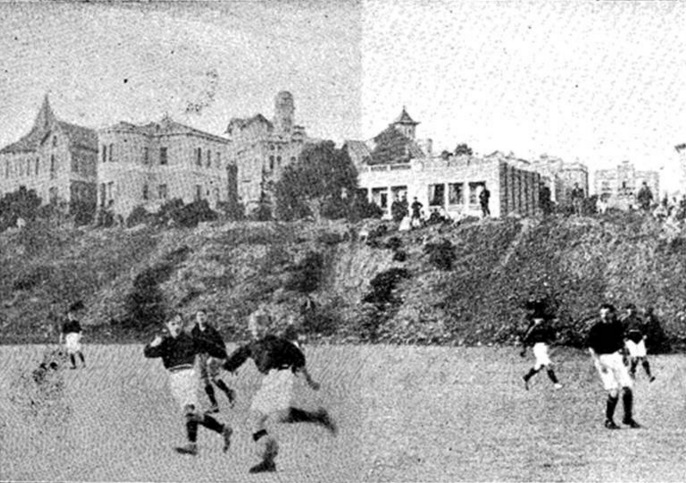
Campo del Hotel Casanovas 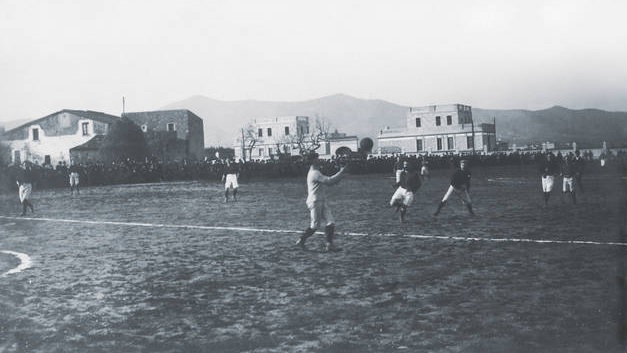
Campo de la carretera de Horta 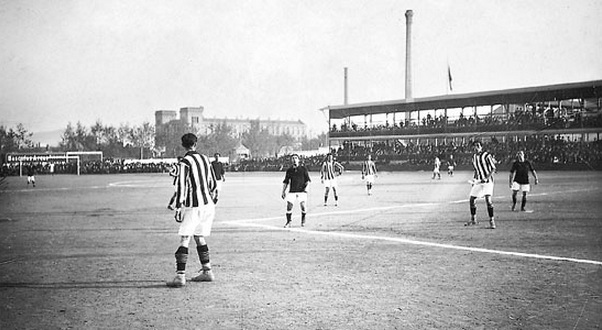
Campo de la calle Industria 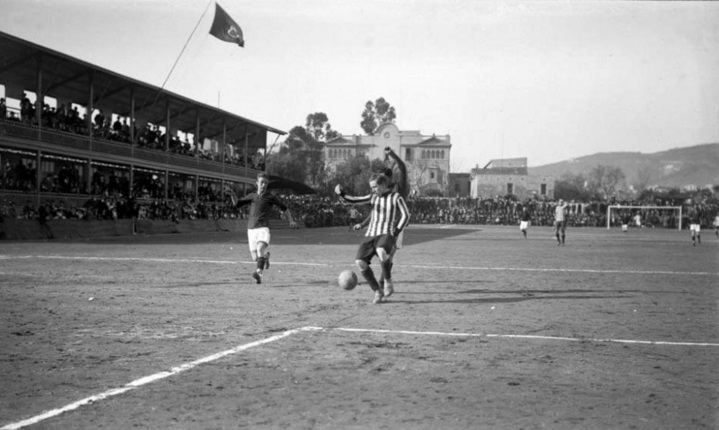
Campo de la calle Industria 
Campo de la calle Industria 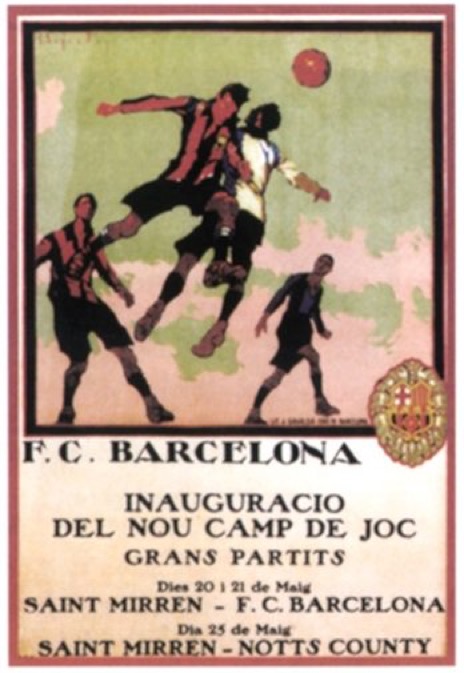
Les Corts 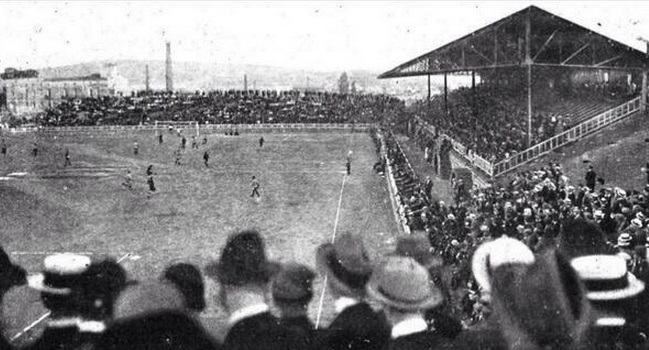
Les Corts 
Les Corts 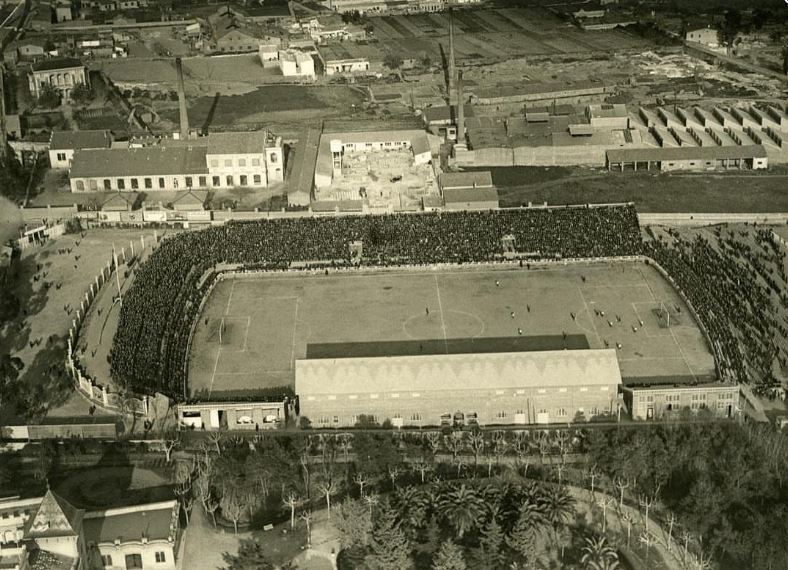
Les Corts 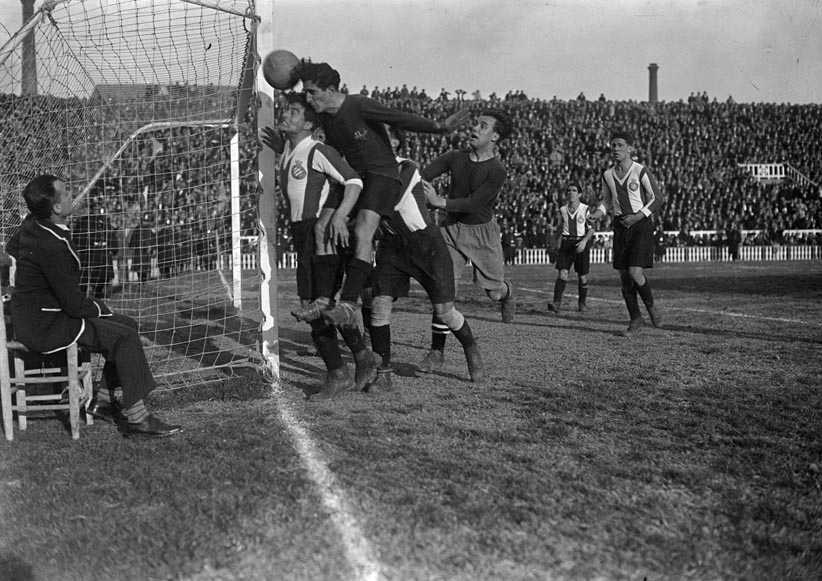
Les Corts 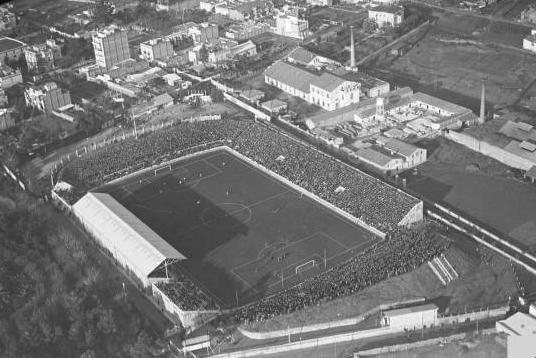
Les Corts 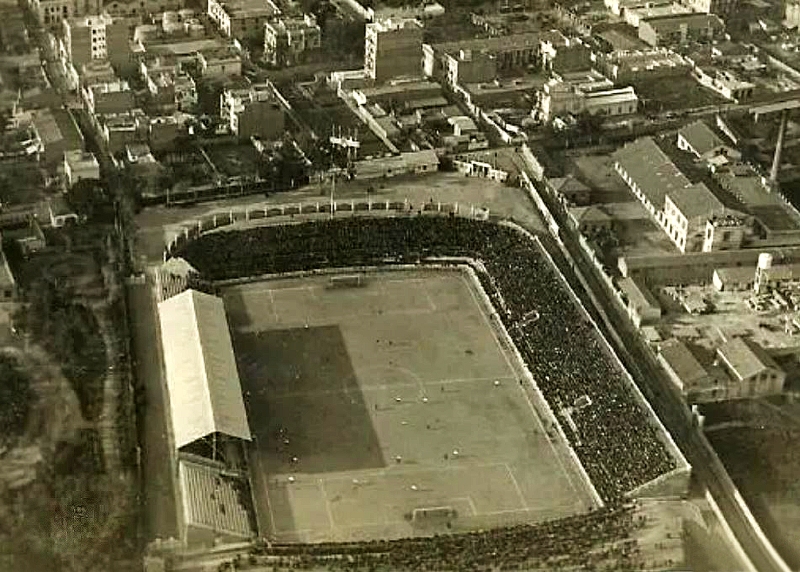
Les Corts 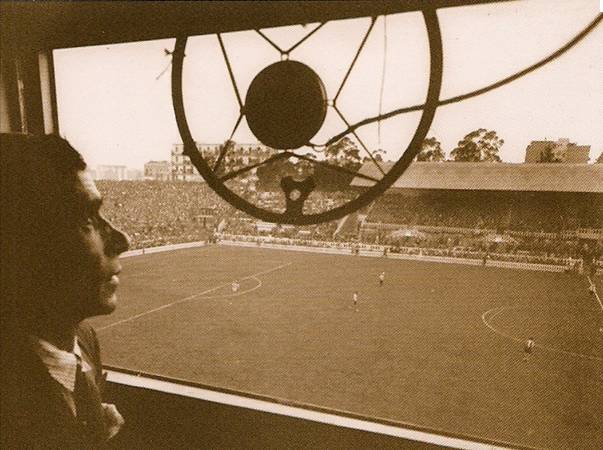
Les Corts 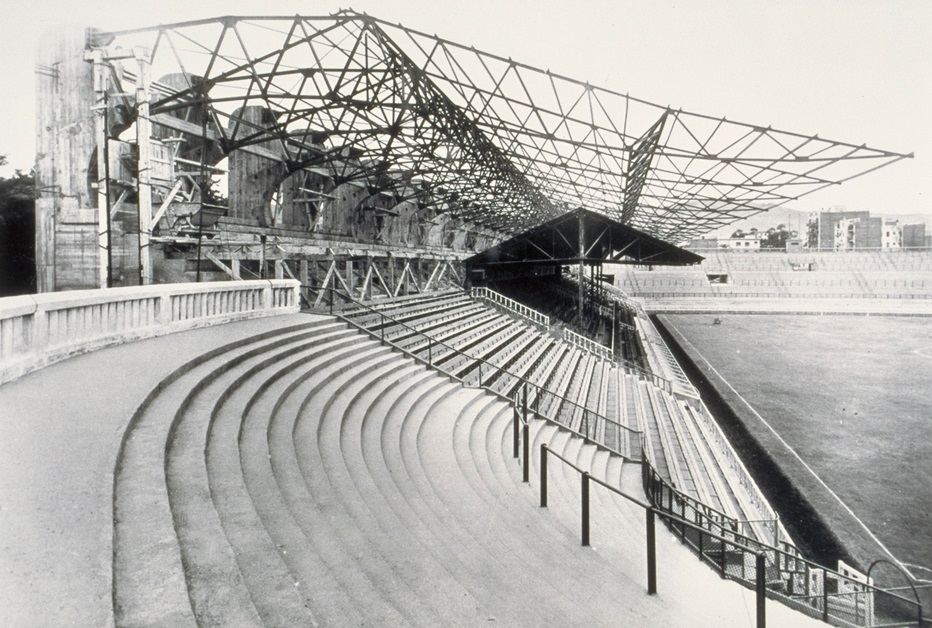
Les Corts 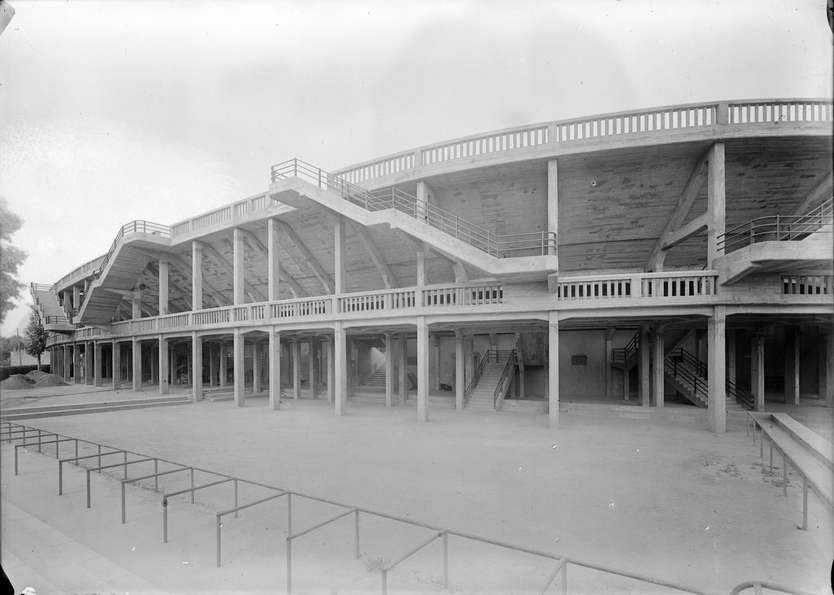
Les Corts 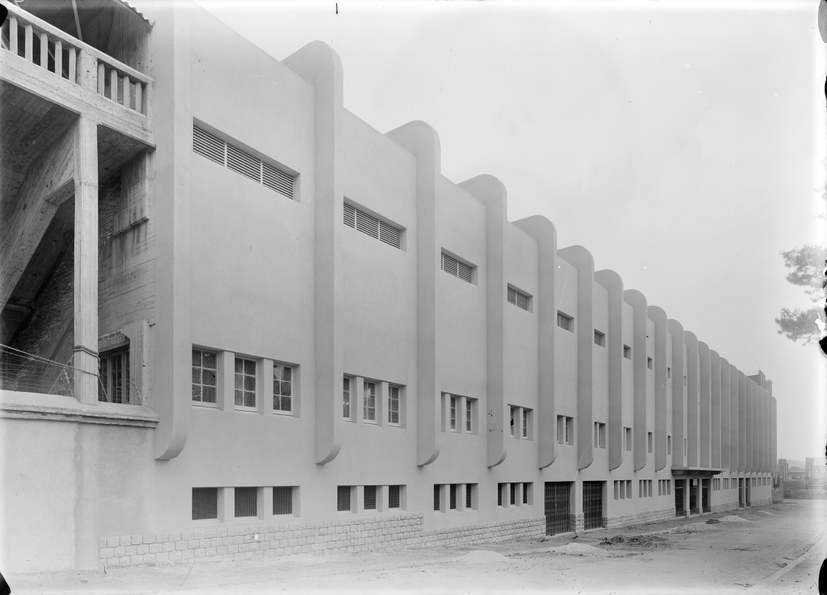
Les Corts 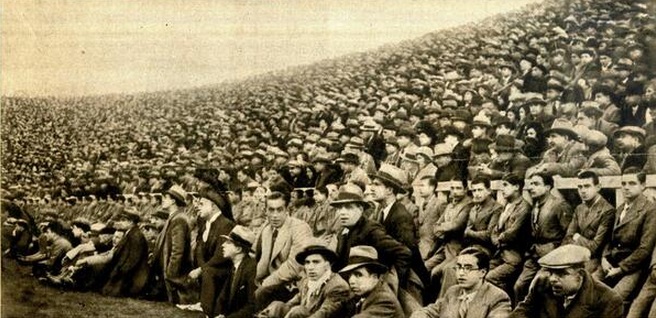
Les Corts 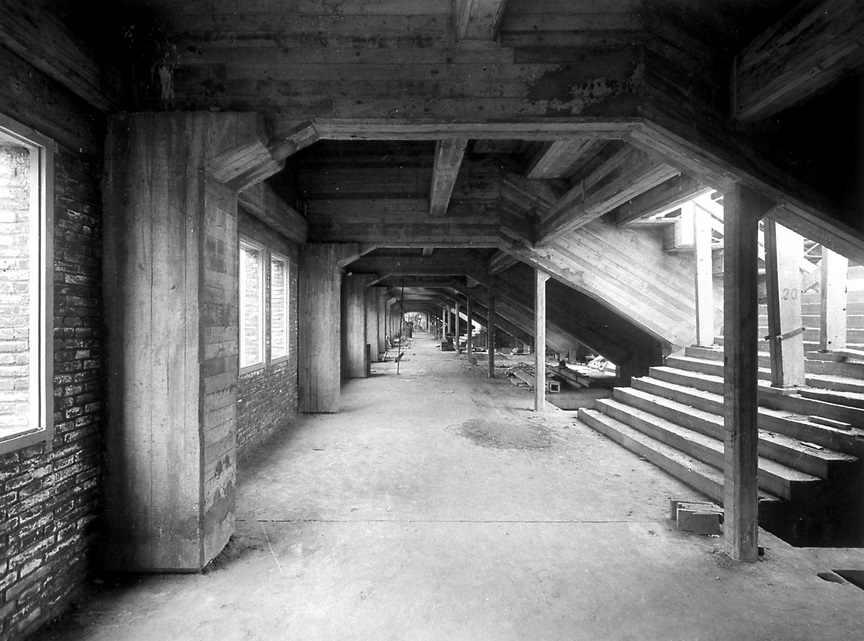
Les Corts 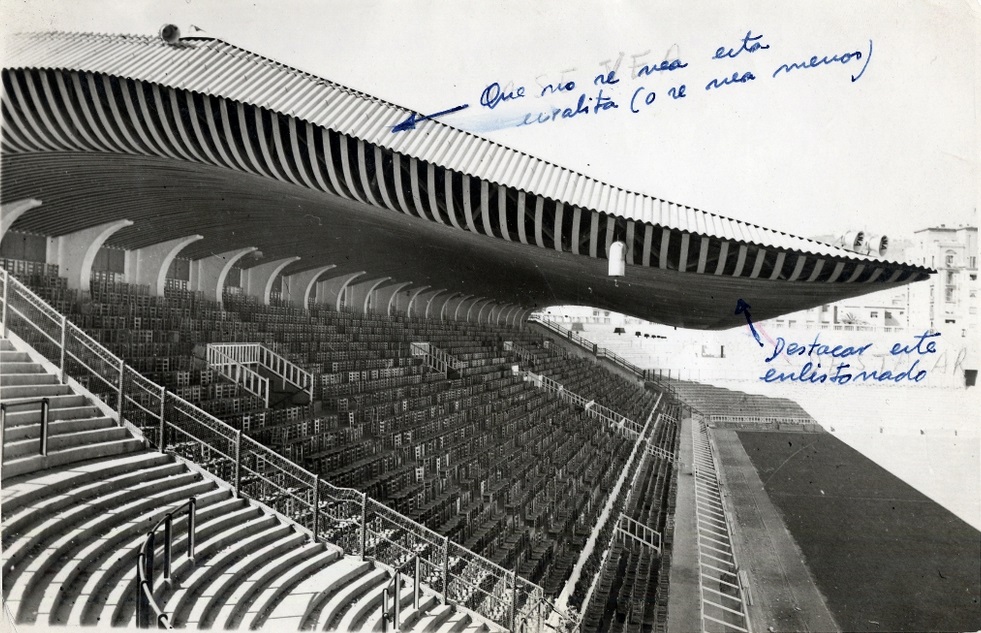
Les Corts 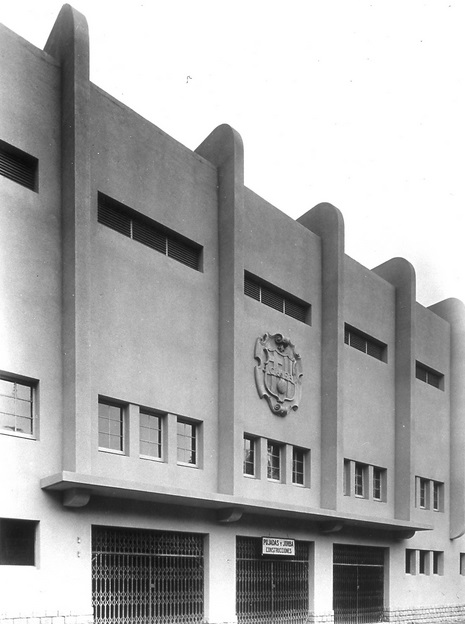
Les Corts 
Les Corts 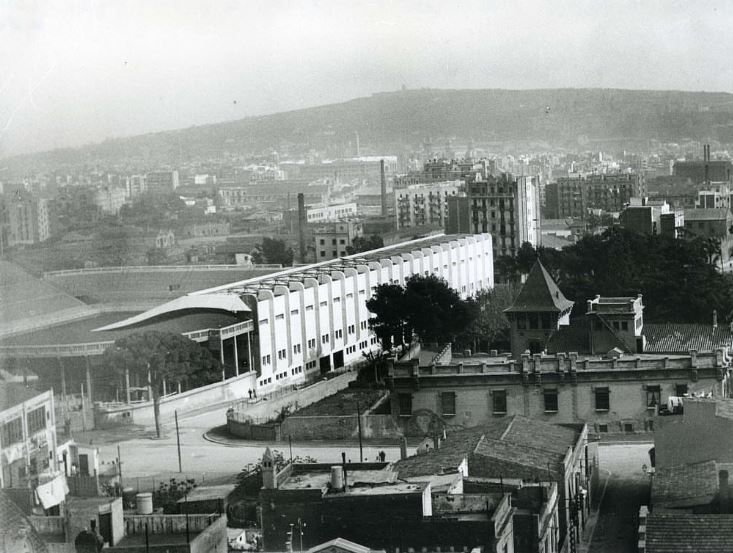
Les Corts 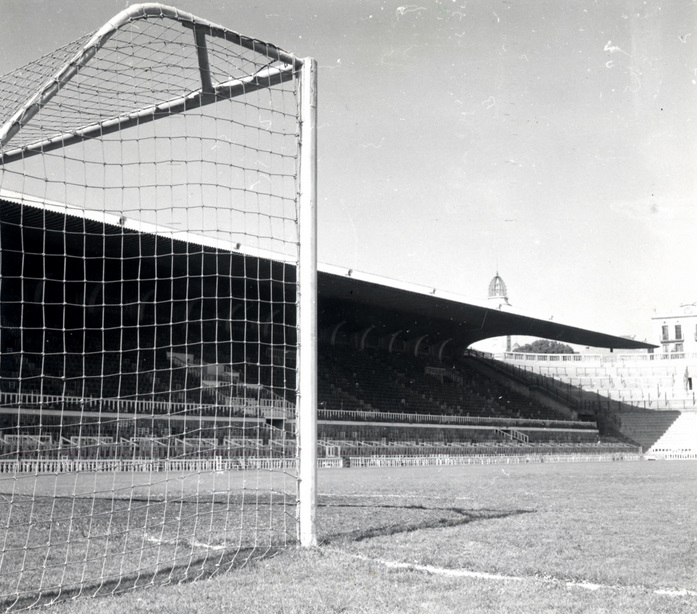
Les Corts 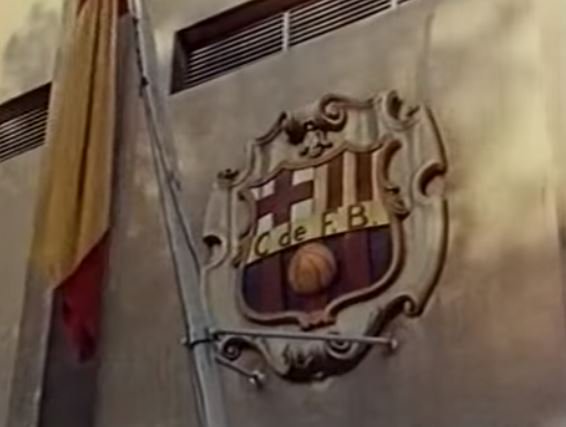
Les Corts 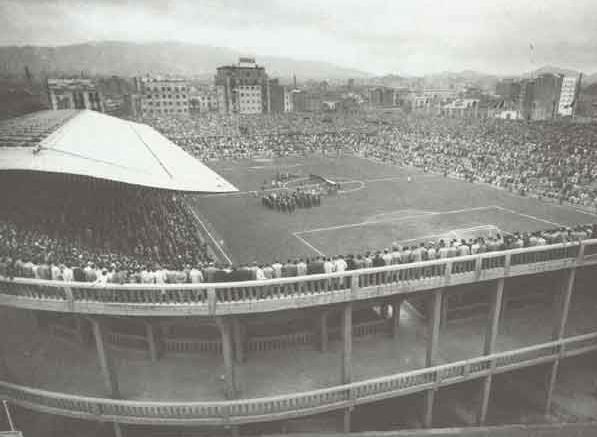
Les Corts 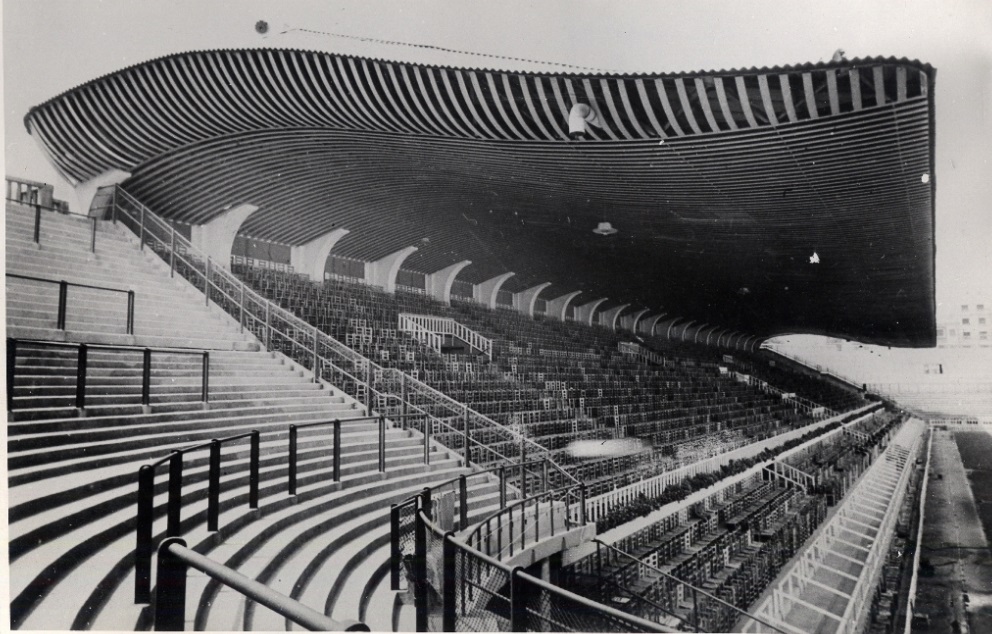
Les Corts 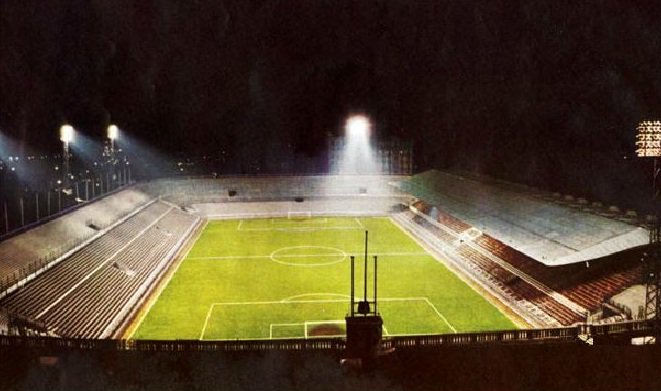
Les Corts 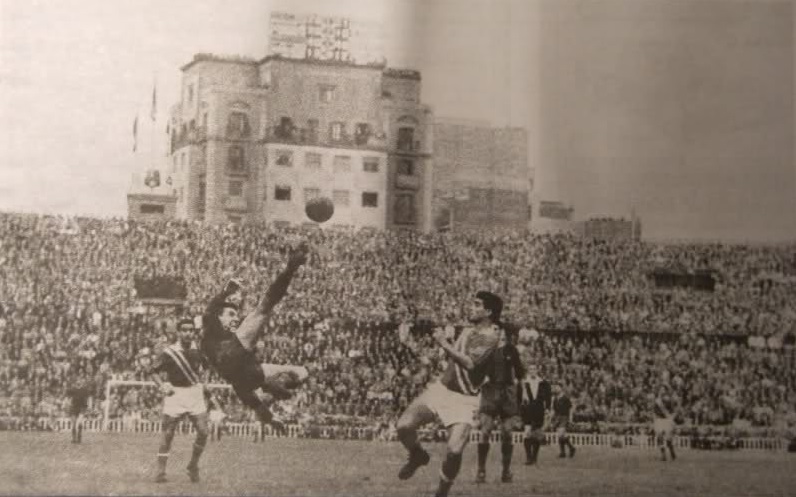
Les Corts 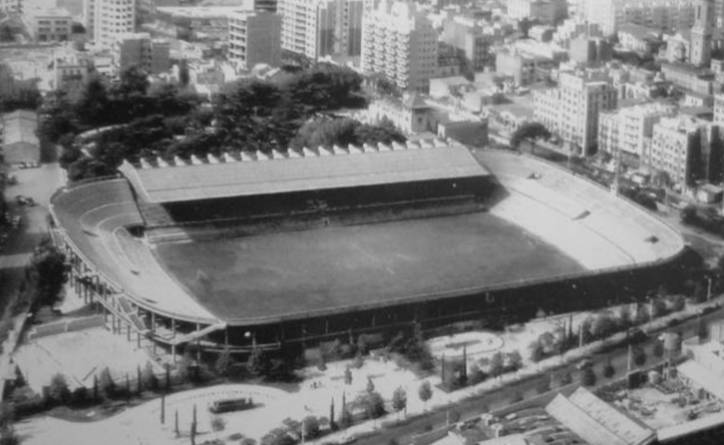
Les Corts 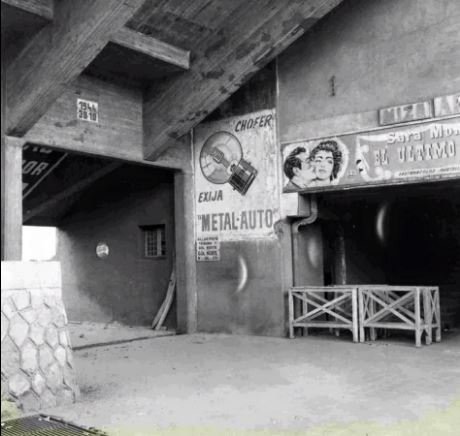
Les Corts 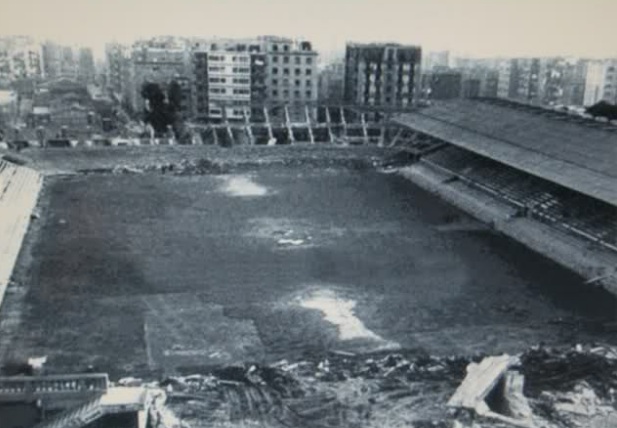
Les Corts 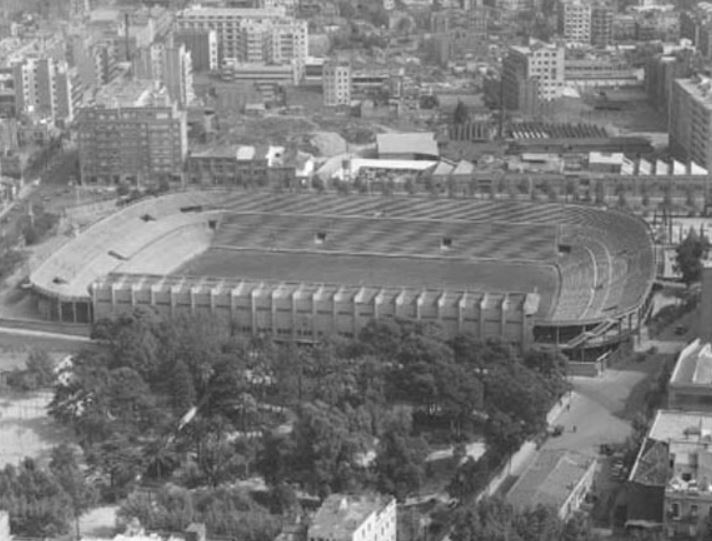
Les Corts 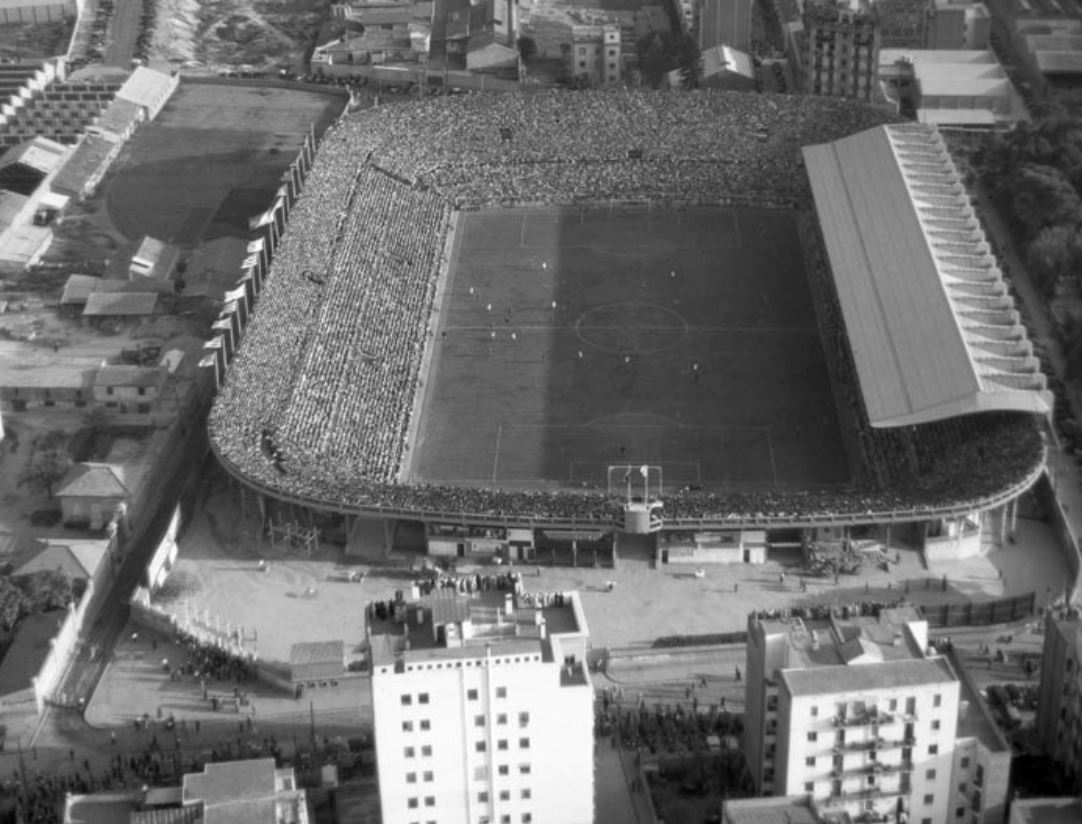
Les Corts 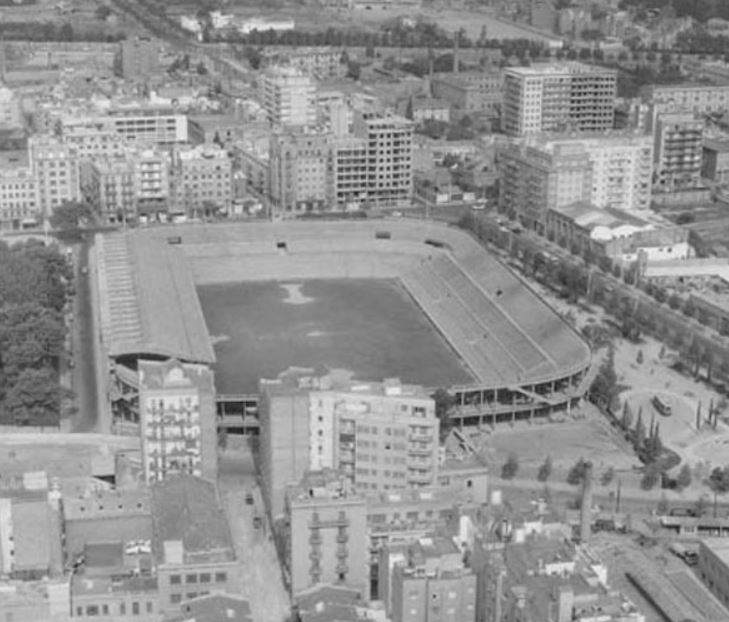
Les Corts 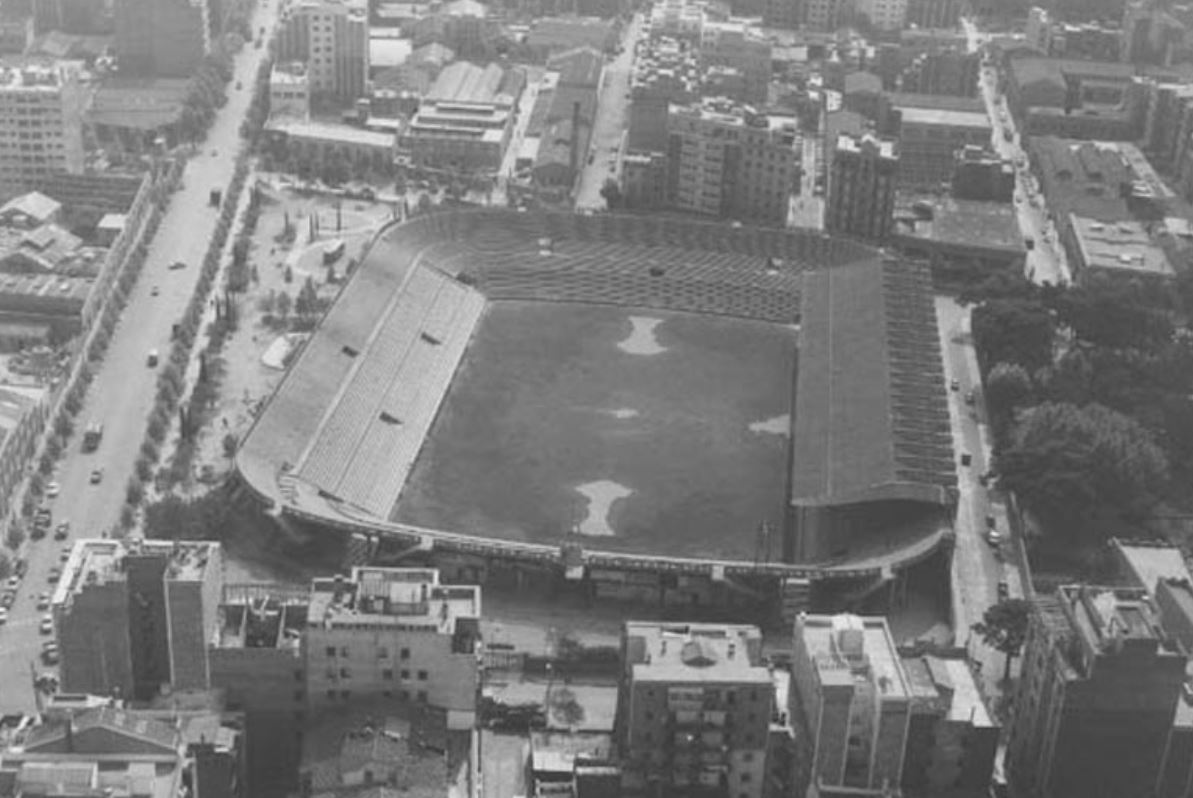
Les Corts 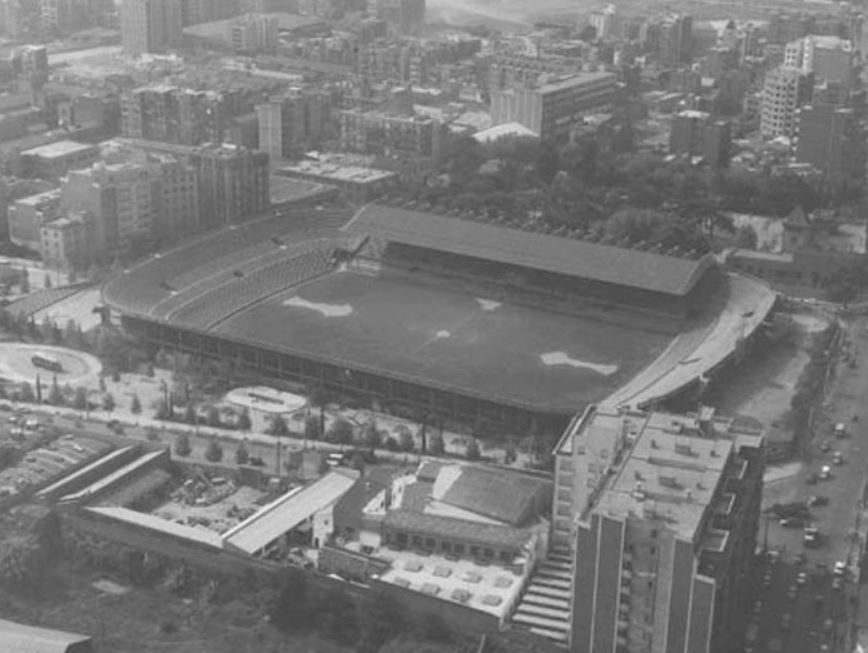
Les Corts 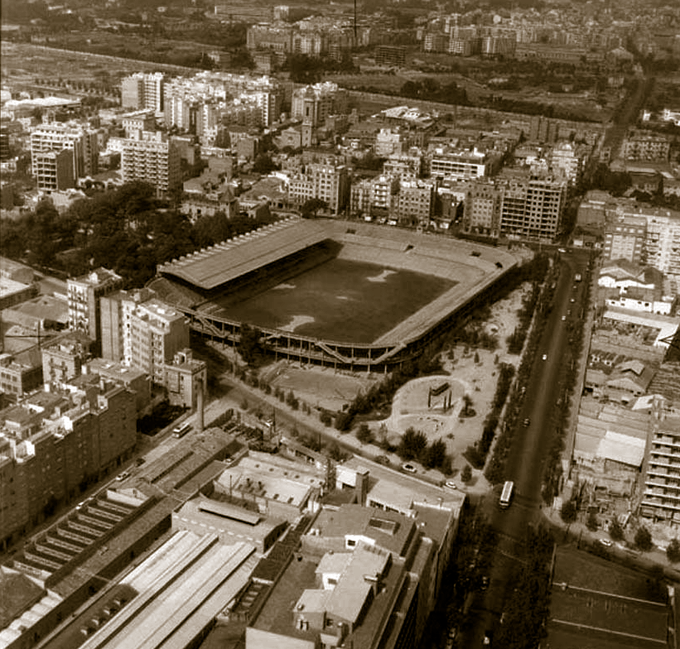
Les Corts 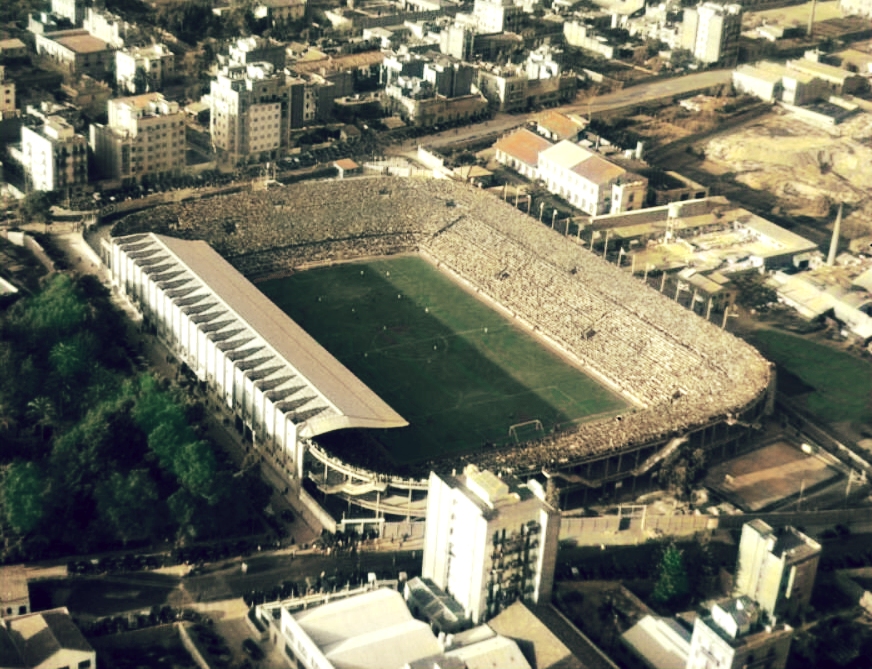
Les Corts 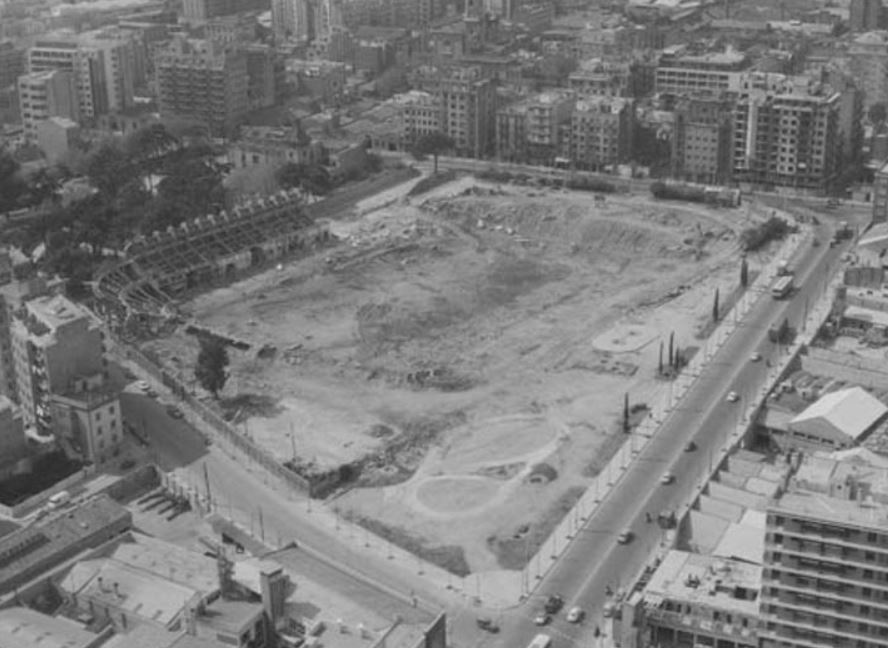
Les Corts – 1966
 Estadios de España