
Article Updated on: 11/01/2026
For the first 45 years of its existence, Real Sociedad had relied on an extensive scouting network to sign the best young players in the city of San Sebastian, Guipuzcoa and beyond. This method had seen the club become a founder member of La Primera but produced mixed results post-Civil War, as La Real struggled to maintain a presence in the top flight. This hit-and-miss approach to player development, coupled with a stagnant national economy, had made it increasingly impractical to pay fees to other clubs for players. The start of the 1950s had seen Real Sociedad return to the top flight, and after a few years of stability in La Primera, the club made the decision to bridge the gap between its youth team structure and the first team.
Formed in 1955 as Real Sociedad de Fútbol Junior, success came early to what was then essentially an under-21 team. After two seasons in the Guipuzcoa Primera Regional, the club beat JD Mondragón 5-1 in the playoffs to earn a place in the Tercera. The club changed its name to San Sebastián Club de Fútbol in 1957, and in 1959-60 won the Grupo 4 Tercera title by a 10-point margin from Real Unión. In the playoffs, they beat UD Amistad (Real Zaragoza’s reserve side) and UD Figueres to reach the second division. San Sebastián CF acquitted itself rather well before fate & regulations dealt them a cruel blow. They had finished ninth in their first season in La Segunda, recording impressive victories over Celta Vigo (3-1) and Deportivo La Coruña (8-3) at Atotxa. In the following 1961-62 season, they finished up fifth, with Atotxa once again proving to be a fortress. However, the reserve team’s best-ever season coincided with the first team’s worst-ever finish in the Primera and relegation. As the reserves cannot play in the same division as the first team, San Sebastian CF was demoted.
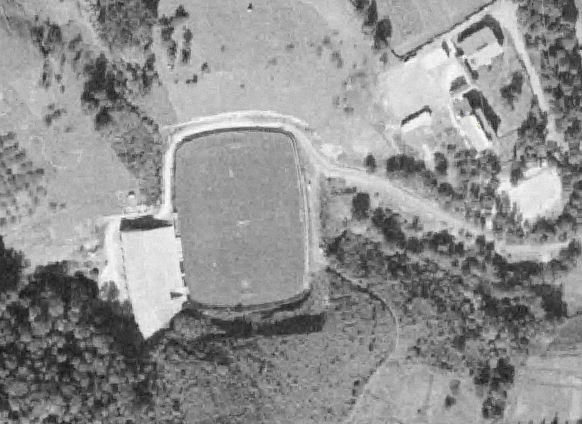
By the time of their next promotion in 1980, the league had been restructured, so instead of ascending to La Segunda, they found themselves in Segunda B. And give or take a few seasons back in the Tercera, that was where they remained. San Sebastian CF were the model of consistency, racking up a series of mid-table finishes in the third-tier, but only reaching the promotion playoffs on one occasion. That was in 1990-91, when they finished fourth in the league, but also fourth in the four-team playoff group that also featured Real Madrid B, Recreativo Huelva and ADC Manlleu. The summer of 1991 saw the club change its name to Real Sociedad de Fútbol B and move from playing games at Atotxa to the club’s new Anoeta home on the southern outskirts of the city. In 1997, Real Sociedad B moved again, this time to the club’s sports complex at Zubieta, 12km south of San Sebastian and next to the city’s horse racing track.
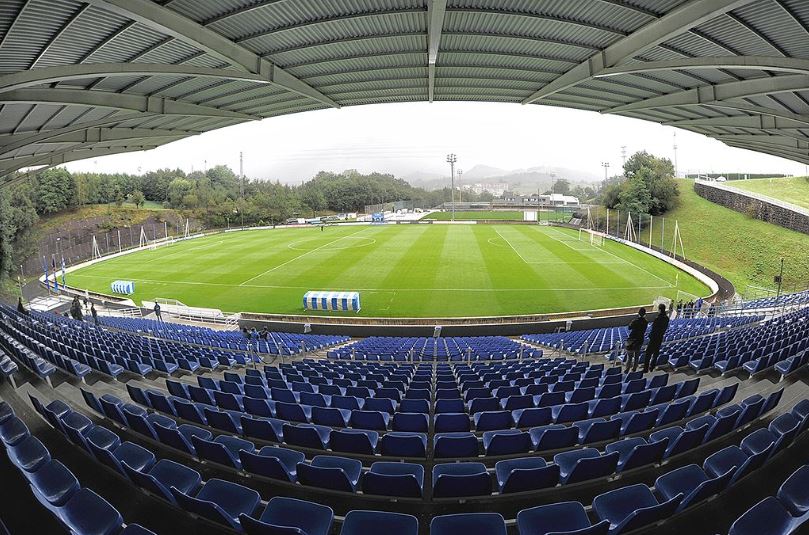
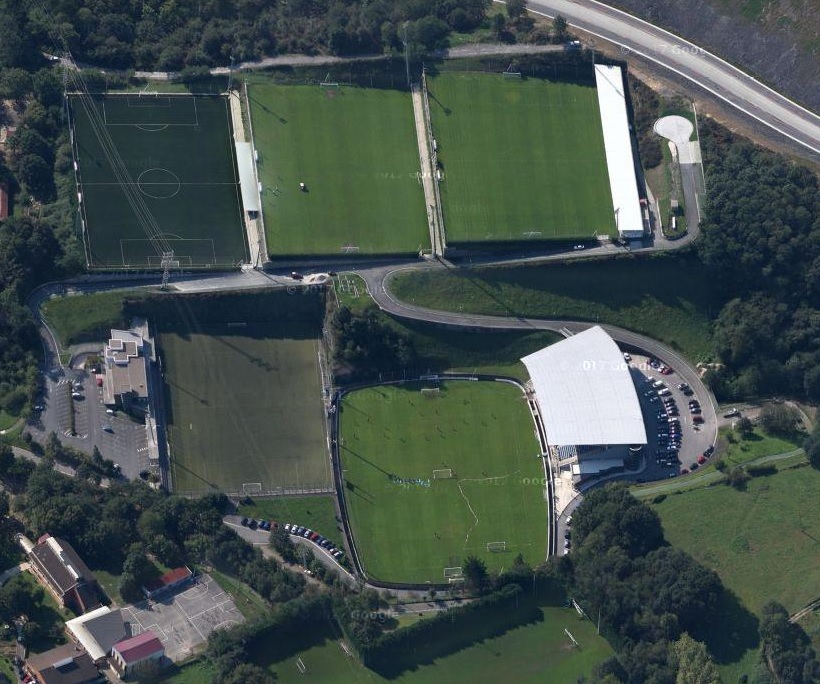
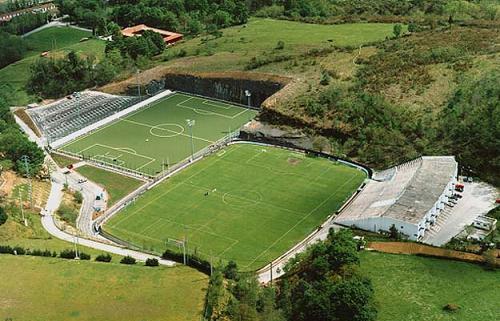
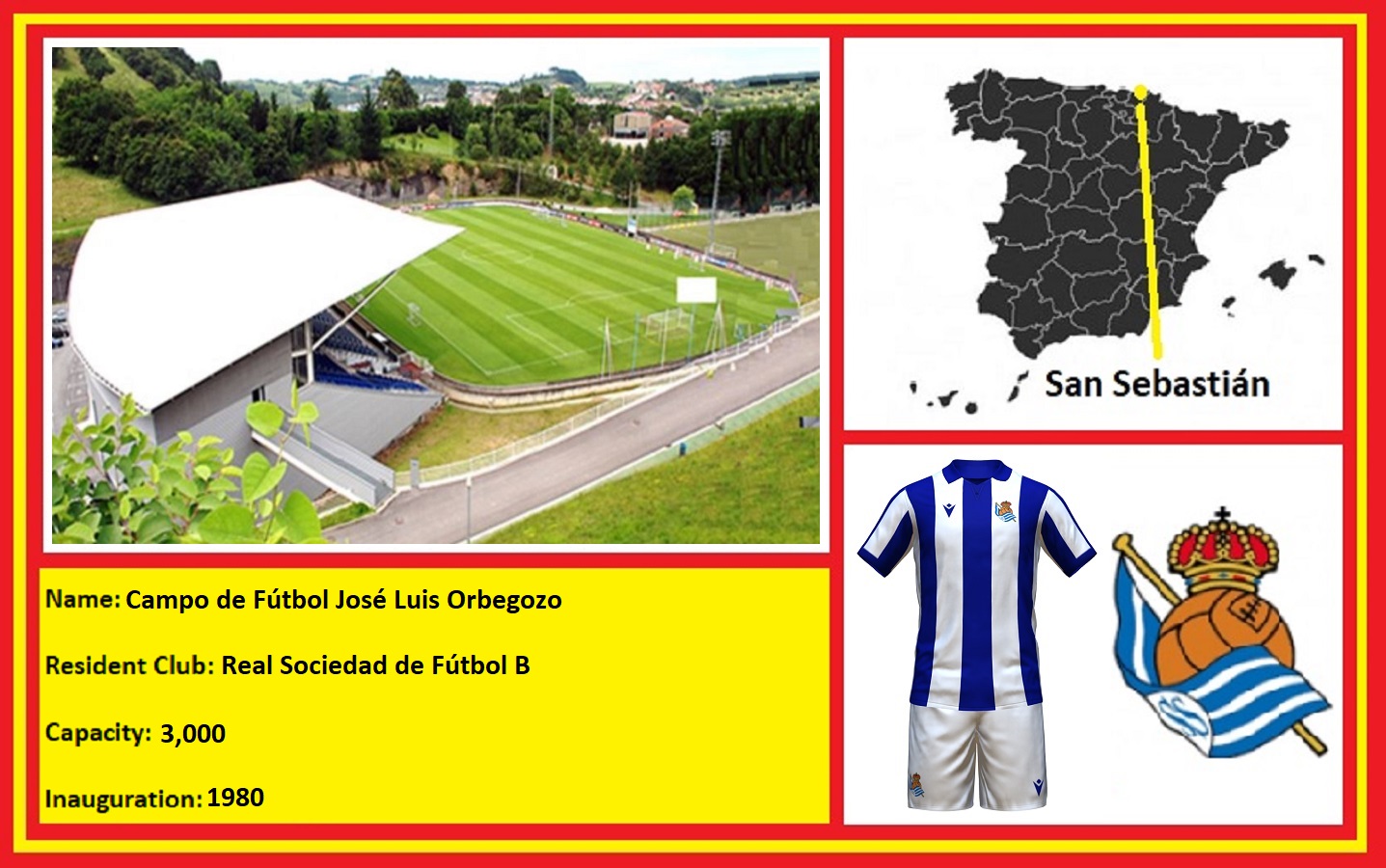
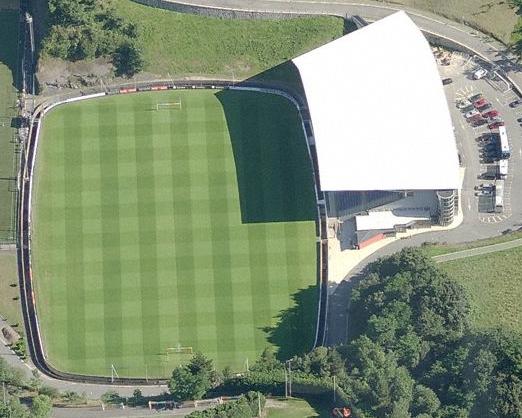
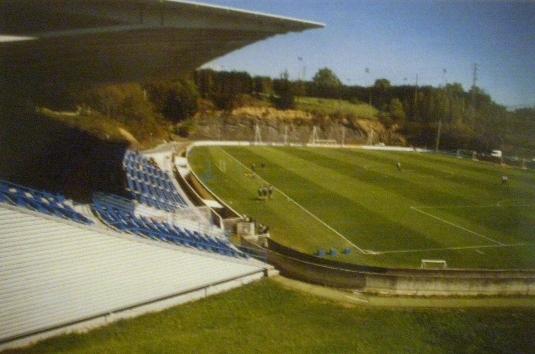
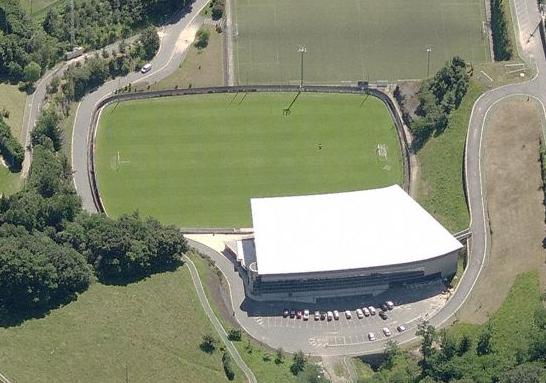
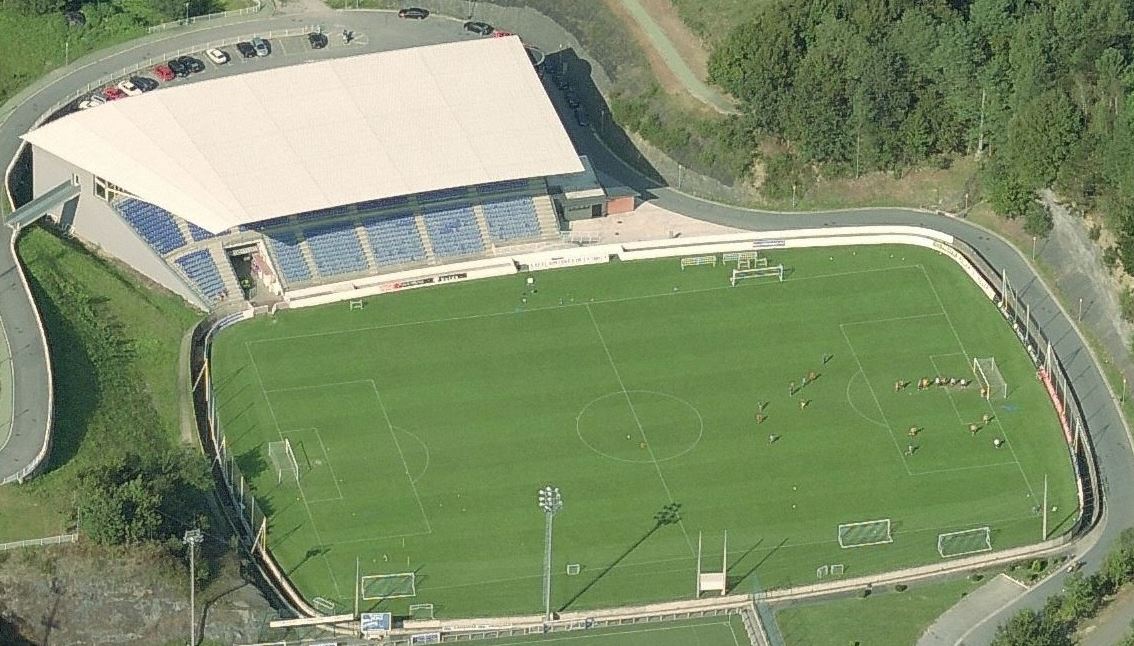
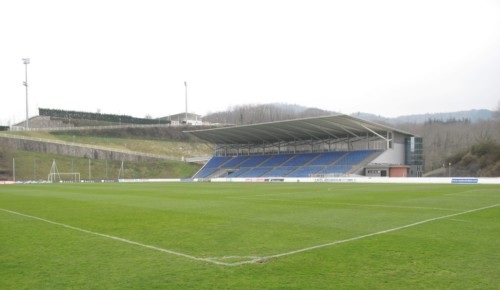
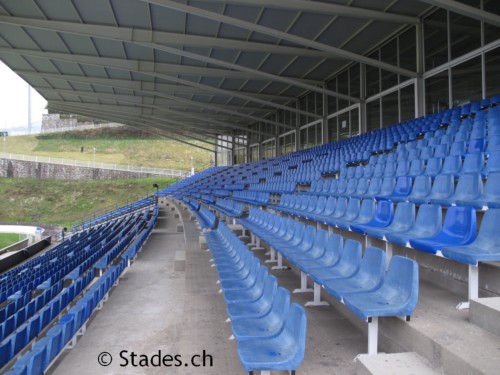
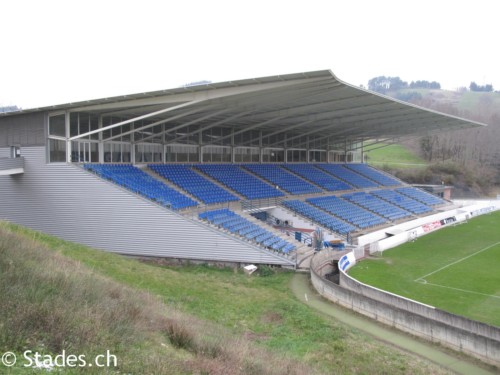
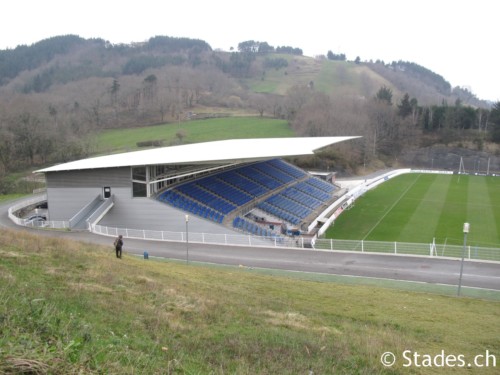
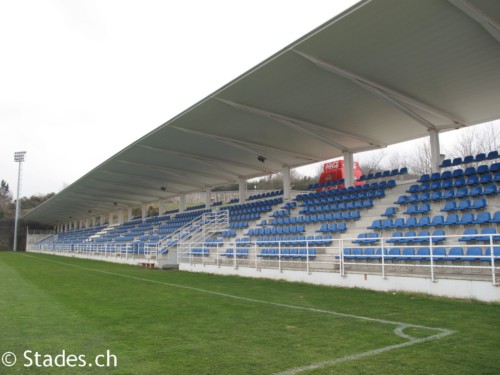
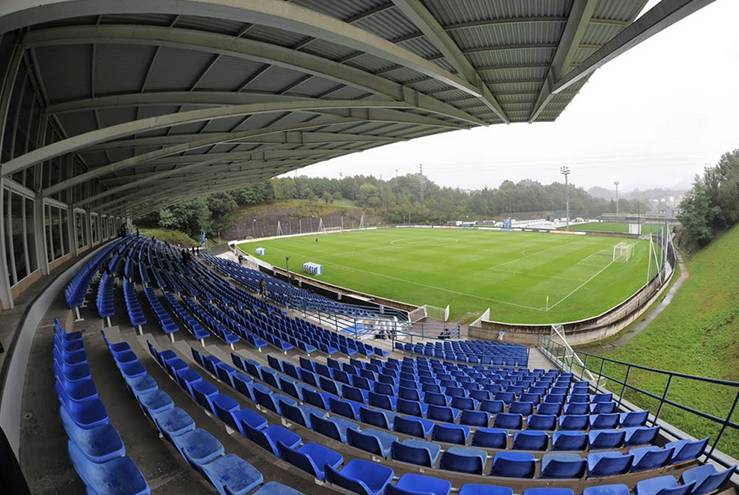
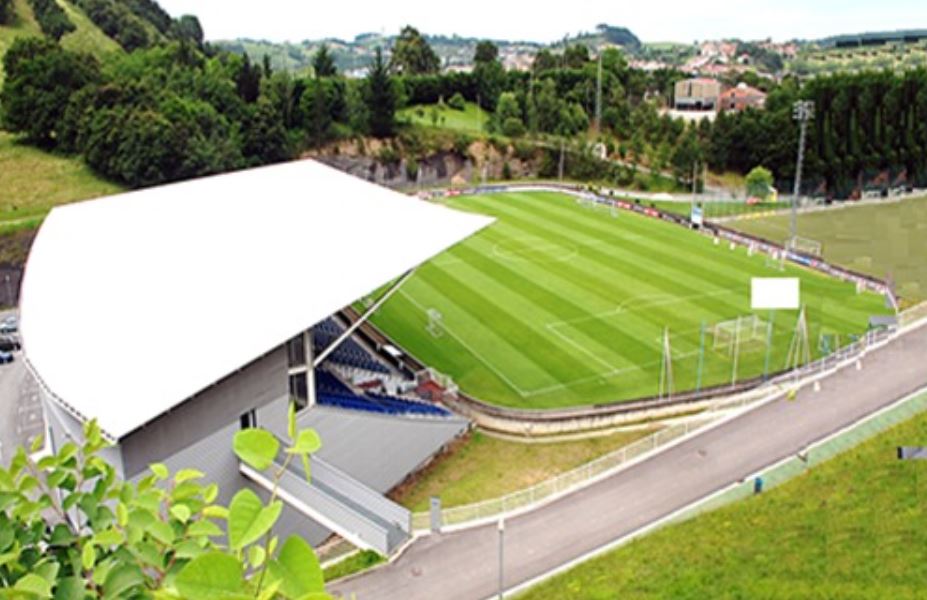
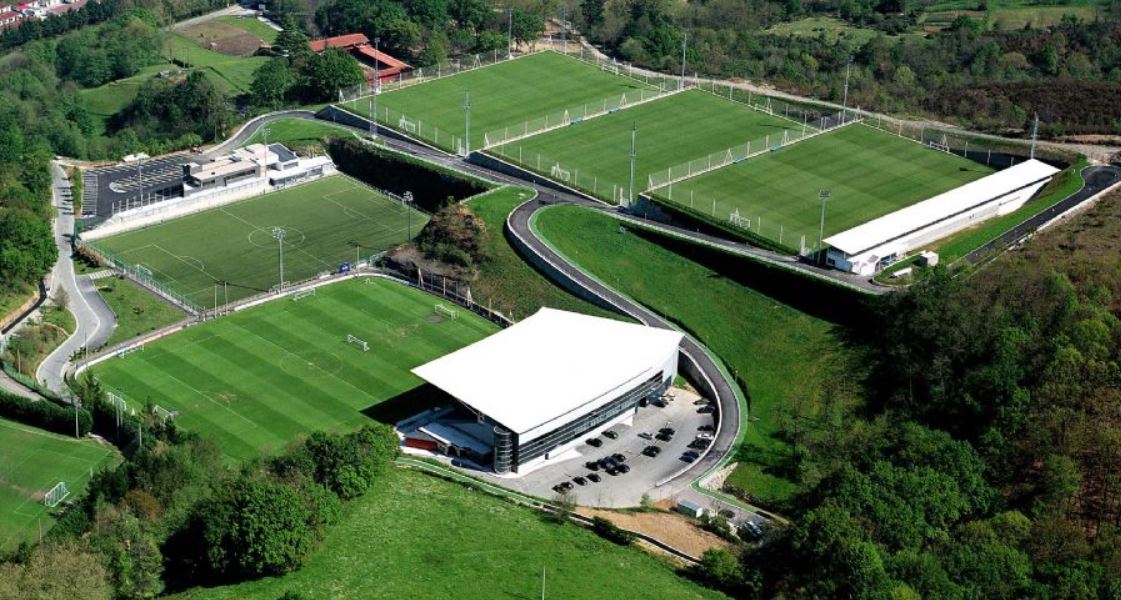
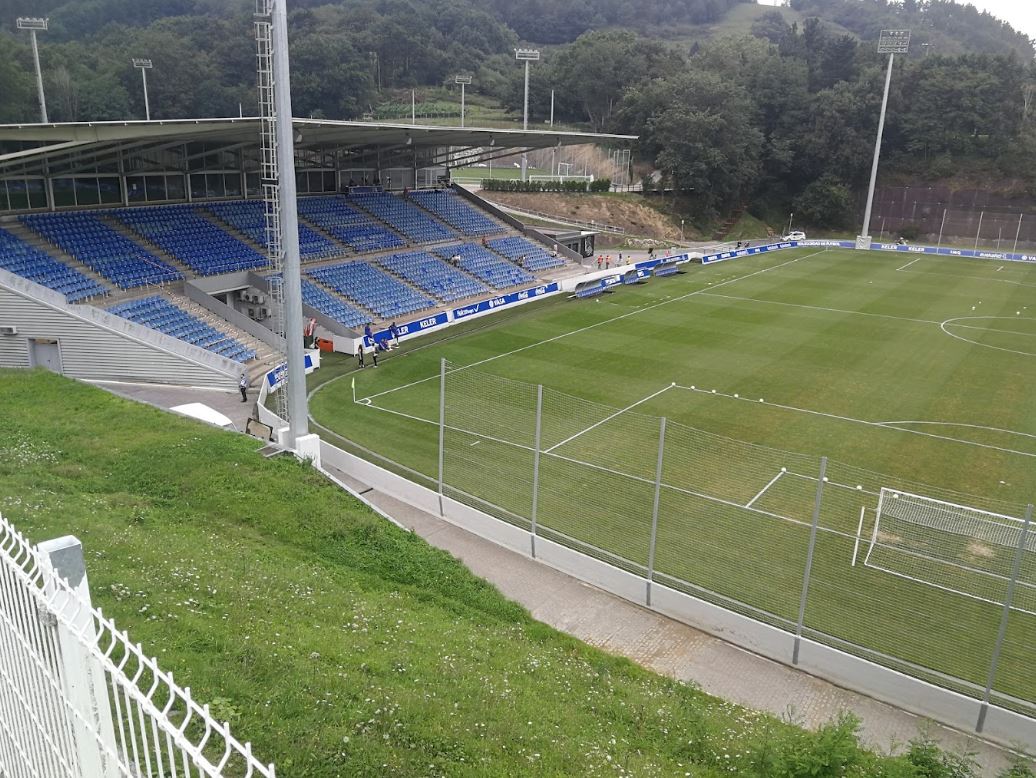
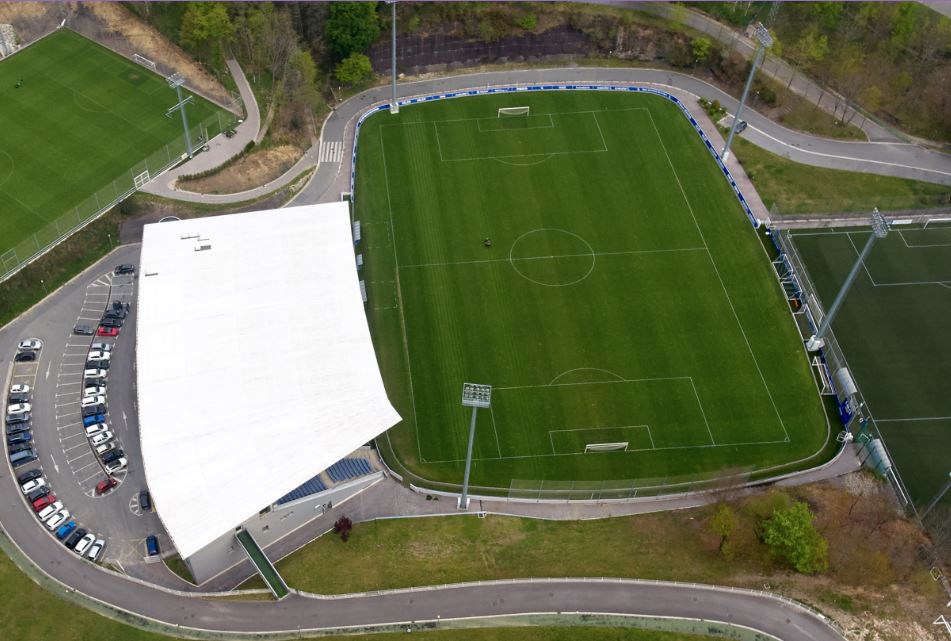
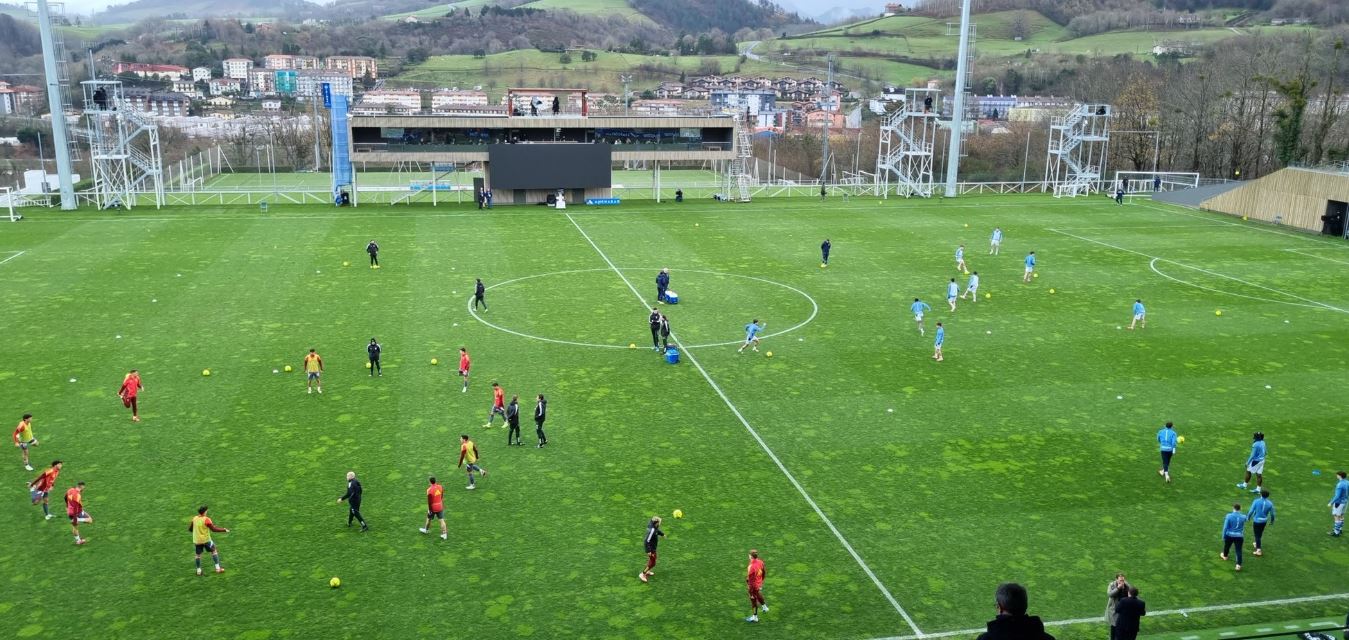
Zubieta opened in 1980 and was originally the club’s training facility. Upon opening, it featured just one pitch and a wedge of terracing, behind which were club offices, changing & recovery facilities. Major development of the site took place in 2004. At €12.5m, Zubieta was turned into a first-class 21st-century training facility, with five full-size pitches, three of which have covered, seated stands. The main arena (the original pitch from 1980) is now named the Campo José Luis Orbegozo, after the club’s president from 1967-83. The original terrace has now been seated, holding 3,000 seats beneath a gargantuan white cantilevered roof. La Real’s youth and women’s teams also play at the complex, and whilst the set-up is impressive, it is still essentially the club’s training facility. So you’re not going to get an electric atmosphere from a partisan crowd, just the ideal surroundings for young players to grow into professional footballers.
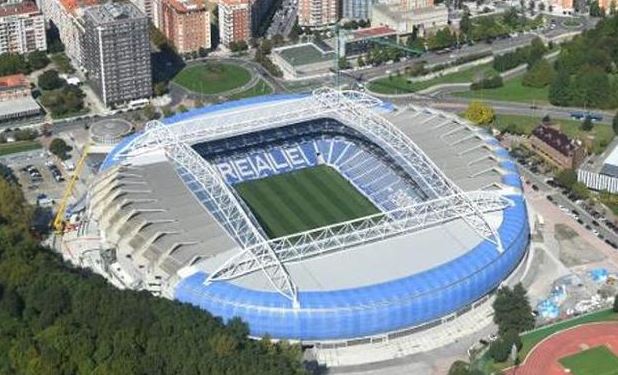
After a 59-year absence, Real Sociedad B returned to La Segunda at the end of the 2020-21 season. Under the guidance of former player Xabi Alonso, the club finished top of its sub-group and qualified for the playoffs. COVID protocols meant that the usual two-legged format was scrapped in favour of single knock-out ties. Their matches were played at the Estadio Francisco de la Hera in Almendralejo, and in the first match, they overcame FC Andorra by 2 goals to one, after extra time. A week later, Real Sociedad B needed extra time again to beat Algeciras 2-1 and end a near six-decade absence from La Segunda. Real Sociedad B played their home matches in the second tier at Anoeta. They put in some impressive performances, and going into the final quarter of the season, it looked like they would emulate their predecessors from the 1960s and maintain their second-tier status. However, a run of seven matches without a win saw the club drop back to the Primera Federación.
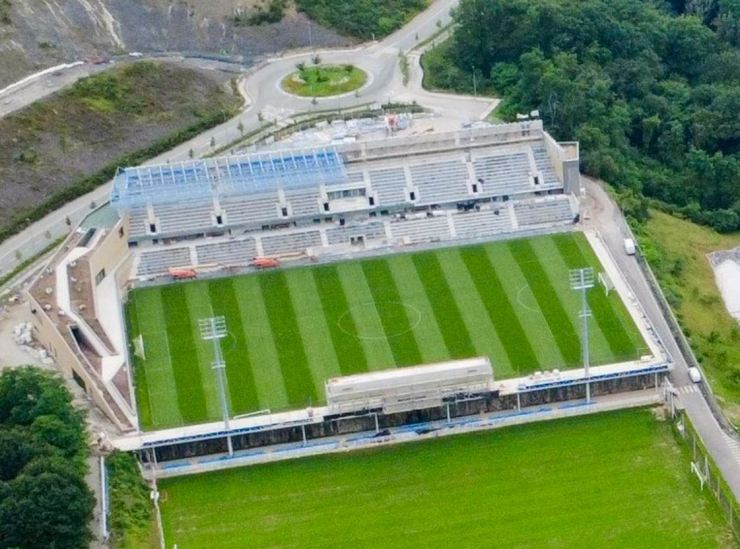
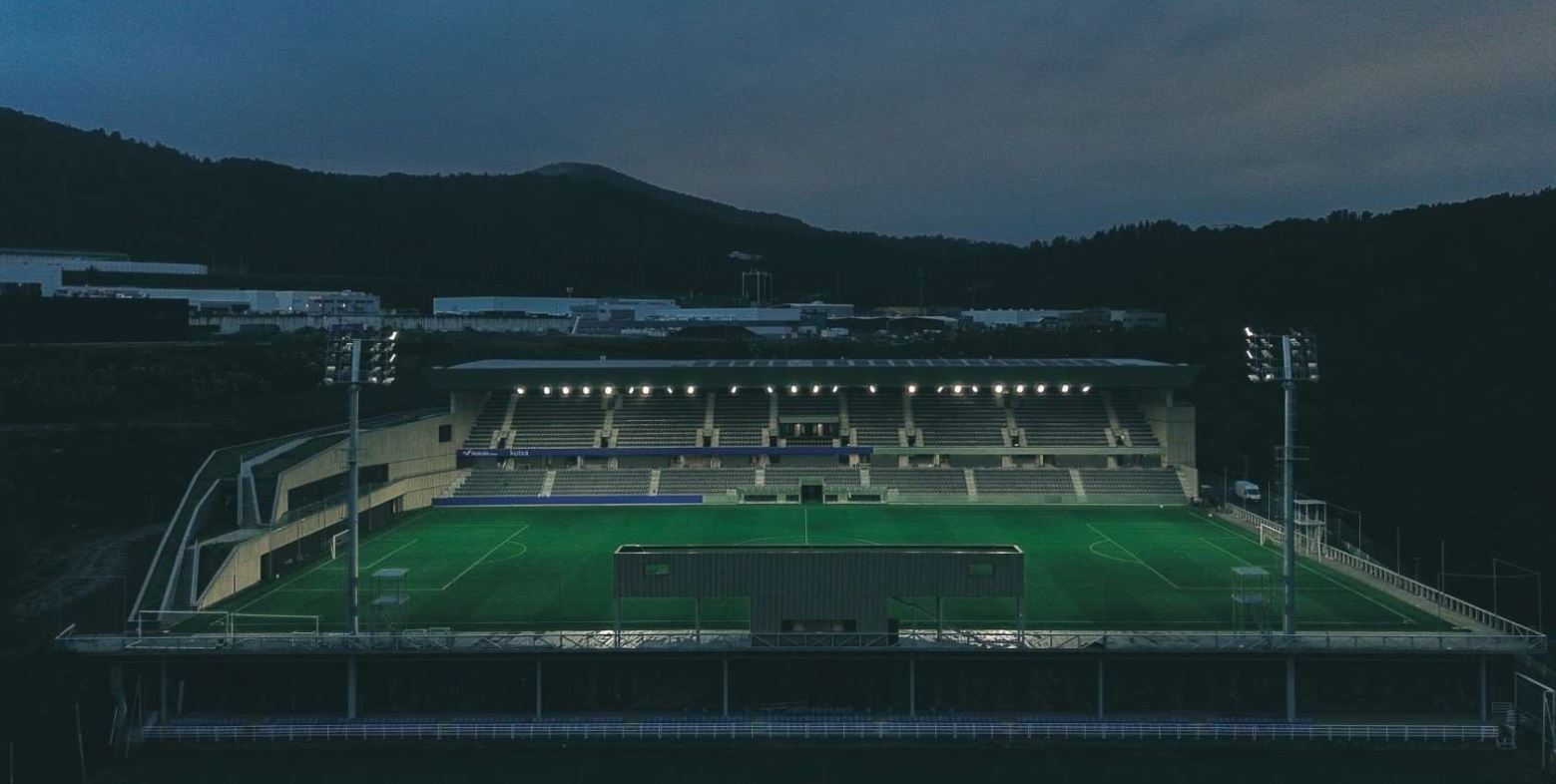
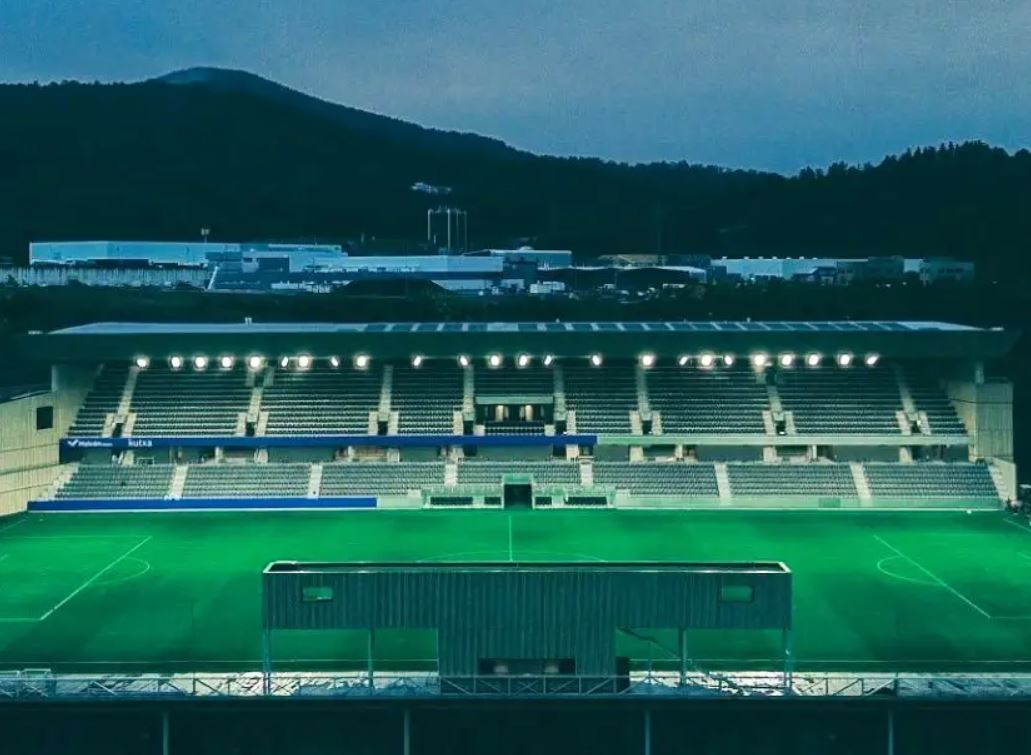
Following relegation, Real Sociedad B dropped to the new, two-division Primera Federación, finishing 5th in 2022-23, but losing 2-3 on aggregate to AD Alcorcón. Aware that the current home of the reserve side and Women’s team, the Campo de José Luis Orbegozo, offered a somewhat lopsided view of proceedings and required spectators to trudge to the furthest point from the main entrance, La Real acted. Using funds from La Liga’s deal with CVC Partners, the club decided to expand the facility closest to Zubieta’s main entrance, the glamourously named Pitch Z7. Designed by Izaskun Larzabal, the architect who was responsible for the revamping of Anoeta, the new Estadio Izan features a single, twin-decked stand with a deep cantilevered roof on its west side. With seating for 4,000 and changing, recovery, and media facilities, this is the largest stand at any of Spain’s reserve-team stadiums.
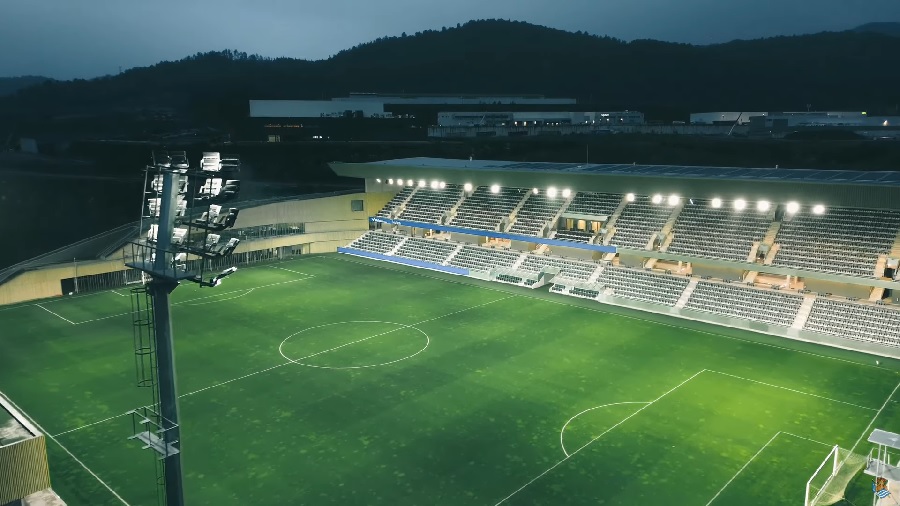
The €15m project did overrun, and La Real’s B team, freshly promoted back to La Segunda, had to start their 2025-26 campaign at Anoeta. The Women’s team continued to use the Campo José Luis Orbegozo until the completion of Izan. Real Sociedad B’s debut at Izan was delayed further, as the configuration of the stadium’s main TV gantry did not meet La Liga’s broadcast requirements. This was eventually resolved, and Real Sociedad B hosted Albacete Balompié on 10 January 2026 in their first match at the new venue.


 Estadios de España