
Sevilla Atlético can trace its roots to a club founded in March 1950 by the Seville Port Works Board, Club Deportivo Puerto. Playing home matches at the Campo de La Victoria and wearing distinctive yellow shirts with a black horizontal stripe, CD Puerto soon caught the eye. Promotion to the Primera Regional was won in 1952, and three seasons later, the club reached the national Tercera. Their debut season saw the club finish an impressive fourth, but two seasons of indifferent results followed before CD Puerto hit their stride again. The club was now a formally affiliated club of Sevilla FC and finished fourth in the 1958-59 season. The squad was improved in the summer of 1959 and was rewarded with runners-up in the league behind Xerez CD before losing out to Algeciras CF in the playoffs. On 1 August 1960, CD Puerto became a fully integrated entity of Sevilla FC and, as the official reserve side, adopted the title Sevilla Atlético Club. The impact was immediate, winning the Tercera title in 1960-61, but losing to Deportivo Alavés in the playoff final. The following season saw a second Tercera title secured, before CD Tarassa & CD Lugo were seen off in the playoffs to earn promotion to La Segunda.
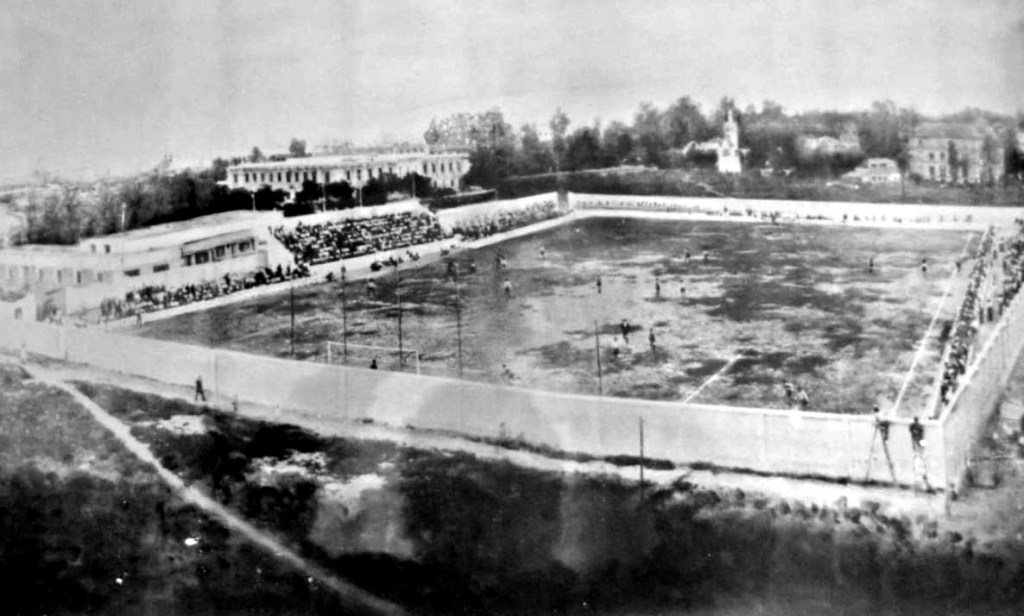
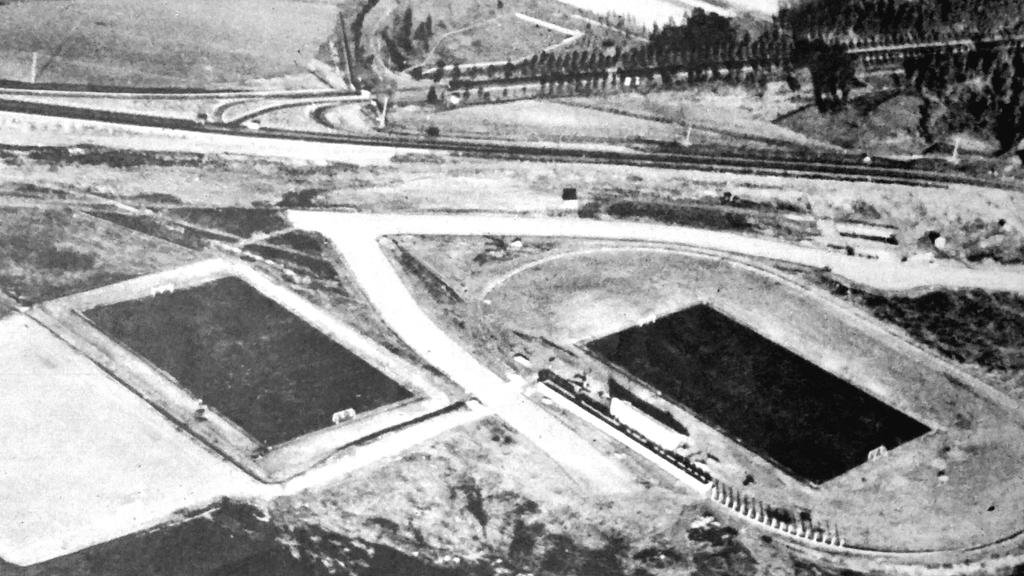
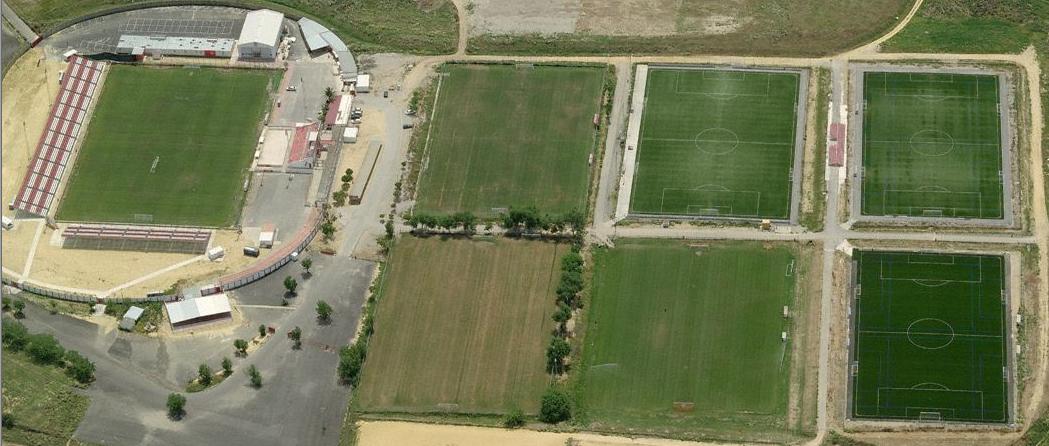
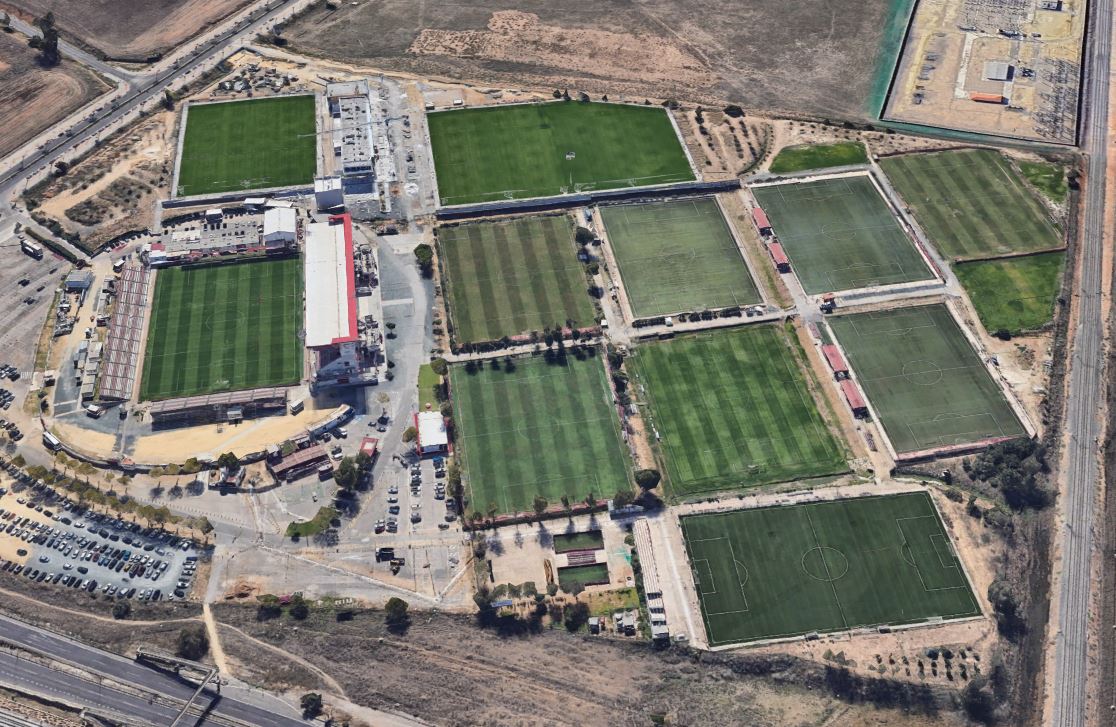
The jaunt in La Segunda lasted a season, with Sevilla Atlético spending the entirety in the relegation places. It wasn’t with some highlights: A 2-0 win over soon-to-be-promoted Levante UD on New Year’s Day and home and away wins against 7th-placed CD Eldense were the best of some slim pickings. Sevilla Atletico dropped back to the Tercera and spent three seasons in the Primera Regional. Overall, the 1960s were not a great time for Sevilla Fútbol Club. The first team struggled to keep pace in La Primera and was eventually relegated at the end of the 1967-68 season. Despite all the doom and gloom, in 1968, Club President José Ramón Cisneros Palacios purchased 125,000 square metres of land to the southeast of the city, just over the Rio Guadaira and set about building a sports academy. Opened in 1974, it immediately became the home of Sevilla Atlético, who to that point had played their home matches at the Estadio Ramón Sánchez Pizjuán.
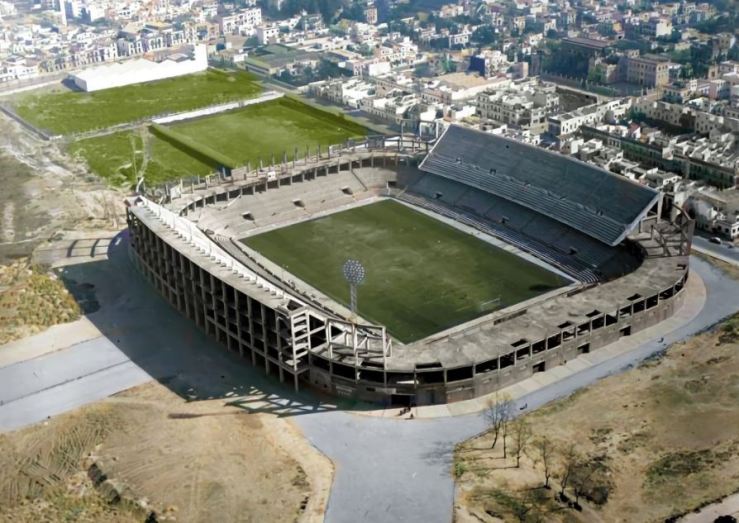
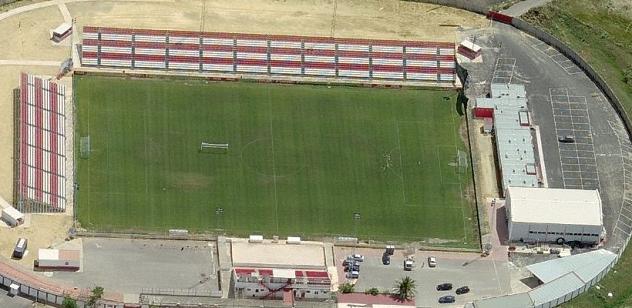
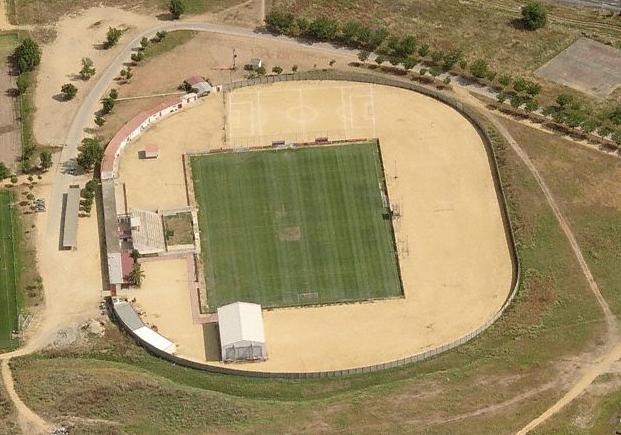
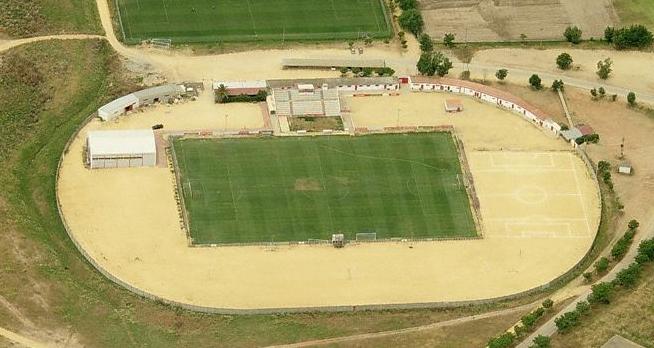
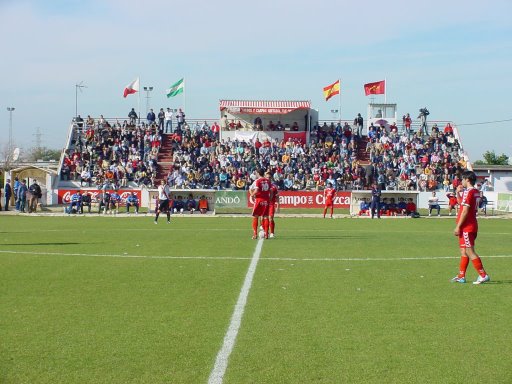
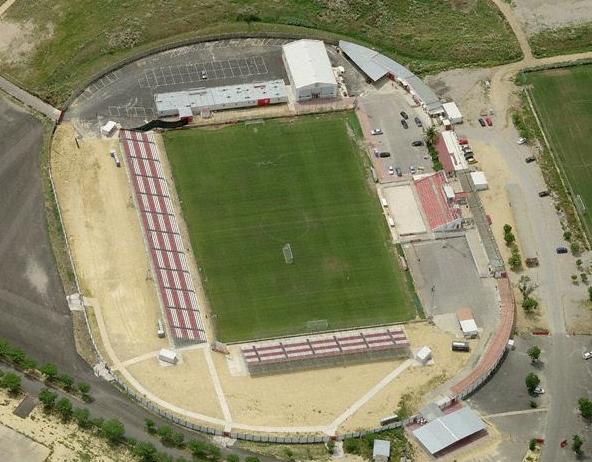
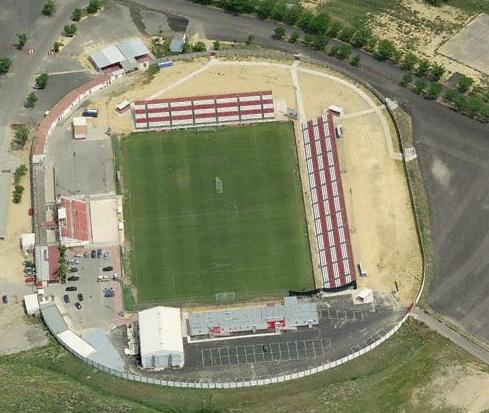
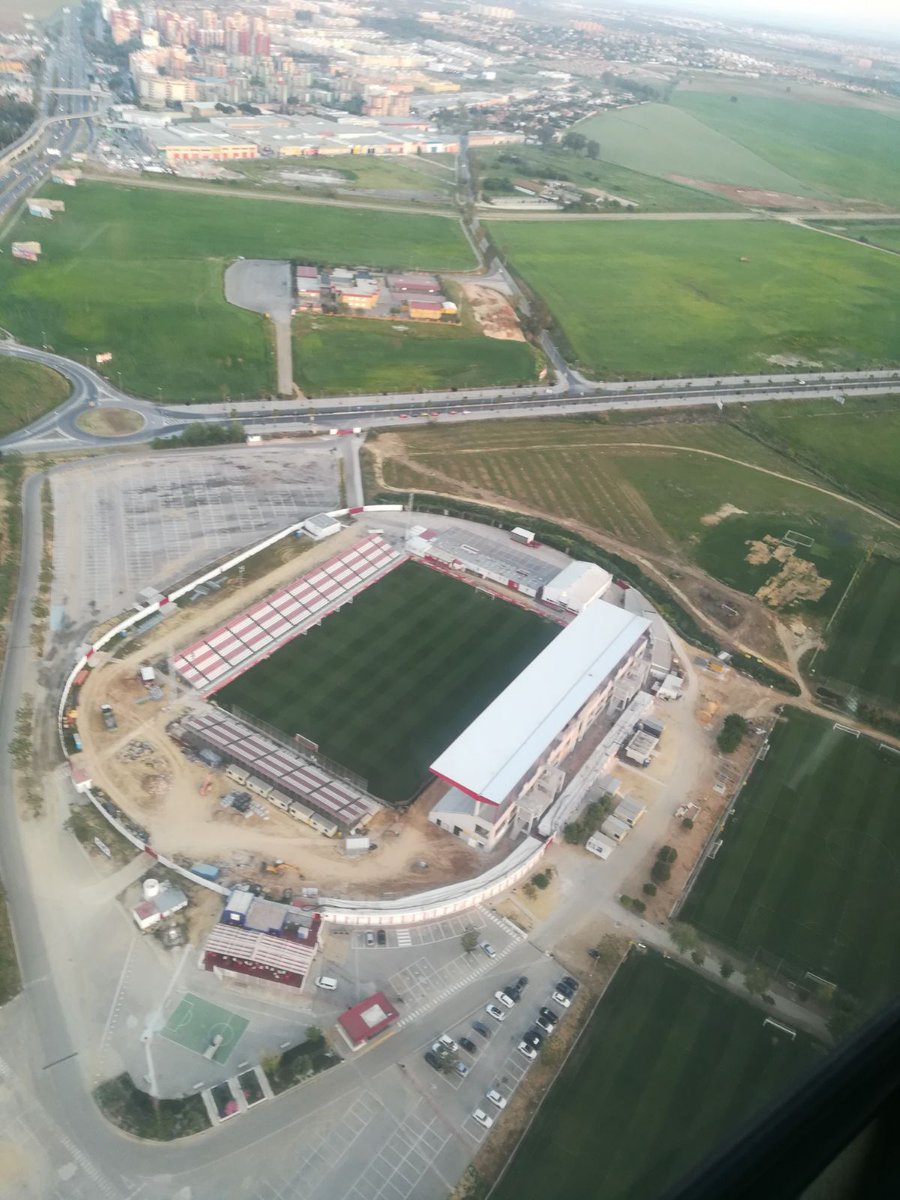
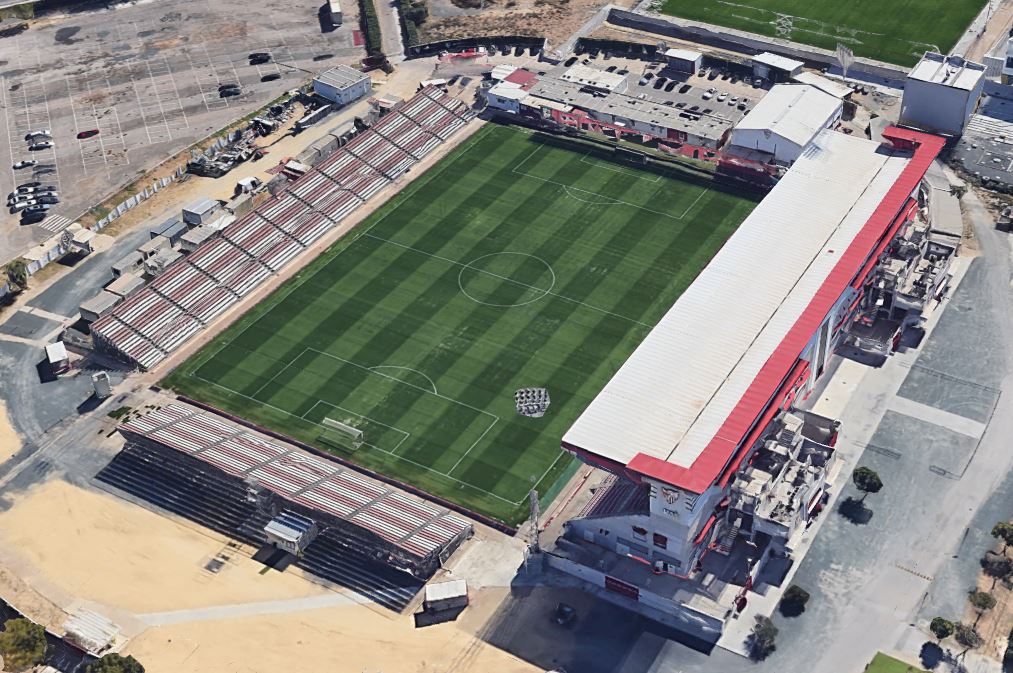
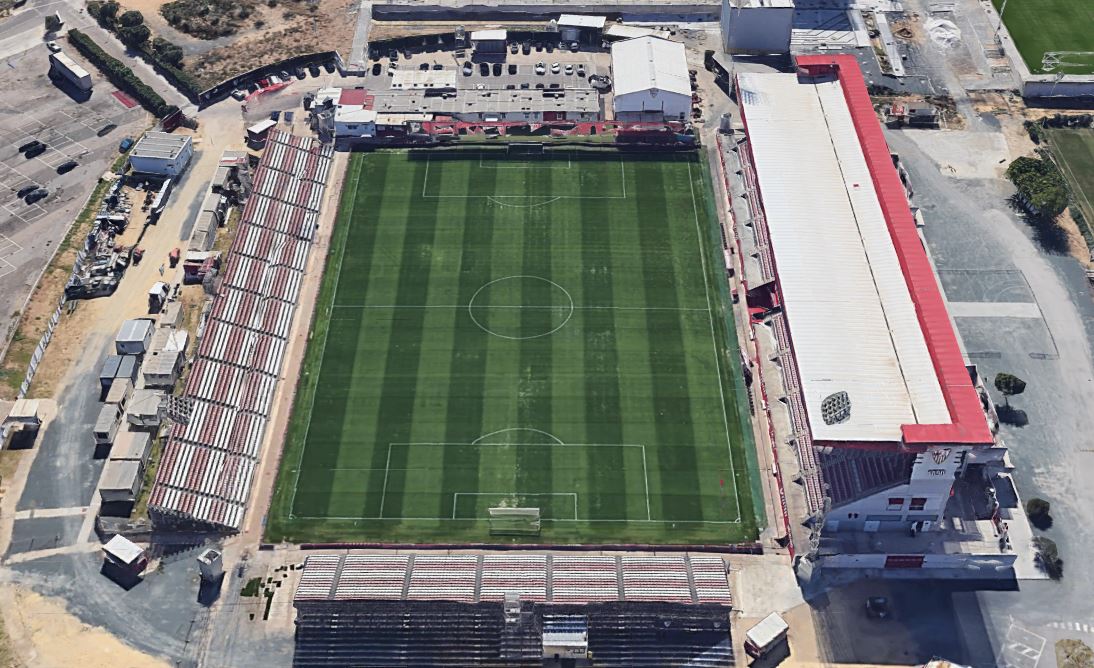
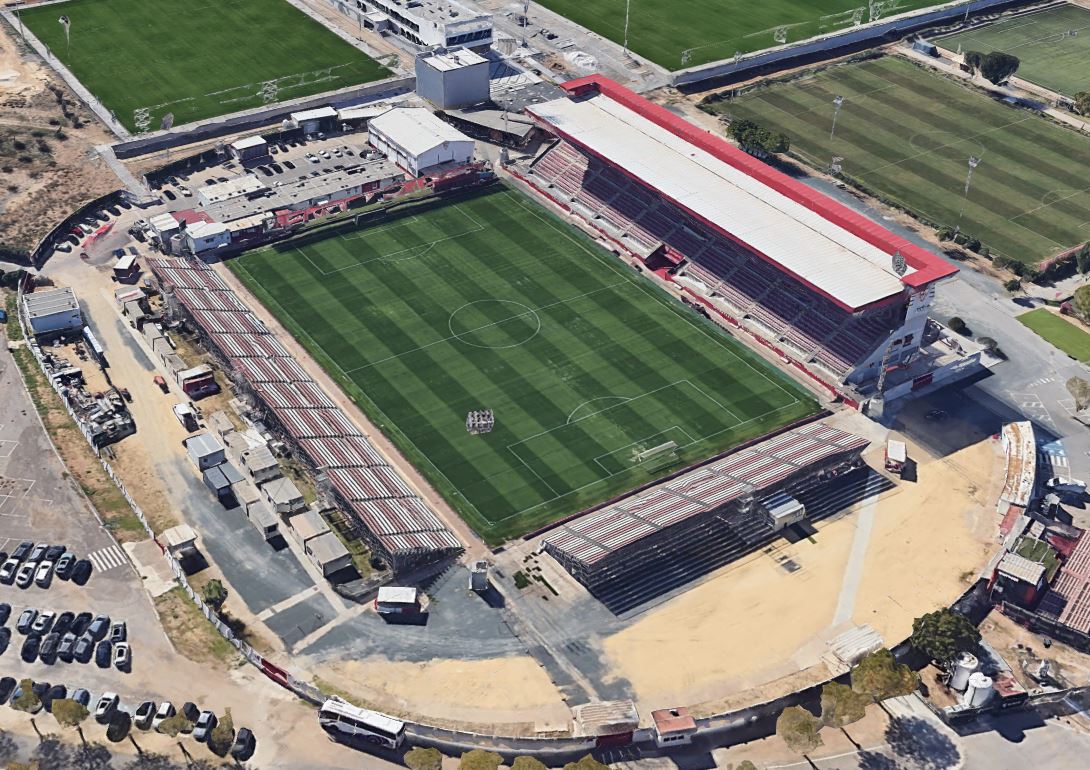
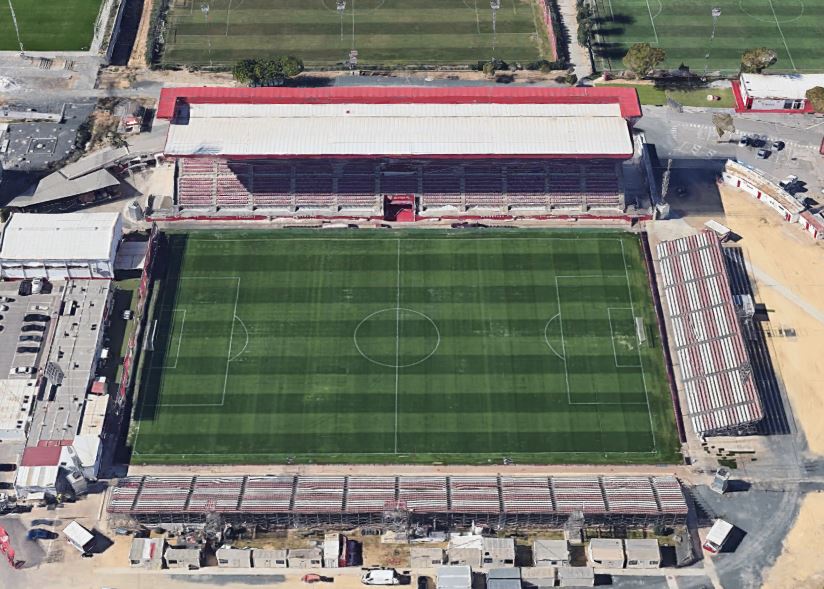
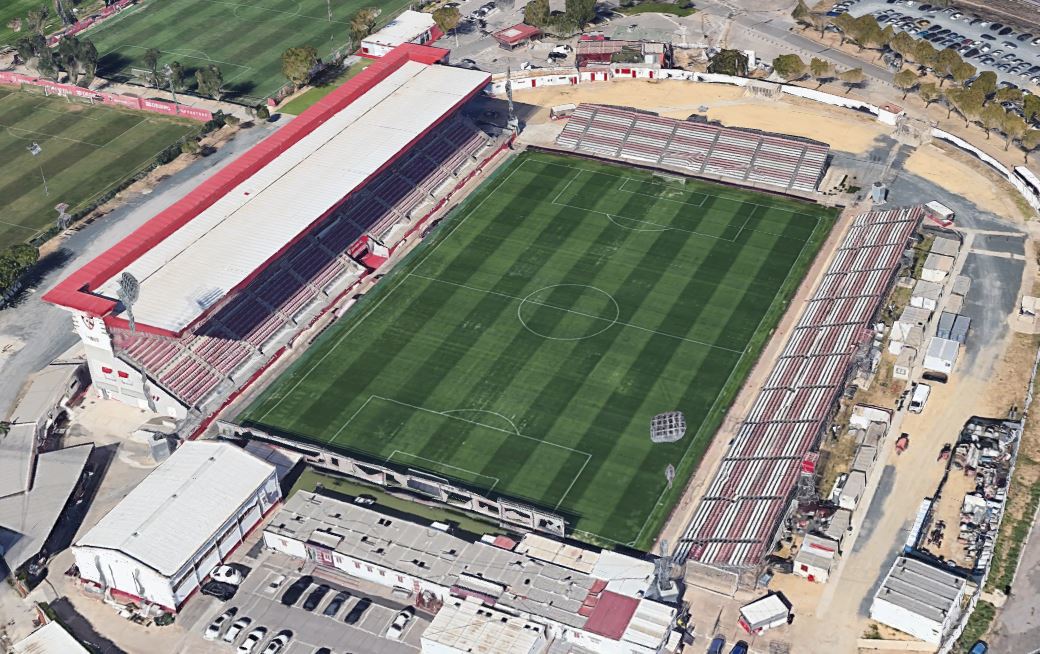
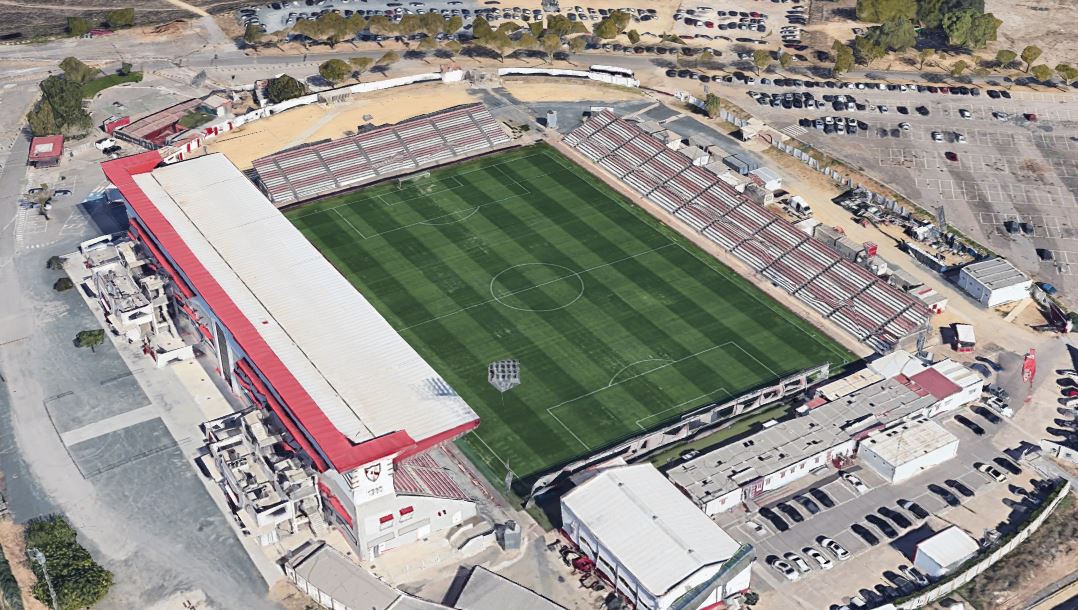
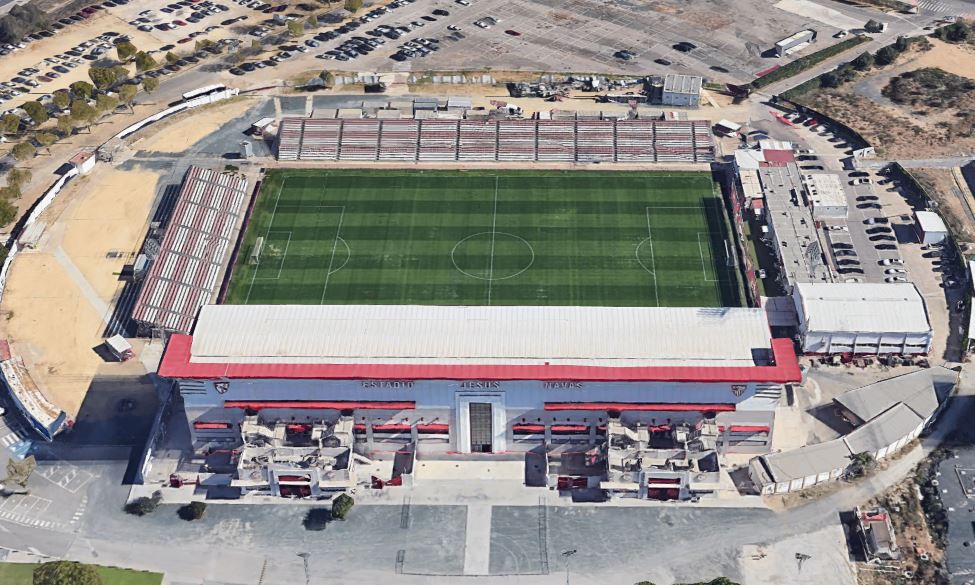
After three seasons in the Regional Preferente, Sevilla Atlético returned to the Tercera for the 1976-77 season. The Spanish league system was to be restructured at the end of the season with the introduction of a new third tier, Segunda B. Sevilla Atlético squeezed into the promotion spots with a 10th-place finish. The club would spend 18 of the next 20 seasons in Segunda B, but before the early 2000s, rarely challenged for promotion. They did change their name to Sevilla B in 1991 but changed back to Sevilla Atlético in 2006. That seemed to do the trick, for after three seasons of heartache in the playoffs, the club won the league title and saw off challenges from Universidad de Las Palmas & Burgos CF in the playoffs. The 1-0 win against Burgos CF was played before a crowd of 25,000 at the Estadio Ramón Sánchez Pizjuán. Promotion back to La Segunda necessitated upgrades to the main arena at the Ciudad Deportiva. It was developed into an open-air 5,100 seat enclosure, using essentially temporary stands on the east and north sides and new seats added to the only existing permanent structure on the west side. This was an open, wedge-shaped stand, 20 metres in length, with a short cover at the rear for the media. Floodlights and new changing facilities were also added.
Sevilla Atlético recorded their highest ever placing of 9th in La Segunda in the 2007-08 season, before finishing bottom the following season, and returning to what has become their historically natural level. There followed 7 seasons in the third tier, recording a series of lower-half finishes, before promotion back to La Segunda was achieved in 2016. A third-place finish saw the club enter the playoffs and beat Unión Deportiva Socuéllamos, UD Logroñés and Lleida Esportiu. Once again, Sevilla Atlético’s stay in La Segunda lasted for two seasons, finishing 13th in 2016-17, then propping up the table in the following campaign. Back in Segunda B, the restructuring of the Spanish leagues in 2021 saw the club placed in the Primera Federación. only to be relegated a year later. Sevilla Atlético comfortably won the Segunda Federación title in 2014 and now reside in Grupo II of the Premira Federación.
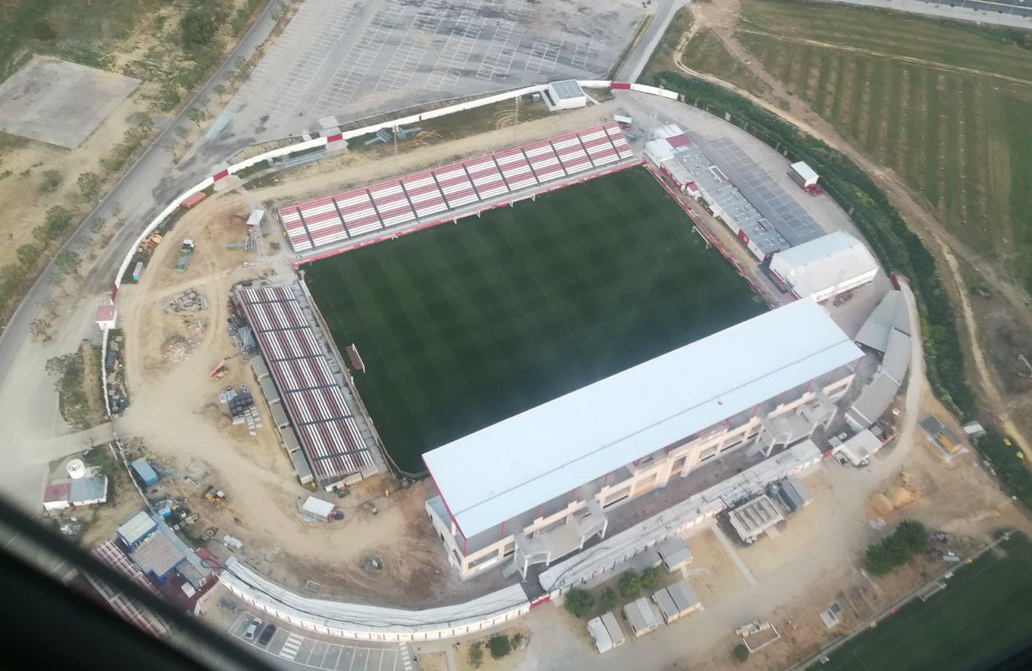
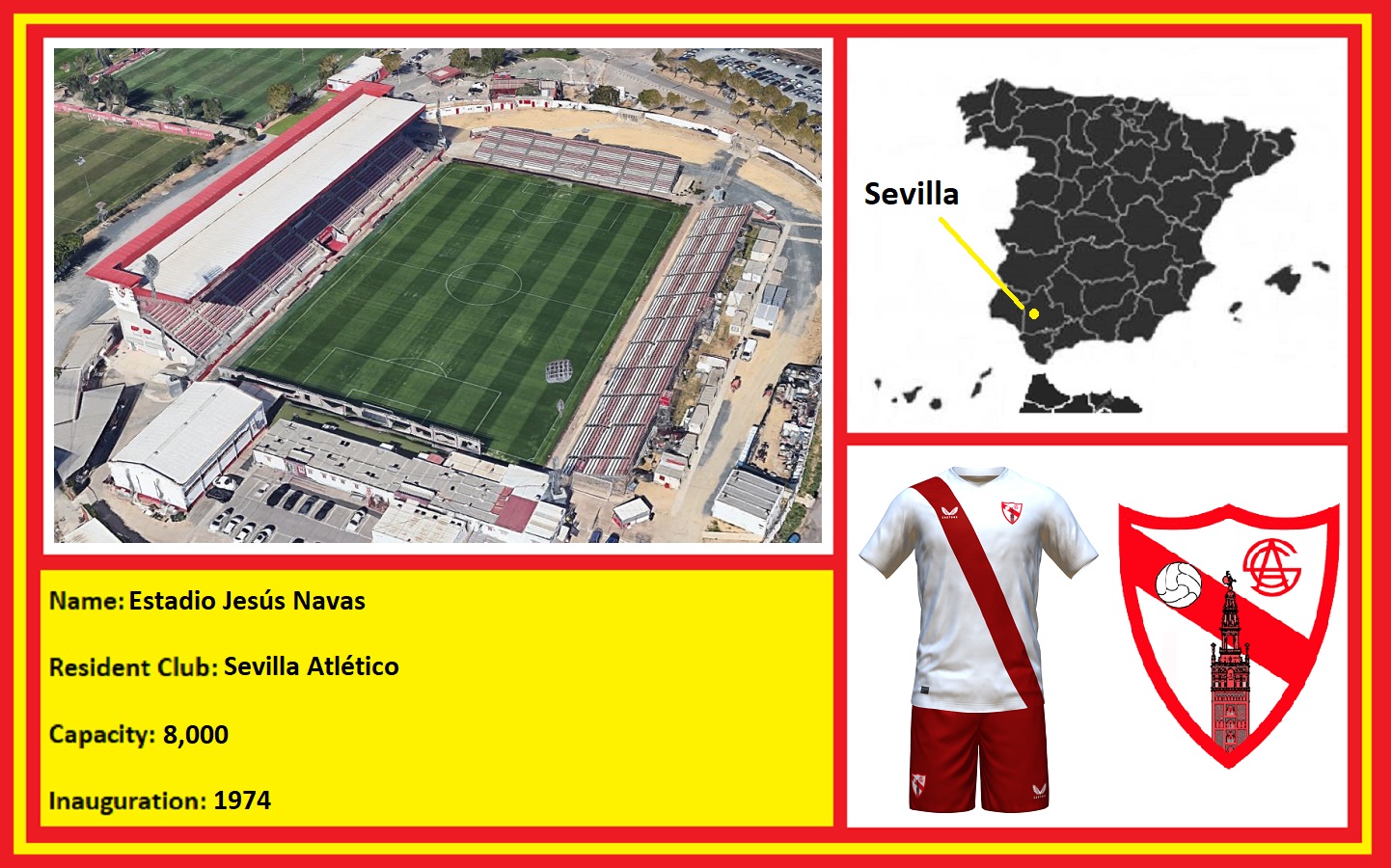
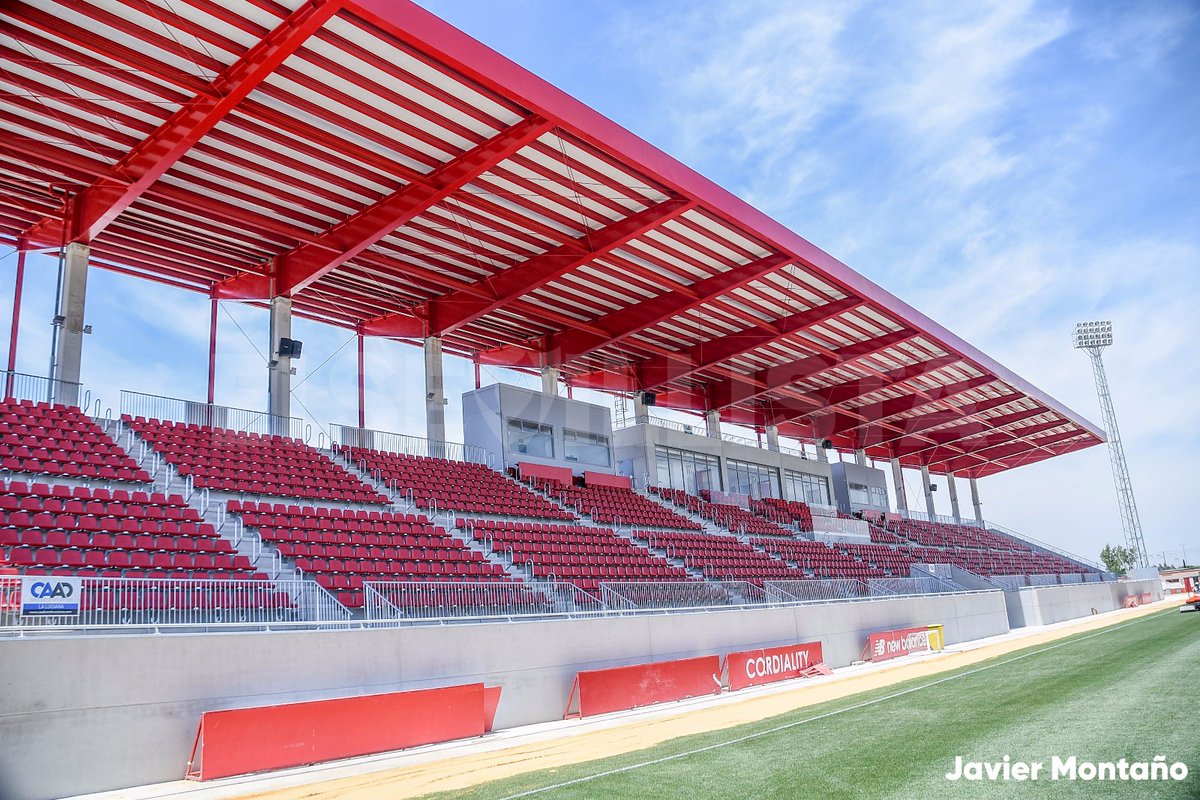
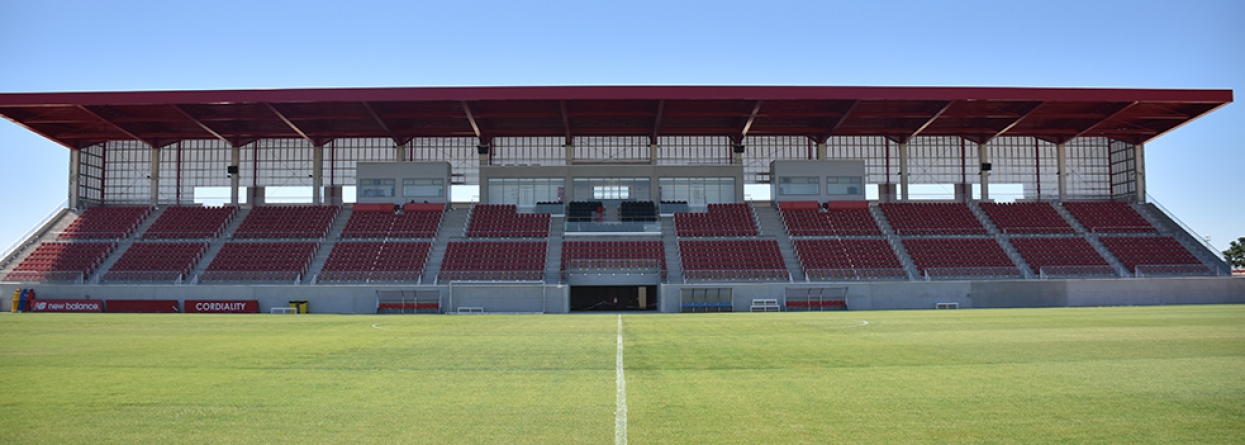
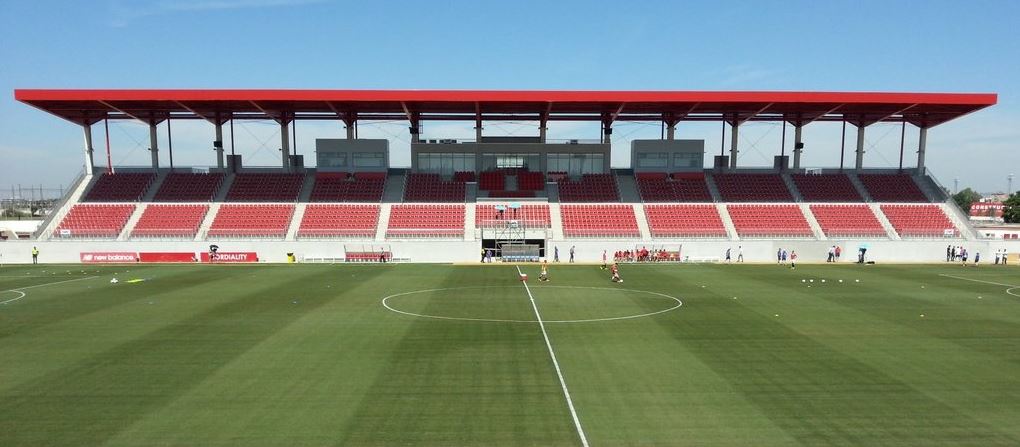
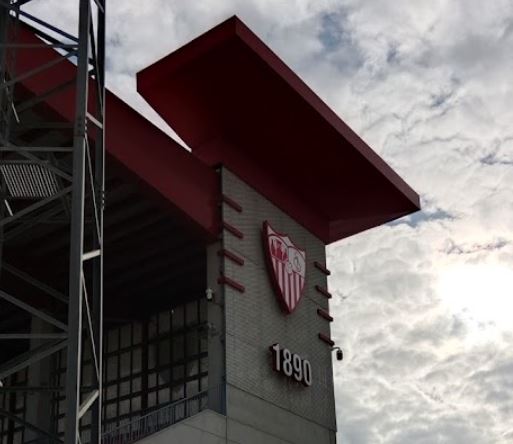
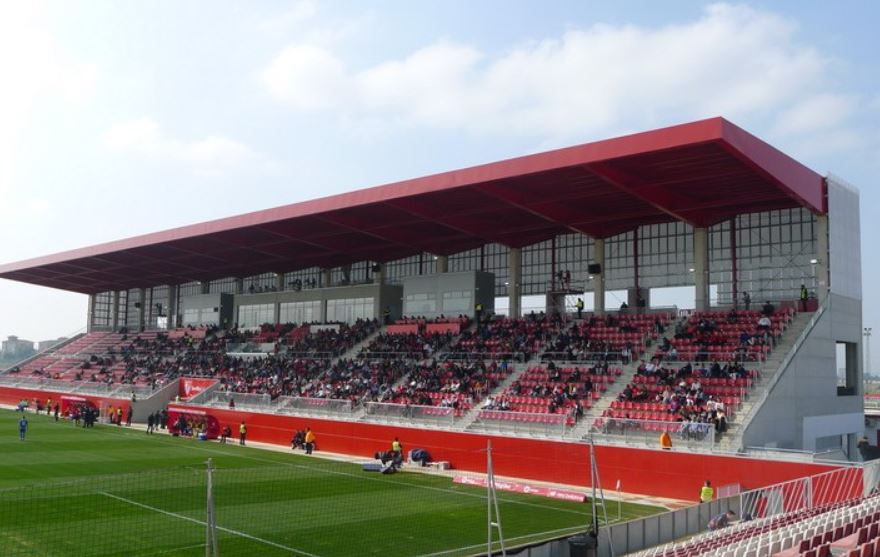
The club’s return to the second tier in 2016 coincided with the first major construction at the Ciudad Deportiva. A full-length stand with a cantilevered cover was erected on the stadium’s west side. Seating 2,600 on a single tier, it includes changing facilities under the seating deck and media facilities at the rear. The temporary stands remain on the north & east sides, raising the new capacity to 8,000. The redevelopment coincided with the new development being named, somewhat confusingly, the Viejo Nervión, after the Sevilla’s old stadium that stood next to the present site of the Ramón Sánchez Pizjuán. In October 2018, Sevilla FC announced that the stadium would be renamed the Estadio Jesús Navas in honour of the player who holds the record number of first-team appearances.



 Estadios de España