Real Unión Club de Irún is one of the founder members of the Spanish League. Unfortunately for them, their golden era came in the decades immediately prior to the set up of the league and included four victories in the Copa del Rey. The club was formed in 1915 following the merger of Irún Sporting Club and Racing Club de Irún. The former was founded in 1902 as Irún Foot-Ball Club, changing its name in 1907, following a split in membership that led to the formation of Racing Club.
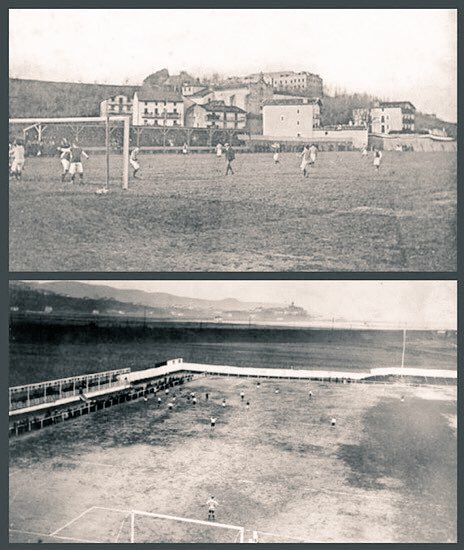
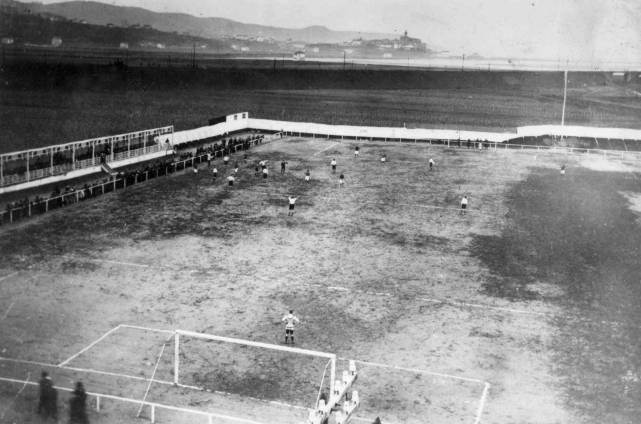
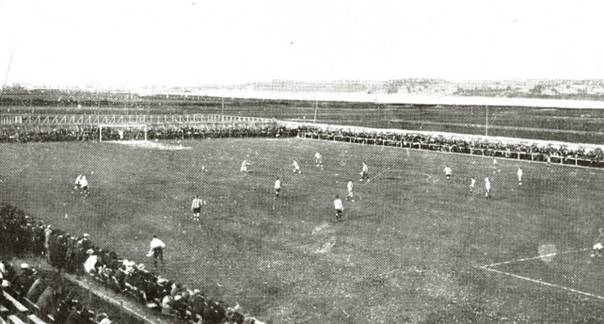
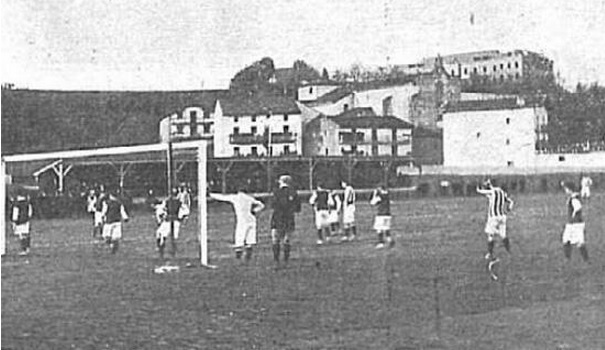
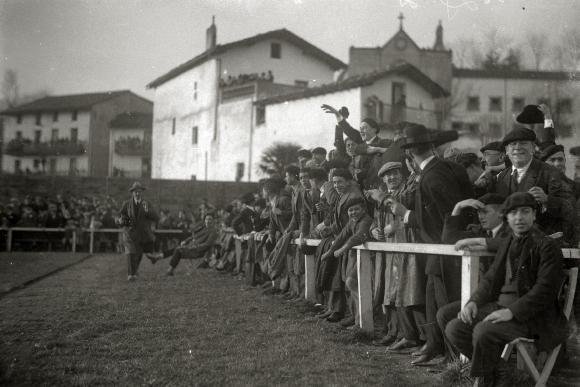
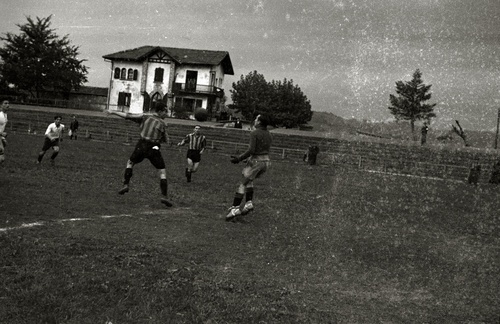
Both Racing Club de Irún and Irún Sporting Club had relatively advanced homes. Racing played at the Campo de Fútbol de Costorbe, which was located on the present-day Avenida de Iparralde, around 150m west of Real Unión’s present home. The Campo Costorbe had the honour of hosting the final of the Copa del Rey in 1914, when Atheltic Club beat the now defunct FC Espanya de Barcelona 2-1. Racing had won the Copa del Rey in 1913, beating Athletic Club 1–0 in a replay at Madrid’s Campo de O’Donnell, after the first match was drawn 2-2. (Real Unión include this victory in their trophy haul). Sporting played at the Campo de Amute, which was situated just to the north of town in the village of Hondarribia, not far from the current site of Irun’s airport. The ground opened on 2 January 1910 and hosted the 1915 Copa del Rey Final when Athletic Club defeated Espanyol 5-0.
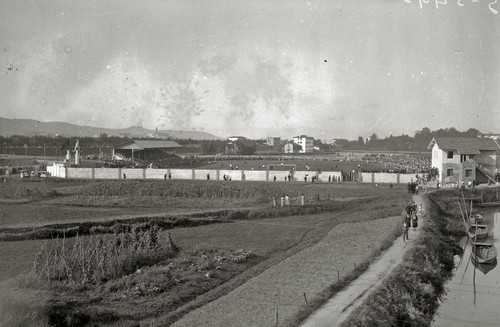
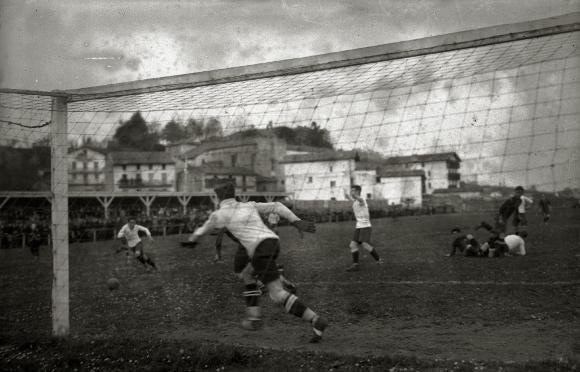
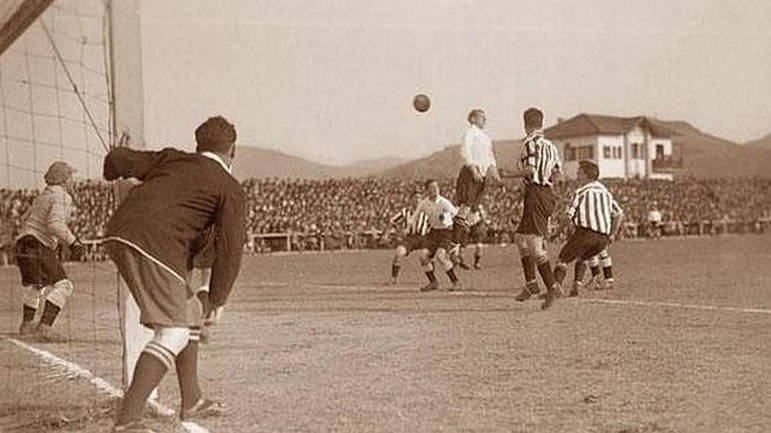
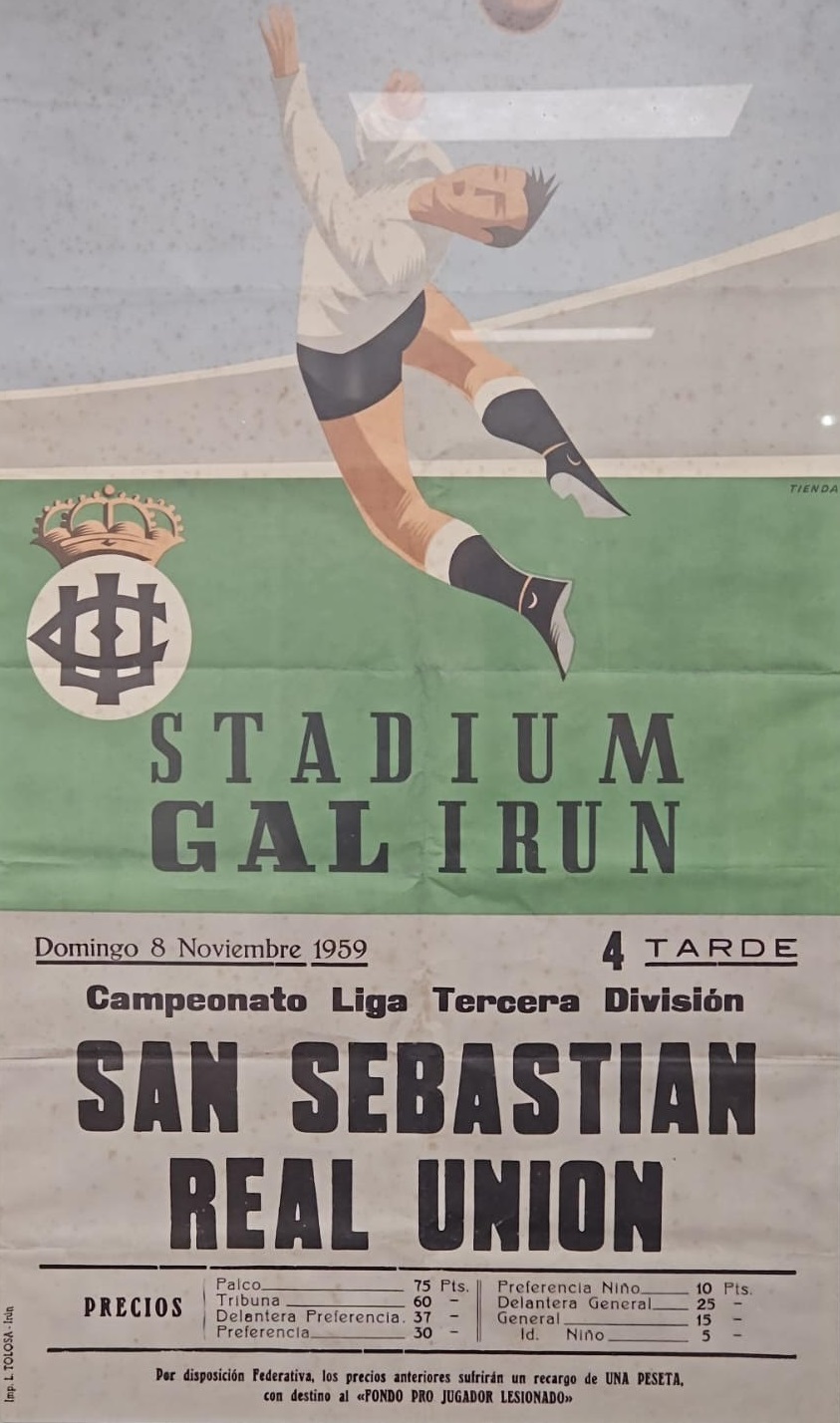
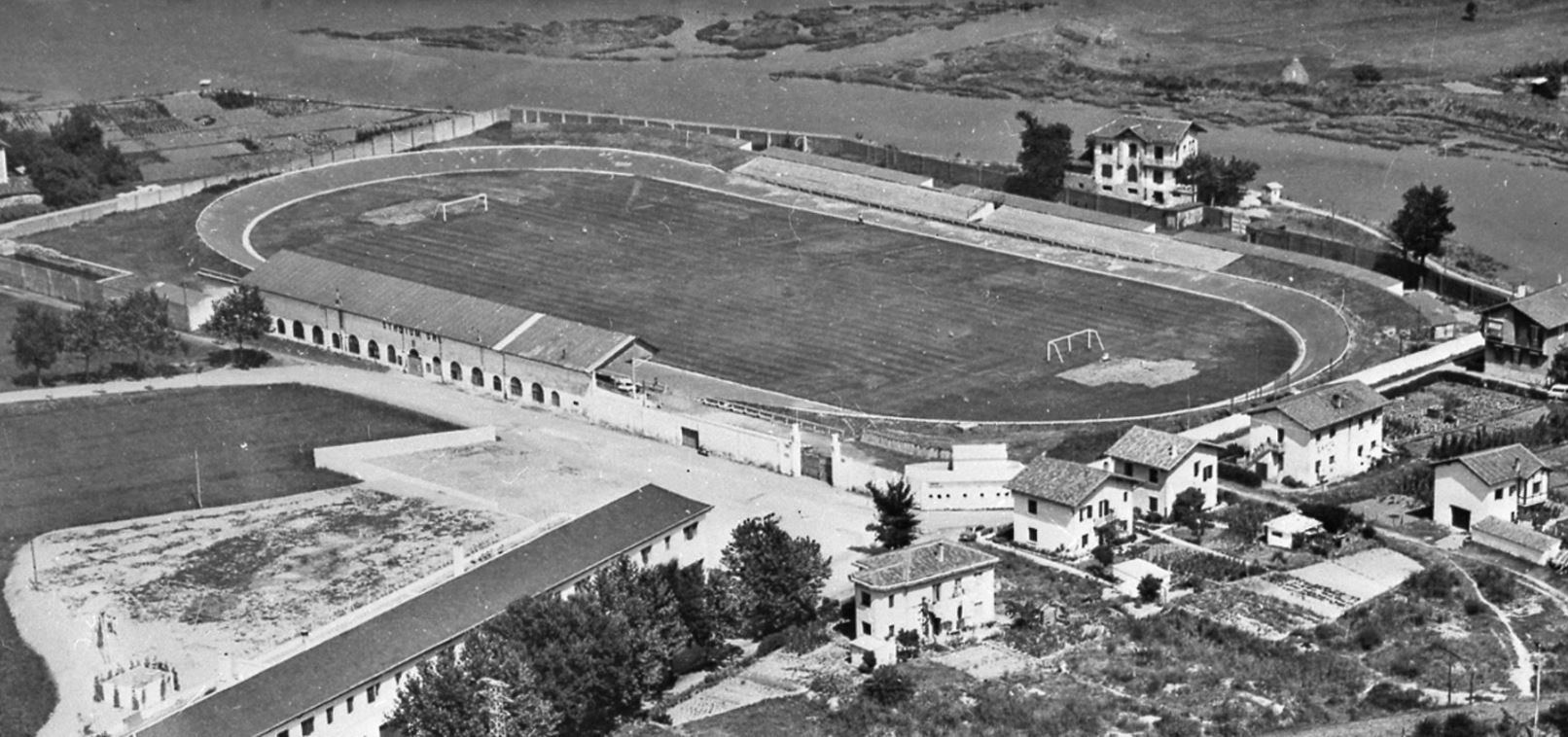
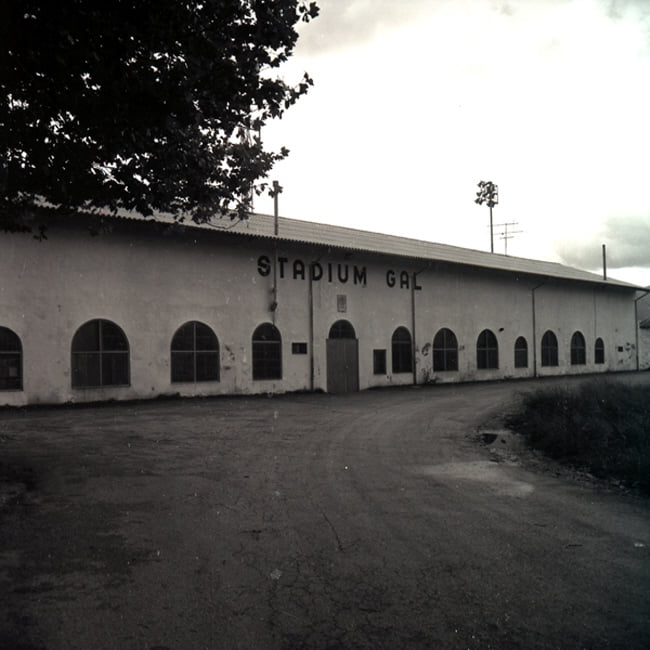
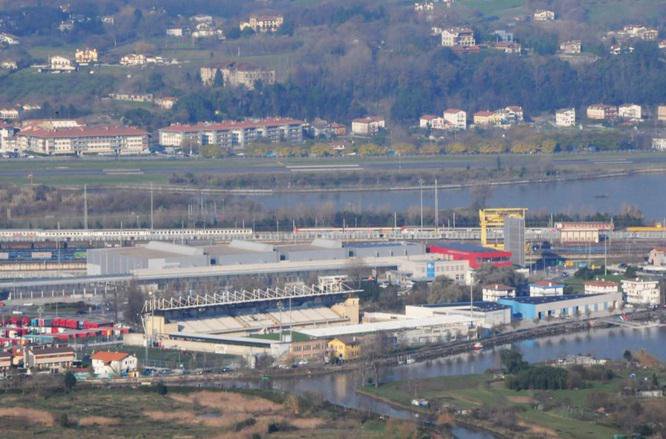
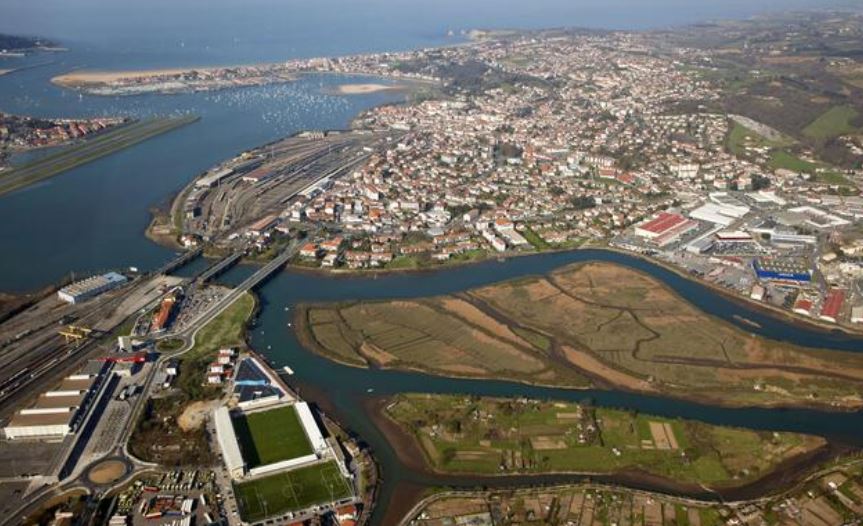
Upon forming, Real Unión used Irún Sporting’s Campo de Amute. They went on to win three further Copa del Rey’s in nine years. The first came in 1918 when they defeated Real Madrid 2-0 in Madrid’s own Estadio O’Donnell. The second came when Real Madrid was defeated again in a 1-0 victory at Atotxa in 1924. The coach of the team at the time was Steve Bloomer, one of England’s greatest players at the turn of the 20th Century. In 1926, at the peak of their powers, Real Unión moved to the other side of Irun and their current Stadium Gal. It was built thanks to the generosity of local businessman Salvador Echeandia Gal. His gift of 313,000 pesetas helped purchase 20,000m² of land to the east of Irun, on the bank of the Rio Bidasoa. The stadium inaugurated on 19 September 1926 with a match against Barcelona. Real Unión’s third cup victory (or fourth if you include Racing’s 1913 victory) came in 1927 when they beat Arenas Getxo 1-0 at Zaragoza’s Estadio de Torrero.
Real Unión‘s powers had begun to wane by the time the league started up. With their unquestionable pedigree, the club was an obvious choice for the start-up of La Primera, but they finished ninth out of ten in the inaugural season of 1929. There was some improvement over the next couple of seasons with sixth and seventh-placed finishes, but Real Unión finished tenth and last in 1931-32 and was relegated from La Primera, and have never returned. For a period after the Civil War, the stadium was used as a dentention camp for Republicans returning from France. Seven seasons either side of the Civil War followed in the second division, before the club dropped to the Tercera. The club made two season-long visits back to La Segunda in 1958-59 & 1964-65, fishing bottom of the table on both occasions.
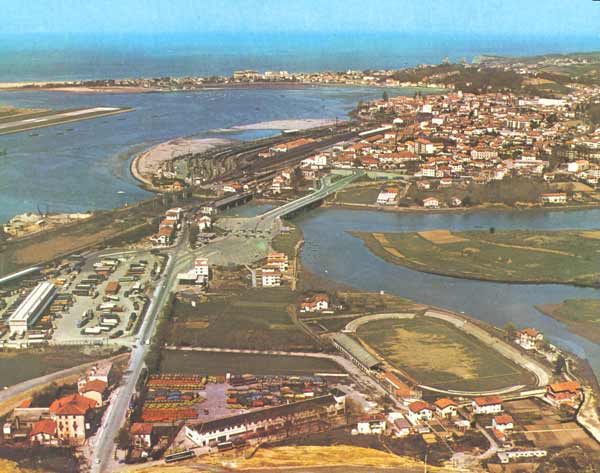
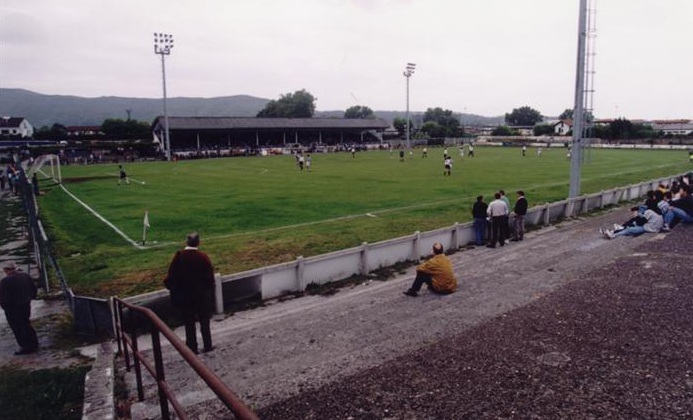
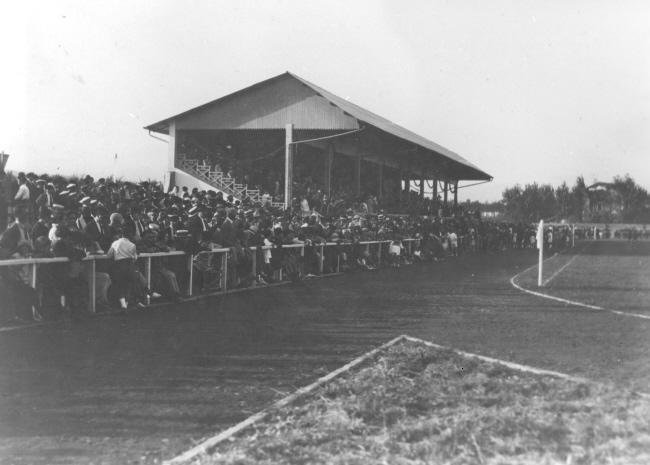
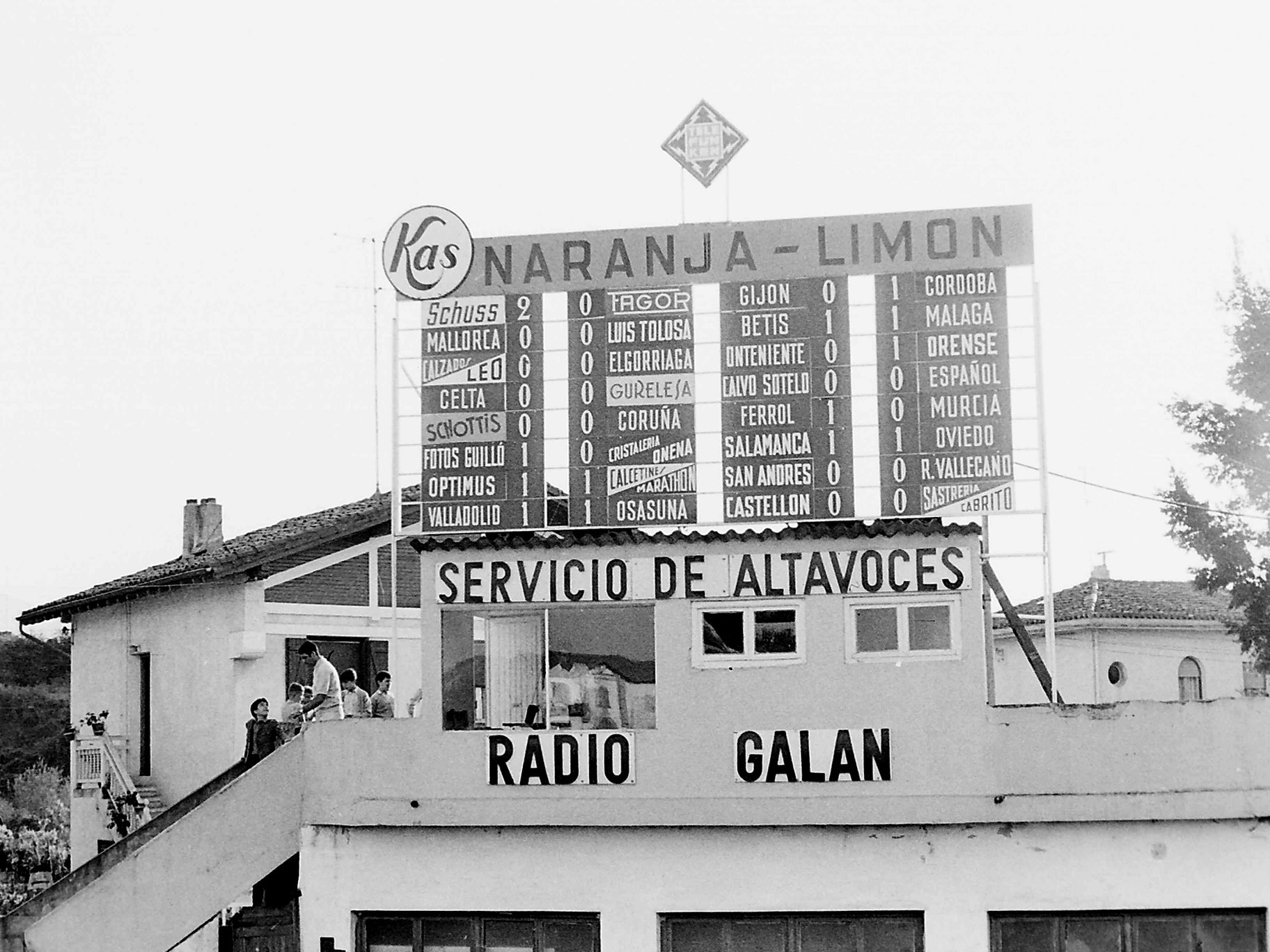
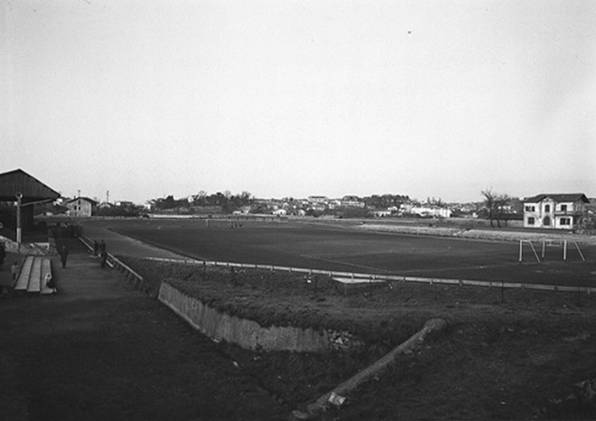
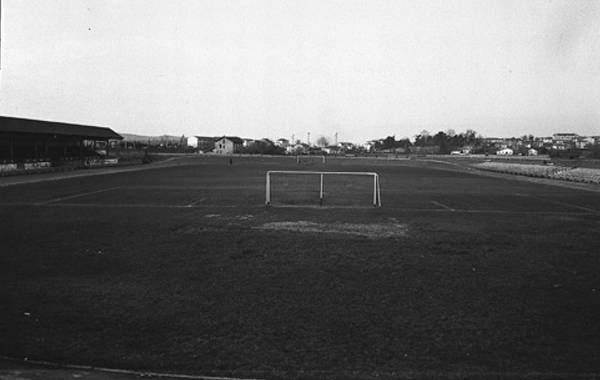
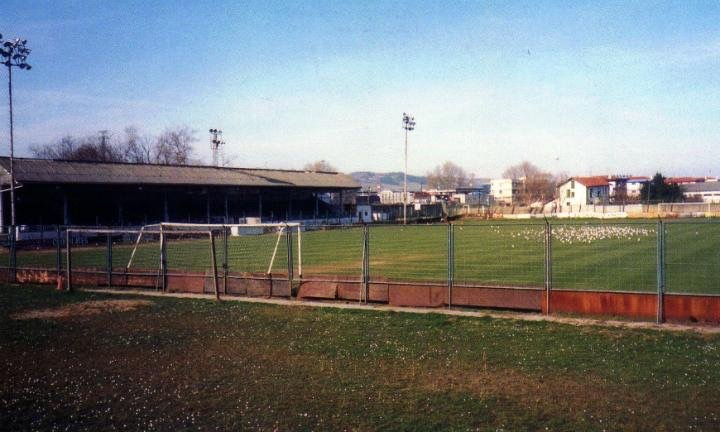
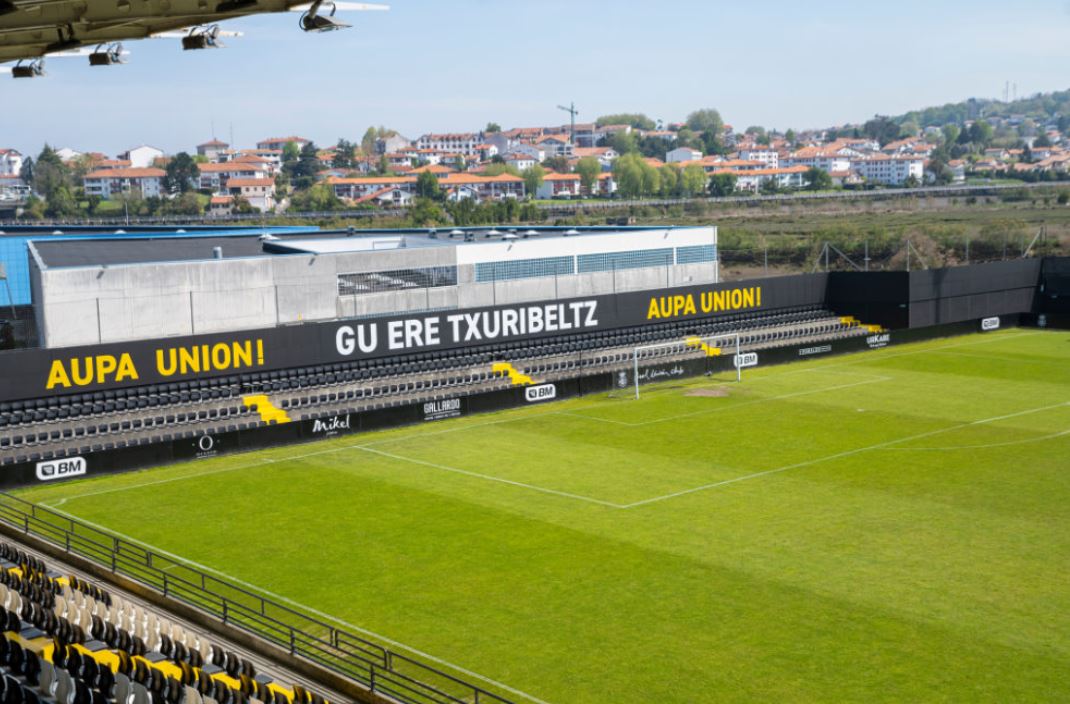
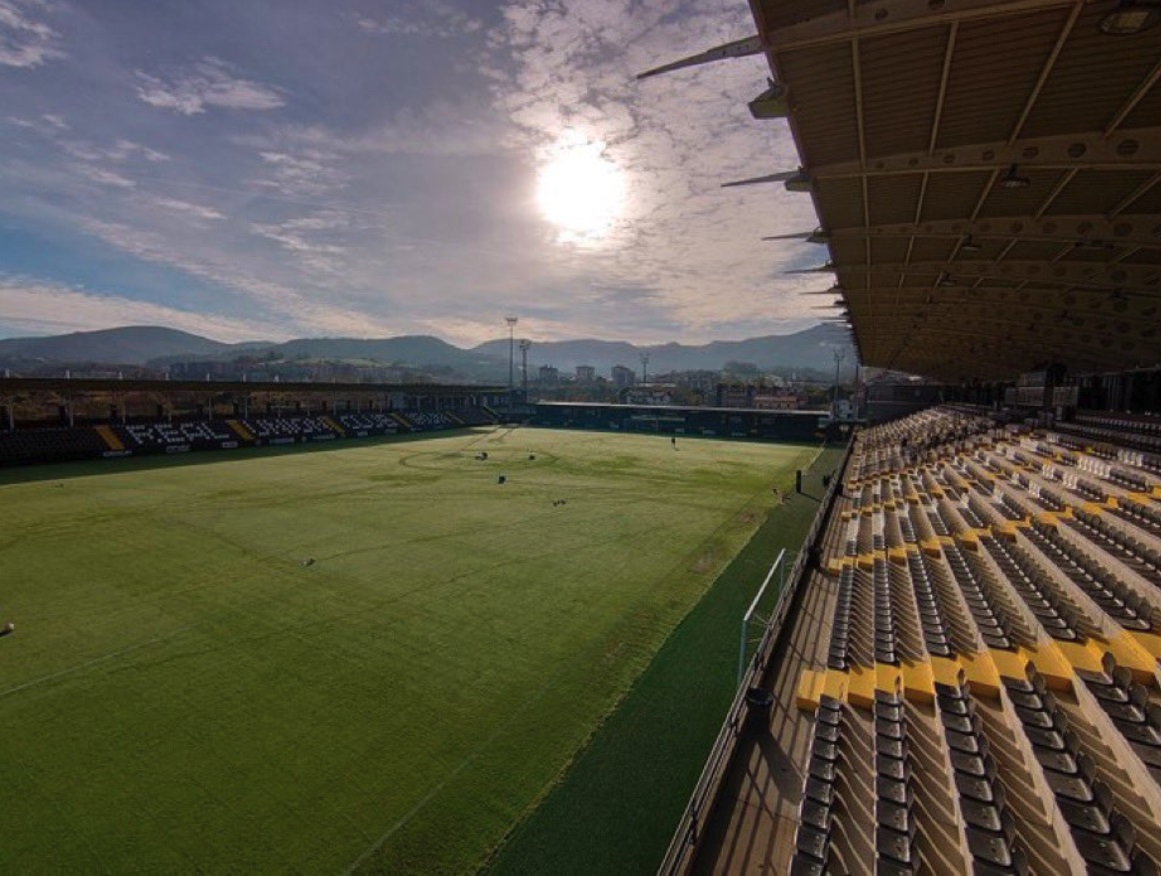
The Stadium Gal could have easily passed itself off as an English. It featured a single stand with a low, propped roof. The remainder of the enclosure was made up of terracing, and it would have been one of the most advanced in La Liga when the competition started in February 1929. The traditional layout of the stadium changed in 1950 when the local municipality installed a velodrome around the outside of the pitch. To mark the opening of the track, the stadium hosted the end of a stage of the Vuelta de España. The Anglo influence may be the reason why the title “stadium” is used rather than estadio or campo. That or a Basque refusal to use Castellano. The cycle track fell into disrepair during the 1970s, which allowed the pitch to be widened, floodlights to be installed and hard-standing added to the arcs behind the goal.
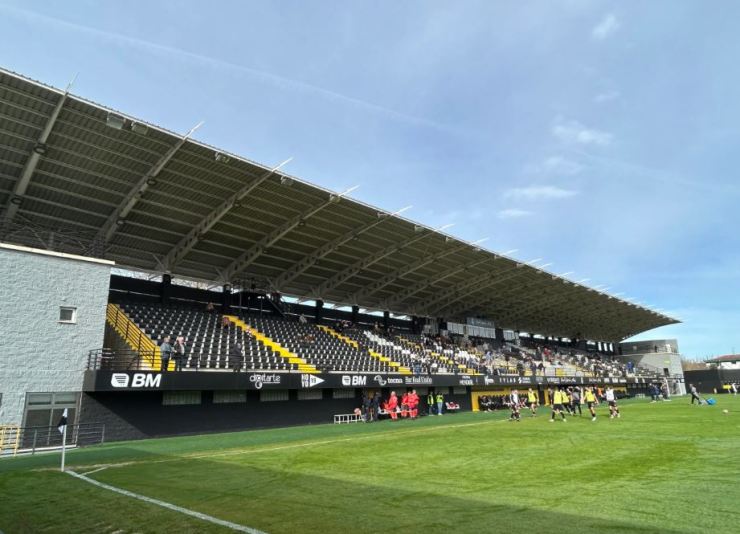
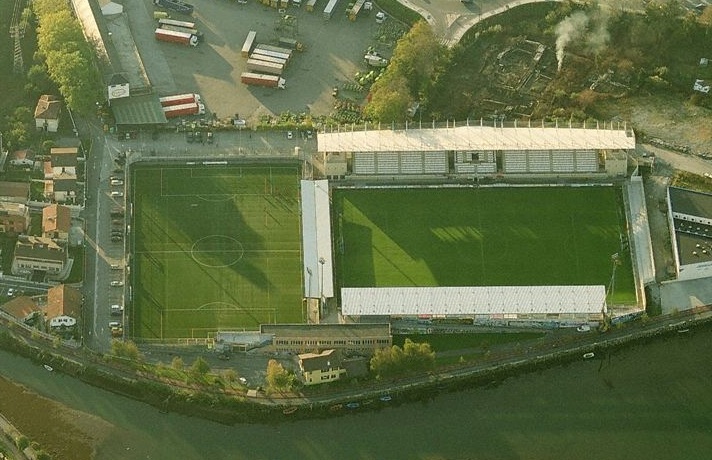
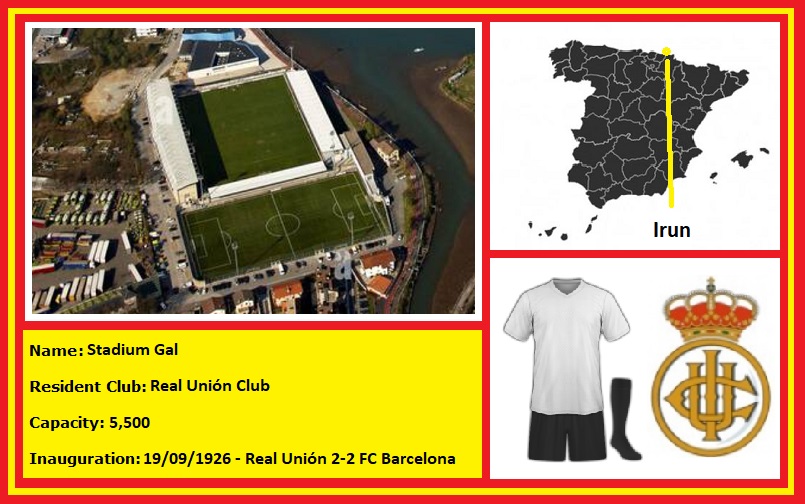
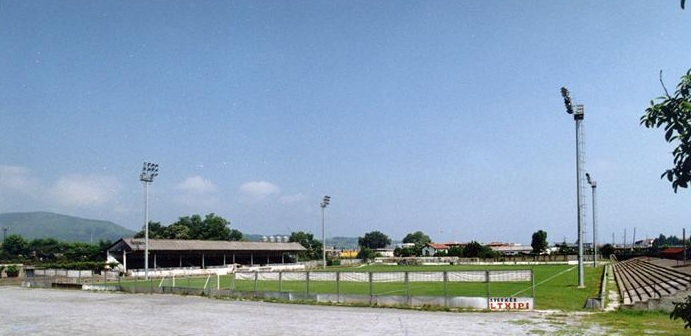
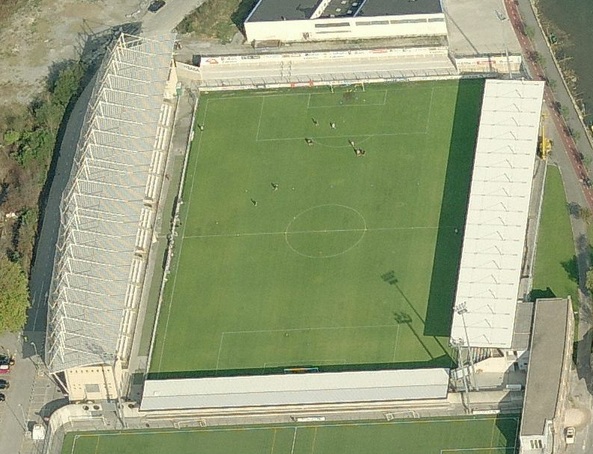
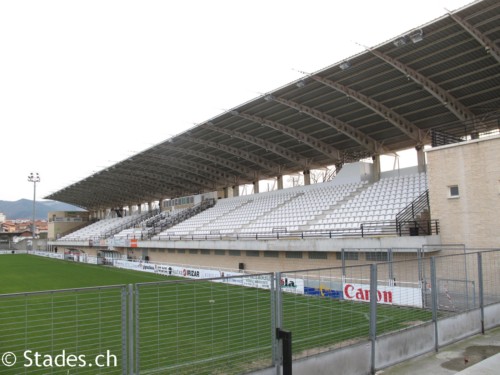
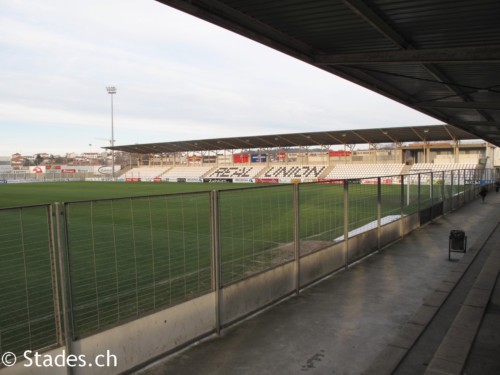
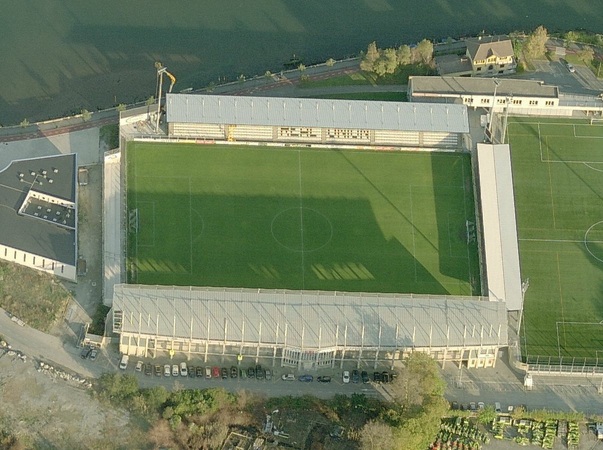
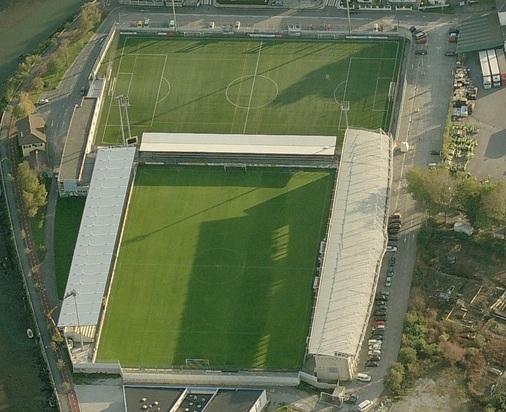
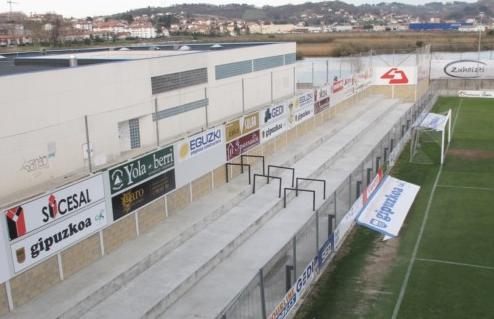
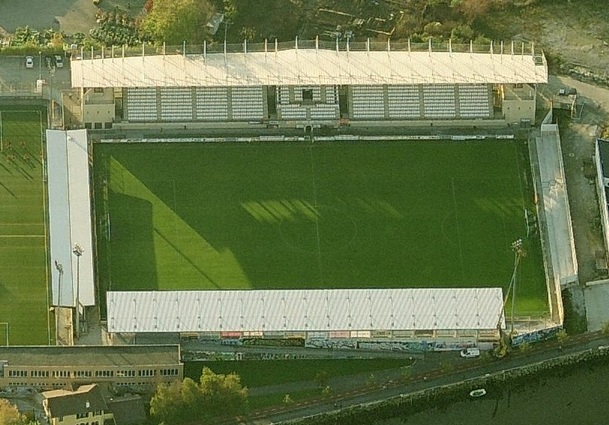
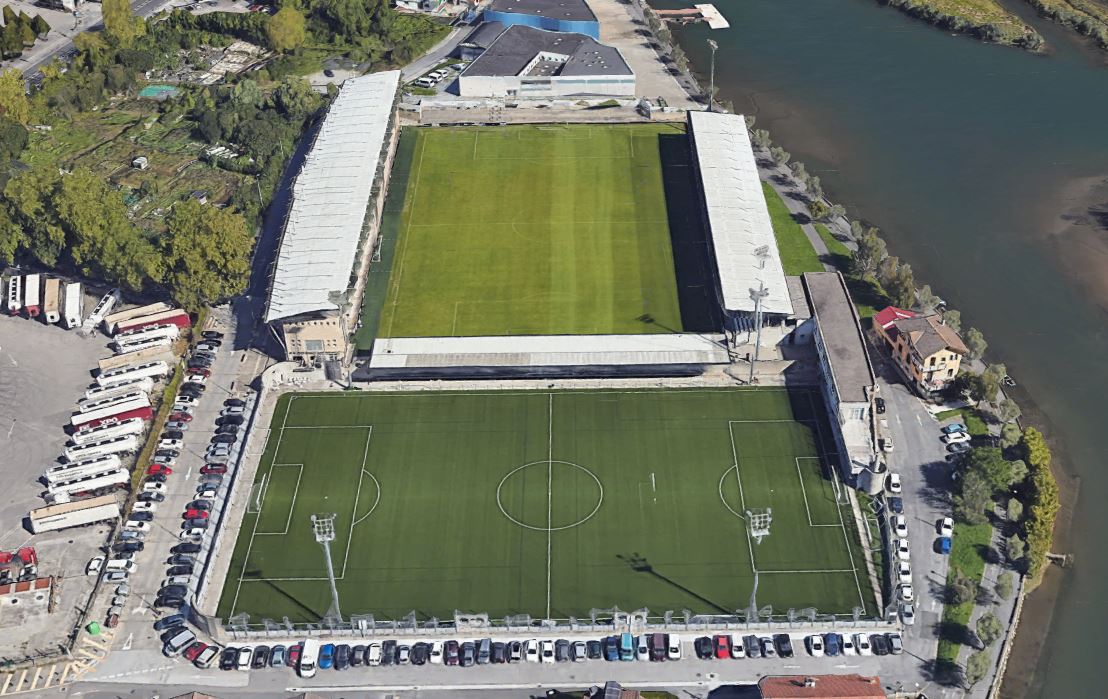
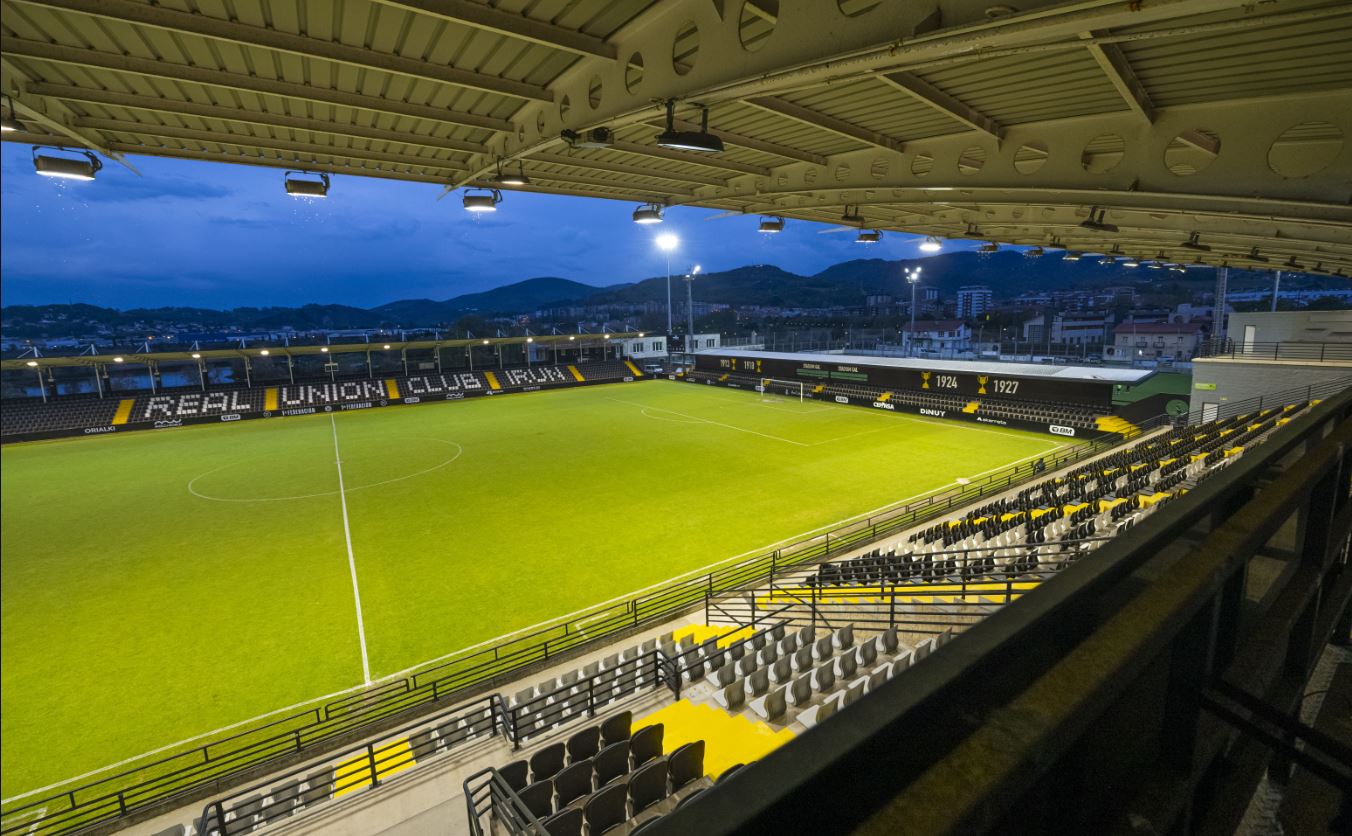
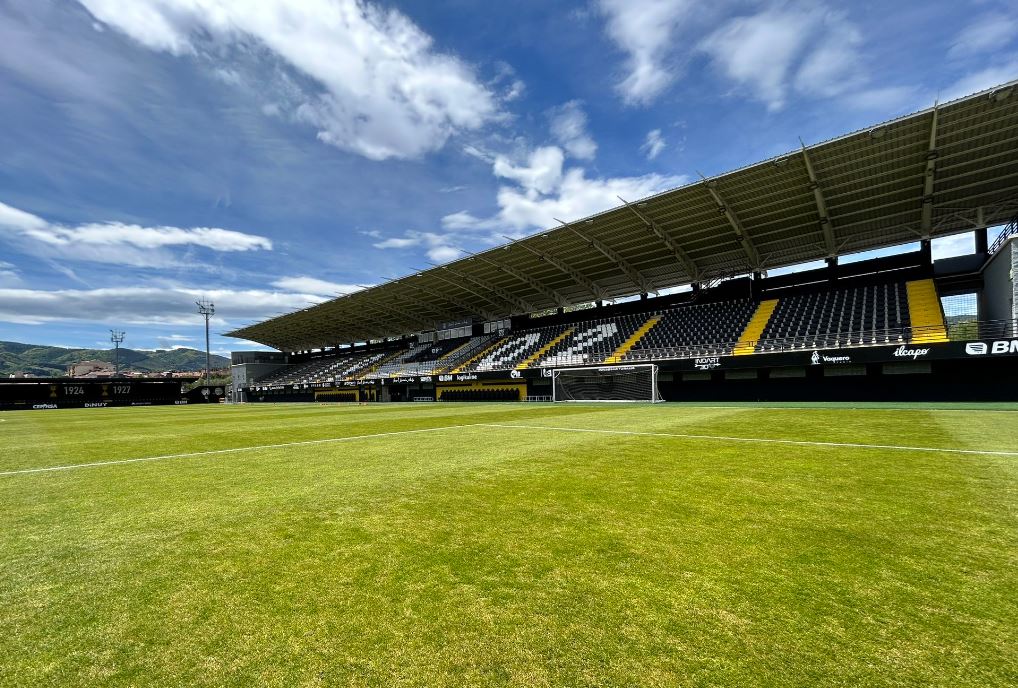
By the mid-nineties, the Stadium Gal was in a sorry state. Major reconstruction took place in 1997, with the new stadium moving 50 metres to the north, and a smaller, annex enclosure being built at 90 degees to the southern end of the new ground. The most striking feature of the new Stadium Gal is the modern cantilevered stand on the west side. It’s 1,700 seats are raised 3 metres above club facilities and provide an excellent view of the pitch, the Rio Bidasoa and of course, the border with France! Opposite the main stand, on the east side, is a covered bank of seats with a capacity of 1,300. This was originally left open, but a roof was added in 2005. Their are two narrow terraces at the northern and southern ends, with the southern end having a narrow cover, the back of which extends to provide cover to the only stand on the adjacent annex pitch. The revamped Stadium Gal has a capacity of 5,500. In the southwest corner of the ground stands a memorial statue to Pepe Angoso Rojas. He was one of four brothers that played for Irún Sporting Club between 1911-13, He went on to play for Real Union, starting in their cup winning side of 1918. Angoso sadly passed away in 1928, at the age of 33.
The club experienced a bit of a renaissance in 2008-09, first by dumping Real Madrid out of the Copa del Rey in November 2008. Later that season the Real Unión beat CE Sabadell an AD Alcorcón to secure promotion back to La Segunda for the first time in 44 years. Their adventure in La Segunda lasted just the one season with the club finishing 21st, some 5 points short of safety. The club missed out on an immediate return to La Segunda, losing to Sevilla Atlético in the 2010-11 play-offs, and has been a stalwart in Segunda B/Primera Federación ever since.










 Estadios de España