Article updated: 09/11/2026
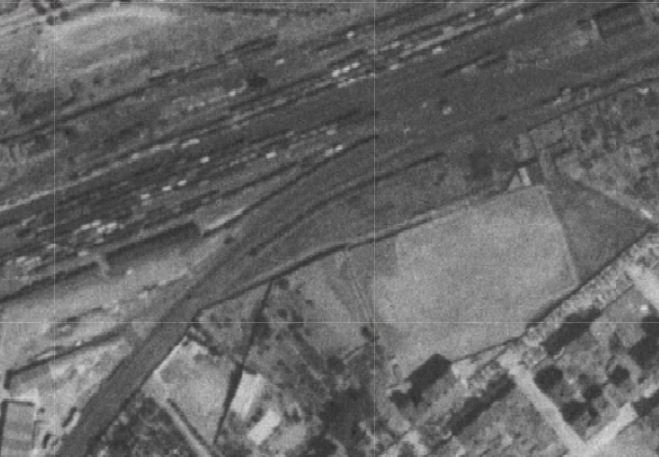
Miranda de Ebro was a relative latecomer to the sport of football, establishing its first official club, Deportivo Mirandés, in 1917. Over the next few years, the club played friendlies against other clubs from the province of Burgos and the nearby Basque Country, often under the name of Sporting Club de Mirandés. It folded in 1922, and the city had to wait until 1927 for the current club, Club Deportivo Mirandés, to be formed. After a season playing at the Campo de Krone, Mirandés moved to a field owned by the RENFE next to the main railway station in Miranda de Ebro. Unsurprisingly, the ground became known as the Campo de La Estación. The first match at La Estación was played on 26 May 1928.
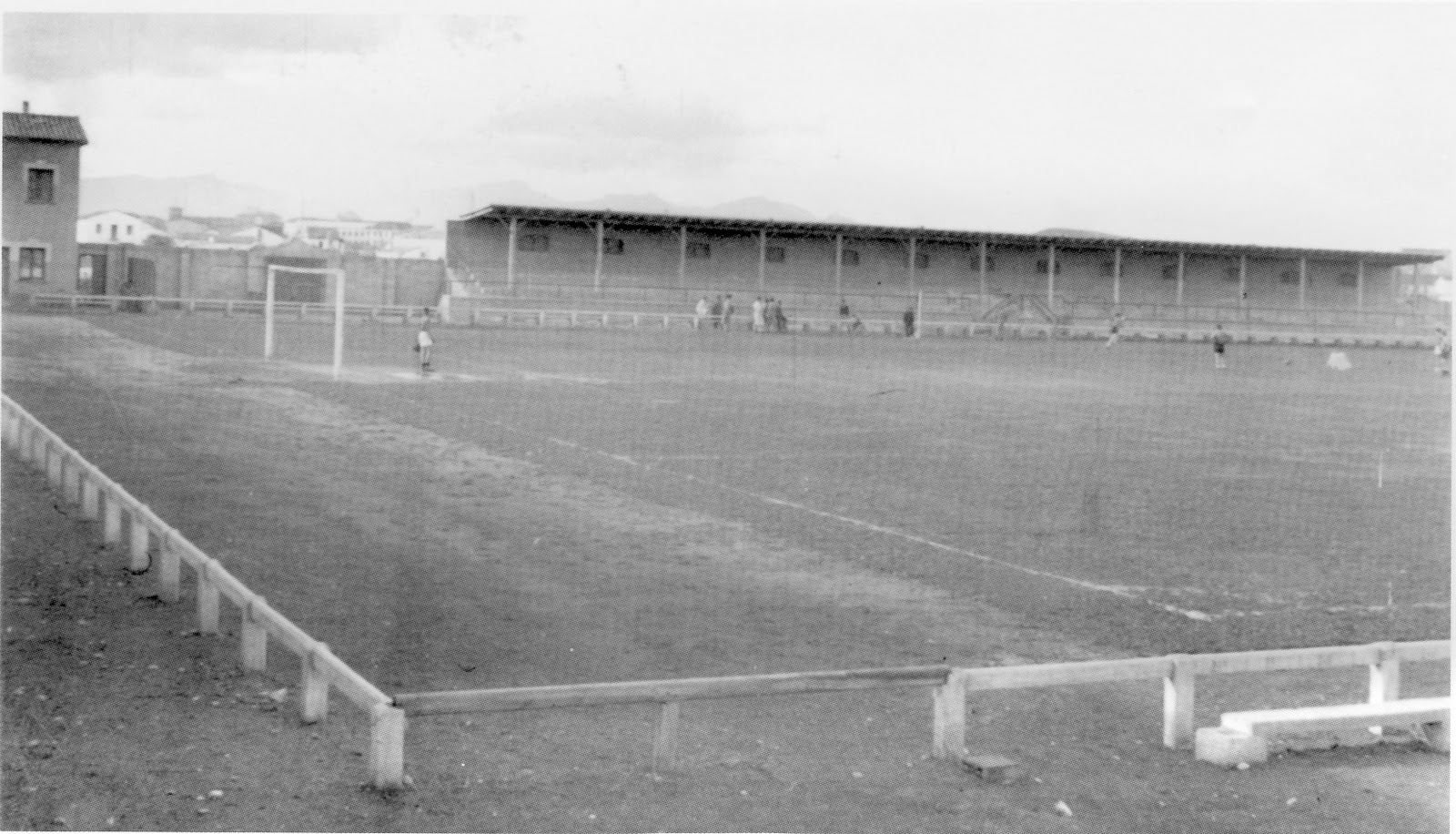
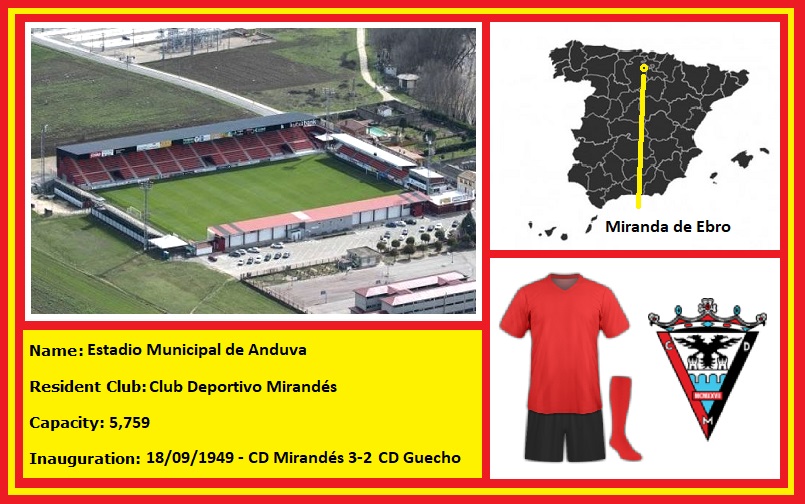
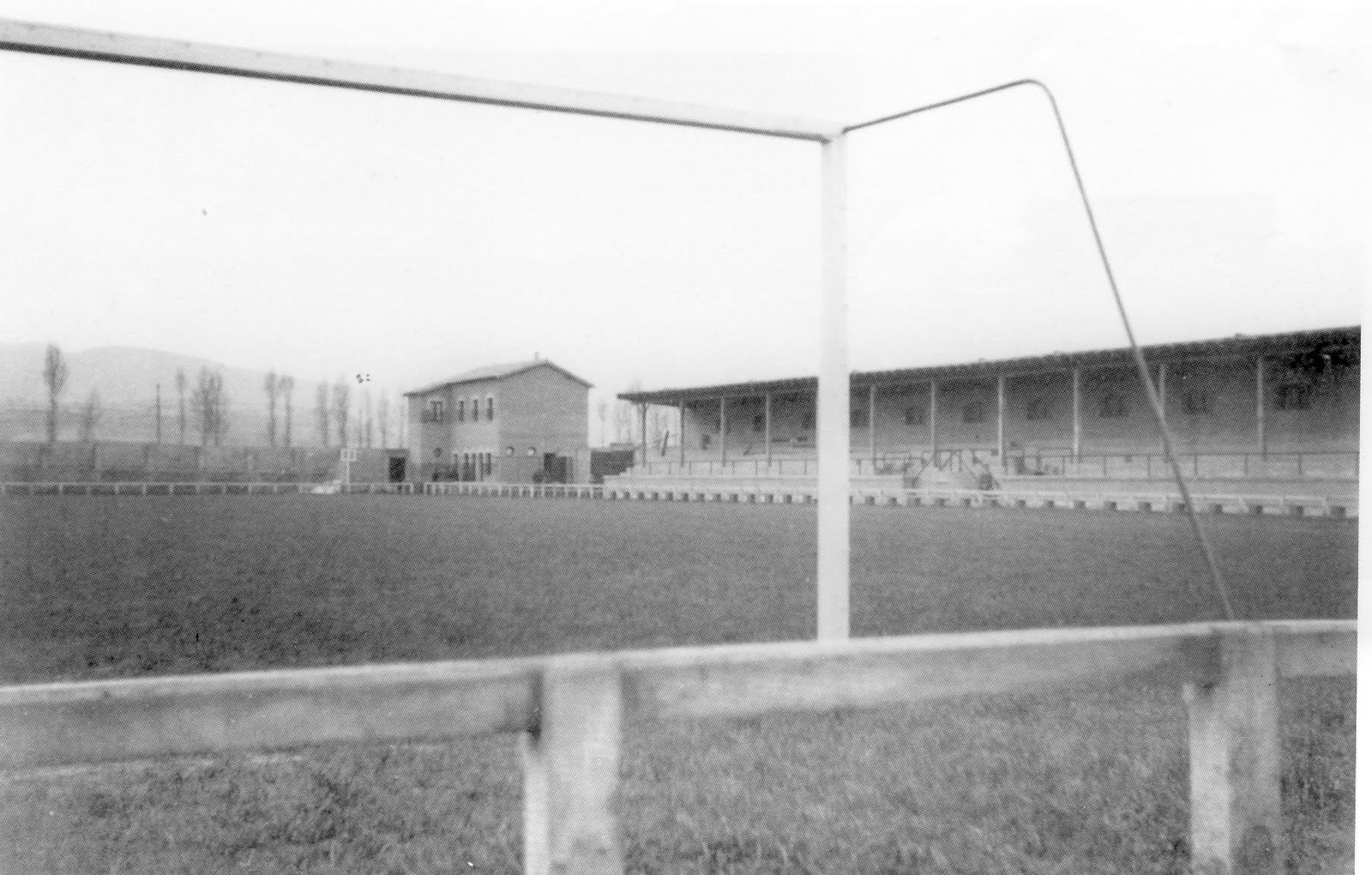
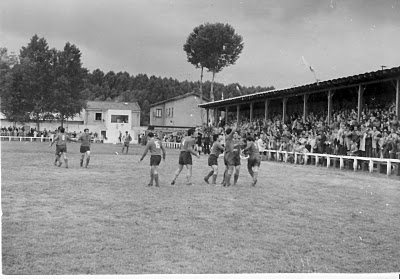
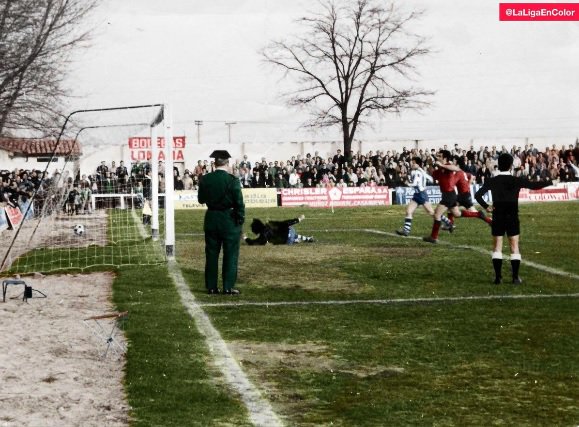
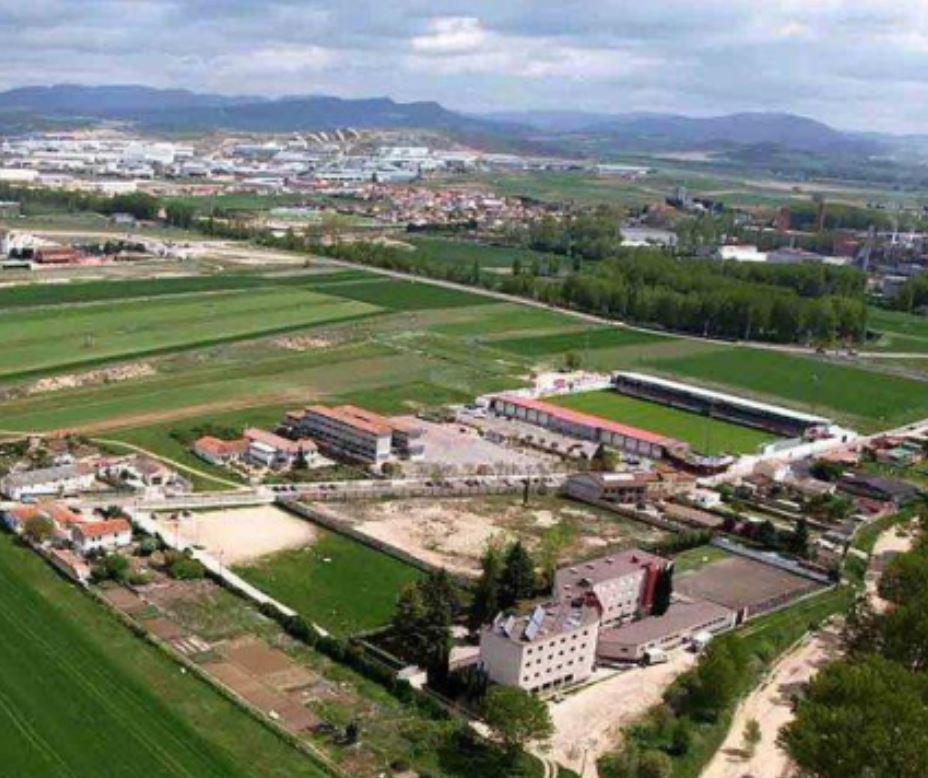
Due to the city’s position in the far northeast of the province, the club joined the Cantabrian Federation in May 1934, competing in the Regional Preferencia until the outbreak of the Civil War. Whilst friendly matches were played, Mirandés did not reform until 1942. It took a further two years before the club rejoined a federated league, this time competing in the Guipuzcoana Federation. Mirandés stayed at La Estación until 1949, when the railway company served notice and built housing for its staff on the site. The Municipality stepped in and developed a field to the south-east of the town, next to the Rio Ebro. The Campo Municipal de Anduva opened on 18 September 1949 with a league match against CD Guecho (Getxo), and held its official inauguration on 22 January 1950 with a match against CD Logroñés.
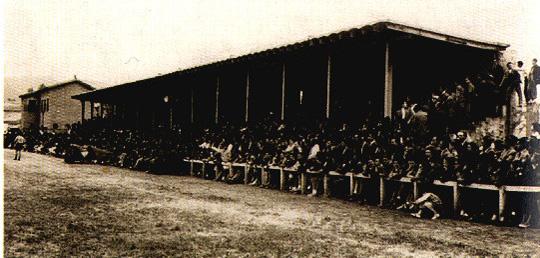
Foto: cdmirandes.com
There would be no new brave dawn for Mirandés at Anduva. The vast majority of the next 25 years were spent in the Tercera, the only exceptions being three seasons in the Regional Preferente in the late 1960s. During this period, Mirandés generally finished in the top half of the Tercera, and visits to the playoffs were a rarity. Even when they did reach the new Segunda B tier in 1977, it was due to the RFEF’s decision to expand the leagues, rather than a gladiatorial battle at the end of the season. However, upon reaching the new third tier, the club did have a few productive seasons, finishing third in 1978-79, but just missing out on promotion. Their first foray into Segunda B ended in 1982, and although there were two visits back to the third tier in the late 1980s, by the mid-1990s, Mirandés was languishing back in the Regional Preferente. Although Mirandés returned to the Tercera in 1997, it was the arrival of José Luis Calvo de Juan as club president that brought about an upturn in fortunes. After a few near misses in the playoffs, the 2002-03 season saw the club go unbeaten for the first 35 league matches. It then overcame the challenges of SD Huesca, CD Tropezón, and SD Lemona in the playoffs, returning to Segunda B after a 12-season absence.
Upon their return to the third tier, Mirandés hit the ground running, finishing third in the league, but lost to Pontevedra CF in the playoffs. There followed a four-season stay back in the Tercera, but upon Mirandés’ return to Segunda B in 2009, things began to stir. A steady mid-table finish was followed in 2010-11 with a best-ever second-place finish. In the playoffs, Mirandés saw off the challenges of Cádiz and Badalona before facing Guadalajara in the final. After an away win at the Estadio Pedro Escartin, Mirandés was odds-on to gain a place in La Segunda for the first time, especially after taking an early lead in the second leg. However, two late goals from CD Guadalajara sealed the tie in their favour and condemned Mirandés to another season in Segunda B. Could the club bounce back after such a heartbreaking loss? You bet they could!
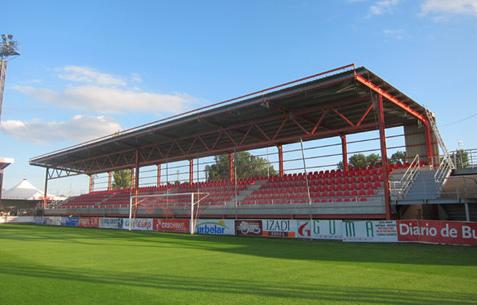
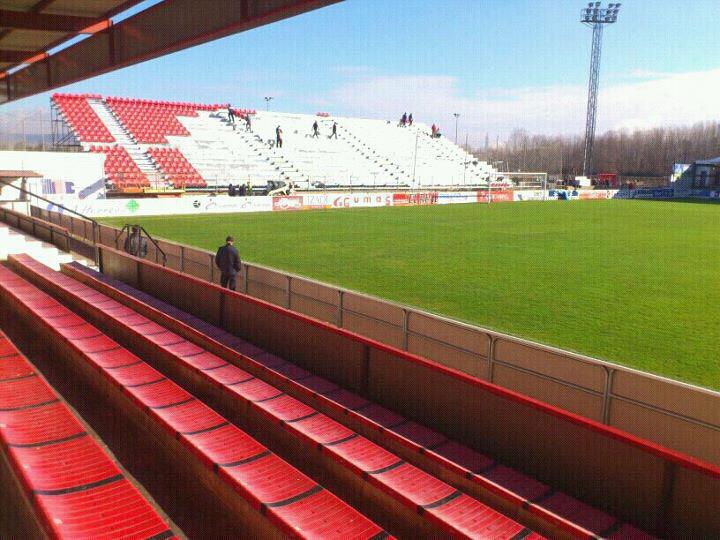
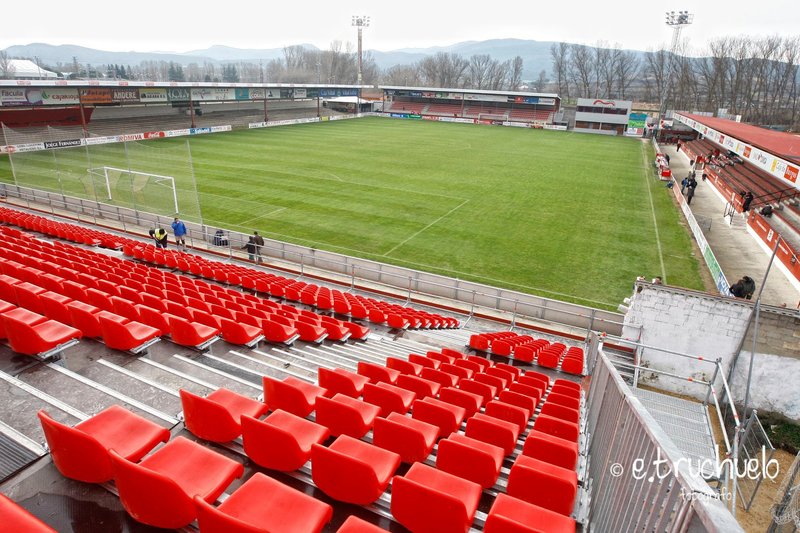
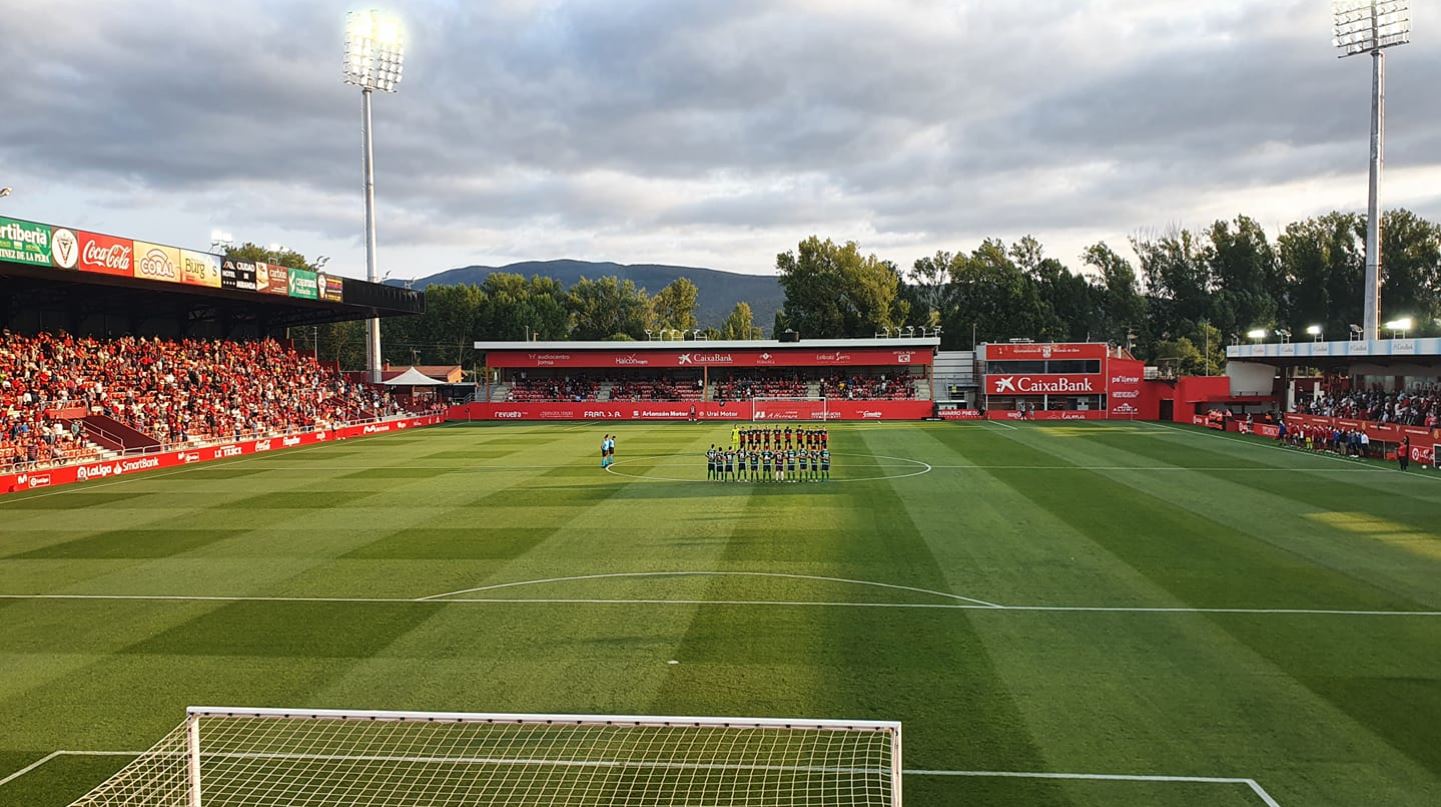
Mirandés captured the imagination of the Spanish public with a magnificent run in the 2011-12 Copa del Rey. After defeating three teams from La Primera (Villarreal, Racing Santander & Espanyol) on route to the semi-finals, Mirandés became only the second club from Segunda B to reach the last four. Following their incredible quarter-final second leg victory against Espanyol, the club decided to erect a temporary grandstand at the northern end of the ground. 1,800 red seats were installed in time for their semi-final first leg against Athletic Club. A crowd of 7,700 gathered to watch Athletic win 1-2, bringing in record gate receipts of €300,000. Firmly in the public eye following their cup run, Mirandés capped a memorable season by winning promotion to La Segunda, after topping Group II of Segunda B and seeing off Atlético Baleares in the Playoff final.
The club’s first-ever campaign in La Segunda saw a very respectable 15th-place finish, but the participation in the following season’s campaign was thrown into doubt by the LFP’s financial requirements. Fortunately, sufficient capital was raised, and further good fortune followed at the end of the 2013-14 season, when the club avoided relegation back to Segunda B thanks to Real Murcia‘s demotion. Apart from a two-year hiatus from 2017 to 2019, when Mirandés dropped back into Segunda B, second-tier football has been a staple diet at Anduva for over a decade. Mirandés repeated their Copa del Rey heroics in 2020, when they reached the semi-finals. Once again, three teams from the top flight fell at Anduva (Celta Vigo, Sevilla & Villarreal), before Real Sociedad won 3-1 on aggregate in the two-legged semi-final.
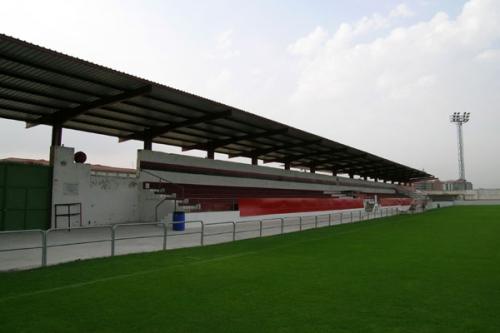
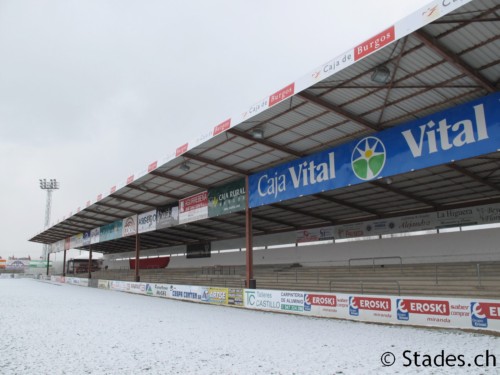
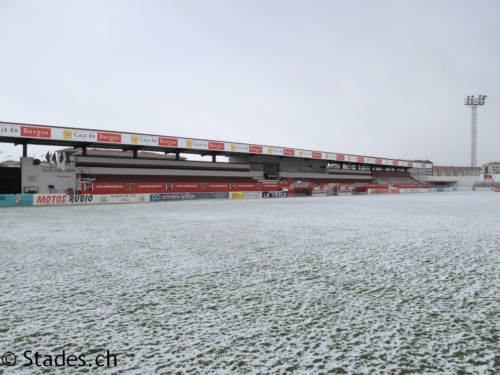
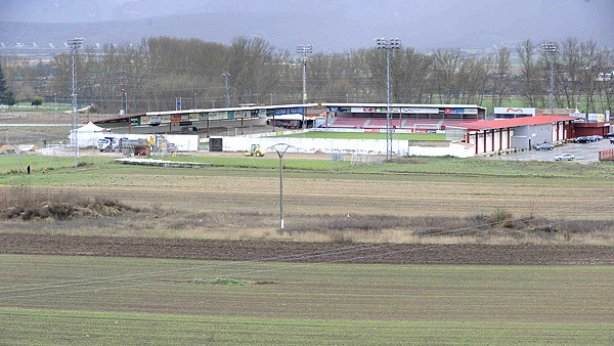
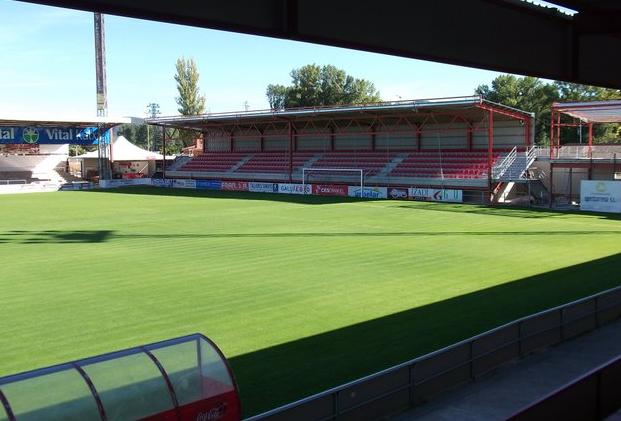
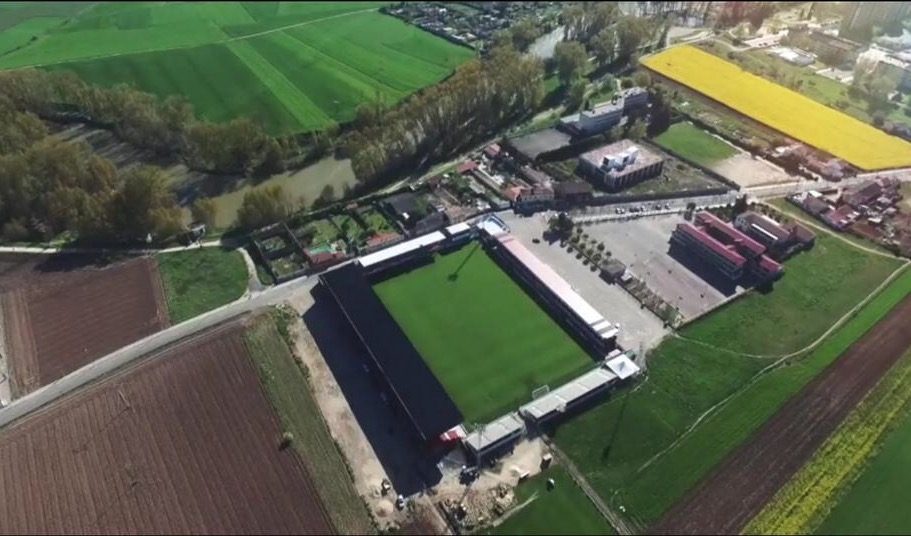
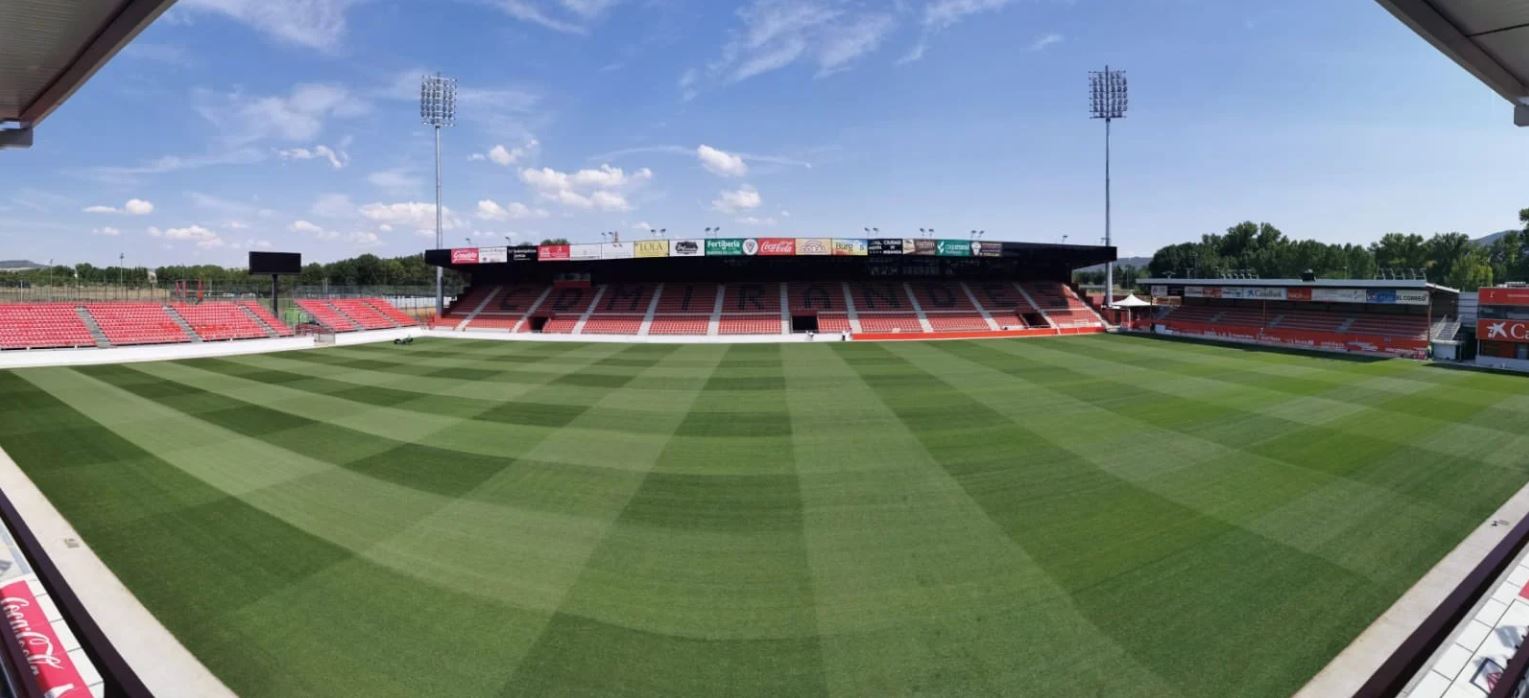
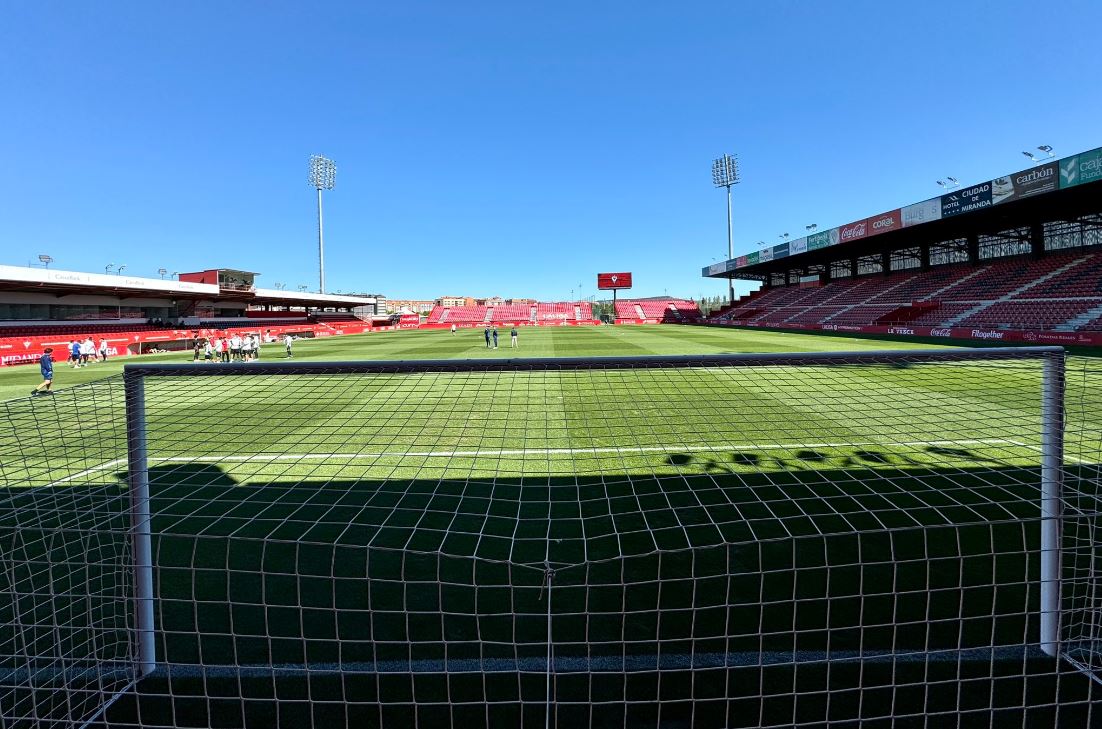
Anduva was a very basic enclosure until the turn of the 21st Century. However, in the first decade of the new century, Anduva began to witness some changes. The main west stand, which had its bench seating truncated as it approaches the southern end, gained a new roof for the start of the 2005-06 season. This shallow cantilevered cover replaced an old propped roof that looked as if it were about to crumble. Maybe this was because the original roof from the 1950s was finally condemned in 1997. Rather than replace the whole roof, corrugated sheeting was slung over the back of the stand and the old props at the front. A new changing block incorporating a club room and offices was also added to the south-west corner in 2005.
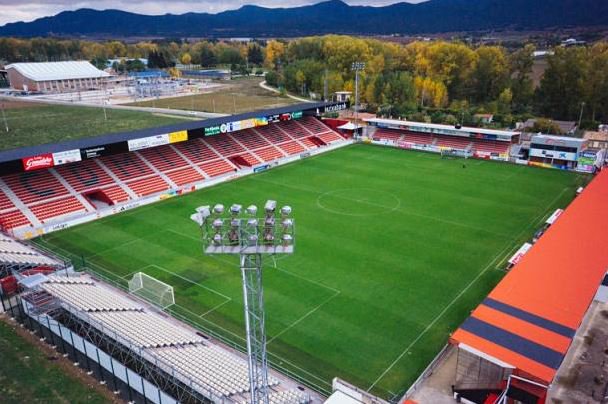
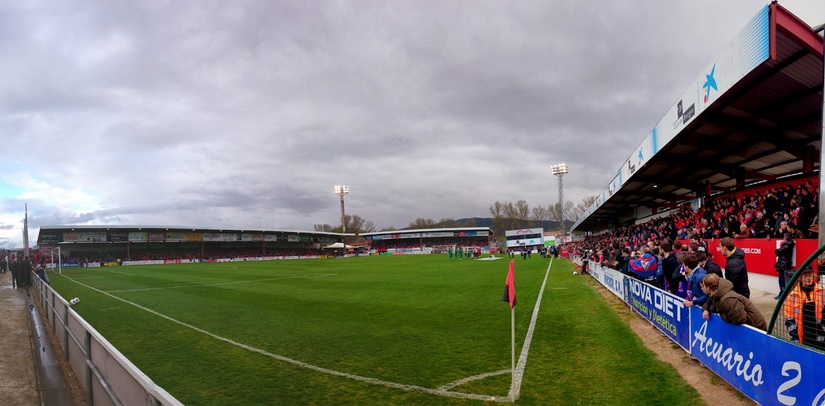
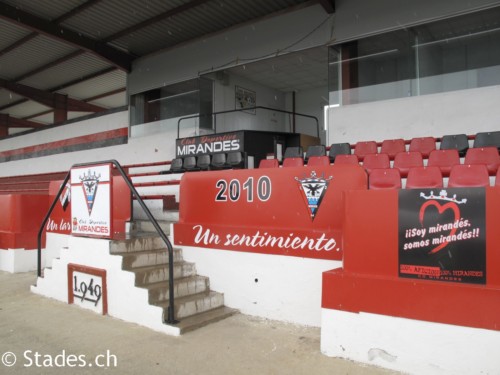
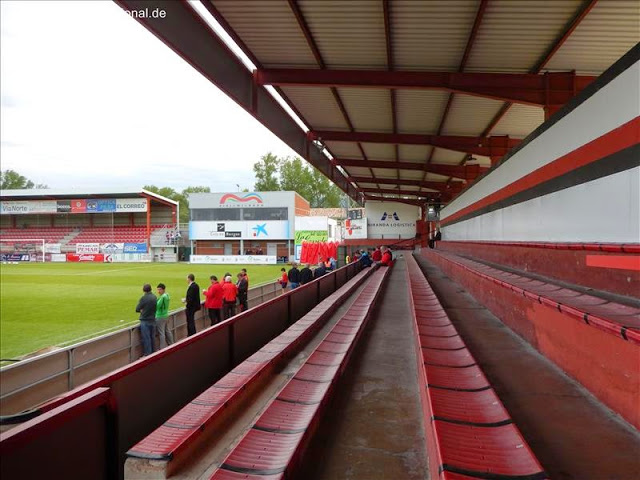
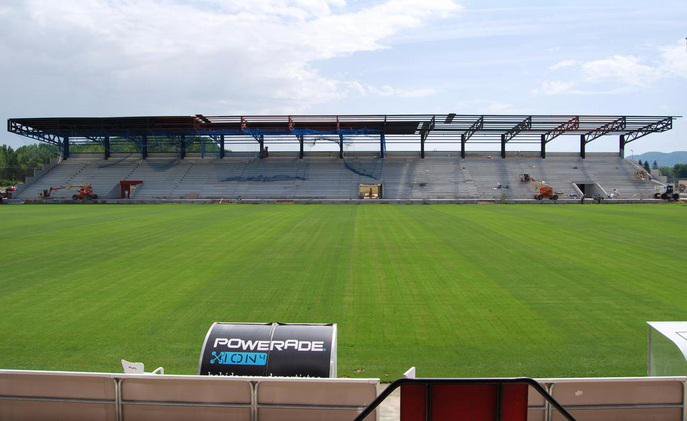
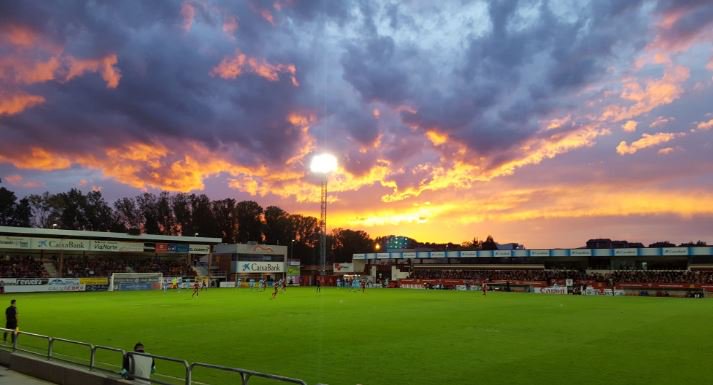
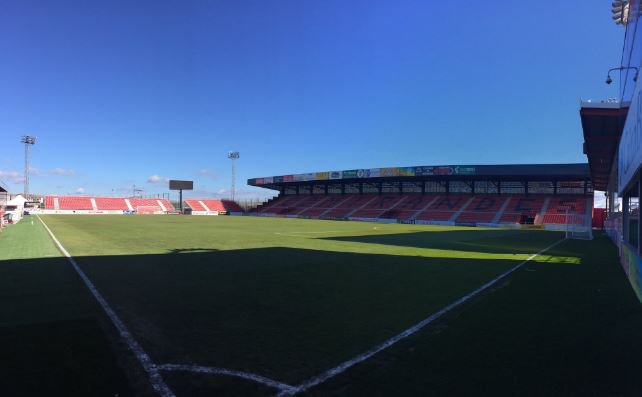
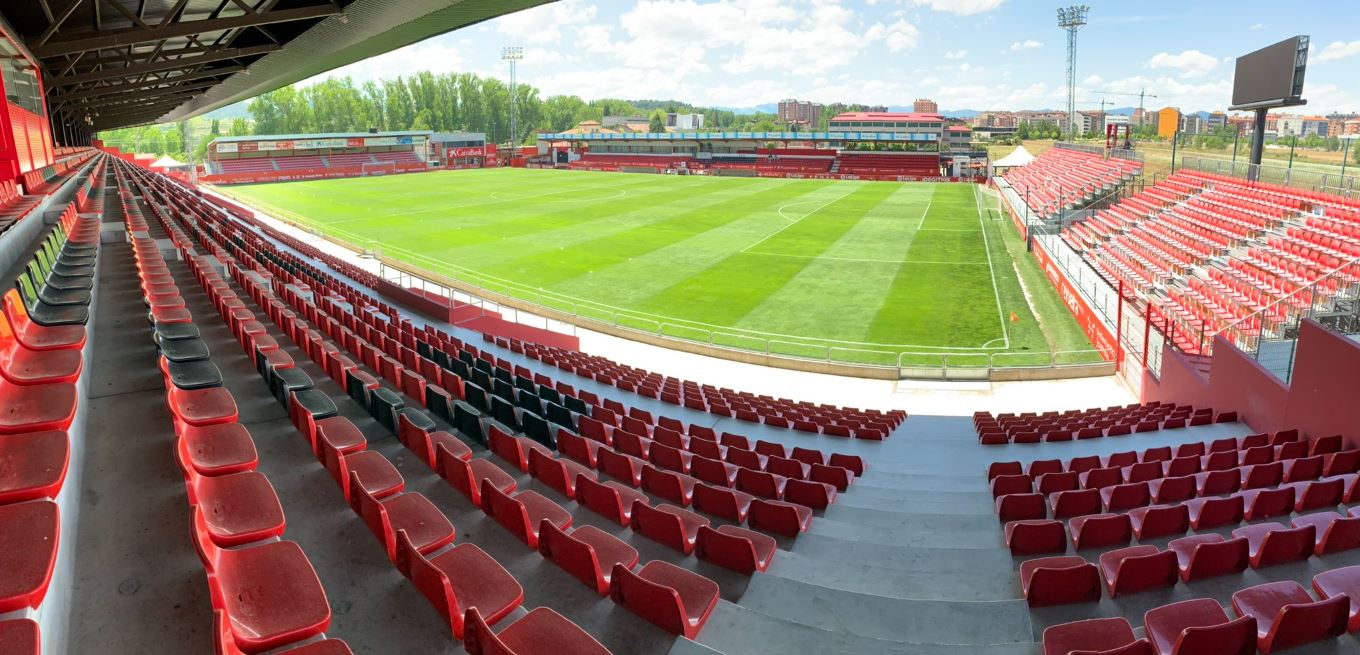
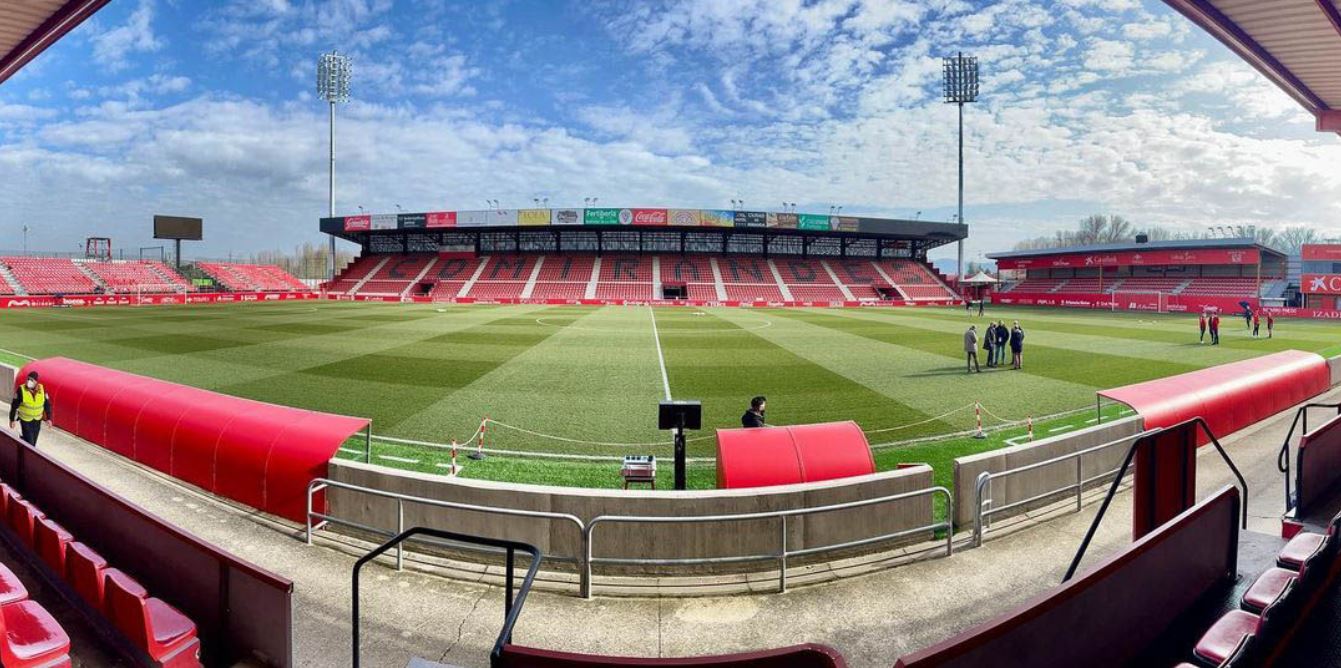
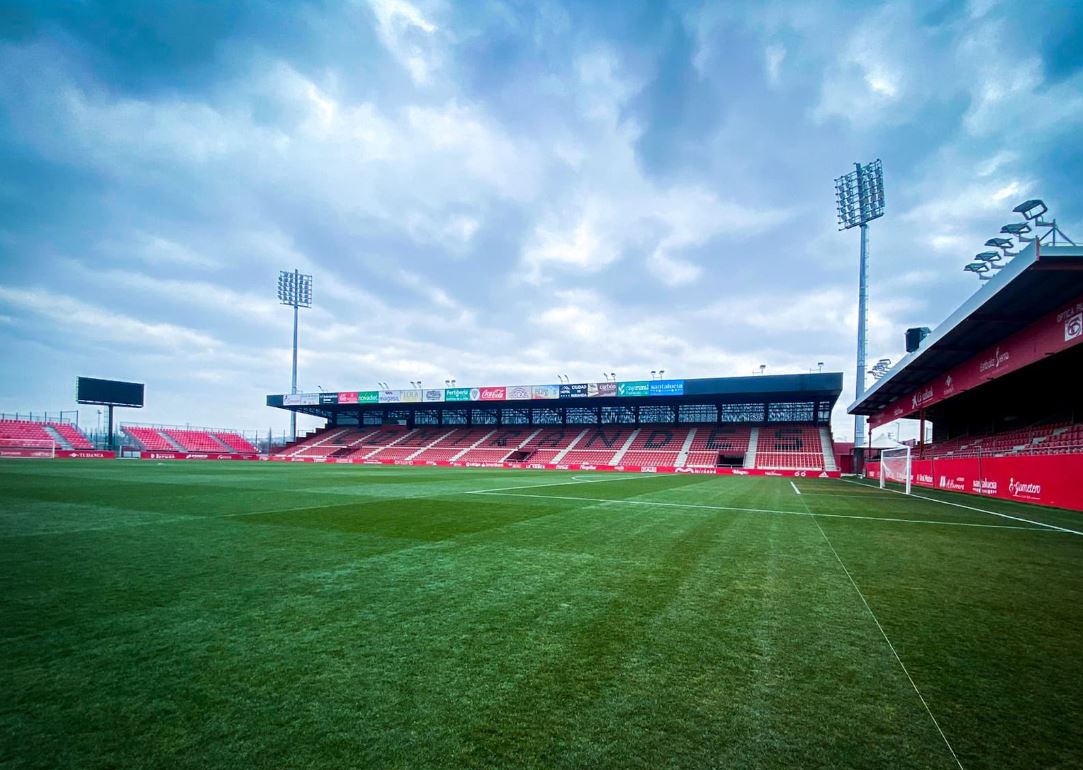
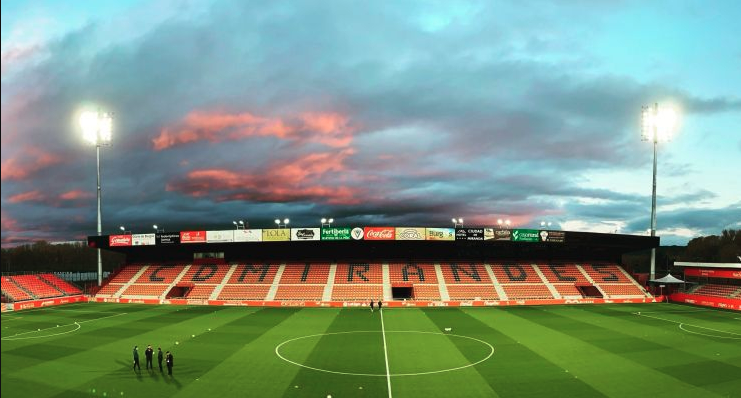
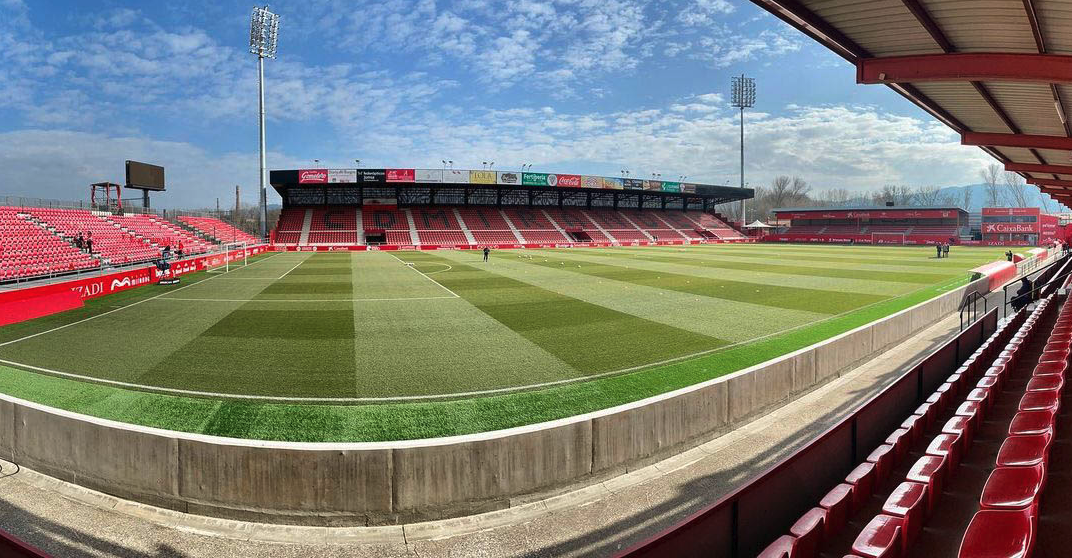
The southern end of Anduva features an all-seater stand, which was built in late summer of 2010. It was officially inaugurated on 24 November 2010 with a friendly against Real Sociedad, which Mirandés won by three goals to two. The northern end features temporary seating, which was first erected for their cup semi-final in 2012. Anduva’s most substantial build was a covered terrace on the east side of the ground, which held over half of the ground’s capacity under a high propped roof. The terrace and cover lasted 40 years, until in the summer of 2015, the east side was redeveloped and a full-length cantilevered stand, with an all-seat capacity of 3,300, was erected in time for the start of the 2015-16 Season.
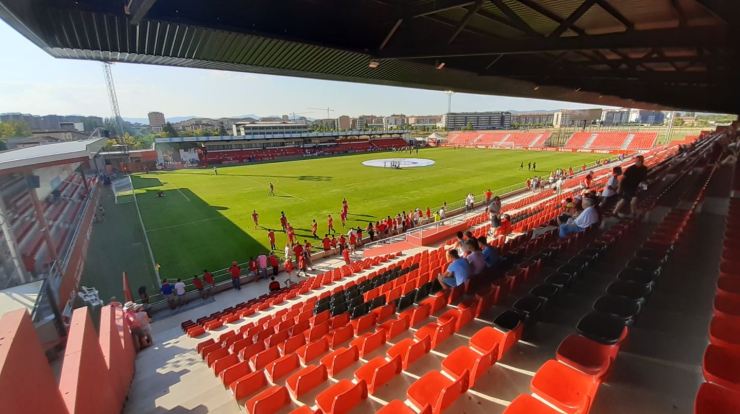
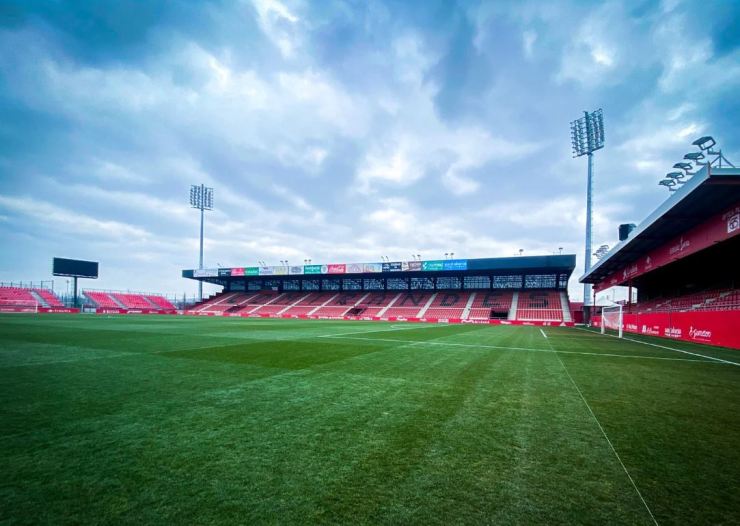
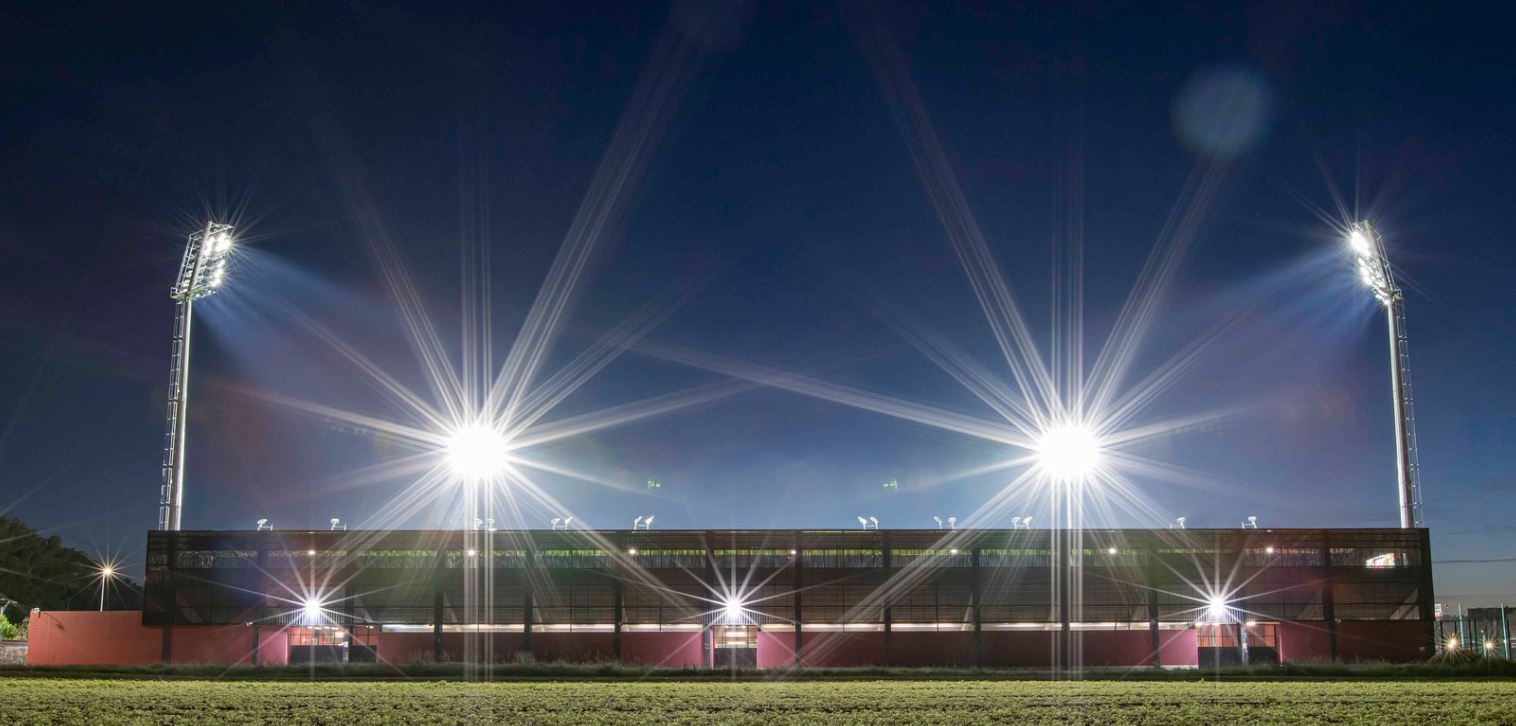
In January 2025, Mirandés announced that work would commence in the summer on the major redevelopment of the main tribuna at Anduva. The new stand runs the full length of the west side of the ground and has seating for 1,800, split over two tiers. At the rear of the stand is a line of hospitality boxes and media booths, while a gym, club offices, media room and changing facilities are housed beneath the seating decks. The new stand was jointly funded by the club and the local municipality and is similar in height and appearance to the eastern preferencia. The build meant that the club had to spend the first half of the 2025-26 season playing its home fixtures 50km away in Vitoria, at Deportivo Alavés Mendizorrotza stadium.






 Estadios de España