The past few decades have seen some dark times for Club Deportivo Castellón. If having to witness Villarreal CF‘s success in La Primera and Europe wasn’t bad enough, the club has had to contend with a series of financial problems, the humiliation of demotion due to the failure to pay wages and a seven season spell in the regional Tercera. Castellón has finally climbed back to La Segunda, and whilst they are way behind their local rivals in terms of structure and finance, they are but a short step away from the top flight, a division they have not graced since 1991.
The early years of football in Castellón de la Plana and the club’s former homes, the Campo de Sequiol and the Estadio Castalia, and covered here. This article starts in 1986 when the club moved out of the antiquated Estadio Castalia, whilst a new stadium was built by the municipality. Rather than head a few miles south to those upstarts at Villarreal, the club spent a season by the sea. Grao de Castellón to be precise and the minuscule Campo de San Pedro. Embellished with temporary stands, San Pedro was the most unlikely, and smallest stadium in the second division during the 1986-87 season. Housing just over 6,000 and up tight to the town’s beach, Castellón made San Pedro a home from home, losing just two matches and even beat division champions and old rivals Valencia 1-0. Their season on the coast ended with a mid-table finish, whilst San Pedro kept some of the trappings that came with life in La Segunda, retaining some of the temporary seating until the stadium was redeveloped and renamed the Campo del Javier Marquina, in the 1990s.
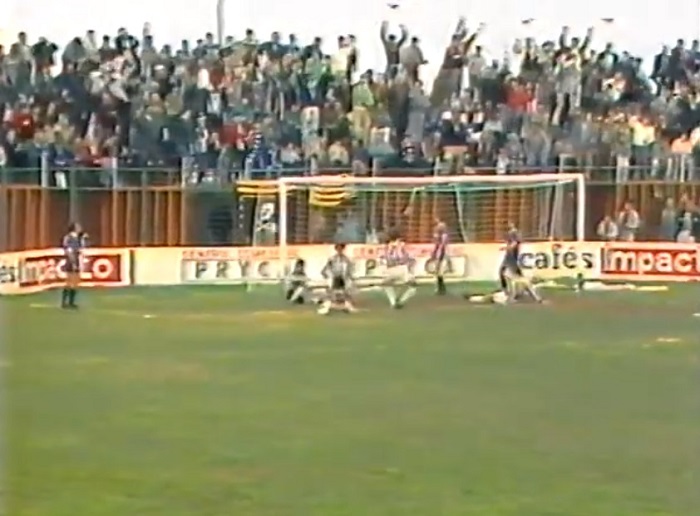
Campo de San Pedro during the 1986-87 Season 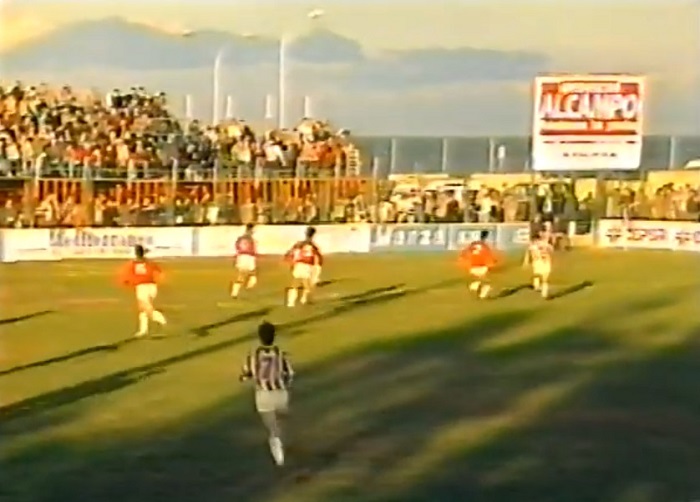
Campo de San Pedro during the 1986-87 Season 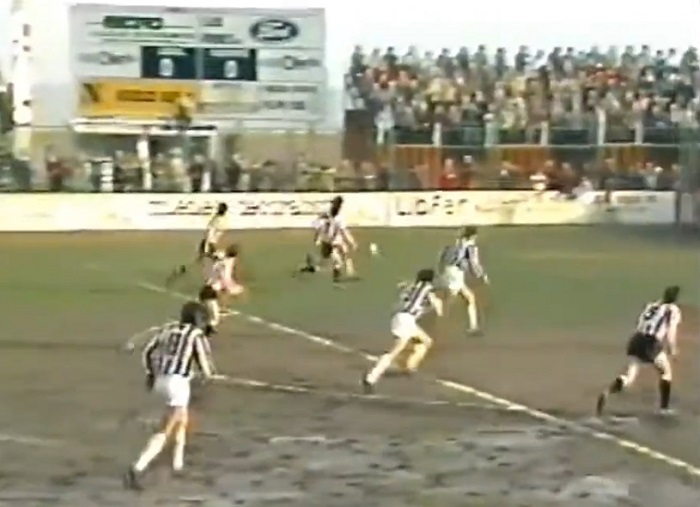
Campo de San Pedro during the 1986-87 Season 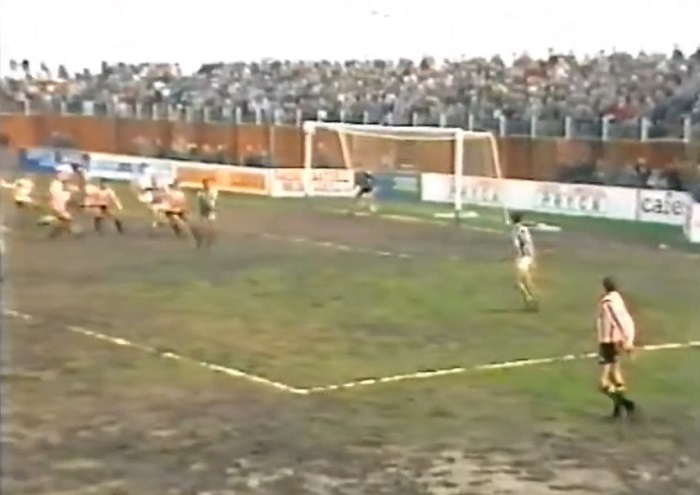
Campo de San Pedro during the 1986-87 Season 
Campo de San Pedro during the 1986-87 Season 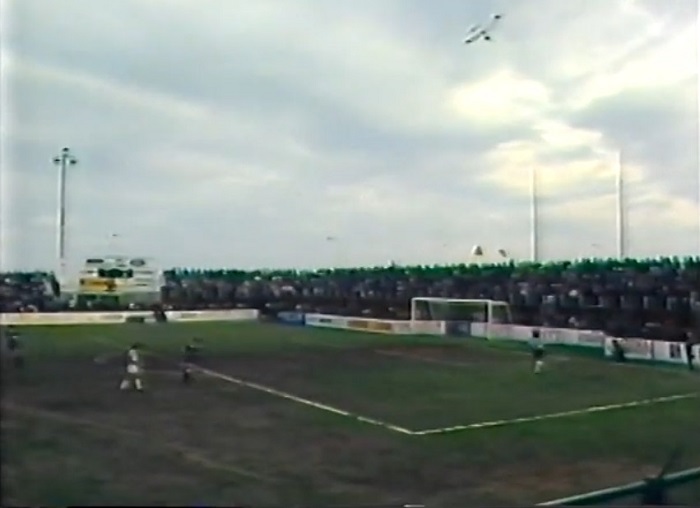
Campo de San Pedro during the 1986-87 Season 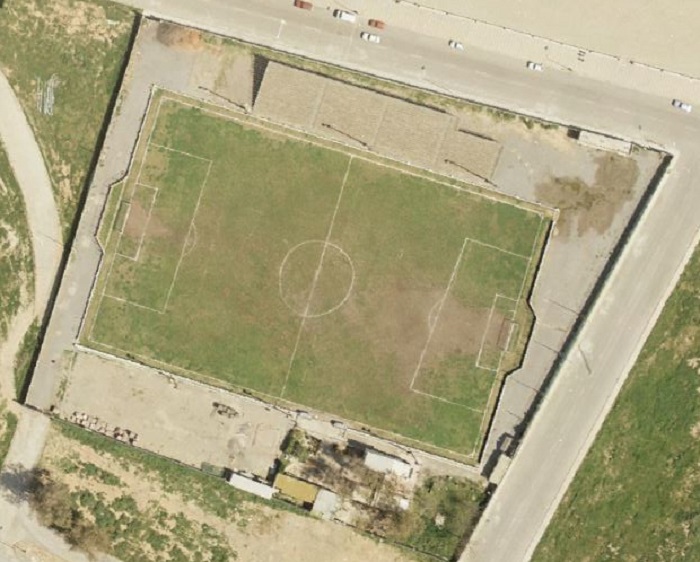
Campo de San Pedro in 1989 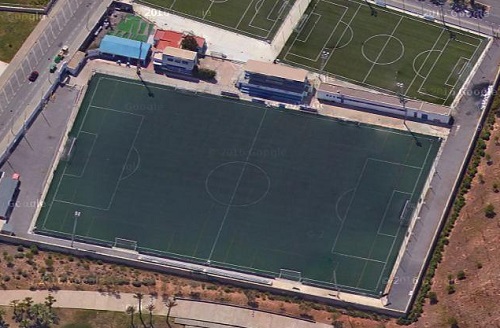
Campo del Javier Marquina today, now known in 2013
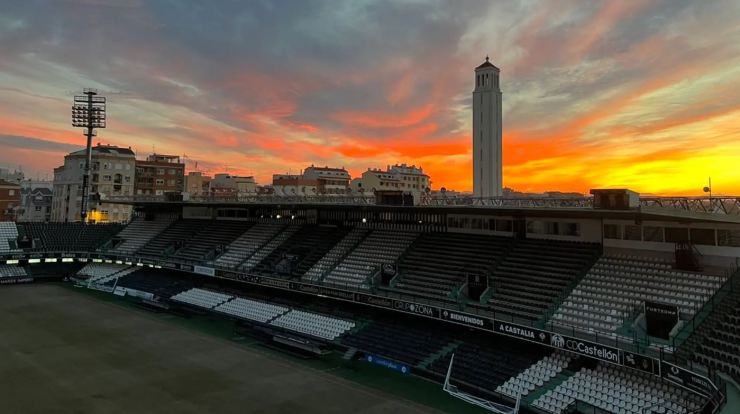
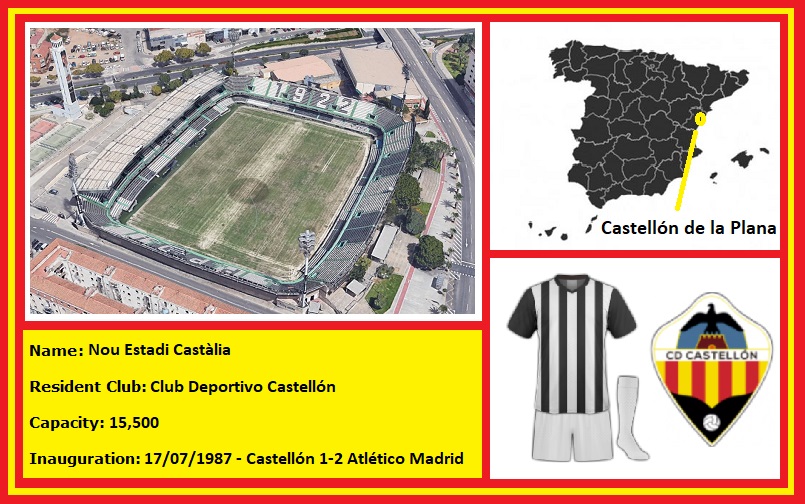
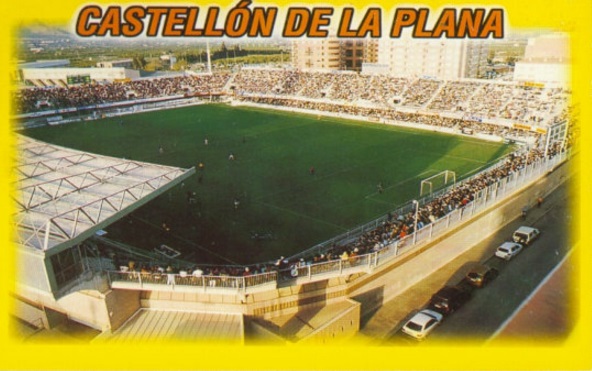
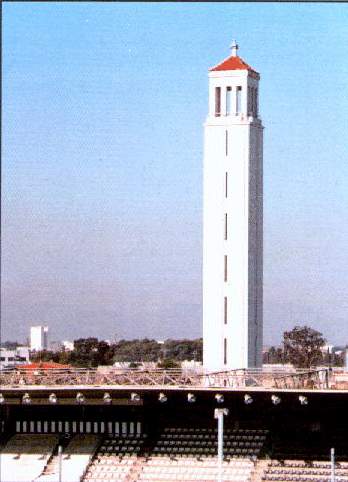
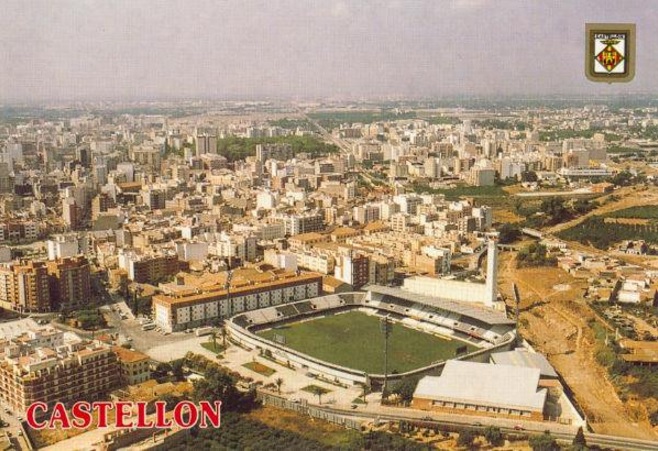
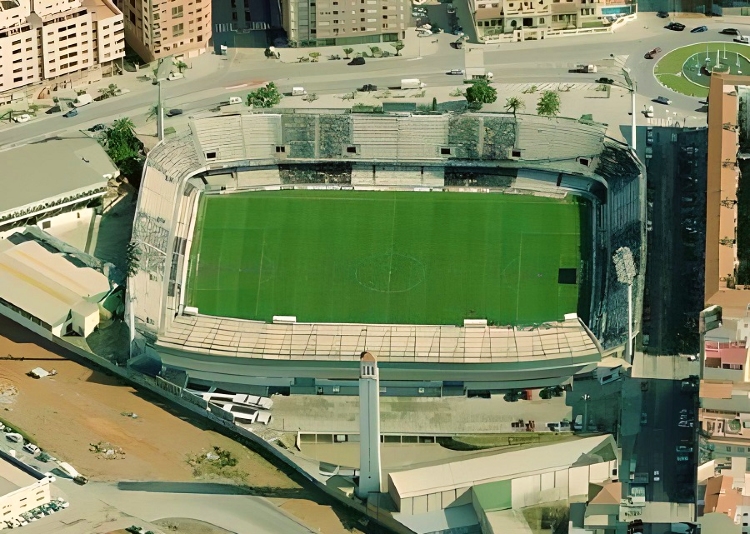
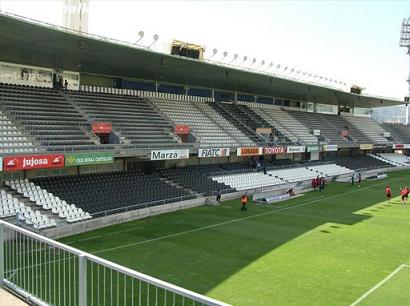
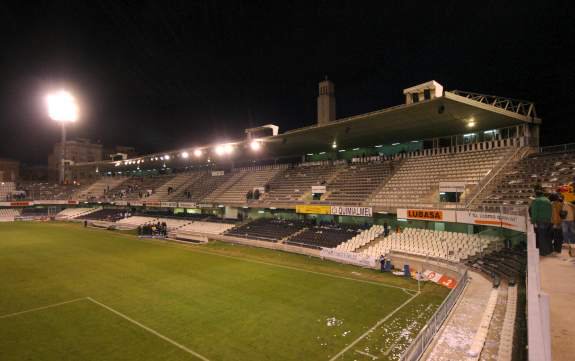
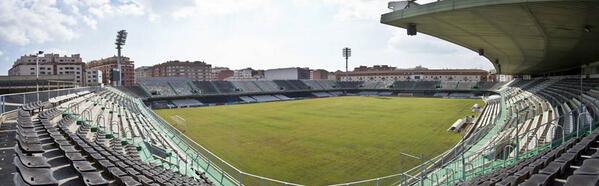
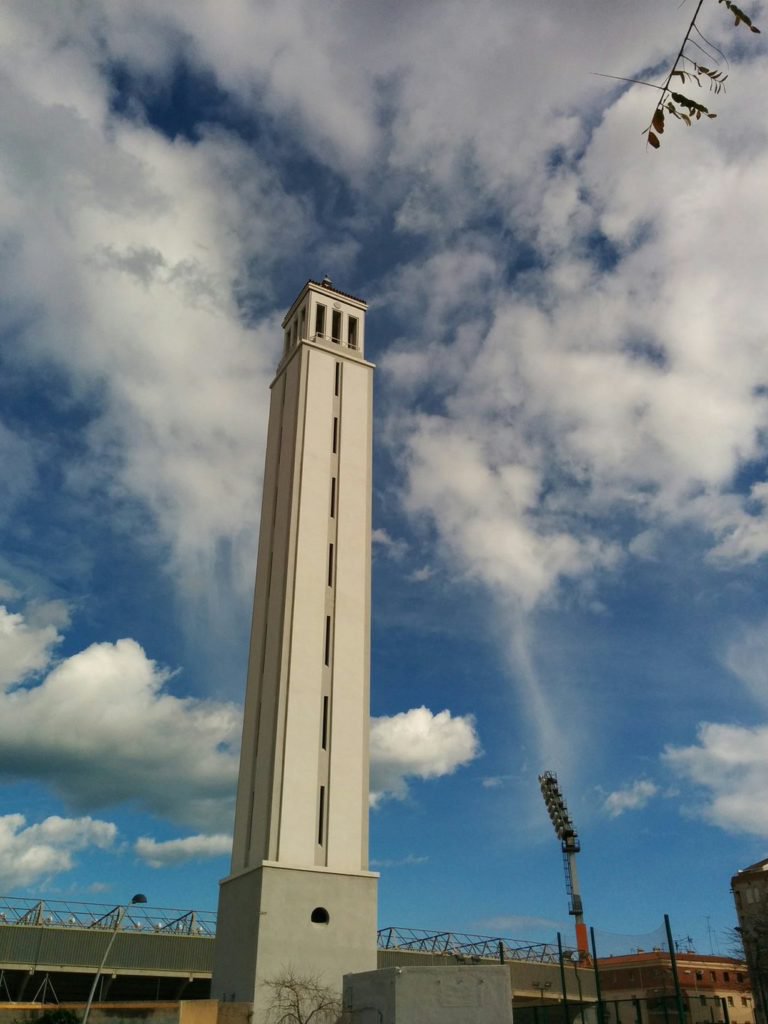
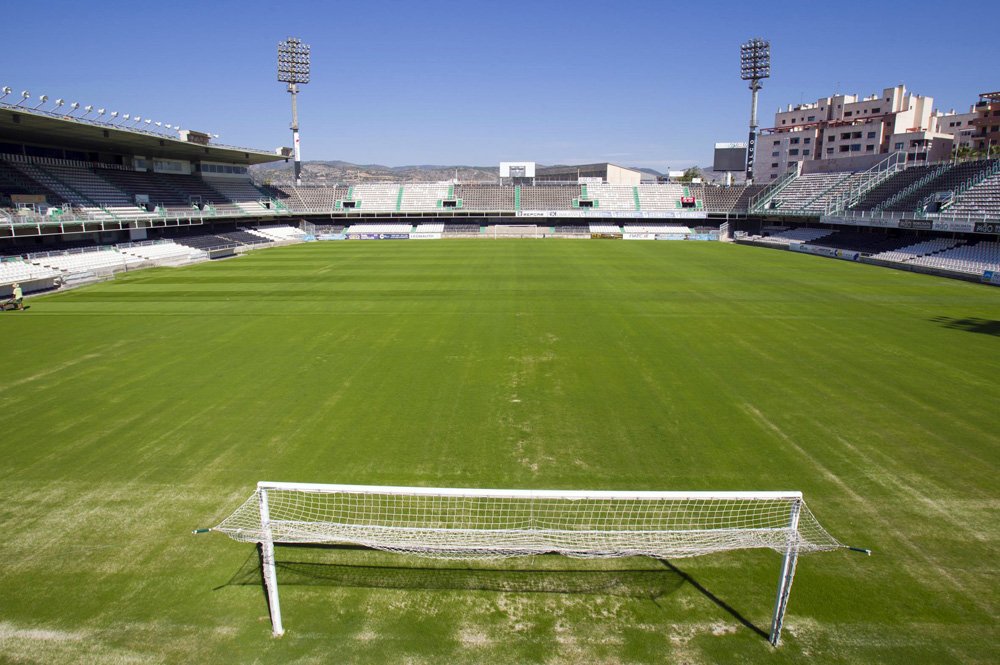
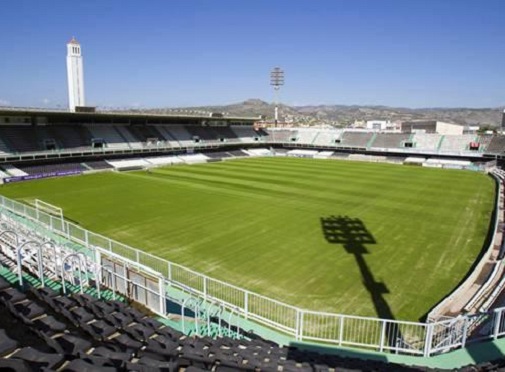
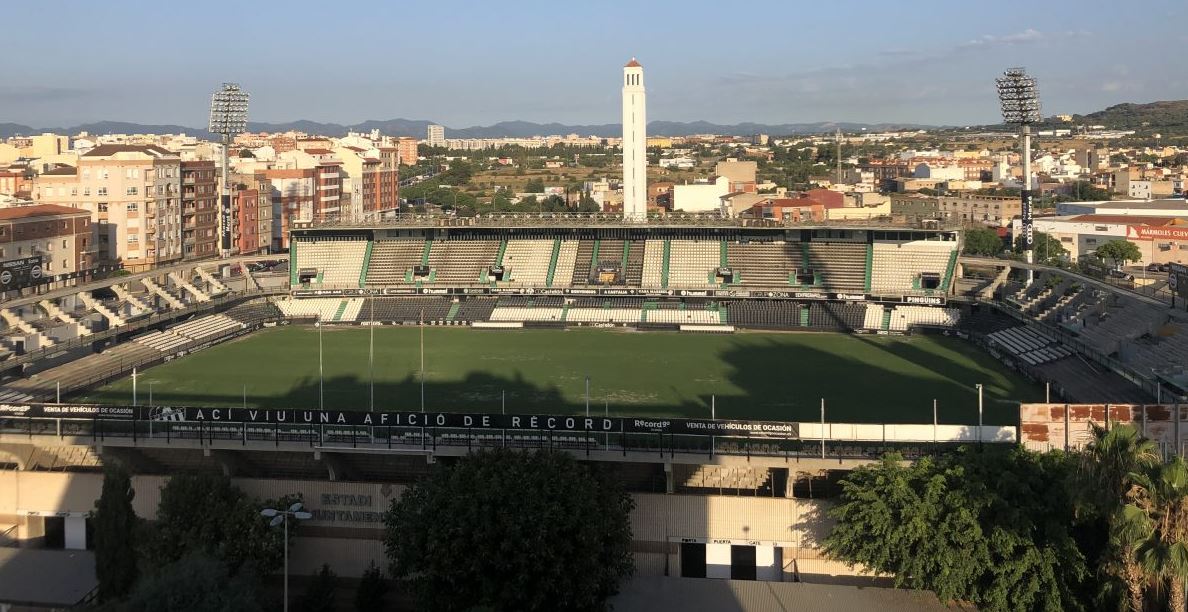
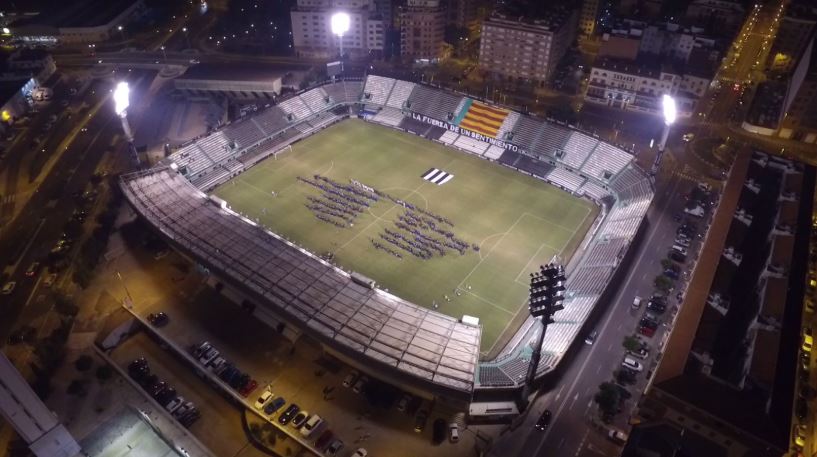
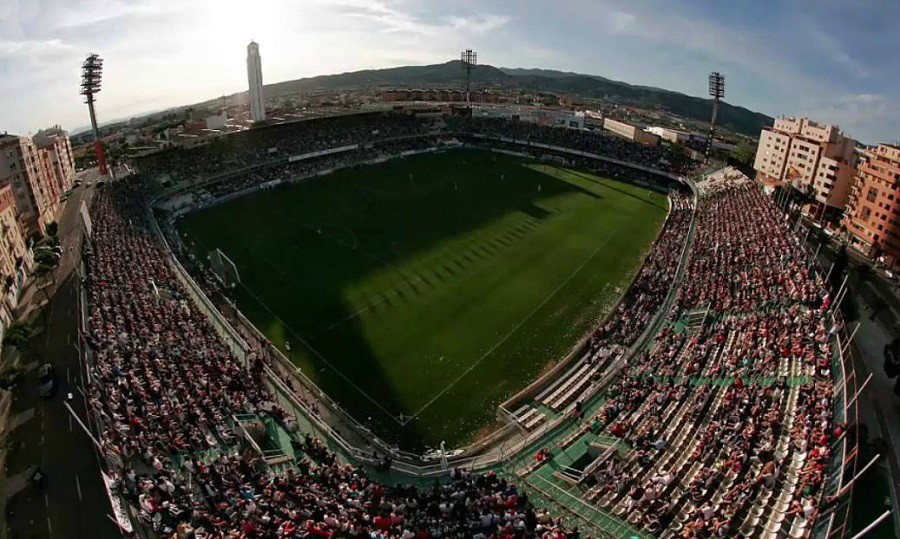
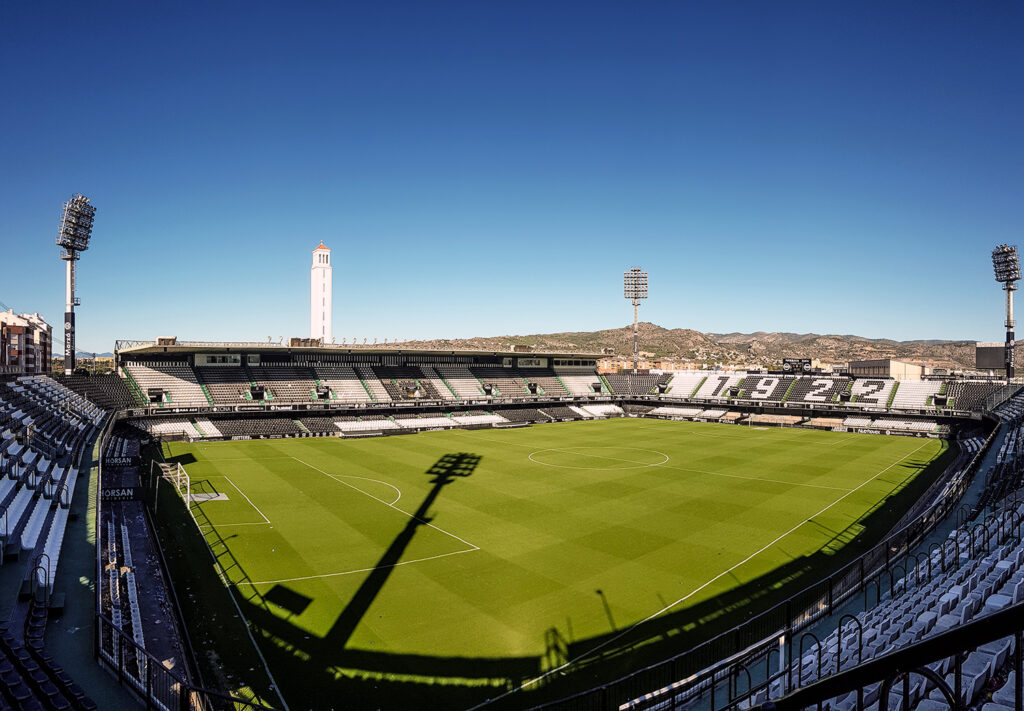
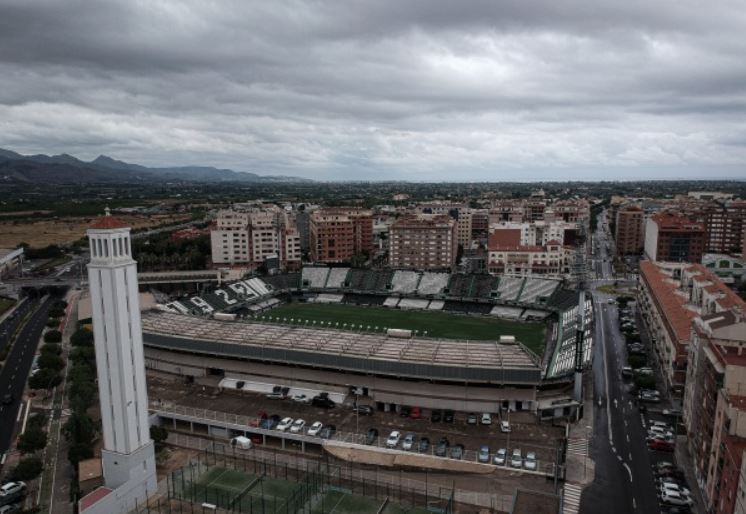
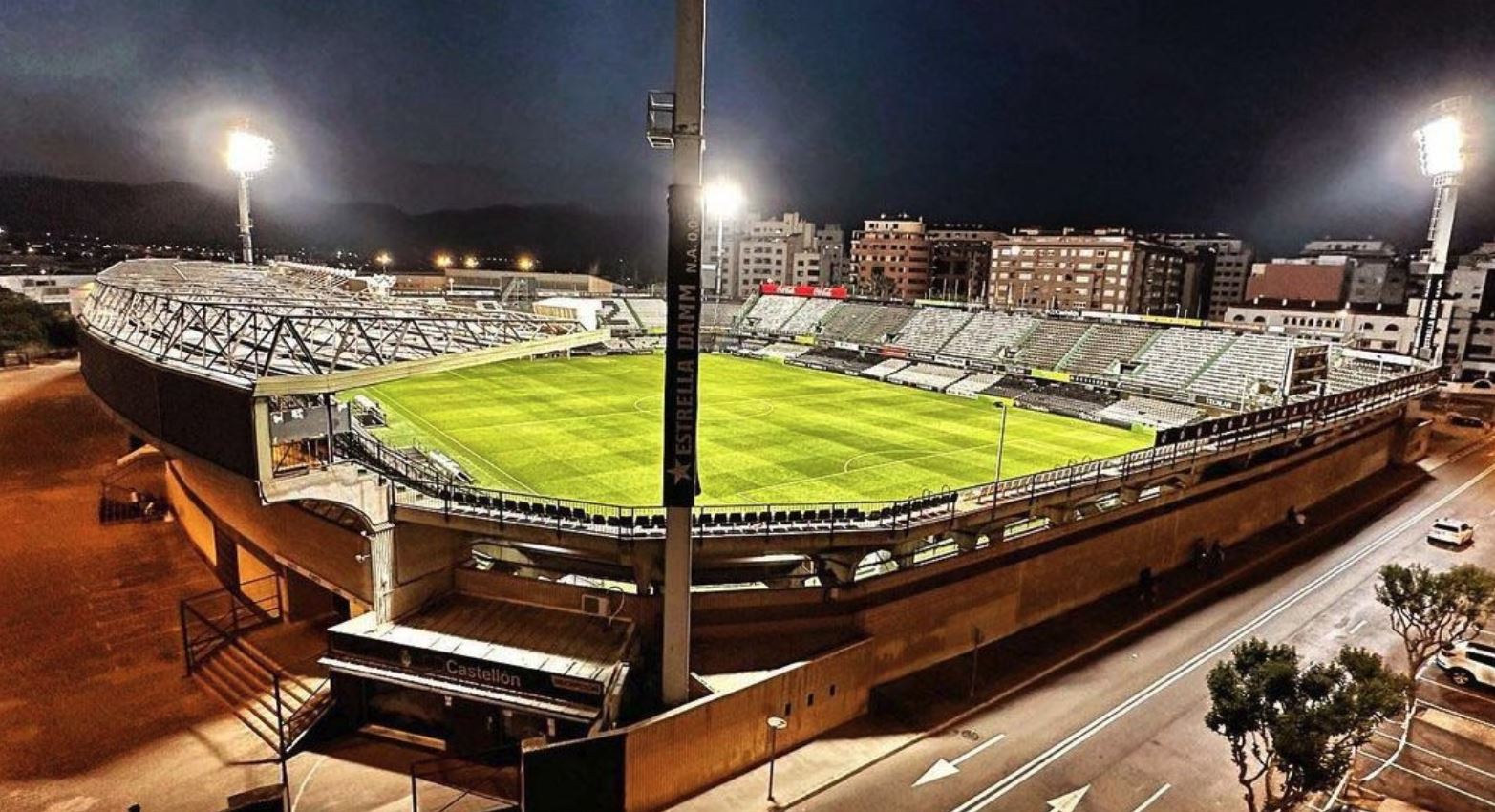
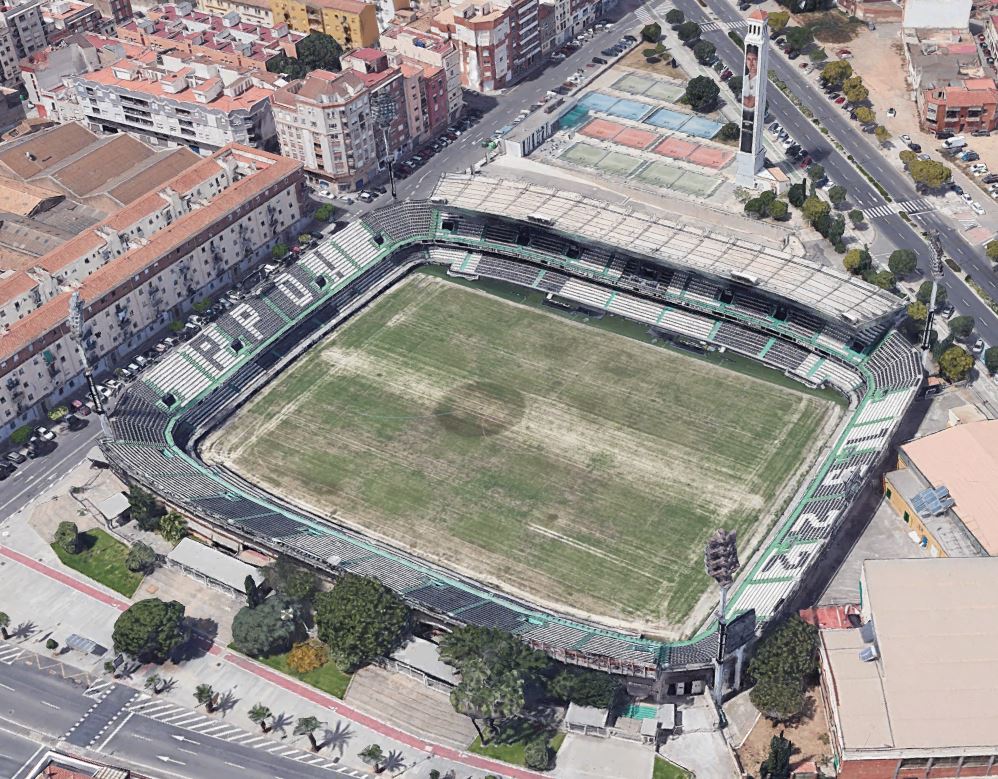
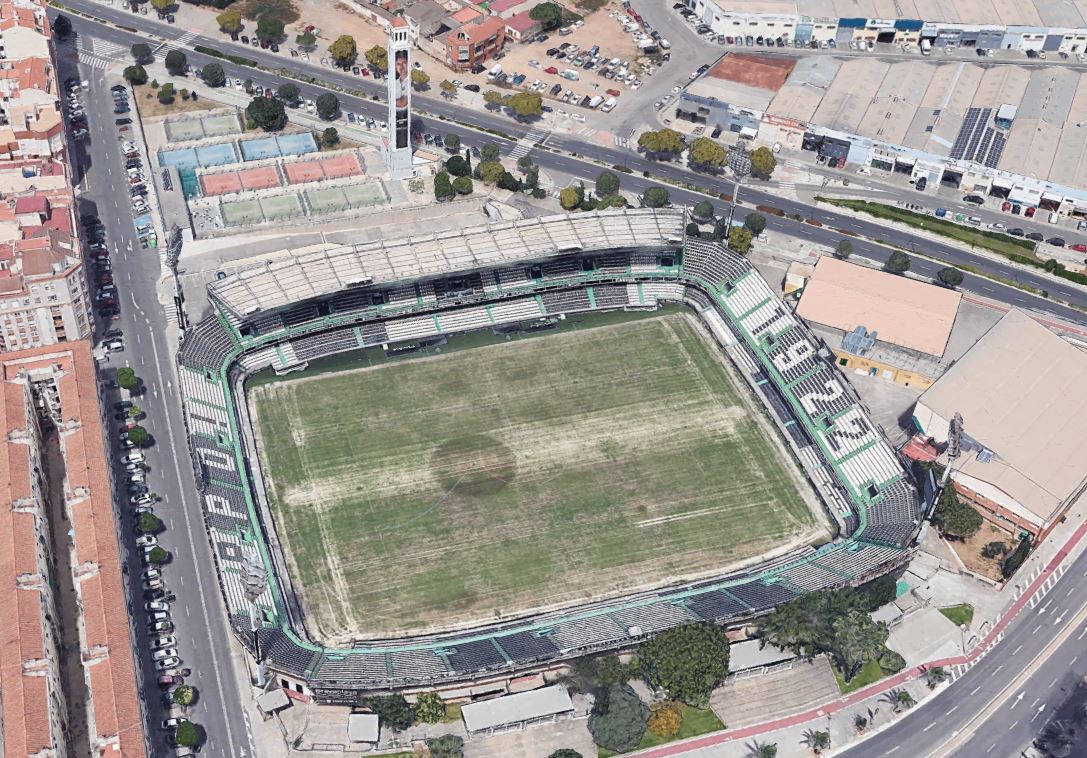
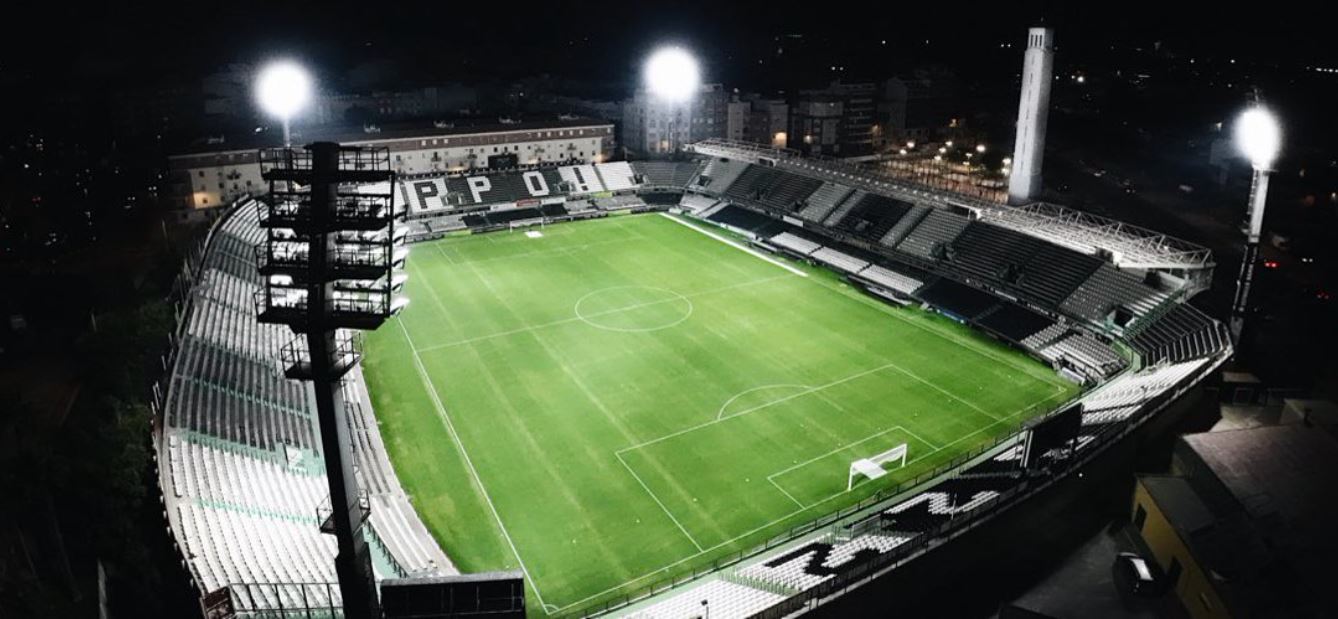
Meanwhile, back in town, work was under way on building a new stadium on the site of the old Castalia. Designed by Joaquin Tirado, it borrowed heavily from the design of Barcelona’s Mini Estadi. The orientation of the new build was turned 90° with the new main stand now up against the marathon tower. At a cost of 500m pesetas, the new stadium had an all-seated capacity of 15,000 and was full to the brim on 17 June 1987, when Castellón played Atlético Madrid in a friendly, just as they did 40 years earlier when the old Castalia had opened. After a season of settling in, Castellón won their third second division title in 88-89 and returned to La Primera. Home form at the Nou Castalia was exceptional, with just the opening-day defeat to UE Figueres, the only setback. In La Primera, Castellón earned a creditable 14th place finish in 89-90, but a year later the club was relegated and haven’t made it back since.
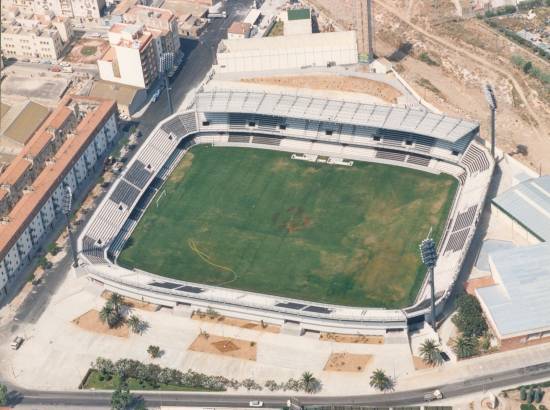
The next 20 years saw Castellón split its seasons between the second & third tiers. The seasons in La Segunda were usually spent at the wrong end of the table, whilst good campaigns in Segunda B were few and far between. When they did get it right in the regular season, the play-offs would often trip them up. Then came the 2010-11 season and all of its woes. Economic problems became evident midway through the season when reports that the players had not been paid surfaced. There were even on-pitch protests from the players, with some taking legal action against the club. With the debts outstanding at the season’s end, Castellón was demoted to the Tercera. Even then, the RFEF held out an olive branch, no doubt worried about maintaining the numbers in Segunda B after the demise of Benidorm CF & UE Lleida and the demotion of Alicante CF. The directors would not or could not meet the wages and so Castellón started the 2011-12 in the Tercera for the first time in 43 years.
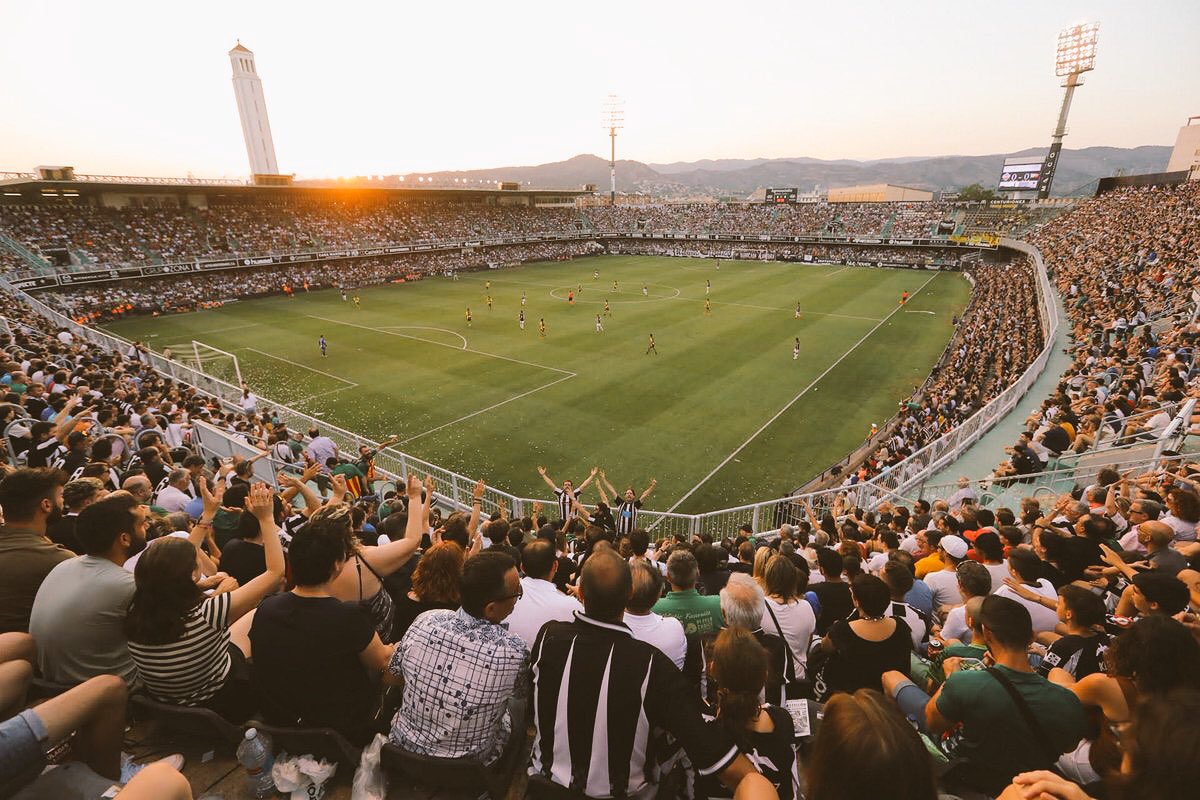
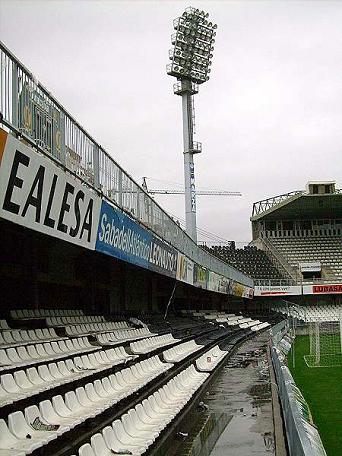
On face value, the Nou Estadi Castalia looks unchanged from when it first opened. It has however undergone a few, subtle changes. In January 1988 the seats behind the goals were removed in advance of a Copa del Rey tie with Barcelona. This raised the capacity to 17,000. Upon promotion back to the La Primera in 1989, two rows of seats were added to the rear of the stands behind the goal and the east Preferencia, adding another 1,000 to the capacity. The terracing behind the goals were re-seated in 1996, giving the stadium a all-seated capacity of 15,500. In 2019, a section of the upper tier of the southern Gol Sud had to be replaced due to structural faults. At the same time, the outside of the stadium has wasbeen spruced up, as has the magnificent marathon tower, although it is no longer the focal point it once was and now detached from the stadium, some 40 metres behind the main stand.
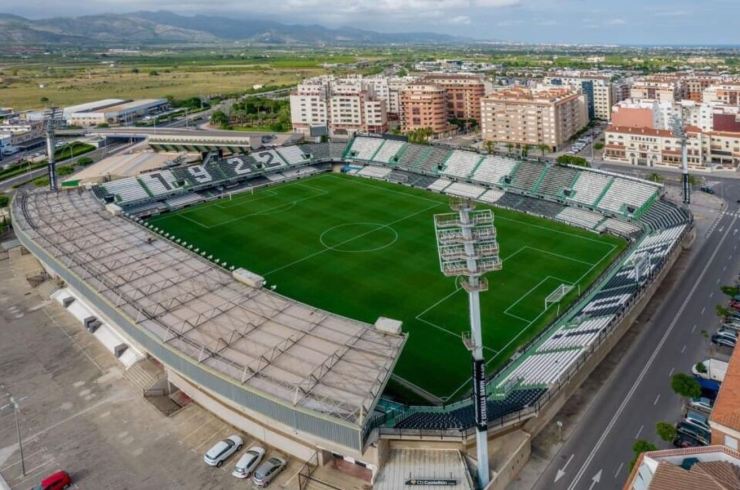
Castellón eventually escaped the grasp of the Tercera in 2018, thanks to a second placed finish and playoff victories over CD Tropezón, UE Sant Andreu & Club Portugalete. Two seasons in Segunda B followed, before the title was won in 2020, and despite defeat to UD Logroñés in the Campeones playoffs, the club took its chance via the normal playoffs, beating Peña Deportiva & UE Cornellà, to earn a place in back in La Segunda. It was a fleeting visit, and Castellon dropped to the newly formed Primera Federación a year later. Three seasons later and the club returned to La Segunda after winning the title in the Primera Federación. Villarreal has now surpassed Castellón’s collective seasons in the top the flight, but given what the club and its supporters have had to endure over the past three decades, a period of stability in the second tier would be a huge relief and achievement.



 Estadios de España