
Article Updated: 11/10/2025
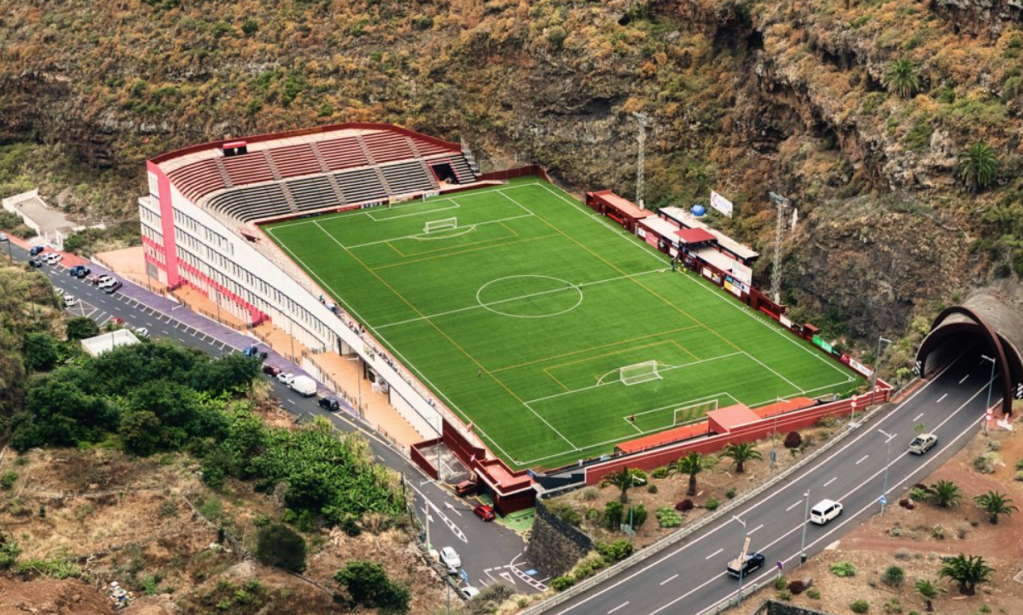
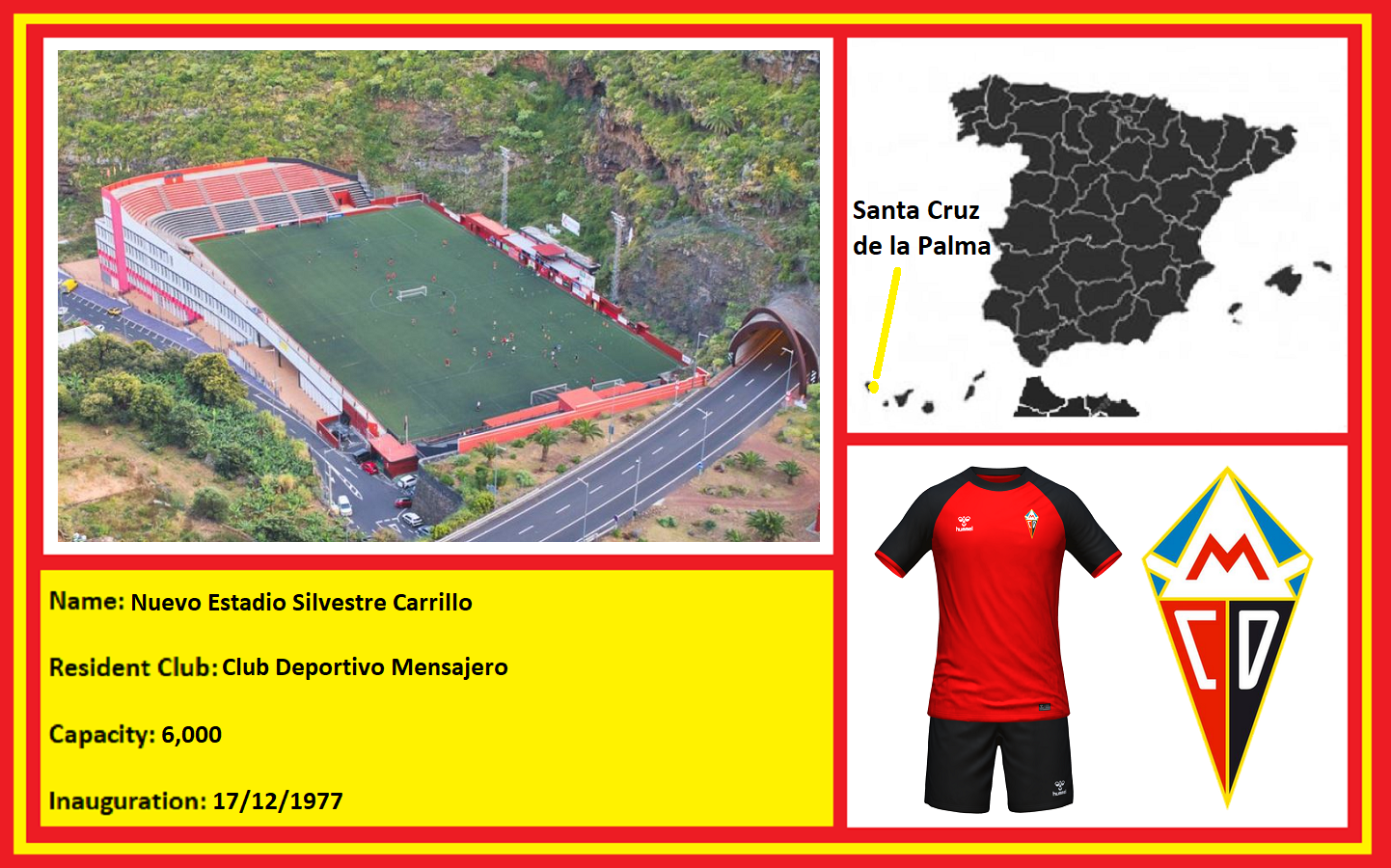
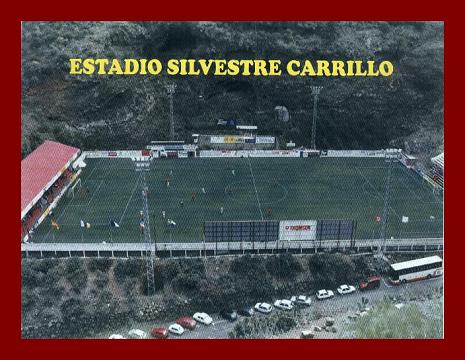
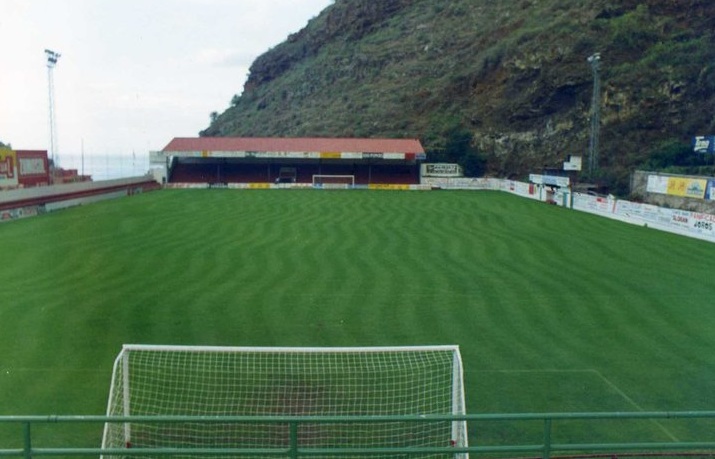
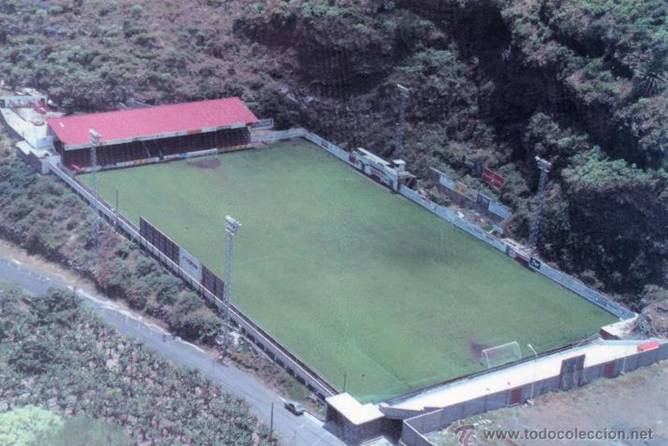
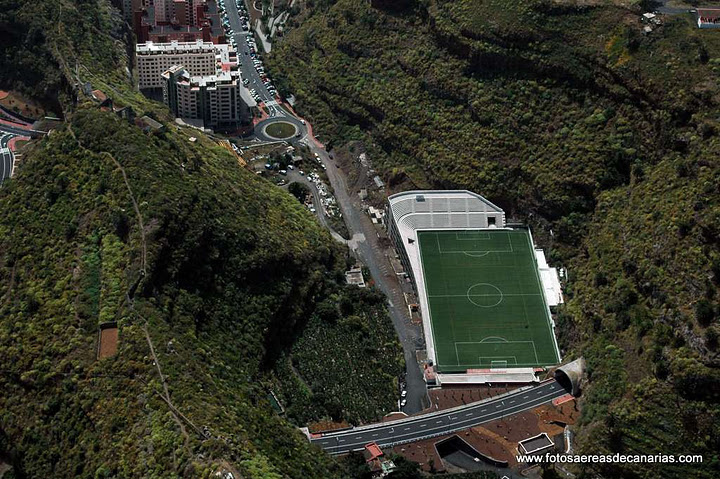
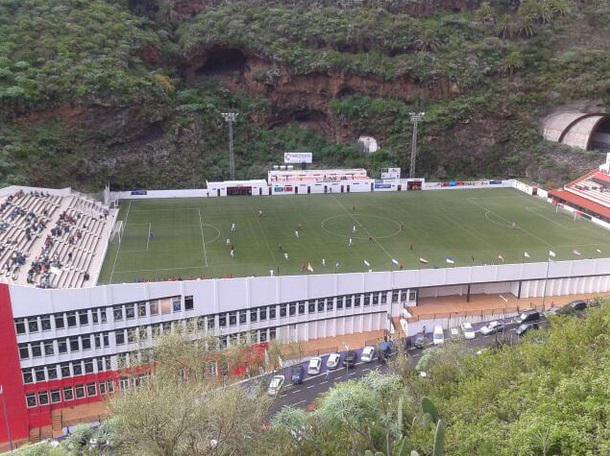
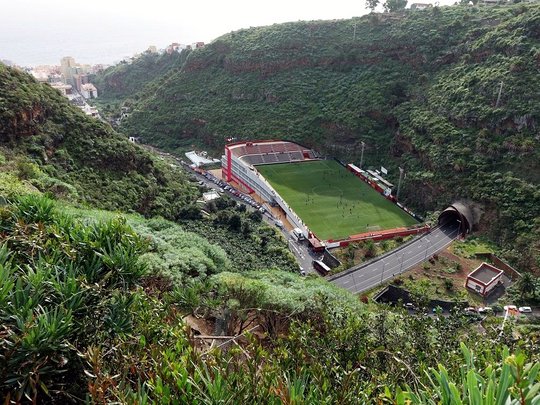
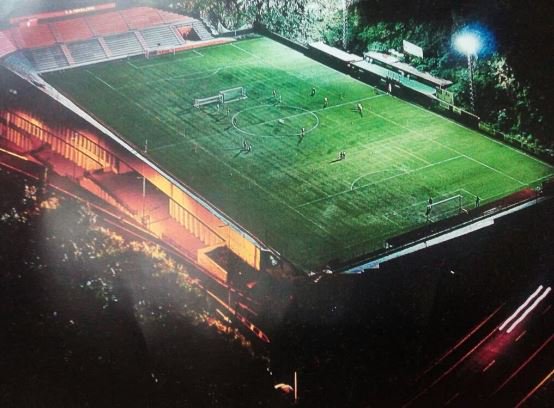
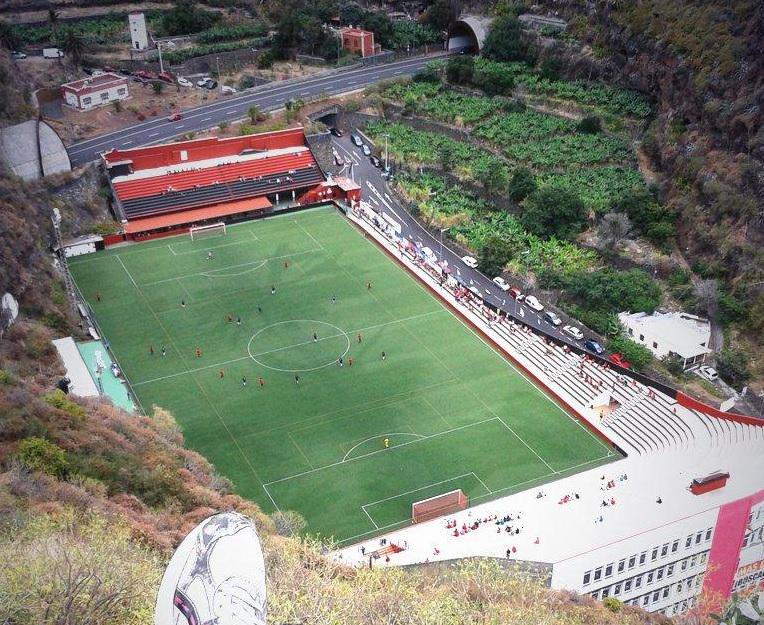
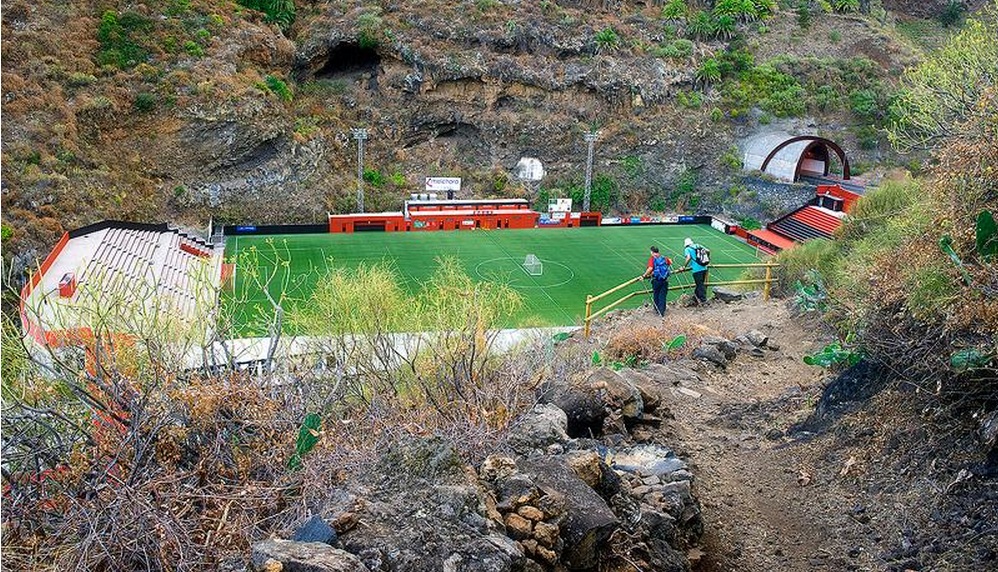
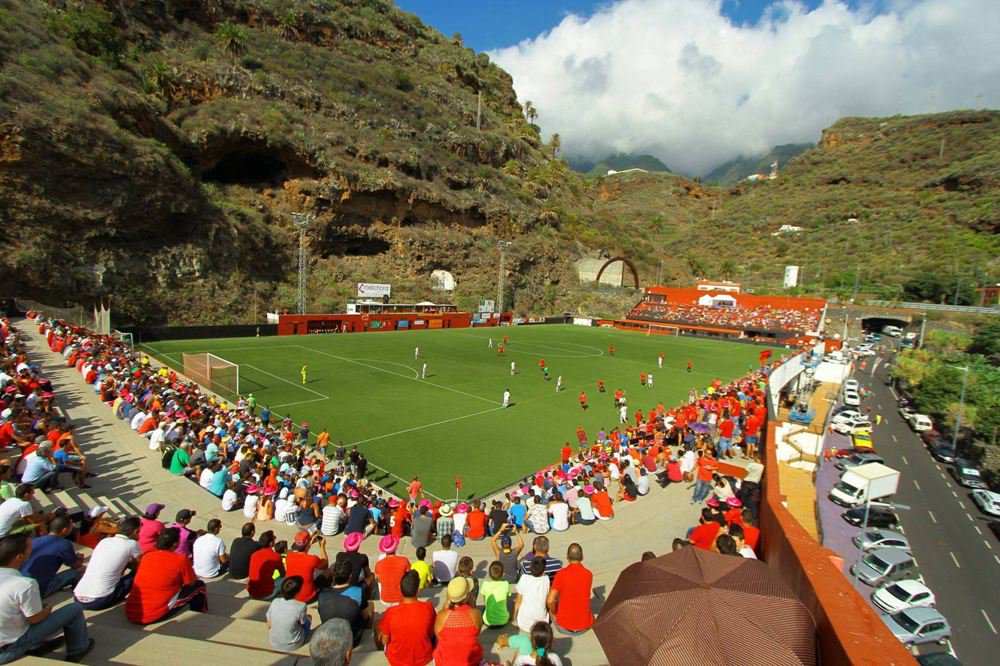
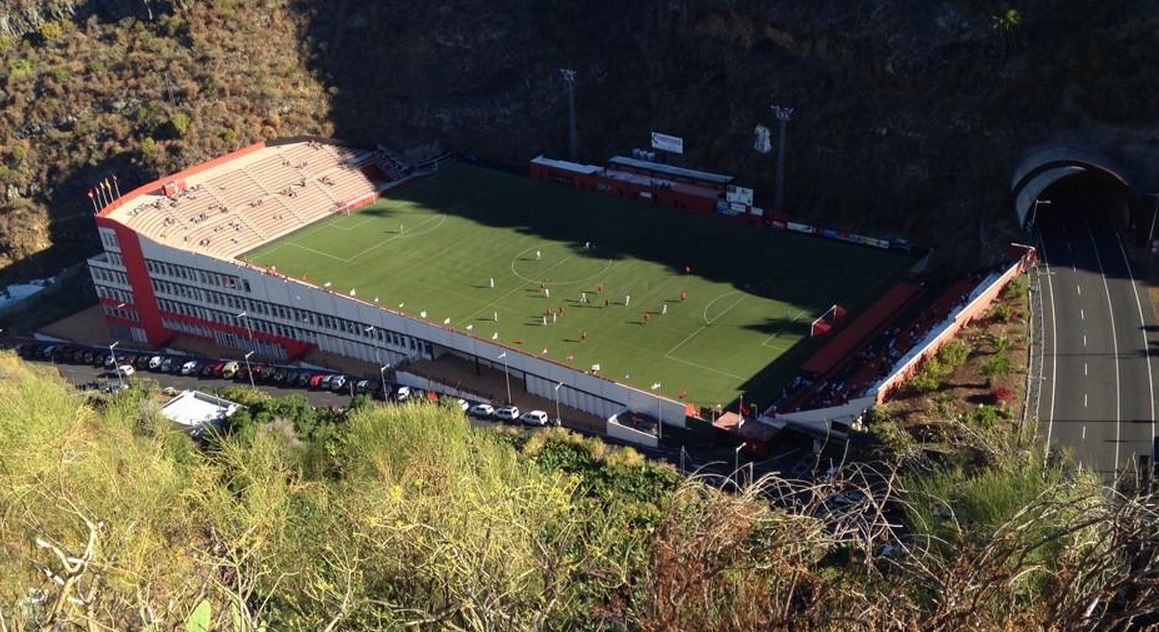
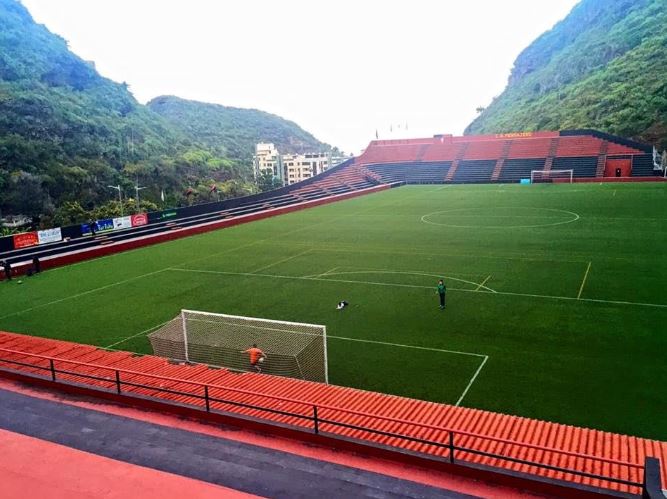
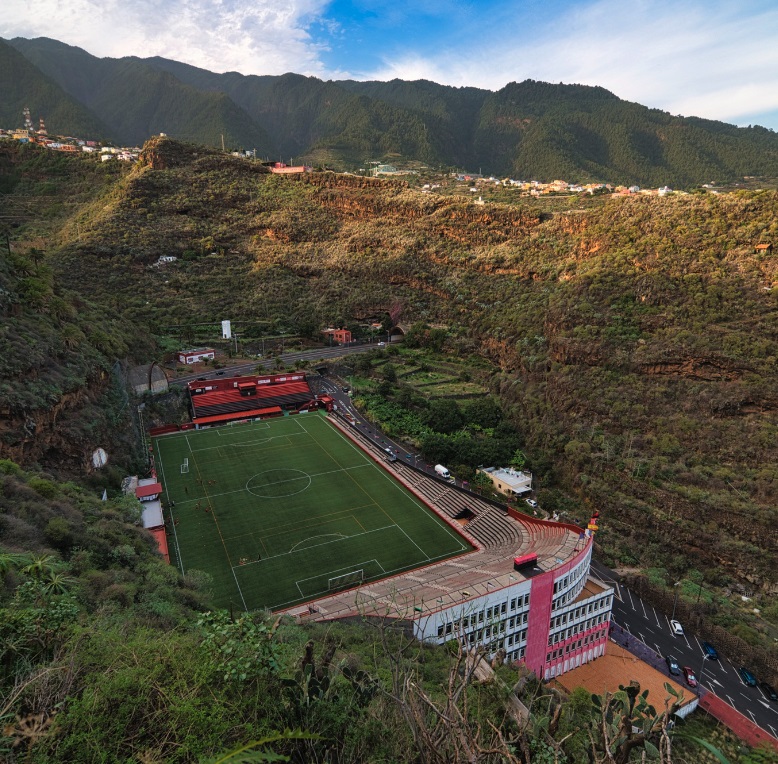
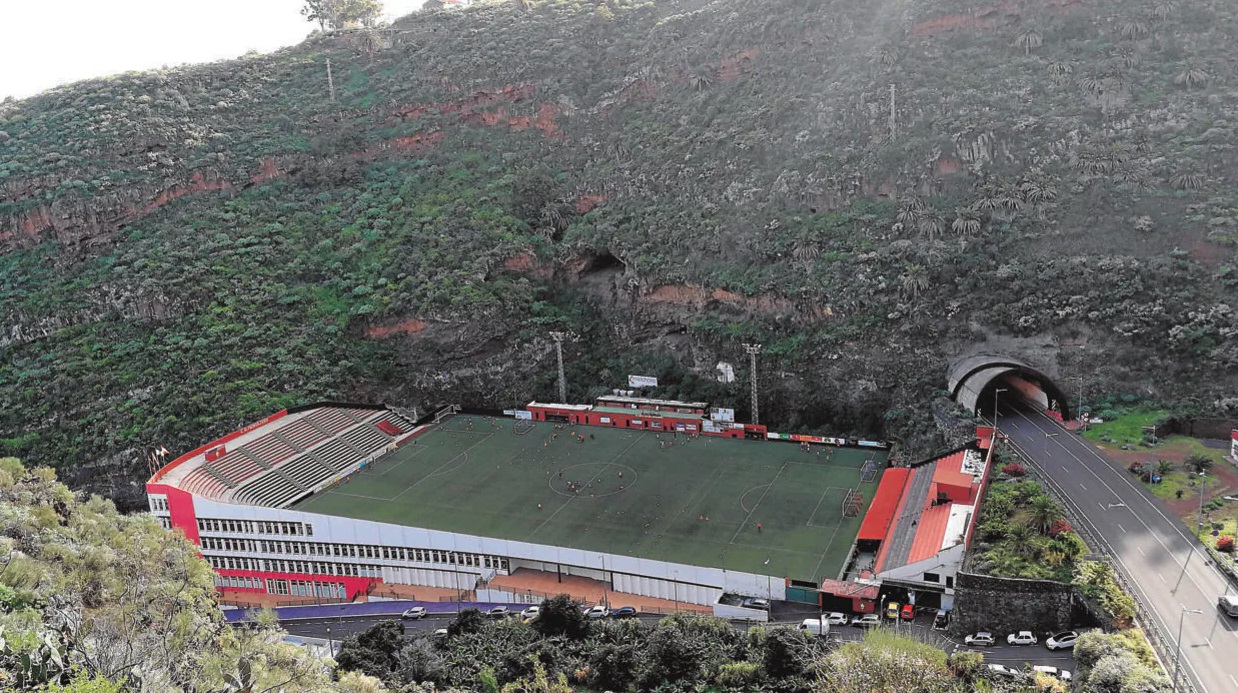
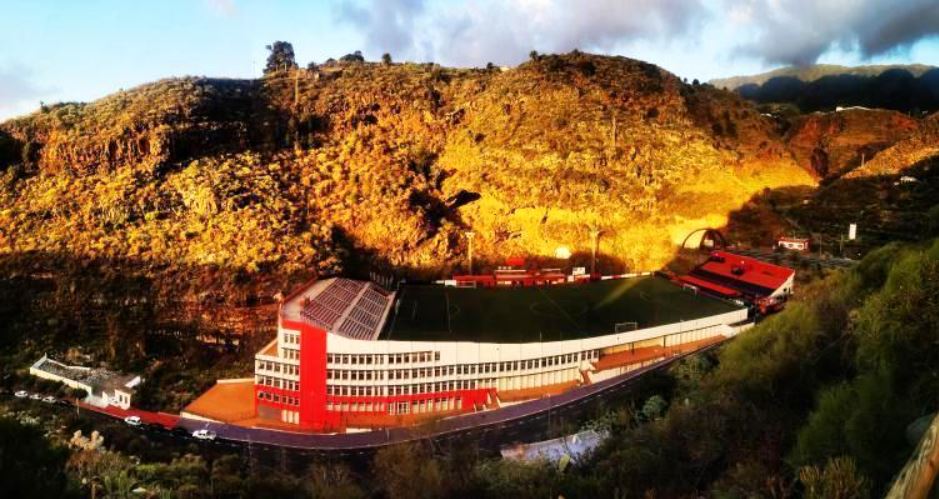
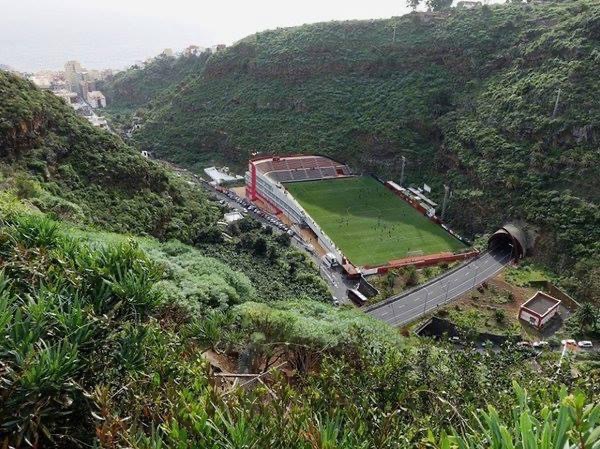
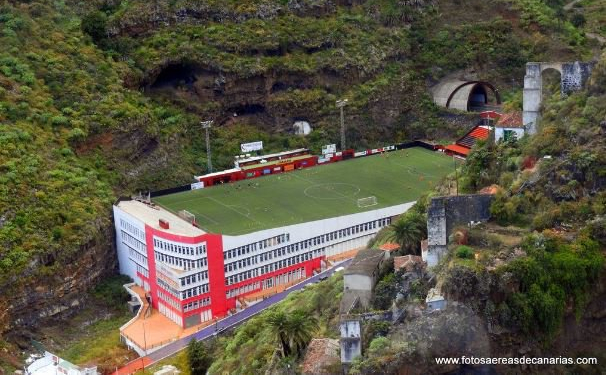
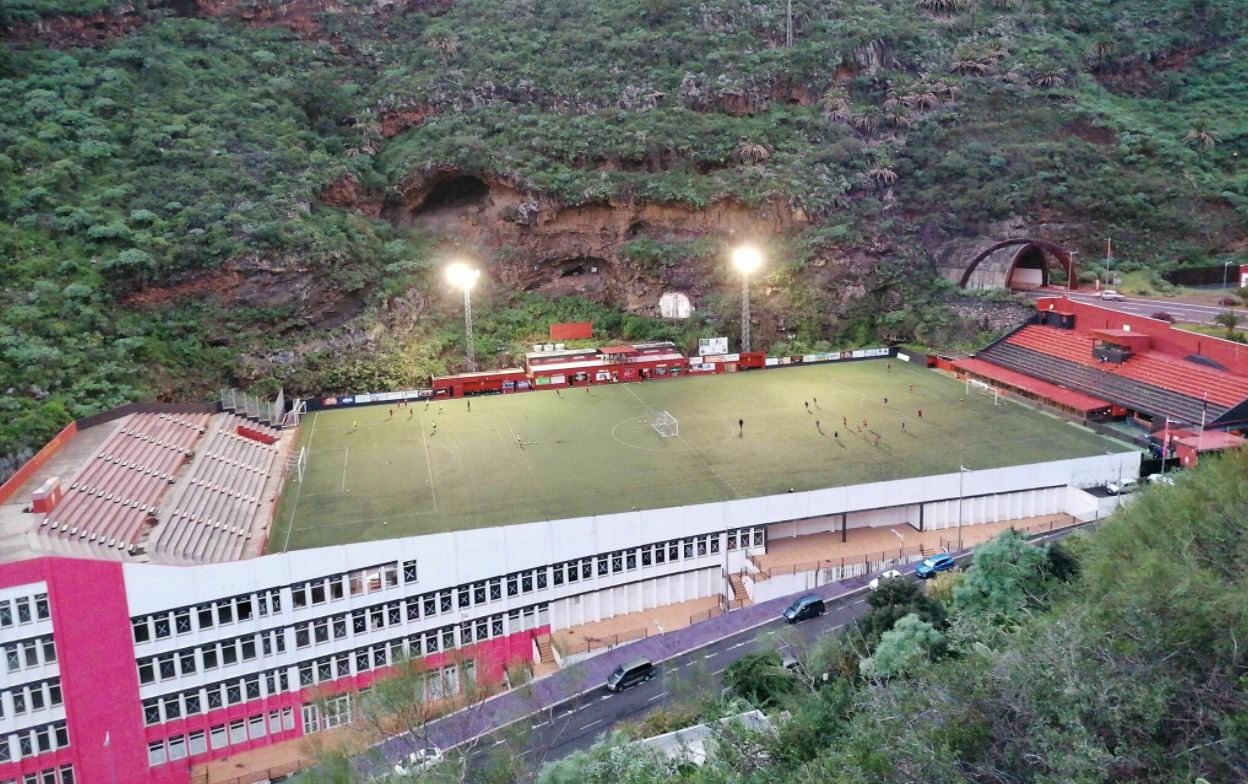
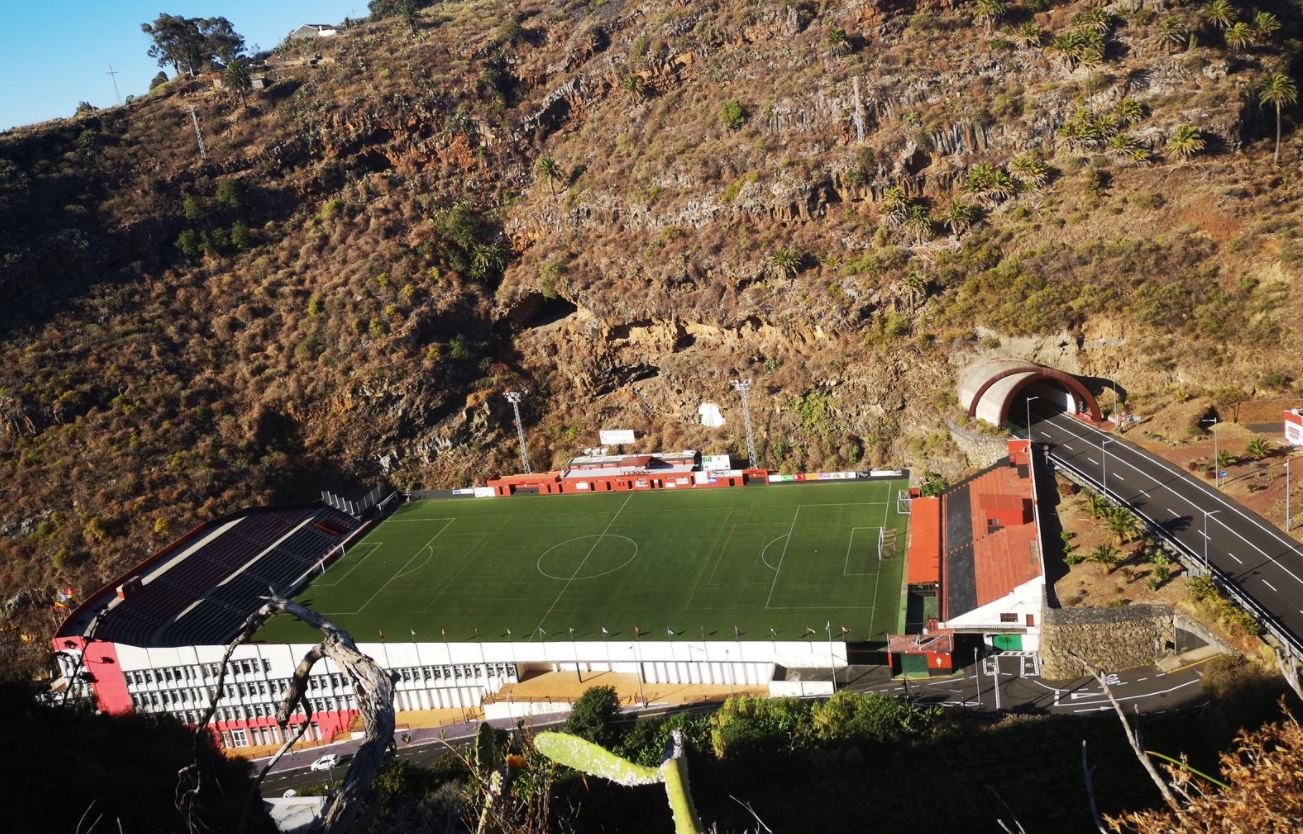
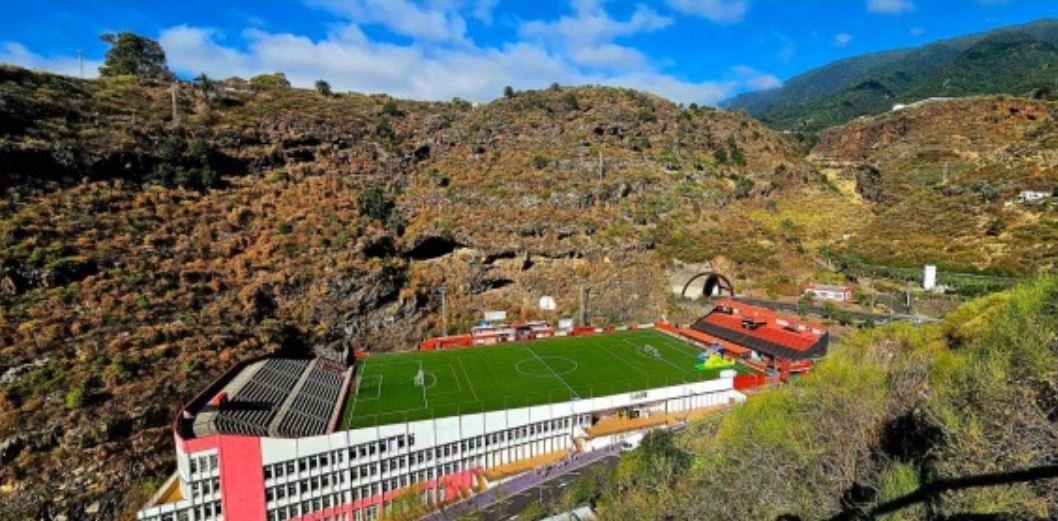
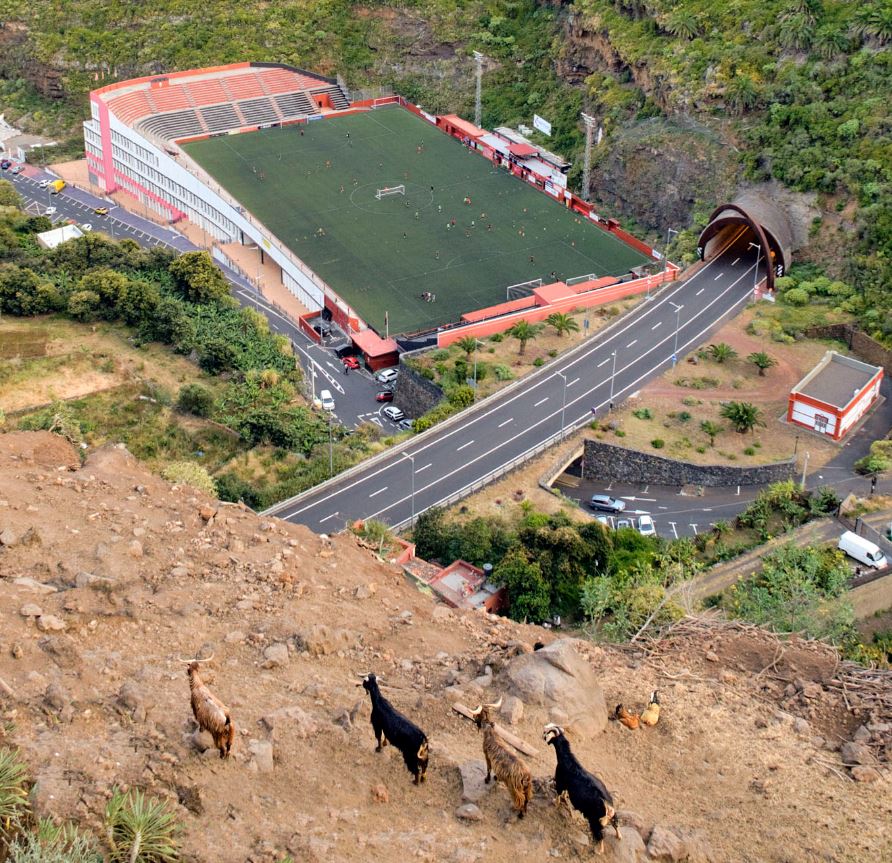
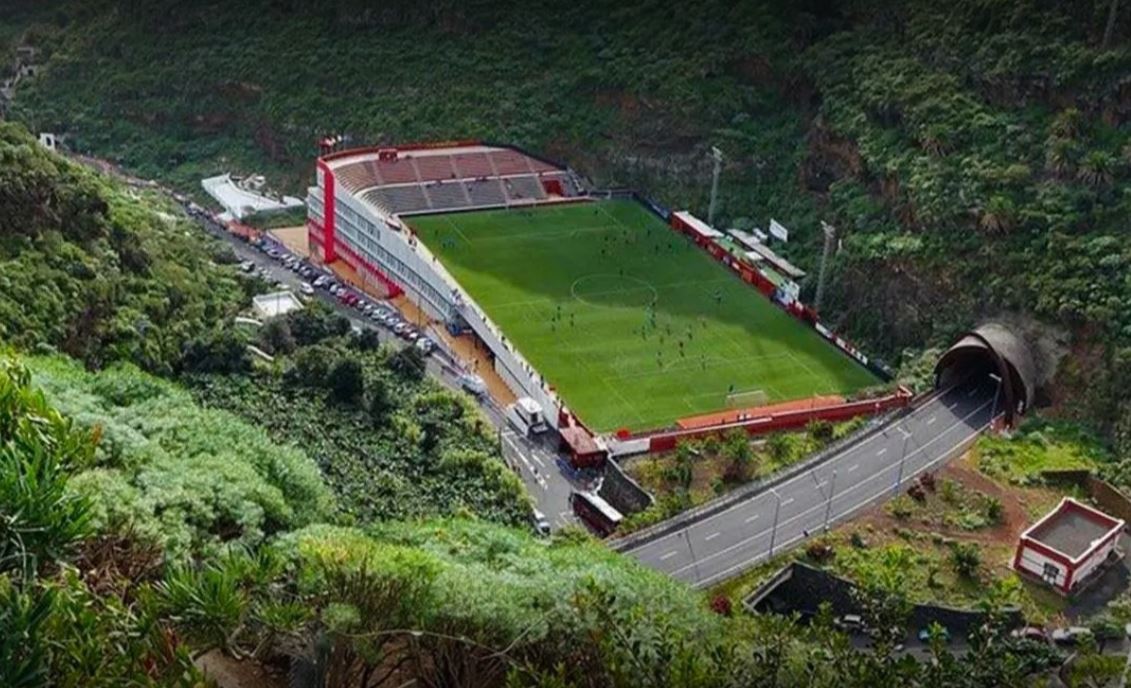
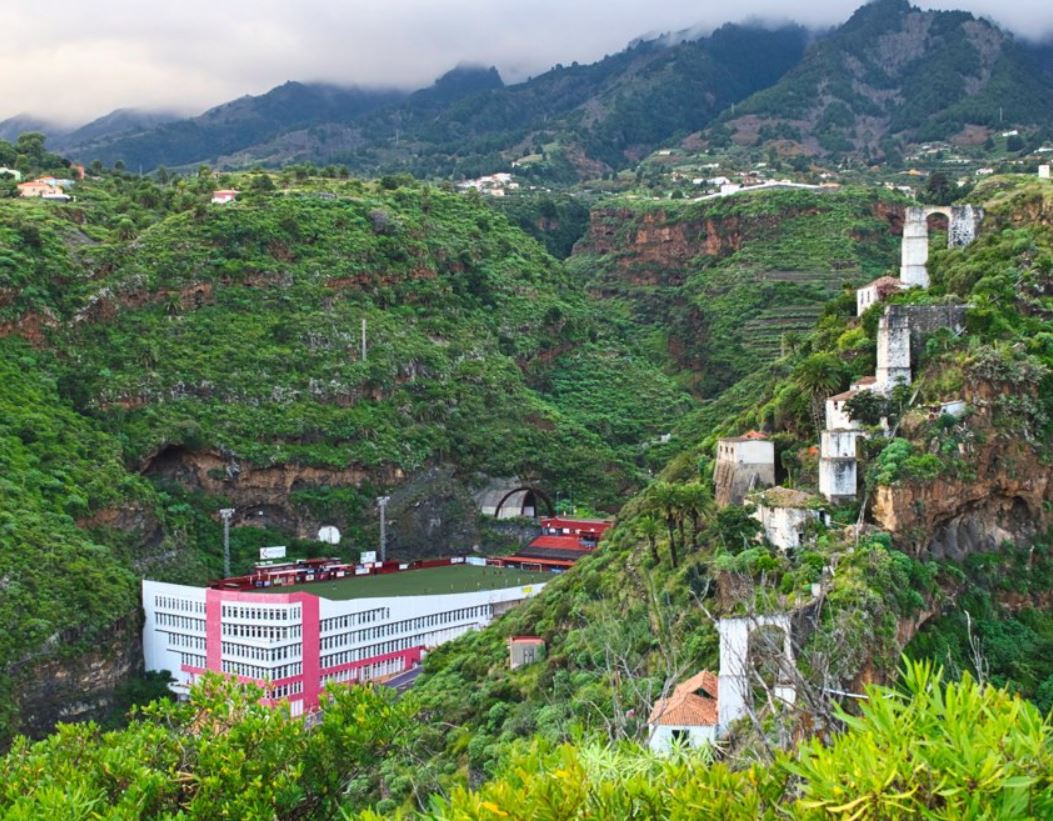
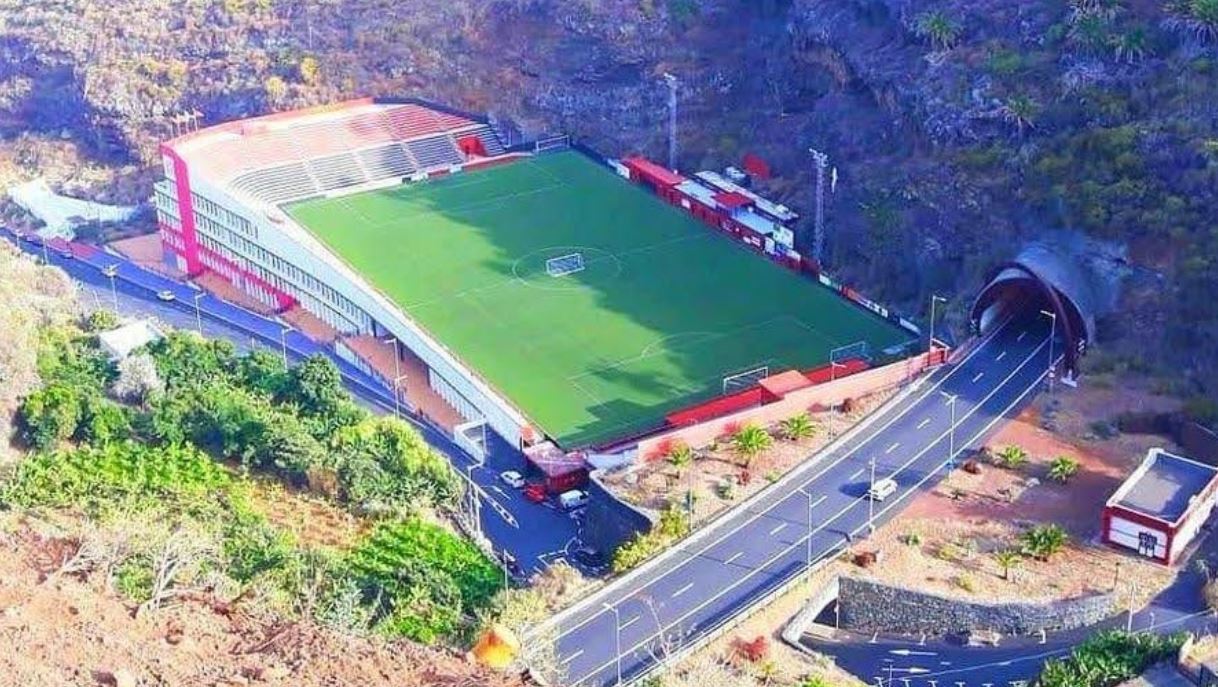
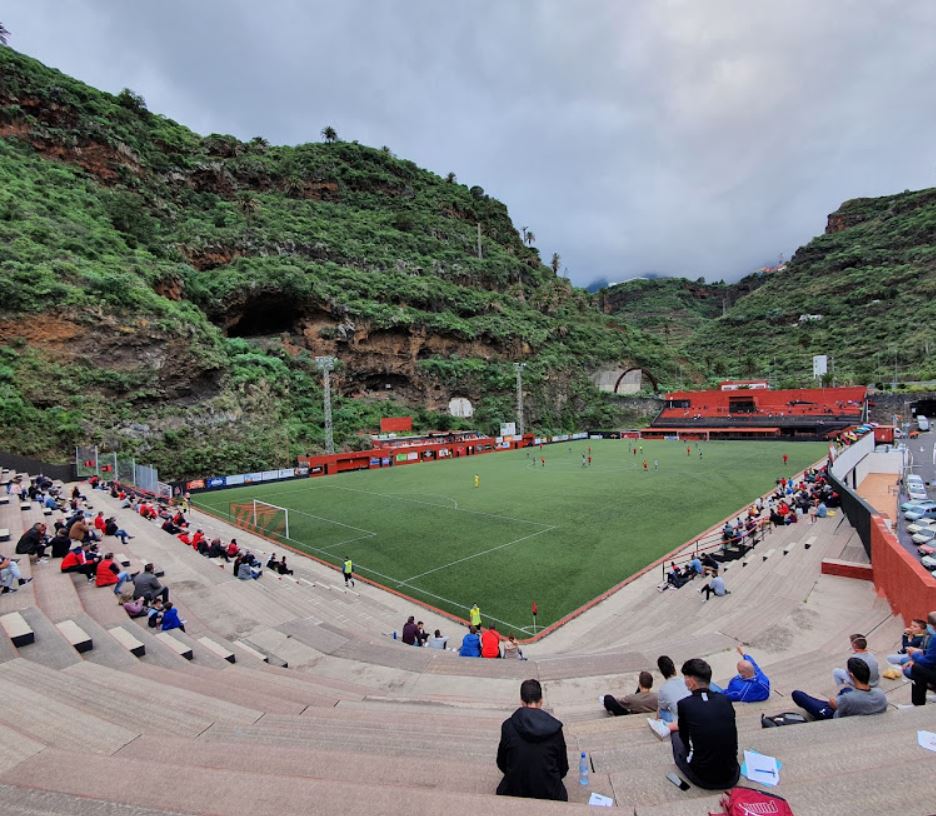
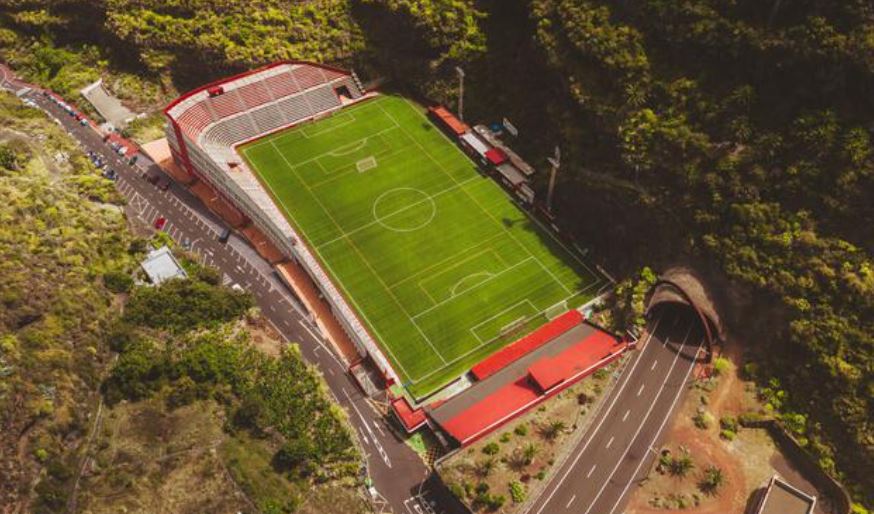
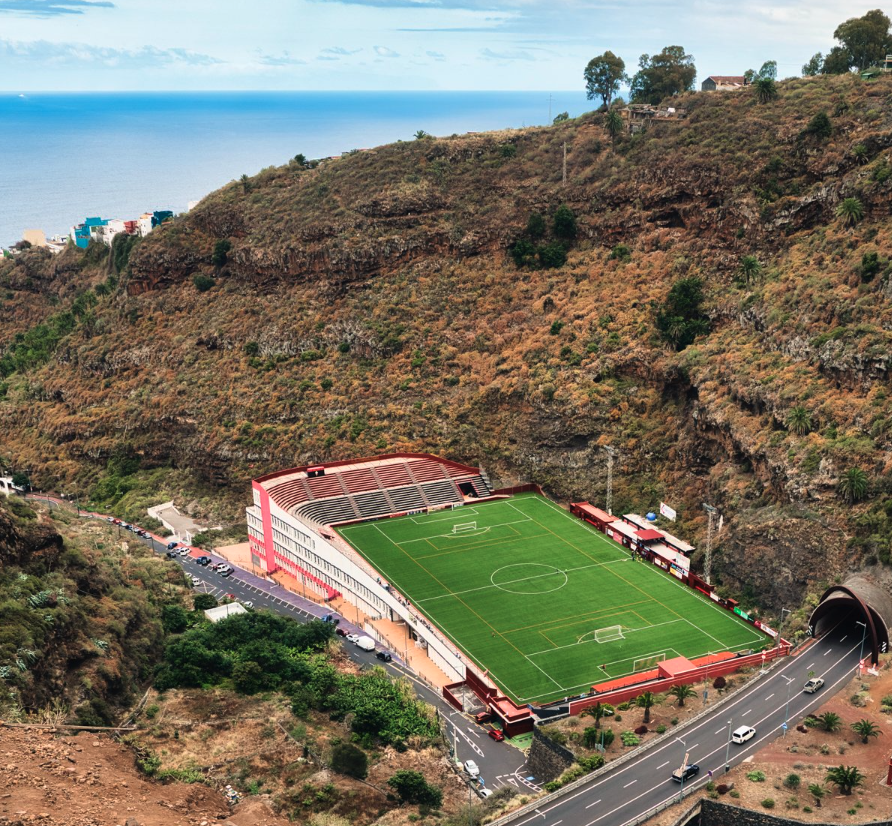
Far from the Spanish mainland, on the Atlantic island of La Palma, you will find a stadium that, over the past decade, has become so renowned that it has become the holy grail for groundhoppers. The Nuevo Silvestre Carrillo is an extraordinary stadium that is carved into the side of a hill at the top of a steep valley. Its construction is a remarkable achievement for such a small and remote club, but Club Deportivo Mensajero has become accustomed to remarkable achievements, having played in Segunda B for a decade from the early 1990s and almost reaching La Segunda.
Despite little official documentation, Mensajero states that their date of formation was January 1922, the date given by the club when it joined the local federation in 1934. A more likely date for formation is January 1924, when disillusioned players from Tenisca Club Balompié are said to have established the club. This would make Mensajero’s cross-city rivals the oldest club on the island, a dispute that still rumbles on, and one of many disagreements that have peppered the relationship between the two clubs. La Palma saw little in the way of organised football for the remainder of the 1920s, but following the formation of the local federation, Mensajero won the island’s first league championship in 1934, and repeated the feat a year later. Teams from Tenerife and Gran Canaria visited La Palma to play friendlies at the island’s main stadium, the Campo de Bajamar, but just as it seemed that football was about to gain a foothold in the public consciousness, the Civil War broke out, putting a halt to all sporting activity.
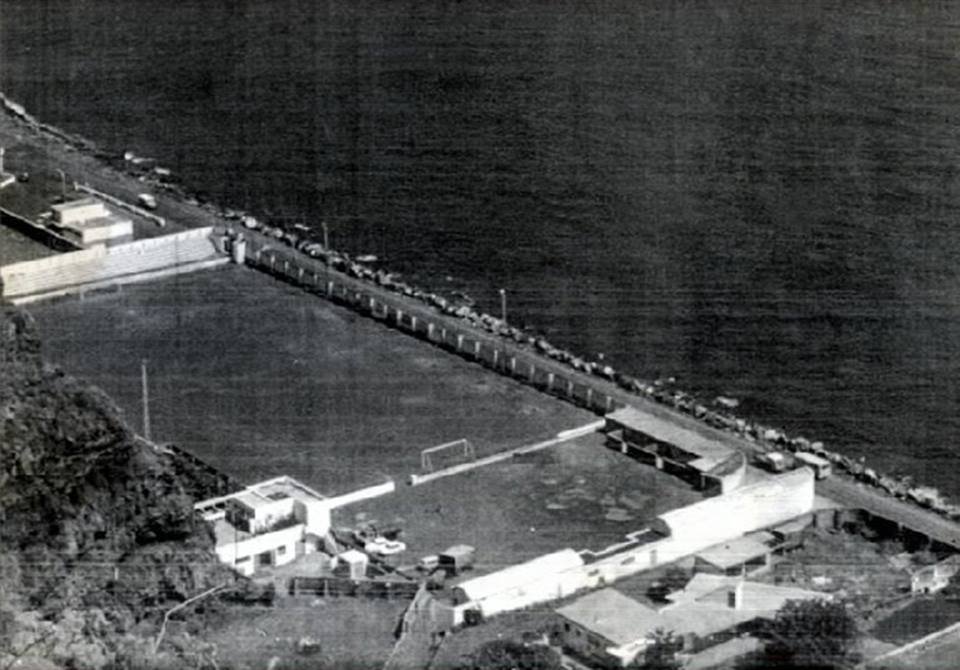
Organised football did not return on La Palma until 1940. Even then, it remained a hit-and-miss affair for the remainder of the decade, with disrupted editions of the league and its suspension for three years due to the eruption of the San Juan volcano. Mensajero kept its hand in, winning a couple of Insular Cups, and the arrival of Silvestre Carrillo as president saw the development of a reserve team and the addition of sports sections for basketball and swimming. By the beginning of the 1950s, the Segunda Regional had a section for clubs in La Palma, and Mensajero won the league in 1953 & 54. The latter victory earned the club promotion to the Primera National, where they finished runners-up in the 1955-56 season. However, tragedy struck the club on 2 December 1956. When travelling to an away match at El Paso, the club bus was involved in an accident that killed the driver and club physiotherapist, whilst several players sustained injuries. Mensajero withdrew from the league for the remainder of the campaign. Still reeling from the tragedy, on August 5, 1957, President Emilio Rodríguez also died in a traffic accident. The tragedies could easily have broken the club, but between the 1957-58 & 1962-63 seasons, Mensajero showed great resilience, winning four league titles. The club was still playing matches at the Campo de Bajemar, which was the property of the Real Nuevo Club Náutico de La Palma. In 1968, SD Tenisca leased the field, which caused friction between the clubs, particularly with access for training. This focused the club’s attention on buying its own ground.
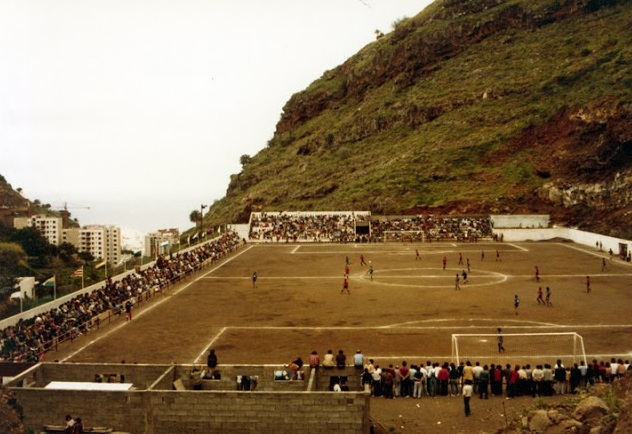
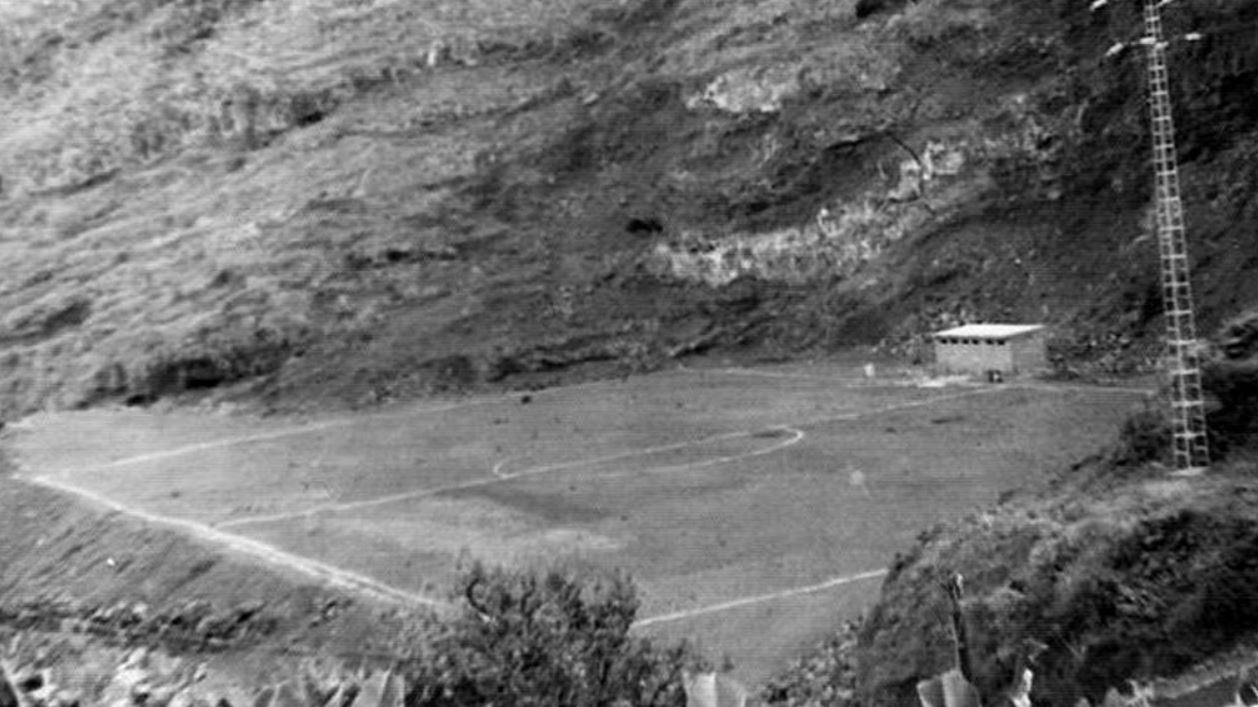
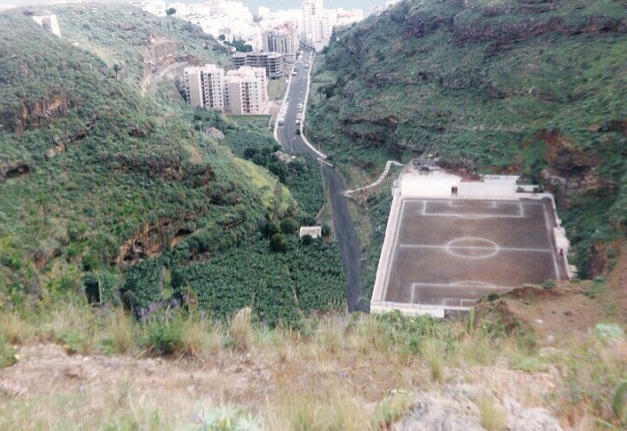
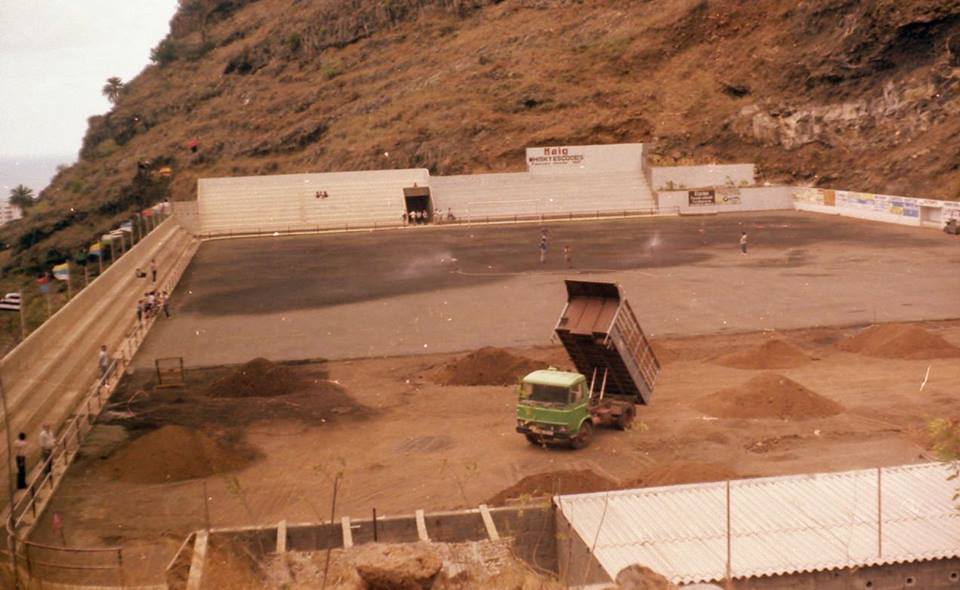
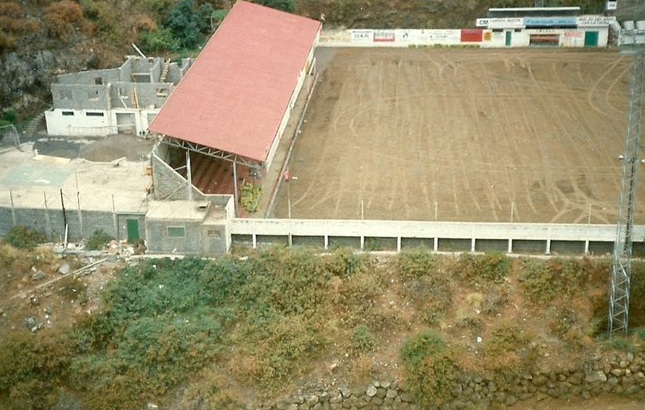
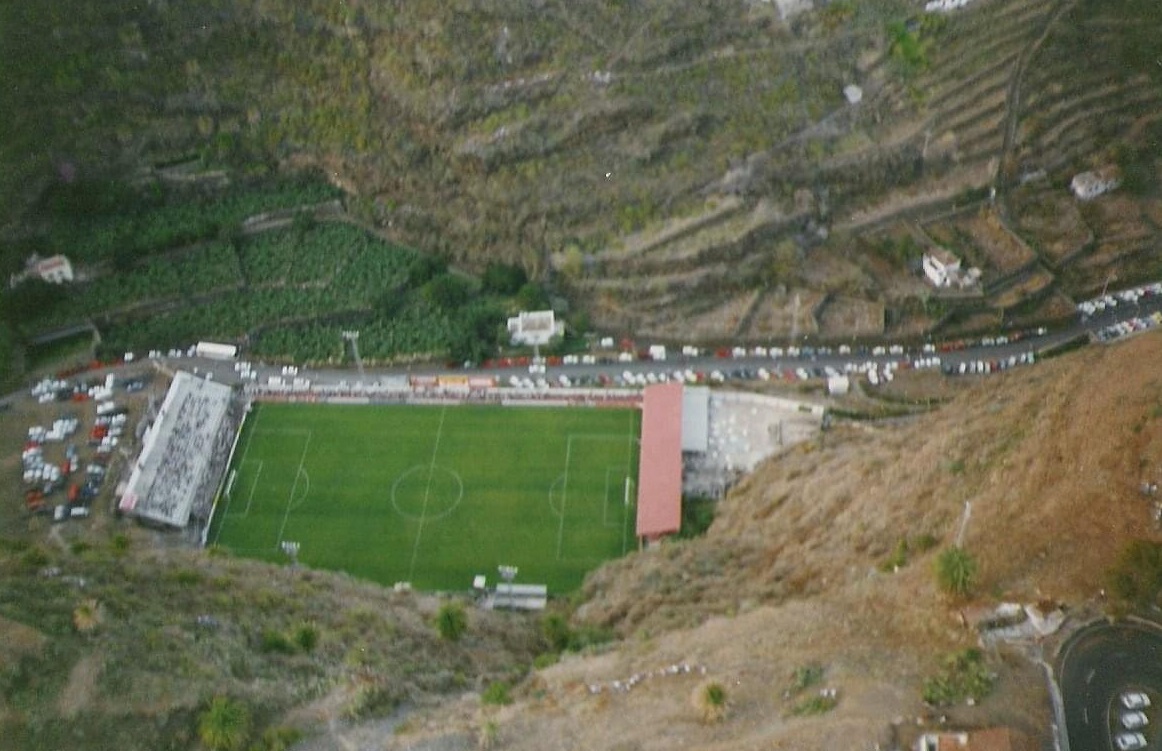
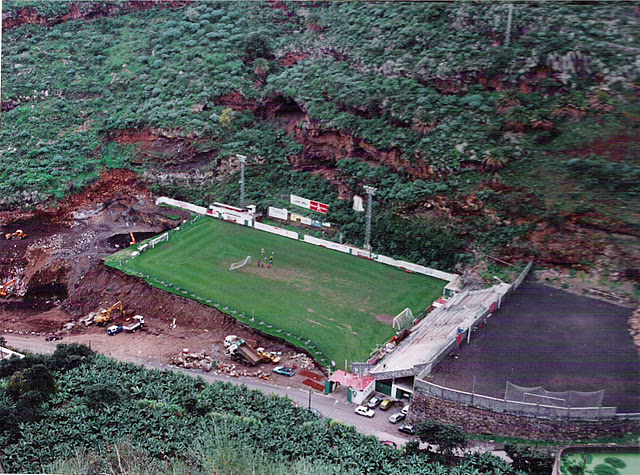
In 1973, Mensajero purchased a plot of land at the top of the Barranco de los Dolores (Ravine of sorrows!). It would take four years of blasting, levelling and honing the land to create their unique home. Eventually, on 17 December 1977, the stadium was inaugurated with a match between its two youth sides. The stadium was named in honour of the club president, Silvestre Carrillo, who had made the dream of their own home come true. Their new home consisted of a strip of narrow terracing on the north side of the ground and a larger terrace at the eastern end. The dirt pitch was so close to the cliff face that the southern side only featured a narrow, single-storey building that housed the changing rooms. The Campo Silvestre Carrillo may have had basic facilities, but there was no denying its striking concept and location. The move to the new stadium had an immediate impact, with Mensajero winning the Segunda Regional title in 1978 (It had been relegated in its final season at the Campo Bejamar). The Primera Regional title was won in 1980, and in its first season in the Regional Preferente, Menasajero won promotion to the National Tercera. There was a brief blip in 1982 following relegation, but a year later, the club was back in the Tercera, where it would stay for the remainder of the 1980s.
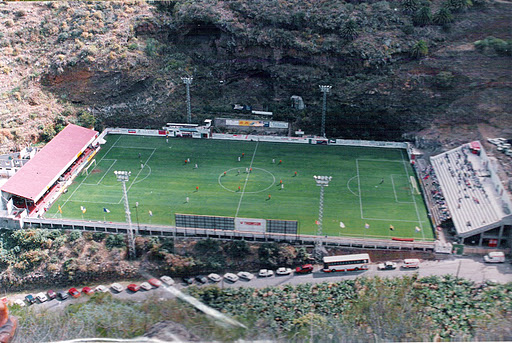
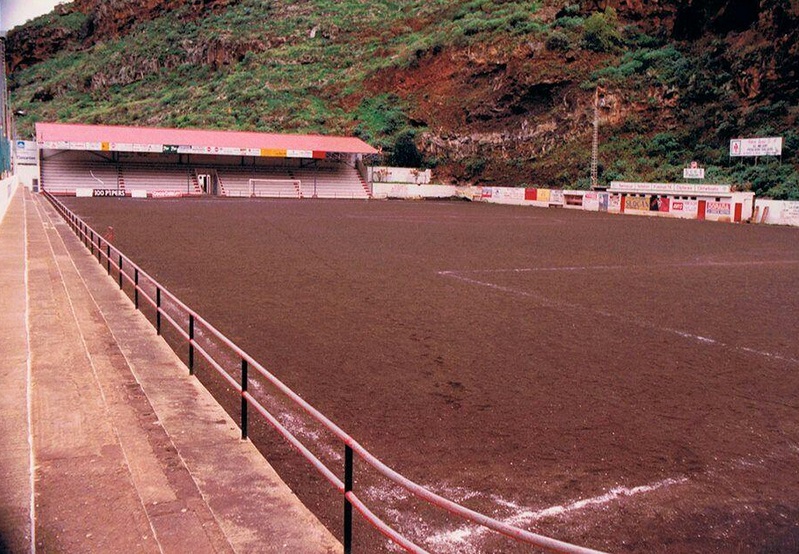
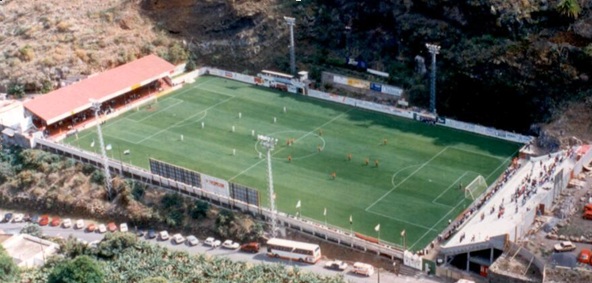
During its second spell in the Tercera, Mensajero qualified for the playoffs on three occasions. The first occurred at the end of the 1983-84 season, where they lost 2-6 on aggregate to Pontevedra. Six years later, Mensajero finished third in their playoff group, but 12 months later, they topped a tight playoff group to earn promotion to Segunda B. In advance of their debut in the third tier, the club carried out improvements to the Campo Silvestre Carrillo. The terrace at the eastern end of the stadium was covered with a propped roof, whilst at the opposite end, a large open terrace was constructed. The revamp was complete with the installation of a natural turf pitch. Over the following ten seasons, Mensajero recorded seven top-10 finishes and appeared in the playoffs on two occasions. The 1994-95 season saw the club finish runners-up in Group I of Segunda B, and enter the final set of playoff fixtures knowing that a win in Córdoba and a victory for Castellón against Sestao Sport Club would earn promotion to La Segunda. Alas, defeat in Córdoba and a draw in the other match ended their dreams. The club’s second appearance in the playoffs, at the end of the 1999-00 season, was an altogether more lacklustre affair. Grouped with Real Murcia, Granada CF and Burgos CF, Mensajero finished bottom of the group, with just one point to show for their efforts.
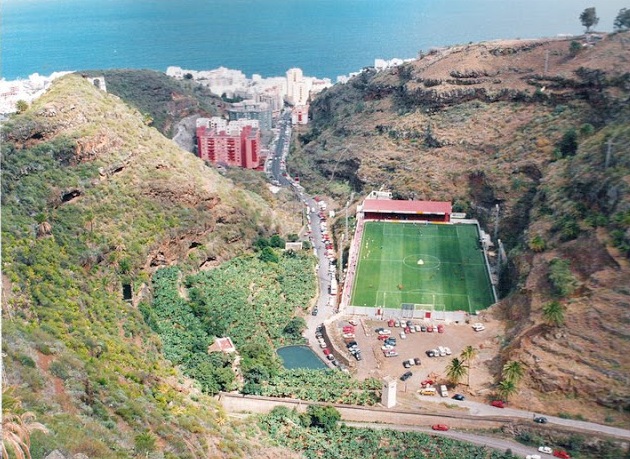
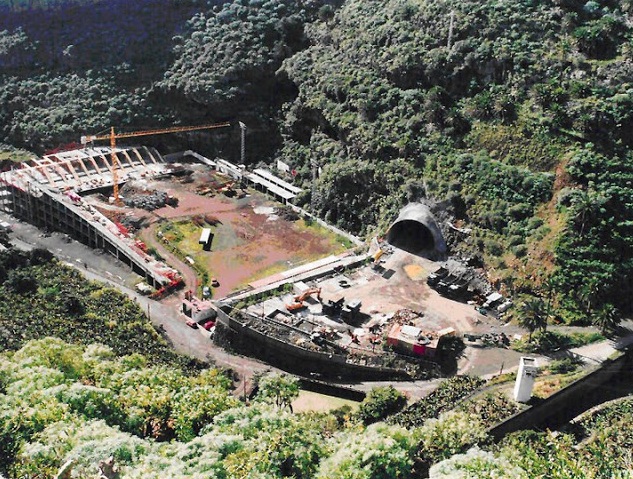
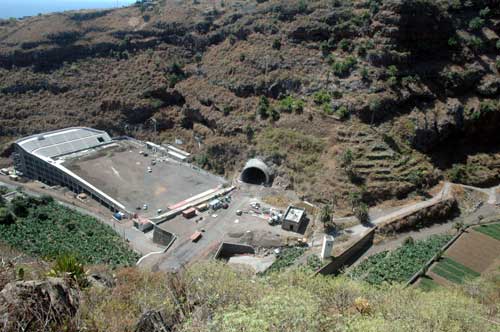
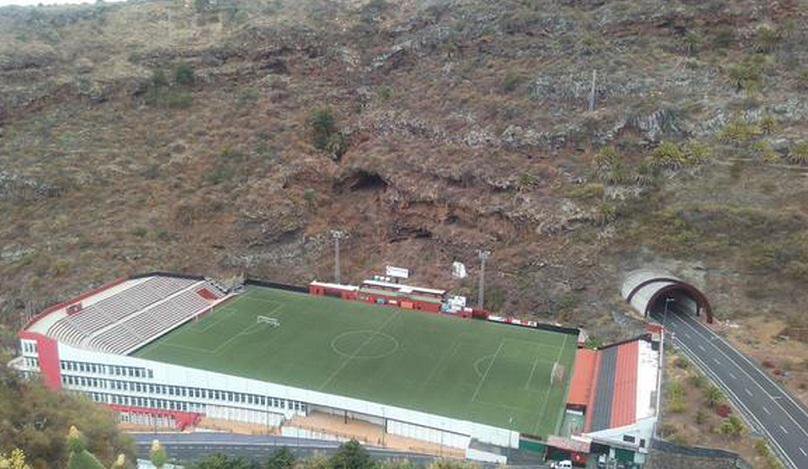
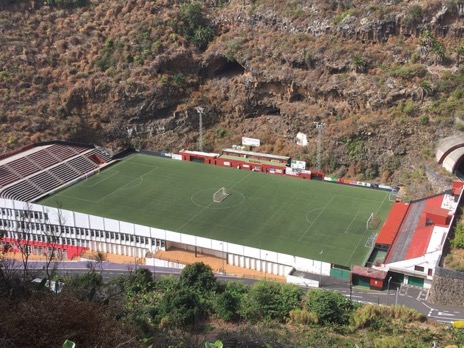
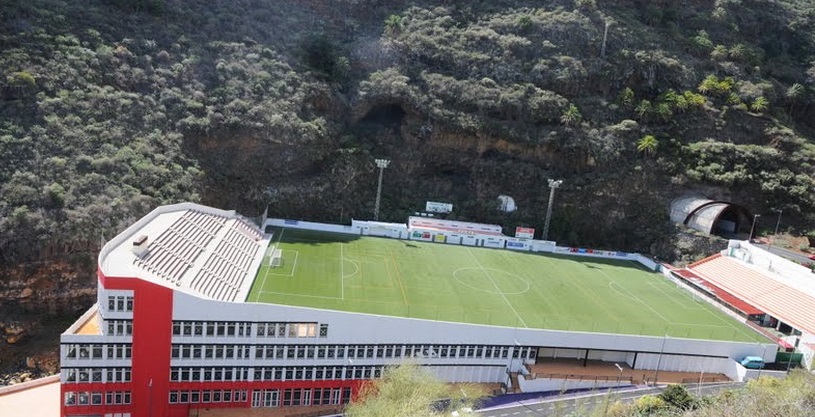
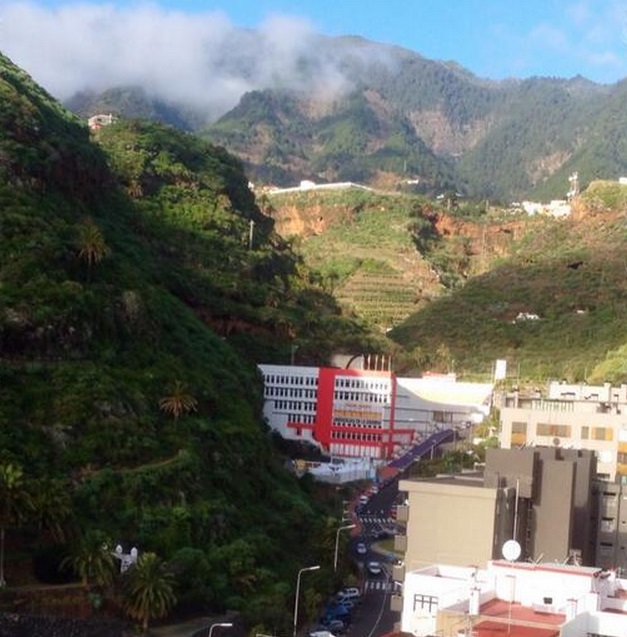
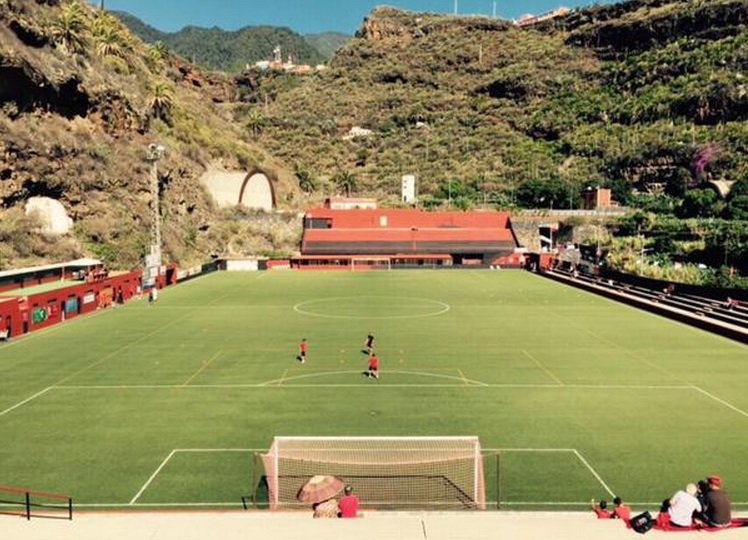
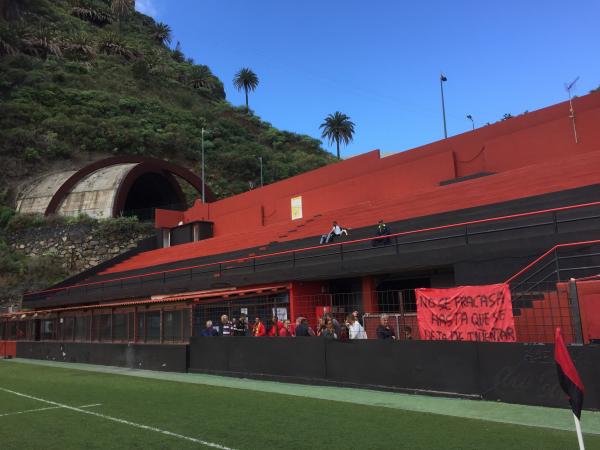
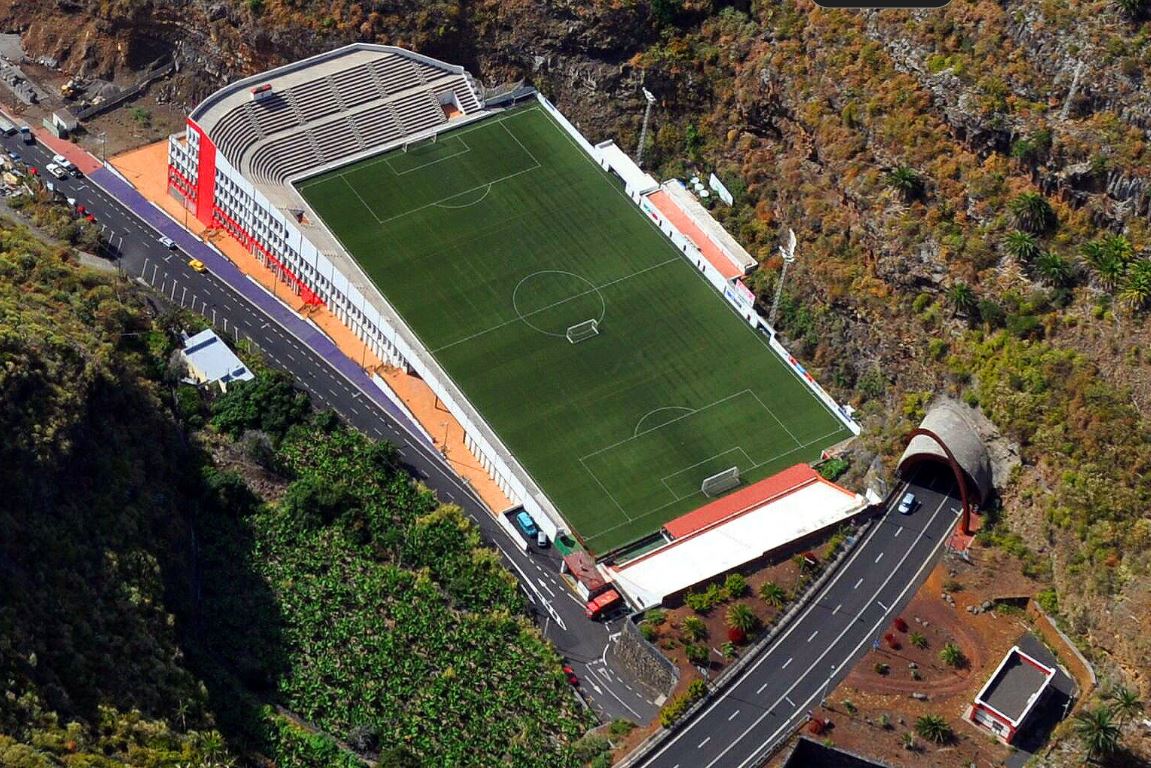
Eventually, the expense of running a relatively small club at a national level began to take its toll, and following dramatic cuts in funding, Mensajero was relegated at the end of the 2001-02 season, 11 points behind the penultimate team, CD Onda, and 18 points from the safety zone. Results back in the Tercera were disappointing, and after four seasons of diminishing returns, Mensajero fell into the Regional Preferente. Despite the drop down the leagues, the club pressed on with the proposed redevelopment of the Campo Silvestre Carrillo and set up home at the Estadio Insular de Miraflores, but also played matches at the Estadio Virgen de Las Nieves, home of SD Tenisca. The redevelopment led to the old northern side & eastern end being demolished and rebuilt to include office space under new, larger terraces. The old changing rooms, which sat between the halfway line and the south-east corner, were also replaced. The western end terrace, which was the newest addition to the old ground, remained, but the municipality built a new link road at the rear. Eventually, Mensajero returned to their home on 14 January 2007, winning their match against UD Orotava by 3-1. The basic orientation of the stadium remains unchanged. There is, however, a more substantial area of seating behind the east goal, and this now arcs around to the north side. The east end no longer features a roof, something that was included in the original plans, but due to financial difficulties, the project was scaled back. The north terrace tapers away to a single line of seating as you head west, due to the artificial pitch being wider than the original playing surface. The official capacity of the stadium is set at 6,000.
Mensajero returned to the Tercera in 2008, but it would take a few more seasons for the club to regain its swagger. After finishing 3rd in the 2012-13 regular season, Mensajero managed to blow a 4-0 first leg lead in the playoff final, eventually losing on penalties to Atlético Astorga. A year later, after winning the league, Mensajero triumphed on penalties after the final tie with Pontevedra ended 1-1. Back in the third tier for the first time in 13 seasons, Mensajero had to dig deep, but some late-season form, including a 5-0 victory over Getafe B on the final day of the season, kept them clear of the drop zone. After a break of 15 years, Mensajero also played in the Copa del Rey, beating Rayo Majadahonda 2-0 at the Silvestre Carrillo, before taking Cádiz to extra-time, before losing 0-1. The following campaign proved more difficult, with the club in or around the relegation zone for most of the season. They eventually finished 17th and dropped to the Tercera. Following the restructuring of the Spanish football pyramid, Mensajero has won two further Tercera titles, earning season-long stays in the Segunda Federación in 2021-22 and 2023-24.
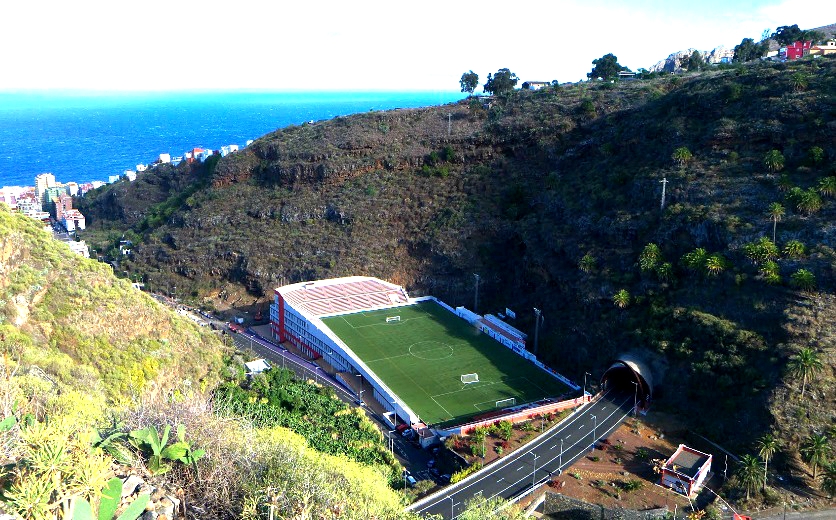
Mensajero’s return to the national leagues in 2014 raised the profile of their extraordinary stadium. “Perched atop an office building”, “Cut into a cliff”, “On the edge of a rain forest”, were sensational headlines that were used in the press and social media to describe the stadium. Sensational, but true. However, I think it is from the outside of the Nuevo Silvestre Carrillo that you appreciate the magnitude of the task of building a stadium in this location. As you walk up Avenida del Puente from the centre of town, the stadium looms over you like a grounded ocean liner. It was a long and at times traumatic journey, but Mensajero can take comfort from the fact that they have a stadium that is totally ship-shape and genuinely unique.








 Estadios de España
1 thought on “Santa Cruz de La Palma – Nuevo Estadio Silvestre Carrillo”
Comments are closed.