
Article updated: 30/10/2025
Santa Cruz de La Palma is a city on the edge. On the edge of Europe, on the edge of a rain forest, and so far as its football stadiums are concerned, on the edge of reason. You may already be aware of Club Deportivo Mesanjero’s outrageously located Nuevo Estadio Silvestre Carrillo. Well, you will be delighted to learn that their perennial cross-city rivals, Sociedad Deportiva Tenisca, also reside in a stadium with one of the most extravagant locations. Before we take a look at the wonderfully named Estadio Virgen de Las Nieves, here’s some background on La Palma’s other senior club.
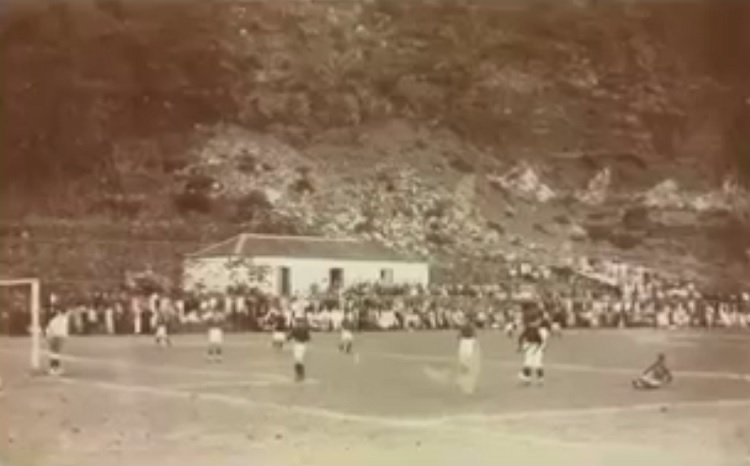
Sociedad Deportiva Tenisca was founded on Christmas Eve 1922, which, according to their records, makes them the island’s oldest club. CD Mesanjero disputes this claim, one of many disagreements that have peppered the relationship between the two clubs. What we do know is that the club was founded when Catalan soldiers stationed on the island organised a football tournament. The locals set up a team, choosing the name Tenisca, who was a princess of the ancient inhabitants of La Palma, the Benahoarita. The club’s first colours were identical to Barcelona’s, a theme that continues to the current day with the second strip, which is often red & blue stripes. Tenisca’s first home was the Plaza de San Fernando, but a year later, the club moved to the Campo de Bajamar, which was situated on the Esplanade, just south of the main port.
La Palma saw little in the way of organised football for the remainder of the 1920s, but following the formation of the local federation, the club dominated the early years of the island’s championship. CD Tenerife and teams from Gran Canaria visited La Palma to play friendlies at the Campo de Bajamar, but just as it seemed that football was about to gain a foothold in the public consciousness, the Civil War broke out, halting all sporting activity. Organised football did not return on La Palma until 1940. Even then, it remained a hit-and-miss affair for the remainder of the decade. Tenisca did win two league titles and the Island’s cup, but the competition was regularly disrupted and was later suspended for three years due to the eruption of the San Juan volcano. The 1950s saw Tenisca become a dominant force on La Palma, winning a further five league titles. Clubs from La Palma did not compete in the Canarias championship until 1964, by which time, Tenisca was a shadow of its former self. The club was relegated to the regional leagues in 1968 but returned to the Regional Preferente a year later, and remained there until the formation of the Canarias section of the Tercera in 1979.
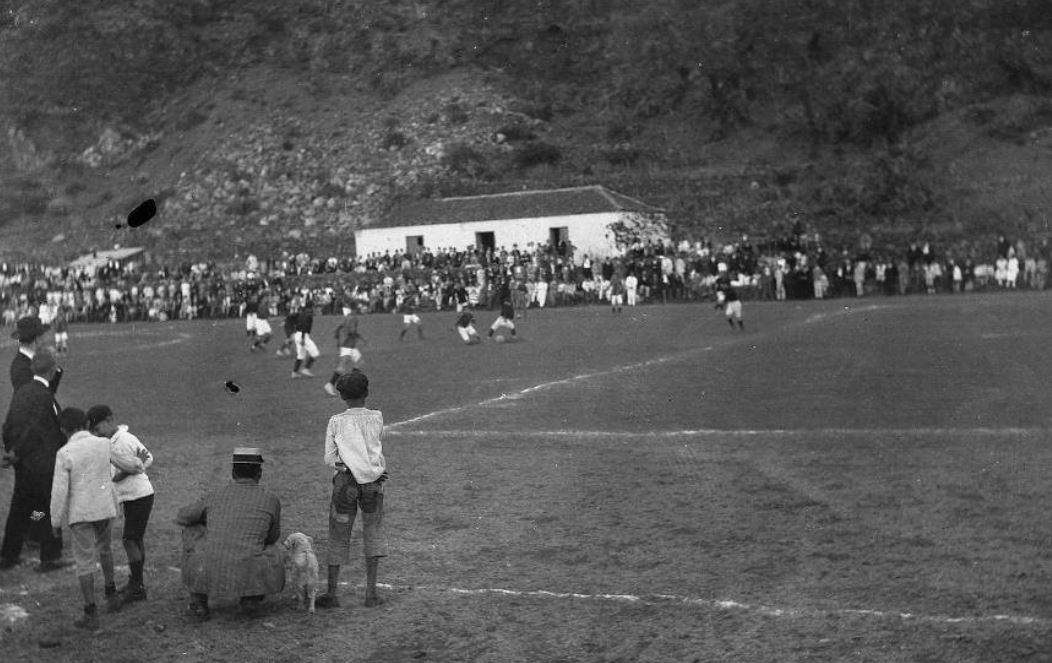
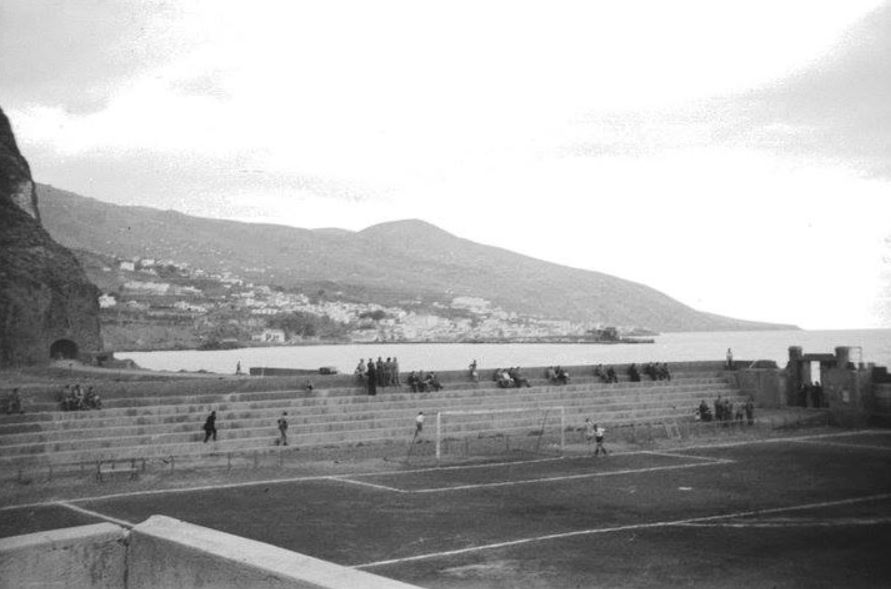
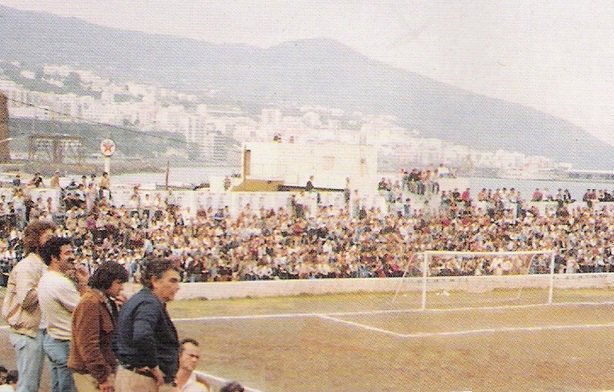
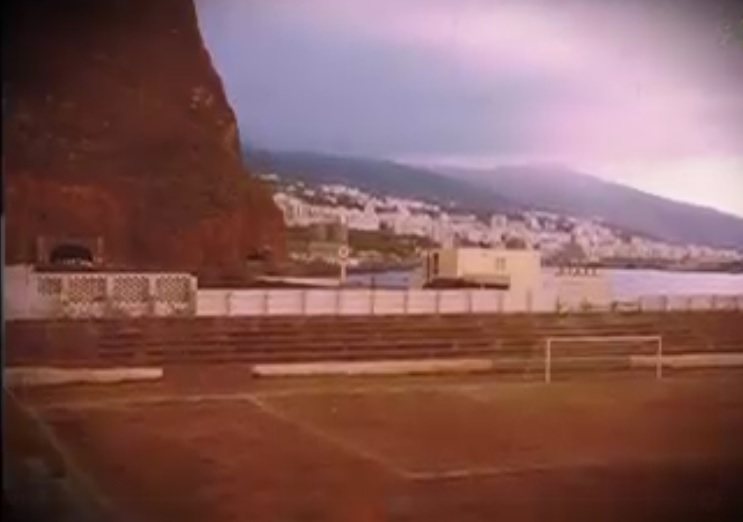
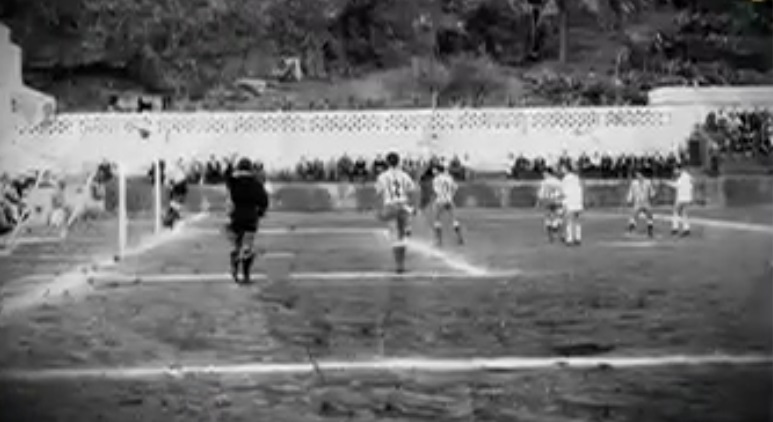
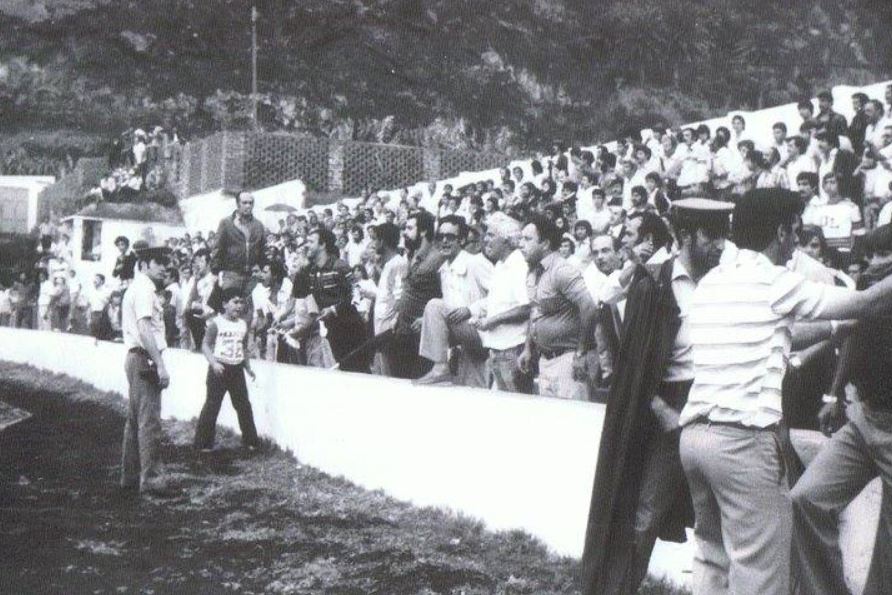
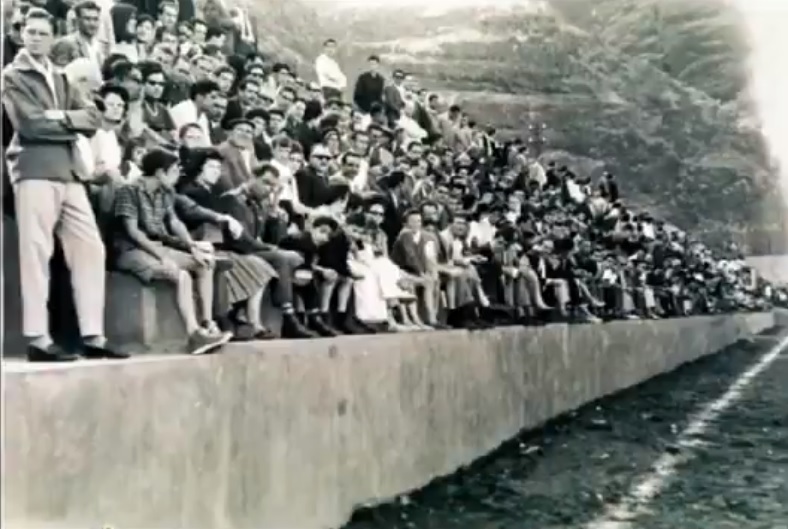
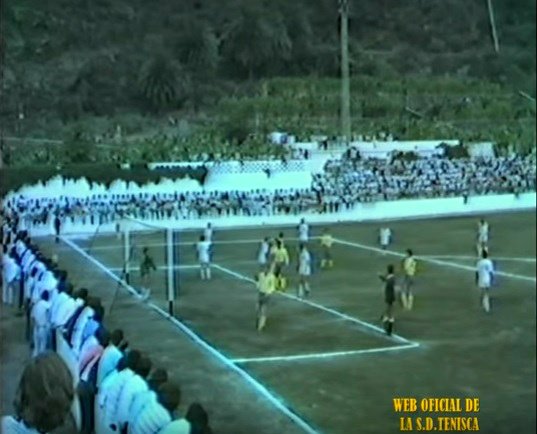
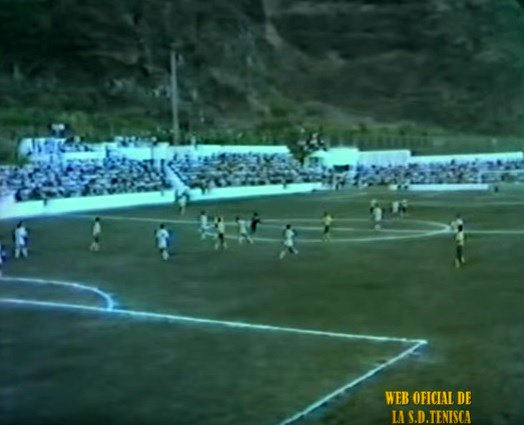
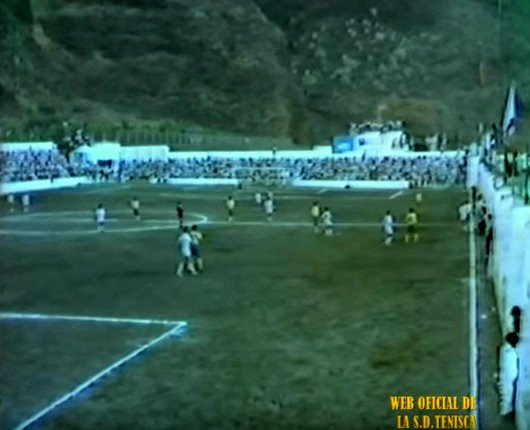
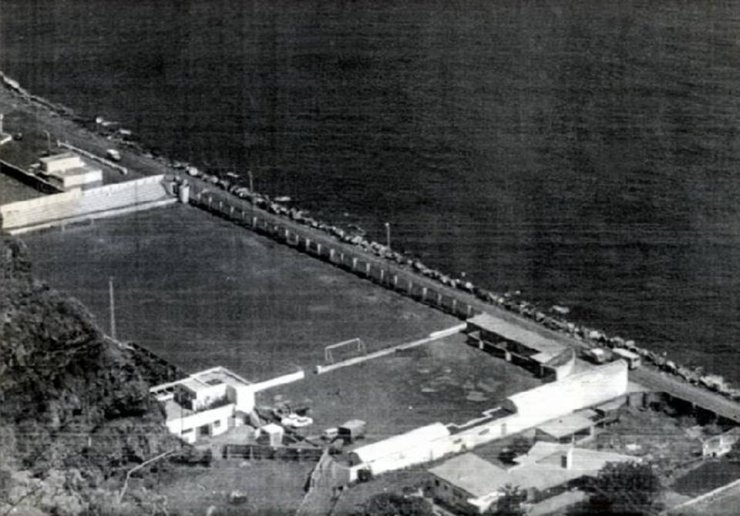
Tenisca had leased the Campo de Bajamar from the Real Nuevo Club Náutico de La Palma since 1968, and the compact structure of the ground and notoriously narrow pitch made Bajamar a fortress. The majority of Bajamar’s 5,000 capacity was situated on the western side of the ground, where an open seated section was flanked by narrow terraces. There was another narrow terrace at the northern end of the enclosure, whilst the southern end had an area of hard standing in front of the changing rooms. Perhaps the most remarkable feature at the Campo de Bajamar was the eastern side of the ground, where a brick wall, festooned with advertisements, stood just barely a metre from the touchline. The Campo de Bajamar was a relic of a bygone era, and in 1987, when the road to the airport was widened, the club moved to the Estadio de Miraflores. This stadium was part of the Ciudad Deportiva, which had opened in 1977 at the head of a valley to the northwest of the city. It was primarily an athletics stadium and would remain Tenisca’s home for the next 14 years. The stadium was redeveloped when Tenisca left for their new stadium and now goes by the name of Estadio Rosendo Hernández.
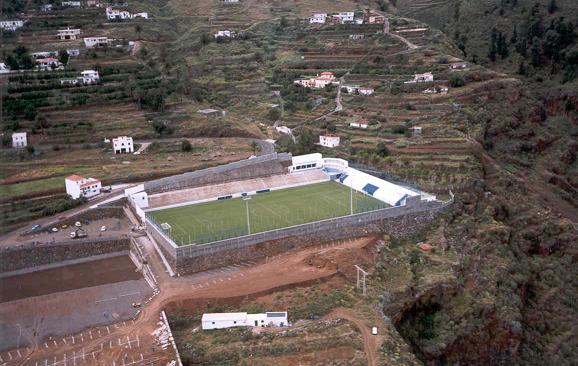
To say that Tenisca is a stalwart of the Tercera is an understatement. When the RFEF restructured the leagues at the end of the 2020-21 season, the club had clocked up 41 consecutive seasons at this level, a record in Spain, but unlike Mensajero, it has yet to break into the third tier. (A point that no doubt grates!). That’s not to say they haven’t come close to promotion, having won the Tercera title twice and reached the playoffs on 12 separate occasions. Alas, the playoffs have proved to be their Achilles heel, having never really come close to emulating their rivals’ achievement of life in Segunda B. Mesanjero’s remarkable feat may well have prompted Tenisca’s move from the Estadio Miraflores, for, in 2001, the club headed north out of town to the village of Mirca.
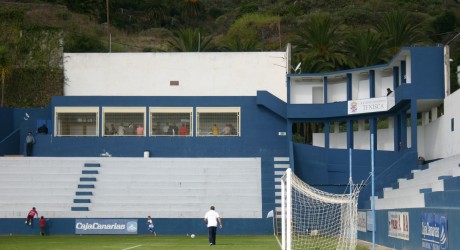
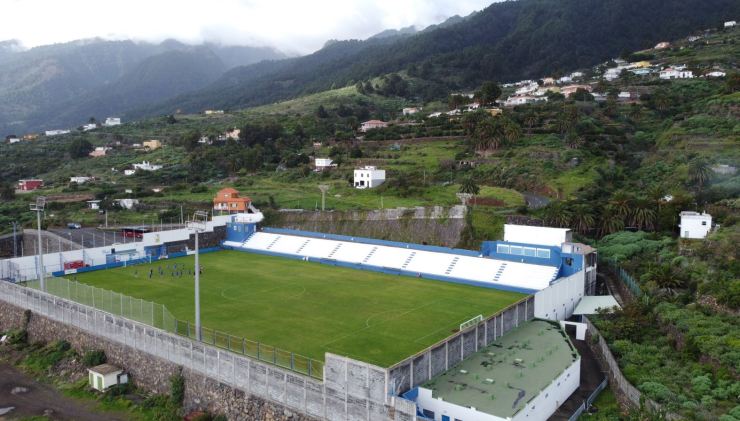
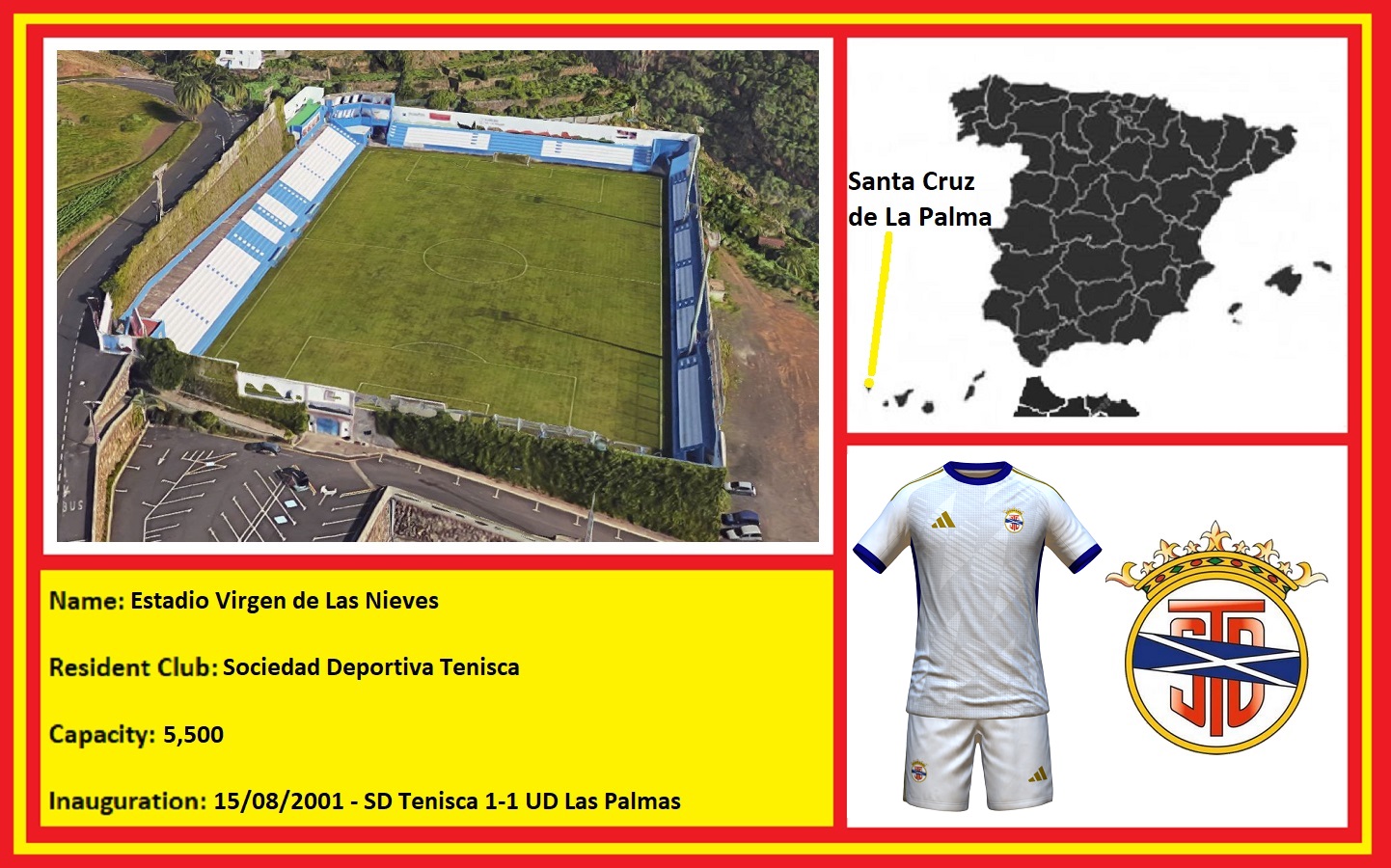
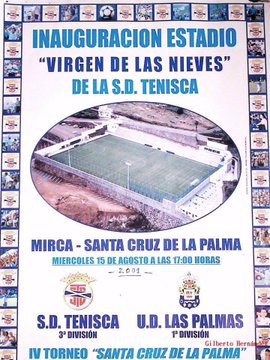
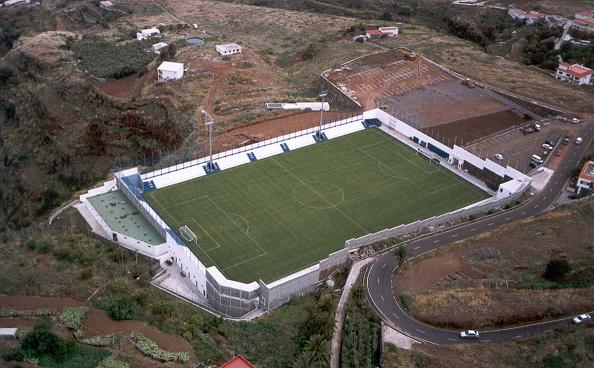
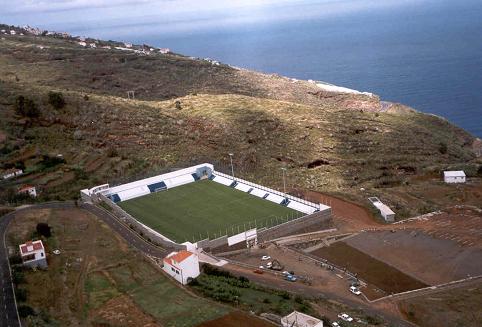
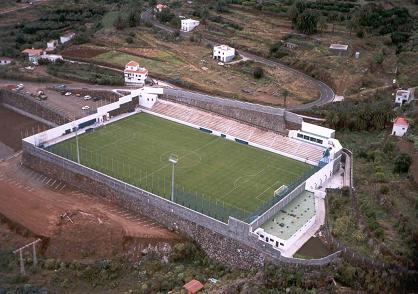
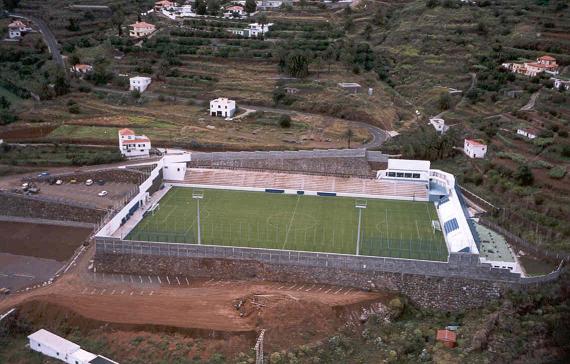
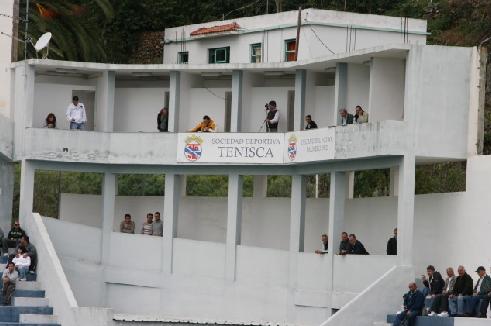
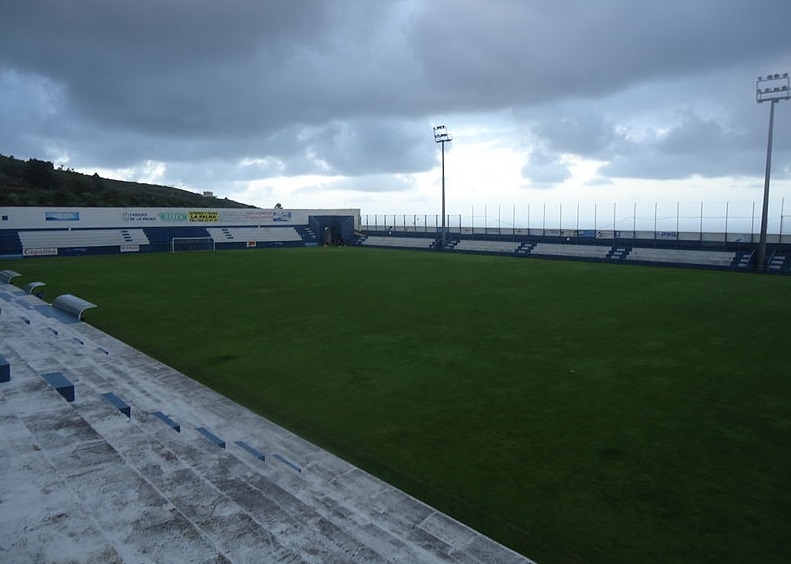
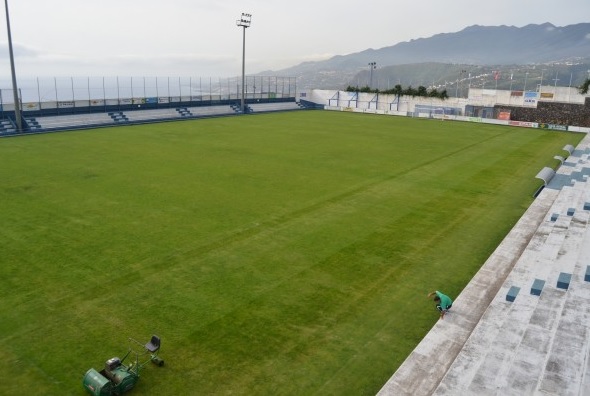
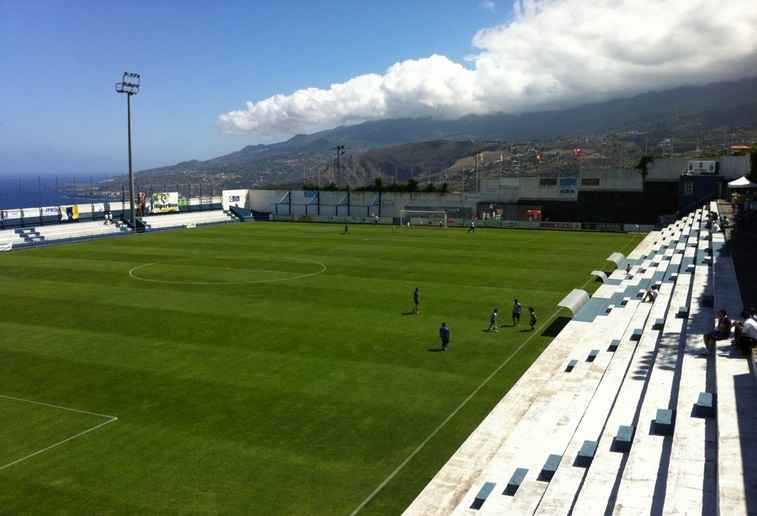
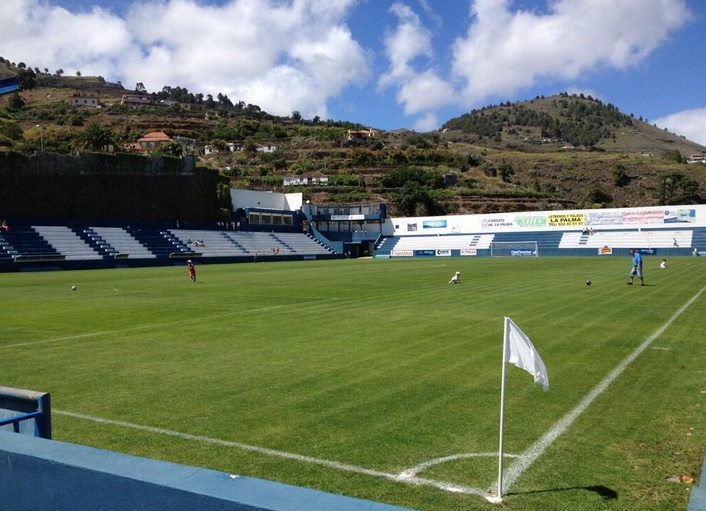
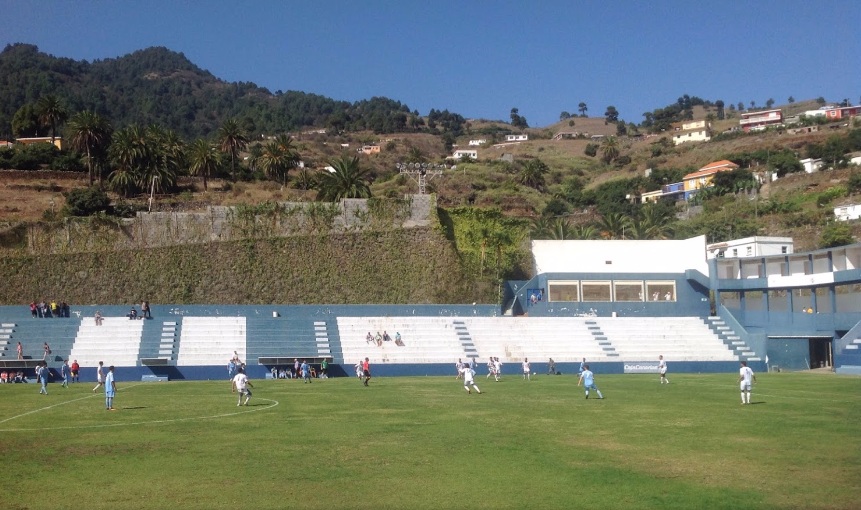
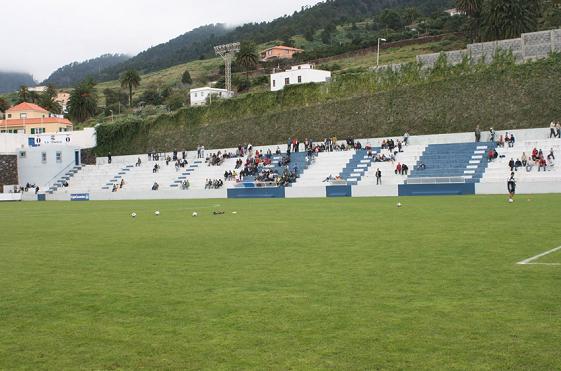
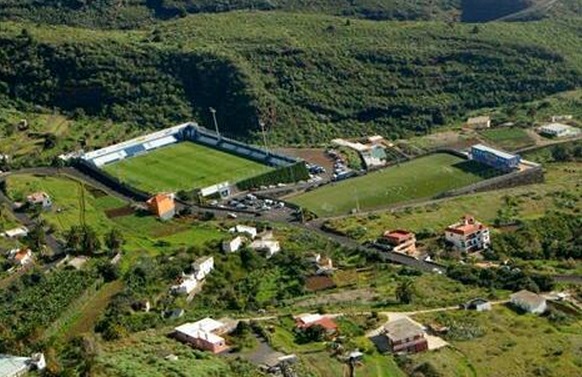
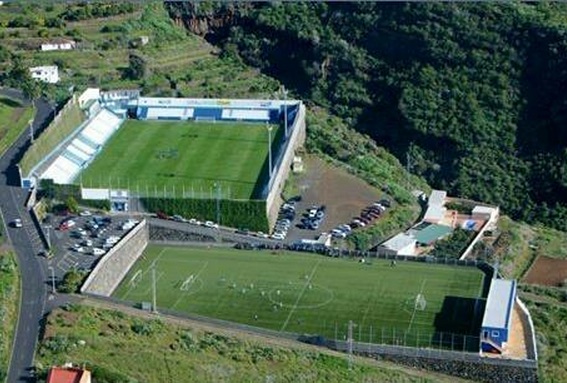
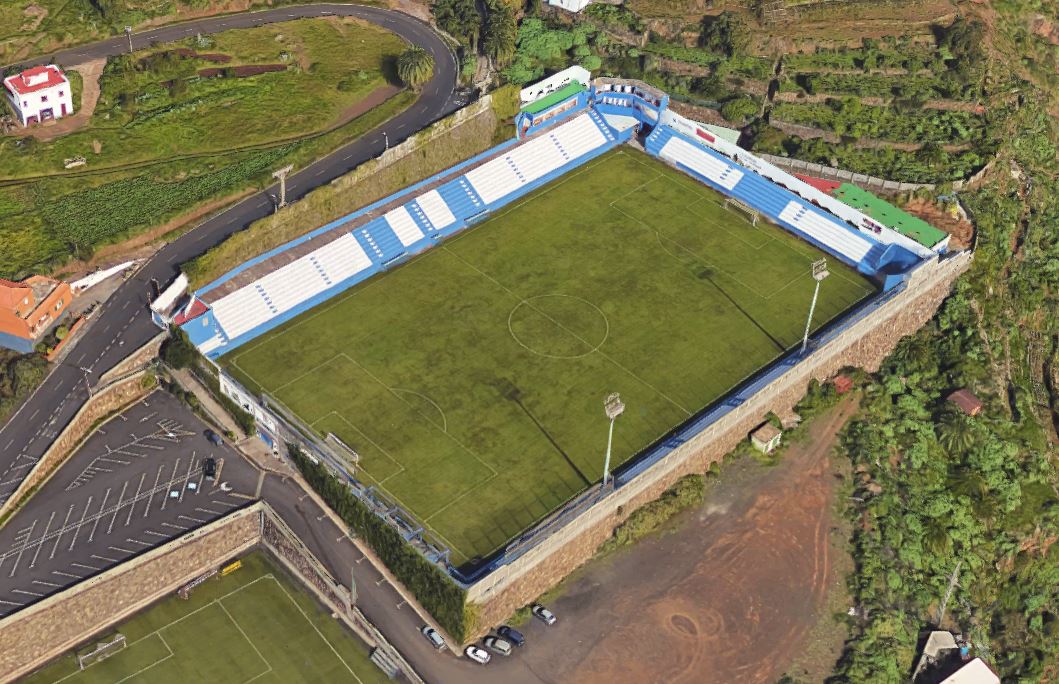
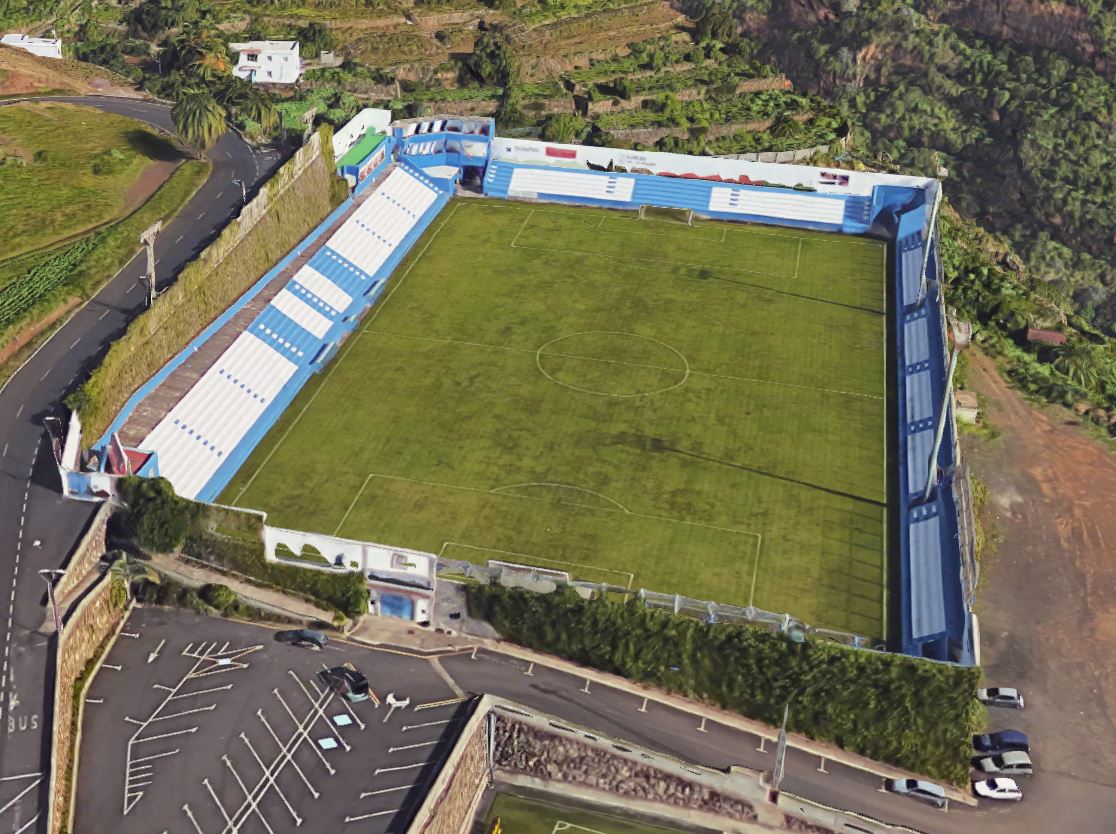
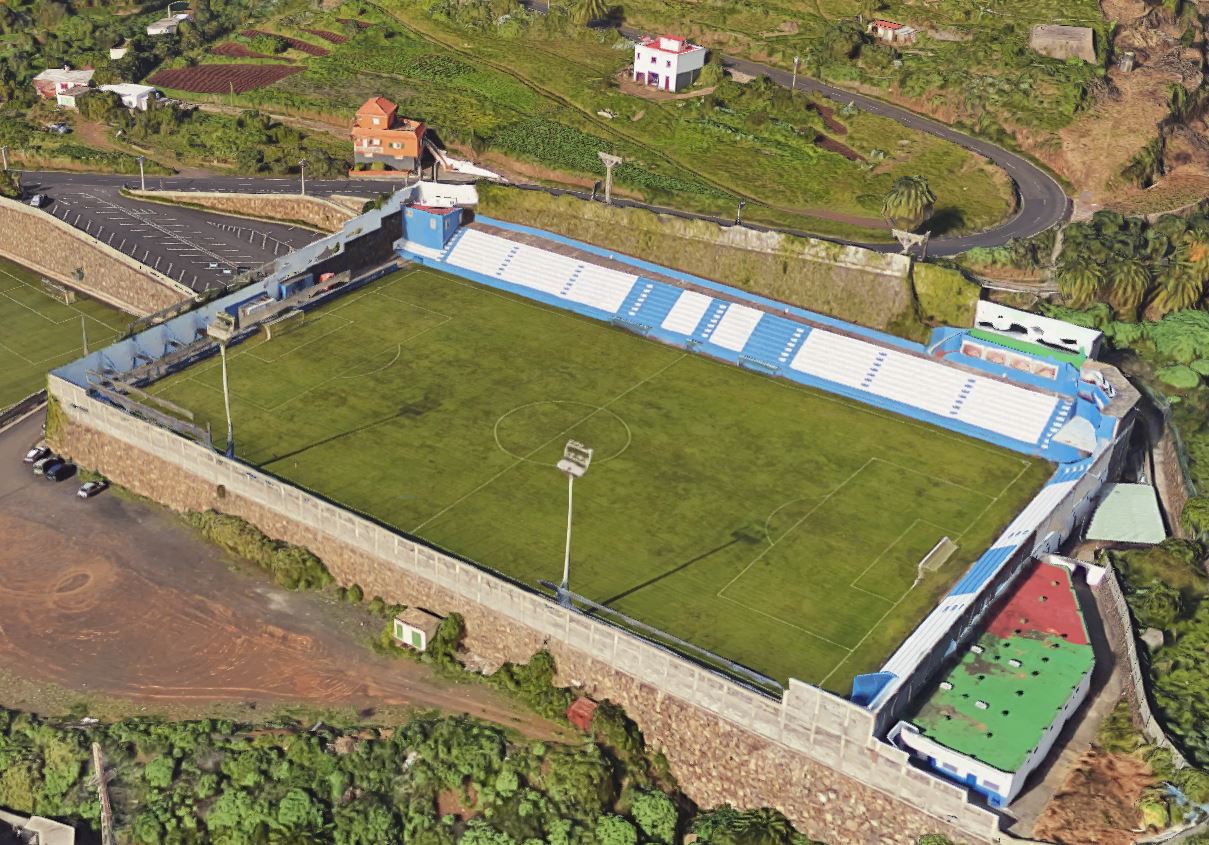
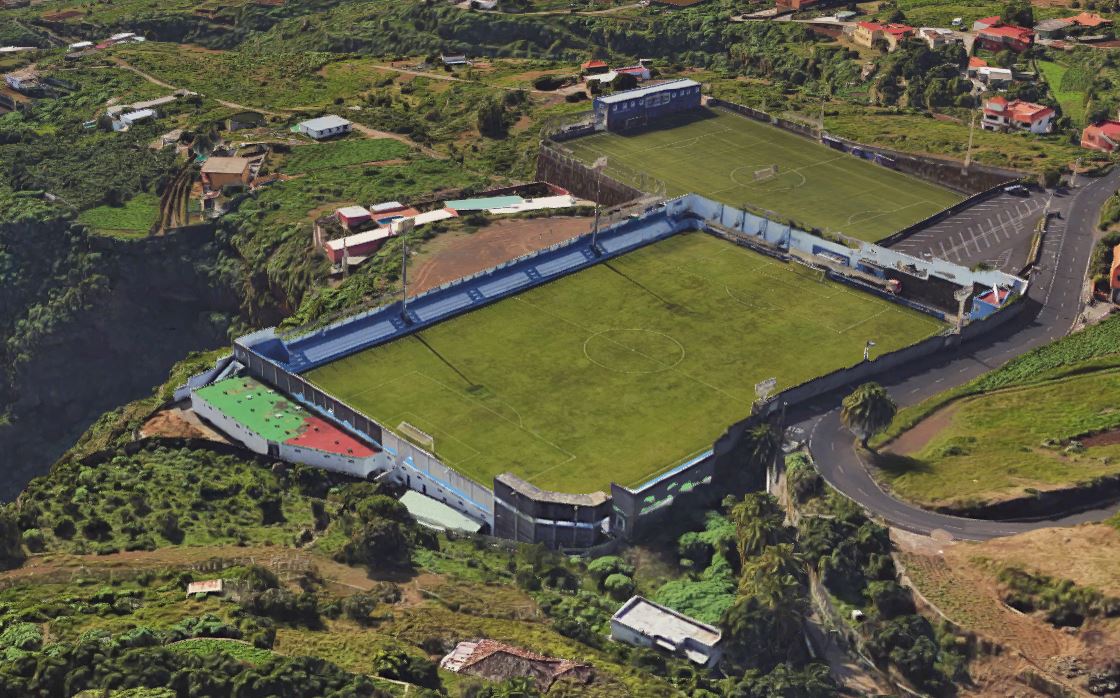
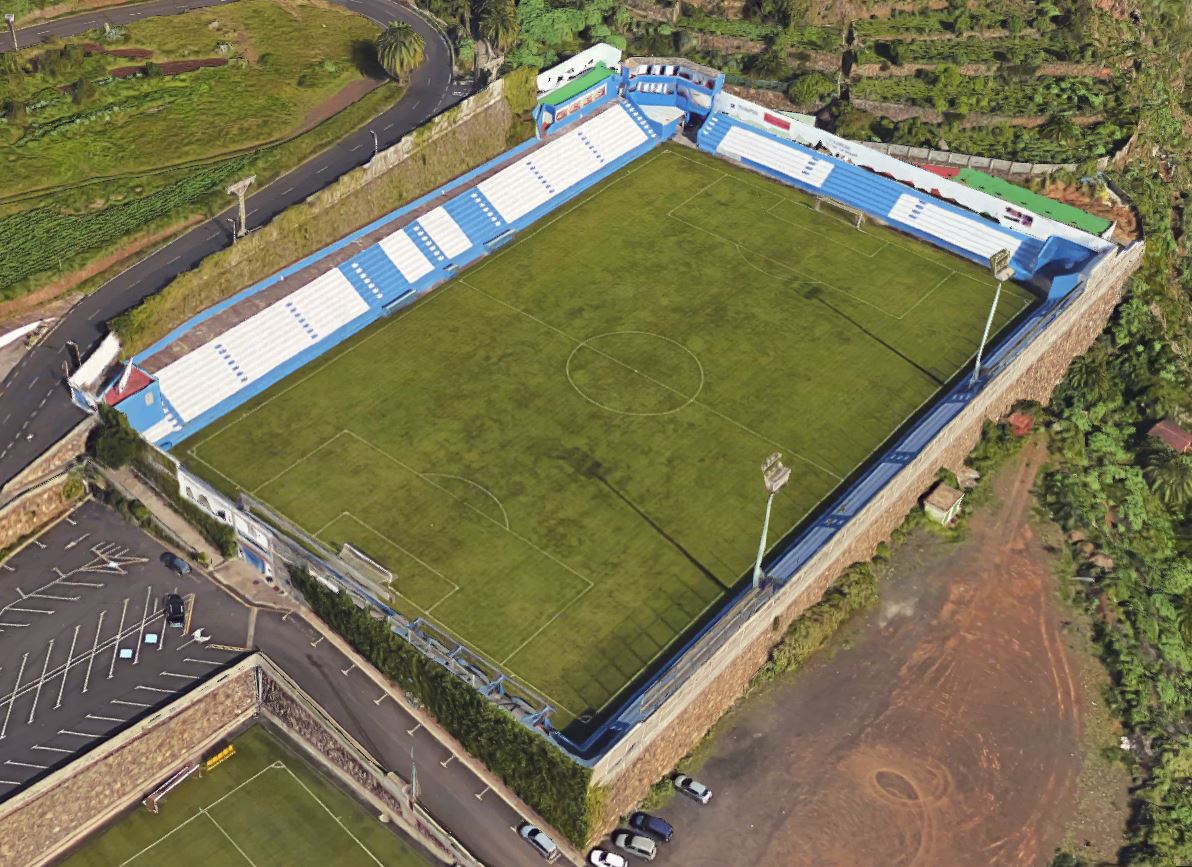
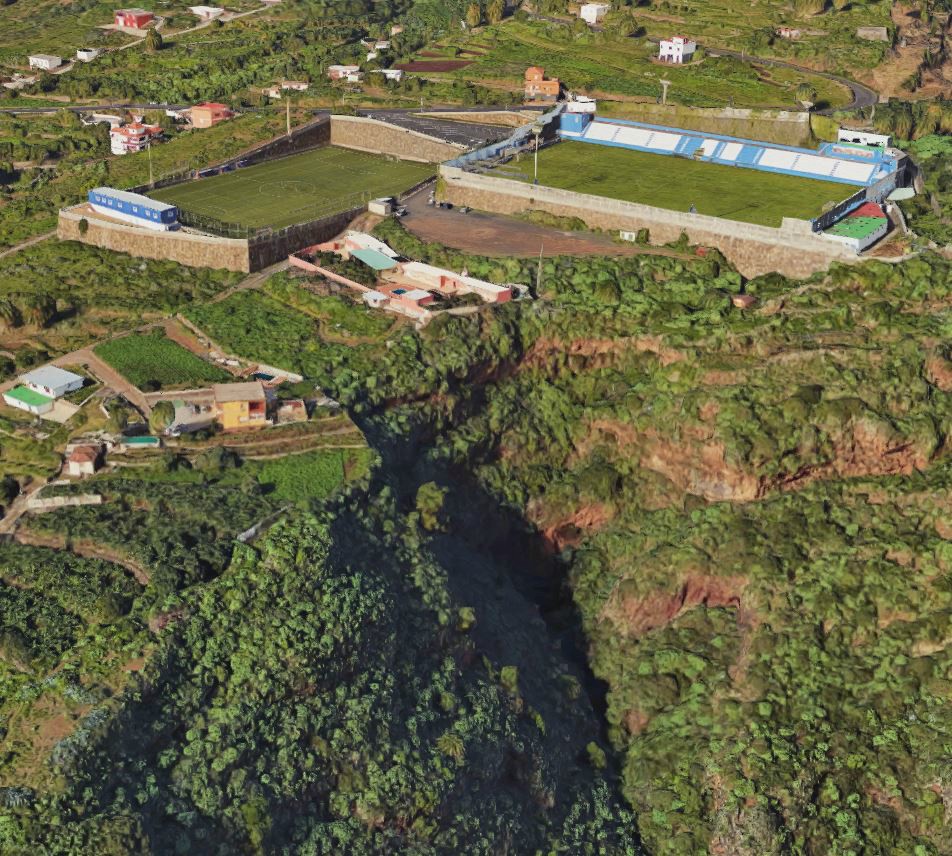
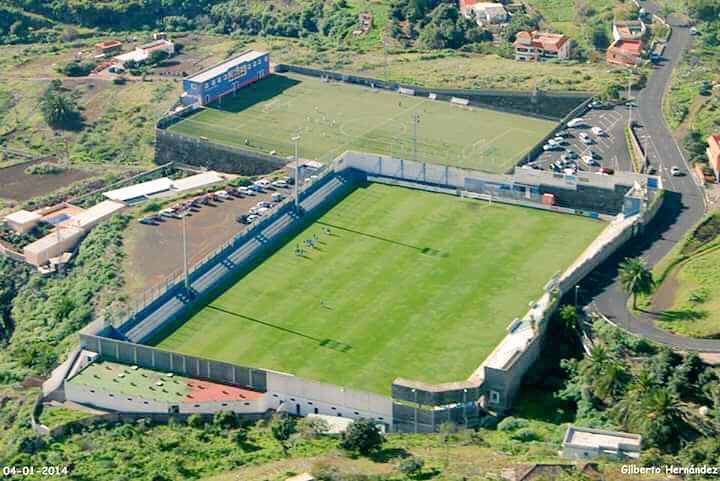
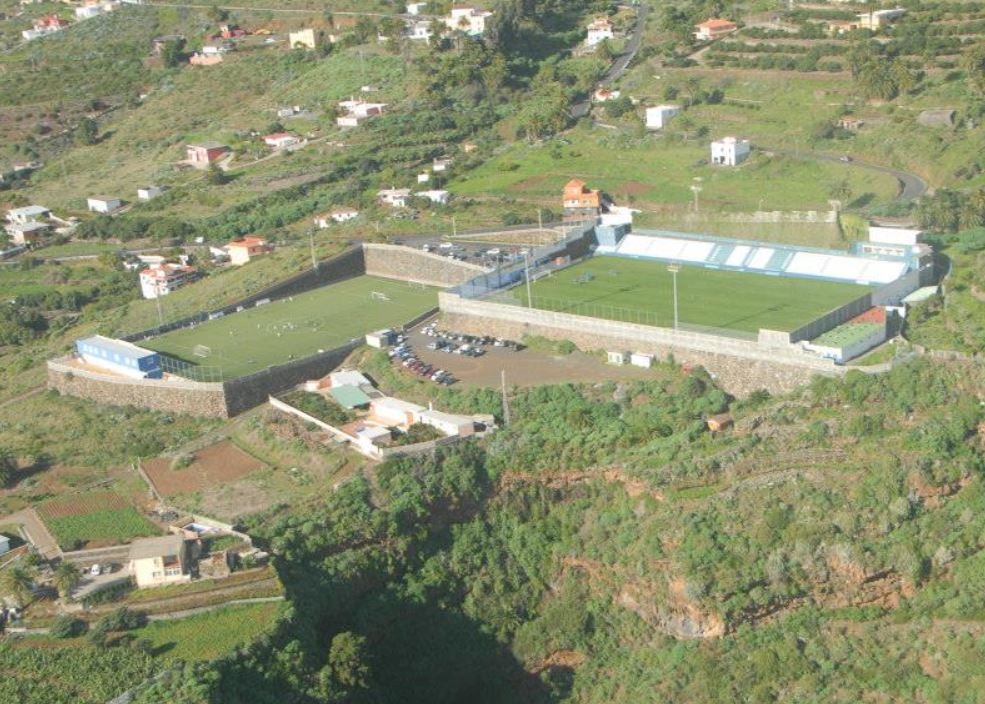
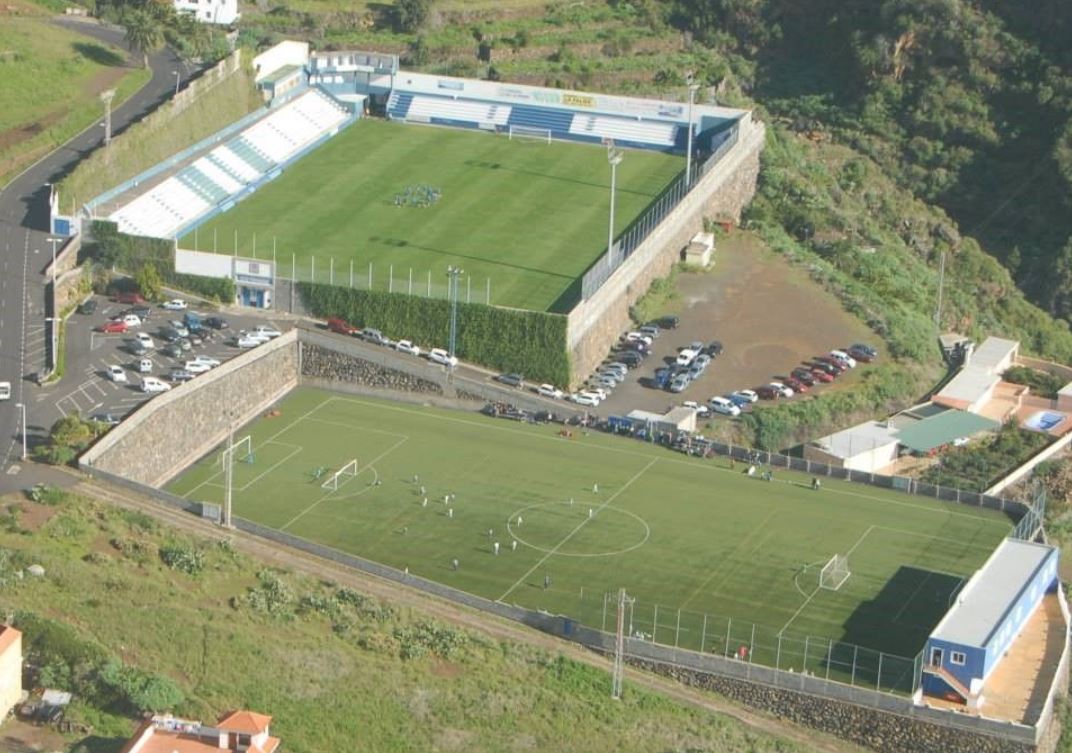
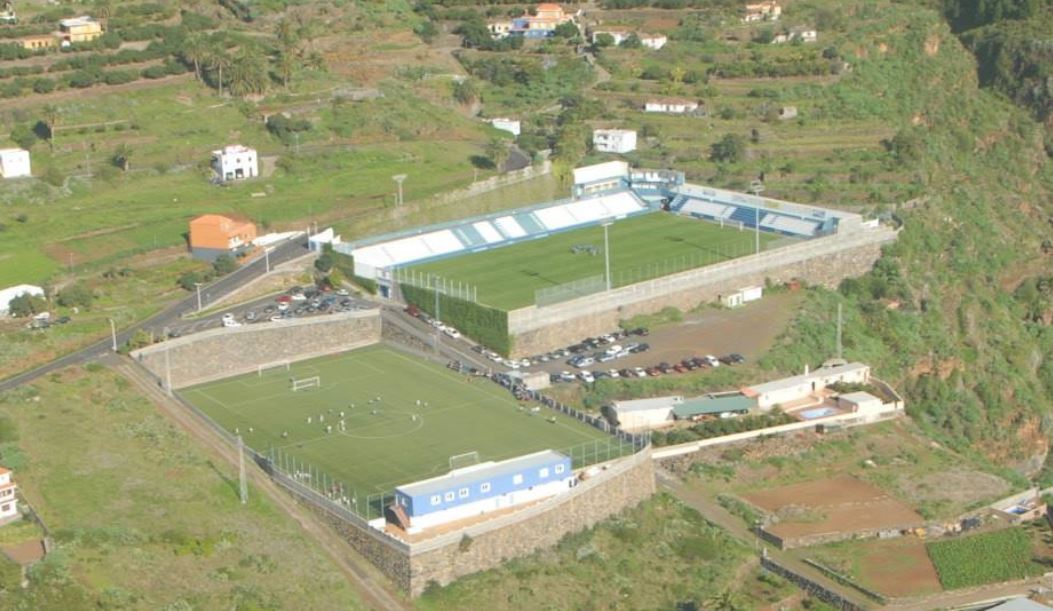
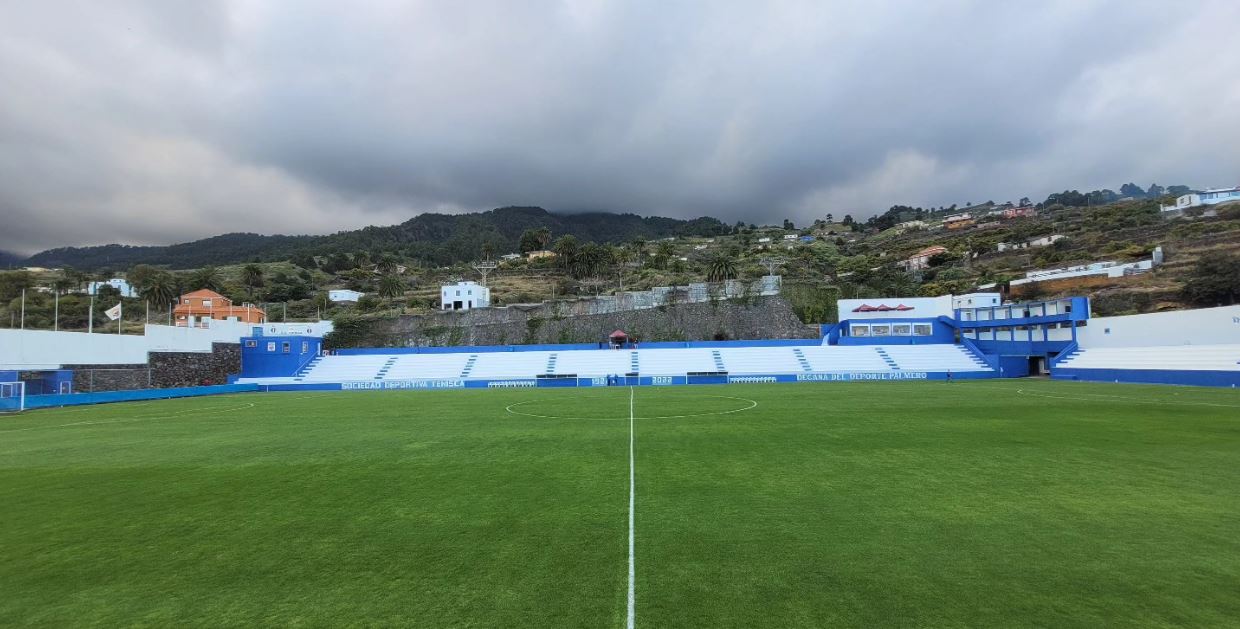
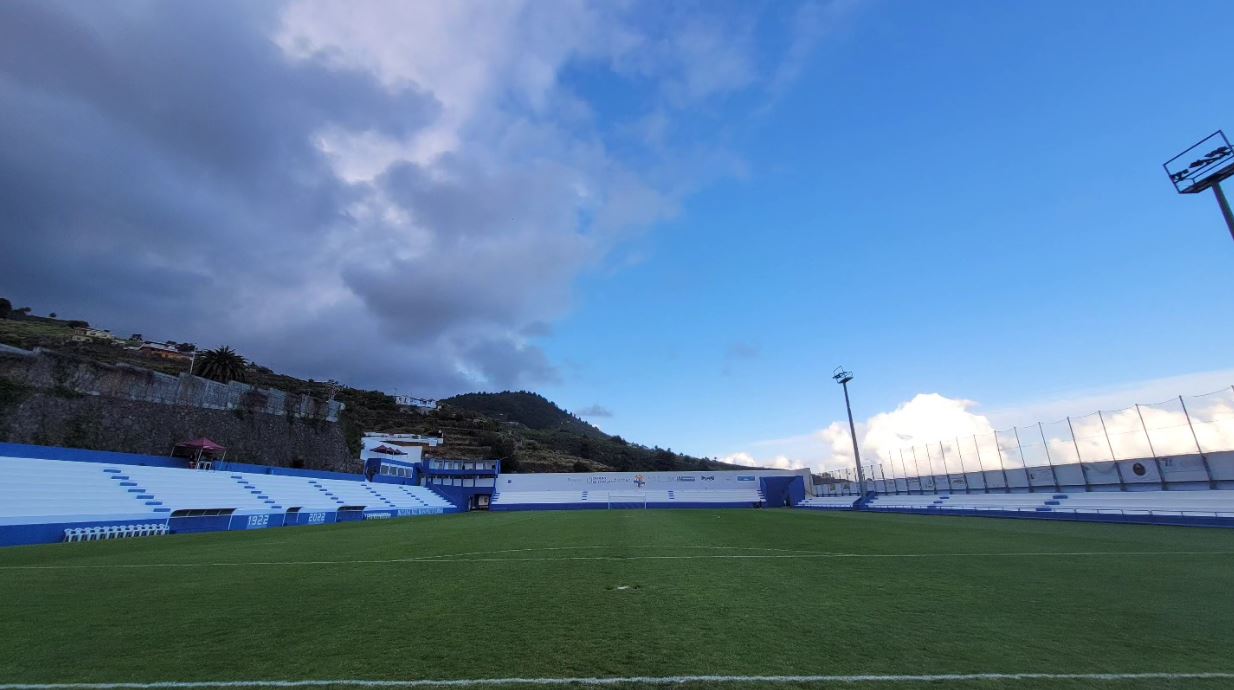
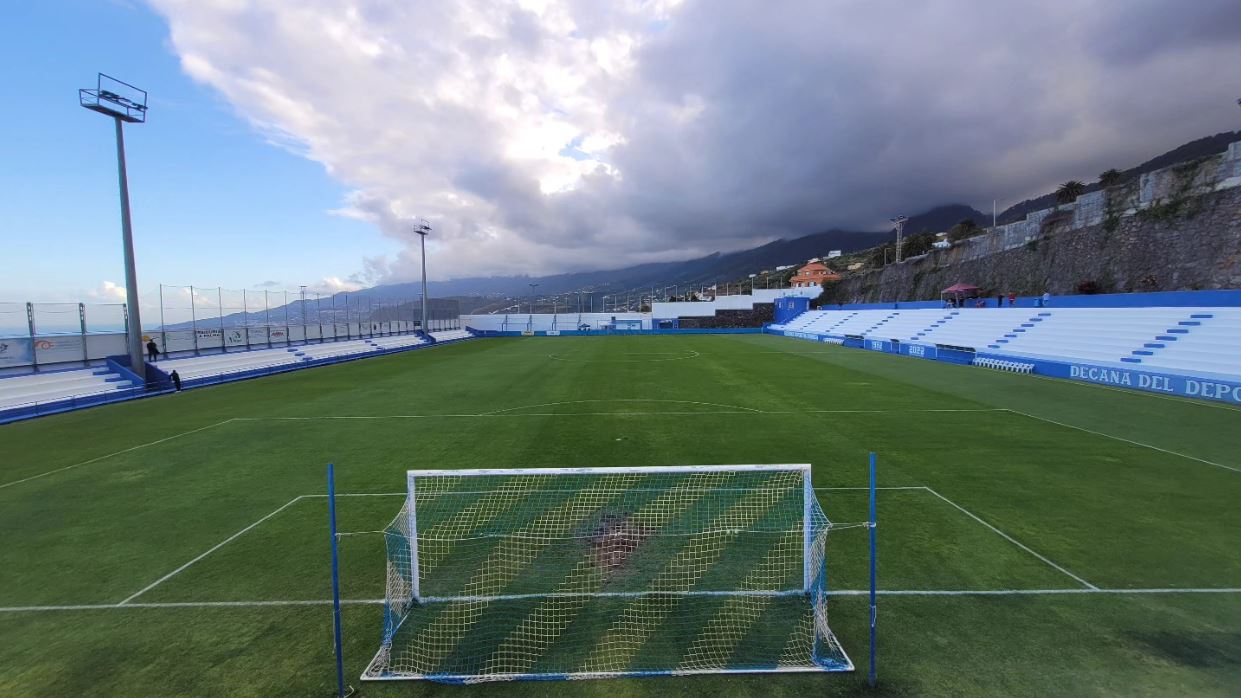
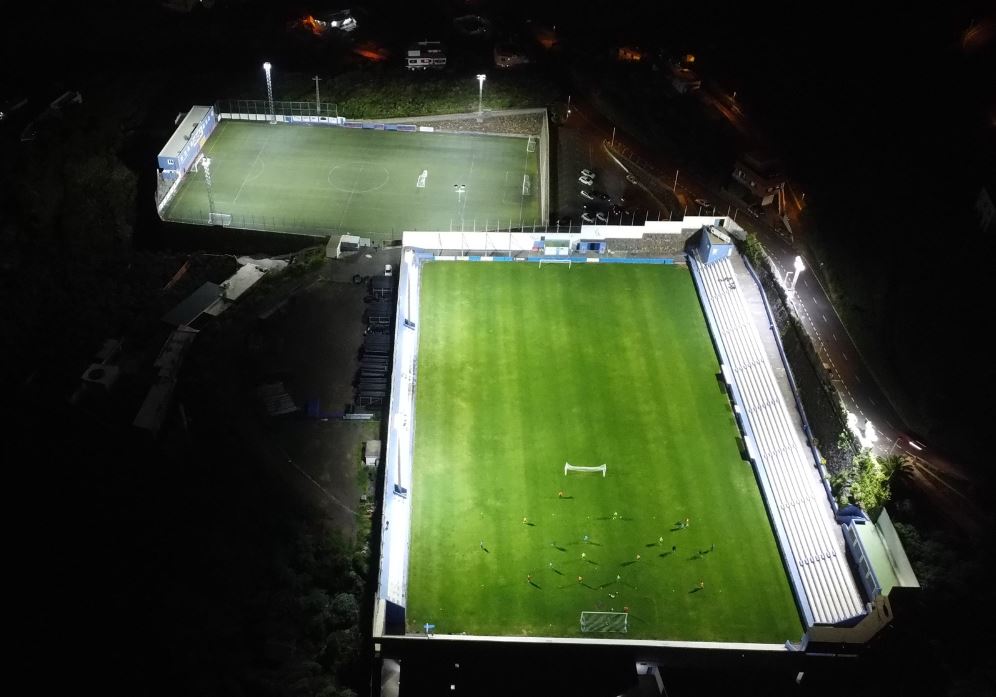
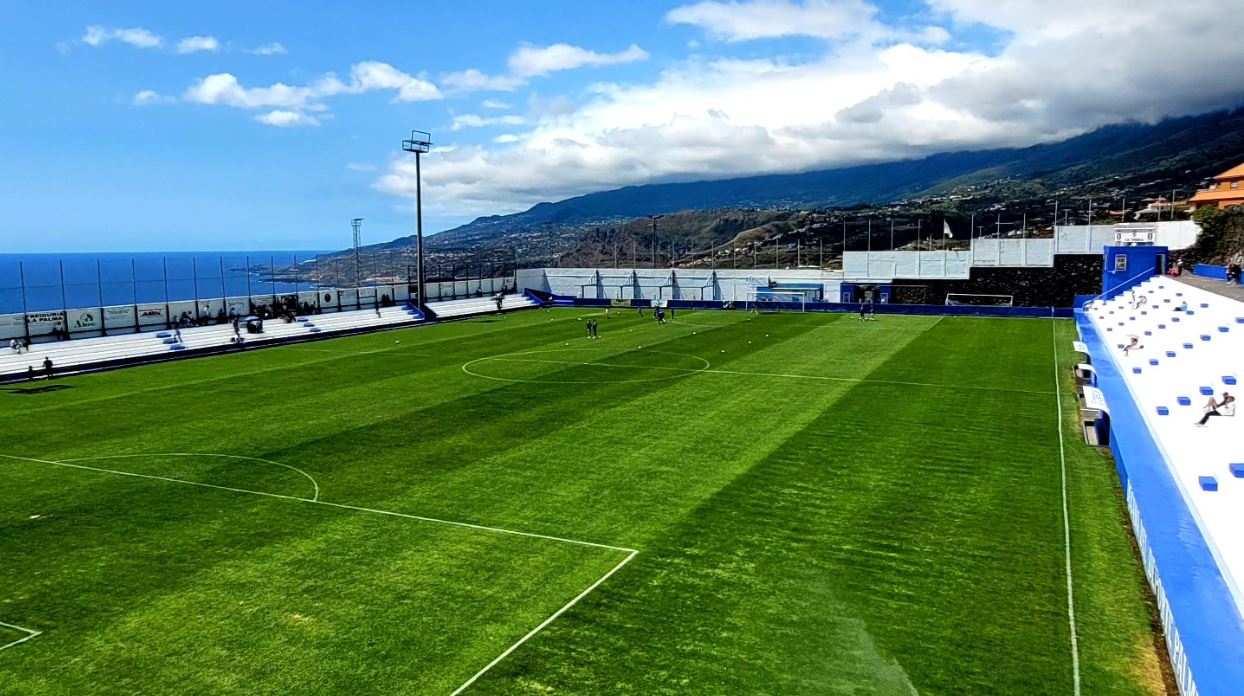
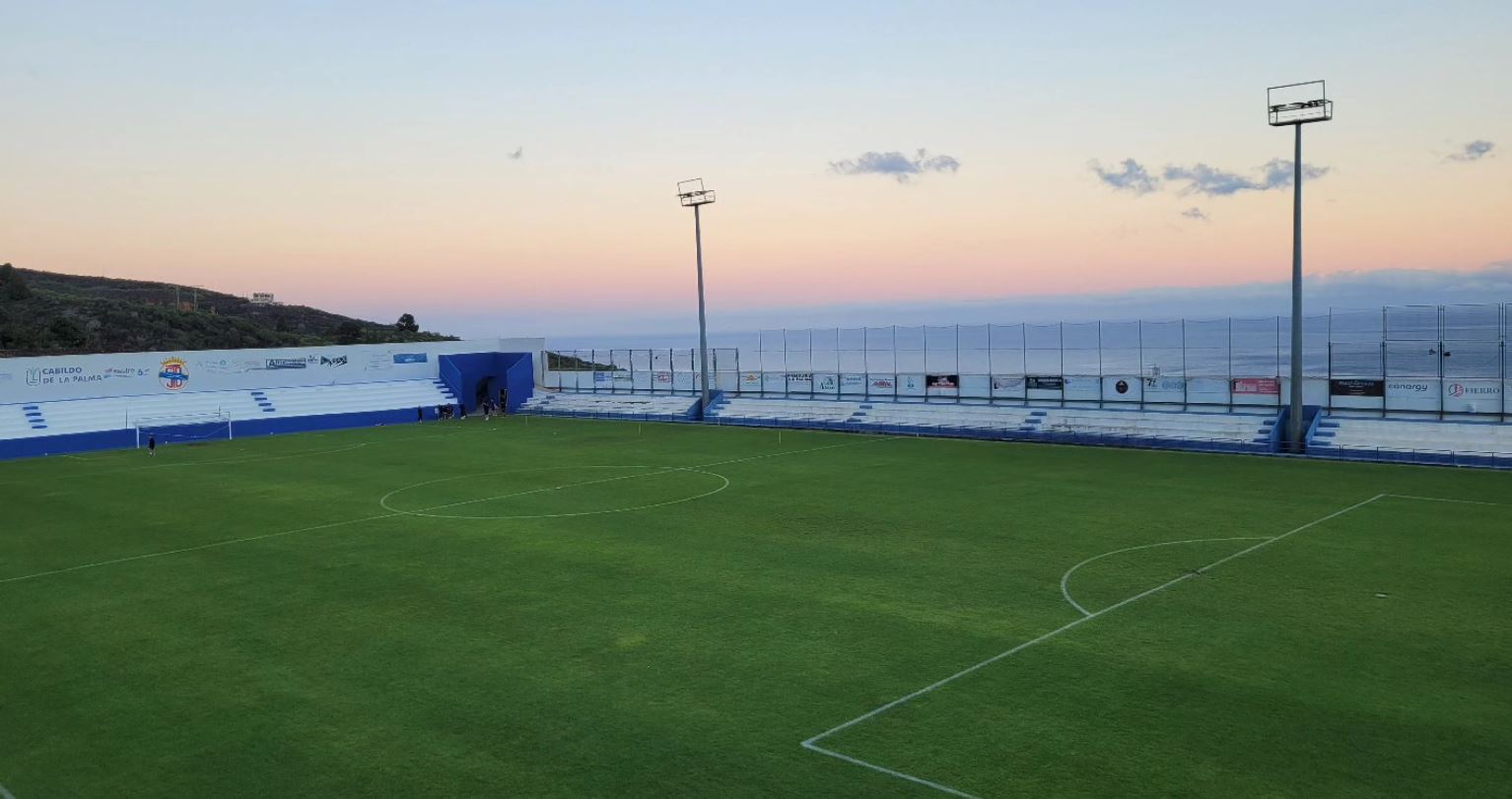
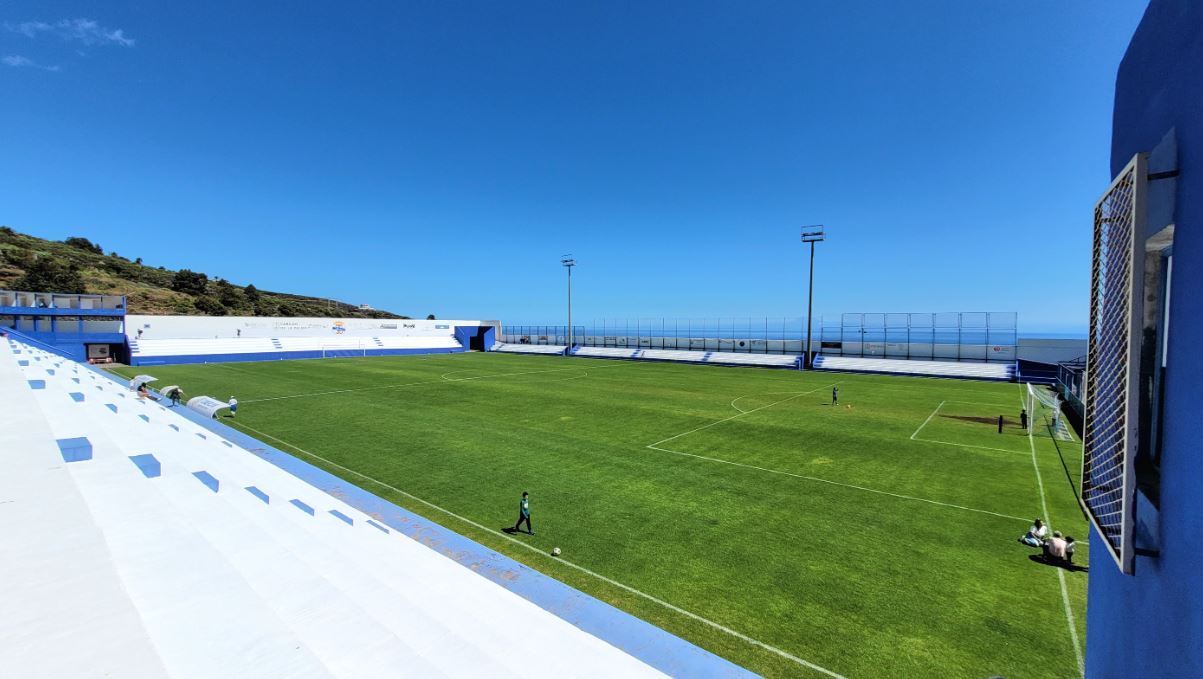
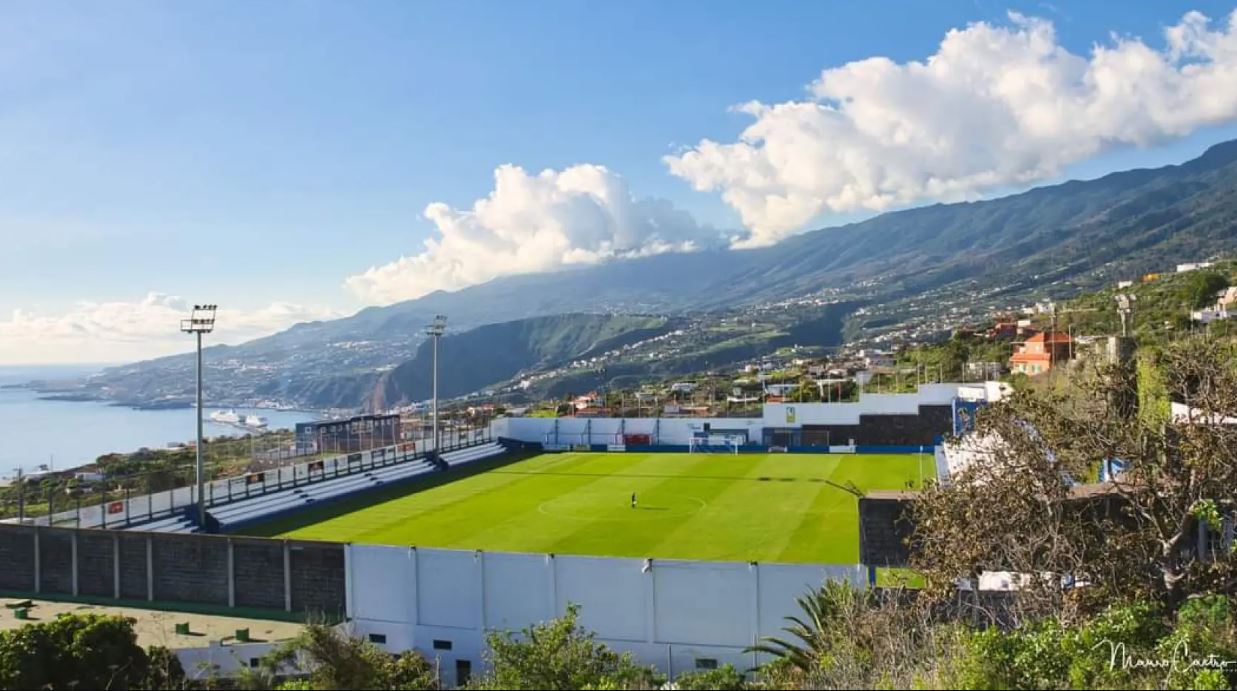
The Estadio Virgen de Las Nieves opened its doors on 15 August 2001, with a friendly against UD Las Palmas, which ended in a 1-1 draw. Perched on a man-made plateau, the stadium and its adjacent training pitch hang high over the city, with uninterrupted views of the Atlantic Ocean, some 250 meters below. Its capacity of 5,500 is housed on three open banks of terracing-come-bench seating, which are painted in the club’s colours of blue and white. The bulk of the seating is on the west side, which is cut into the hillside beneath a towering supporting wall. Access to the club offices and a hospitality suite is through a curious two-tiered corner stand of palcos, or VIP boxes, which is linked to the narrow north terrace. The changing facilities are located behind this terrace, with the players’ entrance situated in the northeast corner. A strip of four rows of steps runs down the east side, before ending abruptly at the southern end, which is too narrow to house anything but the wall that stands above the artificial training pitch.
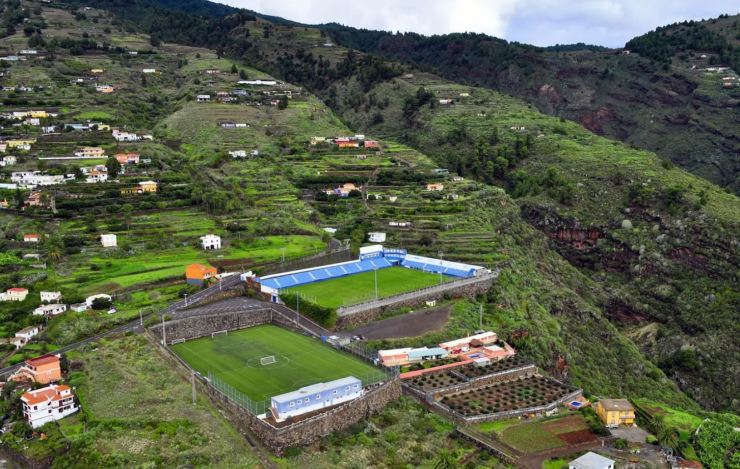
Given La Palma’s somewhat unpredictable climate, it is strange that neither Tenisca’s nor Mesenjaro’s stadiums have any cover. Nevertheless, what these venues do provide are two remarkable examples of how a small club can overcome the most extreme natural and physical constraints to create something wonderfully unique.

 Estadios de España
1 thought on “Santa Cruz de La Palma – Estadio Virgen de Las Nieves”
Comments are closed.