Article updated on: 10/08/2025
Whilst football has been played in Teruel since 1917, this provincial capital did not have an organised championship until 1931. Many of the clubs that competed in those early years did not reappear after the Civil War, and it took until the summer of 1940 for a federated club to emerge from the town. The club, Teruel Club de Fútbol, initially played in the lower leagues of the Aragonese Regional Championship, but following the Spanish Federation’s decision of 1943 to offer clubs from provincial capitals a place in the Tercera, the club was reformed as Union Deportiva Teruel. After a promising few seasons, the club folded with high debts, primarily due to the cost of travel commitments. Sociedad Deportiva Turolense represented the town for a few seasons, but they went under at the end of the 1952-53 season. The town’s current representative, Club Deportivo Teruel, was founded in September 1954 and by 1956, had made its way into the Tercera.
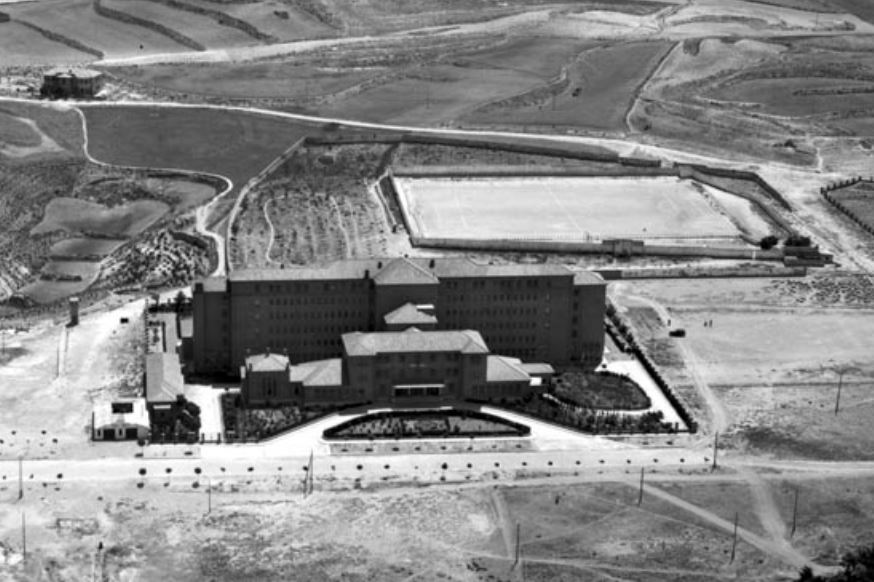
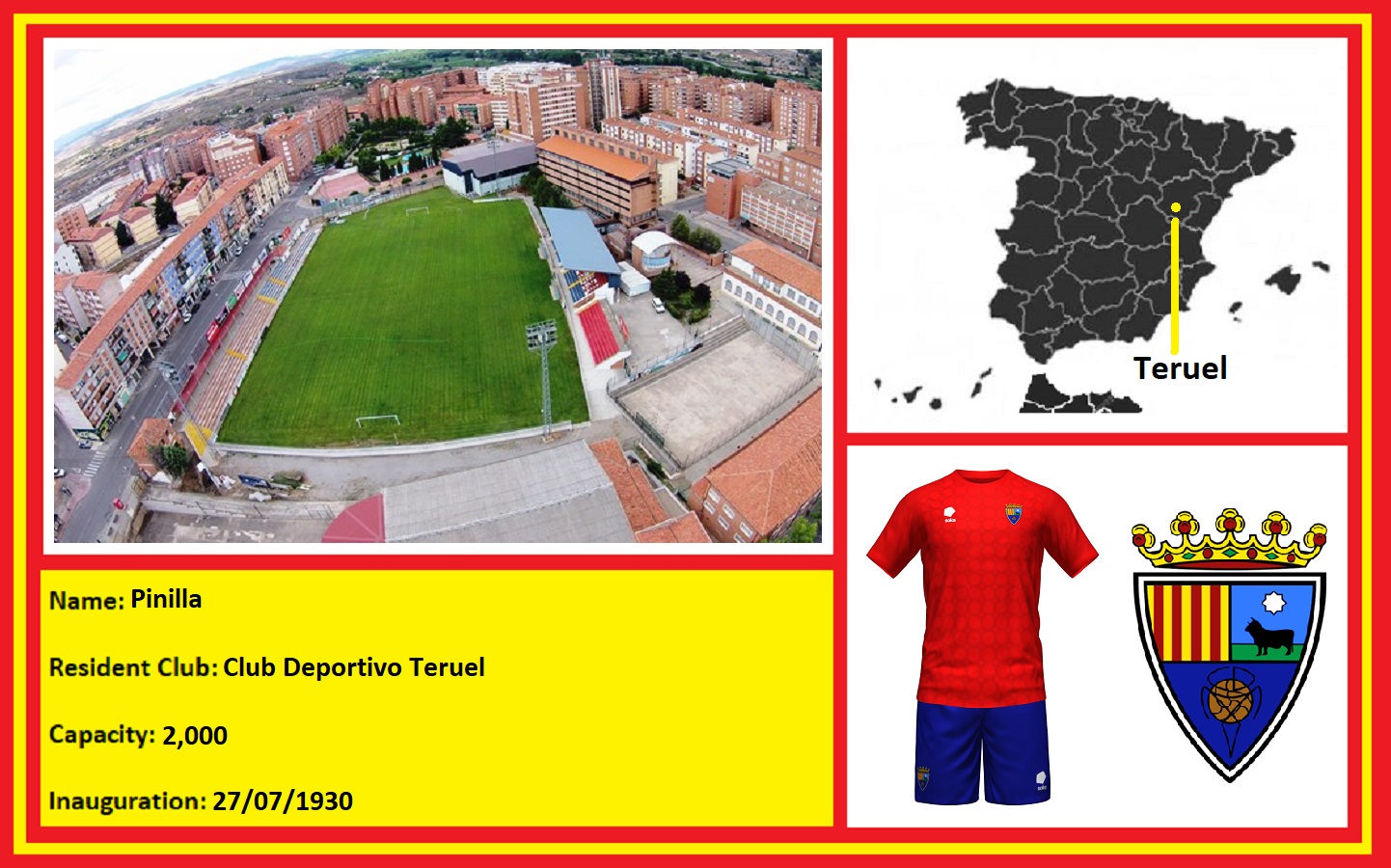
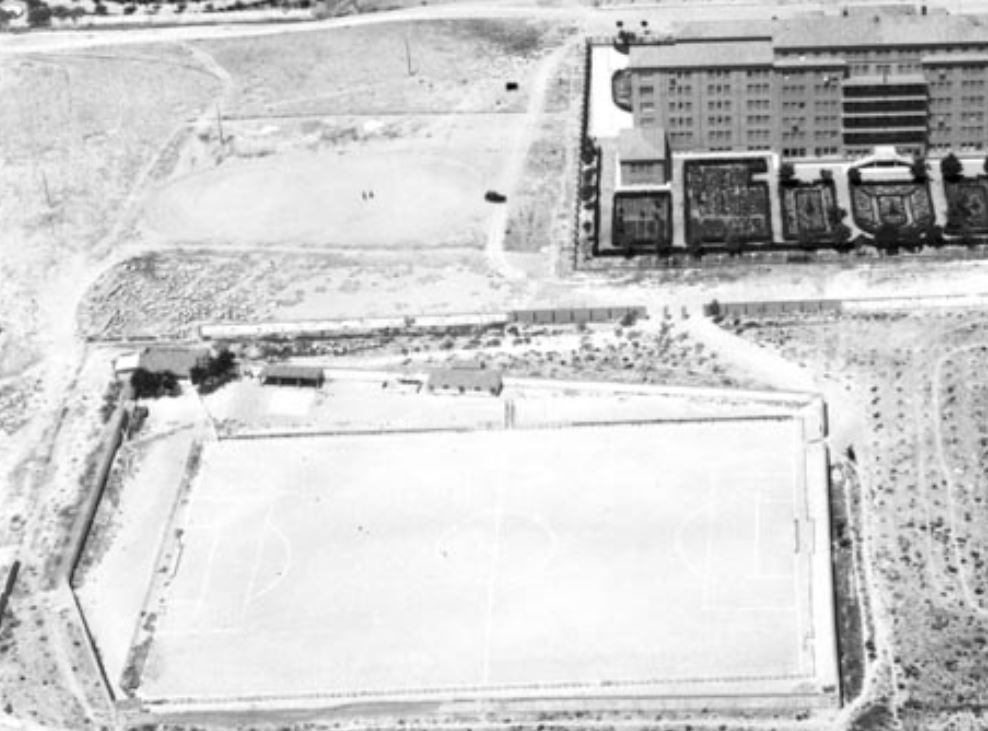
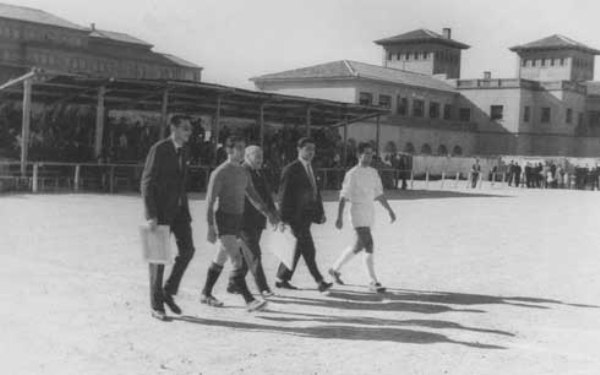
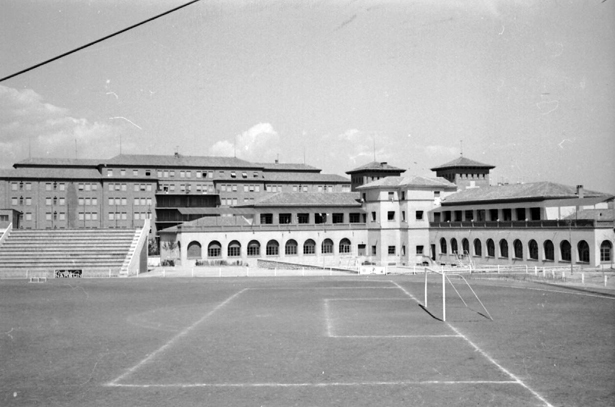
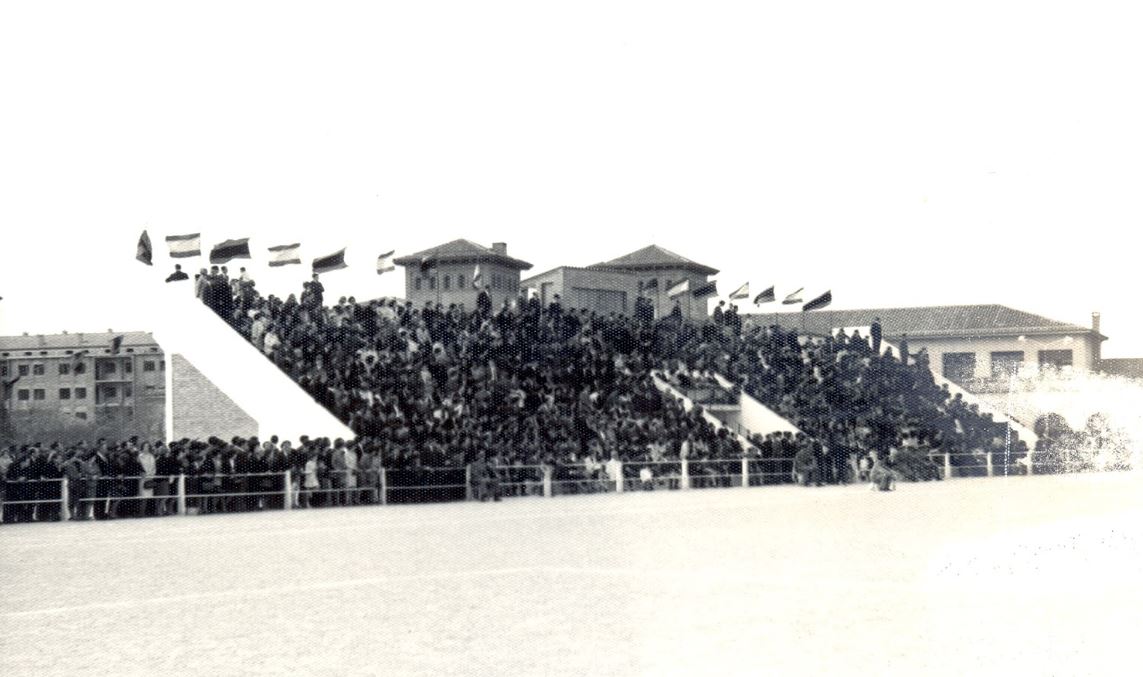
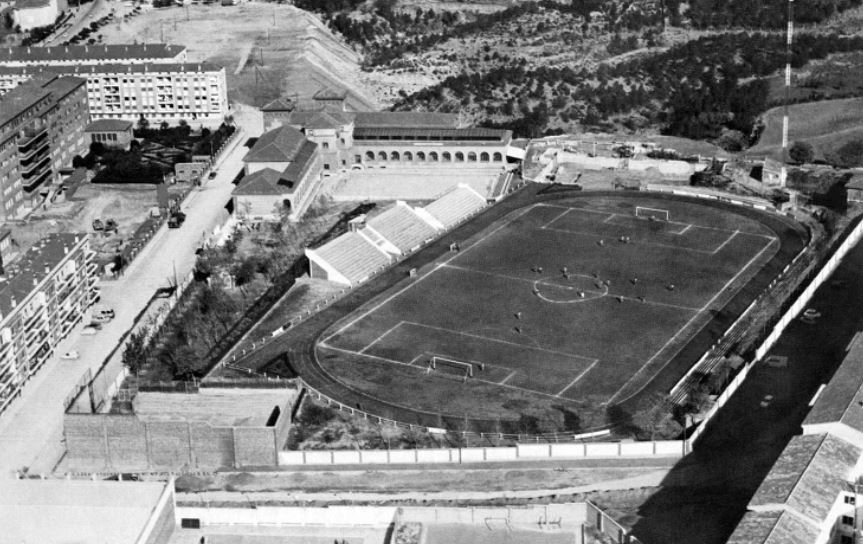
Pinilla has been the principal location for senior football in Teruel since 1930. It was originally called the Campo de El Ensanche, or colloquially called La Viaducto. The enclosure was developed and reinaugurated on 8 September 1957 when CD Teruel played Osasuna in a friendly, before taking on the name of Pinilla in 1964. In 1969, the club was relegated to the regional leagues, and they would stay there until 1984. During their time in the regional league, Pinilla was renamed the Campo Municipal Adolfo Masiá, before returning to Pinilla in 1987, when the club won promotion to Segunda B for the first time. The high point of their four-season stay was a fourth-place finish in the 1988-89 season, but two years later the club was relegated following a calamitous season that saw only five wins. There followed 20 consecutive seasons in the Tercera before a second Tercera title was won in 2009-10 and promotion to Segunda B was secured when SD Noja were disposed of in the play-offs. CD Teruel’s stay in Segunda B ended after three seasons with relegation back to the Tercera in June 2013.
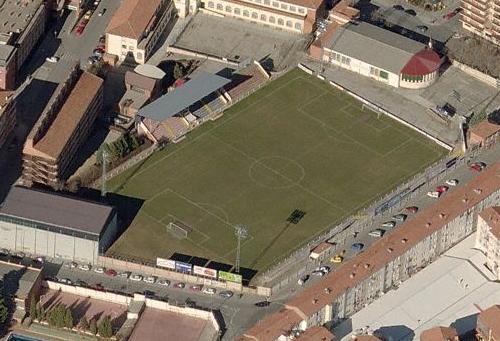
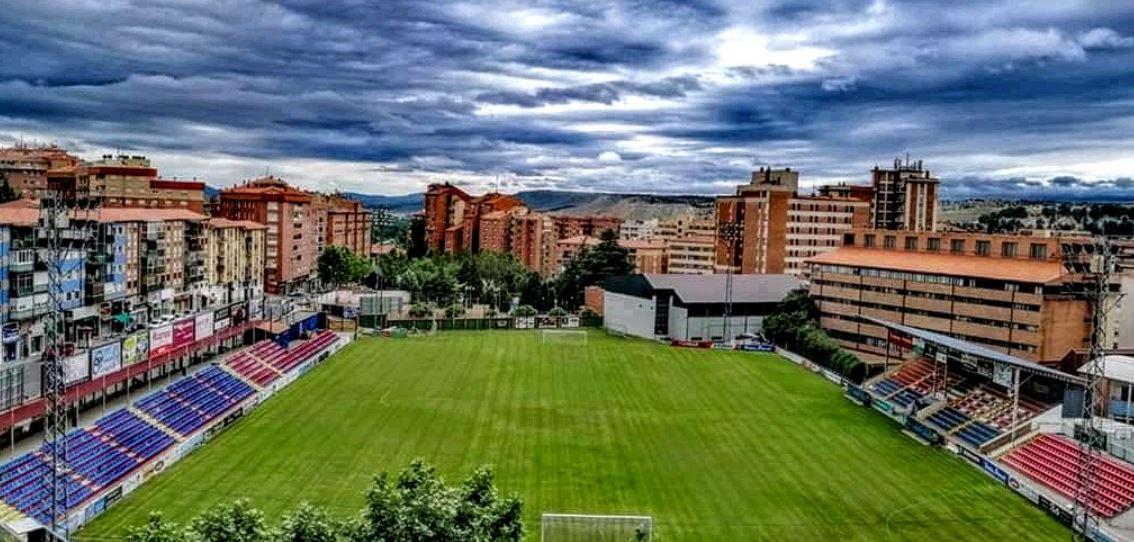
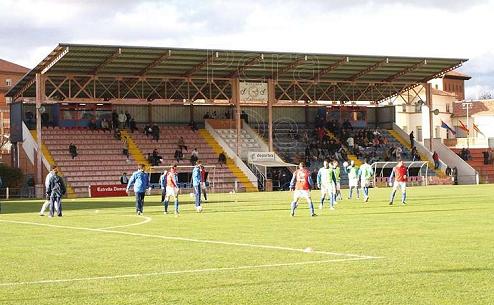
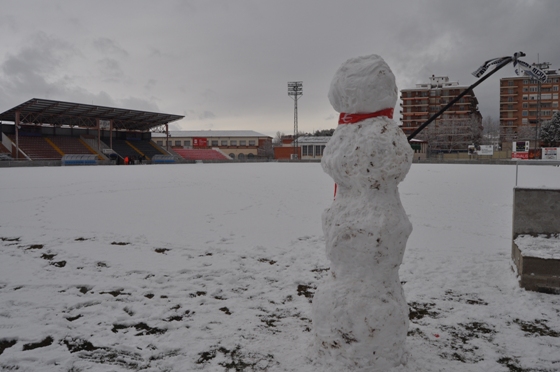
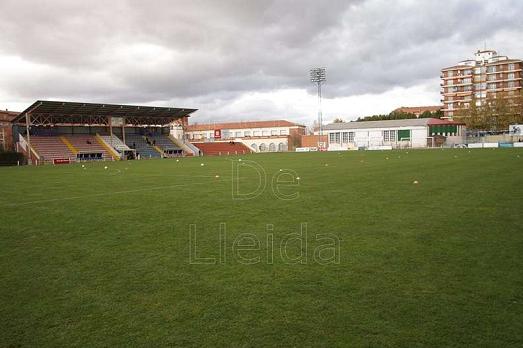
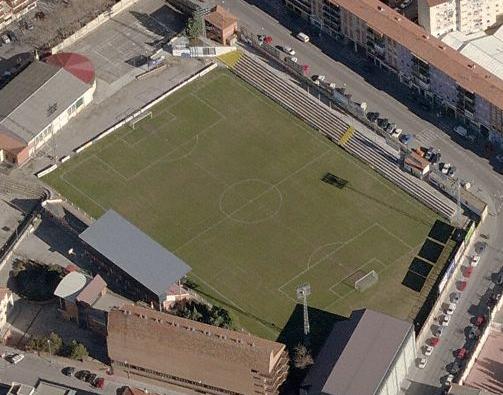
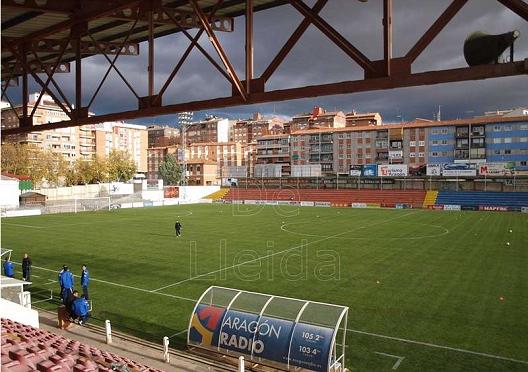
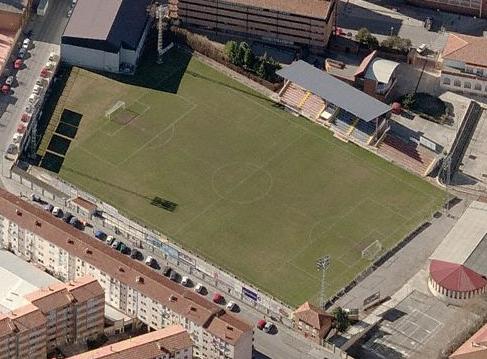
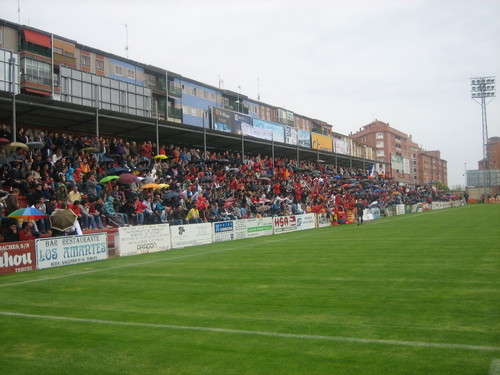
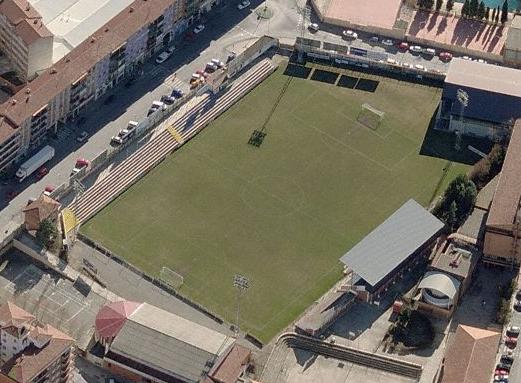
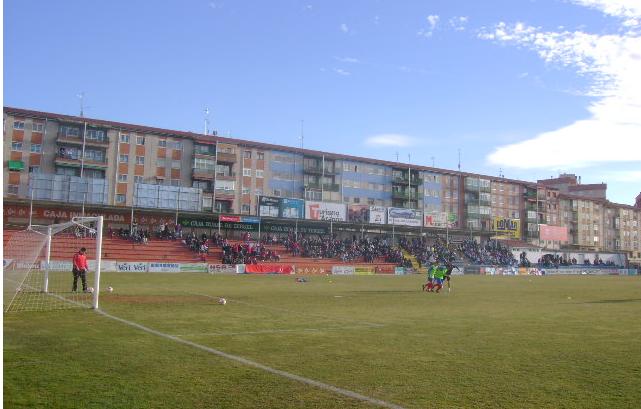
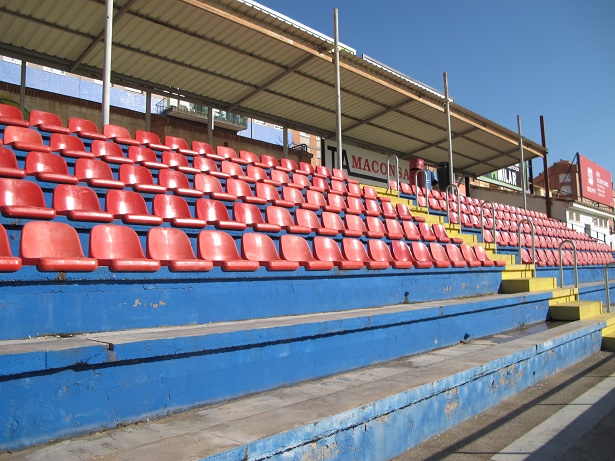
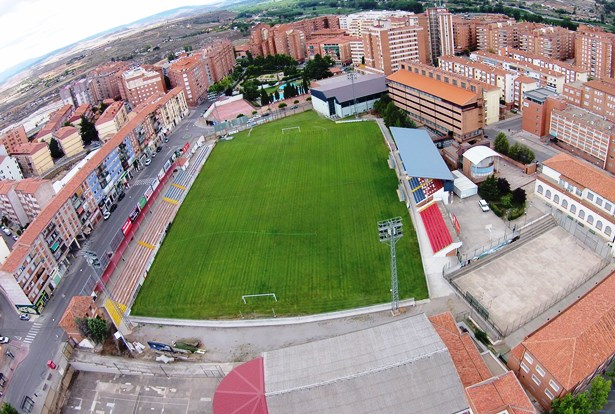
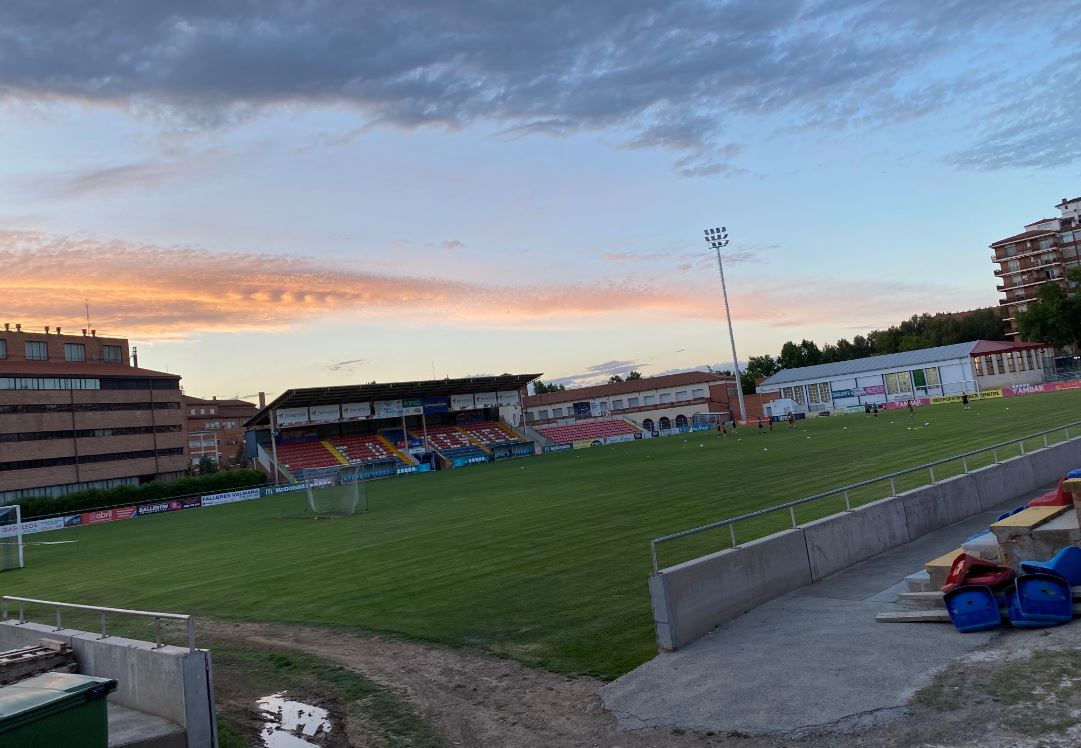
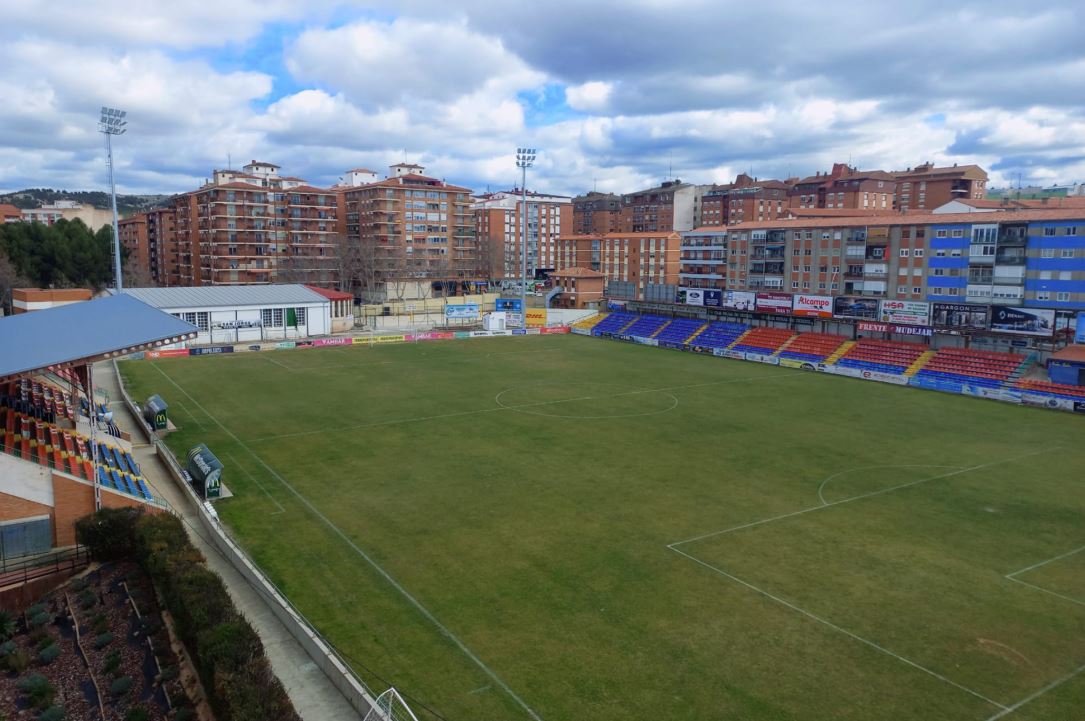
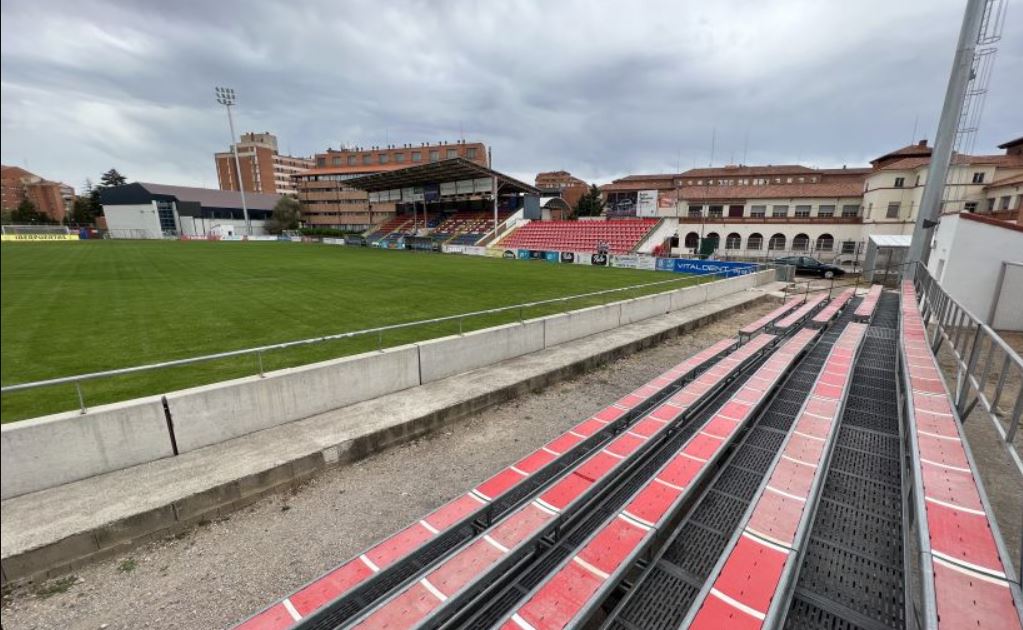
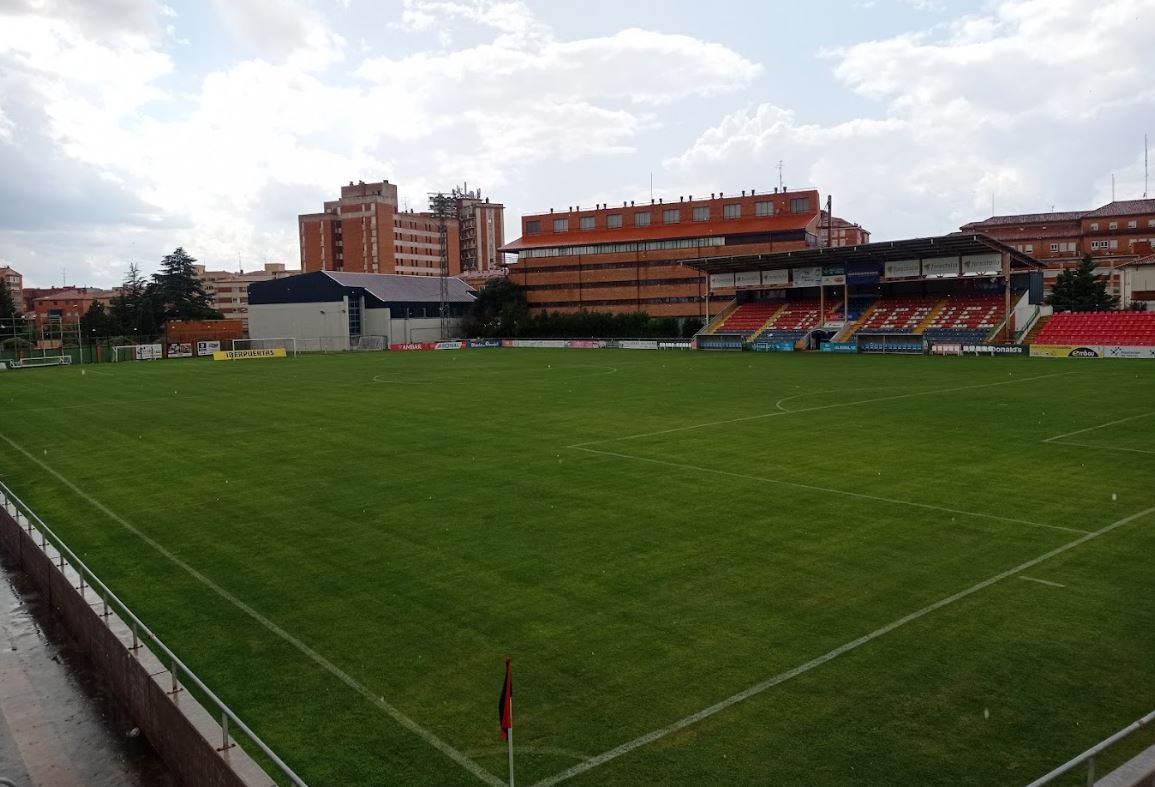
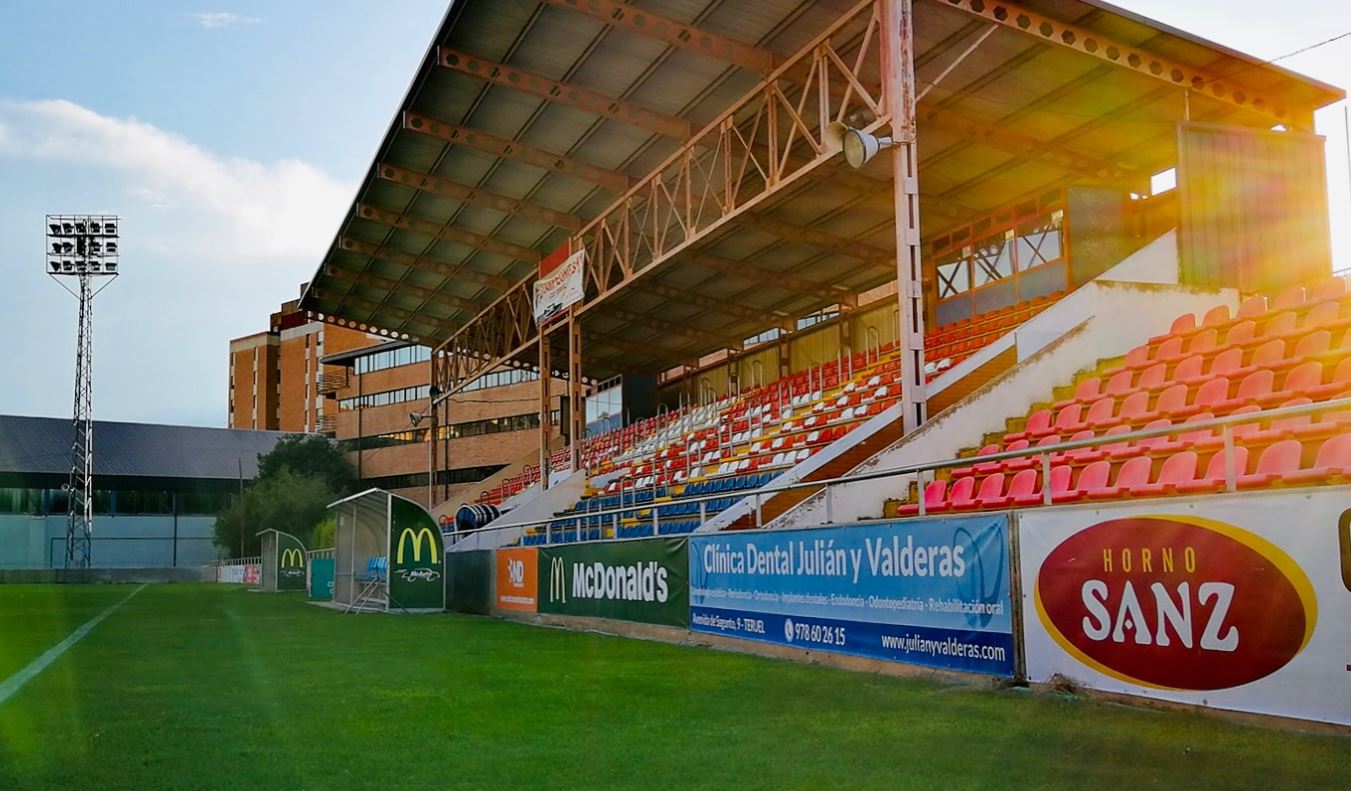
Pinilla features a simple main stand with a propped cover on the west side of the ground. This cover dates from the club’s promotion to Segunda B in 1987. It is around 35 metres long and features four broad bands of red & blue seats, on either side of a narrow central seated area for club officials. To the left of the stand is a short, uncovered terrace. Opposite is the main open terrace. This runs the length of the pitch, but narrows towards the southern end to accommodate club offices. A narrow, barely functional cover stands at the back of the terrace. In the summer of 2016, seats were installed on the terrace, which had been donated to the club by Levante UD. There is an area of hard standing behind the north goal, which occasionally has temporary seating, whilst the space behind the south goal is turfed. Pinilla is one of those stadiums that is well-suited to life in the Tercera, but starts to look a little archaic when placed against the modern builds that sprang up over Spain in the last decade or so.
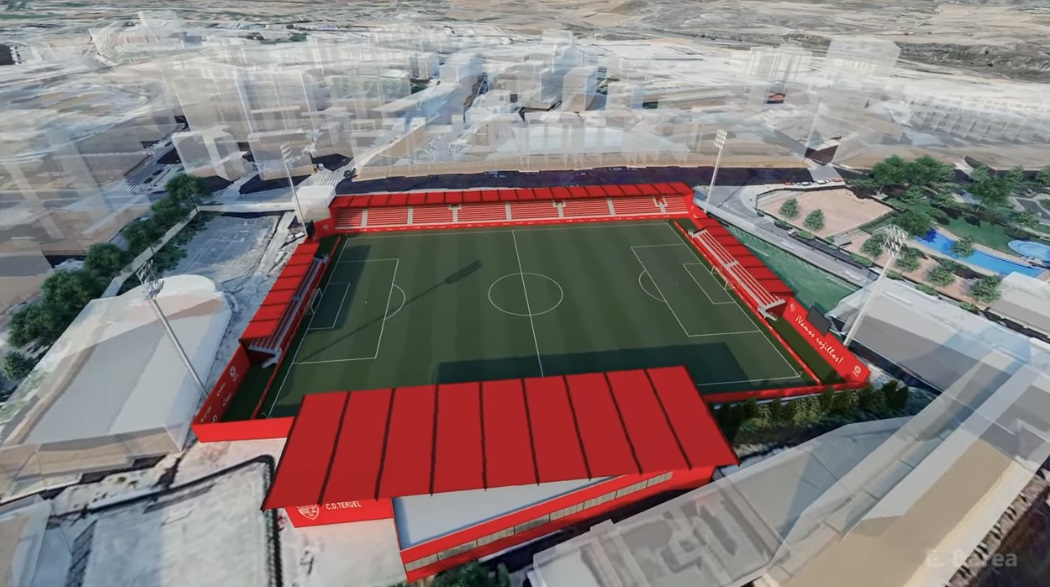
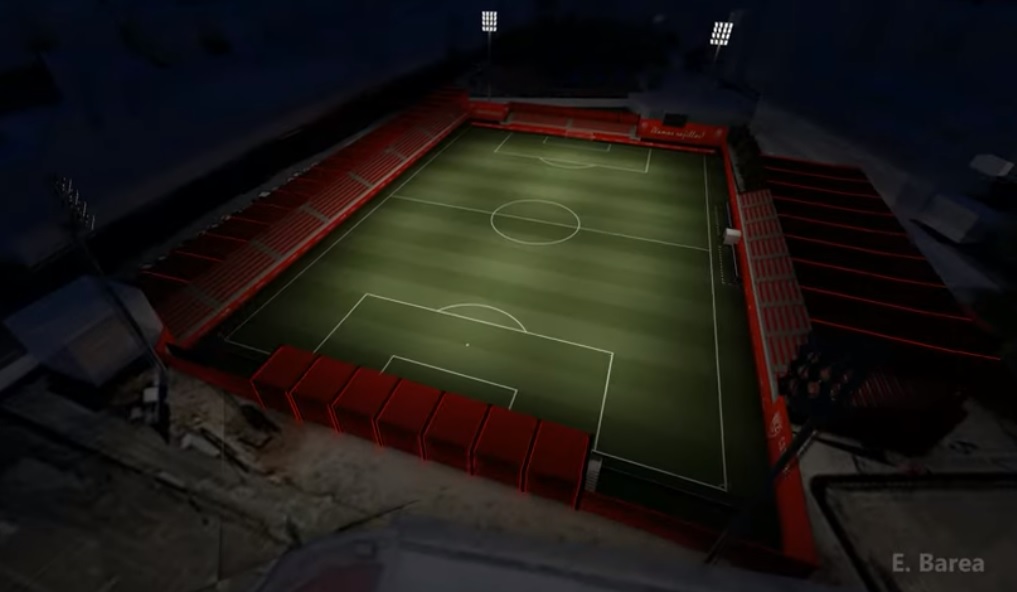
CD Teruel won promotion back to Segunda B in June 2018. This coincided with the club signing an agreement with SD Huesca, which saw Huesca loan fringe players to the club, and Huesca getting a first look at Teruel’s talented youngsters. Unfortunately, this did not improve the club’s chances of staying in the third tier, as they dropped back to the Tercera after just one season. Following the RFEF’s restructuring of the Spanish Leagues in 2021, CD Teruel entered the Segunda Federación, and in 2023, it won the Grupo II Segunda Federación title, earning promotion to the third tier. In November 2023, the club and Municipality announced plans for the €5m remodelling of Pinilla. The new stadium would see capacity increase to 3,200 and feature covered seating on all four sides of the ground. The Aragonese Government have committed €4m towards the cost, whilst the Teruel City Council will make up the remaining 20% of the costs.
 Estadios de España