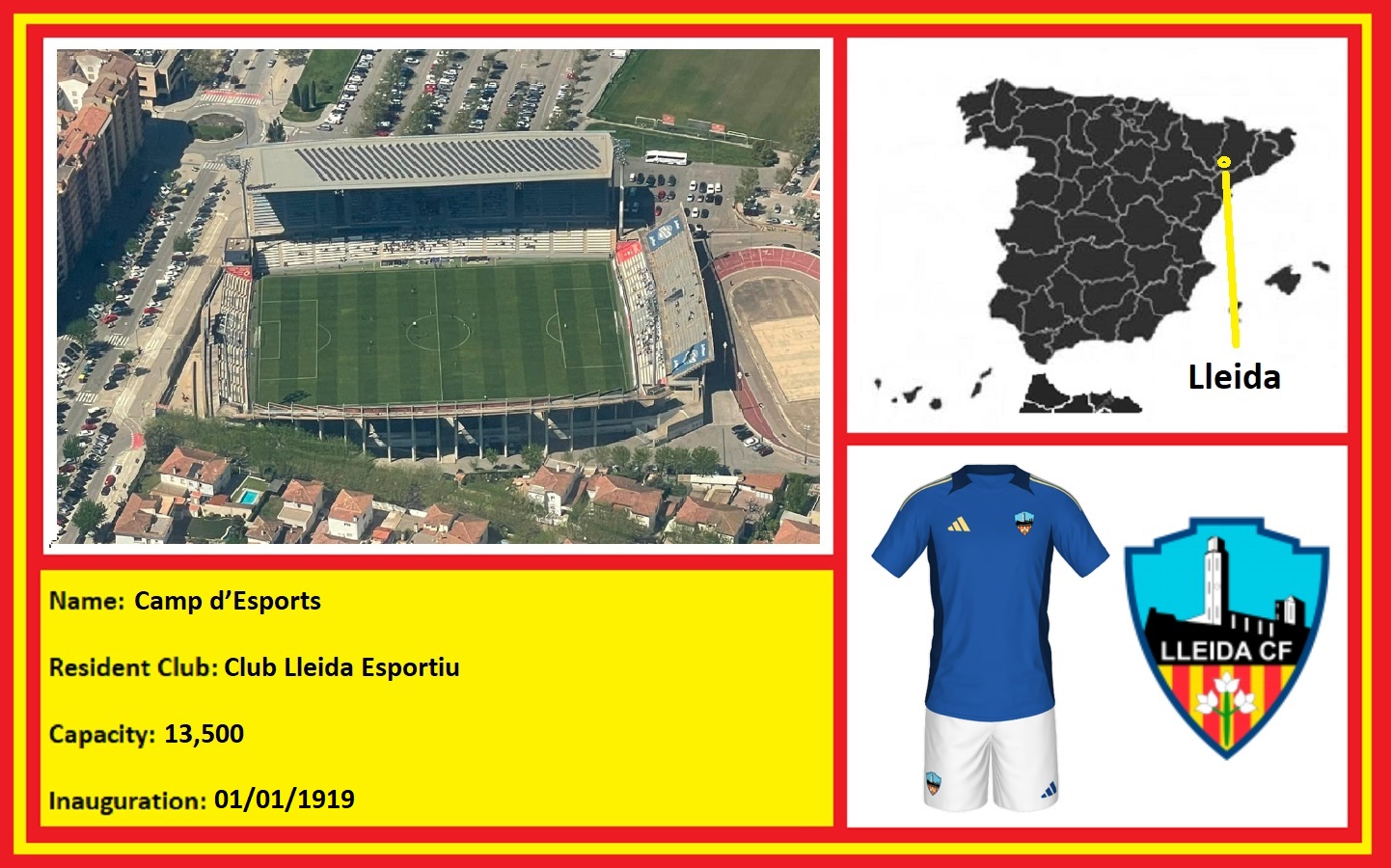
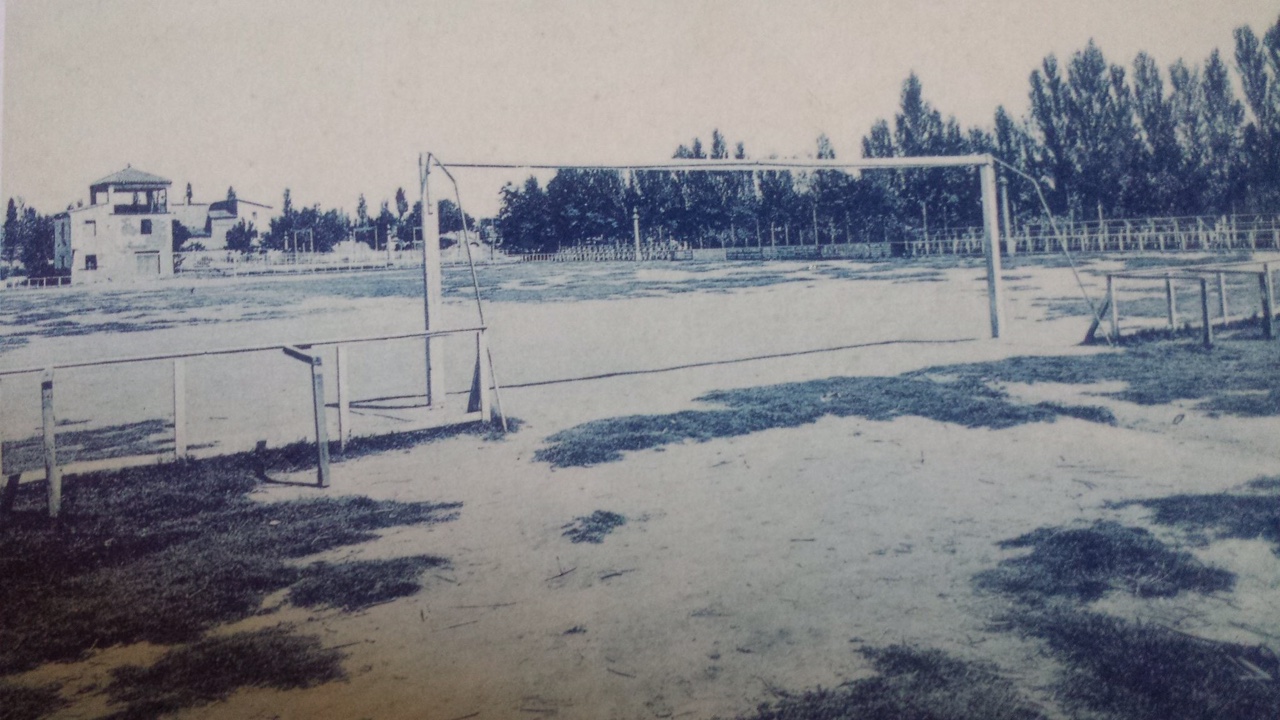
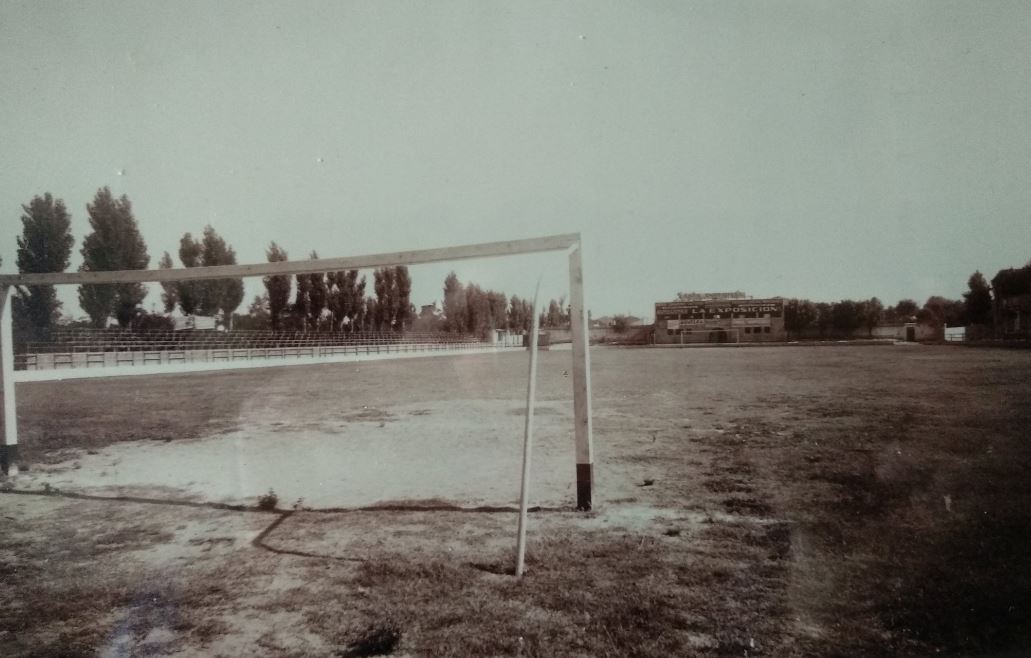
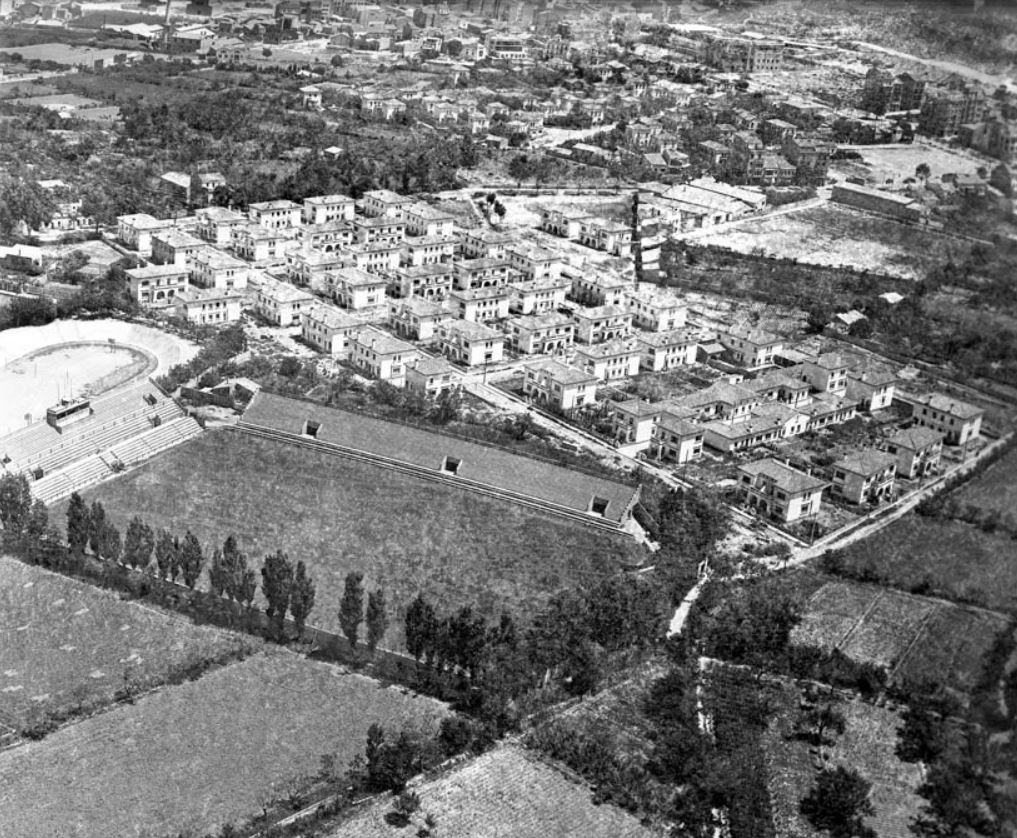
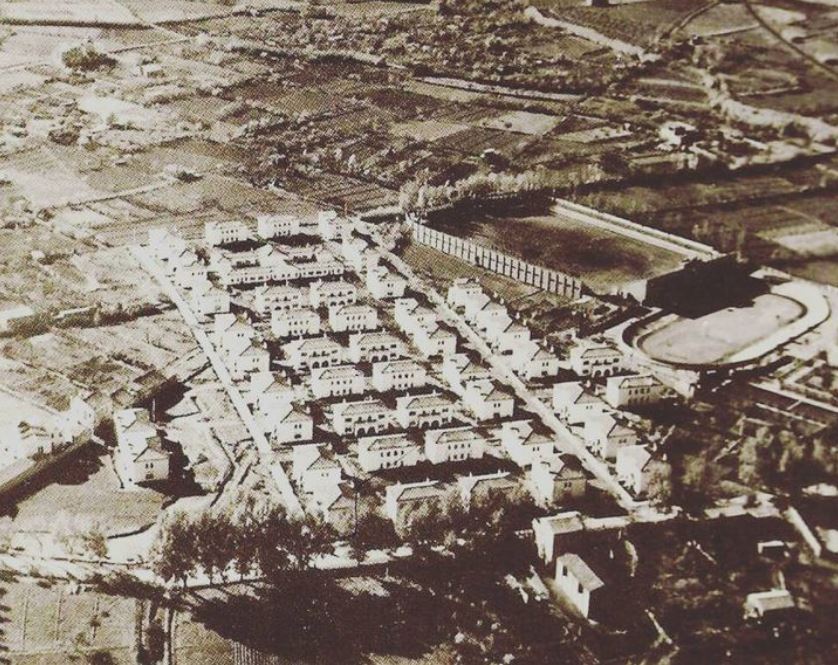
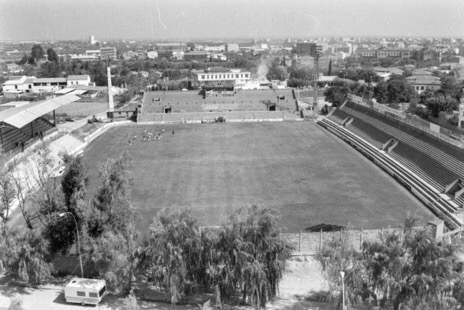
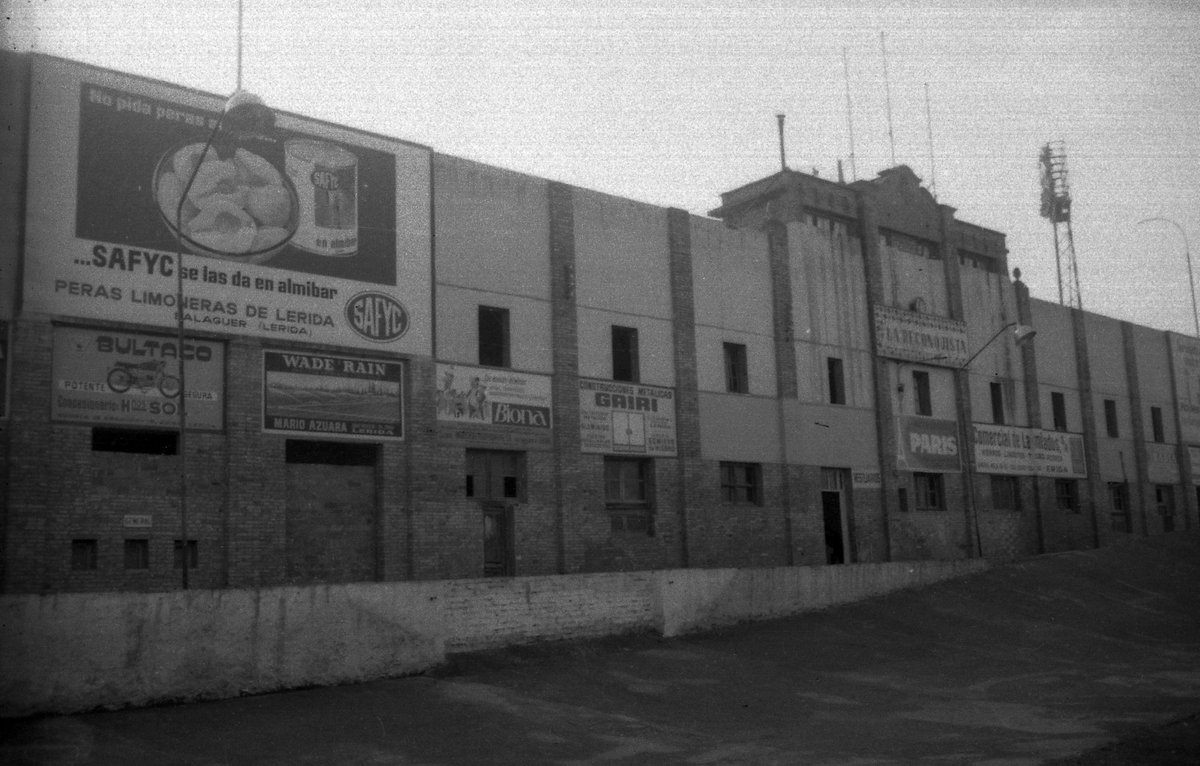
Over the years, the senior football clubs of Lleida have experienced many trials and tribulations, but there has remained one constant throughout their ups and downs: the Camp d’Esports. Built as a gift to the city by the local Republican Movement, it opened on 1 January 1919 and has remained at the centre of all things football in Catalunya’s most northern region.
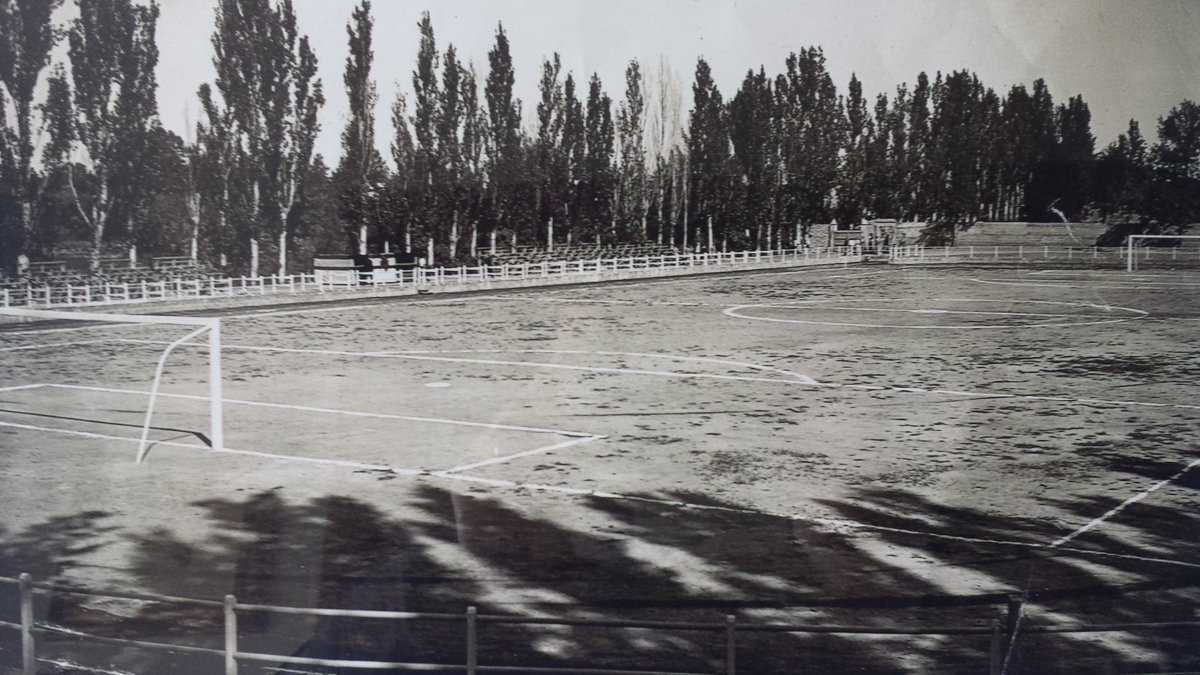
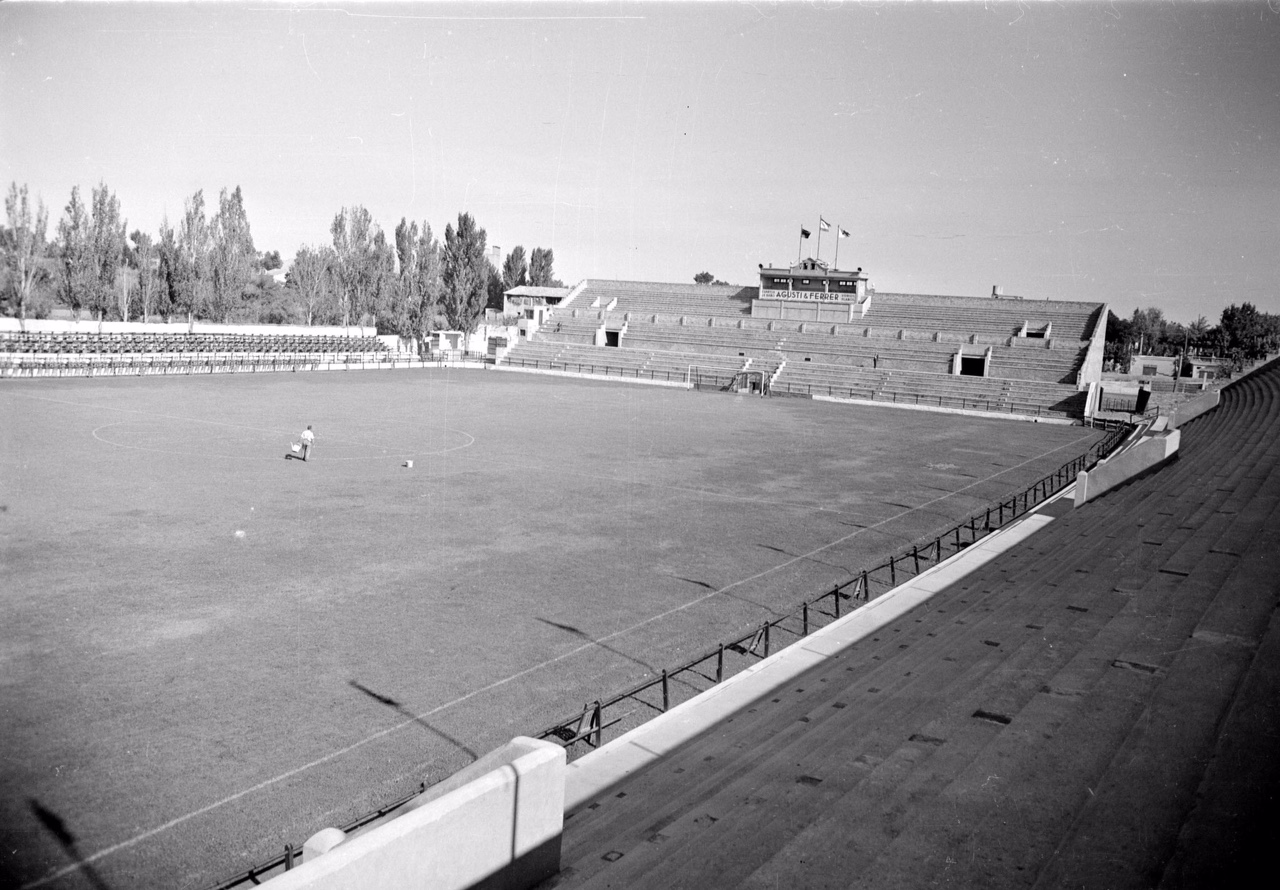
The first club to use the Camp d’Esports was Joventut Republicana FC, who, not surprisingly, were made up of members of the local Republican Party. During the 1920s, Joventut struck up a rivalry with Lleida FC as both clubs reached Group B of the Campeonato Regional de Catalunya. This ended in 1927, when both clubs were dissolved when the league turned professional. During the early 1930s, several clubs tried and failed to establish themselves, with Associació Esportiva Lleida Calaveres using the Camp d’Esports until their closure at the outbreak of the Civil War. Soon after the end of the conflict, members of the city’s former clubs formed Lérida Balompié which made their way through the regional leagues to reach the Tercera in 1943. During this period, the club developed a rivalry with the nationalist sponsored CD Leridano, and in March 1947, the two clubs merged to form Unión Deportiva Lérida. The Camp d’Esports, which had fallen into disrepair, was renovated, which was just as well, as the club was about to embark on a remarkable rise to the top flight.
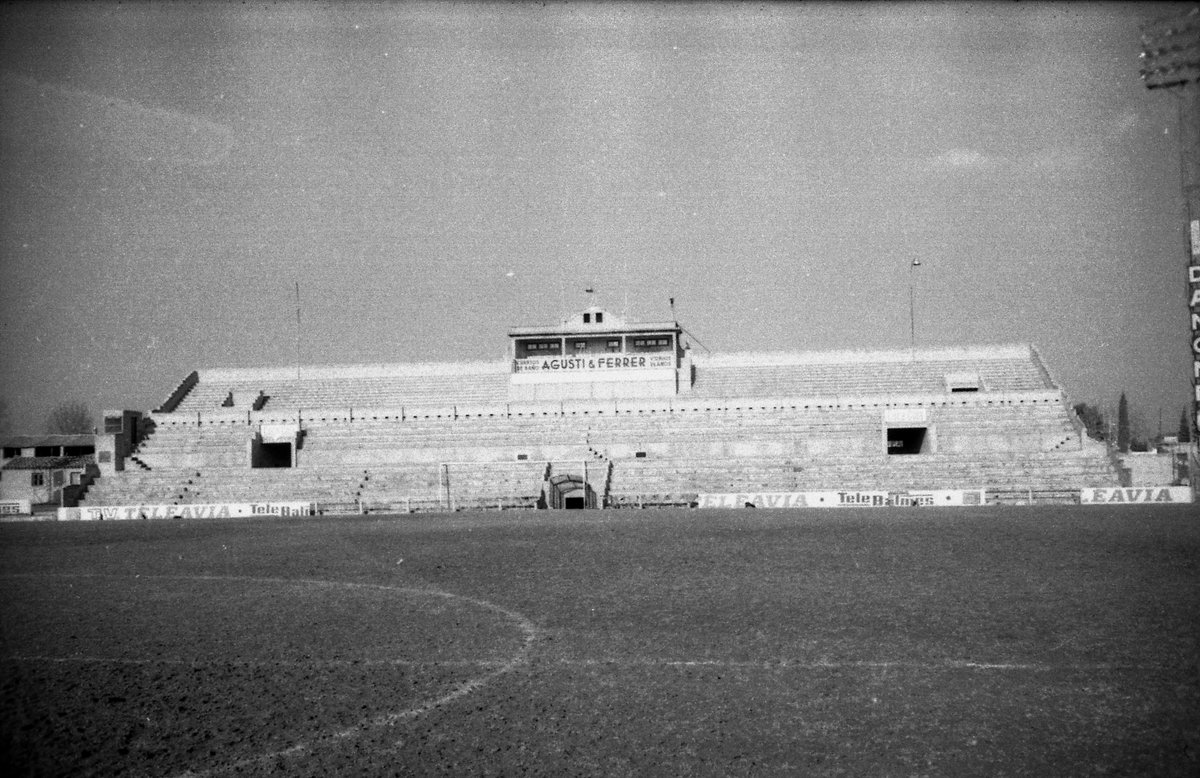
The combined talent of the two teams soon proved too strong for the Tercera, and in 1948-49, the club won the Group III title and progressed to the playoffs. Although not disgraced, UD Lérida finished third behind Albacete Balompié and Atlético Tetuán, which appeared to rule out promotion to La Segunda. However, in the close season, the Federation had a change of heart and decided to extend the second tier, and UD Lérida was incorporated into the new regionalised format. Competing in the northern section, the club proved to be a worthy addition, finishing as runners-up to Racing Santander. In the final match of the playoffs, UD Lérida beat Real Murcia 4-1 to secure a place in La Primera. The Camp d’Esports had gained a north terrace in the summer of 1949, and in preparation for the club’s debut in the top tier, a new terrace was built on the east side of the ground. On 10 September 1950, UD Lérida entertained Celta Vigo at the Camp d’Esports in its first La Primera match. They lost 2-3 and soon slipped into a run of form that saw the club run up one of the worst records the top flight has witnessed. When the season was over in April 1951, the UD Lérida goal had been breached a record 134 times, and the club finished bottom of the table with just 13 points.
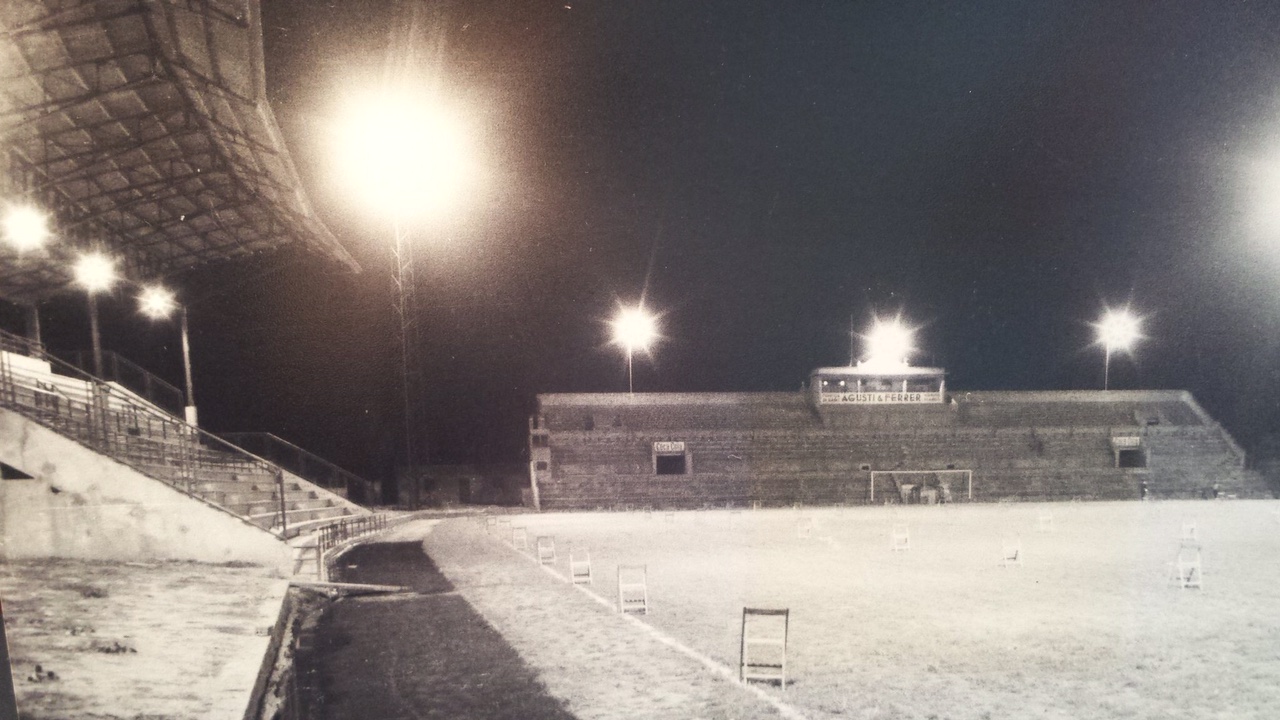
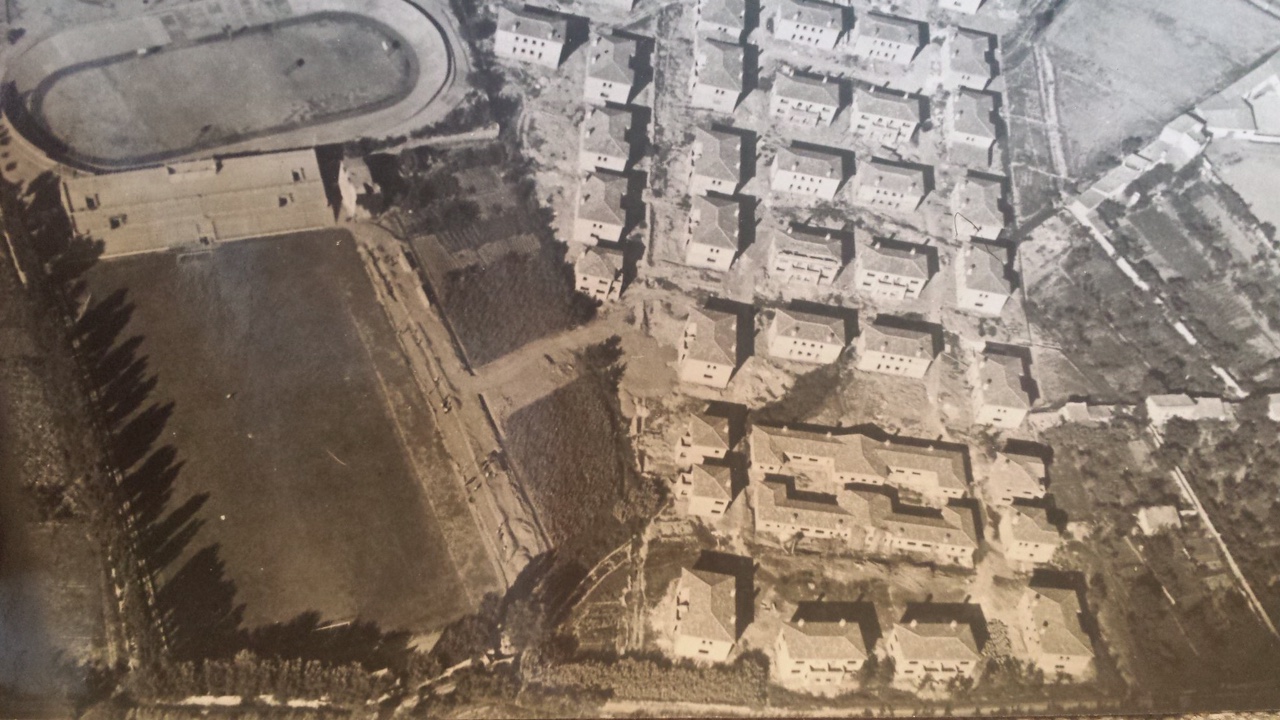
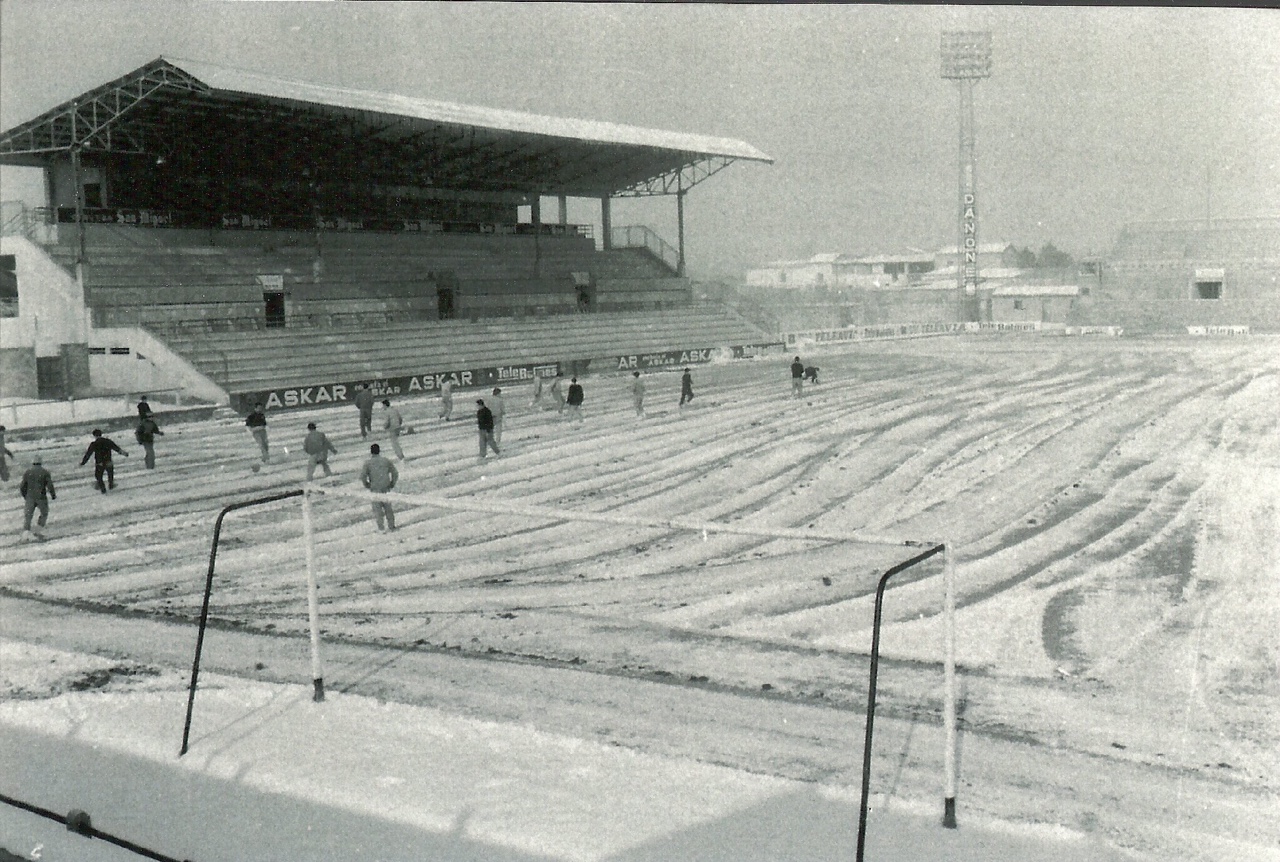
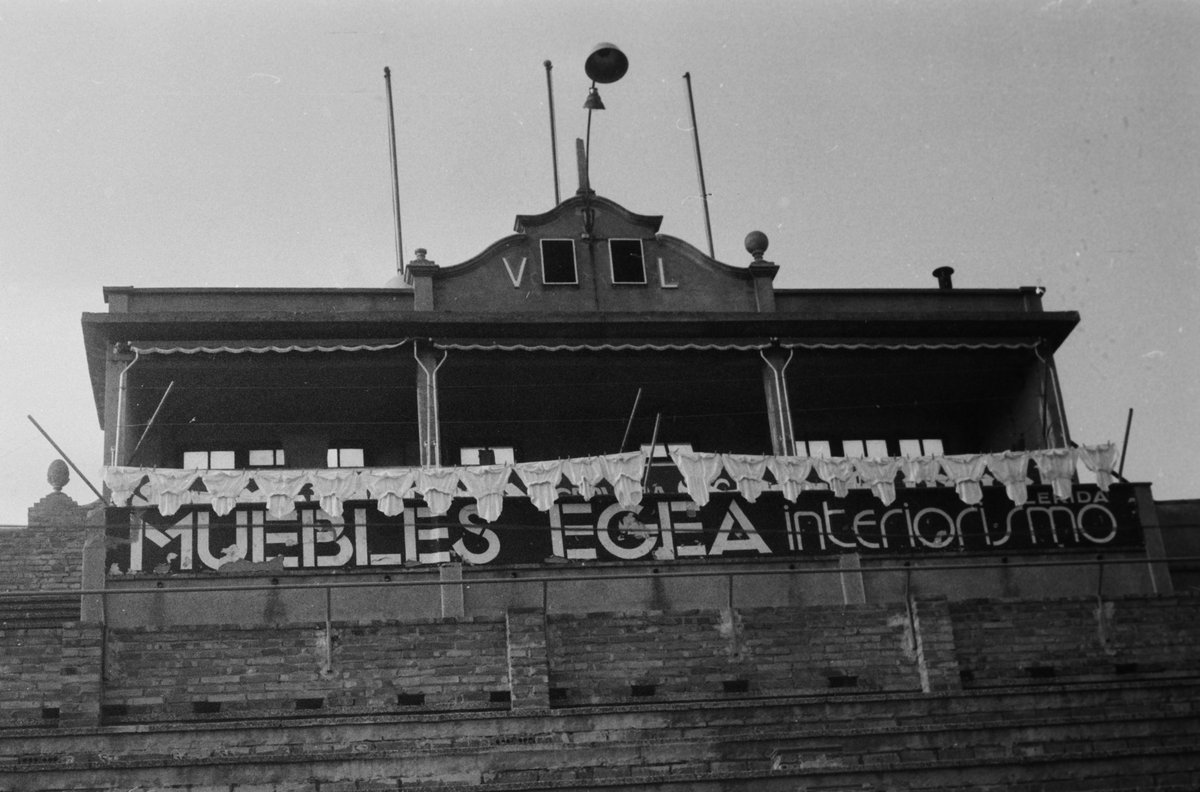
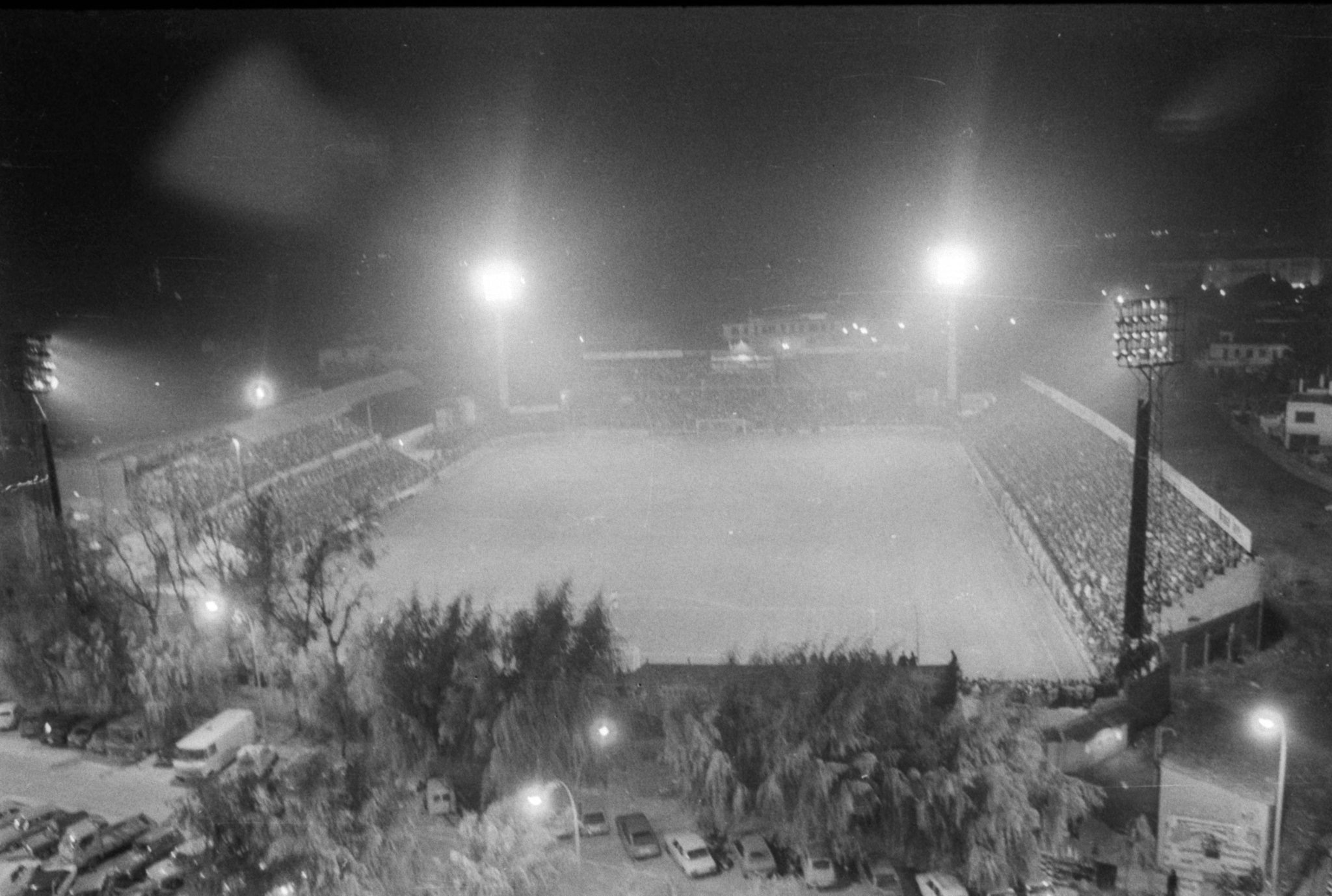
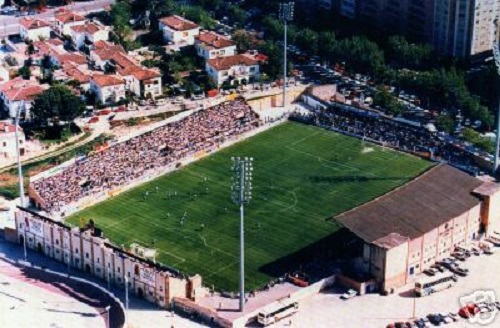
Chastened by their top-flight experience, UD Lérida spent the next six seasons in La Segunda before dropping off the national footballing radar with a descent into the Tercera in 1957. The development of the Camp d’Esports continued, and in 1962, a new grandstand was erected, using the roof from the old stand at Espanyol’s Sarriá stadium. A year later, the first floodlights were switched on. The club made a three-season return to La Segunda in 1965, but by 1970, it was in the Catalan regional leagues. There followed a period of six seasons back in the Tercera before debuting in the newly formed Segunda B in 1977-78. By now, the stadium had gained a southern terrace and was a perfectly respectable stadium for life in the third level of Spanish football. Taking the Catalan name of UE Lleida, the club gradually improved its position in Segunda B, culminating in promotion back to La Segunda in 1987. The club dropped back into Segunda B for the 1989-90 season, but under the guidance of José Manuel Esnal “Mané”, the league title was secured and promotion to La Segunda set the club up for the 1990s and its second golden era.
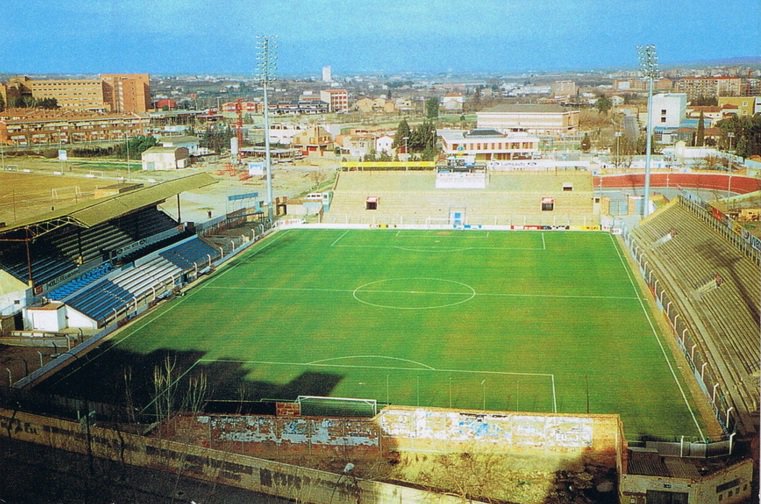
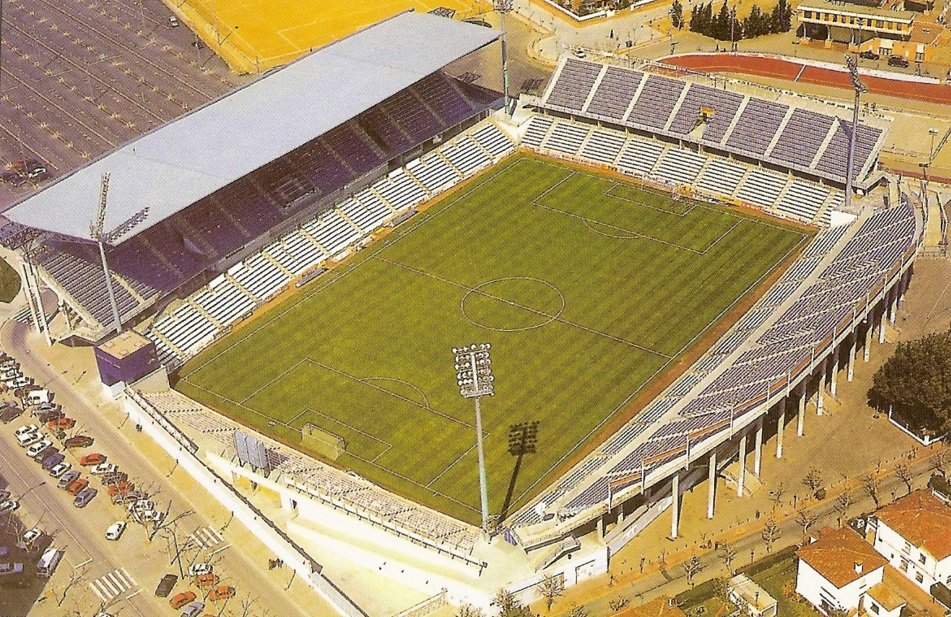
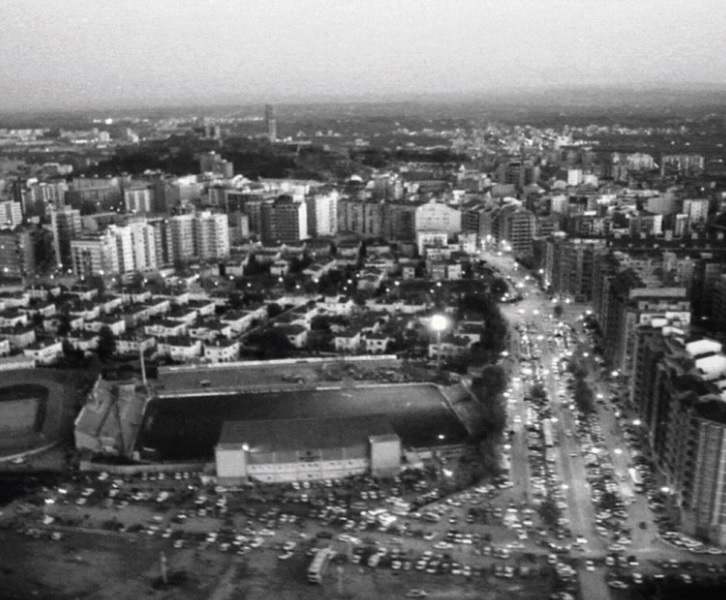
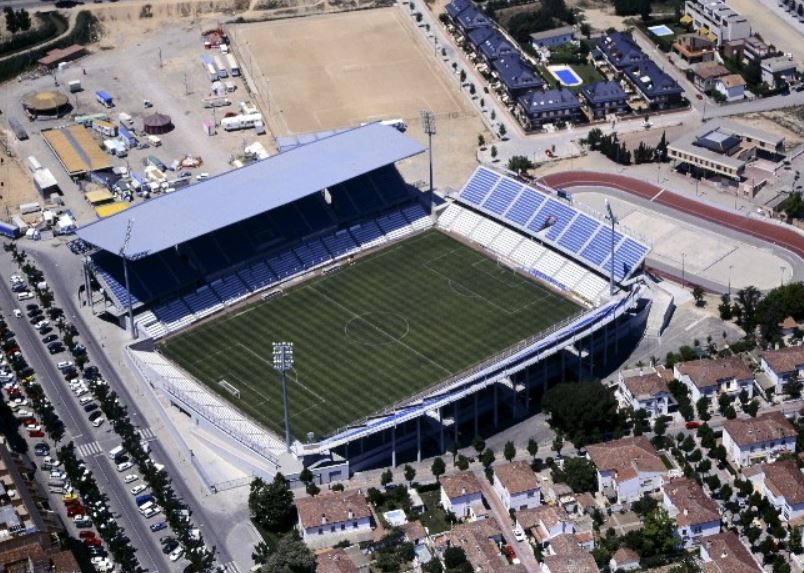
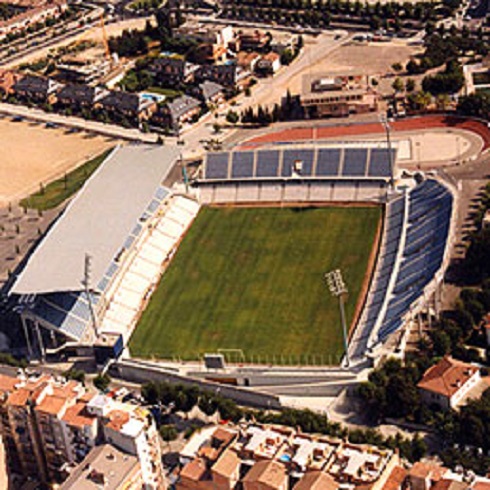
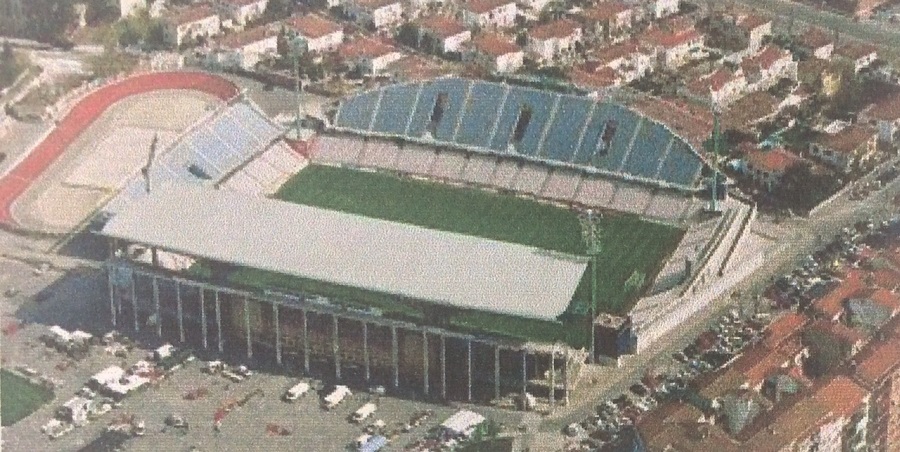
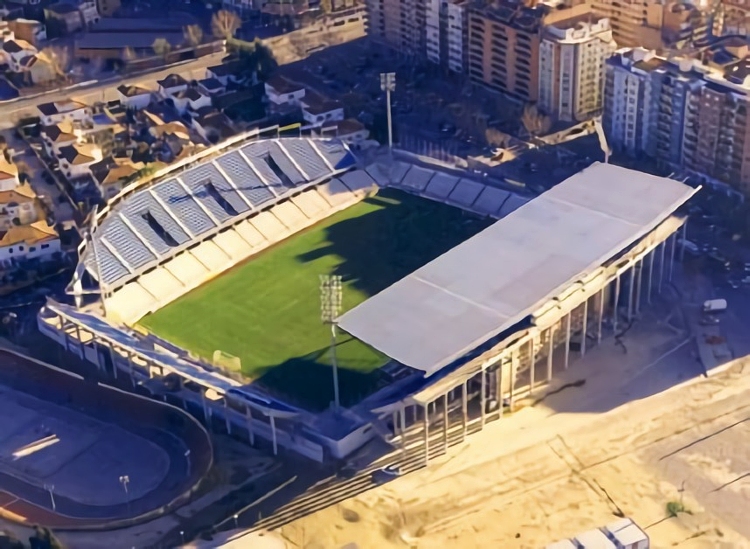
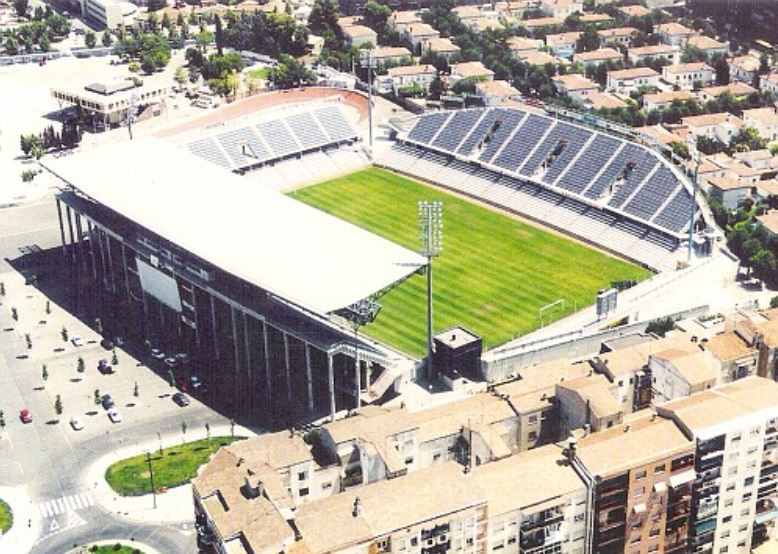
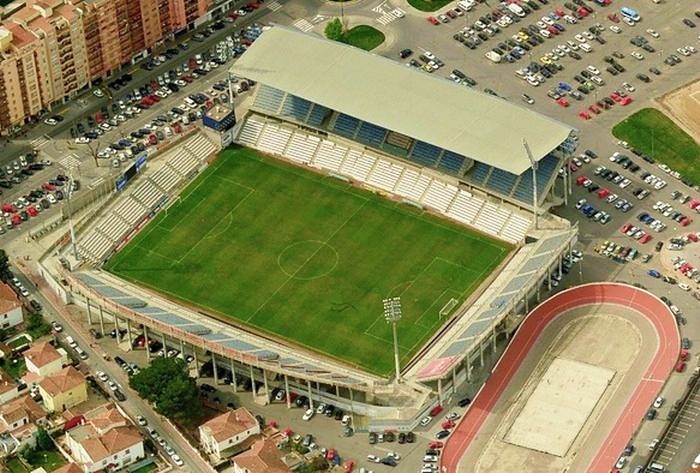
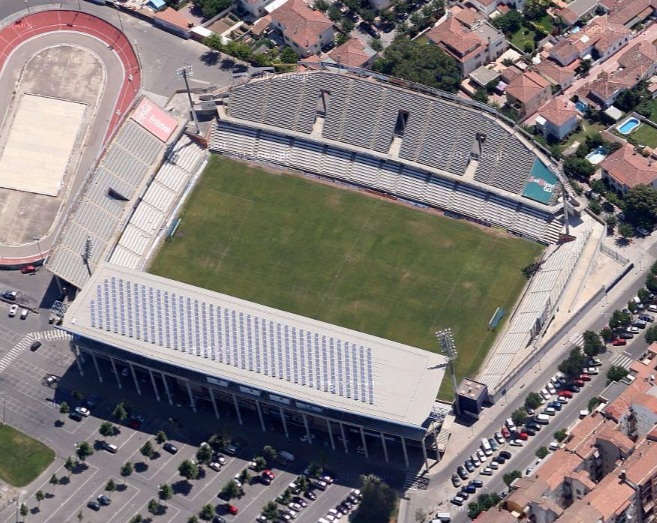
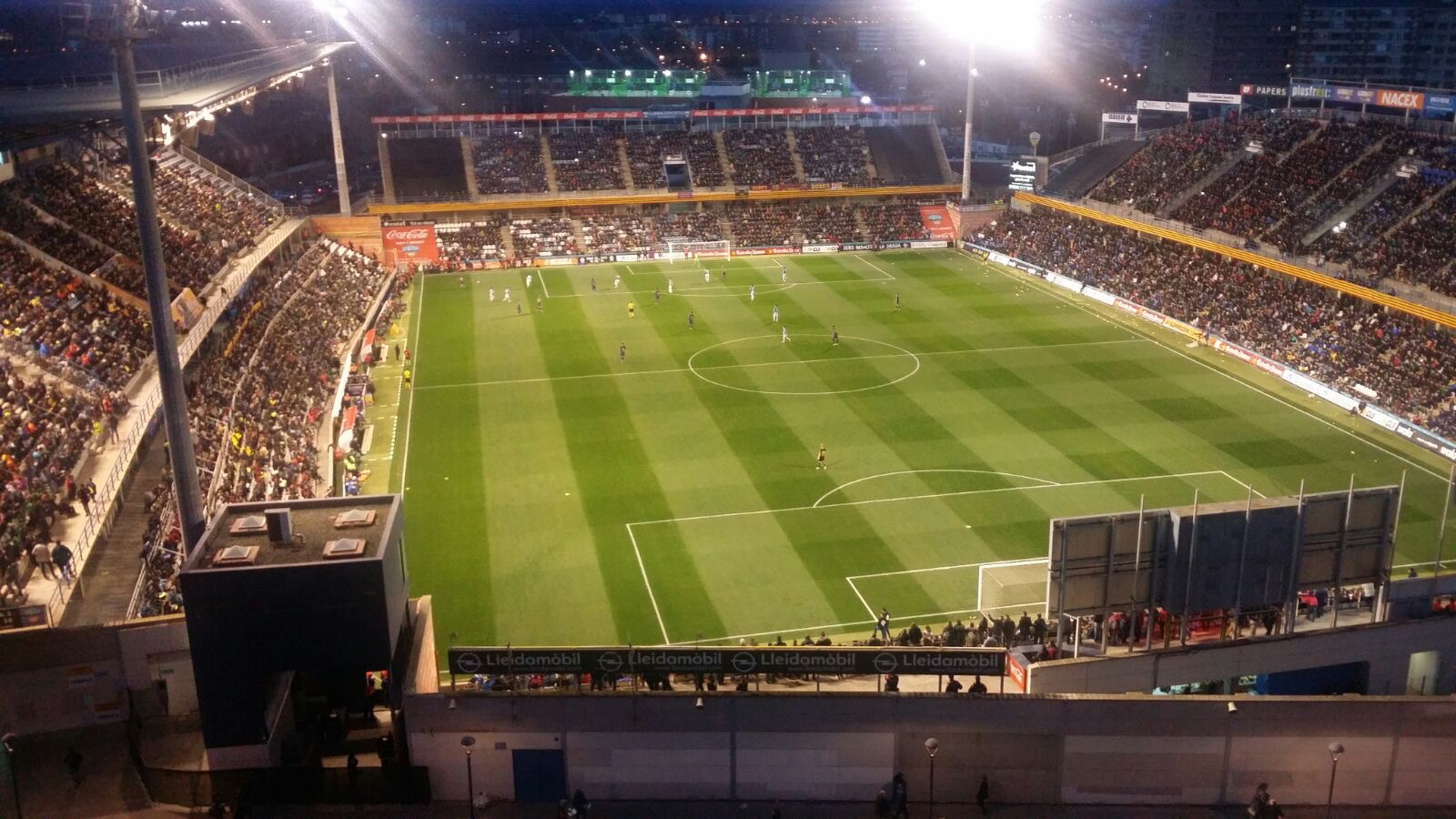
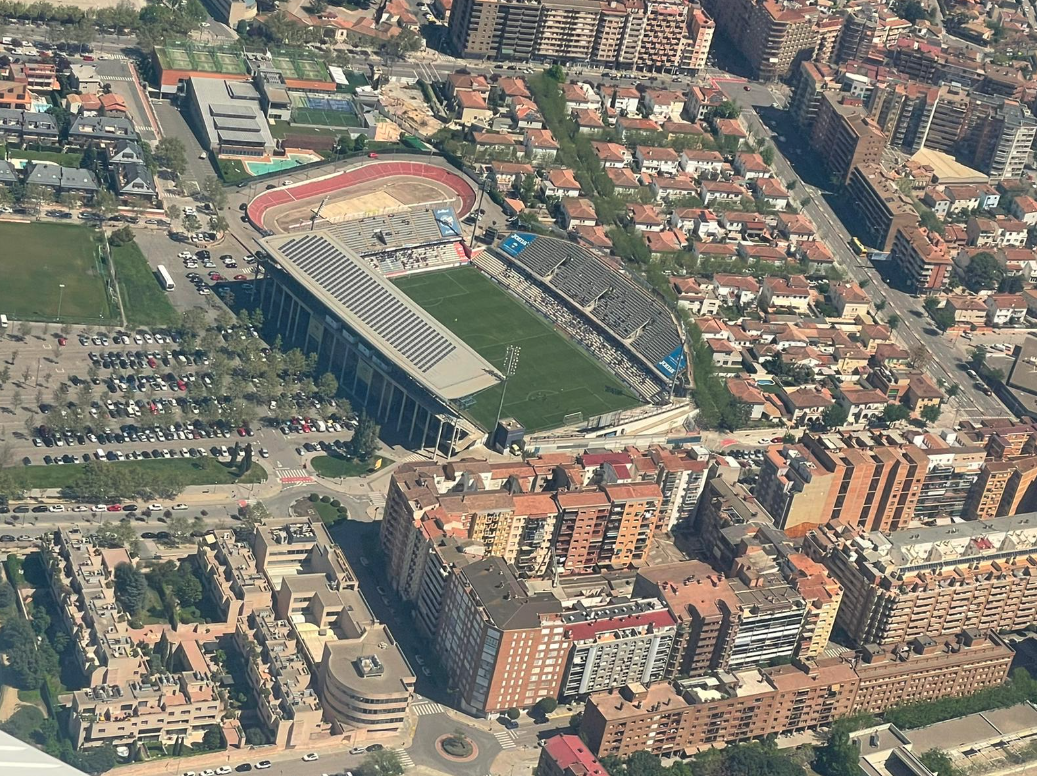
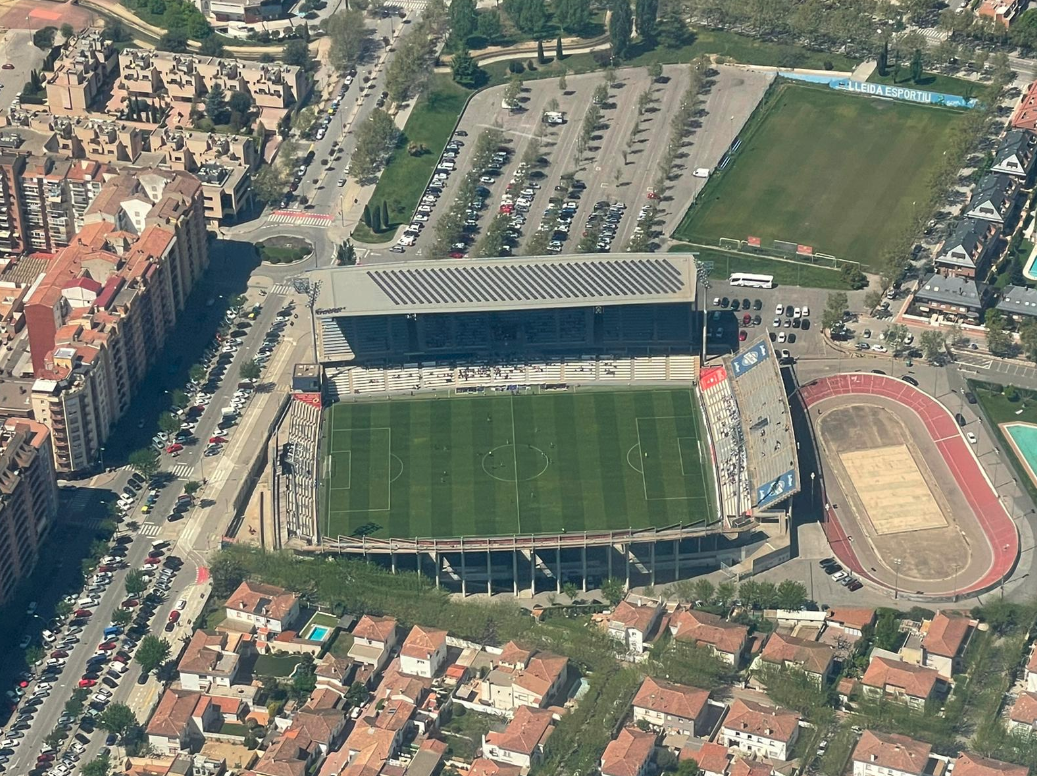
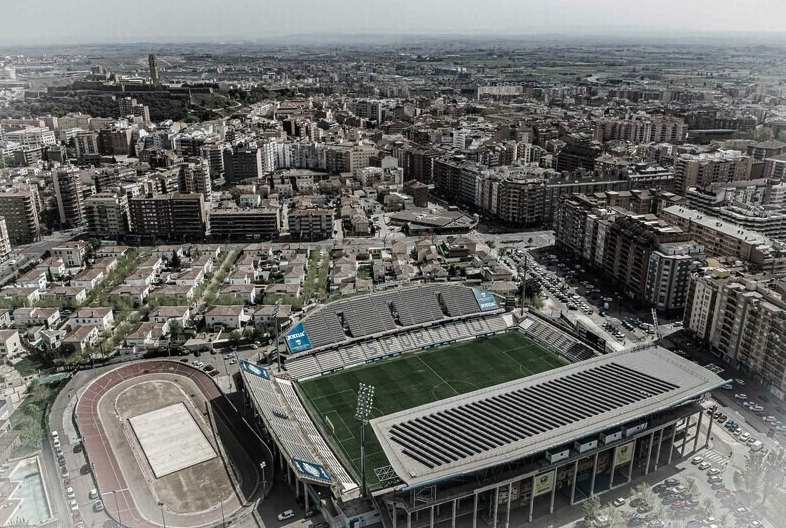
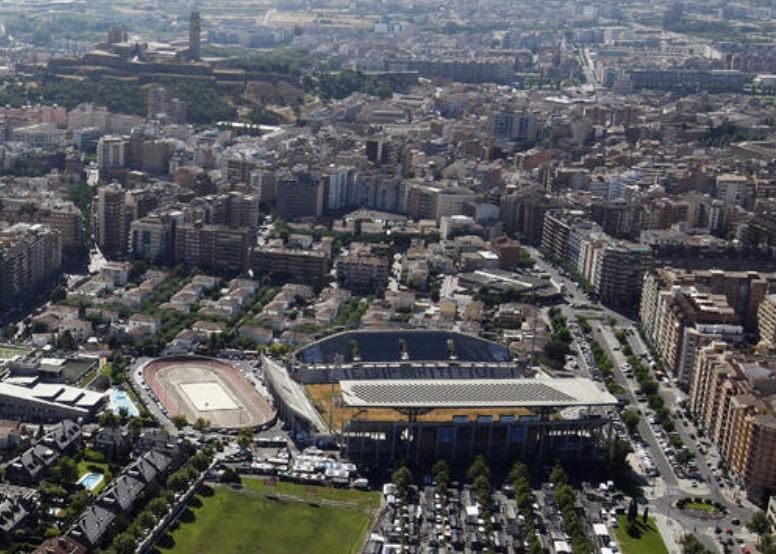
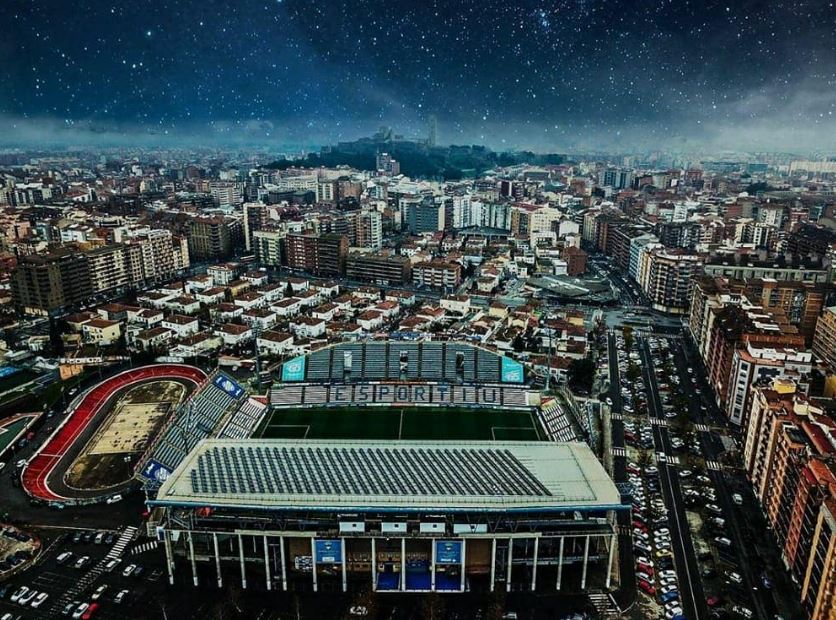
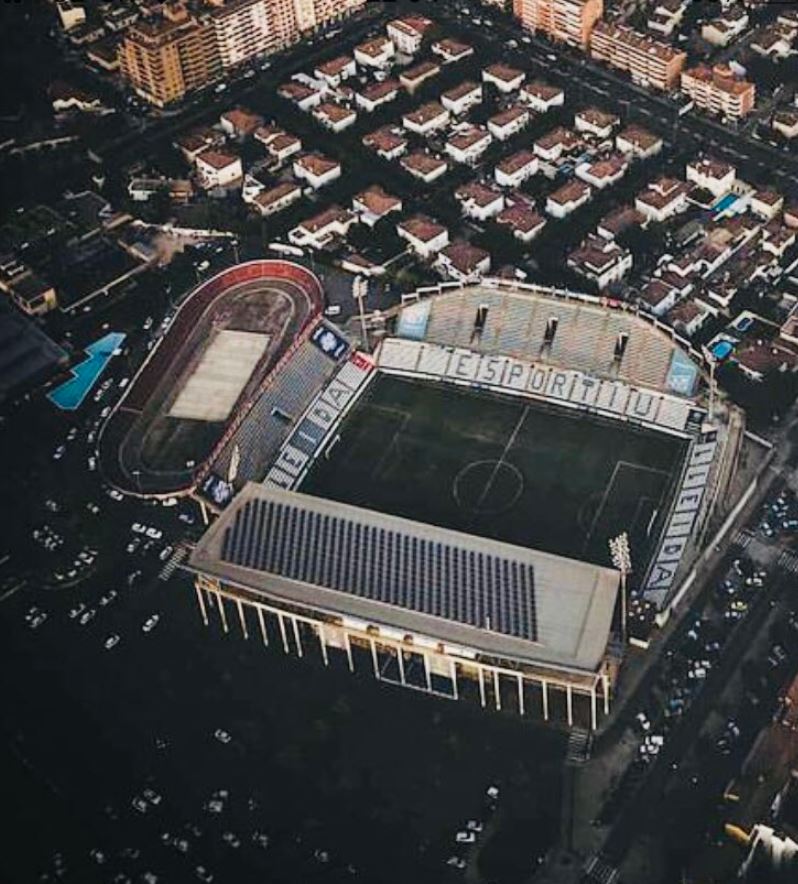
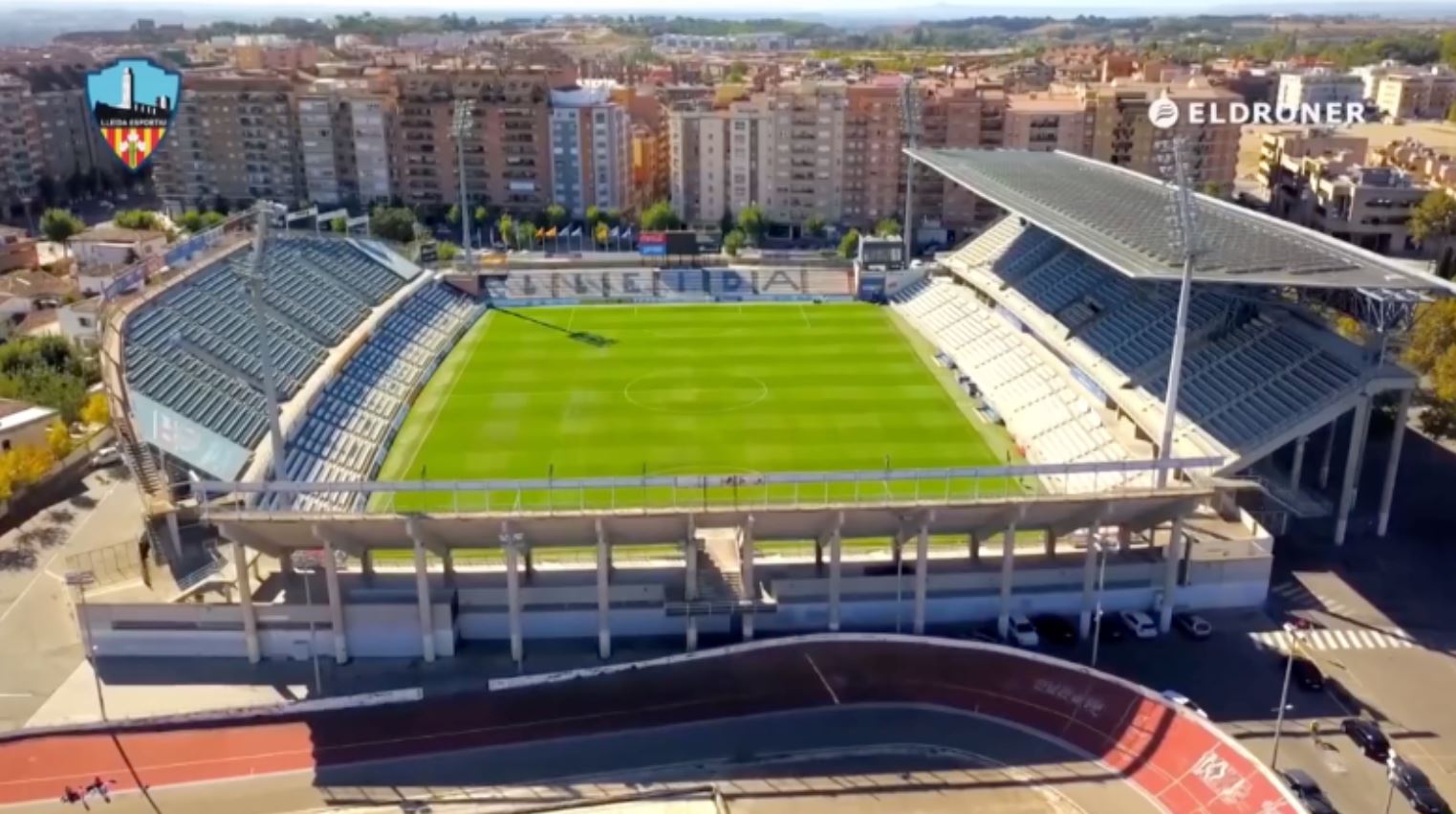
Coach “Mané” had a seven-year period in charge of UE Lleida, the highlight of which was a second division title and promotion back to the top flight in 1992-93. During the summer of 1993, the club & municipality embarked on an ambitious plan to rebuild the ageing stadium. Under the guidance of architect Robert Brufau, the western grandstand and eastern terrace were replaced with twin-decked seated stands. Using prefabricated sections, the new layout quickly took shape. To the west, with an impressive roof, was a new grandstand and to the east was a stylish, curved anfiteatro. Whilst the 93-94 season was a lot less traumatic than the club’s previous venture in La Primera, it still ended in relegation, despite wins over Real Madrid at home and Barcelona in the Camp Nou. During the summer of 1994, the northern terrace was replaced with a twin-decked open stand and the southern end was converted to seating. The club came desperately close to an immediate return to La Primera but lost 4-5 on aggregate to Sporting Gijón in the end-of-season playoffs. The remainder of the 1990s was spent in the top half of La Segunda, but by the end of the 2000-01 season, UE Lleida had overstretched its resources and deep in debt, they plunged into Segunda B.
Over the next decade, the club made a series of desperate attempts to return to the second division. They did manage a two-season spell back in La Segunda from 2004-05, but with the success built on foundations of clay, it all soon fell apart, and by the end of the decade, the club was struggling to compete at the top of Segunda B. The 2010-11 season was played against a backdrop of growing financial woes, yet despite this, the club remained serious play-off contenders until defeat to Mallorca B in the penultimate league match dashed any hopes of promotion. A week later, on 15 May 2011, Unió Esportiva Lleida played its last ever match, a 0-0 draw away at CE Hospitalet. The club was wound up after accumulating debts in excess of €28m, and its place in Segunda B was placed up for auction. Luckily for the footballing folk of Lleida, local businessman Sisco Pujol acquired the licence and set up Club Lleida Esportiu. So, in August 2011, Lleida Esportiu took their place in Group III of Segunda B, where they remained for the rest of the decade before dropping in the Segunda Federación when the RFEF restricted the leagues.
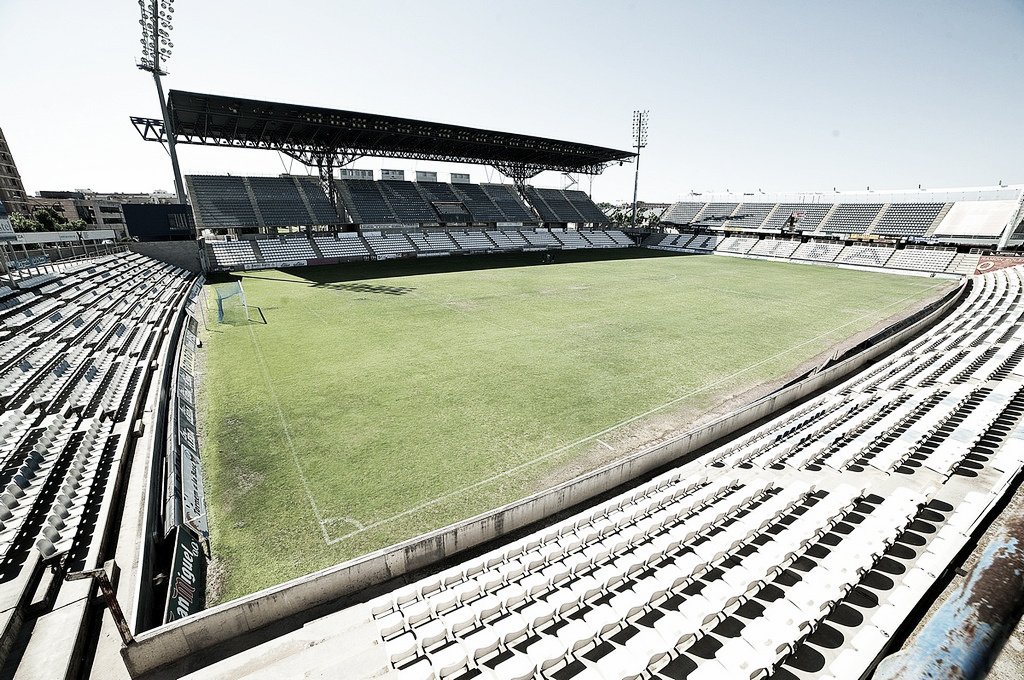
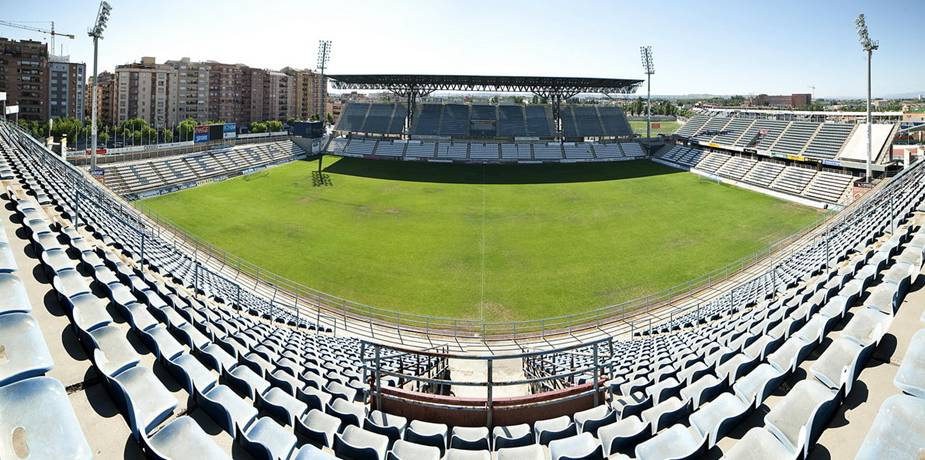
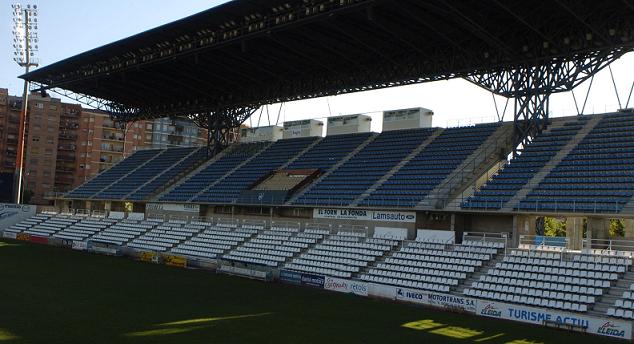
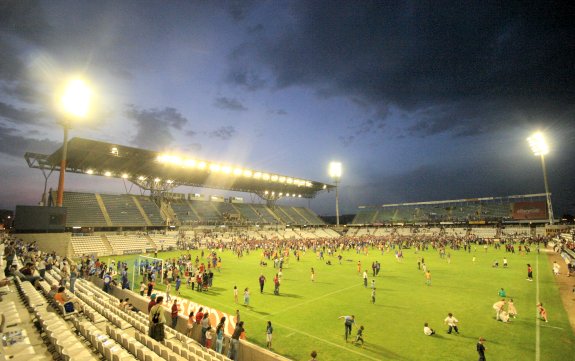
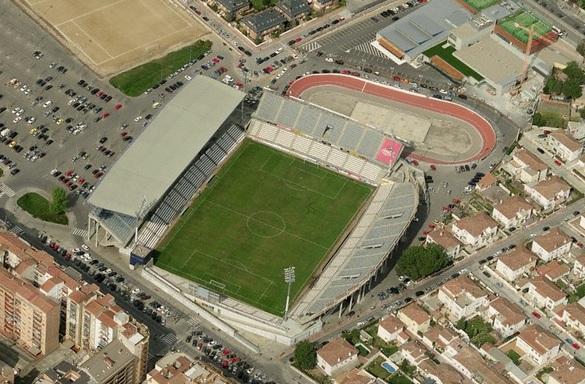
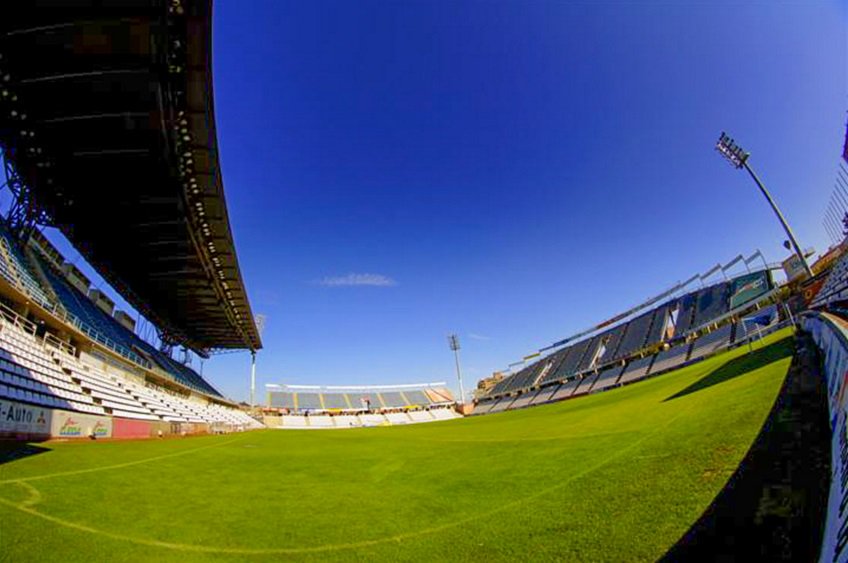
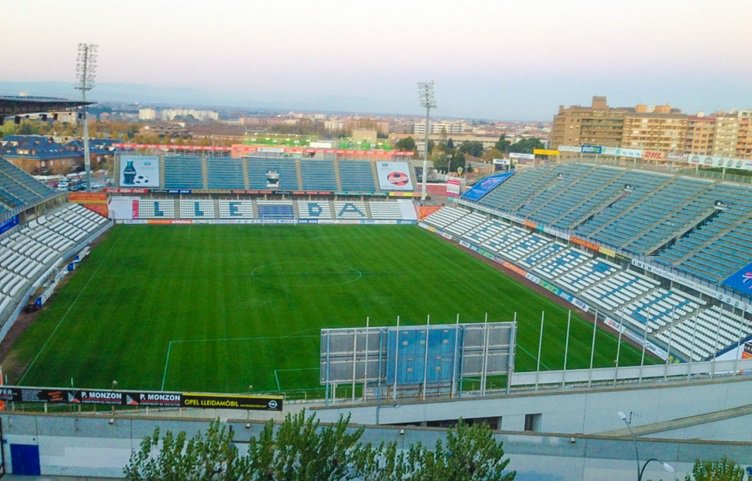
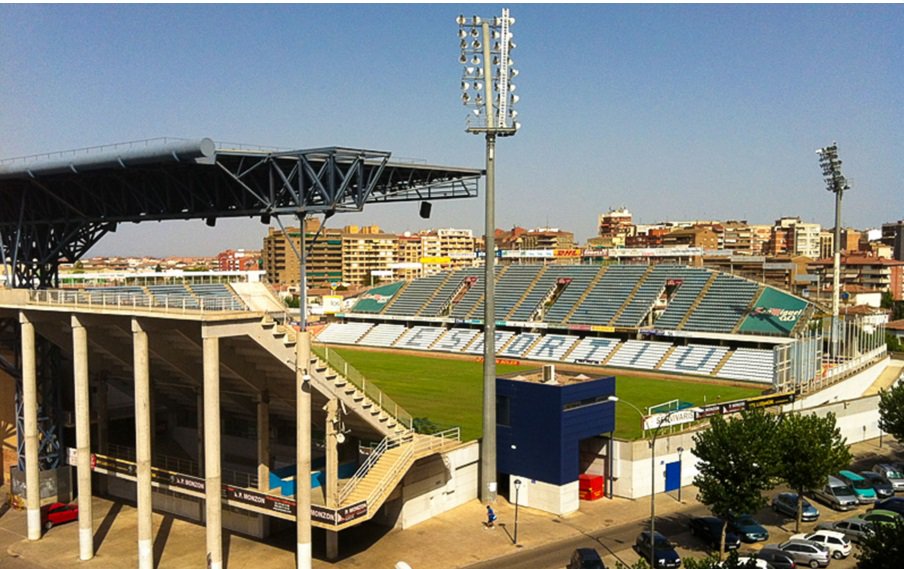
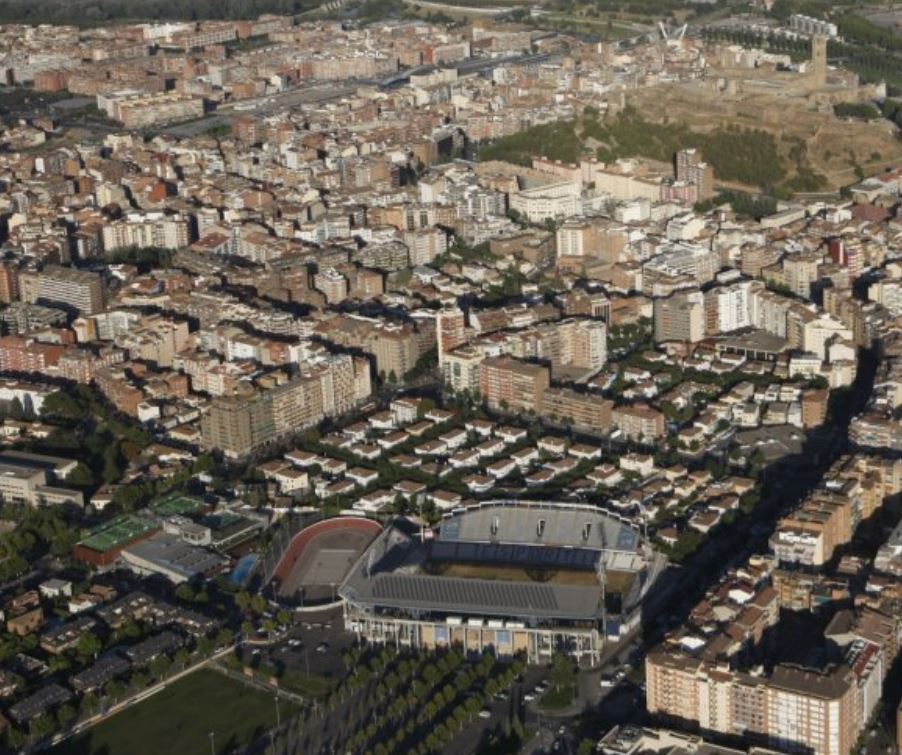
After all those fiscal fiascos that dogged the history of UE Lleida, it’s a relief to talk about the stadium, and I have to say that I like the Camp d’Esports. Built in haste, it could easily have become a prefabricated non-entity. Brufau’s design, however, is lively and distinctive. The west, north and east sides feature double-decked seated stands, but it is the roof on the west stand that lifts this re-build above the ordinary. This structure stands high over the upper deck, but rather than being supported by cantilevered struts along the back of the stand, two huge supports pierce through the upper seating deck and hold the roof aloft like a champion weightlifter. To accommodate this unusual design, the upper level has two large voids cut into the deck. The opposite east side features a sculpted anfiteatro, which also features large voids-come-vomitories. However, these are for effect rather than functionality, but along with the curve, add to the stand’s pleasing proportions. The north end also features a twin-decked stand, the upper tier of which hangs over part of the city’s velodrome. The southern end is a single tier of seating, which is a continuation of the lower ring of seating.
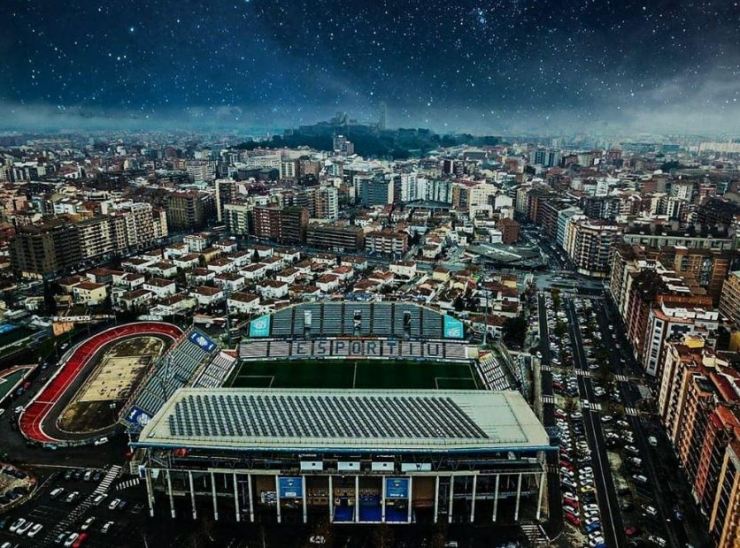
The city of Lleida came mighty close to not having a senior football club, and whilst the latest incarnation is a long way from emulating its predecessor, it can rely on the Camp d’Esports to provide a distinctive and atmospheric home as it plans for the future.
 Estadios de España