Article updated on: 15/08/2025
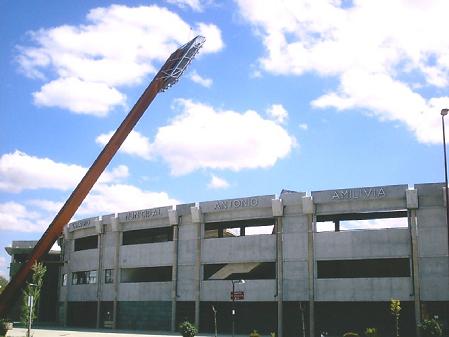
On 20 May 2001, after two and a half years at their “temporary” home, the Deportivo Puente Castro, Cultural Leonesa returned to the city’s centre and the newly built Nuevo Estadio Antonio Amilivia. They played host to Xerez CD in the playoffs and won 1-0 with Iban Espadas scoring the only goal. However, Xerez had the last laugh, prevailing to win promotion to La Segunda. No new home in a new division then, but not a huge surprise for the fans of La Leonesa. Between 1981 & 2009, the club reached the playoffs to La Segunda on 9 occasions yet failed to progress.
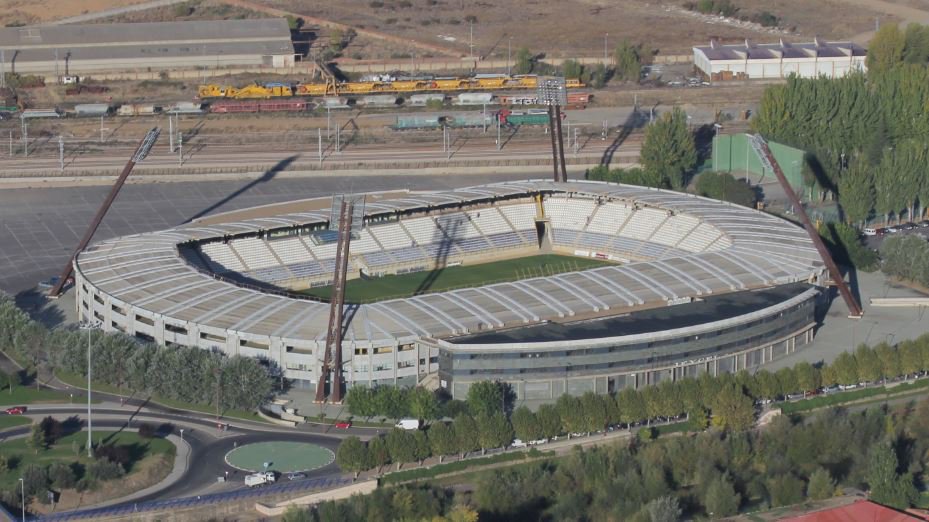
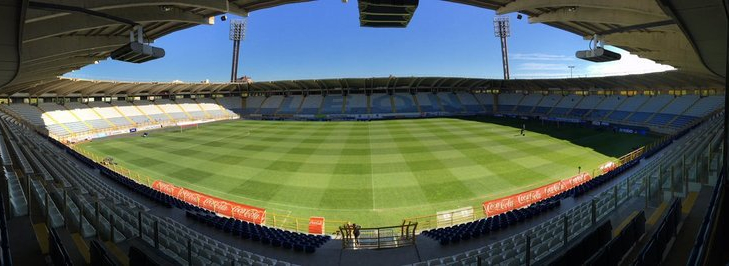
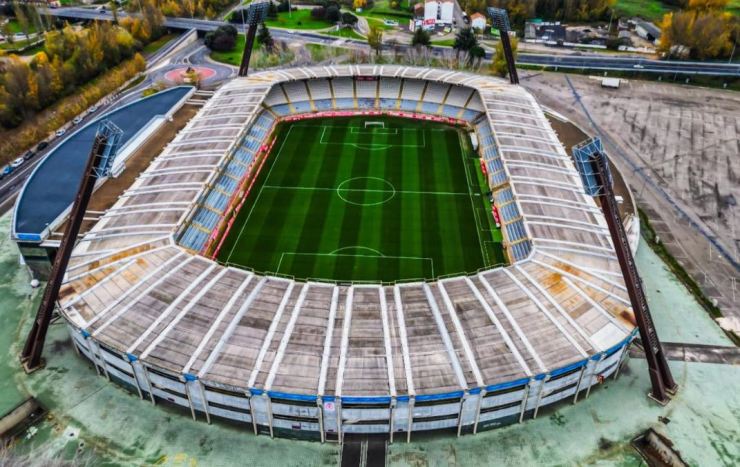
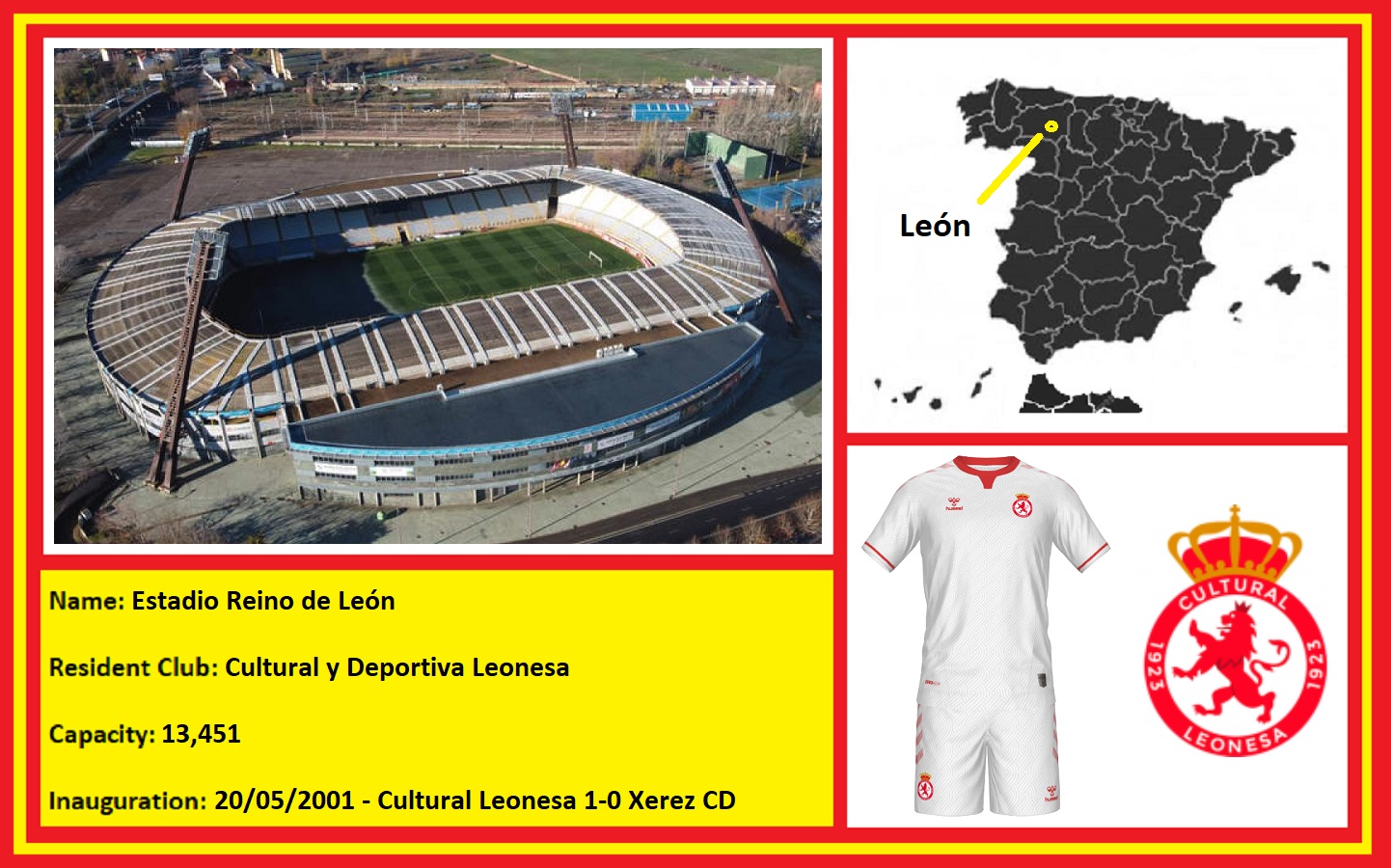
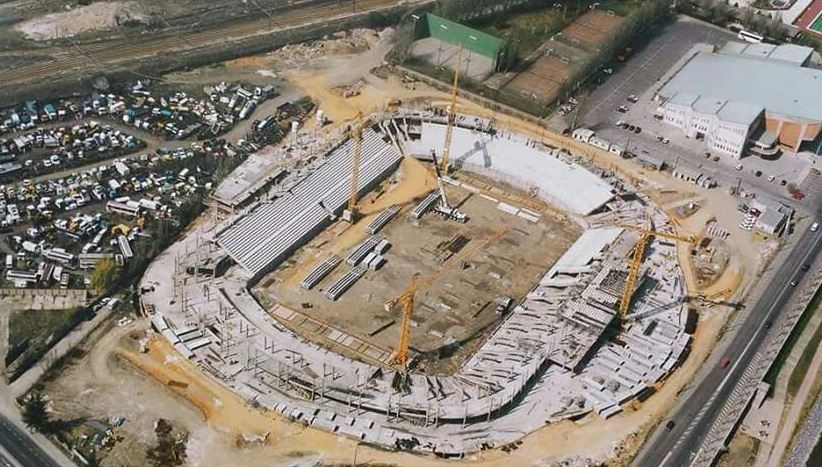
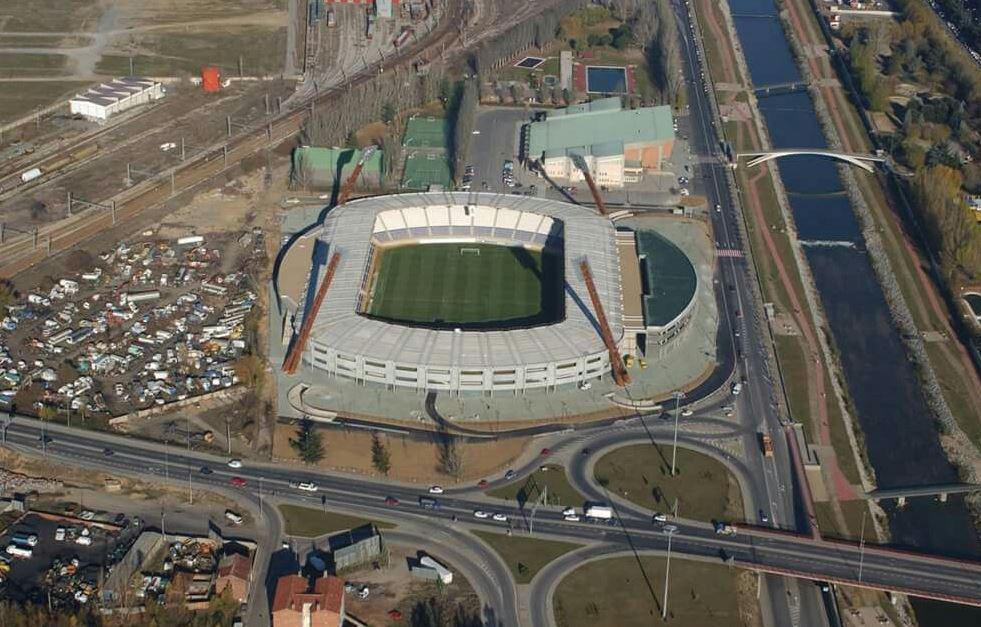
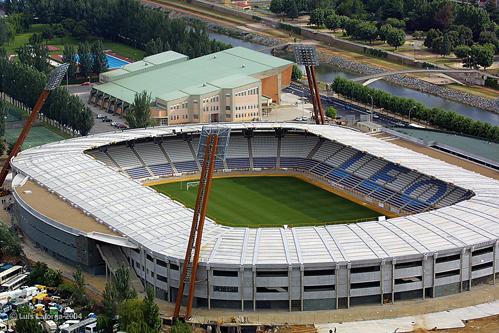
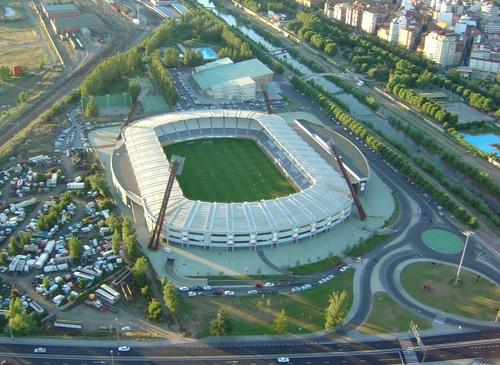
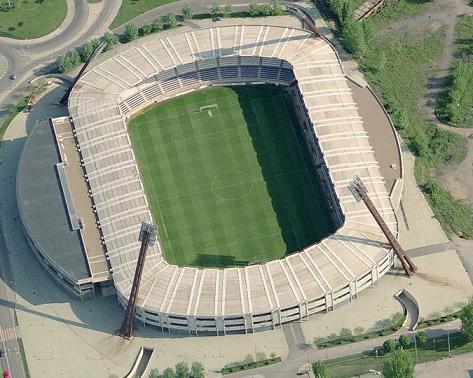
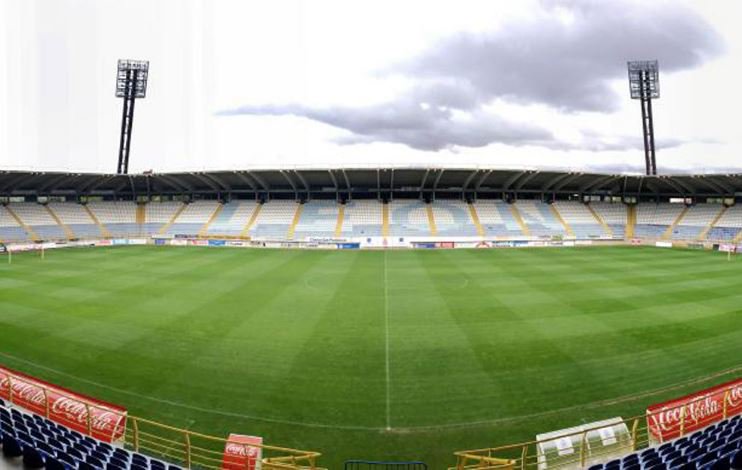
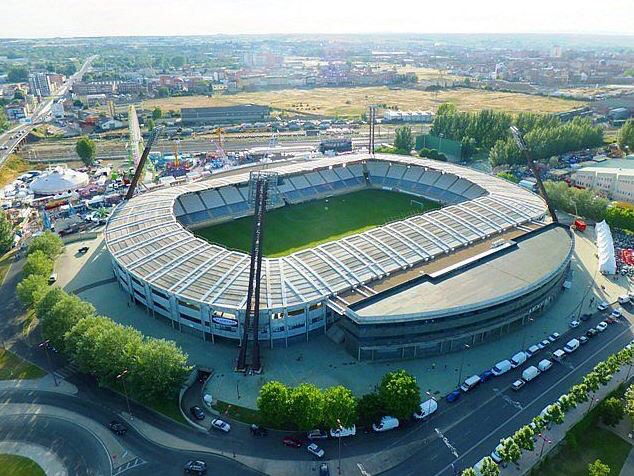
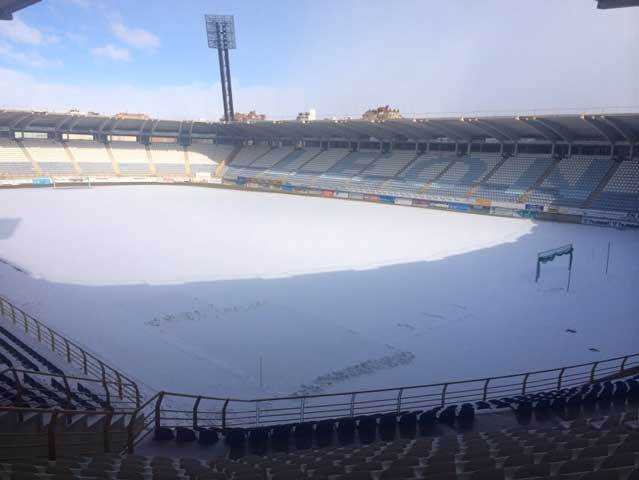
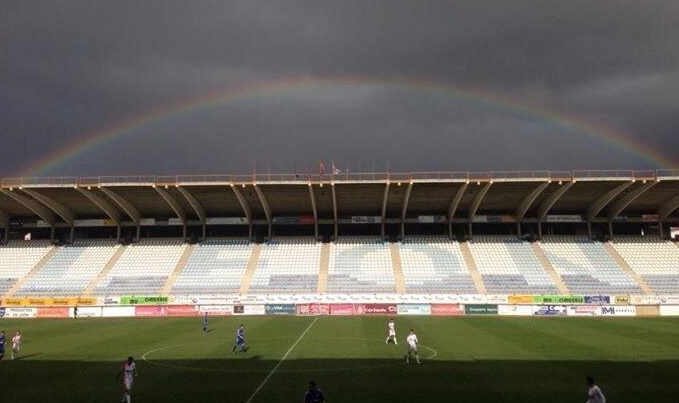
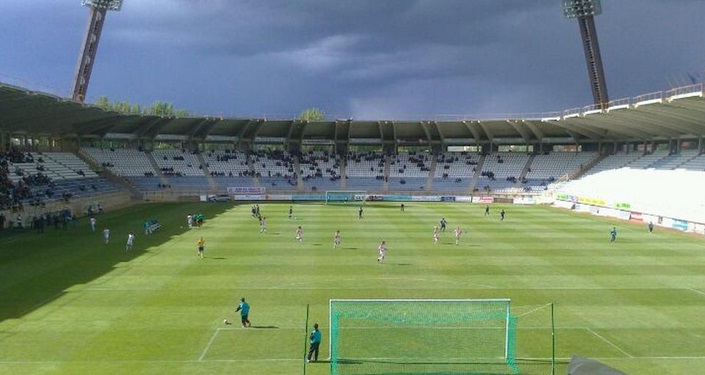
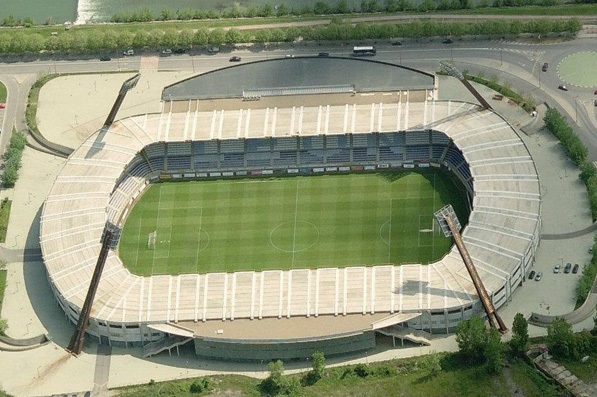
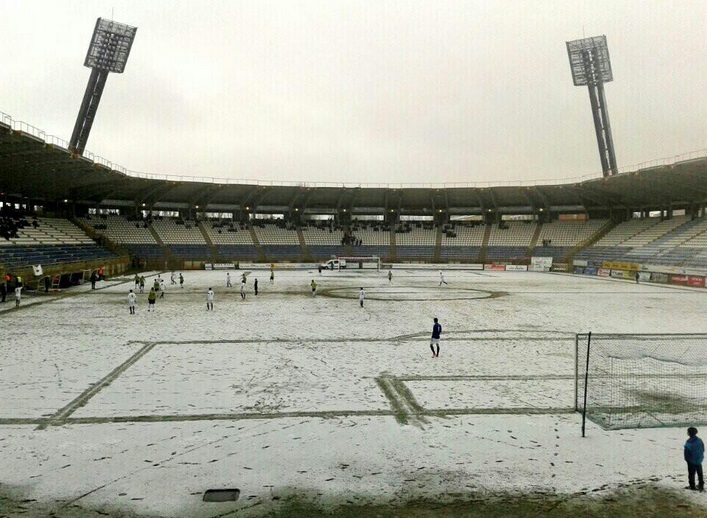
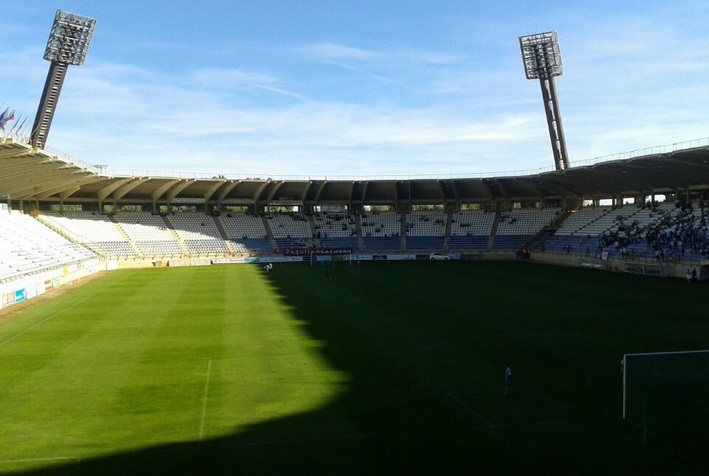
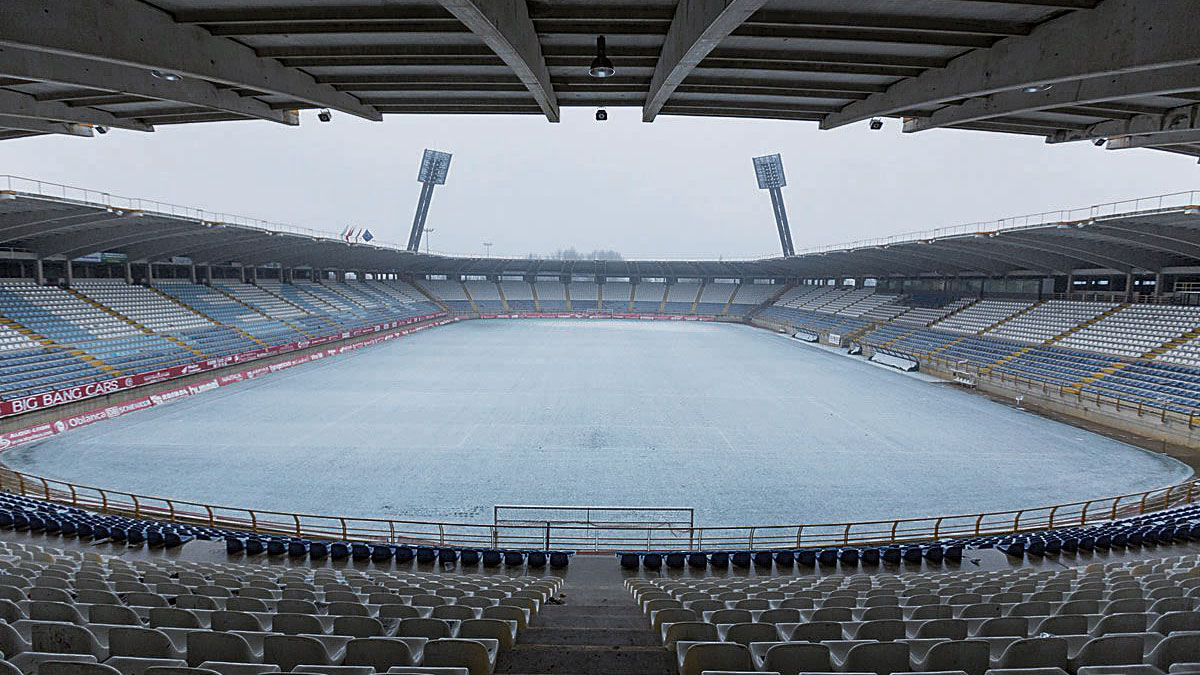
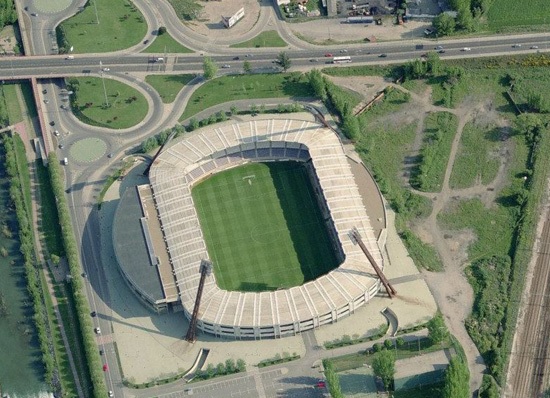
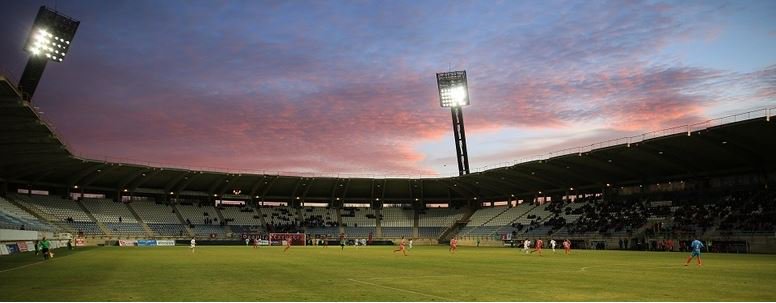
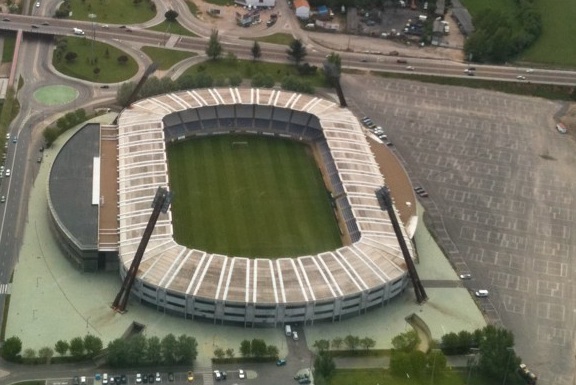
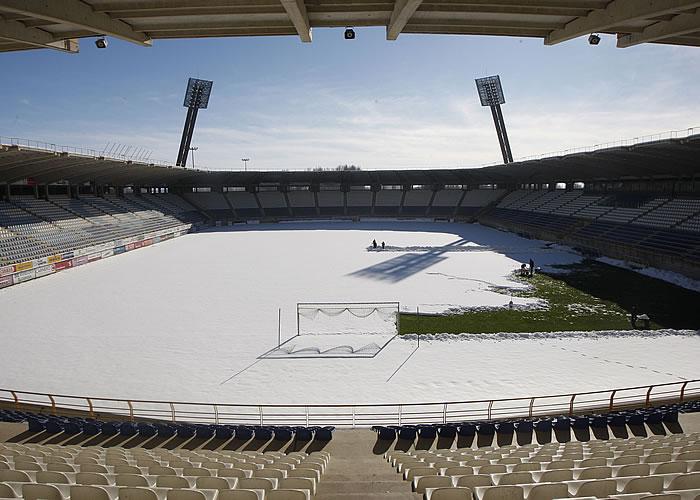
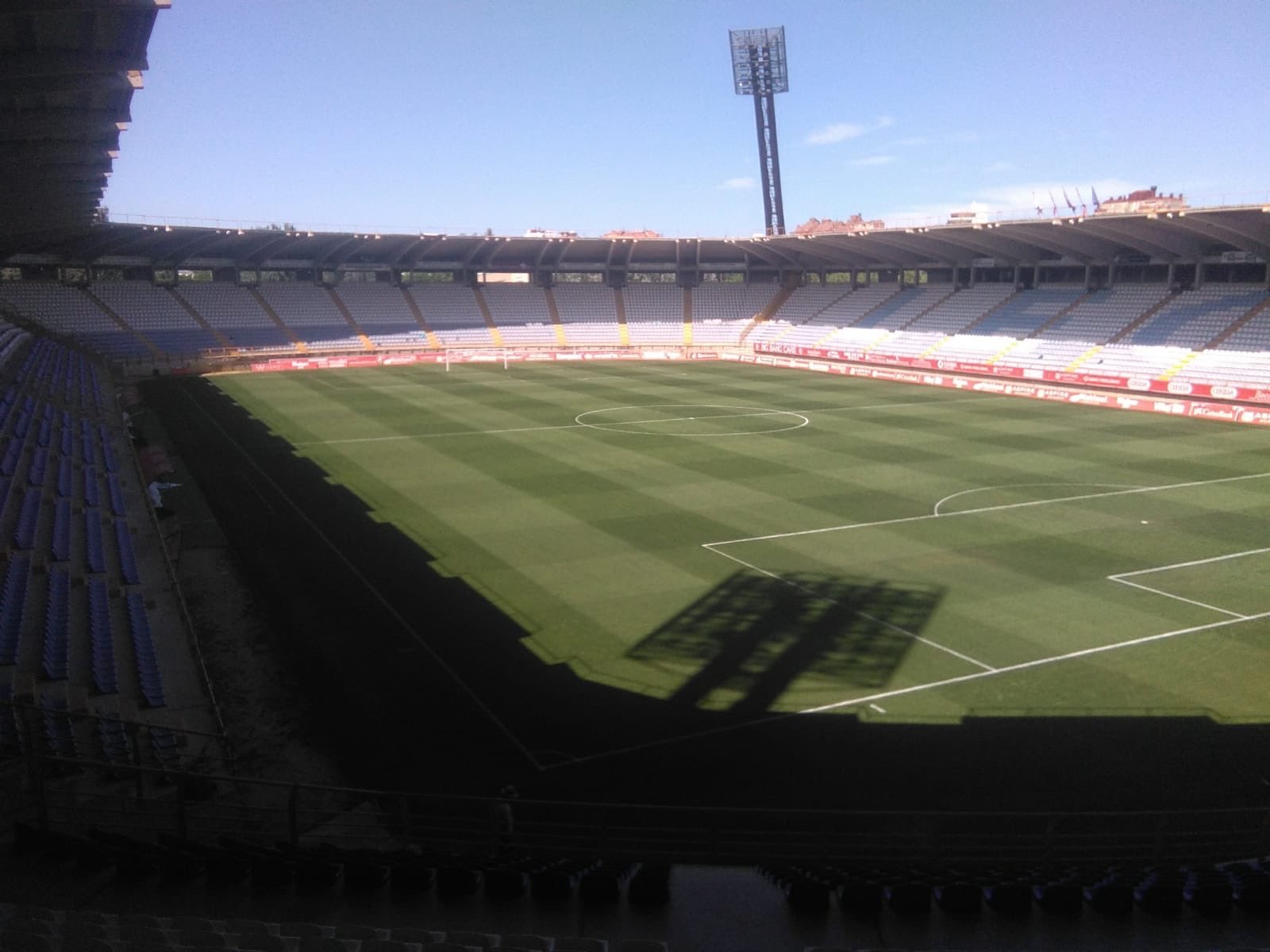
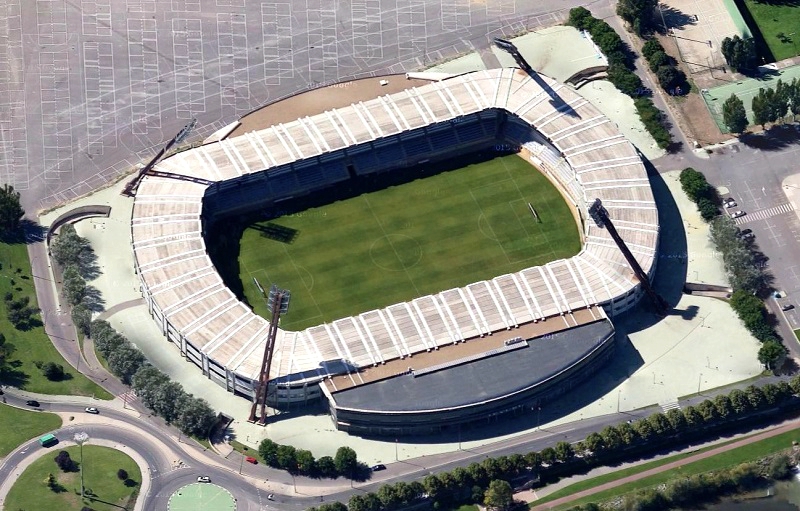
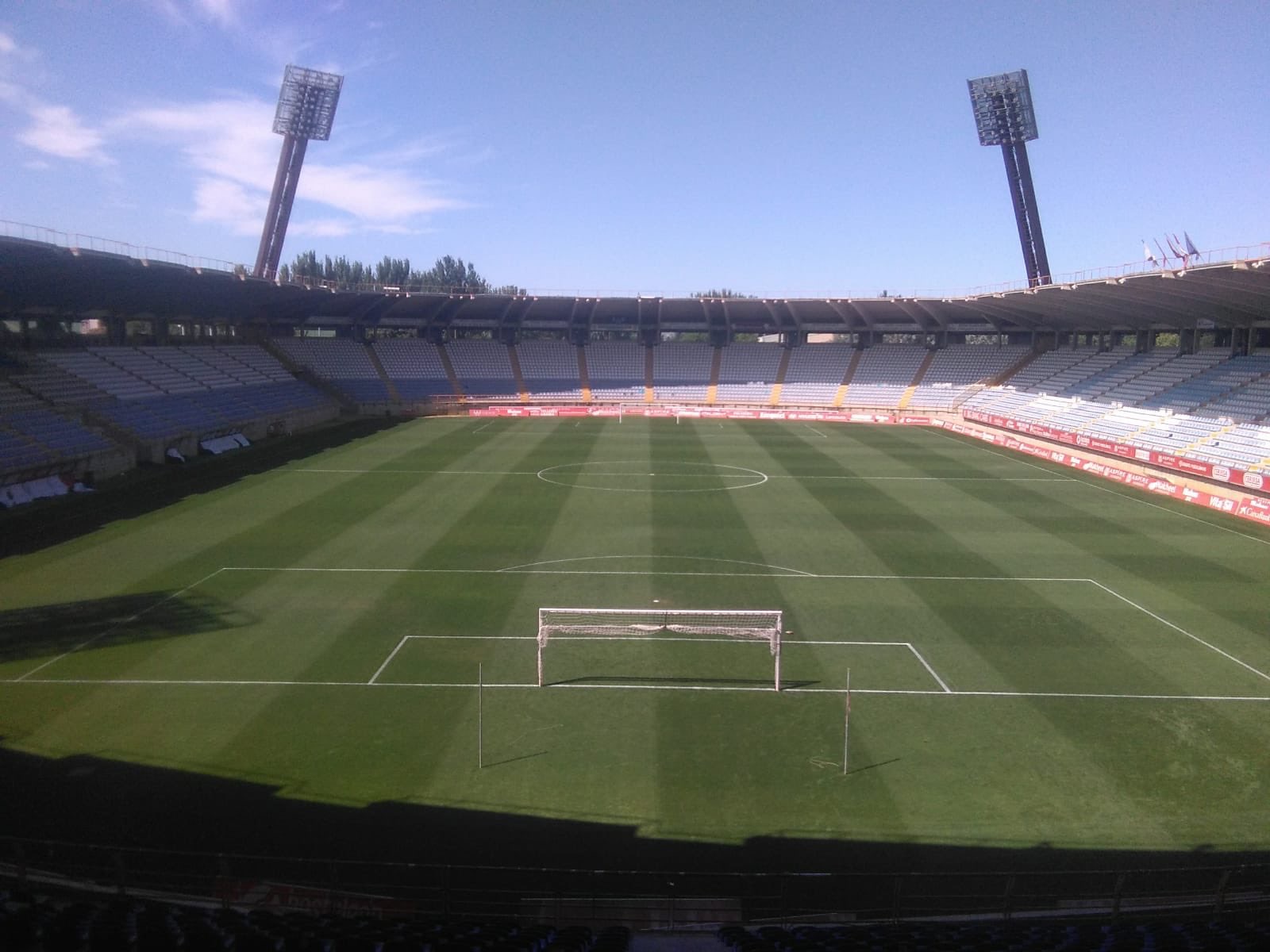
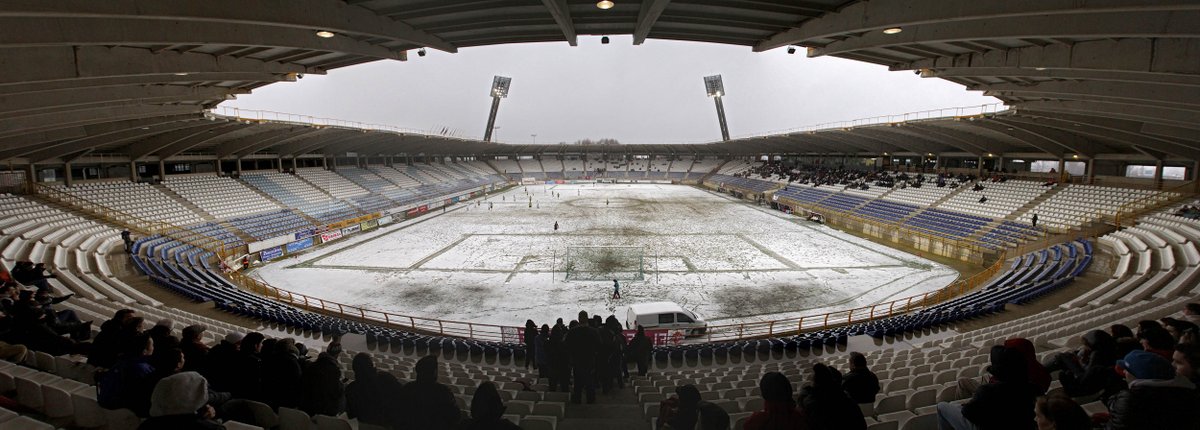
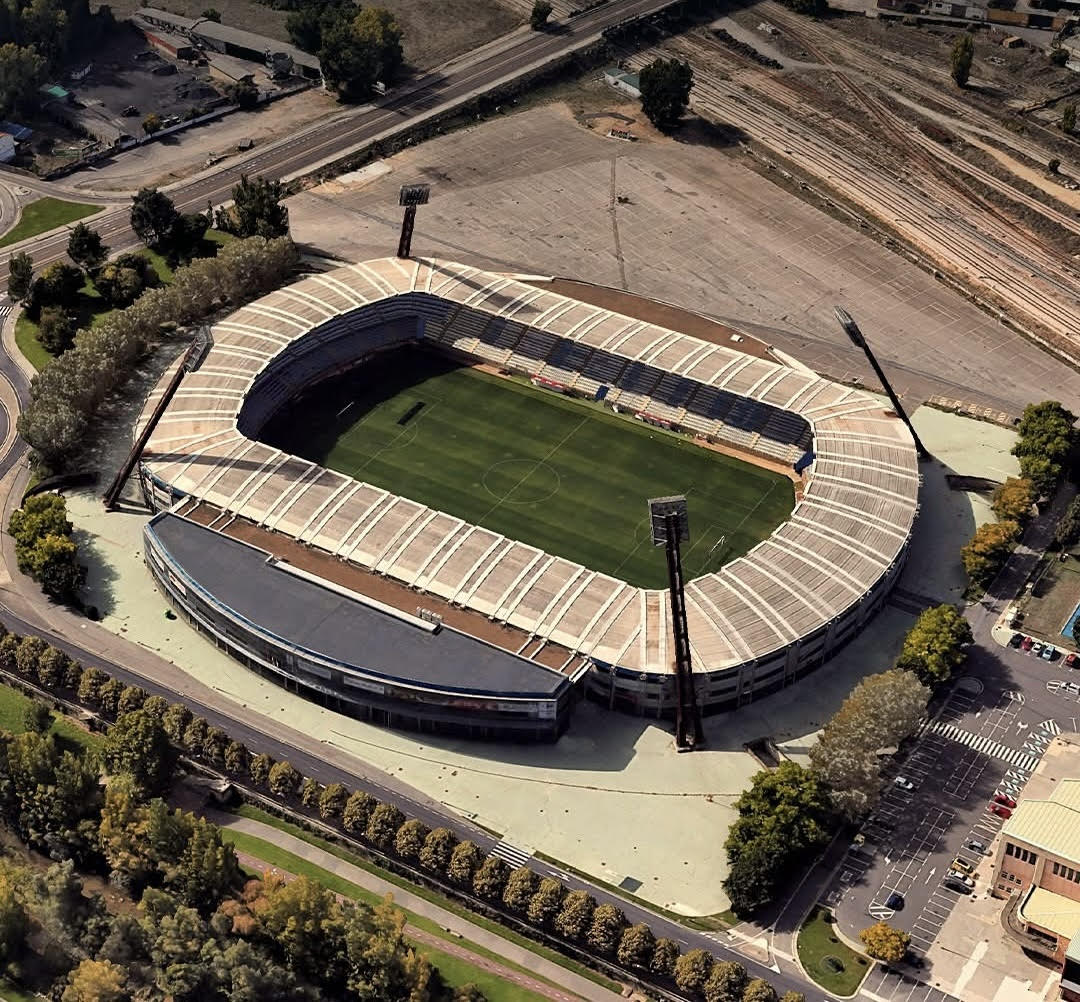
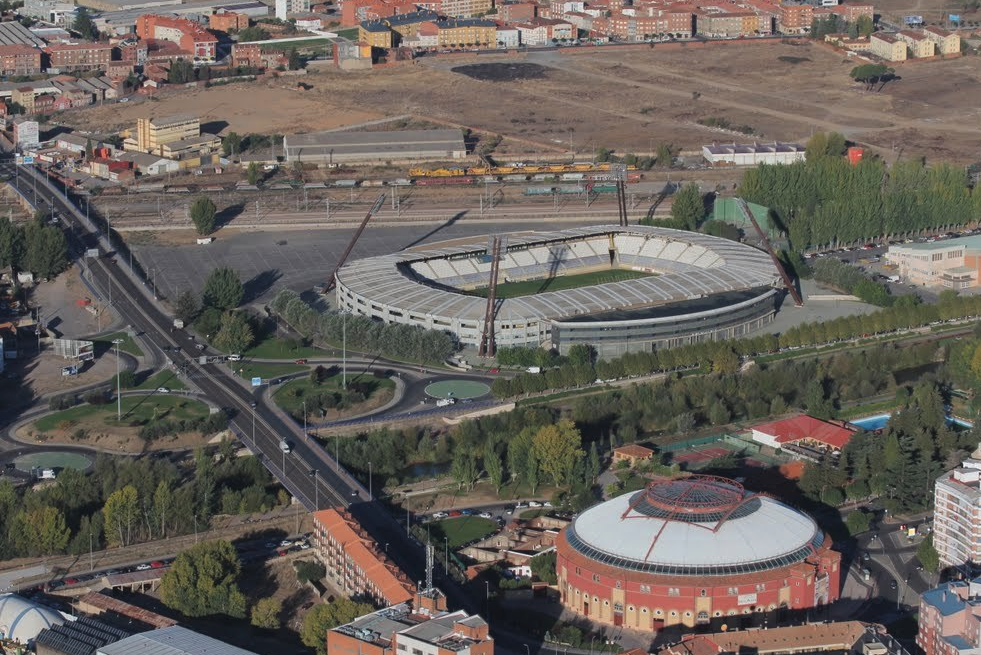
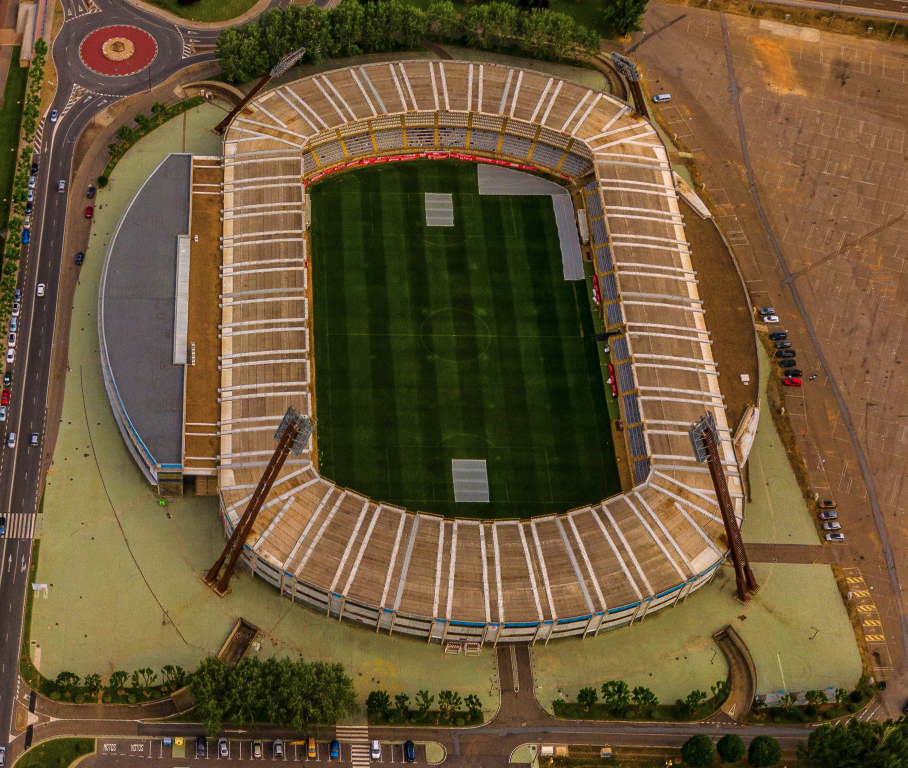
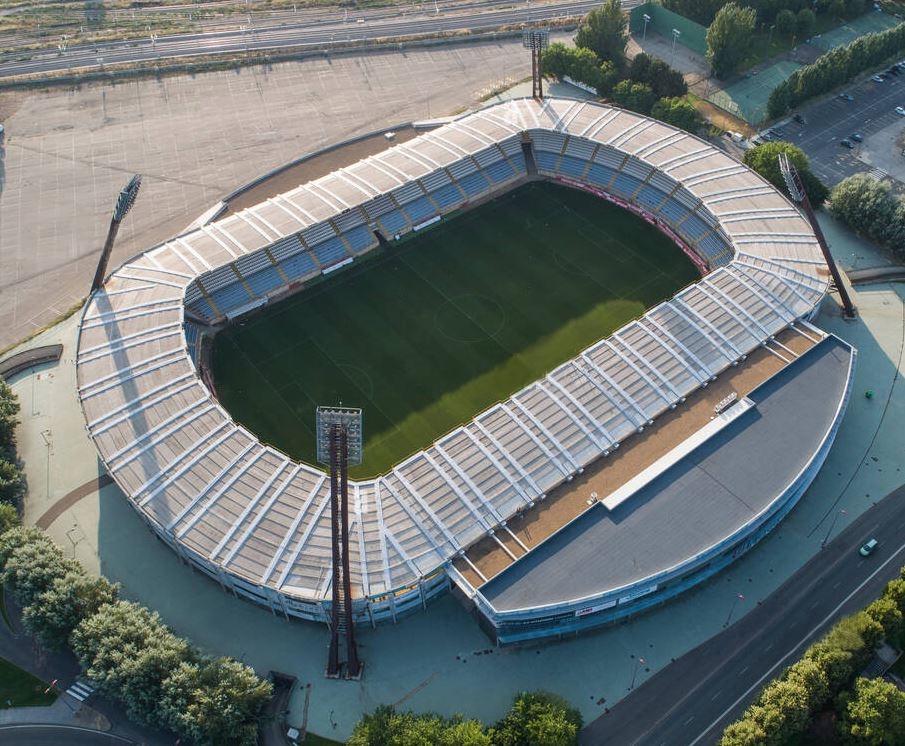
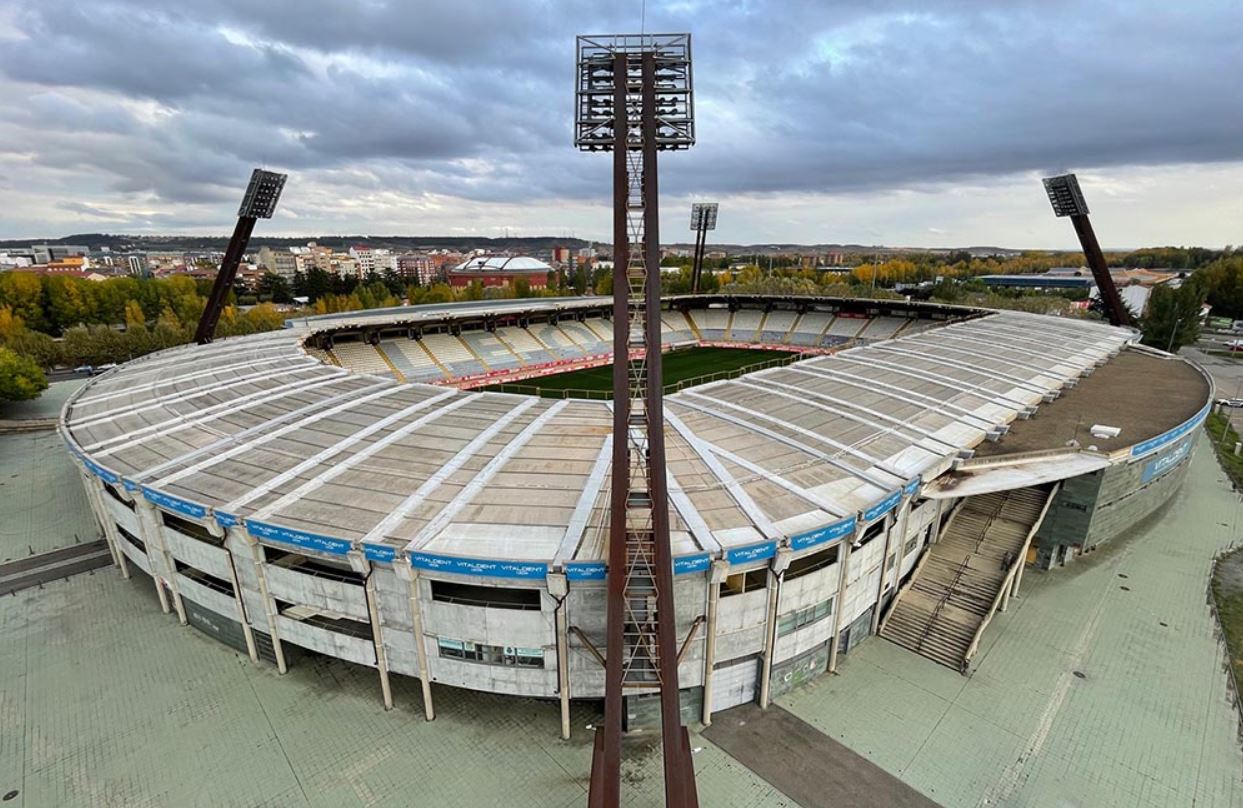
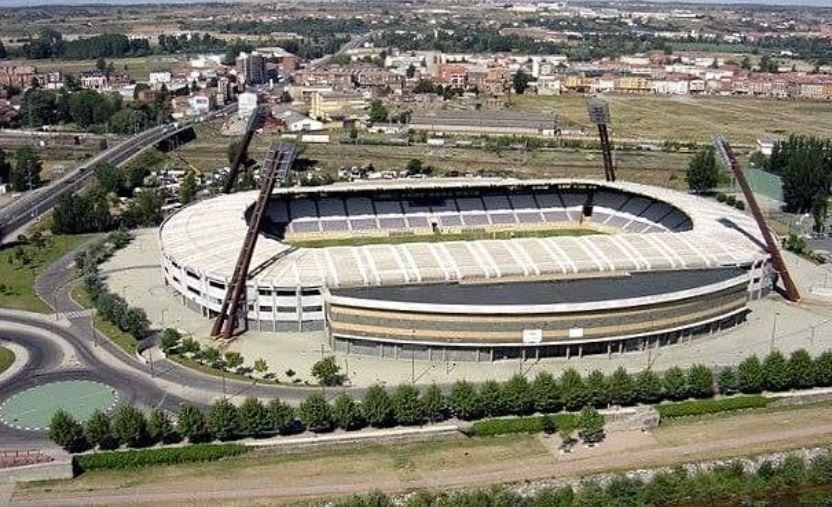
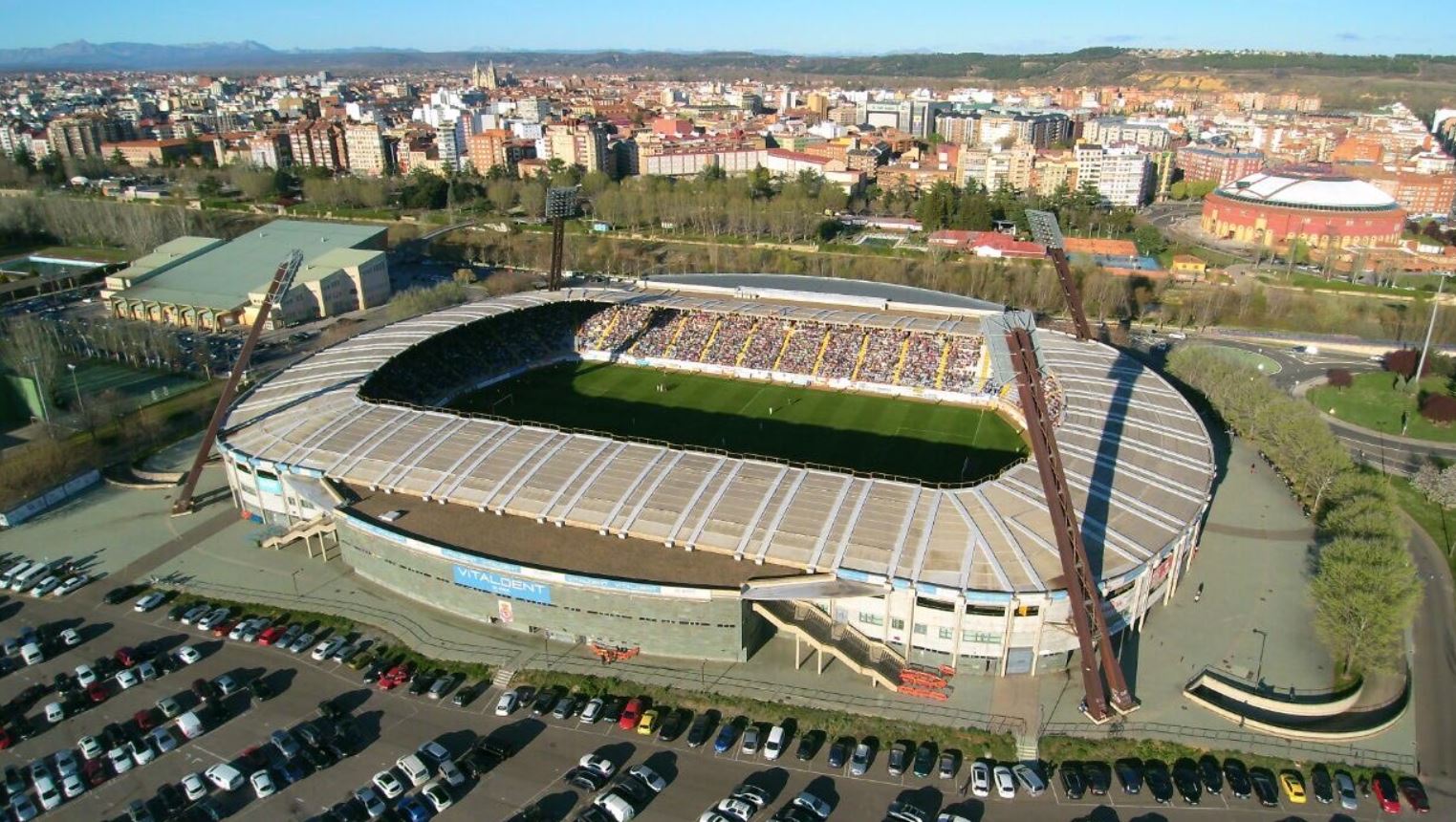
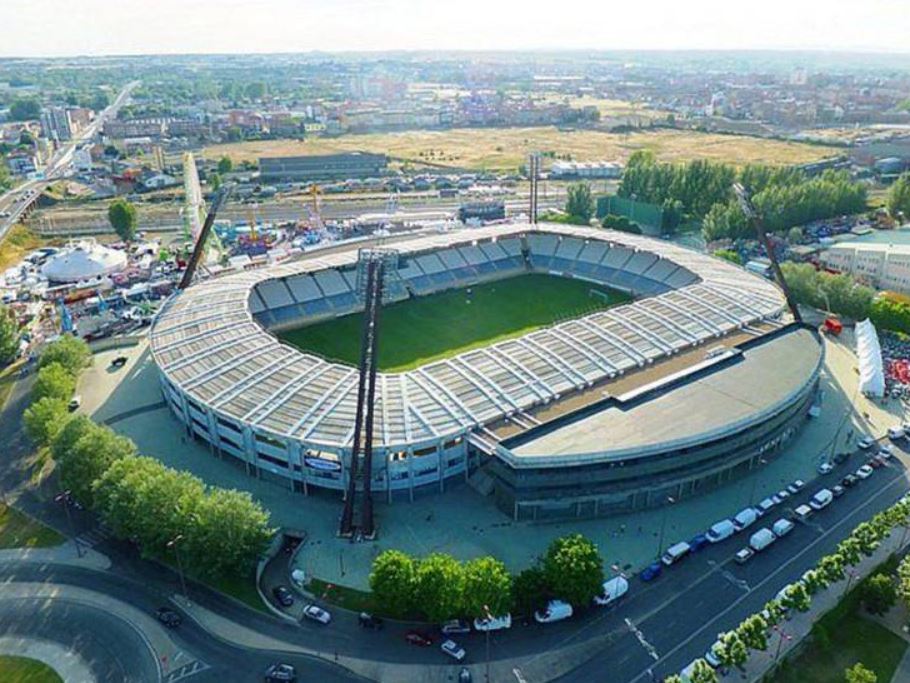
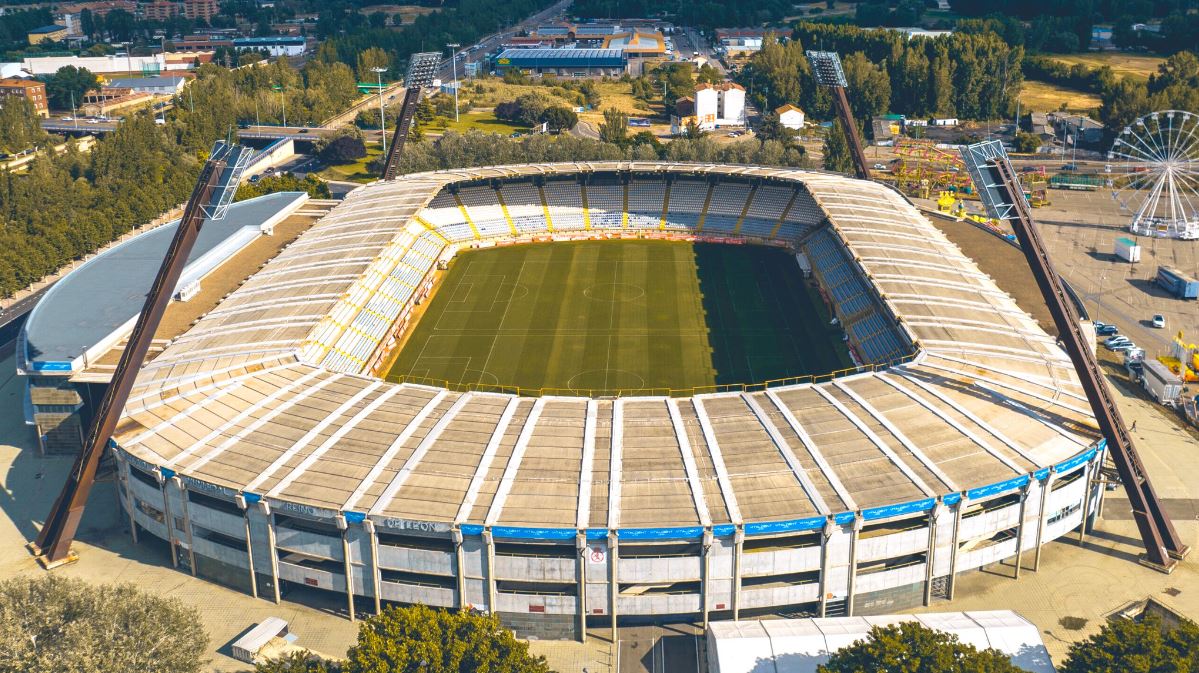
Cultural had already moved out of their home since 1955, La Puentecilla when work started on the municipally-owned stadium in 1999. The aim was to deliver a modern stadium and indoor sports facilities at a cost of €10.8 million. As time progressed, the project slipped over the budget, and by the time the final expense had been calculated in 2002, the sum had risen to €18.6 million. In September 2008, the stadium was renamed Estadio Reino de León (Kingdom of León Stadium). It is one of the more stylish medium-sized stadiums built in Spain in the past 25 years. Similar in design to A Malata in Ferrol, it has a capacity of 13,451, all contained in a single sweep of blue and white seats. The front row of seating is 2 metres above pitch level, whilst the ends of the stadium curve behind each goal mouth.
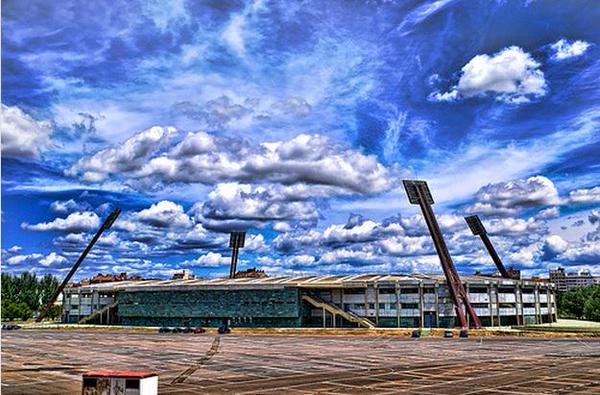
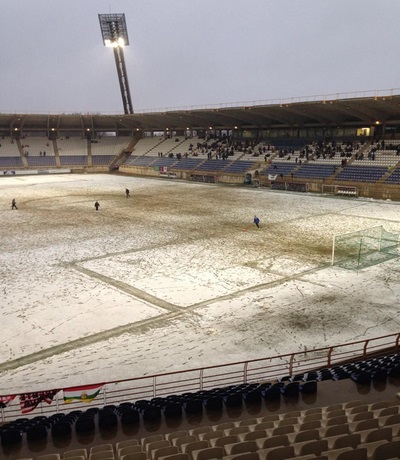
Leaning over the roof are four oversized floodlights. The stadium presents a similar problem to those experienced at the Estadio Vero Boquete de San Lázaro in Santiago de Compostela, in that the oval shape and relatively low roof mean that the lights need to lean into the arena. Rather than go for the crane style favoured by Compostela, they have chosen a design that would not look out of place in the vast concrete bowls that once graced stadiums in the Eastern Bloc in the 1970s. The structure also contains considerable office space and as you would expect from a new municipal stadium, a small indoor arena that hosts the city’s basketball & handball clubs. The stadium also stages the ubiquitous summer concerts, but sadly, it has not hosted the Kings of Leon.
The stadium first played host to a full international when La Selección paid a visit in April 2003 for their Euro 2004 qualifier against Armenia. A capacity crowd saw Spain win 3-0. Eleven years later, Spain beat Costa Rica 2-1 in a friendly at the Reino de León. The national team’s love affair with the stadium continued when it hosted the World Cup Qualifier against Liechtenstein on 5 September 2016, with La Roja running out winners by 8-0.
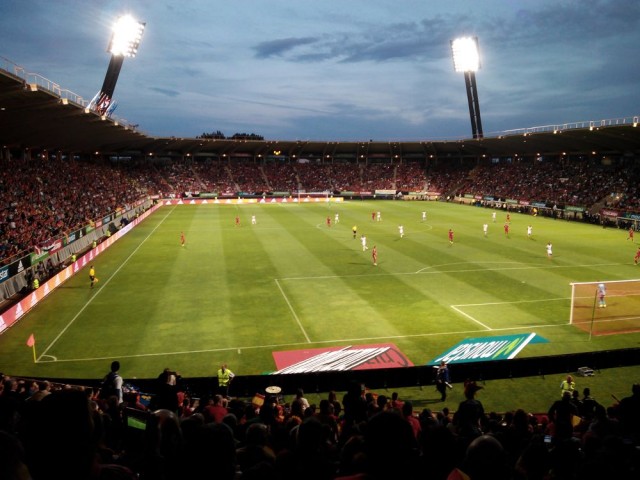
Regrettably, the locals did turn out in sufficient numbers to watch Cultural. In February 2011, faced with the very real threat of closure, the club was bought by José Luis Tamargo, and guarantees were given to complete the 2010-11 season. With wages still outstanding, the Spanish Federation relegated Cultural to the Tercera for the 2011-12 season. A new chapter began, and following two seasons in the fourth tier, promotion to Segunda B was secured with a playoff victory over Universidad de Oviedo. Four seasons of steady improvement followed, helped by investment in 2015 from the Qatari-based Aspire Academy, before La Leonesa returned to La Segunda in May 2017, ending a 42-year absence from the second tier. The stay in La Segunda lasted just a season, but Cultural fought to the end, finishing level with UD Almeria, but filling the final relegation spot due to an inferior head-to-head record with the Andalucians.
Cultural returned to the third tier and regularly recorded top-ten finishes. They finished as runners-up in their regional group in the old Segunda B in 2019-20 & 20-21, but missed out on promotion. Following the restructuring of the Spanish Leagues, Cultural entered the Primera RFEF, and after four seasons of steady improvement, topped their regional section, edging out Ponferradina on a better head-to-head record to earn automatic promotion back to the second tier.

 Estadios de España