
Article updated: 11/12/2025
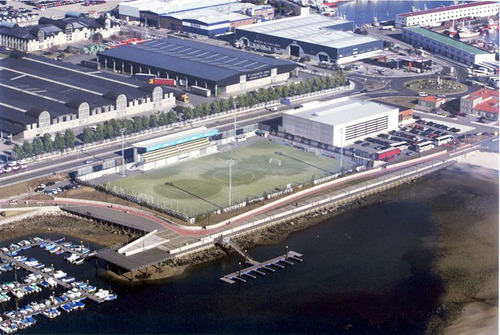
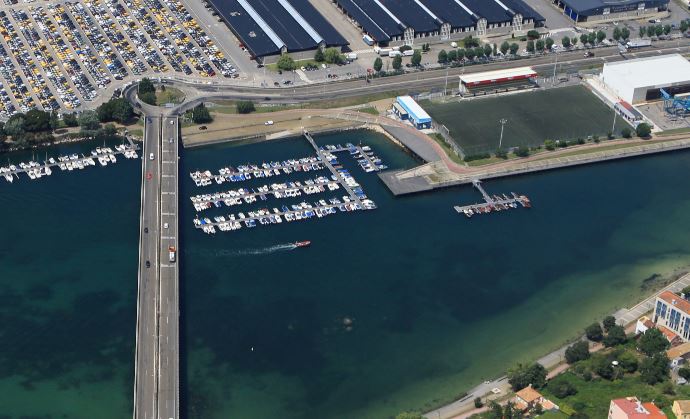
Down on the waterfront, close to the trawlers and warehouses that line the harbourside of Europe’s biggest fishing port, stands a fiercely independent club. Club Rápido de Bouzas have been a permanent fixture in this industrial quarter of Vigo for over 100 years, a century that has seen the club chart its own course and resist the overtures of the city’s larger clubs.
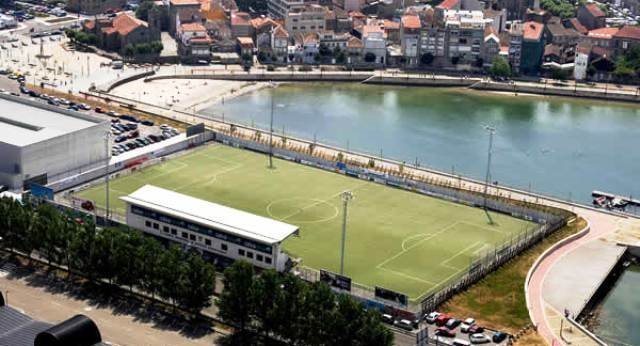
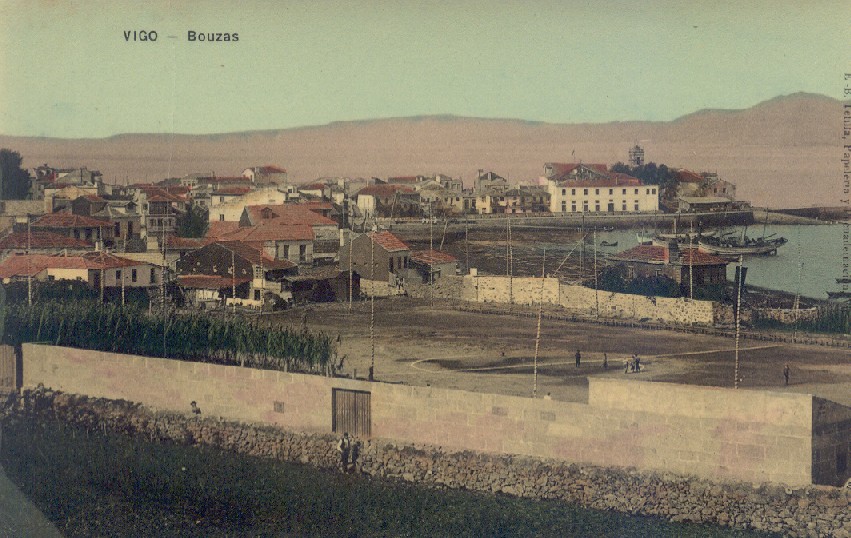
Club Rápido de Bouzas was founded on 9 January 1914, and shared the tenancy at Campo de Bouzas with Real Fortuna. Rápido became an autonomous section of Real Fortuna for a few years, but in the Summer of 1917, it set sail on its own and joined the Galician Federation. Over the next decade, the club built a name for itself in the second tier of the Galician Championship. In 1923, Real Fortuna merged with Real Sporting Vigo to form Real Club Celta, leaving Rápido as the main tenant at the Campo de Bouzas. The club won the second division title in 1922-23 and went on to be proclaimed Campeón de la Serie B, effectively the national champion for teams in the second tier of Spanish football. They finished runners-up in 1928-29, but just as the club was looking to make a name for itself at a regional level, the focus moved sharply to a national stage with the formation of La Liga. That first season of national league football would not feature a Galician team; however, when Celta Vigo became the area’s dominant force, Rápido’s success was confined to runs in the local leagues and the Spanish amateur championship.
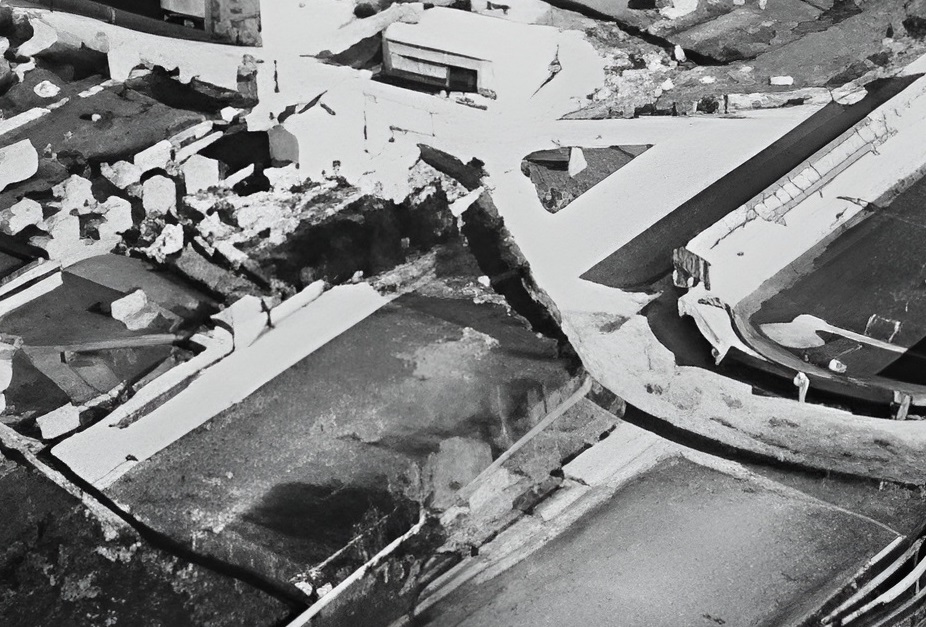
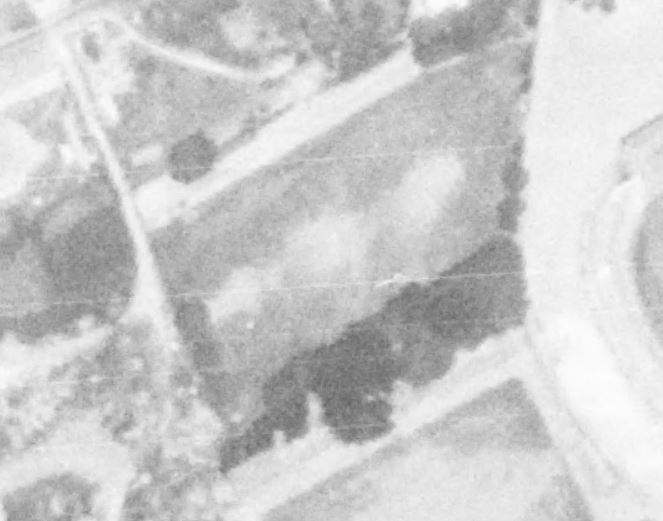
The 1930s saw Rápido play in the local amateur leagues mostly within Vigo, and rarely farther than Pontevedra. Following the Civil War, Rápido lay dormant for a period of three years, a position complicated by the loss of the Campo de Bouzas, following the expansion of the port. The club returned to action in 1942, setting up home at the Campo de Florida, a simple ground with open terraces, which was literally a goal kick from the Estadio Balaidos. Life at Campo La Florida started promisingly, with promotion to the Region Serie A. The title followed in 1944-45, but defeat in the playoffs to CF Betanzos put an end to the hopes of reaching the Tercera. However, within a couple of years, Rápido dropped out of the Regional Serie A and were back playing their football in the local leagues around Vigo. , where they would remain until the early 1960s.
Then in 1965, the club won promotion to the Tercera (then the third tier) and remained there for three seasons, including a high of eighth in 1965-66. Rápido dropped back to the regional leagues in 1968, and it would take another thirty years before they would return to the Tercera. Since its promotion in 1999, the club has recorded twelve top-10 finishes, including the Tercera title in the 2004-05 season. A first-ever Copa Federación de Galicia was secured in 2012, with a 4-2 victory over CCD Cerceda at the Estadio San Lazaro in Santiago de Compostela. Rápido’s third appearance at the end of season play-offs was rewarded with a promotion to Segunda B in June 2017. Comfortable victories over CD Cáyon & UD Villa Santa Brigada earned them a place in the finals against the Catalans, CF Peralada. Rápido eventually prevailed thanks to away goals after the two-legged final finished 3-3.

Rápido’s first season in the third tier proved to be a qualified success, with impressive home form and a tight defence keeping the club in touch with the top four throughout the campaign. Going into the last match, Rápido stood in the fourth and final play-off place, level on points with Celta Vigo B & Navalcarnero. They would face Navalcarnero at home on the final day of the season, knowing that if they matched Celta Vigo B’s result, they would secure a place in the play-offs for La Segunda. In the end, neither Rápido nor Navalcarnero could find a goal, whilst Celta B beat Guijuelo 4-1 to finish fourth. A year later, Rápido once again finished one place below Celta B; however, this time they occupied 17th position and were relegated back to the Tercera. The reorganisation of the Spanish football pyramid saw Rápido placed in the Tercera Federación, but tightening finances, coupled with a succession of disastrous seasons, now sees Rápido playing in the Primera Galicia, or seventh tier.
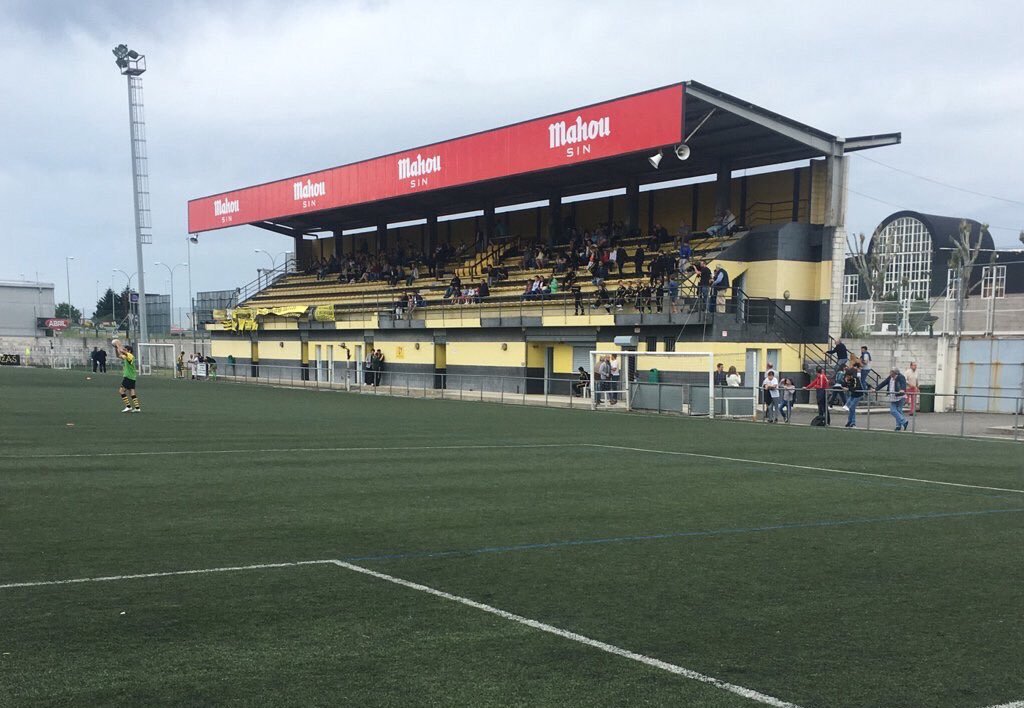
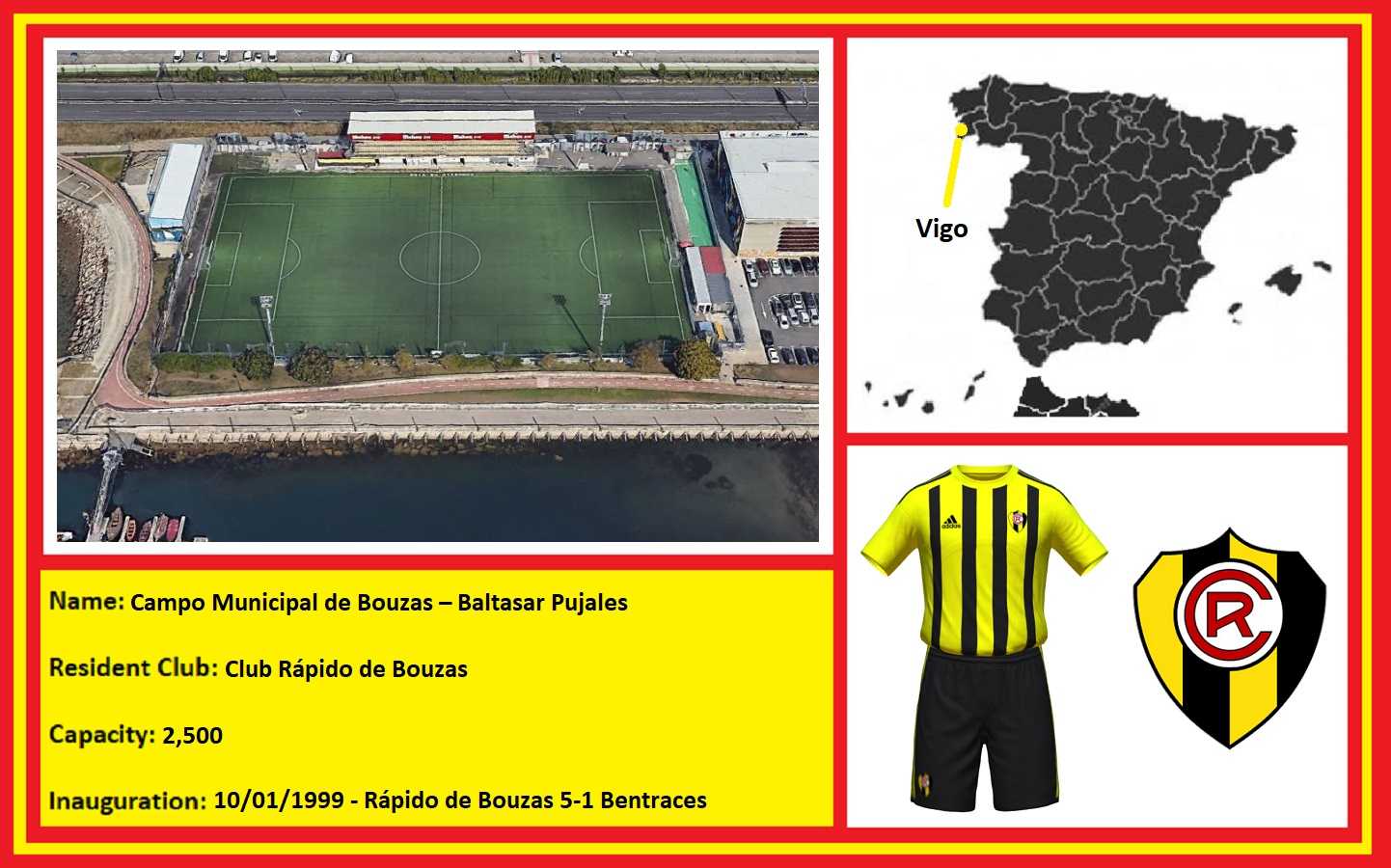
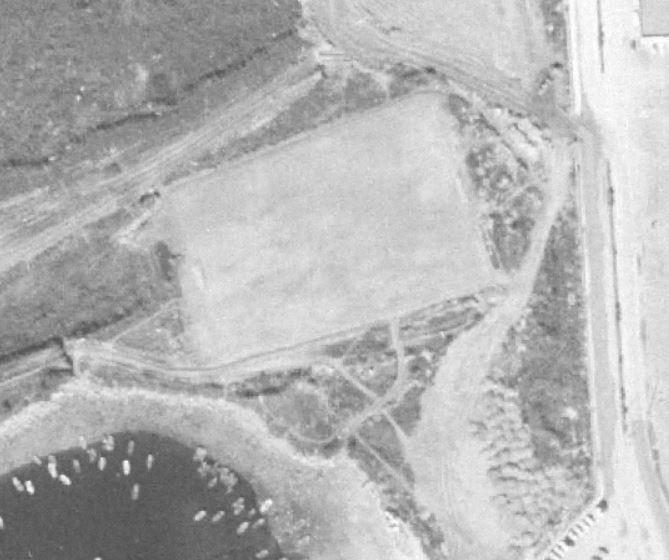
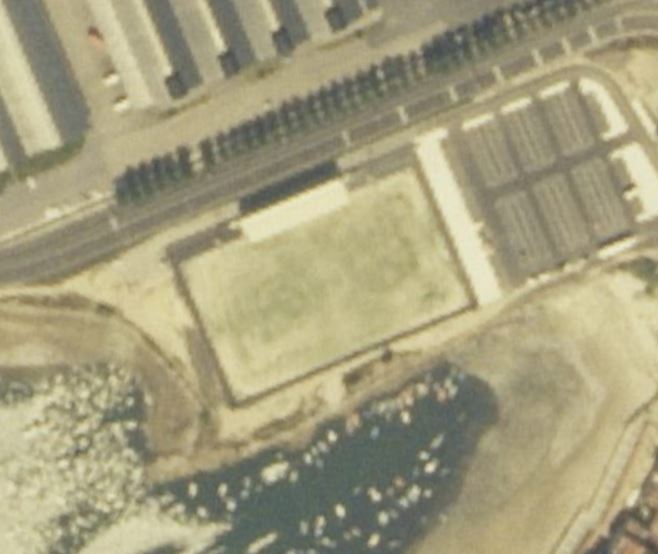
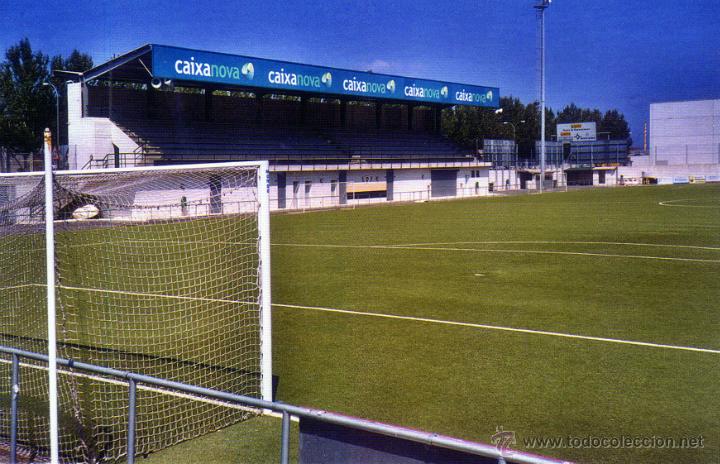
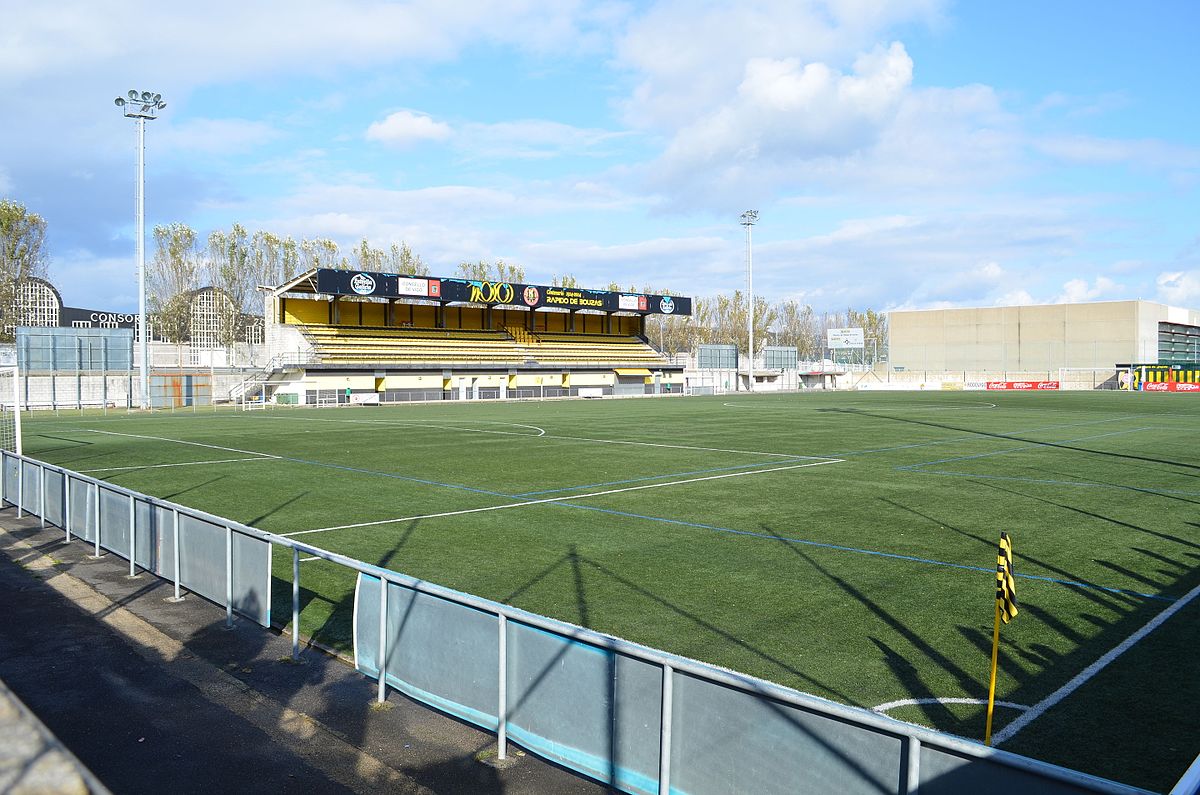
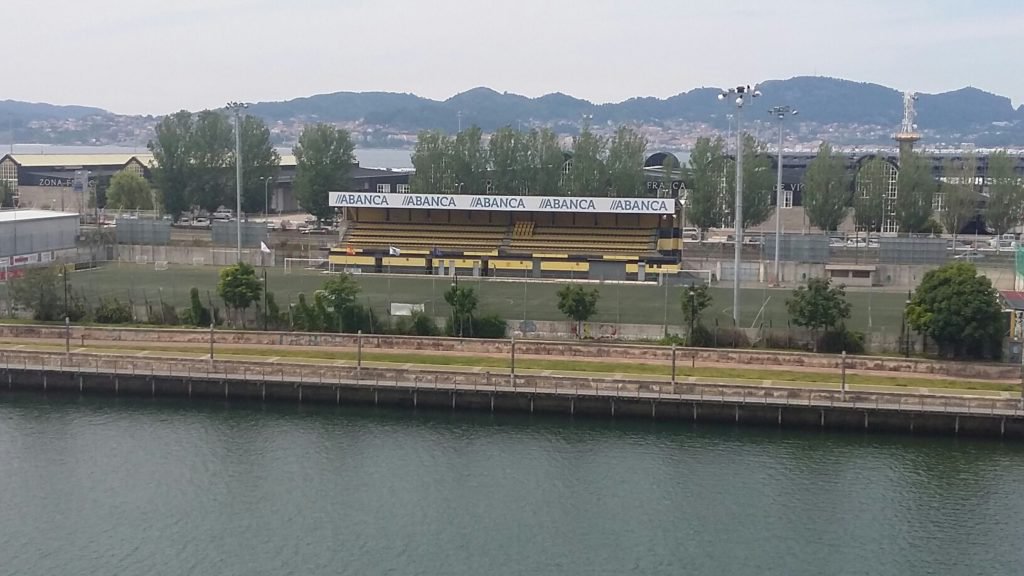
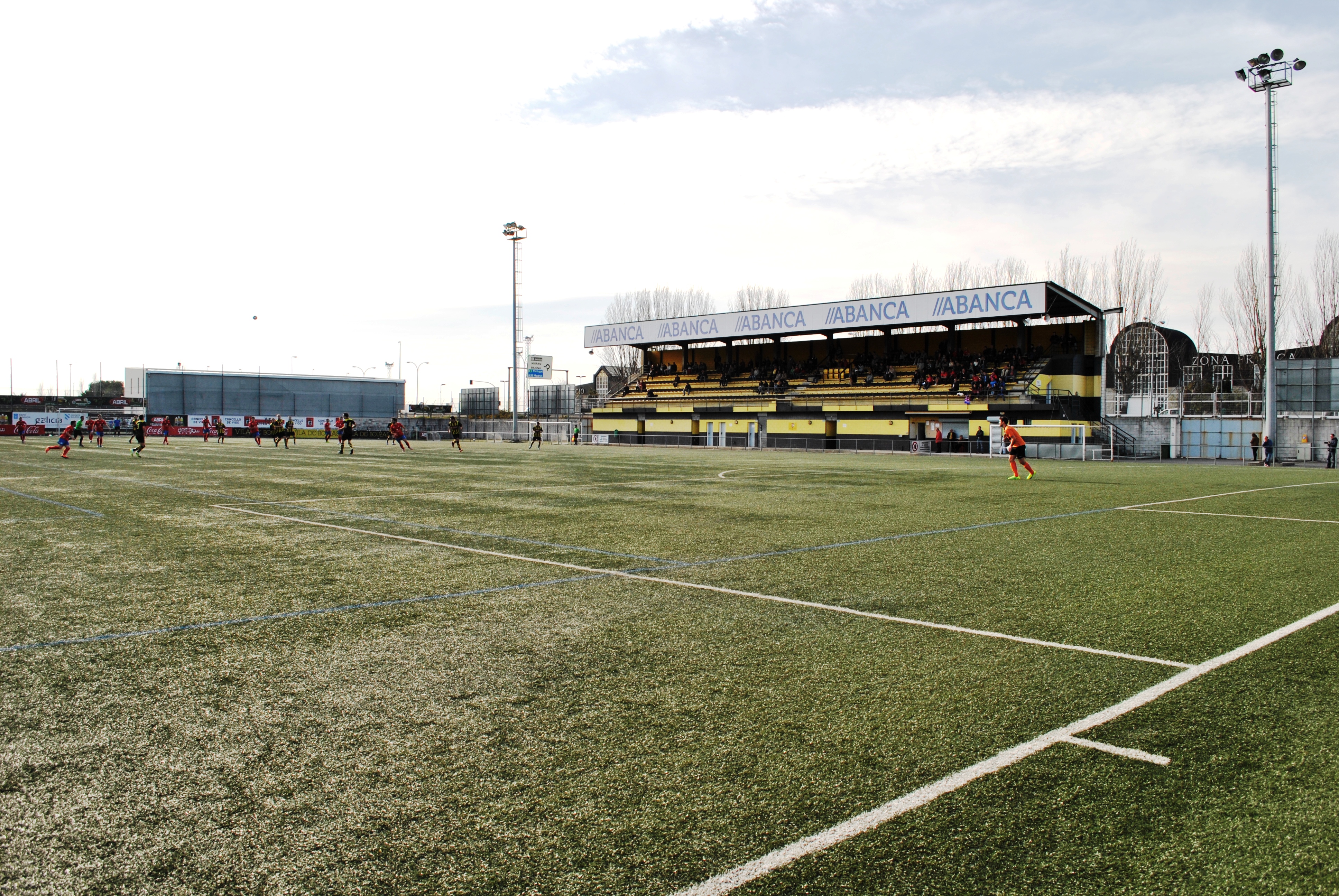
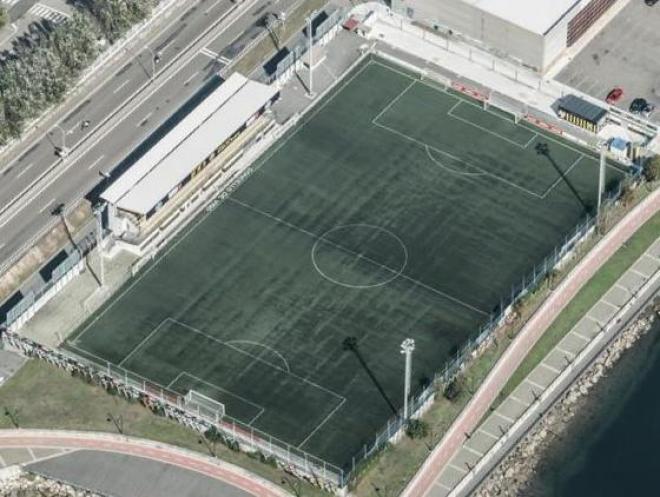
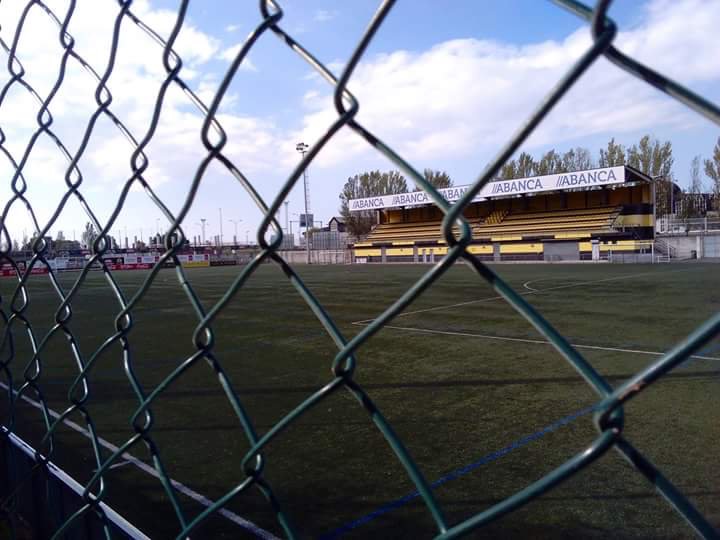
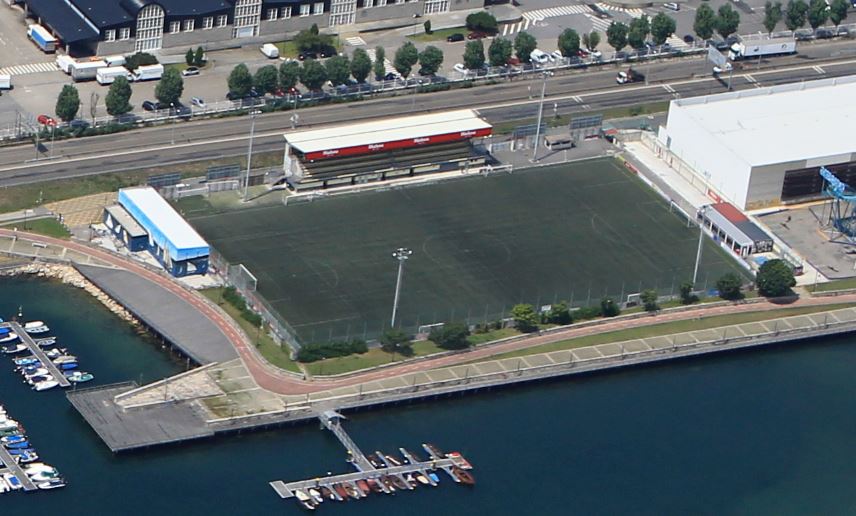
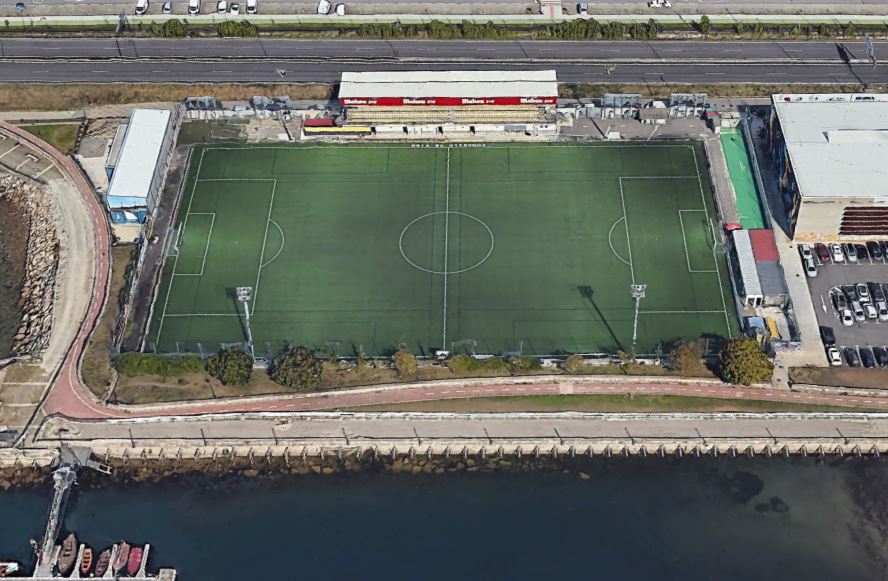
Rápido’s home since 1999 has been the Campo Municipal de Bouzas – Baltasar Pujales. Prior to this, between 1978 and 1999, the club played at the appropriately named Campo de Fútbol das Gaivotas (Field of Gulls), which was adjacent to their current home, on a site now occupied by a sports centre. The club played its first match at the new ground on 10 January 1999, beating Bentraces CF 5-1. Baltasar Pujales Estévez was president of the club from 1973 until 2007, and the municipal stadium that bears his name is a simple single-stand affair. This is situated on the north side of the ground and features a raised seated deck of 600 yellow & black seats. The main facilities are housed below the seating deck, along with a bar, whilst hard standing on the other three sides of the enclosure takes the capacity to 2,500. In 2009, the local council upgraded the floodlights and added an artificial surface at a cost of €400.000.
 Estadios de España