Article updated: 16/01/2016
The Estadio José Rico Pérez is a monument to the visionary President of Hércules CF who, in the early 1970s, saw that Alicante was at the centre of the Costa Blanca’s economic boom, and wanted his beloved club to be a part of it.
After a season-long stay in the Tercera in 1959-60, Hércules spent much of the 1960s fighting to regain its top-flight status. The club’s finances were far from healthy, and the money the club received from selling Campo de La Viña to the regional bank was dwindling. The club received a financial boost in April 1966 after drawing with UD Las Palmas in the Copa del Rey. The tie went to a third match, and Hércules agreed to forfeit their right to stage the game, receiving a fee of 400,000 pesetas from the Canarias side. With the money, the club made a down payment on a plot of land to the northwest of the Castell de Sant Ferran. Hércules returned to La Primera in 1967, but their stay lasted just one season. Worse was to follow when, a year later, the club dropped back to the Tercera for the first time in a decade. At their lowest ebb, the club was in dire need of a knight in shining armour.
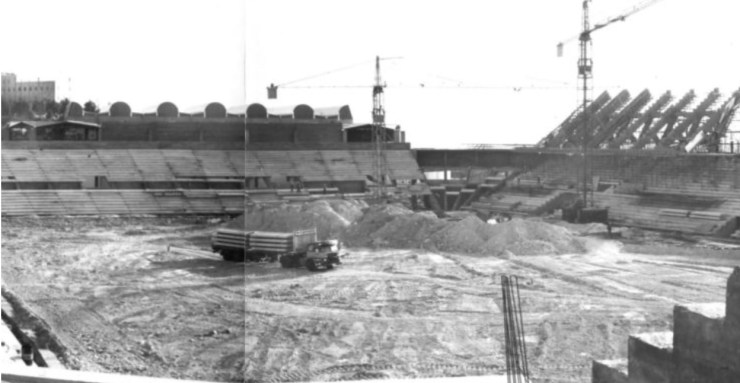
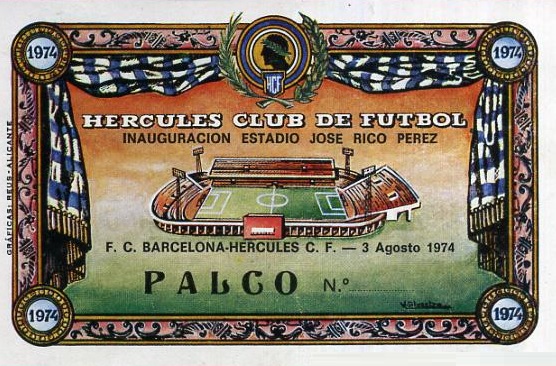
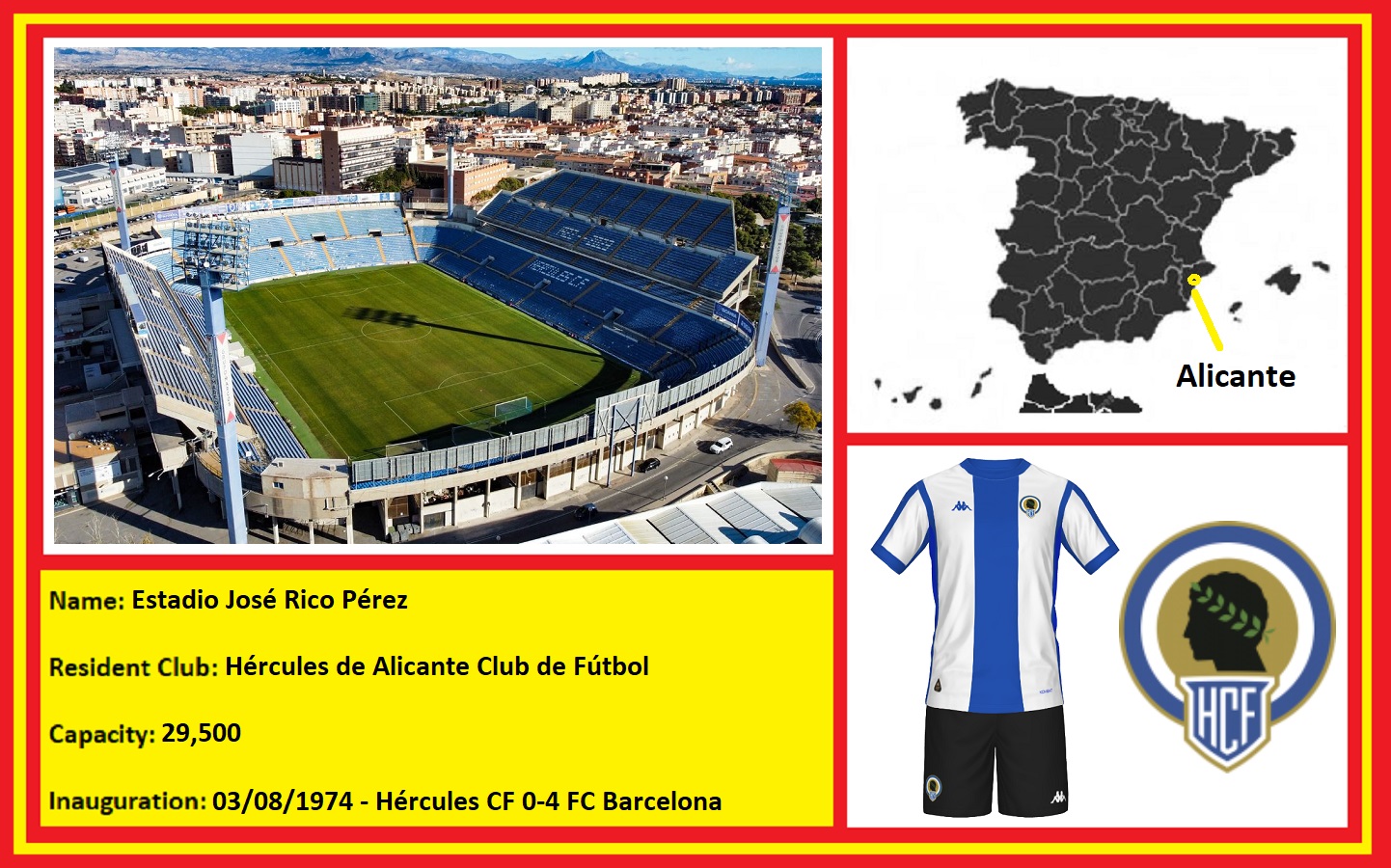
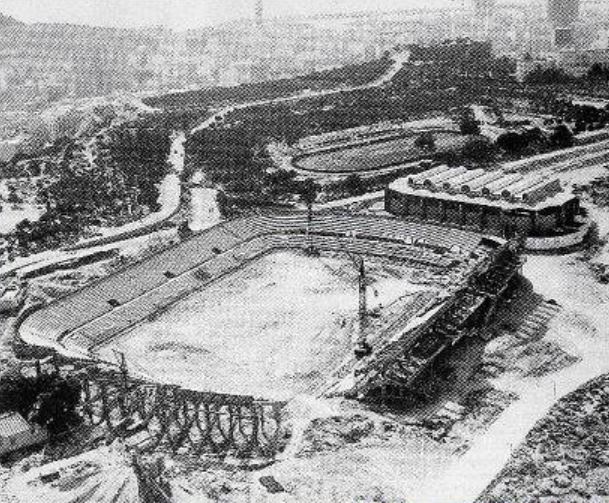
José Rico Pérez began his presidency in 1971, which would be the start of the most successful period in the club’s history. The club repurchased the Campo de La Viña from the regional bank and completed the purchase of the land near the Castell de Sant Ferran. They then sold the site of the Campo de La Viña to the local council, making enough profit to finance the building of the new stadium. The contract to build the stadium was awarded to Cubiertas y Tejados S.A., which would cost 28,035,289 pesetas and have a 12-month deadline for completion. The Campo de La Viña had one last glorious day when Hércules beat Córdoba 2-0 on 19 May 1974 to earn promotion back to La Primera. On 3 August 1974, Hércules hosted FC Barcelona in a friendly that marked the opening of the Estadio José Rico Pérez.
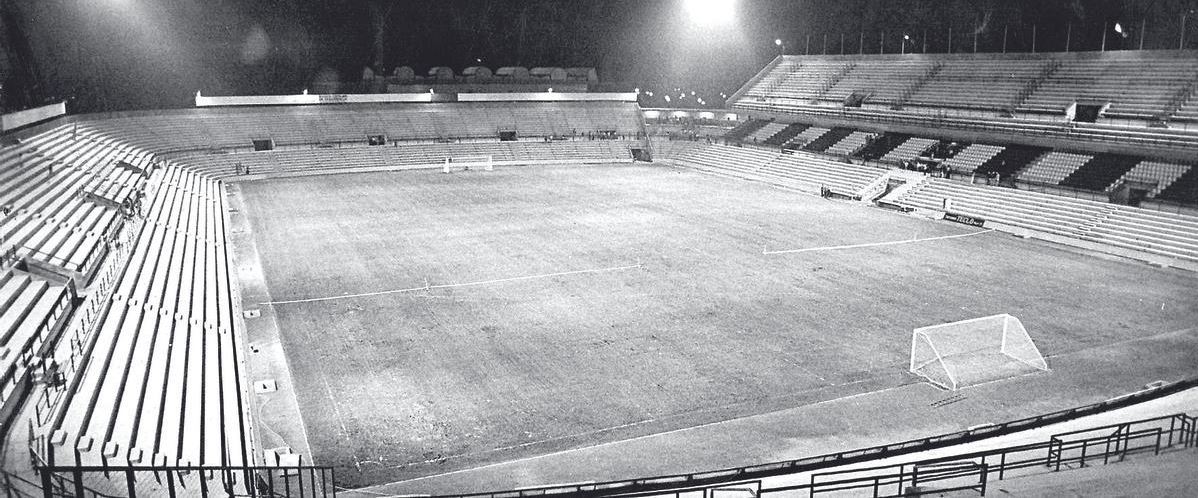
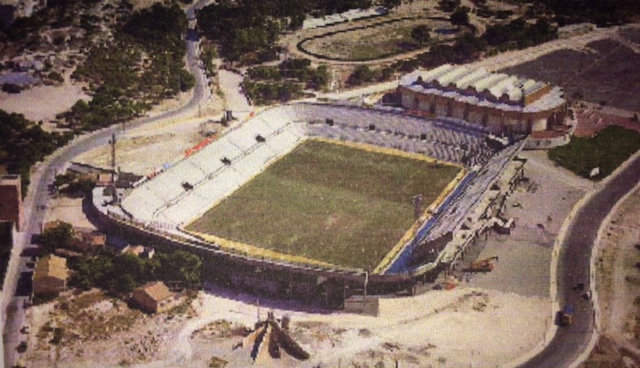
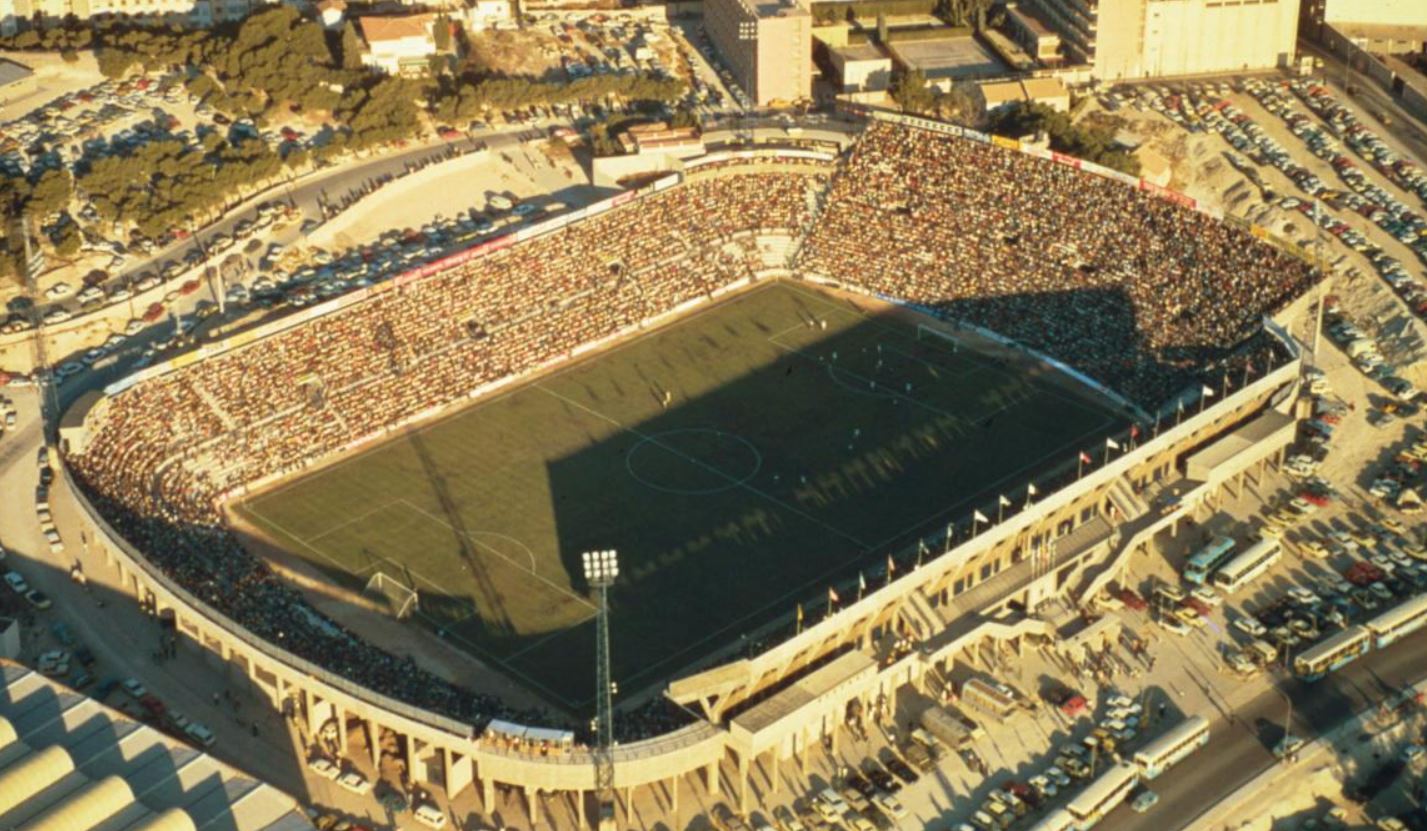
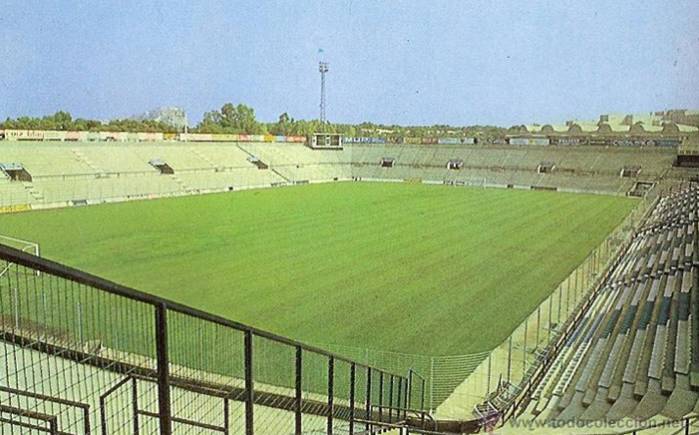
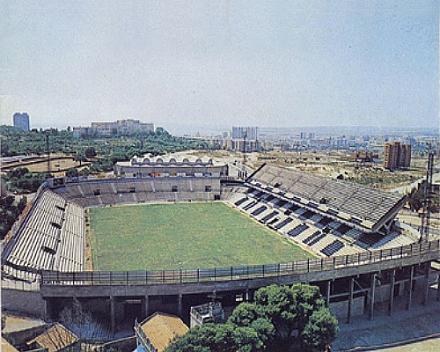
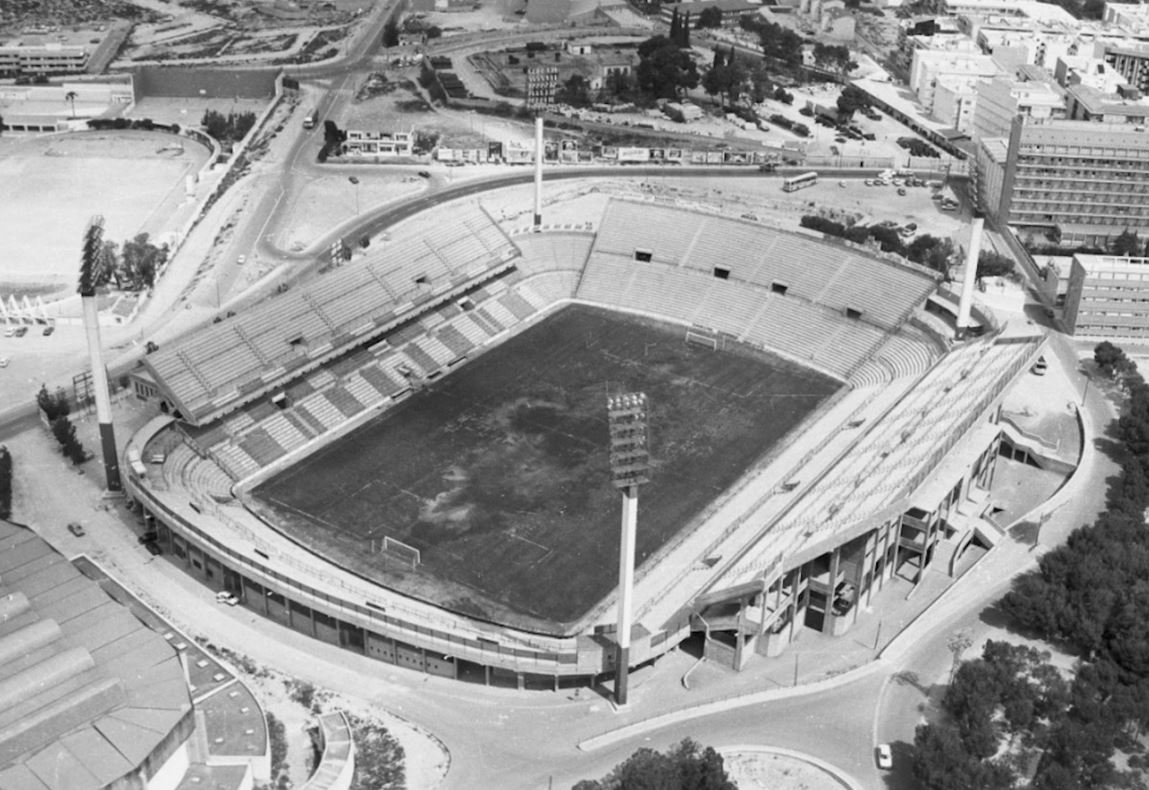
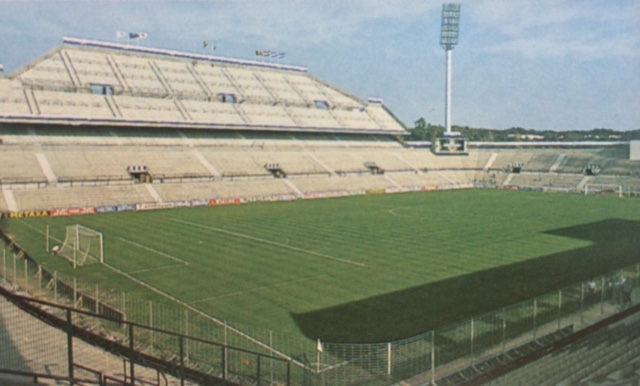
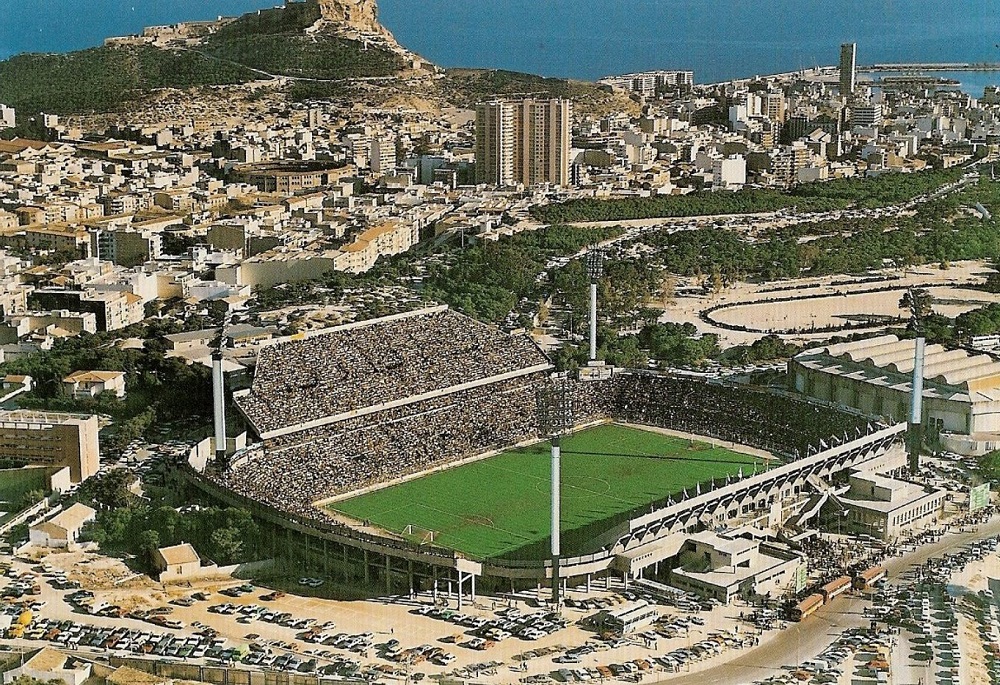
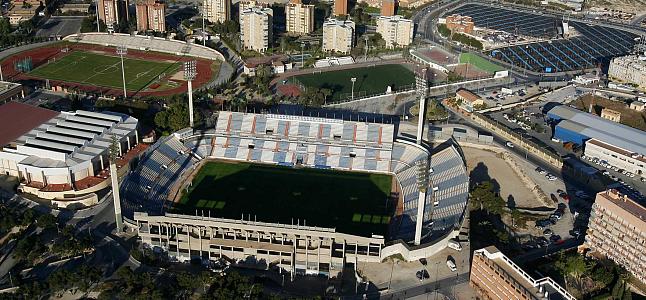
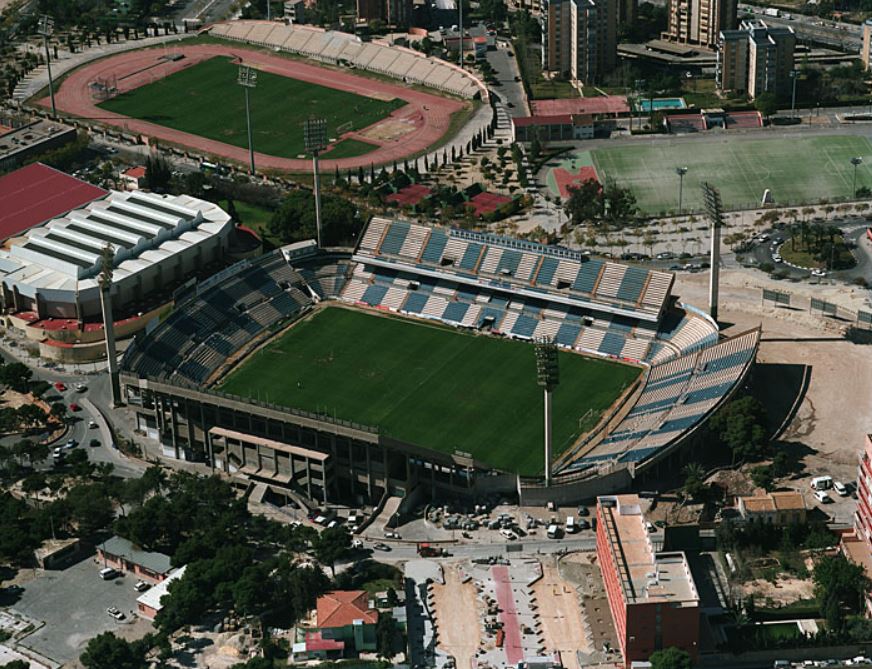
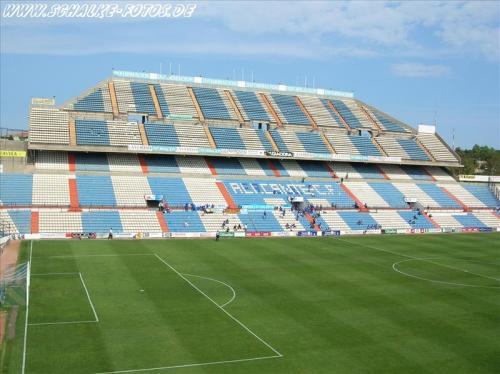
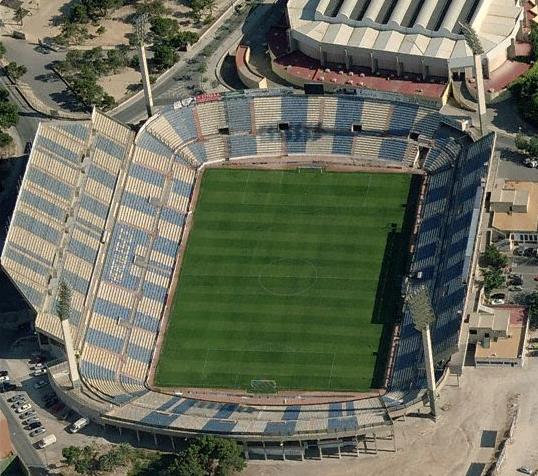
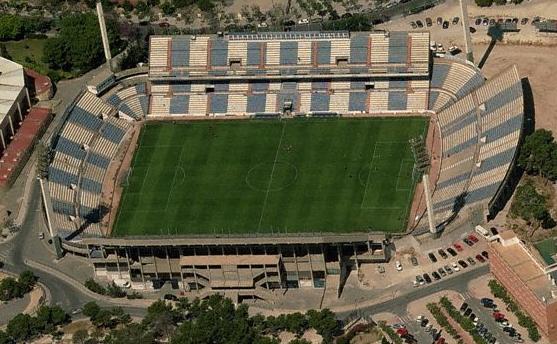
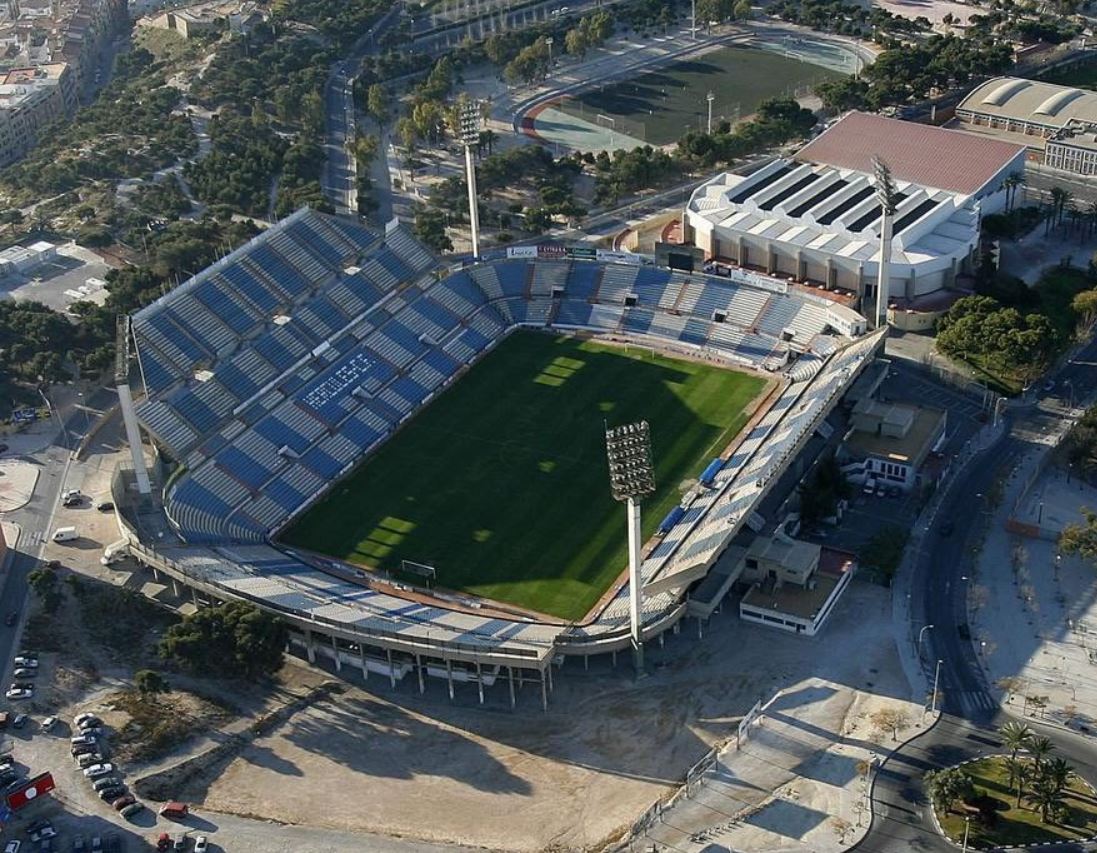
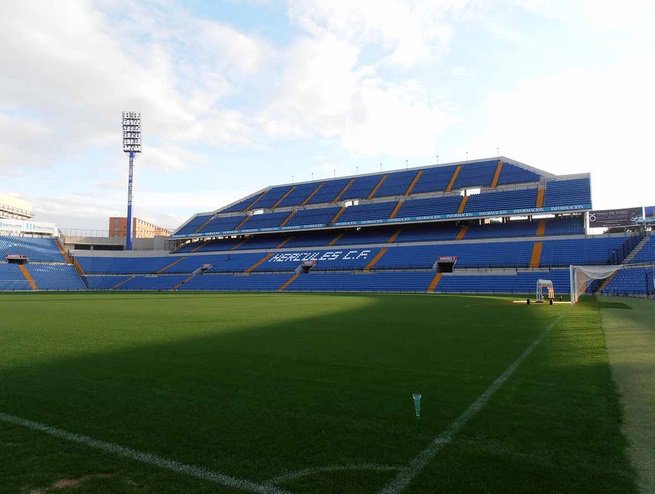
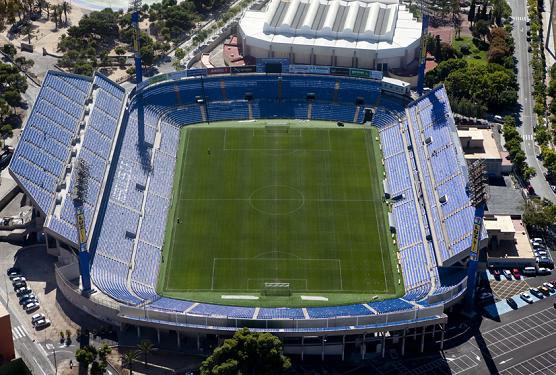
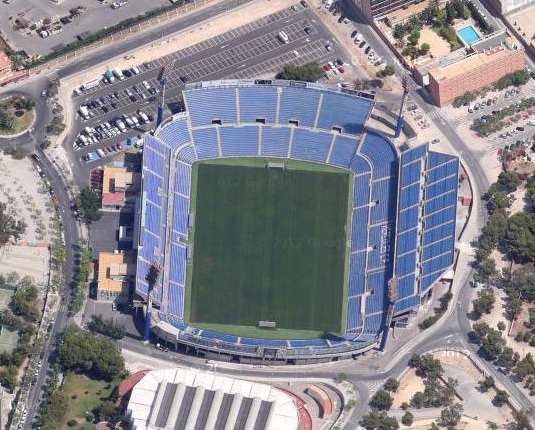
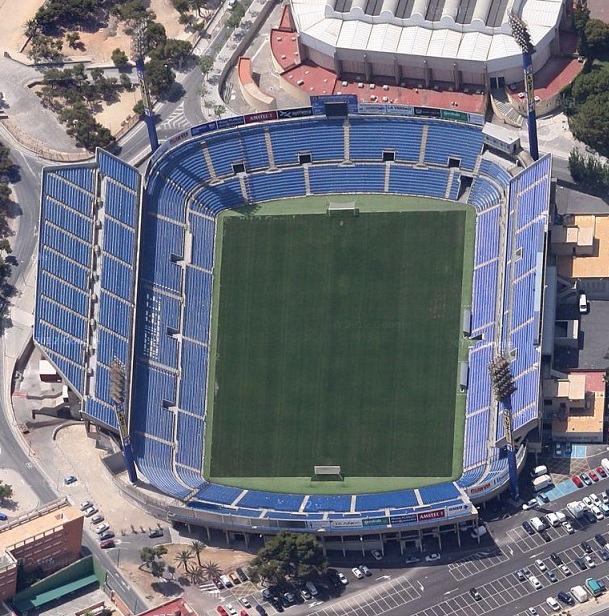
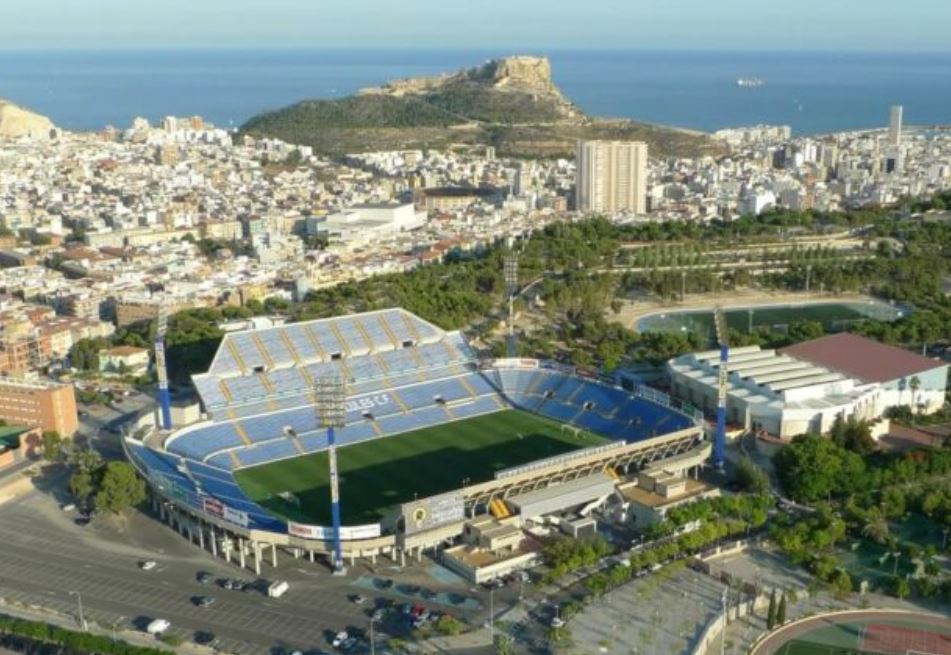
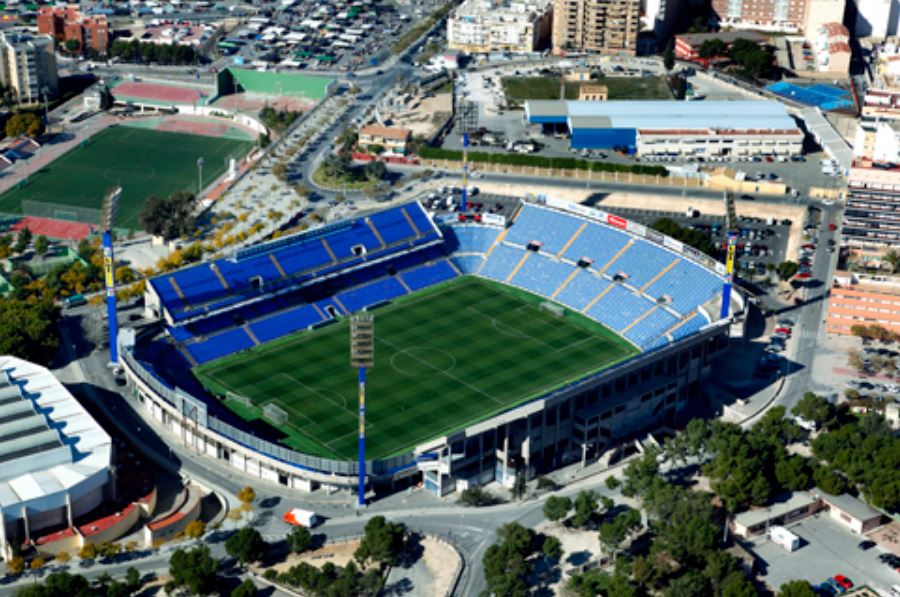
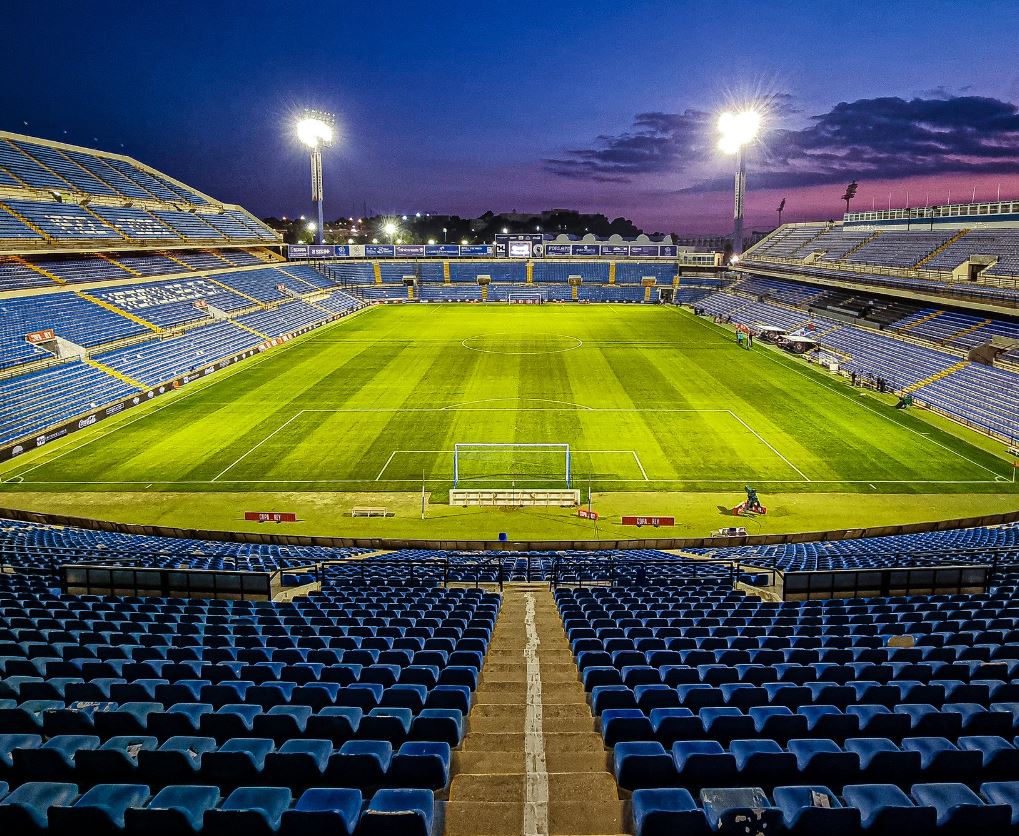
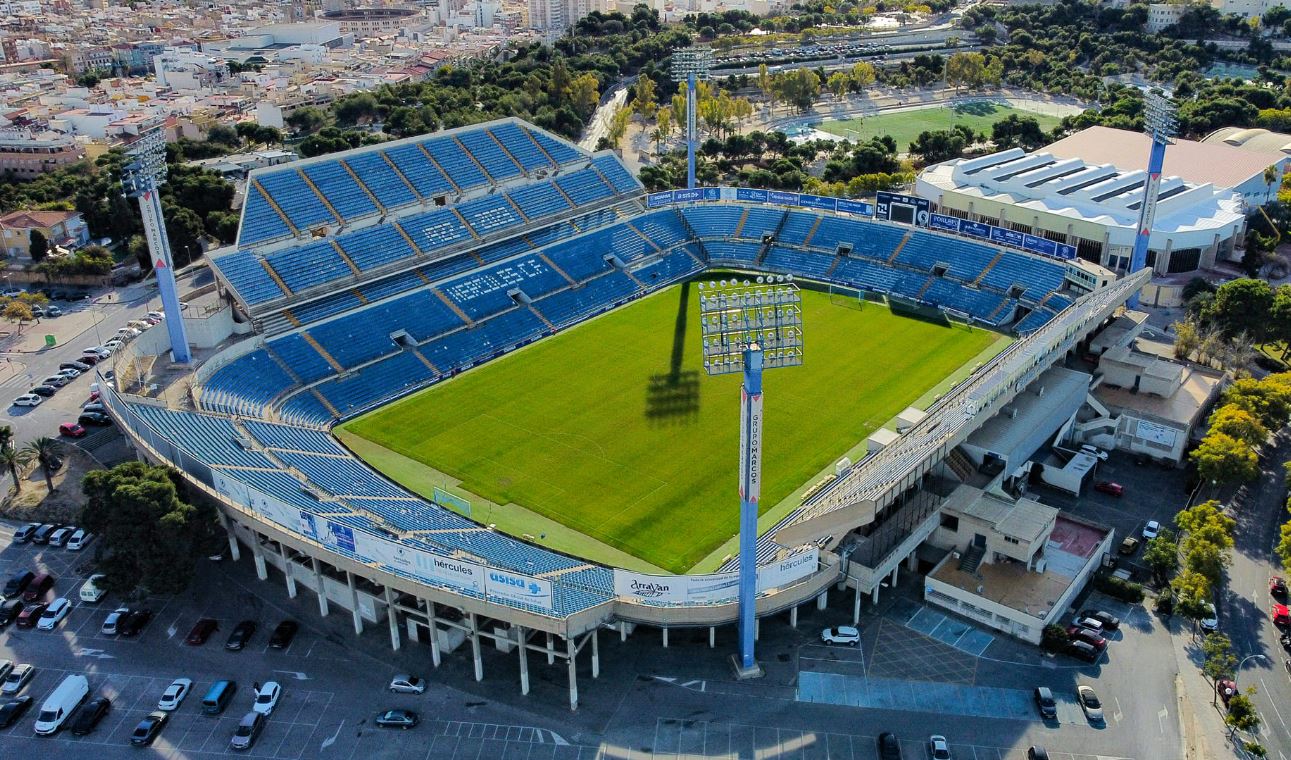
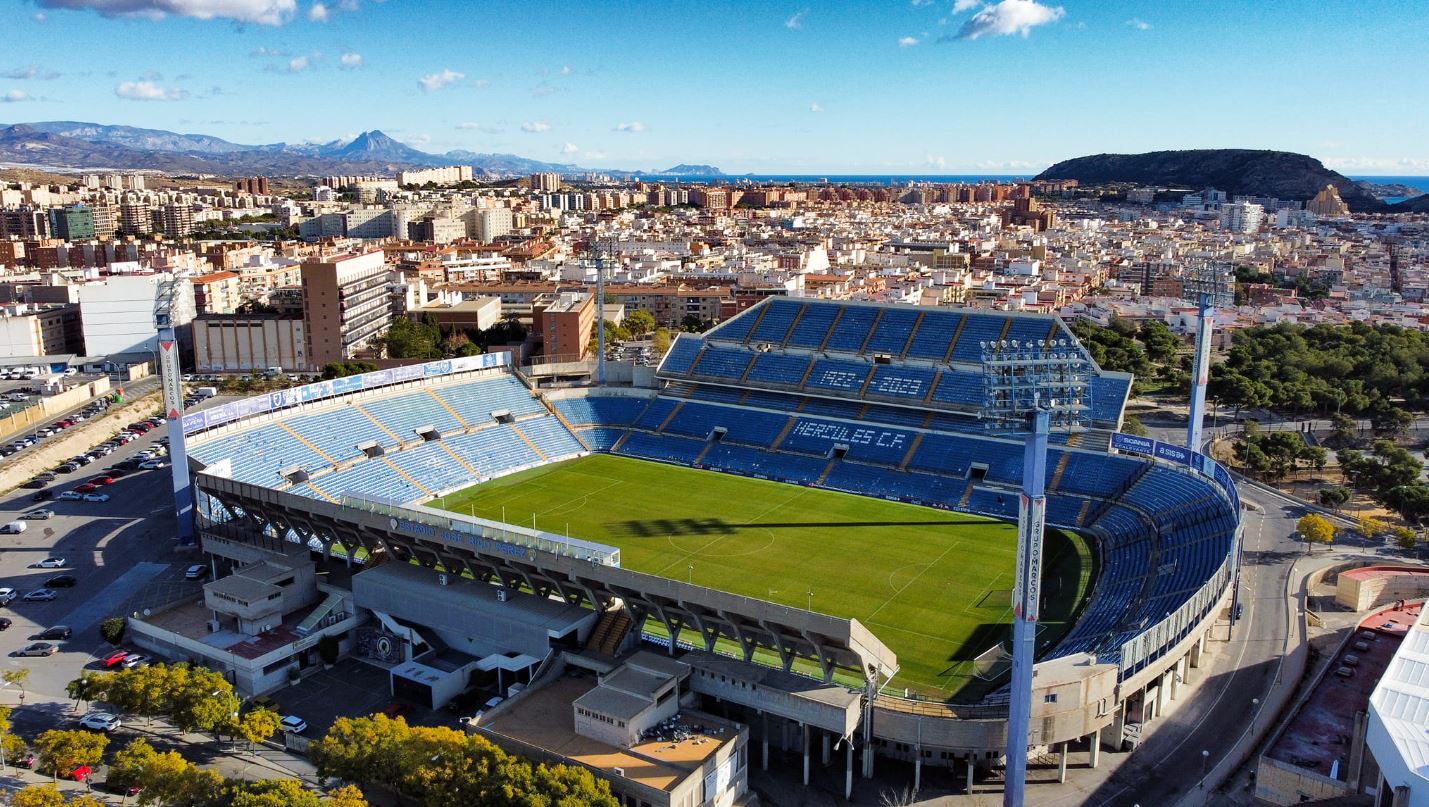
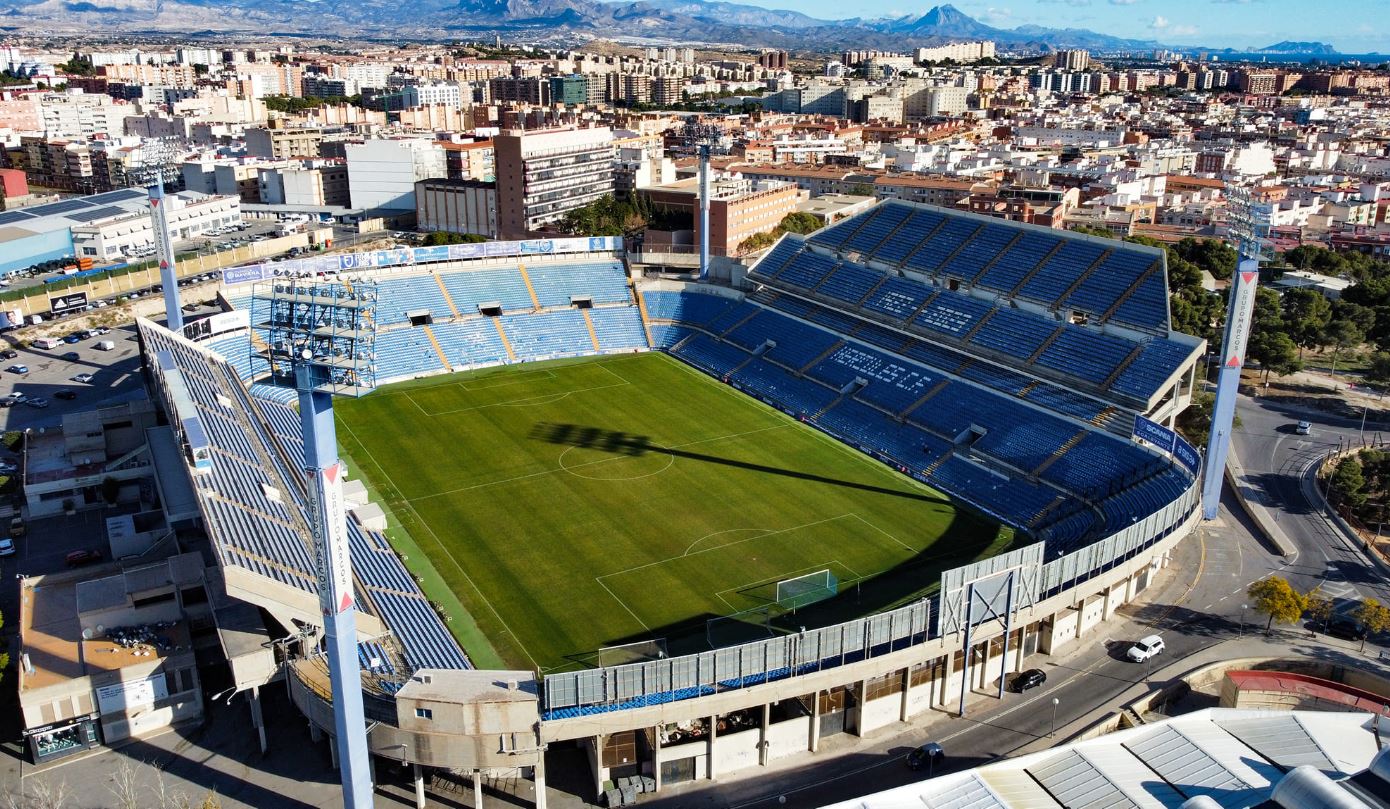
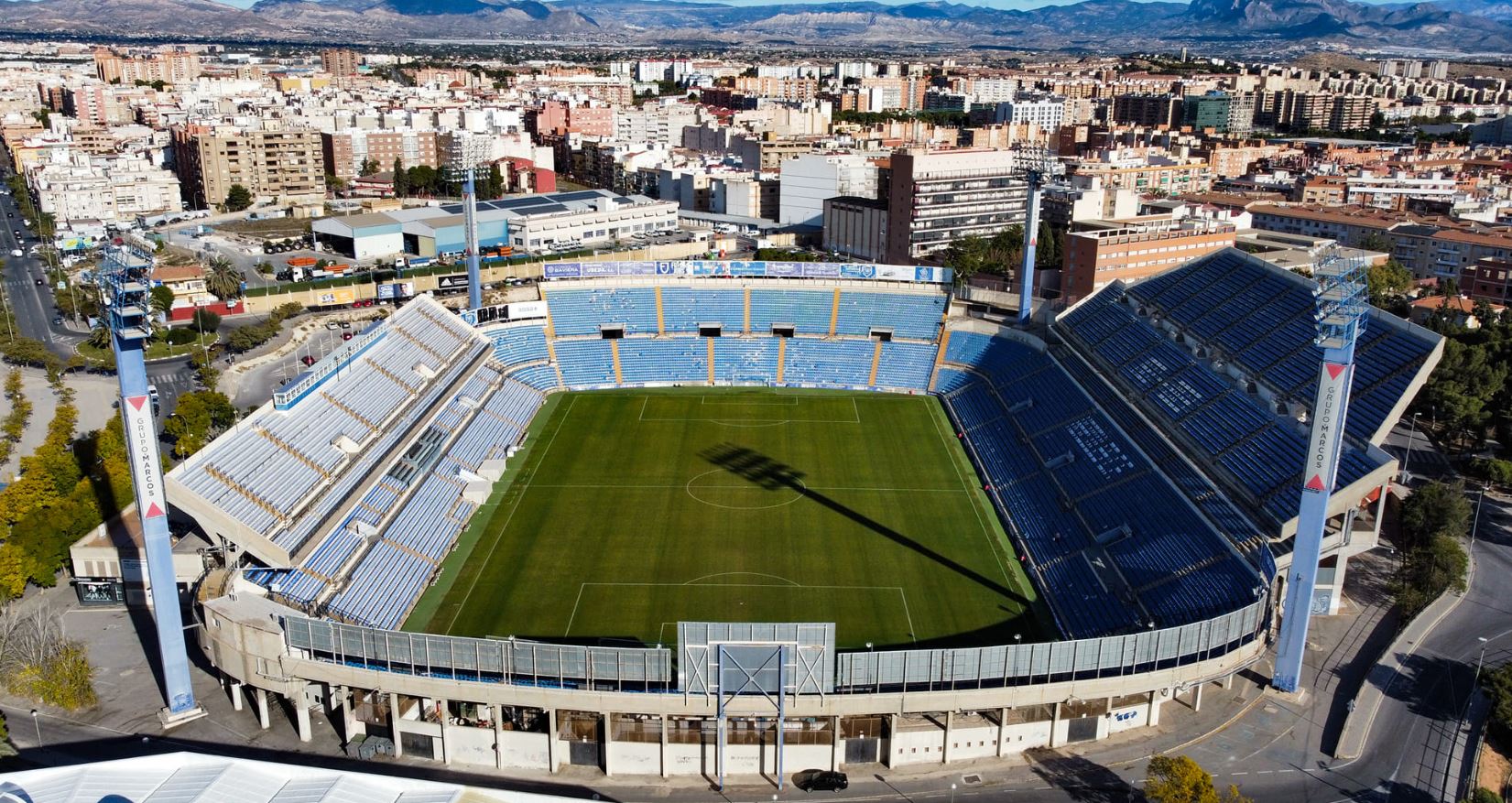
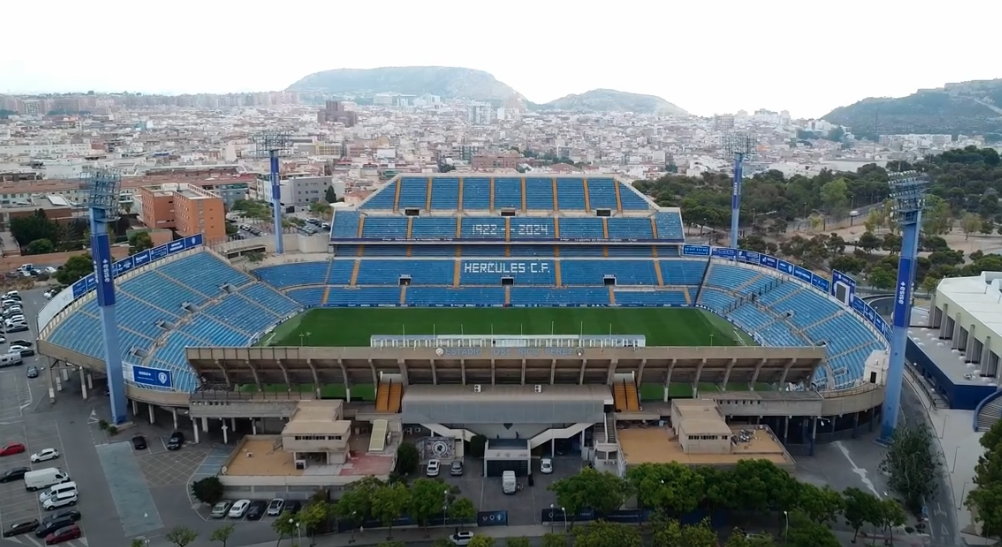
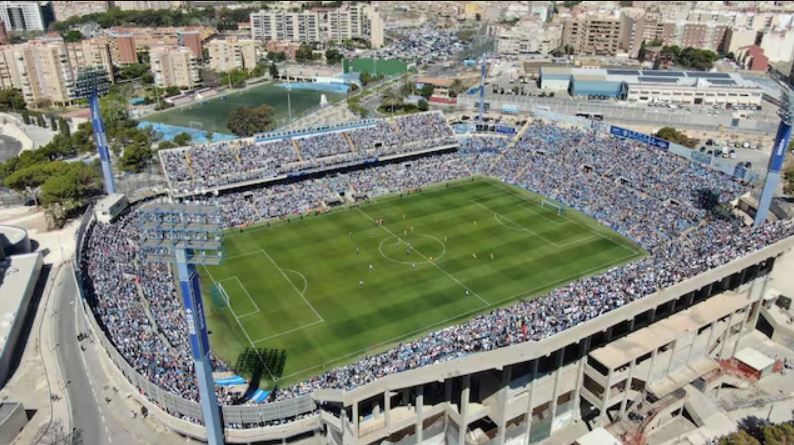
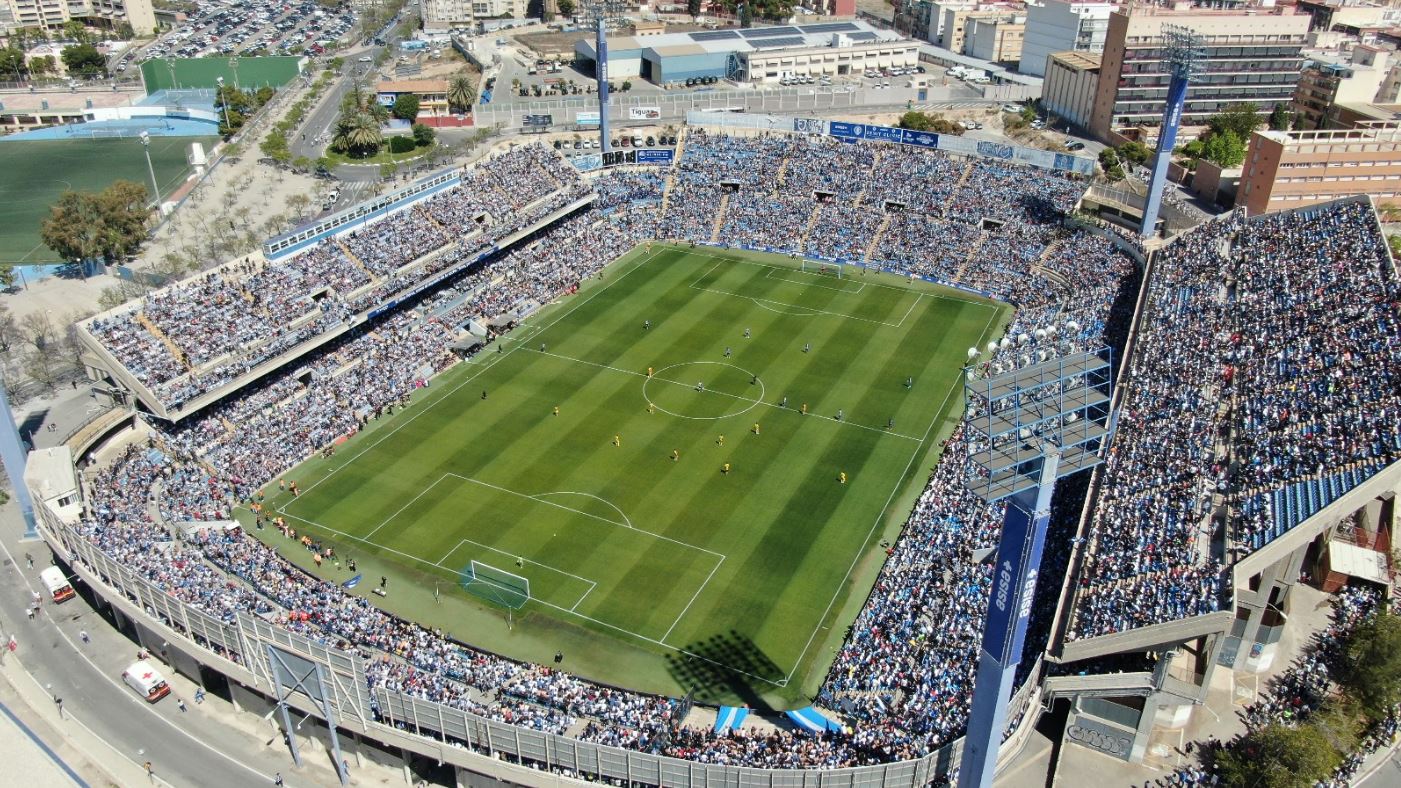
The new stadium was constructed over a period of 11 months and had an initial capacity of 30,000. It had on its western side a two-tiered stand with blue and white seats on the lower tier and an overhanging terraced upper tier or anfiteatro. The southern & eastern sides featured a sizeable sweep of terracing, whilst at the northern end stood an even larger terrace. In the original plans, the orientation of the southern and northern ends of the ground was reversed. However, the club sold the land behind the south terrace to the local council, where they built an indoor sports hall. As a result, the larger terrace was constructed at the northern end of the stadium. Inspired by their new home, Hércules achieved their highest-ever finish in La Primera with fifth place in the 1974-75 season. The club almost matched that achievement a year later, finishing in sixth place. The next six seasons brought diminishing returns, and Hércules was eventually relegated to La Segunda on the final day of the 1981-82 season.
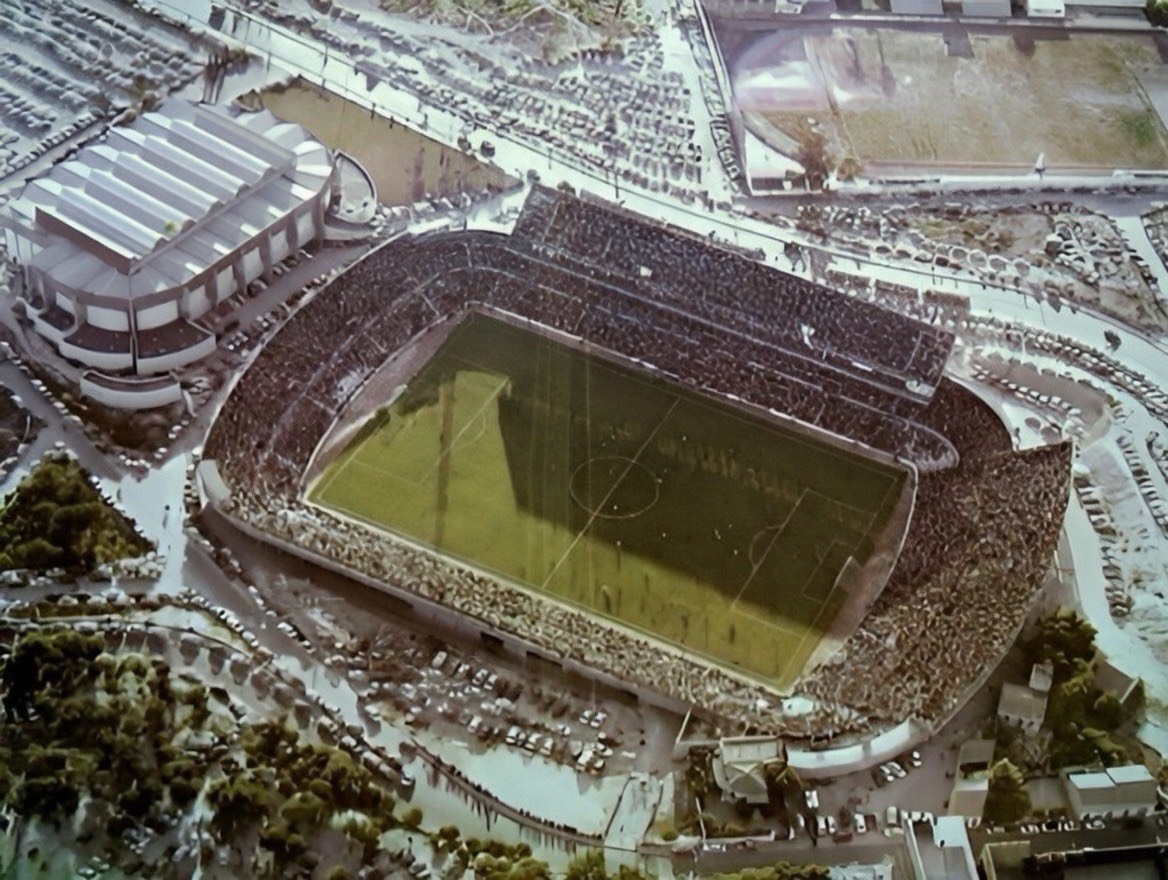
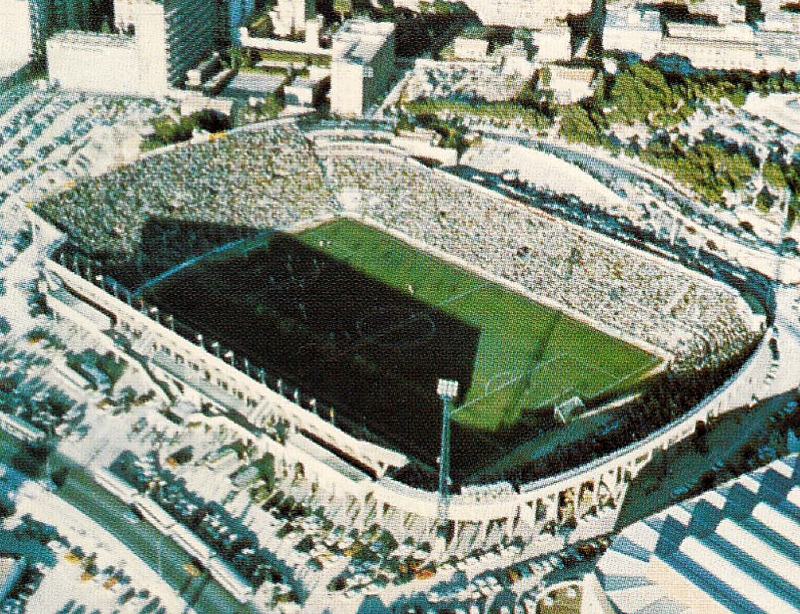
In the mid-70s, the ever-resourceful José Rico Pérez persuaded the Spanish World Cup Committee that Alicante, the Gateway to the Costa Blanca, would be an ideal host city for the 1982 finals. The stadium would require further development, and Señor Pérez dipped into his considerably deep pockets and financed the building of a huge extension to the eastern terrace. This would become known as the Grada Mundial del Tejero due to its resemblance to the hat worn by Lieutenant Colonel Antonio Tejero during the failed military coup in February 1981. With an increased capacity of 38,700, Alicante hosted two group matches featuring Argentina, El Salvador and Hungary, as well as the Third-Place match between Poland and France. You can read more about the stadium during España 82 here. The stadium has continued to host international football, with the Spanish National team using it on nine occasions, drawing the first match against Hungary in March 1977 and winning on every visit since.
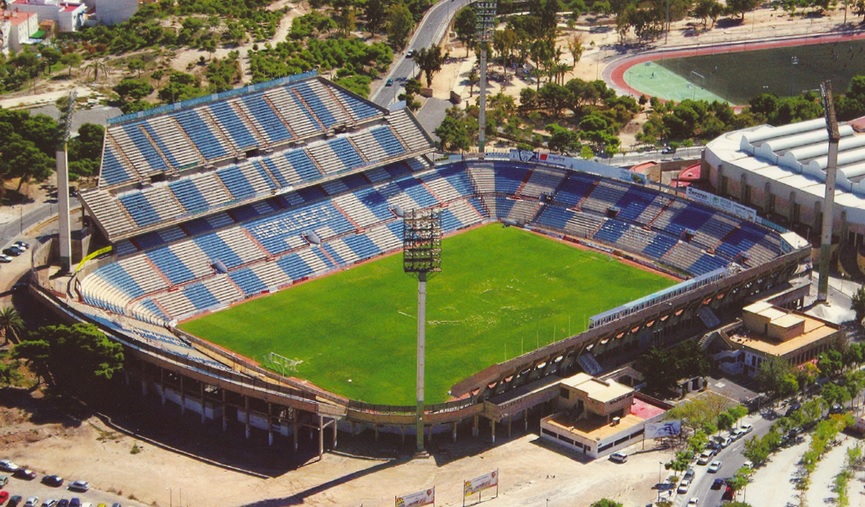
The completion of the redevelopment in the spring of 1982 coincided with Hércules’ relegation to the second division. Two seasons later, they were back in La Primera, but José Rico Pérez was no longer president, having to stand down due to ill health. Without his guidance and financial support, Hércules fell on hard times and by 1988, they were playing in Segunda B. Five seasons at this level saw the debts grow, and when they returned to La Segunda in 1994, the club’s debts stood at 575 million pesetas. The only viable option was to sell the stadium to the municipality. The mid-1990s saw a one-season return to the top flight, but by 1999 Hércules was back in Segunda B.
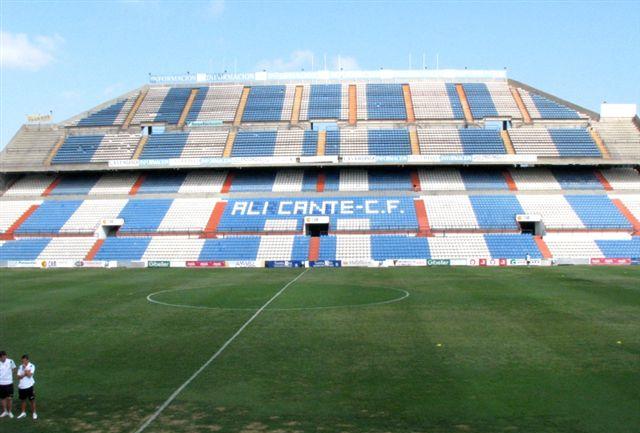
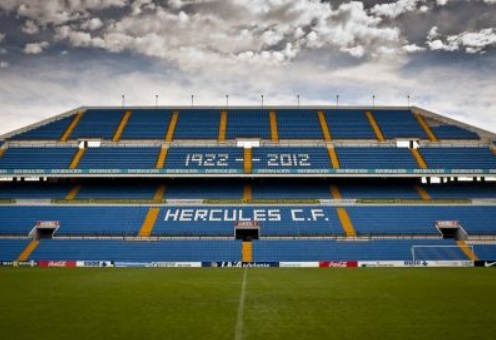
In 2001, city rival Alicante CF was promoted to Segunda B and with their own Villafranqueza ground not suitable for use, they moved into Estadio José Rico Pérez. It was not a comfortable relationship, with Hércules fans resenting the presence of their smaller neighbours. The few Alicante CF fans who attended matches at the José Rico Pérez enjoyed the experience. They even customised the stadium on match days by covering Hércules CF crests and strategically placing sacks over the white seats that spelt “Hércules CF” to spell “Alicante CF”. In 2007, a year after Hércules returned to La Segunda, the directors of Hércules CF purchased the stadium from the Municipality. They did show Alicante CF some grace, for they also reached the second tier for the 2008-09 season and continued to play at the José Rico Pérez.
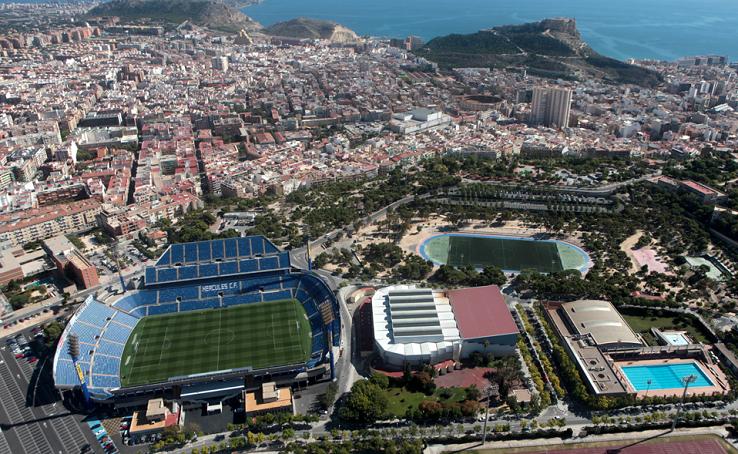
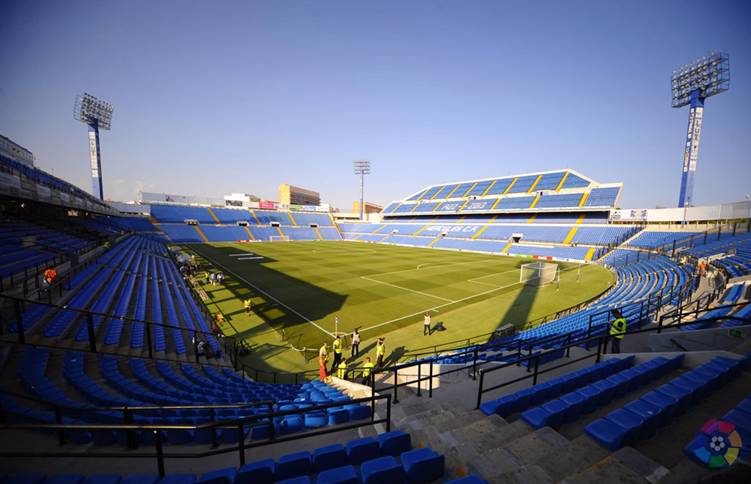
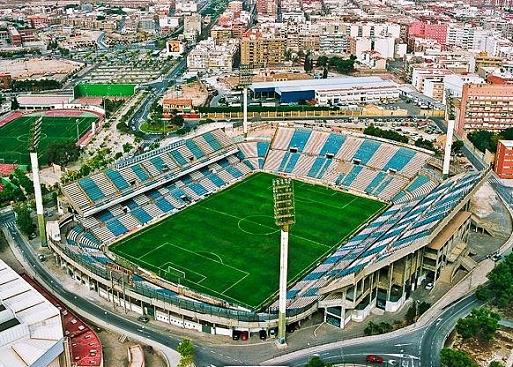
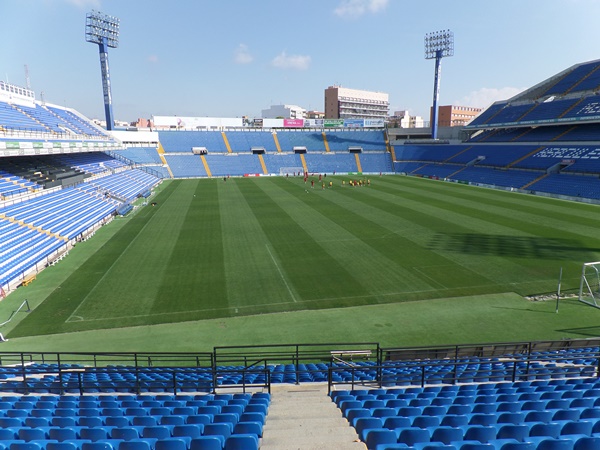
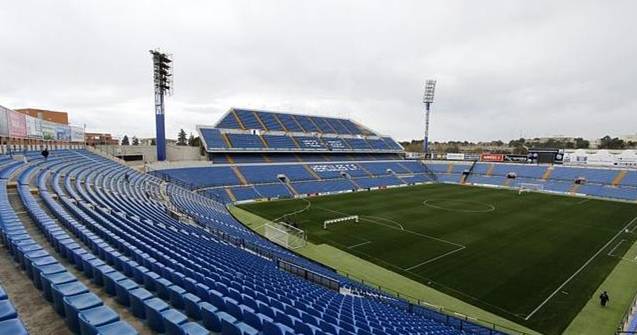
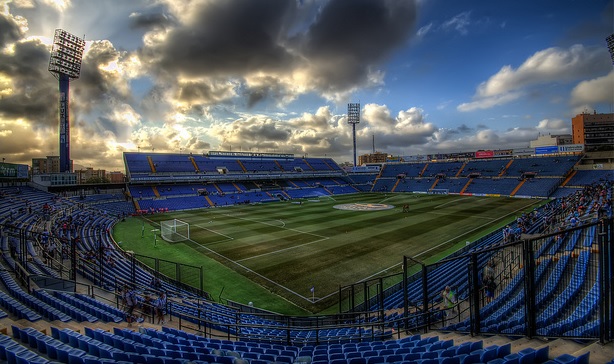
After a 14-year absence, Hércules returned to La Primera for the 2010-11 season. Alicante CF relocated back to a redeveloped Villafranqueza. The Estadio José Rico Pérez was converted into a 29,500 all-seater stadium as part of a €45 million facelift of the stadium and the surrounding sports city. Work on the stadium included the installation of new seats, press facilities, improved floodlighting and a new pitch. The stay in the top tier was marked by problems on and off the pitch, and the club found itself back in La Segunda after just one season. Worse was to follow in 2014, when Hércules dropped back to Segunda B. Cross-city neighbours and former tenants Alicante CF folded in May 2014, whilst Hércules racked up seven successive seasons in Segunda B. Despite reaching the play-offs on three occasions, the club was unable to take the final step up to La Segunda. Following the RFEF’s restructuring of the leagues, Hércules found itself in the Segunda Federación, or 4th tier, for the first time in its history. There followed three seasons at that level before the Group III League title was won in May 2024, and with it, promotion to the Primera Federación.


 Estadios de España