
Article updated: 03/10/2025
Located in the northern area of the Región de Murcia, Jumilla is a city with a population of 26,000, whose history has been shaped by the wine industry. Famed for the wines produced from the robust Monastrell grape, which thrives in the area’s dry, sunny climate, the Jumilla wine region was granted Denominación de Origen status in the 1960s. Unfortunately, the city’s football clubs have produced very few vintage years and could well have benefited from some form of protected status, similar to that enjoyed by Jumilla’s wine industry.
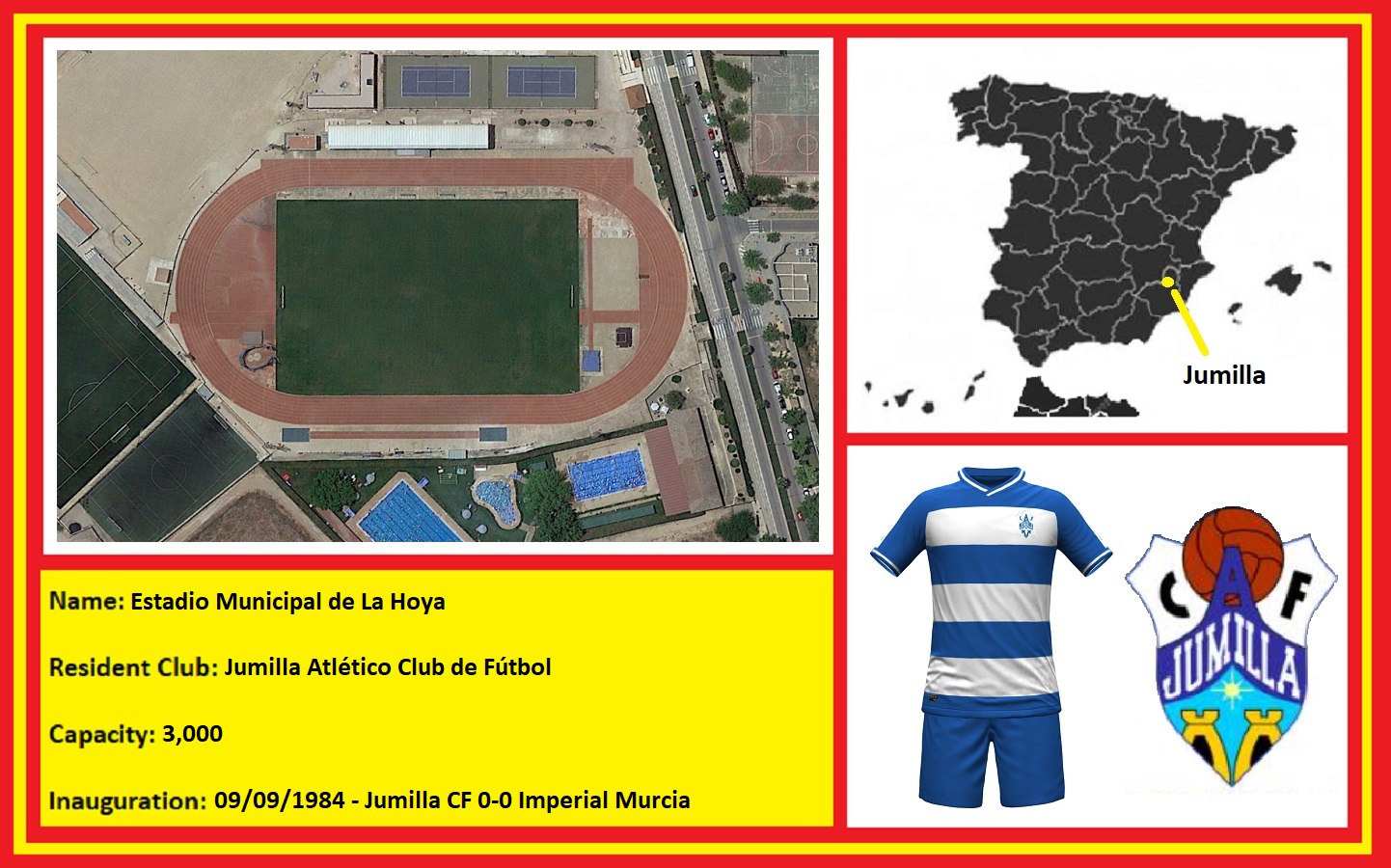
Football has been played in this part of Murcia since the early 1920s; however, the first established club was Fútbol Club Jumilla, who were founded in 1929 when Sport Jumilla FC and Athletic Club Jumilla merged. To be honest, this particular incarnation achieved very little, with its peak arriving in the early 1960s when the renamed Jumilla Club de Fútbol reached the Tercera. Home matches were played at the Estadio de San Juan, which was a basic enclosure on the eastern edge of town. In 1965, the club moved to the Estadio de La Asunción, a new stadium on the corner of Avenida Nuestra Señora de la Asunción and Avenida Reyes Católicos. Jumilla CF disbanded following a poor showing in the 1966-67 season. Unión Deportiva Jumilla, which had been formed in 1965, picked up the reins of the city’s senior club, but by the beginning of the 1970s, it had also folded, leaving the city without a senior representative. In 1975, a group of football fans re-registered Jumilla Club de Fútbol with the Murcian Federation. However, the Campo de La Asunción had been demolished, so the club had to play at the Campo Municipal de La Estacada, some 2.5km south of Jumilla. The club progressed through the regional leagues to reach the Tercera in 1981. Its four-season stay saw a high finish of tenth, and also a move to the new Estadio de La Hoya in September 1984. Jumilla CF returned to the Murcian regional leagues at the end of the 1984-85 season.
At the start of the 1990-91 season, Jumilla was back in the Tercera, and it stayed at this level until it achieved promotion to Segunda B in 2010. It entered the playoffs having secured its first Tercera league title, but the road to promotion was far from straightforward. Paired with the Asturian team Caudal Deportivo, Jumilla lost 1-3 on aggregate and entered the second eliminator round. Here they met Getafe B, and after a 0-0 draw in Madrid, they were favourites to progress. A 1-2 home defeat appeared to put an end to their hopes of promotion, but when Real Murcia were relegated from La Segunda at the end of June 2010, their reserve side Real Murcia Imperia was demoted despite finishing in thirteenth position. The Murcian Federation turned to the next highest placed team from their region to replace Imperia, and Jumilla duly took up the spot.
Regrettably, Jumilla’s first season in Segunda B was a nightmare. Things started brightly with a 2-1 win over local rivals Yeclano Deportivo, but a string of defeats followed whilst the club awaited completion of improvements to La Hoya. This consisted of adding a new roof to the only stand, laying a new athletics track and improving changing and media facilities. They returned to La Hoya in October, but poor form continued, whilst delays in paying the players did not help matters. The cost of running the team was proving prohibitive, and soon the squad was being reduced, and most of the team went part-time. When Jumilla sold Jesús Limones to AD Ceuta, the total of professionals in the squad dropped below the permitted minimum of four, and the club was docked 3 points. Unsurprisingly, Jumilla finished bottom of Group 4 of Segunda B, and on 29 May 2010, the club was wound up.
In the summer of 2011, Fútbol Club Jumilla was formed and acquired the place vacated by Moratalla CF in the Tercera. Over the next four seasons, it made steady progress, culminating in its first Tercera title in 2015 and promotion via the playoffs to Segunda B, thanks to a 5-4 aggregate win over Catalan side FC Ascó. In June 2016, the club was acquired by two Chinese commentators, Li Xiang and Tang Hui, and Argentinian Rubén Iglesias. In November of 2016, the league match with another Chinese-owned club, Lorca CF, was broadcast live over the internet in China. After three mid-table finishes in Segunda B, FC Jumilla surprisingly appeared on the radar of English Premier League club Wolverhampton Wanderers. In 2018, the clubs entered into a partnership that saw Wolves loan a number of their younger players to Jumilla. The 2018-19 season ended in relegation, following a play-off defeat to Real Unión. With debts outstanding of €400,000, the club was demoted a further level and was wound up in August 2019. La Hoya is now home to Jumilla Atlético Club de Fútbol, who play in Group 2 of the Primera Autonómica de la Región de Murcia (7th Tier).
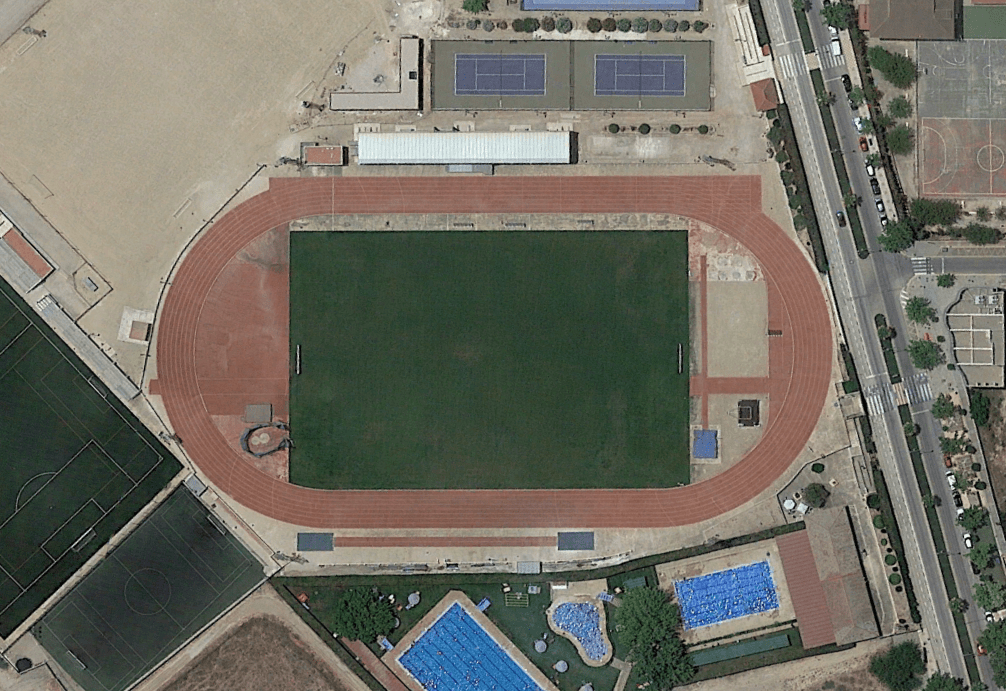
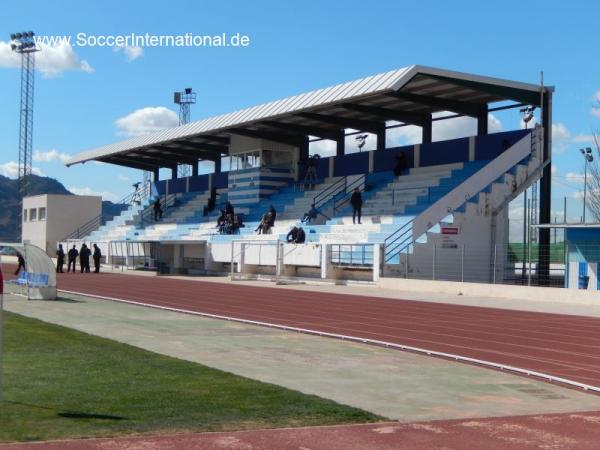
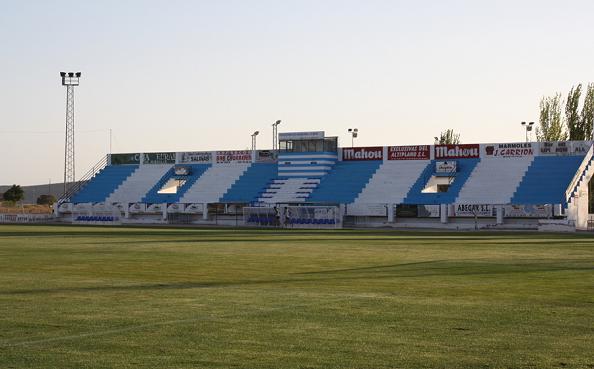
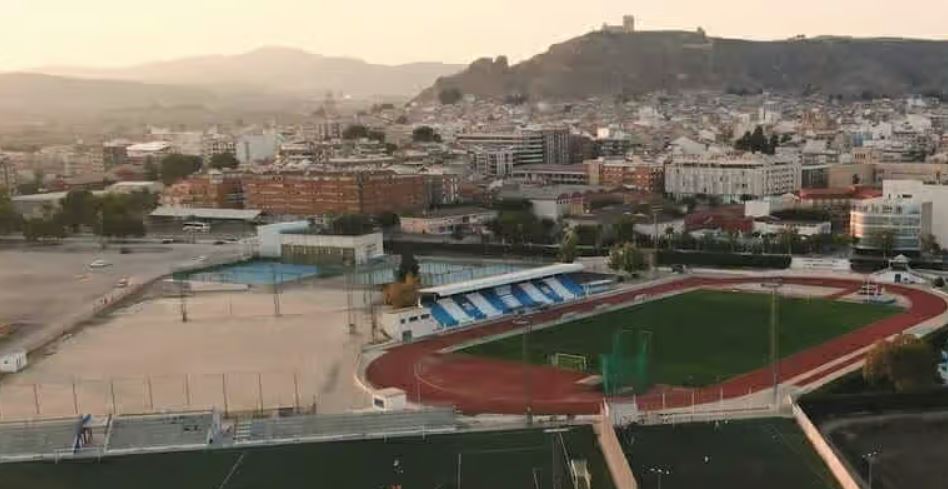
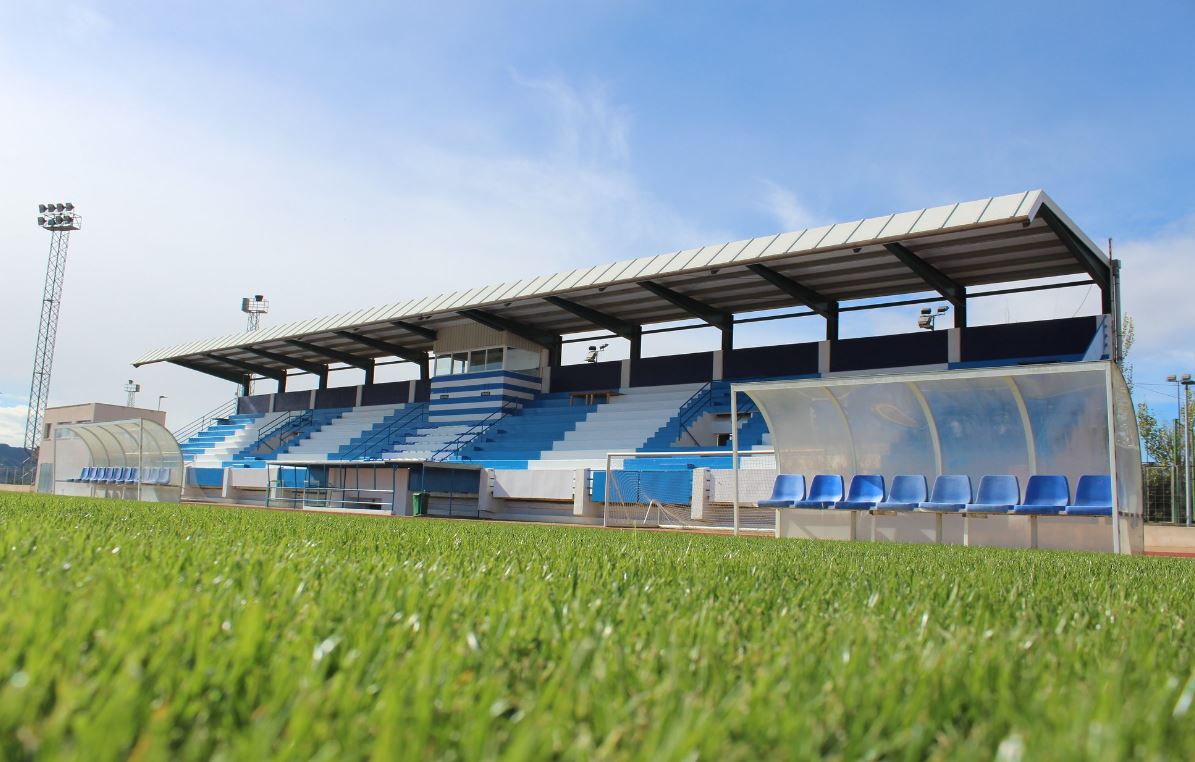
The Estadio Municipal de La Hoya is located within the Polideportivo La Hoya, which stands on the southern edge of the city. Featuring a multitude of facilities, such as swimming pools, tennis courts, and basketball courts, it is reminiscent of hundreds of other similar sports facilities that you can find across Spain. All excellent and underlining the importance that even the smallest towns place on the polideportivo. However, like the majority of stadiums you will find within these facilities, the Estadio La Hoya does not set the pulse racing. The one structure of merit is the covered stand on the west side, which has a capacity of around 1,200, spread over eleven bands of blue and white steps. At the rear centre of the stand is a media booth, bedecked in the blue and white hoops of the resident club. Hard-standing areas in front and to the side of the stand raise La Hoya’s capacity to 3,000.
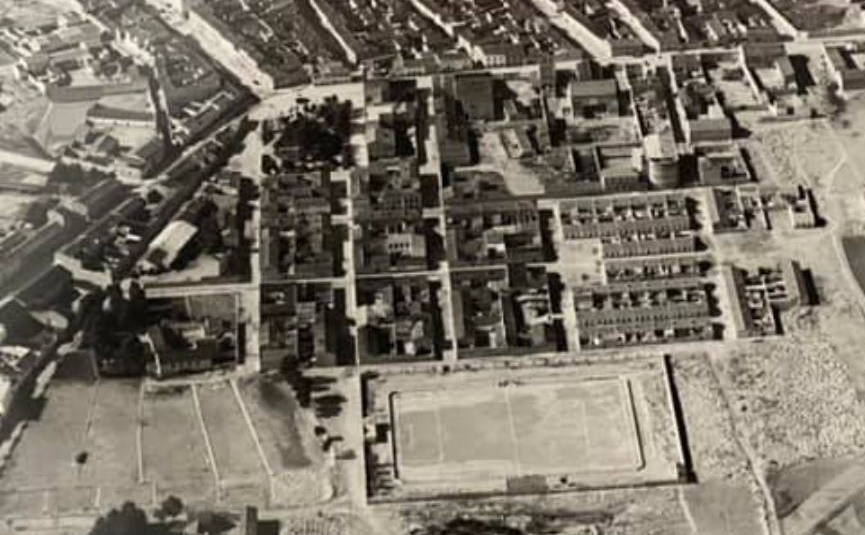
Estadio de San Juan 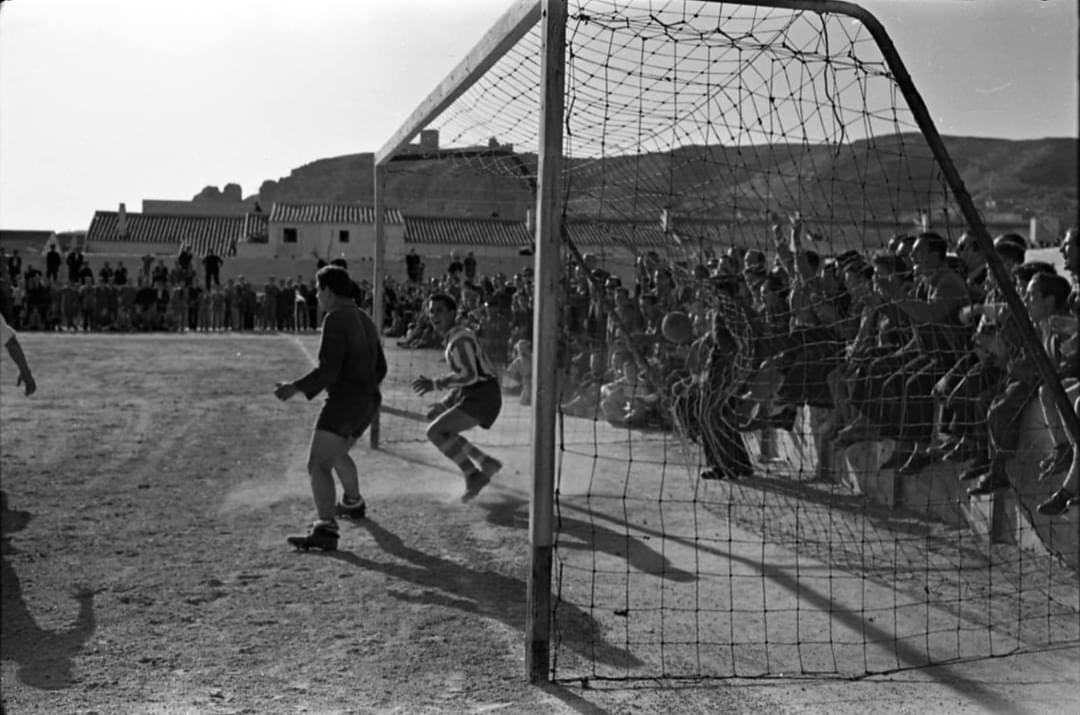
Estadio de San Juan 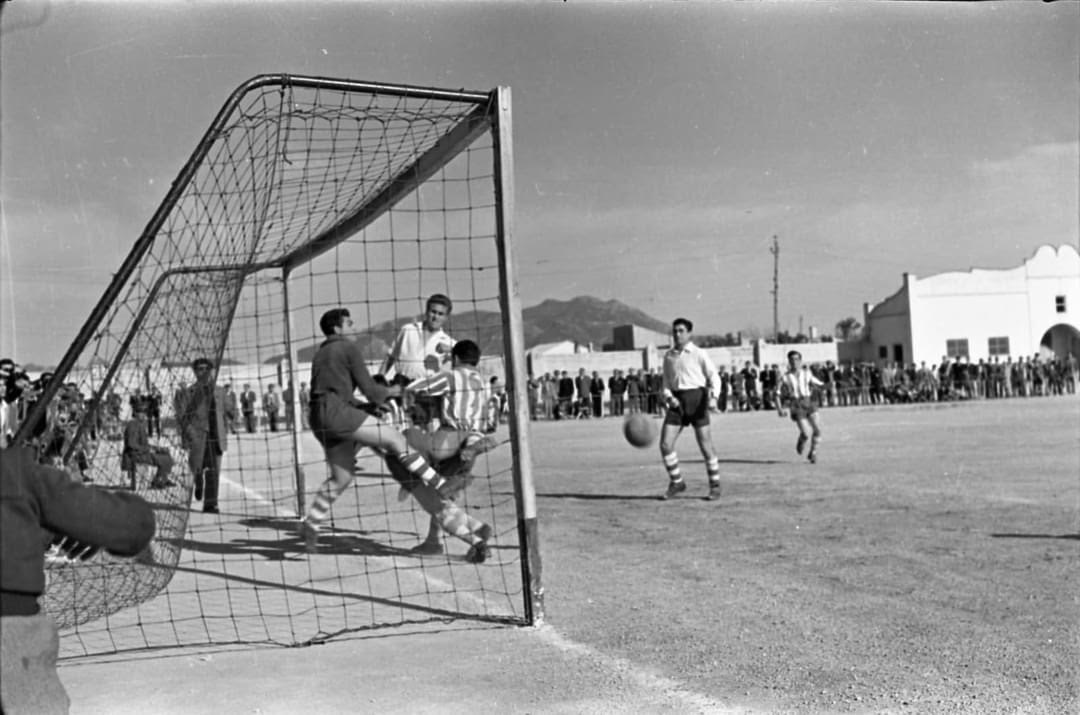
Estadio de San Juan 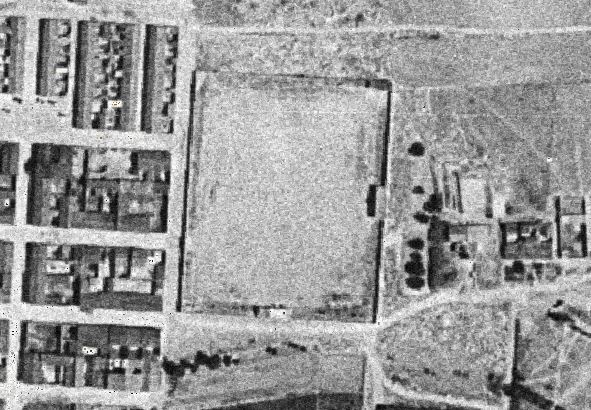
Estadio de San Juan 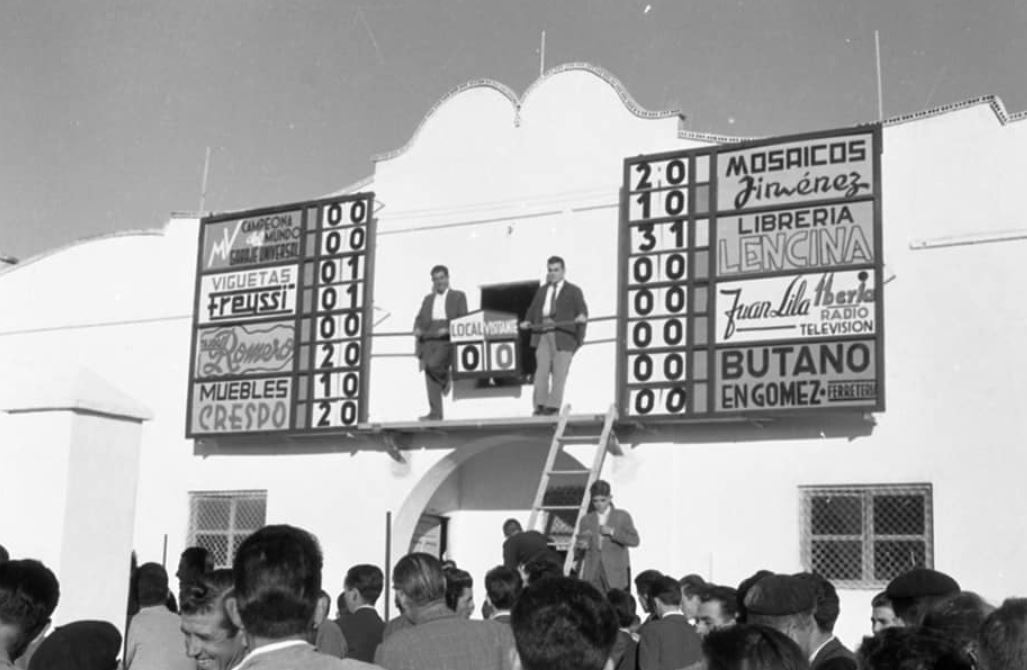
Estadio de San Juan 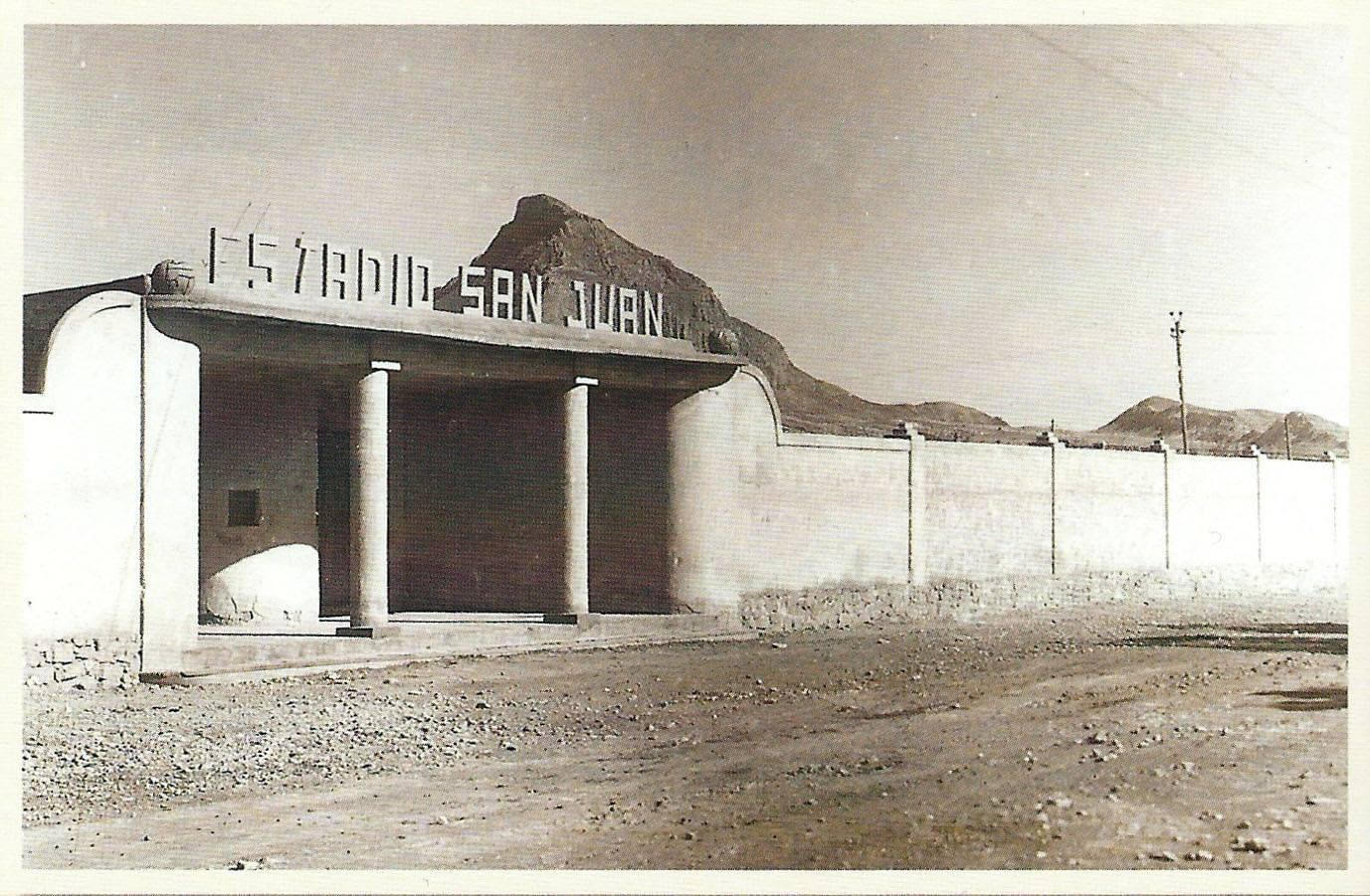
Estadio de San Juan 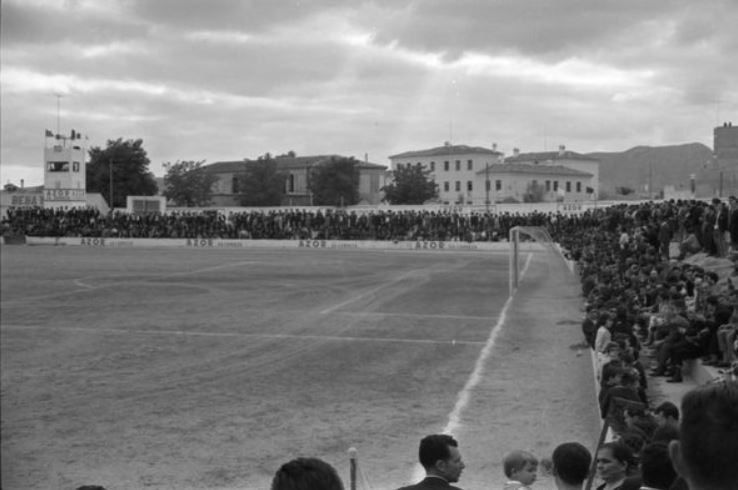
Estadio de La Asunción 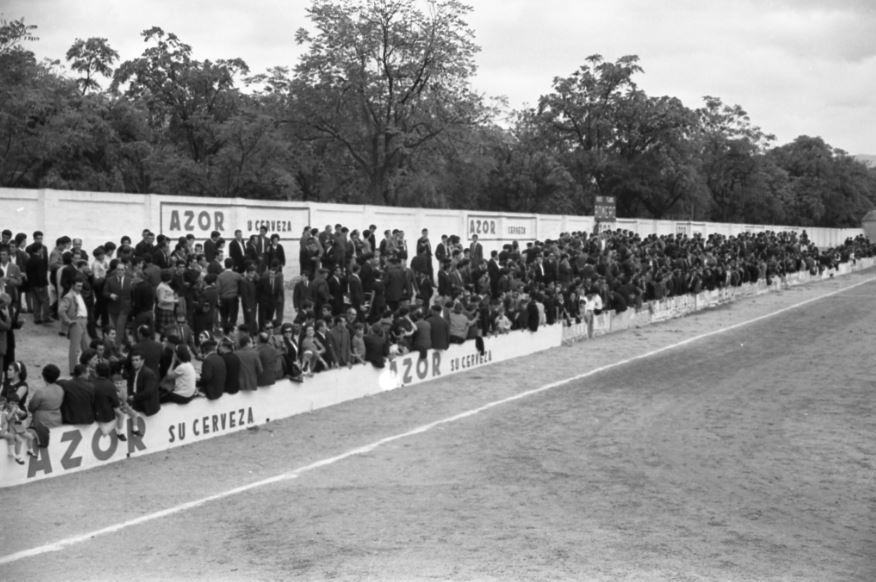
Estadio de La Asunción 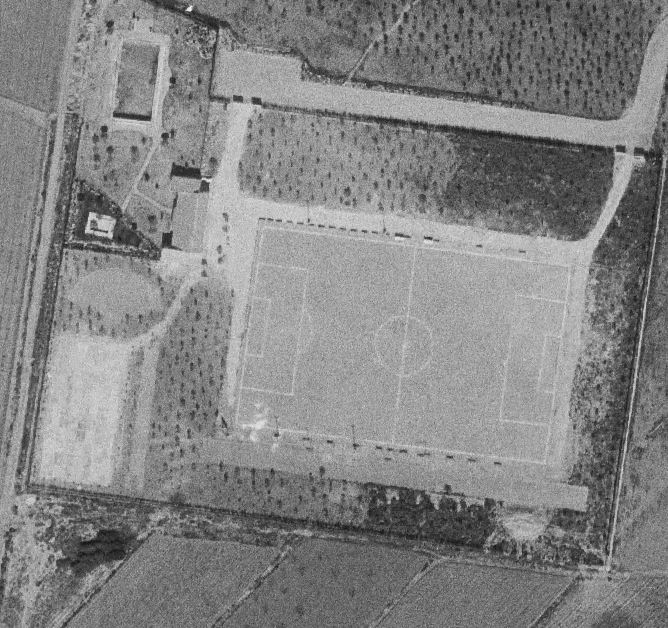
Campo Municipal de La Estacada 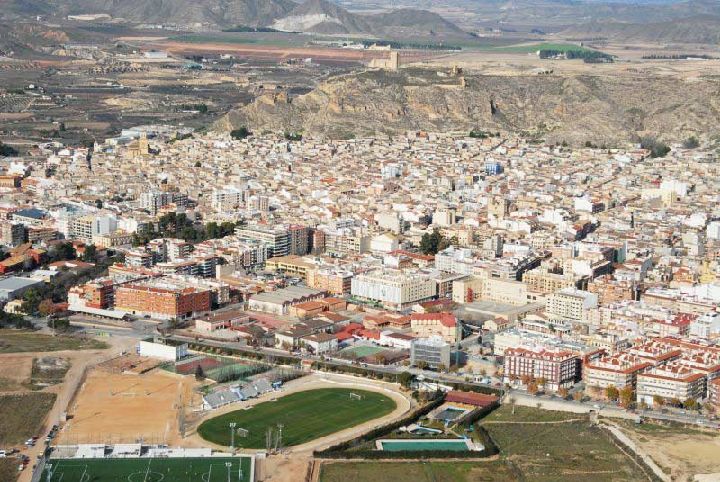
Estadio de La Hoya 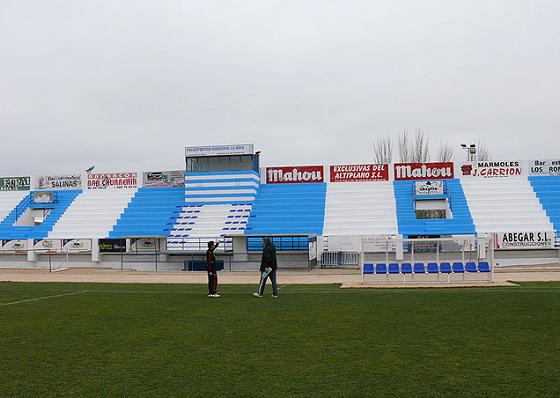
Estadio de La Hoya Estadio de La Hoya 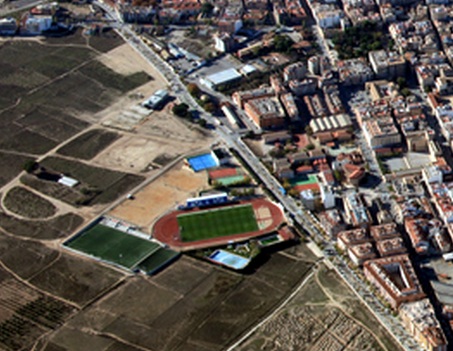
Estadio de La Hoya 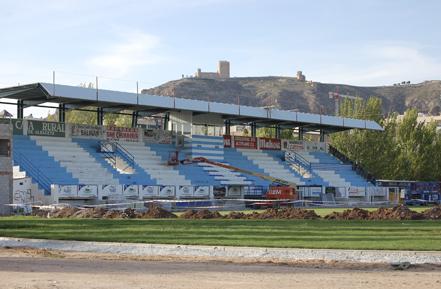
Estadio de La Hoya 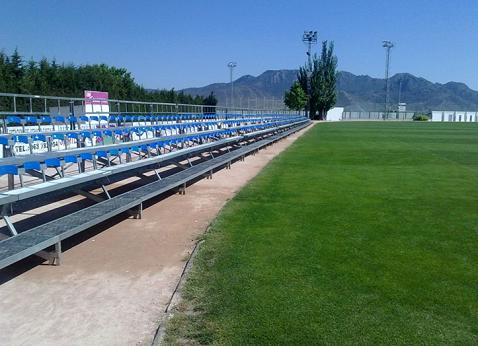
Estadio de La Hoya 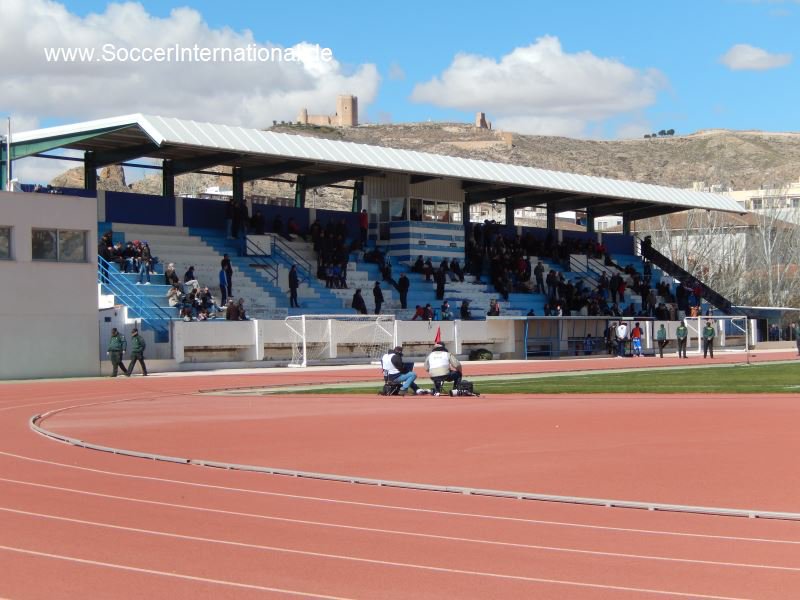
Estadio de La Hoya 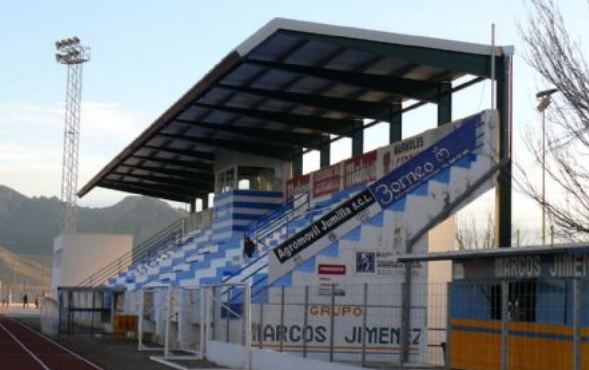
Estadio de La Hoya 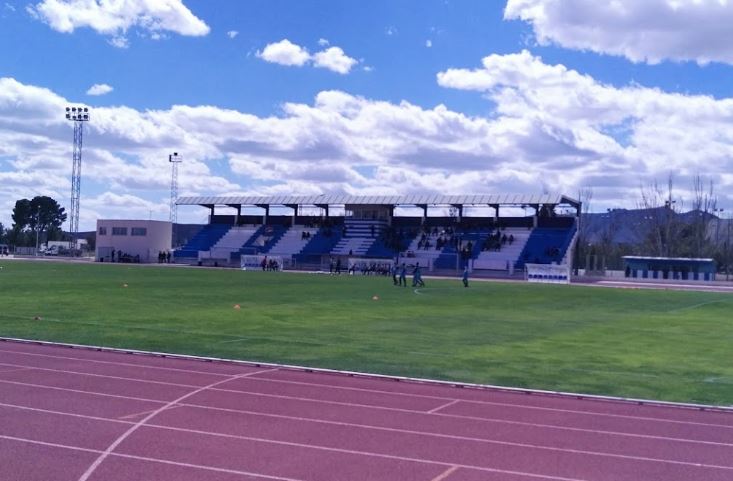
Estadio de La Hoya
 Estadios de España