Article updated: 12/12/2025
During a 5-year period between 2008 and 2013, Agrupación Deportiva Alcorcón underwent an incredible transformation. The club went from suburban nobodies to an established team in La Segunda. Along the way, they famously knocked Real Madrid out of the Copa del Rey, and in June 2012, came within a whisker of reaching the top flight.

In 1960, the Madrid suburb of Alcorcón had a population of around 2,000. It then witnessed spectacular growth throughout the next decade, and by 1970, the town’s population totalled 50,000. On the back of this influx, Juventud Alcorcón was formed in the mid-1960s. It was a modest youth team, but in the summer of 1971, it had started the process of transforming into a federated senior club. Choosing the evocative yellow and blue colours made popular by Brazil in the 1970 World Cup, Agrupación Deportiva Alcorcón joined the Castillian Federación on 1 September 1971. Over the next 30 years, Alcorcón played their football in the Madrid Regional league and Group 7 of the Tercera. There were four titles in Madrid’s Regional Preferente, and during the 1980s, there were even a few decent finishes in the Tercera, but never promotion to Segunda B. This changed with promotion from the Regional Preferente in 1999, followed by promotion to Segunda B a year later when a fifth-placed finish in the league (Real Madrid C was not eligible for promotion, Alcorcón was the next highest placed team), and victory over CD Lealtad, La Bañeza and U.D. Xove de Lago in the playoffs earned promotion to the third level.
The club took a little time to find its footing, avoiding relegation via the playoffs in 2001-02 thanks to a narrow victory over Gimnástica Torrelavega. The final positions gradually improved throughout the decade, and an appearance in the promotion playoffs to La Segunda was their reward for a third-place finish in the 2008-09 season. After beating UE Sant Andreu & Alcoyano, AD Alcorcón lost out to Real Unión in the final. A year later, and six months after their famous victory over Real Madrid, the club won Group II of Segunda B and turned over Pontevedra & Ontinyent in the playoffs to earn a place in La Segunda. Alcorcón was a revelation in their first season at this level, with steady home form earning them a final placing of ninth.

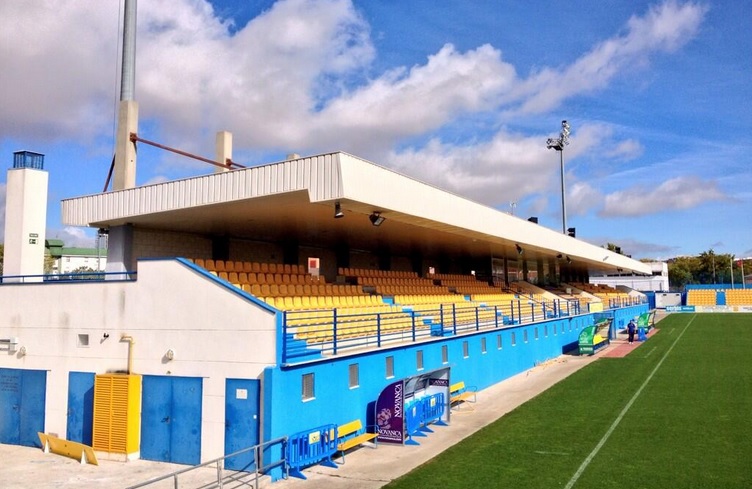
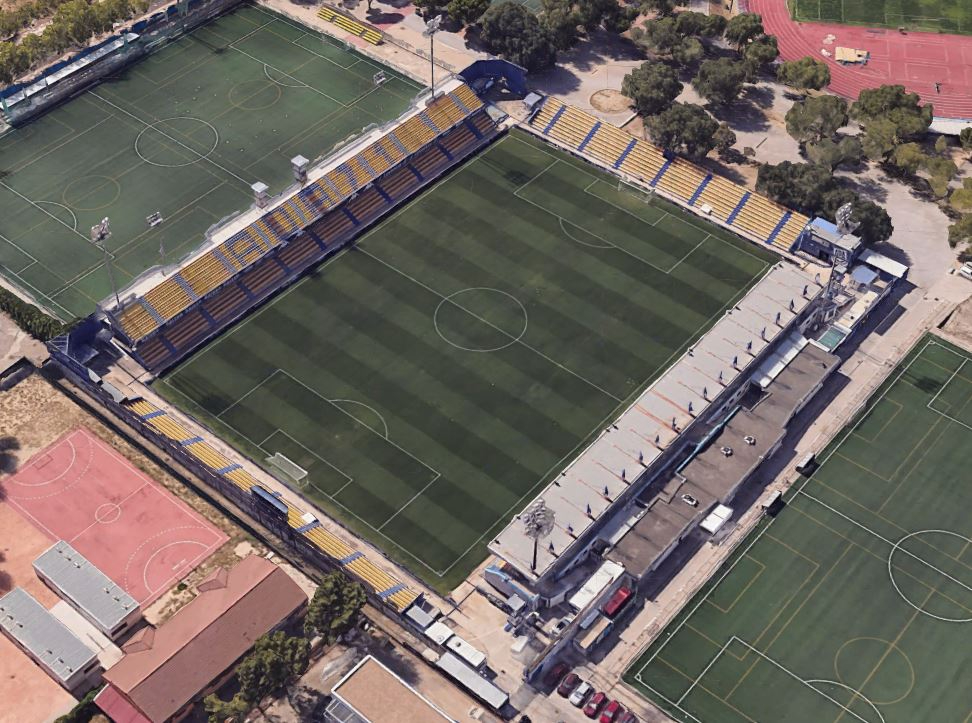
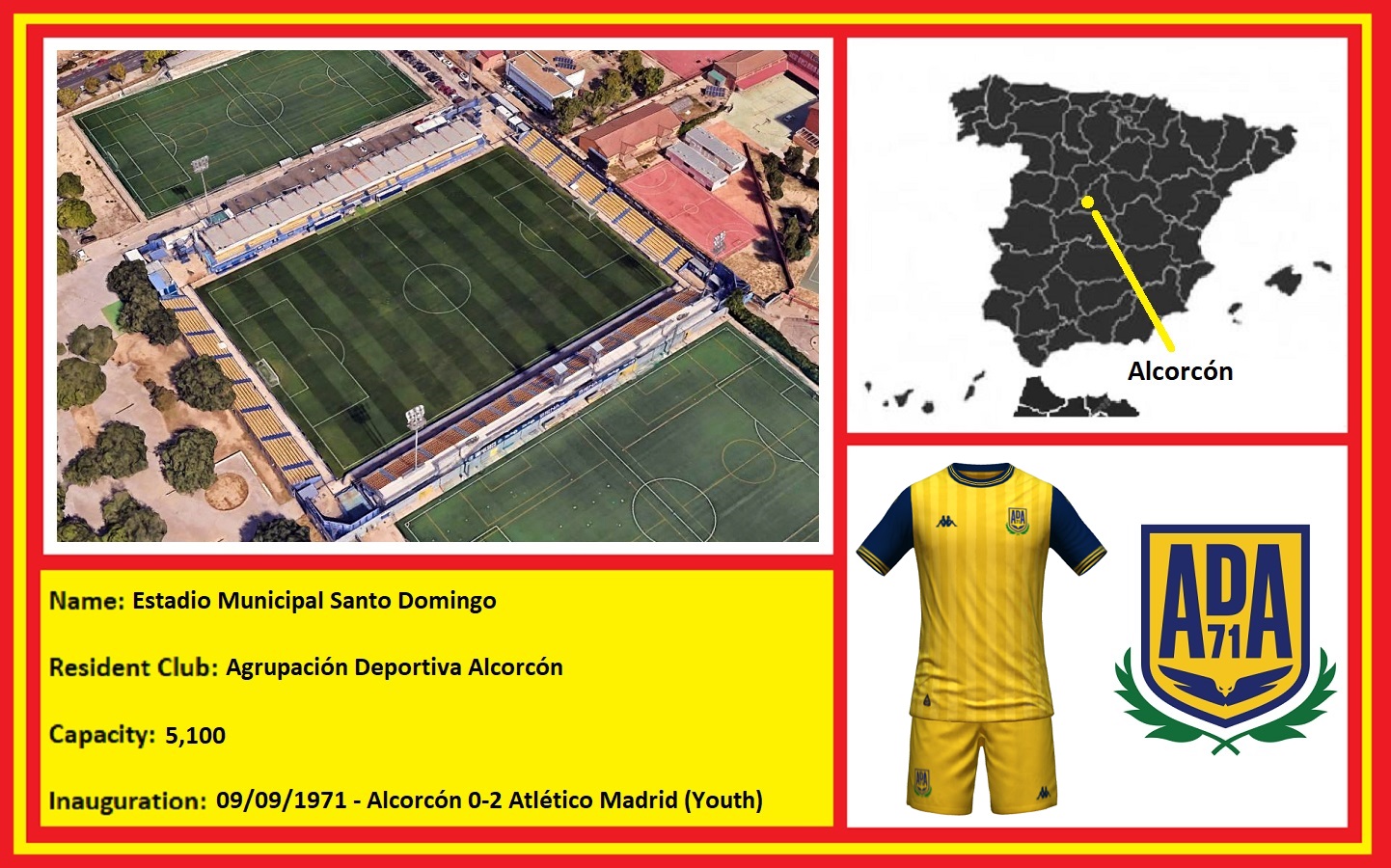
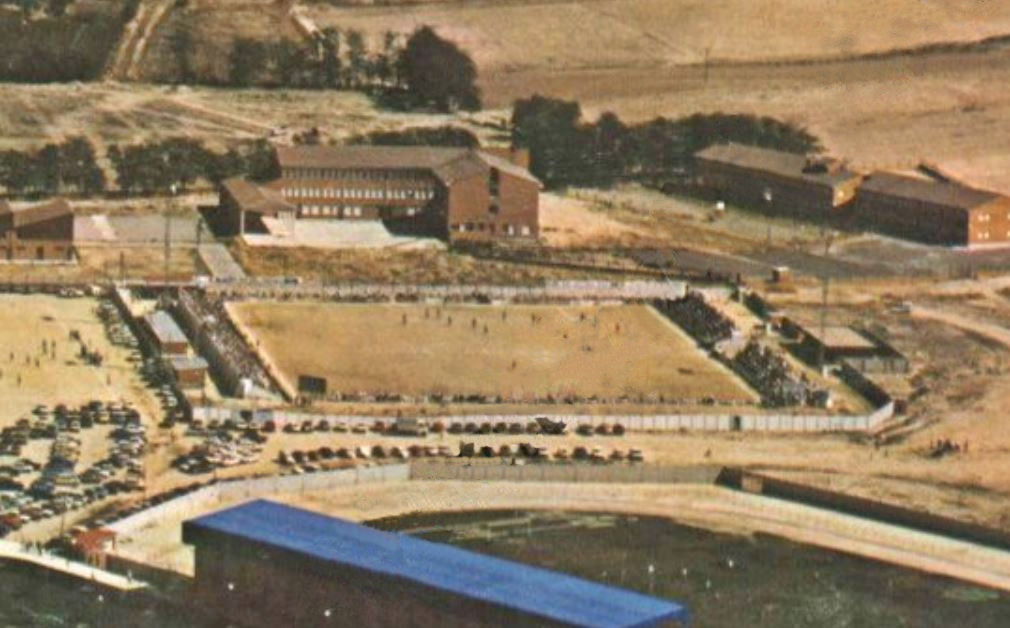
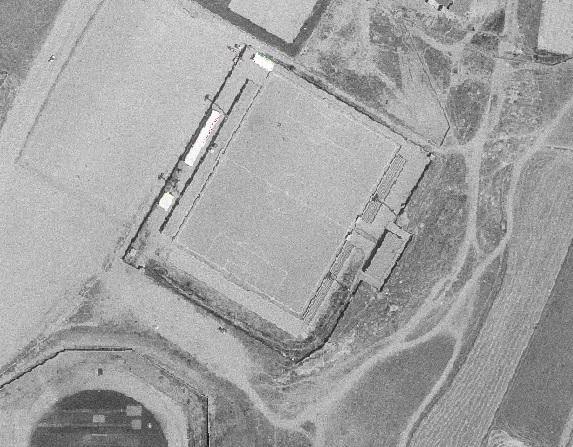
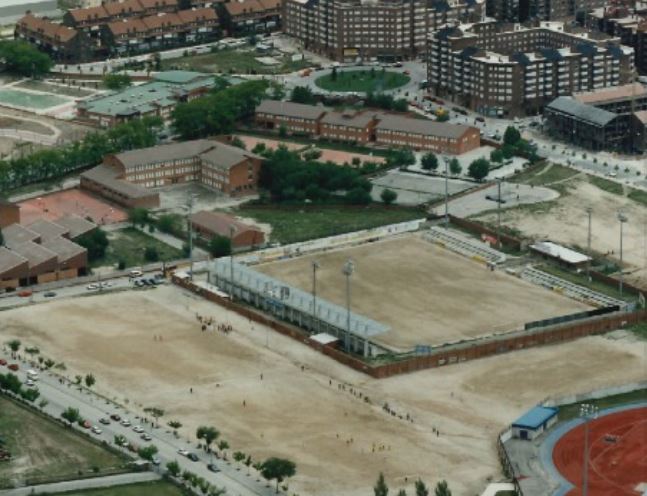
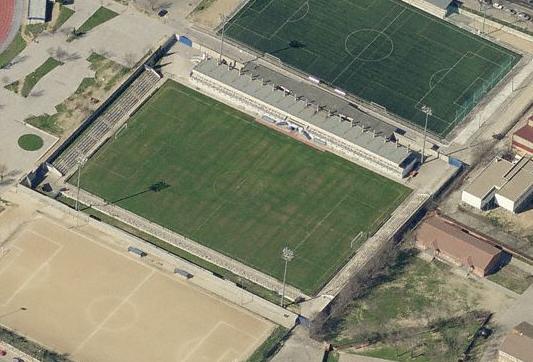
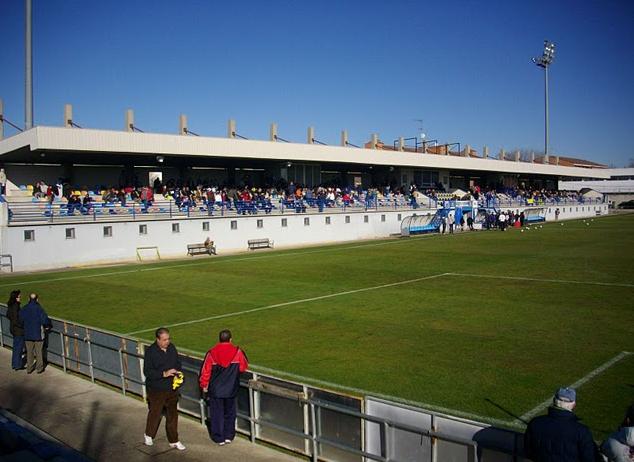
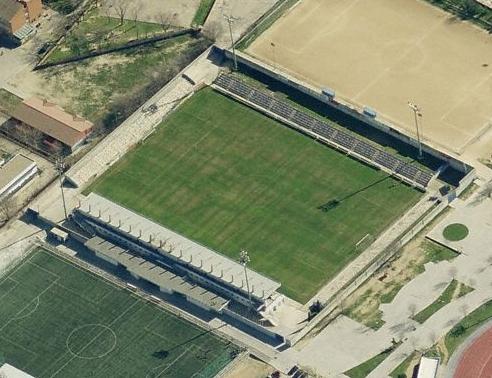
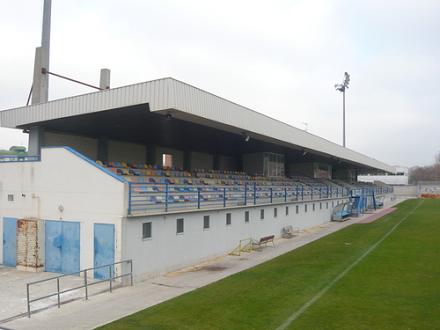
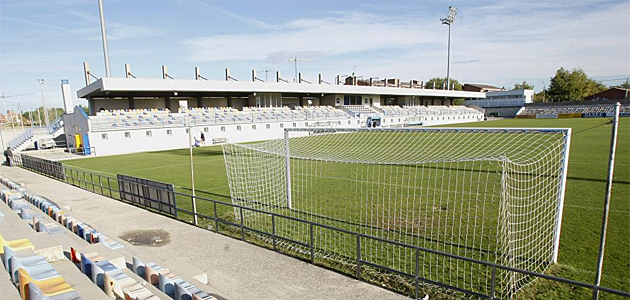
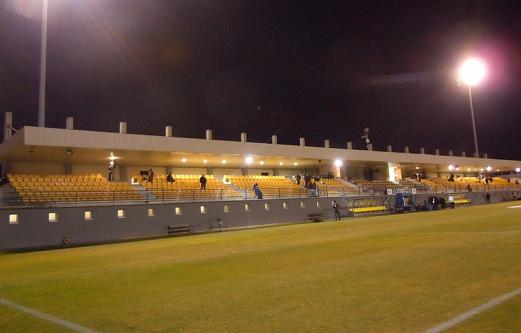
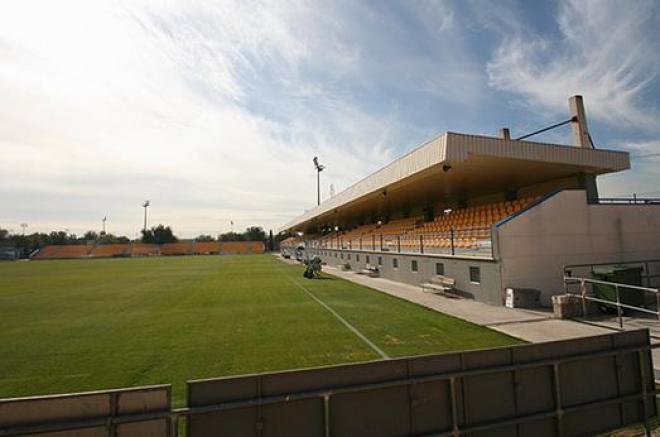
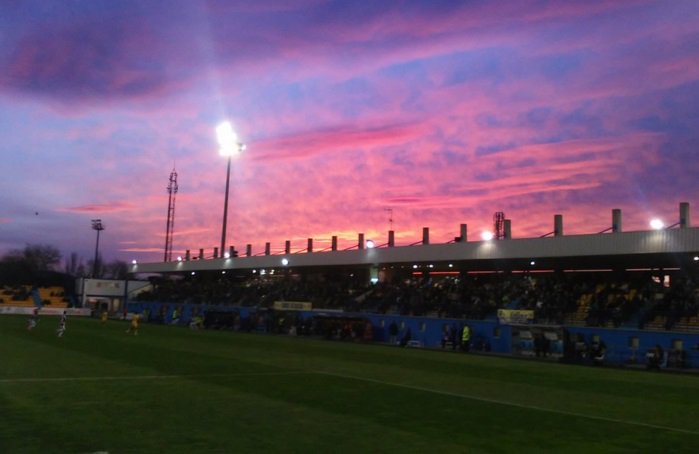
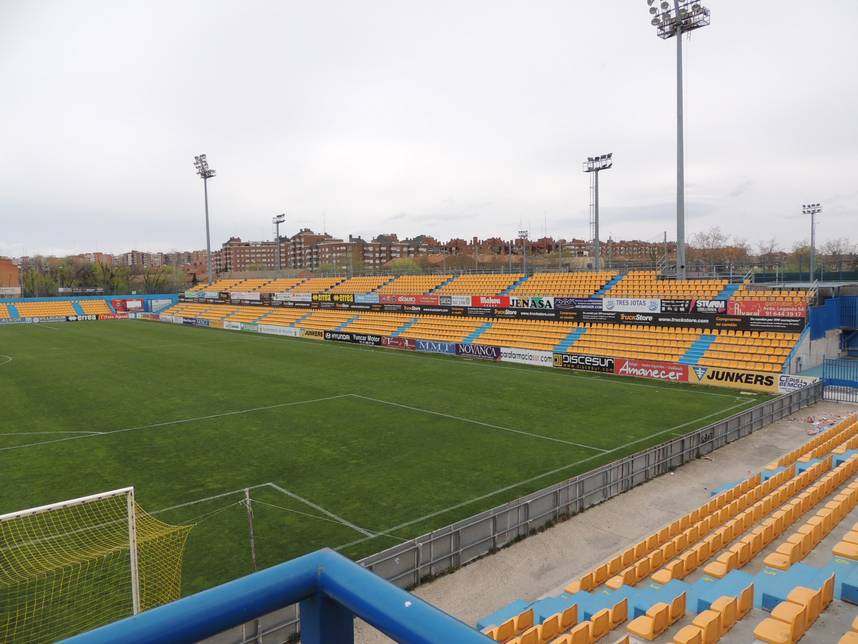
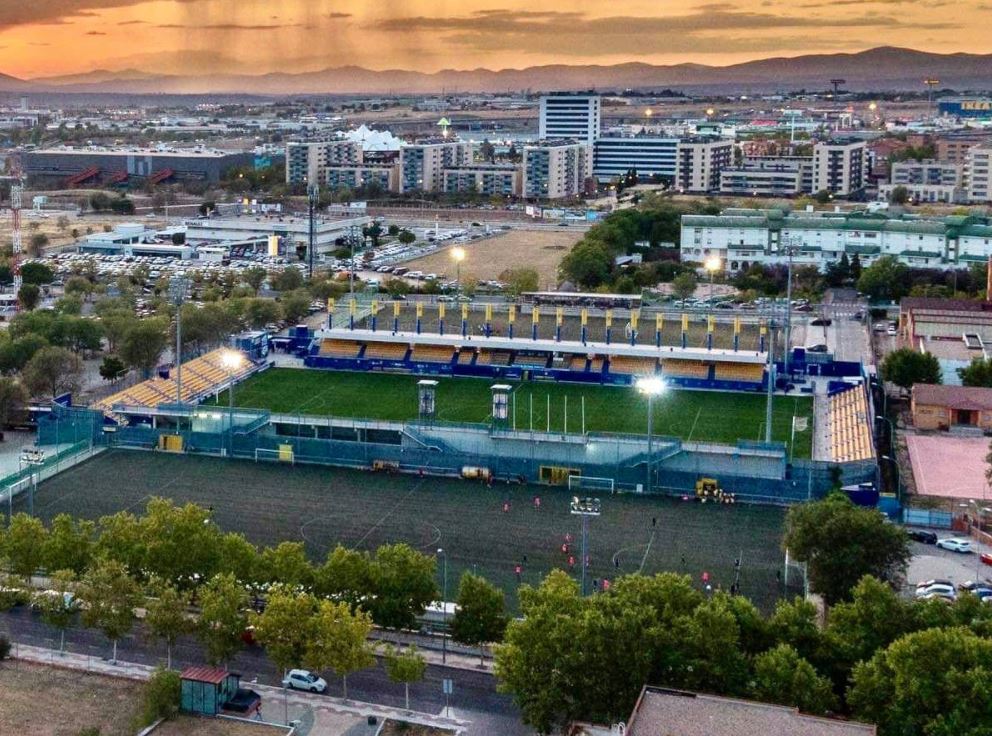
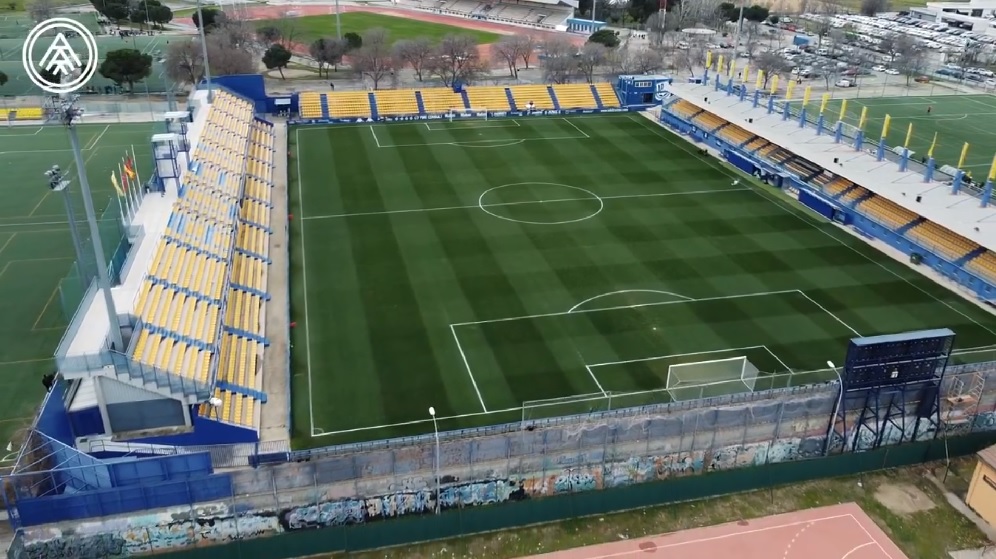
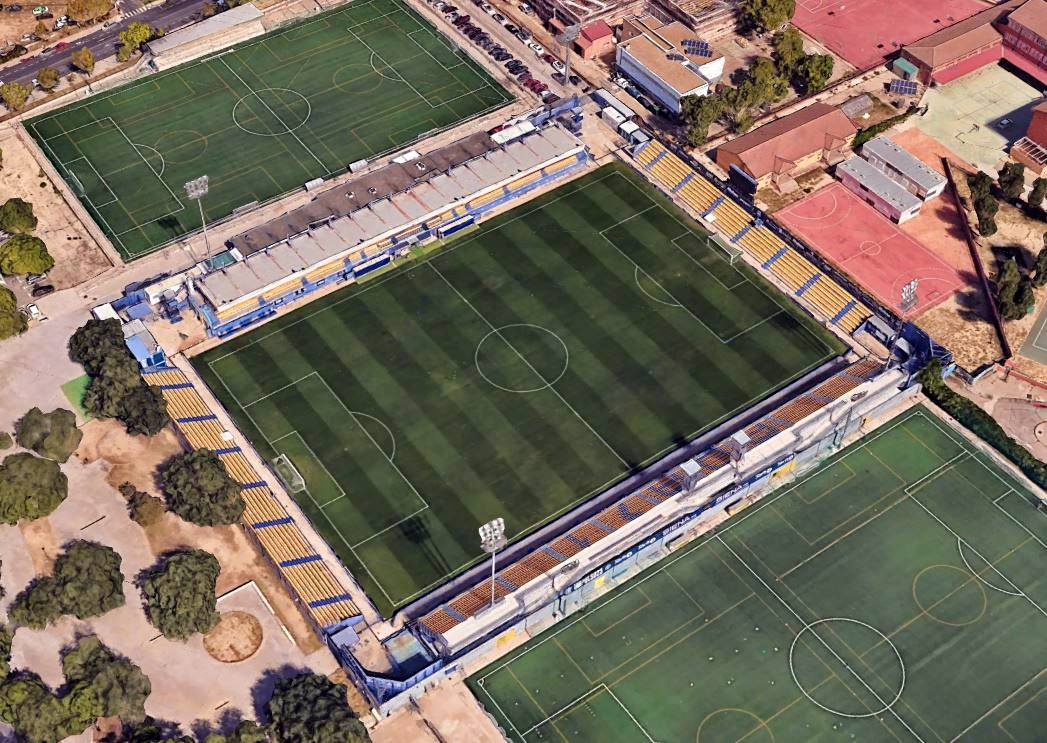
The club has played at the Municipal Santo Domingo since it joined the senior ranks in 1971. Situated to the south of the town centre, it was inaugurated on 9 September 1971 when Atlético Madrid sent a youth team to play the newly formed senior team and won 0-2. Santo Domingo remained very basic for the next 25 years or so, with an open terrace on the west side of the enclosure, repeated on the east side, except for a gap to allow access to the changing facilities that stood behind. The club continued to play on a dirt pitch well into the 1990s. Santo Domingo was finally rebuilt in 1999, and apart from a couple of additions, the layout remained essentially unchanged for the next 25 years. The main feature is a raised cantilevered stand that runs down the west side of the stadium, which features six rows of seats above the club’s changing and media facilities. During the summer of 2010, the municipality spent €3 million on increasing the capacity and improving the infrastructure of the stadium. New yellow seats were installed throughout the stadium, and the open seating at either end was extended by the addition of three rows at the rear. A full-length temporary extension was also added to the east side of the ground. However, even with those extensions, Santo Domingo had the smallest capacity in La Segunda of 5,100.

The 2011-12 season saw Alcorcón go from strength to strength, and despite one of the smallest budgets in La Segunda, the club finished the regular season in fourth place, qualifying for the end-of-season playoffs. Here they saw off Hércules CF in the semi-final, before losing to Real Valladolid in the final. Alcorcón had ambitions off the pitch as well. Plans were approved for the redevelopment of the stadium, which would take the capacity to 12,000, but a change in leadership at the local government level and reprioritising of the municipal funds meant that the rebuild was shelved. The summer of 2014 did see changes to the eastern side of Santo Domingo. The rear rows of temporary seats were removed and replaced with a permanent upper tier, featuring seven rows of seats, although the capacity remained unchanged at 5,100. In 2021, plans were proposed for a €3 million redevelopment of the stadium, which would have included a cover over all areas of the stadium. Following relegation, these were scaled back; however, work was completed upgrading the stadium’s floodlights in 2024. Planned work in 2025 should see improvement to spectator amenities, bar & food outlets and access to the stadium.

On the pitch, results began to tail off, and after 12 seasons in La Segunda, the club was relegated at the end of the 2021-22 season. Alcorcón bounced back immediately, finishing second in the Primera Federación and overcoming Real Sociedad B & CD Castellón in the playoffs. Unfortunately, it was not the start of a second era of Alcorcón out-punching its opponents in the second tier, as the club was relegated back to the Primera Federación after one season. The 2024-25 season brought with it genuine fears of a second successive relegation, with the club occupying a place in the relegation zone for much of the campaign. However, an upturn in form, particularly at Santo Domingo, saw Alcorcón pull clear of the drop zone and finish tenth.
Can Alcorcón recreate their remarkable decade in the second tier? Well, promotion back to La Segunda is certainly possible, but such is the volatile nature of the Primera Federación, a drop to the fourth tier is just as likely.









 Estadios de España